


Search results
Search for "isolation" in Full Text gives 1002 result(s) in Beilstein Journal of Organic Chemistry. Showing first 200.
A Diels–Alder probe for discovery of natural products containing furan moieties
Beilstein J. Org. Chem. 2024, 20, 1001–1010, doi:10.3762/bjoc.20.88
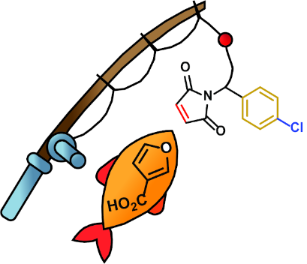
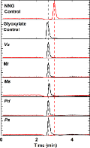
- agar plates (1 mg/L titer or 5 µM). However, this initial isolation was enabled by heterologous expression of their biosynthetic genes from Streptomyces coelicolor to produce higher titers of the MMF molecules compared to the native producer [7]. Given the challenges of isolating furans generally and




Enantioselective synthesis of β-aryl-γ-lactam derivatives via Heck–Matsuda desymmetrization of N-protected 2,5-dihydro-1H-pyrroles
Beilstein J. Org. Chem. 2024, 20, 940–949, doi:10.3762/bjoc.20.84
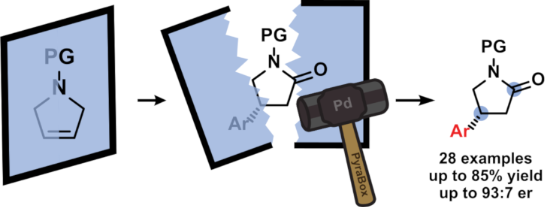
- presence of a methoxy group after the Heck–Matsuda reaction indicates methanolysis after arylation. Given the importance of the lactam rings, we envisioned a sequential Jones oxidation protocol without isolation of the methyl N,O-acetal products to obtain the corresponding lactams 4. As observed in




Direct synthesis of acyl fluorides from carboxylic acids using benzothiazolium reagents
Beilstein J. Org. Chem. 2024, 20, 921–930, doi:10.3762/bjoc.20.82
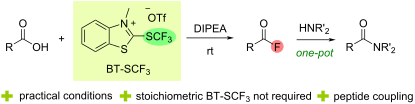
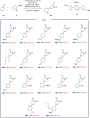
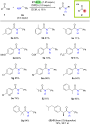
- unreliable isolation of acyl fluoride intermediates, we next considered whether BT-SCF3-mediated deoxyfluorination of carboxylic acids could be coupled with a subsequent acylation in an overall one-pot process. Selecting amines as nucleophilic coupling partners, a short optimisation study was carried out to
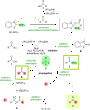
- the optimised one-pot conditions with benzylamine (4a) resulted in the formation of the desired amide product, however, significant by-products were also observed. Careful column chromatography of the crude reaction mixture allowed for the partial isolation and characterisation of the
- , complicating isolation (Scheme 3a). As Boc-deprotection is seemingly feasible under the reaction conditions, to avoid formation of by-product 6, the process was tested using the N-Cbz-valine (1s). Moreover, the BT-SCF3 reagent was substituted for the longer chain BT-reagent BT-SC5F11. The use of this



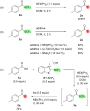
Three-component N-alkenylation of azoles with alkynes and iodine(III) electrophile: synthesis of multisubstituted N-vinylazoles
Beilstein J. Org. Chem. 2024, 20, 891–897, doi:10.3762/bjoc.20.79
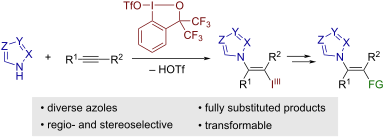
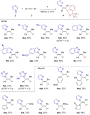
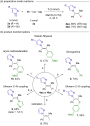
- -membered aromatic azacycles, imidazole completely failed to undergo the present N-alkenylation, whereas the reaction of 1,2,4-triazole was too sluggish to allow for the isolation and unambiguous characterization of the expected product. Next, the reaction of pyrazole (2a) was explored using different



(Bio)isosteres of ortho- and meta-substituted benzenes
Beilstein J. Org. Chem. 2024, 20, 859–890, doi:10.3762/bjoc.20.78
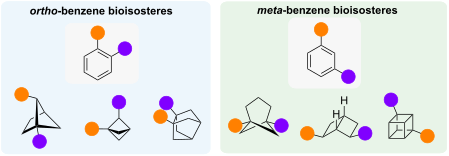
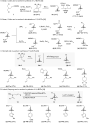
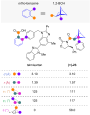
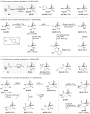
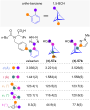
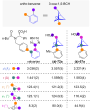
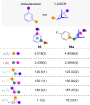
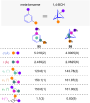
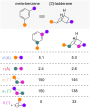
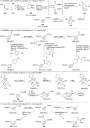
- intramolecular crossed [2 + 2] cycloaddition strategy (Scheme 4C) [36]. They were able to avoid purification by column chromatography by transformation of BCH ester (±)-53 into BCH acid (±)-54, allowing isolation of pure 1,2-BCH (±)-54 by crystallisation. Through their synthesis they were able to access both

















Activity assays of NnlA homologs suggest the natural product N-nitroglycine is degraded by diverse bacteria
Beilstein J. Org. Chem. 2024, 20, 830–840, doi:10.3762/bjoc.20.75
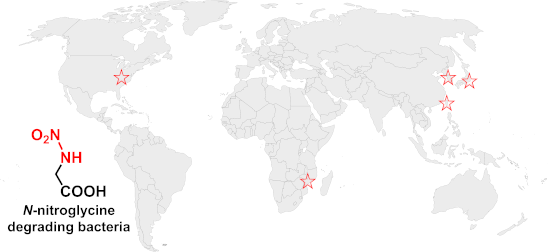
- they are found in bacteria found in widespread classes and environments. Herein, we report the characterization of five NnlA homologs. It is shown that all five homologs exhibited NNG degradation activity. Isolation and characterization of four of these homologs showed that all contain heme, the




Skeletal rearrangement of 6,8-dioxabicyclo[3.2.1]octan-4-ols promoted by thionyl chloride or Appel conditions
Beilstein J. Org. Chem. 2024, 20, 823–829, doi:10.3762/bjoc.20.74
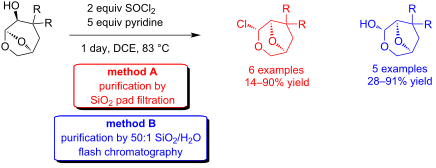
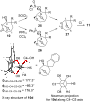
- chiral auxiliary 10a, and following a survey of conditions and isolation protocols, a 90% yield was obtained when 10a was heated in the presence of 2 equivalents of SOCl2 and 5 equivalents of pyridine in DCE. Flash chromatography of the chloroalkyl ether 11a resulted in significant loss due to hydrolysis
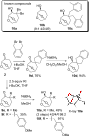
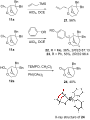
- , although 11a was sufficiently stable for filtration through a pad of silica. Applying these conditions and isolation protocols to all 3,3-disubstituted alcohols 10c–f gave moderate to excellent yields of the rearrangement products 11c–f as single stereoisomers. The reactions of alcohols 10b,d,e also gave
- some sulfites 13b,d,e, attributed to the reduced steric hindrance in the chlorosulfite intermediate allowing for the second alcohol to approach prior to rearrangement. The isolation of these materials suggested that dialkyl sulfite formation could compete with the rearrangement if the neighbouring




Methodology for awakening the potential secondary metabolic capacity in actinomycetes
Beilstein J. Org. Chem. 2024, 20, 753–766, doi:10.3762/bjoc.20.69
- drug discovery. However, it is becoming difficult to obtain novel compounds because of repeated isolation around the world. Therefore, a new strategy for discovering novel secondary metabolites is needed. Many researchers believe that actinomycetes have as yet unanalyzed secondary metabolic activities
- inducing resistance, and this approach has contributed to the isolation of many new compounds [47]. The ribosome engineering method is based on the principle that a mutation in the ribosomal S12 protein, which is associated with the acquisition of antibiotic resistance, activates secondary metabolism. The


New variochelins from soil-isolated Variovorax sp. H002
Beilstein J. Org. Chem. 2024, 20, 692–700, doi:10.3762/bjoc.20.63
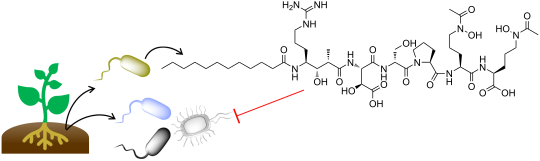
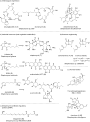
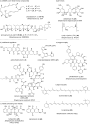
- iron cycle within the rhizosphere. This study focused on exploring the natural products of the soil-isolated Variovorax sp. H002, leading to the isolation of variochelins A–E (1–5), a series of lipohexapeptide siderophores. NMR and MS/MS analyses revealed that these siderophores share a common core
- , including soil-isolated plant pathogens. Results and Discussion Isolation and structure elucidation In this study, we explored the secondary metabolite potential of the soil-isolated Variovorax sp. H002, domesticated from the Medicinal Plant Garden of the Faculty of Pharmaceutical Sciences, Hokkaido
- , suggesting that Variovorax sp. H002 modulates the local rhizosphere microbiome by utilizing variochelins (Table 2). Conclusion In this study, we reported the isolation of new variochelin congeners 3–5, as well as the known variochelins 1 and 2, from soil-isolated Variovorax sp. H002. The lipopeptide


Regioselective quinazoline C2 modifications through the azide–tetrazole tautomeric equilibrium
Beilstein J. Org. Chem. 2024, 20, 675–683, doi:10.3762/bjoc.20.61
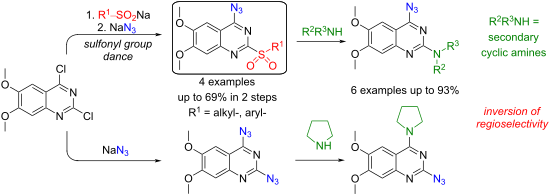
- limited the formation of diazide 13 and significantly elevated the yield of the desired product to 69% over two steps. When other sufinates were employed, the product failed to precipitate, necessitating isolation through preparative HPLC. Quantitative nuclear magnetic resonance (qNMR) yields were


Palladium-catalyzed three-component radical-polar crossover carboamination of 1,3-dienes or allenes with diazo esters and amines
Beilstein J. Org. Chem. 2024, 20, 661–671, doi:10.3762/bjoc.20.59
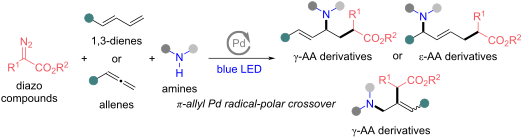
- temperature (rt), the desired unsaturated ε-AA derivative 4a was obtained in 75% isolated yield (Table 1, entry 1). Isolation and NMR analysis demonstrated that this model reaction provided amino acid 4a with good E-selectivity and excellent regioselectivity (E/Z = 91:9, 1,4-/1,2-addition >20:1). Control



Isolation and structure determination of a new analog of polycavernosides from marine Okeania sp. cyanobacterium
Beilstein J. Org. Chem. 2024, 20, 645–652, doi:10.3762/bjoc.20.57
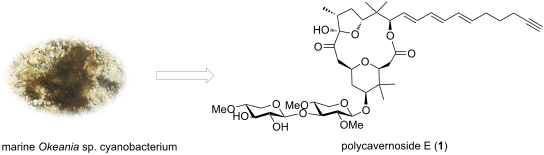
- . Polycavernoside E (1) exhibited moderate antitrypanosomal activity against Trypanosoma brucei rhodesiense. Furthermore, the isolation of polycavernoside E (1) from marine cyanobacteria provides additional evidence that marine cyanobacteria, and not red algae, are responsible for the biosynthesis of
- hexane. The aqueous MeOH portion was purified by reversed-phase column chromatography (ODS silica gel, MeOH/H2O), automated flash chromatography (hexane/EtOAc), and repeated reversed-phase HPLC to give polycavernoside E (1, 0.5 mg as a colorless oil). The isolation of compound 1 was directed by its
- ) [7]. Isolation of polycavernoside E (1) In a manner analogous to [7], the collected cyanobacterium (340 g) was extracted with EtOH (0.5 L) for 10 days at room temperature (rt). The extract was filtered, and the residue was homogenized with a blender and re-extracted with EtOH (0.5 L) at room


HPW-Catalyzed environmentally benign approach to imidazo[1,2-a]pyridines
Beilstein J. Org. Chem. 2024, 20, 628–637, doi:10.3762/bjoc.20.55
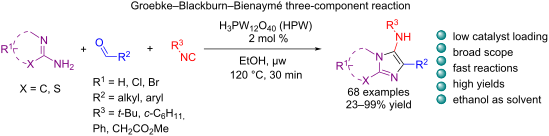
- furnished good results for the HPW-catalyzed GBB-3CR with yields greater than 63% (5m–o). It is always important to point out the limitations of a given method and in our case, we did have some. Purification by column chromatography became necessary since product isolation by precipitation was not effective
- /heteroaromatic and aliphatic aldehydes. Furthermore, the isolation process is simple and there is no need for liquid–liquid extraction. In addition, our methodology showed superior Green Chemistry metrics as compared to some already reported methodologies. Selected examples of commercial drugs containing the




Chemical and biosynthetic potential of Penicillium shentong XL-F41
Beilstein J. Org. Chem. 2024, 20, 597–606, doi:10.3762/bjoc.20.52
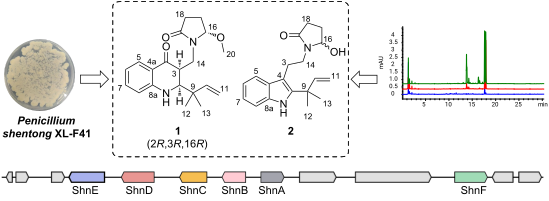
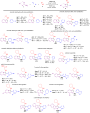
- investigations, accompanied by fermentation media optimization, of a newly isolated fungus, Penicillium shentong XL-F41, led to the isolation of twelve compounds. Among these are two novel indole terpene alkaloids, shentonins A and B (1 and 2), and a new fatty acid 3. Shentonin A (1) is distinguished by an
- , given the application of suitable activation techniques. Results and Discussion Compound isolation and structure elucidation To activate the silent BGCs in Penicillium shentong XL-F41, we conducted small-scale fermentations using various media. Analysis revealed that HPLC peaks, which correspond to
- extract was partitioned between EtOAc and H2O. The EtOAc fraction was chromatographed repeatedly over silica gel and reversed-phase high-performance liquid chromatography (RP-HPLC), resulting in the isolation of pure compounds 1–12 (Figure 2). According to literature reports of known compounds, some of




Entry to new spiroheterocycles via tandem Rh(II)-catalyzed O–H insertion/base-promoted cyclization involving diazoarylidene succinimides
Beilstein J. Org. Chem. 2024, 20, 561–569, doi:10.3762/bjoc.20.48
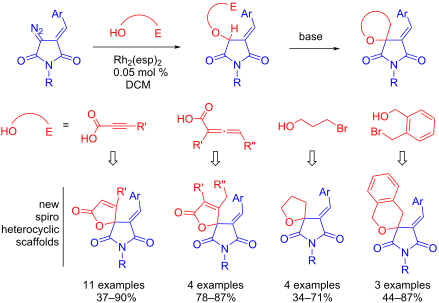
- also in the alpha position of the furanone ring. Reactions with allenic acids 11 were carried out according to a similar scheme, in the one-pot mode, without isolation of OH-insertion intermediates 12 (Scheme 4). In order to accelerate the cyclization step in this case, moderate heating was used after
- previously tested using 3-bromopropanol. When the reaction was carried out in a one-pot format, with the replacement of DCM by acetone, the desired product 5a could only be isolated in moderate yield (52%). In the case of preliminary isolation of the OH-insertion product 16a (flash chromatography), the


A new analog of dihydroxybenzoic acid from Saccharopolyspora sp. KR21-0001
Beilstein J. Org. Chem. 2024, 20, 497–503, doi:10.3762/bjoc.20.44
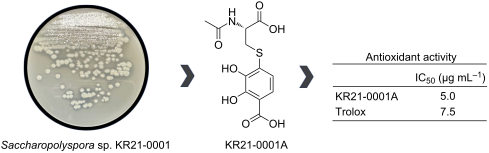
- actinomycetes, with 70% from Streptomyces and the rest from rare actinomycetes (non-Streptomyces) [5]. Rare actinomycetes are defined as actinomycete strains with low isolation rates when compared with the isolation of Streptomyces [6]. Currently, the discovery of new natural compounds is focusing on rare
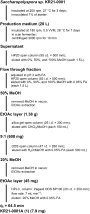
- spectrum, did not match any compound in the Dictionary of Natural Products database (version 32.1). Fermentation, isolation, structural elucidation, and biological activity of 1 are described in the following. Results and Discussion Saccharopolyspora sp. KR21-0001 was isolated from soil in Ōha island
- applied in various industries, such as pharmaceutics, agriculture, and environmental remediation [21][22]. However, the discovery of bioactive compounds from rare actinomycetes comes with challenges, such as the difficulty of isolation from environments. In this study, we searched for new secondary



Pseudallenes A and B, new sulfur-containing ovalicin sesquiterpenoid derivatives with antimicrobial activity from the deep-sea cold seep sediment-derived fungus Pseudallescheria boydii CS-793
Beilstein J. Org. Chem. 2024, 20, 470–478, doi:10.3762/bjoc.20.42
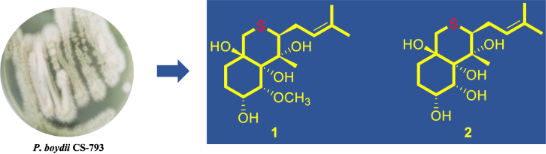
- sesquiterpenoids (1, 2), together with three known related analogs (3–5) [10][11][12][13] have been isolated and identified from the bioactive fraction of P. boydii CS-793. Details of the isolation and purification, structure elucidation, and biological evaluation of compounds 1–5 are described herein. Results and
- Discussion For chemical investigation, the solvent EtOAc was used to extract the fermentation culture of the fungus P. boydii CS-793 to afford an organic extract. Isolation and purification of the crude extract with a combination of column chromatography (CC) by Lobar LiChroprep RP-18, silica gel, Sephadex
- (IOCAS). Fermentation, extraction, and isolation. Fermentation and extraction were performed in a manner analogous to reference [6]. For chemical investigations, rice solid medium containing rice (100 g/flask), peptone from animal (0.3 g/flask), yeast extract (0.5 g/flask), corn steep liquor (0.2 g/flask


Synthesis of 2,2-difluoro-1,3-diketone and 2,2-difluoro-1,3-ketoester derivatives using fluorine gas
Beilstein J. Org. Chem. 2024, 20, 460–469, doi:10.3762/bjoc.20.41
- extraction. Indeed, attempts to grow a single crystal of 5e from a mixture of EtOH and water led to the isolation of the corresponding gem-diol (Figure 3). There are very few examples of organic structures containing a C(OH)2–CF2–C fragment in the CCDC and only three acyclic examples (CSD 5.43 (Nov. 2021


(E,Z)-1,1,1,4,4,4-Hexafluorobut-2-enes: hydrofluoroolefins halogenation/dehydrohalogenation cascade to reach new fluorinated allene
Beilstein J. Org. Chem. 2024, 20, 452–459, doi:10.3762/bjoc.20.40
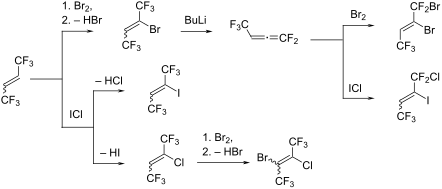
- of stereoisomers in 2:1 ratio. After isolation by distillation, 2,3-dibromo-1,1,1,4,4,4-hexafluorobutane (2) was characterized by 1H, 19F, 13C NMR and mass spectra. We studied the reaction of dibromoalkane 2 with various bases such as DBU, Hünig’s base (iPr2NEt), and potassium hydroxide (Table 1). In
- . The reaction mixture gave a complex mixture, in which (E)-butene 3a was identified as a major component. Product 3a was removed from bulk diglyme in vacuum and after subsequent distillation it was isolated with a yield of 23%. As the isolation of the 2-dehydrobromination products from organic bases
- method it was possible to achieve complete dehydrobromination of (Z)-isomer 3b and isolation of (E)-isomer 3a in pure form in 35% yield (Scheme 2). Unexpectedly the (E)-isomer 3a, upon long-term storage, transforms into the (Z)-isomer 3b. Therefore, we studied the isomerization of olefin 3a in the


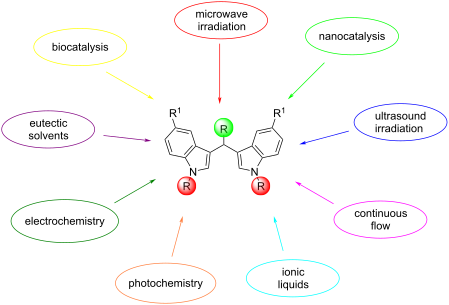
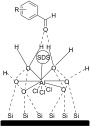
Green and sustainable approaches for the Friedel–Crafts reaction between aldehydes and indoles
Beilstein J. Org. Chem. 2024, 20, 379–426, doi:10.3762/bjoc.20.36




Discovery of unguisin J, a new cyclic peptide from Aspergillus heteromorphus CBS 117.55, and phylogeny-based bioinformatic analysis of UngA NRPS domains
Beilstein J. Org. Chem. 2024, 20, 321–330, doi:10.3762/bjoc.20.32
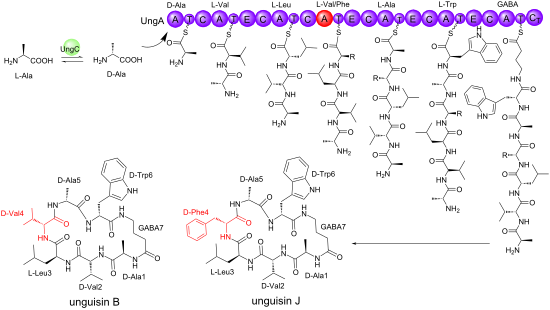
- facilitate release from the NRPS. Of the fungal NRPS studied to date, many appear to have some tolerance for the range of amino acids incorporated by the A domains and the C domain has been highlighted as a gatekeeper [13]. Here, we describe the isolation of unguisin B, and a new congener named unguisin J
- . heteromorphus CBS 117.55 on rice solid medium yielded an organic-soluble extract, which was subjected to fractionation using preparative HPLC-PDA-ELSD and purification by semipreparative HPLC-PDA; this led to the isolation of a new cyclic peptide 1, along with unguisin B (2, Figure 2). The structure of the new
- ). To the best of our knowledge these are the first metabolites reported from A. heteromorphus CBS 117.55. The co-isolation of unguisins B and J indicates that module 4 of the NRPS is able to accept two different amino substrates and so may possess subtle differences to UngA from A. violaceofuscus CBS


Catalytic multi-step domino and one-pot reactions
Beilstein J. Org. Chem. 2024, 20, 254–256, doi:10.3762/bjoc.20.25
- because they are time-saving, waste-reducing, and atom efficient [1][2][3][4][5][6]. These efficient and straightforward synthetic methods make the isolation and purification of intermediate products after each reaction step superfluous, thereby drastically reducing the number of workup and purification

Substitution reactions in the acenaphthene analog of quino[7,8-h]quinoline and an unusual synthesis of the corresponding acenaphthylenes by tele-elimination
Beilstein J. Org. Chem. 2024, 20, 243–253, doi:10.3762/bjoc.20.24
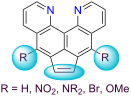
- several minutes with a good yield (Scheme 4). The spectral data fully confirmed the purity and asymmetric structure of product 11. It should be emphasized that the isolation and purification of nitro compounds 10 and 11 is complicated by their low solubility in traditional organic solvents, sensitivity to
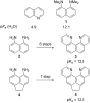
- difficult to purify compound 8. At the same time, isolation of the new product 8 turned out to be more convenient on using the simple KOH/EtOH system. These conditions did not affect the yield of acenaphthylene 8 (Scheme 9). Compound 8 possesses fluorescence in solutions and the solid state both as the base





Photochromic derivatives of indigo: historical overview of development, challenges and applications
Beilstein J. Org. Chem. 2024, 20, 228–242, doi:10.3762/bjoc.20.23
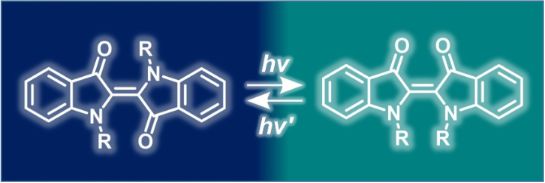
- forward and backward isomerization of N,N'-diacetylindigo (9a) in toluene without isolation of the Z-form [49]. The Fischer method remains relevant up to date and is frequently used for the characterization of the photoinduced forms of various indigoid photoswitches [50][51][52][53][54]. To assess an

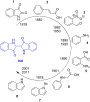


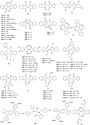


Synthesis of the 3’-O-sulfated TF antigen with a TEG-N3 linker for glycodendrimersomes preparation to study lectin binding
Beilstein J. Org. Chem. 2024, 20, 173–180, doi:10.3762/bjoc.20.17
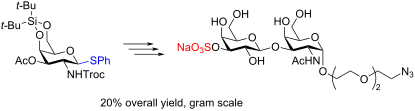
- , led to isolation of a mixture of 2 and a tin-related impurity (n-butyl chain evident by NMR). Acetylation of this material followed by flash chromatography proved ineffective in removing the unwanted entity. To overcome this problem, flash chromatography was performed before stirring with the ion





