


Search results
Search for "DNA" in Full Text gives 410 result(s) in Beilstein Journal of Organic Chemistry. Showing first 200.
Nanangenines: drimane sesquiterpenoids as the dominant metabolite cohort of a novel Australian fungus, Aspergillus nanangensis
Beilstein J. Org. Chem. 2019, 15, 2631–2643, doi:10.3762/bjoc.15.256
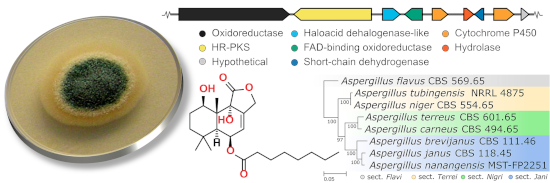
- and bioinformatic analysis Genomic DNA was extracted from A. nanangensis (see Supporting Information File 1) and sent to the Australian Genome Research Facilities for de novo genome sequencing using Illumina HiSeq 2000. A draft genome assembly of A. nanangensis was obtained using SPAdes v3.13.0 via
- nanangenines A–C and G. Acknowledgements We thank Dr Matthew McKay (MQ) and Dr Nick Proschogo (USyd) for acquisition of HRMS data, Dr Ian Luck (USyd) for acquisition of preliminary NMR data and Si Shu (UWA) for preparation of genomic DNA for genome sequencing. This work was funded, in part, by the Australian


AgNTf2-catalyzed formal [3 + 2] cycloaddition of ynamides with unprotected isoxazol-5-amines: efficient access to functionalized 5-amino-1H-pyrrole-3-carboxamide derivatives
Beilstein J. Org. Chem. 2019, 15, 2623–2630, doi:10.3762/bjoc.15.255

- catalyst, mild reaction conditions, simple operation and product purification. Notably, the core skeleton of these products is the substructure of many biologically active molecules. For example (Figure 1), compound 1 has significant activities as DNA-cleaving agent [39] and sangivamycin 2 has been in


α,ß-Didehydrosuberoylanilide hydroxamic acid (DDSAHA) as precursor and possible analogue of the anticancer drug SAHA
Beilstein J. Org. Chem. 2019, 15, 2524–2533, doi:10.3762/bjoc.15.245

- Table 5. Thus, FITC–Annexin V/PI FCM and LDH assays (vide supra) both supported higher percentage of apoptosis in comparison to the negligible necrosis in HeLa cells treated with 11b. Fluorescence microscopic images of Hela cells using different staining techniques and DNA ladder formation Hela cells
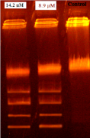
- (Figure 6 middle panel). One of the later steps in apoptosis is ultimately the DNA fragmentation, a process which results from the endonuclease activation during apoptosis. Hence, we further characterized the apoptotic phenomena in HeLa cells by the formation of comet tails (Figure 6, lower panel) and DNA
- gel electrophoresis (Figure 7). Apoptotic hallmark of chromosomal DNA laddering was clearly evident in HeLa cells, treated with different doses of the compound as compared to untreated cells. Thus these two assays comet formation and DNA laddering indicated DNA damage during the apoptotic induction


In search of visible-light photoresponsive peptide nucleic acids (PNAs) for reversible control of DNA hybridization
Beilstein J. Org. Chem. 2019, 15, 2500–2508, doi:10.3762/bjoc.15.243
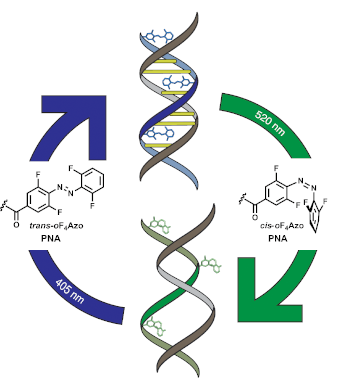
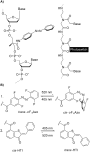
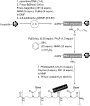
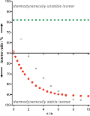
- targets without causing a permanent knockout. During the last years, the pioneering structural studies of reversible photoregulation of DNA/RNA duplex stability of Asanuma and Komiyama [16][17] have become functional ones, affecting DNA/RNA cleavage [18][19][20], transcription [21][22][23], and
- been employed. In vivo application demands the development of a new generation of artificial agents to target DNA/RNA-associated processes. These compounds must be able to maintain their specificity and effectivity while still being nuclease resistant, nontoxic and susceptible to light of tissue
- -penetrating wavelengths. Peptide nucleic acids (PNAs) [31] are synthetic nucleic acid analogues, in which nucleobases are linked to a repeating N-(2-aminoethyl)glycine polyamide backbone. The lack of phosphate groups provides them with both higher binding affinities to complementary DNA or RNA sequences and



Reversible switching of arylazopyrazole within a metal–organic cage
Beilstein J. Org. Chem. 2019, 15, 2398–2407, doi:10.3762/bjoc.15.232
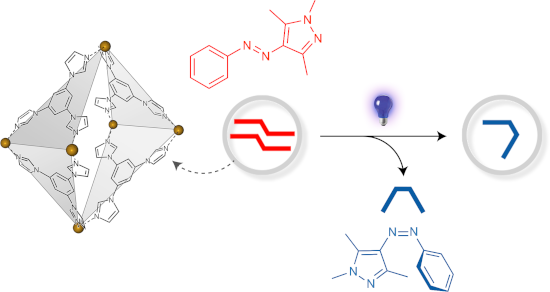
- interfaces [1][2][3], in self-assembled cages [4][5][6][7], on DNA chains [8], and on the surfaces of inorganic nanoparticles [9][10]. Additionally, nanosized cages can induce preorganization of the encapsulated species, thus inducing unusual regioselectivities in various chemical reactions [11][12][13]. The
- selectivity [35][36][37][38][39][40]. Consequently, arylazopyrazoles have been employed as photoresponsive gelators [41] and adhesives [42] and for controlling antimicrobial response [43][44], cell adhesion to surfaces [45], as well as DNA [46] and microtubule [47] self-assembly using light. Here, we focused


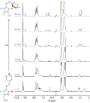
![[Graphic 1]](/bjoc/content/inline/1860-5397-15-232-i3.svg?max-width=637&scale=1.18182) 2 (500 MHz, D2O, 298 K).
2 (500 MHz, D2O, 298 K).




Isolation of fungi using the diffusion chamber device FIND technology
Beilstein J. Org. Chem. 2019, 15, 2191–2203, doi:10.3762/bjoc.15.216
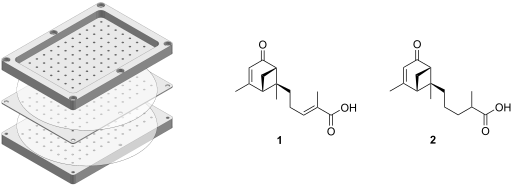
- additionally identified by DNA sequencing. In total, experiments 1–4 led to 76 fungal isolates (41 fungi in experiment 1, 1 fungus in experiment 2, 1 fungus in experiment 3 and 33 fungi in experiment 4). All fungal cultures were obtained in single isolation steps directly via the FIND procedure and found to be
- comparison (BLAST) of DNA sequences (ITS1, ITS2, 18S, 5.8S, 28S, RPBII, tef1α and β-tubulin) with reference sequences deposited in public databases (GenBank) and microscopical analysis of morphological characteristics, identified 12 ascomycetes from 12 different genera. Except for Scopulariopsis brevicaulis
- microorganisms (BCCM/IHEM, Brussels) by extracting DNA using their usual protocols and genomic DNA extraction kits and generation of partial sequences of DNA loci using standard primers of ITS1, ITS2, ITS4, 5.8S, RPBII, tef1α and β-tubulin. Digitalized and formatted DNA sequences were compared to reference


Genome mining in Trichoderma viride J1-030: discovery and identification of novel sesquiterpene synthase and its products
Beilstein J. Org. Chem. 2019, 15, 2052–2058, doi:10.3762/bjoc.15.202
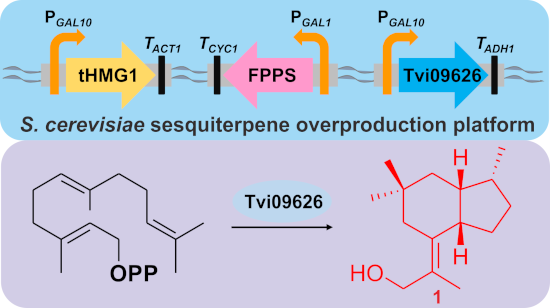
- synthase well-identified with products characterised in T. viride. In vitro analysis of Tvi09626 function To confirm the function of the candidate enzyme, the DNA sequence of Tvi09626 was amplified by touchdown PCR from the T. viride genome. The gene fragment was cloned into a pET28a (+) vector to



Archangelolide: A sesquiterpene lactone with immunobiological potential from Laserpitium archangelica
Beilstein J. Org. Chem. 2019, 15, 1933–1944, doi:10.3762/bjoc.15.189
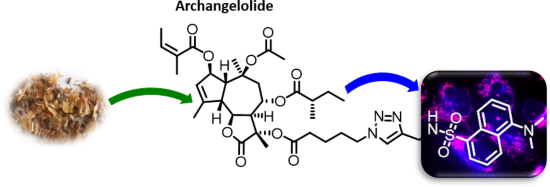
- , the endoplasmic reticulum was visualized by transfection with a plasmid DNA coding mCherry-ER (0.5 µg) using Fugene HD (Promega, USA; DNA/Fugene HD = 1:3). Fluorescence microscopy The intracellular localization of compound 5 was studied by real-time live-cell fluorescence microscopy using an inverse




Identification of optimal fluorescent probes for G-quadruplex nucleic acids through systematic exploration of mono- and distyryl dye libraries
Beilstein J. Org. Chem. 2019, 15, 1872–1889, doi:10.3762/bjoc.15.183
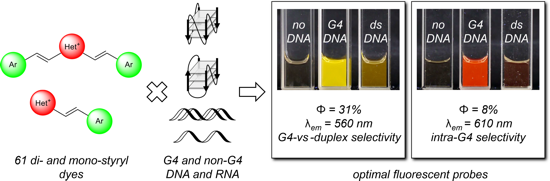
- cationic dyes was synthesized and investigated with respect to their optical properties, propensity to aggregation in aqueous medium, and capacity to serve as fluorescence “light-up” probes for G-quadruplex (G4) DNA and RNA structures. Among the 61 compounds, 57 dyes showed preferential enhancement of
- fluorescence intensity in the presence of one or another G4-DNA or RNA structure, while no dye displayed preferential response to double-stranded DNA or single-stranded RNA analytes employed at equivalent nucleotide concentration. Thus, preferential fluorimetric response towards G4 structures appears to be a
- ] or its 4-isomer, as optimal fluorescent light-up probes characterized by high fluorimetric response (I/I0 of up to 550-fold), excellent selectivity with respect to double-stranded DNA or single-stranded RNA controls, high quantum yield in the presence of G4 analytes (up to 0.32), large Stokes shift







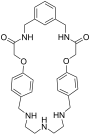
A heteroditopic macrocycle as organocatalytic nanoreactor for pyrroloacridinone synthesis in water
Beilstein J. Org. Chem. 2019, 15, 1505–1514, doi:10.3762/bjoc.15.152
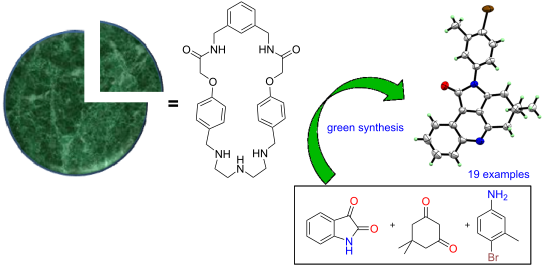
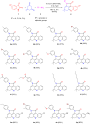
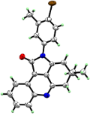
- apoptotic cells, the investigation of the morphology of nuclei, the direct counting of cultivable bacteria, DNA intercalators, etc. [1][2][3][4]. Pyrrole, another biologically active heterocyclic compound, when fused with acridines affords promising bioactive pyrroloacridinone moieties demonstrating






Reversible end-to-end assembly of selectively functionalized gold nanorods by light-responsive arylazopyrazole–cyclodextrin interaction
Beilstein J. Org. Chem. 2019, 15, 1407–1415, doi:10.3762/bjoc.15.140
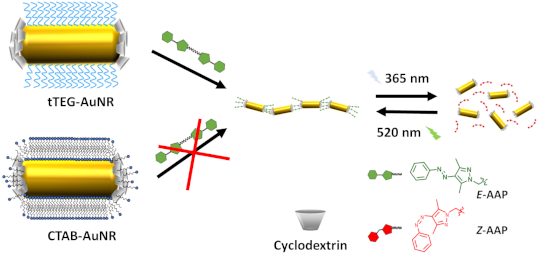
- aggregates can be realized more or less efficiently through various approaches based on supramolecular interactions like metal–metal and π–π interactions [11], DNA mediated [12] or by host–guest chemistry [13]. Most of these approaches require selective functionalization of the ends of the AuNR and take


Anomeric sugar boronic acid analogues as potential agents for boron neutron capture therapy
Beilstein J. Org. Chem. 2019, 15, 1355–1359, doi:10.3762/bjoc.15.135
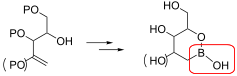
- or DNA ligands [4][5]. In the frame of a more general research program, we have recently published the synthesis of boronic acids derivatives of monosaccharides in which one of the sugar hydroxy groups is substituted by a boronic acid moiety [6]. A related approach has been described [7] recently


Genomics-inspired discovery of massiliachelin, an agrochelin epimer from Massilia sp. NR 4-1
Beilstein J. Org. Chem. 2019, 15, 1298–1303, doi:10.3762/bjoc.15.128
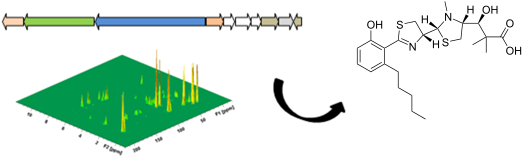
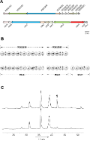
- , unveiled the genetic basis of its biosynthesis. Results and Discussion The micacocidin-type BGC from Massilia sp. NR 4-1 and its enzymatic assembly line are depicted in Figure 1A and 1B. The gene cluster covers 34.7 kbp of contiguous DNA and includes ten genes (RS02190-RS02235), of which seven have


Phylogenomic analyses and distribution of terpene synthases among Streptomyces
Beilstein J. Org. Chem. 2019, 15, 1181–1193, doi:10.3762/bjoc.15.115
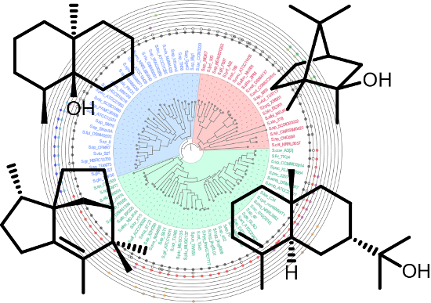
- S5 in Supporting Information File 1. Molecular evolution analysis The coding DNA sequence (CDS) of the three terpene synthase genes (coding for geosmin synthases, 2-MIB synthases and epi-isozizaene synthases) in the 93 Streptomyces species were collected and aligned with Mafft version 7.313 using



Electrophilic oligodeoxynucleotide synthesis using dM-Dmoc for amino protection
Beilstein J. Org. Chem. 2019, 15, 1116–1128, doi:10.3762/bjoc.15.108
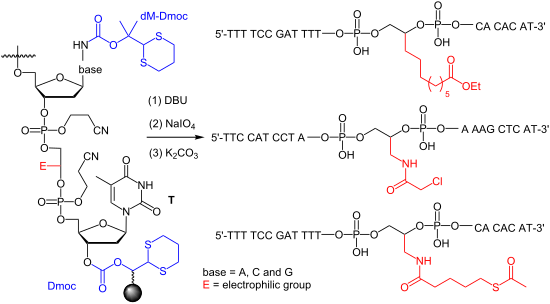
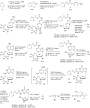
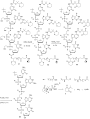
- instability of the adduct under acidic conditions during ODN synthesis [7]. In recent years, applications of ODNs have extended to emerging areas such as nanotechnology [8][9], antisense drug development [10][11][12], DNA damage and repair [13][14], DNA methylation and demethylation [15][16][17][18], DNA
- –protein interactions [19][20], CRISPR genome editing [21][22][23], DNA data storage [24][25], synthetic biology [26], bioconjugation [27] and others [28][29][30]. These applications frequently require modified ODNs that contain a wide variety of functional groups including those that cannot survive known
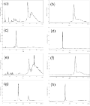
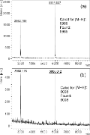
- MerMade 6 DNA/RNA synthesizer. The dT-Dmoc-CPG (4) was used as the solid support. Detritylation was carried out under standard conditions suggested by the synthesizer manufacturer for 1 µmol synthesis. The 0.1 M acetonitrile solutions of phosphoramidite monomers 3a–c and the commercially available 5'-DMTr





Photochemical generation of the 2,2,6,6-tetramethylpiperidine-1-oxyl (TEMPO) radical from caged nitroxides by near-infrared two-photon irradiation and its cytocidal effect on lung cancer cells
Beilstein J. Org. Chem. 2019, 15, 863–873, doi:10.3762/bjoc.15.84
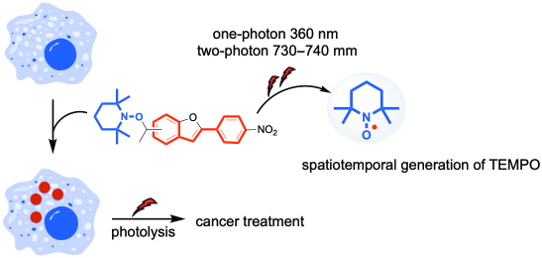
- strong DNA-damaging activity [65], they play important roles as anticancer therapeutic agents [66]. Among the free radicals, nitroxides including the TEMPO radical have unique properties, where they can act not only as radical scavengers, but also as anticancer agents [67]. Due to the unique properties






An improved synthesis of adefovir and related analogues
Beilstein J. Org. Chem. 2019, 15, 801–810, doi:10.3762/bjoc.15.77
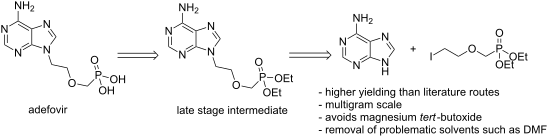
- cause nephrotoxicity [7]. The mode of action of adefovir has been widely studied and involves the inhibition of viral replication by the termination of DNA synthesis [8][9][10]. Although adefovir was described in 1986 for the first time by Holý, De Clercq and co-workers, it is still actively employed in


Synthesis and fluorescent properties of N(9)-alkylated 2-amino-6-triazolylpurines and 7-deazapurines
Beilstein J. Org. Chem. 2019, 15, 474–489, doi:10.3762/bjoc.15.41
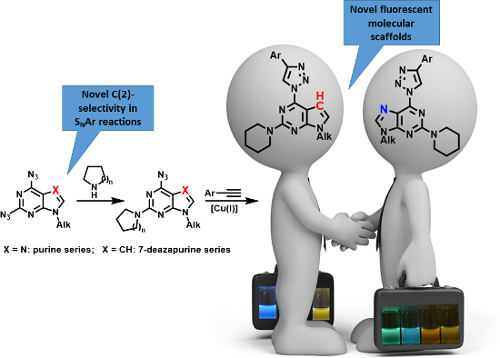
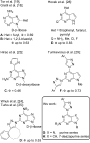
- for this type of molecules. Traditionally, fluorescent purine nucleoside analogs were recognized as valuable fluorescent probes for DNA and RNA research [17]. This paved a way for development of various adenosine and guanosine analogs which in many cases contained an additional substituent at C(8
- ] have been actively studied for their fluorescent properties. Among others, also azole containing compounds of type E [28] and F [29] have been described. Similarly, to purine derivatives also 7-deazapurines are used in DNA labeling [30]. On the other hand, modified purines have found also applications
- in the cytoplasm. The representative fluorescent image of the labeled MCF-7 cells with compound 9 is shown in Figure 8 (for other examples see Figure S82 in Supporting Information File 1). Based on the recent investigation of metabolic labelling of DNA [30][56] by deaza-7-ethenyl-2'-deoxyguanosine




Aqueous olefin metathesis: recent developments and applications
Beilstein J. Org. Chem. 2019, 15, 445–468, doi:10.3762/bjoc.15.39
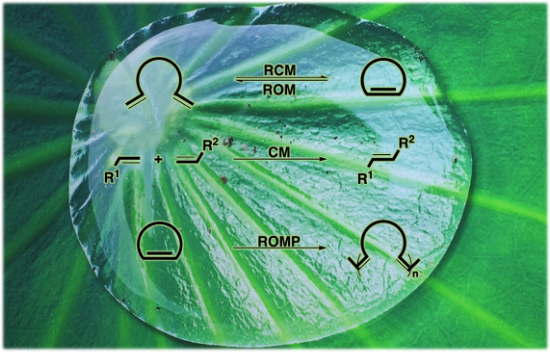
- reactions can be integrated in the toolbox of chemical proteomics. Recently, following a similar strategy, Lu et al. reported on-DNA RCM and CM, an application potentially useful to generate DNA-encoded libraries for hit identification and target validation [90]. Substrates appended to oligonucleotides
- the activities of 7 different DNA-tethered substrates for RCM. Good conversions were achieved in water mixtures (40% t-BuOH) at room temperature after 1 hour of reaction. However, these reactions are not catalytic as they require 150 equivalents of the G-III catalyst. The same conditions were tested
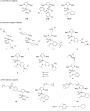
- developed (e.g., protein modification, on-DNA metathesis, directed evolution of artificial metalloenzymes, etc.) and are paving the way to future interesting applications. Some of the most representative catalysts for aqueous metathesis. a) Well-defined ruthenium catalysts. b) Catalysts bearing ammonium




Synthesis, biophysical properties, and RNase H activity of 6’-difluoro[4.3.0]bicyclo-DNA
Beilstein J. Org. Chem. 2019, 15, 79–88, doi:10.3762/bjoc.15.9
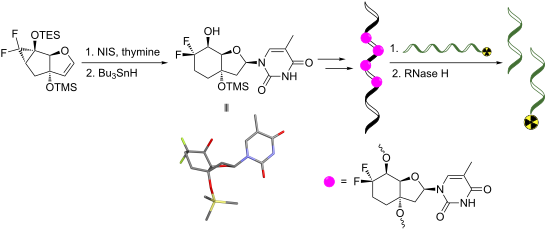
- -DNA (6’-diF-bc4,3-DNA). The difluorinated thymidine phosphoramidite building block was synthesized starting from an already known gem-difluorinated tricyclic glycal. This tricyclic siloxydifluorocyclopropane was converted into the [4.3.0]bicyclic nucleoside via cyclopropane ring-opening through the
- oligonucleotides hybridized to complementary DNA or RNA disclosed a significant destabilization of both duplex types (ΔTm/mod = −1.6 to −5.5 °C). However, in the DNA/RNA hybrid the amount of destabilization could be reduced by multiple insertions of the modified unit. In addition, CD spectroscopy of the
- oligonucleotides hybridized to RNA showed a similar structure than the natural DNA/RNA duplex. Furthermore, since the structural investigation on the nucleoside level by X-ray crystallography and ab initio calculations pointed to a furanose conformation in the southern region, a RNase H cleavage assay was


Selective ring-opening metathesis polymerization (ROMP) of cyclobutenes. Unsymmetrical ladderphane containing polycyclobutene and polynorbornene strands
Beilstein J. Org. Chem. 2019, 15, 44–51, doi:10.3762/bjoc.15.4
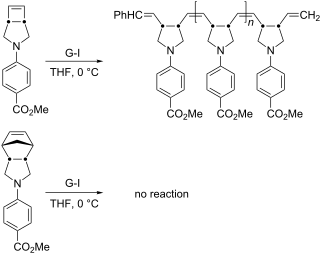
- properties [1][2][3]. To illustrate this, polynorbornenes and polycyclobutenes are readily obtained from the corresponding monomeric norbornene and cyclobutene derivatives under various conditions. Symmetrical DNA-like double stranded ladderphanes are conveniently synthesized from bisnorbornene [4][5][6][7

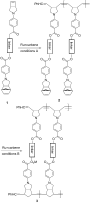
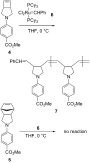


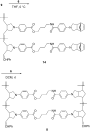
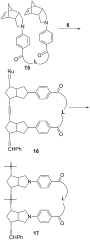

New standards for collecting and fitting steady state kinetic data
Beilstein J. Org. Chem. 2019, 15, 16–29, doi:10.3762/bjoc.15.2
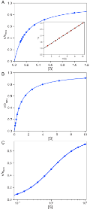
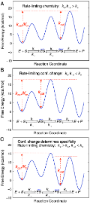
- is so much slower than chemistry, the initial weak substrate binding and the conformational change are the primary determinants of specificity. DNA polymerase fidelity DNA polymerases provide ideal model systems to study enzyme specificity because fidelity is high and physiologically relevant, and
- the alternate substrates are well known. Moreover, it is easy to perform single turnover kinetic measurements to examine steps leading up to the chemical reaction by mixing an enzyme DNA complex with only one nucleoside triphosphate. Recent work on DNA polymerase fidelity has shown that the rate of
- must also define specificity. However, that would be wrong. An additional experiment was required to measure the rate of substrate release using dideoxy-terminated DNA to allow the conformational change but prevent chemistry. This experiment allowed the measurement of the rate of enzyme reopening to



Lectins of Mycobacterium tuberculosis – rarely studied proteins
Beilstein J. Org. Chem. 2019, 15, 1–15, doi:10.3762/bjoc.15.1
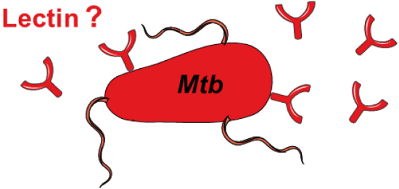
- (T4P) are surface-exposed fibers that mediate many functions in both Gram-positive and Gram-negative bacteria, including motility, adhesion to host cells, biofilm formation, DNA uptake, and protein secretion [120][121][122][123][124][125][126][127][128]. Mtb expresses T4P that appear by electron


Thermophilic phosphoribosyltransferases Thermus thermophilus HB27 in nucleotide synthesis
Beilstein J. Org. Chem. 2018, 14, 3098–3105, doi:10.3762/bjoc.14.289
- ΔEcoRI-B int::(lacI::PlacUV5::T7 gene1) i21 Δnin5. Plasmid vector: pET 23a+, pET 23d+ (Merck Millipore, USA, MA). Enzymes: NdeI, XhoI, NcoI, T4 DNA-ligase (Thermo Scientific, USA, MA), Encyclo-polymerase (Eurogen, Russia). The protein concentration was determined by the Bradford method [17], using BSA as
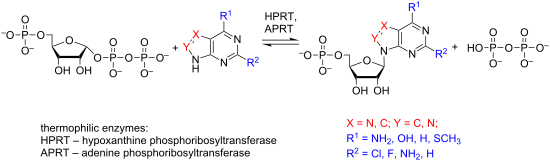
- a standard. Protein purity was determined by electrophoresis in a polyacrylamide gel under denaturing conditions [18]. Cloning and creation of producer strain: Genes TT_RS08985 and TT_RS06315, encoding TthHPRT and TthAPRT, respectively, were amplified on the genomic DNA template of the T


6’-Fluoro[4.3.0]bicyclo nucleic acid: synthesis, biophysical properties and molecular dynamics simulations
Beilstein J. Org. Chem. 2018, 14, 3088–3097, doi:10.3762/bjoc.14.288
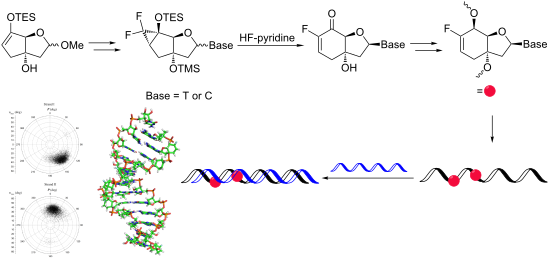
- unsaturated 6’-fluoro[4.3.0]bicyclo nucleotides (6’F-bc4,3-DNA). Two 6’F-bc4,3 phosphoramidite building blocks (T and C) were synthesized starting from a previously described [3.3.0]bicyclic sugar. The conversion of this sugar to a gem-difluorinated tricyclic intermediate via difluorocarbene addition followed
- phosphoramidite building blocks into oligonucleotides was achieved with tert-butyl hydroperoxide as oxidation agent. Thermal melting experiments of the modified duplexes disclosed a destabilizing effect versus DNA and RNA complements, but with a lesser degree of destabilization versus complementary DNA (ΔTm/mod
- = −1.5 to −3.7 °C). Molecular dynamics simulation on the nucleoside and oligonucleotide level revealed the preference of the C1’-exo/C2’-endo alignment of the furanose ring. Moreover, the simulation of duplexes with complementary RNA disclosed a DNA/RNA-type duplex structure suggesting that this





