


Search results
Search for "dichloro-" in Full Text gives 183 result(s) in Beilstein Journal of Organic Chemistry.
N-Heterocyclic carbene–palladium catalysts for the direct arylation of pyrrole derivatives with aryl chlorides
- Ismail Özdemir,
- Nevin Gürbüz,
- Nazan Kaloğlu,
- Öznur Doğan,
- Murat Kaloğlu,
- Christian Bruneau and
- Henri Doucet
Beilstein J. Org. Chem. 2013, 9, 303–312, doi:10.3762/bjoc.9.35

- ) ν(CN): 1477; Anal. calcd for C74H100N4PdBr2: C, 67.75; H, 7.68; N, 4.27; found: C, 67.72; H, 7.64; N, 4.27. cis/trans-Dichloro-bis[1-(3,5-di-tert-butylbenzyl)-3-(2,3,4,5,6-pentamethylbenzyl)benzimidazol-2-ylidene]palladium(II) (4): Yield: 0.27 g, 82%; mp 310–312 °C; 1H NMR (CDCl3, δ) 1.27, 1.29 (s
- (Pd-Ccarbene); IR (cm−1) ν(CN): 1448; Anal. calcd for C54H60N4O4PdBr2: C, 59.21; H, 5.52; N, 5.12; found: C, 59.27; H, 5.54; N, 5.13. cis/trans-Dichloro-bis[1-(2-(2-ethoxy)phenoxyethyl)-3-(4-methylbenzyl)benzimidazol-2-ylidene] palladium(II) (6): Yield: 0.32 g, 66%; mp 235–237 °C; 1H NMR (CDCl3, δ
- ; H, 5.52; N, 5.90; found: C, 63.18; H, 5.50; N, 5.93. cis/trans-Dichloro-bis[1-(2-(2-ethoxy)phenoxyethyl)-3-(3-methoxybenzyl)benzimidazo-2-ylidene]palladium(II) (7): Yield: 0.22 g, 53%; mp 205–207 °C; 1H NMR (CDCl3, δ) 1.43, 1.45 (t, J = 7.0 Hz, 6H, NCH2CH2OC6H4(OCH2CH3)-2), 3.66, 3.75 (s, 6H

Graphical Abstract

Figure 1: Examples of pyrrole-containing bioactive compounds.
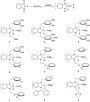
Scheme 1: Synthesis of Pd–NHC complexes.
Reactions of salicylaldehyde and enolates or their equivalents: versatile synthetic routes to chromane derivatives
- Ishmael B. Masesane and
- Zelalem Yibralign Desta
Beilstein J. Org. Chem. 2012, 8, 2166–2175, doi:10.3762/bjoc.8.244

- of salicylaldehyde (5) with dimedone (18) in the presence of a catalytic amount of KF/Al2O3 (Scheme 6) [21]. The reaction is thought to proceed through a Knoevenagel condensation, a Michael addition and an intramolecular cyclization. The reaction was repeated with chloro-, bromo-, dichloro-, dibromo
- of 28% (Scheme 18) [38]. Slightly better yields (33–40%) were achieved when 5-bromo-, 5-chloro- and 3,5-dichloro-substituted salicylaldehydes were employed in the reaction. Ravichandran utilized a classical 1,4-diazabicyclo[2.2.2]octane (DABCO)-catalyzed Baylis–Hillman reaction of salicylaldehyde (5

Graphical Abstract

Scheme 1: Retrosynthetic analysis of chromane 1.

Scheme 2: General reaction of salicylaldehyde (5) and acetophenone (7) in the synthesis of flavan 10 and flav...

Scheme 3: Synthesis of flavan 16 by Xue and co-workers.

Scheme 4: Synthesis of flavans of type 10 by Mazimba and co-workers.

Scheme 5: Sashidhara and co-workers synthesis of flavone (11).

Scheme 6: Synthesis of chromane derivative 19 by Yu-Ling and co-workers.

Scheme 7: Synthesis of 2-iminochromene 21 by Costa and co-workers.

Scheme 8: Synthesis of 2-aminochromene 22 by Costa and co-workers.

Scheme 9: Costa and co-workers used Et3N in the synthesis of 2-aminochromene 24.

Scheme 10: Synthesis of 2-aminochromene 27 by Shanthi and co-workers.

Scheme 11: Enantioselective synthesis of 2-aminochromenes 32–34 by Yang and co-workers.

Scheme 12: Synthesis of 2-iminochromene derivatives of type 36 by Kovalenko and co-workers.

Scheme 13: Synthesis of 2-aminochromenes 22 and 37 by Ghorbani-Vaghei and co-workers.

Scheme 14: Synthesis of 2-aminochromene 39 by Yu and co-workers.

Scheme 15: Synthesis of 2-iminochromene 21 by Heravi and co-workers.

Scheme 16: Tandem reaction of salicylaldehyde and α,β-unsaturated compounds.

Scheme 17: Kawase and co-workers synthesis of 2,2-dimethylchromene 45.

Scheme 18: Synthesis of 2,3-disubstituted chromene 47 by Stukan and co-workers.

Scheme 19: Ravichandrans synthesis of 3-substituted chromenes 52–55.

Scheme 20: Synthesis of 3-substituted chromene 58 coumarin 59 by Paye and co-workers.

Scheme 21: Govender and co-workers asymmetric synthesis of 2-phenylchromenes 62 and 63.

Scheme 22: Asymmetric synthesis of 2-phenylchromene 62 by Li and co-workers.
The chemistry of bisallenes
- Henning Hopf and
- Georgios Markopoulos
Beilstein J. Org. Chem. 2012, 8, 1936–1998, doi:10.3762/bjoc.8.225
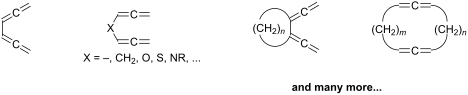
- the product, has also been employed for the preparation of the parent hydrocarbon 2 (Scheme 6). The reduction of 1,6-dichloro-2,4-butadiyne (43) in methanol with a zinc/copper couple furnished the bisallene 2, but also provided at least three other C6H6-isomers, 44–46, requiring extensive
- below). An early reference to the preparation of 3,4-dichloro-1,2,4,5-hexatetraene by Carothers and Coffman requires reinvestigation with modern spectroscopic methods [46][47]. If confirmed, it would not only describe the first preparation of a functionalized bisallene, but also the first representative
- product (Scheme 41), the reaction of 24 with either dichloro (170: R = Cl) or diphenylketene (170, R = phenyl) furnished largely the [2 + 2] cycloadducts 171. Only traces of the Diels–Alder adduct 172 are observed in this case. This example seems to be the only one in which the [2 + 4] and [2 + 2

Graphical Abstract

Figure 1: Loschmidt’s structure proposal for benzene (1) (Scheme 181 from [3]) and the corresponding modern stru...

Figure 2: The first isolated bisallenes.

Figure 3: Carbon skeletons of selected bisallenes discussed in this review.

Scheme 1: The preparation of 1,2,4,5-hexatetraene (2).

Scheme 2: The preparation of a conjugated bisallene by the DMS-protocol.

Scheme 3: Preparation of the 3-deuterio- and 3,4-dideuterio derivatives of 24.

Scheme 4: A versatile method to prepare alkylated conjugated bisallenes and other allenes.

Scheme 5: A preparation of 3,4-dimethyl-1,2,4,5-hexatetraene (38).

Scheme 6: A (C6 + 0)-approach to 1,2,4,5-hexatetraene (2).

Scheme 7: The preparation of a fully alkylated bisallenes from a 2,4-hexadiyne-1,6-diol diacetate.

Scheme 8: The preparation of the first phenyl-substituted conjugated bisallenes 3 and 4.

Scheme 9: Selective hydrogenation of [5]cumulenes to conjugated bisallenes: another (C6 + 0)-route.

Scheme 10: Aryl-substituted conjugated bisallenes by a (C3 + C3)-approach.

Scheme 11: Hexaphenyl-1,2,4,5-hexatetraene (59) by a (C3 + C3)-approach.

Scheme 12: An allenation route to conjugated bisallenes.

Scheme 13: The preparation of 3,4-difunctionalized conjugated bisallenes.

Scheme 14: Problems during the preparation of sulfur-substituted conjugated bisallenes.

Scheme 15: The preparation of 3,4-dibromo bisallenes.

Scheme 16: Generation of allenolates by an oxy-Cope rearrangement.

Scheme 17: A linear trimerization of alkynes to conjugated bisallenes: a (C2 + C2 + C2)-protocol.

Scheme 18: Preparation of a TMS-substituted conjugated bisallene by a C3-dimerization route.

Scheme 19: A bis(trimethylsilyl)bisallene by a C3-coupling protocol.

Scheme 20: The rearrangement of highly substituted benzene derivatives into their conjugated bisallenic isomer...

Scheme 21: From fully substituted benzene derivatives to fully substituted bisallenes.

Scheme 22: From a bicyclopropenyl to a conjugated bisallene derivative.

Scheme 23: The conversion of a bismethylenecyclobutene into a conjugated bisallene.

Scheme 24: The preparation of monofunctionalized bisallenes.

Scheme 25: Preparation of bisallene diols and their cyclization to dihydrofurans.

Scheme 26: A 3,4-difunctionalized conjugated bisallene by a C3-coupling process.

Scheme 27: Preparation of a bisallenic diketone by a coupling reaction.

Scheme 28: Sulfur and selenium-substituted bisallenes by a [2.3]sigmatropic rearrangement.

Scheme 29: The biallenylation of azetidinones.

Scheme 30: The preparation of a fully ferrocenylated conjugated bisallene.

Scheme 31: The first isomerization of a 1,5-hexadiyne to a 1,2,4,5-hexatetraene.

Scheme 32: The preparation of alkynyl-substituted bisallenes by a C3-dimerization protocol.

Scheme 33: Preparation of another completely ferrocenylated bisallene.

Scheme 34: The cyclization of 1,5-hexadiyne (129) to 3,4-bismethylenecyclobutene (130) via 1,2,4,5-hexatetraen...
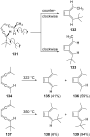
Scheme 35: Stereochemistry of the thermal cyclization of bisallenes to bismethylenecyclobutenes.

Scheme 36: Bisallene→bismethylenecyclobutene ring closures in the solid state.

Scheme 37: A bisallene cyclization/dimerization reaction.

Scheme 38: A selection of Diels–Alder additions of 1,2,4,5-hexatetraene with various double-bond dienophiles.

Scheme 39: The stereochemistry of the [2 + 4] cycloaddition to conjugated bisallenes.

Scheme 40: Preparation of azetidinone derivatives from conjugated bisallenes.

Scheme 41: Cycloaddition of heterodienophiles to a conjugated bisallene.

Scheme 42: Addition of triple-bond dienophiles to conjugated bisallenes.

Scheme 43: Sulfur dioxide addition to conjugated bisallenes.

Scheme 44: The addition of a germylene to a conjugated bisallene.

Scheme 45: Trapping of conjugated bisallenes with phosphinidenes.

Scheme 46: The cyclopropanantion of 1,2,4,5-hexatetraene (2).

Scheme 47: Photochemical reactions involving conjugated bisallenes.

Scheme 48: Base-catalyzed isomerizations of conjugated bisallenes.

Scheme 49: Ionic additions to a conjugated bisallene.

Scheme 50: Oxidation reactions of a conjugated bisallene.
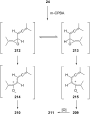
Scheme 51: The mechanism of oxidation of the bisallene 24.

Scheme 52: CuCl-catalyzed cyclization of 1,2,4,5-hexatetraene (2).

Scheme 53: The conversion of conjugated bisallenes into cyclopentenones.

Scheme 54: Oligomerization of a conjugated bisallene by nickel catalysts.
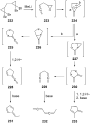
Scheme 55: Generation of 1,2,5,6-heptatetraene (229) as a reaction intermediate.

Scheme 56: The preparation of a stable derivative of 1,2,5,6-heptatetraene.

Scheme 57: A bisallene with a carbonyl group as a spacer element.

Scheme 58: The first preparation of 1,2,6,7-octatetraene (242).

Scheme 59: Preparation of 1,2,6,7-octatetraenes by (C4 + C4)-coupling of enynes.

Scheme 60: Preparation of 1,2,6,7-octatetraenes by (C4 + C4)-coupling of homoallenyl bromides.

Scheme 61: Preparation of 1,2,6,7-octatetraenes by alkylation of propargylic substrates.

Scheme 62: Preparation of two highly functionalized 1,2,6,7-octatetraenes.

Scheme 63: Preparation of several higher α,ω-bisallenes.

Scheme 64: Preparation of different alkyl derivatives of α,ω-bisallenes.

Scheme 65: The preparation of functionalized 1,2,7,8-nonatetraene derivatives.

Scheme 66: Preparation of functionalized α,ω-bisallenes.

Scheme 67: The preparation of an α,ω-bisallene by direct homologation of an α,ω-bisalkyne.

Scheme 68: The gas-phase pyrolysis of 4,4-dimethyl-1,2,5,6-heptatetraene (237).
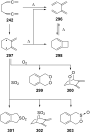
Scheme 69: Gas-phase pyrolysis of 1,2,6,7-octatetraene (242).

Scheme 70: The cyclopropanation of 1,2,6,7-octatetraene (242).

Scheme 71: Intramolecular cyclization of 1,2,6,7-octatetraene derivatives.

Scheme 72: The gas-phase pyrolysis of 1,2,7,8-nonatetraene (265) and 1,2,8,9-decatetraene (266).

Scheme 73: Rh-catalyzed cyclization of a functionalized 1,2,7,8-nonatetraene.

Scheme 74: A triple cyclization involving two different allenic substrates.

Scheme 75: Bicyclization of keto derivatives of 1,2,7,8-nonatetraene.

Scheme 76: The preparation of complex organic compounds from functionalized bisallenes.

Scheme 77: Cycloisomerization of an α,ω-bisallene containing a C9 tether.

Scheme 78: Organoborane polymers from α,ω-bisallenes.

Scheme 79: Preparation of trans- (337) and cis-1,2,4,6,7-octapentaene (341).

Scheme 80: The preparation of 4-methylene-1,2,5,6-heptatetraene (349).

Scheme 81: The preparation of acetylenic bisallenes.

Scheme 82: The preparation of derivatives of hydrocarbon 351.

Scheme 83: The construction of macrocyclic alleno-acetylenes.

Scheme 84: Preparation and reactions of 4,5-bismethylene-1,2,6,7-octatetraene (365).

Scheme 85: Preparation of 1,2-bis(propadienyl)benzene (370).

Scheme 86: The preparation of 1,4-bis(propadienyl)benzene (376).

Scheme 87: The preparation of aromatic and heteroaromatic bisallenes by metal-mediated coupling reactions.

Scheme 88: Double cyclization of an aromatic bisallene.

Scheme 89: Preparation of an allenic [15]paracyclophane by a ring-closing metathesis reaction of an aromatic α...

Scheme 90: Preparation of a macrocyclic ring system containing 1,4-bis(propadienyl)benzene units.

Scheme 91: Preparation of copolymers from 1,4-bis(propadienyl)benzene (376).

Scheme 92: A boration/copolymerization sequence of an aromatic bisallene and an aromatic bisacetylene.

Scheme 93: Formation of a layered aromatic bisallene.

Figure 4: The first members of the semicyclic bisallene series.

Scheme 94: Preparation of the first bis(vinylidene)cyclobutane derivative.
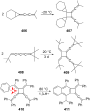
Scheme 95: Dimerization of strain-activated cumulenes to bis(vinylidene)cyclobutanes.

Scheme 96: Photodimerization of two fully substituted butatrienes in the solid state.

Scheme 97: Preparation of the two parent bis(vinylidene)cyclobutanes.

Scheme 98: The preparation of 1,3-bis(vinylidene)cyclopentane and its thermal isomerization.

Scheme 99: The preparation of the isomeric bis(vinylidene)cyclohexanes.

Scheme 100: Bi- and tricyclic conjugated bisallenes.
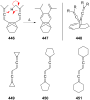
Scheme 101: A selection of polycyclic bisallenes.

Scheme 102: The first endocyclic bisallenes.

Figure 5: The stereochemistry of 1,2,6,7-cyclodecatetraene.

Scheme 103: The preparation of several endocyclic bisallenes.

Scheme 104: Synthesis of diastereomeric derivatives of 1,2,6,7-cyclodecatetraene.

Scheme 105: Preparation of a derivative of 1,2,8,9-cyclotetradecatetraene.

Scheme 106: The preparation of keto derivatives of cyclic bisallenes.

Scheme 107: The preparation of cyclic biscumulenic ring systems.

Scheme 108: Cyclic bisallenes in natural- and non-natural-product chemistry.

Scheme 109: The preparation of iron carbonyl complexes from cyclic bisallenes.

Figure 6: A selection of unknown exocyclic bisallenes that should have interesting chemical properties.

Scheme 110: The thermal isomerization of 1,2-diethynylcyclopropanes and -cyclobutanes.

Scheme 111: Intermediate generation of a cyclooctapentaene.

Scheme 112: Attempted preparation of a cyclodecahexaene.

Scheme 113: The thermal isomerization of 1,5,9-cyclododecatriyne (511) into [6]radialene (514).

Scheme 114: An isomerization involving a diketone derived from a conjugated bisallene.

Scheme 115: Typical reaction modes of heteroorganic bisallenes.

Scheme 116: Generation and thermal behavior of acyclic hetero-organic bisallenes.

Scheme 117: Generation of bis(propadienyl)thioether.

Scheme 118: The preparation of a bisallenic sulfone and its thermal isomerization.

Scheme 119: Bromination of the bisallenic sulfone 535.

Scheme 120: Metalation/hydrolysis of the bisallenic sulfone 535.

Scheme 121: Aromatic compounds from hetero bisallenes.

Scheme 122: Isomerization/cyclization of bispropargylic ethers.

Scheme 123: The preparation of novel aromatic systems by base-catalyzed isomerization of bispropargyl ethers.

Scheme 124: The isomerization of bisacetylenic thioethers to bicyclic thiophenes.

Scheme 125: Aromatization of macrocyclic bispropargylic sulfides.

Scheme 126: Preparation of ansa-compounds from macrocyclic bispropargyl thioethers.

Scheme 127: Alternate route for cyclization of a heterorganic bisallene.
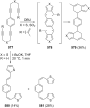
Scheme 128: Multiple isomerization/cyclization of “double” bispropargylic thioethers.

Scheme 129: Preparation of a bisallenyl disulfide and its subsequent bicyclization.

Scheme 130: Thermal cyclization of a bisallenyl thiosulfonate.

Scheme 131: Some reactions of heteroorganic bisallenes with two sulfur atoms.

Scheme 132: Further methods for the preparation of heteroorganic bisallenes.

Scheme 133: Cyclization reactions of heteroorganic bisallenes.

Scheme 134: Thermal cycloadditions of bisallenic tertiary amines.

Scheme 135: Cyclization of a bisallenic tertiary amine in the presence of a transition-metal catalyst.

Scheme 136: A Pauson–Khand reaction of a bisallenic ether.

Scheme 137: Formation of a 2:1adduct from two allenic substrates.

Scheme 138: A ring-forming silastannylation of a bisallenic tertiary amine.

Scheme 139: A three-component cyclization involving a heterorganic bisallene.

Scheme 140: Atom-economic construction of a complex organic framework from a heterorganic α,ω-bisallene.
Influence of cyclodextrin on the solubility of a classically prepared 2-vinylcyclopropane macromonomer in aqueous solution
- Helmut Ritter,
- Jia Cheng and
- Monir Tabatabai
Beilstein J. Org. Chem. 2012, 8, 1528–1535, doi:10.3762/bjoc.8.173
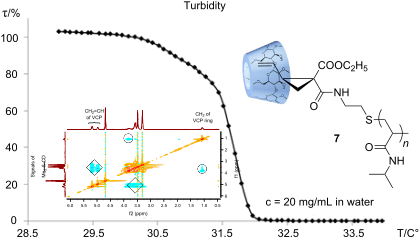
- (4) was synthesized following a procedure described in [32]. Diethyl 2-vinyl-1,1-cyclopropanedicarboxylate could be obtained according to [33] from sodium ethoxide, diethyl malonate and trans-1,4-dichloro-2-butene in ethanol (Scheme 2). The desired macromonomer 5 was prepared in two steps according

Graphical Abstract

Scheme 1: Mechanism of free radical ring-opening polymerization of 2-VCPs (In: initiator) [29-31].

Scheme 2: Synthesis of diethyl 2-vinyl-1,1-cyclopropanedicarboxylate [33].

Scheme 3: Two-step synthesis of the macromonomer 5 (In: Initiator, TEA: triethylamine).

Figure 1: MALDI-TOF MS of amino-terminated poly(NiPAAm) 3.

Figure 2: Optical transmittance of aqueous solutions (c = 20 mg/mL) of 3, 6 und 8 during heating.

Figure 3: 2D ROESY NMR spectrum of a 5/Me2-β-CD deuterated water solution.

Figure 4: Temperature-dependent transparency measurements of aqueous solution of the supramolecular complex 7...

Scheme 4: Homo- and copolymerization of macromonomer 5.
Organocatalytic asymmetric Michael addition of unprotected 3-substituted oxindoles to 1,4-naphthoquinone
- Jin-Sheng Yu,
- Feng Zhou,
- Yun-Lin Liu and
- Jian Zhou
Beilstein J. Org. Chem. 2012, 8, 1360–1365, doi:10.3762/bjoc.8.157
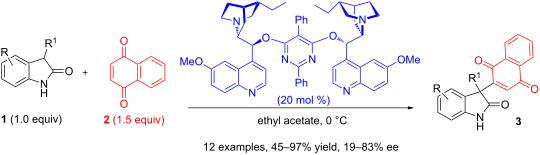
- details, see Supporting Information File 1). Other quinones such as 2,6-dichloro-1,4-benzoquinone and 1,4-benzoquinone were also examined, however, none of them could react with 3-phenyloxindole 1a to give the desired product. While the oxidation product 3 was obtained as the only product from the Michael

Graphical Abstract

Figure 1: Cinchona alkaloid-derived catalysts screened for condition optimization (Table 1).

Scheme 1: A one-pot synthesis of enantioenriched 3,3-diaryloxindoles.
Identification and isolation of insecticidal oxazoles from Pseudomonas spp.
- Florian Grundmann,
- Veronika Dill,
- Andrea Dowling,
- Aunchalee Thanwisai,
- Edna Bode,
- Narisara Chantratita,
- Richard ffrench-Constant and
- Helge B. Bode
Beilstein J. Org. Chem. 2012, 8, 749–752, doi:10.3762/bjoc.8.85
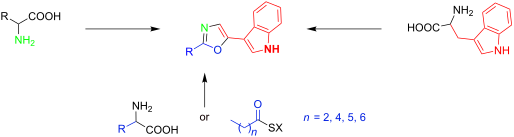
- and 8 were synthesized. Briefly, the respective tryptamine derivatives were formed, which were then oxidized at the alpha-position with the help of 2,3-dichloro-5,6-dicyano-1,4-benzoquinone (DDQ) and cyclized to give the oxazoles by using phosphorylchloride as described [9]. Additionally, three

Graphical Abstract
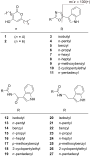
Figure 1: Structures of pseudopyronines A (1) and B (2) and natural oxazoles (3–8) as well as synthetic oxazo...

Figure 2: MS data from strain PB22.5, which was cultivated in [U-13C] and [U-15N] medium background and LB me...

Figure 3: All incorporated biosynthetic precursors of the oxazoles are shown in color. The nitrogen shown in ...
Discovery of practical production processes for arylsulfur pentafluorides and their higher homologues, bis- and tris(sulfur pentafluorides): Beginning of a new era of “super-trifluoromethyl” arene chemistry and its industry
- Teruo Umemoto,
- Lloyd M. Garrick and
- Norimichi Saito
Beilstein J. Org. Chem. 2012, 8, 461–471, doi:10.3762/bjoc.8.53

- , phenylsulfur pentafluoride was prepared by reaction of 1,4-bis(acetoxy)-2-cyclohexene with SF5Br under 250 W sunlamp irradiation, followed by dehydrobromination and then aromatization reactions [36]. A triethylborane-catalyzed reaction of 4,5-dichloro-1-cyclohexene with SF5Cl followed by dehydrochlorination

Graphical Abstract

Scheme 1: Preparation of ArSF4Cl 2.

Scheme 2: Preparation of Ar(SF4Cl)n from Ar(SH)n (n = 2, 3).

Scheme 3: Reaction mechanism for the formation of ArSF4Cl.

Scheme 4: Reaction mechanism for the formation of trans and cis-ArSF4Cl.

Scheme 5: Preparation of ArSF5 with ZnF2.

Scheme 6: Preparation of PhSF5 with anhydrous HF.

Scheme 7: Preparation of 3a with HF–pyridine.

Scheme 8: Preparation of polyfluorinated ArSF5.

Scheme 9: Preparation of aryl bis- and tris(sulfur pentafluorides), Ar(SF5)n (n = 2,3).
Organic synthesis using (diacetoxyiodo)benzene (DIB): Unexpected and novel oxidation of 3-oxo-butanamides to 2,2-dihalo-N-phenylacetamides
- Wei-Bing Liu,
- Cui Chen,
- Qing Zhang and
- Zhi-Bo Zhu
Beilstein J. Org. Chem. 2012, 8, 344–348, doi:10.3762/bjoc.8.38

- obtained, but 2,2-dichloro-N-phenylacetamide was provided as the major product, upon addition of Lewis acids such as FeCl3, ZnCl2 and CuCl2 in the reaction system. Based on this result, we developed a simple and efficient approach to the synthesis of 2,2-dihalo-N-phenylacetamides, on which we report herein
- application of this protocol to synthesize difunctionalized acetamides from 3-oxo-butanamides is reported here for the first time. In order to probe the mechanism of this transformation, we employed 2,2-dichloro-3-oxo-N-phenylbutanamide (1m) and 2,2-dibromo-3-oxo-N-phenylbutanamide (1n) as reactants under
- acidic conditions in the presence of Zn(OAc)2 (Scheme 5), and we found that the reaction can also give the corresponding product 2,2-dichloro-N-phenylacetamide (2a) and 2,2-dibromo-N-phenylacetamide (3a). On the basis of these preliminary results, a mechanistic proposal for this transformation

Graphical Abstract

Scheme 1: Synthesis of 1-carbamoyl-2-oxopropyl acetates.

Scheme 2: Synthesis of 2,2-dihalo-N-phenylacetamides.
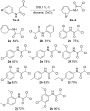
Scheme 3: Synthesis of dichloroacetamides. Reagents and conditions: 1 (1.0 mmol), dioxane (2 mL), DIB (1.3 eq...
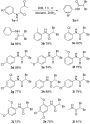
Scheme 4: Synthesis of dibromoacetamides. Reagents and conditions: 1 (1.0 mmol), dioxane (2 mL), DIB (1.3 equ...

Scheme 5: Probe the mechanism.

Scheme 6: Tentative mechanism for the synthesis of 2,2-dihalo-N-phenylacetamides.
Double N-arylation reaction of polyhalogenated 4,4’-bipyridines. Expedious synthesis of functionalized 2,7-diazacarbazoles
- Mohamed Abboud,
- Emmanuel Aubert and
- Victor Mamane
Beilstein J. Org. Chem. 2012, 8, 253–258, doi:10.3762/bjoc.8.26
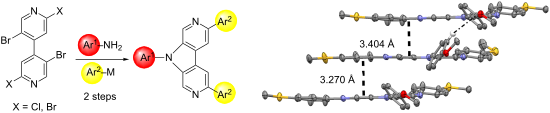
- -diazacarbazole by using a palladium-catalyzed double N-arylation of 4,4’-dichloro-3,3’-bipyridine, itself obtained after a long reaction sequence [25][26][27]. In another patent, an intramolecular Buchwald–Hartwig amination [28][29] was used to generate a 2,7-diazacarbazole derivative in low yield [30]. Recently
- micrOTOFQ. All reagents were used as received. TLC was performed on silica gel plates and visualized with an UV lamp (254 nm). Chromatography was performed on silica gel (70–230 mesh). General procedure for the preparation of 3,6-dichloro-9-aryl-2,7-diazacarbazole 3a–g. Argon was bubbled into a mixture of

Graphical Abstract

Scheme 1: Cross-coupling reactions of bipyridines 2.

Scheme 2: Ligand effect in the double N-arylation of 2a with 6a.

Figure 1: Unsuccessful substrates in the double N-arylation of 2a.

Scheme 3: Functionalization of diazacarbazole 2a.

Scheme 4: Functionalized diazacarbazoles 12a–c from bipyridine 2b.

Figure 2: (a) ORTEP views showing the π–π (dashed lines) and selected C–H···π (dotted-dashed line) interactio...
Laterally substituted symmetric and nonsymmetric salicylideneimine-based bent-core mesogens
- Sonja Findeisen-Tandel,
- Wolfgang Weissflog,
- Ute Baumeister,
- Gerhard Pelzl,
- H. N. Shreenivasa Murthy and
- Channabasaveshwar V. Yelamaggad
Beilstein J. Org. Chem. 2012, 8, 129–154, doi:10.3762/bjoc.8.15
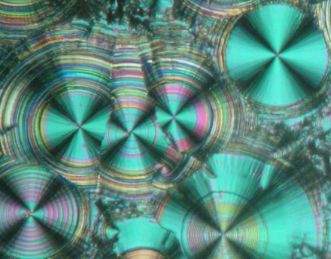
- increase amounts to 69 K for the laterally nonsubstituted compounds H 4a/OH 4a, but is reduced to 33 K for 4,6-dichloro-substituted compounds (see Supporting Information File 1, Table S4). The 4-bromoresorcinol derivative OH 4b (Z = 4-Br) is isomeric to the 4-bromoisophthalic acid ester OH 3b. The texture

Graphical Abstract

Scheme 1: Examples for bent mesogens containing salicylideneimine moieties.

Scheme 2: Synthetic pathway to prepare compounds OH 1.

Figure 1: Polarising optical microscopy images. a) Compound OH 1a: Grainy texture with smectic Schlieren area...

Figure 2: X-ray diffraction pattern of a powderlike sample of OH 1b at 131 °C (inset: Small angle region; low...

Figure 3: Electro-optical behaviour of compound OH 1a: a) current response curve (U = 182 Vpp, f = 30 Hz, T =...

Figure 4: Switching behaviour of compound H 1a, which depends on how quickly the electric field is switched o...
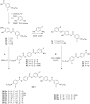
Scheme 3: Reaction pathways to prepare the monosalicylideneaniline compounds OH 2a–j.

Figure 5: Compound OH 2a: Texture of the SmCP phase at 126 °C.

Figure 6: a) 2D X-ray pattern of a surface-aligned sample of compound OH 2a at 128 °C (lower part of the patt...

Figure 7: Electro-optical switching behaviour of compound OH 2a: a) current response (U = 230 Vpp, f = 25 Hz, ...

Scheme 4: Synthetic steps followed to prepare the compounds OH 3 and OH 4.

Figure 8: Optical photomicrographs of compound OH 3a: a) On cooling of the isotropic liquid; c) U = 0 V; b) U...

Figure 9: Electro-optical behaviour of compound OH 3a: a) Current response curve (U = 308 Vpp, f = 35 Hz, T =...

Figure 10: Growth of a fan-shaped texture from lancetlike filaments upon cooling of the isotropic liquid of co...

Figure 11: a) 2D X-ray pattern of a surface-aligned sample of compound OH 3b at 160 °C (lower part of the patt...

Figure 12: Compound OH 3b: Texture of the SmCPA phase in dependence on the polarity of the applied D.C. field.

Figure 13: Compound OH 4b, exhibiting a fan-shaped texture together with a Schlieren texture upon cooling of t...

Figure 14: 2D X-ray diffraction pattern of a partially surface-aligned sample of OH 4b at 115 °C (inset: Small...

Figure 15: Switching behaviour of compound OH 4b at 120 °C: a) Current response curve (U = 116 Vpp, f = 40 Hz, ...

Figure 16: Compound OH 4d: a) Microphotograph of a growing fringe pattern of a SmCP phase upon cooling of the ...

Figure 17: Electro-optical behaviour observed on the fan-shaped texture of compound OH 4d; UD.C. = 47 V; T = 1...

Figure 18: a) 2D X-ray diffraction pattern for a surface-aligned sample of OH 4d at 122 °C on cooling; b) χ-sc...

Scheme 5: Reaction steps employed for the preparation of the compounds OH 5 and OH 6.

Figure 19: Compound OH 5d: Optical photomicrographs of chiral domains at 122 °C; polariser and analyser are un...

Figure 20: Compound OH 5b: a), b) Chiral domains at 175 °C, 0 V, polarisers uncrossed by about ±8° from the 90...

Figure 21: X-ray diffraction patterns of compounds OH 5: a) Pattern of a powderlike sample of compound OH 5g a...

Figure 22: Photomicrographs of compound OH 5f: a) Appearance of spiral filaments on slow cooling of the isotro...

Figure 23: Current response of compound OH 6b exhibiting two repolarisation peaks proving an antiferroelectric...

Figure 24: On cooling the isotropic liquid phase of compound OH 6c; a Schlieren texture together with fringe p...

Figure 25: Electro-optical behaviour of compound OH 6c: a) Current response (UA.C. = 17 V/µm, f = 39 Hz, T = 1...
Natural product biosyntheses in cyanobacteria: A treasure trove of unique enzymes
- Jan-Christoph Kehr,
- Douglas Gatte Picchi and
- Elke Dittmann
Beilstein J. Org. Chem. 2011, 7, 1622–1635, doi:10.3762/bjoc.7.191
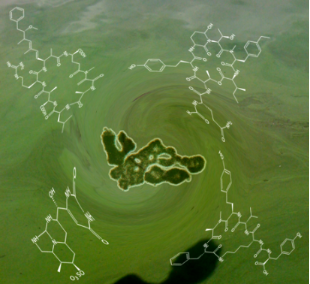
- further encodes a halogenase/ACP didomain protein that is suggested to be responsible for the gem-dichloro group in hectochlorin, HctB. The specifities of the NRPS adenylation domains have been confirmed in vitro [47]. Lyngbyatoxin Lyngbyatoxins 11, produced by Lyngbya majuscula, can cause skin

Graphical Abstract

Figure 1: Cyanobacteria proliferate in diverse habitats. A) Bloom-forming freshwater cyanobacteria of the gen...

Figure 2: Schematic representation of enzymatic domains in A) nonribosomal peptide synthetases (NRPS); B) pol...

Figure 3: Structures of NRPS and PKS products in freshwater cyanobacteria.

Figure 4: A) Synthesis of the Adda ((2S,3S,8S,9S)-3-amino-9-methoxy-2,6,8-trimethyl-10-phenyl-4,6-decadienoic...

Figure 5: Structures of NRPS and PKS products in marine cyanobacteria.

Figure 6: A) Formation of the trichloroleucyl starter unit of barbamide (7) synthesis through the non-heme ir...

Figure 7: Structures of NRPS and PKS products in terrestrial cyanobacteria.

Figure 8: Synthesis of the (2S,4S)-4-methylproline moiety of nostopeptolides A (13).

Figure 9: Structures of cyanobacterial peptides that are synthesized ribosomally and post-translationally mod...

Figure 10: Formation of ester linkages and ω-amide linkage in microviridins 17 by the ATP grasp ligases MvdD a...

Figure 11: Structures of cyanobacterial sunscreen compounds.
Hyperbranched polyethylenimine bearing cyclodextrin moieties showing temperature and pH controlled dye release
- Indra Böhm,
- Susanne Katharina Kreth and
- Helmut Ritter
Beilstein J. Org. Chem. 2011, 7, 1130–1134, doi:10.3762/bjoc.7.130

- modified, hyperbranched polyethylenimine (PEI-CD) was investigated. 5,8-Dichloro-1,4-dihydroxyanthraquinone (AQ-OH) was enclosed simply by ionic attraction between the phenolate groups of AQ-OH and the protonated amino groups of polyethylenimine (PEI). Additionally, the adamantyl moieties of 1,4-bis-N
- heating [25]. For optical visualization of the attachment and release of suitable molecules, two anthraquinone dyes were chosen as model compounds in the present work [26]. Results and Discussion 5,8-Dichloro-1,4-dihydroxyanthraquinone (1) and 1,4-bis-N-adamantylaminoanthraquinone (2) were used as model
- released separately or simultaneous in response to different external stimuli. Conclusion The controlled release of different dyes from a drug delivery system based on hyperbranched polyethylenimine was investigated. The ionic interactions between the PEI scaffold and the hydroxy moieties of 5,8-dichloro
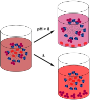
Graphical Abstract

Scheme 1: Preparation of salts and/or complexes 4, 5 and 6.

Figure 1: UV–vis spectra of complex 4 in basic solution (pH 10, t = 0 (blue line), t = 24 h (red line), t = 4...

Figure 2: UV–vis spectra of complex 5 in solution before heating (solid line) and after 30 min of heating at ...

Figure 3: UV–vis spectra of complex 6 in solution (pH 6) before heating (solid line) and after 30 min heating...

Figure 4: UV–vis spectra of complex 6 in basic solution (pH 10) before heating (solid line), after 24 h witho...
Recent developments in gold-catalyzed cycloaddition reactions
- Fernando López and
- José L. Mascareñas
Beilstein J. Org. Chem. 2011, 7, 1075–1094, doi:10.3762/bjoc.7.124
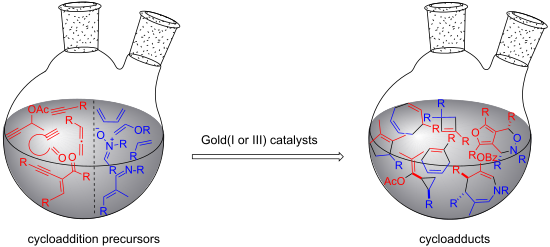
- ethers and alkenes (MOM = methoxymethyl, Scheme 25) [90]. The activation of these allenes by the dichloro(pyridine-2-carboxylato)Au(III) complex Au7 generates an oxocarbenium intermediate XXVII, which undergoes the (3 + 2) annulation with the alkene. The resulting bicyclo[3.1.0] species XXVIII, related

Graphical Abstract

Scheme 1: AuCl3-catalyzed benzannulations reported by Yamamoto.

Scheme 2: Synthesis of 9-oxabicyclo[3.3.1]nona-4,7-dienes from 1-oxo-4-oxy-5-ynes [40].

Scheme 3: Stereocontrolled oxacyclization/(4 + 2)-cycloaddition cascade of ketone–allene substrates [43].

Scheme 4: Gold-catalyzed synthesis of polycyclic, fully substituted furans from 1-(1-alkynyl)cyclopropyl keto...

Scheme 5: Gold-catalyzed 1,3-dipolar cycloaddition of 2-(1-alkynyl)-2-alken-1-ones with nitrones [47].

Scheme 6: Enantioselective 1,3-dipolar cycloaddition of 2-(1-alkynyl)-2-alken-1-ones with nitrones [48].

Scheme 7: Gold-catalyzed 1,3-dipolar cycloaddition of 2-(1-alkynyl)-2-alken-1-ones with α,β-unsaturated imine...

Scheme 8: Gold-catalyzed (4 + 3) cycloadditions of 1-(1-alkynyl)oxiranyl ketones [50].

Scheme 9: (3 + 2) Cycloaddition of gold-containing azomethine ylides [52].

Scheme 10: Gold-catalyzed generation and reaction of azomethine ylides [53].

Scheme 11: Gold-catalyzed intramolecular (4 + 2) cycloadditions of unactivated alkynes and dienes [55].

Scheme 12: Gold-catalyzed preparation of bicyclo[4.3.0]nonane derivatives from dienol silyl ethers [59].

Scheme 13: Gold(I)-catalyzed intramolecular (4 + 2) cycloadditions of arylalkynes or 1,3-enynes with alkenes [60].

Scheme 14: Gold(I)-catalyzed intermolecular (2 + 2) cycloaddition of alkynes with alkenes [62].

Scheme 15: Metal-catalyzed cycloaddition of alkynes tethered to cycloheptatriene [65].

Scheme 16: Gold-catalyzed cycloaddition of functionalized ketoenynes: Synthesis of (+)-orientalol F [68].

Scheme 17: Gold-catalyzed intermolecular cyclopropanation of enynes with alkenes [70].

Scheme 18: Gold-catalyzed intermolecular hetero-dehydro Diels–Alder cycloaddition [72].

Figure 1: Gold-catalyzed 1,2- or 1,3-acyloxy migrations of propargyl esters.

Scheme 19: Gold(I)-catalyzed stereoselective olefin cyclopropanation [74].

Scheme 20: Reaction of propargylic benzoates with α,β-unsaturated imines to give azepine cycloadducts [77].

Scheme 21: Gold-catalyzed (3 + 3) annulation of azomethine imines with propargyl esters [81].

Scheme 22: Gold(I)-catalyzed isomerization of 5-en-2-yn-1-yl acetates [83].

Scheme 23: (3 + 2) and (2 + 2) cycloadditions of indole-3-acetates 41 [85,86].

Scheme 24: Gold(I)-catalyzed (2 + 2) cycloaddition of allenenes [87].

Scheme 25: Formal (3 + 2) cycloaddition of allenyl MOM ethers and alkenes [90].

Scheme 26: (4 + 3) Cycloadditions of allenedienes [97,98].

Scheme 27: Gold-catalyzed transannular (4 + 3) cycloaddition reactions [101].

Scheme 28: Gold(I)-catalyzed (4 + 2) cycloadditions of allenedienes [102].

Scheme 29: Enantioselective gold(I)-catalyzed (4 + 2) cycloadditions of allenedienes [88,102,104].

Scheme 30: (3 + 2) versus (2 + 2) Cycloadditions of allenenes [87,99].

Figure 2: NHC ligands with different π-acceptor properties [106].

Scheme 31: (3 + 2) versus (2 + 2) Cycloadditions of allenenes [106].

Scheme 32: Gold(I)-catalyzed intermolecular (4 + 2) cycloaddition of allenamides and acyclic dienes [109].
Multicomponent reaction access to complex quinolines via oxidation of the Povarov adducts
- Esther Vicente-García,
- Rosario Ramón,
- Sara Preciado and
- Rodolfo Lavilla
Beilstein J. Org. Chem. 2011, 7, 980–987, doi:10.3762/bjoc.7.110
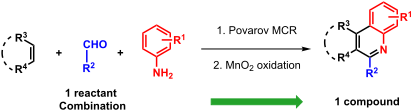
- aromatic species. The literature contains scattered reports of the use of oxidants for this transformation: 2,3-Dichloro-5,6-dicyano-1,4-benzoquinone (DDQ), ceric ammonium nitrate (CAN), nitrobenzene, elemental sulfur, palladium and manganese dioxide among others, all of them far from being ideally suited

Graphical Abstract

Scheme 1: Povarov oxidation access to substituted quinolines.

Scheme 2: Tetrahydroquinoline oxidation.

Scheme 3: Synthesis of the Povarov adducts and their oxidation products.

Figure 1: Optimization of the reaction conditions for the preparation of quinoline 18.

Scheme 4: Oxidation of lactam-fused tetrahydroquinolines 20,20'.
An overview of the key routes to the best selling 5-membered ring heterocyclic pharmaceuticals
- Marcus Baumann,
- Ian R. Baxendale,
- Steven V. Ley and
- Nikzad Nikbin
Beilstein J. Org. Chem. 2011, 7, 442–495, doi:10.3762/bjoc.7.57

Graphical Abstract
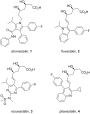
Figure 1: Structures of atorvastatin and other commercial statins.

Figure 2: Structure of compactin.

Scheme 1: Synthesis of pentasubstituted pyrroles.

Scheme 2: [3 + 2] Cycloaddition to prepare 5-isopropylpyrroles.

Scheme 3: Regiospecific [3 + 2] cycloaddition to prepare the pyrrole scaffold.

Scheme 4: Formation of the pyrrole core of atorvastatin via [3 + 2] cycloaddition.

Scheme 5: Formation of pyrrole 33 via the Paal–Knorr reaction.

Scheme 6: Convergent synthesis towards atorvastatin.

Figure 3: Binding pocket of sunitinib in the TRK KIT.

Scheme 7: Synthesis of sunitinib.

Scheme 8: Alternative synthesis of sunitinib.

Scheme 9: Key steps in the syntheses of sumatriptan and zolmitriptan.

Scheme 10: Introduction of the N,N-dimethylaminoethyl side chain.

Scheme 11: Japp–Klingemann reaction in the synthesis of sumatriptan.

Scheme 12: Synthesis of the intermediate sulfonyl chlorides 62 and 63.

Scheme 13: Alternative introduction of the sulfonamide.

Scheme 14: Negishi-type coupling to benzylic sulfonamides.

Scheme 15: Heck reaction used to introduce the sulfonamide side chain of naratriptan.

Scheme 16: Synthesis of the oxazolinone appendage of zolmitriptan.

Scheme 17: Grandberg indole synthesis used in the preparation of rizatriptan.

Scheme 18: Improved synthesis of rizatriptan.

Scheme 19: Larock-type synthesis of rizatriptan.

Scheme 20: Synthesis of eletriptan.

Scheme 21: Heck coupling for the indole system in eletriptan.

Scheme 22: Attempted Fischer indole synthesis of elatriptan.

Scheme 23: Successful Fischer indole synthesis for eletriptan.
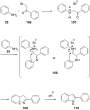
Scheme 24: Mechanistic rationale for the Bischler–Möhlau reaction.

Scheme 25: Bischler-type indole synthesis used in the fluvastatin sodium synthesis.

Scheme 26: Palladium-mediated synthesis of ondansetron.

Scheme 27: Fischer indole synthesis of ondansetron.

Scheme 28: Optimised Pictet–Spengler reaction towards tadalafil.

Figure 4: Structures of carvedilol 136 and propranolol 137.

Scheme 29: Synthesis of the carbazole core of carvedilol.

Scheme 30: Alternative syntheses of 4-hydroxy-9H-carbazole.

Scheme 31: Convergent synthesis of etodolac.

Scheme 32: Alternative synthesis of etodolac.

Figure 5: Structures of imidazole-containing drugs.

Scheme 33: Synthesis of functionalised imidazoles towards losartan.

Scheme 34: Direct synthesis of the chlorinated imidazole in losartan.

Scheme 35: Synthesis of trisubstituted imidazoles.

Scheme 36: Preparation of the imidazole ring in olmesartan.

Scheme 37: Synthesis of ondansetron.

Scheme 38: Alternative route to ondansetron and its analogues.

Scheme 39: Proton pump inhibitors and synthesis of esomeprazole.

Scheme 40: Synthesis of benzimidazole core pantoprazole.

Figure 6: Structure of rabeprazole 194.

Scheme 41: Synthesis of candesartan.

Scheme 42: Alternative access to the candesartan key intermediate 216.

Scheme 43: .Medicinal chemistry route to telmisartan.

Scheme 44: Improved synthesis of telmisartan.

Scheme 45: Synthesis of zolpidem.

Scheme 46: Copper-catalysed 3-component coupling towards zolpidem.

Figure 7: Structure of celecoxib.

Scheme 47: Preparation of celecoxib.

Scheme 48: Alternative synthesis of celecoxib.

Scheme 49: Regioselective access to celecoxib.

Scheme 50: Synthesis of pazopanib.

Scheme 51: Syntheses of anastrozole, rizatriptan and letrozole.

Scheme 52: Regioselective synthesis of anastrozole.

Scheme 53: Triazine-mediated triazole formation towards anastrozole.

Scheme 54: Alternative routes to 1,2,4-triazoles.

Scheme 55: Initial synthetic route to sitagliptin.

Figure 8: Binding of sitagliptin within DPP-IV.

Scheme 56: The process route to sitagliptin key intermediate 280.

Scheme 57: Synthesis of maraviroc.

Scheme 58: Synthesis of alprazolam.

Scheme 59: The use of N-nitrosoamidine derivatives in the preparation of fused benzodiazepines.

Figure 9: Structures of itraconazole, ravuconazole and voriconazole.

Scheme 60: Synthesis of itraconazole.

Scheme 61: Synthesis of rufinamide.

Scheme 62: Representative tetrazole formation in valsartan.

Figure 10: Structure of tetrazole containing olmesartan, candesartan and irbesartan.

Scheme 63: Early stage introduction of the tetrazole in losartan.

Scheme 64: Synthesis of cilostazol.

Figure 11: Structure of cefdinir.

Scheme 65: Semi-synthesis of cefdinir.

Scheme 66: Thiazole syntheses towards ritonavir.

Scheme 67: Synthesis towards pramipexole.

Scheme 68: Alternative route to pramipexole.

Scheme 69: Synthesis of famotidine.

Scheme 70: Efficient synthesis of the hyperuricemic febuxostat.

Scheme 71: Synthesis of ziprasidone.

Figure 12: Structure of mometasone.

Scheme 72: Industrial access to 2-furoic acid present in mometasone.

Scheme 73: Synthesis of ranitidine from furfuryl alcohol.

Scheme 74: Synthesis of nitrofurantoin.

Scheme 75: Synthesis of benzofuran.

Scheme 76: Synthesis of amiodarone.

Scheme 77: Synthesis of raloxifene.

Scheme 78: Alternative access to the benzo[b]thiophene core of raloxifene.

Scheme 79: Gewald reaction in the synthesis of olanzapine.

Scheme 80: Alternative synthesis of olanzapine.
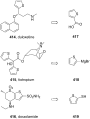
Figure 13: Access to simple thiophene-containing drugs.

Scheme 81: Synthesis of clopidogrel.

Scheme 82: Pictet–Spengler reaction in the preparation of tetrahydrothieno[3,2-c]pyridine (422).

Scheme 83: Alternative synthesis of key intermediate 422.

Figure 14: Co-crystal structures of timolol (left) and carazolol (right) in the β-adrenergic receptor.

Scheme 84: Synthesis of timolol.

Scheme 85: Synthesis of tizanidine 440.

Scheme 86: Synthesis of leflunomide.

Scheme 87: Synthesis of sulfamethoxazole.

Scheme 88: Synthesis of risperidone.

Figure 15: Relative abundance of selected transformations.

Figure 16: The abundance of heterocycles within top 200 drugs (5-membered rings).
Approaches towards the synthesis of 5-aminopyrazoles
- Ranjana Aggarwal,
- Vinod Kumar,
- Rajiv Kumar and
- Shiv P. Singh
Beilstein J. Org. Chem. 2011, 7, 179–197, doi:10.3762/bjoc.7.25
- -trichlorophenyl)pyrazole III has been reported as a potent corticotrophin-releasing factor-1 (CRF-1) receptor antagonist [9]. 5-Amino-1-(2,6-dichloro-4-(trifluoromethyl)phenyl)-4-(3-methoxyphenyl)-3-methylthiopyrazole IV has been described as a potent GABA inhibitor with selectivity towards insect versus
- into 5-amino-1-aryl-4-diethoxyphosphoryl-3-halomethylpyrazoles 110. 2,6-Dichloro-4-trifluoromethylphenylhydrazine undergoes this reaction under more drastic conditions, i.e., prolonged refluxing (16–20 h) in carbon tetrachloride (Scheme 31) [73]. Heterocyclization reactions of trifluoromethylcyanovinyl

Graphical Abstract
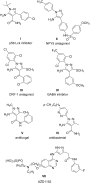
Figure 1: Pharmacologically active 5-aminopyrazoles.

Scheme 1: General equation for the condensation of β-ketonitriles with hydrazines.

Scheme 2: Reaction of hydrazinoheterocycles with α-phenyl-β-cyanoketones (4).

Scheme 3: Condensation of cyanoacetaldehyde (7) with hydrazines.

Scheme 4: Synthesis of 5-aminopyrazoles and their sulfonamide derivatives.

Scheme 5: Synthesis of 5-aminopyrazoles, containing a cyclohexylmethyl- or phenylmethyl- sulfonamido group at...

Scheme 6: Regioselective synthesis of 3-amino-2-alkyl (or aryl) thieno[3,4-c]pyrazoles 19.

Scheme 7: Solid supported synthesis of 5-aminopyrazoles.

Scheme 8: Synthesis of 5-aminopyrazoles from resin supported enamine nitrile 25 as the starting material.
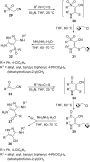
Scheme 9: Two-step “catch and release” solid-phase synthesis of 3,4,5-trisubstituted pyrazoles.

Scheme 10: Synthesis of pyrazolo[5,1-d][1,2,3,5]tetrazine-4(3H)-ones.

Scheme 11: Synthesis of the 5,5-ring system, imidazo[1,2-b]pyrazol-2-ones.

Scheme 12: Synthesis of 5-amino-3-(pyrrol-2-yl)pyrazole-4-carbonitrile.
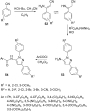
Scheme 13: Synthesis of N-(1,3-diaryl-1H-pyrazol-5-yl)benzamide.

Scheme 14: Synthesis of 3,7-bis(arylazo)-6-methyl-2-phenyl-1H-imidazo[1,2-b]pyrazoles.

Scheme 15: Synthesis of 3,5-diaminopyrazole.

Scheme 16: Synthesis of 5-amino-4-cyanopyrazole and 5-amino-3-hydrazinopyrazole.

Scheme 17: Synthesis of 3,5-diaminopyrazoles with substituted malononitriles.

Scheme 18: Synthesis of 3,5-diamino-4-oximinopyrazole.

Scheme 19: Synthesis of 4-arylazo-3,5-diaminopyrazoles.

Scheme 20: Synthesis of 3- or 5-amino-4-cyanopyrazoles.

Scheme 21: Synthesis of triazenopyrazoles.

Scheme 22: Synthesis of 5(3)-aminopyrazoles.

Scheme 23: Synthesis of 3-substituted 5-amino-4-cyanopyrazoles.

Scheme 24: Synthesis of 2-{[(1-acetyl-4-cyano-1H-pyrazol-5-yl)amino]methylene}malononitrile.

Scheme 25: Synthesis of 5-aminopyrazole carbodithioates and 5-amino-3-arylamino-1-phenylpyrazole-4-carboxamide...

Scheme 26: Synthesis of 5-amino-4-cyanopyrazoles.

Scheme 27: Synthesis of thiazolylpyrazoles.

Scheme 28: Synthesis of 5-amino-1-heteroaryl-3-methyl/aryl-4-cyanopyrazoles.

Scheme 29: Synthesis of 5-amino-3-methylpyrazole-4-carboxamide.

Scheme 30: Synthesis of 4-acylamino-3(5)-amino-5(3)-arylsulfanylpyrazoles.

Scheme 31: Synthesis of 5-amino-1-aryl-4-diethoxyphosphoryl-3-halomethylpyrazoles.

Scheme 32: Synthesis of substituted 5-amino-3-trifluoromethylpyrazoles 114 and 118.

Scheme 33: Solid-support synthesis of 5-N-alkylamino and 5-N-arylaminopyrazoles.

Scheme 34: Synthesis of 5-amino-1-cyanoacetyl-3-phenyl-1H-pyrazole.

Scheme 35: Synthesis of 3-substituted 5-amino-1-aryl-4-(benzothiazol-2-yl)pyrazoles.

Scheme 36: Synthesis of 5-amino-4-carbethoxy-3-methyl-1-(4-sulfamoylphenyl)pyrazole.

Scheme 37: Synthesis of inhibitors of hsp27-phosphorylation and TNFa-release.

Scheme 38: Synthesis of the diglycylpyrazole 142.

Scheme 39: Synthesis of 5-amino-1-aryl-4-benzoylpyrazole derivatives.

Scheme 40: Synthesis of 4-benzoyl-3,5-diamino-1-(2-cyanoethyl)pyrazole.

Scheme 41: Synthesis of the 5-aminopyrazole derivative 150.

Scheme 42: Synthesis of 3,5-diaminopyrazoles 153.

Scheme 43: Synthesis of 5-aminopyrazoles derivatives 155 via lithiated intermediates.

Scheme 44: Synthesis of 5-amino-4-(1,2,4-oxadiazol-5-yl)-pyrazoles 157.

Scheme 45: Synthesis of a 5-aminopyrazole with anticonvulsant activity.

Scheme 46: Synthesis of tetrasubstituted 5-aminopyrazole derivatives.

Scheme 47: Synthesis of substituted 5-aminopyrazoles from hydrazonoyl halides.

Scheme 48: Synthesis of 3-amino-5-phenylpyrazoles from isothiazoles.

Scheme 49: Synthesis of 5-aminopyrazoles via ring transformation.
Heavy atom effects in the Paternò–Büchi reaction of pyrimidine derivatives with 4,4’-disubstituted benzophenones
- Feng-Feng Kong,
- Jian-Bo Wang and
- Qin-Hua Song
Beilstein J. Org. Chem. 2011, 7, 113–118, doi:10.3762/bjoc.7.16
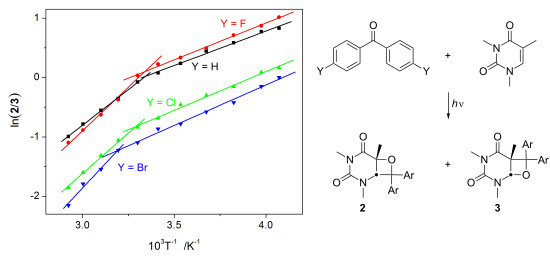
- (DMT) and 1,3-dimethyluracil (DMU) with benzophenone (1b) and some 4,4’-disubstituted derivatives (dimethoxy (1a), difluoro (1c), dichloro (1d), dibromo (1e) and dicyano benzophenone (1f)) that gives rise to two regioisomeric oxetanes, 2 and 3. The regioselectivity (the ratio of 2/3) decreased

Graphical Abstract

Scheme 1: The Paternò–Büchi reaction of DMT/DMU with benzophenones to generate two regioisomeric photoproduct...

Figure 1: The yield and the ratio of 2/3 at different reaction times in the Paternò–Büchi reaction of DMT wit...

Figure 2: Eyring plots for the photoreaction of DMT with compounds 1b–e.

Scheme 2: The formational processes of two regioisomers in the Paternò–Büchi reaction of DMT/DMU with benzoph...
Synthesis of Ru alkylidene complexes
- Renat Kadyrov and
- Anna Rosiak
Beilstein J. Org. Chem. 2011, 7, 104–110, doi:10.3762/bjoc.7.14
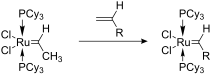
- -Diazabicyclo[5.4.0]undec-7-ene (3.3 mL, 22 mmol) and tricyclohexylphosphine (6.17 g, 22 mmol) were added under an argon atmosphere to a suspension of dichloro(1,5-cyclooctadiene)ruthenium(II) (2.8 g, 10 mmol) in isopropanol (100 mL). The resulting mixture was heated at reflux for 2 h. THF (150 mL) was added to
- dichloro(1,5-cyclooctadiene)ruthenium(II) (660 mg, 2.35 mmol) in isopropanol (20 mL). The mixture was heated at reflux under an argon atmosphere for 1 h. Toluene (24 mL) was added to the resulting brick-red suspension and the mixture heated for further 30 min at reflux and then allowed to cool to 5–10 °C
- -7-ene (0.75 mL, 52 mmol) and 20% solution of tricyclohexylphosphine in toluene (7.7 mL, 5.9 mmol) were added under an argon atmosphere to a suspension of dichloro(1,5-cyclooctadiene)ruthenium(II) (660 mg, 2.35 mmol) in isopropanol (20 mL). The mixture was then heated at reflux under an argon

Graphical Abstract

Scheme 1: Synthesis of complex 1a.

Scheme 2: Synthesis of complexes 2 and 3.

Scheme 3: Synthesis of complexes 1b–i.

Figure 1: Naphthyl-group region of 1H,1H-COSY NMR for 1g in CD2Cl2 at −80 °C.
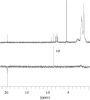
Figure 2: 1H NMR (top) and NOE difference spectrum (bottom) of 1g in CD2Cl2 at −80 °C, saturating the methyli...

Scheme 4: Conformational isomerism in complex 1g.
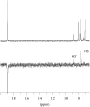
Figure 3: Olefin and alkylidene-proton region of the 1H NMR (top) and NOE difference spectrum (bottom) of 1e ...

Scheme 5: Conformational isomerism in complex 1e.
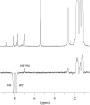
Figure 4: Olefin and alkyl group region of the 1H NMR (top) and NOE difference spectrum (bottom) of 1e in CD2...
Tandem catalysis of ring-closing metathesis/atom transfer radical reactions with homobimetallic ruthenium–arene complexes
- Yannick Borguet,
- Xavier Sauvage,
- Guillermo Zaragoza,
- Albert Demonceau and
- Lionel Delaude
Beilstein J. Org. Chem. 2010, 6, 1167–1173, doi:10.3762/bjoc.6.133
- complex [RuCl2(=CHPh)(SIMes)(PCy3)], CuCl, and dHbipy (SIMes is 1,3-dimesitylimidazolin-2-ylidene, dHbipy is 4,4'-di-n-heptyl-2,2'-bipyridine) was able to promote the ATRA of trichloroacetic acid onto cyclopentadiene followed by a lactonization into 3,3-dichloro-3,3a,4,6a-tetrahydro-2H-cyclopenta[b]furan
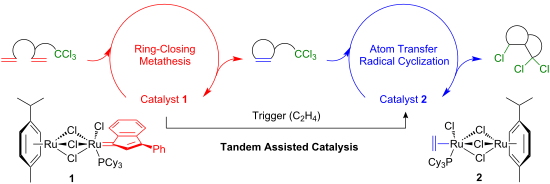
- -2-one (18). These results prompted us to examine the cascade RCM/decomposition/ATRA/lactonization of substrate 16 into dichloro compound 18 with homobimetallic complex 1 under mild thermolysis conditions. Thus, the substrate and the catalyst precursor (5 mol %) were dissolved in toluene and heated

Graphical Abstract

Scheme 1: Reaction of homobimetallic ruthenium–indenylidene complex 1 with ethylene.

Scheme 2: Schematic illustration of tandem assisted catalysis with complexes 1 and 2.

Scheme 3: Tandem RCM/ATRC of 2,2,2-trichloro-N-(octa-1,7-dien-3-yl)acetamide (4) catalyzed by complex 1.

Scheme 4: Ruthenium catalyzed transformation of substrate 16.
About the activity and selectivity of less well-known metathesis catalysts during ADMET polymerizations
- Hatice Mutlu,
- Lucas Montero de Espinosa,
- Oĝuz Türünç and
- Michael A. R. Meier
Beilstein J. Org. Chem. 2010, 6, 1149–1158, doi:10.3762/bjoc.6.131
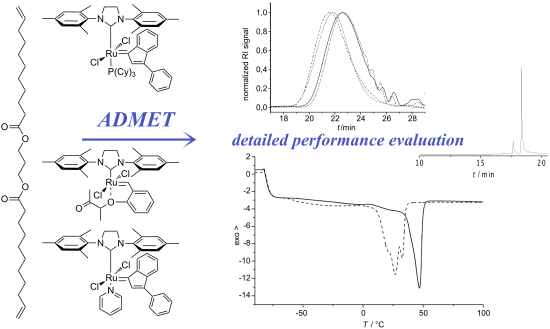
- initiators available, we focused this study on the application of the less investigated indenylidene Ru-based catalysts: (1,3-bis(2,4,6-trimethylphenyl)-2-imidazolidinylidene) dichloro-(3-phenyl-1H-inden-1-ylidene)(tricyclohexylphosphine) ruthenium(II) (C1), (1,3-bis(2,4,6-trimethylphenyl)-2
- -imidazolidinylidene)dichloro-(3-phenyl-1H-inden-1-ylidene)(pyridyl) ruthenium(II) (C2) and the newly developed “boomerang” complex (1,3-bis(2,4,6-trimethylphenyl)-2-imidazolidinylidene)dichloro(2-(1-methylacetoxy)phenyl)methylene ruthenium(II) (C3) [31] (Figure 2). These indenylidene Ru-complexes provide an
- -trimethylphenyl)-2-imidazolidinylidene) dichloro-(3-phenyl-1H-inden-1-ylidene)(tricyclohexylphosphine) ruthenium(II) (Umicore, C1), (1,3-bis(2,4,6-trimethylphenyl)-2-imidazolidinylidene)dichloro-(3-phenyl-1H-inden-1-ylidene) (pyridyl) ruthenium(II) (Umicore, C2), (1,3-bis(2,4,6-trimethylphenyl)-2

Graphical Abstract

Figure 1: Olefin isomerization during ADMET polymerization.

Figure 2: Ru–indenylidene metathesis catalysts C1 and C2, “boomerang” complexes C3, and Hoveyda–Grubbs 2nd ge...

Figure 3: Representative scheme for the in situ generated Ru–indenylidene [38].

Figure 4: Synthesis of the studied α,ω-diene, its ADMET polymerization, and the strategy to evaluate isomeriz...

Figure 5: GPC traces of the polymerizations performed at 60, 80, 100 and 120 ºC in presence of a) 0.5 mol % C1...

Figure 6: GC-MS study of the acid-catalyzed degradation products of polymers P19, P20, P21, and P22.
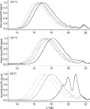
Figure 7: GPC traces of polymerizations performed with C1 at 80, 100, and 120 ºC. Samples taken at 5 min (―–)...

Figure 8: DSC traces of ADMET polymers P11 and P12 (Table 1, entries 11 and 12, respectively).
Light-induced olefin metathesis
- Yuval Vidavsky and
- N. Gabriel Lemcoff
Beilstein J. Org. Chem. 2010, 6, 1106–1119, doi:10.3762/bjoc.6.127

- , complexes 33a, e, f, g were irradiated at 365 nm in the presence of RCM and ROMP substrates [78]. A summary of the results is presented in Table 4 and Table 5. The discovery that light irradiation induces photoisomerisation of the cis-dichloro complexes led to the proposed mechanism shown in Scheme 7. Thus
- , photoactivation of sulfur-chelated ruthenium benzylidene complexes was found to depend on the generation of the active trans-dichloro isomer via 14-electron intermediates. The design of a photoswitchable system was based on the fact that the latent isomer (cis-dichloro) was thermodynamically more stable than its
- active counterpart (trans-dichloro). Thus, illumination with UV light generates an active isomer, but a short heating period regenerates the inactive isomer. The switchable nature of the system was demonstrated by 15 min irradiation of a tetrachloroethane solution of diethyldiallyl malonate with 5 mol

Graphical Abstract

Scheme 1: Light activated metathesis of trans-2-pentene.

Scheme 2: Light induced generation of metathesis active species 2.
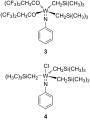
Figure 1: Well-defined tungsten photoactive catalysts.

Figure 2: The first ruthenium based complexes for PROMP.

Figure 3: Cyclic strained alkenes for PROMP.

Scheme 3: Proposed mechanism for photoactivation of sandwich complexes.

Figure 4: Ruthenium and osmium complexes with p-cymene and phosphane ligands for PROMP.

Figure 5: Commercially available photoactive ruthenium precatalyst.

Figure 6: Some of the rings produced by photo-RCM.

Scheme 4: Photopromoted ene-yne RCM by cationic allenylidene ruthenium complex 14.

Figure 7: Dihydrofurans synthesised by photopromoted ene-yne RCM.

Figure 8: Ruthenium complexes with p-cymene and NHC ligands.

Scheme 5: Ruthenium NHC complexes for PROMP containing p-cymene and trifluroacetate (17, 19) or phenylisonitr...

Figure 9: Photoactivated cationic ROMP precatalysts.

Figure 10: Different monomers for PROMP.

Scheme 6: Proposed mechanism for photoinitiated polymerisation by 22 and 23.

Figure 11: Light-induced cationic catalysts for ROMP.

Figure 12: Sulfur chelated ruthenium benzylidene pre-catalysts for olefin metathesis.

Scheme 7: Proposed mechanism for the photoactivation of sulfur-chelated ruthenium benzylidene.

Figure 13: Photoacid generators for photoinduced metathesis.

Scheme 8: Synthesis of precatalysts 36 and 37.

Scheme 9: Trapping of proposed intermediate 41.

Figure 14: Encapsulated 39, isolated from the monomer.
Halide exchanged Hoveyda-type complexes in olefin metathesis
- Julia Wappel,
- César A. Urbina-Blanco,
- Mudassar Abbas,
- Jörg H. Albering,
- Robert Saf,
- Steven P. Nolan and
- Christian Slugovc
Beilstein J. Org. Chem. 2010, 6, 1091–1098, doi:10.3762/bjoc.6.125
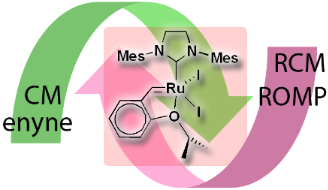
- . Complexes 2 and 3 were prepared by addition of excess potassium bromide (KBr) or potassium iodide (KI) to a suspension of 1 in methanol, following the procedures for similar transformations of different dichloro carbene complexes to their diiodo analogues [26]. In these cases THF [15][26] or acetone [27
- ) (Table 2, Entry 1 and 7), while polymers prepared with M31 (ki/kp ≈ 10–1000) are typically characterised by low Mn values and low PDIs [24] (Table 2, Entry 2 and 8). Polymerisations initiated with the dichloro derivative 1 yield polymers with relatively low Mn and fairly narrow molecular weight
- catalyzing transformations of sterically hindered substances. The parent dichloro derivative 1 is the most active catalyst in every transformation studied. The diiodo derivative 3 is a slightly inferior catalyst in RCM, enyne metathesis and CM, but 3 is reluctant or even ineffective to initiate ROMP of

Graphical Abstract

Figure 1: General layout for modifications of ruthenium-based olefin metathesis catalysts (red: anionic ligan...

Scheme 1: Synthesis of 1, 2 and 3.

Figure 2: Details of the 1H NMR spectra acquired during the synthesis of 2 and the FD-MS spectrum of 2 isolat...

Figure 3: ORTEP drawing of 3. Thermal ellipsoids are drawn at 50% probability level. Hydrogen atoms are omitt...

Figure 4: Polymerisation of 4 as a function of time, initiated by 1, 2 or 3, monitored by 1H NMR spectroscopy...

Figure 5: Polymerisations of 6 as a function of time, initiated by 1–3, monitored by 1H NMR spectroscopy (sol...

Figure 6: The RCM reaction of 7 as a function of time, catalysed by 1, 2 or 3, monitored by 1H NMR spectrosco...
Synthesis of fluorinated δ-lactams via cycloisomerization of gem-difluoropropargyl amides
- Satoru Arimitsu and
- Gerald B. Hammond
Beilstein J. Org. Chem. 2010, 6, No. 48, doi:10.3762/bjoc.6.48
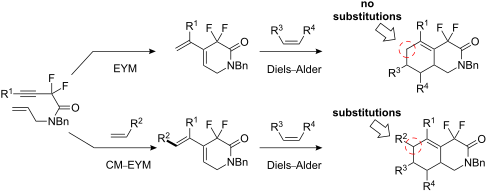
- experimentation, it became clear that ethylene gas was crucial for driving this reaction forward (compare entry 4 with 7, Table 1) [21]. 2,6-Dichloro-1,4-benzoquinone, which has been reported to prevent isomerization [22], gave disappointing results (entry 8, Table 1). When our optimized conditions were applied

Graphical Abstract

Scheme 1: Diels–Alder reaction of diene 2 with 4 and 6. aThe other isomers of 7a and 7b were isolated in 8% a...

Scheme 2: Synthetic concept toward multi-substituted gem-difluoroisoquinolinones.

Figure 1: Comparison of coupling constant of vinyl protons.

Scheme 3: Diels–Alder reaction with 9 and 6. aCombined yield of two isomers.
Molecular recognition of organic ammonium ions in solution using synthetic receptors
- Andreas Späth and
- Burkhard König
Beilstein J. Org. Chem. 2010, 6, No. 32, doi:10.3762/bjoc.6.32

Graphical Abstract

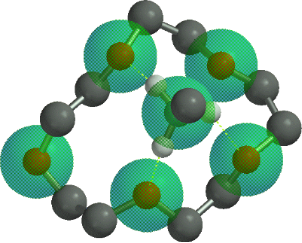
Figure 1: Biologically important amines and quaternary ammonium salts: histamine (1), dopamine (2) and acetyl...

Figure 2: Crown ether 18-crown-6.

Figure 3: Conformations of 18-crown-6 (4) in solvents of different polarity.

Figure 4: Binding topologies of the ammonium ion depending on the crown ring size.
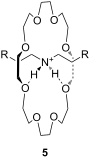
Figure 5: A “pseudorotaxane” structure consisting of 24-crown-8 and a secondary ammonium ion (5); R = Ph.

Figure 6: Typical examples of azacrown ethers, cryptands and related aza macrocycles.

Figure 7: Binding of ammonium to azacrown ethers and cryptands [111-113].

Figure 8: A 19-crown-6-ether with decalino blocking groups (11) and a thiazole-dibenzo-18-crown-6-ether (12).

Figure 9: 1,3-Bis(6-oxopyridazin-1-yl)propane derivatives 13 and 14 by Campayo et al.

Figure 10: Fluorescent azacrown-PET-sensors based on coumarin.

Figure 11: Two different pyridino-cryptands (17 and 18) compared to a pyridino-crown (19); chiral ammonium ion...

Figure 12: Pyridino-18-crown-6 ligand (21), a similar acridino-18-crown-6 ligand (22) and a structurally relat...

Figure 13: Ciral pyridine-azacrown ether receptors 24.

Figure 14: Chiral 15-crown-5 receptors 26 and an analogue 18-crown-6 ligand 27 derived from amino alcohols.

Figure 15: C2-symmetric chiral 18-crown-6 amino alcohol derivatives 28 and related macrocycles.

Figure 16: Macrocycles with diamide-diester groups (30).

Figure 17: C2-symmetric chiral aza-18-crown-6 ethers (31) with phenethylamine residues.

Figure 18: Chiral C-pivot p-methoxy-phenoxy-lariat ethers.

Figure 19: Chiral lariat crown ether 34.

Figure 20: Sucrose-based chiral crown ether receptors 36.
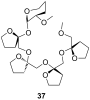
Figure 21: Permethylated fructooligosaccharide 37 showing induced-fit chiral recognition.

Figure 22: Biphenanthryl-18-crown-6 derivative 38.

Figure 23: Chiral lariat crown ethers derived from binol by Fuji et al.

Figure 24: Chiral phenolic crown ether 41 with “aryl chiral barriers” and guest amines.
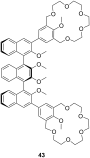
Figure 25: Chiral bis-crown receptor 43 with a meso-ternaphthalene backbone.

Figure 26: Chromogenic pH-dependent bis-crown chemosensor 44 for diamines.

Figure 27: Triamine guests for binding to receptor 44.

Figure 28: Chiral bis-crown phenolphthalein chemosensors 46.

Figure 29: Crown ether amino acid 47.

Figure 30: Luminescent receptor 48 for bis-alkylammonium guests.

Figure 31: Luminescent CEAA (49a), a bis-CEAA receptor for amino acids (49b) and the structure of lysine bindi...

Figure 32: Luminescent CEAA tripeptide for binding small peptides.

Figure 33: Bis crown ether 51a self assembles co-operatively with C60-ammonium ion 51b.

Figure 34: Triptycene-based macrotricyclic dibenzo-[24]-crown-8 ether host 52 and guests.

Figure 35: Copper imido diacetic acid azacrown receptor 53a and the suggested His-Lys binding motif; a copper ...

Figure 36: Urea (54) and thiourea (55) benzo crown receptor for transport and extraction of amino acids.

Figure 37: Crown pyryliums ion receptors 56 for amino acids.

Figure 38: Ditopic sulfonamide bridged crown ether receptor 57.

Figure 39: Luminescent peptide receptor 58.

Figure 40: Luminescent receptor 59 for the detection of D-glucosamine hydrochloride in water/ethanol and lumin...

Figure 41: Guanidinium azacrown receptor 61 for simple amino acids and ditopic receptor 62 with crown ether an...

Figure 42: Chiral bicyclic guanidinium azacrown receptor 63 and similar receptor 64 for the enantioselective t...

Figure 43: Receptors for zwitterionic species based on luminescent CEAAs.

Figure 44: 1,10-Azacrown ethers with sugar podand arms and the anticancer agent busulfan.

Figure 45: Benzo-18-crown-6 modified β-cyclodextrin 69 and β-cyclodextrin functionalized with diaza-18-crown-6...

Figure 46: Receptors for colorimetric detection of primary and secondary ammonium ions.

Figure 47: Porphyrine-crown-receptors 72.

Figure 48: Porphyrin-crown ether conjugate 73 and fullerene-ammonium ion guest 74.

Figure 49: Calix[4]arene (75a), homooxocalix[4]arene (75b) and resorcin[4]arene (75c) compared (R = H, alkyl c...

Figure 50: Calix[4]arene and ammonium ion guest (R = H, alkyl, OAcyl etc.), possible binding sites; A: co-ordi...

Figure 51: Typical guests for studies with calixarenes and related molecules.
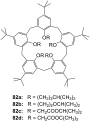
Figure 52: Lower rim modified p-tert-butylcalix[5]arenes 82.

Figure 53: The first example of a water soluble calixarene.

Figure 54: Sulfonated water soluble calix[n]arenes that bind ammonium ions.
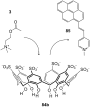
Figure 55: Displacement assay for acetylcholine (3) with a sulfonato-calix[6]arene (84b).

Figure 56: Amino acid inclusion in p-sulfonatocalix[4]arene (84a).

Figure 57: Calixarene receptor family 86 with upper and lower rim functionalization.

Figure 58: Calix[6]arenes 87 with one carboxylic acid functionality.
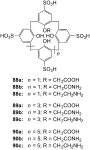
Figure 59: Sulfonated calix[n]arenes with mono-substitution at the lower rim systematically studied on their r...

Figure 60: Cyclotetrachromotropylene host (91) and its binding to lysine (81c).

Figure 61: Calixarenes 92 and 93 with phosphonic acids groups.

Figure 62: Calix[4]arene tetraphosphonic acid (94a) and a double bridged analogue (94b).
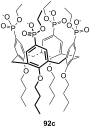
Figure 63: Calix[4]arene tetraphosphonic acid ester (92c) for surface recognition experiments.

Figure 64: Calixarene receptors 95 with α-aminophosphonate groups.

Figure 65: A bridged homocalix[3]arene 95 and a distally bridged homocalix[4]crown 96.

Figure 66: Homocalix[3]arene ammonium ion receptor 97a and the Reichardt’s dye (97b) for colorimetric assays.

Figure 67: Chromogenic diazo-bridged calix[4]arene 98.

Figure 68: Calixarene receptor 99 by Huang et al.
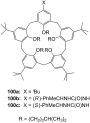
Figure 69: Calixarenes 100 reported by Parisi et al.

Figure 70: Guest molecules for inclusion in calixarenes 100: DAP × 2 HCl (101a), APA (101b) and Lys-OMe × 2 HC...

Figure 71: Different N-linked peptido-calixarenes open and with glycol chain bridges.

Figure 72: (S)-1,1′-Bi-2-naphthol calixarene derivative 104 published by Kubo et al.

Figure 73: A chiral ammonium-ion receptor 105 based on the calix[4]arene skeleton.

Figure 74: R-/S-phenylalaninol functionalized calix[6]arenes 106a and 106b.

Figure 75: Capped homocalix[3]arene ammonium ion receptor 107.

Figure 76: Two C3 symmetric capped calix[6]arenes 108 and 109.

Figure 77: Phosphorous-containing rigidified calix[6]arene 110.

Figure 78: Calix[6]azacryptand 111.

Figure 79: Further substituted calix[6]azacryptands 112.

Figure 80: Resorcin[4]arene (75c) and the cavitands (113).

Figure 81: Tetrasulfonatomethylcalix[4]resorcinarene (114).
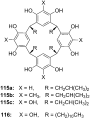
Figure 82: Resorcin[4]arenes (115a/b) and pyrogallo[4]arenes (115c, 116).
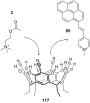
Figure 83: Displacement assay for acetylcholine (3) with tetracyanoresorcin[4]arene (117).

Figure 84: Tetramethoxy resorcinarene mono-crown-5 (118).

Figure 85: Components of a resorcinarene based displacement assay for ammonium ions.

Figure 86: Chiral basket resorcin[4]arenas 121.

Figure 87: Resorcinarenes with deeper cavitand structure (122).

Figure 88: Resorcinarene with partially open deeper cavitand structure (123).
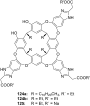
Figure 89: Water-stabilized deep cavitands with partially structure (124, 125).
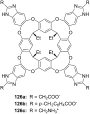
Figure 90: Charged cavitands 126 for tetralkylammonium ions.

Figure 91: Ditopic calix[4]arene receptor 127 capped with glycol chains.

Figure 92: A calix[5]arene dimer for diammonium salt recognition.

Figure 93: Calixarene parts 92c and 129 for the formation molecular capsules.
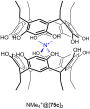
Figure 94: Encapsulation of a quaternary ammonium cation by two resorcin[4]arene molecules (NMe4+@[75c]2 × Cl−...

Figure 95: Encapsulation of a quaternary ammonium cation by six resorcin[4]arene molecules (NMe3D+@[130]6 × Cl−...

Figure 96: Structure and schematic of cucurbit[6]uril (CB[6], 131a).
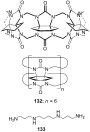
Figure 97: Cyclohexanocucurbit[6]uril (CB′[6], 132) and the guest molecule spermine (133).

Figure 98: α,α,δ,δ-Tetramethylcucurbit[6]uril (134).

Figure 99: Structure of the cucurbituril-phthalhydrazide analogue 135.

Figure 100: Organic cavities for the displacement assay for amine differentiation.

Figure 101: Displacement assay methodology for diammonium- and related guests involving cucurbiturils and some ...

Figure 102: Nor-seco-Cucurbituril (±)-bis-ns-CB[6] (140) and guest molecules.

Figure 103: The cucurbit[6]uril based complexes 141 for chiral discrimination.
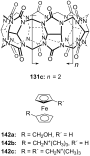
Figure 104: Cucurbit[7]uril (131c) and its ferrocene guests (142) opposed.

Figure 105: Cucurbit[7]uril (131c) guest inclusion and representative guests.

Figure 106: Cucurbit[7]uril (131c) binding to succinylcholine (145) and different bis-ammonium and bis-phosphon...

Figure 107: Paraquat-cucurbit[8]uril complex 149.
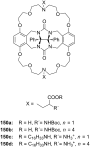
Figure 108: Gluconuril-based ammonium receptors 150.
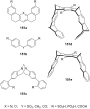
Figure 109: Examples of clefts (151a), tweezers (151b, 151c, 151d) and clips (151e).

Figure 110: Kemp’s triacid (152a), on example of Rebek’s receptors (152b) and guests.

Figure 111: Amino acid receptor (154) by Rebek et al.

Figure 112: Hexagonal lattice designed hosts by Bell et al.

Figure 113: Bell’s amidinium receptor (156) and the amidinium ion (157).
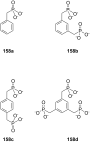
Figure 114: Aromatic phosphonic acids.

Figure 115: Xylene phosphonates 159 and 160a/b for recognition of amines and amino alcohols.
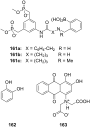
Figure 116: Bisphosphonate recognition motif 161 for a colorimetric assay with alizarin complexone (163) for ca...

Figure 117: Bisphosphonate/phosphate clip 164 and bisphosphonate cleft 165.

Figure 118: N-Methylpyrazine 166a, N-methylnicotinamide iodide (166b) and NAD+ (166c).

Figure 119: Bisphosphate cavitands.
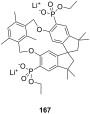
Figure 120: Bisphosphonate 167 of Schrader and Finocchiaro.
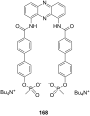
Figure 121: Tweezer 168 for noradrenaline (80b).

Figure 122: Different tripods and heparin (170).
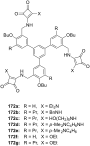
Figure 123: Squaramide based receptors 172.
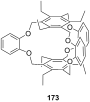
Figure 124: Cage like NH4+ receptor 173 of Kim et al.

Figure 125: Ammonium receptors 174 of Chin et al.

Figure 126: 2-Oxazolin-based ammonium receptors 175a–d and 176 by Ahn et al.

Figure 127: Racemic guest molecules 177.

Figure 128: Tripods based on a imidazole containing macrocycle (178) and the guest molecules employed in the st...

Figure 129: Ammonium ion receptor 180.

Figure 130: Tetraoxa[3.3.3.3]paracyclophanes 181 and a cyclophanic tetraester (182).

Figure 131: Peptidic bridged paraquat-cyclophane.
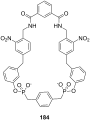
Figure 132: Shape-selective noradrenaline host.

Figure 133: Receptor 185 for binding of noradrenaline on surface layers from Schrader et al.

Figure 134: Tetraphosphonate receptor for binding of noradrenaline.

Figure 135: Tetraphosphonate 187 of Schrader and Finocchiaro.

Figure 136: Zinc-Porphyrin ammonium-ion receptors 188 and 189 of Mizutani et al.
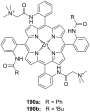
Figure 137: Zinc porphyrin receptor 190.

Figure 138: Zinc porphyrin receptors 191 capable of amino acid binding.

Figure 139: Zinc-porphyrins with amino acid side chains for stereoinduction.

Figure 140: Bis-zinc-bis-porphyrin based on Tröger’s base 193.

Figure 141: BINAP-zinc-prophyrin derivative 194 and it’s guests.

Figure 142: Bisaryl-linked-zinc-porphyrin receptors.
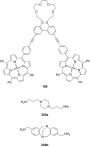
Figure 143: Bis-zinc-porphyrin 199 for diamine recognition and guests.

Figure 144: Bis-zinc-porphyrin crown ether 201.

Figure 145: Bis-zinc-porphyrin 202 for stereodiscrimination (L = large substituent; S = small substituent).

Figure 146: Bis-zinc-porphyrin[3]rotaxane and its copper complex and guests.

Figure 147: Dien-bipyridyl ligand 206 for co-ordination of two metal atoms.

Figure 148: The ligand and corresponding tetradentate co-complex 207 serving as enantioselective receptor for a...

Figure 149: Bis(oxazoline)–copper(II) complex 208 for the recognition of amino acids in aqueous solution.

Figure 150: Zinc-salen-complexes 209 for the recognition tertiary amines.

Figure 151: Bis(oxazoline)–copper(II) 211 for the recognition of amino acids in aqueous solution.

Figure 152: Zn(II)-complex of a C2 terpyridine crown ether.

Figure 153: Displacement assay and receptor for aspartate over glutamate.

Figure 154: Chiral complex 214 for a colorimetric displacement assay for amino acids.

Figure 155: Metal complex receptor 215 with tripeptide side arms.

Figure 156: A sandwich complex 216 and its displaceable dye 217.

Figure 157: Lanthanide complexes 218–220 for amino acid recognition.
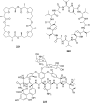
Figure 158: Nonactin (221), valinomycin (222) and vancomycin (223).

Figure 159: Monesin (224a) and a chiral analogue for enantiodiscrimination of ammonium guests (224b).

Figure 160: Chiral podands (226) compared to pentaglyme-dimethylether (225) and 18-crown-6 (4).

Figure 161: Lasalocid A (228).

Figure 162: Lasalocid derivatives (230) of Sessler et al.

Figure 163: The Coporphyrin I tetraanion (231).

Figure 164: Linear and cyclic peptides for ammonium ion recognition.

Figure 165: Cyclic and bicyclic depsipeptides for ammonium ion recognition.
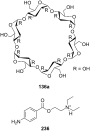
Figure 166: α-Cyclodextrin (136a) and novocaine (236).
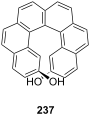
Figure 167: Helical diol receptor 237 by Reetz and Sostmann.

Figure 168: Ammonium binding spherand by Cram et al. (238a) and the cyclic[6]metaphenylacetylene 238b in compar...

Figure 169: Receptor for peptide backbone and ammonium binding (239).

Figure 170: Anion sensor principle with 3-hydroxy-2-naphthanilide of Jiang et al.

Figure 171: 7-bromo-3-hydroxy-N-(2-hydroxyphenyl)naphthalene 2-carboxamide (241) and its amine binding.

Figure 172: Naturally occurring catechins with affinity to quaternary ammonium ions.

Figure 173: Spiropyran (244) and merocyanine form (244a) of the amino acid receptors of Fuji et al.

Figure 174: Coumarin aldehyde (245) and its iminium species with amino acid bound (245a) by Glass et al.
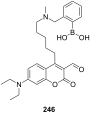
Figure 175: Coumarin aldehyde appended with boronic acid.

Figure 176: Quinolone aldehyde dimers by Glass et al.

Figure 177: Chromogenic ammonium ion receptors with trifluoroacetophenone recognition motifs.

Figure 178: Chromogenic ammonium ion receptor with trifluoroacetophenone recognition motif bound on different m...
Synthesis of a new class of aminocyclitol analogues with the conduramine D-2 configuration
- Latif Kelebekli,
- Yunus Kara and
- Murat Celik
Beilstein J. Org. Chem. 2010, 6, No. 15, doi:10.3762/bjoc.6.15
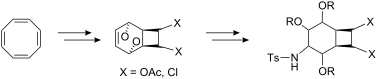
- groups in aminocyclitol 18 [25] attached to the six-membered ring resembles the configuration of conduramine D-2 [36][37][38]. Hydrolysis of the acetate groups with H2SO4 proceeded smoothly to deliver aminocyclitol 6 in 84% yield. For the synthesis of dichloro derivative, we replaced the acetoxy groups
- palladium-catalyzed ionization/cyclization reaction. Synthesis of aminocyclitol analogue 6. Synthesis of oxazolidone 23. Mechanism of the palladium-catalyzed ionization/cyclization reaction in dichloro biscarbamate 22. Synthesis of dichloroaminocyclitol 7. Supporting Information Supporting Information File

Graphical Abstract

Scheme 1: Synthesis of bis-carbamate 12 and oxazolidinone 13.

Scheme 2: Mechanism of the palladium-catalyzed ionization/cyclization reaction.

Scheme 3: Synthesis of aminocyclitol analogue 6.

Figure 1: The thermal ellipsoid plot of the single crystal X-ray crystallographic structure of 18.

Scheme 4: Synthesis of oxazolidone 23.

Scheme 5: Mechanism of the palladium-catalyzed ionization/cyclization reaction in dichloro biscarbamate 22.

Scheme 6: Synthesis of dichloroaminocyclitol 7.

Figure 2: 1H NMR NOE spectrum of compound 7.



