


Search results
Search for "functionality" in Full Text gives 644 result(s) in Beilstein Journal of Organic Chemistry. Showing first 200.
Regioselective N-alkylation of the 1H-indazole scaffold; ring substituent and N-alkylating reagent effects on regioisomeric distribution
- Ryan M. Alam and
- John J. Keating
Beilstein J. Org. Chem. 2021, 17, 1939–1951, doi:10.3762/bjoc.17.127
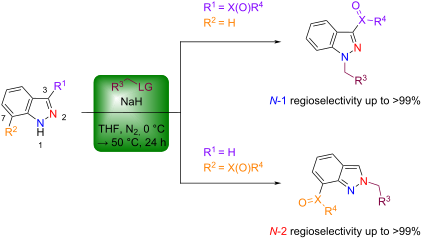
- cation chelation via the N-2 atom electron lone pair and the C-3 substituent X=O functionality, respectively [24]. Tight ion pair formation with the sodium cation and both the N-2 atom and C-3 substituents of the indazole scaffold likely hinders the approach of the electrophile to N-2 and directs

Graphical Abstract

Figure 1: Examples of indazole natural products (1 and 2) and synthetic biologically active indazole derivati...

Scheme 1: Synthetic approaches to N-1 substituted indazole derivatives [12-14].

Scheme 2: N-Alkylation of indazole 9 under Mitsunobu conditions shows a strong preference (ratio N-1 (10):N-2...

Figure 2: Observation of a 1H–13C correlation between the C-7a (blue circle) or C-3 (red circle) atom of the ...

Figure 3: C-3 substituted indazole derivatives (12–24) employed to investigate C-3 substituent effects on ind...

Scheme 3: Proposed mechanism for the regioselective N-1 alkylation of indazoles 9, 19, and 21–24 in the prese...
Cationic oligonucleotide derivatives and conjugates: A favorable approach for enhanced DNA and RNA targeting oligonucleotides
- Mathias B. Danielsen and
- Jesper Wengel
Beilstein J. Org. Chem. 2021, 17, 1828–1848, doi:10.3762/bjoc.17.125
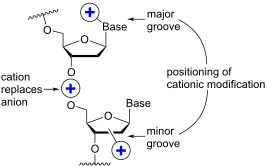
- attempt to introduce high yielding phosphoramidite building blocks suitable for automated ON synthesis, 2′-O-aminoethoxymethyl and 2′-O-aminopropoxymethyl nucleotides were developed. This method introduced the primary amine functionality through an azide reduction [73]. The corresponding monomers 37 and

Graphical Abstract

Figure 1: A schematic representation of 16-mer ASOs in different designs. White circles represent unmodified ...

Figure 2: Structures of 5-(1-propargylamino)-2’-deoxyuridine (A) and 2’-aminoethoxy-5-propargylaminouridine (...
Sustainable manganese catalysis for late-stage C–H functionalization of bioactive structural motifs
- Jongwoo Son
Beilstein J. Org. Chem. 2021, 17, 1733–1751, doi:10.3762/bjoc.17.122

- install the free NH functionality. These findings highlight the convenience of manganese catalysis for the late-stage benzylic C–H amination of sophisticated bioactive molecules and natural products. The proposed mechanism of the Mn-catalyzed benzylic amination is shown in Figure 6. Initially

Graphical Abstract

Scheme 1: Mn-catalyzed late-stage fluorination of sclareolide (1) and complex steroid 3.

Figure 1: Proposed reaction mechanism of C–H fluorination by a manganese porphyrin catalyst.

Scheme 2: Late-stage radiofluorination of biologically active complex molecules.
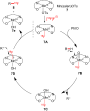
Figure 2: Proposed mechanism of C–H radiofluorination.

Scheme 3: Late-stage C–H azidation of bioactive molecules. a1.5 mol % of Mn(TMP)Cl (5) was used. bMethyl acet...

Figure 3: Proposed reaction mechanism of manganese-catalyzed C–H azidation.
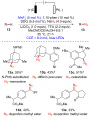
Scheme 4: Mn-catalyzed late-stage C–H azidation of bioactive molecules via electrophotocatalysis. a2.5 mol % ...
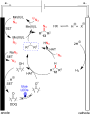
Figure 4: Proposed reaction mechanism of electrophotocatalytic azidation.
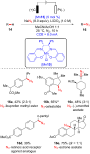
Scheme 5: Manganaelectro-catalyzed late-stage azidation of bioactive molecules.
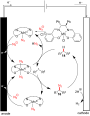
Figure 5: Proposed reaction pathway of manganaelectro-catalyzed late-stage C–H azidation.

Scheme 6: Mn-catalyzed late-stage amination of bioactive molecules. a3 Å MS were used. Protonation with HBF4⋅...

Figure 6: Proposed mechanism of manganese-catalyzed C–H amination.
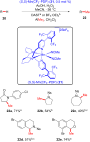
Scheme 7: Mn-catalyzed C–H methylation of heterocyclic scaffolds commonly found in small-molecule drugs. aDAS...
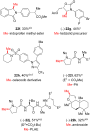
Scheme 8: Examples of late-stage C–H methylation of bioactive molecules. aDAST activation. bFor insoluble sub...
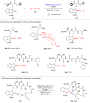
Scheme 9: A) Mn-catalyzed late-stage C–H alkynylation of peptides. B) Intramolecular late-stage alkynylative ...

Figure 7: Proposed reaction mechanism of Mn(I)-catalyzed C–H alkynylation.

Scheme 10: Late-stage Mn-catalyzed C–H allylation of peptides and bioactive motifs.

Scheme 11: Intramolecular C–H allylative cyclic peptide formation.

Scheme 12: Late-stage C–H glycosylation of tryptophan analogues.
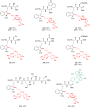
Scheme 13: Late-stage C–H glycosylation of tryptophan-containing peptides.

Scheme 14: Late-stage C–H alkenylation of tryptophan-containing peptides.
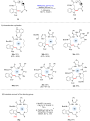
Scheme 15: A) Late-stage C–H macrocyclization of tryptophan-containing peptides and B) traceless removal of py...
Volatile emission and biosynthesis in endophytic fungi colonizing black poplar leaves
- Christin Walther,
- Pamela Baumann,
- Katrin Luck,
- Beate Rothe,
- Peter H. W. Biedermann,
- Jonathan Gershenzon,
- Tobias G. Köllner and
- Sybille B. Unsicker
Beilstein J. Org. Chem. 2021, 17, 1698–1711, doi:10.3762/bjoc.17.118
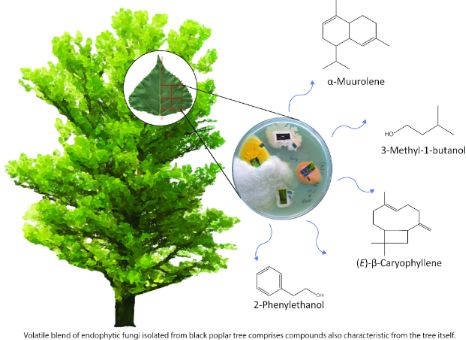
- , where only the sesquiterpene trichodiene was detected with FPP, while other substrates were not accepted [69]. In contrast, bi-functionality was also observed for the pinene and guaiene synthase from Daldinia eschscholzii EC12 and the pinene and guaiene synthase from Hypoxylon sp. EC28 (Figure 3) [45

Graphical Abstract

Figure 1: Chemical structures of sesquiterpenes emitted from endophytic fungi (Table 2) isolated from black poplar l...
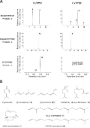
Figure 2: Terpene synthase activity of CxTPS1 and CxTPS2. A) Genes were heterologously expressed in Escherich...

Figure 3: Dendrogram analysis (rooted tree) of CxTPS1 and CxTPS2 (bold) from Cladosporium sp. and characteriz...
Total synthesis of ent-pavettamine
- Memory Zimuwandeyi,
- Manuel A. Fernandes,
- Amanda L. Rousseau and
- Moira L. Bode
Beilstein J. Org. Chem. 2021, 17, 1440–1446, doi:10.3762/bjoc.17.99
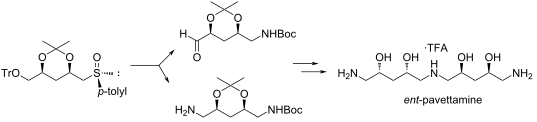
- 17, followed by acetonide protection of the 1,3-diol functionality to yield the previously synthesized intermediate 4. The acetonide protecting group was chosen because of its stability under the future reaction conditions in addition to it being a convenient monitor of the relative configuration of

Graphical Abstract

Figure 1: Structure of pavettamine 1 and its enantiomer 2.

Scheme 1: Established route for the synthesis of intermediate 4 [1].

Scheme 2: Alternative route. Reaction conditions: a) TrCl, pyridine, rt, overnight, 100%; b) DMAP, imidazole,...

Figure 2: Crystal structure of compound 9.

Scheme 3: Sequence showing the source of compound 9.

Scheme 4: Stereoselective reduction of intermediate 8 as key step towards intermediate 4. Reaction conditions...

Figure 3: Single crystal X-ray structure of compound 4.

Scheme 5: Synthesis of the C5 fragments from intermediate 4. Reaction conditions: a) i) TFAA, collidine, 0 °C...
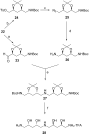
Scheme 6: Synthesis of ent-pavettamine as the TFA salt 28. Reaction conditions: a) IBX, DMSO, rt, overnight, ...
Antiviral therapy in shrimp through plant virus VLP containing VP28 dsRNA against WSSV
- Santiago Ramos-Carreño,
- Ivone Giffard-Mena,
- Jose N. Zamudio-Ocadiz,
- Alfredo Nuñez-Rivera,
- Ricardo Valencia-Yañez,
- Jaime Ruiz-Garcia,
- Maria Teresa Viana and
- Ruben D. Cadena-Nava
Beilstein J. Org. Chem. 2021, 17, 1360–1373, doi:10.3762/bjoc.17.95
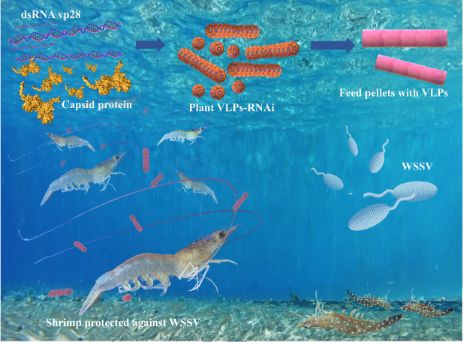
- groups were challenged with WSSV by IM injection, with a dose of 10−6 Son2008 inoculum. (Herein “pellet feed” refers to when animals are fed with treatments, and “oral cavity” refers to when the VLPs treatment is given directly into the oral cavity through a needle to ensure intestinal functionality
- taken orally was more effective than when merely present in the feed as a coating. Taking the VLP-dsRNA28 orally assures capsid functionality by protecting the dsRNA structure. Administering VLP capsids inside the feed resulted in increased shrimp survival after challenged with the WSSV and treated per

Graphical Abstract
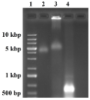
Figure 1: Analysis of the VLP-dsRNAvp28 assembly by electrophoresis mobility shift assay (EMSA) in a 1% nativ...

Figure 2: TEM micrographs of different stages of the assemblies of CCMV CP with dsRNAvp28. In section A, the ...

Figure 3: P. vannamei survival when exposed to WSSV and treatments. (A) IM inoculum activation in two consecu...

Figure 4: Cumulative survival curves of P. vannamei infected with WSSV and provided with VLPs antiviral treat...
Photoinduced post-modification of graphitic carbon nitride-embedded hydrogels: synthesis of 'hydrophobic hydrogels' and pore substructuring
- Cansu Esen and
- Baris Kumru
Beilstein J. Org. Chem. 2021, 17, 1323–1334, doi:10.3762/bjoc.17.92
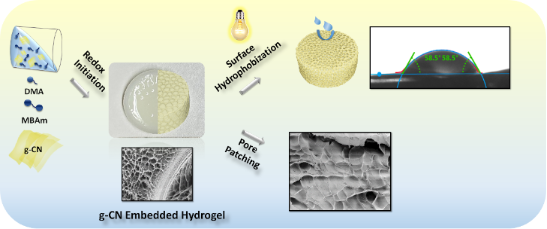
- were characterized via FTIR analysis to elucidate structural footprints of CM embedding and vTA photographing. The broad peak in the range from 3639 cm−1 to 3136 cm−1 corresponds to the hydrogen bonding between carboxyl and hydroxy groups with amide functionality of the hydrogel backbone. Significant
- release which is highly beneficial for agricultural delivery systems. The grand outcome of embedded g-CN-based surface photomodification has significant advantages in terms of its non-toxic process and cost-efficient material resources. Pore substructuring In porous materials, the functionality of the
- pores is responsible for the main catalytic activity, such as in carbonaceous materials [47][48]. When a network with full functionality cannot be formed easily, one can form a rigid neutral host and modify the pores subsequently. Herein, the nanoporous system is magnified to macropores in hydrogel

Graphical Abstract

Scheme 1: Schematic overview of g-CN-embedded hydrogel fabrication and its subsequent photoinduced post-modif...

Scheme 2: Hydrophobic hydrogel via photoinduced surface modification over embedded g-CN nanosheets in hydroge...

Figure 1: a) FTIR spectra of freeze-dried HGCM-vTA, HGCM and HG. b) UV spectra of freeze-dried HGCM-vTA, HGCM...

Figure 2: Scanning electron microscopy (SEM) images of a) HGCM and b) HGCM-vTA in combination with their elem...

Figure 3: a) Equilibrium swelling ratios of HG, HGCM, HGCM-vTA at specified time intervals. b) Thermogravimet...

Scheme 3: Overview of pore substructuring via photoinduced free radical polymerization over embedded g-CN nan...

Figure 4: FTIR spectra of freeze-dried HGCM-PAA, HGCM-PAAM, HGCM-PEGMEMA in comparison with HGCM.

Figure 5: Scanning electron microscopy (SEM) images of a) HGCM-PAA, b) HGCM-PAAM, and c) HGCM-PEGMEMA.

Figure 6: a) Thermogravimetric analysis of HGCM, HGCM-PAA, HGCM-PAAM and HGCM-PEGMEMA. b) Equilibrium swellin...
A comprehensive review of flow chemistry techniques tailored to the flavours and fragrances industries
- Guido Gambacorta,
- James S. Sharley and
- Ian R. Baxendale
Beilstein J. Org. Chem. 2021, 17, 1181–1312, doi:10.3762/bjoc.17.90
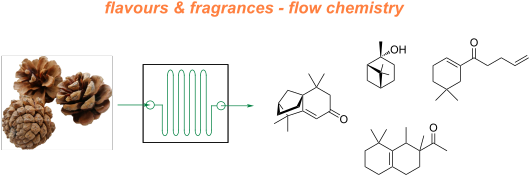
- performance of these reaction types as a continuous-flow process is provided. Condensation reactions A carbonyl functionality is encountered in the vast majority of fragrance ingredients. The ability therefore to manipulate carbonyl moieties within a molecule will forever serve as an important transformation

Graphical Abstract

Figure 1: Representative shares of the global F&F market (2018) segmented on their applications [1].

Figure 2: General structure of an international fragrance company [2].

Figure 3: The Michael Edwards fragrance wheel.

Figure 4: Examples of oriental (1–3), woody (4–7), fresh (8–10), and floral (11 and 12) notes.

Figure 5: A basic depiction of batch vs flow.

Scheme 1: Examples of reactions for which flow processing outperforms batch.

Scheme 2: Some industrially important aldol-based transformations.

Scheme 3: Biphasic continuous aldol reactions of acetone and various aldehydes.

Scheme 4: Aldol synthesis of 43 in flow using LiHMDS as the base.

Scheme 5: A semi-continuous synthesis of doravirine (49) involving a key aldol reaction.

Scheme 6: Enantioselective aldol reaction using 5-(pyrrolidin-2-yl)tetrazole (51) as catalyst in a microreact...

Scheme 7: Gröger's example of asymmetric aldol reaction in aqueous media.

Figure 6: Immobilised reagent column reactor types.

Scheme 8: Photoinduced thiol–ene coupling preparation of silica-supported 5-(pyrrolidin-2-yl)tetrazole 63 and...

Scheme 9: Continuous-flow approach for enantioselective aldol reactions using the supported catalyst 67.

Scheme 10: Ötvös’ employment of a solid-supported peptide aldol catalyst in flow.

Scheme 11: The use of proline tetrazole packed in a column for aldol reaction between cyclohexanone (65) and 2...

Scheme 12: Schematic diagram of an aminosilane-grafted Si-Zr-Ti/PAI-HF reactor for continuous-flow aldol and n...

Scheme 13: Continuous-flow condensation for the synthesis of the intermediate 76 to nabumetone (77) and Microi...

Scheme 14: Synthesis of ψ-Ionone (80) in continuous-flow via aldol condensation between citral (79) and aceton...

Scheme 15: Synthesis of β-methyl-ionones (83) from citral (79) in flow. The steps are separately described, an...

Scheme 16: Continuous-flow synthesis of 85 from 84 described by Gavriilidis et al.

Scheme 17: Continuous-flow scCO2 apparatus for the synthesis of 2-methylpentanal (87) and the self-condensed u...

Scheme 18: Chen’s two-step flow synthesis of coumarin (90).

Scheme 19: Pechmann condensation for the synthesis of 7-hydroxyxcoumarin (93) in flow. The setup extended to c...

Scheme 20: Synthesis of the dihydrojasmonate 35 exploiting nitro derivative proposed by Ballini et al.

Scheme 21: Silica-supported amines as heterogeneous catalyst for nitroaldol condensation in flow.

Scheme 22: Flow apparatus for the nitroaldol condensation of p-hydroxybenzaldehyde (102) to nitrostyrene 103 a...

Scheme 23: Nitroaldol reaction of 64 to 105 employing a quaternary ammonium functionalised PANF.

Scheme 24: Enantioselective nitroaldol condensation for the synthesis of 108 under flow conditions.

Scheme 25: Enatioselective synthesis of 1,2-aminoalcohol 110 via a copper-catalysed nitroaldol condensation.

Scheme 26: Examples of Knoevenagel condensations applied for fragrance components.

Scheme 27: Flow apparatus for Knoevenagel condensation described in 1989 by Venturello et al.

Scheme 28: Knoevenagel reaction using a coated multichannel membrane microreactor.

Scheme 29: Continuous-flow apparatus for Knoevenagel condensation employing sugar cane bagasse as support deve...

Scheme 30: Knoevenagel reaction for the synthesis of 131–135 in flow using an amine-functionalised silica gel. ...

Scheme 31: Continuous-flow synthesis of compound 137, a key intermediate for the synthesis of pregabalin (138)...
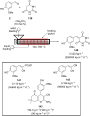
Scheme 32: Continuous solvent-free apparatus applied for the synthesis of compounds 140–143 using a TSE. Throu...

Scheme 33: Lewis et al. developed a spinning disc reactor for Darzens condensation of 144 and a ketone to furn...

Scheme 34: Some key industrial applications of conjugate additions in the F&F industry.

Scheme 35: Continuous-flow synthesis of 4-(2-hydroxyethyl)thiomorpholine 1,1-dioxide (156) via double conjugat...

Scheme 36: Continuous-flow system for Michael addition using CsF on alumina as the catalyst.

Scheme 37: Calcium chloride-catalysed asymmetric Michael addition using an immobilised chiral ligand.

Scheme 38: Continuous multistep synthesis for the preparation of (R)-rolipram (173). Si-NH2: primary amine-fun...

Scheme 39: Continuous-flow Michael addition using ion exchange resin Amberlyst® A26.

Scheme 40: Preparation of the heterogeneous catalyst 181 developed by Paixão et al. exploiting Ugi multicompon...

Scheme 41: Continuous-flow system developed by the Paixão’s group for the preparation of Michael asymmetric ad...

Scheme 42: Continuous-flow synthesis of nitroaldols catalysed by supported catalyst 184 developed by Wennemers...

Scheme 43: Heterogenous polystyrene-supported catalysts developed by Pericàs and co-workers.

Scheme 44: PANF-supported pyrrolidine catalyst for the conjugate addition of cyclohexanone (65) and trans-β-ni...

Scheme 45: Synthesis of (−)-paroxetine precursor 195 developed by Ötvös, Pericàs, and Kappe.

Scheme 46: Continuous-flow approach for the 5-step synthesis of (−)-oseltamivir (201) as devised by Hayashi an...

Scheme 47: Continuous-flow enzyme-catalysed Michael addition.

Scheme 48: Continuous-flow copper-catalysed 1,4 conjugate addition of Grignard reagents to enones. Reprinted w...

Scheme 49: A collection of commonly encountered hydrogenation reactions.

Figure 7: The ThalesNano H-Cube® continuous-flow hydrogenator.

Scheme 50: Chemoselective reduction of an α,β-unsaturated ketone using the H-Cube® reactor.

Scheme 51: Incorporation of Lindlar’s catalyst into the H-Cube® reactor for the reduction of an alkyne.

Scheme 52: Continuous-flow semi-hydrogenation of alkyne 208 to 209 using SACs with H-Cube® system.

Figure 8: The standard setups for tube-in-tube gas–liquid reactor units.

Scheme 53: Homogeneous hydrogenation of olefins using a tube-in-tube reactor setup.
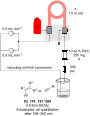
Scheme 54: Recyclable heterogeneous flow hydrogenation system.

Scheme 55: Leadbeater’s reverse tube-in-tube hydrogenation system for olefin reductions.

Scheme 56: a) Hydrogenation using a Pd-immobilised microchannel reactor (MCR) and b) a representation of the i...

Scheme 57: Hydrogenation of alkyne 238 exploiting segmented flow in a Pd-immobilised capillary reactor.

Scheme 58: Continuous hydrogenation system for the preparation of cyrene (241) from (−)-levoglucosenone (240).

Scheme 59: Continuous hydrogenation system based on CSMs developed by Hornung et al.

Scheme 60: Chemoselective reduction of carbonyls (ketones over aldehydes) in flow.

Scheme 61: Continuous system for the semi-hydrogenation of 256 and 258, developed by Galarneau et al.

Scheme 62: Continuous synthesis of biodiesel fuel 261 from lignin-derived furfural acetone (260).

Scheme 63: Continuous synthesis of γ-valerolacetone (263) via CTH developed by Pineda et al.

Scheme 64: Continuous hydrogenation of lignin-derived biomass (products 265, 266, and 267) using a sustainable...

Scheme 65: Ru/C or Rh/C-catalysed hydrogenation of arene in flow as developed by Sajiki et al.

Scheme 66: Polysilane-immobilized Rh–Pt-catalysed hydrogenation of arenes in flow by Kobayashi et al.

Scheme 67: High-pressure in-line mixing of H2 for the asymmetric reduction of 278 at pilot scale with a 73 L p...
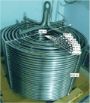
Figure 9: Picture of the PFR employed at Eli Lilly & Co. for the continuous hydrogenation of 278 [287]. Reprinted ...

Scheme 68: Continuous-flow asymmetric hydrogenation using Oppolzer's sultam 280 as chiral auxiliary.
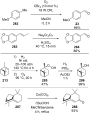
Scheme 69: Some examples of industrially important oxidation reactions in the F&F industry. CFL: compact fluor...

Scheme 70: Gold-catalysed heterogeneous oxidation of alcohols in flow.
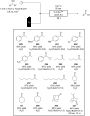
Scheme 71: Uozumi’s ARP-Pt flow oxidation protocol.

Scheme 72: High-throughput screening of aldehyde oxidation in flow using an in-line GC.

Scheme 73: Permanganate-mediated Nef oxidation of nitroalkanes in flow with the use of in-line sonication to p...

Scheme 74: Continuous-flow aerobic anti-Markovnikov Wacker oxidation.

Scheme 75: Continuous-flow oxidation of 2-benzylpyridine (312) using air as the oxidant.

Scheme 76: Continuous-flow photo-oxygenation of monoterpenes.

Scheme 77: A tubular reactor design for flow photo-oxygenation.

Scheme 78: Glucose oxidase (GOx)-mediated continuous oxidation of glucose using compressed air and the FFMR re...

Scheme 79: Schematic continuous-flow sodium hypochlorite/TEMPO oxidation of alcohols.

Scheme 80: Oxidation using immobilised TEMPO (344) was developed by McQuade et al.

Scheme 81: General protocol for the bleach/catalytic TBAB oxidation of aldehydes and alcohols.

Scheme 82: Continuous-flow PTC-assisted oxidation using hydrogen peroxide. The process was easily scaled up by...

Scheme 83: Continuous-flow epoxidation of cyclohexene (348) and in situ preparation of m-CPBA.

Scheme 84: Continuous-flow epoxidation using DMDO as oxidant.

Scheme 85: Mukayama aerobic epoxidation optimised in flow mode by the Favre-Réguillon group.

Scheme 86: Continuous-flow asymmetric epoxidation of derivatives of 359 exploiting a biomimetic iron catalyst.

Scheme 87: Continuous-flow enzymatic epoxidation of alkenes developed by Watts et al.

Scheme 88: Engineered multichannel microreactor for continuous-flow ozonolysis of 366.

Scheme 89: Continuous-flow synthesis of the vitamin D precursor 368 using multichannel microreactors. MFC: mas...

Scheme 90: Continuous ozonolysis setup used by Kappe et al. for the synthesis of various substrates employing ...

Scheme 91: Continuous-flow apparatus for ozonolysis as developed by Ley et al.

Scheme 92: Continuous-flow ozonolysis for synthesis of vanillin (2) using a film-shear flow reactor.

Scheme 93: Examples of preparative methods for ajoene (386) and allicin (388).

Scheme 94: Continuous-flow oxidation of thioanisole (389) using styrene-based polymer-supported peroxytungstat...

Scheme 95: Continuous oxidation of thiosulfinates using Oxone®-packed reactor.

Scheme 96: Continuous-flow electrochemical oxidation of thioethers.

Scheme 97: Continuous-flow oxidation of 400 to cinnamophenone (235).

Scheme 98: Continuous-flow synthesis of dehydrated material 401 via oxidation of methyl dihydrojasmonate (33).

Scheme 99: Some industrially important transformations involving Grignard reagents.

Scheme 100: Grachev et al. apparatus for continuous preparation of Grignard reagents.

Scheme 101: Example of fluidized Mg bed reactor with NMR spectrometer as on-line monitoring system.

Scheme 102: Continuous-flow synthesis of Grignard reagents and subsequent quenching reaction.

Figure 10: Membrane-based, liquid–liquid separator with integrated pressure control [52]. Adapted with permission ...

Scheme 103: Continuous-flow synthesis of 458, an intermediate to fluconazole (459).

Scheme 104: Continuous-flow synthesis of ketones starting from benzoyl chlorides.

Scheme 105: A Grignard alkylation combining CSTR and PFR technologies with in-line infrared reaction monitoring....

Scheme 106: Continuous-flow preparation of 469 from Grignard addition of methylmagnesium bromide.

Scheme 107: Continuous-flow synthesis of Grignard reagents 471.

Scheme 108: Preparation of the Grignard reagent 471 using CSTR and the continuous process for synthesis of the ...

Scheme 109: Continuous process for carboxylation of Grignard reagents in flow using tube-in-tube technology.

Scheme 110: Continuous synthesis of propargylic alcohols via ethynyl-Grignard reagent.

Scheme 111: Silica-supported catalysed enantioselective arylation of aldehydes using Grignard reagents in flow ...

Scheme 112: Acid-catalysed rearrangement of citral and dehydrolinalool derivatives.

Scheme 113: Continuous stilbene isomerisation with continuous recycling of photoredox catalyst.

Scheme 114: Continuous-flow synthesis of compound 494 as developed by Ley et al.

Scheme 115: Selected industrial applications of DA reaction.

Scheme 116: Multistep flow synthesis of the spirocyclic structure 505 via employing DA cycloaddition.

Scheme 117: Continuous-flow DA reaction developed in a plater flow reactor for the preparation of the adduct 508...

Scheme 118: Continuous-flow DA reaction using a silica-supported imidazolidinone organocatalyst.

Scheme 119: Batch vs flow for the DA reaction of (cyclohexa-1,5-dien-1-yloxy)trimethylsilane (513) with acrylon...

Scheme 120: Continuous-flow DA reaction between 510 and 515 using a shell-core droplet system.

Scheme 121: Continuous-flow synthesis of bicyclic systems from benzyne precursors.

Scheme 122: Continuous-flow synthesis of bicyclic scaffolds 527 and 528 for further development of potential ph...

Scheme 123: Continuous-flow inverse-electron hetero-DA reaction to pyridine derivatives such as 531.

Scheme 124: Comparison between batch and flow for the synthesis of pyrimidinones 532–536 via retro-DA reaction ...

Scheme 125: Continuous-flow coupled with ultrasonic system for preparation of ʟ-ascorbic acid derivatives 539 d...

Scheme 126: Two-step continuous-flow synthesis of triazole 543.

Scheme 127: Continuous-flow preparation of triazoles via CuAAC employing 546-based heterogeneous catalyst.

Scheme 128: Continuous-flow synthesis of compounds 558 through A3-coupling and 560 via AgAAC both employing the...

Scheme 129: Continuous-flow photoinduced [2 + 2] cycloaddition for the preparation of bicyclic derivatives of 5...

Scheme 130: Continuous-flow [2 + 2] and [5 + 2] cycloaddition on large scale employing a flow reactor developed...

Scheme 131: Continuous-flow preparation of the tricyclic structures 573 and 574 starting from pyrrole 570 via [...

Scheme 132: Continuous-flow [2 + 2] photocyclization of cinnamates.

Scheme 133: Continuous-flow preparation of cyclobutane 580 on a 5-plates photoreactor.

Scheme 134: Continuous-flow [2 + 2] photocycloaddition under white LED lamp using heterogeneous PCN as photocat...

Figure 11: Picture of the parallel tube flow reactor (PTFR) "The Firefly" developed by Booker-Milburn et al. a...

Scheme 135: Continuous-flow acid-catalysed [2 + 2] cycloaddition between silyl enol ethers and acrylic esters.

Scheme 136: Continuous synthesis of lactam 602 using glass column reactors.

Scheme 137: In situ generation of ketenes for the Staudinger lactam synthesis developed by Ley and Hafner.

Scheme 138: Application of [2 + 2 + 2] cycloadditions in flow employed by Ley et al.

Scheme 139: Examples of FC reactions applied in F&F industry.

Scheme 140: Continuous-flow synthesis of ibuprofen developed by McQuade et al.

Scheme 141: The FC acylation step of Jamison’s three-step ibuprofen synthesis.

Scheme 142: Synthesis of naphthalene derivative 629 via FC acylation in microreactors.

Scheme 143: Flow system for rapid screening of catalysts and reaction conditions developed by Weber et al.

Scheme 144: Continuous-flow system developed by Buorne, Muller et al. for DSD optimisation of the FC acylation ...

Scheme 145: Continuous-flow FC acylation of alkynes to yield β-chlorovinyl ketones such as 638.

Scheme 146: Continuous-flow synthesis of tonalide (619) developed by Wang et al.

Scheme 147: Continuous-flow preparation of acylated arene such as 290 employing Zr4+-β-zeolite developed by Kob...

Scheme 148: Flow system applied on an Aza-FC reaction catalysed by the thiourea catalyst 648.

Scheme 149: Continuous hydroformylation in scCO2.

Scheme 150: Two-step flow synthesis of aldehyde 655 through a sequential Heck reaction and subsequent hydroform...

Scheme 151: Single-droplet (above) and continuous (below) flow reactors developed by Abolhasani et al. for the ...

Scheme 152: Continuous hydroformylation of 1-dodecene (655) using a PFR-CSTR system developed by Sundmacher et ...

Scheme 153: Continuous-flow synthesis of the aldehyde 660 developed by Eli Lilly & Co. [32]. Adapted with permissio...

Scheme 154: Continuous asymmetric hydroformylation employing heterogenous catalst supported on carbon-based sup...

Scheme 155: Examples of acetylation in F&F industry: synthesis of bornyl (S,R,S-664) and isobornyl (S,S,S-664) ...

Scheme 156: Continuous-flow preparation of bornyl acetate (S,R,S-664) employing the oscillating flow reactor.

Scheme 157: Continuous-flow synthesis of geranyl acetate (666) from acetylation of geraniol (343) developed by ...

Scheme 158: 12-Ttungstosilicic acid-supported silica monolith-catalysed acetylation in flow.

Scheme 159: Continuous-flow preparation of cyclopentenone 676.

Scheme 160: Two-stage synthesis of coumarin (90) via acetylation of salicylaldehyde (88).

Scheme 161: Intensification process for acetylation of 5-methoxytryptamine (677) to melatonin (678) developed b...

Scheme 162: Examples of macrocyclic musky odorants both natural (679–681) and synthetic (682 and 683).

Scheme 163: Flow setup combined with microwave for the synthesis of macrocycle 686 via RCM.

Scheme 164: Continuous synthesis of 2,5-dihydro-1H-pyrroles via ring-closing metathesis.

Scheme 165: Continuous-flow metathesis of 485 developed by Leadbeater et al.

Figure 12: Comparison between RCM performed using different routes for the preparation of 696. On the left the...

Scheme 166: Continuous-flow RCM of 697 employed the solid-supported catalyst 698 developed by Grela, Kirschning...

Scheme 167: Continuous-flow RORCM of cyclooctene employing the silica-absorbed catalyst 700.

Scheme 168: Continuous-flow self-metathesis of methyl oleate (703) employing SILP catalyst 704.

Scheme 169: Flow apparatus for the RCM of 697 using a nanofiltration membrane for the recovery and reuse of the...

Scheme 170: Comparison of loadings between RCMs performed with different routes for the synthesis of 709.
Structural effects of meso-halogenation on porphyrins
- Keith J. Flanagan,
- Maximilian Paradiz Dominguez,
- Zoi Melissari,
- Hans-Georg Eckhardt,
- René M. Williams,
- Dáire Gibbons,
- Caroline Prior,
- Gemma M. Locke,
- Alina Meindl,
- Aoife A. Ryan and
- Mathias O. Senge
Beilstein J. Org. Chem. 2021, 17, 1149–1170, doi:10.3762/bjoc.17.88
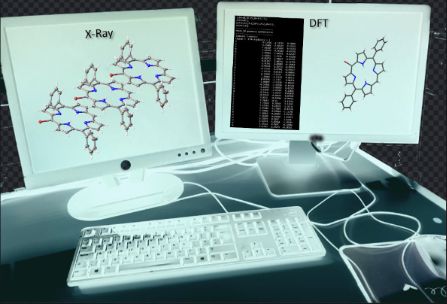
- their relative versatility in areas such as directionality, the tunability of the σ-hole, hydrophobicity, and donor atom size [14]. These traits allow for the design of novel supramolecular architectures which are directive and reproducible, without relying on the hydrogen-bonding functionality which in
- have been omitted due to the alternate functionality muting any effect the halogen would have on the porphyrin molecule. The bond lengths, angles, and atom displacements are outlined in Supporting Information File 2, Table S7. In the structure of compound 20, while containing a halogen, it is apparent

Graphical Abstract

Figure 1: 5-Halo-substituted porphyrins.

Figure 2: Expanded view (thermal ellipsoid) of compound 1 in the crystal showing (A) stacking, (B) tilted edg...

Figure 3: Expanded view (ball and stick) of compound 2 in the crystal showing (A) stacking, (B) bromine atoms...

Figure 4: Expanded view (ball and stick) of compound 3 in the crystal showing (A) stacking and (B) edge-on in...

Figure 5: Hirshfeld surfaces of compounds 1–3.

Figure 6: Contact percentages of compounds 1–3.

Figure 7: NSD charts for compounds 1–3.

Figure 8: Expanded view (thermal ellipsoid plot) of compound 2A showing (A) the edge-on and stacking interact...

Figure 9: 5-Halo-15-phenyl-substituted porphyrins.

Figure 10: Expanded view (thermal ellipsoid plot) of compound 4 showing (A) tilted alignment of porphyrin ring...

Figure 11: Expanded view (thermal ellipsoid plot) of compound 5 showing (A) porphyrin stacking and (B) Br···H ...

Figure 12: Expanded view (thermal ellipsoid plot) of compounds 6 (A and C) and 7 (B and D) showing (A) Br···H ...

Figure 13: 5,15-Di-halo-substituted porphyrins.

Figure 14: Expanded view (thermal ellipsoid plot) of compound 9 showing the Br···H interactions with (A) pyrro...

Figure 15: Expanded view (thermal ellipsoid plot) of compound 10 showing the (A) Br···H interactions with toly...

Figure 16: Expanded view (thermal ellipsoid plot) of compound 11 showing the (A) edge-on interactions, (B) edg...

Figure 17: Expanded view (thermal ellipsoid plot) of compound 13 showing (A) Br···H interactions with pyrrole ...

Figure 18: Expanded view (ball and stick) of compound 13A showing (A) Br···H interactions with pyrrole units a...

Figure 19: 5,10-Di-halo-substituted porphyrins.

Figure 20: Expanded view (ball and stick) of compound 16 showing (A) stacking, (B) head-to-tail alignment, (C)...
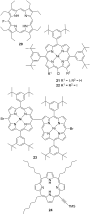
Figure 21: Honorable mentions of halogen-substituted porphyrins taken from the CSD database.
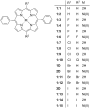
Figure 22: Series 1 – 5,15-di-halo-substituted porphyrins.

Figure 23: Series 2 – increasing number of halogen substituents.

Figure 24: Series 3 – 5,10-di-halo-substituted porphyrins.
N-tert-Butanesulfinyl imines in the asymmetric synthesis of nitrogen-containing heterocycles
- Joseane A. Mendes,
- Paulo R. R. Costa,
- Miguel Yus,
- Francisco Foubelo and
- Camilla D. Buarque
Beilstein J. Org. Chem. 2021, 17, 1096–1140, doi:10.3762/bjoc.17.86


Graphical Abstract

Scheme 1: General strategy for the enantioselective synthesis of N-containing heterocycles from N-tert-butane...

Scheme 2: Methodologies for condensation of aldehydes and ketones with tert-butanesulfinamides (1).

Scheme 3: Transition models for cis-aziridines and trans-aziridines.

Scheme 4: Mechanism for the reduction of N-tert-butanesulfinyl imines.

Scheme 5: Transition models for the addition of organomagnesium and organolithium compounds to N-tert-butanes...

Scheme 6: Synthesis of 2,2-dibromoaziridines 15 from aldimines 14 and bromoform, and proposed non-chelation-c...

Scheme 7: Diastereoselective synthesis of aziridines from tert-butanesulfinyl imines.

Scheme 8: Synthesis of vinylaziridines 22 from aldimines 14 and 1,3-dibromopropene 23, and proposed chelation...

Scheme 9: Synthesis of vinylaziridines 27 from aldimines 14 and α-bromoesters 26, and proposed transition sta...

Scheme 10: Synthesis of 2-chloroaziridines 28 from aldimines 14 and dichloromethane, and proposed transition s...

Scheme 11: Synthesis of cis-vinylaziridines 30 and 31 from aldimines 14 and bromomethylbutenolide 29.

Scheme 12: Synthesis of 2-chloro-2-aroylaziridines 36 and 32 from aldimines 14, arylnitriles 34, and silyldich...

Scheme 13: Synthesis of trifluoromethylaziridines 39 and proposed transition state of the aziridination.

Scheme 14: Synthesis of aziridines 42 and proposed state transition.

Scheme 15: Synthesis of 1-substituted 2-azaspiro[3.3]heptanes, 1-phenyl-2-azaspiro[3.4]octane and 1-phenyl-2-a...

Scheme 16: Synthesis of 1-substituted 2,6-diazaspiro[3.3]heptanes 48 from chiral imines 14 and 1-Boc-azetidine...

Scheme 17: Synthesis of β-lactams 52 from chiral imines 14 and dimethyl malonate (49).

Scheme 18: Synthesis of spiro-β-lactam 57 from chiral (RS)-N-tert-butanesulfinyl isatin ketimine 53 and ethyl ...

Scheme 19: Synthesis of β-lactam 60, a precursor of (−)-batzelladine D (61) and (−)-13-epi-batzelladine D (62)...

Scheme 20: Rhodium-catalyzed asymmetric synthesis of 3-substituted pyrrolidines 66 from chiral imine (RS)-63 a...

Scheme 21: Asymmetric synthesis of 1,3-disubstituted isoindolines 69 and 70 from chiral imine 67.

Scheme 22: Asymmetric synthesis of cis-2,5-disubstituted pyrrolidines 73 from chiral imine (RS)-71.

Scheme 23: Asymmetric synthesis of 3-hydroxy-5-substituted pyrrolidin-2-ones 77 from chiral imine (RS)-74.

Scheme 24: Asymmetric synthesis of 4-hydroxy-5-substituted pyrrolidin-2-ones 80 from chiral imines 79.

Scheme 25: Asymmetric synthesis of 3-pyrrolines 82 from chiral imines 14 and ethyl 4-bromocrotonate (81).

Scheme 26: Asymmetric synthesis of γ-amino esters 84, and tetramic acid derivative 86 from chiral imines (RS)-...

Scheme 27: Asymmetric synthesis of α-methylene-γ-butyrolactams 90 from chiral imines (Z,SS)-87 and ethyl 2-bro...

Scheme 28: Asymmetric synthesis of methylenepyrrolidines 92 from chiral imines (RS)-14 and 2-(trimethysilylmet...

Scheme 29: Synthesis of dibenzoazaspirodecanes from cyclic N-tert-butanesulfinyl imines.

Scheme 30: Stereoselective synthesis of cyclopenta[c]proline derivatives 103 from β,γ-unsaturated α-amino acid...

Scheme 31: Stereoselective synthesis of alkaloids (−)-angustureine (107) and (−)-cuspareine (108).

Scheme 32: Stereoselective synthesis of alkaloids (−)-pelletierine (112) and (+)-coniine (117).

Scheme 33: Synthesis of piperidine alkaloids (+)-dihydropinidine (122a), (+)-isosolenopsin (122b) and (+)-isos...

Scheme 34: Stereoselective synthesis of the alkaloids(+)-sedamine (125) from chiral imine (SS)-119.

Scheme 35: Stereoselective synthesis of trans-5-hydroxy-6-substituted-2-piperidinones 127 and 129 from chiral ...

Scheme 36: Stereoselective synthesis of trans-5-hydroxy-6-substituted ethanone-2-piperidinones 132 from chiral...

Scheme 37: Stereoselective synthesis of trans-3-benzyl-5-hydroxy-6-substituted-2-piperidinones 136 from chiral...

Scheme 38: Stereoselective synthesis of trans-5-hydroxy-6-substituted 2-piperidinones 139 from chiral imine 138...

Scheme 39: Stereoselective synthesis of ʟ-hydroxypipecolic acid 145 from chiral imine 144.

Scheme 40: Synthesis of 1-substituted isoquinolones 147, 149 and 151.

Scheme 41: Stereoselective synthesis of 3-substituted dihydrobenzo[de]isoquinolinones 154.

Scheme 42: Enantioselective synthesis of alkaloids (S)-1-benzyl-6,7-dimethoxy-1,2,3,4-tetrahydroisoquinoline (...

Scheme 43: Enantioselective synthesis of alkaloids (−)-cermizine B (171) and (+)-serratezomine E (172) develop...

Scheme 44: Stereoselective synthesis of (+)-isosolepnosin (177) and (+)-solepnosin (178) from homoallylamine d...

Scheme 45: Stereoselective synthesis of tetrahydroquinoline derivatives 184, 185 and 187 from chiral imines (RS...

Scheme 46: Stereoselective synthesis of pyridobenzofuran and pyridoindole derivatives 193 from homopropargylam...

Scheme 47: Stereoselective synthesis of 2-substituted 1,2,5,6-tetrahydropyridines 196 from chiral imines (RS)-...

Scheme 48: Stereoselective synthesis of 2-substituted trans-2,6-disubstituted piperidine 199 from chiral imine...

Scheme 49: Stereoselective synthesis of cis-2,6-disubstituted piperidines 200, and alkaloid (+)-241D, from chi...

Scheme 50: Stereoselective synthesis of 6-substituted piperidines-2,5-diones 206 and 1,7-diazaspiro[4.5]decane...

Scheme 51: Stereoselective synthesis of spirocyclic oxindoles 210 from chiral imines (RS)-53.

Scheme 52: Stereoselective synthesis of azaspiro compound 213 from chiral imine 211.

Scheme 53: Stereoselective synthesis of tetrahydroisoquinoline derivatives from chiral imines (RS)-214.

Scheme 54: Stereoselective synthesis of (−)-crispine A 223 from chiral imine (RS)-214.

Scheme 55: Synthesis of (−)-harmicine (228) using tert-butanesulfinamide through haloamide cyclization.

Scheme 56: Stereoselective synthesis of tetraponerines T1–T8.

Scheme 57: Stereoselective synthesis of phenanthroindolizidines 246a and (−)-tylophorine (246b), and phenanthr...

Scheme 58: Stereoselective synthesis of indoline, tetrahydroquinoline and tetrahydrobenzazepine derivatives 253...

Scheme 59: Stereoselective synthesis of (+)-epohelmin A (258) and (+)-epohelmin B (260) from aldimine (RS)-79.

Scheme 60: Stereoselective synthesis of (−)-epiquinamide (266) from chiral aldimine (SS)-261.

Scheme 61: Synthesis synthesis of (–)-hippodamine (273) and (+)-epi-hippodamine (272) using chiral sulfinyl am...

Scheme 62: Stereoselective synthesis of (+)-grandisine D (279) and (+)-amabiline (283).

Scheme 63: Stereoselective synthesis of (−)-epiquinamide (266) and (+)-swaisonine (291) from aldimine (SS)-126....

Scheme 64: Stereoselective synthesis of (+)-C(9a)-epi-epiquinamide (294).

Scheme 65: Stereoselective synthesis of (+)-lasubine II (298) from chiral aldimine (SS)-109.

Scheme 66: Stereoselective synthesis of (−)-epimyrtine (300a) and (−)-lasubine II (ent-302) from β-amino keton...

Scheme 67: Stereoselective synthesis of (−)-tabersonine (310), (−)-vincadifformine (311), and (−)-aspidospermi...

Scheme 68: Stereoselective synthesis of (+)-epohelmin A (258) and (+)-epohelmin B (260) from aldehyde 313 and ...

Scheme 69: Total synthesis of (+)-lysergic acid (323) from N-tert-butanesulfinamide (RS)-1.
Synthesis of 10-O-aryl-substituted berberine derivatives by Chan–Evans–Lam coupling and investigation of their DNA-binding properties
- Peter Jonas Wickhorst,
- Mathilda Blachnik,
- Denisa Lagumdzija and
- Heiko Ihmels
Beilstein J. Org. Chem. 2021, 17, 991–1000, doi:10.3762/bjoc.17.81
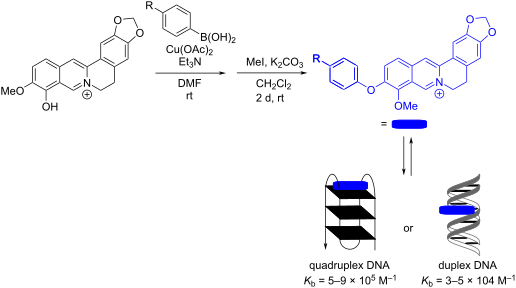
- functionality. Thus, this synthetic route represents the first successful Cu-mediated coupling reaction of berberine substrates. The DNA-binding properties of the 10-O-arylberberine derivatives with duplex and quadruplex DNA were studied by thermal DNA denaturation experiments, spectrometric titrations as well
- strands [30]. Due to their straightforward synthetic accessibility by substitution at the 9-hydroxy functionality of berberrubine (1b), 9-O-substituted berberine derivatives are particularly attractive. But so far, only functionalization at this position by alkylation [23][24][25][26] and nucleophilic

Graphical Abstract

Figure 1: Structures and numbering of berberine (1a), berberrubine (1b) and 9-O-aryl-substituted berberine de...

Scheme 1: Synthesis of 10-O-arylated berberine derivatives 5a–e.

Scheme 2: Cu2+-catalyzed demethylation of berberrubine (1b).

Figure 2: Temperature dependent emission spectra of derivatives 5a and 5d (c = 10 µM, with 0.25% v/v DMSO) in...

Figure 3: Photometric titration of 5a (A) and 5d (B) (cLigand = 20 μM) with ct DNA (1) in BPE buffer (cNa+ = ...

Figure 4: Fluorimetric titration of 5a (A) and 5d (B, cLigand = 20 μM) with ct DNA (1) in BPE buffer (cNa+ = ...

Figure 5: CD and LD spectra of ct DNA (1 and 2, cDNA = 20 μM; in BPE buffer: 10 mM, pH 7.0; with 5% v/v DMSO)...
Beyond ribose and phosphate: Selected nucleic acid modifications for structure–function investigations and therapeutic applications
- Christopher Liczner,
- Kieran Duke,
- Gabrielle Juneau,
- Martin Egli and
- Christopher J. Wilds
Beilstein J. Org. Chem. 2021, 17, 908–931, doi:10.3762/bjoc.17.76
- oligonucleotides challenging. Thio-LNA (Figure 7F), which has sulfur incorporated at the C2' position, has similar binding properties as amino-LNA and β-ᴅ-LNA, but with varying biodistribution patterns and a higher cellular uptake in mice [145]. Work looking at carba-LNA, which lacks the O2' functionality, has

Graphical Abstract

Figure 1: Structures of the chemically modified oligonucleotides (A) N3' → P5' phosphoramidate linkage, (B) a...

Scheme 1: Synthesis of a N3' → P5' phosphoramidate linkage by solid-phase synthesis. (a) dichloroacetic acid;...

Figure 2: Crystal structures of (A) N3' → P5' phosphoramidate DNA (PDB ID 363D) [71] and (B) amide (AM1) RNA in c...

Scheme 2: Synthesis of a phosphorodithioate linkage by solid-phase synthesis. (a) detritylation; (b) tetrazol...

Figure 3: Close-up view of a key interaction between the PS2-modified antithrombin RNA aptamer and thrombin i...

Scheme 3: Synthesis of the (S)-GNA thymine phosphoramidite from (S)-glycidyl 4,4'-dimethoxytrityl ether. (a) ...

Figure 4: Surface models of the crystal structures of RNA dodecamers with single (A) (S)-GNA-T (PDB ID 5V1L) [54]...

Figure 5: Structures of 2'-O-alkyl modifications. (A) 2'-O-methoxy RNA (2'-OMe RNA), (B) 2'-O-(2-methoxyethyl...

Scheme 4: Synthesis of the 2'-OMe uridine from 3',5'-O-(tetraisopropyldisiloxane-1,3-diyl)uridine. (a) Benzoy...

Scheme 5: Synthesis of the 2'-O-MOE uridine from uridine. (a) (PhO)2CO, NaHCO3, DMA, 100 °C; (b) Al(OCH2CH2OCH...
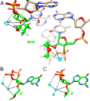
Figure 6: Structure of 2'-O-(2-methoxyethyl)-RNA (MOE-RNA). (A) View into the minor groove of an A-form DNA d...

Figure 7: Structures of locked nucleic acids (LNA)/bridged nucleic acids (BNA) modifications. (A) LNA/BNA, (B...

Scheme 6: Synthesis of the uridine LNA phosphoramidite. (a) i) NaH, BnBr, DMF, ii) acetic anhydride, pyridine...

Scheme 7: Synthesis of the 2'-fluoroarabinothymidine. (a) 30% HBr in acetic acid; (b) 2,4-bis-O-(trimethylsil...

Figure 8: Sugar puckers of arabinose (ANA) and arabinofluoro (FANA) nucleic acids compared with the puckers o...

Figure 9: Structures of C4'-modified nucleic acids. (A) 4'-methoxy, (B) 4'-(2-methoxyethoxy), (C) 2',4'-diflu...

Scheme 8: Synthesis of the 4'-F-rU phosphoramidite. (a) AgF, I2, dichloromethane, tetrahydrofuran; (b) NH3, m...

Scheme 9: Synthesis of the thymine FHNA phosphoramidite. (a) thymine, 1,8-diazabicyclo[5.4.0]undec-7-ene, ace...

Scheme 10: Synthesis of the thymine Ara-FHNA phosphoramidite. (a) i) trifluoromethanesulfonic anhydride, pyrid...

Figure 10: Crystal structures of (A) FHNA and (B) Ara-FHNA in modified A-form DNA decamers (PDB IDs 3Q61 and 3...
Enhanced target cell specificity and uptake of lipid nanoparticles using RNA aptamers and peptides
- Roslyn M. Ray,
- Anders Højgaard Hansen,
- Maria Taskova,
- Bernhard Jandl,
- Jonas Hansen,
- Citra Soemardy,
- Kevin V. Morris and
- Kira Astakhova
Beilstein J. Org. Chem. 2021, 17, 891–907, doi:10.3762/bjoc.17.75
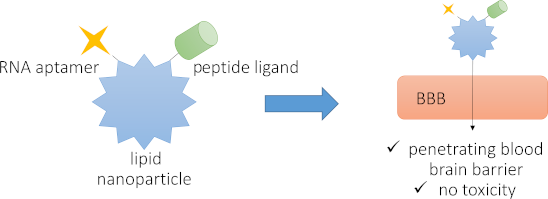
- report the efficacy, delivery capability, and functionality of the addition of peptides and RNA aptamers in facilitating entry through a simplified BBB model as well as to determine whether inclusion of these molecules could facilitate cell specific uptake. We further show that LNPs generally exhibit a

Graphical Abstract

Figure 1: Components of the LNPs. A) Lipid species and lipidated cell-penetrating peptides applied by postins...
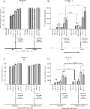
Figure 2: LNPs with T7 pass through the transwell cell barrier and are taken up by target cells. HeLa (CCR5-n...
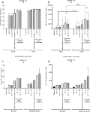
Figure 3: LNPs with Tat pass through the transwell cell barrier and are taken up by target cells. A) Percenta...
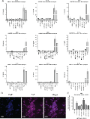
Figure 4: LNPs do not stimulate secretion of proinflammatory cytokines. A) GMCSF-primed MDMs were treated wit...

Figure 5: LNPs modestly affect cell viability in a cell-specific manner. HeLa (A) or HEK293T cells (B) were t...
Microwave-assisted multicomponent reactions in heterocyclic chemistry and mechanistic aspects
- Shivani Gulati,
- Stephy Elza John and
- Nagula Shankaraiah
Beilstein J. Org. Chem. 2021, 17, 819–865, doi:10.3762/bjoc.17.71
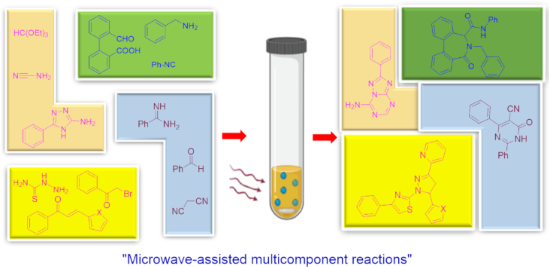
- condensation between ketone and formylquinoline. The amine and the intermediate A undergo Michael addition furnishing the keto-amine B. Further, an intramolecular cyclization with the attack of the amino group onto the carbonyl functionality with subsequent elimination of a water molecule results in the

Graphical Abstract

Figure 1: Marketed drugs with acridine moiety.

Scheme 1: Synthesis of 4-arylacridinediones.

Scheme 2: Proposed mechanism for acridinedione synthesis.

Scheme 3: Synthesis of tetrahydrodibenzoacridinones.

Scheme 4: Synthesis of naphthoacridines.

Scheme 5: Plausible mechanism for naphthoacridines.
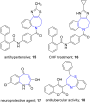
Figure 2: Benzoazepines based potent molecules.

Scheme 6: Synthesis of azepinone.

Scheme 7: Proposed mechanism for azepinone formation.

Scheme 8: Synthesis of benzoazulenen-1-one derivatives.

Scheme 9: Proposed mechanism for benzoazulene-1-one synthesis.

Figure 3: Indole-containing pharmacologically active molecules.

Scheme 10: Synthesis of functionalized indoles.

Scheme 11: Plausible mechanism for the synthesis of functionalized indoles.

Scheme 12: Synthesis of spirooxindoles.

Scheme 13: Synthesis of substituted spirooxindoles.

Scheme 14: Plausible mechanism for the synthesis of substituted spirooxindoles.

Scheme 15: Synthesis of pyrrolidinyl spirooxindoles.

Scheme 16: Proposed mechanism for pyrrolidinyl spirooxindoles.

Figure 4: Pyran-containing biologically active molecules.

Scheme 17: Synthesis of functionalized benzopyrans.

Scheme 18: Plausible mechanism for synthesis of benzopyran.

Scheme 19: Synthesis of indoline-spiro-fused pyran derivatives.

Scheme 20: Proposed mechanism for indoline-spiro-fused pyran.

Scheme 21: Synthesis of substituted naphthopyrans.

Figure 5: Marketed drugs with pyrrole ring.

Scheme 22: Synthesis of tetra-substituted pyrroles.

Scheme 23: Mechanism for silica-supported PPA-SiO2-catalyzed pyrrole synthesis.

Scheme 24: Synthesis of pyrrolo[1,10]-phenanthrolines.

Scheme 25: Proposed mechanism for pyrrolo[1,10]-phenanthrolines.

Figure 6: Marketed drugs and molecules containing pyrimidine and pyrimidinones skeletons.

Scheme 26: MWA-MCR pyrimidinone synthesis.

Scheme 27: Two proposed mechanisms for pyrimidinone synthesis.

Scheme 28: MWA multicomponent synthesis of dihydropyrimidinones.

Scheme 29: Proposed mechanism for dihydropyrimidinones.

Figure 7: Biologically active fused pyrimidines.

Scheme 30: MWA- MCR for the synthesis of pyrrolo[2,3-d]pyrimidines.

Scheme 31: Proposed mechanism for pyrrolo[2,3-d]pyrimidines.

Scheme 32: Synthesis of substituted pyrrolo[2,3-d]pyrimidine-2,4-diones.

Scheme 33: Probable pathway for pyrrolo[2,3-d]pyrimidine-2,4-diones.

Scheme 34: Synthesis of pyridopyrimidines.

Scheme 35: Plausible mechanism for the synthesis of pyridopyrimidines.

Scheme 36: Synthesis of dihydropyridopyrimidine and dihydropyrazolopyridine.

Scheme 37: Proposed mechanism for the formation of dihydropyridopyrimidine.

Scheme 38: Synthesis of thiopyrano[4,3-d]pyrimidines.

Scheme 39: Plausible mechanism for the synthesis of thiopyrano[4,3-d]pyrimidines.

Scheme 40: Synthesis of decorated imidazopyrimidines.

Scheme 41: Proposed mechanism for imidazopyrimidine synthesis.

Figure 8: Pharmacologically active molecules containing purine bases.

Scheme 42: Synthesis of aza-adenines.

Scheme 43: Synthesis of 5-aza-7-deazapurines.
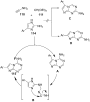
Scheme 44: Proposed mechanism for deazapurines synthesis.

Figure 9: Biologically active molecules containing pyridine moiety.

Scheme 45: Synthesis of steroidal pyridines.

Scheme 46: Proposed mechanism for steroidal pyridine.

Scheme 47: Synthesis of N-alkylated 2-pyridones.

Scheme 48: Two possible mechanisms for pyridone synthesis.

Scheme 49: Synthesis of pyridone derivatives.

Scheme 50: Postulated mechanism for synthesis of pyridone.

Figure 10: Biologically active fused pyridines.

Scheme 51: Benzimidazole-imidazo[1,2-a]pyridines synthesis.

Scheme 52: Mechanism for the synthesis of benzimidazole-imidazo[1,2-a]pyridines.

Scheme 53: Synthesis of pyrazolo[3,4-b]pyridine-5-spirocycloalkanedione derivatives.

Scheme 54: Proposed mechanism for spiro-pyridines.

Scheme 55: Functionalized macrocyclane-fused pyrazolo[3,4-b]pyridine derivatives.

Scheme 56: Mechanism postulated for macrocyclane-fused pyrazolo[3,4-b]pyridine.

Scheme 57: Generation of pyrazolo[3,4-b]pyridines.

Scheme 58: Proposed mechanism for the synthesis of pyrazolo[3,4-b]pyridines.

Scheme 59: Proposed mechanism for the synthesis of azepinoindole.

Figure 11: Pharmaceutically important molecules with quinoline moiety.

Scheme 60: Povarov-mediated quinoline synthesis.

Scheme 61: Proposed mechanism for Povarov reaction.

Scheme 62: Synthesis of pyrazoloquinoline.

Scheme 63: Plausible mechanism for pyrazoloquinoline synthesis.

Figure 12: Quinazolinones as pharmacologically significant scaffolds.

Scheme 64: Four-component reaction for dihydroquinazolinone.

Scheme 65: Proposed mechanism for dihydroquinazolinones.

Scheme 66: Synthesis purine quinazolinone and PI3K-δ inhibitor.

Scheme 67: Synthesis of fused benzothiazolo/benzoimidazoloquinazolinones.

Scheme 68: Proposed mechanism for fused benzothiazolo/benzoimidazoloquinazolinones.

Scheme 69: On-water reaction for synthesis of thiazoloquinazolinone.

Scheme 70: Proposed mechanism for the thiazoloquinazolinone synthesis.

Scheme 71: β-Cyclodextrin-mediated synthesis of indoloquinazolinediones.

Scheme 72: Proposed mechanism for synthesis of indoloquinazolinediones.

Figure 13: Triazoles-containing marketted drugs and pharmacologically active molecules.

Scheme 73: Cu(I) DAPTA-catalyzed 1,2,3-triazole formation.

Scheme 74: Mechanism for Cu(I) DAPTA-catalyzed triazole formation.

Scheme 75: Synthesis of β-hydroxy-1,2,3-triazole.

Scheme 76: Proposed mechanism for synthesis of β-hydroxy-1,2,3-triazoles.

Scheme 77: Synthesis of bis-1,2,4-triazoles.

Scheme 78: Proposed mechanism for bis-1,2,4-triazoles synthesis.

Figure 14: Thiazole containing drugs.

Scheme 79: Synthesis of a substituted thiazole ring.

Scheme 80: Synthesis of pyrazolothiazoles.

Figure 15: Chromene containing drugs.

Scheme 81: Magnetic nanocatalyst-mediated aminochromene synthesis.

Scheme 82: Proposed mechanism for the synthesis of chromenes.
Simulating the enzymes of ganglioside biosynthesis with Glycologue
- Andrew G. McDonald and
- Gavin P. Davey
Beilstein J. Org. Chem. 2021, 17, 739–748, doi:10.3762/bjoc.17.64
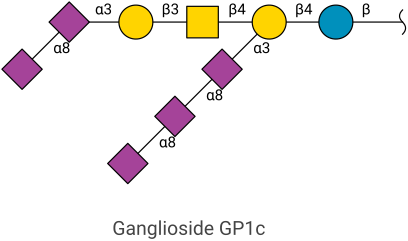
- describe an extension of this method to gangliosides, and to the enzyme reactions associated with their biosynthesis. The formalism and the associated web application, now renamed Glycologue, provide a way to explore the effects of mutations that result in a loss of functionality, or promotion of disease

Graphical Abstract

Figure 1: Chemical structure of ganglioside GM1a (a β-ᴅ-galactosyl-(1→3)-N-acetyl-β-ᴅ-galactosaminyl-(1→4)-[α-...

Figure 2: Construction of the Svennerholm name GP1cα from its Glycologue structure identifier. At each step o...
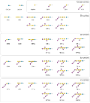
Figure 3: Ganglioside carbohydrates predicted by the model. All structures are linked to ceramide at the base...

Figure 4: Ganglioside biosynthetic reaction network predicted by the Glycologue enzyme simulator. Starting fr...

Figure 5: Predicted effects on the pathways of ganglioside biosynthesis when individual enzyme activities are...
Stereoselective syntheses of 3-aminocyclooctanetriols and halocyclooctanetriols
- Emine Salamci and
- Yunus Zozik
Beilstein J. Org. Chem. 2021, 17, 705–710, doi:10.3762/bjoc.17.59

- the small coupling constant (J = 2.2 Hz) the cis relation of the protons H-3 and H-2. Finally, the desired aminocyclooctanetriol 18 was obtained by hydrogenation of the azide functionality in compound 16 in 97% yield. In the second part of this work, we turned our attention to the stereospecific
- bromo groups, while the halogen functionality was introduced to the molecule by opening of the epoxide ring with HBr(g) or HCl(g) in MeOH. Structures of some important aminocyclitols. Synthesis of cyclic sulfate 9. Synthesis of aminocyclooctanetriol 12. Synthesis of aminocyclooctanetriol 18. Synthesis

Graphical Abstract

Figure 1: Structures of some important aminocyclitols.

Scheme 1: Synthesis of cyclic sulfate 9.
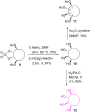
Scheme 2: Synthesis of aminocyclooctanetriol 12.
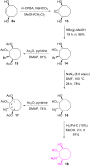
Scheme 3: Synthesis of aminocyclooctanetriol 18.

Scheme 4: Synthesis of chlorocyclooctanetriol 20.
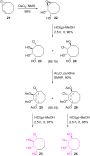
Scheme 5: Synthesis of chlorocyclooctanetriols 23 and 24.
α,γ-Dioxygenated amides via tandem Brook rearrangement/radical oxygenation reactions and their application to syntheses of γ-lactams
- Mikhail K. Klychnikov,
- Radek Pohl,
- Ivana Císařová and
- Ullrich Jahn
Beilstein J. Org. Chem. 2021, 17, 688–704, doi:10.3762/bjoc.17.58
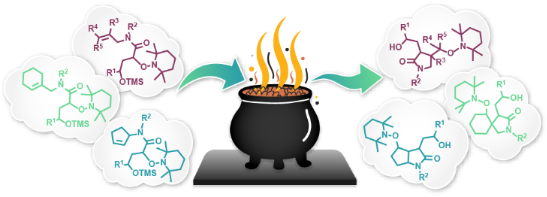
- Derivatizations of lactams 12 lead to valuable compound classes for further elaboration. The alkoxyamine functionality of lactam trans-12b was reductively cleaved by excess zinc in the presence of acetic acid at elevated temperature (Scheme 6); the dihydroxy lactam 14 was obtained in 82% yield. In the presence of

Graphical Abstract
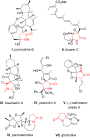
Figure 1: Selected alkaloids containing the pyrrolidone motif.
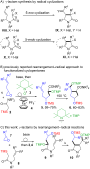
Scheme 1: A) Classical γ-lactam synthesis by atom transfer radical cyclizations; B) previously developed tand...
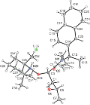
Figure 2: X-ray crystal structure of the major (2R,4S)-alkoxyamine hydrochloride derived from 9j. Displacemen...

Scheme 2: Formation of the α-(aminoxy)amides 9o,p.

Figure 3: X-ray crystal structure of the minor cis-diastereomers of the keto lactam 13j (left) and the hydrox...
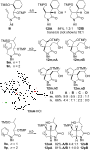
Scheme 3: Thermal radical cyclization reactions of amides 9l–p bearing cyclic units. Conditions: a) t-BuOH, 1...

Scheme 4: Epimerization of spirolactams 12m,n.

Scheme 5: The Dess–Martin oxidation of lactams 12l–o. Conditions: a) DMP (1.3 equiv), t-BuOH (10 mol %), CH2Cl...
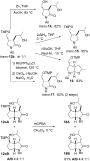
Scheme 6: Selected transformations of the lactams trans-12b and 12o.

Scheme 7: Diastereoselectivity for the formation of α-(aminoxy)amides 9i–k.

Scheme 8: Rationalization of the diastereoselectivity for the formation of the α-(aminoxy)amide 9l.
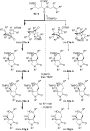
Scheme 9: Rationalization of the thermal radical cyclization diastereoselectivity of alkoxyamines 9a–k. (S)-C...
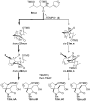
Scheme 10: The stereochemical course for the formation of products 12m,n by thermal radical cyclization of alk...
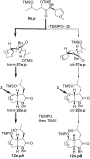
Scheme 11: Formation of bicycles 12o,p.
Effective microwave-assisted approach to 1,2,3-triazolobenzodiazepinones via tandem Ugi reaction/catalyst-free intramolecular azide–alkyne cycloaddition
- Maryna O. Mazur,
- Oleksii S. Zhelavskyi,
- Eugene M. Zviagin,
- Svitlana V. Shishkina,
- Vladimir I. Musatov,
- Maksim A. Kolosov,
- Elena H. Shvets,
- Anna Yu. Andryushchenko and
- Valentyn A. Chebanov
Beilstein J. Org. Chem. 2021, 17, 678–687, doi:10.3762/bjoc.17.57
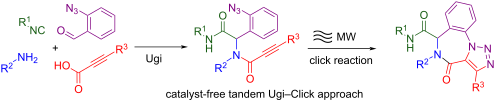
- products from substrates with preinstalled functionality for IAAC (azide and alkyne groups) and then optimizing the conditions for the azide–alkyne cycloaddition that should lead to the desired compounds. The key precursor in our study bearing an azide functional group is 2-azidobenzaldehyde 2, which can

Graphical Abstract

Figure 1: Benzodiazepine-based azolo-containing drugs.

Figure 2: Novel potential 1,2,3-triazolobenziadiazepine drugs.

Scheme 1: Examples of synthesis of 1,2,3-triazolobenzodiazepines via tandem approach Ugi reaction/IAAC. Reage...

Scheme 2: Azide precursor synthesis.

Scheme 3: Synthesis of Ugi products 6, their structures and yields.

Figure 3: Code legend for Ugi products 6 and molecular structure (X-ray analysis) of compound 6aaa.

Scheme 4: Cyclization of Ugi-product 6aab with terminal alkyne fragment.

Figure 4: 1H NMR spectra of the reactant and the product of IAAC.

Figure 5: Molecular structure of compound 7aaa (X-ray analysis) and comparison of 1H NMR spectra of compounds ...

Scheme 5: The substrate scope of intermolecular cycloaddition.
Designed whole-cell-catalysis-assisted synthesis of 9,11-secosterols
- Marek Kõllo,
- Marje Kasari,
- Villu Kasari,
- Tõnis Pehk,
- Ivar Järving,
- Margus Lopp,
- Arvi Jõers and
- Tõnis Kanger
Beilstein J. Org. Chem. 2021, 17, 581–588, doi:10.3762/bjoc.17.52
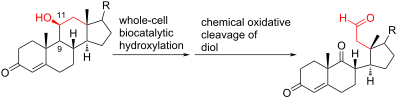
- transformation. Also, the substituent at C17 does not affect the KSH performance: steroids with C17 keto functionality (i.e., 2 and 3) or cholesterol-like side chains at C20 (i.e., 1) were all transformed efficiently to the corresponding 9,11-dihydroxylated products. 1H and 13C 1D and 2D (COSY, HSQ and HMBC) NMR

Graphical Abstract

Figure 1: A) Tetracyclic core of steroids and possible sites of bond cleavages for secosteroids. B)The first ...

Scheme 1: Retrosynthetic analysis of 9,11-secosterols.

Scheme 2: Synthesis of starting materials. Reagents and conditions: i) NaBH4, EtOH/CH2Cl2 1:1, 2 h, rt, then ...

Scheme 3: Oxidation of diols 5 and 6 with NaOCl·5H2O.
Synthesis of N-perfluoroalkyl-3,4-disubstituted pyrroles by rhodium-catalyzed transannulation of N-fluoroalkyl-1,2,3-triazoles with terminal alkynes
- Olga Bakhanovich,
- Viktor Khutorianskyi,
- Vladimir Motornov and
- Petr Beier
Beilstein J. Org. Chem. 2021, 17, 504–510, doi:10.3762/bjoc.17.44
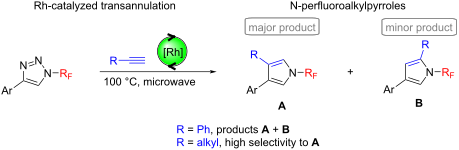
- transannulation/carboxylation process was demonstrated for the construction of the functionalized pyrrole 2-carboxylic acid with an N-trifluoromethyl functionality. Thus, this work improves the synthetic access to N-perfluoroalkyl-3,4-disubstituted pyrroles. Selected pyrrole-containing natural products, drugs

Graphical Abstract

Figure 1: Selected pyrrole-containing natural products, drugs, agrochemicals, and functional materials.

Scheme 1: Transformation of N-sulfonyl-1,2,3-triazoles to pyrroles via metal iminocarbenes.

Scheme 2: Transannulation of triazoles 2 with phenylacetylene.

Scheme 3: Transannulation of N-perfluoroalkyl-1,2,3-triazoles with aliphatic alkynes.

Scheme 4: Reaction of 1a with hex-5-ynenitrile.

Scheme 5: Metalation and carboxylation of in situ-prepared pyrrole 2a.

Scheme 6: Plausible mechanism for rhodium-catalyzed transannulation of N-perfluoroalkyl-1,2,3-triazoles with ...
Synthesis of legonmycins A and B, C(7a)-hydroxylated bacterial pyrrolizidines
- Wilfred J. M. Lewis,
- David M. Shaw and
- Jeremy Robertson
Beilstein J. Org. Chem. 2021, 17, 334–342, doi:10.3762/bjoc.17.31

- , was also reported in 1980 [10]. Following a 23-year hiatus, two papers submitted within two weeks of each other reported, respectively: (1) the isolation from Streptomyces sp. UMA-044 and characterization of NP25302, that differs from bohemamine in lacking the 6,7-epoxide functionality [11] and (2
- -ketoester 13. The appended ester functionality in 14 has, at some point, to be removed, as its presence complicates a potential application to the (2-methyl-substituted) legonmycins, and it exerts a potentially stabilizing electronic effect on pyrrolic intermediates that could be unhelpful in downstream

Graphical Abstract

Figure 1: The clazamycins, and selected bacterial pyrrolizidines of the vinylogous urea type. For consistency...

Figure 2: Key species in the biosynthesis of legonmycins A (3) and B (4), and the pyrrolizixenamides A–D (9–12...

Scheme 1: Preparation of the legonmycin core.

Scheme 2: Hypothesis for the oxidative hydrolysis of diacylated pyrrolizidinone 18 (R = iBu).

Scheme 3: Preparation of C(7a)-functionalized pyrrolizinone derivatives and synthesis of legonmycins A and B.
Supramolecular polymerization of sulfated dendritic peptide amphiphiles into multivalent L-selectin binders
- David Straßburger,
- Svenja Herziger,
- Katharina Huth,
- Moritz Urschbach,
- Rainer Haag and
- Pol Besenius
Beilstein J. Org. Chem. 2021, 17, 97–104, doi:10.3762/bjoc.17.10
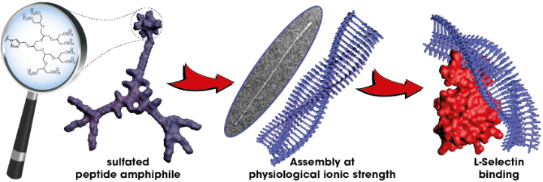
- [6][7][8][9] are only few of the numerous examples for multivalent protein–protein or protein–carbohydrate interactions that underline their pivotal role in biology. Mimicking polyvalency using synthetic systems has therefore become a growing field and the high degree of functionality renders
- purified by RP-HPLC and separated from impurities, like disubstituted byproduct, to finally afford 5 in 68% yield. Subsequently, an azide functionality was easily introduced using azidoacetic acid NHS ester to obtain compound 6. In the next step, the solubilizing side-arm 4 was attached twice to the

Graphical Abstract

Scheme 1: The synthesis of the C3-symmetrical tetraethylene glycol-decorated peptide amphiphile I and the azi...

Scheme 2: Synthesis of the sulfated peptide amphiphile II by copper-catalyzed azide–alkyne cyclization.

Figure 1: Analysis of the self-assembly behavior of I by A: CD-spectra of 5, 10, 25 or 50 µM aqueous solution...
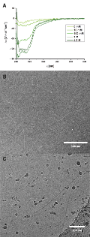
Figure 2: Analysis of the supramolecular polymerization of II by A: CD-spectra of a 25 µM solution in TRIS bu...

Figure 3: Concentration-dependent relative L-selectin binding of the supramolecular polymers I and II in HEPE...
Progress in the total synthesis of inthomycins
- Bidyut Kumar Senapati
Beilstein J. Org. Chem. 2021, 17, 58–82, doi:10.3762/bjoc.17.7
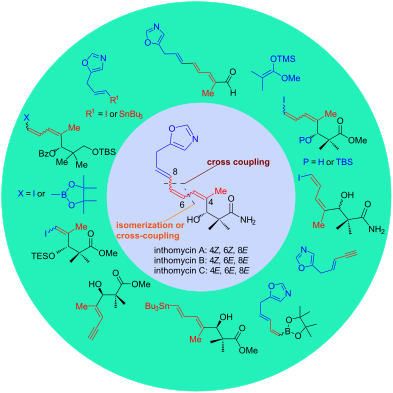
- -interrupted oxazolyltriene unit is conjugated to a chiral β-hydroxycarbonyl center of an amide functionality. Inthomycin A ((+)-1), the first member of the inthomycin family, was isolated by Omura’s group from the strain of Streptomyces sp. OM-5714 in 1990 [1]. Then, the following year, Henkel and Zeek had

Graphical Abstract

Figure 1: The inthomycins A–C (1–3) and structurally closely related compounds.

Figure 2: Syntheses of inthomycins A–C (1–3).
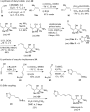
Scheme 1: The first total synthesis of racemic inthomycin A (rac)-1 by Whiting.

Scheme 2: Moloney’s synthesis of the phenyl analogue of inthomycin C ((rac)-3).
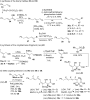
Scheme 3: Moloney’s synthesis of phenyl analogues of inthomycins A (rac-1) and B (rac-2).
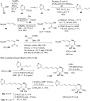
Scheme 4: The first total synthesis of inthomycin B (+)-2 by R. J. K. Taylor.

Scheme 5: R. J. K. Taylor’s total synthesis of racemic inthomycin A (rac)-1.
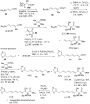
Scheme 6: The first total synthesis of inthomycin C ((+)-3) by R. J. K. Taylor.

Scheme 7: The first total synthesis of naturally occurring inthomycin C ((–)-3) by Ryu et al.

Scheme 8: Preparation of E,E-iododiene (+)-84 and Z,E- iododiene 85a.

Scheme 9: Hatakeyama’s total synthesis of inthomycin A (+)-1 and inthomycin B (+)-2.

Scheme 10: Hatakeyama’s total synthesis of inthomycin C ((–)-3).

Scheme 11: Maulide’s formal synthesis of racemic inthomycin C ((rac)-3).
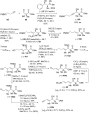
Scheme 12: Hale’s synthesis of dienylstannane (+)-69 and enyne (+)-82b intermediates.

Scheme 13: Hale’s total synthesis of inthomycin C ((+)-3).

Scheme 14: Hale and Hatakeyama’s resynthesis of (3R)-inthomycin C (−)-3 Mosher esters.

Scheme 15: Reddy’s formal syntheses of inthomycin C (+)-3 and inthomycin C ((−)-3).

Scheme 16: Synthesis of the cross-metathesis precursors (rac)-118 and 121.

Scheme 17: Donohoe’s total synthesis of inthomycin C ((−)-3).

Scheme 18: Synthesis of dienylboronic ester (E,E)-128.

Scheme 19: Synthesis of the alkenyl iodides (Z)- and (E)-130.

Scheme 20: Burton’s total synthesis of inthomycin B ((+)-2).

Scheme 21: Burton’s total synthesis of inthomycin C ((−)-3).

Scheme 22: Burton’s total synthesis of inthomycin A ((+)-1).

Scheme 23: Synthesis of common intermediate (Z)-(+)-143a.

Scheme 24: Synthesis of (Z)-and (E)-selective fragments (+)-145a–c.
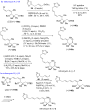
Scheme 25: Kim’s total synthesis of inthomycins A (+)-1 and B (+)-2.

Scheme 26: Completion of total synthesis of inthomycin C ((–)-3) by Kim.
Molecular basis for protein–protein interactions
- Brandon Charles Seychell and
- Tobias Beck
Beilstein J. Org. Chem. 2021, 17, 1–10, doi:10.3762/bjoc.17.1
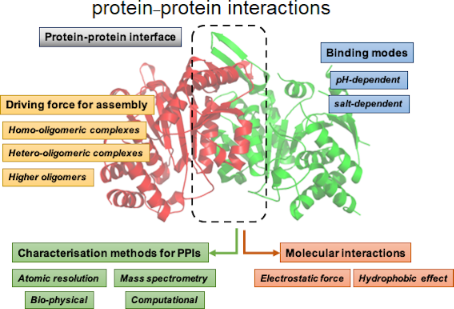
- interactions; Introduction From signalling over transport to catalysis, the broad functionality of proteins is essential in the cellular machinery. To this effect, proteins can be seen as the workforce of the cell. Proteins relay some of their functionality via interactions between protein nodes called
- functionality and the corresponding pathways. Important roles of PPIs include hormone reception [2], protease inhibition [3], antibody–antigen complexes [4], gene regulation [5], and large biomolecular assemblies [6]. PPI identification and prediction are important for targeting anticancer strategies [7

Graphical Abstract

Figure 1: Different methodologies employed to study PPIs. The protein used for illustration is the heterodime...

Figure 2: Mechanisms of homooligomeric complex formations. a) Domain swapping of RNase A (PDB: 1A2W) [73]. The sw...

Figure 3: Parts a) and b) represent the electron densities and B-factors of TMV, respectively. The cryo-EM st...

Figure 4: Schematic of the general assembly of charged protein containers to form binary nanoparticle superla...
Synthesis of imidazo[1,5-a]pyridines via cyclocondensation of 2-(aminomethyl)pyridines with electrophilically activated nitroalkanes
- Dmitrii A. Aksenov,
- Nikolai A. Arutiunov,
- Vladimir V. Maliuga,
- Alexander V. Aksenov and
- Michael Rubin
Beilstein J. Org. Chem. 2020, 16, 2903–2910, doi:10.3762/bjoc.16.239

- superior electrophile in comparison to the ester function. Indeed, this bielectrophilic reagent reacted only at the nitro group, providing the amide 20 as the sole product. The yield was quite marginal, primarily due to decomposition of the fragile ester functionality under the harsh reaction conditions

Graphical Abstract

Figure 1: Biologically active imidazo[1,5-a]pyridines.

Scheme 1: Activation of nitroalkanes towards nucleophilic attack by amines.

Scheme 2: Mechanistic rationale.

Scheme 3: Reaction of the N-tosylate 17 with electrophilic nitroalkanes.

Scheme 4: Reaction of 2-(aminomethyl)pyridine (12) with electrophilic nitroalkanes.
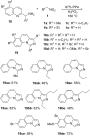
Scheme 5: Reaction of the 2-(aminomethyl)quinolines 18 with electrophilic nitroalkanes.
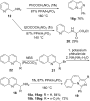
Scheme 6: Reactivity of α-nitroacetophenone (1h) and α-nitroacetic ester (1i).



