


Search results
Search for "industry" in Full Text gives 427 result(s) in Beilstein Journal of Organic Chemistry. Showing first 200.
Dirhamnolipid ester – formation of reverse wormlike micelles in a binary (primerless) system
Beilstein J. Org. Chem. 2020, 16, 2820–2830, doi:10.3762/bjoc.16.232
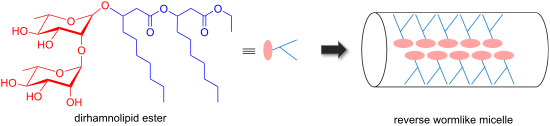
- described by Leisinger et al. [9]. Rhamnolipids possess some advantages, that make them interesting candidates as cleaning agents or additives for care applications in the consumer goods industry. They can be produced in a fermentation process from renewable nontropic material [10][11]. RL are also


Dawn of a new era in industrial photochemistry: the scale-up of micro- and mesostructured photoreactors
Beilstein J. Org. Chem. 2020, 16, 2484–2504, doi:10.3762/bjoc.16.202
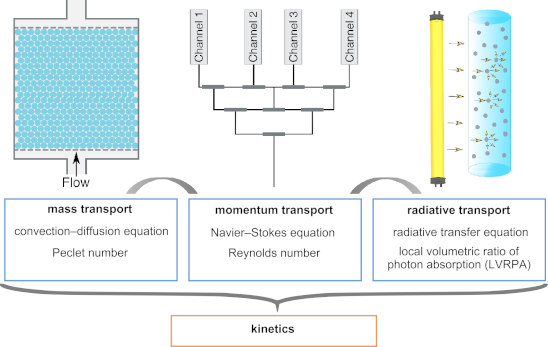
- Leuven, Leuven, Belgium 10.3762/bjoc.16.202 Abstract Photochemical activation routes are gaining the attention of the scientific community since they can offer an alternative to the traditional chemical industry that mainly utilizes thermochemical activation of molecules. Photoreactions are fast and
- : microreactor; microreactor scale-up; monolith reactors; packed bed reactor; photoreactor scale-up; Review Introduction In the traditional chemical industry, thermochemical activation routes are mostly preferred. Light can also activate some molecules, which leads to fast and selective reaction pathways
- sequestration [7]. Still, photochemistry has not been exploited much in industry since the distribution of light inside a photoreactor brings a lot of complexity to the reactor design. Unlike thermochemical reactions, it is not feasible to scale up photoreactions by increasing the dimensions of the reactor due




Conformational preferences of fluorine-containing agrochemicals and their implications for lipophilicity prediction
Beilstein J. Org. Chem. 2020, 16, 2469–2476, doi:10.3762/bjoc.16.200
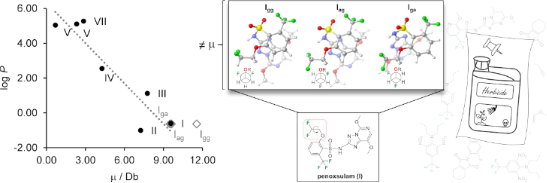
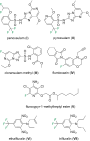
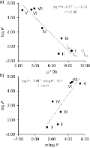
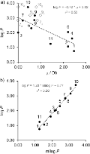
- lipophilicity with the molecular conformation. Keywords: dipole moment; fluorinated compounds; gauche effect; herbicides; log P; Introduction Whilst in the last years the agrochemical industry has encountered a period of downturn affected by new regulations, low crop prices, biochemical resistance, among
- other variables, recent events have shown signs of recovery [1]. Currently, the agrochemical industry focuses on introducing new efficient and more environmentally friendly products, that attend the new regulation requirements, for replacing those agrochemicals that were banned due to either their



A proposed sustainability index for synthesis plans based on input provenance and output fate: application to academic and industrial synthesis plans for vanillin as a case study
Beilstein J. Org. Chem. 2020, 16, 2346–2362, doi:10.3762/bjoc.16.196
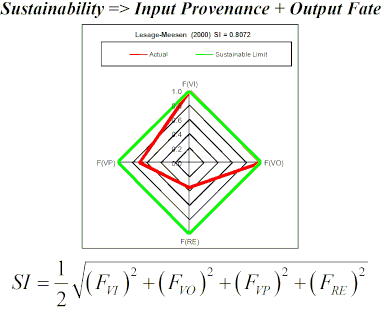
- fossil-fuel derived and renewable sources. Dutch and Belgian chemical engineers proposed an extended thermodynamic analysis considering exergy and lost work to address the sustainability potential of the chemical process industry [2][3][4]. Horvath and co-workers put forth the following sustainability
- assumptions and guesswork since there are no proper centralized data kept for tracking end-of-life waste of any product manufactured in the chemical industry. Hence, for the purposes of calculating SI, estimating is the weakest link. Having described the three mass fractions related to the provenance of
- , unitless), skin dose (SD, mg), and flash point (FP, degrees K). Table 1 shows a revised and expanded formatted listing of normalized OSI values for various solvents used in the chemical industry. In our past work [20] describing a presentation of a “standardized process green synthesis report” for chemical


Photosensitized direct C–H fluorination and trifluoromethylation in organic synthesis
Beilstein J. Org. Chem. 2020, 16, 2151–2192, doi:10.3762/bjoc.16.183
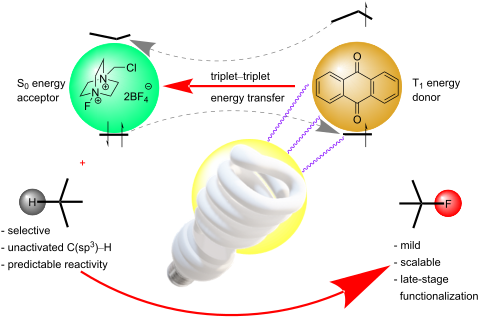
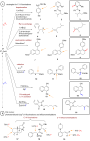
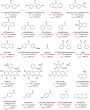
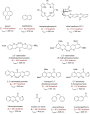
- , light is inexpensive, nontoxic, noncontaminating, ample (or “limitless” in the case of sunlight) and a renewable source of energy for environmentally-friendly and “green” chemical synthesis. As a consequence of comprehending the detrimental impact of human industry on the environment, new methods to






Synthesis of monophosphorylated lipid A precursors using 2-naphthylmethyl ether as a protecting group
Beilstein J. Org. Chem. 2020, 16, 1955–1962, doi:10.3762/bjoc.16.162

- Jundi Xue Ziyi Han Gen Li Khalisha A. Emmanuel Cynthia L. McManus Qiang Sui Dongmian Ge Qi Gao Li Cai Shanghai University of Engineering Science, 333 Long Teng Road, Shanghai 201620, China China State Institute of Pharmaceutical Industry, 285 Gebaini Rd, Shanghai 201203, China Department of


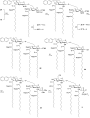
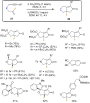
Pauson–Khand reaction of fluorinated compounds
Beilstein J. Org. Chem. 2020, 16, 1662–1682, doi:10.3762/bjoc.16.138
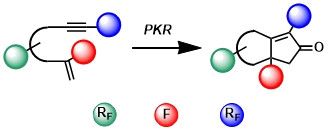
- signal). In addition, the use of fluorinated organic compounds in other key industrial fields is also of paramount importance. The agrochemical and materials industries, together with the aforementioned pharmaceutical industry, are perhaps the fields where organofluorinated compounds have exerted the




Heterogeneous photocatalysis in flow chemical reactors
Beilstein J. Org. Chem. 2020, 16, 1495–1549, doi:10.3762/bjoc.16.125
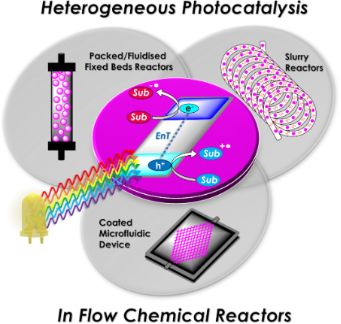
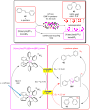
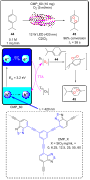
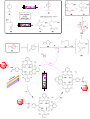
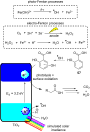
- has shifted the paradigms of photochemistry, opening new avenues of research with safer and scalable processes that can be readily implemented in academia and industry. Current state-of-the-art photocatalysts are homogeneous transition metal complexes that have favourable photophysical properties














Disposable cartridge concept for the on-demand synthesis of turbo Grignards, Knochel–Hauser amides, and magnesium alkoxides
Beilstein J. Org. Chem. 2020, 16, 1343–1356, doi:10.3762/bjoc.16.115
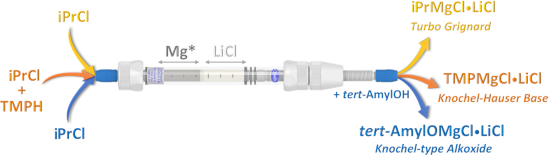
- chloride–lithium chloride complex (iPrMgCl⋅LiCl), known as turbo Grignard [45]. In addition to being widely cited, turbo Grignard is a popular discovery-scale tool in the pharmaceutical industry [32] and has shown an excellent selectivity on a large scale [46]. Halomagnesium amide LiCl adducts, e.g., the


Anthelmintic drug discovery: target identification, screening methods and the role of open science
Beilstein J. Org. Chem. 2020, 16, 1203–1224, doi:10.3762/bjoc.16.105
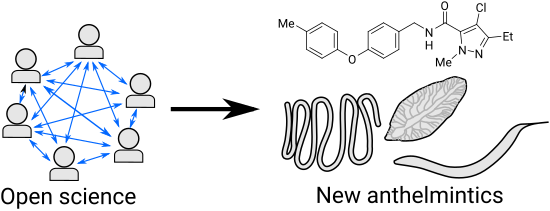
- livestock with parasitic worms has important animal welfare implications and can result in considerable economic losses to the livestock industry. In industrialised countries most livestock are routinely given anthelmintics to control or prevent infections and it is estimated the number of sheep, goats and
- cattle treated annually is hundreds of millions [1]. Treatment of horses, other equids, and companion animals is also a major use of anthelmintics. Anthelmintic drug discovery has been a continued emphasis in the animal health industry, driven by the spread of resistance to the macrocyclic lactones [2
- and other control solutions for human helminth infection, these indications have been largely ignored by the pharmaceutical industry, presumably for commercial reasons. Indeed, no new chemical entities were approved between 2000 and 2011 [71][72]. Since then only moxidectin (8, 2018) and





Activated carbon as catalyst support: precursors, preparation, modification and characterization
Beilstein J. Org. Chem. 2020, 16, 1188–1202, doi:10.3762/bjoc.16.104
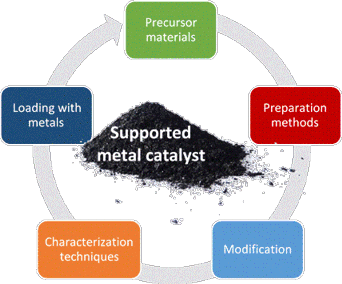
- coals. However, the size of these pores is very small [5]. Activated carbons prepared from bituminous coals are more durable compared to other coal-based carbons [6]. Petroleum coke as byproduct of the refinery industry, show a high carbon content, low amount of ash and is widely available [7


The charge-assisted hydrogen-bonded organic framework (CAHOF) self-assembled from the conjugated acid of tetrakis(4-aminophenyl)methane and 2,6-naphthalenedisulfonate as a new class of recyclable Brønsted acid catalysts
Beilstein J. Org. Chem. 2020, 16, 1124–1134, doi:10.3762/bjoc.16.99
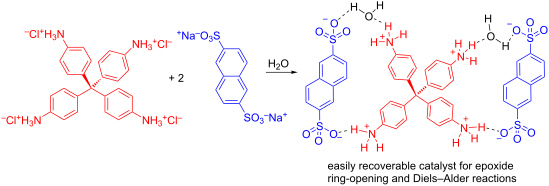
- catalysis are well-known and documented [1][2][3]. However, problems associated with catalyst recovery limit the application of homogeneous catalysts in industry and sometimes make their heterogenization necessary. Unfortunately, the immobilization of a homogeneous catalyst onto supports, such as
- synthetic protocols for the matrix synthesis hamper the routine use of MOFs and COFs in industry, even for the production of high-added-value products. Recently, new supramolecular porous materials named hydrogen-bonded organic frameworks (HOFs) or supramolecular organic frameworks (SOFs) have been




A method to determine the correct photocatalyst concentration for photooxidation reactions conducted in continuous flow reactors
Beilstein J. Org. Chem. 2020, 16, 871–879, doi:10.3762/bjoc.16.78
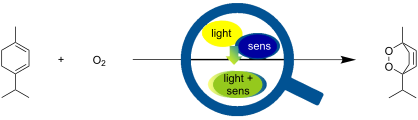
- sources over mercury arcs and other light sources commonly used in industry and classical synthetic organic photochemistry. LEDs typically have much narrower emission spectra when compared to these light sources, all of which have broad emission spectra except for low-pressure sodium vapor lamps [15][16


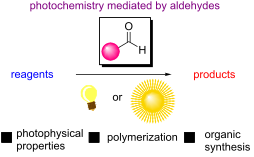
Aldehydes as powerful initiators for photochemical transformations
Beilstein J. Org. Chem. 2020, 16, 833–857, doi:10.3762/bjoc.16.76






Recent advances in Cu-catalyzed C(sp3)–Si and C(sp3)–B bond formation
Beilstein J. Org. Chem. 2020, 16, 691–737, doi:10.3762/bjoc.16.67
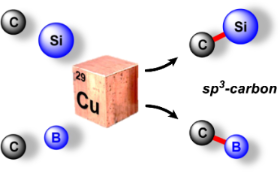
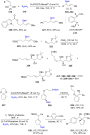
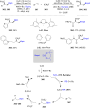
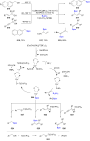
- organosilicon [17][18][19][20] and organoboron [21][22][23][24] compounds (i.e., C(sp3)–Si and C(sp3)–B). Nonetheless, considering the extent of their use and their increasing popularity in the pharmaceutical industry, as well as the significant growth in the development of Cu-catalyzed processes applied to






Rhodium-catalyzed reductive carbonylation of aryl iodides to arylaldehydes with syngas
Beilstein J. Org. Chem. 2020, 16, 645–656, doi:10.3762/bjoc.16.61

- crucial for new practical applications. Syngas is a mixture of CO and H2, which is cheap, abundant and widely used in chemical industry productions [14][15][16]. In spite of its comprehensive utilization in industry, reactions involving CO are relatively seldom employed in fine chemicals syntheses. This
- chemical industry by offering a practical synthetic tool for the conversion of aryl iodides to arylaldehydes. Results and Discussion Effects of Rh species Rhodium salts coordinated with proper ligands have been reported to be able to realize the activation of CO and H2 and thus might achieve the reductive


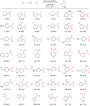


A systematic review on silica-, carbon-, and magnetic materials-supported copper species as efficient heterogeneous nanocatalysts in “click” reactions
Beilstein J. Org. Chem. 2020, 16, 551–586, doi:10.3762/bjoc.16.52
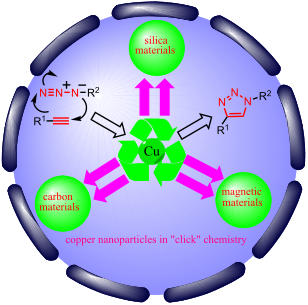
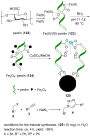
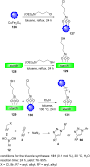
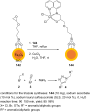
- nanocomposite, carbon nanocomposite, and magnetic nanocomposites and their catalytic uses in CuAACs will be helpful to the community of scientists working in industry and scholarly laboratories, respectively. This review aims to cover recently published reports from 2014 to 2019 presenting synthetic routes and
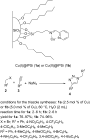
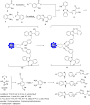
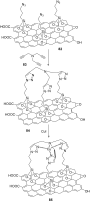
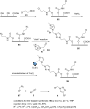
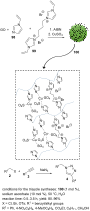
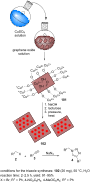
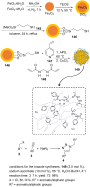
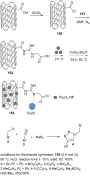
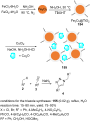
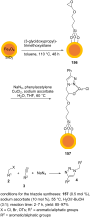
- applications that focused on the title catalysts in CuAAC reactions. Review Copper anchored on functionalized silica materials: efficient and recyclable catalysts for CuAAC reactions In recent years, silica or silicon dioxide nanomaterials have received much attention from researchers and industry and have
















Photophysics and photochemistry of NIR absorbers derived from cyanines: key to new technologies based on chemistry 4.0
Beilstein J. Org. Chem. 2020, 16, 415–444, doi:10.3762/bjoc.16.40
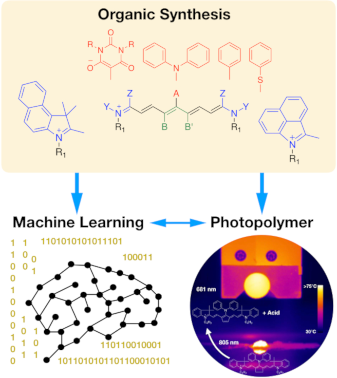
- applications related to Chemistry 4.0 standards. These were mainly photopolymer coatings, which can be found for applications in the graphic industry or to protect selected substrates. The huge release of heat on demand upon turning ON or OFF the NIR light source enables them for photothermal treatment in
- where the absorber uptakes the function of a sensitizer to generate initiating radicals and conjugate acid [13][14][15][16][17][58][65]. The fact that these systems work upon turning ON/OFF cycles facilitates their use in Industry 4.0 related applications where printing represents one feasible
- to enable such materials to technologies requesting a higher demand on materials; that is for example the graphic industry where these absorbers have been successfully worked in Computer to Plate (CtP) applications for more than 25 years [11][12][13][14]. Nowadays, manufacturing of symmetric cyanines


Visible-light-induced addition of carboxymethanide to styrene from monochloroacetic acid
Beilstein J. Org. Chem. 2020, 16, 398–408, doi:10.3762/bjoc.16.38
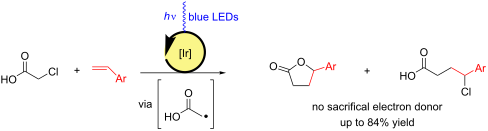
- chloromethyl radical can be formed with photoredox catalysis from monochloroacetic acid, but we were not yet able to apply such reactions in a productive manner, such as in cyclopropanation reactions. A part of the industry around monochloroacetic acid. Cyclic voltammogram of monochloroacetic acid and


Oligomeric ricinoleic acid preparation promoted by an efficient and recoverable Brønsted acidic ionic liquid
Beilstein J. Org. Chem. 2020, 16, 351–361, doi:10.3762/bjoc.16.34
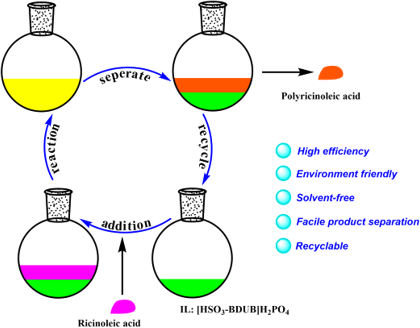
- industry [4]. Especially, the characteristics of non-volatility and biodegradability make plant oil the most promising material to develop functional polymeric materials with superior performance [5][6][7]. Castor oil is one kind of nonedible oil and can be extracted from the seeds of the castor bean plant
- industry [9][10]. Numerous platform chemicals such as ricinoleic acid and undecylenic acid can be prepared from castor oil, wherein ricinoleic acid is a crucial platform chemical for derivation of useful chemicals [11][12][13][14]. Ricinoleic acid can be easily prepared by hydrolysis of castor oil [15


Recent developments in photoredox-catalyzed remote ortho and para C–H bond functionalizations
Beilstein J. Org. Chem. 2020, 16, 248–280, doi:10.3762/bjoc.16.26
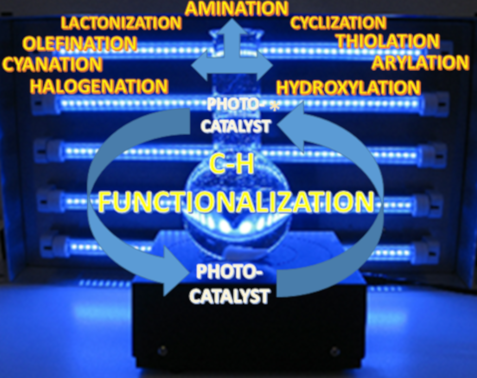
- research topic in modern synthetic organic chemistry for the constructions of challenging bonds, having the foremost scope in academia, pharmacy, and industry. Therefore, the development of green, simpler, and effective methodologies to accomplish direct C–H bond functionalization is well overdue and
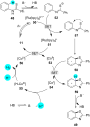
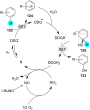
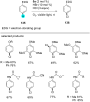
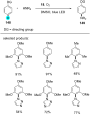
- bonds in the presence of photoredox catalyst 8, with a similar mechanism as shown in Figure 22, and the photocatalytic mechanism was elucidated by nanosecond laser flash photolysis (Scheme 24) [168]. Fluorine-18 is an important radioisotope used in the radiopharmaceutical industry (e.g., for drug












Synthesis and herbicidal activities of aryloxyacetic acid derivatives as HPPD inhibitors
Beilstein J. Org. Chem. 2020, 16, 233–247, doi:10.3762/bjoc.16.25
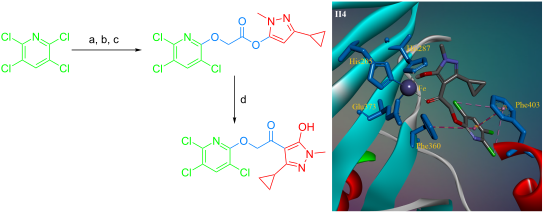
- of HPPA to HGA is interfered with an HPPD inhibitor [9][10]; consequently, plants become severely damage when exposed to sunlight, ultimately resulting in bleaching symptoms followed by necrosis and death [11][12]. Therefore, HPPD inhibitors play important roles in the herbicide industry. In addition
- commercialized and applied in the agrochemical industry. These herbicides are mainly divided into three categories: triketones, pyrazoles, and isoxazoles [9][15][16]. Figure 1 shows some HPPD-inhibiting herbicides, namely mesotrione, tefuryltrione, isoxaflutole, topramezone, and pyrasulfotole. Among them
- spectra of synthesized compounds. Acknowledgments The author thanks Prof. Da-Yong Zhang and Hao Huang for experimental guidance, Zhejiang University Chemical Industry Research Institute for biological activity assay, and National Natural science Foundation of China (30973607, 81172934), "Double First




Understanding the role of active site residues in CotB2 catalysis using a cluster model
Beilstein J. Org. Chem. 2020, 16, 50–59, doi:10.3762/bjoc.16.7
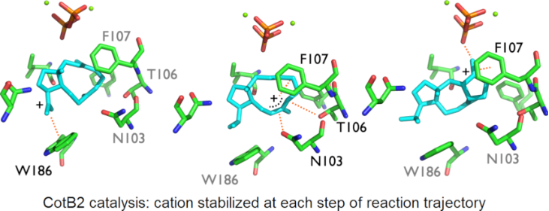
- by featuring anticancer, antibacterial, anti-inflammatory, and antiretroviral activities [37]. Moreover, they are applied in the food industry as antioxidants and sweeteners [4]. CotB2 is a bacterial diterpene cyclase from S. melanosporofaciens, which catalyzes the formation of cyclooctat-9-en-7-ol


A green, economical synthesis of β-ketonitriles and trifunctionalized building blocks from esters and lactones
Beilstein J. Org. Chem. 2019, 15, 2930–2935, doi:10.3762/bjoc.15.287
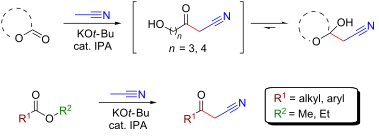
- hydroxy ester 4 followed by reaction with acetonitrile (CH3CN), a multistep approach would be less economical in industry (Scheme 1). Results and Discussion To date, the most economically appealing conditions from an environmentally friendly perspective entail relatively mild base-promoted (potassium tert


Palladium-catalyzed Sonogashira coupling reactions in γ-valerolactone-based ionic liquids
Beilstein J. Org. Chem. 2019, 15, 2907–2913, doi:10.3762/bjoc.15.284
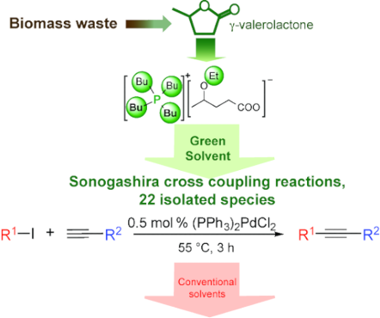
- arylacetylenes [7][8] having great importance in organic synthetic schemes of the pharmaceutical industry. From the environmental point of view, the Sonogashira reactions are usually performed in fossil-based common organic reaction media having high vapor pressure even at higher temperatures, toxicity
- into Class 2, of which applications should be strictly limited, particularly in pharmaceutical industry. To develop an environmentally benign alternative of this useful method, the reaction has been extended to green solvents such as water [16], fluorous solvents [17], supercritical CO2 [18], and very





