Search results
Search for "inhibitor" in Full Text gives 433 result(s) in Beilstein Journal of Organic Chemistry. Showing first 200.
Microwave-assisted efficient one-pot synthesis of N2-(tetrazol-5-yl)-6-aryl/heteroaryl-5,6-dihydro-1,3,5-triazine-2,4-diamines
Beilstein J. Org. Chem. 2020, 16, 1706–1712, doi:10.3762/bjoc.16.142
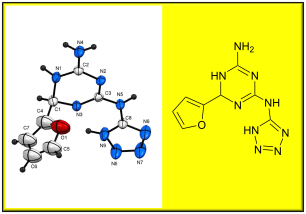
- [2], antitumor [3], anti-HIV [4], inhibitor of Trypanosoma brucei [5], angiogenesis inhibitor [6], antiplasmodial antifolates [7], and antimicrobial [8]. Moreover, and in particular N2,6-disubstituted-1,3,5-triazine-2,4-diamines possess a wide range of chemotherapeutic activities [8][9][10][11


Synthesis of new dihydroberberine and tetrahydroberberine analogues and evaluation of their antiproliferative activity on NCI-H1975 cells
Beilstein J. Org. Chem. 2020, 16, 1606–1616, doi:10.3762/bjoc.16.133
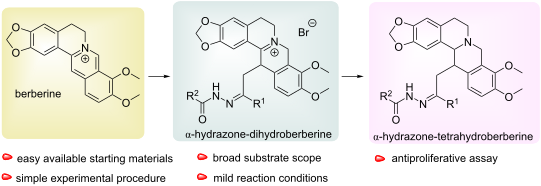
- canadine, is an isoquinoline alkaloid recurring in several plant species [55][56][57]. THBER is able to act to the central nervous system as an inhibitor [58], possesses hepatoprotective effects [59], is employed in the protection against cerebral ischemia-reperfusion injury [60], and shows anti-arrhythmic




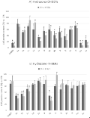
Photocatalyzed syntheses of phenanthrenes and their aza-analogues. A review
Beilstein J. Org. Chem. 2020, 16, 1476–1488, doi:10.3762/bjoc.16.123
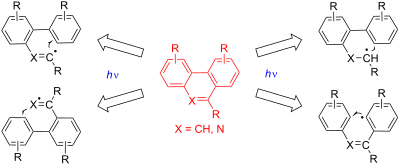
- topoisomerase 1 inhibitor [14] and DNA intercalator), bicolorine (5-methyl-[1,3]dioxolo[4,5-j]phenanthridin-5-ium ion, a trypanocidal) [15], and the antimalarian nitidine, as well as ethidium bromide (EB), that has been employed as a DNA- and RNA-fluorescent marker for a long time (some examples are collected


One-step route to tricyclic fused 1,2,3,4-tetrahydroisoquinoline systems via the Castagnoli–Cushman protocol
Beilstein J. Org. Chem. 2020, 16, 1456–1464, doi:10.3762/bjoc.16.121
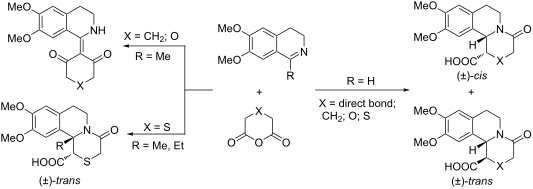
- IV inhibitor carmegliptin (2, DPP IV) with potential for the treatment of type-II diabetes [3][4]. A comparative study on novel classes of anticancer drugs identified benzo[a]quinolizines 3 and 4 (Figure 1) to be useful for a specific inhibition of heat shock response in cancer cells, which strongly


Recent synthesis of thietanes
Beilstein J. Org. Chem. 2020, 16, 1357–1410, doi:10.3762/bjoc.16.116
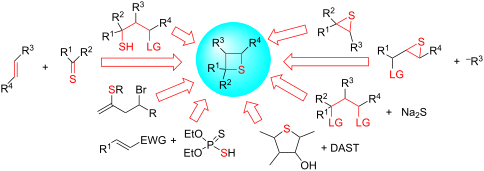
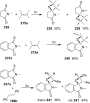
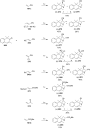
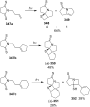
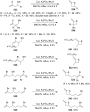
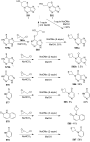
- as inhibitor of kinases, insecticides, and acaricides, its sulfur analogue, 6-amino-2-thiaspiro[3,3]heptane (28) was prepared from the cheap starting material 2,2-bis(bromomethyl)propane-1,3-diol (11). Compound 11 was converted into 3-(tert-butoxycarbonyl)-1,1-bis(hydroxymethyl)aminocyclobutane (25
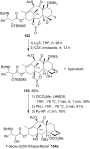
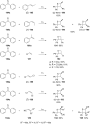
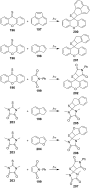
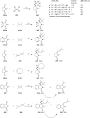
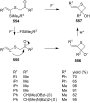
- -bis(hydroxymethyl)indolin-2-one (51) was reacted first with mesyl chloride and then treated with sodium sulfide to afford 6-bromospiro[indoline-3,3′-thietan]-2-one (53), which was further converted into the target inhibitor candidate 54 [42] (Scheme 12). 2-Methylene-γ-butyrolactone (55) as the initial


















Synthesis, antiinflammatory activity, and molecular docking studies of bisphosphonic esters as potential MMP-8 and MMP-9 inhibitors
Beilstein J. Org. Chem. 2020, 16, 1277–1287, doi:10.3762/bjoc.16.108

- describe the enzyme inhibitor site binding modes [16][17][18]. Thus, in this work, the bisphosphonates 3–6 were synthesized by a two-step method and then evaluated through two in vivo acute inflammation models in BALB/c mice. Furthermore, the acute toxicity was determined for these derivatives, and
- mechanism of action of the bisphosphonates 3–6, we propose that the tested derivatives are acting as MMP inhibitors. In this respect, MMP-8 and MMP-9 isoenzymes are related to inflammatory processes in different tissues [32][33][34][35]. Furthermore, for MMP-8 and MMP-9, enzyme–inhibitor interaction modes


Anthelmintic drug discovery: target identification, screening methods and the role of open science
Beilstein J. Org. Chem. 2020, 16, 1203–1224, doi:10.3762/bjoc.16.105
- different organisms, enabling researchers to identify and prioritise compounds active against multiple pathogens. For example MMV690102, which was originally developed as an inhibitor of kinetoplastid dihydrofolate reductase [159], is active against three trematode species (F. hepatica, S. haematobium, S
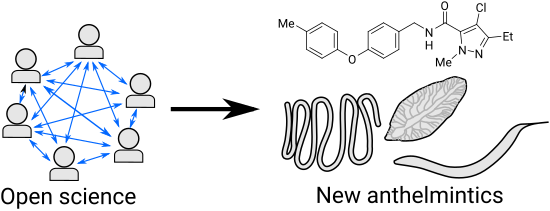
- follow-up study identified two additional pyrazole-5-carboxamide compounds with activity against H. contortus, although not improving on the potency of tolfenpyrad [166]. Tolfenpyrad acts in arthropods as an inhibitor of mitochondrial complex I [167]. It will be interesting if a tolfenpyrad derivative





Fluorinated phenylalanines: synthesis and pharmaceutical applications
Beilstein J. Org. Chem. 2020, 16, 1022–1050, doi:10.3762/bjoc.16.91
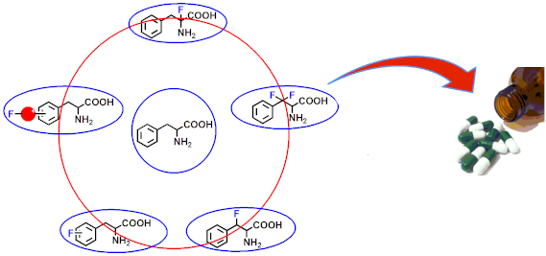
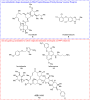
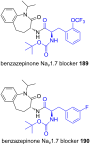
- able to increase the secretion of insulin by the pancreas that modulates blood sugar level when it is high. Sitagliptin was granted FDA approval in October, 2006 [116]. Retagliptin phosphate: Retagliptin phosphate (184) is under investigation as a DPP-4 inhibitor for treating type-2 diabetes. It is an
- synthesis of compound 184 [119][120] (Figure 7). Evogliptin: (R)-2,4,5-Trifluorophenylalanine 38b is required for the synthesis of evogliptin (185, Figure 8), an antidiabetic drug in the dipeptidyl peptidase-4 (DPP-4) inhibitor or "gliptin" class of drugs. The South Korean pharmaceutical company Dong-A ST
- developed evogliptin (185) and it is currently approved for use in South Korea [121][122][123]. LY2497282: Eli Lilly identified LY2497282 (186) as a potent and selective DPP-4 inhibitor, also for the treatment of type II diabetes. The inhibition of GLP-1 degradation by dipeptidyl peptidase IV (DPP-4) has


Efficient synthesis of piperazinyl amides of 18β-glycyrrhetinic acid
Beilstein J. Org. Chem. 2020, 16, 798–808, doi:10.3762/bjoc.16.73
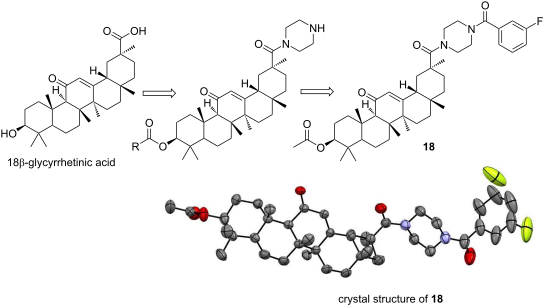
- instance, the hydroxy group can be converted into an oxime, acyloxyimino, alkoxyimino, alkoxy and 3-oxo group [9]. As a proteasome inhibitor, compound a suppresses the chymotrypsin-like activity of the proteasome in MT4 cells with an IC50 of 0.22 μM, nearly 100-fold more potent than 18β-glycyrrhetinic acid


Design and synthesis of diazine-based panobinostat analogues for HDAC8 inhibition
Beilstein J. Org. Chem. 2020, 16, 628–637, doi:10.3762/bjoc.16.59
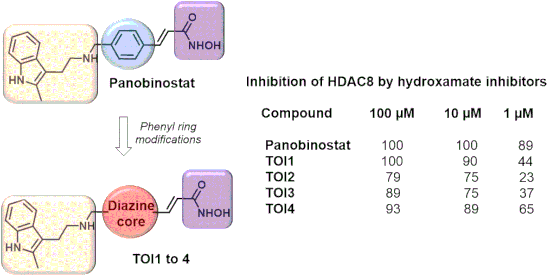
- [3]. Among these drugs, panobinostat (Farydak, Novartis) an FDA approved drug, has been recognized as a pan-deacetylase inhibitor [9][10]. As a hydroxamic acid pan-HDACi, it is zinc-dependent, capable of binding in a bidentate fashion to the zinc-containing catalytic domain of the HDACs, and
- panobinostat. The reported −log(Kd) values were 8.93, 8.64 and 8.25, respectively, with panobinostat possessing a docking score of 8.47. Considering the effects of structural diversity, TOI3-rev was included in the library and computationally evaluated to determine its potential as an HDAC8 inhibitor. TOI3-rev
- panobinostat against HDAC8 have been shown to be 277 nM [11]. In vivo studies measuring the IC50 values of panobinostat have also been performed, however, since panobinostat is a pan-DAC inhibitor it has been difficult for researchers to specifically correlate its IC50 value for HDAC8 in a physiological system




Opening up connectivity between documents, structures and bioactivity
Beilstein J. Org. Chem. 2020, 16, 596–606, doi:10.3762/bjoc.16.54
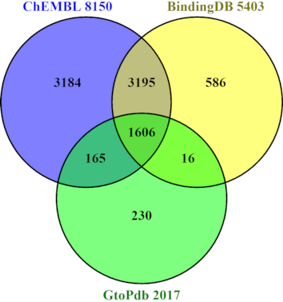
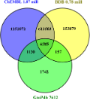
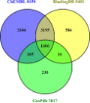
- -R indicates C to be a potent inhibitor of P). Compounds: a full range of cheminformatic analysis including 2D or 3D clustering, property prediction and chemical ontology assignments. Proteins: a full range of bioinformatic analysis including gene ontology (GO) assignments, pathway annotation



Synthesis and herbicidal activities of aryloxyacetic acid derivatives as HPPD inhibitors
Beilstein J. Org. Chem. 2020, 16, 233–247, doi:10.3762/bjoc.16.25
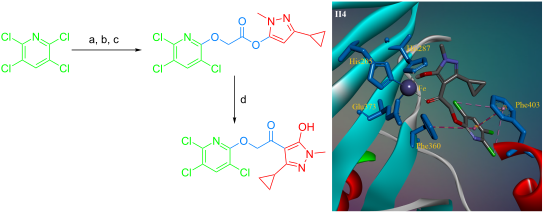
- , compound II4 was safe for weed control in maize fields at a rate of 150 g ai/ha, and was identified as the most potent candidate for a novel HPPD inhibitor herbicide. The compounds described herein may provide useful guidance for the design of new HPPD inhibiting herbicides and their modification
- catalytic mechanism for this process is shown in Scheme 1 [2][3][4][5][6]. The HPPD amino acid sequence homologies in plants and mammals are significantly different [7][8], and this difference affects the binding stability between an inhibitor and HPPD, leading to inhibitor activities that differ among
- of HPPA to HGA is interfered with an HPPD inhibitor [9][10]; consequently, plants become severely damage when exposed to sunlight, ultimately resulting in bleaching symptoms followed by necrosis and death [11][12]. Therefore, HPPD inhibitors play important roles in the herbicide industry. In addition




Synthesis of 3-alkenylindoles through regioselective C–H alkenylation of indoles by a ruthenium nanocatalyst
Beilstein J. Org. Chem. 2020, 16, 140–148, doi:10.3762/bjoc.16.16
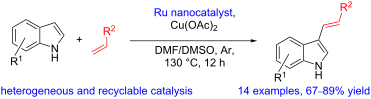
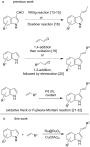
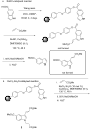
- the core of proposed anticancer compounds like MIPP and MOMIPP [10], fuligocandin B [2], the TDO inhibitor 680C91 [11], and a HCV NS5B polymerase inhibitor, which has been proposed as a drug against hepatitis C (Figure 1) [12]. The syntheses of 3-alkenylindoles can generally be classified into the




Potent hemithioindigo-based antimitotics photocontrol the microtubule cytoskeleton in cellulo
Beilstein J. Org. Chem. 2020, 16, 125–134, doi:10.3762/bjoc.16.14
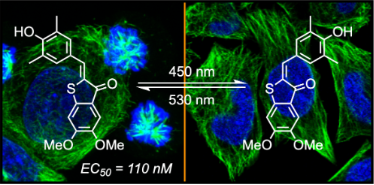
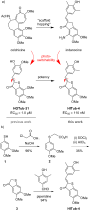
- colchicine. It is not the case that colchicine (or any other small-molecule inhibitor) represents an ideal structure that colchicine domain inhibitors (CDIs) should reproduce. Thus, our design focus was to introduce reversible photoresponse to a CDI rather than developing compounds with high similarity to
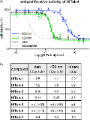
- is a potent inhibitor of the colchicine binding site (EC50 ≈ 40 nM) with both appropriate solubility and straightforward handling. Self-made low-intensity LED arrays with relatively narrow bandwidth were used for illumination of cells during assays, with a pulsing regime of 75 ms every 15 s to
- photopharmacology. a) The potent tubulin inhibitor colchicine as a lead scaffold led to the development of the HOTub generation of HTI-based antimitotics (e.g., HOTub-31). Changing the lead scaffold to indanocine led to the development of up to ten times more potent HITubs (e.g., HITub-4). b) Straightforward, short





Reversible photoswitching of the DNA-binding properties of styrylquinolizinium derivatives through photochromic [2 + 2] cycloaddition and cycloreversion
Beilstein J. Org. Chem. 2020, 16, 111–124, doi:10.3762/bjoc.16.13
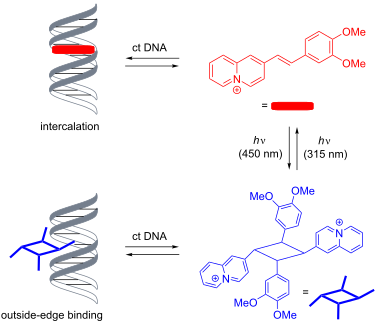
- deactivation of a stilbene tyrosine kinase inhibitor by a [2 + 2] photocycloaddition [59]. As the quinolizinium ion has been established as a versatile platform for the development of DNA intercalators [60], we identified styryl-substituted quinolizinium derivatives as a promising basis for the search for




Pigmentosins from Gibellula sp. as antibiofilm agents and a new glycosylated asperfuran from Cordyceps javanica
Beilstein J. Org. Chem. 2019, 15, 2968–2981, doi:10.3762/bjoc.15.293
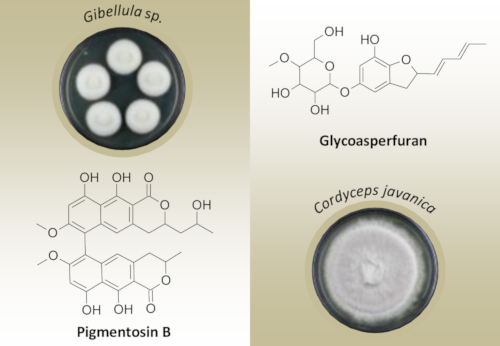
- leave target microbes vulnerable to antibiotics [6]. A complementary approach of using a combination of an antibiotic with a biofilm inhibitor appears to be a promising solution to control biofilm-associated pathogens, as based on the evidence that traditional antibiotics were more effective when used


Palladium-catalyzed synthesis and nucleotide pyrophosphatase inhibition of benzo[4,5]furo[3,2-b]indoles
Beilstein J. Org. Chem. 2019, 15, 2830–2839, doi:10.3762/bjoc.15.276

- nucleotide pyrophosphatase enzyme h-NPP-3. In case of 5e, an inhibitory value IC50 ± SEM = 0.26 ± 0.01 µM was observed which, thus, might be considered as potential inhibitor of h-NPP-3. Compound 5c with an inhibitory value for h-NPP-1 of IC50 ± SEM = 1.29 ± 0.07 µM was more active against NPP1 than against
- . However, the zinc–metal interaction was exhibited by the substituted phenyl moiety on the indole ring. The oxygen atom of the furan ring of dual inhibitor 6e showed a single hydrogen bond with Phe548. Asp423 was found to be involved in two π–cation bindings with the indole ring, whereas π–π stacked, π–π T
- -shaped and π–alkyl related bindings were noticed, connecting Ile235, Phe220, Ala546, Trp322 and Ile419. The fluorine atom was perceived interacting with Ile419. Docking studies of h-ENPP3 inhibitors The binding of ENPP3 was studied for selective inhibitor 5e. A dual affinity was observed for 5h and 6e


An improved, scalable synthesis of Notum inhibitor LP-922056 using 1-chloro-1,2-benziodoxol-3-one as a superior electrophilic chlorinating agent
Beilstein J. Org. Chem. 2019, 15, 2790–2797, doi:10.3762/bjoc.15.271
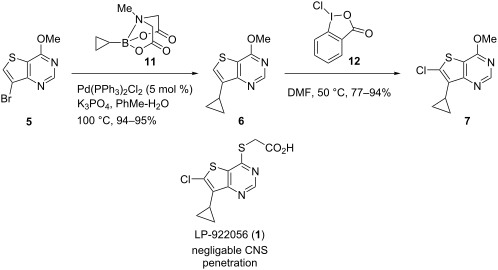
- , Kings Cross, London NW1 1AT, UK 10.3762/bjoc.15.271 Abstract Background: The carboxylesterase Notum has been shown to act as a key negative regulator of the Wnt signalling pathway by mediating the depalmitoleoylation of Wnt proteins. LP-922056 (1) is an orally active inhibitor of Notum. We are
- 1 (or 17) which combines Notum inhibition with CNS penetration would be a valuable chemical probe for investigating the role of Notum in disease models. Keywords: brain penetration; 1-chloro-1,2-benziodoxol-3-one; electrophilic chlorination; LP-922056; Notum inhibitor; Introduction The Wnt
- , Figure 1) is an orally active inhibitor of Notum recently reported by Lexicon Pharmaceuticals [5][6]. Their research with 1 has shown that Notum is a potential drug target for stimulating bone formation and treating osteoporosis [7]. However, although 1 demonstrates low plasma clearance, the structure




Skeletocutins M–Q: biologically active compounds from the fruiting bodies of the basidiomycete Skeletocutis sp. collected in Africa
Beilstein J. Org. Chem. 2019, 15, 2782–2789, doi:10.3762/bjoc.15.270

- inhibition activity against S. aureus, they showed only weak activity with 20 and 56% inhibition of the biofilm, respectively, at a concentration 256 µg/mL. Tyromycin A (6) was previously reported to be an inhibitor of leucine aminopeptidase in HeLa S3 cells [6]. Accordingly, all compounds 1–5 were tested


Fluorinated maleimide-substituted porphyrins and chlorins: synthesis and characterization
Beilstein J. Org. Chem. 2019, 15, 2704–2709, doi:10.3762/bjoc.15.263

- . Maleimides are considered as a biologically important scaffold that possess almost all types of biological activities including antibacterial and antifungal activity [24], anticancer activity [25], cox-2 inhibitor and anti-inflammatory, antidiabetic activity [26] and photodynamic activity [27]. Attaching of


Nanangenines: drimane sesquiterpenoids as the dominant metabolite cohort of a novel Australian fungus, Aspergillus nanangensis
Beilstein J. Org. Chem. 2019, 15, 2631–2643, doi:10.3762/bjoc.15.256
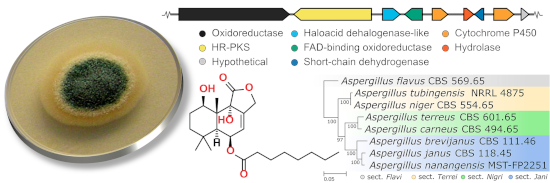
- activity against human and murine tumour cell lines. This suggests that the regioisomeric lactone moiety could play an important role in the observed cytotoxicity. Interestingly, 3 (SF002-96-1 [4]) was previously shown to inhibit survivin, which is a member of the inhibitor of apoptosis (IAP) family and a


α,ß-Didehydrosuberoylanilide hydroxamic acid (DDSAHA) as precursor and possible analogue of the anticancer drug SAHA
Beilstein J. Org. Chem. 2019, 15, 2524–2533, doi:10.3762/bjoc.15.245

- refractory cutaneous T-cell lymphoma (CTCL) [3]. Moreover, it also shows anticancer activity against a large number of hematological and solid malignancies [4][5]. Its anticancer activity is related to inhibition of histone deacetylase inhibitor (HDACi) at nanomolar concentrations (IC50 < 86 nM). Although
- , originally recognized as a pan-inhibitor, recent studies have established that it is unable to inhibit Class IIA lysine deacetylases (HDAC/4/5/79), thus showing some selectivity profile [6][7]. Moreover, pan-inhibition is also a cause of increased concern due to adverse side effects [8]. The closely related
- hydroxamic acid derivative belinostat (2) is also approved for the treatment of peripheral T-cell lymphoma (PTCL) [9]. On the other hand, trichostatin A (3), containing an α,ß-unsaturated hydroxamic acid unit is the best known HDAC inhibitor which shows antifungal activities [10][11]. Because of the


Current understanding and biotechnological application of the bacterial diterpene synthase CotB2
Beilstein J. Org. Chem. 2019, 15, 2355–2368, doi:10.3762/bjoc.15.228
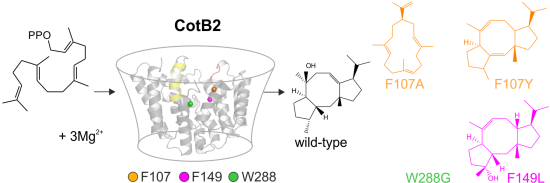
- -crystallized with AHD, a compound that mimics the diphosphate group of GGDP and acts as a suicide inhibitor. The crystal structure of CotB2wt·Mg2+3·AHD (PDB-ID 6GGJ; [37]) confirmed the active site architecture as observed in the structure of CotB2wt·Mg2+3·F-Dola and more importantly, that the folding of the C


Azologization and repurposing of a hetero-stilbene-based kinase inhibitor: towards the design of photoswitchable sirtuin inhibitors
Beilstein J. Org. Chem. 2019, 15, 2170–2183, doi:10.3762/bjoc.15.214
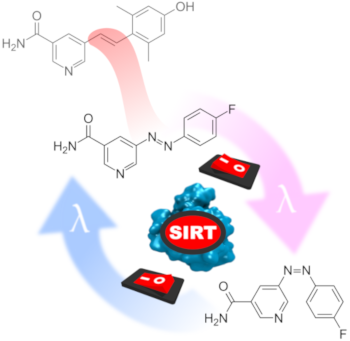
- bioactivity, allows the probing of pharmacologically relevant systems with spatiotemporal resolution. A hetero-stilbene lead resulting from the screening of a compound that was originally designed as kinase inhibitor served as a starting point for the design of photoswitchable sirtuin inhibitors. Because the
- selective Sirt1 inhibitor, passed phase II clinical trials as a disease-modifying therapeutic for Huntington’s disease (HD) and was acquainted by AOP Orphan Pharmaceuticals AG for phase III trials in 2017 [9][10]. Its structure comprises a carboxamide moiety, which mimics the amide group of the endogenous
- pan-sirtuin inhibitor nicotinamide (Figure 1). Likewise Sirt2 inhibition was shown to have beneficial effects in animal and cell models of neurodegenerative diseases like HD and Parkinson’s disease [11][12]. Sirt3 activity recently was found to play an important role in cardiovascular diseases and


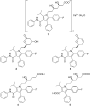
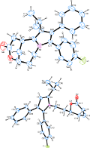
Characterization of two new degradation products of atorvastatin calcium formed upon treatment with strong acids
Beilstein J. Org. Chem. 2019, 15, 2085–2091, doi:10.3762/bjoc.15.206
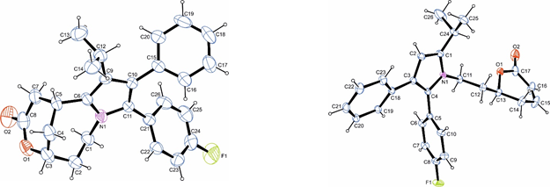
- , Germany 10.3762/bjoc.15.206 Abstract Atorvastatin calcium (Lipitor®, Sortis®) is a well-established cholesterol synthesis enzyme (CSE) inhibitor commonly used in the therapy of hypercholesterolemia. This drug is known to be sensitive to acid treatment, but only little data has been published on the