


Search results
Search for "palladium" in Full Text gives 716 result(s) in Beilstein Journal of Organic Chemistry. Showing first 200.
Recent developments and trends in the iron- and cobalt-catalyzed Sonogashira reactions
- Surendran Amrutha,
- Sankaran Radhika and
- Gopinathan Anilkumar
Beilstein J. Org. Chem. 2022, 18, 262–285, doi:10.3762/bjoc.18.31
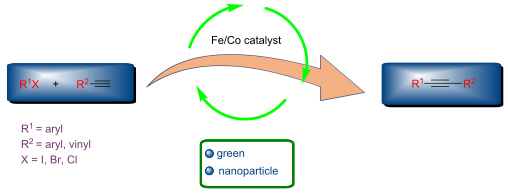
- emphasis given to green strategies. This is the first review on iron- and cobalt-catalyzed Sonogashira coupling reactions which comprehends literature up to 2020. Keywords: C–C bond formation; cobalt; green reaction; iron; nanoparticles; Sonogashira; Introduction The palladium-catalyzed cross-coupling
- with palladium catalysts, that are expensive and sometimes difficult to manipulate and recover [5]. Due to the importance of arylalkynes and alkenynes, the development of environmentally benign, economical, practical, and efficient catalytic systems has received considerable attention. Back in 2008
- , but their efficiencies were found to be lower than that of 1,10-phenanthroline. Metal impurities in FeCl3·6H2O were detected by using ICP mass spectrometry. Lipshutz and co-workers prepared nanoparticles from inexpensive iron(III) chloride containing reusable palladium in ppm level and XPhoS as ligand

Graphical Abstract

Scheme 1: One pot Sonogashira coupling of aryl iodides with arylynols in the presence of iron(III) chloride h...

Scheme 2: The iron-catalyzed Sonogashira coupling of aryl iodides with terminal acetylenes in water under aer...

Scheme 3: Sonogashira coupling of aryl halides and phenylacetylene in the presence of iron nanoparticles.
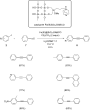
Scheme 4: Sonogashira coupling catalyzed by a silica-supported heterogeneous Fe(III) catalyst.
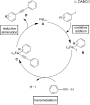
Scheme 5: Suggested catalytic cycle for the Sonogashira coupling using a silica-supported heterogeneous Fe(II...

Scheme 6: Chemoselective iron-catalyzed cross coupling of 4-bromo-1-cyclohexen-1-yltrifluromethane sulfonate ...
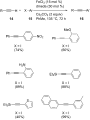
Scheme 7: Fe-catalyzed Sonogashira coupling between terminal alkynes and aryl iodides.

Scheme 8: Iron-catalyzed domino Sonogashira coupling and hydroalkoxylation.

Scheme 9: Sonogashira coupling of aryl halides and phenylacetylene in the presence of Fe(III) acetylacetonate...

Scheme 10: Sonogashira coupling of aryl iodides and alkynes with Fe(acac)3/2,2-bipyridine catalyst.

Scheme 11: Sonogashira cross-coupling of terminal alkynes with aryl iodides in the presence of Fe powder/ PPh3...

Scheme 12: α-Fe2O3 nanoparticles-catalyzed coupling of phenylacetylene with aryl iodides.

Scheme 13: Sonogashira cross-coupling reaction between phenylacetylene and 4-substituted iodobenzenes catalyze...

Scheme 14: One-pot synthesis of 2-arylbenzo[b]furans via tandem Sonogashira coupling–cyclization protocol.

Scheme 15: Suggested mechanism of the Fe(III) catalyzed coupling of o-iodophenol with acetylene derivatives.

Scheme 16: Fe3O4@SiO2/Schiff base/Fe(II)-catalyzed Sonogashira–Hagihara coupling reaction.

Scheme 17: Sonogashira coupling using the Fe(II)(bdmd) catalyst in DMF/1,4-dioxane.

Scheme 18: Synthesis of 7-azaindoles using Fe(acac)3 as catalyst.

Scheme 19: Plausible mechanistic pathway for the synthesis of 7-azaindoles.

Scheme 20: Synthesis of Co@imine-POP catalyst.

Scheme 21: Sonogashira coupling of various arylhalides and phenylacetylene in the presence of Co@imine-POP cat...

Scheme 22: Sonogashira coupling of aryl halides and phenylacetylene using Co-DMM@MNPs/chitosan.

Scheme 23: Sonogashira cross-coupling of aryl halides with terminal acetylenes in the presence of Co-NHC@MWCNT...

Scheme 24: Sonogashira cross-coupling of aryl halides with terminal acetylenes in the presence of Co nanoparti...

Scheme 25: Sonogashira coupling reaction of aryl halides with phenylacetylene in the presence of Co nanopartic...

Scheme 26: PdCoNPs-3DG nanocomposite-catalyzed Sonogashira cross coupling of aryl halide and terminal alkynes.

Scheme 27: Sonogashira cross-coupling of aryl halides and phenylacetylene in the presence of graphene-supporte...

Scheme 28: Sonogashira cross-coupling with Pd/Co ANP-PPI-graphene.

Scheme 29: Pd-Co-1(H)-catalyzed Sonogashira coupling reaction.

Scheme 30: The coupling of aryl halides with terminal alkynes using cobalt hollow nanospheres as catalyst.
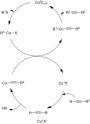
Scheme 31: A plausible mechanism for the cobalt-catalyzed Sonogashira coupling reaction.

Scheme 32: Sonogashira cross-coupling reaction of arylhalides with phenylacetylene catalyzed by Fe3O4@PEG/Cu-C...

Scheme 33: Plausible mechanism of Sonogashira cross-coupling reaction catalyzed by Fe3O4@PEG/Cu-Co.

Scheme 34: Sonogashira coupling reaction of para-substituted bromobenzenes with phenylacetylene in the presenc...

Scheme 35: Possible mechanism for the visible light-assisted cobalt complex-catalyzed Sonogashira coupling. (R...

Scheme 36: Sonogashira cross-coupling of aryl halides and phenylacetylene using cobalt as additive.

Scheme 37: Plausible mechanism of Sonogashira cross-coupling reaction over [LaPd*]. (Reproduced with permissio...
Ready access to 7,8-dihydroindolo[2,3-d][1]benzazepine-6(5H)-one scaffold and analogues via early-stage Fischer ring-closure reaction
- Irina Kuznetcova,
- Felix Bacher,
- Daniel Vegh,
- Hsiang-Yu Chuang and
- Vladimir B. Arion
Beilstein J. Org. Chem. 2022, 18, 143–151, doi:10.3762/bjoc.18.15
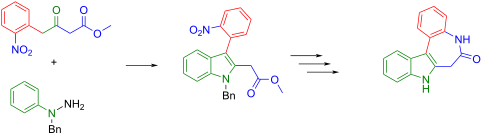
- most likely a result of the relatively high lability of the CH2 protons in the alkyl halide moiety of the starting molecule, which might lead to enolization instead of oxidative addition of palladium under strongly basic conditions needed in this type of reaction. Thus, we came to the conclusion that
- was observed by TLC. However, the acid chloride reacted very sluggishly with (CH3)3SiCHN2, which is a safe alternative to the highly explosive diazomethane [34]. Another attempt to synthesize the open-chain precursor from indole and 2-bromo-N-(2-bromophenyl)acetamide by regioselective palladium
- previous observations [38]. Reduction of the nitro group by palladium-catalyzed hydrogenation in dry methanol gave 2a in 92% yield. Interestingly compound 2a undergoes ring-closure reaction spontaneously at room temperature to give trace amounts of 3a (59 mg, 2%) after column chromatography, when a 3.1 g

Graphical Abstract

Figure 1: Paullone related indolobenzazepinone isomers. 7,12-Dihydroindolo[3,2-d][1]benzazepin-6(5H)-one or p...
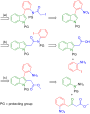
Scheme 1: Investigated retrosynthetic pathways to scaffold C.
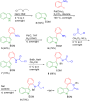
Scheme 2: Attempted synthesis of scaffold C by route (a).
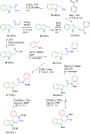
Scheme 3: Attempted synthesis of C by route (b).

Scheme 4: Attempted synthesis of N-benzylated indole-2-acetic acid.

Scheme 5: Attempt to obtain open-chain precursor N-(2-bromophenyl)-2-(1H-indol-2-yl)acetamide.
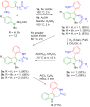
Scheme 6: Synthesis of scaffold C and analogues by route (c).

Figure 2: ORTEP view of 1a with thermal ellipsoids drawn at the 50% probability level.

Figure 3: ORTEP view of 3a with thermal ellipsoids drawn at the 50% probability level.

Scheme 7: Attempted Ullmann cross-coupling of 23 with o-bromo-nitrobenzene.
Earth-abundant 3d transition metals on the rise in catalysis
- Nikolaos Kaplaneris and
- Lutz Ackermann
Beilstein J. Org. Chem. 2022, 18, 86–88, doi:10.3762/bjoc.18.8
- these indisputable advances, this approach has, thus far, predominantly relied on precious, often toxic, 4d and 5d transition metals, most prominently palladium, rhodium and iridium. In sharp contrast, the use of less expensive and less toxic Earth-abundant 3d transition metals continues to be
- transformations to form C–C and C–heteroatom bonds, thereby providing a more sustainable future for, among others, drug development in generations to come. Particularly, Nobel prize-winning palladium-catalyzed cross-coupling reactions have been recognized by the practitioners in agrochemical and pharmaceutical
Iron-catalyzed domino coupling reactions of π-systems
- Austin Pounder and
- William Tam
Beilstein J. Org. Chem. 2021, 17, 2848–2893, doi:10.3762/bjoc.17.196
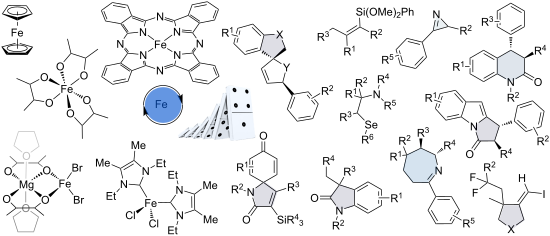
- products and processes that reduce or eliminate the use and generation of hazardous substances, as well as increase the atom economy of the reaction [9]. Among the transition-metal (TM) catalysts often used, the late transition metals like rhodium [10][11][12][13][14], palladium [15][16][17][18][19

Graphical Abstract

Figure 1: Price comparison among iron and other transition metals used in catalysis.

Scheme 1: Typical modes of C–C bond formation.

Scheme 2: The components of an iron-catalyzed domino reaction.
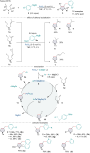
Scheme 3: Iron-catalyzed tandem cyclization and cross-coupling reactions of iodoalkanes 1 with aryl Grignard ...
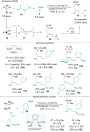
Scheme 4: Three component iron-catalyzed dicarbofunctionalization of vinyl cyclopropanes 14.
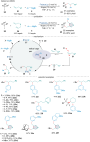
Scheme 5: Three-component iron-catalyzed dicarbofunctionalization of alkenes 21.

Scheme 6: Double carbomagnesiation of internal alkynes 31 with alkyl Grignard reagents 32.

Scheme 7: Iron-catalyzed cycloisomerization/cross-coupling of enyne derivatives 35 with alkyl Grignard reagen...
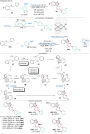
Scheme 8: Iron-catalyzed spirocyclization/cross-coupling cascade.
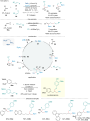
Scheme 9: Iron-catalyzed alkenylboration of alkenes 50.
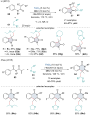
Scheme 10: N-Alkyl–N-aryl acrylamide 60 CDC cyclization with C(sp3)–H bonds adjacent to a heteroatom.

Scheme 11: 1,2-Carboacylation of activated alkenes 60 with aldehydes 65 and alcohols 67.
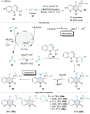
Scheme 12: Iron-catalyzed dicarbonylation of activated alkenes 68 with alcohols 67.
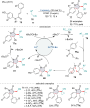
Scheme 13: Iron-catalyzed cyanoalkylation/radical dearomatization of acrylamides 75.

Scheme 14: Synergistic photoredox/iron-catalyzed 1,2-dialkylation of alkenes 82 with common alkanes 83 and 1,3...

Scheme 15: Iron-catalyzed oxidative coupling/cyclization of phenol derivatives 86 and alkenes 87.

Scheme 16: Iron-catalyzed carbosulfonylation of activated alkenes 60.

Scheme 17: Iron-catalyzed oxidative spirocyclization of N-arylpropiolamides 91 with silanes 92 and tert-butyl ...

Scheme 18: Iron-catalyzed free radical cascade difunctionalization of unsaturated benzamides 94 with silanes 92...

Scheme 19: Iron-catalyzed cyclization of olefinic dicarbonyl compounds 97 and 100 with C(sp3)–H bonds.

Scheme 20: Radical difunctionalization of o-vinylanilides 102 with ketones and esters 103.

Scheme 21: Dehydrogenative 1,2-carboamination of alkenes 82 with alkyl nitriles 76 and amines 105.

Scheme 22: Iron-catalyzed intermolecular 1,2-difunctionalization of conjugated alkenes 107 with silanes 92 and...

Scheme 23: Four-component radical difunctionalization of chemically distinct alkenes 114/115 with aldehydes 65...

Scheme 24: Iron-catalyzed carbocarbonylation of activated alkenes 60 with carbazates 117.
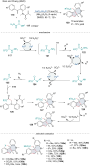
Scheme 25: Iron-catalyzed radical 6-endo cyclization of dienes 119 with carbazates 117.

Scheme 26: Iron-catalyzed decarboxylative synthesis of functionalized oxindoles 130 with tert-butyl peresters ...
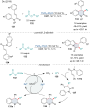
Scheme 27: Iron‑catalyzed decarboxylative alkylation/cyclization of cinnamamides 131/134.

Scheme 28: Iron-catalyzed carbochloromethylation of activated alkenes 60.

Scheme 29: Iron-catalyzed trifluoromethylation of dienes 142.

Scheme 30: Iron-catalyzed, silver-mediated arylalkylation of conjugated alkenes 115.

Scheme 31: Iron-catalyzed three-component carboazidation of conjugated alkenes 115 with alkanes 101/139b and t...

Scheme 32: Iron-catalyzed carboazidation of alkenes 82 and alkynes 160 with iodoalkanes 20 and trimethylsilyl ...

Scheme 33: Iron-catalyzed asymmetric carboazidation of styrene derivatives 115.

Scheme 34: Iron-catalyzed carboamination of conjugated alkenes 115 with alkyl diacyl peroxides 163 and acetoni...

Scheme 35: Iron-catalyzed carboamination using oxime esters 165 and arenes 166.

Scheme 36: Iron-catalyzed iminyl radical-triggered [5 + 2] and [5 + 1] annulation reactions with oxime esters ...

Scheme 37: Iron-catalyzed decarboxylative alkyl etherification of alkenes 108 with alcohols 67 and aliphatic a...

Scheme 38: Iron-catalyzed inter-/intramolecular alkylative cyclization of carboxylic acid and alcohol-tethered...

Scheme 39: Iron-catalyzed intermolecular trifluoromethyl-acyloxylation of styrene derivatives 115.

Scheme 40: Iron-catalyzed carboiodination of terminal alkenes and alkynes 180.

Scheme 41: Copper/iron-cocatalyzed cascade perfluoroalkylation/cyclization of 1,6-enynes 183/185.

Scheme 42: Iron-catalyzed stereoselective carbosilylation of internal alkynes 187.

Scheme 43: Synergistic photoredox/iron catalyzed difluoroalkylation–thiolation of alkenes 82.

Scheme 44: Iron-catalyzed three-component aminoazidation of alkenes 82.

Scheme 45: Iron-catalyzed intra-/intermolecular aminoazidation of alkenes 194.

Scheme 46: Stereoselective iron-catalyzed oxyazidation of enamides 196 using hypervalent iodine reagents 197.
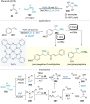
Scheme 47: Iron-catalyzed aminooxygenation for the synthesis of unprotected amino alcohols 200.

Scheme 48: Iron-catalyzed intramolecular aminofluorination of alkenes 209.
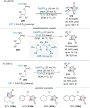
Scheme 49: Iron-catalyzed intramolecular aminochlorination and aminobromination of alkenes 209.

Scheme 50: Iron-catalyzed intermolecular aminofluorination of alkenes 82.

Scheme 51: Iron-catalyzed aminochlorination of alkenes 82.

Scheme 52: Iron-catalyzed phosphinoylazidation of alkenes 108.
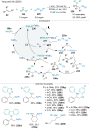
Scheme 53: Synergistic photoredox/iron-catalyzed three-component aminoselenation of trisubstituted alkenes 82.
Biological properties and conformational studies of amphiphilic Pd(II) and Ni(II) complexes bearing functionalized aroylaminocarbo-N-thioylpyrrolinate units
- Samet Poyraz,
- Samet Belveren,
- Sabriye Aydınoğlu,
- Mahmut Ulger,
- Abel de Cózar,
- Maria de Gracia Retamosa,
- Jose M. Sansano and
- H. Ali Döndaş
Beilstein J. Org. Chem. 2021, 17, 2812–2821, doi:10.3762/bjoc.17.192
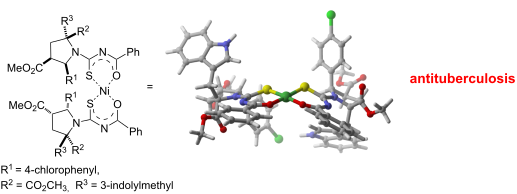
- Avanzada (ORFEO-CINQA) and Instituto de Síntesis Orgánica (ISO), PO Box 99, 03080 Alicante, Spain 10.3762/bjoc.17.192 Abstract A series of novel palladium(II) and nickel(II) complexes of multifunctionalized aroylaminocarbo-N-thioylpyrrolinates were synthesized and characterized by analytical and
- , C. tropicalis, and C. glabrata standard strains. A deep conformational survey was monitored using DFT calculations with the aim to explain the importance of the final conformation in the biological experimental results. Keywords: antituberculosis; bidentate ligands; DFT; nickel; palladium
- results of its corresponding nickel(II) [18] and palladium(II) [19][20] complexes with the analogous tests obtained in the case of having a benzylic substituent at the same position. Also, DFT calculations are run in order to study the conformational analysis of the synthetized complexes. Results and

Graphical Abstract
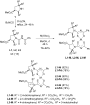
Scheme 1: Synthetic route for the preparation of L1-M, L2-M and L3-M complexes.
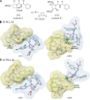
Figure 1: Main geometrical features and the relative energies (in kcal·mol–1) of (A) ligand L1, (B) nickel- a...
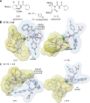
Figure 2: Main geometrical features and the relative energies (in kcal mol–1) of (A) ligand L3, (B) nickel- a...
Recent advances in the asymmetric phosphoric acid-catalyzed synthesis of axially chiral compounds
- Alemayehu Gashaw Woldegiorgis and
- Xufeng Lin
Beilstein J. Org. Chem. 2021, 17, 2729–2764, doi:10.3762/bjoc.17.185
- -naphthol derivatives. Enantioselective synthesis of multisubstituted biaryls. Enantioselective synthesis of axially chiral quinoline-derived biaryl atropisomers mediated by chiral spirophosphoric acid catalyst CPA 4. Pd-Catalyzed atroposelective C–H olefination of biarylamines. Palladium-catalyzed directed

Graphical Abstract

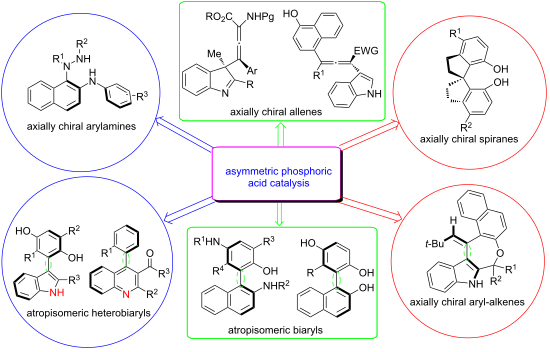
Figure 1: Representative examples of axially chiral biaryls, heterobiaryls, spiranes and allenes as ligands a...
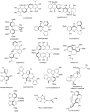
Figure 2: Selected examples of axially chiral drugs and bioactive molecules.

Figure 3: Axially chiral functional materials and supramolecules.

Figure 4: Important chiral phosphoric acid scaffolds used in this review.

Scheme 1: Atroposelective aryl–aryl-bond formation by employing a facile [3,3]-sigmatropic rearrangement.

Scheme 2: Atroposelective synthesis of axially chiral biaryl amino alcohols 5.

Scheme 3: The enantioselective reaction of quinone and 2-naphthol derivatives.

Scheme 4: Enantioselective synthesis of multisubstituted biaryls.

Scheme 5: Enantioselective synthesis of axially chiral quinoline-derived biaryl atropisomers mediated by chir...

Scheme 6: Pd-Catalyzed atroposelective C–H olefination of biarylamines.

Scheme 7: Palladium-catalyzed directed atroposelective C–H allylation.

Scheme 8: Enantioselective synthesis of axially chiral (a) aryl indoles and (b) biaryldiols.

Scheme 9: Asymmetric arylation of indoles enabled by azo groups.

Scheme 10: Proposed mechanism for the asymmetric arylation of indoles.
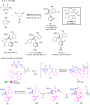
Scheme 11: Enantioselective synthesis of axially chiral N-arylindoles [38].

Scheme 12: Enantioselective [3 + 2] formal cycloaddition and central-to-axial chirality conversion.

Scheme 13: Organocatalytic atroposelective arene functionalization of nitrosonaphthalene with indoles.

Scheme 14: Proposed reaction mechanism for the atroposelective arene functionalization of nitrosonaphthalenes.

Scheme 15: Asymmetric construction of axially chiral naphthylindoles [65].

Scheme 16: Enantioselective synthesis of axially chiral 3,3’-bisindoles [66].
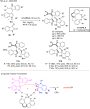
Scheme 17: Atroposelective synthesis of 3,3’-bisiindoles bearing axial and central chirality.

Scheme 18: Enantioselective synthesis of axially chiral 3,3’-bisindoles bearing single axial chirality.

Scheme 19: Enantioselective reaction of azonaphthalenes with various pyrazolones.
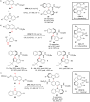
Scheme 20: Enantioselective and atroposelective synthesis of axially chiral N-arylcarbazoles [73].

Scheme 21: Atroposelective cyclodehydration reaction.

Scheme 22: Atroposelective construction of axially chiral N-arylbenzimidazoles [78].

Scheme 23: Proposed reaction mechanism for the atroposelective synthesis of axially chiral N-arylbenzimidazole...

Scheme 24: Atroposelective synthesis of axially chiral arylpyrroles [21].

Scheme 25: Synthesis of axially chiral arylquinazolinones and its reaction pathway [35].
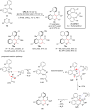
Scheme 26: Synthesis of axially chiral aryquinoline by Friedländer heteroannulation reaction and its proposed...

Scheme 27: Povarov cycloaddition–oxidative chirality conversion process.

Scheme 28: Atroposelective synthesis of oxindole-based axially chiral styrenes via kinetic resolution.

Scheme 29: Synthesis of axially chiral alkene-indole frame works [45].

Scheme 30: Proposed reaction mechanism for axially chiral alkene-indoles.

Scheme 31: Atroposelective C–H aminations of N-aryl-2-naphthylamines with azodicarboxylates.

Scheme 32: Synthesis of brominated atropisomeric N-arylquinoids.

Scheme 33: The enantioselective syntheses of axially chiral SPINOL derivatives.

Scheme 34: γ-Addition reaction of various 2,3-disubstituted indoles to β,γ-alkynyl-α-imino esters.

Scheme 35: Regio- and stereoselective γ-addition reactions of isoxazol-5(4H)-ones to β,γ-alkynyl-α-imino ester...

Scheme 36: Synthesis of chiral tetrasubstituted allenes and naphthopyrans.

Scheme 37: Asymmetric remote 1,8-conjugate additions of thiazolones and azlactones to propargyl alcohols.

Scheme 38: Synthesis of chiral allenes from 1-substituted 2-naphthols [107].
Ligand-dependent stereoselective Suzuki–Miyaura cross-coupling reactions of β-enamido triflates
- Tomáš Chvojka,
- Athanasios Markos,
- Svatava Voltrová,
- Radek Pohl and
- Petr Beier
Beilstein J. Org. Chem. 2021, 17, 2657–2662, doi:10.3762/bjoc.17.179
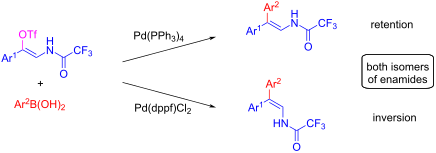
- 43 Prague 2, Czech Republic 10.3762/bjoc.17.179 Abstract The stereoselective Suzuki–Miyaura cross-coupling of (Z)-β-enamido triflates is demonstrated. Depending on the nature of the ligand in the palladium catalyst, either retention or inversion of the configuration during the synthesis of β,β
- first step, vinyl triflate undergoes oxidative addition to give complex 4, which subsequently transmetalates with arylboronic acid to form palladium complex 5. In the case of Pd(PPh3)4, reductive elimination occurs to give enamide 2. However, using catalysts with very bulky ligands, such as Pd(dppf)Cl2
- causes the tautomerization of complex 5 [30] to zwitterionic carbene 6 which can now isomerize through the C–C bond rotation to the thermodynamically more stable palladium complex 7, followed by reductive elimination to enamide 3. A possible isomerization of enamides 2 or 3 in the presence of a catalyst

Graphical Abstract

Scheme 1: A: Synthesis of (Z)-β-enamido triflates and subsequent stereoselective cross-coupling reactions. B:...
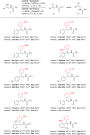
Scheme 2: Substrate scope of the Suzuki coupling leading to enamides 2 and 3. aRatio determined by 19F NMR; b...

Scheme 3: Proposed mechanisms for the formed Suzuki coupling retention products 2 and inversion products 3.
α-Ketol and α-iminol rearrangements in synthetic organic and biosynthetic reactions
- Scott Benz and
- Andrew S. Murkin
Beilstein J. Org. Chem. 2021, 17, 2570–2584, doi:10.3762/bjoc.17.172
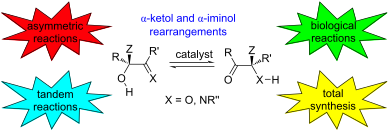
- ring strain from cyclobutane derivatives has been developed by Cheng et al. to prepare functionalized α-amino cyclopentanones [31]. In the presence of a palladium catalyst, an electron-rich heteroarene 115 first adds to the nitrile group in a 1-cyanocyclobutyl ester 116 to give a tetrahedral imine

Graphical Abstract

Figure 1: Generalized α-ketol or α-iminol rearrangement.

Figure 2: Nickel(II)-catalyzed enantioselective rearrangement of ketol 3 to form the ring-expanded and chiral...

Figure 3: Enantioselective ring expansion of β-hydroxy-α-dicarbonyl 6 catalyzed by a chiral copper-bisoxazoli...

Figure 4: Enantioselective rearrangement of ketols 9 and 12 and hydroxyaldimine 14 catalyzed by Al(III) or Sc...

Figure 5: Asymmetric rearrangement of α,α-dialkyl-α-siloxyaldehydes 16 to α-siloxyketones 17 catalyzed by chi...

Figure 6: BF3-promoted diastereospecific rearrangement of α-ketol 21 to difluoroalkoxyborane 22.

Figure 7: In the presence of a gold catalyst and water in 1,4-dioxane, 1-alkynylbutanol derivatives undergo t...

Figure 8: The diastereospecific α-ketol rearrangement of 32 to 33, part of the total synthesis of periconiano...

Figure 9: Two α-ketol rearrangements, one catalyzed by silica gel on 38 and the other by NaOMe on both 38 and ...

Figure 10: α-Ketol rearrangement of triumphalone (41) to isotriumphalone (42) via ring contraction.

Figure 11: Tandem reaction of strophasterol A synthetic intermediate 43 to 44 through a vinylogous α-ketol rea...

Figure 12: Tandem reaction consisting of a Diels–Alder cycloaddition followed by an α-ketol rearrangement, par...

Figure 13: Single-pot reaction consisting of Claisen and α-ketol rearrangements, part of the total synthesis o...

Figure 14: Enzyme-catalyzed α-ketol rearrangements. a) Ketol-acid reductoisomerase (KAR) catalyzes the rearran...

Figure 15: The conversion of asperfloroid (73) to asperflotone (72), featuring the ring-expanding α-ketol rear...
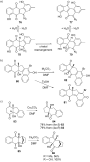
Figure 16: Hypothetical interconversion of natural products prekinamycin (76) and isoprekinamycin (77) and che...

Figure 17: Proposed biosynthetic pathway converting acylphloroglucinol (87) to isolated elodeoidins A–H 92–96....

Figure 18: α-Iminol rearrangements catalyzed by VANOL Zr (99). The rearrangement can be conducted with preform...

Figure 19: α-Iminol rearrangements catalyzed by silica gel and montmorillonite K 10. a) For 102a (102 with R =...

Figure 20: Synthesis of tryptamines 110 via a ring-contracting α‑iminol rearrangement. A mechanism for the fin...

Figure 21: Tandem synthesis of functionalized α-amino cyclopentanones 119 from heteroarenes 115 and cyclobutan...

Figure 22: Four eburnane-type alkaloid natural products 122–125 were synthesized from common intermediate 127,...
Silica gel and microwave-promoted synthesis of dihydropyrrolizines and tetrahydroindolizines from enaminones
- Robin Klintworth,
- Garreth L. Morgans,
- Stefania M. Scalzullo,
- Charles B. de Koning,
- Willem A. L. van Otterlo and
- Joseph P. Michael
Beilstein J. Org. Chem. 2021, 17, 2543–2552, doi:10.3762/bjoc.17.170
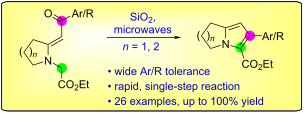
- the unsubstituted pyrrole position (Scheme 5). This site was readily brominated with N-bromosuccinimide in N,N-dimethylformamide [71] to afford ethyl 7-bromo-6-phenyl-2,3-dihydro-1H-pyrrolizine-5-carboxylate (28) in 83% yield. Palladium(0)-catalyzed Suzuki–Miyaura coupling of 28 with phenylboronic

Graphical Abstract
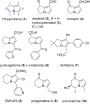
Figure 1: Examples of 2,3-dihydro-1H-pyrrolizines (1–7) and 5,6,7,8-tetrahydroindolizines (8–10).

Scheme 1: Previous [18] and proposed routes to 2,3-dihydro-1H-pyrrolizines from enaminones. Reagents and conditio...

Scheme 2: Synthesis of pyrrolizine 19a from lactam 16 via enaminone 15a. Reagents and conditions: (i) NaH, TH...
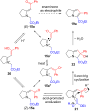
Scheme 3: Proposed mechanism for the formation of pyrrolizidine 19a from enaminone (E)-15a.

Scheme 4: Synthesis of tetrahydroindolizines 26a–c from lactam 23 via enaminones 25a–c. Reagents and conditio...

Scheme 5: Further functionalization of dihydropyrrolizine 19a. Reagents and conditions: (i) NBS, DMF, 0 °C, 1...
Visible-light-mediated copper photocatalysis for organic syntheses
- Yajing Zhang,
- Qian Wang,
- Zongsheng Yan,
- Donglai Ma and
- Yuguang Zheng
Beilstein J. Org. Chem. 2021, 17, 2520–2542, doi:10.3762/bjoc.17.169
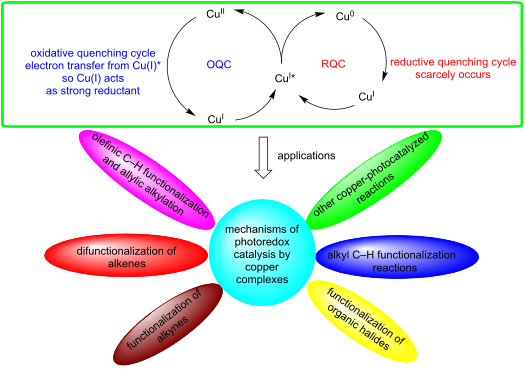
- -catalyzed coupling reactions of terminal alkynes was published by Hwang and co-worker. In 2012, they [65] achieved a photoinitiated Sonogashira reaction using aryl halides (bromides and iodides) 20 and aryl- or alkylacetylenes 19. In control experiments, the replacement of the copper salt with palladium

Graphical Abstract

Scheme 1: Photoredox catalysis mechanism of [Ru(bpy)3]2+.

Scheme 2: Photoredox catalysis mechanism of CuI.

Scheme 3: Ligands and CuI complexes.

Scheme 4: Mechanism of CuI-based photocatalysis.
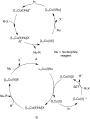
Scheme 5: Mechanisms of CuI–substrate complexes.

Scheme 6: Mechanism of CuII-base photocatalysis.

Scheme 7: Olefinic C–H functionalization and allylic alkylation.
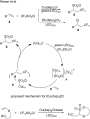
Scheme 8: Cross-coupling of unactivated alkenes and CF3SO2Cl.

Scheme 9: Chlorosulfonylation/cyanofluoroalkylation of alkenes.

Scheme 10: Hydroamination of alkenes.

Scheme 11: Cross-coupling reaction of alkenes, alkyl halides with nucleophiles.

Scheme 12: Cross-coupling of alkenes with oxime esters.

Scheme 13: Oxo-azidation of vinyl arenes.

Scheme 14: Azidation/difunctionalization of vinyl arenes.

Scheme 15: Photoinitiated copper-catalyzed Sonogashira reaction.

Scheme 16: Alkyne functionalization reactions.

Scheme 17: Alkynylation of dihydroquinoxalin-2-ones with terminal alkynes.

Scheme 18: Decarboxylative alkynylation of redox-active esters.

Scheme 19: Aerobic oxidative C(sp)–S coupling reaction.

Scheme 20: Copper-catalyzed alkylation of carbazoles with alkyl halides.

Scheme 21: C–N coupling of organic halides with amides and aliphatic amines.

Scheme 22: Copper-catalyzed C–X (N, S, O) bond formation reactions.

Scheme 23: Arylation of C(sp2)–H bonds of azoles.

Scheme 24: C–C cross-coupling of aryl halides and heteroarenes.

Scheme 25: Benzylic or α-amino C–H functionalization.

Scheme 26: α-Amino C–H functionalization of aromatic amines.

Scheme 27: C–H functionalization of aromatic amines.

Scheme 28: α-Amino-C–H and alkyl C–H functionalization reactions.

Scheme 29: Other copper-photocatalyzed reactions.

Scheme 30: Cross-coupling of oxime esters with phenols or amines.

Scheme 31: Alkylation of heteroarene N-oxides.
Synthesis and investigation on optical and electrochemical properties of 2,4-diaryl-9-chloro-5,6,7,8-tetrahydroacridines
- Najeh Tka,
- Mohamed Adnene Hadj Ayed,
- Mourad Ben Braiek,
- Mahjoub Jabli and
- Peter Langer
Beilstein J. Org. Chem. 2021, 17, 2450–2461, doi:10.3762/bjoc.17.162

- their HOMO/LUMO energy levels were estimated by cyclic voltammetry measurements. Besides, density functional theory calculations were carried out for further exploration of their electronic properties. Keywords: catalysis; cross-coupling; cyclization; fluorescence; palladium; Introduction π-Conjugated

Graphical Abstract

Figure 1: Some important tetrahydroacridines used as drugs.

Scheme 1: Synthesis of 2.

Scheme 2: Synthesis of compounds 4a–g.

Figure 2: UV–vis absorption spectra of 4a–d at room temperature in dilute dichloromethane solutions (c = 1 × ...

Figure 3: Fluorescence spectra of 4a–d at room temperature in dilute dichloromethane solutions (c = 1 × 10⁻⁵ ...
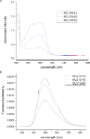
Figure 4: A) Absorbance and B) emission spectra for the standard quinine sulfate (SQ).
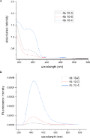
Figure 5: A) Absorbance and B) fluorescence spectra for 4b.

Figure 6: A) Plot of fluorescence intensities against their absorbances for quinine sulfate (SQ) and B) plot ...

Figure 7: Selected dihedral angles (°) for compounds 4a–d.
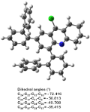
Figure 8: Selected dihedral angles (°) for compound 4f.

Figure 9: Calculated energy levels for compounds 4a–d and their spatial distribution of the HOMO–LUMO frontie...

Figure 10: Visualization of MEP for compounds 4a–d calculated by B3LYP method with 6-31G(d) basis set.

Figure 11: Cyclic voltammogram for 4c in 0.1 M (n-Bu)4NBF4/acetonitrile at a scan rate of 50 mV/s.
Strategies for the synthesis of brevipolides
- Yudhi D. Kurniawan and
- A'liyatur Rosyidah
Beilstein J. Org. Chem. 2021, 17, 2399–2416, doi:10.3762/bjoc.17.157
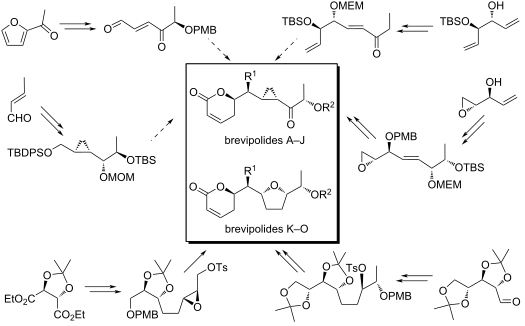
- over two steps (dr 95:5, de 93:7) (Scheme 7). Then, the epoxide ring was opened regioselectively by p-methoxybenzyl alcohol utilizing a palladium(0) catalyst to afford the secondary allylic alcohol 65 in 96% yield. The free alcohol group was protected as tert-butylsilyl (TBS) ether 66 (95%) and the

Graphical Abstract

Figure 1: Structures of brevipolides A–O (1 – 15).

Scheme 1: Retrosynthetic analysis of brevipolide H (8) by Kumaraswamy.

Scheme 2: Attempt to synthesize brevipolide H (8) by Kumaraswamy. (R,R)-Noyori cat. = RuCl[N-(tosyl)-1,2-diph...

Scheme 3: Attempt to synthesize brevipolide H (8) by Kumaraswamy (continued).

Scheme 4: Retrosynthetic analysis of brevipolide H (8) by Hou.

Scheme 5: Synthesis ent-brevipolide H (ent-8) by Hou.

Scheme 6: Retrosynthetic analysis of brevipolide H (8) by Mohapatra.

Scheme 7: Attempt to synthesize brevipolide H (8) by Mohapatra.

Scheme 8: Attempt to synthesize brevipolide H (8) by Mohapatra (continued). (+)-(IPC)2-BCl = (+)-B-chloro-dii...

Scheme 9: Retrosynthetic analysis of brevipolide H (8) by Hou.

Scheme 10: Synthesis of brevipolide H (8) by Hou.

Scheme 11: Retrosynthetic analysis of brevipolide M (13) by Sabitha.

Scheme 12: Synthesis of brevipolide M (13) by Sabitha.

Scheme 13: Retrosynthetic analysis of brevipolides M (13) and N (14) by Sabitha.

Scheme 14: Synthesis of brevipolides M (13) and N (14) by Sabitha.
Synthesis of phenanthridines via a novel photochemically-mediated cyclization and application to the synthesis of triphaeridine
- Songeziwe Ntsimango,
- Kennedy J. Ngwira,
- Moira L. Bode and
- Charles B. de Koning
Beilstein J. Org. Chem. 2021, 17, 2340–2347, doi:10.3762/bjoc.17.152
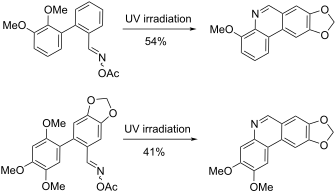
- ], rhodium-mediated alkyne [2 + 2 + 2] cycloaddition reactions [3], and the palladium-catalysed aerobic domino Suzuki coupling/Michael addition reaction [4]. The most attractive and common strategies to phenanthridines rely on intramolecular cyclizations of various ortho-functionalized biaryl precursors

Graphical Abstract

Figure 1: Biologically active phenanthridines.

Figure 2: Synthetic routes to phenanthridines via iminyl radicals.

Scheme 1: Previous unexpected synthesis of the phenanthridine framework.

Scheme 2: Synthesis of biaryl benzaldehydes.

Scheme 3: Synthesis of biaryl oximes.
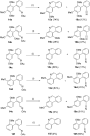
Scheme 4: Synthesis of phenanthridines. Reagents and conditions (i) UV irradiation (450 W medium pressure Hg ...

Figure 3: Two possible mechanistic routes and intermediates in the synthesis of phenanthridines.

Scheme 5: Synthesis of trisphaeridine. Reagents and conditions (i) cat. Pd(PPh3)4, aq Na2CO3, DME, reflux, Ar...
A visible-light-induced, metal-free bis-arylation of 2,5-dichlorobenzoquinone
- Pieterjan Winant and
- Wim Dehaen
Beilstein J. Org. Chem. 2021, 17, 2315–2320, doi:10.3762/bjoc.17.149
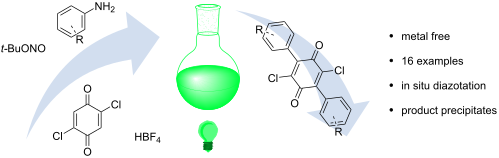
- multistep procedures requiring large amounts of toxic metal complexes [12][33][34]. Later improvements still demand prefunctionalization of the quinone substrate [35][36][37]. While effectively eliminating this requirement, CH bis-arylation using palladium complexes still suffers from regioselectivity

Graphical Abstract
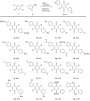
Scheme 1: Reaction scope. Conditions: quinone 1 (0.3 mmol), aniline 4 (1.2 mmol), HBF4 (1.5 mmol), t-BuONO (1...

Scheme 2: Synthesis of betulinan A and its analog 5b. Conditions: quinone 3 (0.1 mmol), NaOMe (0.25 mmol) in ...
Photoredox catalysis in nickel-catalyzed C–H functionalization
- Lusina Mantry,
- Rajaram Maayuri,
- Vikash Kumar and
- Parthasarathy Gandeepan
Beilstein J. Org. Chem. 2021, 17, 2209–2259, doi:10.3762/bjoc.17.143
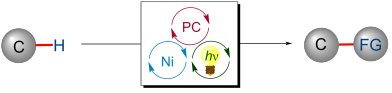
- a reliable strategy in modern organic synthesis. Palladium-catalyzed cross-coupling reactions such as Mizoroki–Heck [5][6][7][8], Suzuki–Miyaura [9][10][11], Buchwald–Hartwig [12][13], Negishi [14][15], Migita–Stille [16], Sonogashira [17], among others [18][19][20], significantly changed the design
- of synthetic routes for modern pharmaceuticals [21][22]. Over the past two decades, nickel has emerged as an attractive alternative to palladium due to its relative earth-abundance, less toxicity, and inexpensiveness. Despite the fact that the nickel-catalyzed cross-coupling reactions represent a
- . Conclusion During the last decade, metallaphotoredox catalysis has emerged as an increasingly viable tool in organic synthesis for C–H functionalization. Although significant advances have been achieved with precious palladium catalysts, recently, considerable attention has been devoted to using earth

Graphical Abstract

Scheme 1: Nickel-catalyzed cross-coupling versus C‒H activation.

Figure 1: Oxidative and reductive quenching cycles of a photocatalyst. [PC] = photocatalyst, A = acceptor, D ...

Scheme 2: Photoredox nickel-catalyzed C(sp3)–H arylation of dimethylaniline (1a).
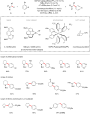
Scheme 3: Photoredox nickel-catalyzed arylation of α-amino, α-oxy and benzylic C(sp3)‒H bonds with aryl bromi...

Figure 2: Proposed catalytic cycle for the photoredox-mediated HAT and nickel catalysis enabled C(sp3)‒H aryl...

Scheme 4: Photoredox arylation of α-amino C(sp3)‒H bonds with aryl iodides.

Figure 3: Proposed mechanism for photoredox nickel-catalyzed α-amino C‒H arylation with aryl iodides.

Scheme 5: Nickel-catalyzed α-oxy C(sp3)−H arylation of cyclic and acyclic ethers.

Figure 4: Proposed catalytic cycle for the C(sp3)−H arylation of cyclic and acyclic ethers.

Scheme 6: Photochemical nickel-catalyzed C–H arylation of ethers.

Figure 5: Proposed catalytic cycle for the nickel-catalyzed arylation of ethers with aryl bromides.

Scheme 7: Nickel-catalyzed α-amino C(sp3)‒H arylation with aryl tosylates.
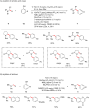
Scheme 8: Arylation of α-amino C(sp3)‒H bonds by in situ generated aryl tosylates from phenols.

Scheme 9: Formylation of aryl chlorides through redox-neutral 2-functionalization of 1,3-dioxolane (13).

Scheme 10: Photochemical C(sp3)–H arylation via a dual polyoxometalate HAT and nickel catalytic manifold.
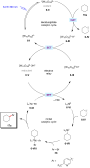
Figure 6: Proposed mechanism for C(sp3)–H arylation through dual polyoxometalate HAT and nickel catalytic man...

Scheme 11: Photochemical nickel-catalyzed α-hydroxy C‒H arylation.

Scheme 12: Photochemical synthesis of fluoxetine (21).

Scheme 13: Photochemical nickel-catalyzed allylic C(sp3)‒H arylation with aryl bromides.

Figure 7: Proposed mechanism for the photochemical nickel-catalyzed allylic C(sp3)‒H arylation with aryl brom...

Scheme 14: Photochemical C(sp3)‒H arylation by the synergy of ketone HAT catalysis and nickel catalysis.

Figure 8: Proposed mechanism for photochemical C(sp3)‒H arylation by the synergy of ketone HAT catalysis and ...

Scheme 15: Benzophenone- and nickel-catalyzed photoredox benzylic C–H arylation.

Scheme 16: Benzaldehyde- and nickel-catalyzed photoredox C(sp3)–H arylation.

Scheme 17: Photoredox and nickel-catalyzed enantioselective benzylic C–H arylation.

Figure 9: Proposed mechanism for the photoredox and nickel-catalyzed enantioselective benzylic C–H arylation.

Scheme 18: Photoredox nickel-catalyzed α-(sp3)‒H arylation of secondary benzamides with aryl bromides.

Scheme 19: Enantioselective sp3 α-arylation of benzamides.

Scheme 20: Nickel-catalyzed decarboxylative vinylation/C‒H arylation of cyclic oxalates.

Figure 10: Proposed mechanism for the nickel-catalyzed decarboxylative vinylation/C‒H arylation of cyclic oxal...

Scheme 21: C(sp3)−H arylation of bioactive molecules using mpg-CN photocatalysis and nickel catalysis.

Figure 11: Proposed mechanism for the mpg-CN/nickel photocatalytic C(sp3)–H arylation.
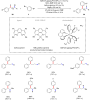
Scheme 22: Nickel-catalyzed synthesis of 1,1-diarylalkanes from alkyl bromides and aryl bromides.

Figure 12: Proposed mechanism for photoredox nickel-catalyzed C(sp3)–H alkylation via polarity-matched HAT.

Scheme 23: Photoredox nickel-catalyzed C(sp3)‒H alkylation via polarity-matched HAT.

Scheme 24: Benzaldehyde- and nickel-catalyzed photoredox C(sp3)‒H alkylation of ethers.

Scheme 25: Benzaldehyde- and nickel-catalyzed photoredox C(sp3)‒H alkylation of amides and thioethers.

Scheme 26: Photoredox and nickel-catalyzed C(sp3)‒H alkylation of benzamides with alkyl bromides.

Scheme 27: CzIPN and nickel-catalyzed C(sp3)‒H alkylation of ethers with alkyl bromides.

Figure 13: Proposed mechanism for the CzIPN and nickel-catalyzed C(sp3)‒H alkylation of ethers.

Scheme 28: Nickel/photoredox-catalyzed methylation of (hetero)aryl chlorides and acid chlorides using trimethy...

Figure 14: Proposed catalytic cycle for the nickel/photoredox-catalyzed methylation of (hetero)aryl chlorides ...
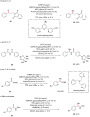
Scheme 29: Photochemical nickel-catalyzed C(sp3)–H methylations.

Scheme 30: Photoredox nickel catalysis-enabled alkylation of unactivated C(sp3)–H bonds with alkyl bromides.

Scheme 31: Photochemical C(sp3)–H alkenylation with alkenyl tosylates.

Scheme 32: Photoredox nickel-catalyzed hydroalkylation of internal alkynes.

Figure 15: Proposed mechanism for the photoredox nickel-catalyzed hydroalkylation of internal alkynes.

Scheme 33: Photoredox nickel-catalyzed hydroalkylation of activated alkynes with C(sp3)−H bonds.

Scheme 34: Allylation of unactivated C(sp3)−H bonds with allylic chlorides.

Scheme 35: Photochemical nickel-catalyzed α-amino C(sp3)–H allylation of secondary amides with trifluoromethyl...

Scheme 36: Photoredox δ C(sp3)‒H allylation of secondary amides with trifluoromethylated alkenes.

Scheme 37: Photoredox nickel-catalyzed acylation of α-amino C(sp3)‒H bonds of N-arylamines.

Figure 16: Proposed mechanism for the photoredox nickel-catalyzed acylation of α-amino C(sp3)–H bonds of N-ary...

Scheme 38: Photocatalytic α‑acylation of ethers with acid chlorides.

Figure 17: Proposed mechanism for the photocatalytic α‑acylation of ethers with acid chlorides.
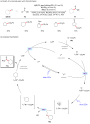
Scheme 39: Photoredox and nickel-catalyzed C(sp3)‒H esterification with chloroformates.

Scheme 40: Photoredox nickel-catalyzed dehydrogenative coupling of benzylic and aldehydic C–H bonds.

Figure 18: Proposed reaction pathway for the photoredox nickel-catalyzed dehydrogenative coupling of benzylic ...

Scheme 41: Photoredox nickel-catalyzed enantioselective acylation of α-amino C(sp3)–H bonds with carboxylic ac...

Scheme 42: Nickel-catalyzed C(sp3)‒H acylation with N-acylsuccinimides.

Figure 19: Proposed mechanism for the nickel-catalyzed C(sp3)–H acylation with N-acylsuccinimides.

Scheme 43: Nickel-catalyzed benzylic C–H functionalization with acid chlorides 45.

Scheme 44: Photoredox nickel-catalyzed benzylic C–H acylation with N-acylsuccinimides 84.

Scheme 45: Photoredox nickel-catalyzed acylation of indoles 86 with α-oxoacids 87.

Scheme 46: Nickel-catalyzed aldehyde C–H functionalization.

Figure 20: Proposed catalytic cycle for the photoredox nickel-catalyzed aldehyde C–H functionalization.

Scheme 47: Photoredox carboxylation of methylbenzenes with CO2.

Figure 21: Proposed mechanism for the photoredox carboxylation of methylbenzenes with CO2.

Scheme 48: Decatungstate photo-HAT and nickel catalysis enabled alkene difunctionalization.

Figure 22: Proposed catalytic cycle for the decatungstate photo-HAT and nickel catalysis enabled alkene difunc...

Scheme 49: Diaryl ketone HAT catalysis and nickel catalysis enabled dicarbofunctionalization of alkenes.

Figure 23: Proposed catalytic mechanism for the diaryl ketone HAT catalysis and nickel catalysis enabled dicar...

Scheme 50: Overview of photoredox nickel-catalyzed C–H functionalizations.
Facile and innovative catalytic protocol for intramolecular Friedel–Crafts cyclization of Morita–Baylis–Hillman adducts: Synergistic combination of chiral (salen)chromium(III)/BF3·OEt2 catalysis
- Karthikeyan Soundararajan,
- Helen Ratna Monica Jeyarajan,
- Raju Subimol Kamarajapurathu and
- Karthik Krishna Kumar Ayyanoth
Beilstein J. Org. Chem. 2021, 17, 2186–2193, doi:10.3762/bjoc.17.140
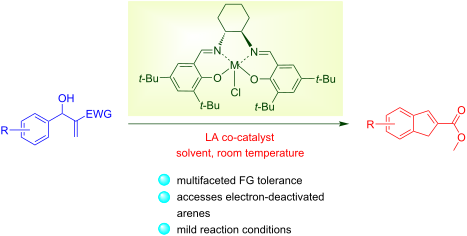
- presence of a palladium catalyst from allylic acetates of MBH adducts. Recently Anas et al. [14] has reported the palladium-catalysed synthesis of indene from MBH adducts at 120 °C under N2 atmosphere. The methodologies referred in Scheme 1 access indenes either relying on harsh reaction conditions or on

Graphical Abstract

Scheme 1: Literature-reported approaches to synthesise indene from MBH adducts [10-14].

Scheme 2: Proposed model for the intramolecular Friedel–Crafts cyclization.

Scheme 3: Reactions of azomethine imine 7a with 2-substituted 1H-indenes 6a and 6b.
Chemical syntheses and salient features of azulene-containing homo- and copolymers
- Vijayendra S. Shetti
Beilstein J. Org. Chem. 2021, 17, 2164–2185, doi:10.3762/bjoc.17.139
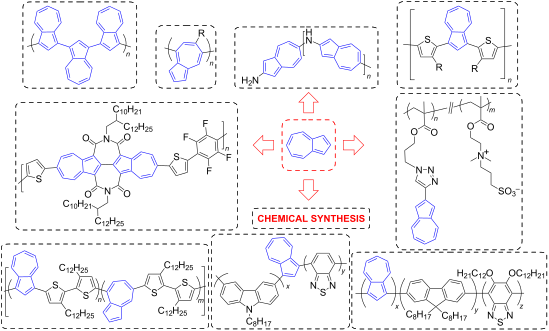
- -decyltetradecyl)-6,6’-di(thiophen-2-yl)-[2,2’-biazulene]-1,1’3,3’-tetracarboxdiimide (TBAzDI) 79 to make these polymers was synthesized as shown in the Scheme 16. The monomer 79 was reacted with N-dodecylthieno[3,4-c]pyrrole-4,6-dione (TPD, 80) and 1,2,4,5-tetrafluorobenzene (TFB, 82) via a palladium-catalyzed

Graphical Abstract

Figure 1: Chemical structure, numbering scheme, and resonance form of azulene.

Scheme 1: Synthesis of polyazulene-iodine (PAz-I2) and polyazulene-bromine (PAz-Br2) complexes.

Scheme 2: Synthesis of ‘true polyazulene’ 3 or 3’ by cationic polymerization.

Scheme 3: Synthesis of 1,3-polyazulene 5 by Yamamoto protocol.

Scheme 4: Synthesis of 4,7-dibromo-6-(n-alkyl)azulenes 12–14.

Scheme 5: Synthesis of (A) 4,7-diethynyl-6-(n-dodecyl)azulene (16) and (B) 4,7-polyazulene 17 containing an e...

Scheme 6: Synthesis of directly connected 4,7-polyazulenes 18–20.

Scheme 7: Synthesis of (A) tert-butyl N-(6-bromoazulen-2-yl)carbamate (27), (B) dimeric aminoazulene 29, and ...

Figure 2: Iminium zwitterionic resonance forms of poly[2(6)-aminoazulene] 31.

Scheme 8: Synthesis of poly{1,3-bis[2-(3-alkylthienyl)]azulene} 33–38.

Scheme 9: Synthesis of polymer ruthenium complexes 40–43.

Scheme 10: Synthesis of 4,7-polyazulenes 45 containing a thienyl linker.

Scheme 11: Synthesis of azulene-bithiophene 48 and azulene-benzothiadiazole 52 copolymers. Conditions: (a): (i...

Scheme 12: Synthesis of azulene-benzodithiophene copolymer 54 and azulene-bithiophene copolymer 56.

Scheme 13: Synthesis of (A) 5,5’-bis(trimethylstannyl)-3,3’-didodecyl-2,2’-bithiophene (60) and (B) azulene-bi...

Scheme 14: Synthesis of 1,3-bisborylated azulene 67.

Scheme 15: Synthesis of D–A-type azulene-DPP copolymers 69, 71, and 72. Conditions: (a) Pd(PPh3)4, K2CO3, Aliq...

Scheme 16: Synthesis of the key precursor TBAzDI 79.

Scheme 17: Synthesis of TBAzDI-based polymers 81 and 83. Conditions: (a) P(o-tol)3, Pd2(dba)3, PivOH, Cs2CO3, ...

Scheme 18: Synthesis of (A) 1,3-dibromo-2-arylazulene 92–98 and (B) 2-arylazulene-thiophene copolymers 99–101.
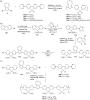
Scheme 19: Synthesis of (A) poly[2,7-(9,9-dialkylfluorenyl)-alt-(1’,3’-azulenyl)] 106–109, (B) 1,3-bis(7-bromo...

Scheme 20: Synthesis of azulene-fluorene copolymers 117–121 containing varying ratios of 1,3- and 4,7-connecte...
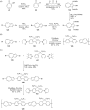
Scheme 21: Synthesis of (A) 2,6-dibromoazulene (125), (B) azulene-fluorene copolymer 126, and (C) azulene-fluo...

Scheme 22: Synthesis of 2-arylazulene-fluorene copolymers 131–134.

Scheme 23: Synthesis of azulene-fluorene-benzothiadiazole terpolymers 136–138.

Scheme 24: Synthesis of azulene-carbazole-benzothiadiazole-conjugated polymers 140–144.

Scheme 25: Synthesis of (A) azulene-2-yl methacrylate (146) and (B) the triazole-containing azulene methacryla...

Scheme 26: Synthesis of (A) azulene methacrylate polymer 151 and (B) triazole-containing azulene methacrylate ...

Scheme 27: Synthesis of azulene methyl methacrylate polymers 154, 155 (A and B) and azulene-sulfobetaine metha...
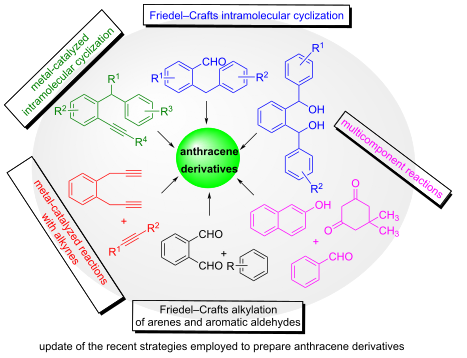
Recent advances in the syntheses of anthracene derivatives
- Giovanni S. Baviera and
- Paulo M. Donate
Beilstein J. Org. Chem. 2021, 17, 2028–2050, doi:10.3762/bjoc.17.131
- anthracene derivatives 33. The strategy involved a palladium(II)-catalyzed tandem transformation with diphenyl carboxylic acids 31 and acrylates 32 (Scheme 7) [41]. This new methodology involved a carboxyl-directed C–H alkenylation, a carboxyl-directed secondary C–H activation, an intramolecular C–C-bond
- -workers reported a one-pot synthesis of substituted anthracenes 37 from o-tolualdehyde 34 and aryl iodides 35 via a palladium-catalyzed C–H arylation with a silver oxidant (Scheme 8) [42]. During optimization studies, the authors noted that steric and electronic effects strongly affected the cyclization
- activation In 2009, Liang et al. reported an efficient and highly regioselective route to construct substituted tetracyclic benz[a]anthracene derivatives 115 (Scheme 26) [60]. For this purpose, the authors developed an efficient palladium-catalyzed tandem C–H activation/bis-cyclization reaction of

Graphical Abstract

Figure 1: Examples of anthracene derivatives and their applications.

Scheme 1: Rhodium-catalyzed oxidative coupling reactions of arylboronic acids with internal alkynes.
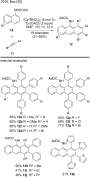
Scheme 2: Rhodium-catalyzed oxidative benzannulation reactions of 1-adamantoyl-1-naphthylamines with internal...
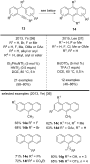
Scheme 3: Gold/bismuth-catalyzed cyclization of o-alkynyldiarylmethanes.
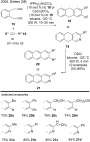
Scheme 4: [2 + 2 + 2] Cyclotrimerization reactions with alkynes/nitriles in the presence of nickel and cobalt...

Scheme 5: Cobalt-catalyzed [2 + 2 + 2] cyclotrimerization reactions with bis(trimethylsilyl)acetylene (23).
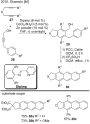
Scheme 6: [2 + 2 + 2] Alkyne-cyclotrimerization reactions catalyzed by a CoCl2·6H2O/Zn reagent.
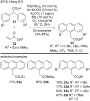
Scheme 7: Pd(II)-catalyzed sp3 C–H alkenylation of diphenyl carboxylic acids with acrylates.

Scheme 8: Pd(II)-catalyzed sp3 C–H arylation with o-tolualdehydes and aryl iodides.
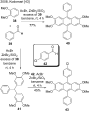
Scheme 9: Alkylation of arenes with aromatic aldehydes in the presence of acetyl bromide and ZnBr2/SiO2.
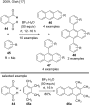
Scheme 10: BF3·H2O-catalyzed hydroxyalkylation of arenes with aromatic dialdehyde 44.
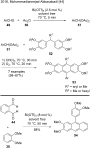
Scheme 11: Bi(OTf)3-promoted Friedel–Crafts alkylation of triarylmethanes and aromatic acylals and of arenes a...

Scheme 12: Reduction of anthraquinones by using Zn/pyridine or Zn/NaOH reductive methods.
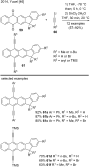
Scheme 13: Two-step route to novel substituted Indenoanthracenes.
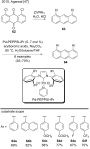
Scheme 14: Synthesis of 1,8-diarylanthracenes through Suzuki–Miyaura coupling reaction in the presence of Pd-P...

Scheme 15: Synthesis of five new substituted anthracenes by using LAH as reducing agent.

Scheme 16: One-pot procedure to synthesize substituted 9,10-dicyanoanthracenes.

Scheme 17: Reduction of bromoanthraquinones with NaBH4 in alkaline medium.

Scheme 18: In(III)-catalyzed reductive-dehydration intramolecular cycloaromatization of 2-benzylic aromatic al...
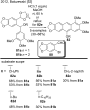
Scheme 19: Acid-catalyzed cyclization of new O-protected ortho-acetal diarylmethanols.
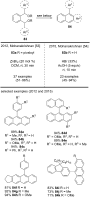
Scheme 20: Lewis acid-mediated regioselective cyclization of asymmetric diarylmethine dipivalates and diarylme...
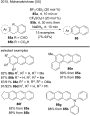
Scheme 21: BF3·OEt2/CF3SO3H-mediated cyclodehydration reactions of 2-(arylmethyl)benzaldehydes and 2-(arylmeth...

Scheme 22: Synthesis of 2,3,6,7-anthracenetetracarbonitrile (90) by double Wittig reaction followed by deprote...
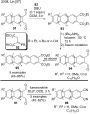
Scheme 23: Homo-elongation protocol for the synthesis of substituted acene diesters/dinitriles.
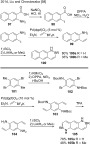
Scheme 24: Synthesis of two new parental BN anthracenes via borylative cyclization.
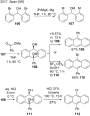
Scheme 25: Synthesis of substituted anthracenes from a bifunctional organomagnesium alkoxide.
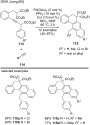
Scheme 26: Palladium-catalyzed tandem C–H activation/bis-cyclization of propargylic carbonates.
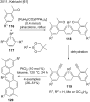
Scheme 27: Ruthenium-catalyzed C–H arylation of acetophenone derivatives with arenediboronates.

Scheme 28: Pd-catalyzed intramolecular cyclization of (Z,Z)-p-styrylstilbene derivatives.

Scheme 29: AuCl-catalyzed double cyclization of diiodoethynylterphenyl compounds.
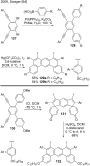
Scheme 30: Iodonium-induced electrophilic cyclization of terphenyl derivatives.

Scheme 31: Oxidative photocyclization of 1,3-distyrylbenzene derivatives.
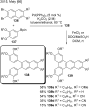
Scheme 32: Oxidative cyclization of 2,3-diphenylnaphthalenes.
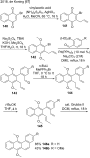
Scheme 33: Suzuki-Miyaura/isomerization/ring closing metathesis strategy to synthesize benz[a]anthracenes.

Scheme 34: Green synthesis of oxa-aza-benzo[a]anthracene and oxa-aza-phenanthrene derivatives.
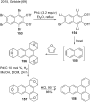
Scheme 35: Triple benzannulation of substituted naphtalene via a 1,3,6-naphthotriyne synthetic equivalent.
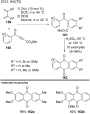
Scheme 36: Zinc iodide-catalyzed Diels–Alder reactions with 1,3-dienes and aroyl propiolates followed by intra...
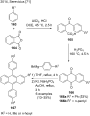
Scheme 37: H3PO4-promoted intramolecular cyclization of substituted benzoic acids.
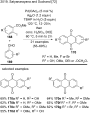
Scheme 38: Palladium-catalyzed intermolecular direct acylation of aromatic aldehydes and o-iodoesters.

Scheme 39: Cycloaddition/oxidative aromatization of quinone and β-enamino esters.
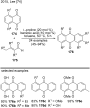
Scheme 40: ʟ-Proline-catalyzed [4 + 2] cycloaddition reaction of naphthoquinones and α,β-unsaturated aldehydes....

Scheme 41: Iridium-catalyzed [2 + 2 + 2] cycloaddition of a 1,2-bis(propiolyl)benzene derivative with alkynes.
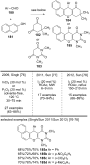
Scheme 42: Synthesis of several anthraquinone derivatives by using InCl3 and molecular iodine.

Scheme 43: Indium-catalyzed multicomponent reactions employing 2-hydroxy-1,4-naphthoquinone (186), β-naphthol (...

Scheme 44: Synthesis of substituted anthraquinones catalyzed by an AlCl3/MeSO3H system.
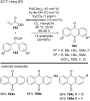
Scheme 45: Palladium(II)-catalyzed/visible light-mediated synthesis of anthraquinones.
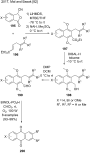
Scheme 46: [4 + 2] Anionic annulation reaction for the synthesis of substituted anthraquinones.
Progress and challenges in the synthesis of sequence controlled polysaccharides
- Giulio Fittolani,
- Theodore Tyrikos-Ergas,
- Denisa Vargová,
- Manishkumar A. Chaube and
- Martina Delbianco
Beilstein J. Org. Chem. 2021, 17, 1981–2025, doi:10.3762/bjoc.17.129
- temperatures. Allyl groups provided a valid alternative and could be removed with palladium chloride at 60 °C in 4 hours [90]. Chemical synthesis grants full control over the polymer length, avoiding non-uniform dispersions of MW obtained by polymerization. Polymers with virtually any possible pattern of

Graphical Abstract

Figure 1: Overview of the methods available for the synthesis of polysaccharides. For each method, advantages...

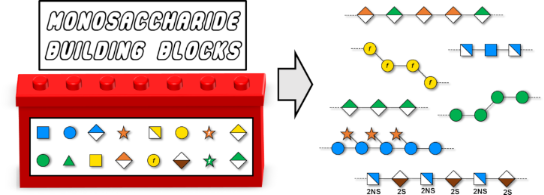
Figure 2: Overview of the classes of polysaccharides discussed in this review. Each section deals with polysa...

Scheme 1: Enzymatic and chemical polymerization approaches provide cellulose oligomers with a non-uniform dis...

Scheme 2: AGA of a collection of cellulose analogues obtained using BBs 6–9. Specifically placed modification...

Figure 3: Chemical structure of the different branches G, X, L, F commonly found in XGs. Names are given foll...

Scheme 3: AGA of XG analogues with defined side chains. The AGA cycle includes coupling (TMSOTf), Fmoc deprot...

Figure 4: Synthetic strategies and issues associated to the formation of the β(1–3) linkage.
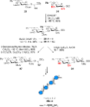
Scheme 4: Convergent synthesis of β(1–3)-glucans using a regioselective glycosylation strategy.

Scheme 5: DMF-mediated 1,2-cis glycosylation. A) General mechanism and B) examples of α-glucans prepared usin...

Scheme 6: Synergistic glycosylation strategy employing a nucleophilic modulation strategy (TMSI and Ph3PO) in...

Scheme 7: Different approaches to produce xylans. A) Polymerization techniques including ROP, and B) enzymati...

Scheme 8: A) Synthesis of arabinofuranosyl-decorated xylan oligosaccharides using AGA. Representative compoun...

Scheme 9: Chemoenzymatic synthesis of COS utilizing a lysozyme-catalyzed transglycosylation reaction followed...
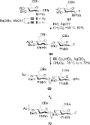
Scheme 10: Synthesis of COS using an orthogonal glycosylation strategy based on the use of two different LGs.
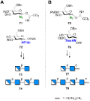
Scheme 11: Orthogonal N-PGs permitted the synthesis of COS with different PA.

Scheme 12: AGA of well-defined COS with different PA using two orthogonally protected BBs. The AGA cycle inclu...

Scheme 13: A) AGA of β(1–6)-N-acetylglucosamine hexasaccharide and dodecasaccharide. AGA includes cycles of co...

Figure 5: ‘Double-faced’ chemistry exemplified for ᴅ-Man and ʟ-Rha. Constructing β-Man linkages is considerab...

Figure 6: Implementation of a capping step after each glycosylation cycle for the AGA of a 50mer oligomannosi...

Scheme 14: AGA enabled the synthesis of a linear α(1–6)-mannoside 100mer 93 within 188 h and with an average s...

Scheme 15: The 151mer branched polymannoside was synthesized by a [30 + 30 + 30 + 30 + 31] fragment coupling. ...

Figure 7: PG stereocontrol strategy to obtain β-mannosides. A) The mechanism of the β-mannosylation reaction ...
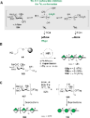
Scheme 16: A) Mechanism of 1,2-cis stereoselective glycosylation using ManA donors. Once the ManA donor is act...
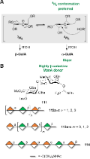
Figure 8: A) The preferred 4H3 conformation of the gulosyl oxocarbenium ion favors the attack of the alcohol ...

Scheme 17: AGA of type I rhamnans up to 16mer using disaccharide BB 115 and CNPiv PG. The AGA cycle includes c...

Figure 9: Key BBs for the synthesis of the O-antigen of Bacteroides vulgatus up to a 128mer (A) and the CPS o...

Figure 10: Examples of type I and type II galactans synthesized to date.

Figure 11: A) The DTBS PG stabilizes the 3H4 conformation of the Gal oxocarbenium ion favoring the attack of t...

Figure 12: Homogalacturonan oligosaccharides synthesized to date. Access to different patterns of methyl-ester...

Figure 13: GlfT2 from Mycobacterium tuberculosis catalyzes the sequential addition of UPD-Galf donor to a grow...

Figure 14: The poor reactivity of acceptor 137 hindered a stepwise synthesis of the linear galactan backbone a...

Scheme 18: AGA of a linear β(1–5) and β(1–6)-linked galactan 20mer. The AGA cycle includes coupling (NIS/TfOH)...

Figure 15: The 92mer arabinogalactan was synthesized using a [31 + 31 + 30] fragment coupling between a 31mer ...

Scheme 19: Synthesis of the branched arabinofuranose fragment using a six component one-pot synthesis. i) TTBP...
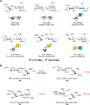
Figure 16: A) Chemical structure and SNFG of the representative disaccharide units forming the GAG backbones, ...

Figure 17: Synthetic challenges associated to the H/HS synthesis.

Scheme 20: Degradation of natural heparin and heparosan generated valuable disaccharides 150 and 151 that can ...

Scheme 21: A) The one-step conversion of cyanohydrin 156 to ʟ-iduronamide 157 represent the key step for the s...
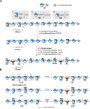
Scheme 22: A) Chemoenzymatic synthesis of heparin structures, using different types of UDP activated natural a...

Scheme 23: Synthesis of the longest synthetic CS chain 181 (24mer) using donor 179 and acceptor 180 in an iter...

Scheme 24: AGA of a collection of HA with different lengths. The AGA cycle includes coupling (TfOH) and Lev de...
Asymmetric organocatalyzed synthesis of coumarin derivatives
- Natália M. Moreira,
- Lorena S. R. Martelli and
- Arlene G. Corrêa
Beilstein J. Org. Chem. 2021, 17, 1952–1980, doi:10.3762/bjoc.17.128
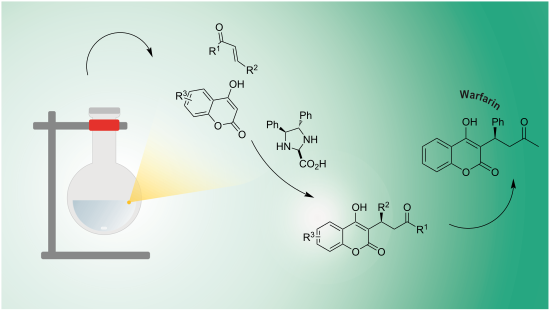
- synthesis of biologically relevant coumarins in aqueous medium [21]. Catalysis is one of the fundamental pillars of green chemistry [22], and the transition-metal-catalyzed synthesis of coumarins has been reviewed by Sharma et al. [23]. More recently, Kanchana et al. published an account on the palladium

Graphical Abstract

Figure 1: Coumarin-derived commercially available drugs.

Figure 2: Inhibition of acetylcholinesterase by coumarin derivatives.

Scheme 1: Michael addition of 4-hydroxycoumarins 1 to α,β‐unsaturated enones 2.

Scheme 2: Organocatalytic conjugate addition of 4-hydroxycoumarin 1 to α,β-unsaturated aldehydes 2 followed b...

Scheme 3: Synthesis of 3,4-dihydrocoumarin derivatives 10 through decarboxylative and dearomatizative cascade...

Scheme 4: Total synthesis of (+)-smyrindiol (17).

Scheme 5: Michael addition of 4-hydroxycoumarin (1) to enones 2 through a bifunctional modified binaphthyl or...

Scheme 6: Michael addition of ketones 20 to 3-aroylcoumarins 19 using a cinchona alkaloid-derived primary ami...

Scheme 7: Enantioselective reaction of cyclopent-2-enone-derived MBH alcohols 24 with 4-hydroxycoumarins 1.

Scheme 8: Sequential Michael addition/hydroalkoxylation one-pot approach to annulated coumarins 28 and 30.

Scheme 9: Michael addition of 4-hydroxycoumarins 1 to enones 2 using a binaphthyl diamine catalyst 31.

Scheme 10: Asymmetric Michael addition of 4-hydroxycoumarin 1 with α,β-unsaturated ketones 2 catalyzed by a ch...

Scheme 11: Catalytic asymmetric β-C–H functionalization of ketones via enamine oxidation.

Scheme 12: Enantioselective synthesis of polycyclic coumarin derivatives 37 catalyzed by an primary amine-imin...

Scheme 13: Allylic alkylation reaction between 3-cyano-4-methylcoumarins 39 and MBH carbonates 40.

Scheme 14: Enantioselective synthesis of cyclopropa[c]coumarins 45.

Scheme 15: NHC-catalyzed lactonization of 2-bromoenals 46 with 4-hydroxycoumarin (1).

Scheme 16: NHC-catalyzed enantioselective synthesis of dihydrocoumarins 51.

Scheme 17: Domino reaction of enals 2 with hydroxylated malonate 53 catalyzed by NHC 55.

Scheme 18: Oxidative [4 + 2] cycloaddition of enals 57 to coumarins 56 catalyzed by NHC 59.

Scheme 19: Asymmetric [3 + 2] cycloaddition of coumarins 43 to azomethine ylides 60 organocatalyzed by quinidi...

Scheme 20: Synthesis of α-benzylaminocoumarins 64 through Mannich reaction between 4-hydroxycoumarins (1) and ...

Scheme 21: Asymmetric addition of malonic acid half-thioesters 67 to coumarins 66 using the sulphonamide organ...

Scheme 22: Enantioselective 1,4-addition of azadienes 71 to 3-homoacyl coumarins 70.

Scheme 23: Michael addition/intramolecular cyclization of 3-acylcoumarins 43 to 3-halooxindoles 74.

Scheme 24: Enantioselective synthesis of 3,4-dihydrocoumarins 78 catalyzed by squaramide 73.

Scheme 25: Organocatalyzed [4 + 2] cycloaddition between 2,4-dienals 79 and 3-coumarincarboxylates 43.

Scheme 26: Enantioselective one-pot Michael addition/intramolecular cyclization for the synthesis of spiro[dih...
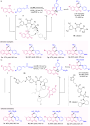
Scheme 27: Michael/hemiketalization addition enantioselective of hydroxycoumarins (1) to: (a) enones 2 and (b)...

Scheme 28: Synthesis of 2,3-dihydrofurocoumarins 89 through Michael addition of 4-hydroxycoumarins 1 to β-nitr...

Scheme 29: Synthesis of pyrano[3,2-c]chromene derivatives 93 via domino reaction between 4-hydroxycoumarins (1...

Scheme 30: Conjugated addition of 4-hydroxycoumarins 1 to nitroolefins 95.

Scheme 31: Michael addition of 4-hydroxycoumarin 1 to α,β-unsaturated ketones 2 promoted by primary amine thio...

Scheme 32: Enantioselective synthesis of functionalized pyranocoumarins 99.

Scheme 33: 3-Homoacylcoumarin 70 as 1,3-dipole for enantioselective concerted [3 + 2] cycloaddition.

Scheme 34: Synthesis of warfarin derivatives 107 through addition of 4-hydroxycoumarins 1 to β,γ-unsaturated α...

Scheme 35: Asymmetric multicatalytic reaction sequence of 2-hydroxycinnamaldehydes 109 with 4-hydroxycoumarins ...

Scheme 36: Mannich asymmetric addition of cyanocoumarins 39 to isatin imines 112 catalyzed by the amide-phosph...

Scheme 37: Enantioselective total synthesis of (+)-scuteflorin A (119).
On the application of 3d metals for C–H activation toward bioactive compounds: The key step for the synthesis of silver bullets
- Renato L. Carvalho,
- Amanda S. de Miranda,
- Mateus P. Nunes,
- Roberto S. Gomes,
- Guilherme A. M. Jardim and
- Eufrânio N. da Silva Júnior
Beilstein J. Org. Chem. 2021, 17, 1849–1938, doi:10.3762/bjoc.17.126
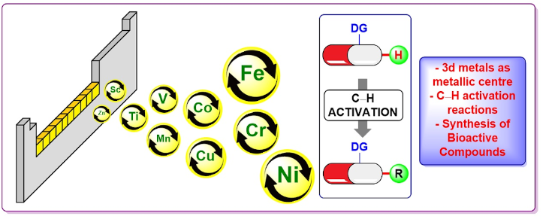
- synthetic methodologies is the C–H bond activation process that enables a straightforward access to several important and innovative compounds [14][15][16][17][18]. In the last few years, metals such as ruthenium [19][20][21], rhodium [22][23][24], palladium [25][26][27], and iridium [28][29][30] have been
- , several products were submitted to a subsequent metathesis mediated by Grubbs-II catalyst and a further palladium-catalyzed C=C reduction and DG-removal process, from which the desired macrocyclic peptides were obtained in good to excellent yields (Scheme 35C). Recently, again Ackermann and co-workers

Graphical Abstract

Scheme 1: Schematic overview of transition metals studied in C–H activation processes.

Scheme 2: (A) Known biological activities related to benzimidazole-based compounds; (B and C) an example of a...

Scheme 3: (A) Known biological activities related to quinoline-based compounds; (B and C) an example of a sca...

Scheme 4: (A) Known biological activities related to sulfur-containing compounds; (B and C) an example of a s...

Scheme 5: (A) Known biological activities related to aminoindane derivatives; (B and C) an example of a scand...

Scheme 6: (A) Known biological activities related to norbornane derivatives; (B and C) an example of a scandi...

Scheme 7: (A) Known biological activities related to aniline derivatives; (B and C) an example of a titanium-...

Scheme 8: (A) Known biological activities related to cyclohexylamine derivatives; (B) an example of an intram...

Scheme 9: (A) Known biologically active benzophenone derivatives; (B and C) photocatalytic oxidation of benzy...

Scheme 10: (A) Known bioactive fluorine-containing compounds; (B and C) vanadium-mediated C(sp3)–H fluorinatio...

Scheme 11: (A) Known biologically active Lythraceae alkaloids; (B) synthesis of (±)-decinine (30).

Scheme 12: (A) Synthesis of (R)- and (S)-boehmeriasin (31); (B) synthesis of phenanthroindolizidines by vanadi...
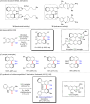
Scheme 13: (A) Known bioactive BINOL derivatives; (B and C) vanadium-mediated oxidative coupling of 2-naphthol...

Scheme 14: (A) Known antiplasmodial imidazopyridazines; (B) practical synthesis of 41.
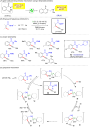
Scheme 15: (A) Gold-catalyzed drug-release mechanism using 2-alkynylbenzamides; (B and C) chromium-mediated al...

Scheme 16: (A) Examples of anti-inflammatory benzaldehyde derivatives; (B and C) chromium-mediated difunctiona...

Scheme 17: (A and B) Manganese-catalyzed chemoselective intramolecular C(sp3)–H amination; (C) late-stage modi...

Scheme 18: (A and B) Manganese-catalyzed C(sp3)–H amination; (C) late-stage modification of a leelamine deriva...
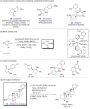
Scheme 19: (A) Known bioactive compounds containing substituted N-heterocycles; (B and C) manganese-catalyzed ...

Scheme 20: (A) Known indoles that present GPR40 full agonist activity; (B and C) manganese-catalyzed C–H alkyl...

Scheme 21: (A) Examples of known biaryl-containing drugs; (B and C) manganese-catalyzed C–H arylation through ...
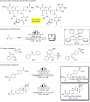
Scheme 22: (A) Known zidovudine derivatives with potent anti-HIV properties; (B and C) manganese-catalyzed C–H...

Scheme 23: (A and B) Manganese-catalyzed C–H organic photo-electrosynthesis; (C) late-stage modification.
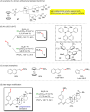
Scheme 24: (A) Example of a known antibacterial silylated dendrimer; (B and C) manganese-catalyzed C–H silylat...
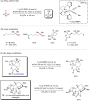
Scheme 25: (A and B) Fe-based small molecule catalyst applied for selective aliphatic C–H oxidations; (C) late...

Scheme 26: (A) Examples of naturally occurring gracilioethers; (B) the first total synthesis of gracilioether ...
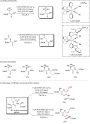
Scheme 27: (A and B) Selective aliphatic C–H oxidation of amino acids; (C) late-stage modification of proline-...
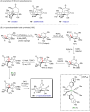
Scheme 28: (A) Examples of Illicium sesquiterpenes; (B) first chemical synthesis of (+)-pseudoanisatin (80) in...

Scheme 29: (A and B) Fe-catalyzed deuteration; (C) late-stage modification of pharmaceuticals.

Scheme 30: (A and B) Biomimetic Fe-catalyzed aerobic oxidation of methylarenes to benzaldehydes (PMHS, polymet...

Scheme 31: (A) Known tetrahydroquinolines with potential biological activities; (B and C) redox-selective Fe c...
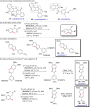
Scheme 32: (A) Known drugs containing a benzofuran unit; (B and C) Fe/Cu-catalyzed tandem O-arylation to acces...

Scheme 33: (A) Known azaindolines that act as M4 muscarinic acetylcholine receptor agonists; (B and C) intramo...
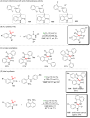
Scheme 34: (A) Known indolinones with anticholinesterase activity; (B and C) oxidative C(sp3)–H cross coupling...
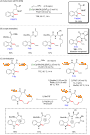
Scheme 35: (A and B) Cobalt-catalyzed C–H alkenylation of C-3-peptide-containing indoles; (C) derivatization b...
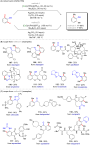
Scheme 36: (A) Cobalt-Cp*-catalyzed C–H methylation of known drugs; (B and C) scope of the o-methylated deriva...
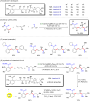
Scheme 37: (A) Known lasalocid A analogues; (B and C) three-component cobalt-catalyzed C–H bond addition; (D) ...

Scheme 38: (A and B) Cobalt-catalyzed C(sp2)–H amidation of thiostrepton.
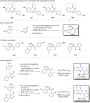
Scheme 39: (A) Known 4H-benzo[d][1,3]oxazin-4-one derivatives with hypolipidemic activity; (B and C) cobalt-ca...

Scheme 40: (A and B) Cobalt-catalyzed C–H arylation of pyrrole derivatives; (C) application for the synthesis ...
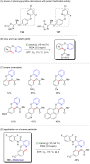
Scheme 41: (A) Known 2-phenoxypyridine derivatives with potent herbicidal activity; (B and C) cobalt-catalyzed...
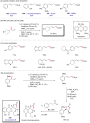
Scheme 42: (A) Natural cinnamic acid derivatives; (B and C) cobalt-catalyzed C–H carboxylation of terminal alk...

Scheme 43: (A and B) Cobalt-catalyzed C–H borylation; (C) application to the synthesis of flurbiprofen.

Scheme 44: (A) Benzothiazoles known to present anticonvulsant activities; (B and C) cobalt/ruthenium-catalyzed...

Scheme 45: (A and B) Cobalt-catalyzed oxygenation of methylene groups towards ketone synthesis; (C) synthesis ...
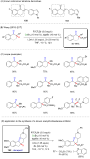
Scheme 46: (A) Known anticancer tetralone derivatives; (B and C) cobalt-catalyzed C–H difluoroalkylation of ar...
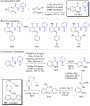
Scheme 47: (A and B) Cobalt-catalyzed C–H thiolation; (C) application in the synthesis of quetiapine (153).
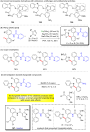
Scheme 48: (A) Known benzoxazole derivatives with anticancer, antifungal, and antibacterial activities; (B and...
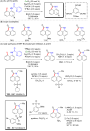
Scheme 49: (A and B) Cobalt-catalyzed C–H carbonylation of naphthylamides; (C) BET inhibitors 158 and 159 tota...
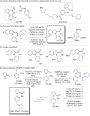
Scheme 50: (A) Known bioactive pyrrolo[1,2-a]quinoxalin-4(5H)-one derivatives; (B and C) cobalt-catalyzed C–H ...
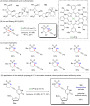
Scheme 51: (A) Known antibacterial cyclic sulfonamides; (B and C) cobalt-catalyzed C–H amination of propargyli...

Scheme 52: (A and B) Cobalt-catalyzed intramolecular 1,5-C(sp3)–H amination; (C) late-stage functionalization ...

Scheme 53: (A and B) Cobalt-catalyzed C–H/C–H cross-coupling between benzamides and oximes; (C) late-state syn...
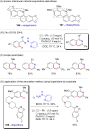
Scheme 54: (A) Known anticancer natural isoquinoline derivatives; (B and C) cobalt-catalyzed C(sp2)–H annulati...
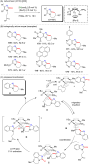
Scheme 55: (A) Enantioselective intramolecular nickel-catalyzed C–H activation; (B) bioactive obtained motifs;...

Scheme 56: (A and B) Nickel-catalyzed α-C(sp3)–H arylation of ketones; (C) application of the method using kno...

Scheme 57: (A and B) Nickel-catalyzed C(sp3)–H acylation of pyrrolidine derivatives; (C) exploring the use of ...
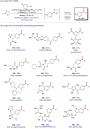
Scheme 58: (A) Nickel-catalyzed C(sp3)–H arylation of dioxolane; (B) library of products obtained from biologi...
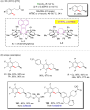
Scheme 59: (A) Intramolecular enantioselective nickel-catalyzed C–H cycloalkylation; (B) product examples, inc...

Scheme 60: (A and B) Nickel-catalyzed C–H deoxy-arylation of azole derivatives; (C) late-stage functionalizati...
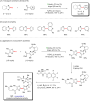
Scheme 61: (A and B) Nickel-catalyzed decarbonylative C–H arylation of azole derivatives; (C) application of t...
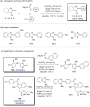
Scheme 62: (A and B) Another important example of nickel-catalyzed C–H arylation of azole derivatives; (C) app...
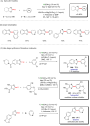
Scheme 63: (A and B) Another notable example of a nickel-catalyzed C–H arylation of azole derivatives; (C) lat...
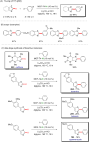
Scheme 64: (A and B) Nickel-based metalorganic framework (MOF-74-Ni)-catalyzed C–H arylation of azole derivati...
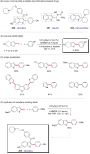
Scheme 65: (A) Known commercially available benzothiophene-based drugs; (B and C) nickel-catalyzed C–H arylati...
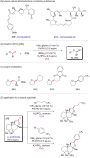
Scheme 66: (A) Known natural tetrahydrofuran-containing substances; (B and C) nickel-catalyzed photoredox C(sp3...
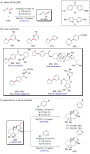
Scheme 67: (A and B) Another notable example of a nickel-catalyzed photoredox C(sp3)–H alkylation/arylation; (...

Scheme 68: (A) Electrochemical/nickel-catalyzed C–H alkoxylation; (B) achieved scope, including three using na...

Scheme 69: (A) Enantioselective photoredox/nickel catalyzed C(sp3)–H arylation; (B) achieved scope, including ...

Scheme 70: (A) Known commercially available trifluoromethylated drugs; (B and C) nickel-catalyzed C–H trifluor...
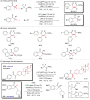
Scheme 71: (A and B) Stereoselective nickel-catalyzed C–H difluoroalkylation; (C) late-stage functionalization...

Scheme 72: (A) Cu-mediated ortho-amination of oxalamides; (B) achieved scope, including derivatives obtained f...

Scheme 73: (A) Electro-oxidative copper-mediated amination of 8-aminoquinoline-derived amides; (B) achieved sc...

Scheme 74: (A and B) Cu(I)-mediated C–H amination with oximes; (C) derivatization using telmisartan (241) as s...

Scheme 75: (A and B) Cu-mediated amination of aryl amides using ammonia; (C) late-stage modification of proben...
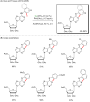
Scheme 76: (A and B) Synthesis of purine nucleoside analogues using copper-mediated C(sp2)–H activation.

Scheme 77: (A) Copper-mediated annulation of acrylamide; (B) achieved scope, including the synthesis of the co...
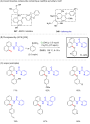
Scheme 78: (A) Known bioactive compounds containing a naphthyl aryl ether motif; (B and C) copper-mediated eth...

Scheme 79: (A and B) Cu-mediated alkylation of N-oxide-heteroarenes; (C) late-stage modification.
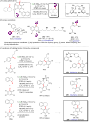
Scheme 80: (A) Cu-mediated cross-dehydrogenative coupling of polyfluoroarenes and alkanes; (B) scope from know...

Scheme 81: (A) Known anticancer acrylonitrile compounds; (B and C) Copper-mediated cyanation of unactivated al...
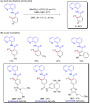
Scheme 82: (A) Cu-mediated radiofluorination of 8-aminoquinoline-derived aryl amides; (B) achieved scope, incl...
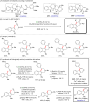
Scheme 83: (A) Examples of natural β-carbolines; (B and C) an example of a zinc-catalyzed C–H functionalizatio...
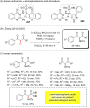
Scheme 84: (A) Examples of anticancer α-aminophosphonic acid derivatives; (B and C) an example of a zinc-catal...
Development of N-F fluorinating agents and their fluorinations: Historical perspective
- Teruo Umemoto,
- Yuhao Yang and
- Gerald B. Hammond
Beilstein J. Org. Chem. 2021, 17, 1752–1813, doi:10.3762/bjoc.17.123
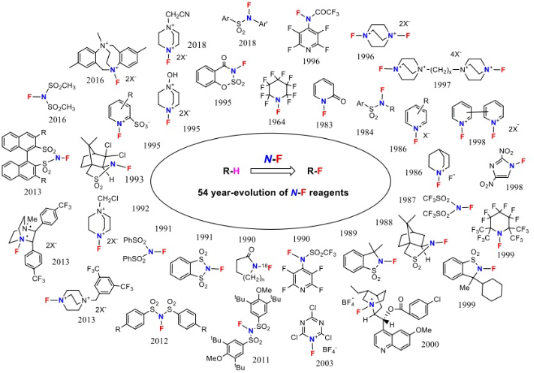

Graphical Abstract

Scheme 1: Fluorination with N-F amine 1-1.

Scheme 2: Preparation of N-F amine 1-1.

Scheme 3: Reactions of N-F amine 1-1.

Scheme 4: Synthesis of N-F perfluoroimides 2-1 and 2-2.

Scheme 5: Synthesis of 1-fluoro-2-pyridone (3-1).

Scheme 6: Fluorination with 1-fluoro-2-pyridone (3-1).

Figure 1: Synthesis of N-F sulfonamides 4-1a–g.
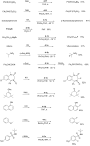
Scheme 7: Fluorination with N-F reagent 4-1b,c,f.

Scheme 8: Fluorination of alkenyllithiums with N-F 4-1h.

Scheme 9: Synthesis of N-fluoropyridinium triflate (5-4a).

Scheme 10: Synthetic methods for N-F-pyridinium salts.

Figure 2: Synthesis of various N-fluoropyridinium salts. Note: athis yield was the one by the improved method...

Scheme 11: Fluorination power order of N-fluoropyridinium salts.
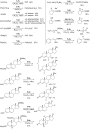
Scheme 12: Fluorinations with N-F salts 5-4.

Scheme 13: Fluorination of Corey lactone 5-7 with N-F-bis(methoxymethyl) salt 5-4l.

Scheme 14: Fluorination with NFPy.

Scheme 15: Synthesis of the N-F reagent, N-fluoroquinuclidinium fluoride (6-1).

Scheme 16: Fluorinations achieved with N-F fluoride 6-1.

Scheme 17: Synthesis of N-F imides 7-1a–g.

Scheme 18: Fluorination with (CF3SO2)2NF, 7-1a.
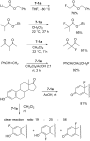
Scheme 19: Fluorination reactions of various substrates with 7-1a.

Scheme 20: Synthesis of N-F triflate 8-1.

Scheme 21: Synthesis of chiral N-fluoro sultams 9-1 and 9-2.
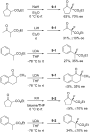
Scheme 22: Fluorination with chiral N-fluoro sultams 9-1 and 9-2.

Scheme 23: Synthesis of saccharin-derived N-fluorosultam 10-2.

Scheme 24: Fluorination with N-fluorosultam 10-2.

Scheme 25: Synthesis of N-F reagent 11-2.

Scheme 26: Fluorination with N-F reagent 11-2.

Scheme 27: Synthesis and reaction of N-fluorolactams 12-1.

Scheme 28: Synthesis of NFOBS 13-2.
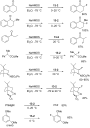
Scheme 29: Fluorination with NFOBS 13-2.

Scheme 30: Synthesis of NFSI (14-2).
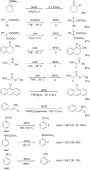
Scheme 31: Fluorination with NFSI 14-2.

Scheme 32: Synthesis of N-fluorosaccharin (15-1) and N-fluorophthalimide (15-2).

Scheme 33: Synthesis of N-F salts 16-3.
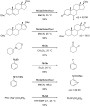
Scheme 34: Fluorination with N-F salts 16-3.

Figure 3: Monofluorination with Selectfluor (16-3a).

Figure 4: Difluorination with Selectfluor (16-3a).

Scheme 35: Transfer fluorination of Selectfluor (16-3a).
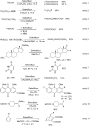
Scheme 36: Fluorination of substrates with Selectfluor (16-3a).

Scheme 37: Synthesis of chiral N-fluoro-sultam 17-2.

Scheme 38: Asymmetric fluorination with chiral 17-2.

Figure 5: Synthesis of Zwitterionic N-fluoropyridinium salts 18-2a–h.

Scheme 39: Fluorinating power order of zwitterionic N-fluoropyridinium salts.

Scheme 40: Fluorination with zwitterionic 18-2.

Scheme 41: Activation of salt 18-2h with TfOH.

Scheme 42: Synthesis of NFTh, 19-2.
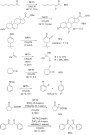
Scheme 43: Fluorination with NFTh, 19-2.

Scheme 44: Synthesis of 3-fluorobenzo-1,2,3-oxathiazin-4-one 2,2-dioxide (20-2).

Scheme 45: Fluorination with 20-2.

Scheme 46: Synthesis of N-F amide 21-3.

Scheme 47: Fluorination with N-F amide 21-2.

Scheme 48: Synthesis of N,N’-difluorodiazoniabicyclo[2.2.2]octane salts 22-1.

Scheme 49: One-pot synthesis of N,N’-difluoro-1,4-diazoniabicyclo[2.2.2]octane bistetrafluoroborate salt (22-1d...

Figure 6: Fluorination of anisole with 22-1a, d, e.
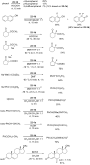
Scheme 50: Fluorination with N,N’-diF bisBF4 22-1d.

Scheme 51: Synthesis of bis-N-F reagents 23-1–5.
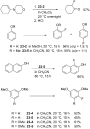
Scheme 52: Fluorination with 23-2, 4, 5.

Figure 7: Synthesis of N,N’-difluorobipyridinium salts 24-2.

Figure 8: Controlled fluorination of N,N’-diF 24-2.

Scheme 53: Fluorinating power of N,N’-diF salts 24-2 and N-F salt 5-4a.
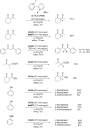
Scheme 54: Fluorination reactions with SynfluorTM (24-2b).
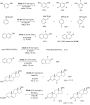
Scheme 55: Additional fluorination reactions with SynfluorTM (24-2b).

Scheme 56: Synthesis of N-F 25-1.

Scheme 57: Fluorination of polycyclic aromatics with 25-1.

Scheme 58: Synthesis of 26-1 and dimethyl analog 26-2.

Scheme 59: Fluorination with reagents 26-1, 26-2, 1-1, and 26-3.

Scheme 60: Synthesis of N-F reagent 27-2.

Scheme 61: Synthesis of chiral N-F reagents 27-6.

Scheme 62: Synthesis of chiral N-F 27-7–9.
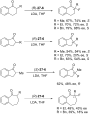
Scheme 63: Asymmetric fluorination with 27-6.

Scheme 64: Synthesis of chiral N-F reagents 28-3.

Scheme 65: Asymmetric fluorination with 28-3.

Scheme 66: Synthesis of chiral N-F reagents 28-7.

Figure 9: Asymmetric fluorination with 28-7.

Scheme 67: In situ formation of N-fluorinated cinchona alkaloids with SelectfluorTM.
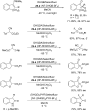
Scheme 68: Asymmetric fluorination with N-F alkaloids formed in situ.

Scheme 69: Synthesis of N-fluorocinchona alkaloids with Selectfluor.

Scheme 70: Asymmetric fluorination with 30-1–4.

Scheme 71: Transfer fluorination from various N-F reagents.

Figure 10: Asymmetric fluorination of silyl enol ethers.

Scheme 72: Synthesis of N-fluoro salt 32-2.

Scheme 73: Reactivity of N-fluorotriazinium salt 32-2.

Scheme 74: Synthesis of bulky N-fluorobenzenesulfonimide NFBSI 33-3.

Scheme 75: Comparison of NFSI and NFBSI.

Scheme 76: Synthesis of p-substituted N-fluorobenzenesulfonimides 34-3.

Figure 11: Asymmetric fluorination with 34-3 and a chiral catalyst 34-4.

Scheme 77: 1,4-Fluoroamination with Selecfluor and a chiral catalyst.

Figure 12: Asymmetric fluoroamination with 35-5a, b.

Scheme 78: Synthesis of Selectfluor analogs 35-5a, b.

Scheme 79: Synthesis of chiral dicationic DABCO-based N-F reagents 36-5.
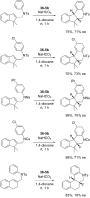
Scheme 80: Asymmetric fluorocyclization with chiral 36-5b.

Scheme 81: Synthesis of chiral 37-2a,b.

Scheme 82: Asymmetric fluorination with chiral 37-2a,b.

Scheme 83: Asymmetric fluorination with chiral 37-2b.

Scheme 84: Reaction of indene with chiral 37-2a,b.

Scheme 85: Synthesis of Me-NFSI, 38-2.

Scheme 86: Fluorination of active methine compounds with Me-NFSI.

Scheme 87: Fluorination of malonates with Me-NFSI.

Scheme 88: Fluorination of keto esters with Me-NFSI.

Scheme 89: Synthesis of N-F 39-3 derived from the ethylene-bridged Tröger’s base.

Scheme 90: Fluorine transfer from N-F 39-3.

Scheme 91: Fluorination with N-F 39-3.

Scheme 92: Synthesis of SelectfluorCN.

Scheme 93: Bistrifluoromethoxylation of alkenes using SelectfluorCN.

Figure 13: Synthesis of NFAS 41-2.

Scheme 94: Radical fluorination with different N-F reagents.

Scheme 95: Radical fluorination of alkenes with NFAS 41-2.

Scheme 96: Radical fluorination of alkenes with NFAS 41-2f.

Scheme 97: Decarboxylative fluorination with NFAS 41-2a,f.

Scheme 98: Fluorine plus detachment (FPD).

Figure 14: FPD values of representative N-F reagents in CH2Cl2 and CH3CN (in parentheses). Adapted with permis...

Scheme 99: N-F homolytic bond dissociation energy (BDE).

Figure 15: BDE values of representative N-F reagents in CH3CN. Adapted with permission from ref. [127]. Copyright 2...

Figure 16: Quantitative reactivity scale for popular N-F reagents. Adapted with permission from ref. [138], publish...

Scheme 100: SET and SN2 mechanisms.

Scheme 101: Radical clock reactions.

Scheme 102: Reaction of potassium enolate of citronellic ester with N-F reagents, 10-1, NFSI, and 8-1.

Scheme 103: Reaction of compound IV with Selectfluor (OTf) and NFSI.

Scheme 104: Reaction of TEMPO with Selecfluor.
Sustainable manganese catalysis for late-stage C–H functionalization of bioactive structural motifs
- Jongwoo Son
Beilstein J. Org. Chem. 2021, 17, 1733–1751, doi:10.3762/bjoc.17.122

- selectivity, which is observed at the more electron-rich and the less sterically hindered position. Manganese-catalyzed late-stage C–H alkynylation Alkynes are invaluable intermediates in organic synthesis and are conventionally prepared via palladium-catalyzed cross-coupling reactions [62]. Moreover, they

Graphical Abstract

Scheme 1: Mn-catalyzed late-stage fluorination of sclareolide (1) and complex steroid 3.

Figure 1: Proposed reaction mechanism of C–H fluorination by a manganese porphyrin catalyst.

Scheme 2: Late-stage radiofluorination of biologically active complex molecules.
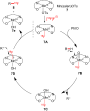
Figure 2: Proposed mechanism of C–H radiofluorination.

Scheme 3: Late-stage C–H azidation of bioactive molecules. a1.5 mol % of Mn(TMP)Cl (5) was used. bMethyl acet...

Figure 3: Proposed reaction mechanism of manganese-catalyzed C–H azidation.
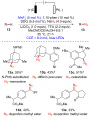
Scheme 4: Mn-catalyzed late-stage C–H azidation of bioactive molecules via electrophotocatalysis. a2.5 mol % ...
Figure 4: Proposed reaction mechanism of electrophotocatalytic azidation.
Scheme 5: Manganaelectro-catalyzed late-stage azidation of bioactive molecules.
Figure 5: Proposed reaction pathway of manganaelectro-catalyzed late-stage C–H azidation.

Scheme 6: Mn-catalyzed late-stage amination of bioactive molecules. a3 Å MS were used. Protonation with HBF4⋅...

Figure 6: Proposed mechanism of manganese-catalyzed C–H amination.
Scheme 7: Mn-catalyzed C–H methylation of heterocyclic scaffolds commonly found in small-molecule drugs. aDAS...
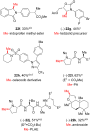
Scheme 8: Examples of late-stage C–H methylation of bioactive molecules. aDAST activation. bFor insoluble sub...
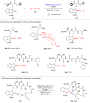
Scheme 9: A) Mn-catalyzed late-stage C–H alkynylation of peptides. B) Intramolecular late-stage alkynylative ...

Figure 7: Proposed reaction mechanism of Mn(I)-catalyzed C–H alkynylation.

Scheme 10: Late-stage Mn-catalyzed C–H allylation of peptides and bioactive motifs.

Scheme 11: Intramolecular C–H allylative cyclic peptide formation.

Scheme 12: Late-stage C–H glycosylation of tryptophan analogues.
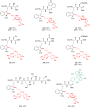
Scheme 13: Late-stage C–H glycosylation of tryptophan-containing peptides.

Scheme 14: Late-stage C–H alkenylation of tryptophan-containing peptides.
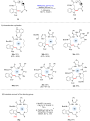
Scheme 15: A) Late-stage C–H macrocyclization of tryptophan-containing peptides and B) traceless removal of py...
2,4-Bis(arylethynyl)-9-chloro-5,6,7,8-tetrahydroacridines: synthesis and photophysical properties
- Najeh Tka,
- Mohamed Adnene Hadj Ayed,
- Mourad Ben Braiek,
- Mahjoub Jabli,
- Noureddine Chaaben,
- Kamel Alimi,
- Stefan Jopp and
- Peter Langer
Beilstein J. Org. Chem. 2021, 17, 1629–1640, doi:10.3762/bjoc.17.115
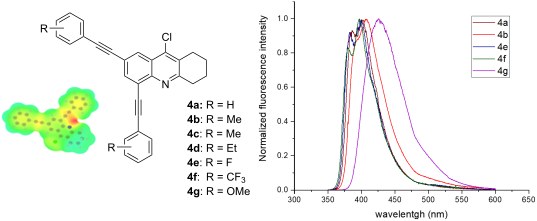
- molecules have been examined. Additionally, theoretical studies based on density functional theory (DFT/B3LYP/6-31G(d)) were carried out. Keywords: alkynes; catalysis; cross-coupling; heterocycles; palladium; Introduction The development and design of small π-conjugated molecules have attracted increasing
- using 0.6 mol % of tetrakis(triphenylphosphine)palladium(0) and 1.2 mol % of copper iodide (Scheme 2, Table 1). The reaction proceeded chemoselectively at the two carbon–bromine bonds giving 2,4-bis(phenylethynyl)-9-chloro-5,6,7,8-tetrahydroacridine (4a). This result was not entirely predictable, as the

Graphical Abstract

Figure 1: Applications of acridines.

Scheme 1: Synthesis of 2,4-dibromo-9-chloro-5,6,7,8-tetrahydroacridine (2).

Scheme 2: Synthesis of 2,4-bis(arylethynyl)-9-chloro-5,6,7,8-tetrahydroacridines 4a–g.

Figure 2: UV–vis absorption spectra of 4a,b and 4e–g in diluted dichloromethane solutions at room temperature...

Figure 3: Emission spectra of 4a,b and 4e–g in diluted dichloromethane solutions at room temperature (c = 1 ×...
A recent overview on the synthesis of 1,4,5-trisubstituted 1,2,3-triazoles
- Pezhman Shiri,
- Ali Mohammad Amani and
- Thomas Mayer-Gall
Beilstein J. Org. Chem. 2021, 17, 1600–1628, doi:10.3762/bjoc.17.114
- [58]. Postfunctionalization by Pd- or Pd/Cu-catalyzed synthesis of fully decorated triazoles A palladium-catalyzed aminocarbonylation reaction of 5-iodo-1,2,3-triazoles to give 1,4,5-trisubstituted 1,2,3-triazole-5-carboxamides 119 was introduced by Schwab et al. in 2019. The 5-iodo-1,2,3-triazole 117
- -triazole-based phenol or alcohol coordinates to the Pd center to form complex 158. Then, the electrophilic palladation of the 1,2,3-triazole ring occurs to achieve Pd(II) intermediate 159. Isocyanide migrates to 159 to obtain the seven‐ or eight‐membered palladium cycle 160. The reductive elimination of
- '. The isocyanide is inserted into intermediate 158' to achieve intermediate 159'. A 1,2,3-triazole C–H bond activation occurs using palladium, which subsequently undergoes a reductive elimination process to afford final product 154. Likewise, the Pd(0) species is reformed for the next cycle [64]. The
Graphical Abstract

Figure 1: Some significant triazole derivatives [8,23-27].
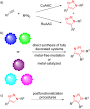
Scheme 1: A general comparison between synthetic routes for disubstituted 1,2,3-triazole derivatives and full...

Scheme 2: Synthesis of formyltriazoles 3 from the treatment of α-bromoacroleins 1 with azides 2.

Scheme 3: A probable mechanism for the synthesis of formyltriazoles 5 from the treatment of α-bromoacroleins 1...

Scheme 4: Synthesis of 1,4,5-trisubstituted 1,2,3-triazoles 8 from the reaction of aryl azides 7 with enamino...
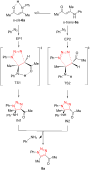
Scheme 5: Proposed mechanism for the synthesis of 1,4,5-trisubstituted 1,2,3-triazoles from the reaction of a...

Scheme 6: Synthesis of 1,4,5-trisubstituted 1,2,3-triazoles 11 from the reaction of primary amines 10 with 1,...

Scheme 7: The proposed mechanism for the synthesis of 1,4,5-trisubstituted 1,2,3-triazoles 11 from the reacti...

Scheme 8: Synthesis of fully decorated 1,2,3-triazoles 19 containing a sulfur-based side chain.

Scheme 9: Mechanism for the formation of fully decorated 1,2,3-triazoles 19 containing a sulfur-based side ch...

Scheme 10: Synthesis of fully decorated 1,2,3-triazole compounds 25 through the regioselective addition and cy...

Scheme 11: A reasonable mechanism for the synthesis of fully decorated 1,2,3-triazole compounds 25 through the...
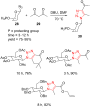
Scheme 12: Synthesis of 1,4,5-trisubstituted glycosyl-containing 1,2,3-triazole derivatives 30 from the reacti...

Scheme 13: Synthesis of 1,4,5-trisubstituted 1,2,3-triazoles 34 via intramolecular cyclization reaction of ket...

Scheme 14: Synthesis of fully decorated 1,2,3-triazoles 38 from the reaction of aldehydes 35, amines 36, and α...

Scheme 15: A reasonable mechanism for the synthesis of fully decorated 1,2,3-triazoles 38 from the reaction of...
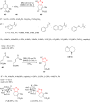
Scheme 16: Synthesis of functionally rich double C- and N-vinylated 1,2,3-triazoles 45 and 47.

Scheme 17: Synthesis of disubstituted 4-chloro-, 4-bromo-, and 4-iodo-1,2,3-triazoles 50.

Scheme 18: a) A general route for SPAAC in polymer chemistry and b) synthesis of a novel pH-sensitive polymeri...

Scheme 19: Synthesis of 5-allenyl-1,2,3-triazoles 60 by the treatment of alkynes 57, azides 58, and propargyli...

Scheme 20: A reasonable mechanism for the synthesis of 5-allenyl-1,2,3-triazoles 60 by the treatment of alkyne...

Scheme 21: Synthesis of 5‐alkynyl-1,2,3-triazoles 69.

Scheme 22: A reasonable mechanism for the synthesis of 5‐alkynyl-1,2,3-triazoles 69.
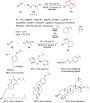
Scheme 23: Synthesis of sulfur-cycle-fused 1,2,3-triazoles 75 and 77.

Scheme 24: A reasonable mechanism for the synthesis of sulfur-cycle-fused 1,2,3‐triazoles 75 and 77.

Scheme 25: Synthesis of 5-selanyltriazoles 85 from the reaction of ethynylstibanes 82, organic azides 83, and ...

Scheme 26: A mechanism for the synthesis of 5-selanyltriazoles 85 from the reaction of ethynylstibanes 82, org...

Scheme 27: Synthesis of trisubstituted triazoles containing an Sb substituent at position C5 in 93 and 5-unsub...

Scheme 28: Synthesis of asymmetric triazole disulfides 98 from disulfide-containing tert-butyltosyl disulfide 97...

Scheme 29: A mechanism for the synthesis of asymmetric triazole disulfides 98 from disulfide-containing tert-bu...

Scheme 30: Synthesis of triazole-fused sultams 104.

Scheme 31: Synthesis of 1,2,3-triazole-fused tricyclic heterocycles 106.

Scheme 32: A reasonable mechanism for the synthesis of 1,2,3-triazole-fused tricyclic heterocycles 106.

Scheme 33: Synthesis of 5-aryl-substituted 1,2,3-triazole derivatives 112.

Scheme 34: A reasonable mechanism for the synthesis of 5-aryl-substituted 1,2,3-triazole derivatives 112.

Scheme 35: Synthesis of 1,4,5-trisubstituted 1,2,3-triazole-5-carboxamides 119.
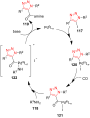
Scheme 36: A probable mechanism for the synthesis of 1,4,5-trisubstituted 1,2,3-triazole-5-carboxamides 119.

Scheme 37: Synthesis of fully decorated triazoles 125 via the Pd/C-catalyzed arylation of disubstituted triazo...

Scheme 38: Synthesis of triazolo[1,5-a]indolones 131.
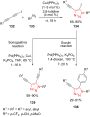
Scheme 39: Synthesis of unsymmetrically substituted triazole-fused enediyne systems 135 and 5-aryl-4-ethynyltr...

Scheme 40: Synthesis of Pd/Cu-BNP 139 and application of 139 in the synthesis of polycyclic triazoles 142.

Scheme 41: A probable mechanism for the synthesis of polycyclic triazoles 142.

Scheme 42: Synthesis of highly functionalized 1,2,3-triazole-fused 5-, 6-, and 7-membered rings 152–154.

Scheme 43: A probable mechanism for the synthesis of highly functionalized 1,2,3-triazole-fused 5-, 6-, and 7-...

Scheme 44: Synthesis of fully functionalized 1,2,3-triazolo-fused chromenes 162, 164, and 166 via the intramol...

Scheme 45: Ru-catalyzed synthesis of fully decorated triazoles 172.

Scheme 46: Synthesis of 4-cyano-1,2,3-triazoles 175.

Scheme 47: Synthesis of functionalized triazoles from the reaction of 1-alkyltriazenes 176 and azides 177 and ...
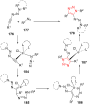
Scheme 48: Mechanism for the synthesis of functionalized triazoles from the reaction of 1-alkyltriazenes 176 a...



