Search results
Search for "plants" in Full Text gives 251 result(s) in Beilstein Journal of Organic Chemistry. Showing first 200.
Determination of formation constants and structural characterization of cyclodextrin inclusion complexes with two phenolic isomers: carvacrol and thymol
Beilstein J. Org. Chem. 2016, 12, 29–42, doi:10.3762/bjoc.12.5
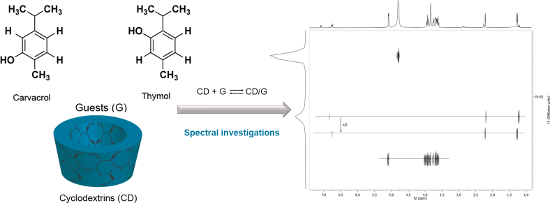
- : cyclodextrins; DOSY-NMR; formation constant; molecular modeling; solubility; Introduction Carvacrol (2-methyl-5-(1-methylethyl)phenol, 1) and thymol (5-methyl-2-(1-methylethyl)phenol, 2) are monoterpenic phenol isomers (Figure 1) produced by several aromatic plants (oregano, thyme, savory, marjoram, etc.) [1


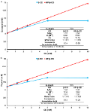


Genicunolide A, B and C: three new triterpenoids from Euphorbia geniculata
Beilstein J. Org. Chem. 2015, 11, 2707–2712, doi:10.3762/bjoc.11.291

- . Keywords: Euphorbiaceae; Euphorbia geniculata; friedelin; friedelinol; genicunolide A; B; C; pentacyclic triterpenoids; Introduction Euphorbia (Euphorbiaceae) is a very large and diverse genus of flowering plants comprising of about 2,000 members and is found all over the world, ranging from short annual
- plants to well developed tall trees [1]. The plants of the family Euphorbiaceae contain well-known skin irritating and tumor-promoting diterpenoids with tigliane, ingenane and daphnane skeletons [2]. Some of the species are used in folk medicine to cure skin diseases, gonorrhea, migraines, intestinal

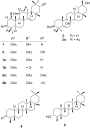
Synthesis of cyclic N1-pentylinosine phosphate, a new structurally reduced cADPR analogue with calcium-mobilizing activity on PC12 cells
Beilstein J. Org. Chem. 2015, 11, 2689–2695, doi:10.3762/bjoc.11.289

- ]. Among these NNs there is the cyclic ADP-ribose (cADPR 1, Figure 1), a metabolite strictly involved in the homeostasis of cellular calcium ions. cADPR is a second messenger that activates the ryanodine receptors of the sarcoplasmic reticulum and mobilizes Ca2+ ions in many cell types of protozoa, plants


Biocatalysis for the application of CO2 as a chemical feedstock
Beilstein J. Org. Chem. 2015, 11, 2370–2387, doi:10.3762/bjoc.11.259
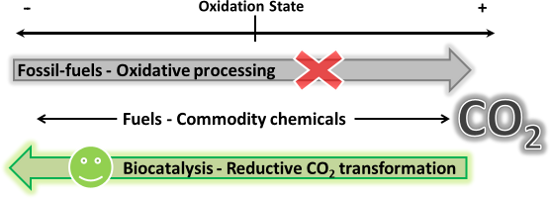
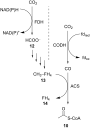
- generation biofuel production processes. In this way, the carbon fixed by plants (biomass) is further transformed into a wide array of products through microbial processing [16]. Genetically engineered plants and algae have been employed to divert carbon flux in planta towards other metabolic products of
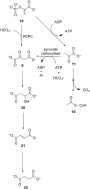
- , ranging from the use of carboxylated cofactors [28][32] to complex extended metabolic pathways in C4 and CAM plants [17][33][34] and substrate channelling. In addition, a number of enzymes accept HCO3− as a substrate, which is converted to CO2 close to the active site before the reductive step [26][28
- ]. Carboxysomes have been the subject of studies on increasing the efficiency of C3 carbon fixation in plants [38][39][40]. The recent production of a transgenic tobacco plant, expressing bacterial carboxysome proteins and able to photosynthesise at an increased rate, was a significant breakthrough in this field






Syntheses of 2-substituted 1-amino-4-bromoanthraquinones (bromaminic acid analogues) – precursors for dyes and drugs
Beilstein J. Org. Chem. 2015, 11, 2326–2333, doi:10.3762/bjoc.11.253

- ; Introduction Anthraquinones (AQs, anthracene-9,10-diones) represent an important class of organic compounds. They may be produced synthetically, but many derivatives can also be found in nature, e.g., in medicinal plants, as well as in bacteria, fungi and some insects [1][2][3][4][5][6]. Both, natural and


2-Hetaryl-1,3-tropolones based on five-membered nitrogen heterocycles: synthesis, structure and properties
Beilstein J. Org. Chem. 2015, 11, 2179–2188, doi:10.3762/bjoc.11.236

- -1,2-tropolone) isolated from Chamacyparis taiwanensis possesses antimicrobial and antifungal activity [4][5][6], pronounced insecticidal properties [7][8], and the capability of inhibiting the growth of plants [9]. It also exerts a cytotoxic effect on tumor cells [10] and serves as a potent inhibitor


![[Graphic 3]](/bjoc/content/inline/1860-5397-11-236-i8.png?max-width=637&scale=1.18182) N···H–O equilibrium in solutions of 2-hetaryl-5,6,7-trichloro- and 4,...
N···H–O equilibrium in solutions of 2-hetaryl-5,6,7-trichloro- and 4,...


SmI2-mediated dimerization of indolylbutenones and synthesis of the myxobacterial natural product indiacen B
Beilstein J. Org. Chem. 2015, 11, 1700–1706, doi:10.3762/bjoc.11.184

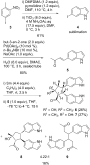
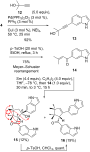
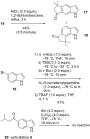
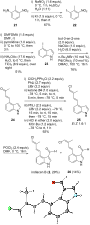
- plants [1][2][3] and also in fungi [4] and myxobacteria [5][6]. One example is raputindole A (1), isolated in 2010 from the Rutaceous tree Raputia simulans Kallunki [1], which exhibits a unique tetrahydrocyclopenta[f]indole partial structure (Figure 1) probably formed by dimerization of (E)-6-(3
- not effect any reaction, as we learned when trying to dimerize the natural product verticillatine B (20) from the Brazilian plants Borreria verticillata and Raputia simulans [2][3]. We had speculated on the participation of the benzenoid double bond in dimerization reactions which would have



Synthesis and spectroscopic properties of β-triazoloporphyrin–xanthone dyads
Beilstein J. Org. Chem. 2015, 11, 1434–1440, doi:10.3762/bjoc.11.155
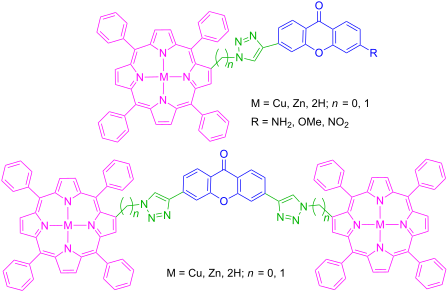
- diporphyrin analogues [20][28][29][30]. Xanthene-9H-ones are an important class of oxygen-containing heterocycles and are mainly found as secondary metabolites in higher plants and microorganisms. The naturally occurring and synthetic xanthones possess diverse pharmacological activities [31][32][33][34


Antioxidant potential of curcumin-related compounds studied by chemiluminescence kinetics, chain-breaking efficiencies, scavenging activity (ORAC) and DFT calculations
Beilstein J. Org. Chem. 2015, 11, 1398–1411, doi:10.3762/bjoc.11.151

- Utilization: From Plants to Pharmacy Shelf, 3–6 November 2013, Bansko, Bulgaria, is gratefully acknowledged. The calculations were performed on the computer system installed at IOCCP–BAS with the financial support of the Bulgarian Scientific Fund under Project “MADARA” (RNF01/0110, contract no. DO02-52/2008).




Synthesis of icariin from kaempferol through regioselective methylation and para-Claisen–Cope rearrangement
Beilstein J. Org. Chem. 2015, 11, 1220–1225, doi:10.3762/bjoc.11.135

- ; Introduction The plants of the Genus Epimedium, also known as “Yin-Yang-Huo”, were used in traditional Chinese medicine and are believed to invigorate the kidney and enhance the “Yang”. For more than one thousand years, some plants of Epimedium have been widely used in China to treat cardiovascular diseases
- , amnesia, arthritis, asthenia, impotence, infertility, lumbago and other chronic illnesses [1][2]. Icariin (1), a 3,7-diglycosylflavone (Figure 1), is recognized as the major pharmacologically active ingredient of these plants [3][4], and has been used as the index for quality control of the herbs and


Adsorption mechanism and valency of catechol-functionalized hyperbranched polyglycerols
Beilstein J. Org. Chem. 2015, 11, 828–836, doi:10.3762/bjoc.11.92
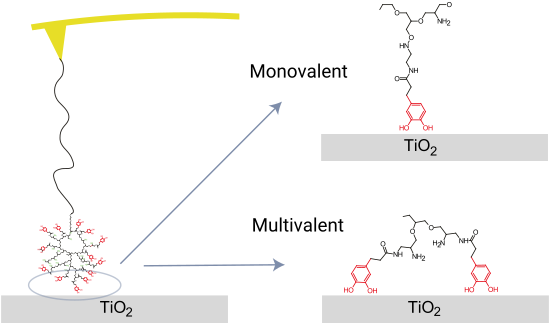
- development, mussels, barnacles and numerous other animals and plants have found a way for strong, long-term adhesion to wet surfaces [1]. Wet hydrophilic surfaces are difficult to be wetted by glues since the adhesive competes with the surface water layer [2]. Mussels can easily adhere to hydrophilic metal



Selective methylation of kaempferol via benzylation and deacetylation of kaempferol acetates
Beilstein J. Org. Chem. 2015, 11, 288–293, doi:10.3762/bjoc.11.33
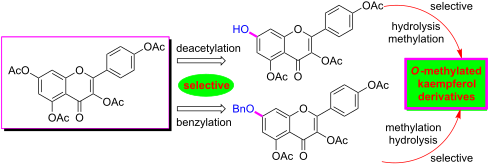
- . Keywords: benzylation; deacetylation; kaempferol; methylation; regioselectivity; Introduction Kaempferol [2-(4-hydroxyphenyl)-3,5,7-trihydroxychromen-4-one] (Figure 1) and its derivatives are widely distributed in plants such as beans, broccoli, strawberries, teas, and propolis [1][2]. They are well known
- -methylkaempferol exhibits modest cytotoxicity [17]. These methylated derivatives of flavonols are found as natural products in relative low quantity, whereas kaempferol is relatively rich in plants. Therefore, it is quite worthwhile to develop procedures for the preparation of methylated derivatives of kaempferol


Synthesis of the furo[2,3-b]chromene ring system of hyperaspindols A and B
Beilstein J. Org. Chem. 2015, 11, 265–270, doi:10.3762/bjoc.11.29
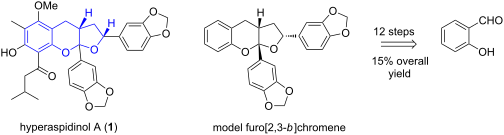
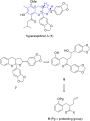
- Two novel racemic acylphoroglucinols, hyperaspidinols A (1) and B (2) (Figure 1) were recently isolated from the leaves of Hypericum chinense, a member of the St John’s Wort plants, which contains 490 flowering plants [1]. These plants have been used medicinally for treating illnesses such as
- hepatitis and depression, and as topical antimicrobials for wounds and snake bites [2][3][4][5]. There is great interest in secondary metabolites produced by plants from the Hypericum genus due to the bioactivity of many compounds that have been isolated from this source. A wide variety of compounds have




Natural phenolic metabolites with anti-angiogenic properties – a review from the chemical point of view
Beilstein J. Org. Chem. 2015, 11, 249–264, doi:10.3762/bjoc.11.28
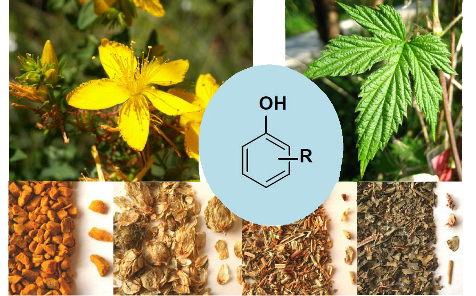
- natural metabolites available from plants, phenolic compounds play a particularly important role in human health as they occur in significant amounts in many fruits, vegetables and medicinal plants. In this review natural phenolic compounds of plant origin with significant anti-angiogenic properties are
- compound found in plants and has been isolated from, for example, the flowers of carrot (Daucus carrota L., Apiaceae). In 2007, Park and co-workers [15] found no change in the vascular density in the chick chorioallantoic membrane (CAM) assay in the presence of HBA, indicating that HBA had no influence on
- . Resveratrol Resveratrol (8) is a natural polyphenol that belongs to the stilbene-type compounds and exists in a large number of plants. It has been primarily extracted from grape (Vitis vinifera L., Vitaceae) and mulberry (Morus L., Moraceae) fruits (Figure 4) [34]. It has antioxidant effects, anti-estrogenic


Cathodic reductive coupling of methyl cinnamate on boron-doped diamond electrodes and synthesis of new neolignan-type products
Beilstein J. Org. Chem. 2015, 11, 200–203, doi:10.3762/bjoc.11.21
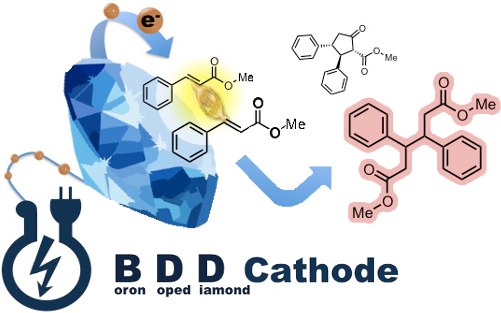
- interesting biological activities [1]. Due to their plausible roles as defense substances of plants, lignans, neolignans, and their congeners are promising candidates for agricultural chemicals, and some of their antioxidant and/or anti-inflammatory properties may be utilized for biological research and as


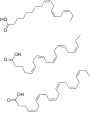
Effects of RAMEA-complexed polyunsaturated fatty acids on the response of human dendritic cells to inflammatory signals
Beilstein J. Org. Chem. 2014, 10, 3152–3160, doi:10.3762/bjoc.10.332
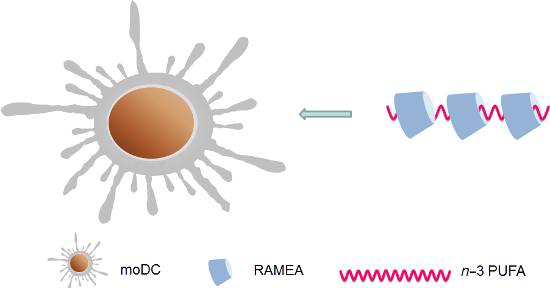
- , C22:6), which can be found in plants (flaxseed, walnut) and fish oil, respectively. ALA and linoleic acid (LA, C18:3 n−6 having the first double bond at the 6th carbon atom from the chain end, therefore classified as n−6 PUFA) are essential fatty acids, because they cannot be synthesized by the human




Trogopterins A–C: Three new neolignans from feces of Trogopterus xanthipes
Beilstein J. Org. Chem. 2014, 10, 2955–2962, doi:10.3762/bjoc.10.313

- with IC50 values of 34.77–45.68 μM. Keywords: cytotoxic activity; neolignans; Trogopterus xanthipes; Introduction Chemical studies of natural products including ones derived from plants and microorganisms have led to the isolation of numerous novel metabolites with biological activities [1][2]. As a


Thermal and oxidative stability of the Ocimum basilicum L. essential oil/β-cyclodextrin supramolecular system
Beilstein J. Org. Chem. 2014, 10, 2809–2820, doi:10.3762/bjoc.10.298
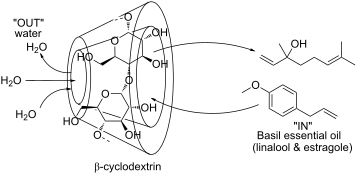
- oxidative stability; Introduction Aromatic and pharmaceutical plants have been used in both food and medicinal fields since ancient time. These valuable plants have been used directly as raw materials (such as teas/infusions, ground spices, dressings, sauces, etc.) [1][2][3], or indirectly by isolation of
- flavonolignan silybin from Silybum marianum L. or its disuccinate derivative, with hepatoprotective properties [4][5]. Ocimum genus (Lamiaceae family) is comprised of more than fifty species of herbs and shrubs growing in tropical and warm temperate regions [6][7][8][9]. All of these plants contain various


Binding mode and free energy prediction of fisetin/β-cyclodextrin inclusion complexes
Beilstein J. Org. Chem. 2014, 10, 2789–2799, doi:10.3762/bjoc.10.296
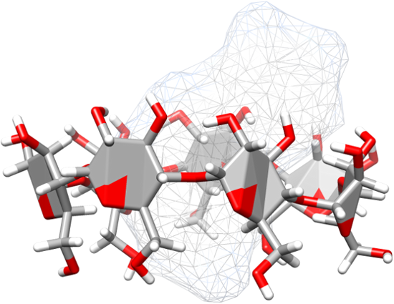
- ; Introduction Flavonoids are polyphenolic compounds which are found in many plants as well as in several microorganisms [1][2]. They are herbal secondary metabolites with a wide range of biological and pharmacological activities and are used as therapeutic drugs having many benefits for protection and medical


Encapsulation of biocides by cyclodextrins: toward synergistic effects against pathogens
Beilstein J. Org. Chem. 2014, 10, 2603–2622, doi:10.3762/bjoc.10.273
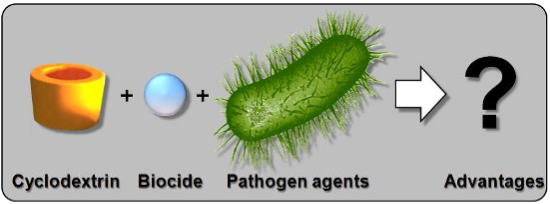
- solubility. Carbendazim is a widely used systemic fungicide against different fungi affecting plants [38][39]. Its mechanism is linked to its antimitotic properties that inhibit the bacterial growth [40]. Due to its poor water-solubility, its application becomes a major constraining factor. In 1996, Schmidt


Synthesis and biological evaluation of novel N-α-haloacylated homoserine lactones as quorum sensing modulators
Beilstein J. Org. Chem. 2014, 10, 2539–2549, doi:10.3762/bjoc.10.265
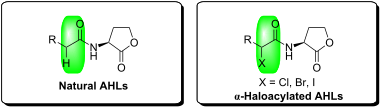
- components of microorganisms, algae, marine invertebrates, and some plants and animals [20][21]. Interest in these naturally occurring products is high as they often exhibit fascinating biological activities [22][23][24]. Furthermore, due to the reactivity of halogen substituents, this novel class of



Formal total syntheses of classic natural product target molecules via palladium-catalyzed enantioselective alkylation
Beilstein J. Org. Chem. 2014, 10, 2501–2512, doi:10.3762/bjoc.10.261

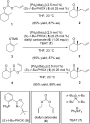
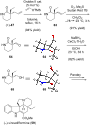
- –Danheiser chemistry [66][67]. E) Rhazinilam (−)-Rhazinilam (44) has been isolated from various plants including Rhazya strica decaisne [68], Melodinus australis [69], and Kopsia singapurensis [70]. Shortly after the first isolation, its structure was elucidated by single crystal X-ray diffraction analysis




Oligomerization of optically active N-(4-hydroxyphenyl)mandelamide in the presence of β-cyclodextrin and the minor role of chirality
Beilstein J. Org. Chem. 2014, 10, 2361–2366, doi:10.3762/bjoc.10.246

- ; enzyme; oxidative coupling; phenol oligomer; Introduction Lignin consists of mechanical stabilizing polyphenols and thus plays an important role in many plants [1][2]. For the in vitro synthesis of polyphenols via oxidative coupling reactions, laccases and peroxidases are suitable enzymes to catalyze


Effect of cyclodextrin complexation on phenylpropanoids’ solubility and antioxidant activity
Beilstein J. Org. Chem. 2014, 10, 2322–2331, doi:10.3762/bjoc.10.241
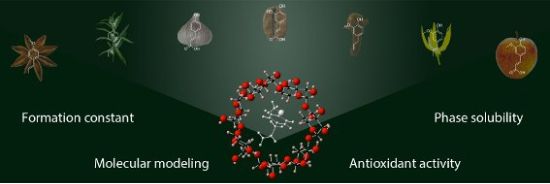
- efficiency; cyclodextrins; formation constant; phenylpropanoids; solubility; Introduction Phenylpropanoids (PPs), produced through the shikimic acid pathway, are one of the major groups of natural compounds. They could be found in a wide variety of plants (clove, anise, basil, tarragon, fennel, parsley
- , cinnamon, etc). PPs play a vital role in plants integrity and defense against biotic or abiotic stresses and are considered as “secondary metabolites” [1]. They are divided in several major classes such as coumarins, flavonoids, phenylpropenes and hydroxycinnamic acids [2]. PPs have an important




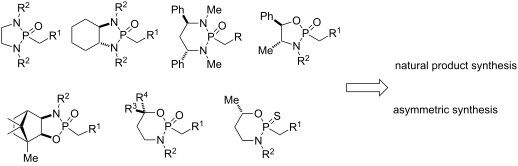
Application of cyclic phosphonamide reagents in the total synthesis of natural products and biologically active molecules
Beilstein J. Org. Chem. 2014, 10, 1848–1877, doi:10.3762/bjoc.10.195
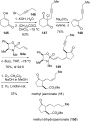
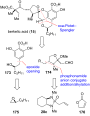
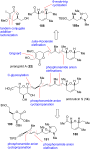
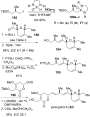
- ]. Methyl jasmonates and dihydrojasmonates (2001) The jasmonates, which comprise of methyl jasmonate (11) and the corresponding jasmonic acid, are important cellular regulators in plants. They participate in various developmental processes and defence mechanisms against biotic and abiotic stresses [114