Search results
Search for "HDAC" in Full Text gives 17 result(s) in Beilstein Journal of Organic Chemistry.
Retraction: α,ß-Didehydrosuberoylanilide hydroxamic acid (DDSAHA) as precursor and possible analogue of the anticancer drug SAHA
Beilstein J. Org. Chem. 2026, 22, 1086–1087, doi:10.3762/bjoc.22.86
- metathesis; HDAC inhibition; hydroxamates; reactive oxygen species; This article has been retracted due to suspected, improper image manipulation and duplication. Following a report of discrepancies in biological data by a third party on PubPeer [1], an investigation confirmed that Figure 6A likely contains

Advantages of PROTACs in achieving selective degradation of homologous protein families
Beilstein J. Org. Chem. 2026, 22, 628–661, doi:10.3762/bjoc.22.49
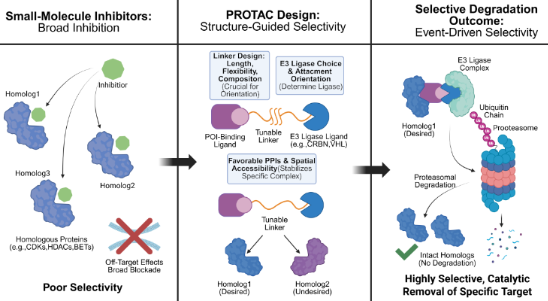
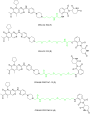
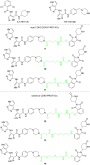
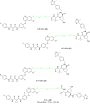
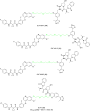
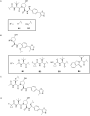
- activity among these compounds and the selectivity and degradation effect decreased when the linker length was more than 10 atoms. HDAC Epigenetics plays a vital role in the occurrence, development, and metastasis of cancer [66][67][68]. The epigenetics process mainly includes DNA methylation, histone
- occurrence, the effectiveness of developing HDAC inhibitors to treat cancer is limited because these inhibitors often lack specificity and have toxic side effects [66][81][82]. For example, HDAC6, a class IIB HDAC isoenzyme, is involved in several signaling pathways associated with multiple neurological
- clutch to target HDACs specifically. In recent years, the design of various PROTACs targeting the HDAC family has become a hotspot. Besides, using what kind of linker to connect the POI ligand and the E3 ligand to improve the selectivity of PROTACs has also become the core problem in designing such









Synthesis of a HDAC inhibitor–nanogold probe for cryo-EM visualization in class I HDAC co-repressor complexes
Beilstein J. Org. Chem. 2026, 22, 480–485, doi:10.3762/bjoc.22.35
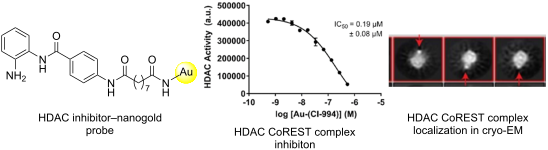
- LE1 7RH, UK 10.3762/bjoc.22.35 Abstract Class I histone deacetylases (HDACs 1–3) serve as catalytic subunits within seven multiprotein co-repressor complexes, each of which has distinct functions in the cell. We report the synthesis of a HDAC inhibitor–nanogold probe, derived from the class I HDAC
- inhibitor CI-994, for cryo-electron microscopy (cryo-EM) visualization of the HDAC catalytic domain within class I HDAC co-repressor complexes. The nanogold probe retained HDAC inhibitory activity comparable to CI-994 against the HDAC1-LSD1-CoREST complex in vitro. In cryo-EM studies, 2D class averages
- revealed the bi-lobed architecture of the CoREST complex and partial localization of the gold nanoparticle probe to the CoREST complex. However, the probe was not observed in classes showing the side-view of the CoREST complex, limiting unambiguous identification and positioning of the HDAC catalytic



Synthesis and anti-cancer activity of naphthalimide–organylselanyl conjugates
Beilstein J. Org. Chem. 2026, 22, 416–435, doi:10.3762/bjoc.22.29
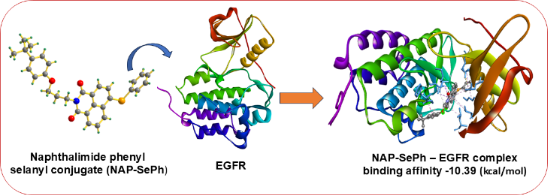
- , many of which exhibit promising applications in medicinal chemistry [18][19]. Selenium has been incorporated into non-steroidal anti-inflammatory drugs (NSAIDs) and histone deacetylase (HDAC) inhibitors, both of which show considerable potential in anticancer therapy [20][21]. Over the last few decades


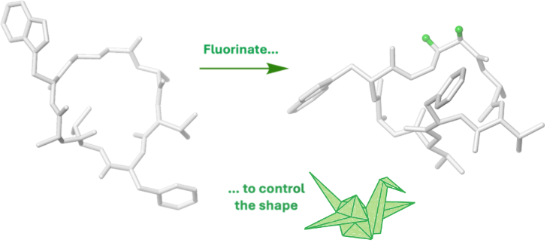
Origami with small molecules: exploiting the C–F bond as a conformational tool
Beilstein J. Org. Chem. 2025, 21, 680–716, doi:10.3762/bjoc.21.54
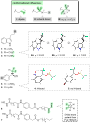
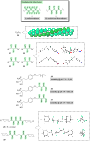
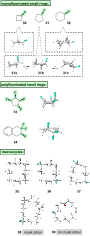
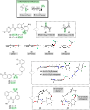
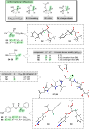
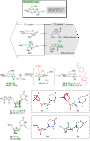
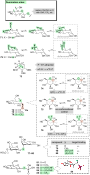
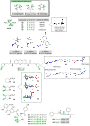
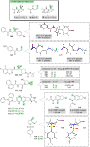
- motif has been exploited in the design of bioactive molecules [22][23] such as the histone deacetylase (HDAC) inhibitors 6 and 7 (Figure 2). The presence of the 1,2-difluoro moiety in 6 leads to greater potency and selectivity for certain HDAC isoforms, attributable to the higher polarity of the
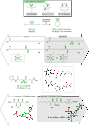
- this was attributed to the partial tendency of this stereoisomer to adopt a bent alkyl chain. Another example of the use of the 1,2-difluoro moiety to influence the shape of an alkyl chain is seen in the HDAC inhibitors 16 and 17 (Figure 3) [29]. The threo-isomer 16 is found to be consistently more
- potent across a panel of HDAC isoforms than the erythro-isomer 17, and this was taken as evidence that an extended zigzag conformation of the alkyl chain is required for binding to HDAC. If two fluorines are introduced into the middle of an alkyl chain in a 1,3-pattern, a new conformational effect



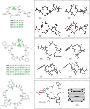
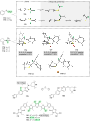
The Groebke–Blackburn–Bienaymé reaction in its maturity: innovation and improvements since its 21st birthday (2019–2023)
Beilstein J. Org. Chem. 2024, 20, 1839–1879, doi:10.3762/bjoc.20.162
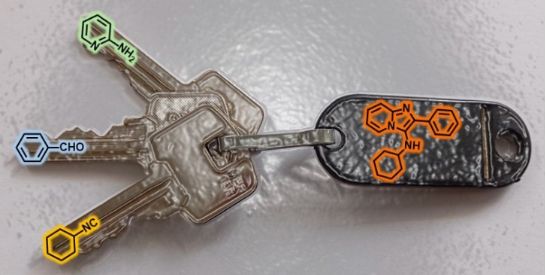


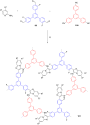




Synthesis and HDAC inhibitory activity of pyrimidine-based hydroxamic acids
Beilstein J. Org. Chem. 2022, 18, 837–844, doi:10.3762/bjoc.18.84
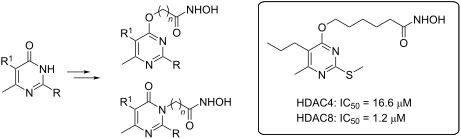
- to differently substituted pyrimidine rings via a methylene group bridge of varying length as potential HDAC inhibitors is described. The target compounds were obtained by alkylation of 2-(alkylthio)pyrimidin-4(3H)-ones with ethyl 2-bromoethanoate, ethyl 4-bromobutanoate, or methyl 6-bromohexanoate
- both the HDAC4 and HDAC8 isoforms, with an IC50 of 16.6 µM and 1.2 µM, respectively. Keywords: alkylation; aminolysis; HDAC inhibitors; hydroxamic acid; pyrimidine; Introduction Histone deacetylases (HDACs) are a family of intracellular proteins responsible for removing acetyl groups in histones
- their catalytic site, while the remaining 7 isoforms of class III, known as sirtuins, are dependent on the NAD+ coenzyme [3][4]. According to current knowledge, HDAC inhibitors usually have several structural subunits: a zinc chelating group, a hydrophobic linker, and a hydrophobic (usually aromatic



Synthesis and late stage modifications of Cyl derivatives
Beilstein J. Org. Chem. 2022, 18, 174–181, doi:10.3762/bjoc.18.19
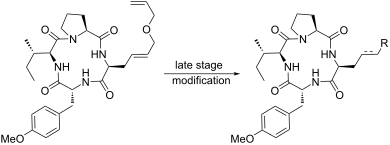
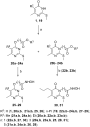
- direct access to cyclopeptides related to naturally occurring histone deacetylase (HDAC) inhibitors Cyl-1 and Cyl-2. Late stage modifications on the unsaturated amino acid side chain allow the introduction of functionalities which might coordinate to metal ions in the active center of metalloproteins
- , such as histone deacetylases. Keywords: chelated enolate; Claisen rearrangement; HDAC inhibitor; peptide; late stage modification; Introduction Among natural products, peptidic structures have entered the limelight due to their extraordinary biological activities [1]. Often found as secondary
- histones [6][7][8][9][10]. Blockade of the deacylating process causes hyperacetylation of histones and unregulated gene activity, that results in untimely cell death. Eighteen different HDAC enzymes are known so far and they are divided into four classes based on structural homology with yeast proteins [11



A comprehensive review of flow chemistry techniques tailored to the flavours and fragrances industries
Beilstein J. Org. Chem. 2021, 17, 1181–1312, doi:10.3762/bjoc.17.90
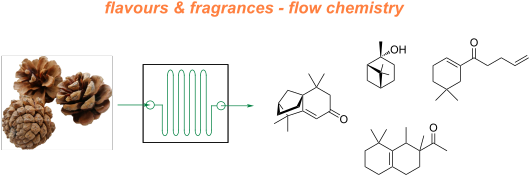
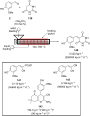
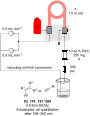
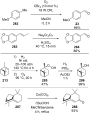
- , an immunoactivating natural product (substrate 37) [97][98]. In 2015, the diastereoselective synthesis of (E,S)-3-hydroxy-7-tritylthio-4-heptenoic acid 43, a key component of cyclodepsipeptide histone deacetylase (HDAC) inhibitors, was achieved in flow (Scheme 4) [99]. Acetyloxazolidinone 41 was used











Design and synthesis of diazine-based panobinostat analogues for HDAC8 inhibition
Beilstein J. Org. Chem. 2020, 16, 628–637, doi:10.3762/bjoc.16.59
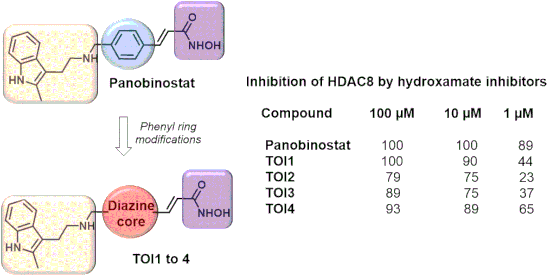
- differentiation, cell cycle progression and apoptosis by targeting both histone and non-histone proteins. The balance between acetylation and deacetylation is pivotal for typical cell function. Abnormal or increased HDAC expression has been reported in several human tumors and cancer cell lines [2]. As such, the
- development of novel HDAC inhibitors (HDACis) has become a rapidly evolving area where targeted inhibition has emerged in clinical research as a potential therapeutic approach for the treatment of various cancers as well as neurodegenerative disorders and immune related diseases [3][4][5]. Of specific
- interests are Class I HDAC isozymes, HDAC2 and HDAC8, which are important targets in cancer models as both are associated with high risk diseases such as prostate cancer and neuroblastoma [6][7][8]. Compounds such as vorinostat, givinostat and panobinostat have been successfully applied as HDAC inhibitors


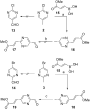


α,ß-Didehydrosuberoylanilide hydroxamic acid (DDSAHA) as precursor and possible analogue of the anticancer drug SAHA
Beilstein J. Org. Chem. 2019, 15, 2524–2533, doi:10.3762/bjoc.15.245

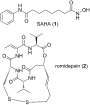
- species (ROS) as some apoptotic features. Keywords: anticancer drug; cross metathesis; HDAC inhibition; hydroxamates; reactive oxygen species; Introduction Suberoylanilide hydroxamic acid (SAHA, 1, Figure 1, vorinostat [1][2], has now emerged as a FDA approved drug for the treatment of relapsed and
- , originally recognized as a pan-inhibitor, recent studies have established that it is unable to inhibit Class IIA lysine deacetylases (HDAC/4/5/79), thus showing some selectivity profile [6][7]. Moreover, pan-inhibition is also a cause of increased concern due to adverse side effects [8]. The closely related
- hydroxamic acid derivative belinostat (2) is also approved for the treatment of peripheral T-cell lymphoma (PTCL) [9]. On the other hand, trichostatin A (3), containing an α,ß-unsaturated hydroxamic acid unit is the best known HDAC inhibitor which shows antifungal activities [10][11]. Because of the


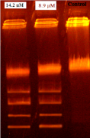
In search of visible-light photoresponsive peptide nucleic acids (PNAs) for reversible control of DNA hybridization
Beilstein J. Org. Chem. 2019, 15, 2500–2508, doi:10.3762/bjoc.15.243
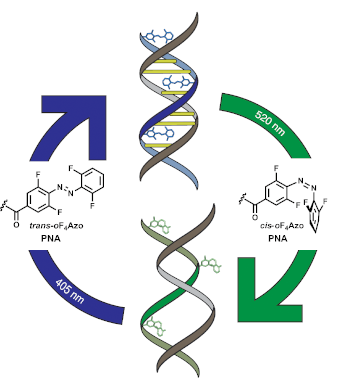
- envision a minimal model based on the previously reported accessible mRNA region of the class I histone deacetylase HDAC-1: 5’-GUGAGCCAAGAAACACUGCCU-3’ to investigate our photoswitchable PNAs [38]. Importantly, HDAC-1 is frequently overexpressed in tumors and particularly, in prostate cancer [39]. Results
- and Discussion Initially, short 12-mer PNA probes (Table 1) complementary to the HDAC-1 mRNA sequence were synthesized since, in general, PNAs are active with shorter sequences than the canonical analogues due to the superior binding abilities [40]. Despite that target specificity may be compromised



Study on the regioselectivity of the N-ethylation reaction of N-benzyl-4-oxo-1,4-dihydroquinoline-3-carboxamide
Beilstein J. Org. Chem. 2019, 15, 388–400, doi:10.3762/bjoc.15.35

- work we described the synthesis and antiviral activity of some 4-oxoquinoline acyclonucleosides 3a and 3b [15] and studies on their anticancer activity are also underway. It is also worth mentioning that derivative 4 presented an excellent inhibitory profile for the enzyme hystone deacetylase (HDAC


Cross metathesis-mediated synthesis of hydroxamic acid derivatives
Beilstein J. Org. Chem. 2018, 14, 3070–3075, doi:10.3762/bjoc.14.285

- ] and the didehydrohydroxamate TSA (2) [24], display useful anticancer properties through inhibition of histone deacetylase enzymes (HDAc) and are used as FDA-approved drugs. Similarly, the cyclic peptide Chap-31 (3) [25] with a terminal hydroxamic acid residue has shown promising anticancer activity
- advantage. In continuation of our earlier studies [26][27] on HDAC inhibitors, we herein report a direct access to α,ß-unsaturated hydroxamates through cross-metathesis reaction. Results and Discussion It is known that a CM reaction between a class-I olefin and a class-II olefin proceeds better in the
- of the important cyclic peptide Chap-31 may encourage the preparation of cyclic peptide based HDAC inhibitors. The developed methodology may hence complement the existing literature on the preparation of such class of compounds and may find applications. Experimental General procedure for cross


Synthesis of 2-aminosuberic acid derivatives as components of some histone deacetylase inhibiting cyclic tetrapeptides
Beilstein J. Org. Chem. 2017, 13, 2153–2156, doi:10.3762/bjoc.13.214

- applications remains important. During the course of our work on the synthesis of amino acids and peptides relevant to HDAC inhibition [12], we required orthogonally protected Asu derivatives. Herein we describe an alternate synthesis of the important building block 2-aminoheptenoic acid and its application to
- of peptidomimetics. A cross-metathesis reaction has been utilized to create the diversification on the template 11 in order to obtain orthogonally protected Asu derivatives. Moreover, the Asu derivative 15a has been demonstrated to be useful in the preparation of a plethora of HDAC inhibitors [34
- , 32.2, 31.4, 28.3, 28.1, 23.8 ppm; HRMS (TOF–MS ES+) m/z: [M + Na]+ calcd for C18H31NNaO6, 380.2049; found, 380.2056. Biologically active naturally occurring cyclic tetrapeptide HDAC inhibitors. Reagents and conditions: (i) Triethyl phosphonoacetate, n-Bu4N+I−, aq K2CO3, rt, 18 h, 86%; (ii) H2, Pd/C


Recent progress in the discovery of small molecules for the treatment of amyotrophic lateral sclerosis (ALS)
Beilstein J. Org. Chem. 2013, 9, 717–732, doi:10.3762/bjoc.9.82
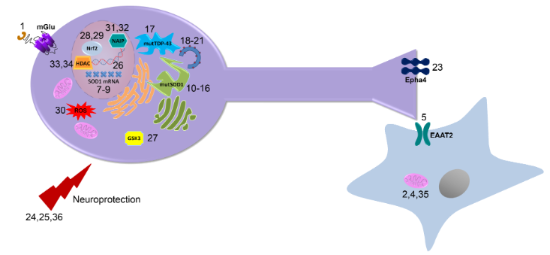
- compounds modestly reduced intercellular levels of TDP-43 [43] as well as histone deacetylase 6 (HDAC-6) and autophagy-related protein 7 (ATG-7), proteins known to be regulated by TDP-43 [45][46]. Since reduction of TDP-43 levels in motor neurons may prove to be beneficial to ALS treatment, further
- , treatment with 32 prolonged the post-onset survival of SOD1 H46R animals [68]. These studies indicate that the attenuation of oxidative-stress pathways through the upregulation of antioxidant genes can reduce disease progression in ALS models. Novel mechanisms Histone deacetylase (HDAC) inhibitors: Several
- of gene sequences to transcriptional complexes. SOD1 G93A mice have markedly reduced histone acetylation following disease onset as compared to control animals [71][72], supporting a role for aberrant transcriptional activity in disease progression. Consequently, histone deacetylase (HDAC) inhibitors


Thioester derivatives of the natural product psammaplin A as potent histone deacetylase inhibitors
Beilstein J. Org. Chem. 2013, 9, 81–88, doi:10.3762/bjoc.9.11
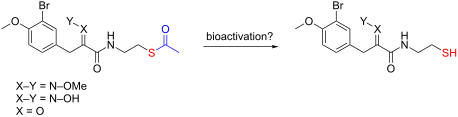
- potent and isoform selective HDAC inhibitor. Here we report our preliminary studies on thioester HDAC inhibitors derived from the active monomeric (thiol) form of psammaplin A, as a means to improve compound delivery into cells. We have discovered that such compounds exhibit both potent cytotoxicity and
- enzymatic inhibitory activity against recombinant HDAC1. The latter effect is surprising since previous SAR suggested that modification of the thiol functionality should detrimentally affect HDAC potency. We therefore also report our preliminary studies on the mechanism of action of this observed effect
- name Zolinza by Merck & Co.) and romidepsin 2 (trade name Istodax by Celgene) for the treatment of cutaneous T-cell lymphoma (CTCL, Figure 1) [12][13][14]. The success of these compounds in the clinic has led to a significant interest in the further discovery of structurally novel HDAC inhibitors that