


Search results
Search for "asymmetric transfer hydrogenation" in Full Text gives 18 result(s) in Beilstein Journal of Organic Chemistry.
Recent advances in the stereoselective synthesis of distal biaxially chiral molecules
- Fanxing Zhou,
- Chen Zhang,
- Lingyu Sun,
- Yiyun Fang,
- Siming Zheng,
- Lina Hu,
- Mengyang Shen,
- Zhen Zhao,
- Wei Xu,
- Yunqiang Sun and
- Zi-Qiang Rong
Beilstein J. Org. Chem. 2026, 22, 461–479, doi:10.3762/bjoc.22.34
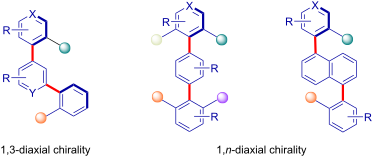
- ligands (Scheme 3) [44]. The resulting catalysts 18 demonstrated remarkable efficiency in the asymmetric transfer hydrogenation of quinoline derivatives. Along similar lines, Zhang and co-workers introduced an additional axial chirality element into a ligand framework, affording a pair of diastereomeric

Graphical Abstract

Figure 1: Natural products with various stereogenic axes.

Scheme 1: Iridium complex-catalyzed asymmetrical synthesis of axially chiral (a) teraryl compounds 3 [40] and (b)...

Scheme 2: Rhodium-catalyzed enantio- and diastereoselective cycloaddition of 1,2-bis(arylpropiolyl)benzenes w...

Scheme 3: Synthesis of remote double axially chiral phosphoric acids.

Scheme 4: Construction of chiral biaxial diphosphine ligand.

Scheme 5: Atroposelective synthesis of biaxially chiral 1,4-distyryl-2,3-naphthalene diols.

Scheme 6: H-Bond-enabled enantioselective synthesis of remote biaxially chiral amides mediated by the counter...

Scheme 7: Enantioselective synthesis of biaryl products with twofold chiral axes.

Scheme 8: Iridium-catalyzed C–H alkylation to obtain the distal biaxial atropisomers.

Scheme 9: Co/SPDO-catalyzed biaxial bridged terphenyl compounds.

Scheme 10: Atroposelective Co-catalyzed synthesis of pyridoindolones with two distinct C–N axes.

Scheme 11: NHC organocatalytic synthesis of fused 1,4-biaxial uracils with C–C and C–N chiral axes.

Scheme 12: Synthesis of the first biaxially chiral compound reported by Ito and co-workers [35].

Scheme 13: Synthesis of chiral homoaryl compounds by Suzuki–Miyaura coupling.

Scheme 14: Structurally complex APIs with multiple chiral axes.

Scheme 15: Synthesis of helicenes containing stereogenic axes.

Scheme 16: Chiral NHC–Pd complex-catalyzed Suzuki–Miyaura cross-coupling reaction for the synthesis of block-t...

Scheme 17: Highly enantioselective C–H arylation of heteroarenes.

Scheme 18: Synthesis of novel axially chiral N-arylcarbazole skeletons by the assembly of azidonaphthalenes an...

Scheme 19: Catalytic enantioselective synthesis of axially chiral polycyclic aromatic hydrocarbons.

Scheme 20: Catalytic synthesis of biaxial triphenylene block-transfer isomers.

Scheme 21: A Pd(II)-catalyzed trans-selective C–H alkenylation strategy through thioether-directed olefination....

Scheme 22: Synthesis of N-arylphthalimides from prochiral maleimides and NHC-activated dienolides.

Scheme 23: Ni-catalyzed synthesis of triaxially chiral polysubstituted naphthalene scaffolds.

Scheme 24: Enantioselective Ni-catalyzed Suzuki–Miyaura cross-coupling reaction.

Scheme 25: The stereoselective synthesis of axial chiral indole–quinoline systems.

Scheme 26: The synthesis of bisbenzofuran atropisomeric oligoarenes containing two distal C–C stereogenic axes....
Total synthesis of natural products based on hydrogenation of aromatic rings
- Haoxiang Wu and
- Xiangbing Qi
Beilstein J. Org. Chem. 2026, 22, 88–122, doi:10.3762/bjoc.22.4
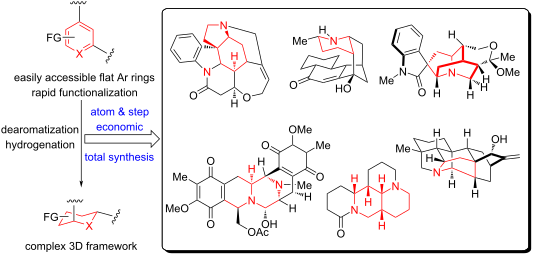
- range, the reaction was scaled up to the gram scale with high yield and high enantioselectivity. Recently, Du and co-workers reported a transition-metal-free asymmetric transfer hydrogenation reaction (Scheme 6) [58]. Under a hydrogen atmosphere, using chiral phosphoric acid and achiral borane as

Graphical Abstract

Scheme 1: The association between dearomatization and natural product synthesis.

Scheme 2: Key challenges in hydrogenation of aromatic rings.
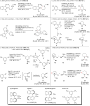
Scheme 3: Hydrogenation of heterocyclic aromatic rings.
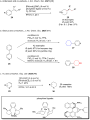
Scheme 4: Hydrogenation of the carbocyclic aromatic rings.
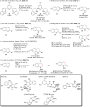
Scheme 5: Hydrogenation of the heterocycle part in bicyclic aromatic rings.
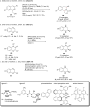
Scheme 6: Hydrogenation of the heterocycle part in bicyclic aromatic rings.
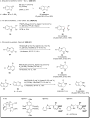
Scheme 7: Hydrogenation of benzofuran, indole, and their analogues.
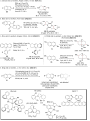
Scheme 8: Hydrogenation of benzofuran, indole, and their analogues.

Scheme 9: Total synthesis of (±)-keramaphidin B by Baldwin and co-workers.

Scheme 10: Total synthesis of (±)-LSD by Vollhardt and co-workers.

Scheme 11: Total synthesis of (±)-dihydrolysergic acid by Boger and co-workers.

Scheme 12: Total synthesis of (±)-lysergic acid by Smith and co-workers.

Scheme 13: Hydrogenation of (−)-tabersonine to (−)-decahydrotabersonine by Catherine Dacquet and co-workers.

Scheme 14: Total synthesis of (±)-nominine by Natsume and co-workers.
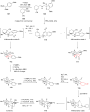
Scheme 15: Total synthesis of (+)-nominine by Gin and co-workers.

Scheme 16: Total synthesis of (±)-lemonomycinone and (±)-renieramycin by Magnus.

Scheme 17: Total synthesis of GB13 by Sarpong and co-workers.

Scheme 18: Total synthesis of GB13 by Shenvi and co-workers.

Scheme 19: Total synthesis of (±)-corynoxine and (±)-corynoxine B by Xia and co-workers.
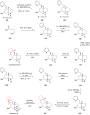
Scheme 20: Total synthesis of (+)-serratezomine E and the putative structure of huperzine N by Bonjoch and co-...

Scheme 21: Total synthesis of (±)-serralongamine A and the revised structure of huperzine N and N-epi-huperzin...

Scheme 22: Early attempts to indenopiperidine core.

Scheme 23: Homogeneous hydrogenation and completion of the synthesis.
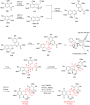
Scheme 24: Total synthesis of jorunnamycin A and jorumycin by Stoltz and co-workers.

Scheme 25: Early attempt towards (−)-finerenone by Aggarwal and co-workers.

Scheme 26: Enantioselective synthesis towards (−)-finerenone.

Scheme 27: Total synthesis of (+)-N-methylaspidospermidine by Smith, Grigolo and co-workers.

Scheme 28: Dearomatization approach towards matrine-type alkaloids.

Scheme 29: Asymmetric total synthesis to (−)-senepodine F via an asymmetric hydrogenation of pyridine.

Scheme 30: Selective hydrogenation of indole derivatives and application.
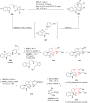
Scheme 31: Synthetic approaches to the oxindole alkaloids by Qi and co-workers.

Scheme 32: Total synthesis of annotinolide B by Smith and co-workers.
C2 to C6 biobased carbonyl platforms for fine chemistry
- Jingjing Jiang,
- Muhammad Noman Haider Tariq,
- Florence Popowycz,
- Yanlong Gu and
- Yves Queneau
Beilstein J. Org. Chem. 2025, 21, 2103–2172, doi:10.3762/bjoc.21.165

Graphical Abstract

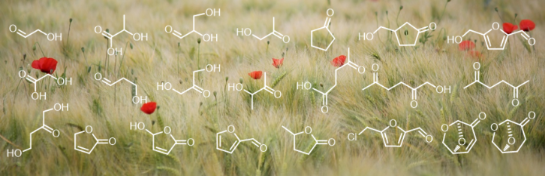
Figure 1: C2–C6 biobased carbonyl building blocks.

Scheme 1: Proposed (2 + 2) route to glycolaldehyde and glycolic acid from erythritol by Cu/AC catalyst (AC = ...

Scheme 2: Reductive amination of GCA.

Scheme 3: N-Formylation of secondary amines by reaction with GCA.

Scheme 4: Synthesis and conversion of hydroxy acetals to cyclic acetals.

Scheme 5: Synthesis of 3-(indol-3-yl)-2,3-dihydrofurans via three-component reaction of glycolaldehyde, indol...

Scheme 6: BiCl3-catalyzed synthesis of benzo[a]carbazoles from 2-arylindoles and α-bromoacetaldehyde ethylene...

Scheme 7: Cu/NCNSs-based conversion of glycerol to glycolic acid and other short biobased acids.

Scheme 8: E. coli-based biotransformation of C1 source molecules (CH4, CO2 and CO) towards C2 glycolic acid.

Scheme 9: N-Formylation of amines with C2 (a) or C3 (b) biomass-based feedstocks.

Scheme 10: Methods for the formation of propanoic acid (PA) from lactic acid (LA).

Scheme 11: Co-polymerization of biobased lactic acid and glycolic acid via a bicatalytic process.

Scheme 12: Oxidation of α-hydroxy acids by tetrachloroaurate(III) in acetic acid–sodium acetate buffer medium.

Figure 2: Selective catalytic pathways for the conversion of lactic acid (LA).

Scheme 13: Synthesis of 1,3-PDO via cross-aldol reaction between formaldehyde and acetaldehyde to 3-hydroxypro...

Scheme 14: Hydrothermal conversion of 1,3-dihydroxy-2-propane and 2,3-dihydroxypropanal to methylglyoxal.

Scheme 15: FLS-catalyzed formose reaction to synthesize GA and DHA.

Scheme 16: GCA and DHA oxidation products of glycerol and isomerization of GCA to DHA under flow conditions us...

Scheme 17: Acid-catalyzed reactions of DHA with alcohols.

Scheme 18: Synthesis of dihydroxyacetone phosphate from dihydroxyacetone.

Scheme 19: Bifunctional acid–base catalyst DHA conversion into lactic acid via pyruvaldehyde or fructose forma...

Scheme 20: Catalytic one-pot synthesis of GA and co-synthesis of formamides and formates from DHA.

Scheme 21: (a) Synthesis of furan derivatives and (b) synthesis of thiophene derivative by cascade [3 + 2] ann...

Scheme 22: Brønsted acidic ionic liquid catalyzed synthesis of benzo[a]carbazole from renewable acetol and 2-p...

Scheme 23: Asymmetric hydrogenation of α-hydroxy ketones to 1,2-diols.

Scheme 24: Synthesis of novel 6-(substituted benzylidene)-2-methylthiazolo [2,3-b]oxazol-5(6H)-one from 1-hydr...

Scheme 25: ʟ-Proline-catalyzed synthesis of anti-diols from hydroxyacetone and aldehydes.

Scheme 26: C–C-bond-formation reactions of a biomass-based feedstock aromatic aldehyde (C5) and hydroxyacetone...

Scheme 27: Ethanol upgrading to C4 bulk chemicals via the thiamine (VB1)-catalyzed acetoin condensation.

Scheme 28: One-pot sequential chemoenzymatic synthesis of 2-aminobutane-1,4-diol and 1,2,4-butanetriol via 1,4...

Scheme 29: Synthesis of 1,4-dihydroxybutan-2-one by microbial transformation.

Scheme 30: Conversion of polyols by [neocuproine)Pd(OAc)]2(OTf)2] to α-hydroxy ketones.

Scheme 31: Chemoselective oxidation of alcohols with chiral palladium-based catalyst 2.

Scheme 32: Electrochemical transformation of furfural to 5-hydroxy-2(5H)-furanone (HFO).

Scheme 33: Selective hydrodeoxygenation of HFO and oxidation to γ-butyrolactone (GBL).

Scheme 34: Photosensitized oxygenation of furan towards HFO via ozonide intermediates.

Scheme 35: Conversion of furfural to HFO and MAN by using mesoporous carbon nitride (SGCN) as photocatalyst.

Scheme 36: Synthesis of HFO from furan derivatives.

Scheme 37: Photooxidation of furfural to 5-hydroxy-2(5H)-furanone (HFO).

Scheme 38: Synthesis of Friedel–Crafts indole adduct from HFO.

Scheme 39: Conversion of HFO to α,γ-substituted chiral γ-lactones.

Scheme 40: Tautomeric transformation of HFO to formylacrylic acid.

Scheme 41: Hydrolysis of HFO to succinic acid in aqueous solution.

Scheme 42: Substitution and condensation reactions of 5-hydroxy-2(5H)-furanone (HFO).

Scheme 43: (a) Conversion of HFO towards valuable C4 chemicals and (b) anodic oxidation of 5-hydroxy-2(5H)-fur...

Figure 3: Conversion of HFO towards other natural and synthetic substances.

Scheme 44: Conversion of furfural to maleic anhydride (reaction a: VOx/Al2O3; reaction b: VPO).

Scheme 45: Conversion of furfural into succinic acid.

Scheme 46: Electro‑, photo‑, and biocatalysis for one-pot selective conversions of furfural into C4 chemicals.

Scheme 47: Production route of furfural from hemicellulose.

Scheme 48: Mechanism for xylose dehydration to furfural through a choline xyloside intermediate.

Scheme 49: Conversion of furfural to furfuryl alcohol and its derivatives.

Scheme 50: Conversion of furfural to furfuryl alcohol and 3-(2-furyl)acrolein.

Scheme 51: The aerobic oxidative condensation of biomass-derived furfural and linear alcohols.

Scheme 52: The single-step synthesis of 2-pentanone from furfural.

Scheme 53: Electrocatalytic coupling reaction of furfural and levulinic acid.

Scheme 54: Conversion of furfural to m-xylylenediamine.

Scheme 55: Conversion of furfural to tetrahydrofuran-derived amines.

Scheme 56: Formation of trans-4,5-diamino-cyclopent-2-enones from furfural.

Scheme 57: Production of pyrrole and proline from furfural.

Scheme 58: Synthesis of 1‑(trifluoromethyl)-8-oxabicyclo[3.2.1]oct-3-en-2-ones from furfural.

Scheme 59: Conversion of furfural to furfural-derived diacids.

Scheme 60: A telescope protocol derived from furfural and glycerol.

Scheme 61: A tandem cyclization of furfural and 5,5-dimethyl-1,3-cyclohexanedione.

Scheme 62: A Ugi four-component reaction to construct furfural-based polyamides.

Scheme 63: One-pot synthesis of γ-acyloxy-Cy7 from furfural.

Scheme 64: Dimerization–Piancatelli sequence toward humins precursors from furfural.

Scheme 65: Conversion of furfural to CPN.

Scheme 66: Synthesis of jet fuels range cycloalkanes from CPN and lignin-derived vanillin.

Scheme 67: Solar-energy-driven synthesis of high-density biofuels from CPN.

Scheme 68: Reductive amination of CPN to cyclopentylamine.

Scheme 69: Asymmetric hydrogenation of C=O bonds of exocyclic α,β-unsaturated cyclopentanones.

Scheme 70: Preparation of levulinic acid via the C5 route (route a) or C6 route (routes b1 and b2).

Scheme 71: Mechanism of the rehydration of HMF to levulinic acid and formic acid.

Scheme 72: Important levulinic acid-derived chemicals.

Scheme 73: Direct conversion of levulinic acid to pentanoic acid.

Scheme 74: Catalytic aerobic oxidation of levulinic acid to citramalic acid.

Scheme 75: Conversion of levulinic acid to 1,4-pentanediol (a) see ref. [236]; b) see ref. [237]; c) see ref. [238]; d) see r...

Scheme 76: Selective production of 2-butanol through hydrogenolysis of levulinic acid.

Scheme 77: General reaction pathways proposed for the formation of 5MPs from levulinic acid.

Scheme 78: Selective reductive amination of levulinic acid to N-substituted pyrroles.

Scheme 79: Reductive amination of levulinic acid to chiral pyrrolidinone.

Scheme 80: Reductive amination of levulinic acid to non-natural chiral γ-amino acid.

Scheme 81: Nitrogen-containing chemicals derived from levulinic acid.

Scheme 82: Preparation of GVL from levulinic acid by dehydration and hydrogenation.

Scheme 83: Ruthenium-catalyzed levulinic acid to chiral γ-valerolactone.

Scheme 84: Catalytic asymmetric hydrogenation of levulinic acid to chiral GVL.

Scheme 85: Three steps synthesis of ε-caprolactam from GVL.

Scheme 86: Multistep synthesis of nylon 6,6 from GVL.

Scheme 87: Preparation of MeGVL by α-alkylation of GVL.

Scheme 88: Ring-opening polymerization of five-membered lactones.

Scheme 89: Synthesis of GVL-based ionic liquids.

Scheme 90: Preparation of butene isomers from GVL under Lewis acid conditions.

Scheme 91: Construction of C5–C12 fuels from GVL over nano-HZSM-5 catalysts.

Scheme 92: Preparation of alkyl valerate from GVL via ring opening/reduction/esterification sequence.

Scheme 93: Construction of 4-acyloxypentanoic acids from GVL.

Scheme 94: Synthesis of 1,4-pentanediol (PDO) from GVL.

Scheme 95: Construction of novel cyclic hemiketal platforms via self-Claisen condensation of GVL.

Scheme 96: Copper-catalyzed lactamization of GVL.

Figure 4: Main scaffolds obtained from HMF.

Scheme 97: Biginelli reactions towards HMF-containing dihydropyrimidinones.

Scheme 98: Hantzsch dihydropyridine synthesis involving HMF.

Scheme 99: The Kabachnik–Fields reaction involving HMF.

Scheme 100: Construction of oxazolidinone from HMF.

Scheme 101: Construction of rhodamine-furan hybrids from HMF.

Scheme 102: A Groebke–Blackburn–Bienaymé reaction involving HMF.

Scheme 103: HMF-containing benzodiazepines by [4 + 2 + 1] cycloadditions.

Scheme 104: Synthesis of fluorinated analogues of α-aryl ketones.

Scheme 105: Synthesis of HMF derived disubstituted γ-butyrolactone.

Scheme 106: Functionalized aromatics from furfural and HMF.

Scheme 107: Diels–Alder adducts from HMF or furfural with N-methylmaleimide.

Scheme 108: Pathway of the one-pot conversion of HMF into phthalic anhydride.

Scheme 109: Photocatalyzed preparation of humins (L-H) from HMF mixed with spoiled HMF residues (LMW-H) and fur...

Scheme 110: Asymmetric dipolar cycloadditions on HMF.

Scheme 111: Dipolar cycloadditions of HMF based nitrones to 3,4- and 3,5-substituted isoxazolidines.

Scheme 112: Production of δ-lactone-fused cyclopenten-2-ones from HMF.

Scheme 113: Aza-Piancatelli access to aza-spirocycles from HMF-derived intermediates.

Scheme 114: Cross-condensation of furfural, acetone and HMF into C13, C14 and C15 products.

Scheme 115: Base-catalyzed aldol condensation/dehydration sequences from HMF.

Scheme 116: Condensation of HMF and active methylene nitrile.

Scheme 117: MBH reactions involving HMF.

Scheme 118: Synthesis of HMF-derived ionic liquids.

Scheme 119: Reductive amination/enzymatic acylation sequence towards HMF-based surfactants.

Scheme 120: The formation of 5-chloromethylfurfural (CMF).

Scheme 121: Conversion of CMF to HMF, levulinic acid, and alkyl levulinates.

Scheme 122: Conversion of CMF to CMFCC and FDCC.

Scheme 123: Conversion of CMF to BHMF.

Scheme 124: Conversion of CMF to DMF.

Scheme 125: CMF chlorine atom substitutions toward HMF ethers and esters.

Scheme 126: Introduction of carbon nucleophiles in CMF.

Scheme 127: NHC-catalyzed remote enantioselective Mannich-type reactions of CMF.

Scheme 128: Conversion of CMF to promising biomass-derived dyes.

Scheme 129: Radical transformation of CMF with styrenes.

Scheme 130: Synthesis of natural herbicide δ-aminolevulinic acid from CMF.

Scheme 131: Four step synthesis of the drug ranitidine from CMF.

Scheme 132: Pd/CO2 cooperative catalysis for the production of HHD and HXD.

Scheme 133: Different ruthenium (Ru) catalysts for the ring-opening of 5-HMF to HHD.

Scheme 134: Proposed pathways for preparing HXD from HMF.

Scheme 135: MCP formation and uses.

Scheme 136: Cu(I)-catalyzed highly selective oxidation of HHD to 2,5-dioxohexanal.

Scheme 137: Synthesis of N‑substituted 3‑hydroxypyridinium salts from 2,5-dioxohexanal.

Scheme 138: Ru catalyzed hydrogenations of HHD to 1,2,5-hexanetriol (a) see ref. [396]; b) see ref. [397]).

Scheme 139: Aviation fuel range quadricyclanes produced by HXD.

Scheme 140: Synthesis of HDGK from HXD and glycerol as a chain extender.

Scheme 141: Synthesis of serinol pyrrole from HXD and serinol.

Scheme 142: Synthesis of pyrroles from HXD and nitroarenes.

Scheme 143: Two-step production of PX from cellulose via HXD.

Scheme 144: Preparation of HCPN from HMF via hydrogenation and ring rearrangement.

Scheme 145: Suggested pathways from HMF to HCPN.

Scheme 146: α-Alkylation of HCPN with ethylene gas.

Scheme 147: Synthesis of 3-(hydroxymethyl)cyclopentylamine from HMF via reductive amination of HCPN.

Scheme 148: Production of LGO and Cyrene® from biomass.

Scheme 149: Synthesis of HBO from LGO and other applications.

Scheme 150: Construction of m-Cyrene® homopolymer.

Scheme 151: Conversion of Cyrene® to THFDM and 1,6-hexanediol.

Scheme 152: RAFT co-polymerization of LGO and butadienes.

Scheme 153: Polycondensation of HO-LGOL and diols with dimethyl adipate.

Scheme 154: Self-condensation of Cyrene® and Claisen–Schmidt reactions.

Scheme 155: Synthesis of 5-amino-2-(hydroxymethyl)tetrahydropyran from Cyrene®.
The application of desymmetric enantioselective reduction of cyclic 1,3-dicarbonyl compounds in the total synthesis of terpenoid and alkaloid natural products
- Dong-Xing Tan and
- Fu-She Han
Beilstein J. Org. Chem. 2025, 21, 2085–2102, doi:10.3762/bjoc.21.164
- on the reported method for asymmetric transfer hydrogenation of commercially available cyclopentadione 62 [54], the authors adapted an efficient method for the desymmetric enantioselective reduction of 62 using commercially available (R,R)-Ts-DENEB (63) as the catalyst and formic acid as the hydrogen

Graphical Abstract

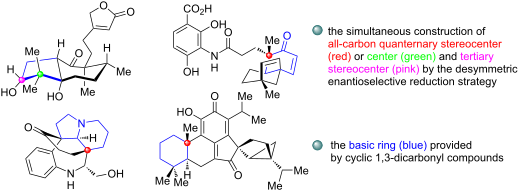
Figure 1: Several representative terpenoid and alkaloid natural products synthesized by applying desymmetric ...
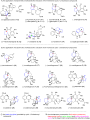
Figure 2: Selected terpenoid and alkaloid natural products synthesized by applying desymmetric enantioselecti...

Scheme 1: The total synthesis of (+)-aplysiasecosterol A (6) by Li [14].

Scheme 2: The total synthesis of (−)-cyrneine A by Han [31].

Scheme 3: The total syntheses of three cyrneine diterpenoids by Han [31,32].

Scheme 4: The total synthesis of (−)-hamigeran B and (−)-4-bromohamigeran B by Han [51].

Scheme 5: The total synthesis of (+)-randainin D by Baudoin [53].
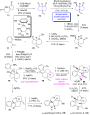
Scheme 6: The total synthesis of (−)-hunterine A and (−)-aspidospermidine by Stoltz [58].

Scheme 7: The total synthesis of (+)-toxicodenane A by Han [65,66].
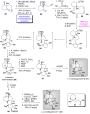
Scheme 8: The formal total synthesis of (−)-conidiogeone B and total synthesis of (−)-conidiogeone F by Lee a...

Scheme 9: The total syntheses of four conidiogenones natural products by Lee and Han [72].

Scheme 10: The total synthesis of (−)-platensilin by Lou and Xu [82].

Scheme 11: The total synthesis of (−)-platencin and (−)-platensimycin by Lou and Xu [82].

Scheme 12: The total synthesis of (+)-isochamaecydin and (+)-chamaecydin by Han [86].
Chiral phosphoric acid-catalyzed asymmetric synthesis of helically chiral, planarly chiral and inherently chiral molecules
- Wei Liu and
- Xiaoyu Yang
Beilstein J. Org. Chem. 2025, 21, 1864–1889, doi:10.3762/bjoc.21.145
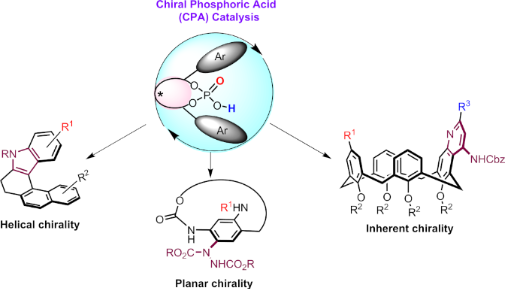
- ,R)-27a with high enantioselectivity. In 2025, Cai, Ji and co-workers reported a practical approach for the kinetic resolution of racemic aza[6]helicenes through CPA-catalyzed asymmetric transfer hydrogenation [31]. Commencing with the readily available racemic pyrido[6]helicene 29, the CPA-catalyzed
- asymmetric transfer hydrogenation employing Hantzsch ester HEH-1 as the reductant afforded both helically chiral tetrahydroquinoline derivatives (M)-30 and the recovered aza[6]helicene starting material (P)-29 with good to high enantioselectivity, achieving an s-factor of up to 121 (Scheme 8). Moreover, by

Graphical Abstract

Figure 1: General structure of CPAs and selected CPAs with various chiral scaffolds.
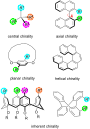
Figure 2: Representative elements of molecular chirality.
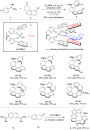
Scheme 1: CPA-catalyzed asymmetric synthesis of azahelicenes via Fischer indole synthesis.
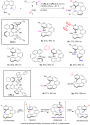
Scheme 2: CPA-catalyzed asymmetric synthesis of azahelicenes via sequential Povarov reaction and oxidative ar...

Scheme 3: CPA-catalyzed asymmetric synthesis of azahelicenes via sequential Povarov reaction involving 3-viny...
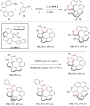
Scheme 4: CPA-catalyzed asymmetric synthesis of heterohelicenes via sequential Povarov reaction involving 2-v...

Scheme 5: Diverse enantioselective synthesis of hetero[7]helicenes via a CPA-catalyzed double annulation stra...
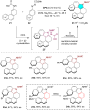
Scheme 6: CPA-catalyzed asymmetric synthesis of indolohelicenoids through enantioselective cycloaddition and ...

Scheme 7: Kinetic resolution of helical polycyclic phenols via CPA-catalyzed enantioselective aminative dearo...

Scheme 8: Kinetic resolution of azahelicenes via CPA-catalyzed transfer hydrogenation.

Scheme 9: Asymmetric synthesis of planarly chiral macrocycles via CPA-catalyzed electrophilic aromatic aminat...

Scheme 10: Enantioselective synthesis of planarly chiral macrocycles via CPA-catalyzed macrocyclization.
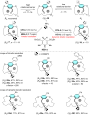
Scheme 11: (Dynamic) kinetic resolution of planarly chiral paracyclophanes via CPA-catalyzed asymmetric reduct...

Scheme 12: Kinetic resolution of macrocyclic paracyclophanes through CPA/Bi-catalyzed asymmetric allylation.

Scheme 13: Enantioselective synthesis of planarly chiral macrocycles via CPA-catalyzed coupling of carboxylic ...
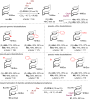
Scheme 14: Kinetic resolution of substituted amido[2.2]paracyclophanes via CPA-catalyzed asymmetric electrophi...
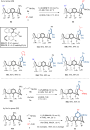
Scheme 15: Enantioselective synthesis of inherently chiral calix[4]arenes via sequential CPA-catalyzed Povarov...

Scheme 16: Asymmetric synthesis of inherently chiral calix[4]arenes via CPA-catalyzed aminative desymmetrizati...

Scheme 17: Asymmetric synthesis of chiral heterocalix[4]arenes via CPA-catalyzed intramolecular SNAr reaction.
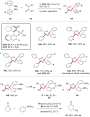
Scheme 18: Enantioselective synthesis of inherently chiral DDDs via CPA-catalyzed cyclocondensation.
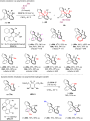
Scheme 19: Asymmetric synthesis of saddle-shaped inherently chiral 9,10-dihydrotribenzoazocines via CPA-cataly...
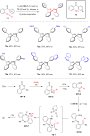
Scheme 20: Enantioselective synthesis of inherently chiral saddle-shaped dibenzo[b,f][1,5]diazocines via CPA-c...
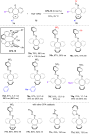
Scheme 21: Enantioselective synthesis of inherent chiral 7-membered tribenzocycloheptene oximes via CPA-cataly...
Chiral phosphoric acid-catalyzed transfer hydrogenation of 3,3-difluoro-3H-indoles
- Yumei Wang,
- Guangzhu Wang,
- Yanping Zhu and
- Kaiwu Dong
Beilstein J. Org. Chem. 2024, 20, 205–211, doi:10.3762/bjoc.20.20
- and practicability of this approach, a 2 mmol scale experiment of the asymmetric transfer hydrogenation of 1a was carried out (Scheme 3). Under the standard reaction conditions, 0.5 gram (98% yield) of chiral difluorinated indoline 2a was obtained with 95% ee. Based on previous studies [31], a
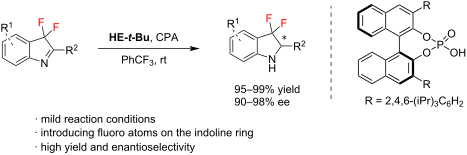
- chiral phosphoric acid as a Brønsted acid catalyst and Hantzsch ester as the hydrogen source, a series of 3,3-difluoro-substituted 3H-indoles underwent asymmetric transfer hydrogenation under mild reaction conditions, giving the target products with excellent yields and optical purity. Experimental

Graphical Abstract

Figure 1: Structures of bioactive fluorinated indole derivatives.

Scheme 1: Synthesis of chiral indolines via asymmetric reduction.

Scheme 2: Substrate scope of 3,3-difluoro-3H-indoles.

Scheme 3: Experiment at 2 mmol scale.
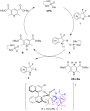
Figure 2: Proposed mechanism for the transfer hydrogenation reaction.
Organophosphorus chemistry: from model to application
- György Keglevich
Beilstein J. Org. Chem. 2023, 19, 89–90, doi:10.3762/bjoc.19.8
- newly prepared thiophosphorus acids were not efficient in the asymmetric transfer hydrogenation of 2-phenylquinoline. However, they may find application in other model reactions. These days, stereoselective syntheses incorporating “green" chemical considerations are of utmost importance in medicinal
Design, synthesis, and evaluation of chiral thiophosphorus acids as organocatalysts
- Karen R. Winters and
- Jean-Luc Montchamp
Beilstein J. Org. Chem. 2022, 18, 1471–1478, doi:10.3762/bjoc.18.154
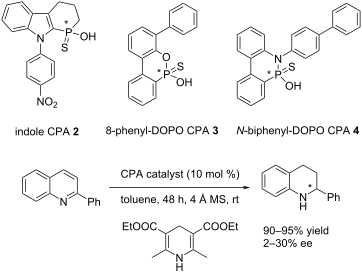
- asymmetric organocatalysis. In order to eliminate the need for C2-symmetry in common CPAs, various scaffolds containing C1-symmetrical thiophosphorus acids were chosen. These new compounds were synthesized and evaluated in the asymmetric transfer hydrogenation of 2-phenylquinoline. Although the efficacy of

Graphical Abstract

Figure 1: Chiral phosphorus acids (CPAs) derived from BINOL, VAPOL, and SPINOL. R = H, Ph, 4-PhC6H4-, 4-β-nap...

Scheme 1: The thiolic/thionic tautomeric equilibrium in thiophosphorus acids.

Figure 2: Project strategy and requirements for C1-symmetrical CPAs.

Figure 3: BINOL CPA and C1-symmetrical CPA targets 1–4.

Scheme 2: Synthesis of tryptophol-derived thiophosphorus acid 1.

Scheme 3: Synthesis of indole-derived thiophosphorus acid 2.

Scheme 4: Synthesis of N-biphenyl-DOPO CPA 4.
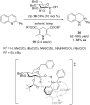
Scheme 5: Transfer hydrogenation of 2-phenylquinoline and transition-state proposed by Guinchard and coworker...
BINOL as a chiral element in mechanically interlocked molecules
- Matthias Krajnc and
- Jochen Niemeyer
Beilstein J. Org. Chem. 2022, 18, 508–523, doi:10.3762/bjoc.18.53
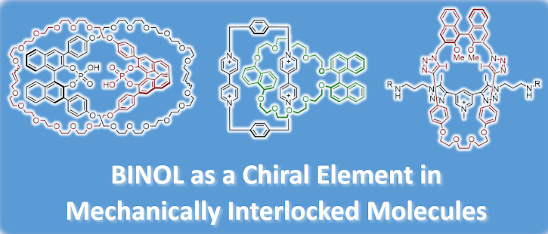
- ) [59]. The catenane catalyst allows for the asymmetric transfer hydrogenation of 2-substituted quinolines by Hantzsch esters in a highly stereoselective fashion [60]. It was found that the catenated catalyst gives superior stereoselectivities in comparison to the macrocyclic and the acyclic reference

Graphical Abstract

Figure 1: Molecular structures of (R)-BINOL (left) and (S)-BINOL (right).

Figure 2: Synthesis of Sauvage´s [2]catenanes (S,S)-5 and (S,S)-6 containing two BINOL units by the passive m...

Figure 3: Synthesis of Saito´s [2]rotaxane (R)-10 from a BINOL-based macrocycle by the active metal template ...

Figure 4: Synthesis of Stoddart´s [2]rotaxane (rac)-14 by an ammonium crown ether template.
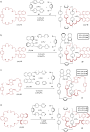
Figure 5: Synthesis of Stoddart´s BINOL-containing [2]catenanes 18/20/22/24 by π–π recognition.

Figure 6: Synthesis of Takata´s rotaxanes featuring chiral centers on the axle: a) rotaxane (R,R,R/S)-27 obta...

Figure 7: Takata´s chiral polyacetylenes 32/33 featuring BINOL-based [2]rotaxane side chains.

Figure 8: Synthesis of Takata´s chiral thiazolium [2]rotaxanes (R)-35a/b and (R)-38.

Figure 9: Results for the asymmetric benzoin condensation of benzaldehyde (39) with catalysts (R)-35a/b and (R...

Figure 10: Synthesis of Takata´s pyridine-based [2]rotaxane (R)-42.

Figure 11: The asymmetric desymmetrization reaction of meso-1,2-diols with rotaxane (R)-42.

Figure 12: Synthesis of Niemeyer´s axially chiral [2]catenane (S,S)-47.

Figure 13: Results for the enantioselective transfer hydrogenation of 2-phenylquinoline with catalysts (S,S)-47...

Figure 14: Synthesis of Niemeyer´s chiral [2]rotaxanes (S)-56/57.

Figure 15: Results for the enantioselective Michael addition with different rotaxane catalysts (S)-56a/56b/57a/...

Figure 16: Synthesis of Beer´s [2]rotaxanes 64a/b for anion recognition.

Figure 17: Association constants of different anions (used as the Bu4N+ salts) to the [2]rotaxanes (S)-64a/b a...

Figure 18: Synthesis of Beer´s [3]rotaxane (S)-68.

Figure 19: Association constants of different anions (used as the Bu4N+-salts) to the [2]rotaxane (S)-68 and a...
Strategies for the synthesis of brevipolides
- Yudhi D. Kurniawan and
- A'liyatur Rosyidah
Beilstein J. Org. Chem. 2021, 17, 2399–2416, doi:10.3762/bjoc.17.157
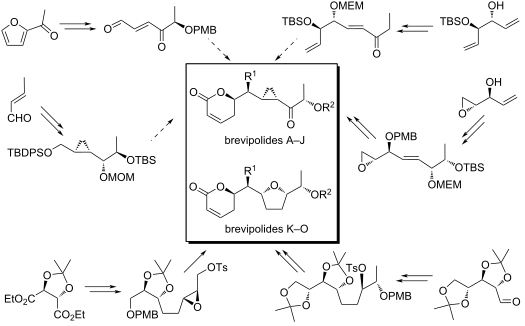
- -carbon precursor for the synthesis. The forward synthesis transformed 2-acetylfuran (20) to its corresponding alcohol 21 through an asymmetric transfer hydrogenation catalyzed by a ruthenium complex (0.5 mol %) in 98% yield with 95% ee (Scheme 2). The azeotropic mixture of HCO2H/Et3N 5:2 was employed as

Graphical Abstract

Figure 1: Structures of brevipolides A–O (1 – 15).

Scheme 1: Retrosynthetic analysis of brevipolide H (8) by Kumaraswamy.

Scheme 2: Attempt to synthesize brevipolide H (8) by Kumaraswamy. (R,R)-Noyori cat. = RuCl[N-(tosyl)-1,2-diph...

Scheme 3: Attempt to synthesize brevipolide H (8) by Kumaraswamy (continued).

Scheme 4: Retrosynthetic analysis of brevipolide H (8) by Hou.

Scheme 5: Synthesis ent-brevipolide H (ent-8) by Hou.

Scheme 6: Retrosynthetic analysis of brevipolide H (8) by Mohapatra.

Scheme 7: Attempt to synthesize brevipolide H (8) by Mohapatra.

Scheme 8: Attempt to synthesize brevipolide H (8) by Mohapatra (continued). (+)-(IPC)2-BCl = (+)-B-chloro-dii...

Scheme 9: Retrosynthetic analysis of brevipolide H (8) by Hou.

Scheme 10: Synthesis of brevipolide H (8) by Hou.

Scheme 11: Retrosynthetic analysis of brevipolide M (13) by Sabitha.

Scheme 12: Synthesis of brevipolide M (13) by Sabitha.

Scheme 13: Retrosynthetic analysis of brevipolides M (13) and N (14) by Sabitha.

Scheme 14: Synthesis of brevipolides M (13) and N (14) by Sabitha.
The preparation and properties of 1,1-difluorocyclopropane derivatives
- Kymbat S. Adekenova,
- Peter B. Wyatt and
- Sergazy M. Adekenov
Beilstein J. Org. Chem. 2021, 17, 245–272, doi:10.3762/bjoc.17.25
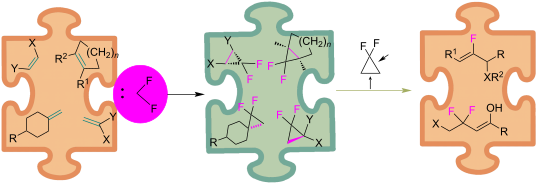
- enantioselective hydrocupration of difluorocyclopropenes in the presence of chiral diphosphine ligands using stoichiometric hydride sources that included polymethylhydrosiloxane (PMHS) and organoboranes (Scheme 35) [79]. Cossy and co-workers have achieved the catalytic asymmetric transfer hydrogenation with

Graphical Abstract

Scheme 1: Synthesis of 1,1-difluoro-2,3-dimethylcyclopropane (2).

Scheme 2: Cyclopropanation via dehydrohalogenation of chlorodifluoromethane.

Scheme 3: Difluorocyclopropanation of methylstyrene 7 using dibromodifluoromethane and zinc.

Scheme 4: Synthesis of difluorocyclopropanes from the reaction of dibromodifluoromethane and triphenylphosphi...

Scheme 5: Generation of difluorocarbene in a catalytic two-phase system and its addition to tetramethylethyle...

Scheme 6: The reaction of methylstyrene 7 with chlorodifluoromethane (11) in the presence of a tetraarylarson...

Scheme 7: Pyrolysis of sodium chlorodifluoroacetate (12) in refluxing diglyme in the presence of alkene 13.

Scheme 8: Synthesis of boron-substituted gem-difluorocyclopropanes 16.

Scheme 9: Addition of sodium bromodifluoroacetate (17) to alkenes.

Scheme 10: Addition of sodium bromodifluoroacetate (17) to silyloxy-substituted cyclopropanes 20.

Scheme 11: Synthesis of difluorinated nucleosides.

Scheme 12: Addition of butyl acrylate (26) to difluorocarbene generated from TFDA (25).

Scheme 13: Addition of difluorocarbene to propargyl esters 27 and conversion of the difluorocyclopropenes 28 t...

Scheme 14: The generation of difluorocyclopropanes using MDFA 30.

Scheme 15: gem-Difluorocyclopropanation of styrene (32) using difluorocarbene generated from TMSCF3 (31) under...

Scheme 16: Synthesis of a gem-difluorocyclopropane derivative using HFPO (41) as a source of difluorocarbene.

Scheme 17: Cyclopropanation of (Z)-2-butene in the presence of difluorodiazirine (44).

Scheme 18: The cyclopropanation of 1-octene (46) using Seyferth's reagent (45) as a source of difluorocarbene.

Scheme 19: Alternative approaches for the difluorocarbene synthesis from trimethyl(trifluoromethyl)tin (48).

Scheme 20: Difluorocyclopropanation of cyclohexene (49).

Scheme 21: Synthesis of difluorocyclopropane derivative 53 using bis(trifluoromethyl)cadmium (51) as the diflu...

Scheme 22: Addition of difluorocarbene generated from tris(trifluoromethyl)bismuth (54).

Scheme 23: Addition of a stable (trifluoromethyl)zinc reagent to styrenes.

Scheme 24: The preparation of 2,2-difluorocyclopropanecarboxylic acids of type 58.

Scheme 25: Difluorocyclopropanation via Michael cyclization.

Scheme 26: Difluorocyclopropanation using N-acylimidazolidinone 60.

Scheme 27: Difluorocyclopropanation through the cyclization of phenylacetonitrile (61) and 1,2-dibromo-1,1-dif...

Scheme 28: gem-Difluoroolefins 64 for the synthesis of functionalized cyclopropanes 65.

Scheme 29: Preparation of aminocyclopropanes 70.

Scheme 30: Synthesis of fluorinated methylenecyclopropane 74 via selenoxide elimination.

Scheme 31: Reductive dehalogenation of (1R,3R)-75.

Scheme 32: Synthesis of chiral monoacetates by lipase catalysis.

Scheme 33: Transformation of (±)-trans-81 using Rhodococcus sp. AJ270.

Scheme 34: Transformation of (±)-trans-83 using Rhodococcus sp. AJ270.

Scheme 35: Hydrogenation of difluorocyclopropenes through enantioselective hydrocupration.

Scheme 36: Enantioselective transfer hydrogenation of difluorocyclopropenes with a Ru-based catalyst.

Scheme 37: The thermal transformation of trans-1,2-dichloro-3,3-difluorocyclopropane (84).

Scheme 38: cis–trans-Epimerization of 1,1-difluoro-2,3-dimethylcyclopropane.

Scheme 39: 2,2-Difluorotrimethylene diradical intermediate.

Scheme 40: Ring opening of stereoisomers 88 and 89.

Scheme 41: [1,3]-Rearrangement of alkenylcyclopropanes 90–92.

Scheme 42: Thermolytic rearrangement of 2,2-difluoro-1-vinylcyclopropane (90).

Scheme 43: Thermal rearrangement for ethyl 3-(2,2-difluoro)-3-phenylcyclopropyl)acrylates 93 and 95.

Scheme 44: Possible pathways of the ring opening of 1,1-difluoro-2-vinylcyclopropane.

Scheme 45: Equilibrium between 1,1-difluoro-2-methylenecyclopropane (96) and (difluoromethylene)cyclopropane 97...

Scheme 46: Ring opening of substituted 1,1-difluoro-2,2-dimethyl-3-methylenecyclopropane 98.

Scheme 47: 1,1-Difluorospiropentane rearrangement.

Scheme 48: Acetolysis of (2,2-difluorocyclopropyl)methyl tosylate (104) and (1,1-difluoro-2-methylcyclopropyl)...

Scheme 49: Ring opening of gem-difluorocyclopropyl ketones 106 and 108 by thiolate nucleophiles.

Scheme 50: Hydrolysis of gem-difluorocyclopropyl acetals 110.

Scheme 51: Ring-opening reaction of 2,2-difluorocyclopropyl ketones 113 in the presence of ionic liquid as a s...

Scheme 52: Ring opening of gem-difluorocyclopropyl ketones 113a by MgI2-initiated reaction with diarylimines 1...

Scheme 53: Ring-opening reaction of gem-difluorocyclopropylstannanes 117.

Scheme 54: Preparation of 1-fluorovinyl vinyl ketone 123 and the synthesis of 2-fluorocyclopentenone 124. TBAT...

Scheme 55: Iodine atom-transfer ring opening of 1,1-difluoro-2-(1-iodoalkyl)cyclopropanes 125a–c.

Scheme 56: Ring opening of bromomethyl gem-difluorocyclopropanes 130 and formation of gem-difluoromethylene-co...

Scheme 57: Ring-opening aerobic oxidation reaction of gem-difluorocyclopropanes 132.

Scheme 58: Dibrominative ring-opening functionalization of gem-difluorocyclopropanes 134.

Scheme 59: The selective formation of (E,E)- and (E,Z)-fluorodienals 136 and 137 from difluorocyclopropyl acet...

Scheme 60: Proposed mechanism for the reaction of difluoro(methylene)cyclopropane 139 with Br2.

Scheme 61: Thermal rearrangement of F2MCP 139 and iodine by CuI catalysis.

Scheme 62: Synthesis of 2-fluoropyrroles 142.

Scheme 63: Ring opening of gem-difluorocyclopropyl ketones 143 mediated by BX3.

Scheme 64: Lewis acid-promoted ring-opening reaction of 2,2-difluorocyclopropanecarbonyl chloride (148).

Scheme 65: Ring-opening reaction of the gem-difluorocyclopropyl ketone 106 by methanolic KOH.

Scheme 66: Hydrogenolysis of 1,1-difluoro-3-methyl-2-phenylcyclopropane (151).
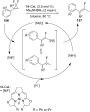
Scheme 67: Synthesis of monofluoroalkenes 157.

Scheme 68: The stereoselective Ag-catalyzed defluorinative ring-opening diarylation of 1-trimethylsiloxy-2,2-d...

Scheme 69: Synthesis of 2-fluorinated allylic compounds 162.

Scheme 70: Pd-catalyzed cross-coupling reactions of gem-difluorinated cyclopropanes 161.

Scheme 71: The (Z)-selective Pd-catalyzed ring-opening sulfonylation of 2-(2,2-difluorocyclopropyl)naphthalene...

Figure 1: Structures of zosuquidar hydrochloride and PF-06700841.

Scheme 72: Synthesis of methylene-gem-difluorocyclopropane analogs of nucleosides.

Figure 2: Anthracene-difluorocyclopropane hybrid derivatives.

Figure 3: Further examples of difluorcyclopropanes in modern drug discovery.
Chiral terpene auxiliaries V: Synthesis of new chiral γ-hydroxyphosphine oxides derived from α-pinene
- Anna Kmieciak and
- Marek P. Krzemiński
Beilstein J. Org. Chem. 2019, 15, 2493–2499, doi:10.3762/bjoc.15.242

- ligands that were obtained from readily available natural (1S)-β-pinene and (1S)-α-pinene [18]. We applied these ligands for the formation of the ruthenium complexes, which were successfully used as catalysts in asymmetric transfer hydrogenation of prochiral ketones. In continuation of our studies on the

Graphical Abstract

Scheme 1: Synthesis of (1R,2R,4S,5R)-3-methyleneneoisoverbanol (6).

Scheme 2: Synthesis of (1R,2R,3R,5R)-4-methyleneneoisopinocampheol (11).

Scheme 3: Synthesis of allylic alcohols 16 and 18 from β-pinene.

Figure 1: NOE effects in molecules 16 and 18.

Scheme 4: Synthesis of (1R,2R,3R,4R,5R)-3-((diphenylphosphanyl)methyl)isoverbanol (23).

Scheme 5: Synthesis of (((1R,2R,3S,4S,5S)-3-hydroxypinan-4-yl)methyl)diphenylphosphine oxide (27).

Scheme 6: Attempted sigmatropic rearrangement of phosphinites 28 and 29.
A general and atom-efficient continuous-flow approach to prepare amines, amides and imines via reactive N-chloramines
- Katherine E. Jolley,
- Michael R. Chapman and
- A. John Blacker
Beilstein J. Org. Chem. 2018, 14, 2220–2228, doi:10.3762/bjoc.14.196
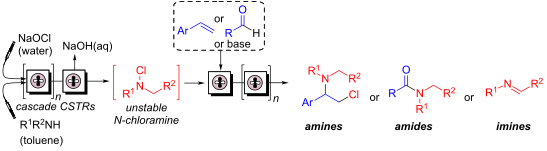
- use of heated CSTRs would be useful to explore. The formation of both imines 20 and 21 are of interest as an asymmetric reduction would give an optically pure amine. To demonstrate this, imine 20, formed in situ, underwent asymmetric-transfer hydrogenation in both batch and flow modes, using [IrCp*Cl2
- imines reported within our study. Of these examples, the latter was further explored by immediate asymmetric-transfer hydrogenation of an in situ formed imine under continuous-flow conditions, as a potentially productive route to chiral amines. Continuous-flow process to produce and react N-chloramines

Graphical Abstract

Figure 1: Continuous-flow process to produce and react N-chloramines.

Figure 2: Left: Laboratory scale CSTR developed by our group [8]. Right: 5-stage CSTR configuration using co-fee...

Figure 3: Continuous-flow amide 18 formation using 1-stage CSTR. Blue squares: FeCl3 included; red circles: F...

Scheme 1: Continuous-flow transfer hydrogenation of in situ generated imines.
The reductive decyanation reaction: an overview and recent developments
- Jean-Marc R. Mattalia
Beilstein J. Org. Chem. 2017, 13, 267–284, doi:10.3762/bjoc.13.30
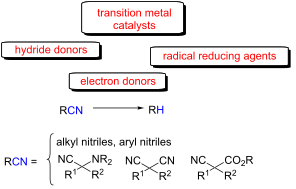
- ]. Opatz et al. developed the enantioselective syntheses of various alkaloids using the rhodium catalyst developed by Noyori [88] for the asymmetric transfer hydrogenation of imines. Interestingly, imines are formed from unstable α-aminonitrile intermediates which spontaneously eliminate HCN [89][90][91

Graphical Abstract

Scheme 1: Mechanism for the reduction under metal dissolving conditions.

Scheme 2: Example of decyanation in metal dissolving conditions coupled with deprotection [30]. TBDMS = tert-buty...

Scheme 3: Preparation of α,ω-dienes [18,33].

Scheme 4: Cyclization reaction using a radical probe [18].

Scheme 5: Synthesis of (±)-xanthorrhizol (8) [39].

Scheme 6: Mechanism for the reduction of α-aminonitriles by hydride donors.

Scheme 7: Synthesis of phenanthroindolizidines and phenanthroquinolizidines [71].

Scheme 8: Two-step synthesis of 5-unsubstituted pyrrolidines (25 examples and 1 synthetic application, see be...

Scheme 9: Synthesis of (±)-isoretronecanol 19. DBU = 1,8-diazabicyclo[5.4.0]undec-7-ene [74].

Scheme 10: Proposed mechanism with 14a for the NaBH4 induced decyanation reaction (“BH3” = BH3·THF) [74].

Scheme 11: Reductive decyanation by a sodium hydride–iodide composite (26 examples) [81].

Scheme 12: Proposed mechanism for the reduction by NaH [81].

Scheme 13: Reductive decyanation catalyzed by nickel nanoparticles. Yields are given in weight % from GC–MS da...

Scheme 14: Decyanation of 2-cyanobenzo[b]thiophene [87].

Scheme 15: Simplified pathways involved in transition-metal-promoted reductive decyanations [93,95].

Scheme 16: Fe-catalyzed reductive decyanation. Numbers in square brackets represent turnover numbers. The TONs...

Scheme 17: Rh-catalyzed reductive decyanation of aryl nitriles (18 examples, 2 synthetic applications) [103].

Scheme 18: Rh-catalyzed reductive decyanation of aliphatic nitriles (15 examples, one synthetic application) [103].

Scheme 19: Ni-catalyzed reductive decyanation (method A: 28 examples and 2 synthetic applications; method B: 3...

Scheme 20: Reductive decyanation catalyzed by the nickel complex 58 (method A, 14 examples, yield ≥ 20% and 1 ...

Scheme 21: Proposed catalytic cycle for the nickel complex 58 catalyzed decyanation (method A). Only the cycle...

Scheme 22: Synthesis of bicyclic lactones [119,120].

Scheme 23: Reductive decyanation of malononitriles and cyanoacetates using NHC-boryl radicals (9 examples). Fo...

Scheme 24: Proposed mechanism for the reduction by NHC-boryl radicals. The other possible pathway (addition of ...

Scheme 25: Structures of organic electron-donors. Only the major Z isomer of 80 is shown [125,127].

Scheme 26: Reductive decyanation of malononitriles and cyanoacetates using organic electron-donors (method A, ...

Scheme 27: Photoreaction of dibenzylmalononitrile with 81 [128].

Scheme 28: Examples of decyanation promoted in acid or basic media [129,131,134,135].

Scheme 29: Mechanism proposed for the base-induced reductive decyanation of diphenylacetonitriles [136].

Scheme 30: Reductive decyanation of triarylacetonitriles [140].
The enantioselective synthesis of (S)-(+)-mianserin and (S)-(+)-epinastine
- Piotr Roszkowski,
- Jan. K. Maurin and
- Zbigniew Czarnocki
Beilstein J. Org. Chem. 2015, 11, 1509–1513, doi:10.3762/bjoc.11.164

- /bjoc.11.164 Abstract A simple enantioselective synthetic procedure for the preparation of mianserin and epinastine in optically pure form is described. The key step in the synthetic pathway is the asymmetric reduction of the cyclic imine using asymmetric transfer hydrogenation conditions. Keywords
- phthalimide proposed by Moffett [15] may be used for this step with comparable results. The imine 6 was then transformed to the enantiomerically enriched amine 7 with the aid of asymmetric transfer hydrogenation (ATH) process [8][10][11]. As in our synthesis of aptazepine [8], we initially used the chiral
- )-(+)-epinastine. Chirality was introduced in a key step by asymmetric transfer hydrogenation. This synthetic procedure could be used for the preparation of other compounds variously substituted at the aryl rings. The structure of mianserin 1 and epinastine 2. Catalysts used in ATH. The ORTEP diagram for X-ray

Graphical Abstract

Figure 1: The structure of mianserin 1 and epinastine 2.

Scheme 1: Enantioselective synthesis of (S)-(+)-mianserin.

Figure 2: Catalysts used in ATH.

Figure 3: The ORTEP diagram for X-ray analysis of compound (S)-7.

Scheme 2: Enantioselective synthesis of (S)-(+)-epinastine.
A combined continuous microflow photochemistry and asymmetric organocatalysis approach for the enantioselective synthesis of tetrahydroquinolines
- Erli Sugiono and
- Magnus Rueping
Beilstein J. Org. Chem. 2013, 9, 2457–2462, doi:10.3762/bjoc.9.284
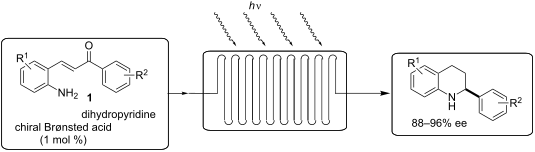
- dihydropyridine as hydrogen source providing the desired products in good yields and with excellent enantioselectivities. Keywords: asymmetric transfer hydrogenation; binolphosphate; continuous-flow reactors; flow chemistry; microreactors; organocatalysis; photochemistry; Introduction Tetrahydroquinolines [1][2
- hand, the substrate scope of this new photocyclization–asymmetric transfer hydrogenation sequence was examined. The results are summarized in Table 2. In general, different 2-aminochalcones bearing substituted aromatic residues on both ketone and enone moieties underwent the desired photocyclization

Graphical Abstract

Scheme 1: Photocyclization–reduction of 2-aminochalcone.

Scheme 2: Experimental setup of continuous-flow photocyclization–reduction cascade.
Continuous-flow catalytic asymmetric hydrogenations: Reaction optimization using FTIR inline analysis
- Magnus Rueping,
- Teerawut Bootwicha and
- Erli Sugiono
Beilstein J. Org. Chem. 2012, 8, 300–307, doi:10.3762/bjoc.8.32
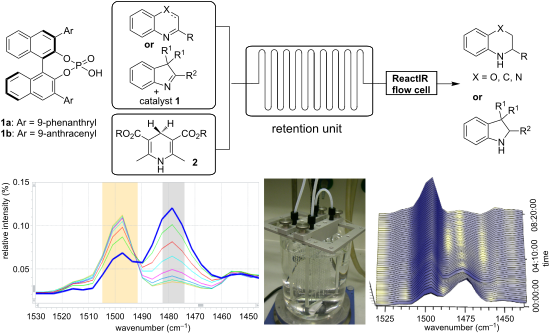
- example of a continuous-flow organocatalytic asymmetric transfer hydrogenation performed in a microreactor. In this work a ReactIR flow cell was coupled with the microreactor and applied as an inline monitoring device for optimizing the reactions. Results and Discussion The continuous-flow microreactor
- ReactIR monitoring: (a) Trend curve of product formation at different temperatures. (b) Reaction spectra showing the consumption of the substrate and the formation of product at different temperatures. (c) Three-dimensional time-resolved spectral data. Experimental setup for the asymmetric transfer
- hydrogenation. Asymmetric hydrogenation of benzoxazines. Optimization of the Brønsted acid catalyzed reduction of benzoxazines.a Scope of the Brønsted acid catalyzed reduction of benzoxazines.a Optimization of the Brønsted acid catalyzed transfer hydrogenation of quinolines.a Scope of the Brønsted acid

Graphical Abstract

Scheme 1: Experimental setup for the asymmetric transfer hydrogenation.

Scheme 2: Asymmetric hydrogenation of benzoxazines.

Figure 1: In situ ReactIR monitoring: (a) Trend curve of product formation at different temperatures. (b) Rea...
Asymmetric reactions in continuous flow
- Xiao Yin Mak,
- Paola Laurino and
- Peter H. Seeberger
Beilstein J. Org. Chem. 2009, 5, No. 19, doi:10.3762/bjoc.5.19
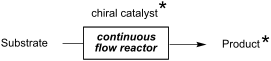
- also been used as a heterogeneous support medium in continuous flow. A ruthenium catalyst complexed to a norephedrine-derived ligand 47 was immobilized onto modified (alkylsilyl-capped) silica and employed to catalyze a continuous asymmetric transfer hydrogenation [50] (Scheme 13). The use of
- of asymmetric transfer hydrogenation in flow have also been reported [51][52]. Supported catalysis has been extended to reactions involving the use of continuous flow membrane reactors [19][20][21][22]. For example, the asymmetric epoxidation of a chromene derivative 49, catalyzed by homogeneous
- ). Continuous-flow asymmetric cyclopropanation. Continuous asymmetric hydrogenation of dimethyl itaconate in scCO2. Continuous asymmetric transfer hydrogenation of acetophenone. Asymmetric epoxidation using a continuous flow membrane reactor. Enzymatic cyanohydrin formation in a microreactor. Resolution of (R/S

Graphical Abstract

Scheme 1: Enantioselective addition of trimethylsilyl cyanide to benzaldehyde.

Scheme 2: Asymmetric catalytic hydrogenation in a falling-film microreactor.

Scheme 3: Aldol reaction catalyzed by 5-(pyrrolidine-2-yl)tetrazole.

Scheme 4: Enantioselective addition of diethylzinc to aryl aldehydes.

Scheme 5: Glyoxylate-ene reaction in flow.

Scheme 6: Asymmetric synthesis of ß-lactams.

Scheme 7: α-Chlorination of acid chlorides in flow.

Scheme 8: Asymmetric Michael reaction in continuous flow.

Scheme 9: Enantioselective addition of Et2Zn to benzaldehyde using monolithic chiral amino alcohol.

Scheme 10: Continuous-flow hydrolytic dynamic kinetic resolution of epibromohydrin (32).

Scheme 11: Continuous-flow asymmetric cyclopropanation.

Scheme 12: Continuous asymmetric hydrogenation of dimethyl itaconate in scCO2.

Scheme 13: Continuous asymmetric transfer hydrogenation of acetophenone.

Scheme 14: Asymmetric epoxidation using a continuous flow membrane reactor.

Scheme 15: Enzymatic cyanohydrin formation in a microreactor.

Scheme 16: Resolution of (R/S)- 54 with immobilized lipase in a continuous scCO2- flow reactor.

Scheme 17: Enantioselective separation of Acetyl-D-Phe in a continuous flow reactor.



