


Search results
Search for "reversible addition fragmentation chain transfer (RAFT)" in Full Text gives 19 result(s) in Beilstein Journal of Organic Chemistry.
C2 to C6 biobased carbonyl platforms for fine chemistry
- Jingjing Jiang,
- Muhammad Noman Haider Tariq,
- Florence Popowycz,
- Yanlong Gu and
- Yves Queneau
Beilstein J. Org. Chem. 2025, 21, 2103–2172, doi:10.3762/bjoc.21.165

Graphical Abstract

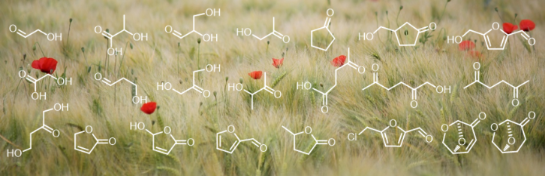
Figure 1: C2–C6 biobased carbonyl building blocks.

Scheme 1: Proposed (2 + 2) route to glycolaldehyde and glycolic acid from erythritol by Cu/AC catalyst (AC = ...

Scheme 2: Reductive amination of GCA.

Scheme 3: N-Formylation of secondary amines by reaction with GCA.

Scheme 4: Synthesis and conversion of hydroxy acetals to cyclic acetals.

Scheme 5: Synthesis of 3-(indol-3-yl)-2,3-dihydrofurans via three-component reaction of glycolaldehyde, indol...

Scheme 6: BiCl3-catalyzed synthesis of benzo[a]carbazoles from 2-arylindoles and α-bromoacetaldehyde ethylene...

Scheme 7: Cu/NCNSs-based conversion of glycerol to glycolic acid and other short biobased acids.

Scheme 8: E. coli-based biotransformation of C1 source molecules (CH4, CO2 and CO) towards C2 glycolic acid.

Scheme 9: N-Formylation of amines with C2 (a) or C3 (b) biomass-based feedstocks.

Scheme 10: Methods for the formation of propanoic acid (PA) from lactic acid (LA).

Scheme 11: Co-polymerization of biobased lactic acid and glycolic acid via a bicatalytic process.

Scheme 12: Oxidation of α-hydroxy acids by tetrachloroaurate(III) in acetic acid–sodium acetate buffer medium.

Figure 2: Selective catalytic pathways for the conversion of lactic acid (LA).

Scheme 13: Synthesis of 1,3-PDO via cross-aldol reaction between formaldehyde and acetaldehyde to 3-hydroxypro...

Scheme 14: Hydrothermal conversion of 1,3-dihydroxy-2-propane and 2,3-dihydroxypropanal to methylglyoxal.

Scheme 15: FLS-catalyzed formose reaction to synthesize GA and DHA.

Scheme 16: GCA and DHA oxidation products of glycerol and isomerization of GCA to DHA under flow conditions us...

Scheme 17: Acid-catalyzed reactions of DHA with alcohols.

Scheme 18: Synthesis of dihydroxyacetone phosphate from dihydroxyacetone.

Scheme 19: Bifunctional acid–base catalyst DHA conversion into lactic acid via pyruvaldehyde or fructose forma...

Scheme 20: Catalytic one-pot synthesis of GA and co-synthesis of formamides and formates from DHA.

Scheme 21: (a) Synthesis of furan derivatives and (b) synthesis of thiophene derivative by cascade [3 + 2] ann...

Scheme 22: Brønsted acidic ionic liquid catalyzed synthesis of benzo[a]carbazole from renewable acetol and 2-p...

Scheme 23: Asymmetric hydrogenation of α-hydroxy ketones to 1,2-diols.

Scheme 24: Synthesis of novel 6-(substituted benzylidene)-2-methylthiazolo [2,3-b]oxazol-5(6H)-one from 1-hydr...

Scheme 25: ʟ-Proline-catalyzed synthesis of anti-diols from hydroxyacetone and aldehydes.

Scheme 26: C–C-bond-formation reactions of a biomass-based feedstock aromatic aldehyde (C5) and hydroxyacetone...

Scheme 27: Ethanol upgrading to C4 bulk chemicals via the thiamine (VB1)-catalyzed acetoin condensation.

Scheme 28: One-pot sequential chemoenzymatic synthesis of 2-aminobutane-1,4-diol and 1,2,4-butanetriol via 1,4...

Scheme 29: Synthesis of 1,4-dihydroxybutan-2-one by microbial transformation.

Scheme 30: Conversion of polyols by [neocuproine)Pd(OAc)]2(OTf)2] to α-hydroxy ketones.

Scheme 31: Chemoselective oxidation of alcohols with chiral palladium-based catalyst 2.

Scheme 32: Electrochemical transformation of furfural to 5-hydroxy-2(5H)-furanone (HFO).

Scheme 33: Selective hydrodeoxygenation of HFO and oxidation to γ-butyrolactone (GBL).

Scheme 34: Photosensitized oxygenation of furan towards HFO via ozonide intermediates.

Scheme 35: Conversion of furfural to HFO and MAN by using mesoporous carbon nitride (SGCN) as photocatalyst.

Scheme 36: Synthesis of HFO from furan derivatives.

Scheme 37: Photooxidation of furfural to 5-hydroxy-2(5H)-furanone (HFO).

Scheme 38: Synthesis of Friedel–Crafts indole adduct from HFO.

Scheme 39: Conversion of HFO to α,γ-substituted chiral γ-lactones.

Scheme 40: Tautomeric transformation of HFO to formylacrylic acid.

Scheme 41: Hydrolysis of HFO to succinic acid in aqueous solution.

Scheme 42: Substitution and condensation reactions of 5-hydroxy-2(5H)-furanone (HFO).

Scheme 43: (a) Conversion of HFO towards valuable C4 chemicals and (b) anodic oxidation of 5-hydroxy-2(5H)-fur...

Figure 3: Conversion of HFO towards other natural and synthetic substances.

Scheme 44: Conversion of furfural to maleic anhydride (reaction a: VOx/Al2O3; reaction b: VPO).

Scheme 45: Conversion of furfural into succinic acid.

Scheme 46: Electro‑, photo‑, and biocatalysis for one-pot selective conversions of furfural into C4 chemicals.

Scheme 47: Production route of furfural from hemicellulose.

Scheme 48: Mechanism for xylose dehydration to furfural through a choline xyloside intermediate.

Scheme 49: Conversion of furfural to furfuryl alcohol and its derivatives.

Scheme 50: Conversion of furfural to furfuryl alcohol and 3-(2-furyl)acrolein.

Scheme 51: The aerobic oxidative condensation of biomass-derived furfural and linear alcohols.

Scheme 52: The single-step synthesis of 2-pentanone from furfural.

Scheme 53: Electrocatalytic coupling reaction of furfural and levulinic acid.

Scheme 54: Conversion of furfural to m-xylylenediamine.

Scheme 55: Conversion of furfural to tetrahydrofuran-derived amines.

Scheme 56: Formation of trans-4,5-diamino-cyclopent-2-enones from furfural.

Scheme 57: Production of pyrrole and proline from furfural.

Scheme 58: Synthesis of 1‑(trifluoromethyl)-8-oxabicyclo[3.2.1]oct-3-en-2-ones from furfural.

Scheme 59: Conversion of furfural to furfural-derived diacids.

Scheme 60: A telescope protocol derived from furfural and glycerol.

Scheme 61: A tandem cyclization of furfural and 5,5-dimethyl-1,3-cyclohexanedione.

Scheme 62: A Ugi four-component reaction to construct furfural-based polyamides.

Scheme 63: One-pot synthesis of γ-acyloxy-Cy7 from furfural.

Scheme 64: Dimerization–Piancatelli sequence toward humins precursors from furfural.

Scheme 65: Conversion of furfural to CPN.

Scheme 66: Synthesis of jet fuels range cycloalkanes from CPN and lignin-derived vanillin.

Scheme 67: Solar-energy-driven synthesis of high-density biofuels from CPN.

Scheme 68: Reductive amination of CPN to cyclopentylamine.

Scheme 69: Asymmetric hydrogenation of C=O bonds of exocyclic α,β-unsaturated cyclopentanones.

Scheme 70: Preparation of levulinic acid via the C5 route (route a) or C6 route (routes b1 and b2).

Scheme 71: Mechanism of the rehydration of HMF to levulinic acid and formic acid.

Scheme 72: Important levulinic acid-derived chemicals.

Scheme 73: Direct conversion of levulinic acid to pentanoic acid.

Scheme 74: Catalytic aerobic oxidation of levulinic acid to citramalic acid.

Scheme 75: Conversion of levulinic acid to 1,4-pentanediol (a) see ref. [236]; b) see ref. [237]; c) see ref. [238]; d) see r...

Scheme 76: Selective production of 2-butanol through hydrogenolysis of levulinic acid.

Scheme 77: General reaction pathways proposed for the formation of 5MPs from levulinic acid.

Scheme 78: Selective reductive amination of levulinic acid to N-substituted pyrroles.

Scheme 79: Reductive amination of levulinic acid to chiral pyrrolidinone.

Scheme 80: Reductive amination of levulinic acid to non-natural chiral γ-amino acid.

Scheme 81: Nitrogen-containing chemicals derived from levulinic acid.

Scheme 82: Preparation of GVL from levulinic acid by dehydration and hydrogenation.

Scheme 83: Ruthenium-catalyzed levulinic acid to chiral γ-valerolactone.

Scheme 84: Catalytic asymmetric hydrogenation of levulinic acid to chiral GVL.

Scheme 85: Three steps synthesis of ε-caprolactam from GVL.

Scheme 86: Multistep synthesis of nylon 6,6 from GVL.

Scheme 87: Preparation of MeGVL by α-alkylation of GVL.

Scheme 88: Ring-opening polymerization of five-membered lactones.

Scheme 89: Synthesis of GVL-based ionic liquids.

Scheme 90: Preparation of butene isomers from GVL under Lewis acid conditions.

Scheme 91: Construction of C5–C12 fuels from GVL over nano-HZSM-5 catalysts.

Scheme 92: Preparation of alkyl valerate from GVL via ring opening/reduction/esterification sequence.

Scheme 93: Construction of 4-acyloxypentanoic acids from GVL.

Scheme 94: Synthesis of 1,4-pentanediol (PDO) from GVL.

Scheme 95: Construction of novel cyclic hemiketal platforms via self-Claisen condensation of GVL.

Scheme 96: Copper-catalyzed lactamization of GVL.

Figure 4: Main scaffolds obtained from HMF.

Scheme 97: Biginelli reactions towards HMF-containing dihydropyrimidinones.

Scheme 98: Hantzsch dihydropyridine synthesis involving HMF.

Scheme 99: The Kabachnik–Fields reaction involving HMF.

Scheme 100: Construction of oxazolidinone from HMF.

Scheme 101: Construction of rhodamine-furan hybrids from HMF.

Scheme 102: A Groebke–Blackburn–Bienaymé reaction involving HMF.

Scheme 103: HMF-containing benzodiazepines by [4 + 2 + 1] cycloadditions.

Scheme 104: Synthesis of fluorinated analogues of α-aryl ketones.

Scheme 105: Synthesis of HMF derived disubstituted γ-butyrolactone.

Scheme 106: Functionalized aromatics from furfural and HMF.

Scheme 107: Diels–Alder adducts from HMF or furfural with N-methylmaleimide.

Scheme 108: Pathway of the one-pot conversion of HMF into phthalic anhydride.

Scheme 109: Photocatalyzed preparation of humins (L-H) from HMF mixed with spoiled HMF residues (LMW-H) and fur...

Scheme 110: Asymmetric dipolar cycloadditions on HMF.

Scheme 111: Dipolar cycloadditions of HMF based nitrones to 3,4- and 3,5-substituted isoxazolidines.

Scheme 112: Production of δ-lactone-fused cyclopenten-2-ones from HMF.

Scheme 113: Aza-Piancatelli access to aza-spirocycles from HMF-derived intermediates.

Scheme 114: Cross-condensation of furfural, acetone and HMF into C13, C14 and C15 products.

Scheme 115: Base-catalyzed aldol condensation/dehydration sequences from HMF.

Scheme 116: Condensation of HMF and active methylene nitrile.

Scheme 117: MBH reactions involving HMF.

Scheme 118: Synthesis of HMF-derived ionic liquids.

Scheme 119: Reductive amination/enzymatic acylation sequence towards HMF-based surfactants.

Scheme 120: The formation of 5-chloromethylfurfural (CMF).

Scheme 121: Conversion of CMF to HMF, levulinic acid, and alkyl levulinates.

Scheme 122: Conversion of CMF to CMFCC and FDCC.

Scheme 123: Conversion of CMF to BHMF.

Scheme 124: Conversion of CMF to DMF.

Scheme 125: CMF chlorine atom substitutions toward HMF ethers and esters.

Scheme 126: Introduction of carbon nucleophiles in CMF.

Scheme 127: NHC-catalyzed remote enantioselective Mannich-type reactions of CMF.

Scheme 128: Conversion of CMF to promising biomass-derived dyes.

Scheme 129: Radical transformation of CMF with styrenes.

Scheme 130: Synthesis of natural herbicide δ-aminolevulinic acid from CMF.

Scheme 131: Four step synthesis of the drug ranitidine from CMF.

Scheme 132: Pd/CO2 cooperative catalysis for the production of HHD and HXD.

Scheme 133: Different ruthenium (Ru) catalysts for the ring-opening of 5-HMF to HHD.

Scheme 134: Proposed pathways for preparing HXD from HMF.

Scheme 135: MCP formation and uses.

Scheme 136: Cu(I)-catalyzed highly selective oxidation of HHD to 2,5-dioxohexanal.

Scheme 137: Synthesis of N‑substituted 3‑hydroxypyridinium salts from 2,5-dioxohexanal.

Scheme 138: Ru catalyzed hydrogenations of HHD to 1,2,5-hexanetriol (a) see ref. [396]; b) see ref. [397]).

Scheme 139: Aviation fuel range quadricyclanes produced by HXD.

Scheme 140: Synthesis of HDGK from HXD and glycerol as a chain extender.

Scheme 141: Synthesis of serinol pyrrole from HXD and serinol.

Scheme 142: Synthesis of pyrroles from HXD and nitroarenes.

Scheme 143: Two-step production of PX from cellulose via HXD.

Scheme 144: Preparation of HCPN from HMF via hydrogenation and ring rearrangement.

Scheme 145: Suggested pathways from HMF to HCPN.

Scheme 146: α-Alkylation of HCPN with ethylene gas.

Scheme 147: Synthesis of 3-(hydroxymethyl)cyclopentylamine from HMF via reductive amination of HCPN.

Scheme 148: Production of LGO and Cyrene® from biomass.

Scheme 149: Synthesis of HBO from LGO and other applications.

Scheme 150: Construction of m-Cyrene® homopolymer.

Scheme 151: Conversion of Cyrene® to THFDM and 1,6-hexanediol.

Scheme 152: RAFT co-polymerization of LGO and butadienes.

Scheme 153: Polycondensation of HO-LGOL and diols with dimethyl adipate.

Scheme 154: Self-condensation of Cyrene® and Claisen–Schmidt reactions.

Scheme 155: Synthesis of 5-amino-2-(hydroxymethyl)tetrahydropyran from Cyrene®.
Study of tribenzo[b,d,f]azepine as donor in D–A photocatalysts
- Katy Medrano-Uribe,
- Jorge Humbrías-Martín and
- Luca Dell’Amico
Beilstein J. Org. Chem. 2025, 21, 935–944, doi:10.3762/bjoc.21.76
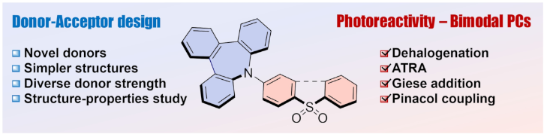
- computational study to design new PCs to be employed in atom transfer radical polymerization (O-ATRP) [17]. Notably, the sulfur-based structure 2 showed excellent performance for this transformation. One year later, the same research group reported its use in a reversible addition-fragmentation chain-transfer
- (RAFT) polymerization [18]. Moreover, in 2022, Zysman-Colman and collaborators showed that molecule 3, initially synthesized as a TADF (thermally activated delayed fluorescence) emitter [14], can be used as a PC under electron-transfer (ET) and energy-transfer (EnT) processes (Figure 1a) [19]. All the

Graphical Abstract
Figure 1: D–A–D organic PCs previously reported and our new D–A bimodal organic PCs.

Figure 2: Selected frontier MOs and relative calculated energies of D–A photocatalysts (4a,5a–e, and 6a). Abs...

Figure 3: Comparison of the ground state redox potential of the acceptor moieties (4–6), the donor moieties (a...
Factors influencing the performance of organocatalysts immobilised on solid supports: A review
- Zsuzsanna Fehér,
- Dóra Richter,
- Gyula Dargó and
- József Kupai
Beilstein J. Org. Chem. 2024, 20, 2129–2142, doi:10.3762/bjoc.20.183
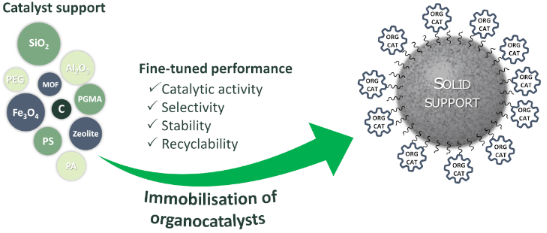
- reactions in a less protic and less polar solvent. Attaching catalysts to solid supports also offers the potential for enhancing catalyst stability. Boyer and co-workers reported the use of silica nanoparticle-supported eosin Y 21 as a photocatalyst in reversible addition fragmentation chain transfer (RAFT

Graphical Abstract

Scheme 1: Esterification of oleic acid (1) with propylsulfonic acid (Pr-SO3H)-functionalised mesoporous silic...

Scheme 2: Using confinement of organocatalytic units for improving the enantioselectivity of silica-supported...

Scheme 3: Michael addition catalysed by cinchona thiourea immobilised on magnetic nanoparticles (13).

Scheme 4: Michael addition catalysed by cinchona thiourea in the presence of magnetic nanoparticles.

Scheme 5: Benzoin condensation catalysed by N-benzylthiazolium salt attached to mesoporous material.

Scheme 6: Photoinduced RAFT polymerisation of n-butyl acrylate (19) catalysed by silica nanoparticle-supporte...

Scheme 7: Pressure and temperature dependence of the 1,4-addition of propanal to trans-β-nitrostyrene under c...

Scheme 8: α-Amination of ethyl 2-oxocyclopentanecarboxylate catalysed by PS-THU which could be recycled over ...

Scheme 9: Preparation of supported catalysts C29–C31 from cinchona squaramides 29–31 modified with a primary ...

Scheme 10: Application of PGMA-supported organocatalysts C29–C31 in the asymmetric Michael addition of pentane...

Scheme 11: Alcoholytic desymmetrisation of a cyclic anhydride 34 catalysed by polyamide-supported cinchona sul...
Radical chemistry in polymer science: an overview and recent advances
- Zixiao Wang,
- Feichen Cui,
- Yang Sui and
- Jiajun Yan
Beilstein J. Org. Chem. 2023, 19, 1580–1603, doi:10.3762/bjoc.19.116
- [59][60]. 1.3.3 Deactivation by degenerative transfer: Reversible addition-fragmentation chain transfer (RAFT) polymerization is one of the most well-established RDRP technique. It was first proposed in 1998 by Commonwealth Scientific and Industrial Research Organization (CSIRO) researchers Chiefari

Graphical Abstract

Scheme 1: Oxidation of catechol and subsequent cross-linking. Scheme 1 redrawn from [3].
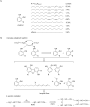
Scheme 2: (A) Structure of typical urushiol in Chinese lacquer, and (B) schematic process of laccase-catalyze...
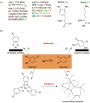
Scheme 3: A) Primary amino acid sequence of mfp-1, mfp-3, and mfp-5 (Y: DOPA, K: lysine). B) Scheme showing e...

Scheme 4: Activation–deactivation equilibrium in nitroxide-mediated polymerizations. Bicomponent initiating s...

Scheme 5: Mechanism of a transition metal complex-mediated ATRP. Scheme 5 redrawn from [14].

Scheme 6: Mechanism of RAFT polymerization. Scheme 6 redrawn from [68].

Scheme 7: Degenerative transfer (a) and reversible termination (b) mechanism of OMRP. Scheme 7 redrawn from [70].

Scheme 8: Simplified mechanism of a RITP. Scheme 8 redrawn from [21].

Scheme 9: (A) Structures of π-conjugated conductive polymers. (B) Examples of conductive polymer synthesis vi...

Scheme 10: Possible regiochemical couplings in PATs. Scheme 10 redrawn from [79].

Scheme 11: General thiol-ene photopolymerization process. Scheme 11 redrawn from [81].

Scheme 12: (a) Three generations of Grubbs catalysts. (b) Proposed mechanism for photo-ROMP via a reductive qu...

Scheme 13: Pyrylium and thiopyrylium salts studied by Boydston et al. Scheme 13 redrawn from [91].

Scheme 14: A general illustration of post-polymerization modification by thiol–ene chemistry.

Scheme 15: Introduction of functionalities by nitroxide radical coupling of HO-TEMPO derivatives.

Scheme 16: Chemical reaction process scheme of DCP-induced crosslinking of LDPE. Scheme 16 redrawn from [126].

Scheme 17: A probable mechanism of radical-induced hydrosilylation.

Scheme 18: Polymer surface modification by homolytic dediazonation of diazonium salts.

Scheme 19: Photoinduced polymer surface modification or surface grafting using benzophenone.

Scheme 20: Depolymerization mechanism of common photoresists. (a) A possible mechanism of radiation decomposit...

Scheme 21: Proposed mechanisms of photooxidative depolymerization of polystyrene. (a) Scheme 21a was reprinted with perm...
Insight into functionalized-macrocycles-guided supramolecular photocatalysis
- Minzan Zuo,
- Krishnasamy Velmurugan,
- Kaiya Wang,
- Xueqi Tian and
- Xiao-Yu Hu
Beilstein J. Org. Chem. 2021, 17, 139–155, doi:10.3762/bjoc.17.15
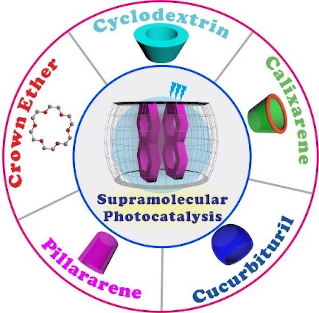
- occur within the CB[8] cavity via host–guest interactions, and thus predominantly produced the syn- instead of the anti-dimers. An alternative approach introduced by An et al. is about the 2:1 CB[7]–perylene diimide (PDI) host–guest-assisted reversible addition–fragmentation chain transfer (RAFT

Graphical Abstract

Figure 1: Chemical structures of representative macrocycles.

Figure 2: Ba2+-induced intermolecular [2 + 2]-photocycloaddition of crown ether-functionalized substrates 1 a...

Figure 3: Energy transfer system constructed of a BODIPY–zinc porphyrin–crown ether triad assembly bound to a...

Figure 4: The sensitizer 5 was prepared by a flavin–zinc(II)–cyclen complex for the photooxidation of benzyl ...

Figure 5: Enantiodifferentiating Z–E photoisomerization of cyclooctene sensitized by a chiral sensitizer as t...

Figure 6: Structures of the modified CDs as chiral sensitizing hosts. Adapted with permission from [24], Copyrigh...
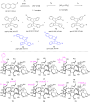
Figure 7: Supramolecular 1:1 and 2:2 complexations of AC with the cationic β-CD derivatives 16–21 and subsequ...

Figure 8: Construction of the TiO2–AuNCs@β-CD photocatalyst. Republished with permission of The Royal Society...

Figure 9: Visible-light-driven conversion of benzyl alcohol to H2 and a vicinal diol or to H2 and benzaldehyd...

Figure 10: (a) Structures of CDs, (b) CoPyS, and (c) EY. Republished with permission of The Royal Society of C...

Figure 11: Conversion of CO2 to CO by ReP/HO-TPA–TiO2. Republished with permission of The Royal Society of Che...

Figure 12: Thiacalix[4]arene-protected TiO2 clusters for H2 evolution. Reprinted with permission from [37], Copyri...

Figure 13: 4-Methoxycalix[7]arene film-based TiO2 photocatalytic system. Reprinted from [38], Materials Today Chem...

Figure 14: (a) Photodimerization of 6-methylcoumarin (22). (b) Catalytic cycle for the photodimerization of 22...

Figure 15: Formation of a supramolecular PDI–CB[7] complex and structures of monomers and the chain transfer a...

Figure 16: Ternary self-assembled system for photocatalytic H2 evolution (a) and structure of 27 (b). Figure 16 reprodu...
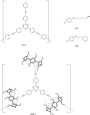
Figure 17: Structures of COP-1, CMP-1, and their substrate S-1 and S-2.

Figure 18: Supramolecular self-assembly of the light-harvesting system formed by WP5, β-CAR, and Chl-b. Reprod...

Figure 19: Photocyclodimerization of AC based on WP5 and WP6.
Photophysics and photochemistry of NIR absorbers derived from cyanines: key to new technologies based on chemistry 4.0
- Bernd Strehmel,
- Christian Schmitz,
- Ceren Kütahya,
- Yulian Pang,
- Anke Drewitz and
- Heinz Mustroph
Beilstein J. Org. Chem. 2020, 16, 415–444, doi:10.3762/bjoc.16.40
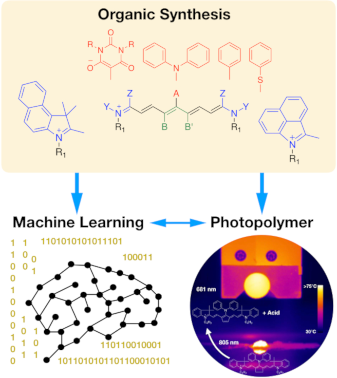
- polymerization (NMP) processes, reversible addition-fragmentation chain transfer (RAFT) and atom transfer radical polymerization (ATRP) [118]. While there has been no report available with NIR-sensitized NMP, there exist a few reports for RAFT polymerization with NIR light [119][120][121]. Recently, ATRP with Cu
Graphical Abstract

Scheme 1: Structural patterns of several symmetric cyanines relating to trimethines (I), pentamethines (II), ...

Scheme 2: 1-Substituted 2,3,3-trimethylindolium-, 2,3,3-benzo[e]indolium-, and 2,3,3-benzo[c,d]indolium salts...

Scheme 3: Substitution of the chlorine substituent at the meso-position by a stronger nucleophilic moiety B [68].

Scheme 4: Structure of alternative chain builders for synthesis of heptamethines.

Figure 1: Simplified process chart of photophysical processes occurring in NIR absorbers.

Scheme 5: Chemical structure of the electron acceptors that were from iodonium cations 88 and triazines 89.

Figure 2: Photoinduced electron transfer under different scenarios in which each example exhibits an intrinsi...

Scheme 6: Photoexcited absorber 33 results in reaction with an iodonium cation in the respective cation radic...

Scheme 7: Reaction scheme of absorbers comprising in the molecules center a five ring bridged moiety. This le...

Scheme 8: Structure of donor compounds used in a three component system.

Figure 3: Cationic photopolymerization of an epoxide (Epikote 828) initiated by excitation of the absorber 36...

Scheme 9: Different modes of photoinitiated ATRP using UV, visible and NIR light.

Scheme 10: The structure of Sens used in photo-ATRP.

Figure 4: Comparison of the GPC traces of precursor PMMA with a) chain extended PMMA and b) PMMA-b-PS. Condit...

Figure 5: Spectral changes of the solution of 48 in the presence of [Cu(L)]Br2 (L: tris(2-pyridylmethyl)amine...

Scheme 11: Photoinduced CuAAC reactions in which photochemical reactions result in formation of the Cu(I) cata...

Scheme 12: Model reaction between benzyl azide and phenyacetylene using the absorber 48 as NIR sensitizer at 7...

Figure 6: Block copolymerization of the precursors PS-N3 and Alkyne-PCL results in the block copolymer PS-b-P...

Figure 7: UV–vis–NIR absorption changes of the solution of 48 in the presence of PMDETA, phenylacetylene and ...

Scheme 13: Workflow to design and process new materials in a setup based on an intelligent DoE to develop tech...

Scheme 14: Illustration of the iDoE setting up experiments suggested and analyzed by the A.I. After defining t...

Scheme 15: Classification of the factors for the formation of polymer networks by NIR-photocuring depending on...
Degenerative xanthate transfer to olefins under visible-light photocatalysis
- Atsushi Kaga,
- Xiangyang Wu,
- Joel Yi Jie Lim,
- Hirohito Hayashi,
- Yunpeng Lu,
- Edwin K. L. Yeow and
- Shunsuke Chiba
Beilstein J. Org. Chem. 2018, 14, 3047–3058, doi:10.3762/bjoc.14.283

- functionalities [1][2][3][4][5][6][7][8][9][10][11][12][13][14]. This concept has also been of particular importance in the field of polymer science, known as reversible addition–fragmentation chain transfer (RAFT) polymerization [15][16]. Mechanistically, the degenerative transfer of xanthates 1 to olefins 2

Graphical Abstract
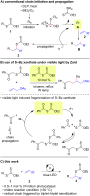
Scheme 1: Degenerative radical transfer of xanthates to olefins.

Scheme 2: Photocatalytic RAFT polymerization of xanthate 4.

Figure 1: Photoluminescence (PL) spectra of the 3MLCT state of 8 in degassed DMSO solvent with (A) various co...

Figure 2: (A) ns-Transient absorption spectra of photocatalyst 8 in degassed DMSO recorded at different delay...

Figure 3: UV–vis absorption spectrum of 1a (1 mM solution in DMSO).

Scheme 3: Determination of quantum yield.
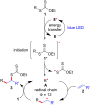
Scheme 4: Proposed reaction mechanism.
Phosphonic acid: preparation and applications
- Charlotte M. Sevrain,
- Mathieu Berchel,
- Hélène Couthon and
- Paul-Alain Jaffrès
Beilstein J. Org. Chem. 2017, 13, 2186–2213, doi:10.3762/bjoc.13.219
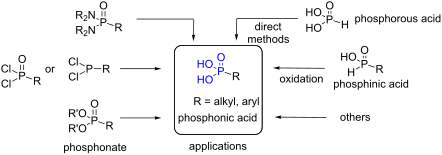
- 114 [224] or chitosan 115 [225]. The functionalization of polyacrylamide obtained by reversible addition-fragmentation chain transfer (RAFT) polymerization was also recently reported to produce 116 (Figure 31). However, the conditions of the Moedritzer–Irani reaction induced the hydrolysis of the

Graphical Abstract

Figure 1: Summary of the synthetic routes to prepare phosphonic acids detailed in this review. The numbers in...

Figure 2: Chemical structure of dialkyl phosphonate, phosphonic acid and illustration of the simplest phospho...

Figure 3: Illustration of some phosphonic acid exhibiting bioactive properties. A) Phosphonic acids for biome...

Figure 4: Illustration of the use of phosphonic acids for their coordination properties and their ability to ...

Figure 5: Hydrolysis of dialkyl phosphonate to phosphonic acid under acidic conditions.

Figure 6: Examples of phosphonic acids prepared by hydrolysis of dialkylphosphonate with HCl 35% at reflux (16...

Figure 7: A) and B) Observation of P–C bond breaking during the hydrolysis of phosphonate with concentrated H...

Figure 8: Mechanism of the hydrolysis of dialkyl phosphonate with HCl in water.

Figure 9: Hydrolysis of bis-tert-butyl phosphonate 28 into phosphonic acid 29 [137].

Figure 10: A) Hydrolysis of diphenyl phosphonate into phosphonic acid in acidic media. B) Examples of phosphon...

Figure 11: Suggested mechanism occurring for the first step of the hydrolysis of diphenyl phosphonate into pho...

Figure 12: A) Hydrogenolysis of dibenzyl phosphonate to phosphonic acid. B) Compounds 33, 34 and 35 were prepa...

Figure 13: A) Preparation of phosphonic acid from diphenyl phosphonate with the Adam’s catalyst. B) Compounds ...

Figure 14: Suggested mechanism for the preparation of phosphonic acid from dialkyl phosphonate using bromotrim...

Figure 15: A) Reaction of the phosphonate-thiophosphonate 37 with iodotrimethylsilane followed by methanolysis...

Figure 16: Synthesis of hydroxymethylenebisphosphonic acid by reaction of tris(trimethylsilyl) phosphite with ...

Figure 17: Synthesis of the phosphonic acid disodium salt 48 by reaction of mono-hydrolysed phosphonate 47 wit...

Figure 18: Phosphonic acid synthesized by the sequence 1) bromotrimethylsilane 2) methanolysis or hydrolysis. ...

Figure 19: Polyphosphonic acids and macromolecular compounds prepared by the hydrolysis of dialkyl phosphonate...

Figure 20: Examples of organometallic complexes functionalized with phosphonic acids that were prepared by the...

Figure 21: Side reaction observed during the hydrolysis of methacrylate monomer functionalized with phosphonic...

Figure 22: Influence of the reaction time during the hydrolysis of compound 76.

Figure 23: Dealkylation of dialkyl phosphonates with boron tribromide.

Figure 24: Dealkylation of diethylphosphonate 81 with TMS-OTf.

Figure 25: Synthesis of substituted phenylphosphonic acid 85 from the phenyldichlorophosphine 83.

Figure 26: Hydrolysis of substituted phenyldichlorophosphine oxide 86 under basic conditions.

Figure 27: A) Illustration of the synthesis of chiral phosphonic acids from phosphonodiamides. B) Examples of ...

Figure 28: A) Illustration of the synthesis of the phosphonic acid 98 from phosphonodiamide 97. B) Use of cycl...

Figure 29: Synthesis of tris(phosphonophenyl)phosphine 109.

Figure 30: Moedritzer–Irani reaction starting from A) primary amine or B) secondary amine. C) Examples of phos...

Figure 31: Phosphonic acid-functionalized polymers prepared by Moedritzer–Irani reaction.

Figure 32: Reaction of phosphorous acid with imine in the absence of solvent.

Figure 33: A) Reaction of phosphorous acid with nitrile and examples of aminomethylene bis-phosphonic acids. B...

Figure 34: Reaction of carboxylic acid with phosphorous acid and examples of compounds prepared by this way.

Figure 35: Synthesis of phosphonic acid by oxidation of phosphinic acid (also identified as phosphonous acid).

Figure 36: Selection of reaction conditions to prepare phosphonic acids from phosphinic acids.

Figure 37: Synthesis of phosphonic acid from carboxylic acid and white phosphorus.

Figure 38: Synthesis of benzylphosphonic acid 136 from benzaldehyde and red phosphorus.

Figure 39: Synthesis of graphene phosphonic acid 137 from graphite and red phosphorus.
One-pot synthesis of block-copolyrotaxanes through controlled rotaxa-polymerization
- Jessica Hilschmann,
- Gerhard Wenz and
- Gergely Kali
Beilstein J. Org. Chem. 2017, 13, 1310–1315, doi:10.3762/bjoc.13.127
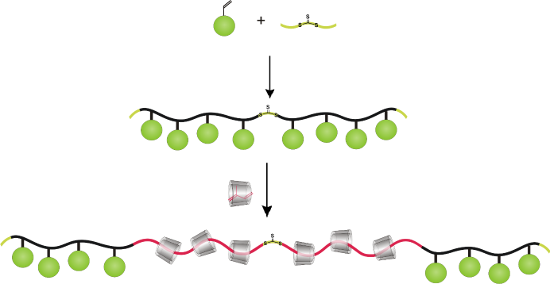
- Jessica Hilschmann Gerhard Wenz Gergely Kali Organic Macromolecular Chemistry, Saarland University, Campus C4.2, 66123 Saarbrücken, Germany 10.3762/bjoc.13.127 Abstract The aqueous reversible addition fragmentation chain-transfer (RAFT) copolymerization of isoprene and bulky comonomers, an

Graphical Abstract

Scheme 1: Synthesis route of RAMEB based statistical polyrotaxane.

Figure 1: (a) GPC trace of the polyHEMA-co-polyisoprene polyrotaxane 1 and (b) 500 MHz 1H NMR and DOSY spectr...

Scheme 2: Schematic representation of the synthetic procedure for the preparation of randomly methylated β-CD...
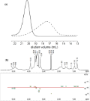
Figure 2: (a) GPC traces of the macroCTA 5 (solid line) and the poly(TRIS-AAm)-b-polyisoprene-b-poly(TRIS-AAm...
Glyco-gold nanoparticles: synthesis and applications
- Federica Compostella,
- Olimpia Pitirollo,
- Alessandro Silvestri and
- Laura Polito
Beilstein J. Org. Chem. 2017, 13, 1008–1021, doi:10.3762/bjoc.13.100
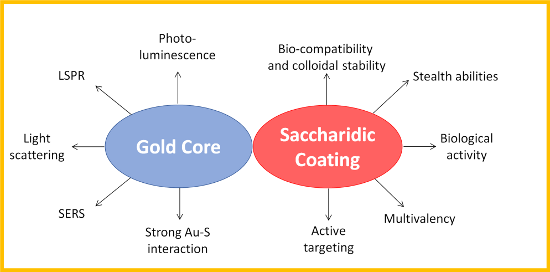
- [45][56][57][58]. Prosperi and co-workers coated dodecanthiol AuNPs with manno-calixarenes exploiting hydrophobic interactions, obtaining an efficient targeting against cancer cells [56]. Similarly, a reversible addition−fragmentation chain transfer (RAFT) polymerization approach has been exploited

Graphical Abstract

Figure 1: Schematic overview on the glyco-gold nanoparticles synthetic approaches.

Figure 2: Glyco-gold nanoparticles: metallic core and glyco-coating contribute to the production of the versa...

Figure 3: The protein–carbohydrate interactions analyzed by conventional dark field microscopy. The interacti...

Figure 4: Copper-free cycloaddition (SPAAC) of azido galactoside on cyclooctyne and schematic depiction of Au...

Figure 5: A photoaffinity labeling (PAL) approach based on glyco-gold nanoparticles is able to recognize and ...

Figure 6: Design of the fiber-type “Sugar Chips”. AuNPs are firstly immobilized on an optical fiber functiona...

Figure 7: Design of GAuNPs, displaying both sugar residues and the anticancer Au(I)PPh3. Reprinted with permi...
Extrusion – back to the future: Using an established technique to reform automated chemical synthesis
- Deborah E. Crawford
Beilstein J. Org. Chem. 2017, 13, 65–75, doi:10.3762/bjoc.13.9
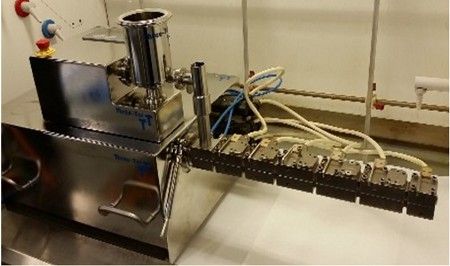
- and reversible addition fragmentation chain transfer (RAFT) polymerisation, amongst others [21], has been studied extensively by extrusion to produce, for example, branched polypropylene, polyethylene and polylactide polymers. The process involves the production of a free radical at the end of an

Graphical Abstract

Figure 1: Typical pilot scale single screw extruder (left) and a laboratory scale twin screw extruder (right)....

Figure 2: PTFE screw employed in single screw extrusion, with increasing root diameter (RD) from 45 mm to 95 ...

Figure 3: Modulated stainless steel intermeshing co-rotating screws employed typically in twin screw extrusio...

Scheme 1: Polymerisation of styrene using s-BuLi as an initiator.

Scheme 2: Telescoping process of the formation of polystyrene, followed by post polymerisation functionalisat...

Scheme 3: Proposed mechanism for the branching of polylactide. Adapted from [23].

Scheme 4: Chemical reaction between isocyanate and an alcohol to form polyurethane.

Figure 4: Representative diagram explaining the process involved in step growth polymerisation, which involve...

Scheme 5: Generic polycondensation reaction to produce polyamides.

Figure 5: Comparison of choline chloride/D-fructose DES prepared via twin screw extrusion (left) and conventi...

Scheme 6: Synthesis of HKUST-1, ZIF-8 and Al(fumarate)OH by twin screw extrusion. Adapted from [2].

Figure 6: Synthesis of Ni(NCS)2(PPh3)2 and [Ni(salen)] by twin screw extrusion. Adapted from [2].
Radical polymerization by a supramolecular catalyst: cyclodextrin with a RAFT reagent
- Kohei Koyanagi,
- Yoshinori Takashima,
- Takashi Nakamura,
- Hiroyasu Yamaguchi and
- Akira Harada
Beilstein J. Org. Chem. 2016, 12, 2495–2502, doi:10.3762/bjoc.12.244
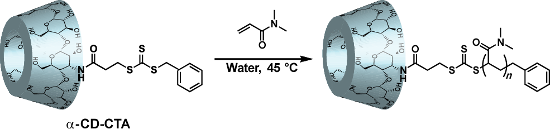
- recognition site is introduced to a reversible addition–fragmentation chain transfer (RAFT) polymerization system [65][66][67][68][69]. We have synthesized a chain transfer agent (CTA) bearing the CD moiety (CD-CTA) and have investigated this agent’s polymerization behavior. The polymerization rate constant

Graphical Abstract

Figure 1: Preparation scheme of α-CD-CTA.

Figure 2: Crystal structure of α-CD with N,N-dimethylacrylamide (DMA). (a) The structure of an 1:1 inclusion ...

Figure 3: Time-conversion curves (a), kinetic plots (b) and plots of number-average molecular weight (Mn) ver...
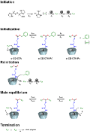
Figure 4: Proposed polymerization mechanism for a water-soluble vinyl monomer with α-CD-CTA as a chain transf...
Methylenelactide: vinyl polymerization and spatial reactivity effects
- Judita Britner and
- Helmut Ritter
Beilstein J. Org. Chem. 2016, 12, 2378–2389, doi:10.3762/bjoc.12.232
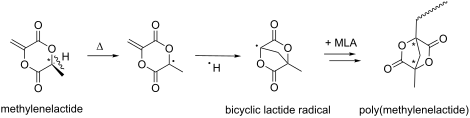
- as methyl methacrylate were determined. To predict the copolymerization behavior with other classes of monomers, Q and e values were calculated. Further, reversible addition fragmentation chain transfer (RAFT)-controlled homopolymerization of methylenelactide and copolymerization with N,N
- -dimethylacrylamide was performed at 70 °C in 1,4-dioxane using AIBN as initiator and 2-(((ethylthio)carbonothioyl)thio)-2-methylpropanoic acid as a transfer agent. Keywords: copolymerization; kinetic study of the radical homopolymerization; push–pull monomer; reversible addition fragmentation chain transfer (RAFT
- -Michael additions on MLA were reported [11][12]. In this paper, we wish to present a kinetic study of free radical and controlled/living radical polymerization of MLA. The latter reactions were conducted via a reversible addition fragmentation chain transfer (RAFT) mechanism. We also investigated the

Graphical Abstract

Figure 1: Structures of used monomers and the time-conversion plot of the corresponding free-radical polymeri...

Scheme 1: Stereospecific propagation of chiral MLA illustrating the triade formation [15].

Figure 2: Plot of log Pn versus log [In] of the polymerization of MLA with different mol % AIBN.

Scheme 2: Postulated mechanism of the self-initiation of MLA.

Figure 3: DFT-calculated C–C binding length (yellow) of (A) MLA and (B) the corresponding radical.

Figure 4: IR spectra of (A) MLA and of (B) poly(MLA) prepared by the self-initiated polymerization at 70 °C.

Figure 5: Conversion plot of the polymerization of MLA in 1,4-dioxane and DMF (cMLA = 1.8 mol L−1, cAIBN = 1....

Figure 6: UV–vis spectra of the reaction mixture with DPPH radical at the beginning (violet line, 0.23 mM) of...

Figure 7: Copolymer composition curves for the systems MLA with styrene and MMA.

Figure 8: 1H NMR spectrum of MLA with 1 equiv of thioacetic acid and 0.15 equivalents of an inhibitor 4-metho...

Scheme 3: Mechanism of RAFT polymerization [24].

Figure 9: Structures of used RAFT agents examined in the polymerization of MLA.

Figure 10: A) Kinetic plot for the RAFT copolymerization of MLA and DMA for the ratio 90/10 employing EMP. B) ...
Recent advances in metathesis-derived polymers containing transition metals in the side chain
- Ileana Dragutan,
- Valerian Dragutan,
- Bogdan C. Simionescu,
- Albert Demonceau and
- Helmut Fischer
Beilstein J. Org. Chem. 2015, 11, 2747–2762, doi:10.3762/bjoc.11.296
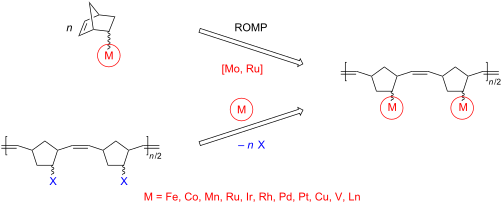
- synthesis of these targets presently accessible through controlled and living polymerization techniques including controlled radical polymerizations (CRP) such as atom transfer radical polymerization (ATRP), nitroxide-mediated polymerization (NMP) and reversible addition–fragmentation chain transfer (RAFT

Graphical Abstract

Scheme 1: Synthesis of homopolymers containing ferrocenyl and tetraethylene glycol groups.

Scheme 2: Synthesis of redox-robust triazolylbiferrocenyl polymers 4.

Scheme 3: Synthesis of cobaltocenium-containing polymers by ROMP.

Scheme 4: Cobaltocenium-appending copolymers by the ROMP approach (X = PF6, Y = BPh4 or Cl).

Scheme 5: Cobalt-containing polymers by click and ROMP approach.

Scheme 6: Synthesis of new cobalt-integrating block copolymers.

Scheme 7: Two alternative routes for the synthesis of redox-active cobalticenium-tethered polyelectrolytes.

Scheme 8: Oxanorbornene monomers for the synthesis of Ru-containing polymers by ROMP.

Scheme 9: ROMP synthesis of Ru-containing homopolymers.

Scheme 10: Synthesis of diblock copolymers incorporating ruthenium.

Scheme 11: Synthesis of Ru triblock copolymers.

Scheme 12: Synthesis of cross-linked Ru-containing triblock copolymers.

Scheme 13: Synthesis of Ir-containing homopolymers by ROMP.

Scheme 14: Monomers for Ir- and Os-containing ROMP polymers.

Scheme 15: ROMP block copolymers integrating Ir in their side chains.

Scheme 16: Synthesis of Rh-containing block copolymers.

Scheme 17: Access to rhodocenium-containing metallopolymers by ROMP.

Scheme 18: Synthesis of homopolymers equipped with Cu coordination centers.

Scheme 19: Synthesis of Cu-containing copolymers (spacer = –(CH2)5–; >C=O).

Scheme 20: Synthesis of polynorbornene bearing a polyoxometalate (POM) cluster in the side chain.

Scheme 21: Synthesis of Eu-containing copolymers by a ROMP-based route.
Peptide–polymer ligands for a tandem WW-domain, an adaptive multivalent protein–protein interaction: lessons on the thermodynamic fitness of flexible ligands
- Katharina Koschek,
- Vedat Durmaz,
- Oxana Krylova,
- Marek Wieczorek,
- Shilpi Gupta,
- Martin Richter,
- Alexander Bujotzek,
- Christina Fischer,
- Rainer Haag,
- Christian Freund,
- Marcus Weber and
- Jörg Rademann
Beilstein J. Org. Chem. 2015, 11, 837–847, doi:10.3762/bjoc.11.93
- building block N-methacryloyl-β-alaninyl-S-benzyl thioester under reversible addition–fragmentation chain-transfer (RAFT) conditions yielding a thioester-containing copolymer with 13.3 kDa and polydispersity of 1.2, which we denominated as NCL-polymer [10]. NCL-polymer was converted into multivalent

Graphical Abstract

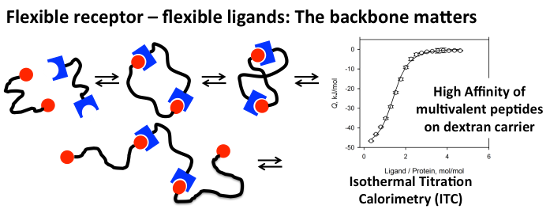
Figure 1: Comparing the entropy loss during ligand–receptor interactions in dependence of the rigidity of the...
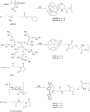
Scheme 1: Selection of three polymer carriers differing with respect to backbone flexibility, and morphology ...

Figure 2: Representative ITC-measurements conducted at 8 °C with the peptide–polymer conjugates A) pHPMA-1 an...

Figure 3: Enthalpic and entropic contributions to the free energy of binding processes of multivalent peptide...
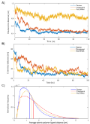
Figure 4: MD simulations over time (0–100 ns) yielding A) the mean sulfur distance between two peptides at th...

Figure 5: MD simulation image showing the interaction of two dextran–peptide conjugates with three tandem WW ...
Chemoselective O-acylation of hydroxyamino acids and amino alcohols under acidic reaction conditions: History, scope and applications
- Tor E. Kristensen
Beilstein J. Org. Chem. 2015, 11, 446–468, doi:10.3762/bjoc.11.51
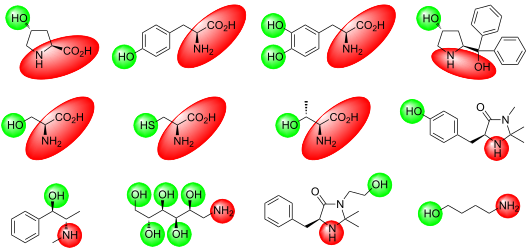

Graphical Abstract

Scheme 1: Selective O-acetylation of hydroxyamino acids with acetic anhydride in perchloric acid-acetic acid ...

Scheme 2: Selective O-acetylation of L-tyrosine as reported by Bretschneider and Biemann in 1950 [13].

Scheme 3: Selective O-acetylation of L-serine in acetic acid saturated with hydrogen chloride as reported by ...

Scheme 4: Chemoselective O-acetylation of hydroxyamino acids with acetyl chloride in hydrochloric acid–acetic...

Scheme 5: Chemoselective O-acylation of hydroxyamino acids with acyl chlorides in anhydrous trifluoroacetic a...

Scheme 6: Chemoselective O-acylation of hydroxyproline with acyl chlorides or carboxylic anhydrides in methan...

Scheme 7: Chemoselective O-acetylation of L-DOPA as reported by Fuller, Verlander and Goodman in 1978 [35].

Scheme 8: Chemoselective O-acylation of L-tyrosine as reported by Huang, Kimura, Bawarshi-Nassar and Hussain ...

Scheme 9: Preparation of proline amphiphiles or acrylic proline monomers (for macromolecular synthesis) by ch...
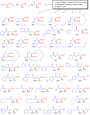
Scheme 10: Preparation of amphiphilic organocatalysts from serine, threonine and cysteine by chemoselective O-...
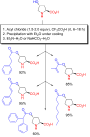
Scheme 11: Preparation of amphiphilic proline organocatalysts by chemoselective O-acylation with acyl chloride...
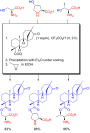
Scheme 12: Amphiphilic organocatalysts prepared from hydroxyamino acids and isosteviol by chemoselective O-acy...

Scheme 13: Preparation of acrylic proline precursors for polymeric organocatalysts by chemoselective O-acylati...

Scheme 14: Conversion of trans-4-hydroxy-L-proline to cis-4-hydroxy-D-proline·HCl and subsequent chemoselectiv...

Scheme 15: Some examples of chemoselective O-acylation of amino alcohols under acidic reaction conditions repo...

Scheme 16: An assembly of chiral acrylic building blocks useful in the synthesis of polymer-supported diphenyl...

Scheme 17: The chemoselective pentaacetylation of D-glucamine under acidic reaction conditions [95].
Stability of SG1 nitroxide towards unprotected sugar and lithium salts: a preamble to cellulose modification by nitroxide-mediated graft polymerization
- Guillaume Moreira,
- Laurence Charles,
- Mohamed Major,
- Florence Vacandio,
- Yohann Guillaneuf,
- Catherine Lefay and
- Didier Gigmes
Beilstein J. Org. Chem. 2013, 9, 1589–1600, doi:10.3762/bjoc.9.181
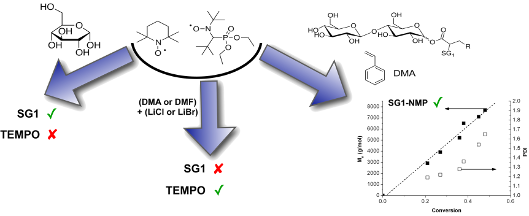
- ], reversible addition-fragmentation chain transfer (RAFT) [8][9][10], and nitroxide-mediated polymerization (NMP) [11], has opened new prospects in this research field, and permits precise tailoring of the synthetic chain length, the composition and the architecture [12]. Contrary to pullulan, dextran and

Graphical Abstract

Figure 1: Structure of the SG1, TEMPO and DBN nitroxides and the BlocBuilder MA alkoxyamine.

Figure 2: Key equilibrium between active and dormant species involved in the nitroxide-mediated (NMP) polymer...

Figure 3: Degradation of the SG1 nitroxide versus time in the presence of 0 (empty stars), 1 (filled squares)...

Figure 4: Degradation of the SG1 (triangles) and TEMPO (squares) nitroxides versus time in the presence of 0 ...

Figure 5: Degradation of the SG1 nitroxide versus time in DMA (filled squares), DMF (filled triangles), MeOH ...

Figure 6: Degradation of the SG1 nitroxide versus time in the presence of 0% of lithium salt in DMA (empty sq...

Figure 7: Degradation of the TEMPO nitroxide versus time in DMA in the presence of 0% lithium salt (empty squ...

Figure 8: NMP of styrene initiated by the BlocBuilder MA alkoxyamine at 120 °C in DMA without LiCl salt. (a) ...

Scheme 1: Synthesis of the cellobiose and SG1-based alkoxyamine (cello-SG1). The shown regioisomer exhibits a...

Figure 9: (a) Evolution of the number-average molar mass (Mn: filled symbol, linear fit: dash lines) and poly...

Scheme 2: (Reversible) redox system of nitroxide.

Figure 10: Cyclic voltammograms in DMF of (a) SG1 (10−2 M)/ NaClO4 (10−1 M) and (b) LiCl (10−2 M)/TBAPF6 (10−1...

Figure 11: Cyclic voltammograms of DMF/4.5 wt % LiBr solution heated at 80 °C for 30 min (plain line) and 14 h...

Scheme 3: Hydrolysis of DMA in the presence of LiCl.

Scheme 4: Disproportionation of nitroxide 1 by acid treatment.

Figure 12: Degradation of the nitroxides (SG1 and TEMPO) in the presence of HCl. (a) TEMPO ESR signal in the p...
The synthesis of well-defined poly(vinylbenzyl chloride)-grafted nanoparticles via RAFT polymerization
- John Moraes,
- Kohji Ohno,
- Guillaume Gody,
- Thomas Maschmeyer and
- Sébastien Perrier
Beilstein J. Org. Chem. 2013, 9, 1226–1234, doi:10.3762/bjoc.9.139
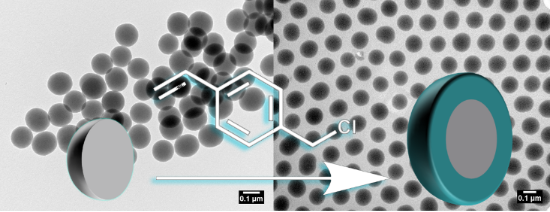
- Sustainability, School of Chemistry, The University of Sydney, NSW 2006, Australia 10.3762/bjoc.9.139 Abstract We describe the use of one of the most advanced radical polymerization techniques, the reversible addition fragmentation chain transfer (RAFT) process, to produce highly functional core–shell particles
- structure of the resulting polymeric chain. Among the many techniques of LRP reported to date, reversible addition–fragmentation chain transfer (RAFT) polymerization is one of the most versatile processes, both in terms of tolerance towards a wide range of monomer functionality and reaction conditions [2

Graphical Abstract

Scheme 1: RAFT polymerization and silica-supported RAFT polymerization of vinylbenzyl chloride (VBC).

Figure 1: Evolution of number-average molecular weight (Mn) and Mw/Mn values of the poly(VBC) chains obtained...

Figure 2: Conversion and ln([M]0/[M]) versus time for AIBN-initiated, PABTC-mediated polymerization of VBC at...

Figure 3: AIBN-initiated, PABTC-mediated polymerization of VBC with (triangles, DP 4,400) and without (circle...

Figure 4: Evolution of molecular weights of free and grafted poly(VBC) chains with conversion.

Figure 5: Plot of the average diameter and PDI of particles recovered from silica-supported RAFT polymerizati...

Figure 6: TEM micrographs of particles (A) after 2 hours and (B) after 21 hours of VBC polymerization. Scale ...
RAFT polymers for protein recognition
- Alan F. Tominey,
- Julia Liese,
- Sun Wei,
- Klaus Kowski,
- Thomas Schrader and
- Arno Kraft
Beilstein J. Org. Chem. 2010, 6, No. 66, doi:10.3762/bjoc.6.66
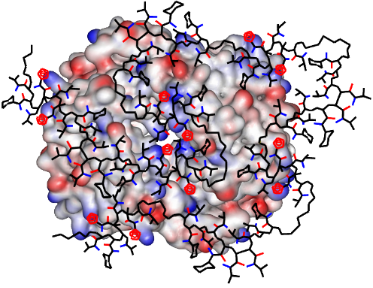
- , because short and long chains will bind simultaneously, most likely with different affinities and stoichiometries. A quantitative description must inherently suffer from this averaging effect. Results and Discussion Reversible addition–fragmentation chain transfer (RAFT) polymerization [10] and atom

Graphical Abstract

Figure 1: Structures of monomers 1–7 and chain transfer agent 8 used in the RAFT polymerizations.
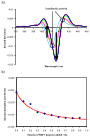
Figure 2: a) Second derivative UV–vis spectra [17-19] observed during a full titration of a stock solution of RAFT c...

Figure 3: Isothermal calorimetric binding curves for selected polymer/protein host–guest pairs. a) Typical bi...

Figure 4: Graphical illustration of the potential binding mode on hemoglobin tetramer (represented as electro...



