


Search results
Search for "polymers" in Full Text gives 565 result(s) in Beilstein Journal of Nanotechnology. Showing first 200.
Gold nanoparticle-decorated reduced graphene oxide as a highly effective catalyst for the selective α,β-dehydrogenation of N-alkyl-4-piperidones
Beilstein J. Nanotechnol. 2026, 17, 218–238, doi:10.3762/bjnano.17.15
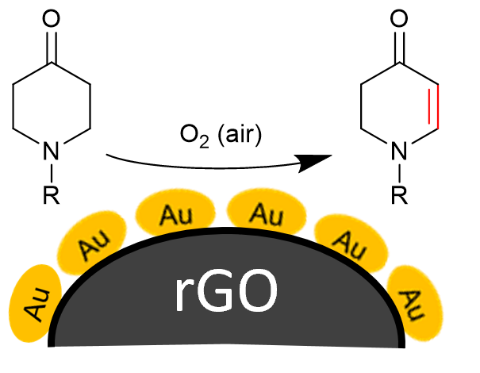
- filtration and where the NPs are further stabilized against coalescence, aggregation, sintering, or Ostwald ripening under the catalytic reaction conditions. By anchoring AuNPs onto a solid support, such as metal oxides, polymers, or carbon-based materials, their stability is significantly enhanced


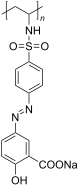
Structure-dependent thermochromism of PAZO thin films: theory and experiment
Beilstein J. Nanotechnol. 2026, 17, 186–199, doi:10.3762/bjnano.17.12
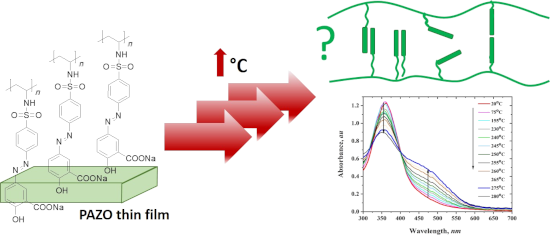
- in azopolymer thin films and offer valuable guidelines for the design of thermally responsive photonic materials. Keywords: aggregate; azopolymer; birefringence; PAZO; thermochromism; Introduction Functionalization of polymers with different photo- and bioactive groups to achieve novel
- polymers in thin films are known to markedly differ from those observed in the bulk, with significant differences in glass transition behavior, diffusion, and viscoelastic properties [4]. The assembly of polymer molecules from solution to solid state play a critical role in determining thin film morphology
- extends the functionality of polymer thin films. A specific group of photoreactive polymers comprises polymers with azo chromophores embedded in their structure [5][6]. These polymers exhibit photoresponsivity due to the trans–cis (E–Z) isomerization of the azo chromophores upon light irradiation. The


From shield to spear: Charge-reversible nanocarriers in overcoming cancer therapy barriers
Beilstein J. Nanotechnol. 2026, 17, 159–175, doi:10.3762/bjnano.17.10
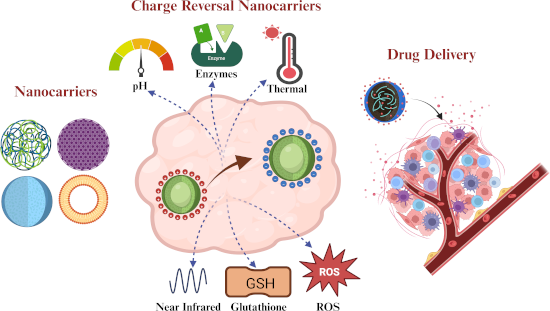
- enhances cellular uptake by facilitating better interaction with the negatively charged cell membrane, improving drug delivery efficiency [45]. For example, nanoparticles engineered with pH-responsive polymers facilitate the controlled release of therapeutic agents specifically within the acidic tumour
- targeted drug delivery with improved intracellular release and reduced systemic toxicity, highlighting the therapeutic advantage of pH-sensitive hydrazone bonds in nanocarrier design [46]. Another work involved polymers modified with weak acidic groups (e.g., carboxylic acids or phosphates). Under neutral
- in cancer therapy [76]. 3.2 Controlled drug release Biodegradable nanoparticles and micelles offer significant potential as nanosystems for delivering powerful anticancer drugs directly to target sites. Using specific polymers as nanocarriers allows for targeted drug delivery and controlled release


Influence of surface characteristics on the in vitro stability and cell uptake of nanoliposomes for brain delivery
Beilstein J. Nanotechnol. 2026, 17, 139–158, doi:10.3762/bjnano.17.9
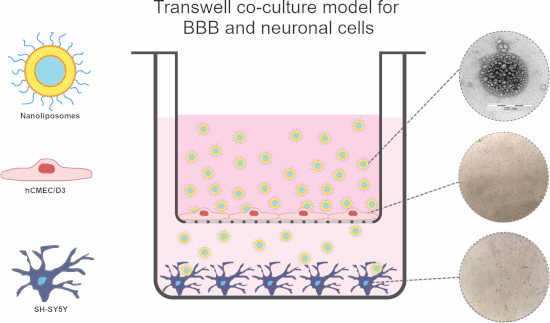
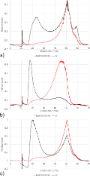
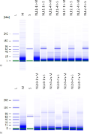
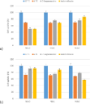
- . Additionally, the information regarding the influence of different experimental conditions on the NL cell uptake outcome in brain cell culture lines is also scarce. In our previous work, we compared nanostructured lipid carriers (NLCs) and liposomes modified with different stealth polymers (poloxamer or poly




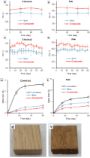
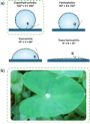
Functional surface engineering for cultural heritage protection: the role of superhydrophobic and superoleophobic coatings – a comprehensive review
Beilstein J. Nanotechnol. 2026, 17, 63–96, doi:10.3762/bjnano.17.6
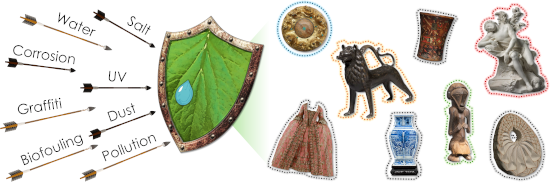
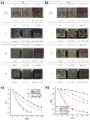
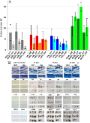
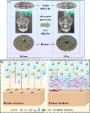
- Giuseppe Cesare Lama Marino Lavorgna Letizia Verdolotti Federica Recupido Giovanna Giuliana Buonocore Bharat Bhushan Institute for Polymers, Composite and Biomaterials, National Council of Research (IPCB-CNR), P.le E. Fermi 1, 80055 Portici, Italy Dept of Mechanical and Aerospace Engineering, The
- promising solution for heritage conservation. The same group also investigated a way to protect the same surfaces from simulated bird excreta [62], comparing the effectiveness of an experimental fluoropolymer (modified with SiO2 particles) with two commercial polymers (a fluorine-based and a silicon-based
- impacts and ecological footprint is absent. Even if fluorine-based polymers were the best solution for heritage protection, there are concerns, especially for the strong environmental threat they may cause, due to their endurance, their resistance to external factors, and the difficulty of being degraded




Visualizing nanostructures in supramolecular hydrogels: a correlative study using confocal and cryogenic scanning electron microscopy
Beilstein J. Nanotechnol. 2025, 16, 2274–2284, doi:10.3762/bjnano.16.156
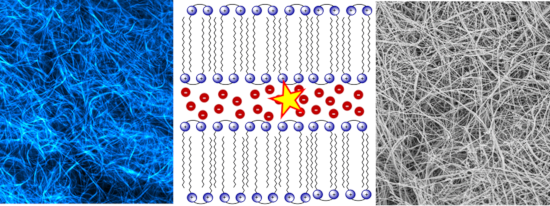
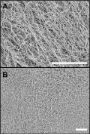
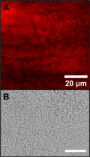
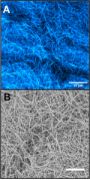
- ; microscopies; nanostructure; supramolecular hydrogel; Introduction Hydrogels, whether based on self-assembling molecules or cross-linked polymers, are useful in fields ranging from tissue engineering to drug delivery and biosensing [1][2][3][4][5]. Their high water content and soft, porous structure make them




Optical bio/chemical sensors for vitamin B12 analysis in food and pharmaceuticals: state of the art, challenges, and future outlooks
Beilstein J. Nanotechnol. 2025, 16, 2207–2244, doi:10.3762/bjnano.16.153
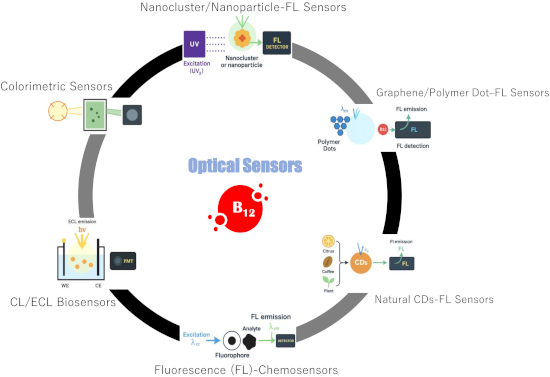
- ; molecularly imprinted polymers (MIPs); nanobiosensor; Introduction Micronutrients including vitamins and minerals play key roles in modulating body growth, preventing a wide range of diseases and disorders, and maintaining general health and wellness [1][2]. Apart from vitamin D, which the body can
- milk samples using molecular imprinted polymers (MIPs), where the MIP cavities served as the recognition sites, the SPR chip surface as the indicator, and the resonance shift as the sensing signal. For SPR chip surface modification, they initially added allyl groups to the SPR chip surface using allyl


Microplastic pollution in Himalayan lakes: assessment, risks, and sustainable remediation strategies
Beilstein J. Nanotechnol. 2025, 16, 2144–2167, doi:10.3762/bjnano.16.148
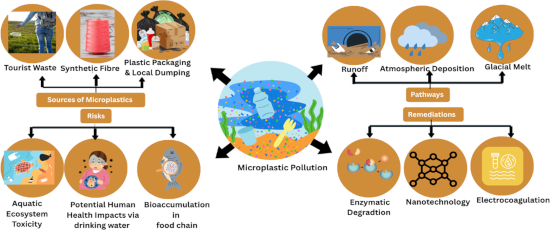
- regional results, Table 1 reports documented MP density in some Himalayan freshwater lakes and their typology. Table 2 is a compilation of the most commonly reported dominant polymers and morphologies, as well as the size classes, of MPs in Himalayan lakes. 3.2 Impact on biodiversity, water quality, and
- ability to examine colored or pigmented polymers without dye interference. The geographical distributions of MPs in samples are increasingly being mapped using Raman mapping techniques, which provide valuable information for ecological impact studies [36]. Such techniques are able to distinguish between
- polymers that result from local tourist waste and those transported by atmospheric deposition in Himalayan lakes of high elevation [37]. 4.2.2 Microscopy. Microscopic techniques remain crucial for the initial description of MPs, particularly when assessing their physical properties. Scanning electron


Molecular and mechanical insights into gecko seta adhesion: multiscale simulations combining molecular dynamics and the finite element method
Beilstein J. Nanotechnol. 2025, 16, 2055–2076, doi:10.3762/bjnano.16.141
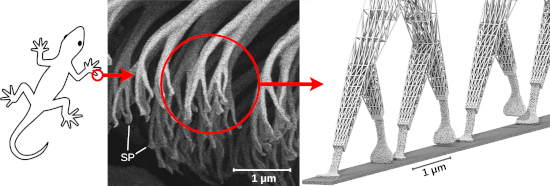
- used this multiscale approach to simulate crystalline and amorphous polymers [43]. Once the FEM calculation is complete, the updated positions of the FE nodes in the bridging domain, and hence of the APs, are passed back to the particle domain. The FE-coupling spring constant was optimized, starting







Beyond the shell: exploring polymer–lipid interfaces in core–shell nanofibers to carry hyaluronic acid and β-caryophyllene
Beilstein J. Nanotechnol. 2025, 16, 2015–2033, doi:10.3762/bjnano.16.139
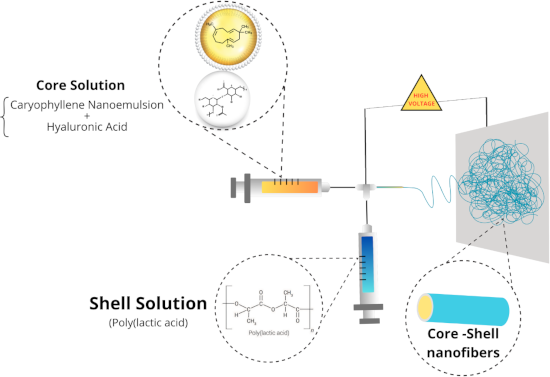
- nature can present formulation challenges, particularly when seeking integration into solid scaffolds like nanofibers. The strategic combination of polymers and lipids in hybrid systems has emerged as a promising approach to overcome these limitations. Incorporating polymer–lipid interfaces within core
- administration via dressings made of biocompatible polymers containing lipid nanosystems [41][42][43]. Numerous researchers have successfully encapsulated nanoemulsions into nanofibers for diverse applications, including studies by Kaur et al. (2024) showing superior wound healing with bakuchiol nanoemulsion
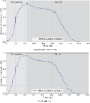
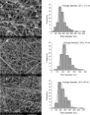
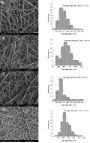
- on the thermal and crystallinity properties of the nanofibers through the values of Tg, Tcc, Tm, ΔHm, ΔHcc, and Xc%. The DSC analysis provided heating curves and thermal transitions for the first and second heating cycles of the nanofibers. The first heating cycle offers insights into the polymers




PEGylated lipids in lipid nanoparticle delivery dynamics and therapeutic innovation
Beilstein J. Nanotechnol. 2025, 16, 1914–1930, doi:10.3762/bjnano.16.133
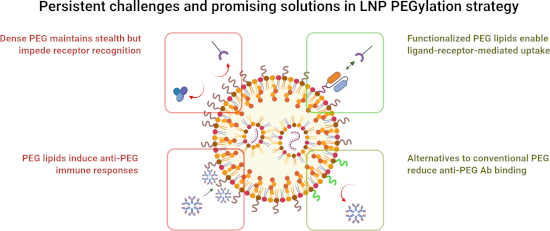
- Unlike PEG polymers used in pharmaceuticals and consumer products, PEG lipids are chemically bonded to lipid anchors, enabling their incorporation into lipid membranes [61]. PEG polymers are considered biocompatible and have low immunogenicity, supporting their widespread use in many products such as
- though PEG polymers are broadly considered safe in consumer applications [66][67]. This immunogenicity of PEGylated LNPs not only raises safety concerns but also poses a risk to the structural integrity of the nanoparticles [68]. Anti-PEG antibodies can activate the complement system, leading to the
- identified. These include structurally distinct polymers with non-PEG backbones and modified PEG derivatives to reduce immune recognition, particularly anti-PEG antibodies [78]. They were evaluated in various LNP compositions to examine the impact on nanoparticle physicochemical characterizations, delivery


Self-assembly and adhesive properties of Pollicipes pollicipes barnacle cement protein cp19k: influence of pH and ionic strength
Beilstein J. Nanotechnol. 2025, 16, 1863–1872, doi:10.3762/bjnano.16.129
- scalability concerns [10]. Additionally, M. edulis Mfp exhibits optimal adhesion under acidic conditions [11], potentially limiting its biomedical application. Meanwhile, synthetic sealants based on DOPA functionalisation of natural or synthetic polymers have shown promise in biomedical applications, but
- crustaceans following molting [23]. This flexibility of the cuticle allows for attachment in environments where rigid adhesion would fail, such as on soft tissues, polymers, or dynamic interfaces [23][24]. Stalked barnacles exhibit significant evolutionary divergence (200–250 million years) from acorn


Electrical, photocatalytic, and sensory properties of graphene oxide and polyimide implanted with low- and medium-energy silver ions
Beilstein J. Nanotechnol. 2025, 16, 1794–1811, doi:10.3762/bjnano.16.123
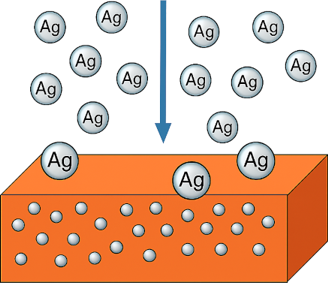
- multifunctional behavior of polymer systems. Keywords: ERDA; graphene oxide; ion implantation; photocatalysis; polyimide; RBS; Introduction Silver ion implantation is an effective strategy for controlling modification of the physicochemical properties of polymers and graphene-based materials. This method allows
- properties of the modified materials. In our previous studies, light ions such as Cu [1][2] and C [3] were implanted into GO, PI, and other polymers. In contrast, the implantation of heavier ions like Ag interacts with the target material through different mechanisms. Owing to its higher mass, Ag has a
- different electronic stopping behavior, which results in a distinct ionization of the surrounding matrix. Furthermore, the chemical reactivity of Ag towards functional groups in polymers differs from that of Cu or C, potentially leading to unique structural modifications and functional responses. Among


Exploring the potential of polymers: advancements in oral nanocarrier technology
Beilstein J. Nanotechnol. 2025, 16, 1751–1793, doi:10.3762/bjnano.16.122
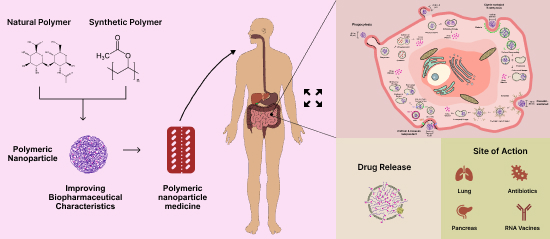
- , Brazil 10.3762/bjnano.16.122 Abstract Polymers play a pivotal role in various drug delivery systems due to their versatility, with polymeric nanoparticles showing significant potential to overcome physiological barriers associated with oral administration. This review examines the current advancements
- in the application of polymers as oral nanocarriers, emphasizing key natural and synthetic polymers that enhance stability, bioavailability, and release. The physicochemical properties, biodegradability, and chemical modifications of these polymers, which promote mucoadhesion and epithelial
- permeability, critical factors for effective oral drug delivery, are discussed in detail. Furthermore, nanoparticle synthesis methods that enable controlled release profiles, optimized biodistribution, and improved therapeutic efficacy are also explored. Thus, polymers represent a dynamic platform for


Multifunctional anionic nanoemulsion with linseed oil and lecithin: a preliminary approach for dry eye disease
Beilstein J. Nanotechnol. 2025, 16, 1711–1733, doi:10.3762/bjnano.16.120

- based on NEs, Restasis® (Allergan), Lacrinmune® (Bausch & Lomb), and Ikervis® (Santen). have been approved by regulatory agencies such as the FDA and EMA and are commercially available for treating DED [1]. These products are formulated with synthetic polymers and contain cyclosporine as the active



Prospects of nanotechnology and natural products for cancer and immunotherapy
Beilstein J. Nanotechnol. 2025, 16, 1644–1667, doi:10.3762/bjnano.16.116
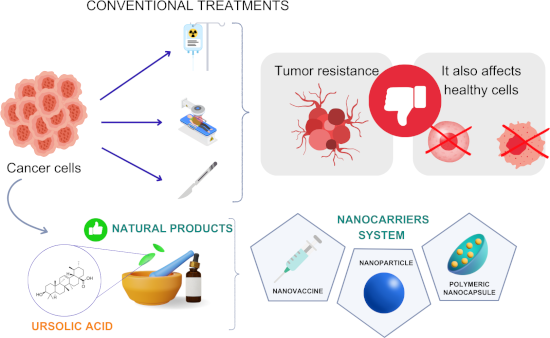
- ][130][131][132][133]. Polymeric nanoparticles Polymeric nanoparticles are solid colloidal systems of synthetic or natural polymers, which can be organized in hollow, occluded, multilobed, and core–shell structures, depending on their thermodynamic and kinetic characteristics [130]. Polymeric
- nanoparticles can be synthesized using methods such as direct polymerization of monomers, nanoprecipitation, solvent evaporation emulsification, dispersion of preformed polymers, or salting-out [27]. For cancer and immunotherapy, polymeric nanoparticles offer advantages such as biocompatibility, stimulation of
- treatment. PCs, also known as proanthocyanidin, are phenolic compounds of the flavonoid family and are a class of natural polymers formed by catechins and epicatechins [134]. They exhibit a variety of bioactive properties, including anti-inflammatory, antimicrobial, cardioprotective, and neuroprotective



Venom-loaded cationic-functionalized poly(lactic acid) nanoparticles for serum production against Tityus serrulatus scorpion
Beilstein J. Nanotechnol. 2025, 16, 1633–1643, doi:10.3762/bjnano.16.115
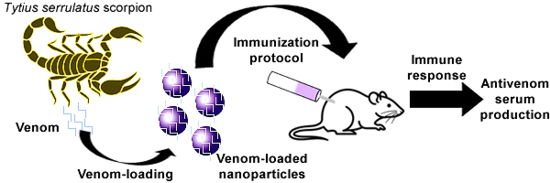
- delivery through nanoparticles is an effective way to control drug release as well as to design an efficient protein delivery system [16]. Among different materials used for nanocarriers, several polymers have been investigated for producing cationic nanocarriers due to their ability to cross biological
- polymers such as poly(lactic acid) (PLA) has been investigated [13]. The nanoparticles produced using these synthetic polyesters show neutral or negative zeta potential, which limits the loading of negatively charged macromolecules such as proteins, polypeptides, or DNA [14][20]. The surface of
- nanoparticles can be modified to achieve high protein loading or avoid a rapid cellular uptake. Using different strategies, nanoparticles have been functionalized with a variety of ligands such as small molecules, surfactants, polymers, and biomolecules [21][22]. The use of cationic molecules, as



Nanotechnology-based approaches for the removal of microplastics from wastewater: a comprehensive review
Beilstein J. Nanotechnol. 2025, 16, 1607–1632, doi:10.3762/bjnano.16.114
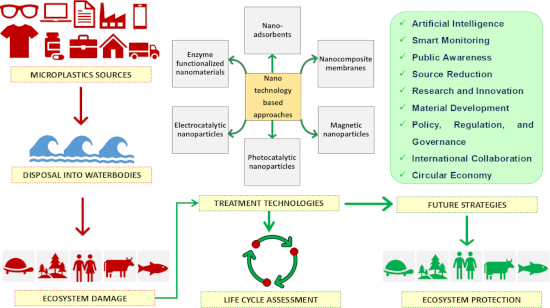
- particles, enhancing their removal through settling or filtration [52]. Biological treatments can entrap or partially degrade plastics via microbial activity, though typically with limited efficiency for persistent polymers. Advanced oxidation processes offer a more robust route for plastic degradation by
- multidentate or bidentate organic ligands. Sometimes MOFs are referred to as porous coordination polymers. MOFs are created by combining clusters or metallic ions with inorganic or organic ligands. The metallic component consists of metal ions or clusters with organic or inorganic ligands like sulfonate


Bioinspired polypropylene-based functionally graded materials and metamaterials modeling the mistletoe–host interface
Beilstein J. Nanotechnol. 2025, 16, 1592–1606, doi:10.3762/bjnano.16.113
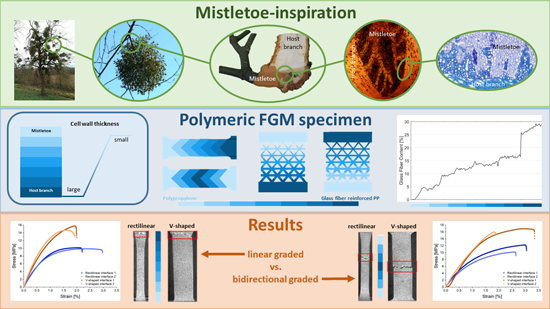
- polymers. To obtain laminates with either rectilinear or V-shaped sinker-inspired interfaces, two grids were 3D-printed using PLA polymeric filament, each with seven compartments and corresponding interface structures (Figure 2A,B). In both designs, the extruded polymer blends were distributed between the
- defined interfaces between the compounds. This can be explained by the reduction in heat transfer of polymer blends with higher glass fiber content [41] and needs to be considered when designing graded interfaces of fiber-reinforced polymers. The results show that interface structuring of FGMs is possible
- of the three metamaterial geometries with a linear mechanical gradient from low to high Young’s modulus (E). Tensile specimen groups and the respective sample sizes. Acknowledgements We are grateful to Rene Reiser for help with selecting and providing the polymers, to Ulrich Matthes for providing


Transient electronics for sustainability: Emerging technologies and future directions
Beilstein J. Nanotechnol. 2025, 16, 1545–1556, doi:10.3762/bjnano.16.109
- mechanical flexibility of bioresorbable polymers have emerged as a representative form of transient electronics [14]. A typical example includes devices that integrate inorganic silicon nanomembranes or metal oxide semiconductors on bioresorbable polymer substrates such as poly(lactic-co-glycolic acid) (PLGA
- masking for use as channel layers or gate oxide layers in transistors [14][48][63]. Also printable electronics have been realized by blending bioresorbable fillers into polymers such as Zn (or W)-poly(ethylene oxide), Zn-polyvinylpyrrolidone, Mo-polybutanedithiol-1,3,5-triallyl-1,3,5-triazine-2,4,6(1H,3H
- extensively explored (Figure 2f) [14][85][86][87]. Well-known bioresorbable polymers such as silk, PLGA, and collagen have been utilized as encapsulation materials [14]. In addition, naturally derived wax-based compounds have attracted attention due to their enhanced hydrophobicity [85]. To further improve


Dendrimer-modified carbon nanotubes for the removal and recovery of heavy metal ions from water
Beilstein J. Nanotechnol. 2025, 16, 1522–1532, doi:10.3762/bjnano.16.107
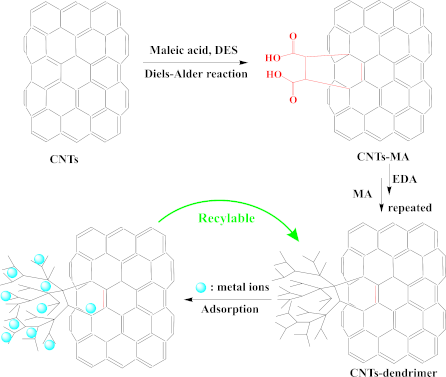
- moieties and polymers; however, it typically involves harmful organic solvents (e.g., N-methyl-2-pyrrolidone and dimethylformamide) and reagents [36][37][38]. Fortunately, deep eutectic solvents (DESs) have been identified as suitable catalytic media for Diels–Alder reactions without the need for external


Nanomaterials for biomedical applications
Beilstein J. Nanotechnol. 2025, 16, 1499–1503, doi:10.3762/bjnano.16.105
- [9]. Along with liposomes, polymeric nanoparticles have turned out to be an equally dynamic platform. Typically, these particles are composed of biodegradable materials, such as poly(lactic-co-glycolic acid) (PLGA) or chitosan. One of the main advantages of polymers is that they can be designed to
- to spread, stay attached, and turn into different cell types. Electrospun polymers could produce these nanofibers, which are widely applied for nerve treatment, bone growth, and wound healing [26]. A second approach is the utilization of nano-patterned surfaces. These surfaces have carefully designed
Laser processing in liquids: insights into nanocolloid generation and thin film integration for energy, photonic, and sensing applications
Beilstein J. Nanotechnol. 2025, 16, 1428–1498, doi:10.3762/bjnano.16.104
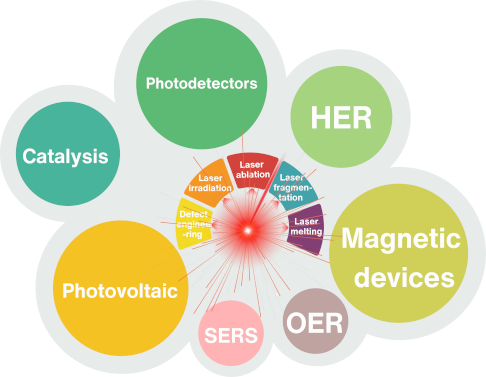
- . These techniques have been important for progress in this field of study. 1.1 Laser ablation in liquids Laser ablation in liquids (LAL) is a well-established technique for synthesizing nanomaterials such as metals, semiconductors, ceramics, polymers, and alloys. Several review articles published since
- polymers, and are suitable for film fabrication using spin coating under optimal conditions. 2.2 Drop casting Colloidal indium oxide (In2O3) NPs were synthesized using PLA of indium in water at room temperature. The thin film of In2O3 NPs was deposited on a n-type silicon by drop casting for heterojunction






The role of biochar in combating microplastic pollution: a bibliometric analysis in environmental contexts
Beilstein J. Nanotechnol. 2025, 16, 1401–1416, doi:10.3762/bjnano.16.102
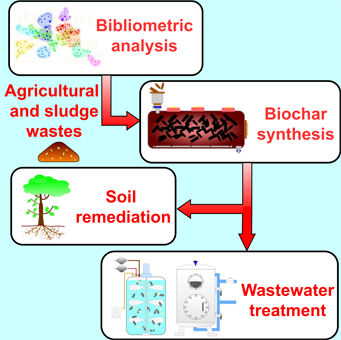
- shown in Figure S1, Supporting Information File 1, four primary research themes have been explored at the national level since 2017, namely, (i) adsorption capacity and mechanisms, (ii) composting-related fertilizer applications, (iii) degradation of plastic mulch into polymers in soil, and (iv



Enhancing the therapeutical potential of metalloantibiotics using nano-based delivery systems
Beilstein J. Nanotechnol. 2025, 16, 1350–1366, doi:10.3762/bjnano.16.98
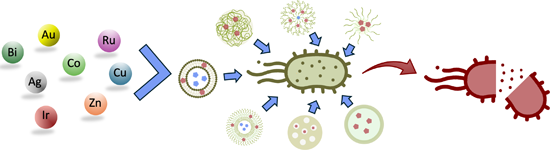
- nanoparticles constructed with pH-sensitive polymers can be engineered to degrade in acidic environments, such as those found at infection sites. Additionally, certain bacteria at these sites express enzymes like lipase and hyaluronidase, which can be leveraged to design enzyme-sensitive antibiotic delivery
- bacterial lectins could serve as effective binding sites for glycosylated polymers [49]. Targeted nanoparticles need to be designed with an optimal density of targeting moieties to effectively interact with specific cell surface receptors. Achieving this requires a clear understanding of the ratio between





