

Search results
Search for "degradation" in Full Text gives 553 result(s) in Beilstein Journal of Nanotechnology. Showing first 200.
Sustainable fabrication of 2D-based devices through reuse of substrates with microfabricated electrodes
Beilstein J. Nanotechnol. 2026, 17, 818–827, doi:10.3762/bjnano.17.58
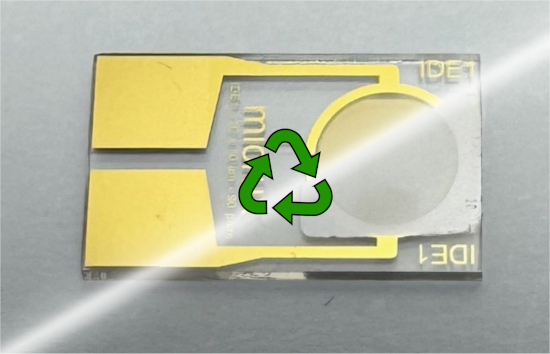
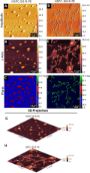
- . This cleaning protocol enables substrates to be reused without pronounced degradation in device performance. By extending the usable lifetime of expensive microelectronic substrates, the approach reduces substrate consumption and provides a more cost-effective route for prototyping 2D material-based
- degradation of the electrode performance. Overall, the same pre-patterned SiO2/Si chip can be reliably reused for at least six consecutive fabrication/cleaning cycles, while maintaining electrical isolation after each cleaning step and preserving the functionality of the electrodes for subsequent device
- , with no visible residues. Additionally, the ITO electrodes did not show clear electrical degradation after repeated use, indicating that the process is also compatible with this electrode platform. Raman mapping of the active region was performed to further assess the cleanliness of the electrode


Glycerol photoelectrochemical oxidation reaction at carbon nitrides/BiVO4 materials
Beilstein J. Nanotechnol. 2026, 17, 806–817, doi:10.3762/bjnano.17.57
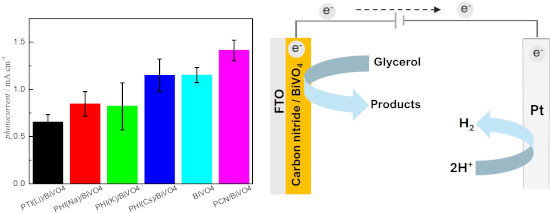
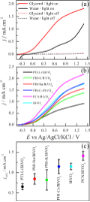
- likely connected with the CN degradation, which happens at considerably lower temperatures than those observed for PCN. Interestingly, even at T = 800 °C in an oxidizing atmosphere, the materials still maintain 20–35% of their initial mass. To shed some light on CN structure degradation and the residual
- films deposited onto FTO at 500 °C without the Bi overlayer leads to the complete thermal degradation of the CN layer. Furthermore, we also confirmed that the PTI-Li powder retains its original bandgap energy (Eg = 3.0 eV) after the thermal treatment at 500 °C for 2 h (Supporting Information File 1




Tuning the electronic properties of defect-rich MoS2
Beilstein J. Nanotechnol. 2026, 17, 796–805, doi:10.3762/bjnano.17.56
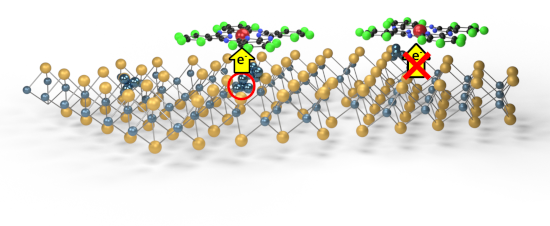
- the same sputtering time. These results indicate a severe degradation of the topmost layer of sulfur atoms during sputtering. It is noted that, based on the mean free path, one would expect similar surface sensitivities for the valence band spectra in Figure 1 (λ = 5–10 Å) [44][45][46] and the core


Restorative potential of laser-synthesized silver nanoparticles with Salvia officinalis for periodontal disease treatment: an in vitro study
Beilstein J. Nanotechnol. 2026, 17, 781–795, doi:10.3762/bjnano.17.55
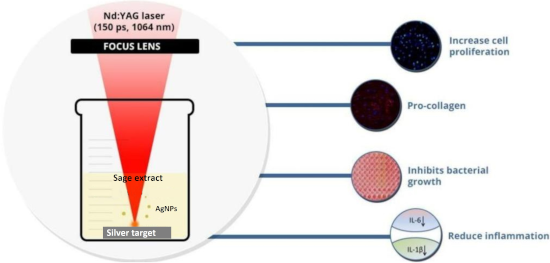
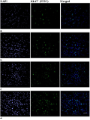
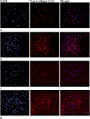
- the anti-inflammatory effects of the silver nanoparticles [68]. It was previously demonstrated that high levels of IL-6 upregulate the expression of certain matrix metalloproteinases, enzymes involved in the degradation of the extracellular matrix, causing collagen degradation and disturbed tissue



Environmental applications of silver nanoparticles: state-of-the-art review and emerging trends
Beilstein J. Nanotechnol. 2026, 17, 697–736, doi:10.3762/bjnano.17.49
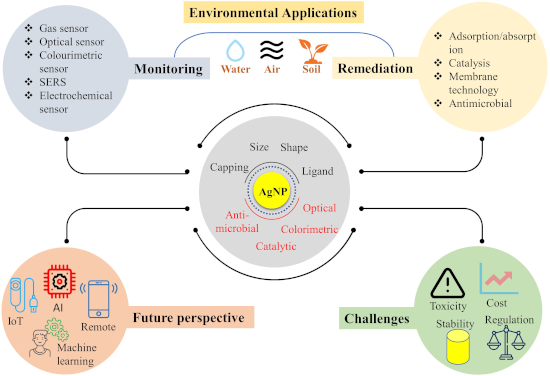
- applications for heavy metal immobilisation, organic pollutant degradation, plant disease management, and growth promotion are assessed alongside their ecotoxicological implications. Besides remediation, environmental monitoring capabilities of AgNP-based sensing platforms are systematically reviewed across
- , and photocatalytic degradation, in isolation. However, no single review has provided an integrated cross-domain treatment spanning sensing, photocatalysis, adsorption, membrane filtration, disinfection, and soil/agricultural applications within a unified mechanistic framework. The present review
- , respectively [84]. The above studies, along with those in Table 1, confirmed the potential of AgNPs as disinfectants for water treatment applications. However, the environmental remediation perspective of AgNPs needs to be discussed to assess their full potential. 3.1.2 Pollutant removal or degradation. The


Molecular engineering of individual dye-based nanoparticle photostability for ultrabright two-photon fluorescence
Beilstein J. Nanotechnol. 2026, 17, 688–696, doi:10.3762/bjnano.17.48
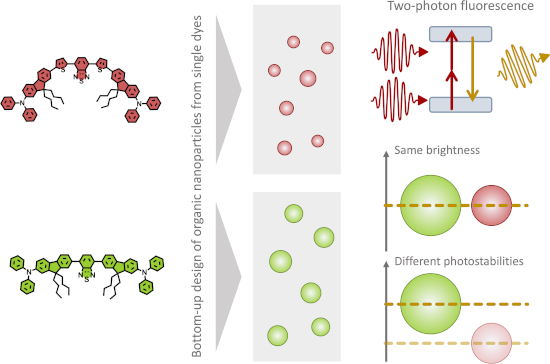
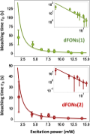
- illumination and high repetition rates). This leads to thermal degradation of the dyes. Despite the smaller size of dFONs(2), their heat dissipation capacity may be insufficient to compensate for this intense excitation cycling. Consequently, we propose that two-photon-induced thermal effects represent the


Protein-based custom-designed molecular nanotraps for biomedical applications
Beilstein J. Nanotechnol. 2026, 17, 683–687, doi:10.3762/bjnano.17.47
- stability, but raise concerns when intended for therapeutic uses and systemic administration. Overcoming adverse effects, allergic reactions, and toxic degradation by-products led us to conceptualize nanoMIPs in a radically new way. Recently, the original use of natural polymers, in particular of proteins

Decontamination from water pollutants and pathogens by electrospun nanofibers doped with heavy-atom-free borafluorene-BODIPY photosensitizers
Beilstein J. Nanotechnol. 2026, 17, 668–682, doi:10.3762/bjnano.17.46
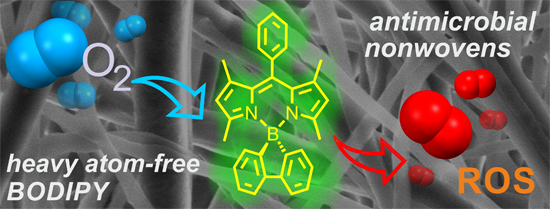
- photocatalyst for the degradation of the pharmaceutical agents ranitidine, propranolol, and cimetidine, selected as model water pollutants. The obtained nanofibers showed smooth and uniform morphology along with very high durability and resistance toward oxidation, remaining active even after 20 reaction cycles
- emission was measured using a thermoelectrically cooled NIR-PMP unit (Hamamatsy, wavelength range 950–1650 nm) integrated in the FS5 spectrofluorometer. Photocatalytic degradation of API Vials containing 1.5 mL of aqueous solutions of APIs (c = 1.05 mg·mL−1), tetrabutylammonium bromide (TBAB, c = 0.64
- does not proceed for pure PCL material nor in the absence of light, underscoring the key role of the BODIPY complex in the photogeneration of ROS. The degradation of APIs with ROS is non-selective, involving multiple parallel pathways where intermediates may undergo further oxidation. Singlet oxygen is

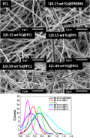


Cellulose as a photocatalyst support material: extraction, structural features, and environmental applications
Beilstein J. Nanotechnol. 2026, 17, 635–652, doi:10.3762/bjnano.17.44
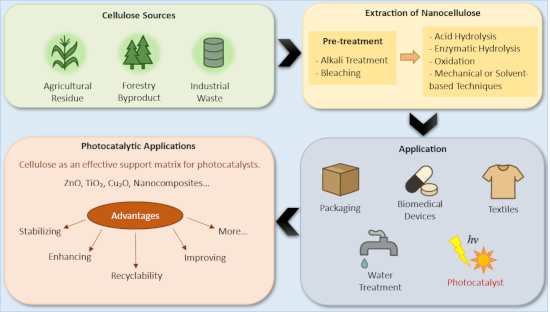
- through leaching while simultaneously expanding the range of practical applications. These combined benefits make photocatalytic polymer membranes highly promising, as they enhance both membrane filtration and photocatalytic degradation, creating a dual-action approach that significantly improves overall
- water treatment performance as shown in Figure 2 [14]. Photocatalytic degradation is an advanced oxidation process (AOP) in which a catalyst is used to accelerate the degradation or breakdown of organic pollutants in water or air using light energy. This AOP relies on the ability of the catalyst to
- absorb photons from light, typically ultraviolet (UV) radiation or visible light, and generate reactive oxygen species (ROS) such as hydroxyl radicals (•OH) or superoxide radicals (O2•−) through photoexcitation [16][17]. In photocatalytic degradation, the catalysts typically used are semiconductor


Two-step laser synthesis of Ag@TiO2 nanomaterials for the photocatalytic degradation of rhodamine B
Beilstein J. Nanotechnol. 2026, 17, 622–634, doi:10.3762/bjnano.17.43
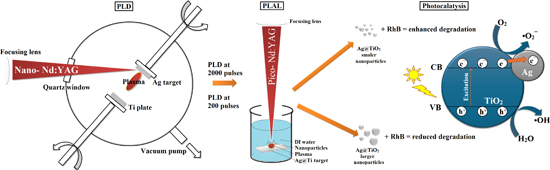
- evaluated using rhodamine B (RhB) under UV irradiation; while RhB showed minimal self-degradation, the Ag@TiO2 200p and 2000p NPs samples achieved degradation rates of 75.8% and 88.4%, respectively. The main novelty of this work is the combination of two laser techniques in a chemical-free process, which
- provides an efficient and environmentally friendly route for the fabrication of Ag@TiO2 photocatalysts. Keywords: Ag@TiO2 nanomaterials; photocatalytic degradation; pulsed laser ablation in liquids; pulsed laser deposition; rhodamine B; Introduction Titanium dioxide has long been recognized as perhaps
- photodegradation. In practice, TiO2 is widely used in photocatalytic systems for pollutant degradation (e.g., dyes, pharmaceuticals, including drugs, supplements and cosmetics, phenols, and poly(alkyl)acrylates), water purification, CO2 reduction, and hydrogen production [2][3][4][5][6][7][8]. However, pristine


Recent progress in enhancing built-in electric fields of perovskite solar cells via junction engineering
Beilstein J. Nanotechnol. 2026, 17, 602–621, doi:10.3762/bjnano.17.42
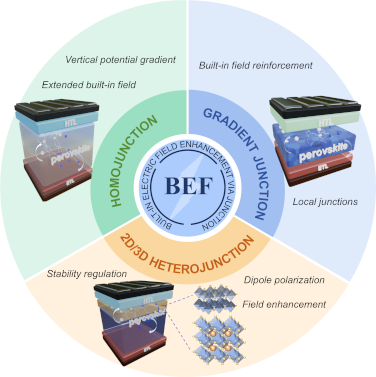
- days, followed by 260 h of light exposure in a nitrogen atmosphere, Ag+ doping in sol–gel NiOx p/p+ homojunctions mitigated iodine vacancy formation and Pb2+ migration, preventing degradation pathways and reducing PCE loss from 40% to 10%. In sequential molecular doping systems, a common problem is
- iodine vacancy (PbI2) accumulation at grain boundary cracks, slowing efficiency degradation from 55% to 19%. Thus, BEF-induced directional charge transport is the critical mechanism behind the improved performance and stability. Although HTL-based strategies for enhancing the BEF can, to varying degrees
- and surface modification, they enhance the BEF, reduce interfacial defects, and prevent degradation. For example, Ag-doped NiOx/NiOx p/p+ homojunctions have been shown to reduce defect clusters and prevent halide ion migration, improving stability. However, challenges like phase separation and ion




Synthesis of Cu–Mo/TiO2 and Co–Mo/TiO2 photocatalysts for the efficient degradation of organic pollutants in water
Beilstein J. Nanotechnol. 2026, 17, 559–570, doi:10.3762/bjnano.17.37
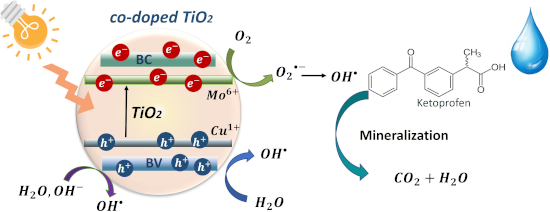
- the complete degradation of ketoprofen and 90% of mineralization. It was determined that HO· radicals play an important role in the oxidation reactions. Keywords: co-doping; photocatalysis; titanium dioxide; water remediation; Introduction Water is an essential part of every living entity
- properties were determined. Finally, the photocatalytic behavior of the materials was studied in the photocatalytic oxidation of ketoprofen (KTP) under UV irradiation, with the aim of studying the charge-transfer improvement. Ketoprofen degradation, adsorption, kinetics, and reaction pathways have been
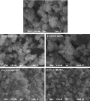
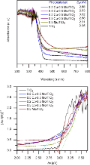
- species. The bandgap energy values of the photocatalysts are reported in Figure 3. The improvement of light absorption by the photocatalysts can increase the production of photogenerated charges, which subsequently migrate to the catalyst’s surface, contributing to the efficient degradation of organic



Advances in nanotechnology applied to natural products
Beilstein J. Nanotechnol. 2026, 17, 555–558, doi:10.3762/bjnano.17.36
- photochemical instability, (c) rapid metabolic degradation, (d) reduced permeability, (e) volatility, and (f) unpleasant organoleptic characteristics. These attributes have compromised the potential of natural products towards their extensive application in diverse fields [1]. In this context, nanotechnology
- formulations in anti-inflammatory, antiparasitic, and vector-control contexts. By protecting sensitive constituents from physicochemical degradation and promoting delivery to sites of action, nanoemulsions can enhance the functional performance of natural bioactives [4]. Their organization into nanodroplets
Upcycling agroindustrial waste into graphene oxide supports for gold nanoparticles: toward sustainable nanomaterials
Beilstein J. Nanotechnol. 2026, 17, 489–504, doi:10.3762/bjnano.17.32
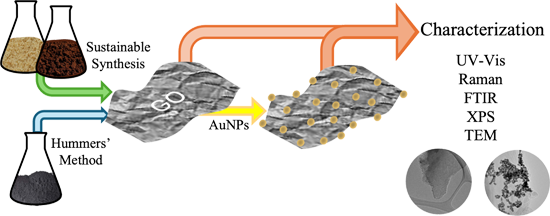
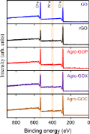
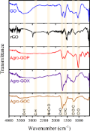
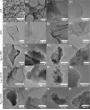
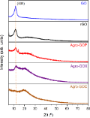
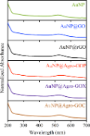
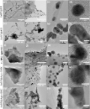
- functional groups, whereas rGO shows a less intense and more gradual mass loss, consistent with partial reduction and decreased oxygen content. The Agro-GOP, Agro-GOX, and Agro-GOC samples exhibit intermediate behavior, with moderate weight loss between 150 and 300 °C followed by gradual degradation up to



Nanocarrier-integrated multilayer films produced by 3D printing for improved skin adhesion and curcumin photostability
Beilstein J. Nanotechnol. 2026, 17, 440–453, doi:10.3762/bjnano.17.30
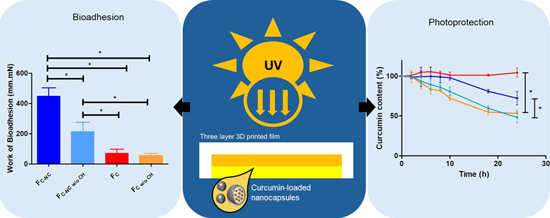
- functional components enabled by multilayer 3D printing, nor the incorporation of a photoprotective top layer to shield curcumin from UV-induced degradation. Thus, the innovation of the present work lies not in the individual materials themselves, but in their integration into a rationally designed, layer-by
- -layer system produced through additive manufacturing. At present, specific strategies to protect curcumin in topical films from UV-induced degradation have not been extensively investigated, and studies focusing on improving the skin-adhesion properties of curcumin-containing topical films remain
- forced degradation photostability challenge, in line with accelerated conditions commonly employed to quantify intrinsic photolability of highly photosensitive compounds such as curcumin. This approach provides an exaggerated but controlled environment to compare the relative protective effects of the


Advancing nanolithography: a comprehensive review of materials for local anodic oxidation with AFM
Beilstein J. Nanotechnol. 2026, 17, 275–291, doi:10.3762/bjnano.17.19
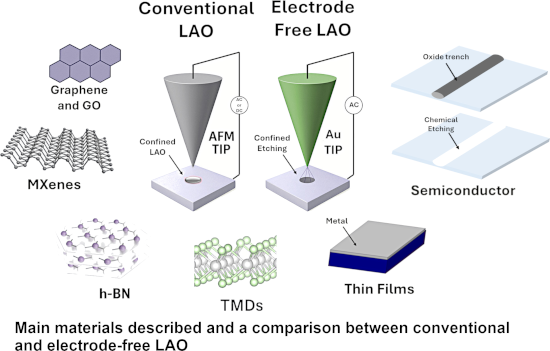
- degradation during the oxidation process. Transitioning to t-SPL would ultimately enable operation in a dry nitrogen environment, thereby preventing oxidation, a capability recently demonstrated by Liu and coworkers [106]. It is to mention that also Shilov and coworkers focused on electrode-free
- (MXenes) that may introduce new oxidation dynamics. Regrettably, key factors such as oxygen, humidity, and light, which contribute to the ambient degradation of few-layer BP [107], may present significant challenges for the application of LAO. The conductive properties of MXenes range from metallic to
- graphene flakes. However, their susceptibility to degradation in the presence of water and oxygen remains a significant challenge [110]. Yet, for both materials, an ultrathin casing layer of oxide or polymer resist might not represent an obstacle to LAO processing, as already demonstrated [41][63


Durable antimicrobial activity of fabrics functionalized with zeolite ion-exchanged nanomaterials against Staphylococcus aureus and Escherichia coli
Beilstein J. Nanotechnol. 2026, 17, 262–274, doi:10.3762/bjnano.17.18
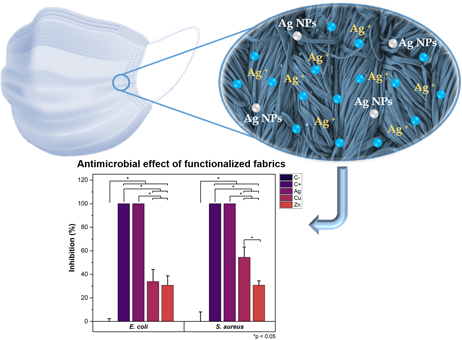
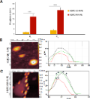
- degradation after washing prior to its functionalization. However, some foreign particles were observed, which may be attributed to contamination during handling (Figure 2a, right panel). These types of impurities are commonly present in fabrics, even after sterilization [28]. Once 0.5 g of nanomaterials (Ag
- effective fixation of nanomaterials onto the fabrics. It is known that the high concentration of the binder could affect the antimicrobial activity of the fabrics [30]. Neither aggregation of the acrylic resin (10% w/w) nor degradation of the fibers after functionalization was observed for the prepared
- exhibited no fiber degradation after washing, and the presence of nanoparticles was still observed. However, the micrographs revealed different degrees of nanomaterial aggregation after each washing cycle. SEM-EDS analysis detected Ag, Cu, and Zn only after the first washing cycle (Figure 7). However, the




Gold nanoparticle-decorated reduced graphene oxide as a highly effective catalyst for the selective α,β-dehydrogenation of N-alkyl-4-piperidones
Beilstein J. Nanotechnol. 2026, 17, 218–238, doi:10.3762/bjnano.17.15
- coated with strong ligands that provide initial stability over time, ligand desorption, ligand exchange, or environmental factors such as pH and ionic strength can weaken the protective layer, leading to nanoparticle aggregation or structural degradation [14][15]. An important aspect of expensive noble


Safe and sustainable by design with ML/AI: A transformative approach to advancing nanotechnology
Beilstein J. Nanotechnol. 2026, 17, 176–185, doi:10.3762/bjnano.17.11
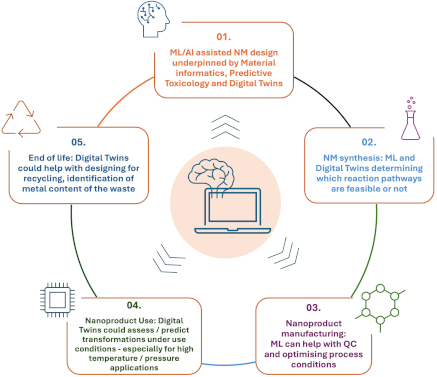
- , Bayesian models and probabilistic methods have become essential for handling incomplete or fluctuating datasets, allowing analysts to quantify the uncertainty around key factors such as release rates, exposure scenarios, and degradation kinetics [53]. These advanced statistical techniques yield more


From shield to spear: Charge-reversible nanocarriers in overcoming cancer therapy barriers
Beilstein J. Nanotechnol. 2026, 17, 159–175, doi:10.3762/bjnano.17.10
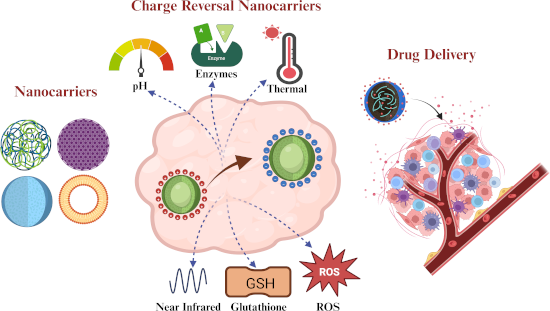
- tuneable, site-specific delivery via GelMA-PEDOT interactions and degradation over 21 days [73]. Esmaeili et al. developed a charge-reversible MCM@CS@PEG-APT (DOX-GFP) nanosystem that minimises off-target effects by pH-sensitive charge transition, enhancing tumour selectivity, reducing systemic toxicity
- and clinical evaluation processes. Ethical and environmental considerations further complicate their translation, as the degradation of by-products and long-term accumulation of synthetic nanomaterials in ecosystems necessitate thorough investigation [101]. To address these limitations, current


Development and in vitro evaluation of liposomes and immunoliposomes containing 5-fluorouracil and R-phycoerythrin as a potential phototheranostic system for colorectal cancer
Beilstein J. Nanotechnol. 2026, 17, 97–121, doi:10.3762/bjnano.17.7
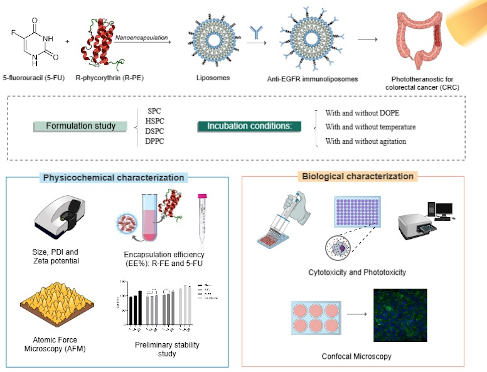
- lipophilic substances. Furthermore, liposomes can also act as a protein delivery system, reducing enzymatic degradation of proteins and enhancing their stability and their permeability through cell membranes [7]. Immunoliposomes provide many advantages by surface functionalization with targeting biomolecules



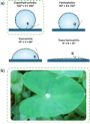
Functional surface engineering for cultural heritage protection: the role of superhydrophobic and superoleophobic coatings – a comprehensive review
Beilstein J. Nanotechnol. 2026, 17, 63–96, doi:10.3762/bjnano.17.6

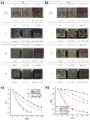
- Ohio State University, 201 W 19th Ave, Columbus, Ohio 43210, USA 10.3762/bjnano.17.6 Abstract The preservation of cultural heritage sites and objects faces critical challenges due to natural aging, environmental degradation, and human-induced damage such as vandalism and graffiti. This review article
- emerging trends, challenges, and future perspectives, offering a valuable resource for researchers, conservators, and materials scientists committed to the long-term safeguarding of historical artifacts and monuments. Keywords: cultural heritage preservation; environmental degradation; functional
- as a critical line of defense against environmental degradation and/or human threat (such as vandalism or graffiti). In the last few decades, many preservation materials with specific properties (the most extensively studied are self-cleaning, anti-corrosion, anti-icing, anti-graffiti, anti-fogging






Reduced graphene oxide paper electrode for lithium-ion cells – towards optimized thermal reduction
Beilstein J. Nanotechnol. 2026, 17, 24–37, doi:10.3762/bjnano.17.3
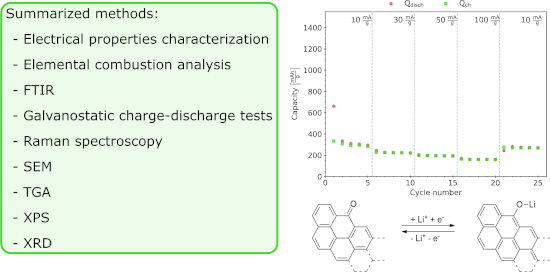
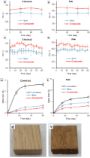
- that the interlayer spacing remains relatively stable, while higher temperatures, particularly 800 °C, may lead to partial degradation and increased structural disorder. The obtained rGO paper sheets underwent electrochemical properties characterization; galvanostatic charge–discharge tests were



Optical bio/chemical sensors for vitamin B12 analysis in food and pharmaceuticals: state of the art, challenges, and future outlooks
Beilstein J. Nanotechnol. 2025, 16, 2207–2244, doi:10.3762/bjnano.16.153
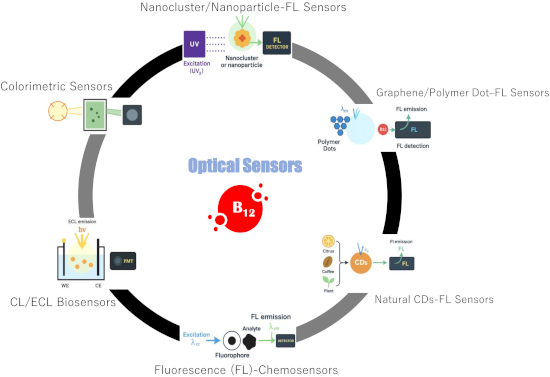
- bloodstream and delivery to target cells [47][53][54]. The VB12–TC-II complex is absorbed by cells through receptor-specific endocytosis. Once inside, it undergoes degradation in the lysosomes, resulting in the release of VB12. This vitamin inside the target cell is transformed into its two active coenzyme


Electromagnetic study of a split-ring resonator metamaterial with cold-electron bolometers
Beilstein J. Nanotechnol. 2025, 16, 2199–2206, doi:10.3762/bjnano.16.152
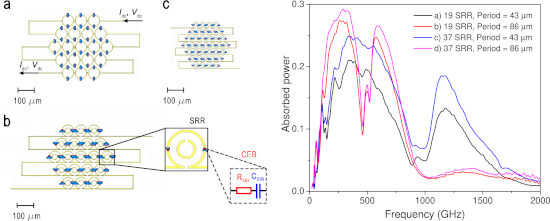
- integration into antenna slots without the need for microwave feed lines (e.g., microstrip or coplanar lines), thus simplifying the design and preventing signal degradation at higher frequencies [12]. Furthermore, the natural electron cooling mechanism in CEBs [13][14][15] is highly suitable for operation