Search results
Search for "imaging" in Full Text gives 977 result(s) in Beilstein Journal of Nanotechnology. Showing first 200.
Cross-scale design of chemosensor arrays: from molecular self-assembly in water to paper-based devices for metal ion detection
Beilstein J. Nanotechnol. 2026, 17, 828–838, doi:10.3762/bjnano.17.59
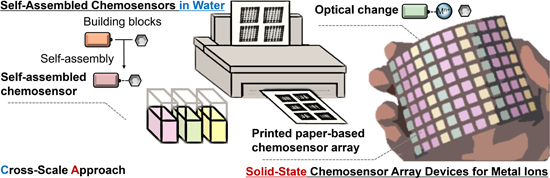
- processed using imaging analysis to extract color information (e.g., RGB values) and further analyzed using pattern-recognition methods. Indeed, each chemosensor on the paper device showed different colorimetric responses to metal ions, indicating the fingerprint-like patterns containing multidimensional
- visualized qualitatively and quantitatively. To address the challenges of metal ion analysis outside laboratories, paper-based platforms are attractive owing to their compatibility with office-printing technologies and portable imaging tools. Importantly, the paper-based chemosensor array device demonstrated


Restorative potential of laser-synthesized silver nanoparticles with Salvia officinalis for periodontal disease treatment: an in vitro study
Beilstein J. Nanotechnol. 2026, 17, 781–795, doi:10.3762/bjnano.17.55
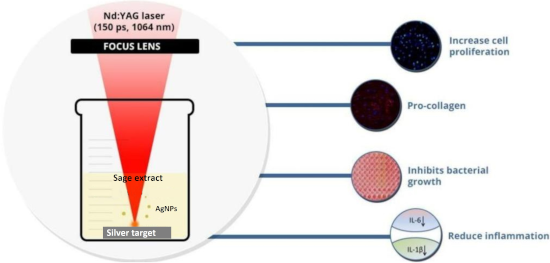
- Kingdom) and analyzed using a Zeiss-Axioimager A1 microscope and the ISIS imaging software package (MetaSystems, Altlussheim, Germany). The results are presented as the proliferation index (PI), that is, the ratio between the number of immunoreactive (Ki-67+) cells and the total number of cells. At least
- ) cross-adsorbed secondary antibody, Cyanine3 (Cy3, A10520, Invitrogen, Thermo Fisher Scientific, USA). Type-I collagen was monitored qualitatively using a Zeiss-Axioimager A1 microscope and the ISIS imaging software package. Quantitative analysis of TCC after treatments was assessed using the Total
- agglomeration in suspension, which was confirmed by TEM imaging. Stronger agglomeration of dwAgNPs6mJ one month after synthesis compared to SageAgNPs6mJ confirmed that sage acts as a potent reducing and stabilizing agent during the synthesis. As mentioned above, this phenomenon is probably a result of high



Substrate-dependent pore formation in molybdenum disulfide monolayers under ion irradiation
Beilstein J. Nanotechnol. 2026, 17, 769–780, doi:10.3762/bjnano.17.54
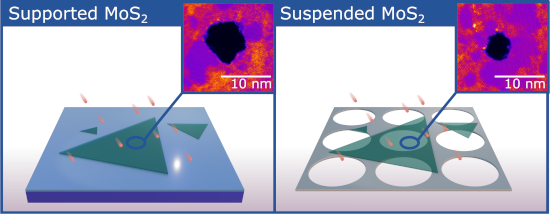
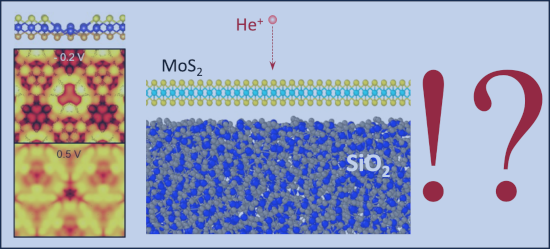
- (4.8 MeV/u 197Au25+). For both irradiations, the flux was kept below 1 × 10⁹ s−1·cm−2 to avoid thermal damage. Total fluence was again set to Φ = 5 × 1011 cm−2. All irradiations were under perpendicular incidence. Imaging STEM measurements were carried out in Vienna with an aberration-corrected Nion
- UltraSTEM 100. Prior to imaging, the samples were heated at 170 °C for around 10 h in vacuum to remove water and minimize the amount of surface contamination, and inserted into the microscope without air exposure [68]. The images were recorded with a medium-angle annular dark-field (MAADF) detector with a
- variations can make purely threshold-based edge detection unreliable. To ensure comparability with the suspended-layer reference data, which originate from our previous work, the same general procedure regarding sample preparation, STEM imaging, and image analysis was applied. Raman and PL spectroscopy Raman


Interface-engineered Caco-2 cell culture on a collagen-coated liquid–liquid interface in a microfluidic device
Beilstein J. Nanotechnol. 2026, 17, 760–768, doi:10.3762/bjnano.17.53
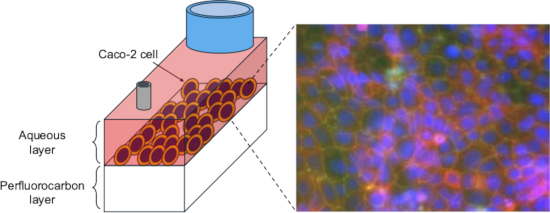
- nuclei in Caco-2 cells cultured in the microfluidic device and in 96-well plates. Under both conditions, epifluorescence imaging shows that the nuclei, ZO-1, and F-actin signals are localized within the same focal plane and are distributed across the entire liquid–liquid interface formed in the
- immunofluorescence imaging confirmed tight-junction formation and organized actin cytoskeletons, indicating early-stage epithelial maturation. Unlike conventional systems that rely on plastic or silicone rubber substrates for cell adhesion, our system enables direct cell culture on a liquid–liquid interface


Molecular engineering of individual dye-based nanoparticle photostability for ultrabright two-photon fluorescence
Beilstein J. Nanotechnol. 2026, 17, 688–696, doi:10.3762/bjnano.17.48
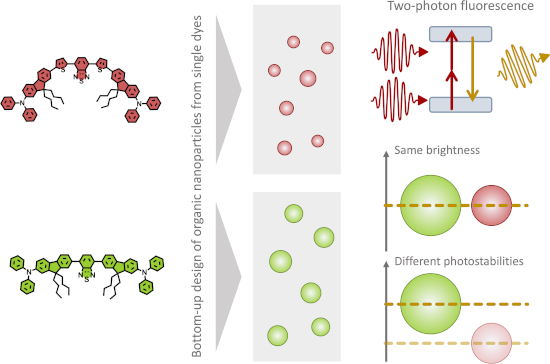
- bioactuators for drug delivery [6][7][8][9], and most recently as actuators for optogenetics in mice [10]. However, dFONs are most widely used as biomarkers for fluorescence imaging. Their stealth properties can be engineered as needed [11][12][13][14], making them versatile for use in cells, tissues [15] and
- Instruments, Newtown, CT, USA), with a 6 mm diameter probe) – which was continued for 3 min after the addition, yielding, respectively, dFONs(1) or dFONs(2). TEM observation The dry size of the dFONs was measured using TEM at the Bordeaux Imaging Center (BIC) facility. TEM images were acquired on a Hitachi


Decontamination from water pollutants and pathogens by electrospun nanofibers doped with heavy-atom-free borafluorene-BODIPY photosensitizers
Beilstein J. Nanotechnol. 2026, 17, 668–682, doi:10.3762/bjnano.17.46
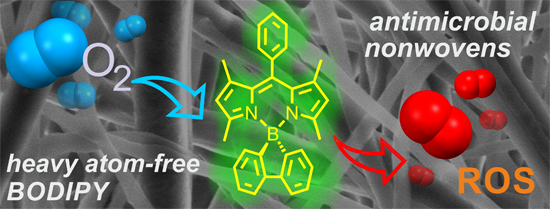
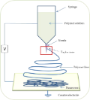
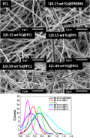
- microscopy (SEM) using a JSM-6010PLUS/LV InTouchScope™ system from JEOL (Tokyo, Japan), operating at an accelerating voltage of 11 kV. Prior to imaging, each nonwoven sample underwent a double-coating process with a thin gold layer (2–3 nm). Microstructural analysis was subsequently performed utilizing



afspm: A framework for manufacturer-agnostic automation in scanning probe microscopy
Beilstein J. Nanotechnol. 2026, 17, 653–667, doi:10.3762/bjnano.17.45
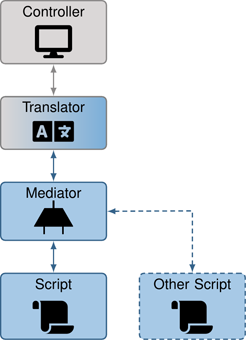
- above a surface of interest while measuring one or more properties. This process allows for atomic-level imaging of properties, spectroscopic analysis, and even manipulation of a sample toward atomic-scale manufacturing [1]. However, a number of factors limit higher throughput of these techniques. First
- kHz resonant frequency). These experiments were run under ambient conditions in an AM-AFM mode. Prior to engaging with the sample, we performed an auto-tuning operation to optimize the cantilever frequency and manually optimized the z-height feedback parameters for reasonable imaging quality. In the




Towards targeted drugs and next generation of nanomedicines
Beilstein J. Nanotechnol. 2026, 17, 598–601, doi:10.3762/bjnano.17.41
- target, hence improving drug efficacy while minimizing unwanted side effects. At the same time, some nanomaterials can provide new therapeutic modalities themselves and could also be used for diagnosis and imaging. Multiple drugs and therapies can be combined within the same carrier particle to
Probing tribological evolution in atomically thin MoS2 at different scales
Beilstein J. Nanotechnol. 2026, 17, 586–597, doi:10.3762/bjnano.17.40
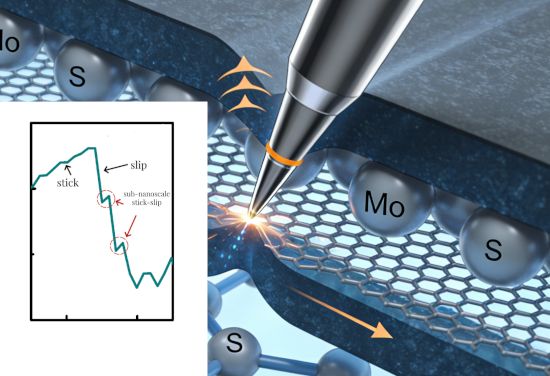
- ) complicates direct thickness identification of 1L MoS2; thus, phase imaging (Figure 1b) was used to distinguish MoS2 from the substrate (based on the contrast from differences in tip–sample interaction). Cross-sectional profiles (Figure 1a inset) show two distinct thicknesses of 0.7 and 1.8 nm. The


Impacts of annealing on structural and photophysical properties of zinc phthalocyanine adsorbed on graphene
Beilstein J. Nanotechnol. 2026, 17, 576–585, doi:10.3762/bjnano.17.39
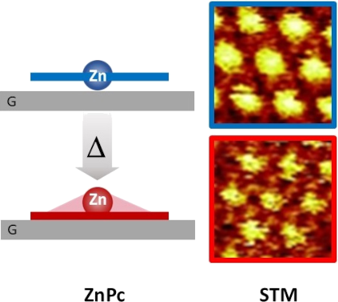
- exhibit a pattern similar to that of the majority shown in Figure 3e. This change in ZnPc imaging is consistent with the interpretation in terms of planar-square to shuttlecock structure mentioned before. Actually, as the Pc conjugated core is brought-in deeper into the matrix (i.e., closer to the
- an inverted optical microscope (IX71, Olympus) equipped with an objective lens (Nikon, 60×, 0.8 N.A.). The detection chain was made of an imaging spectrometer (Kymera 193i, Andor) equipped with a blazed grating (SR2-GRT-0150-0500, Andor) and a CMOS camera (Zyla 5.5, Andor). An automated slit was


Laser–material interactions in liquids for the synthesis of nanomaterials: current status and perspectives
Beilstein J. Nanotechnol. 2026, 17, 571–575, doi:10.3762/bjnano.17.38
- Carlos Donate Buendia Bilal Gokce Leonid V. Zhigilei GROC·UJI, Institute of New Imaging Technologies, University Jaume I, Av. de Vicent Sos Baynat, s/n, 12071 Castellón, Spain Chair of Materials Science and Additive Manufacturing, School of Mechanical Engineering and Safety Engineering, University
Upcycling agroindustrial waste into graphene oxide supports for gold nanoparticles: toward sustainable nanomaterials
Beilstein J. Nanotechnol. 2026, 17, 489–504, doi:10.3762/bjnano.17.32
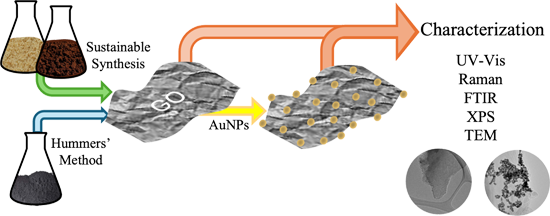
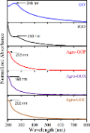
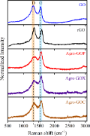
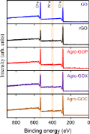
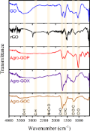
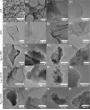
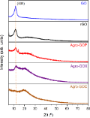
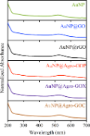
- degrees and distinct distributions of oxygen-containing functional groups, as evidenced by UV–vis, Raman, FTIR, and XPS. TEM imaging further highlighted pronounced morphological differences among the Agro-GO samples, ranging from compact, defect-rich aggregates to partially layered domains. These



Defects and defect-mediated engineering of two-dimensional materials: challenges and open questions
Beilstein J. Nanotechnol. 2026, 17, 454–488, doi:10.3762/bjnano.17.31
- for the atoms in the investigated material, or under specific imaging conditions using STM, as described in section “Where are the limits for controlled defect engineering in terms of spatial precision, single type or size (e.g., hole size), and scalability?”. As a non-invasive technique, Raman
- unambiguous identification of the emitters’ microscopic nature. Scanning tunneling microscopy luminescence (STML) offers a compelling solution. By combining atomically resolved imaging and spectroscopy by means of scanning tunneling microscopy/scanning tunneling spectroscopy (STM/STS) with localized
- /quantification using STM/STS? STS and orbital imaging provides unique fingerprints of point defects in TMDs including common impurities found in synthetically grown TMDs, such as oxygen substitutions (OX) [51][120] and carbon–hydrogen complexes () [121][122] at chalcogen sites, molybednum (MoM) [120], chromium





Biomimetic nanoparticles in cancer photodynamic therapy: a review of targeted delivery systems and therapeutic outcomes
Beilstein J. Nanotechnol. 2026, 17, 396–422, doi:10.3762/bjnano.17.27
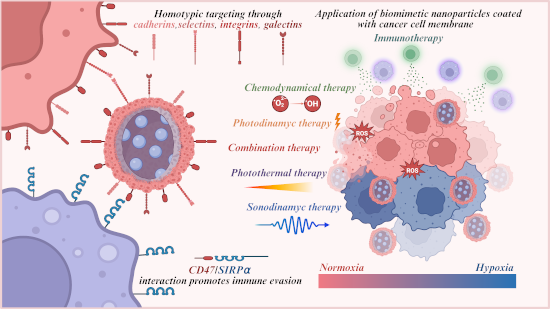
- that combine imaging and therapy, and the challenges that remain for translating these technologies into clinical practice. By merging principles of biomimicry with nanotechnology, BNPs offer a promising new approach to more precise and effective cancer treatments tailored to individual patients
- theranostic applications [39] by facilitating tumor visualization through various imaging techniques [40], including fluorescence imaging [41], computed tomography [42], and magnetic resonance imaging (MRI) [43]. The development of nanobiotechnology in PDT opens new horizons for creating more effective and
- also widely used to enhance BNP functionality [73][74][75]. Non-covalent methods, such as lipid insertion, allow for the integration of targeting ligands, peptides, or imaging agents into the membrane without disrupting protein activity. Covalent modifications, including the attachment of antibodies or


Polycatecholamine nanocoatings on stainless steel: the effect on attachment of human fibroblasts and platelets
Beilstein J. Nanotechnol. 2026, 17, 365–380, doi:10.3762/bjnano.17.25
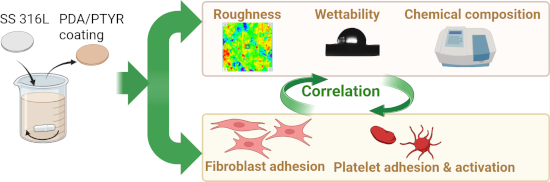
- prepared in triplicate (n = 9 measurements). The materials obtained with extreme coating times underwent for further tests, that is, PDA 10 min, PDA 24 h, PTYR 30 min, PTYR 24 h. Thickness of the coatings Microscopic imaging was performed using a Hitachi SU8230 ultrahigh-resolution field-emission scanning
- electron microscope (Hitachi High-Technologies Corporation, Japan) at an accelerating voltage of 5.0 kV. To measure the thickness of PDA and PTYR coatings, the coated materials were scratched with a scalpel to create a cavity. For imaging, the sample was positioned vertically, and the microscope stage tilt
- coatings’ surfaces were sputter-coated with a 10 nm layer of AuPd and visualized with an ultrahigh-resolution field-emission scanning electron microscope Hitachi SU8230 (Hitachi High-Technologies Corporation, Japan, magnification 5 000×). The imaging was done before washing and then after 1, 7, 14, and 28




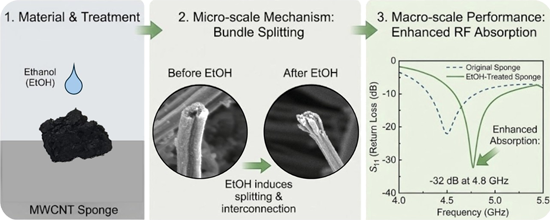
Interconnection morphology effects on the radio frequency response of carbon nanotube sponges
Beilstein J. Nanotechnol. 2026, 17, 343–351, doi:10.3762/bjnano.17.23
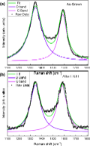
- were performed in an ultrahigh-vacuum chamber (base pressure below 10−10 bar) equipped with a semi-imaging analyser MAC 2 (Riber Instruments) operating in the constant pass energy mode (with a total energy resolution of 1.1 eV). Non-monochromatic Al Kα radiation (1486.6 eV) was used (8 kV, 8 mA). The



Beam shaping techniques for pulsed laser ablation in liquids: Unlocking tunable control of nanoparticle synthesis in liquids
Beilstein J. Nanotechnol. 2026, 17, 309–342, doi:10.3762/bjnano.17.22
- Sergio Molina-Prados Nadezhda M. Bulgakova Alexander V. Bulgakov Jesus Lancis Gladys Minguez Vega Carlos Donate-Buendia GROC-UJI, Institute of New Imaging Technologies, Universitat Jaume I, Castellon, Spain FZU - Institute of Physics of the Czech Academy of Sciences, Prague, Czech Republic
- neutron capture therapy [62][63], viral [64][65] and microbial growth inhibition [42][66], antibacterial agents [67][68], anticancer treatments [67][69], magnetic resonance imaging contrast agent [70], photothermal therapy [71][72], cell imaging [73], proton therapy enhancement [74][75], fluorescence [76
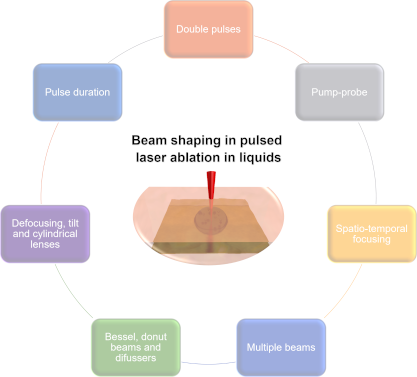
- combination, as shown in Figure 3. As a general strategy for imaging and material processing, beam shaping technologies represent a research field covered in numerous reviews [98][99]. In the subsequent sections, this review offers a more detailed discussion of beam-shaping methodologies for nanoparticle







Calculation of the dynamic stiffness of a cantilever under torsional oscillation
Beilstein J. Nanotechnol. 2026, 17, 303–308, doi:10.3762/bjnano.17.21
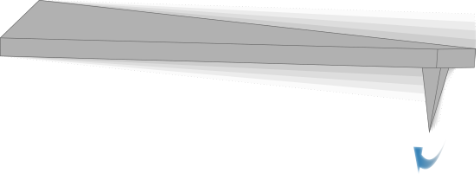
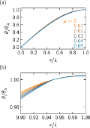
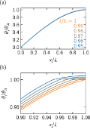
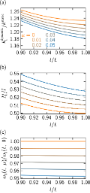
- the lateral interactions [7][12][13][14]. The torsional oscillation modes of AFM cantilevers are sensitive to in-plane interaction [15][16][17]. This method enabled highly accurate imaging of the in-plane crystalline orientation by utilizing friction information [14]. Quartz tuning fork AFM is useful

Advancing nanolithography: a comprehensive review of materials for local anodic oxidation with AFM
Beilstein J. Nanotechnol. 2026, 17, 275–291, doi:10.3762/bjnano.17.19
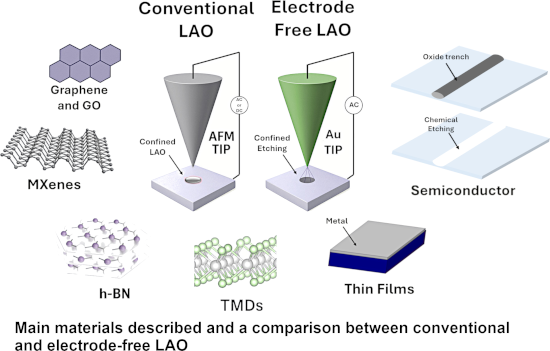
- materials used in LAO experiments are highly doped Si or metals including W, Pt, Au, and Ir. Si-based tips are cheap but lack mechanical durability, frequently suffering from deformation or damage during imaging and patterning. Metal-coated tips all offer excellent electrical conductivity and improved


Comparative study on 3D morphologies of delignified, single tracheids and fibers of five wood species
Beilstein J. Nanotechnol. 2026, 17, 239–250, doi:10.3762/bjnano.17.16
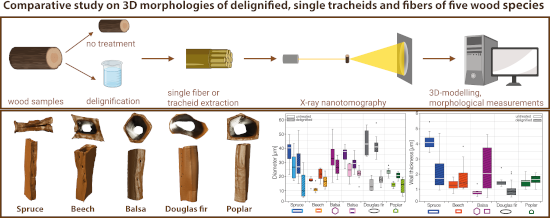
- largely absent from scientific literature. Although previous studies have examined wood anatomy using various imaging techniques, such as X-ray micro-computed tomography in addition to scanning and transmission electron microscopy [22][23][24][25][26][27], high-resolution 3D reconstructions of single
- , Pdet = 6.5 µm pixel size, 2048 × 2048 pixel, 16 bit image depth) with a 10 µm Gadox scintillator was used as the detector. For high-contrast and low-dose imaging, holotomography was applied as the phase contrast technique. Here, a gold Fresnel zone plate with a diameter of 300 µm was used [30]. By
- arrangements of single fibers and tracheids with unprecedented 3D details in spatial distribution compared to traditional methods such as SEM, which, however, show more details of the pit structures [40][41][42]. Unlike those conventional imaging methods, nano-CT 3D models provide a comprehensive view of pit


Gold nanoparticle-decorated reduced graphene oxide as a highly effective catalyst for the selective α,β-dehydrogenation of N-alkyl-4-piperidones
Beilstein J. Nanotechnol. 2026, 17, 218–238, doi:10.3762/bjnano.17.15
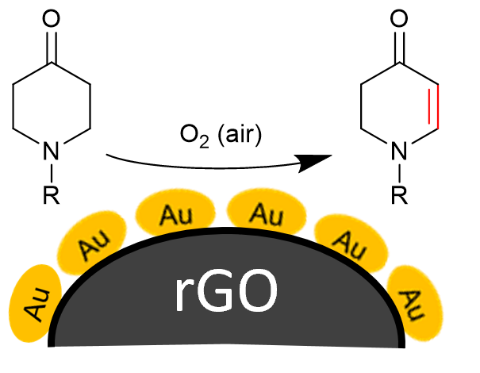
- , the successful AuNP deposition on the carbon materials was validated through TEM imaging of Au-Cit/AC (Figure 5a), Au-Cit/rGO (Figure 5b), and Au-Cit/CB (Figure 5c). Upon deposition, the average AuNP particle sizes slightly grew to 13 nm within a range of 10–16 nm determined by TEM images and the
- , explaining the observed 100% selectivity. Because the Au-SiW9/rGO composite exhibited the most promising activity among the tested catalysts, its structural robustness was examined through leaching experiments and TEM imaging after successive reaction cycles. To confirm the solid-state (heterogeneous) nature


Time of flight secondary ion mass spectrometry imaging of contaminant species in chemical vapour deposited graphene on copper
Beilstein J. Nanotechnol. 2026, 17, 200–213, doi:10.3762/bjnano.17.13
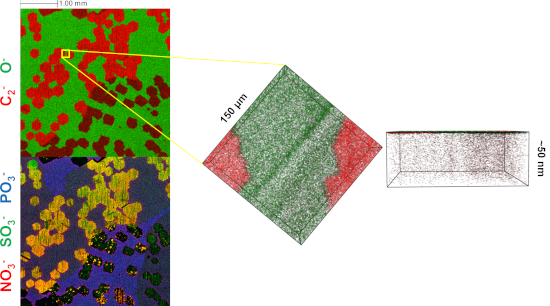
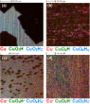
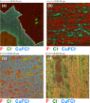
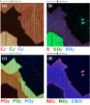
- resolving power, and imaging capability of ToF-SIMS allow us to explore variations in the chemical species present on the graphene surface, as well as in three dimensions under the graphene. In this way, we can observe the impact that variations in the chemical composition of the copper foil have on the
- characterisation techniques with the ability to distinguish different chemical species present, combined with surface sensitivity and suitably high spatial resolution. We here focus on time-of-flight secondary ion mass spectrometry (ToF-SIMS) imaging of Cu-catalysed graphene CVD samples. ToF-SIMS offers high
- . For 3D imaging, each depth profile was acquired by cyclically analysing a 150 µm × 150 µm area (with a pixel density of 128 × 128) from the centre of a 400 µm × 400 µm sputtered region during depth profiling, to mitigate crater edge effects on the generated spectra. 10 keV Cs+ ions with an ion current





From shield to spear: Charge-reversible nanocarriers in overcoming cancer therapy barriers
Beilstein J. Nanotechnol. 2026, 17, 159–175, doi:10.3762/bjnano.17.10
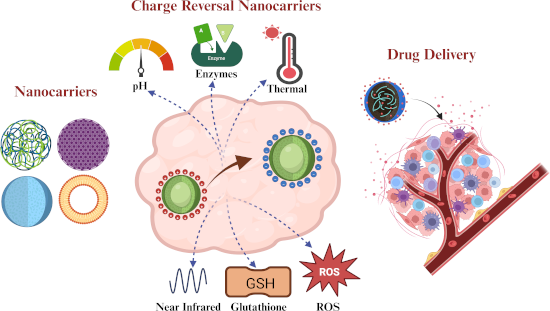
- -reversal system (CDs-Pt (IV)@PEG-PAH/DMA) for imaging-guided drug delivery, which enhanced cancer therapeutic effects [85]. 4 Preclinical and clinical insights of charge-reversible nanocarriers Preclinical studies have revealed that CRNs significantly improve antitumour performance by enhancing tumour


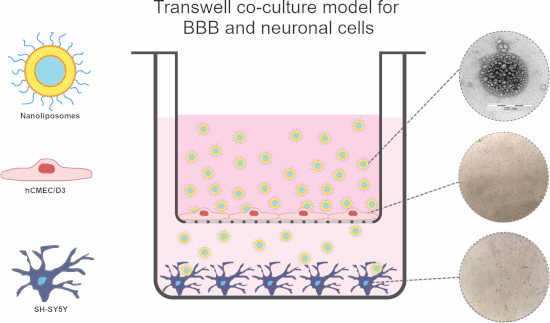
Influence of surface characteristics on the in vitro stability and cell uptake of nanoliposomes for brain delivery
Beilstein J. Nanotechnol. 2026, 17, 139–158, doi:10.3762/bjnano.17.9




Development and in vitro evaluation of liposomes and immunoliposomes containing 5-fluorouracil and R-phycoerythrin as a potential phototheranostic system for colorectal cancer
Beilstein J. Nanotechnol. 2026, 17, 97–121, doi:10.3762/bjnano.17.7
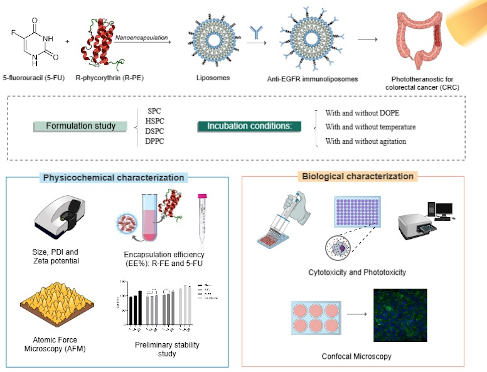
- tumor cells, enhancing the internalization of the system and promoting greater cytotoxic activity compared to conventional therapies [10]. By combining selective cytotoxicity with the potential to label cancer tissue using an imaging probe, EGFR-targeted immunoliposomes represent an integrated approach