


Search results
Search for "iron oxide" in Full Text gives 173 result(s) in Beilstein Journal of Nanotechnology.
Environmental applications of silver nanoparticles: state-of-the-art review and emerging trends
Beilstein J. Nanotechnol. 2026, 17, 697–736, doi:10.3762/bjnano.17.49
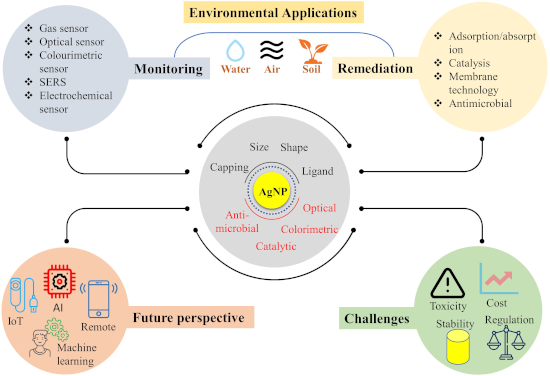
- , respectively [114]. The dye-degradation mechanisms are primarily governed by the generation of ROS, which further degrade dyes, with the synergistic effect of both AgNPs and iron oxide nanoparticles [114]. AgNPs stabilized with Terminalia arjuna showed degradation of dyes as well as nitrophenols. High


Cellulose as a photocatalyst support material: extraction, structural features, and environmental applications
Beilstein J. Nanotechnol. 2026, 17, 635–652, doi:10.3762/bjnano.17.44
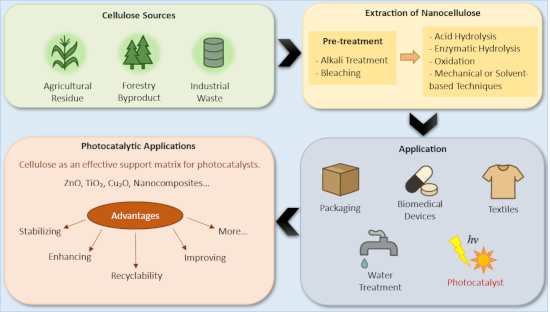
- reduction and doping, which enhance their reactivity and overall performance [86]. Widely used examples include ZnO, TiO2, and iron oxide, which support a broad range of catalytic applications, and researchers have explored several production methods for these nanoparticles, with the sol–gel process relying


From shield to spear: Charge-reversible nanocarriers in overcoming cancer therapy barriers
Beilstein J. Nanotechnol. 2026, 17, 159–175, doi:10.3762/bjnano.17.10
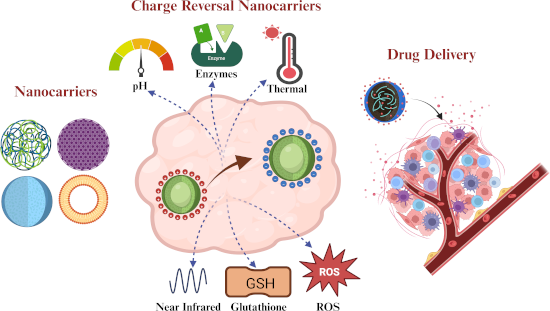
- efficiency [63]. Superparamagnetic iron-oxide nanoparticles (SPIONs), which react to external magnetic fields and enable selective accumulation in tumour areas, are commonly used to create these nanocarriers [64]. These systems follow thermo-sensitive binding strategies that permit targeted drug release (e.g
- trigger drug release. They show minimal release at physiological temperature, near-complete release under hyperthermia, and excellent tumour-targeting efficacy with high biocompatibility [66]. Iron oxide nanocubes coated with a thermoresponsive polymer (TR-DOXO) enabled magnetic-hyperthermia-triggered


Functional surface engineering for cultural heritage protection: the role of superhydrophobic and superoleophobic coatings – a comprehensive review
Beilstein J. Nanotechnol. 2026, 17, 63–96, doi:10.3762/bjnano.17.6






Improving magnetic properties of Mn- and Zn-doped core–shell iron oxide nanoparticles by tuning their size
Beilstein J. Nanotechnol. 2025, 16, 2285–2295, doi:10.3762/bjnano.16.157
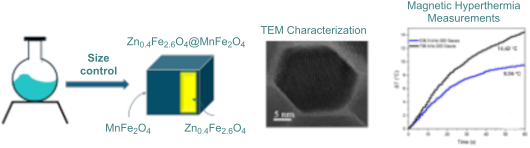
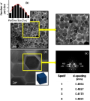
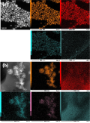
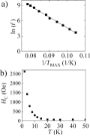
- /bjnano.16.157 Abstract Superparamagnetic iron oxide nanoparticles (SPIONs) offer promising applications in nanomedicine due to their appealing properties. Their magnetic and magnetic hyperthermia properties are considered as relevant tools for low invasive cancer therapeutic applications. In this work
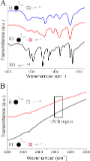
- least tenfold). The designed core NPs are composed of a Zn0.4Fe2.6O4 core and a MnFe2O4 shell. Their size and morphology were determined by transmission electron microscopy, Fourier-transform infrared spectroscopy was used to investigate their chemical composition. The iron oxide phase was confirmed by
- development of magnetic nanoparticles with enhanced SAR and improved biocompatibility has been a major objective in the field of nanomedicine. Among the various materials used for magnetic hyperthermia, superparamagnetic iron oxide nanoparticles (SPIONs), such as magnetite (Fe3−δO4) and maghemite (γ-Fe2O3



Microplastic pollution in Himalayan lakes: assessment, risks, and sustainable remediation strategies
Beilstein J. Nanotechnol. 2025, 16, 2144–2167, doi:10.3762/bjnano.16.148
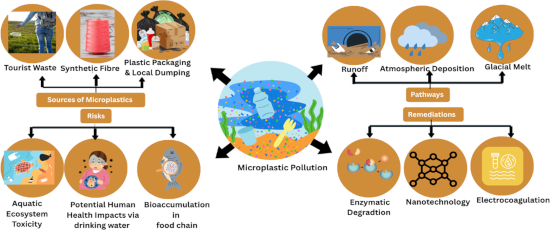
- systems that combine nanotechnology with biological components (e.g., enzymes), are emerging as environmentally benign solutions in addition to independent nanoparticles. Enzyme–nanoparticle conjugates can target certain plastic polymers, enabling more rapid and targeted breakdown. Iron oxide


Laser ablation in liquids for shape-tailored synthesis of nanomaterials: status and challenges
Beilstein J. Nanotechnol. 2025, 16, 1963–1997, doi:10.3762/bjnano.16.137
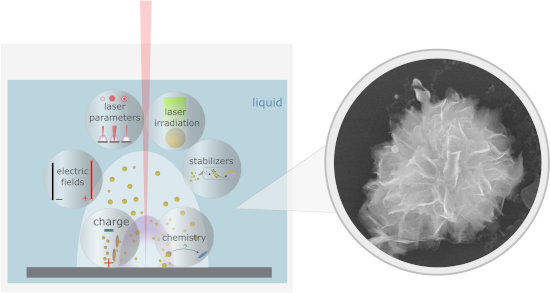
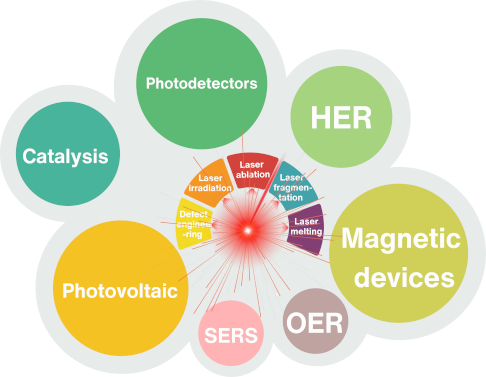
- formation of iron oxide nanowires was reported only in case of ablation with a 248 nm laser of iron powder suspended in methanol, while other solvents (including water, ethanol, isopropanol, and glycol) resulted in only spherical NPs. Moreover, ablation using a 532 nm laser produced spherical NPs in all the
- solvents including methanol. The authors explained the influence of the methanol environment on the nanomaterial shape by attributing it to chemical reactions between iron and methanol molecules, which resulted in the formation of goethite (FeO(OH)) and subsequently led to nanowire growth: Since iron oxide






On the road to sustainability – application of metallic nanoparticles obtained by green synthesis in dentistry: a scoping review
Beilstein J. Nanotechnol. 2025, 16, 1851–1862, doi:10.3762/bjnano.16.128
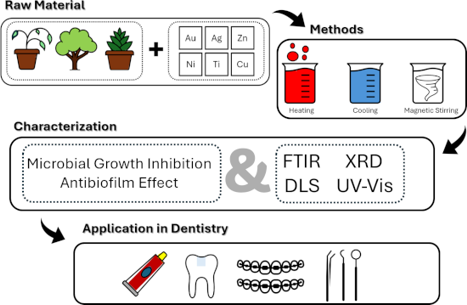
- iron oxide nanoparticles doped with silver (Ag-Fe2O3) exhibited dual properties, that is, antimicrobial protection and stimulation of osteoblastic activity. In prosthodontics, biogenic nanoparticles have been incorporated into denture base resins and soft liners, demonstrating significant antifungal


Nanotechnology-based approaches for the removal of microplastics from wastewater: a comprehensive review
Beilstein J. Nanotechnol. 2025, 16, 1607–1632, doi:10.3762/bjnano.16.114
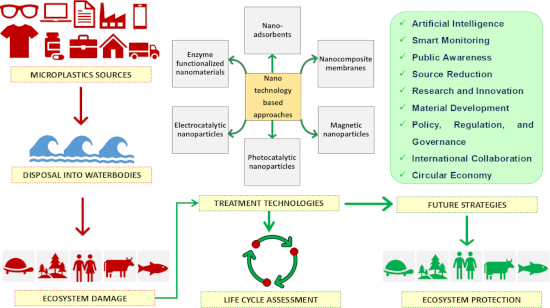
- emerged as a promising approach. Materials such as silver, ZnO, TiO2, and iron oxide are frequently used in membrane construction due to their high reactivity and effective catalytic behaviour. These membranes are not only simple to engineer but also exhibit strong antibacterial activity. Additionally



Cross-reactivities in conjugation reactions involving iron oxide nanoparticles
Beilstein J. Nanotechnol. 2025, 16, 1504–1521, doi:10.3762/bjnano.16.106
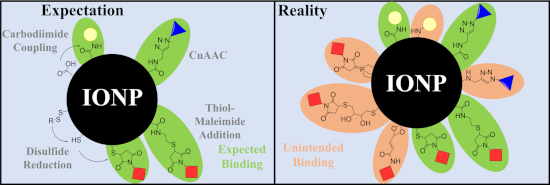
- Shoronia N. Cross Katalin V. Korpany Hanine Zakaria Amy Szuchmacher Blum Department of Chemistry, McGill University, 801 Sherbrooke Street West, Montreal, QC H3A 0B8, Canada 10.3762/bjnano.16.106 Abstract The preparation of multimodal nanoparticles by capping magnetic iron oxide nanoparticles
- erroneous conclusions about the efficacy of conjugation reactions, which can have detrimental impacts on the functionality and safety of IONPs in biomedical applications. Keywords: click chemistry; copper-catalyzed azide–alkyne cycloaddition; disulfide reduction; iron oxide nanoparticles; thiol–maleimide
- Michael addition; Introduction Iron oxide nanoparticles (IONPs) have been the subject of an immense body of research in the field of biomedicine, where their magnetic properties are appealing for such applications as MRI contrast agents [1], tumor hyperthermia [2], and magnetic drug delivery [3







Nanomaterials for biomedical applications
Beilstein J. Nanotechnol. 2025, 16, 1499–1503, doi:10.3762/bjnano.16.105
- ]. Polymeric nanoparticles, dendrimers, and carbon-based structures such as carbon nanotubes are very promising when it comes to delivering drugs and genes to certain parts of the body [3]. Conversely, metallic nanoparticles such as gold and iron oxide, and fluorescent quantum dots have applications in
- color upon detecting the virus. Their capability to attach to specific antibodies or DNA strands makes them perfect for detecting even faint traces of disease [18]. Moreover, magnetic nanoparticles specially made from iron oxide are also being used in medical imaging. They are usually employed as
Laser processing in liquids: insights into nanocolloid generation and thin film integration for energy, photonic, and sensing applications
Beilstein J. Nanotechnol. 2025, 16, 1428–1498, doi:10.3762/bjnano.16.104






Better together: biomimetic nanomedicines for high performance tumor therapy
Beilstein J. Nanotechnol. 2025, 16, 1246–1276, doi:10.3762/bjnano.16.92
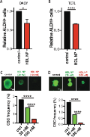
- phage for targeted drug delivery. In a recent study, the DNA of the M13 phage was modified to encode for SPARC binding peptide and cathepsin B cleavage peptide. Then, superparamagnetic iron oxide nanoparticles were covalently bonded to cathepsin B expressed on M13 phages to track their intracellular









Structural and magnetic properties of microwave-synthesized reduced graphene oxide/VO2/Fe2O3 nanocomposite
Beilstein J. Nanotechnol. 2025, 16, 921–932, doi:10.3762/bjnano.16.70
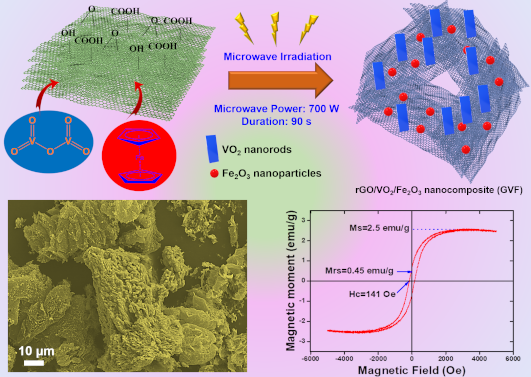
- NCs of iron oxide and graphene through the MW route. For example, Kumar et al. demonstrated the MW-assisted rapid synthesis of a ternary NC based on rGO, carbon nanotubes, and Fe3O4 NPs, using ferrocene as the Fe-containing precursor [15]. The NC exhibited its potential to be used for EMI shielding
- irradiation process. It is important to note that ferrocene was used as the precursor for the iron oxide. In a typical process, graphite oxide (100 mg), V2O5 powder (50 mg), and ferrocene (50 mg) were thoroughly mixed in a mortar pestle. Finally, the mixed powder was MW irradiated at a power of 700 W for 90 s
- oxide while oxidizing ferrocene alongside Fe3O4, which is formed as a major iron oxide component during the MW irradiation process. Nevertheless, the XRD pattern of the GV demonstrates the characteristic peaks of VO2, according to the JCPDS card no. 01-072-0514 [32]. Specifically, the peaks at the




Morphology and properties of pyrite nanoparticles obtained by pulsed laser ablation in liquid and thin films for photodetection
Beilstein J. Nanotechnol. 2025, 16, 785–805, doi:10.3762/bjnano.16.60
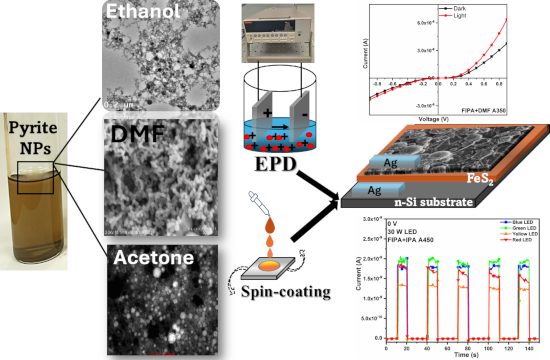
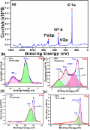
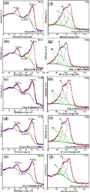
- oxidizable sulfide ion coexist in iron sulfides, making their synthesis more difficult than that of iron oxide [17]. Unlike FeS2, there are reports on the synthesis of other iron-based oxides via PLAL. These studies have demonstrated the successful production of Fe3O4 nanoparticles by ablating iron plates in
- performance by first fabricating amorphous iron oxide films on normal glass substrates by spray pyrolysis followed by heating in sulfur atmosphere at 350 and 400 °C [20]. For pyrite film fabrication, solvothermal or hydrothermal and chemical synthetic routes are generally adopted [21][22][23]. Henríquez et al







Changes of structural, magnetic and spectroscopic properties of microencapsulated iron sucrose nanoparticles in saline
Beilstein J. Nanotechnol. 2025, 16, 762–784, doi:10.3762/bjnano.16.59
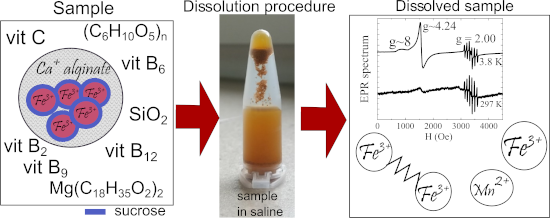
- belong to the hematinic category, are a broad class of medical products in which varied iron agents are used, very often in the form of core–shell nanoparticles, where iron ions (in the structure of iron oxide mineral) are concentrated in the core, and the shell is generally composed of carbohydrates
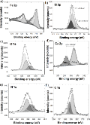
- calculated and , which would mean that the uncompensated spins are located not only at the surface of the cores. It is known that the chemical bonding between the sucrose and the iron oxide surface ions is very likely to reduce the surface net magnetic moment, as the missing bonds on the surface may be
- Raman results and analysis and EPR results and analysis. FTIR and Raman results and analysis FTIR and Raman spectroscopy techniques were employed to investigate the phase composition and iron oxide type resulting from the synthesis and to validate structural alterations after interaction with saline





Nanomaterials in targeting amyloid-β oligomers: current advances and future directions for Alzheimer's disease diagnosis and therapy
Beilstein J. Nanotechnol. 2025, 16, 561–580, doi:10.3762/bjnano.16.44
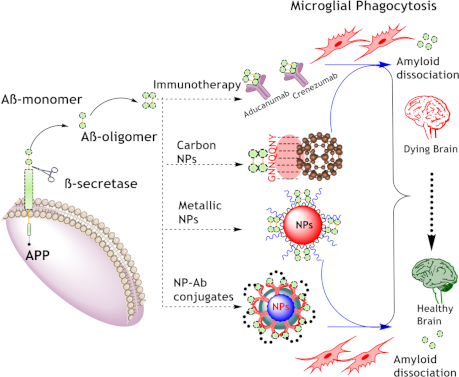
- , these technologies also pave the way for developing therapeutic strategies aimed at inhibiting the formation of toxic AβOs. Liu et al. synthesized multifunctional superparamagnetic iron oxide nanoparticles (SPIONs) conjugated with a specific scFv antibody (W20) targeting AβOs and a class-A scavenger


Recent advances in photothermal nanomaterials for ophthalmic applications
Beilstein J. Nanotechnol. 2025, 16, 195–215, doi:10.3762/bjnano.16.16
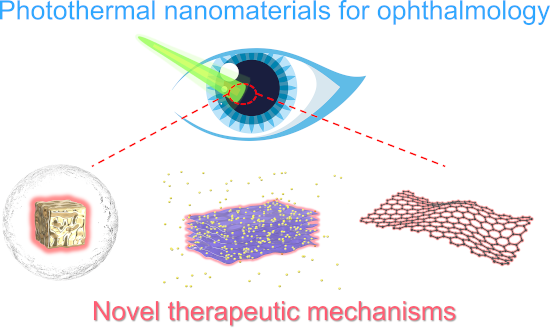
- damage to surrounding tissues due to inadequate control over the heat distribution [100][101][102][103][104][105]. Innovations in this field have led to the development of transparent polylactic acid (PLA) thin films with embedded iron oxide nanoclusters prepared via spin coating [51]. The efficient
- photothermal conversion of iron oxide minimizes the necessary laser energy. The mechanical force generated by laser-induced VNBs enables the selective destruction of single corneal cells. The PLA films aid in precisely positioning the photothermal therapy, restrain the dispersion of iron oxide nanoclusters
- , and can be easily removed post-laser treatment. The spatially selective single-cell killing capability of iron oxide PLA bubble films has great potential for ocular tumor therapy. However, clinical treatment of tumors requires the application of films on surfaces with “odd” tissues. Using a


Nanocarriers and macrophage interaction: from a potential hurdle to an alternative therapeutic strategy
Beilstein J. Nanotechnol. 2025, 16, 97–118, doi:10.3762/bjnano.16.10
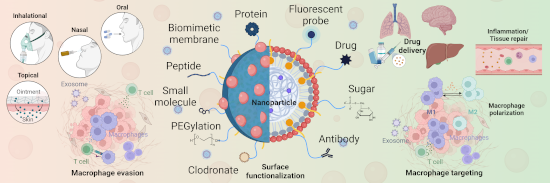
- production, effectively reducing collagen type I deposition and mitigating fibrosis. Additional nanomaterials such as superparamagnetic iron oxide nanoparticles (SPIONs) and chitosan-based NPs are engineered with liver-cell-specific ligands like lactose or galactose, enhancing their specificity for treating


Liver-targeting iron oxide nanoparticles and their complexes with plant extracts for biocompatibility
Beilstein J. Nanotechnol. 2024, 15, 1593–1602, doi:10.3762/bjnano.15.125
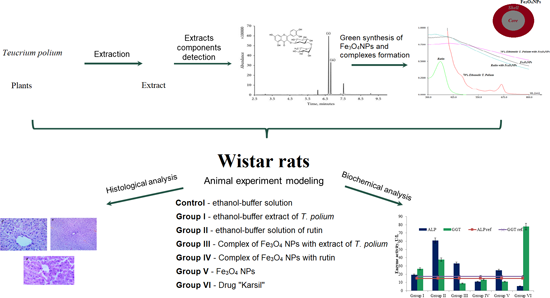
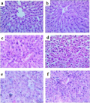
- Biochemistry, Koryun St 2, Yerevan, Armenia Ghitu Institute of Electronic Engineering and Nanotechnologies of Technical University of Moldova, Chisinau, Moldova 10.3762/bjnano.15.125 Abstract Thanks to their simple synthesis, controlled physical properties, and minimal toxicity, iron oxide nanoparticles
- samples on the liver of Wistar rats was identified. Keywords: biocompatibility; hepatotoxicity; iron oxide (Fe3O4) nanoparticle; rutin; Teucrium polium (T. polium); Introduction Leveraging nanotechnology, personalized medicine, and interdisciplinary collaboration is essential for overcoming the complex
- , stability, and other important qualities [14][15]. Iron oxide NPs, because of their minimal toxicity, are considered the most preferred agents for studying various biomedical applications [16]. There are many studies proving the biocompatibility of iron oxide NPs, and because of their unique properties


Realizing active targeting in cancer nanomedicine with ultrasmall nanoparticles
Beilstein J. Nanotechnol. 2024, 15, 1208–1226, doi:10.3762/bjnano.15.98
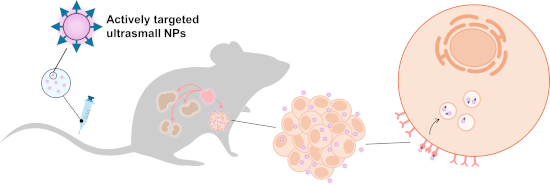
- , iron oxide, copper sulfide), and rare earth-based usNPs (cerium oxide, gadolinium oxide) [22]. Ultrasmall NPs have dimensions comparable to those of a typical globular protein of 3 to 6 nm in diameter [22][25], although the precise size criteria can vary among researchers. For the purpose of this
- comparison of the impact of NP size on the tumor accumulation and retention of actively targeted particles was undertaken by Xu and colleagues [87]. The authors synthesized transferrin-coated iron oxide NPs with core sizes of 3 and 30 nm and assessed their binding to transferrin receptors overexpressed in a


Entry of nanoparticles into cells and tissues: status and challenges
Beilstein J. Nanotechnol. 2024, 15, 1017–1029, doi:10.3762/bjnano.15.83
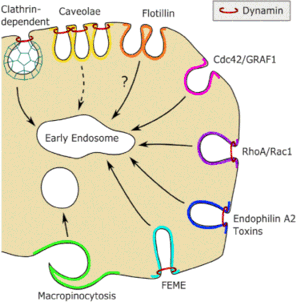
- degradable nonendogenous molecules [90]. It should be mentioned that there is not much data showing biodegradation/excretion of NPs. Iron oxide-based NPs have, however, been used as safe contrast agents for MRI for many years and have been shown to be degradable both in solutions in vitro [91] and after


Identification of structural features of surface modifiers in engineered nanostructured metal oxides regarding cell uptake through ML-based classification
Beilstein J. Nanotechnol. 2024, 15, 909–924, doi:10.3762/bjnano.15.75

- iron oxide nanocore decorated with organic compounds and investigated their cellular uptake across various human cell types [18]. However, determining the cellular absorption of functionalized nanoparticles in different human cell types is a laborious, expensive, and time-consuming task. Computational


Facile synthesis of Fe-based metal–organic frameworks from Fe2O3 nanoparticles and their application for CO2/N2 separation
Beilstein J. Nanotechnol. 2024, 15, 897–908, doi:10.3762/bjnano.15.74
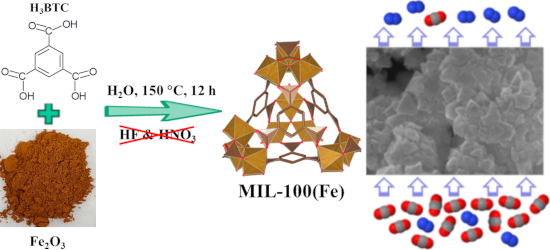
- economical raw materials for the large-scale production of MIL-100(Fe). Utilizing iron oxide as an iron precursor for manufacturing MIL-100(Fe) contributes to the expansion of raw material options. According to what we know, until now, there has been no report on a pathway for generating MIL-100(Fe) from
- selectivity equations are detailed in Supporting Information File 1. Results and Discussion Material characterizations A range of M-100Fe@Fe2O3 samples was prepared from iron oxide (Fe2O3) nanoparticles as precursor with H3BTC as organic linker through a hydrothermal reaction as shown in Figure 1. The H3BTC





A review on the structural characterization of nanomaterials for nano-QSAR models
Beilstein J. Nanotechnol. 2024, 15, 854–866, doi:10.3762/bjnano.15.71
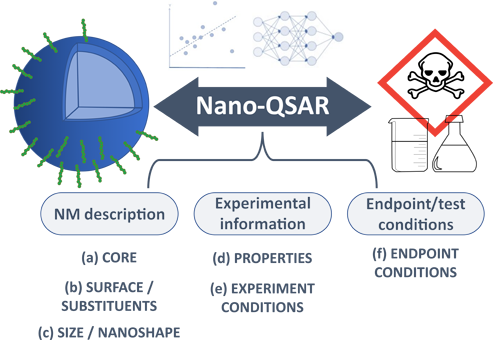
- coordination numbers [24]. Alternatively, Kotzabasaki et al. also codified the composition of iron oxide nanoparticles with a single categorical descriptor that encodes the crystal structure of the main component (in this case as maghemite or magnetite) [25]. Alternatively, some descriptors are focused on the





