

Search results
Search for "surface characteristics" in Full Text gives 52 result(s) in Beilstein Journal of Nanotechnology.
Breaking barriers: nanosystems to overcome solubility and permeability challenges of second-generation tyrosine kinase inhibitors
Beilstein J. Nanotechnol. 2026, 17, 1063–1086, doi:10.3762/bjnano.17.73
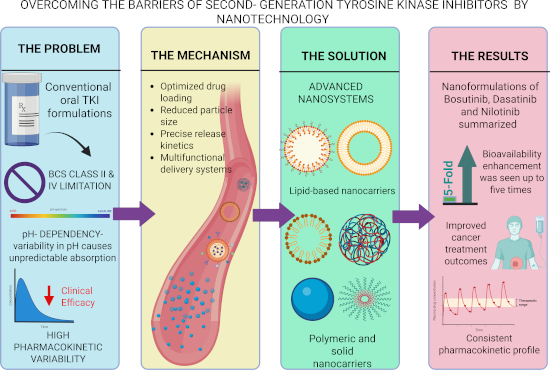
- variable improvements in solubility and bioavailability (1.5- to 38-fold) compared with free drugs, depending on surface characteristics, carrier composition, and drug properties. This was possible through tailored particle size, drug loading, and precise drug release kinetics via various mechanisms. This


Influence of surface characteristics on the in vitro stability and cell uptake of nanoliposomes for brain delivery
Beilstein J. Nanotechnol. 2026, 17, 139–158, doi:10.3762/bjnano.17.9
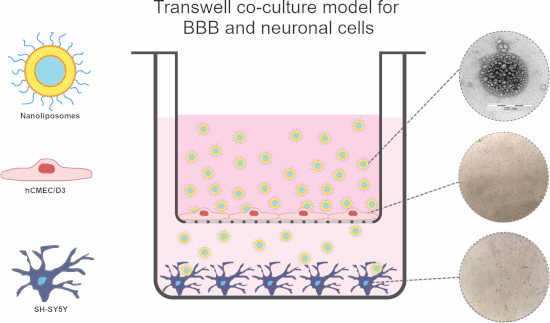
- showed a time- and concentration-dependent internalization pattern, with high impact of the surface characteristics of the different formulations. In addition, transport studies on hCMEC/D3/SH-SY5Y co-cultures confirmed the successful transport of NLs across the BBB cells and their subsequent uptake by
- drastically affect the physicochemical, biopharmaceutical, and surface characteristics of the vesicles. For this process, the required amounts of SL, CHOL, and commercially available mPEG2000 conjugated to DSPE (PEG) were dissolved in a methanol/chloroform mixture (1:4, v/v). The organic solvents were then
- neurons (ranging from 25.17% to 27.54%). Fluorescence and confocal microscopy micrographs revealed that, once internalized, NLs were concentrated in the perinuclear cell regions. Keywords: blood–brain barrier; cell co-culture; cell uptake; internalization; nanoliposomes; stability; surface


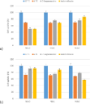


Missing links in nanomaterials research impacting productivity and perceptions
Beilstein J. Nanotechnol. 2025, 16, 2168–2176, doi:10.3762/bjnano.16.149
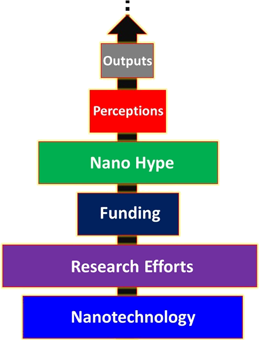
- nanomaterials becomes a tedious and expensive task, often more so than for advanced bulk materials. It is indispensable to acknowledge that even after detailed characterization, warranting that even 90% of the nanoparticles have uniform size and identical surface characteristics is difficult. This is largely
Exploring the potential of polymers: advancements in oral nanocarrier technology
Beilstein J. Nanotechnol. 2025, 16, 1751–1793, doi:10.3762/bjnano.16.122
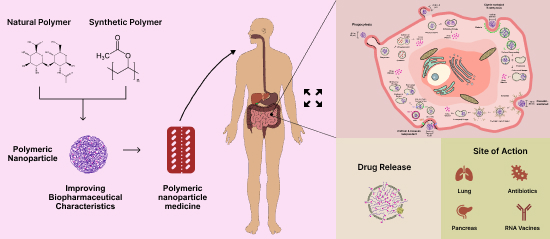
- control over site specificity and drug release [28]. The absorption of PNs depends on their size, surface characteristics, and morphology, which may exhibit distinct features, classifying them as either nanocapsules or nanospheres. Nanocapsules consist of an oily core where the drug is encapsulated


Nanotechnology-based approaches for the removal of microplastics from wastewater: a comprehensive review
Beilstein J. Nanotechnol. 2025, 16, 1607–1632, doi:10.3762/bjnano.16.114
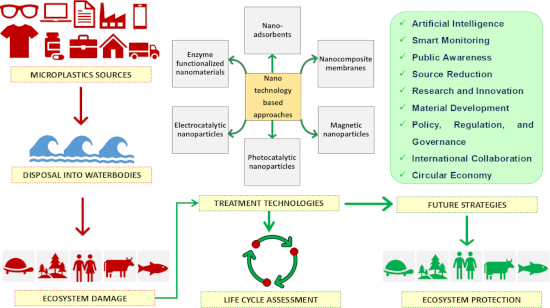
- the process. The removal of MPs by adsorbents primarily relies on hydrophobic interactions, electrostatic attraction and hydrogen bonding, which are influenced by their surface characteristics. Among various adsorbents, activated carbon and biochar have gained wide attention for treating water


Dendrimer-modified carbon nanotubes for the removal and recovery of heavy metal ions from water
Beilstein J. Nanotechnol. 2025, 16, 1522–1532, doi:10.3762/bjnano.16.107
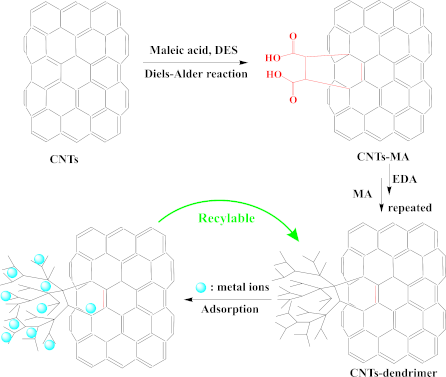
- Freundlich isotherm fitting and heterogeneous surface characteristics. However, the adsorption behavior can vary on many factors such as type of adsorbates, adsorbent composition, reaction conditions, and degree of functionality. In our case, the adsorption behavior of pure CNT-based dendrimer adsorbents


Laser processing in liquids: insights into nanocolloid generation and thin film integration for energy, photonic, and sensing applications
Beilstein J. Nanotechnol. 2025, 16, 1428–1498, doi:10.3762/bjnano.16.104
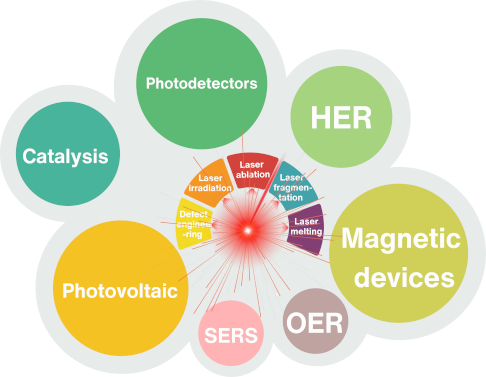
- quenching, and the challenges of oxidation in nanoparticle synthesis. Cost-effective methods for modifying the surface characteristics of Si nanocrystals (Si-ncs) and BaTaOxNy perovskite particles using laser fragmentation are reported in [39] and [40], respectively. In particular, laser fragmentation in
- , effective method used for producing NPs with a narrow size distribution and tailored surface characteristics. While challenges such as oxidation and pulse limitations exist, its ability to create ultrasmall NPs and nanoclusters makes it particularly promising for applications in catalysis, material






Wavelength-dependent correlation of LIPSS periodicity and laser penetration depth in stainless steel
Beilstein J. Nanotechnol. 2025, 16, 1302–1315, doi:10.3762/bjnano.16.95
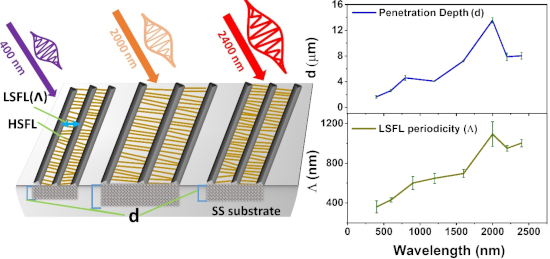
- structuring offers a straightforward means to manipulate the functional and surface characteristics of substrates [10][11][12][13]. The applications span a broad spectrum, encompassing colorization control, self-cleaning surfaces, regulation of cell and bacterial films, antireflective surfaces, surface




Synthesis of a multicomponent cellulose-based adsorbent for tetracycline removal from aquaculture water
Beilstein J. Nanotechnol. 2025, 16, 728–739, doi:10.3762/bjnano.16.56
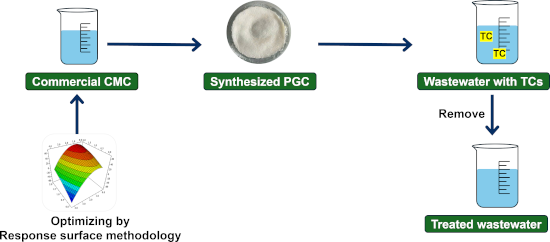
- concentration of 60 mg·L–1 at pH 6–7, reaching equilibrium after 12 h. The surface characteristics and structural properties of PGC were determined using various material characterization techniques, including FTIR, SEM, EDX, and BET. Verification experiments under optimal conditions confirmed that the
- ) and polyvinyl alcohol (PVA); and cationized with Ca2+ and Zn2+ for the removal of TC from aquaculture effluents. Our approach involves optimizing the material’s synthesis using the response surface methodology, and a wide range of characterization methods was performed to assess the surface
- characteristics and morphology of the synthesized adsorbent. Additionally, the study examines the adsorption mechanism of TC on the material’s surface and evaluates the effects of pH value, adsorbent dosage, and matrix composition. As a biodegradable and easily recoverable material derived from natural cellulose


Nanomaterials in targeting amyloid-β oligomers: current advances and future directions for Alzheimer's disease diagnosis and therapy
Beilstein J. Nanotechnol. 2025, 16, 561–580, doi:10.3762/bjnano.16.44
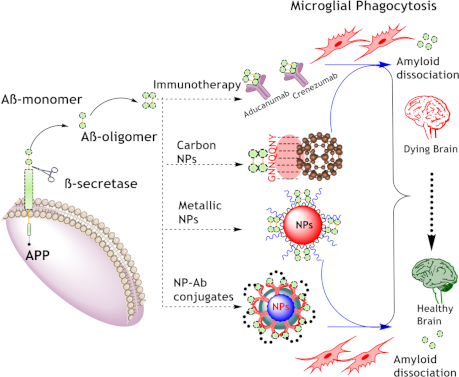
- effectively recognize all oligomeric forms, complicating the development of broad-spectrum therapies. Unlike larger aggregates, which may present multiple binding sites, AβOs have fewer defined surface characteristics that can be targeted. AβOs can interconvert between different oligomeric states and may also
- nm) have been primarily distributed in kidney, spleen, and liver, while larger GO sheets (>200 nm) accumulate in the lungs [99]. For brain targeting, NPs between 100 and 300 nm have been found optimal for BBB transport, while those smaller than 15 nm show faster clearance. Surface characteristics
- , by activating macrophages and other immune cells [100]. The size and surface characteristics of NPs are critical in determining


N2+-implantation-induced tailoring of structural, morphological, optical, and electrical characteristics of sputtered molybdenum thin films
Beilstein J. Nanotechnol. 2025, 16, 495–509, doi:10.3762/bjnano.16.38
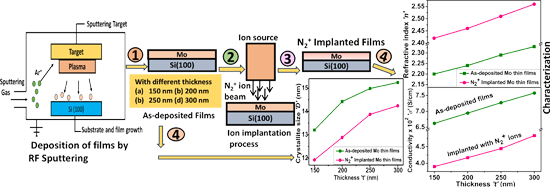
- conductivity of molybdenum thin films by introducing defects, modifying the crystal structure, doping the material with nitrogen ions, and potentially improving surface characteristics. Correlation of structural, optical, and electrical parameters with thickness Figure 12 depicts the mutual correlations


Graphene oxide–chloroquine conjugate induces DNA damage in A549 lung cancer cells through autophagy modulation
Beilstein J. Nanotechnol. 2025, 16, 316–332, doi:10.3762/bjnano.16.24
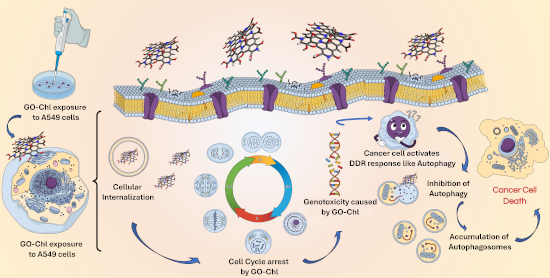
- -based propidium iodide uptake analysis The efficacy of nanomedicines mainly depends upon the effective cellular internalization and their transport to the appropriate intercellular effector site [52][53]. Studies have shown that based on its size and surface characteristics (i.e., hydrophilicity or



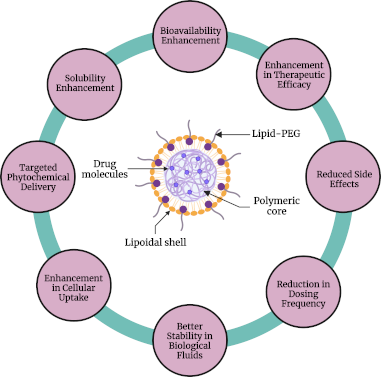
Polymer lipid hybrid nanoparticles for phytochemical delivery: challenges, progress, and future prospects
Beilstein J. Nanotechnol. 2024, 15, 1473–1497, doi:10.3762/bjnano.15.118


Nanotechnological approaches for efficient N2B delivery: from small-molecule drugs to biopharmaceuticals
Beilstein J. Nanotechnol. 2024, 15, 1400–1414, doi:10.3762/bjnano.15.113
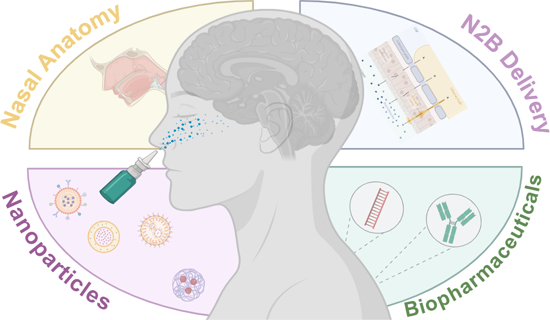
- for CNS targeting. For example, size, shape, and surface characteristics of a DDS directly affect cellular transport and uptake, biodistribution, and the interaction with biological interfaces [64][65]. Regarding particle size, NPs with a size of approx. 15 nm or below were observed to penetrate the
- revealed that an increase in particle size led to a shift towards caveolae-mediated internalization, the primary pathway for particles sized around 500 nm [69]. This shows the possibility of an even more extended particle size range to be considered for N2B delivery [69]. Regarding surface characteristics
- and specific targeting. In N2B delivery, DDSs provide them stability and the ability to penetrate biological barriers through their tailorable surface characteristics. Among biopharmaceuticals, siRNAs also stand out because of their selectivity for a single gene, bringing new opportunities to provide


Hymenoptera and biomimetic surfaces: insights and innovations
Beilstein J. Nanotechnol. 2024, 15, 1333–1352, doi:10.3762/bjnano.15.107
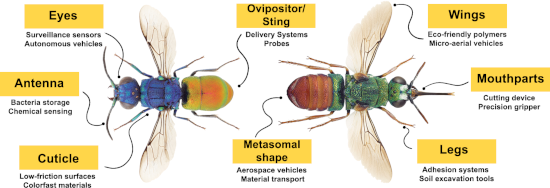
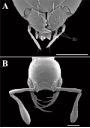
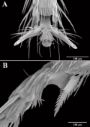
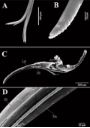
- biological principles could result in vehicles capable of agile and precise movements and increased stability in turbulent conditions. Despite these promising possibilities, the shape and surface characteristics of the hymenopteran metasoma remain underexplored, and families with unique metasomal forms still





Realizing active targeting in cancer nanomedicine with ultrasmall nanoparticles
Beilstein J. Nanotechnol. 2024, 15, 1208–1226, doi:10.3762/bjnano.15.98
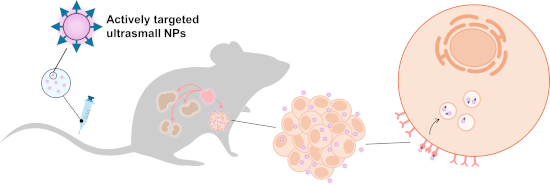
- avidity effects. On the other hand, too many ligands could alter the original surface characteristics of usNPs, leading to stronger nonspecific interactions with plasma proteins. Targeted usNPs with weak binding to cancer cell surface receptors may not provide any additional value over non-targeted


Atomistic insights into the morphological dynamics of gold and platinum nanoparticles: MD simulations in vacuum and aqueous media
Beilstein J. Nanotechnol. 2024, 15, 995–1009, doi:10.3762/bjnano.15.81
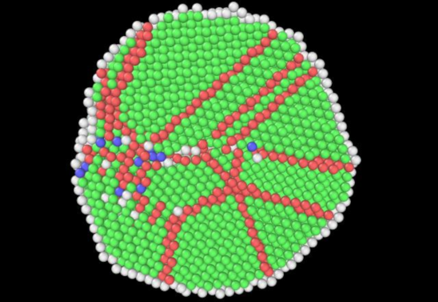
- for NPs is the consistency in their shape, surface characteristics, and crystallinity. Nevertheless, developing straightforward and widely applicable approaches to crystallize or melt NPs uniformly, with precise control, remains a significant challenge [25]. For instance, it has been shown that atomic


The effect of age on the attachment ability of stick insects (Phasmatodea)
Beilstein J. Nanotechnol. 2024, 15, 867–883, doi:10.3762/bjnano.15.72
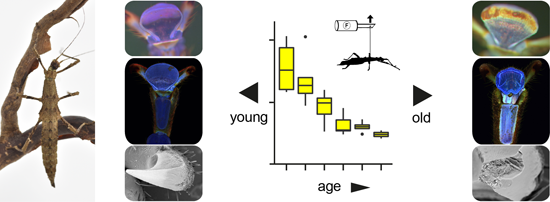
- to fly, they adapted strongly to their local environment [11][19][22][23]. Phasmids have evolved considerably depending on plants since pre-angiosperm times [24]. As plants display a huge range of different surface characteristics [25][26][27][28], the diversity of microstructures on phasmatodean
- investigated various functions of this system and how it changes under certain conditions, such as substrate geometry [36], the presence or absence of claws [37], different surface characteristics of substrates [33][38][39], and the combined effect with pad fluids [40]. For these animals, whose lives strongly


Modification of graphene oxide and its effect on properties of natural rubber/graphene oxide nanocomposites
Beilstein J. Nanotechnol. 2024, 15, 168–179, doi:10.3762/bjnano.15.16
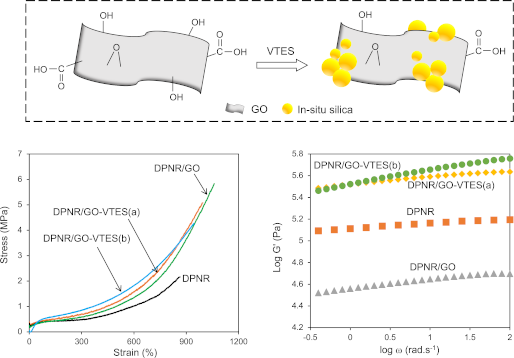
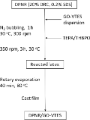
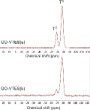
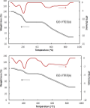
- symmetrical vibration of Si–O and Si–C linkages. This absorption was due to the formation of silica particles on the GO layer during modification. Contact angle The effect of GO modification with VTES on GO surface characteristics was investigated by measuring the contact angle. Figure 6 shows images of






Elasticity, an often-overseen parameter in the development of nanoscale drug delivery systems
Beilstein J. Nanotechnol. 2023, 14, 1149–1156, doi:10.3762/bjnano.14.95

- comparable size and surface characteristics but variable Young’s moduli ranging from 45 kPa to 19 MPa. In contrast to many other studies, soft nanoliposomes (NLPs) are taken up better by cells than harder particles used in this study. This is explained by the combination of membrane fusion and clathrin


Nanostructured lipid carriers containing benznidazole: physicochemical, biopharmaceutical and cellular in vitro studies
Beilstein J. Nanotechnol. 2023, 14, 804–818, doi:10.3762/bjnano.14.66
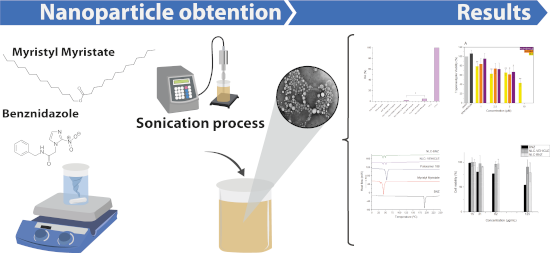
- increasing in the third month up to 155 nm. The Z-average parameter was chosen to report the nanoparticles size. The size values were consistent with the TEM image analysis. The zeta potential (ζ) was measured by Doppler anemometry and operated as a report of the formulation surface characteristics. The


Silver nanoparticles loaded on lactose/alginate: in situ synthesis, catalytic degradation, and pH-dependent antibacterial activity
Beilstein J. Nanotechnol. 2023, 14, 781–792, doi:10.3762/bjnano.14.64
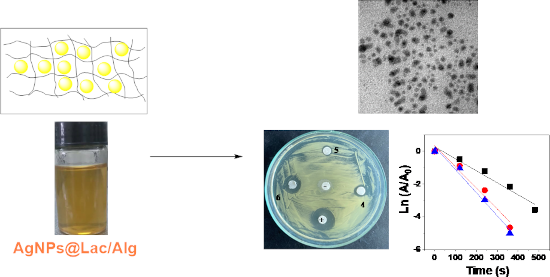
- surface characteristics and concentration of nanocatalyst, which directly impact the binding/adsorption capability of the reactant and the release/desorption of the reaction products [49]. This study aims to investigate the catalytic activity of the nanocomposite AgNPs@Lac/Alg for the degradation of two


Identifying diverse metal oxide nanomaterials with lethal effects on embryonic zebrafish using machine learning
Beilstein J. Nanotechnol. 2021, 12, 1297–1325, doi:10.3762/bjnano.12.97
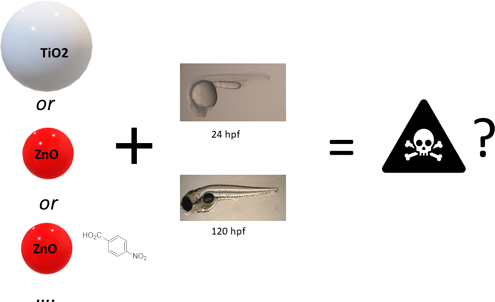
- significantly related to excess lethality at 120 hpf, with limited influence of descriptors representing the primary particle size or surface characteristics is interesting. The finding that the Pauling metal atom electronegativity descriptor was of greatest significance is broadly in keeping with earlier
- different oxidation states of the same metal were not considered in our dataset may also have resulted in a variable related purely to the metal atom identity being assigned elevated significance. Our finding that surface characteristics are of negligible importance, compared to core chemical composition is
- variability in biological effects [28][29][31]. It is possible that our results regarding the limited significance of surface characteristics may be skewed by the manner in which surface chemical composition was represented using descriptors and the incomplete availability of surface charge information. (See


Morphology-driven gas sensing by fabricated fractals: A review
Beilstein J. Nanotechnol. 2021, 12, 1187–1208, doi:10.3762/bjnano.12.88
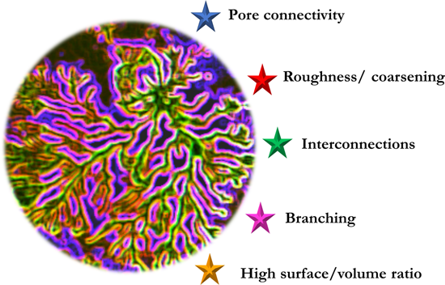
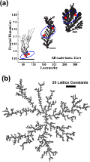
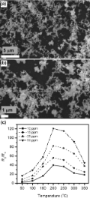
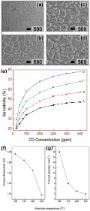
- , the extension of fractals in all three dimensions not only adds to the total number of active adsorption sites but also enhances their density. It is well known that surface gas adsorption and desorption are the rate-determining steps and mostly depend on surface characteristics such as surface area










The impact of molecular tumor profiling on the design strategies for targeting myeloid leukemia and EGFR/CD44-positive solid tumors
Beilstein J. Nanotechnol. 2021, 12, 375–401, doi:10.3762/bjnano.12.31

- without ligands, in a healthy murine model. Even though the authors reported an organ distribution of nearly 20% per gram in the BM, most of the porous silicon particles were entrapped in the spleen, liver, and lungs, because of their size and surface characteristics. In this case, the physicochemical