

Search results
Search for "thermal" in Full Text gives 1311 result(s) in Beilstein Journal of Nanotechnology. Showing first 200.
Sustainable fabrication of 2D-based devices through reuse of substrates with microfabricated electrodes
Beilstein J. Nanotechnol. 2026, 17, 818–827, doi:10.3762/bjnano.17.58
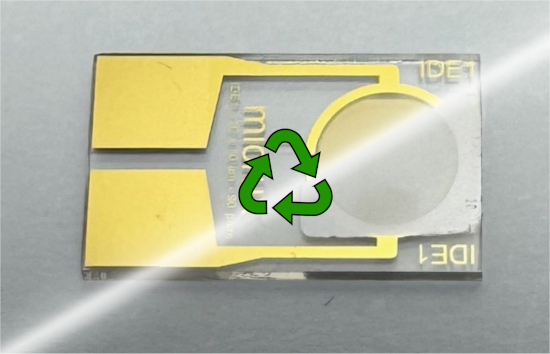
- fabrication Pre-patterned electrodes used in this work were obtained from different sources. The SiO2 (290 nm)/Si (p++) substrate shown in Figure 2a,b was prepared by placing a shadow mask (Ossila E291) onto the substrate, followed by thermal evaporation of 5 nm Cr/45 nm Au. All other Au-based electrodes used


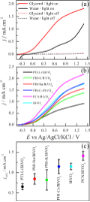
Glycerol photoelectrochemical oxidation reaction at carbon nitrides/BiVO4 materials
Beilstein J. Nanotechnol. 2026, 17, 806–817, doi:10.3762/bjnano.17.57
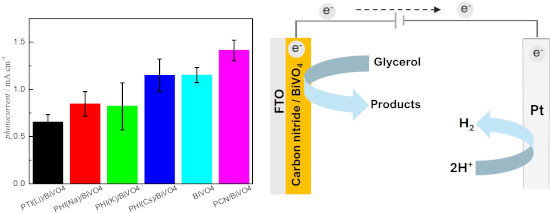
- )/BiVO4. The SEM-EDS analysis after electrochemical tests revealed that the presence of crystalline CNs induces the segregation of vanadium oxides, contributing to a decrease in activity. On the other hand, the superior performance of PCN/BiVO4 is attributed to a greater thermal stability of PCN during
- BiVO4 synthesis, as indicated by thermogravimetric analysis. These findings highlight the dual importance of electronic compatibility and thermal resilience of CN materials in designing efficient heterojunction photoanodes for biomass-assisted hydrogen production. Keywords: biomass valorization
- electrodes. These heterojunctions were applied to photoelectrochemical glycerol oxidation. Furthermore, the effect of Na, K, and Cs alkaline cations in the PHI structures was investigated and the photoactivity for glycerol oxidation was discussed in terms of CN thermal stability. Materials and Methods




Substrate-dependent pore formation in molybdenum disulfide monolayers under ion irradiation
Beilstein J. Nanotechnol. 2026, 17, 769–780, doi:10.3762/bjnano.17.54
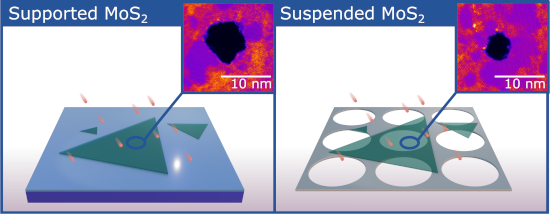
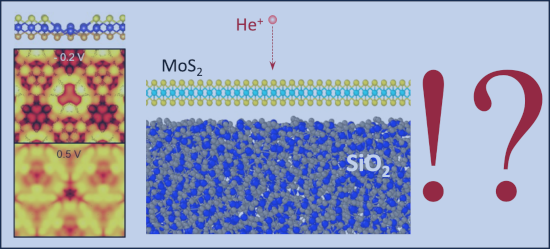
- layers in van der Waals heterostructures. Although graphene is an excellent in-plane conductor, the out-of-plane electrical (and thermal) coupling across the graphene/MoS2 interface is comparatively weak [57][58]. Indeed, simulations by Schwestka et al. [28] suggest that the out-of-plane conductance
- (4.8 MeV/u 197Au25+). For both irradiations, the flux was kept below 1 × 10⁹ s−1·cm−2 to avoid thermal damage. Total fluence was again set to Φ = 5 × 1011 cm−2. All irradiations were under perpendicular incidence. Imaging STEM measurements were carried out in Vienna with an aberration-corrected Nion


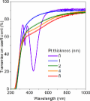
Tailoring Ag–Pt nanoalloys through solid-state dewetting: structural and optical insights
Beilstein J. Nanotechnol. 2026, 17, 748–759, doi:10.3762/bjnano.17.52

- , an effect that becomes particularly pronounced at the nanoscale. Consequently, these factors create opportunities for thermal-kinetic control, enabling the manipulation of thin-film continuity and facilitating their disintegration. Our earlier studies have shown that thermally activated
- disintegration can be used to fabricate single-metal nanostructures, nanoalloys, and nanocomposites on various substrates [23][24][25][26]. In this paper, we present a method for manufacturing Ag–Pt nanoalloys by thermal disintegration of thin metallic films. This nanoalloy system is particularly significant due
- . Observations of alloy formation at the nanoscale confirm that the miscibility between different metals can significantly increase as particle size decreases [3][4][5][6][33]. Nevertheless, in the case of nanoalloy formation induced by thermal dewetting of alternately deposited thin metallic layers, it is




Oxidative atmosphere-driven formation of single-phase spinel CuRh2O4 nanofibers for alkaline water oxidation
Beilstein J. Nanotechnol. 2026, 17, 737–743, doi:10.3762/bjnano.17.50
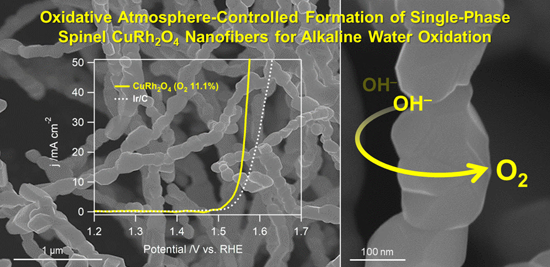
- atmosphere-controlled thermal treatment for engineering high-activity spinel oxide electrocatalysts. Keywords: annealing; electrocatalyst; electrospinning; oxygen evolution reaction; spinel oxide; Introduction The oxygen evolution reaction (OER) is a kinetically demanding, multistep process that governs




Molecular engineering of individual dye-based nanoparticle photostability for ultrabright two-photon fluorescence
Beilstein J. Nanotechnol. 2026, 17, 688–696, doi:10.3762/bjnano.17.48
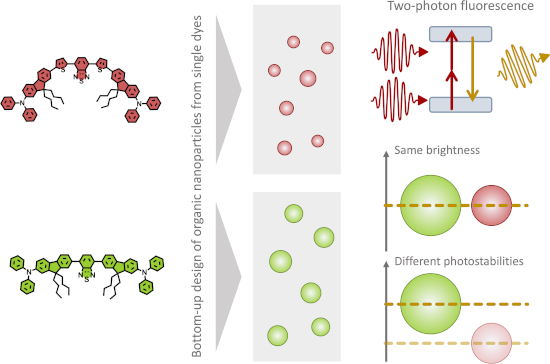
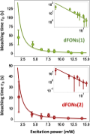
- illumination and high repetition rates). This leads to thermal degradation of the dyes. Despite the smaller size of dFONs(2), their heat dissipation capacity may be insufficient to compensate for this intense excitation cycling. Consequently, we propose that two-photon-induced thermal effects represent the


afspm: A framework for manufacturer-agnostic automation in scanning probe microscopy
Beilstein J. Nanotechnol. 2026, 17, 653–667, doi:10.3762/bjnano.17.45
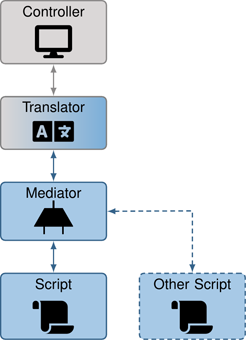
- system, we highlight [13], where atomic-level characterization is achieved via, among other processes, a thermal drift correction approach first described in [14]. Despite promising results, a lingering issue common to all these techniques is reusability. In most cases, the source code is written for a
- separate tasks may require microscope control. This is notably the case for tasks that involve monitoring and fixing issues detected during an experiment: Correcting for thermal drift, characterizing the tip, and optimization feedback parameters all fit within this category. To simplify automation of this
- disabled, we were able to roughly characterize the thermal drift. This is useful in order to ensure our experiment configuration and reasonable drift correction parameters. For our test, we requested to scan a specific region over ∼2 h with the correction logic off. For a second experimental run, we again




Cellulose as a photocatalyst support material: extraction, structural features, and environmental applications
Beilstein J. Nanotechnol. 2026, 17, 635–652, doi:10.3762/bjnano.17.44
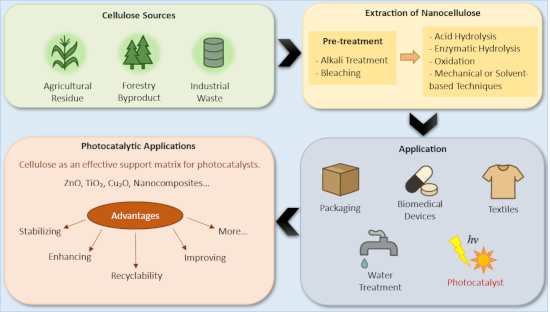
- during hydrolysis, leading to relatively low CNC yields [24]. To address these challenges, researchers have explored alternative acids, such as hydrochloric acid, which produces CNCs with weaker oxidation effects and minimal thermal degradation, though it faces difficulties in maintaining stable
- several unique advantages, including improved thermal stability, more uniform particle sizes, and higher crystallinity relative to those produced by acid hydrolysis [8][46]. Despite these benefits, the process is generally slower and more costly, largely due to the high price of enzymes. Cellulases act as
- its mechanical and thermal properties, ultimately allowing this abundant biopolymer to play an increasingly important role in both established and emerging applications [65]. In the papermaking industry, cellulose fibers derived from wood pulp or other plant sources form the essential raw material


Recent progress in enhancing built-in electric fields of perovskite solar cells via junction engineering
Beilstein J. Nanotechnol. 2026, 17, 602–621, doi:10.3762/bjnano.17.42
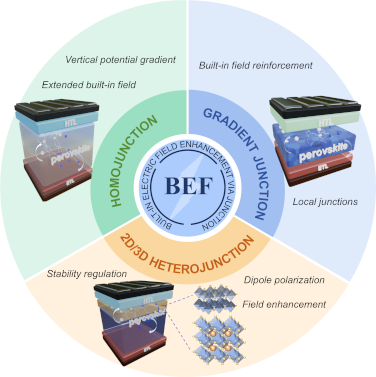
- interfacial compatibility are critical factors governing device performance [3][22][23]. Compared with organic hole transport layers (HTLs) such as Spiro-MeOTAD [24], PEDOT:PSS [25], and PTAA [26], which are prone to moisture absorption and exhibit poor thermal stability, inorganic materials such as CuO [27
- %, extended carrier lifetime from 2150 to 3990 ns, reduced interface defect density from 1.92 × 10¹⁶ to 1.03 × 1016 cm−3, and increased Vbi from 1.081 to 1.207 V, while retaining 78.4% of the initial PCE after 700 h of thermal aging at 60 °C. The transition from 3D perovskite to low-n 2D phases requires
- extraction and reducing thermal emission losses. Subsequently, a 4-methoxyphenylphosphonic acid (MPA) dipole passivation layer was introduced onto the surface of the 3D perovskite, followed by the deposition of the top 2D layer, forming a three-tiered configuration of HTL/2D/3D/MPA/2D/ETL (where the ETL is



Impacts of annealing on structural and photophysical properties of zinc phthalocyanine adsorbed on graphene
Beilstein J. Nanotechnol. 2026, 17, 576–585, doi:10.3762/bjnano.17.39
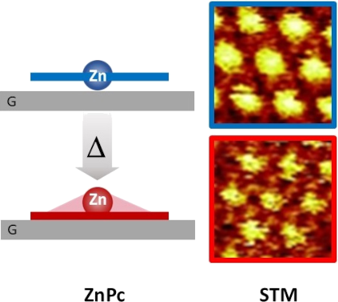
- ), a well-known family of organic semiconductors, have been the subject of intensive research [15]. This family of molecules offers many advantages for industrial applications such as nontoxicity, thermal and chemical stability, and strong optical absorption [16][17]. It has also become a paradigm in
- planar-square versus shuttlecock shapes depending on the central atoms [18]. As bulk materials, phthalocyanines have long been known to exhibit several polymorphs [19] with marked spectral differences in the Q-band range (600–800 nm) [20]. The transition between polymorphs can be controlled by thermal
- compared with results of scanning tunneling microscopy (STM) and scanning tunneling spectroscopy (STS) [29]. Similarly to their thicker 3D counterparts, 2D metal-free Pc [30] or metalated Pc [31] assemblies adsorbed on various substrates have shown important phase changes induced by thermal treatments. In


Advances in nanotechnology applied to natural products
Beilstein J. Nanotechnol. 2026, 17, 555–558, doi:10.3762/bjnano.17.36
- , including: (i) antioxidant, (ii) anti-inflammatory, (iii) antimicrobial, (iv) vector-control capacity (e.g., larvicidal and repellent properties), and (v) antitumor [2]. However, despite their chemical and functional diversity, they have significant limitations, such as (a) low solubility, (b) thermal or
Fractional shot noise of an SU(N) Kondo system
Beilstein J. Nanotechnol. 2026, 17, 515–540, doi:10.3762/bjnano.17.34
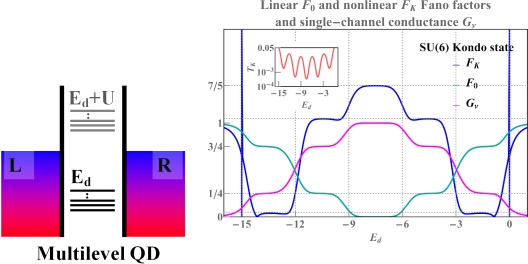
- current noise out of equilibrium. Current and shot noise, corresponding to the average and variance of the number of electrons passing through a dot per unit time, respectively, provide different information on a transport phenomenon. Equilibrium (thermal) fluctuations can be related via the fluctuation


![[Graphic 127]](/bjnano/content/inline/2190-4286-17-34-i187.svg?max-width=637&scale=1.18182)

Upcycling agroindustrial waste into graphene oxide supports for gold nanoparticles: toward sustainable nanomaterials
Beilstein J. Nanotechnol. 2026, 17, 489–504, doi:10.3762/bjnano.17.32
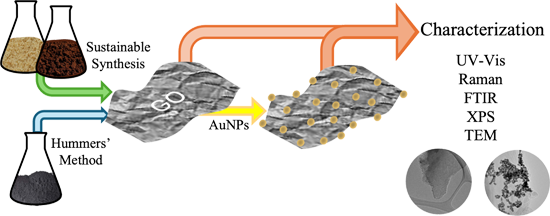
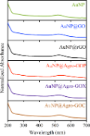
- spectrometer coupled to an Olympus BX41 optical microscope. The excitation source was a 532 nm solid-state laser (nominal output 28 mW) operated at 25% power using a 20× objective to minimize possible thermal effects on the samples. Spectra were recorded in the 500–3050 cm−1 range using a grating of 1800 mm−1
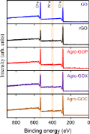
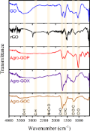
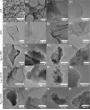
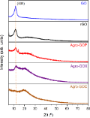
- biomass precursors. Overall, these thermal stability trends are in good agreement with XRD, XPS, Raman, UV–Vis, and TEM characterizations, collectively supporting the coexistence of GO-like domains and amorphous carbon in the agroindustrial waste-derived materials. The corresponding derivative
- permanganate-based oxidation [19][52][53][54]. In contrast, the Agro-GO materials presented here are synthesized under substantially milder thermal conditions without a Hummers step. Despite the lower processing temperature, they retain characteristic GO-like features via ferrocene-assisted aromatization



Defects and defect-mediated engineering of two-dimensional materials: challenges and open questions
Beilstein J. Nanotechnol. 2026, 17, 454–488, doi:10.3762/bjnano.17.31
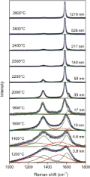
- to the interaction with the environment, for example, because of oxidation. The imperfections have a strong influence on the electronic, optical, thermal, and mechanical properties of 2D materials [2][3]. They normally deteriorate the characteristics; but they can also be beneficial, for example, in





Nanocarrier-integrated multilayer films produced by 3D printing for improved skin adhesion and curcumin photostability
Beilstein J. Nanotechnol. 2026, 17, 440–453, doi:10.3762/bjnano.17.30
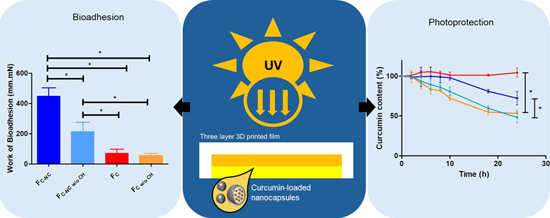
- hydrogel network. In contrast, for FC-NC, the modified thermal event can be mainly attributed to the confinement of curcumin within the nanocarriers, which restricts molecular mobility and enhances the physical stability of the system. These structural differences are relevant to the performance of the


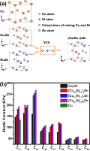
First-principles study on elastic properties of Cu, (Cu1−x,Nix)3Sn and interfacial mechanical properties of (Cu1−x,Nix)3Sn/Cu in the lead-free solder joint
Beilstein J. Nanotechnol. 2026, 17, 428–439, doi:10.3762/bjnano.17.29
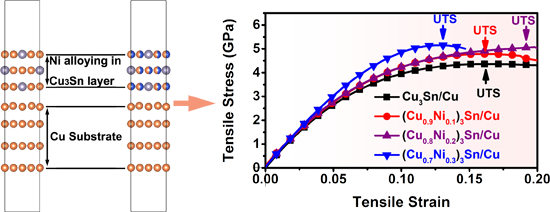
- the substrate [9]. In contrast to the barrier layer formed with lead-containing solder, the lead-free solder forms a compact interface between the intermetallics and the substrate without a barrier layer [9]. The compact interface could result in poor resistance to high temperatures and thermal shocks


Eco-efficient materials for agricultural crops based on a mineral rich in MOR- and HEU-type zeolites
Beilstein J. Nanotechnol. 2026, 17, 381–395, doi:10.3762/bjnano.17.26
- mode, applying an accelerating voltage of 200 kV and using a high-angle annular dark-field detector. N2 adsorption isotherms at 77 K were obtained on a Micromeritics ASAP 2020 V4.04 (V4.04 H) instrument. Prior to adsorption measurements, the samples underwent vacuum thermal degassing for 8 h at 150 °C




Interconnection morphology effects on the radio frequency response of carbon nanotube sponges
Beilstein J. Nanotechnol. 2026, 17, 343–351, doi:10.3762/bjnano.17.23
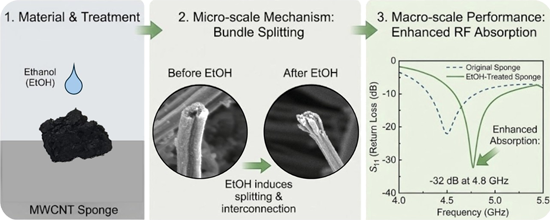
- cellular networks (4G/5G) for mobile and satellite communication. This vast number of applications often requires that the active materials possess additional properties beyond good electrical conductivity, such as flexibility, lightness, and resistance to thermal and mechanical stress or chemically harsh
- demanding non-standard shapes that also need to resist thermal and mechanical stress or chemically harsh conditions. Experimental The CNTs were synthesised using a chemical vapour deposition process [26][27][28] with a floating catalyst injection in a quartz tube (60 cm length and 45 mm external diameter



Beam shaping techniques for pulsed laser ablation in liquids: Unlocking tunable control of nanoparticle synthesis in liquids
Beilstein J. Nanotechnol. 2026, 17, 309–342, doi:10.3762/bjnano.17.22
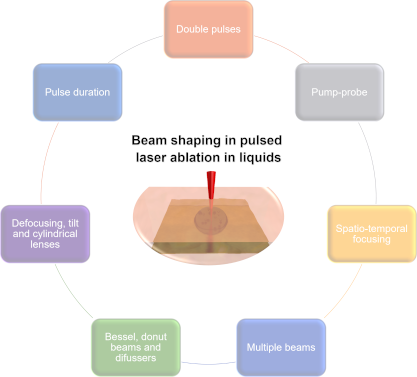
- ][77] and colorimetric sensors [78][79], surface-enhanced Raman spectroscopy detection [71][80][81], nanofluids for thermal applications [82][83][84], additive manufacturing [85][86][87], or catalysis [88][89]. The previously mentioned applications of PLAL-derived NPs can be grouped into four major
- maximise ablation efficiency through minimisation of thermal dissipation [109]. However, pulse shaping in PLAL still represents a barely explored approach, being mostly limited to experiments with controlled temporal delays between pulses. Further evaluating the possibilities of pulse shaping in PLAL holds
- , which makes CLAL unfeasible for continuous or large-scale nanoparticle production [5]. Nanosecond pulses significantly reduce the thermal interaction with the liquid, but their pulse duration is longer than the typical material electron–phonon relaxation time, of the order of 0.1–10 ps for metals







Fast vortex dynamics and relaxation times in NbRe-based heterostructures
Beilstein J. Nanotechnol. 2026, 17, 292–302, doi:10.3762/bjnano.17.20
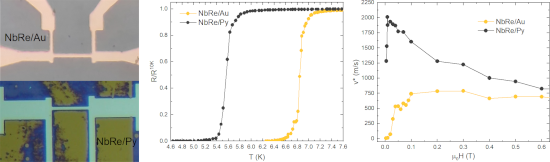
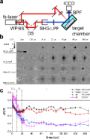
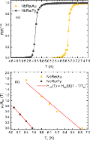
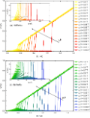
- to extract the quasiparticle energy relaxation time. For external magnetic field values for which edge barrier pinning is dominant and thermal effects are negligible, the relaxation times are about 150 ps and 24 ps for NbRe/Au and NbRe/Py bilayers, respectively. These results indicate that NbRe/Py
- superconducting coherence. This phenomenon, known as flux-flow instability (FFI), depends on several factors such as structural disorder and defects [3], pinning mechanisms [4][5], thermal effects [6], and sample geometry [7]. FFI is effectively described by the Larkin–Ovchinnikov (LO) model [8], which relates
- ]. The enhancement of vortex dynamics and the reduction of τE are strongly linked to the optimization of quasiparticle relaxation mechanisms. Excited quasiparticles can relax primarily through two processes, namely thermal electron–phonon (e–ph) interaction and electron–electron (e–e) recombination [1


Advancing nanolithography: a comprehensive review of materials for local anodic oxidation with AFM
Beilstein J. Nanotechnol. 2026, 17, 275–291, doi:10.3762/bjnano.17.19
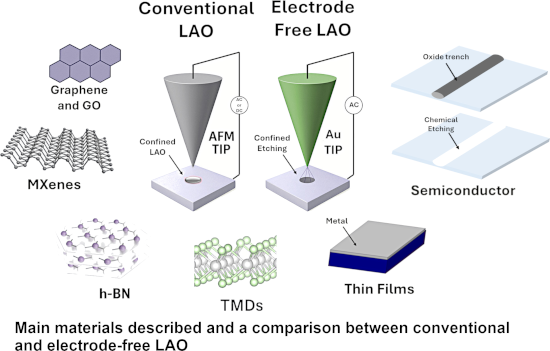
- ] and thermal scanning probe lithography [5], each catering to unique fabrication requirements. Among the bias-driven techniques, local anodic oxidation (LAO) stands out due to its precise, resist-free process and the compatibility with a wide range of materials [6][7][8][9]. LAO uniquely provides
- , with remarkable exceptions of single narrow lines reaching sub-10 nm full width at half maximum [21][50] and machined gaps on 2D materials as narrow as 20 nm [21][23]. The typical throughput of LAO is around a few square millimeters per hour [53]. In comparison, thermal scanning probe lithography (t
- notably GaAs and related heterostructures, where the patterned oxide lines were used as templates for nanoscale device fabrication [90]. Silicon carbide (SiC) is an interesting material for LAO, offering unique advantages over silicon due to its high thermal conductivity, chemical inertness, and


Multilayered hyperbolic Au/TiO2 nanostructures for enhancing the nonlinear response around the epsilon-near-zero point
Beilstein J. Nanotechnol. 2026, 17, 251–261, doi:10.3762/bjnano.17.17
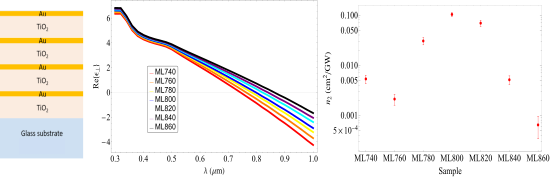
- laser, enabling us to characterize both the refractive and absorptive contributions to the nonlinear response. Due to the high pulse repetition rate inherent to Ti:sapphire systems and the presence of linear absorption in the samples, cumulative pulse-to-pulse thermal effects may be present. A modified
- version of the z-scan technique that allowed us to separate the electronic from the thermal contribution was used. A clear enhancement of the nonlinear response was observed for the sample with an ENZ point around the laser wavelength 800 nm with a nonlinear refractive index of n2 = 0.103 ± 0.006 cm2·GW−1
- and the complex effective permittivity using spectroscopic ellipsometry. Using a Ti:sapphire femtosecond pulsed laser, we study the third-order nonlinear response of the samples employing the z-scan technique [23]. Even though the use of femtosecond pulses allows us to avoid any thermal load to the


Gold nanoparticle-decorated reduced graphene oxide as a highly effective catalyst for the selective α,β-dehydrogenation of N-alkyl-4-piperidones
Beilstein J. Nanotechnol. 2026, 17, 218–238, doi:10.3762/bjnano.17.15


Structure-dependent thermochromism of PAZO thin films: theory and experiment
Beilstein J. Nanotechnol. 2026, 17, 186–199, doi:10.3762/bjnano.17.12
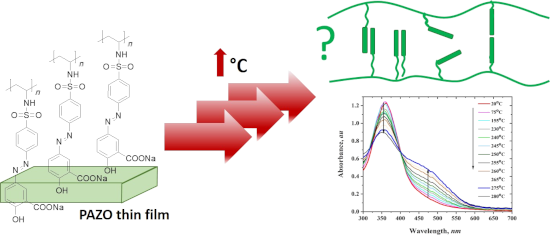
- thickness, and thermal treatment conditions. The observed changes in optical properties suggest that this response is governed by temperature-induced modulation of molecular ordering and aggregation state, which in turn alters the electronic transitions responsible for light absorption. Theoretical
- thin layers subjected to thermal treatment at temperatures up to 300 °C. Particular attention is given to the changes in absorption features and spectral shifts that may arise from structural rearrangements within the material. To rationalize the experimental findings, density functional theory (DFT
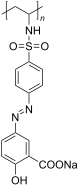
- undergo photoinduced isomerization in the temperature range of 280–300 °C, even though some chemical changes cannot be completely ruled out. According to differential thermal (DTA) and thermogravimetric (TGA) analyses, PAZO remains chemically stable up to about 280 °C, with indications of decomposition


From shield to spear: Charge-reversible nanocarriers in overcoming cancer therapy barriers
Beilstein J. Nanotechnol. 2026, 17, 159–175, doi:10.3762/bjnano.17.10
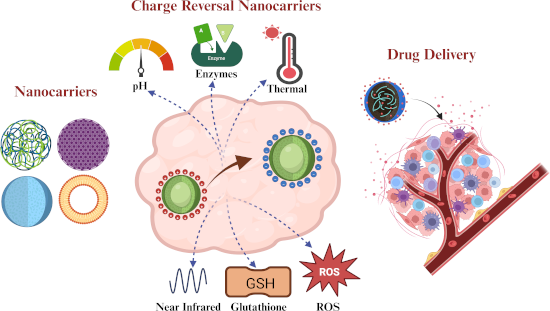
- doxorubicin release at temperatures of ≥44 °C, effectively targeting resistant and quiescent cancer stem cells. Combined TR-DOXO and magnetic field treatment achieved complete tumour inhibition in mice, demonstrating strong hyperthermia–chemotherapy synergy [67]. The combination of magnetic targeting, thermal