Search results
Search for "antimicrobial activity" in Full Text gives 64 result(s) in Beilstein Journal of Nanotechnology.
Hydroxyapatite–bioglass nanocomposites: Structural, mechanical, and biological aspects
Beilstein J. Nanotechnol. 2022, 13, 1490–1504, doi:10.3762/bjnano.13.123
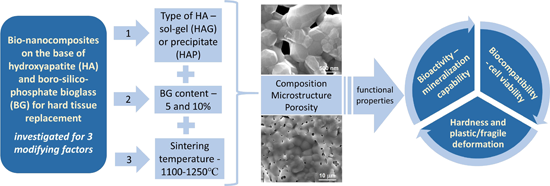
- addition of different dopants to the glass can enhance the osteogenesis (Mg, Sr, Fe, and Zr) or can yield particular properties such as angiogenesis (Cu and Co) and antimicrobial activity (Ag, Zn, Ce, Ga, and Cu). Also, dopants can change the glass solubility [13][15][16][17][18][19]. The presence of the
Supramolecular assembly of pentamidine and polymeric cyclodextrin bimetallic core–shell nanoarchitectures
Beilstein J. Nanotechnol. 2022, 13, 1361–1369, doi:10.3762/bjnano.13.112
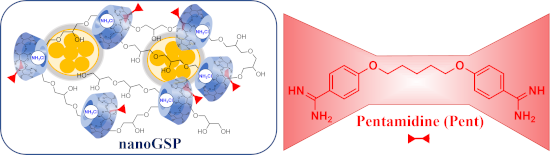
- ) with pentamidine (Pent), an antimicrobial agent used against leishmaniasis [16], to investigate the antimicrobial activity of novel nanosystems (i.e., nanoGSP; Figure 1). Leishmaniasis is an infectious disease caused by protozoan parasites transmitted to humans and animals by the bite of tiny (2–3 mm


Biomimetic chitosan with biocomposite nanomaterials for bone tissue repair and regeneration
Beilstein J. Nanotechnol. 2022, 13, 1051–1067, doi:10.3762/bjnano.13.92
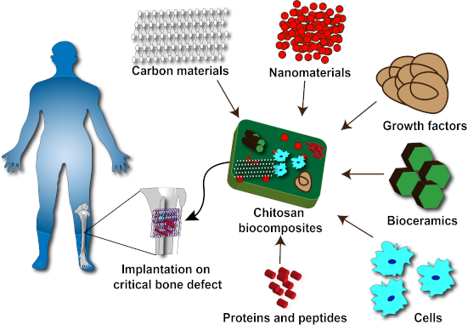
- mechanical strength and cell adhesion. Importantly, the developed biocomposites have excellent antimicrobial activity [111]. AgNP-loaded fibrillar collagen–chitosan matrix was used for further biomineralisation using a simulated body fluid (SBF) solution. The developed composites show better mineralisation
- and also significant antimicrobial activity [112]. The hydroxyapatite was coated onto titanium by using an induction plasma-spray coating approach. The hydroxyapatite was then buffed with silver and silica. In the SBF solution, the release of acemannan from the coating material was also evaluated
- surface area, antimicrobial activity, mechanical strength, osteoconductive and osteoinductive properties. In this particular study, the scaffolds of chitosan/polyvinyl alcohol/graphene oxide/hydroxyapatite/gold films were used in an orthopaedic application. The mechanical strength of the developed
Bioselectivity of silk protein-based materials and their bio-inspired applications
Beilstein J. Nanotechnol. 2022, 13, 902–921, doi:10.3762/bjnano.13.81

- through direct antimicrobial activity, (2) inhibiting biofilm-specific signalling pathways, and (3) modulating the innate immune responses resulting in the inhibition of potentially harmful inflammation reactions [85][86][88]. In order to highlight the multifaceted nature of AMPs, the term host defense
- spider silk proteins from Nephila clavipes with the AMPs human neutrophil defensin 2 and 4 (HNP-2, HNP-4) and hepcidin, showed antimicrobial


Ciprofloxacin-loaded dissolving polymeric microneedles as a potential therapeutic for the treatment of S. aureus skin infections
Beilstein J. Nanotechnol. 2022, 13, 517–527, doi:10.3762/bjnano.13.43
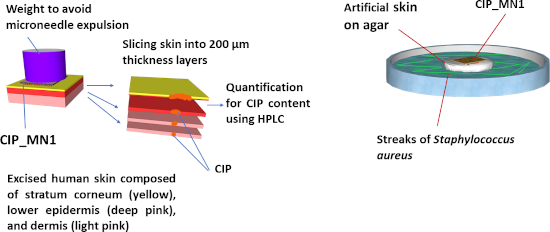
- on agarose gel as an in vitro model of human skin showed that the formula was able to fully perforate the agarose gel. Moreover, this formula showed significantly greater antimicrobial activity (p < 0.0001) compared to a free gel of ciprofloxacin against Staphylococcus aureus in an agarose gel-based
- amount of ciprofloxacin was placed on top of the skin, followed by the stainless steel weight for consistency. Antimicrobial activity: in vitro infection study S. aureus (ATCC-29213) inoculum equivalent to 0.5 MacFarland (ca. 1 × 10⁸ CFU/mL) turbidity was prepared from an overnight culture. A sterile
- frequently wetted with PBS to prevent the skin from drying out. At each predefined time point, CIP_MN1 was removed, and the skin was sliced using a cryostatic microtome. In vitro model for the antimicrobial activity of CIP_MN1. Preincubated inoculum of S. aureus is streaked over an agar plate. An artificial


Engineered titania nanomaterials in advanced clinical applications
Beilstein J. Nanotechnol. 2022, 13, 201–218, doi:10.3762/bjnano.13.15
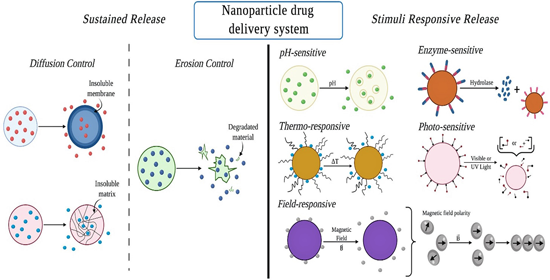
- photocatalytic reaction, as a result of which anatase has been found to have the highest antimicrobial activity among all crystal structures of TiO2 [79]. The mechanisms of titania-induced biocidal activity are mostly by an oxidative attack on the outer/inner cell membrane of the microorganism, as well as
- standard glass surface [82]. Another recent study stated that hollow, calcined TiO2 nanospheres (CSTiO2), synthesized by the combination of electrospinning and atomic layer deposition, have high antimicrobial activity against multidrug-resistant bacteria such as S. aureus strains compared to commercial
- , and it is considered a potent candidate for modifying TiO2 by photodeposition or radiolytic reduction. The prepared material exhibited antibacterial and antifungal properties under UV, visible and solar irradiation, and even in darkness [85]. Intriguingly, an enhanced antimicrobial activity of TiO2


A comprehensive review on electrospun nanohybrid membranes for wastewater treatment
Beilstein J. Nanotechnol. 2022, 13, 137–159, doi:10.3762/bjnano.13.10




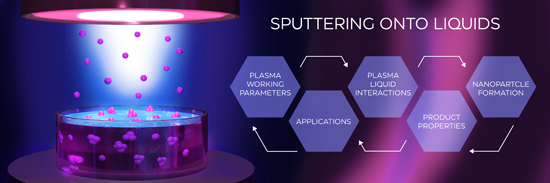
Sputtering onto liquids: a critical review
Beilstein J. Nanotechnol. 2022, 13, 10–53, doi:10.3762/bjnano.13.2






Self-assembly of amino acids toward functional biomaterials
Beilstein J. Nanotechnol. 2021, 12, 1140–1150, doi:10.3762/bjnano.12.85
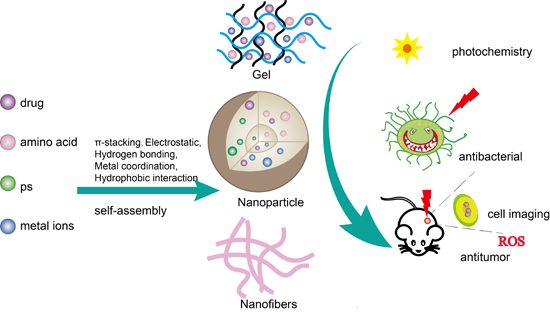
- properties [27] and good antibacterial activity [44]. Hydrogels of other amino acids modified by Fmoc, such as Fmoc-tryptophan, Fmoc-methionine, and Fmoc-tyrosine have also been shown to have antimicrobial activity and to be selectively resistant to Gram-positive bacteria [45]. The combined self-assembly
- bacteria and aztreonam-encapsulated Fomc-F hydrogels antagonize Pseudomonas aeruginosa and enhance Fomc-F antimicrobial activity. Salicylic acid is loaded in Fmoc-ʟ-phenylalanine hydrogel, which can play a role against Gram-positive bacteria, and the drug release behavior changes at different temperature

The role of deep eutectic solvents and carrageenan in synthesizing biocompatible anisotropic metal nanoparticles
Beilstein J. Nanotechnol. 2021, 12, 924–938, doi:10.3762/bjnano.12.69
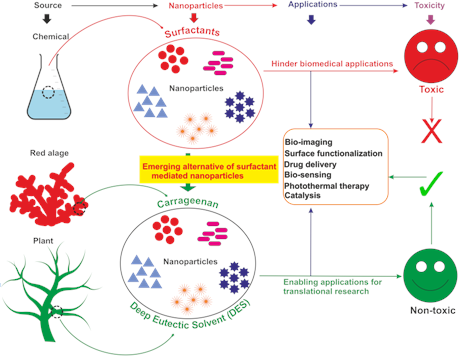
- osteoblast cytotoxicity tests in cell lines (L02 and L929). Adapted from [116], J. I. González Ocampo et al., “Evaluation of cytotoxicity and antimicrobial activity of an injectable bone substitute of carrageenan and nano hydroxyapatite”, J. Biomed. Mater. Res. A., with permission from John Wiley and Sons


Comprehensive review on ultrasound-responsive theranostic nanomaterials: mechanisms, structures and medical applications
Beilstein J. Nanotechnol. 2021, 12, 808–862, doi:10.3762/bjnano.12.64
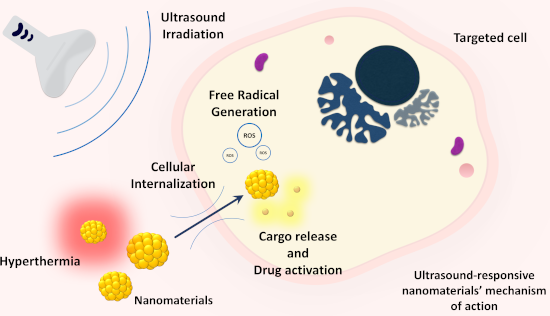
- %, respectively [207]. Liao et al. fabricated epidermal growth factor-coated lysozyme MBs responsive to US waves, which showed good antimicrobial activity, promoting neovascularization and significantly reducing the time needed for wound healing


Silver nanoparticles nucleated in NaOH-treated halloysite: a potential antimicrobial material
Beilstein J. Nanotechnol. 2021, 12, 798–807, doi:10.3762/bjnano.12.63

- matrix and additive was tested through coating the Ag-NPs with dodecanethiol, a non-polar surfactant. The resulting composites were characterized by scanning electron microscopy and in terms of surface antimicrobial activity. The results demonstrate that the Ag-NPs synthesized in this work are indeed
- antimicrobial, and that it is possible to imbue a polymeric matrix with the antimicrobial properties of Ag-NPs. Keywords: antimicrobial activity; DIO coating; halloysite; nanocomposites; silver nanoparticles; Introduction The number of people dying from bacterial infections has been significantly reduced with
- then evaluated in terms of surface antimicrobial activity. Experimental Halloysite (>99%), silver nitrate (AgNO3(s), >99%), and dodecanethiol were obtained from Sigma-Aldrich; sodium hydroxide (NaOH(s), >99%) was purchased from Alpha Quimica; low-density polyethylene (LDPE) was purchased from Braskem




A review on the green and sustainable synthesis of silver nanoparticles and one-dimensional silver nanostructures
Beilstein J. Nanotechnol. 2021, 12, 102–136, doi:10.3762/bjnano.12.9
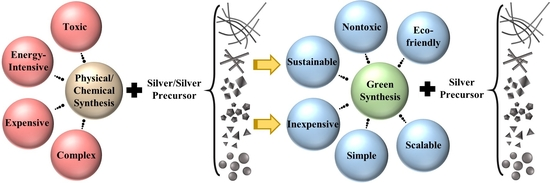
- characteristics including antimicrobial activity, electrical conductivity, thermal conductivity, optical characteristics, and mechanical properties. The antimicrobial characteristic of silver nanoparticles (AgNPs) has made them highly applicable in the biomedical and therapeutic fields [69][70][71]. Currently


Antimicrobial metal-based nanoparticles: a review on their synthesis, types and antimicrobial action
Beilstein J. Nanotechnol. 2020, 11, 1450–1469, doi:10.3762/bjnano.11.129

- Nanotechnology (CEDENNA), 9170124 Santiago, Chile Department of Physics, University of Santiago de Chile (USACH), Av. Ecuador 3493, 9170124 Santiago, Chile 10.3762/bjnano.11.129 Abstract The investigation of novel nanoparticles with antimicrobial activity has grown in recent years due to the increased incidence
- and understanding of the antimicrobial action of metal-based nanoparticles are key topics, several methods for evaluating in vitro antimicrobial activity and the most common antimicrobial mechanisms (e.g., cell damage and changes in the expression of metabolic genes) were discussed in this review
- -based NPs have demonstrated antimicrobial activity over the last years. Several metal and metal oxide NPs, such as silver, copper, zinc oxide, titanium oxide, copper oxide, and nickel oxide NPs, are known to display antimicrobial activity [15][16][17] that depends on their composition, surface


Photothermally active nanoparticles as a promising tool for eliminating bacteria and biofilms
Beilstein J. Nanotechnol. 2020, 11, 1134–1146, doi:10.3762/bjnano.11.98

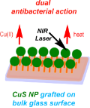
- . The local photothermal effect triggered by the NIR irradiation of PVA-GNS films was highly efficient in eliminating E. coli bacteria, as shown in Figure 4. In a very recent study, the antimicrobial activity of a chitosan-based hydrogel with embedded gold nanorods under low-power (200 mW) diode laser
- irradiation was reported [67]. The antibacterial activity was measured on both Gram-positive and Gram-negative strains, including clinically isolated multidrug-resistant pathogens. The authors found that the fabricated nanocomposite showed pronounced antimicrobial activity against tested pathogenic


Gram-scale synthesis of splat-shaped Ag–TiO2 nanocomposites for enhanced antimicrobial properties
Beilstein J. Nanotechnol. 2020, 11, 1119–1125, doi:10.3762/bjnano.11.96
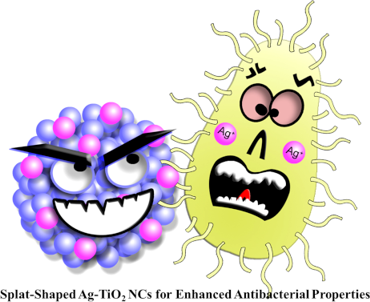
- which have significant antimicrobial activity against Gram-positive and Gram-negative bacteria [16][17]. Importantly, Ag and TiO2 NPs have been reported to be less toxic to humans [2][18][19][20]. In comparison to single NPs, the nanocomposites have advantages in terms of multifunctional use
- solutions, dried and applied on the culture plates. Finally, the plates were incubated at 37 °C for 24 h and the zone of inhibition was measured around the disc to estimate the antimicrobial activity [22]. Results and Discussion The XRD spectra were analyzed to verify the crystal structure and the phase
- the antibacterial activity. The aim of this study was to improve the antimicrobial activity of the biocompatible TiO2 material by growing the small Ag nanoparticles onto its surface. It is known that the Ag free radicals are used to kill bacteria due to their highly oxidative nature; however, when


Silver-decorated gel-shell nanobeads: physicochemical characterization and evaluation of antibacterial properties
Beilstein J. Nanotechnol. 2020, 11, 620–630, doi:10.3762/bjnano.11.49

- whole structure. The silver-decorated nanobeads appear to be a promising material with considerable antimicrobial activity and were tested against Escherichia coli, Pseudomonas aeruginosa, Staphylococcus aureus and Staphylococcus epidermidis. The determined minimum inhibitory (MIC) and minimum biofilm
- antimicrobial activity. The MIC values for all of the tested bacterial strains are in the range from 0.76 to 1.14 µg/mL. The least susceptible bacterial strain was gram-positive S. aureus, for which the growth was inhibited at the concentration of 1.14 µg/mL. This result is consistent with previous reports on
- antimicrobial activity of the nanobeads for both strains. One can also notice that for the S. aureus biofilm only small clusters of dead cells, close to the spaces and interruptions in the biofilm, structure are seen. These changes in the structure of the biofilm were not present in the control sample


Correction: Photocatalytic antibacterial performance of TiO2 and Ag-doped TiO2 against S. aureus. P. aeruginosa and E. coli
Beilstein J. Nanotechnol. 2020, 11, 547–549, doi:10.3762/bjnano.11.43
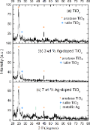
- ., India Department of Biotechnology, Motilal Nehru National Institute of Technology, Allahabad, Prayagraj, 211004, U.P., India 10.3762/bjnano.11.43 Keywords: Ag-doped TiO2; antimicrobial activity; sol–gel; The following is a correction to the section “XRD of TiO2 and Ag-doped TiO2”, which contains a new
Nanoparticles based on the zwitterionic pillar[5]arene and Ag+: synthesis, self-assembly and cytotoxicity in the human lung cancer cell line A549
Beilstein J. Nanotechnol. 2020, 11, 421–431, doi:10.3762/bjnano.11.33

- [2][3][4]. Silver is well known for its antimicrobial activity, and Ag+ ion is usually considered a biologically active substance [5][6][7][8]. However, it is known that the effect of Ag+ on the human body is toxic and can cause diseases such as argyria (irreversible staining of the skin in gray


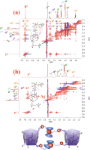


Facile biogenic fabrication of hydroxyapatite nanorods using cuttlefish bone and their bactericidal and biocompatibility study
Beilstein J. Nanotechnol. 2020, 11, 285–295, doi:10.3762/bjnano.11.21
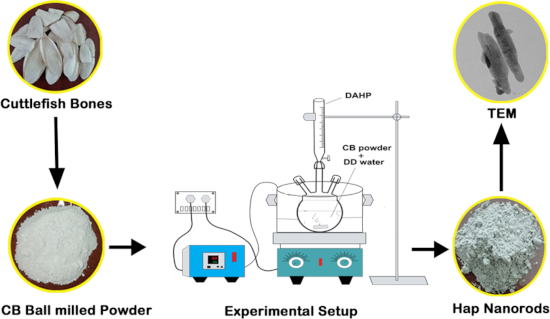
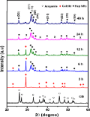
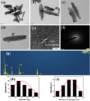
- in hard tissue treatments. FTIR data further confirms the presence of phosphate groups and TGA data showed that the CB-Hap NRs possess significant thermal stability. Furthermore, the hemolysis study showed better blood compatibility than conventional, chemically synthesized Hap, and the antimicrobial
- activity showed better activity against gram-positive S. aureus bacteria. Moreover, the Hap can be incorporated with metal dopants in future experiments to further elevate their biocompatibility towards blood cells and increase their antibacterial efficacy. These enhanced biological properties of biogenic




Internalization mechanisms of cell-penetrating peptides
Beilstein J. Nanotechnol. 2020, 11, 101–123, doi:10.3762/bjnano.11.10

- ’ effect, which was first proposed for maganin. Maganin is an amphipathic peptide, composed of 23 residues, which exhibits a broad-spectrum of antimicrobial activity. This model is characterized by a ‘carpet’ formation followed by a perturbation resulting from the interaction of the negatively charged


Preservation of rutin nanosuspensions without the use of preservatives
Beilstein J. Nanotechnol. 2019, 10, 1902–1913, doi:10.3762/bjnano.10.185

- lower and slower increase in microbial growth was found for the Plantacare-stabilized formulations (Figure 10 and Table 3). A possible reason for this observation could be the antimicrobial activity of the stabilizer Plantacare, which was already described in previous works by Jurado and co-workers [27


Novel hollow titanium dioxide nanospheres with antimicrobial activity against resistant bacteria
Beilstein J. Nanotechnol. 2019, 10, 1716–1725, doi:10.3762/bjnano.10.167
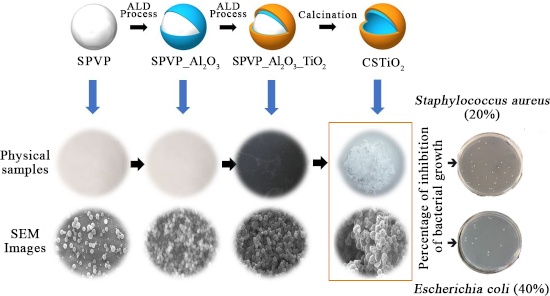
- bacteria, including resistant E. coli and S. aureus strains, and when compared to commercial TiO2 nanoparticles, CSTiO2 nanospheres exhibited superior performance. In addition, the positive effect of UV irradiation on the antimicrobial activity was demonstrated. Keywords: antimicrobial nanoparticles
- , structural and thermal properties. In addition, the antimicrobial activity against common and multidrug-resistant bacteria were also studied. Crucial factors, such as the size, surface morphology and crystal structure of the NPs, were found to affect their antibacterial mechanism. Thus, the comparison of the
- antimicrobial activity of the developed hollow TiO2 nanospheres with commercial TiO2 NPs was also performed. Results and Discussion Material characterization Titanium dioxide nanospheres were successfully obtained following the three-step procedure shown in Figure 1. First, electrosprayed spherical poly


Enhanced inhibition of influenza virus infection by peptide–noble-metal nanoparticle conjugates
Beilstein J. Nanotechnol. 2019, 10, 1038–1047, doi:10.3762/bjnano.10.104
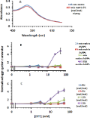
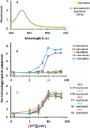
- demonstrate that conjugation of FluPep to gold and silver nanoparticles enhances its antiviral potency; the antimicrobial activity of silver ions may enable the design of even more potent antimicrobial inhibitors, capable of targeting both influenza and bacterial co-infections. Keywords: antiviral peptides
- more than one FluPep ligand. Anti-influenza activity of FluPep ligand incorporated to silver nanoparticles Control mixed-matrix-passivated silver nanoparticles had no effect on viral infectivity (Figure 7). It is the silver (Ag+) ions that exert antimicrobial activity [33]. Thus, this result indicates




Comparative biological effects of spherical noble metal nanoparticles (Rh, Pd, Ag, Pt, Au) with 4–8 nm diameter
Beilstein J. Nanotechnol. 2018, 9, 2763–2774, doi:10.3762/bjnano.9.258
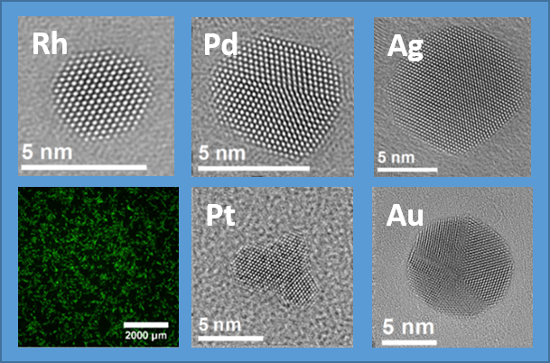
- ]. Some authors have reported antimicrobial activity of gold, platinum, and palladium nanoparticles in the size range of 5 to 30 nm against gram-negative and gram-positive bacteria [23][24][25] and distinct adverse biological effects such as genotoxicity, induction of apoptosis and cell cycle arrest of