

Search results
Search for "light" in Full Text gives 1542 result(s) in Beilstein Journal of Nanotechnology. Showing first 200.
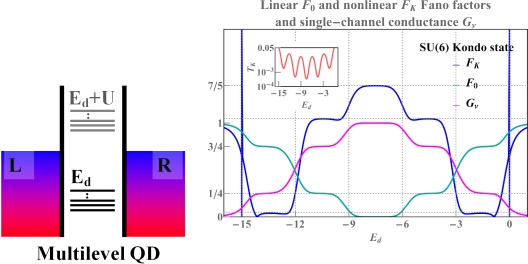
Fractional shot noise of an SU(N) Kondo system
Beilstein J. Nanotechnol. 2026, 17, 515–540, doi:10.3762/bjnano.17.34


![[Graphic 127]](/bjnano/content/inline/2190-4286-17-34-i187.svg?max-width=637&scale=1.18182)

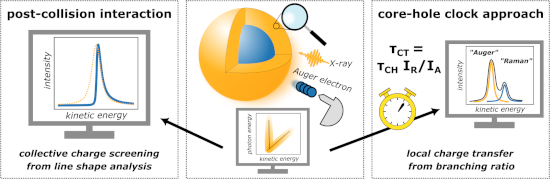
Probing internal continua and atomic ultrafast charge transfer within size-controlled nanoparticles by post-collision interaction in core-hole clock spectroscopy
Beilstein J. Nanotechnol. 2026, 17, 505–514, doi:10.3762/bjnano.17.33
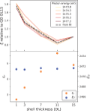
- and, thus, does not allow for energy redistribution within itself. In fact, examining the evolution of the charge transfer times and of the asymmetry parameter across photon energies above the proposed CBM (light gray area in Figure 5), except within the dark gray area, both follow expectations
- a function of photon energy and particle size. Top panel: The X-ray absorption cross section (PFY, orange line) is shown in comparison to an integration of the resonant Auger spectra (CFS-PEY, light green line). Also, the deconvolution of the signal into the intensities of Auger (green) and Raman
- dashed lines. In both panels, an estimation of the Fermi level (dashed orange line) and the fitted threshold energies ET from the PCI model (solid vertical line) are shown. The light gray area corresponds to a continuum situation, which is, according to our interpretation, the conduction band. The dark



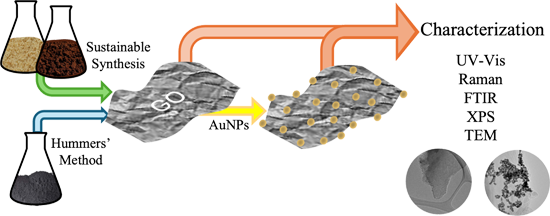
Upcycling agroindustrial waste into graphene oxide supports for gold nanoparticles: toward sustainable nanomaterials
Beilstein J. Nanotechnol. 2026, 17, 489–504, doi:10.3762/bjnano.17.32
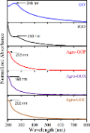
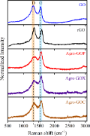
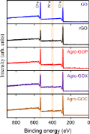
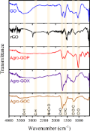
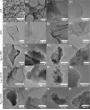
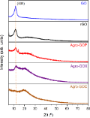
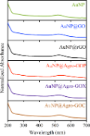
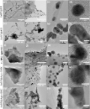
- , and the suspension was stirred magnetically at 220 rpm. Afterwards, the pH was adjusted to 5 by dropwise addition of 1 M NaOH. Then, 400 μL of an aqueous HAuCl4 solution (0.05 mM) was introduced into the system. The reaction mixture was irradiated with UV light (GR.E 500 W lamp, Helios Italquartz



Defects and defect-mediated engineering of two-dimensional materials: challenges and open questions
Beilstein J. Nanotechnol. 2026, 17, 454–488, doi:10.3762/bjnano.17.31
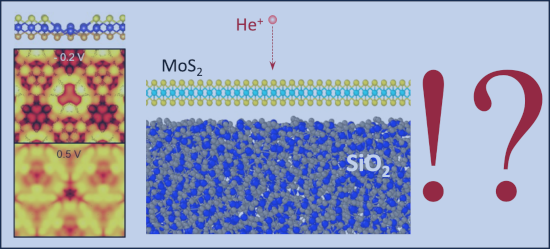
- still require further study. Moreover, it has been shown that even the exposure of TMD films to ordinary laboratory light in air can accelerate oxidation [73], although the underlying mechanism of this effect remains unclear. Does high-temperature annealing increase or decrease the concentration of
- ), mostly for pristine materials, but in a few cases also with defects [94][115]. In order to model Raman scattering, a model for the response of the material to incoming light is required. In the non-resonant case, Raman scattering is allowed when the atomic displacement of a vibrational mode leads to a
- polarizations of the incoming and the scattered light. In addition, first-principles calculations of polarizability are significantly more demanding than those of total energy, which is especially true for large systems with defects; this can limit the collection of training data. Finally, training a model for





Nanocarrier-integrated multilayer films produced by 3D printing for improved skin adhesion and curcumin photostability
Beilstein J. Nanotechnol. 2026, 17, 440–453, doi:10.3762/bjnano.17.30
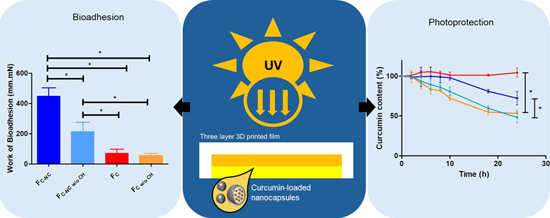
- antioxidant compound. The development of topical films for cutaneous delivery faces several challenges, including the need for strong skin adhesion and the protection of photolabile actives from light exposure. We hypothesized that multilayered films designed for the cutaneous delivery of curcumin and
- concentrated to 10 mL. The experiment was carried out in a dark environment, protected from light. Blank formulations (B-NC) were prepared under the same conditions, without addition of curcumin in the organic phases. All formulations were prepared and characterised in triplicate. Particle size, pH and zeta
- potential The z-average particle size and the polydispersity index were measured by dynamic light scattering using a Zetasizer® Nano ZS (ZEN 3600, Malvern Instruments, USA). For this analysis, 10 µL of the C-NC formulation was diluted in 5 mL of ultrapure water (previously filtered through a 0.45 µm


Biomimetic nanoparticles in cancer photodynamic therapy: a review of targeted delivery systems and therapeutic outcomes
Beilstein J. Nanotechnol. 2026, 17, 396–422, doi:10.3762/bjnano.17.27
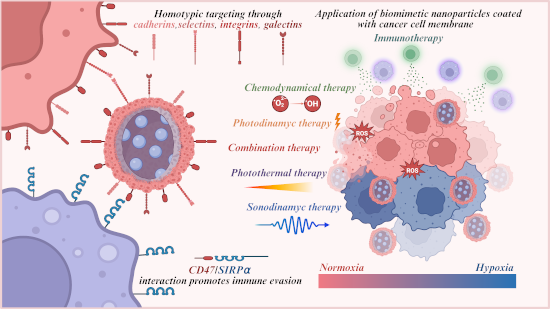
- cancer treatment that uses photosensitizers (PSs) activated by light to produce cytotoxic reactive oxygen species (ROS). Although PDT shows clinical promise, its effectiveness is limited by factors such as insufficient tumor targeting, tumor hypoxia, PS instability, and weak immune responses. Biomimetic
- involving three key components: a photosensitizer (PS), light of a specific wavelength, and molecular oxygen [3]. Upon light activation, the PS transitions to an excited state and transfers energy to surrounding oxygen molecules, generating reactive oxygen species (ROS) that can eradicate tumor cells. While
- . Overview of photodynamic therapy PDT is a clinically established and continuously evolving treatment modality for various cancers and non-oncological conditions. Its therapeutic efficacy hinges on PSs, that is, specialized agents capable of absorbing light at specific wavelengths and transferring this


Interconnection morphology effects on the radio frequency response of carbon nanotube sponges
Beilstein J. Nanotechnol. 2026, 17, 343–351, doi:10.3762/bjnano.17.23
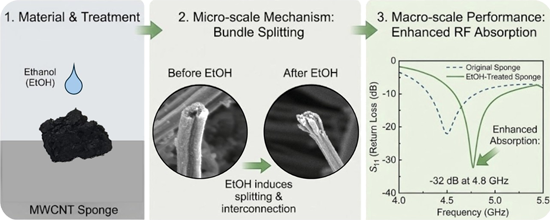
- supporting substrate, showing high flexibility, light weight, and mechanical robustness. We tested our synthesized CNSs as active material for the production of antennas working in the radio frequency (RF) range to determine whether CNT sponges present, in addition to practical advantages over CNT films
- dimensions compared to SWCNTs and have higher conductivity. Wang et al. [15], demonstrated that films of MWCNTs can operate as antennas when irradiated with light in the visible and near-UV regions. In particular, the maximum intensity of the reflected light in the visible range is obtained when the average
- length of the nanotubes composing the film is a half-integer multiple of the wavelength of the incident light (i.e., operation as simple dipole radio antennas). Similar to SWCNTs, MWCNTs can be doped or threaded/bundled to enhance conductivity, and it was found that, when the thickness of MWCNTs was



Beam shaping techniques for pulsed laser ablation in liquids: Unlocking tunable control of nanoparticle synthesis in liquids
Beilstein J. Nanotechnol. 2026, 17, 309–342, doi:10.3762/bjnano.17.22
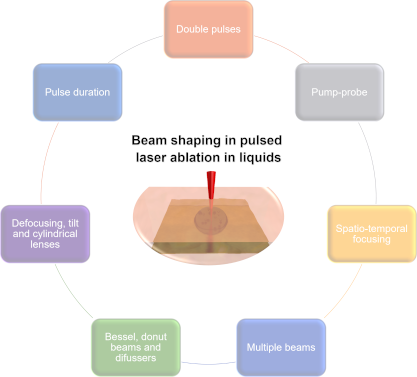
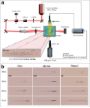
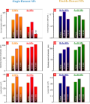
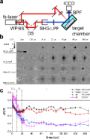
- synthesis and the underlying optical mechanisms including its influence on ablation efficiency, size control, and colloidal stability. Refractive elements rely on the interaction of light with a transparent material with a different refractive index than air. Standard refractive optics elements such as
- optics can generate complex and exotic light structures that go beyond simple focusing, allowing for custom-shaped intensity distributions at the target. This technology permits the creation of arbitrary beam shapes, enabling more intricate control of the laser interaction with the material, which is
- especially useful for advanced applications requiring customised energy deposition patterns. Diffractive elements offer the advantage of being thin and lightweight and allow for the generation of user-defined beam patterns through controlled light diffraction produced by micro- or nanostructured glasses or







Advancing nanolithography: a comprehensive review of materials for local anodic oxidation with AFM
Beilstein J. Nanotechnol. 2026, 17, 275–291, doi:10.3762/bjnano.17.19
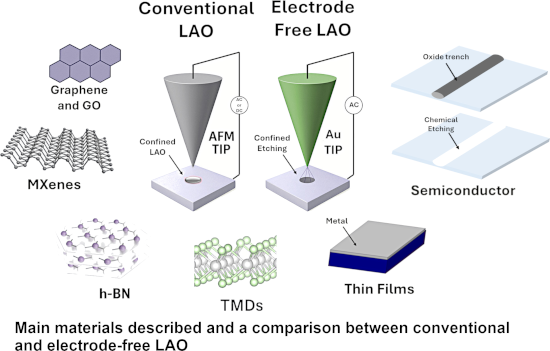
- (MXenes) that may introduce new oxidation dynamics. Regrettably, key factors such as oxygen, humidity, and light, which contribute to the ambient degradation of few-layer BP [107], may present significant challenges for the application of LAO. The conductive properties of MXenes range from metallic to


Durable antimicrobial activity of fabrics functionalized with zeolite ion-exchanged nanomaterials against Staphylococcus aureus and Escherichia coli
Beilstein J. Nanotechnol. 2026, 17, 262–274, doi:10.3762/bjnano.17.18
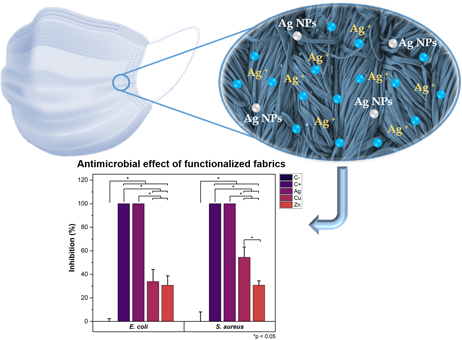
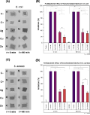
- fabrics, corresponding to E. coli and S. aureus, respectively, were exposed to visible light at an intensity of 96.9 klux and UV-A/B radiation at 6704 µW·cm−2 under a glass microscope slide (Figure 4 and Table 2). As seen in Figure 4, Ag/CBV-600-bramante showed strong antibacterial activity against E
- if the photocatalytic activity of the materials enhanced antimicrobial activity: group A was not exposed to sunlight (t = 0 min), and group B was exposed to 60 min of UV-A/B radiation of sunlight (t = 60 min), which was measured using an URCERI light meter containing a UV-A/B detector. Afterwards




Multilayered hyperbolic Au/TiO2 nanostructures for enhancing the nonlinear response around the epsilon-near-zero point
Beilstein J. Nanotechnol. 2026, 17, 251–261, doi:10.3762/bjnano.17.17
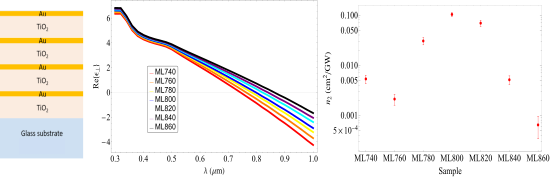
- of light. As a consequence, light does not differentiate between the constituting materials and only “sees” them as a single material. To study the interaction of light with these metamaterials, we use the effective media approximation to calculate the optical properties of these materials. These
- that, with the right manipulation of the geometry, we are able to make the electric permittivity near zero (“epsilon near zero”, ENZ). The ENZ point causes light to travel through the medium with constant phase, it enhances the electric field, and it enhances the nonlinear response by combining
- the principal components and of the composite, which are given by [25]: where dm and dd are the widths of the metallic and dielectric layers, respectively, as seen in Figure 1a. The z-scan technique employed to study the nonlinear properties of the samples involves normal incident light, where the


Comparative study on 3D morphologies of delignified, single tracheids and fibers of five wood species
Beilstein J. Nanotechnol. 2026, 17, 239–250, doi:10.3762/bjnano.17.16
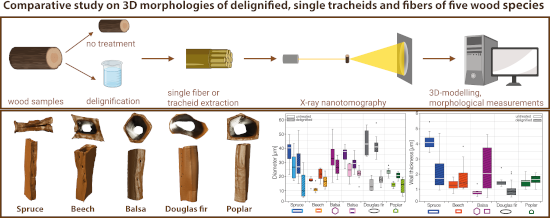
- mechanically separated from the delignified bulk samples without damaging them using fine tweezers and glued on top of conical sample holders using polyvinyl siloxane (President Light Body, Coltene, Altstätten, Switzerland). The dry fibers and tracheids were imaged (at 22.5 °C and 25% RH) using the X-ray
- tracheid and fiber morphology, offering implications for wood processing techniques and the development of innovative wood-based materials, including bioinspired materials. This study also holds the potential for shedding light on evolutionary adaptations and taxonomic relationships among species. Still


Gold nanoparticle-decorated reduced graphene oxide as a highly effective catalyst for the selective α,β-dehydrogenation of N-alkyl-4-piperidones
Beilstein J. Nanotechnol. 2026, 17, 218–238, doi:10.3762/bjnano.17.15
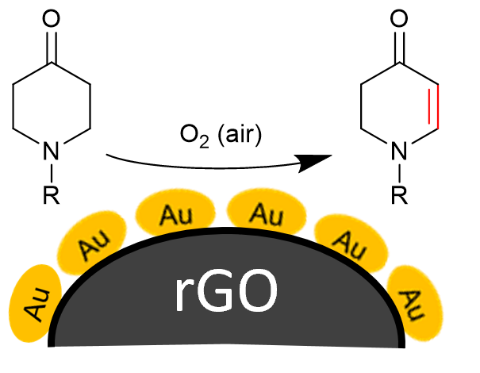
- gold nanoparticle suspension. The presence of AuNPs was confirmed by the appearance of a localized surface plasmon resonance (LSPR) band in the visible wavelength range, with a maximum absorbance at λmax = 519 nm (Figure 4a). The hydrodynamic radius (HD) by number-weighted distribution of dynamic light


Micro- and nanoscale effects in biological and bioinspired materials and surfaces
Beilstein J. Nanotechnol. 2026, 17, 214–217, doi:10.3762/bjnano.17.14
- nanostructures play a crucial role in shaping the physical and functional properties of living organisms. They are the basis of key biological phenomena, such as coloration, adhesion, and mechanical stability, and influence the way how organisms interact with light, fluids, and forces at different scales. The
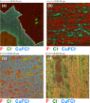
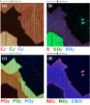
Time of flight secondary ion mass spectrometry imaging of contaminant species in chemical vapour deposited graphene on copper
Beilstein J. Nanotechnol. 2026, 17, 200–213, doi:10.3762/bjnano.17.13
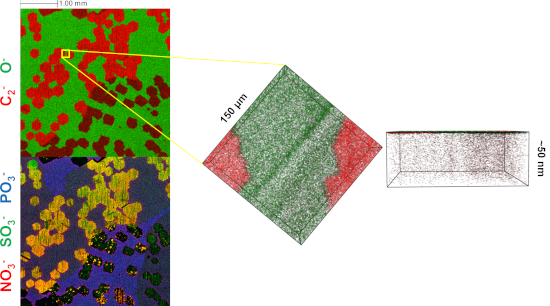
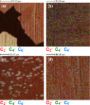
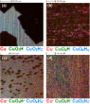
- a Wyko NT1100 White Light Optical Profiling System using a 20× magnification in vertical scanning interferometry (VSI) mode. Scanning electron microscopy (SEM) was carried out with a Carl Zeiss SIGMA VP at an acceleration voltage of 2 kV to ensure sample consistency. Four separate Cu foil samples





Structure-dependent thermochromism of PAZO thin films: theory and experiment
Beilstein J. Nanotechnol. 2026, 17, 186–199, doi:10.3762/bjnano.17.12
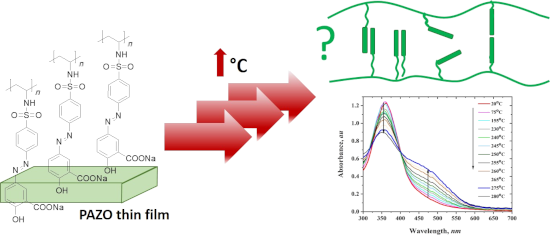
- thickness, and thermal treatment conditions. The observed changes in optical properties suggest that this response is governed by temperature-induced modulation of molecular ordering and aggregation state, which in turn alters the electronic transitions responsible for light absorption. Theoretical
- extends the functionality of polymer thin films. A specific group of photoreactive polymers comprises polymers with azo chromophores embedded in their structure [5][6]. These polymers exhibit photoresponsivity due to the trans–cis (E–Z) isomerization of the azo chromophores upon light irradiation. The
- , optoelectronics, memory devices, and sensors [12]. The birefringence phenomenon results from multiple cycles of trans–cis–trans (E–Z–E) photoisomerization stimulated by the polarized light impact [13][14][15][16]. The E–Z–E transitions lead to an alignment of the photoreactive azo chromophores perpendicularly


From shield to spear: Charge-reversible nanocarriers in overcoming cancer therapy barriers
Beilstein J. Nanotechnol. 2026, 17, 159–175, doi:10.3762/bjnano.17.10
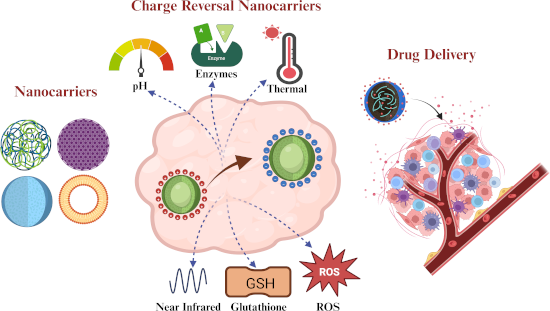
- , which enhances drug targeting while reducing off-target effects. These carriers leverage triggers such as changes in pH, enzymatic activity, redox conditions, temperature, light, ultrasound, X-rays, and magnetic fields to enable intelligent and controlled release of therapeutics. This review examines
- multiple drugs in response to the biochemical cues of the tumour microenvironment, enhancing anticancer activity with reduced off-target effects [53]. 2.4 Light-responsive nanocarriers Light-sensitive nanocarriers represent an innovative approach to regulated drug delivery, utilizing photosensitive
- materials such as graphene, azobenzene, and gold nanorods [54]. Upon exposure to UV–vis or near-infrared (NIR) light, these materials undergo structural changes or generate ROS, triggering controlled release of their therapeutic cargo. This precise spatiotemporal control over drug release and therapeutic


Influence of surface characteristics on the in vitro stability and cell uptake of nanoliposomes for brain delivery
Beilstein J. Nanotechnol. 2026, 17, 139–158, doi:10.3762/bjnano.17.9
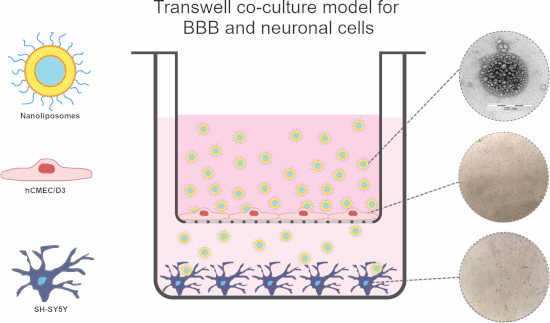
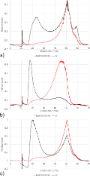
- for asymmetric flow field-flow fractionation analysis (AF4 analysis). Experiments were carried out by in-line coupling the AF4 system with UV–vis, multi-angle light scattering (MALS), and dynamic light scattering (DLS) detectors. The AF4 system used was composed of an Eclipse Dualtec separation system
- first determined, as well as after their incubation with serum-free and serum-supplemented cell culture medium over 1 and 4 h. Prior to performing these fractionation analyses, the z-average mean diameter of the NLs was also examined by dynamic light scattering in batch mode, and ranged from 96.10
- ± 0.81 to 140.20 ± 0.95 nm (PDI < 0.256). The data in the literature suggests that DLS is widely employed for sizing liposomes and other colloidal materials. It operates by detecting laser light scattered due to the Brownian motion of particles or macromolecules in suspension, with the scattering




Development and in vitro evaluation of liposomes and immunoliposomes containing 5-fluorouracil and R-phycoerythrin as a potential phototheranostic system for colorectal cancer
Beilstein J. Nanotechnol. 2026, 17, 97–121, doi:10.3762/bjnano.17.7
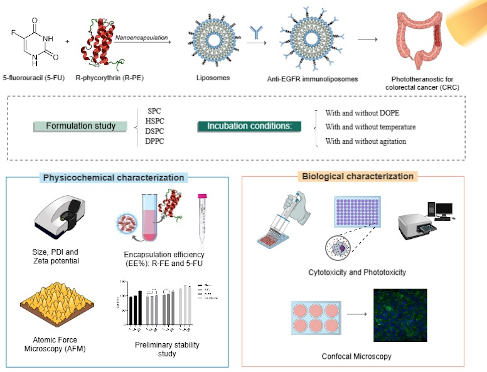
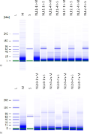
- Sepharose CL-4B column eluted with PBS (pH 7.4) [19]. 2.3 Sample characterization 2.3.1 Particle size, polydispersity and zeta potential The hydrodynamic vesicle size and polydispersity index (PDI) were performed by dynamic light scattering (DLS), and the zeta potential by electrophoretic light scattering
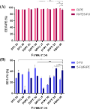
- characterization, the selected formulations were 30 days. The samples were kept at 4 °C in plastic containers wrapped in aluminum protected from light, and characterized for vesicle size, PDI, and zeta potential. 2.5.1 Stability of nanoparticles in serum The stability of the nanoparticles in bovine serum was
- presence of 5% CO2, for 69 h for cytotoxicity assays, while for phototoxicity assays they remained incubated for 48 h, followed by 2 h of green light irradiation, γ = 525 nm, dose of 14.4 J/cm2 and incubated again until completing the 69 h period. After incubation for 69 h, 20 µL of the MTT solution (0.5



Functional surface engineering for cultural heritage protection: the role of superhydrophobic and superoleophobic coatings – a comprehensive review
Beilstein J. Nanotechnol. 2026, 17, 63–96, doi:10.3762/bjnano.17.6
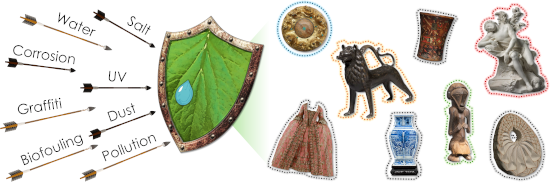
- environmental conditions, offering long-term protection against light, humidity, pollutants, and other agents of deterioration. Finally, the coating should be safe and ethically acceptable, avoiding the use of hazardous substances and respecting the cultural, historical, and aesthetic significance of the object
- to minimize ecological impact, both in their production and in their eventual disposal. In light of these requirements, a wide range of recently developed coatings, including biopolymer-based, nano-engineered, and mineral-inspired solutions, have shown promising protective methods for artworks
- activity under both UV-A and visible light. The TiO2/C-dot composites were synthesized via a green, hydrothermal method using citric acid and hydroxylamine, resulting in anatase-phase particles. Various C-dot loadings were tested; composites with moderate content (i.e., TC25 and TC50) demonstrated superior




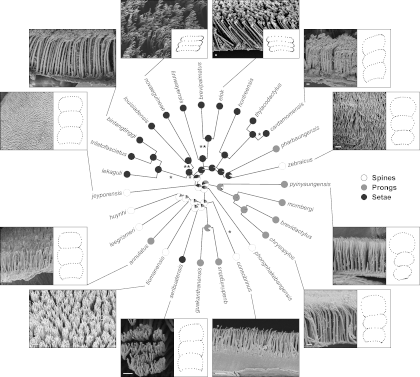
Subdigital integumentary microstructure in Cyrtodactylus (Squamata: Gekkota): do those lineages with incipiently expressed toepads exclusively exhibit adhesive setae?
Beilstein J. Nanotechnol. 2026, 17, 38–56, doi:10.3762/bjnano.17.4


Internal 3D temperature mapping in biological systems using ratiometric light-sheet imaging and lipid-coated upconversion nanothermometers
Beilstein J. Nanotechnol. 2025, 16, 2306–2316, doi:10.3762/bjnano.16.159
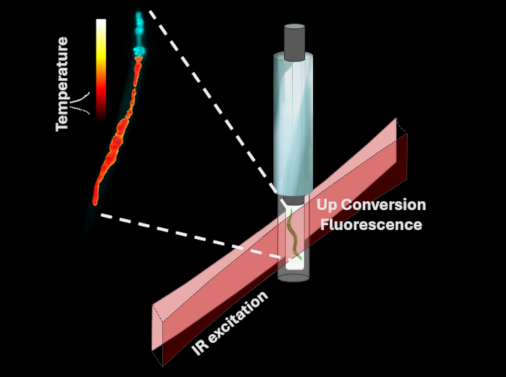
- estimate temperature through ratiometric imaging of two thermally coupled fluorescence bands. This work demonstrates the feasibility of volumetric temperature mapping in internal biological systems using light-sheet fluorescence microscopy and lipid-coated UCNPs as nanothermometry markers. This approach
- for accurate 3D analysis of temperature-driven biological processes. It holds significant potential for applications in living organisms, offering a non-invasive tool to monitor intracellular and organ-specific temperature dynamics. Keywords: C. elegans; 3D imaging; fluorescent intensity ratio; light
- ratios [18][19][20][21][22][23][24][25][26][27][28][29] and polarization anisotropy [30][31]. In biological applications involving fluorescent nanothermometry, light–tissue interactions must be carefully considered for an accurate temperature measurement. To address this, a wide range of luminescent


Visualizing nanostructures in supramolecular hydrogels: a correlative study using confocal and cryogenic scanning electron microscopy
Beilstein J. Nanotechnol. 2025, 16, 2274–2284, doi:10.3762/bjnano.16.156
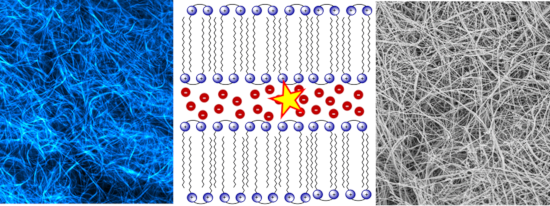
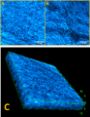
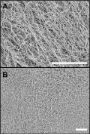
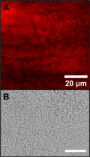
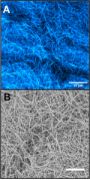
- modification being required for fluorescence imaging [17]. Similar studies of swollen hydrogels using cryo-SEM, environmental SEM (ESEM), confocal, and light microscopy have revealed that cryo-SEM may introduce morphological artefacts that are not observed in hydrated-state imaging. The presence of these




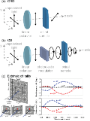
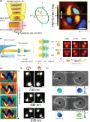
Chiral plasmonic nanostructures fabricated with circularly polarized light
Beilstein J. Nanotechnol. 2025, 16, 2245–2264, doi:10.3762/bjnano.16.154
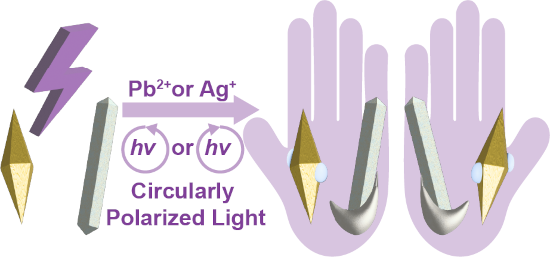
- Chiral plasmonic nanostructures (cPNSs) have garnered extensive interest across disciplines due to their strong interaction with circularly polarized light (CPL). Numerous fundamental studies have demonstrated the enhancement of chiroptic effects in molecular systems and quantum emitters facilitated by
- applications of cPNSs fabricated using CPL. Keywords: circular dichroism; circularly polarized light; plasmonic nanocrystals; Introduction An object is considered chiral when it cannot be superimposed on its mirror image. Homochirality is a feature of life on Earth. For example, amino acids in living
- chiral molecules is essential in the pharmaceutical industry [9]. Distinguishing between enantiomers is inherently challenging due to their identical physical properties. However, chiral molecules interact with light in a polarization-dependent manner. Historically, Arago and Biot demonstrated that cut





Optical bio/chemical sensors for vitamin B12 analysis in food and pharmaceuticals: state of the art, challenges, and future outlooks
Beilstein J. Nanotechnol. 2025, 16, 2207–2244, doi:10.3762/bjnano.16.153
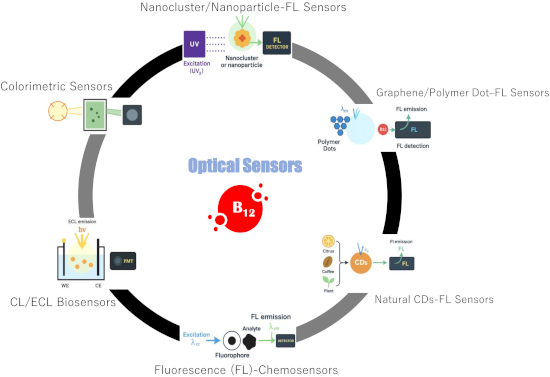
- (POC) diagnostics for different disorders and diseases. Resonance among the free electrons at the surface of colloidal AuNPs, induced by the interaction with light energy, causes the light to be absorbed in the blue-green and red parts of the visible spectrum. Consequently, the appearance of colors in
- AuNP suspensions is substantially influenced by their particle size and dispersion speed. 10–20 nm AuNPs with a narrow size distribution tend to absorb light from the blue-green spectrum and reflect red light. In contrast, their aggregation leads to a light absorption shift to longer wavelengths
- , resulting in reflecting light ranging from pale blue to purple [75][76]. Selvakumar and Thakur developed a colorimetric sensor for detecting VB12 using AuNPs and a stable modified RNA aptamer. The RNA aptamer, which attaches to VB12, triggers the aggregation of AuNPs, resulting in a color shift from red to