
Search results
Search for "reduction" in Full Text gives 1298 result(s) in Beilstein Journal of Nanotechnology. Showing first 200.
Electrochemical determination of ciprofloxacin using a MIL-101/reduced graphene oxide-modified electrode
Beilstein J. Nanotechnol. 2026, 17, 541–554, doi:10.3762/bjnano.17.35
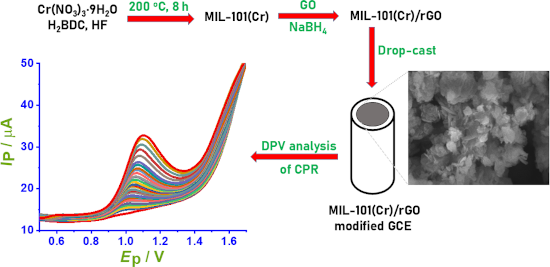
- electrochemical performance of the composite material. This combination can promote efficient analyte adsorption and fast charge transfer at the electrode interface. Consistent with this idea, Gu et al. reported that MIL-101/rGO composites exhibit enhanced electrocatalytic activity toward the reduction of
- -101 to GO. For comparison, reduced graphene oxide (rGO) was also prepared using the same reduction process without MIL-101. Equipment The X-ray diffraction analyses were conducted using a D8 Advance Bruker (Germany). Morphology and elemental mapping were measured with a Hitachi S-4800 FESEM (Japan
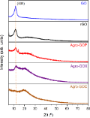
- groups [20]. After reduction, this peak disappears, and broad reflections centered at 2θ values of 25.8° and 43.1° appear for rGO, attributed to the (002) and (100) planes of graphitic carbon, confirming the successful reduction of GO and partial restoration of the sp2 carbon network [21]. The XRD


Fractional shot noise of an SU(N) Kondo system
Beilstein J. Nanotechnol. 2026, 17, 515–540, doi:10.3762/bjnano.17.34
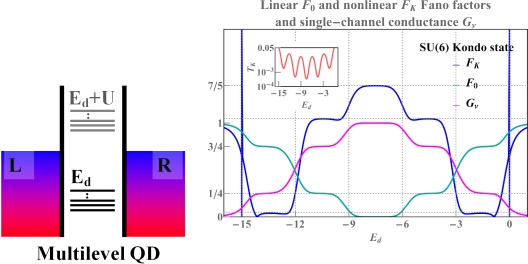
- may be detected in the shot noise reduction or enhancement in respect to the Poissonian value for noninteracting carriers [66][68][69][70][71]. The increasing interest in shot noise is also dictated by the possibility of extracting information about the specific, most fundamental form of correlations
- (1 − ) describe reduction of noise with respect to Poisson noise. The transmission is determined by the phase shift consequently, the linear conductance and linear noise ratio are given by: The linear zero-temperature Fano factor F0 reads: for the fully degenerate case, where all single-channel


![[Graphic 127]](/bjnano/content/inline/2190-4286-17-34-i187.svg?max-width=637&scale=1.18182)

Probing internal continua and atomic ultrafast charge transfer within size-controlled nanoparticles by post-collision interaction in core-hole clock spectroscopy
Beilstein J. Nanotechnol. 2026, 17, 505–514, doi:10.3762/bjnano.17.33
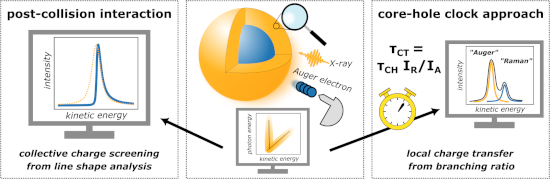
- distribution. As indicated below in Figure 1, resonant Auger electron spectra are used to determine atomic charge transfer times based on the branching into localized and delocalized final states during the core-hole lifetime. We observe a significant reduction of charge transfer times within the ZnS shell for



Upcycling agroindustrial waste into graphene oxide supports for gold nanoparticles: toward sustainable nanomaterials
Beilstein J. Nanotechnol. 2026, 17, 489–504, doi:10.3762/bjnano.17.32
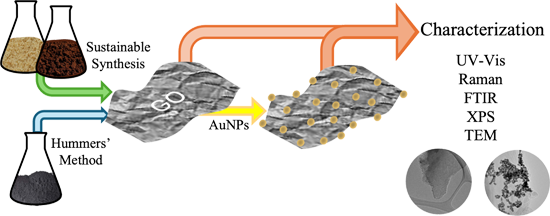
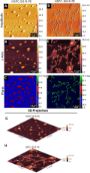
- for 24 h and ground in an agate mortar to obtain a fine powder suitable for further characterization. The Agro-GO materials derived from peanut shells, coffee waste from Xilitla, and commercial coffee waste are referred to as Agro-GOP, Agro-GOX, and Agro-GOC, respectively. Reduction of graphene oxide
- The synthesis of rGO was carried out using the GO obtained from section “Synthesis of graphene oxide”. The reduction process was adapted from the methodology reported by Park et al. [36]: 30 mg of GO were dispersed in 10 mL of deionized water and sonicated for 2 h. Subsequently, 10 µL of hydrazine was
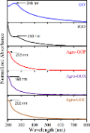
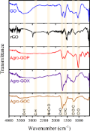
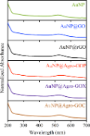
- upon chemical reduction. Conversely, the Agro-GO samples exhibit a different behavior. All three (Agro-GOP, Agro-GOX, and Agro-GOC) show blueshifted π→π* transitions compared with GO, indicating a significant reduction in the size of the conjugated sp2 domains, as smaller and more fragmented sp2



Defects and defect-mediated engineering of two-dimensional materials: challenges and open questions
Beilstein J. Nanotechnol. 2026, 17, 454–488, doi:10.3762/bjnano.17.31





Nanocarrier-integrated multilayer films produced by 3D printing for improved skin adhesion and curcumin photostability
Beilstein J. Nanotechnol. 2026, 17, 440–453, doi:10.3762/bjnano.17.30
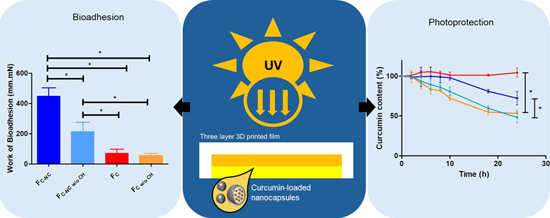
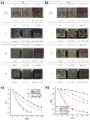
- significant reduction in curcumin content under UVC exposure, confirming the intrinsic photolability of curcumin in the polymeric matrix. In contrast, complete multilayer films incorporating the TiO2-containing top layer maintained significantly higher curcumin levels over 24 h, demonstrating the effective
- solubilisation of curcumin in these formulations. Ethanol acts as a co-solvent and can significantly influence hydrogel rheology. Specifically, the reduction in the dielectric constant of the medium promotes intermolecular interactions between polymer chains, leading to a more compact and cohesive polymer


Biomimetic nanoparticles in cancer photodynamic therapy: a review of targeted delivery systems and therapeutic outcomes
Beilstein J. Nanotechnol. 2026, 17, 396–422, doi:10.3762/bjnano.17.27
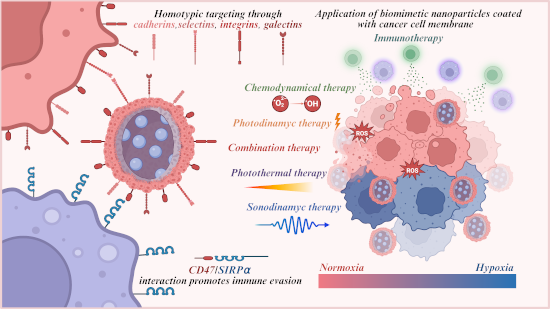
- ][167][168][169] within the hypoxic microenvironment, (iii) reduction of oxygen consumption by tumor cells [170][171][172], and (iv) suppression of hypoxia-inducible factor 1 (HIF-1) activity in the tumor [173][174]. Typically, these nanoparticles consist of a functional core, perfluorocarbons (PFCs
- with perfluorotributylamine (PFTBA) as an oxygen carrier. The nanoparticles were further coated with a 4T1 CCM to enable targeting. Direct oxygen delivery to the tumor via PFTBA resulted in a significant reduction of hypoxia, and immunofluorescence staining revealed a tenfold decrease in hypoxic
- in tumor tissue, whereas non-coated particles also distributed to the liver and kidneys. Fourteen days post-treatment, a threefold reduction in tumor volume was observed [177]. An alternative strategy has also been described, wherein the photosensitizer ICG is encapsulated within a zirconium-based


Eco-efficient materials for agricultural crops based on a mineral rich in MOR- and HEU-type zeolites
Beilstein J. Nanotechnol. 2026, 17, 381–395, doi:10.3762/bjnano.17.26
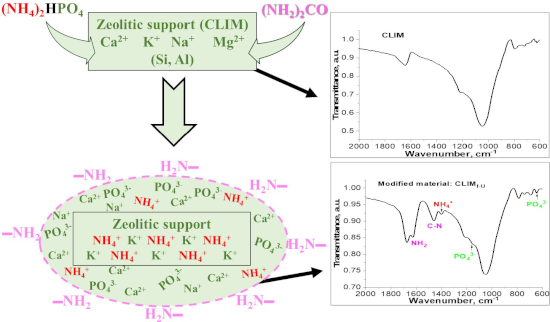
- urea to obtain modified materials leads to a decrease in the value of these surface parameters. This is a result of the presence of nitrogen and phosphorus species adsorbed and occluded on the surface of these materials, as previously shown. This double treatment can be translated into a reduction in



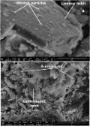
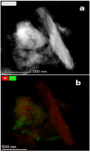
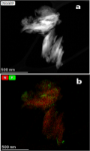

Interconnection morphology effects on the radio frequency response of carbon nanotube sponges
Beilstein J. Nanotechnol. 2026, 17, 343–351, doi:10.3762/bjnano.17.23
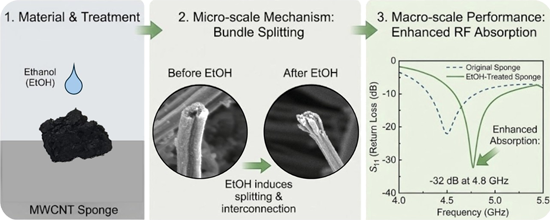
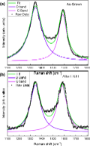
- the G band at 1587 ± 2 cm−1. We did not observe any appreciable shift of these two components in the treated sample. By comparing the outcome of the fit procedure, we estimated from the area of the two peaks a reduction of the D band after the ethanol treatment of 20% ± 1% and a corresponding increase



Beam shaping techniques for pulsed laser ablation in liquids: Unlocking tunable control of nanoparticle synthesis in liquids
Beilstein J. Nanotechnol. 2026, 17, 309–342, doi:10.3762/bjnano.17.22
- presence of terbium NPs. When the fluence increases from 60 to 140 J·cm−2, the radical yield with oxidised NPs rises by over an order of magnitude [114][115]. Moreover, according to Davletshin et al., plasmonic coupling in aqueous Au nanospheres leads to enhanced local fields. This leads to a reduction via
- modification through confinement, plasma–liquid interactions, and cavitation bubbles. Dittrich et al. found that the ablation threshold for Au in air is ca. 1.9 times higher than in water [136], and Sun et al. reported a reduction from 2.22 J·cm−2 (air) to 1.02 J·cm−2 (liquid-assisted) [137]. Therefore, the
- size and shape uniformity, although further studies are needed to elucidate the mechanisms involved. In addition to PLAL, related approaches such as laser fragmentation in liquids (LFL) can also be employed, in which preformed colloidal NPs are irradiated to induce size reduction or reshaping. Zheng et







Fast vortex dynamics and relaxation times in NbRe-based heterostructures
Beilstein J. Nanotechnol. 2026, 17, 292–302, doi:10.3762/bjnano.17.20
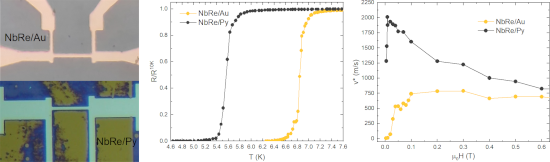
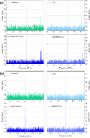
- ]. The enhancement of vortex dynamics and the reduction of τE are strongly linked to the optimization of quasiparticle relaxation mechanisms. Excited quasiparticles can relax primarily through two processes, namely thermal electron–phonon (e–ph) interaction and electron–electron (e–e) recombination [1
- superconducting correlations are induced. In particular, Ryan and Chandrasekhar [26] have shown that a thin disordered normal layer enhances the inelastic scattering rate, leading to a significant reduction of the effective relaxation time without degrading superconductivity. This finding supports the idea that
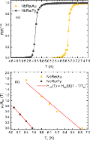
- characterization The normalized resistive transitions, R/R10K, of the two microbridges are reported in Figure 1a. The critical temperatures are = 6.8 K and = 5.6 K. The obtained values are smaller than those reported for NbRe thin films of similar thickness [19][22], with a stronger reduction observed in the


Advancing nanolithography: a comprehensive review of materials for local anodic oxidation with AFM
Beilstein J. Nanotechnol. 2026, 17, 275–291, doi:10.3762/bjnano.17.19
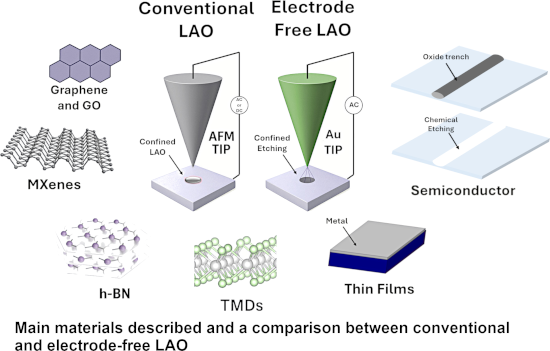
- conductivity and mobility. Reversing the bias in a standard LAO setup enables the restoration of conductivity in GO layers or flakes through a localized reduction reaction [87][103] or a localized catalytic reaction [104]. In Figure 5a,b, we show a conductive AFM image of a single restored rGO feature [87
- ] obtained after local reduction by SPL, with a lateral size below 100 nm. Even better results on GO, in terms of lateral resolution, have been achieved by thermochemical nanolithography [105]. The electrical properties of rGO patterns obtained in both ways (electrochemically and thermochemically) are


Gold nanoparticle-decorated reduced graphene oxide as a highly effective catalyst for the selective α,β-dehydrogenation of N-alkyl-4-piperidones
Beilstein J. Nanotechnol. 2026, 17, 218–238, doi:10.3762/bjnano.17.15
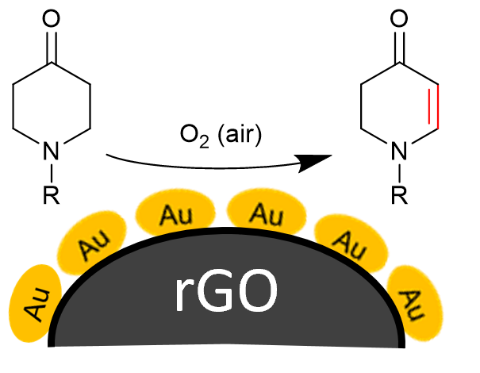
- environments, their tunable surface area and surface chemistry, and electrical conductivity [18][19]. To deposit metal NPs onto a carbon support, procedures such as adsorption or reduction–deposition (RD), co-precipitation, impregnation, and deposition precipitation (DP) are commonly employed [6][19]. Carbon
- then deposited onto the carbon material. The synthesis of the Au@SiW9/carbon composites was done by the DP method as shown in Figure 1c. The POM salt (SiW9), the gold precursor (KAuCl4), and the carbon material were combined in a solution–dispersion, and the reduction was induced with NaBH4. Synthesis
- ) in the solution, and allowing POM salt and gold precursor to adsorb onto the carbon surface or in the pores; then, the reduction with NaBH4 is induced to form Au@SiW9/AC, Au@SiW9/rGO, Au@SiW9/CB. Unlike the RD method, where the reduction of the tetrachloridoaurate(III) ions to metallic gold occurs in


Safe and sustainable by design with ML/AI: A transformative approach to advancing nanotechnology
Beilstein J. Nanotechnol. 2026, 17, 176–185, doi:10.3762/bjnano.17.11

- failures, and aligns with the 3Rs principle (Replacement, Reduction and Refinement), favouring in silico and in vitro approaches over animal testing. The emergence of deep learning techniques, including convolutional neural networks (CNNs) and recurrent neural networks (RNNs), has further heightened the


From shield to spear: Charge-reversible nanocarriers in overcoming cancer therapy barriers
Beilstein J. Nanotechnol. 2026, 17, 159–175, doi:10.3762/bjnano.17.10
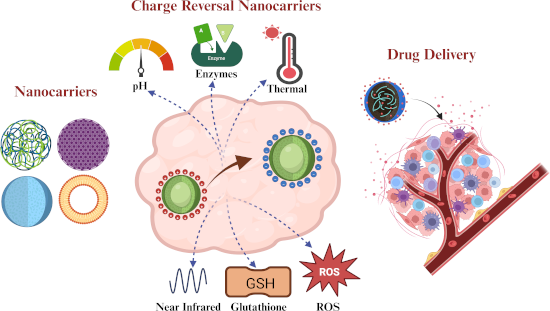
- tumours, undergoing enzymatic cleavage of peptide bonds which causes nanocarrier destabilization, charge reversal, and size reduction. These transformations triggered drug release within the tumour tissue and improved nuclear targeting, optimizing therapeutic efficacy [50]. Thereafter, a study by Lin et
- al. developed MMP-2-responsive PEG-coated nanocarriers that, upon peptide cleavage, underwent PEG detachment, charge reversal, and size reduction, enhancing cellular uptake and tumour-specific drug release. This system effectively inhibited tumour growth with minimal systemic toxicity in mice [51
- normal cells [69]. Wang et al. developed a pH/hypoxia synergistic nanocarrier technology, which, with the aid of azo and sulfamide-based zwitterions, achieved targeted medication release and deep tumour penetration [70]. Miao et al. designed a pH/reduction-sensitive, charge-reversal PMAABACy/CS/CS-DMMA


Influence of surface characteristics on the in vitro stability and cell uptake of nanoliposomes for brain delivery
Beilstein J. Nanotechnol. 2026, 17, 139–158, doi:10.3762/bjnano.17.9
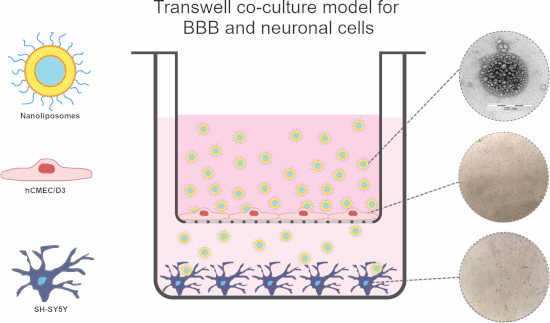
- to less efficient binding with protein targets that would work as ligands for receptor-mediated transport and delivery, finally resulting in partial inhibition and reduction of cellular uptake ([24]). Taken into consideration all aforementioned, it can be summarized that cellular transport and




Capabilities of the 3D-MLSI software tool in superconducting neuron design
Beilstein J. Nanotechnol. 2026, 17, 122–138, doi:10.3762/bjnano.17.8
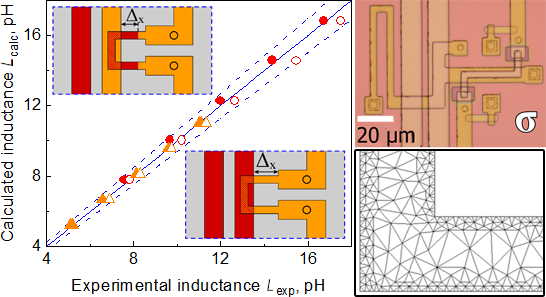
- dielectric layers are planarized, as is done, for example, in the process described in [6]. One more important feature of the program is non-uniform meshing related to the Triangle meshing engine [52]. It allows for a reduction of allocated memory and solution time, and provides better accuracy as well



Development and in vitro evaluation of liposomes and immunoliposomes containing 5-fluorouracil and R-phycoerythrin as a potential phototheranostic system for colorectal cancer
Beilstein J. Nanotechnol. 2026, 17, 97–121, doi:10.3762/bjnano.17.7
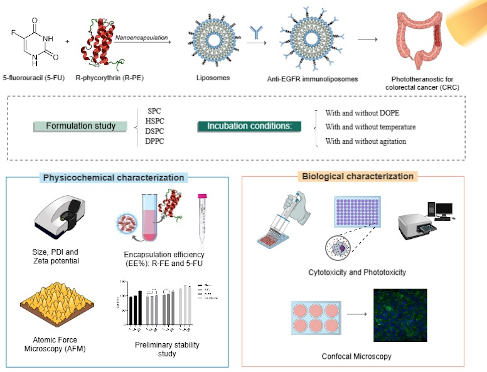
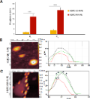
- CCR cell line, the IC50 values for immunoliposomes were higher than those for liposomes. Also, for phototoxicity experiments it was found a reduction in IC50 for all groups tested. The internalization of R-PE was verified, highlighting a greater internalization in the immunoliposome within 24 h. Thus
- potential application in cancer treatment, ranging from in vitro cell programmed death induction in the liver, lung, and gastric cancer cells [12] to in vivo reduction in nodule number and liver weight in rats [13]. In addition, R-PE also has a photosensitizing role that can be explored in photodynamic
- slight reduction in vesicle size compared to previous reports can be possibly due to the presence of DSPE–PEG [34]. The incorporation of hydrophilic molecules into liposomal formulations does not necessarily result in an increase in vesicle size [42]. For instance, liposomes composed of HSPC 50 and



Functional surface engineering for cultural heritage protection: the role of superhydrophobic and superoleophobic coatings – a comprehensive review
Beilstein J. Nanotechnol. 2026, 17, 63–96, doi:10.3762/bjnano.17.6
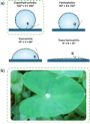
- . However, since the bulk-modified samples exhibited a more compact microstructure, mechanical tests resulted in an increased compressive strength for these samples, suggesting stronger structural reinforcement, an improved heat resistance, and a reduction in open pores and surface area, contributing to




Subdigital integumentary microstructure in Cyrtodactylus (Squamata: Gekkota): do those lineages with incipiently expressed toepads exclusively exhibit adhesive setae?
Beilstein J. Nanotechnol. 2026, 17, 38–56, doi:10.3762/bjnano.17.4
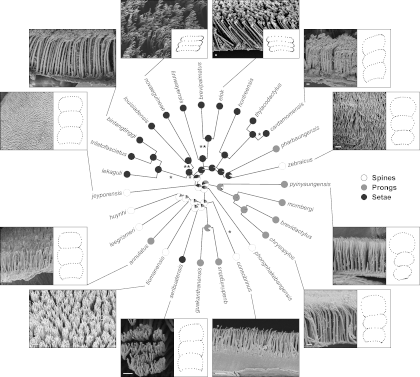
- species showing secondary reduction of setae in the seta-group (C. pharbaungensis and C. zebraicus), which show no increase or secondary reduction in these measurements. The seta-bearing intertidal species, C. seribuatensis, did not exhibit a reduction of these traits. Only the terrestrial C
- . brevidactylus Bauer, 2002 [66], the karst species C. chrysopylos Bauer, 2003 [67] (both sharing the prong microstructure type with the khasiensis group of which they are a part), and the terrestrial, spine-bearing C. jeyporensis (triedrus group) did not show a reduction or an increase (C. brevidactylus for
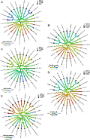
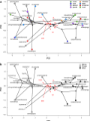
- evolved setae independently from all other species, is isolated in its morphospace, having the lowest value on PC1 for seta-bearing species (Figure 4B). Furthermore, one secondary reduction from setae back to spines (C. zebraicus) and prongs (C. pharbaungensis) is indicated. The PMS analysis shows that


Reduced graphene oxide paper electrode for lithium-ion cells – towards optimized thermal reduction
Beilstein J. Nanotechnol. 2026, 17, 24–37, doi:10.3762/bjnano.17.3
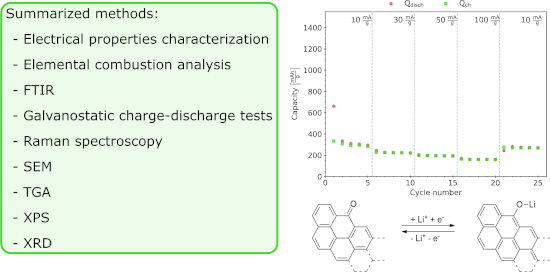
- electrode material in lithium-ion cells. Mildly reduced graphene oxide paper underwent further thermal reduction steps. The structural and chemical properties of the obtained materials were determined using Raman and Fourier-transform infrared spectroscopies and elemental combustion analysis. The morphology
- . Keywords: electrode material; graphene paper; lithium-ion batteries; reduced graphene oxide; thermal reduction; Introduction Electrode materials comprising reduced graphene oxide (rGO) for energy storage in lithium-ion-based or sodium-ion-based technologies have been the subject of over 3800 publications
- with the oxygen in the ketone groups and the electrons from the external circuit, creating Li-terminated chains. From a practical point of view, it is crucial to ensure an increased number of ketone groups by optimizing the reduction process of graphene oxide. Acik et al. presented a detailed



Quantitative estimation of nanoparticle/substrate adhesion by atomic force microscopy
Beilstein J. Nanotechnol. 2026, 17, 1–14, doi:10.3762/bjnano.17.1

- displaced, vanishing from one scan line to the other. The corresponding 3D image in Figure 2e indicates a change in the NP’s position relative to the substrate. The reduction in height from 7 to 5 nm is interpreted as the initial stage of NP displacement, where the particle starts moving before the tip has
- partial penetration, removal, or reduction cannot be excluded. We did not detect changes in the roughness between pristine and plasma-treated surfaces (RMS < 0.2 nm at 5 × 5 µm area) that would contribute to a change in friction. Interfacial redox reactions between the copper NP and the wafer surface



Improving magnetic properties of Mn- and Zn-doped core–shell iron oxide nanoparticles by tuning their size
Beilstein J. Nanotechnol. 2025, 16, 2285–2295, doi:10.3762/bjnano.16.157
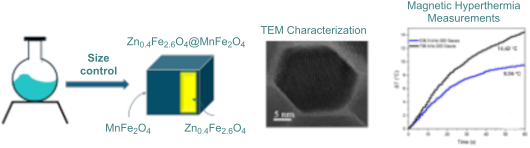
- ± 1.7, and 45.0 ± 1.2 nm exhibited Ms values of 0.012, 0.031, 0.12, and 7 A·m2·kg−1, respectively (Table 3). Similar trends have been reported in the literature, where larger particle sizes lead to higher Ms values due to the reduction of surface spin canting and the improved alignment of magnetic



Geometry-controlled engineering of the low-temperature proximity effect in normal metal–superconductor junctions
Beilstein J. Nanotechnol. 2025, 16, 2265–2273, doi:10.3762/bjnano.16.155
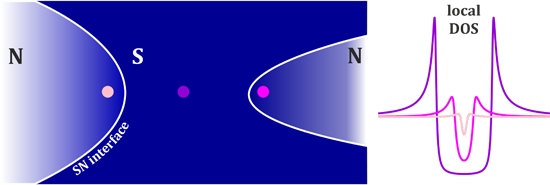
- time, the coupling between these confined modes on the NM side and the continuum modes on the SC side weakens because of increasing momentum mismatch, which suppresses the transmission probability of the channels through the interface. Together, the reduction in channel number and the suppressed


Chiral plasmonic nanostructures fabricated with circularly polarized light
Beilstein J. Nanotechnol. 2025, 16, 2245–2264, doi:10.3762/bjnano.16.154
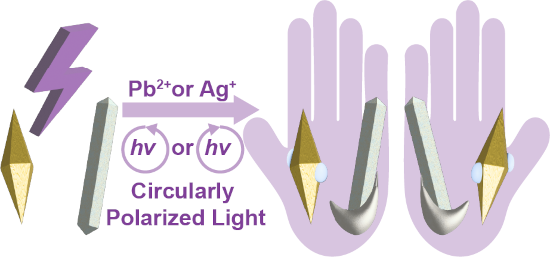
- ][101][102]. When the localized surface plasmon resonance of metal seeds is excited, hot electrons reduce Ag+ or from solution and deposit metallic Ag and Au. However, various studies in the past two decades on the plasmon-mediated reduction of Ag(I) and Au(III) have demonstrated a weak dependence of
- distribution of PVP. Ag(I) and Au(III) reduction potentials suggest their reduction is relatively not energetically demanding. (AgCl/Ag: 0.80 V vs SHE and /Au: 0.99 V vs SHE) [101]. As discussed in Section 2.1, these reactions can be triggered by warm electrons far from the hot spots. Indeed, [101] inferred
- that the sites of Au deposition ( reduction) are the locations of electrons from the nanoparticle transferred via PVP. Researchers made similar observations when electron beam lithography resist was exposed to hot electrons from AuNRs [86]. This study found hydrogen silsesquioxane underwent water