Search results
Search for "response" in Full Text gives 1025 result(s) in Beilstein Journal of Nanotechnology. Showing first 200.
Laser–material interactions in liquids for the synthesis of nanomaterials: current status and perspectives
Beilstein J. Nanotechnol. 2026, 17, 571–575, doi:10.3762/bjnano.17.38
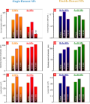
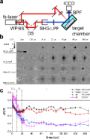
- longer-term cavitation bubble dynamics, remains challenging even for shadowgraphy employing ultrafast cameras [34]. Pump–probe reflectometry provides the required picosecond and even femtosecond resolution [35]. However, interpretation of the multi-stage reflectivity response is nontrivial and often
Electrochemical determination of ciprofloxacin using a MIL-101/reduced graphene oxide-modified electrode
Beilstein J. Nanotechnol. 2026, 17, 541–554, doi:10.3762/bjnano.17.35
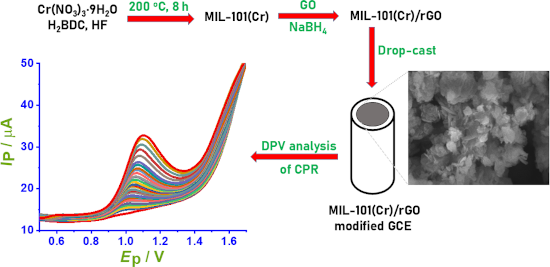
- response over 0.25–9.41 µM and a detection limit of 0.11 µM for CPR determination. The sensor also demonstrated good selectivity, satisfactory repeatability, and long-term stability. Furthermore, the method’s practical applicability was validated by the determination of CPR in pharmaceutical samples
- , complex sample preparation, skilled operators, and lengthy analysis times, which restrict their use for quick or in situ testing. In contrast, electrochemical sensors have become appealing alternatives because of their inherent benefits such as simplicity, low cost, rapid response, high sensitivity, and
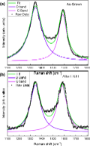
- Raman response of the carbon phase. The ID/IG ratios of the composites range from 0.89 to 0.94, depending on the rGO content. Notably, these values are slightly lower than that of pure rGO, suggesting that the incorporation of MIL-101 can partially promote better ordering of sp2 domains through


Probing internal continua and atomic ultrafast charge transfer within size-controlled nanoparticles by post-collision interaction in core-hole clock spectroscopy
Beilstein J. Nanotechnol. 2026, 17, 505–514, doi:10.3762/bjnano.17.33
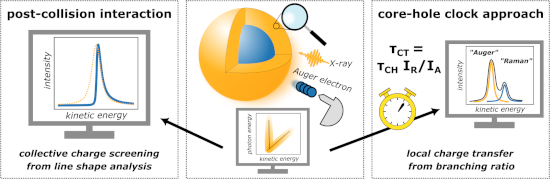
- charge transfer and collective dielectric response. The PCI core-hole clock analysis is, thus, a synchrotron approach of general relevance to the characterization of materials involving bound-state continua. S KL2,3L2,3 resonant Auger measurements of core–shell nanoparticles (core: 3.5 nm CdSe, shell: 7



Defects and defect-mediated engineering of two-dimensional materials: challenges and open questions
Beilstein J. Nanotechnol. 2026, 17, 454–488, doi:10.3762/bjnano.17.31
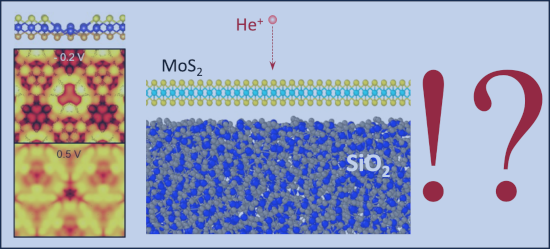
- ), mostly for pristine materials, but in a few cases also with defects [94][115]. In order to model Raman scattering, a model for the response of the material to incoming light is required. In the non-resonant case, Raman scattering is allowed when the atomic displacement of a vibrational mode leads to a





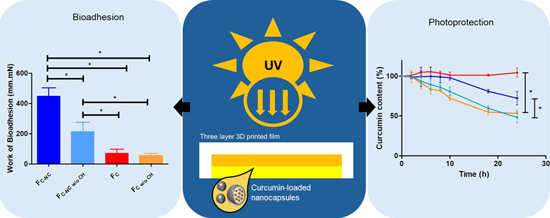
Nanocarrier-integrated multilayer films produced by 3D printing for improved skin adhesion and curcumin photostability
Beilstein J. Nanotechnol. 2026, 17, 440–453, doi:10.3762/bjnano.17.30
- patient’s physiological characteristics and genetic background, as well as their individual response to drugs and active substances. This level of personalisation significantly minimises the likelihood of adverse drug reactions and enhances therapeutic efficacy. Furthermore, a wide range of pharmaceutical


First-principles study on elastic properties of Cu, (Cu1−x,Nix)3Sn and interfacial mechanical properties of (Cu1−x,Nix)3Sn/Cu in the lead-free solder joint
Beilstein J. Nanotechnol. 2026, 17, 428–439, doi:10.3762/bjnano.17.29
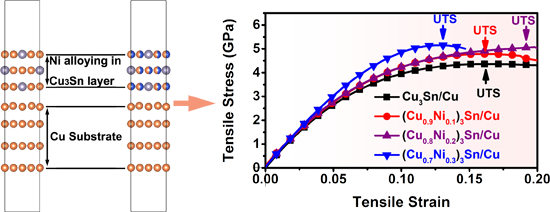
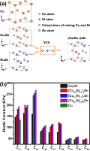
- the increase of Ni content. Moreover, using the calculated values of BV, BR, GV, and GR, the universal anisotropy index AU, developed by Ostoja-Starzewski et al., can be expressed as [30]: Because the mechanical response of crystals to external loads strongly depends on the elastic anisotropy, the


Nanoinformatics: spanning scales, systems and solutions
Beilstein J. Nanotechnol. 2026, 17, 423–427, doi:10.3762/bjnano.17.28
- /features governing the cellular uptake were analysed as a basis for programming higher cellular uptake efficiency and better therapeutic response [9]. He et al. used additive AI-based approaches to identify nanoparticle systems for delivering drugs to treat neurodegenerative diseases. Their method

Biomimetic nanoparticles in cancer photodynamic therapy: a review of targeted delivery systems and therapeutic outcomes
Beilstein J. Nanotechnol. 2026, 17, 396–422, doi:10.3762/bjnano.17.27
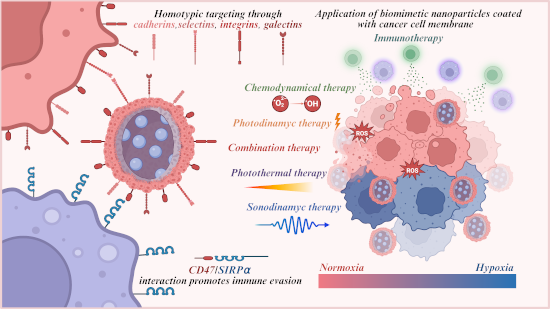
- body’s immune response [48]. BNPs utilizing a cell membrane to coat a synthetic core were reported in 2011. These nanoparticles consisted of a poly(lactic-co-glycolic) acid (PLGA) core coated with an outer layer derived from red blood cell (RBC) membranes [49]. It was demonstrated that the presence of
- advancement came from Wang’s group in 2023 [114], who developed “adaptive” CCM-coated nanoparticles that could dynamically alter their surface properties in response to the TME. By incorporating pH-sensitive linkers between the membrane coating and targeting ligands, these nanoparticles maintained their


Eco-efficient materials for agricultural crops based on a mineral rich in MOR- and HEU-type zeolites
Beilstein J. Nanotechnol. 2026, 17, 381–395, doi:10.3762/bjnano.17.26
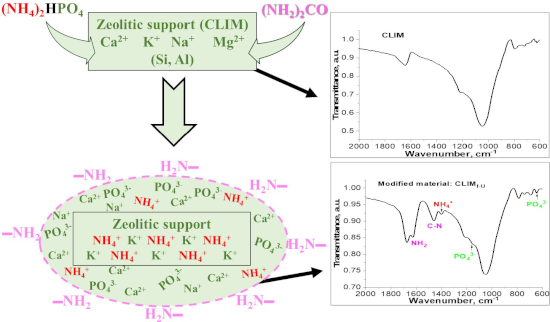
- . Studies on cultivation of corn in pots, which are a common diagnostic test for these purposes [15], confirm the aforesaid. The results obtained in these studies showed that the plants with the best response to the evaluated parameters (stem diameter, leaf area, and plant height) corresponded to the




Polycatecholamine nanocoatings on stainless steel: the effect on attachment of human fibroblasts and platelets
Beilstein J. Nanotechnol. 2026, 17, 365–380, doi:10.3762/bjnano.17.25
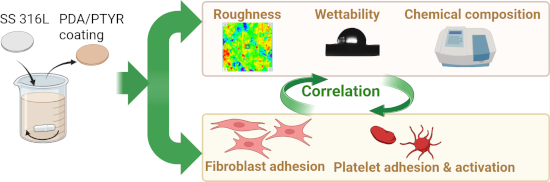
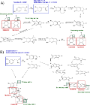
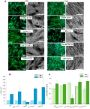
- d to evaluate the coating detachment or any morphological changes. Primary amine content evaluation Evaluation of primary amine (–NH2) content in the coatings was performed using methyl orange assay (adapted from [53]) to link the platelets response to the materials with the chemical composition of




Ferroelectric nanodot reservoir for neuromorphic computing
Beilstein J. Nanotechnol. 2026, 17, 352–364, doi:10.3762/bjnano.17.24
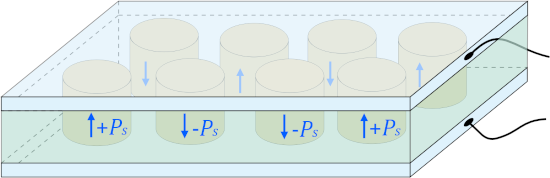
- nonlinear response of an ensemble of ferroelectric nanodots. The system consists of a network of nanodots, each carrying the bistable polarization state, arranged between electrodes in configurations that allow for parallel electrical addressing. By receiving temporal input signals, the ensemble evolves
- signals into the ferroelectric reservoir. The reservoir consists of an ensemble of nanodots, each exhibiting a nonlinear bistable polarization response ±Ps(i) (where i is the nanodot index and Ps is the magnitude of the spontaneous polarization) to external excitation. The ensemble of these nanodots forms
- , enabling rich dynamic response to time-varying inputs, as required for real-time neuromorphic tasks. Notably, our approach leverages the electrostatic physics of nanoscale ferroelectrics to implement a scalable, low-power analog computing substrate. The described system relies solely on dielectric


Interconnection morphology effects on the radio frequency response of carbon nanotube sponges
Beilstein J. Nanotechnol. 2026, 17, 343–351, doi:10.3762/bjnano.17.23
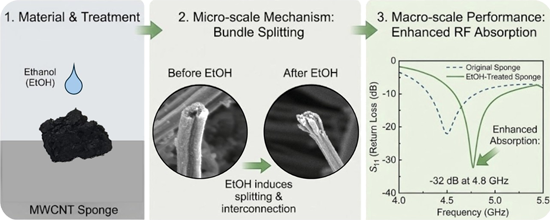
- , Italy 10.3762/bjnano.17.23 Abstract In this work, the high-frequency response of a multiwalled carbon nanotube (MWCNT) film grown on a silicon substrate is compared with that of MWCNT sponges (CNSs). Different from the CNT film, CNSs are a self-standing material that can operate in the absence of a
- , also an actual performance gain. The antenna built from CNSs shows an enhanced response gain compared with that of the MWCNT film, with both antennas having a maximum positioned around 4.8 GHz. After identifying the best CNT-based sample, the experiment focused on improving the CNS antenna’s response
- . In particular, we observed that the response of S11 = −22.6 dB around 4.8 GHz from the CNS antenna improved after a mild treatment with ethanol, reaching S11 = −32.6 dB measured after 10 min of waiting. This observed effect is studied in detail with scanning electron microscopy and Raman spectroscopy



Beam shaping techniques for pulsed laser ablation in liquids: Unlocking tunable control of nanoparticle synthesis in liquids
Beilstein J. Nanotechnol. 2026, 17, 309–342, doi:10.3762/bjnano.17.22
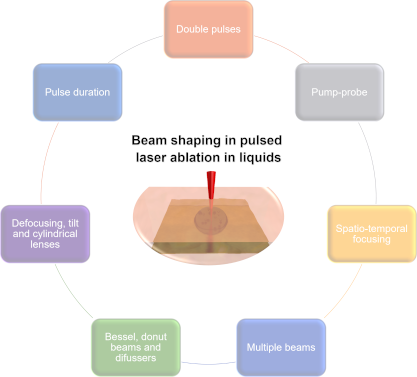
- mechanism. While, in femtosecond pulses, due to their ultrashort nature, the energy is deposited instantaneously into the material. This enables non-thermal ablation, where ionisation and photomechanical effects dominate the material’s response [163][164]. The role of temporal beam shaping in PLAL In this







Multilayered hyperbolic Au/TiO2 nanostructures for enhancing the nonlinear response around the epsilon-near-zero point
Beilstein J. Nanotechnol. 2026, 17, 251–261, doi:10.3762/bjnano.17.17
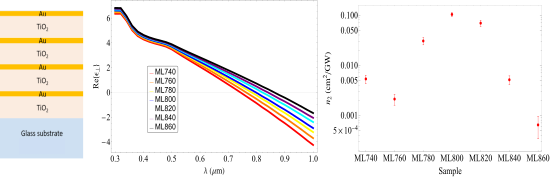
- –dielectric Au/TiO2 structures. The samples were fabricated using Joule effect evaporation for gold and electron beam evaporation for titanium dioxide. Their structure was designed to have an epsilon-near-zero (ENZ) point at different wavelengths around 800 nm, in order to study their nonlinear response as a
- function of the resonance conditions around the ENZ point. The characterization of the linear properties of the samples was done using spectrophotometry and spectral ellipsometry. We studied the nonlinear response with the z-scan technique at different incident irradiances using a Ti:sapphire femtosecond
- laser, enabling us to characterize both the refractive and absorptive contributions to the nonlinear response. Due to the high pulse repetition rate inherent to Ti:sapphire systems and the presence of linear absorption in the samples, cumulative pulse-to-pulse thermal effects may be present. A modified


Comparative study on 3D morphologies of delignified, single tracheids and fibers of five wood species
Beilstein J. Nanotechnol. 2026, 17, 239–250, doi:10.3762/bjnano.17.16
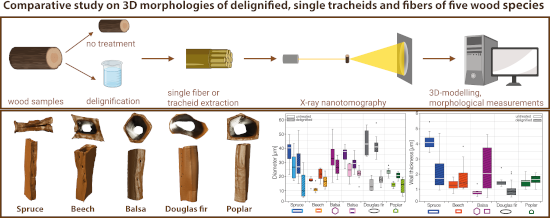
- environmental conditions and their different functional requirements. For instance, larger lumina typically form in earlywood during optimal environmental conditions, while latewood tracheids develop narrower lumina as a response to limited growth resources [35][36]. It seems that larger lumina in earlywood


Structure-dependent thermochromism of PAZO thin films: theory and experiment
Beilstein J. Nanotechnol. 2026, 17, 186–199, doi:10.3762/bjnano.17.12
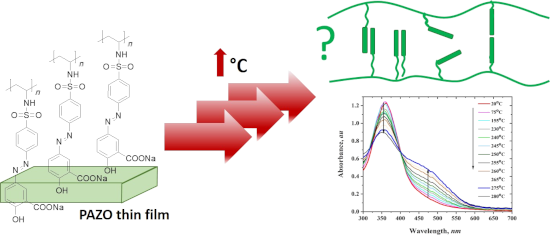
- relationship between the structural organization of the polymer side chains and temperature-induced optical changes. By combining experimental spectroscopic techniques with theoretical modeling, we demonstrate that the thermochromic response of PAZO films is strongly influenced by molecular aggregation, film
- thickness, and thermal treatment conditions. The observed changes in optical properties suggest that this response is governed by temperature-induced modulation of molecular ordering and aggregation state, which in turn alters the electronic transitions responsible for light absorption. Theoretical
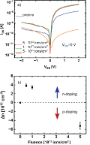
- when a 532 nm laser is used. Additionally, the thermal treatment leads to an increase in the response time in both cases. These findings can be analyzed in the context of previously reported results. In the study by Nedelchev et al. [18], a spectral dependence of ∆n on the pump laser wavelength was


Safe and sustainable by design with ML/AI: A transformative approach to advancing nanotechnology
Beilstein J. Nanotechnol. 2026, 17, 176–185, doi:10.3762/bjnano.17.11
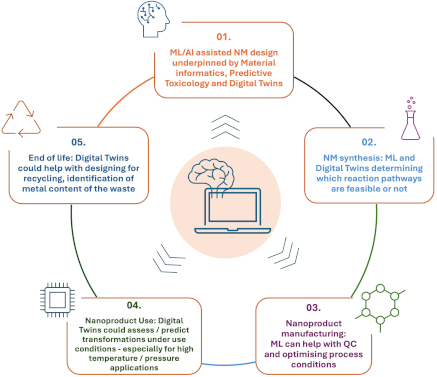
- new-approach methodologies or NAMs), and which include in silico (computational) assessment, can fully “open the box”, revealing mechanistic drivers and enabling establishment of dose-response relationships, read-across, and other insights that allows regulators to gain a deeper understanding in
- for rapid adjustments to nanomaterial formulations or processing parameters in response to emerging safety or efficacy concerns. By simulating how nanomaterials behave across varying operational scenarios – incorporating factors like temperature, pH, or mechanical stress – digital twins will
- the candidate materials until the final optimised one – while continuously refining design parameters in response to new data. However, this technologically advanced ecosystem still faces some critical hurdles to implementation. One major challenge is the complex and interdisciplinary nature of


From shield to spear: Charge-reversible nanocarriers in overcoming cancer therapy barriers
Beilstein J. Nanotechnol. 2026, 17, 159–175, doi:10.3762/bjnano.17.10
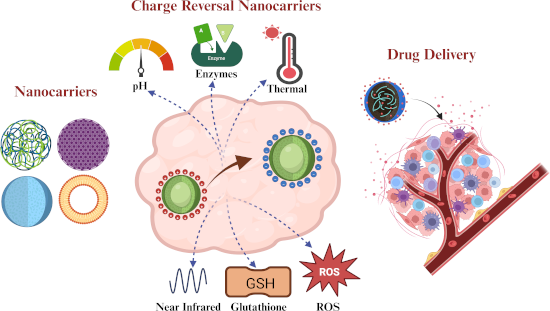
- , drug resistance, and poor tumour selectivity. In response to these limitations, nanotechnology-based drug delivery systems have gained prominence for enhancing solubility, improving molecular stability, enabling controlled drug release, and prolonging systemic circulation, offering superior therapeutic
- outcomes over traditional approaches. Among these innovations, charge-reversible nanocarriers have attracted considerable attention due to their ability to overcome physiological and pathological barriers in the tumour microenvironment (TME) by altering their surface charge in response to specific stimuli
- ) [15]. These systems can switch their surface charge in response to tumour microenvironment (TME) triggers such as pH changes, redox states, or enzymatic activity, enhancing drug stability, facilitating cellular uptake, and enabling targeted drug release. This responsive functionality gives CR-NDDSs a


Development and in vitro evaluation of liposomes and immunoliposomes containing 5-fluorouracil and R-phycoerythrin as a potential phototheranostic system for colorectal cancer
Beilstein J. Nanotechnol. 2026, 17, 97–121, doi:10.3762/bjnano.17.7
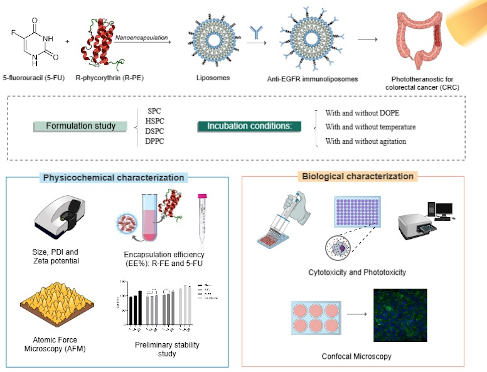
- cancer, but there are cellular mechanisms of resistance, such as membrane transporters, which lower the therapeutic response rate. However, when the treatment with 5-FU was evaluated, associated with photodynamic therapy using Foslip® as a liposomal system, it was found that this treatment was effective



Functional surface engineering for cultural heritage protection: the role of superhydrophobic and superoleophobic coatings – a comprehensive review
Beilstein J. Nanotechnol. 2026, 17, 63–96, doi:10.3762/bjnano.17.6

- accidental but rather a targeted response to shifting political or cultural dynamics. The study underscores the importance of understanding both environmental and human threats in the preservation of ancient artworks, which also passes through their conservation, when stored or transported, in order to avoid




Microscopic study of the intermediate mixed state in intertype superconductors
Beilstein J. Nanotechnol. 2026, 17, 57–62, doi:10.3762/bjnano.17.5
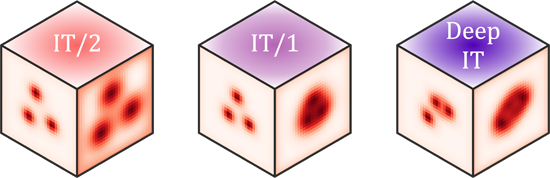
- microscopic foundation for the IT superconductivity and extend its description beyond the vicinity of the critical temperature. Keywords: Bogoliubov–de Gennes equations; intertype regime; microscopic calculations; superconductivity; vortices in superconductors; Introduction The magnetic response of


Subdigital integumentary microstructure in Cyrtodactylus (Squamata: Gekkota): do those lineages with incipiently expressed toepads exclusively exhibit adhesive setae?
Beilstein J. Nanotechnol. 2026, 17, 38–56, doi:10.3762/bjnano.17.4
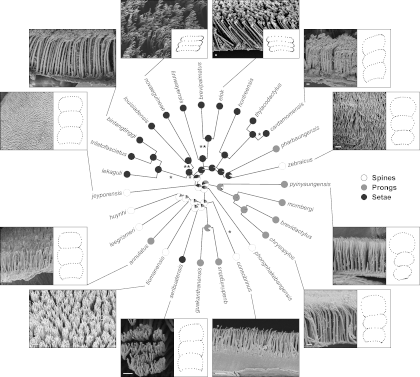
- for chameleons, which evolved comparable microstructures [21][22]), likely evolved in response to the demands of climbing. Spines, prongs, and setae putatively evolved from spinules, which are the shortest of the microstructures of the outer epidemal layer (Oberhäutchen) [23][24][25]. Spinules


Quantitative estimation of nanoparticle/substrate adhesion by atomic force microscopy
Beilstein J. Nanotechnol. 2026, 17, 1–14, doi:10.3762/bjnano.17.1

- ]. Further, the yield strength effects are also entirely omitted. In addition, neither chemical interactions with the substrate nor its mechanical response are considered. For small NP diameters (2–4 nm), the predicted deformation seems clearly overestimated, as the theoretical contact radius exceeds the NP



Internal 3D temperature mapping in biological systems using ratiometric light-sheet imaging and lipid-coated upconversion nanothermometers
Beilstein J. Nanotechnol. 2025, 16, 2306–2316, doi:10.3762/bjnano.16.159
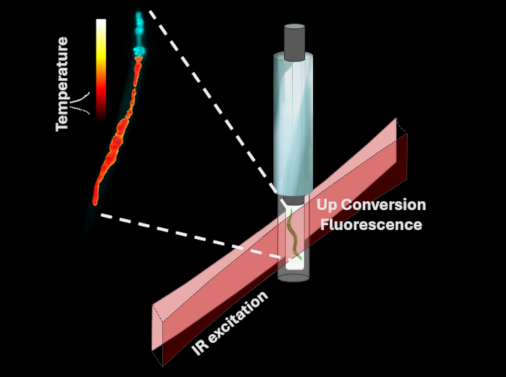
- FIR response follows a Boltzmann-type exponential temperature dependence (see Equation 1), our previous work demonstrated that within the 25–50 °C interval in NaYF4:Yb3+/Er3+systems, the FIR behavior of lipid-coated UCNPs can be well approximated by a linear dependence with a slope of m ≈ 0.003 °C−1
- [40]. This finding is consistent with earlier experimental results showing a linear response up to 100 °C [44], confirming the robustness of this relationship across a broad thermal range. In the present study, the calibration was restricted to 25–33 °C to match the physiological temperature range of
- C. elegans and to evaluate the method’s sensitivity in detecting subtle temperature variations relevant to biological processes. The resulting temperature-dependent FIR response is illustrated in Figure 4b, covering the 25–33 °C range, with measurements taken at 2 °C intervals. This temperature


Improving magnetic properties of Mn- and Zn-doped core–shell iron oxide nanoparticles by tuning their size
Beilstein J. Nanotechnol. 2025, 16, 2285–2295, doi:10.3762/bjnano.16.157
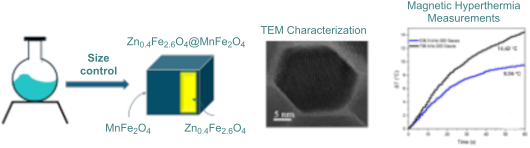
- ·kg−1 for their 5 nm counterparts. The addition of a MnFe2O4 shell further enhanced the magnetic response across all sizes, confirming its functional contribution to the overall magnetic behavior. Zero-field-cooled/field-cooled (ZFC/FC) analyses demonstrated the superparamagnetic nature of the