

Search results
Search for "dynamic" in Full Text gives 816 result(s) in Beilstein Journal of Nanotechnology. Showing first 200.
Low-temperature AFM with a microwave cavity optomechanical transducer
Beilstein J. Nanotechnol. 2025, 16, 1873–1882, doi:10.3762/bjnano.16.130
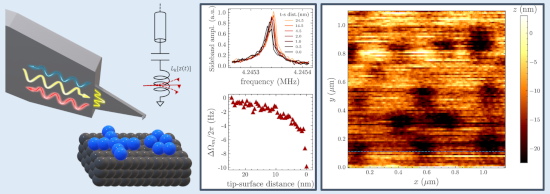
- refrigerator (DR). We operate the microscope with surface-tracking feedback using the two most common imaging modes of dynamic AFM: amplitude modulation (AM-AFM) and frequency modulation (FM-AFM) [19]. One of the biggest challenges of operating an AFM in a closed-cycle DR is the pulse tube cryogenic head
- features in a 1 µm scan field, but has not been tested to atomic resolution. Results and Discussion Force sensitivity and imaging The microcantilever in dynamic AFM operates as a resonant force transducer. Each individual eigenmode is described by a mechanical susceptibility χ, expressing cantilever


Self-assembly and adhesive properties of Pollicipes pollicipes barnacle cement protein cp19k: influence of pH and ionic strength
Beilstein J. Nanotechnol. 2025, 16, 1863–1872, doi:10.3762/bjnano.16.129
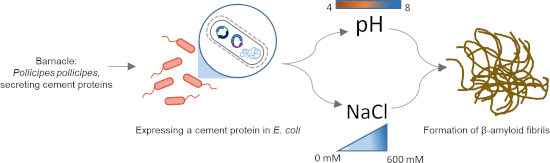
- , ship hulls, and even other organisms [1]. These bioadhesives function under challenging aquatic conditions, including high and fluctuating salinity, and constant turbulence. Unlocking the molecular mechanisms behind their ability to achieve robust, long-term adhesion under wet and dynamic conditions
- crustaceans following molting [23]. This flexibility of the cuticle allows for attachment in environments where rigid adhesion would fail, such as on soft tissues, polymers, or dynamic interfaces [23][24]. Stalked barnacles exhibit significant evolutionary divergence (200–250 million years) from acorn


On the road to sustainability – application of metallic nanoparticles obtained by green synthesis in dentistry: a scoping review
Beilstein J. Nanotechnol. 2025, 16, 1851–1862, doi:10.3762/bjnano.16.128
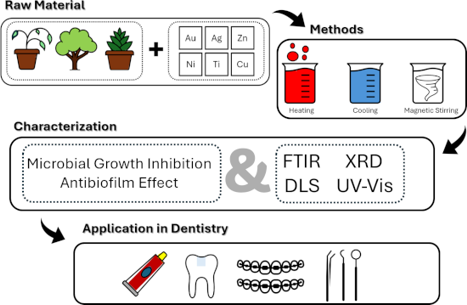
- potential cytotoxicity of these nanoparticles within the complex and dynamic oral environment [15][20]. A significant number of selected studies (n = 23; 24.1%) also failed to perform advanced physicochemical characterizations, such as FTIR, SEM, or XRD, which are essential for confirming nanoparticle


Phytol-loaded soybean oil nanoemulsion as a promising alternative against Leishmania amazonensis
Beilstein J. Nanotechnol. 2025, 16, 1826–1836, doi:10.3762/bjnano.16.126
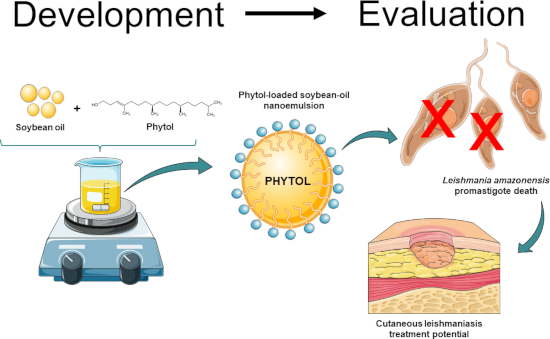
- performed. The results revealed nanodroplets with spherical and oval shapes and a homogeneous size distribution, with diameters up to 250 nm, consistent with the dynamic light scattering (DLS) data (Figure 1c,d). Colloidal and physicochemical stability The colloidal and physicochemical stability of the NEs
- analysis. All samples were prepared in triplicate and data were expressed as mean ± standard deviation. The NEs composition was described in Table 3. Physicochemical characterization Droplet size, polydispersity index and zeta potential evaluation The droplet size was determined by dynamic light scattering


Electrical, photocatalytic, and sensory properties of graphene oxide and polyimide implanted with low- and medium-energy silver ions
Beilstein J. Nanotechnol. 2025, 16, 1794–1811, doi:10.3762/bjnano.16.123
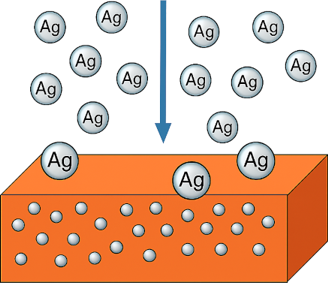
- and allows for a dynamic change in electrical properties. Conversely, samples with higher fluence no longer show a significant dependence of resistance on humidity content. This suggests that, at high fluences, excessive carbonization of the material or the formation of a continuous conductive pathway


Exploring the potential of polymers: advancements in oral nanocarrier technology
Beilstein J. Nanotechnol. 2025, 16, 1751–1793, doi:10.3762/bjnano.16.122
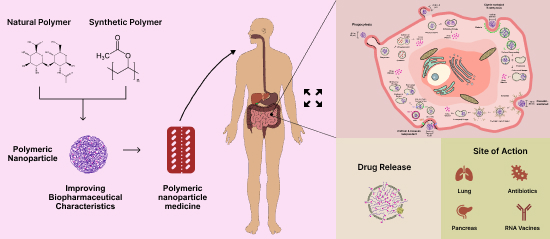
- permeability, critical factors for effective oral drug delivery, are discussed in detail. Furthermore, nanoparticle synthesis methods that enable controlled release profiles, optimized biodistribution, and improved therapeutic efficacy are also explored. Thus, polymers represent a dynamic platform for


Multifunctional anionic nanoemulsion with linseed oil and lecithin: a preliminary approach for dry eye disease
Beilstein J. Nanotechnol. 2025, 16, 1711–1733, doi:10.3762/bjnano.16.120

- mL·min−1, using sealed aluminum pans (T181206 and T181128). Droplet size, polydispersity index, zeta potential, and conductivity Droplet size and polydispersity index (PdI) of the formulations were measured 24 h after preparation using dynamic light scattering with a Zetasizer Nano-ZS ZEN 3600 (Malvern



Ambient pressure XPS at MAX IV
Beilstein J. Nanotechnol. 2025, 16, 1677–1694, doi:10.3762/bjnano.16.118

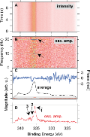
- material interfaces under more realistic conditions, which is a critical advancement in material research, gaining increasing popularity across various fields. APXPS is crucial for studying dynamic processes in catalysis, environmental science, and energy materials, where reactions typically occur at or
- observation of catalytic surfaces under reaction conditions. This allows for full life cycle characterization of catalysts, offering insights into surface structure, composition, and dynamic behavior during catalysis. Thanks to its intrinsic surface sensitivity, APXPS is uniquely positioned to probe the
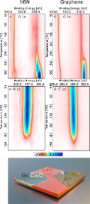
- simultaneously. This is summarized in Figure 5 where the 2D intensity plot vs temperature of O 1s and N 1s or C 1s, for hBN or graphene, respectively, are reported. Time-resolved catalysis Catalysts are inherently dynamic systems. The optimal catalyst should have a nanostructure that enhances activation kinetics





Prospects of nanotechnology and natural products for cancer and immunotherapy
Beilstein J. Nanotechnol. 2025, 16, 1644–1667, doi:10.3762/bjnano.16.116
- the development of reactive oxygen species (ROS) [118]. Hyaluronic acid can inhibit local recurrence and distant tumor growth when used in immunotherapy scenarios in conjuction with CAR-T cells and anti-PDL1-conjugated platelets [119]. Transmission electron microscopy (TEM) and dynamic light



Venom-loaded cationic-functionalized poly(lactic acid) nanoparticles for serum production against Tityus serrulatus scorpion
Beilstein J. Nanotechnol. 2025, 16, 1633–1643, doi:10.3762/bjnano.16.115
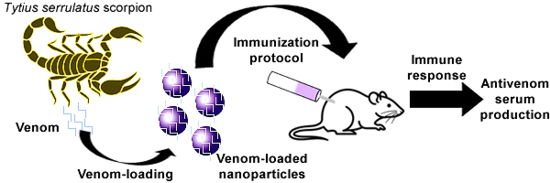
- polyethylenimine for loading peptides and proteins of T. serrulatus venom, and their use as a potential immunoadjuvant was evaluated. The protein loading efficiency of about 100% and the polyacrylamide gel electrophoresis assay confirmed the success of venom loading. Dynamic light scattering and zeta potential
- shape, uniform aspects, and sizes compatible with the results obtained by dynamic light scattering. These morphological features are known to influence the biological activity of nanoparticles loaded with bioactive molecules, directly affecting their release. The release profile of a substance depends



Nanotechnology-based approaches for the removal of microplastics from wastewater: a comprehensive review
Beilstein J. Nanotechnol. 2025, 16, 1607–1632, doi:10.3762/bjnano.16.114
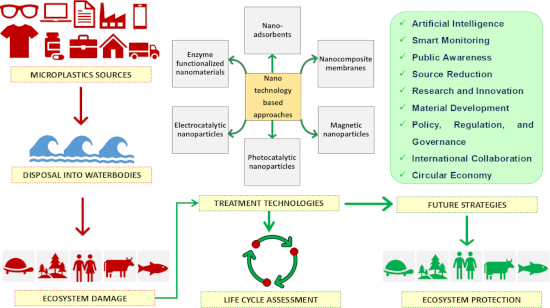
- scalability remain ongoing challenges. Physical processes Various membrane filtration technologies have been employed to mitigate MP pollution, including microfiltration, membrane bioreactors, reverse osmosis, dynamic membranes, and ultrafiltration. Additionally, media filtration techniques, such as sand


Photocatalytic degradation of ofloxacin in water assisted by TiO2 nanowires on carbon cloth: contributions of H2O2 addition and substrate absorbability
Beilstein J. Nanotechnol. 2025, 16, 1567–1579, doi:10.3762/bjnano.16.111
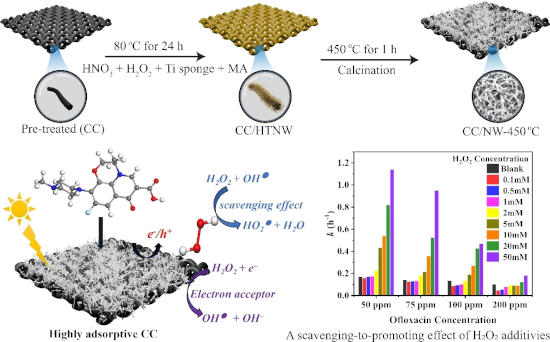
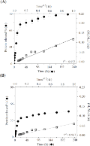
- were conducted under UV light without a prior dark adsorption. This difference in experimental conditions accounts for the variation in degradation profiles between the two figures. After 6 h of irradiation, approximately 96.9% OFL degradation was achieved on the first run. This suggests that dynamic


Transient electronics for sustainability: Emerging technologies and future directions
Beilstein J. Nanotechnol. 2025, 16, 1545–1556, doi:10.3762/bjnano.16.109
- . Third, precise lifetime control remains a critical challenge, necessitating not only improved encapsulation strategies but also dynamic, stimuli-responsive degradation mechanisms. Given the intricate nature of biological environments and the variability of therapeutic requirements, materials used in


Nanomaterials for biomedical applications
Beilstein J. Nanotechnol. 2025, 16, 1499–1503, doi:10.3762/bjnano.16.105
- [9]. Along with liposomes, polymeric nanoparticles have turned out to be an equally dynamic platform. Typically, these particles are composed of biodegradable materials, such as poly(lactic-co-glycolic acid) (PLGA) or chitosan. One of the main advantages of polymers is that they can be designed to
Laser processing in liquids: insights into nanocolloid generation and thin film integration for energy, photonic, and sensing applications
Beilstein J. Nanotechnol. 2025, 16, 1428–1498, doi:10.3762/bjnano.16.104
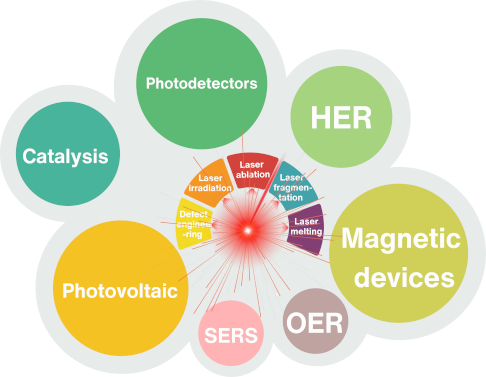
- , and catalysis. However, challenges remain, such as the need for improved productivity, narrower size distributions, and better understanding of the dynamic processes involved in laser interactions with liquid media. 1.5 Laser-induced defect engineering in liquids Laser-based techniques have unlocked






The role of biochar in combating microplastic pollution: a bibliometric analysis in environmental contexts
Beilstein J. Nanotechnol. 2025, 16, 1401–1416, doi:10.3762/bjnano.16.102
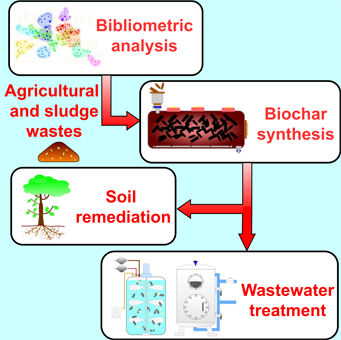
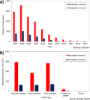
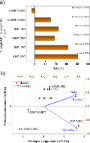
- -occurrences, CiteSpace provides advanced temporal and structural metrics, such as betweenness centrality, to map pivotal connections and identify transformative shifts in scientific literature. While VOSviewer excels in intuitive knowledge mapping over time, CiteSpace offers deeper insights into the dynamic



Enhancing the therapeutical potential of metalloantibiotics using nano-based delivery systems
Beilstein J. Nanotechnol. 2025, 16, 1350–1366, doi:10.3762/bjnano.16.98
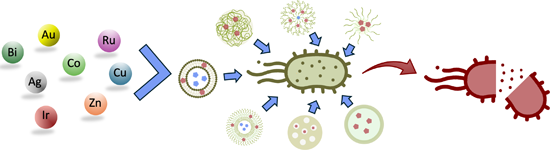
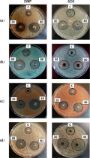
- by dynamic light scattering. The antibacterial activity of these nanoparticles was evaluated against Gram-positive and Gram-negative bacterial strains (S. aureus, S. epidermidis, E. coli, and P. aeruginosa) and compared to the free complex 18. While neither free drug 18 nor the encapsulated


Ferroptosis induction by engineered liposomes for enhanced tumor therapy
Beilstein J. Nanotechnol. 2025, 16, 1325–1349, doi:10.3762/bjnano.16.97
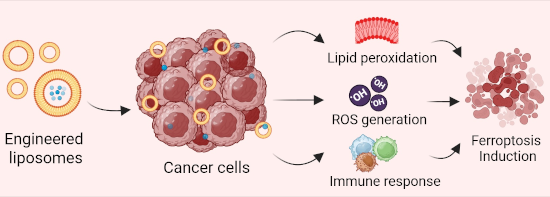
- ][120]. 3.2 Characterization of liposomes Characterization of liposomes is important to ensure their quality and performance as drug delivery systems. Several techniques are commonly used to analyze the properties of liposomes, including size, lamellarity, surface charge, and EE [110][121]. Dynamic


Acrocomia aculeata oil-loaded nanoemulsion: development, anti-inflammatory properties, and cytotoxicity evaluation
Beilstein J. Nanotechnol. 2025, 16, 1277–1288, doi:10.3762/bjnano.16.93
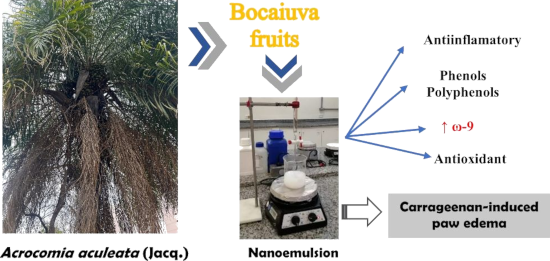
- , maintaining consistent zeta potential and droplet size parameters over a 180-day storage period at 25 ± 2 °C. Dynamic light scattering analysis revealed a mean nanodroplet size (by intensity) of 173.6 ± 0.70 nm (Figure 2A). The nanoemulsion, composed of 0.28 parts of Span 80® and 0.72 parts of Tween 80
- the smallest droplet size was selected as the (HLBr) to emulsify bocaiúva oil [63]. Droplet size and zeta potential Droplet size and polydispersity index (PDI) were measured by dynamic light scattering (DLS) with a Zetasizer Nano-ZS instrument (Malvern, UK). Zeta potential was determined by


Better together: biomimetic nanomedicines for high performance tumor therapy
Beilstein J. Nanotechnol. 2025, 16, 1246–1276, doi:10.3762/bjnano.16.92
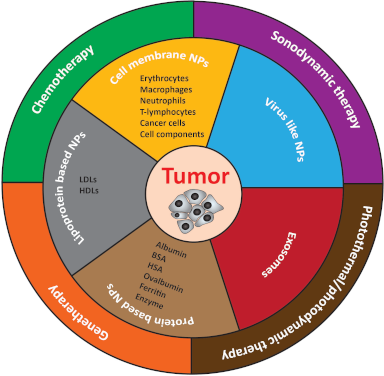
- vehicles released by most of the cells. These phospholipid bilayer nanovesicles are surface-enriched with proteins accounting for their dynamic and prominent roles in immune escape, cell–cell communication, and specific cell uptake [103]. They are small in size (30–150 nm), bypass biological barriers, and







Investigation of the solubility of protoporphyrin IX in aqueous and hydroalcoholic solvent systems
Beilstein J. Nanotechnol. 2025, 16, 1209–1215, doi:10.3762/bjnano.16.89
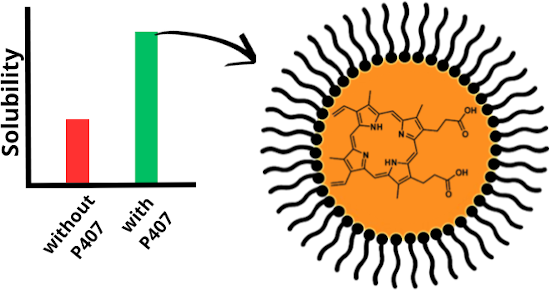
- , complementary methods may be performed together, such as dynamic light scattering [26] and turbidimetry [27]. Furthermore, TEM analysis can provide a more accurate understanding of the incorporation of PpIX into the micellar systems, overcoming the limitations associated with spectrophotometric estimations


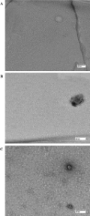
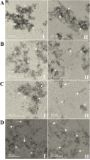
Chitosan nanocomposite containing rotenoids: an alternative bioinsecticidal approach for the management of Aedes aegypti
Beilstein J. Nanotechnol. 2025, 16, 1197–1208, doi:10.3762/bjnano.16.88
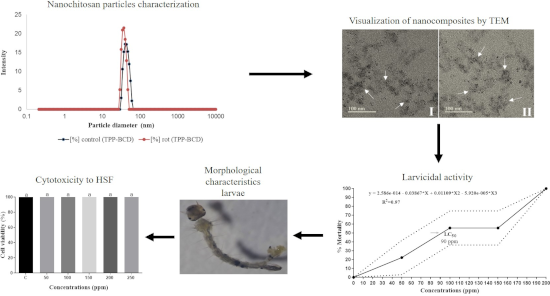
- , controls), while the other corresponded to nanocomposites containing rotenoids (CS/TPP rot and CS/TPP–β-CD rot). Size, polydispersity, and zeta potential The average size (in nm) and PDI of the nanoparticles were measured using dynamic light scattering (DLS) on the Litesizer DLS 500 instrument (Anton Paar



Mechanical stability of individual bacterial cells under different osmotic pressure conditions: a nanoindentation study of Pseudomonas aeruginosa
Beilstein J. Nanotechnol. 2025, 16, 1171–1183, doi:10.3762/bjnano.16.86
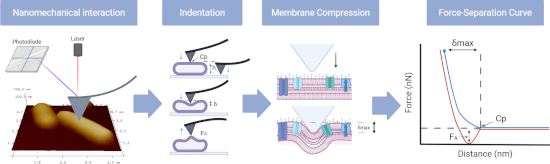
- membrane tension and rigidity are two intertwined physical parameters with a dynamic behavior dictated by the internal turgor pressure of the bacteria during swelling or plasmolysis. Therefore, understanding the dynamics of their mechanical response due to changes in external conditions or exposure to
- swelling. This demonstrates the remarkable dynamic capacity of the MS channels to rapidly mitigate hazardous internal pressures in highly diluted solutions. Therefore, we expect high membrane tension values to occur but in a very narrow period (within ≈100 ms after exposure), making it challenging to


Fabrication of metal complex phthalocyanine and porphyrin nanoparticle aqueous colloids by pulsed laser fragmentation in liquid and their potential application to a photosensitizer for photodynamic therapy
Beilstein J. Nanotechnol. 2025, 16, 1088–1096, doi:10.3762/bjnano.16.80
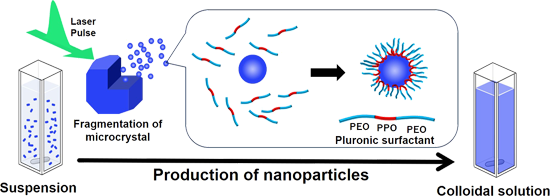
- within the nanoparticles. The hydrodynamic diameter of the colloidal dispersion was examined by dynamic light scattering (DLS) measurements, and the Z-average value was 96 nm (see Figure S2, Supporting Information File 1). The fabricated nanoparticles remained stably dispersed over a period of one month
- microcrystalline powder into small nanoparticles with high efficiency. The particle size was determined by dynamic light scattering measurements (Zetasizer nanoS, Malvern Instruments). In this analysis, the prepared colloids were diluted more than tenfold with ion-exchanged water. Dispersion stability Dispersion


Piezoelectricity of hexagonal boron nitrides improves bone tissue generation as tested on osteoblasts
Beilstein J. Nanotechnol. 2025, 16, 1068–1081, doi:10.3762/bjnano.16.78
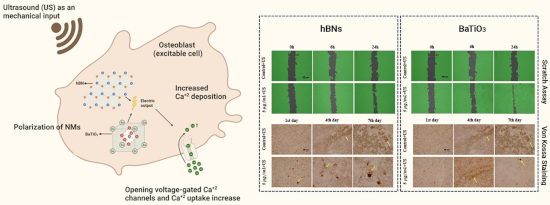
- -Vis-NIR) measured optical properties across the 200–800 nm range, while dynamic light scattering (DLS, Malvern Panalytical) provided data on hydrodynamic size and zeta potential after dispersing 1 mg of material in 1 mL of deionized water and sonicating for 30 min. Finally, piezoresponse force