


Search results
Search for "X-ray" in Full Text gives 1076 result(s) in Beilstein Journal of Nanotechnology. Showing first 200.
Engineered PEG–PCL nanoparticles enable sensitive and selective detection of sodium dodecyl sulfate: a qualitative and quantitative analysis
Beilstein J. Nanotechnol. 2025, 16, 385–396, doi:10.3762/bjnano.16.29
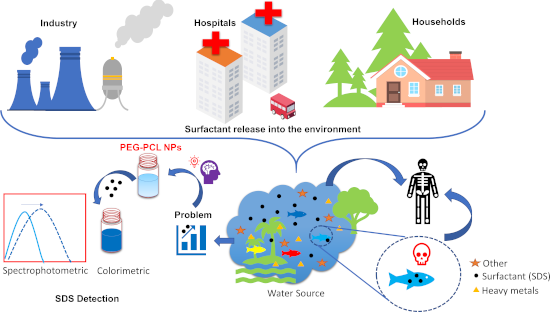
- size. The imaging was performed using TEM at 120 kV (Jeol JEM1400, Germany). The surface elements and their composition in the nanoparticle were analyzed using X-ray photoelectron spectroscopy (PHI 5000 Versa Probe II, FEI Inc) regarding their binding energy. The fixed transmission mode was utilized
- larger estimate than the dry measurements obtained from TEM and SEM [32]. X-ray photoelectron spectroscopy, also known as electron spectroscopy for chemical analysis (ESCA), was used to analyze the surface chemistry of the PEG–PCL NPs. XPS is a powerful surface-sensitive technique that provides detailed


Pulsed laser in liquid grafting of gold nanoparticle–carbon support composites
Beilstein J. Nanotechnol. 2025, 16, 349–361, doi:10.3762/bjnano.16.26
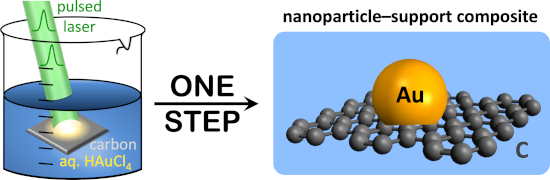
- scattering by the carbon fibers. The pulsed laser-grafted gold nanoparticles exhibited cauliflower morphology with approximately 200 nm diameter and no detectable carbonaceous shells (Figure 2B and cf. X-ray photoelectron spectroscopy (XPS) data below). Assembly of gold nanoparticles by nanosecond laser
- gold nanoparticles) spectral signatures were not observable here. Pulsed laser grafting created nonequilibrium gold nanoparticle–carbon fiber paper composites, evident from powder X-ray diffraction (XRD) data (Figure 5A). We normalized the XRD patterns to the (111) peak and found that the (200) or (311
- scanning electron microscope with a Schottky field-emission emitter was operated at 20.00 kV with a working distance of 4.9 mm. Energy-dispersive X-ray (EDX) spectroscopy data were collected using an SEM-integrated EDAX Octane elect plus spectrometer with a with silicon drift detector. Double sided carbon


Tailoring of physical properties of RF-sputtered ZnTe films: role of substrate temperature
Beilstein J. Nanotechnol. 2025, 16, 333–348, doi:10.3762/bjnano.16.25
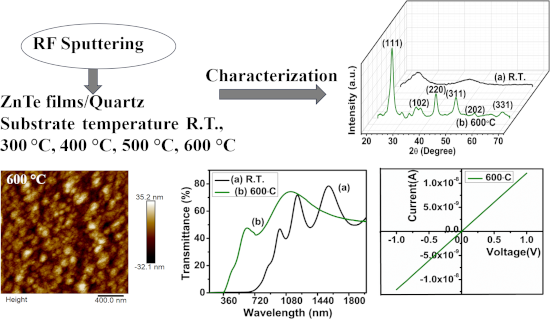
- °C, and 600 °C using RF sputtering. The thickness of the films has been found to decrease from 940 nm at room temperature to 200 nm at 600 °C with increasing substrate temperature. The structural investigation using grazing incidence angle X-ray diffraction revealed that films deposited at room
- ± 0.30 nm for the films deposited at room temperature, 300 °C, 400 °C, 500 °C, and 600 °C, respectively. The structural aspects of the ZnTe/Qz films were analysed using grazing incidence X-ray diffraction (GXRD) on a Bruker AXS D8 Advance with Cu Kα radiation (λ = 1.5406 Å) available at Ion Beam Centre
- energy-dispersive X-ray spectroscopy (EDS) operated at 10 keV. The current–voltage (I–V) characteristics of the films were measured in the voltage range from −1 V to 1 V using a two-probe Keithley 4200 A-SCS parametric analyser available at Ion Beam Centre, Kurukshetra University. Results and Discussion




Graphene oxide–chloroquine conjugate induces DNA damage in A549 lung cancer cells through autophagy modulation
Beilstein J. Nanotechnol. 2025, 16, 316–332, doi:10.3762/bjnano.16.24
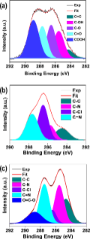
- , the decrease in ID/IG corroborates with the bathochromic shift of the π–π* electronic transition in GO–Chl due to the preservation of a sp2 carbon framework. Furthermore, the chemical states/structures of GO, Chl, and GO–Chl were investigated through X-ray photoelectron spectroscopy. Figure 2a–c
- created by the authors using Avogadro: an open-source molecular builder and visualization tool. Version 1.0.2n http://avogadro.cc/) [40]. X-ray photoelectron spectroscopy analysis. C 1s core level spectra for GO (a), Chl (b), and GO–Chl (c), respectively. Experimental (black line), fitted data (red line



Fabrication and evaluation of BerNPs regarding the growth and development of Streptococcus mutans
Beilstein J. Nanotechnol. 2025, 16, 308–315, doi:10.3762/bjnano.16.23
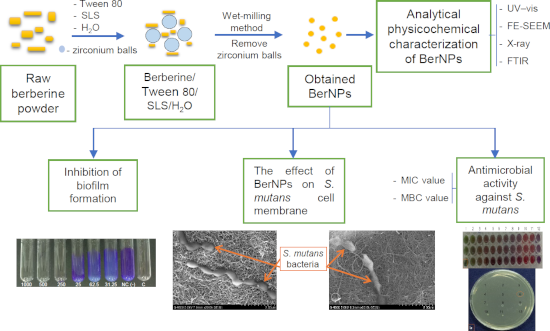
- prepared using a wet-milling method with zirconium balls to enhance bioavailability and expand potential applications. The particle size and physicochemical properties of the BerNPs were analyzed using field-emission scanning electron microscopy (FE-SEM), UV–vis spectroscopy, X-ray diffraction, and Fourier
- content in the powder material was determined to be 92% by mass. In both raw berberine powder and BerNPs, X-ray diffraction analysis showed strong peaks around 9.5° and weak peaks between 25.5° and 26.5° (Figure 2C). These characteristic diffraction peaks represent the crystalline structure of berberine
- temperature, and analyzed at a voltage of 10 kV [24]. X-ray diffraction analysis was used to evaluate the crystalline structure of berberine and BerNPs. FTIR spectra were analyzed to identify typical functional groups and chemical bonds in raw berberine and BerNPs [28]. Determination of minimum inhibitory




Enhancing mechanical properties of chitosan/PVA electrospun nanofibers: a comprehensive review
Beilstein J. Nanotechnol. 2025, 16, 286–307, doi:10.3762/bjnano.16.22

- contradictory observation, including reduced crystallinity as evidenced by the X-ray diffraction results and the presence of bound solvent detected through differential scanning calorimetry, which acts as plasticizer in the chitosan/PVA membrane and reduces the storage modulus. Viana et al. [138] conducted DMA


Radiosensitizing properties of dual-functionalized carbon nanostructures loaded with temozolomide
Beilstein J. Nanotechnol. 2025, 16, 229–251, doi:10.3762/bjnano.16.18
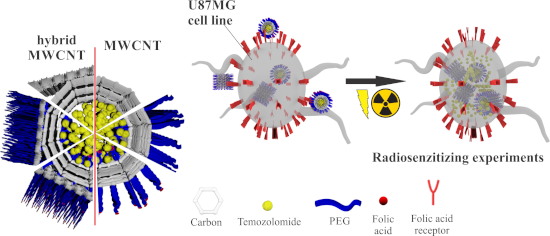
- after exposure to irradiation, X-ray powder diffraction (XRPD) was used. The stability of TMZ under these conditions was determined unsing attenuated total reflectance Fourier-transform infrared (ATR-FTIR) and UV–vis spectroscopy. Most of the procedures and techniques were used in our previous study [43
- the absence of additional defects on the surface of CNs after TMZ loading. X-ray powder diffraction Several literature data are focused on the changes in structure and size of CNs after their exposure to gamma radiation. In one study [63], upon exposure of MWCNTs to gamma radiation and subsequent
- , while the other at 45° is related to changes in the crystallinity or arrangements in the nanotubes after irradiation. In the X-ray pattern of MWCNTs-G-COOH, the two characteristic peaks at 2θ angles of 26° and 43° were also present; however, the intensity of the peak at 26° decreased in the irradiated




Synthesis and the impact of hydroxyapatite nanoparticles on the viability and activity of rhizobacteria
Beilstein J. Nanotechnol. 2025, 16, 216–228, doi:10.3762/bjnano.16.17
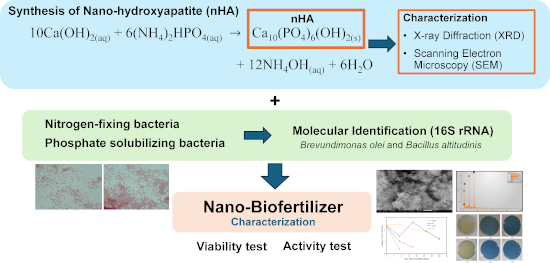
- gradually through a solvothermal reaction, driven by the chemical transformation represented by the following equation: Nanohydroxyapatite characterization The structural analysis of nHA was performed using X-ray diffraction (XRD). The diffraction pattern of nHA standard is given in Figure 1, while that of
- constant (with a value of 0.89), λ represents the X-ray wavelength in nanometers (0.154 nm), β denotes the full width at half maximum (FWHM) of the diffraction peak, and θ is the Bragg angle. The crystal size of the sample was found to be 34.27 nm, with a full width at half maximum (FWHM) of 0.2384 radians
- Novella and coworkers [26]. Nanohydroxyapatite characterization Structural assessment of the synthesized nHA was conducted using X-ray diffraction (XRD) with the PANalytical AERIS system and OriginLab 8.5.1 software. Further examination of the sample’s morphology was carried out using a scanning electron


A review of metal-organic frameworks and polymers in mixed matrix membranes for CO2 capture
Beilstein J. Nanotechnol. 2025, 16, 155–186, doi:10.3762/bjnano.16.14
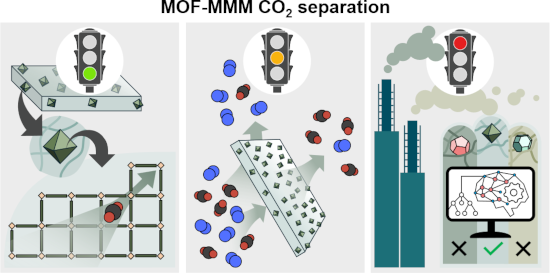
- , and X-ray diffraction (XRD) provide information about the bulk MOF-based MMM [140][141][142]. FTIR yields information about the functional groups within the sample [140], and will differ between the pristine MOF, polymer membrane, and MOF-based MMM [118][121][122][124][128][131]. In this way, it is
- MOF-based MMM system that perturb the crystallinity in the membrane will be discernable through XRD [121][129]. Energy-dispersive X-ray spectroscopy (EDX), and X-ray photoelectron spectroscopy (XPS) are commonly used to supplement the chemical analysis of MOF-based MMMs [113][137][143]. EDX can




Clays enhanced with niobium: potential in wastewater treatment and reuse as pigment with antibacterial activity
Beilstein J. Nanotechnol. 2025, 16, 141–154, doi:10.3762/bjnano.16.13
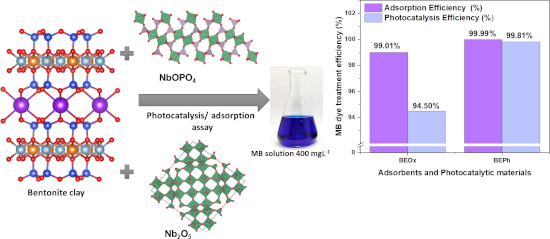
- for their potential as antibacterial hybrid pigments. The bentonite clay modified with niobium was prepared by a solution containing swelling clay mixed with niobium oxide (NbOx) and niobium phosphate (NbPh) in a water solution; after that, the suspension was calcinated. X-ray diffractometry, X-ray
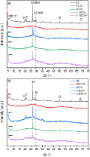
- dye with the enzyme succinate dehydrogenase (present in the mitochondria), leading to the formation of a salt called Formazan with a pink-reddish color. Characterization X-ray diffraction (XRD) measurements of the powder were conducted using a Rigaku BEartLab SE 3 kW diffractometer equipped with Cu Kα
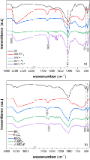
- mode. Powder and paint-applied samples were analyzed by colorimetry, based on the CIEL*a*b* system, using a portable colorimeter (NR60CP – 3NH). The oxidation state and elemental composition of the samples were evaluated using X-ray photoelectron spectroscopy (XPS) with a PHI Genesis instrument from



TiO2 immobilized on 2D mordenite: effect of hydrolysis conditions on structural, textural, and optical characteristics of the nanocomposites
Beilstein J. Nanotechnol. 2025, 16, 128–140, doi:10.3762/bjnano.16.12
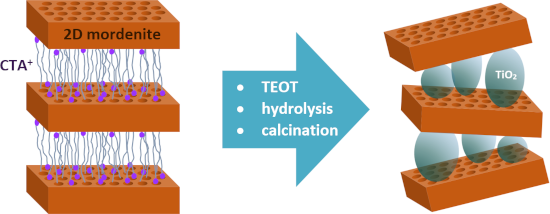
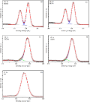
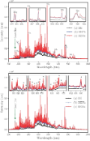
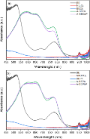
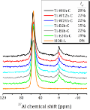
- -angle and full X-ray diffraction (XRD) patterns, respectively, for the samples containing hydrolyzed forms of Ti after hydrolysis of TEOT. The full XRD patterns of the hydrolyzed samples after calcination are shown in Figure 1c. For comparison, the corresponding patterns for the parent compound MOR-L
- and TEOT, studied in our previous work [5], for which even after hydrolysis for 12 h in water the long-range order of the lamellae was preserved. The results of the elemental analysis using energy dispersive X-ray (EDX) and X-ray photoelectron spectroscopy (XPS) of the parent lamellar sample and TiO2
- the Research Park of Saint Petersburg State University (Centre for X-ray Diffraction Studies; Interdisciplinary Resource Centre for Nanotechnology; Centre for Physical Methods of Surface Investigation; Centre for Diagnostics of Functional Materials for Medicine, Pharmacology and Nanoelectronics



Characterization of ZnO nanoparticles synthesized using probiotic Lactiplantibacillus plantarum GP258
Beilstein J. Nanotechnol. 2025, 16, 78–89, doi:10.3762/bjnano.16.8
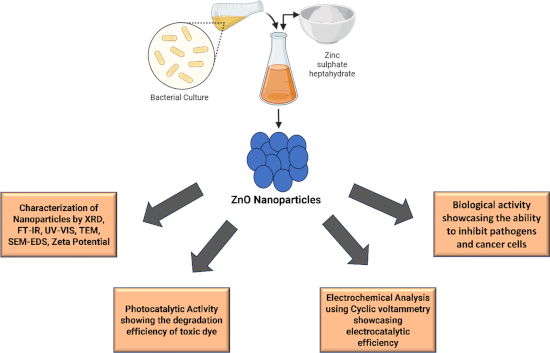
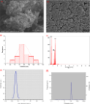
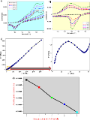
- characterization using UV–vis spectroscopy, Fourier-transform infrared spectroscopy, X-ray diffraction measurements, energy-dispersive X-ray spectroscopy, scanning and transmission electron microscopy, photocatalytic studies, electrochemical analysis, and determination of antibacterial and anticancer activity. The
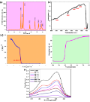
- . The average crystallite size of the synthesized ZnO NPs was calculated using the Scherrer equation: where D is the crystallite size, K is the shape factor, λ is the X-ray wavelength (1.54 Å for Cu Kα radiation), β is the full width at half maximum (FWHM) of the diffraction peak in radians, and θ is
- . The numbers on the branches represent bootstrap values derived from 1000 replications, showcasing the statistical reliability of each node. The tree was constructed using the maximum likelihood method based on 16S rRNA sequences, with alignment performed against GenBank data. (a) X-ray diffraction



Bioinspired nanofilament coatings for scale reduction on steel
Beilstein J. Nanotechnol. 2025, 16, 25–34, doi:10.3762/bjnano.16.3
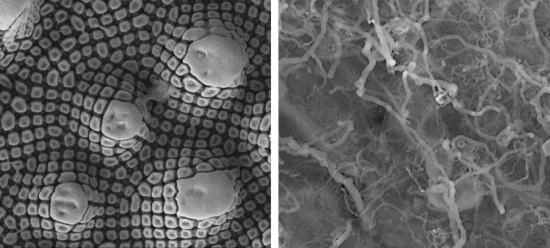
- expected for SNF coating are clearly visible from a coated steel surface. Figure 3B and Figure 3C show the images of the measured angle of the coated and uncoated steel surfaces. The related atomic composition of the coating was analyzed by energy-dispersive X-ray spectroscopy (EDX) for both coated steel
- induce corrosion of the samples. Scanning electron microscopy and energy-dispersive X-ray spectroscopy measurements Scanning electron microscopy images were acquired in a TESCAN CLARA (S8151) using the ANALYSIS and the UH-resolution scan mode with an accelerator voltage of 15 keV and 10 keV, a beam


Fabrication of hafnium-based nanoparticles and nanostructures using picosecond laser ablation
Beilstein J. Nanotechnol. 2024, 15, 1639–1653, doi:10.3762/bjnano.15.129
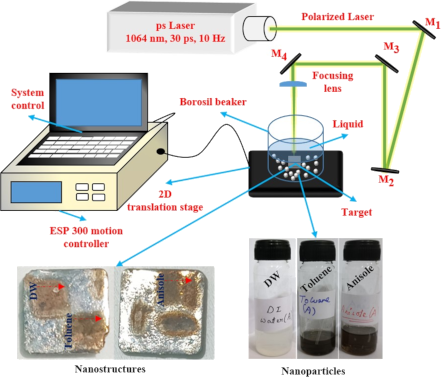
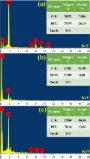
- . These Hf sponges, cut and polished to 10 mm × 10 mm × 2 mm, were used as ablation targets. The pristine target had the crystal structure of hexagonal HfO0.25, as confirmed by X-ray diffraction (XRD) data (see Figure 1a). The elemental composition (Hf: 73.68%, O: 26.32%) was determined by energy
- -dispersive X-ray spectroscopy (EDX, Figure 1b). Distilled water with a resistivity of more than 18 MΩ·cm was obtained from a Millipore system. Toluene and anisole (spectroscopic grade) were obtained from Sigma-Aldrich and used as received. Synthesis of nanoparticles and nanostructures A linearly polarised




Heterogeneous reactions in a HFCVD reactor: simulation using a 2D model
Beilstein J. Nanotechnol. 2024, 15, 1627–1638, doi:10.3762/bjnano.15.128
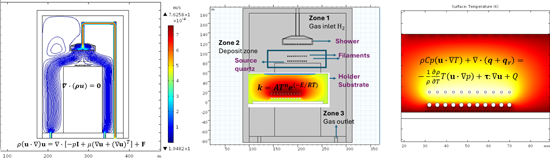
- increases with the flux of H2. This effect was already studied experimentally, and the most significant results were the analysis of how the hydrogen flow influences the composition SiOx films by X-ray photoelectron spectroscopy; as the hydrogen flow increases, the concentration of Si also increases in


Facile synthesis of size-tunable L-carnosine-capped silver nanoparticles and their role in metal ion sensing and catalytic degradation of p-nitrophenol
Beilstein J. Nanotechnol. 2024, 15, 1576–1592, doi:10.3762/bjnano.15.124
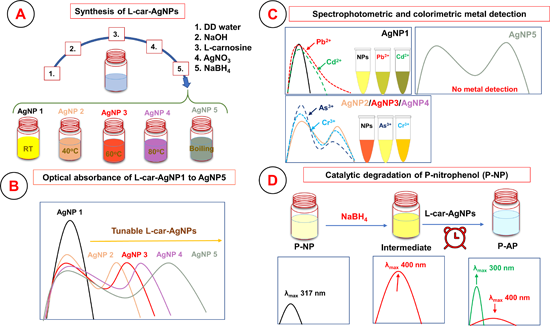
- , Netherlands) for a detailed examination of size and morphology. The crystalline structure of ʟ-car-AgNP1 was determined using X-ray diffraction (XRD, Rigaku Smartlab, Japan) within a 2θ range of 35° to 80°. Nanoparticle solutions were air-dried, and the obtained nanopowders (20 mg) were used for measurements
- absorption peaks indicates that the nanoparticles aggregated. The results confirm that ʟ-car-AgNP2–5 nanoparticles are polydisperse. FTIR, Raman spectroscopy and X-ray diffraction In addition to TEM analysis, the interaction between functional groups of ʟ-carnosine and silver, the elemental composition, and
- NaCl. In addition, NaOH used in the synthesis process acts as a source of sodium in the EDX spectrum. Crystalline structures of ʟ-car-AgNPs were analyzed using X-ray diffraction. The XRD pattern of one sample representative of all synthesized ʟ-carnosine-capped silver nanospheres is given here (Figure




Electrochemical nanostructured CuBTC/FeBTC MOF composite sensor for enrofloxacin detection
Beilstein J. Nanotechnol. 2024, 15, 1522–1535, doi:10.3762/bjnano.15.120
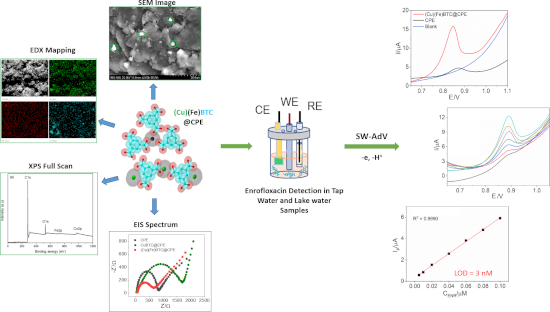
- method and characterized using various techniques, including X-ray diffraction, Fourier-transform infrared spectroscopy, Brunauer–Emmett–Teller analysis, and X-ray photoelectron spectroscopy. The MOF mixture exhibited a particle size ranging from 40 to 100 nm, a high surface area of 1147 m2/g, a pore
- volume of 0.544 cm3/g, and a capillary diameter of 1.50 nm. Additionally, energy-dispersive X-ray mapping demonstrated the uniform distribution of the two MOFs within the electrode composition. The synergistic effect of the electrocatalytic properties of CuBTC and the high conductivity of FeBTC
- -ray spectroscopy (EDX, Horiba 7593-H, England), and X-ray photoelectron spectroscopy (XPS, Thermo VG Multilab 2000). Synthesis of CuBTC, FeBTC MOFs CuBTC and FeBTC were synthesized using the solvothermal method as described in our previous reports [37][38]. Specifically, 12 mmol of trimesic acid was





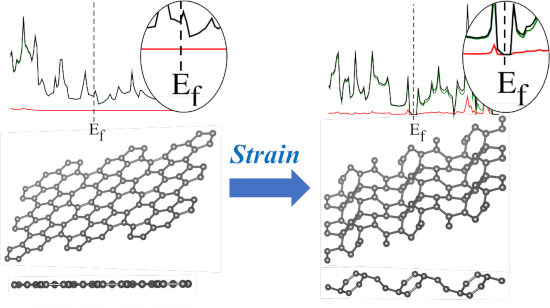
Strain-induced bandgap engineering in 2D ψ-graphene materials: a first-principles study
Beilstein J. Nanotechnol. 2024, 15, 1440–1452, doi:10.3762/bjnano.15.116
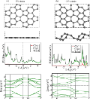
- geometrical structures of graphene obtained from its half and full hydrogenation are called, respectively, graphone [6] and graphane [7]. Zhao et al. have reported the successful synthesis of graphone on a Ni(111) surface [8]. Their X-ray photoelectron diffraction (XPD), temperature programmed desorption (TPD


Ion-induced surface reactions and deposition from Pt(CO)2Cl2 and Pt(CO)2Br2
Beilstein J. Nanotechnol. 2024, 15, 1427–1439, doi:10.3762/bjnano.15.115
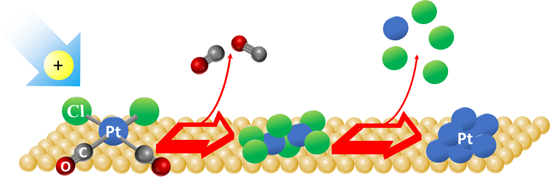
- under steady-state conditions. X-ray photoelectron spectroscopy (XPS) and mass spectrometry data from monolayer thick films of Pt(CO)2Cl2 and Pt(CO)2Br2 exposed to 3 keV Ar+, He+, and H2+ ions indicate that deposition is initiated by the desorption of both CO ligands, a process ascribed to momentum
- transformations of precursor thin films. In this approach, the precursor is adsorbed onto a cooled substrate to form 1–2 nm thin films. The effects of ion beam exposure on the thin films are characterized by X-ray photoelectron spectroscopy to identify changes in the films’ composition and chemical environment
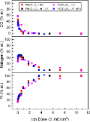
- X-ray irradiation that occurred during the acquisition of a full survey X-ray photoelectron spectrum from 0 to 1100 eV. Analogous to the behavior observed in Figure 2, the Pt 4f envelope broadens and shifts to lower binding energy compared to the parent peaks as a function of increasing ion dose



Various CVD-grown ZnO nanostructures for nanodevices and interdisciplinary applications
Beilstein J. Nanotechnol. 2024, 15, 1390–1399, doi:10.3762/bjnano.15.112
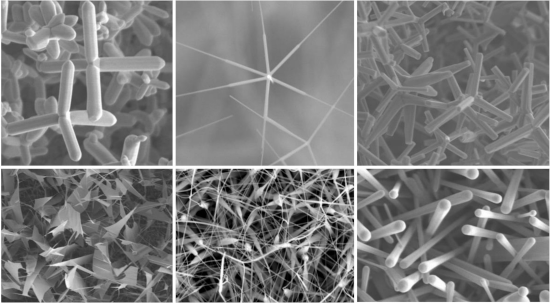
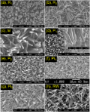
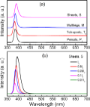
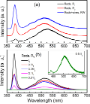
- down to collect white products formed on Si substrates. They were characterized by scanning electron microscopy (SEM, JEOL-6330F) and energy-dispersive X-ray (EDX) spectroscopy. Renishaw’s RS and PL spectrometers operating with laser wavelengths of 488 and 325 nm were also employed to study phonon



A biomimetic approach towards a universal slippery liquid infused surface coating
Beilstein J. Nanotechnol. 2024, 15, 1376–1389, doi:10.3762/bjnano.15.111
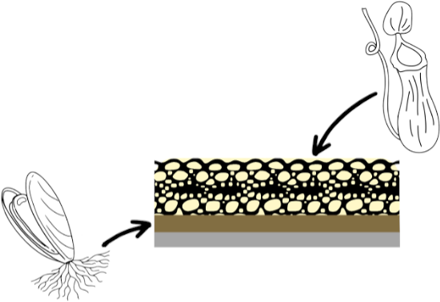
- to use. These biomimetic surface functionalization steps were confirmed by several complimentary surface analysis techniques. The wettability of each surface was probed with water contact angle measurements, while the chemical composition of the layer was determined by X-ray photoelectron
- force microscopy (AFM), sum frequency generation spectroscopy (SFG), and X-ray photoelectron spectroscopy (XPS). Measuring static water contact angles is a straightforward method to determine the relative wettability of a material and allows for a quick check if our surface modifications were successful
- wavenumber range of 1100–1800 cm−1. The spectra were then normalized by dividing the signal by the visible and infrared intensities. X-ray photoelectron spectroscopy Spectra were collected on a PHI 5600 system with a hemispherical analyzer and a monochromatic Al Kα (1486.6 eV) X-ray source with an electron




Green synthesis of carbon dot structures from Rheum Ribes and Schottky diode fabrication
Beilstein J. Nanotechnol. 2024, 15, 1369–1375, doi:10.3762/bjnano.15.110
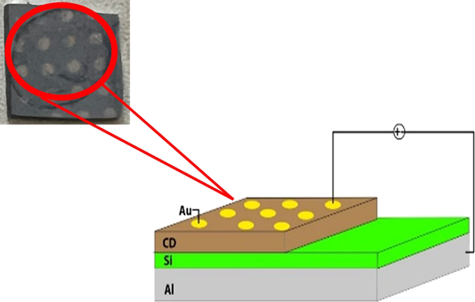
- TALOS F200S TEM 200 kV, Malvern Zetasizer Nano ZSP, PANalytical X-ray diffractometer, Bruker VERTEX 70v, Specs‐Flex with a standard Al X‐ray source, WITech alpha 300R, VAKSIS PVD Handy, Zeiss Sigma 300, KEITLEY 2400 picoammeter/voltage source, Shimadzu UV-1800 spectrophotometer, and Agilent Technologies
- Cary Eclipse fluorescence spectrophotometer were used for transmission electron microscopy (TEM), zeta potential measurements, X-ray diffractometry (XRD), Fourier-transform infrared spectroscopy (FTIR), X-ray photoelectron spectroscopy (XPS), micro-Raman spectroscopy, PVD thermal evaporation, scanning




Investigation of Hf/Ti bilayers for the development of transition-edge sensor microcalorimeters
Beilstein J. Nanotechnol. 2024, 15, 1353–1361, doi:10.3762/bjnano.15.108
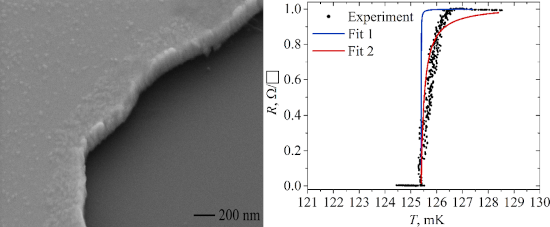
- , for example, for the detection of dark matter, as single-photon detectors (X-ray, visible, and infrared ranges) [1], and the detection of individual excimers [2]. One of the new applications is the detection of the recoil energy of 4He atoms evaporated from a superfluid condensate (helium II). This


Interaction of graphene oxide with tannic acid: computational modeling and toxicity mitigation in C. elegans
Beilstein J. Nanotechnol. 2024, 15, 1297–1311, doi:10.3762/bjnano.15.105

- complete characterization of the GO sample is available in [36]. Atomic force microscopy (AFM), Raman spectroscopy, and X-ray photoelectron spectroscopy (XPS) were used to assess size, morphology, number of layers, and surface chemistry of GO. The GO sample used in this study consists of single layers with
- composition analyzed by X-ray photoelectron spectroscopy (XPS) is 68% of carbon and 32% of oxygen. The functional groups and bonds of carbon are distributed among epoxy/hydroxy (C–O) (52%), carboxyl/esters (C=O) (9.4%), and π–π* (4.2%) moieties, besides graphitic/aromatic carbon (C sp2) (5.7%) and aliphatic
- , to 1.02 ± 0.01 and 1.05 ± 0.005 when the material was incubated in EPA medium without and with TA, respectively (Figure 2b). All Raman spectra were normalized to the intensity of the respective G bands. X-ray photoelectron spectroscopy (XPS) presented the composition of GO surface in the presence of


Mn-doped ZnO nanopowders prepared by sol–gel and microwave-assisted sol–gel methods and their photocatalytic properties
Beilstein J. Nanotechnol. 2024, 15, 1283–1296, doi:10.3762/bjnano.15.104
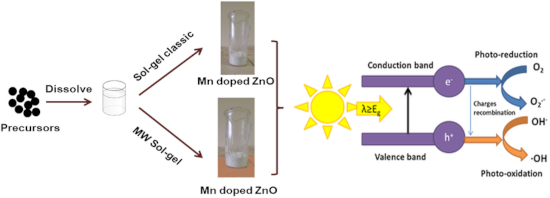
- crystallization, consistent with the results from XRD and SEM analyses. Additionally, bands at 3437 and 1613 cm−1 correspond to the vibrational modes of hydroxy groups (OH) bonded to the surface of the ZnO powders. X-ray diffraction The crystalline structure of the samples thermally treated at 500 °C was analyzed
- using X-ray diffraction (XRD). The resulting XRD patterns, shown in Figure 6a, indicate that the samples are polycrystalline and single-phase. This single phase corresponds well to the data from ICDD file no. 36-1451 of zincite ZnO. ZnO has a wurtzite-type structure and crystallizes in the hexagonal P63
- 10 and 20 kV in high vacuum mode. X-ray diffraction (XRD) measurements were carried out using an Ultima IV diffractometer (Rigaku Corp., Japan) equipped with parallel beam optics, using Cu Kα radiation (λ = 1.5418 Å) at 40 kV and 30 mA over the 2θ range of 25–80° at a scanning rate of 2°/min with a





