
Search results
Search for "density" in Full Text gives 1733 result(s) in Beilstein Journal of Nanotechnology. Showing first 200.
Tailoring of physical properties of RF-sputtered ZnTe films: role of substrate temperature
Beilstein J. Nanotechnol. 2025, 16, 333–348, doi:10.3762/bjnano.16.25
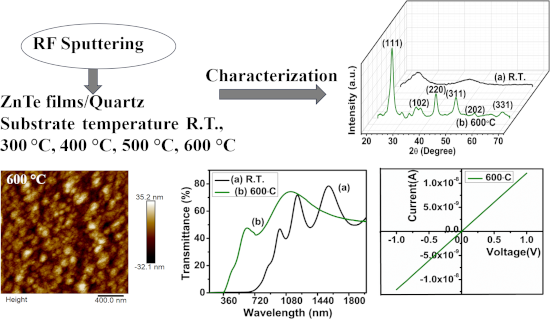
- leads to a reduction in microstrain and dislocation density. The optical studies using UV–vis–NIR spectroscopy reveal that the transmittance of films increases with substrate temperature. Further, the shift in transmittance threshold towards lower wavelengths with substrate temperature indicates that
- the optical bandgap of the films can be tuned from 1.47 ± 0.02 eV to 3.11 ± 0.14 eV. The surface morphology of the films studied using atomic force microscopy reveals that there is uniform grain growth on the surface. Various morphological parameters such as roughness, particle size, particle density
- grow films with superior quality in terms of grain size, dislocation density, and optical and electrical properties to enhance the performance of ZnTe-based optoelectronic devices and solar cells. Experimental ZnTe films were deposited on quartz (Qz) using RF sputtering at different substrate




Graphene oxide–chloroquine conjugate induces DNA damage in A549 lung cancer cells through autophagy modulation
Beilstein J. Nanotechnol. 2025, 16, 316–332, doi:10.3762/bjnano.16.24
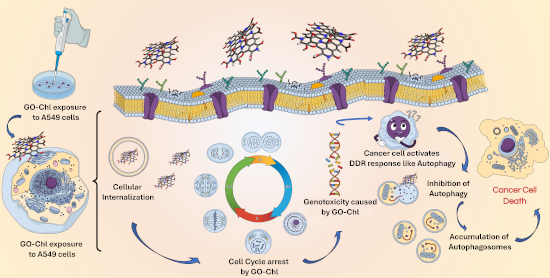
- density at 343 nm (as shown in Figure 3a) and the concentration of Chl present in the GO–Chl nanoconjugate was calculated using the calibration curve. The values for EE and DLE were calculated using Equation 1 and 2 and the results are summarized in Table 1. where A and B are the total amount of drug used
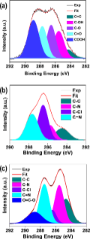
- ), and deconvoluted fitting components (multicolored regions) are also shown here. Quantitative estimation of Chl binding onto GO nanosheets using UV–vis spectroscopy: (a) Optical density measurement of various concentrations (2.5–25 µg/mL) of Chl for the preparation of a standard calibration curve. (b
- ) Linearity plot (R2 ≈ 0.997) prepared by measuring the relative optical density for different concentrations of Chl, and (c) optical density measurement of the supernatant having unattached Chl. Analysis of cellular internalization of GO–Chl nanoconjugates in A549 cells: (a) Transmission electron micrographs



Fabrication and evaluation of BerNPs regarding the growth and development of Streptococcus mutans
Beilstein J. Nanotechnol. 2025, 16, 308–315, doi:10.3762/bjnano.16.23
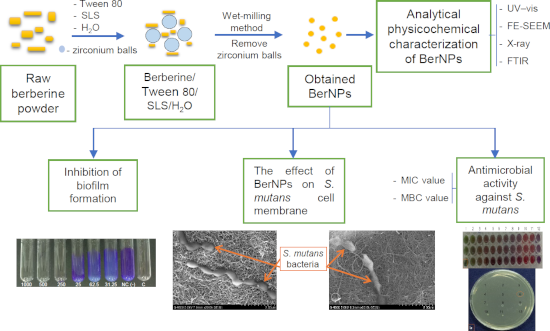
- clindamycin or rifampicin effectively reduced the bacterial density to one hundredth within 24 h [30]. The study by Sun et al. demonstrated that berberine produced notable antibacterial inhibition zones against four strains of Cutibacterium acnes, with MIC values ranging from 6.3 to 12.5 µg/mL and MBC values
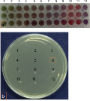
- the twelfth) was inoculated with 100 µL of S. mutans solution at a density of 108 cfu/mL. The plates were then incubated for 24 h at 37 °C under anaerobic conditions. The experiment was conducted in triplicate. After incubation, 60 µL of 1× resazurin was added to each well, and the plate was incubated




Enhancing mechanical properties of chitosan/PVA electrospun nanofibers: a comprehensive review
Beilstein J. Nanotechnol. 2025, 16, 286–307, doi:10.3762/bjnano.16.22
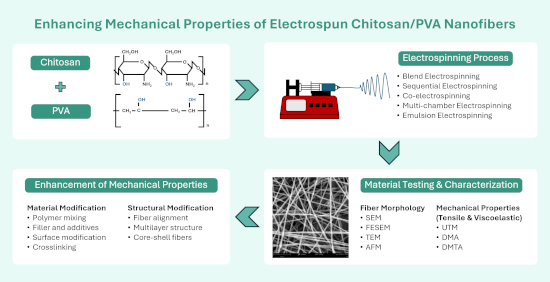
- of cross-linked and not cross-linked chitosan/PVA nanofibers to investigate the variation in loss factor with temperature, which is obtained from the ratio of loss modulus to storage modulus. The increase in loss factor observed after cross-linking for 48 h indicates high cross-linking density and
- explained by the formation of strong hydrogen bonds in the chitosan/PVA nanofiber matrix induced by the O2 plasma, leading to a high cross-link density in the nanofibers and resulting in substantial load transfer to the nanofiber matrix [172]. Additionally, the O2 plasma treatment assists in the formation


Emerging strategies in the sustainable removal of antibiotics using semiconductor-based photocatalysts
Beilstein J. Nanotechnol. 2025, 16, 264–285, doi:10.3762/bjnano.16.21
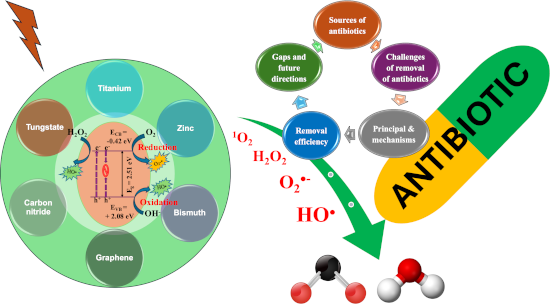
- pore sizes, fast charge transfer, high density and long lifetime of photoinduced charges, and strong interaction between ZnO and N,O-containing biochar [81]. Roy and colleagues [82] effectively synthesized a rGO-ZnO composite functionalized with ferrocene through a simple hydrothermal method. This Fc



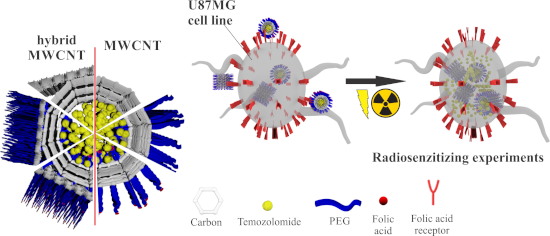
Radiosensitizing properties of dual-functionalized carbon nanostructures loaded with temozolomide
Beilstein J. Nanotechnol. 2025, 16, 229–251, doi:10.3762/bjnano.16.18




Recent advances in photothermal nanomaterials for ophthalmic applications
Beilstein J. Nanotechnol. 2025, 16, 195–215, doi:10.3762/bjnano.16.16
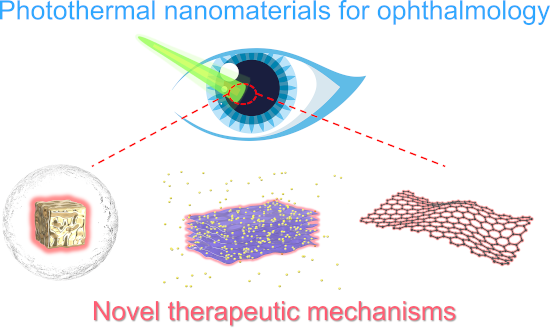
- heat (see below in Figure 2d) [57]. The presence of a high density of loosely bound electrons and the narrow energy level spacing of the π electrons endow carbon materials (such as graphene, carbon nanotubes, carbon quantum dots, and fullerenes) and polymer materials (like polydopamine, polyaniline
- vitro antibacterial experiments, the minimum inhibitory concentrations of AuAgCu2O NS (808 nm, 0.75 W·cm−2, 10 min) and AgCu2O-EDTA (808 nm, 0.25 W·cm−2, 5 min) were similar. However, AgCu2O-EDTA required a lower laser energy density and shorter irradiation times, resulting in a milder photothermal
- absorption, and relatively mild photothermal warming, which indicate great potential for clinical applications, especially for biomolecular polymers and ophthalmic organic dyes [218]. Moreover, by increasing the density of chromophores, organic photothermal nanomaterials are also able to produce VNBs


A review of metal-organic frameworks and polymers in mixed matrix membranes for CO2 capture
Beilstein J. Nanotechnol. 2025, 16, 155–186, doi:10.3762/bjnano.16.14
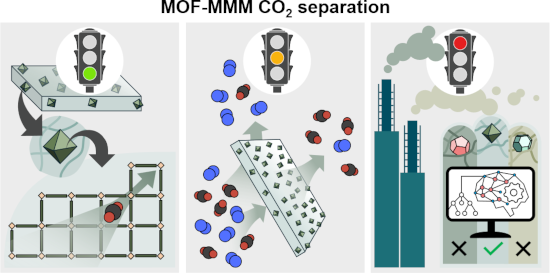
- densities of OMSs on their channel pore surfaces [61], with a volumetric density of accessible metal sites of 7.5–7.7 mmol·cm−3 [62]. The CO2 binding strength and selectivity are influenced by the nature of the metal center, with Mg2+ ions identified as the preferential adsorption site according to density
- displayed severe curling and exhibited poor MOF distributions, attributed to the prolonged evaporation times required, as well as the low viscosity and density of this solvent. In contrast, the MMMs produced in oxolane, dichloromethane, and chloroform led to generally well-formed MMMs with reasonable




Clays enhanced with niobium: potential in wastewater treatment and reuse as pigment with antibacterial activity
Beilstein J. Nanotechnol. 2025, 16, 141–154, doi:10.3762/bjnano.16.13
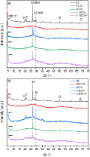
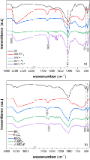
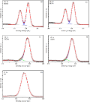
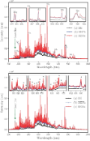
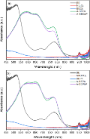
- samples containing niobium show a higher density of spectral lines. For the sample BE, the principal emissions lines for Mg2+, Al3+, Na+, at around 279 nm, 309 nm and 589 nm, respectively, are consistent with the montmorillonite structure, and these results are coherent with XPS composition in Table 1



Comparison of organic and inorganic hole transport layers in double perovskite material-based solar cell
Beilstein J. Nanotechnol. 2025, 16, 119–127, doi:10.3762/bjnano.16.11
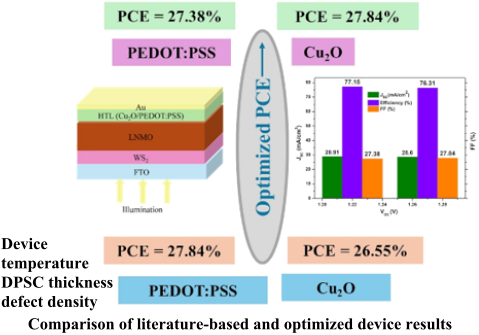
- -circuit current density (JSC) of 13.26 mA/cm2, and a fill factor (FF) of 66%. The PCE is close to that of the Pt-based counter electrode (PCE = 6.86%). Akman [3] used hydrothermal methods to synthesize the photoanodes with different doping sources to further improve the stability of DSSCs. For 1.0 mol
- 25.44% with VOC = 1.1027 V, JSC = 27.89 mA/cm2, and FF = 82.69%, suggesting the suitability of La2NiMnO6. In 2024, Singh et al. proposed a planar DPSC with La2NiMnO6 as absorber layer, Cu2O as HTL, and WS2 as ETL, and several parameters of the absorber layer including thickness, defect density, series
- and shunt resistance, interfacial defect density, and various metal electrodes were studied. An efficiency of 18.89% with VOC = 0.7919 V, JSC = 27.89 mA/cm2, and FF = 85.52% was reported for the device structure FTO/WS2/La2NiMnO6/Cu2O/Au [15][16]. In 2023, the highest optimized efficiency of 24.08


Nanocarriers and macrophage interaction: from a potential hurdle to an alternative therapeutic strategy
Beilstein J. Nanotechnol. 2025, 16, 97–118, doi:10.3762/bjnano.16.10

- , such as corticosteroids and azathioprine. Although these treatments help control inflammation and prevent disease progression, they often come with substantial side effects, including an increased risk of infections, bone density loss, diabetes, and hypertension. Recent advancements in AIH treatment


Instance maps as an organising concept for complex experimental workflows as demonstrated for (nano)material safety research
Beilstein J. Nanotechnol. 2025, 16, 57–77, doi:10.3762/bjnano.16.7

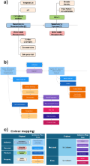
- supernatant upon several washing steps. “In Vitro Sedimentation, Diffusion and Dosimetry” studies were undertaken to determine the cell-delivered dose for all culture conditions based on the specific density and size parameters of the bio-nano conjugates [52]. Finally, comprehensive physicochemical


Theoretical study of the electronic and optical properties of a composite formed by the zeolite NaA and a magnetite cluster
Beilstein J. Nanotechnol. 2025, 16, 44–53, doi:10.3762/bjnano.16.5
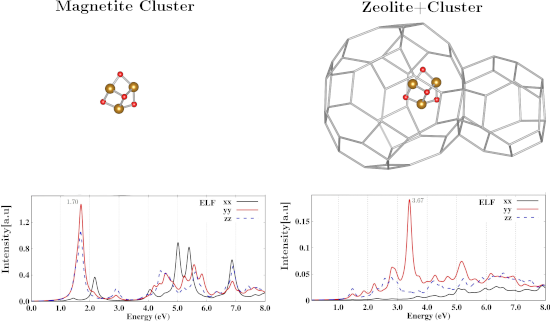
- code employs the APW+lo method in conjunction with density functional theory (DFT) to calculate electronic structures. To determine the exchange–correlation interaction, we utilized the Tran–Blaha-modified Becke–Johnson (TB-mBJ) approximation. This approach provides calculated bandgap values that
- exhibit excellent agreement with experimental data [59]. In detail, TB-mBJ combines the modified Becke–Johnson exchange potential with the local density approximation (LDA) for the correlation potential. The parameters used for the calculations were the following: The muffin-tin radii rmt are 1.70, 1.38
- magnitude of the largest vector in charge density Fourier expansion is Gmax = 12.0. The energy to separate the valence states of the core states was set at a value of −7.5 Ry; thus, the Al [1s2 2s2], O [1s2], Si [1s2 2s2], Na [1s2], and Fe [1s2 2s2 2p6] electronic states are considered as core states, and




Precursor sticking coefficient determination from indented deposits fabricated by electron beam induced deposition
Beilstein J. Nanotechnol. 2025, 16, 35–43, doi:10.3762/bjnano.16.4
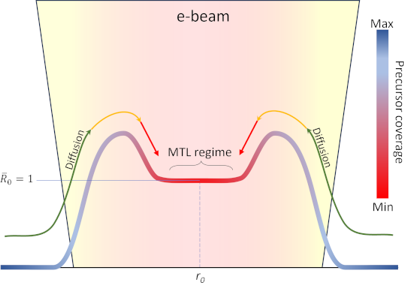
- density n. This concentration is controlled by four processes: adsorption, desorption, dissociation, and diffusion. Here, we formulate the equation under radially symmetric process conditions: where s is the sticking coefficient, Φ is the precursor flux at the surface, n0 is the maximum precursor site
- density, τ is the average precursor residence time, σ is the energy-averaged dissociation cross section, and D is the surface diffusion coefficient. This rate equation makes up the balance between all processes that contribute to replenishment and depletion of precursor molecules. The electron beam is
- . Nevertheless, the cause could also be the presence of a process that influences precursor coverage but is not considered in the model. In this case, the difference is revealed by slightly different deposition conditions (current density). In particular, the model does not take into account the possibility of


Mechanistic insights into endosomal escape by sodium oleate-modified liposomes
Beilstein J. Nanotechnol. 2024, 15, 1667–1685, doi:10.3762/bjnano.15.131
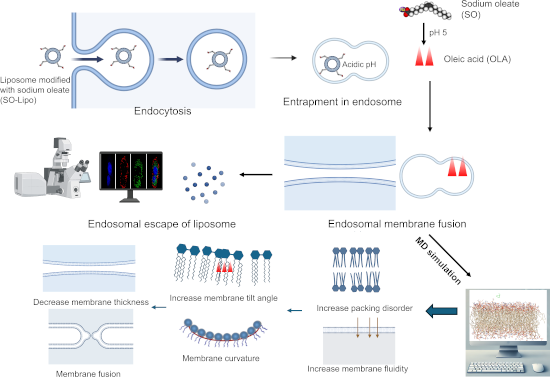
- interact with a lipid bilayer model, providing insights into their potential roles in enhancing membrane permeability. MD simulations offer a detailed examination of these interactions, with Figure 6 highlighting critical aspects such as density distribution and hydrogen bonding over a 200 ns timescale
- . The density profiles provide valuable insights into the spatial distribution and depth of insertion for both OLA and AUR within the lipid bilayer. In the case of OLA, the density profile (Figure 6a) reveals a pronounced peak near the bilayer center, suggesting deep integration into the hydrophobic
- core. This extensive penetration aligns with OLA’s hydrophobic nature, indicating strong interactions with the lipid tails. The overlap between OLA’s density and the membrane’s density profile suggests that OLA is well embedded within the membrane, potentially leading to significant perturbations in




Attempts to preserve and visualize protein corona on the surface of biological nanoparticles in blood serum using photomodification
Beilstein J. Nanotechnol. 2024, 15, 1654–1666, doi:10.3762/bjnano.15.130
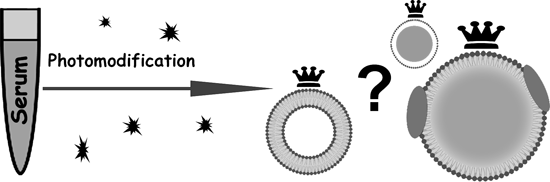
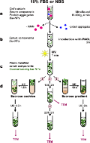
- these samples were spherical LPs of low electron density, having a homogeneous structure and different sizes (Figure 3a,e,f). According to [24], we identified LPs with a diameter of 10 nm and less as high-density LPs (Figure 3a,e,f), particles of 20–30 nm as low-density LPs (Figure 3a,e,f), and
- particles of 40–80 nm as very low-density LPs (Figure 3a). Clusters of tiny spherical particles were often observed on the surface of many LPs (Figure 3a,e). The content of EVs in samples isolated from FBS by UC was incomparably lower than the content of LPs. The majority of EVs were 60–120 nm in size
- different electron density, sizes and shapes, and without clear boundaries, which gave the grids a contaminated appearance, were observed in the samples (Figure 3d). Some FBS components were visualized as white points (about 1 nm), often arranged in short chains that formed branches on the grid (Figure 3d



Heterogeneous reactions in a HFCVD reactor: simulation using a 2D model
Beilstein J. Nanotechnol. 2024, 15, 1627–1638, doi:10.3762/bjnano.15.128
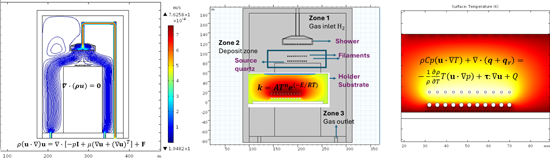
- . Different tools such as ab initio density functional theory [13][14], kinetic Monte Carlo simulations [15][16], and reactive molecular dynamics simulations [17][18] have been used to understand the chemical reactions underlying the growth of the films [19]. Modeling the reaction mechanism in both two
- density (kg·m−3), p is the pressure (Pa), F is the volume force vector (N·m−3), Cp is the specific heat capacity at constant pressure (J·kg−1·K−1), T is the absolute temperature (K), q is the heat flux vector (W·m−2), qr is the heat flux vector by radiation (W·m−2), I is the identity matrix (unitless


Liver-targeting iron oxide nanoparticles and their complexes with plant extracts for biocompatibility
Beilstein J. Nanotechnol. 2024, 15, 1593–1602, doi:10.3762/bjnano.15.125
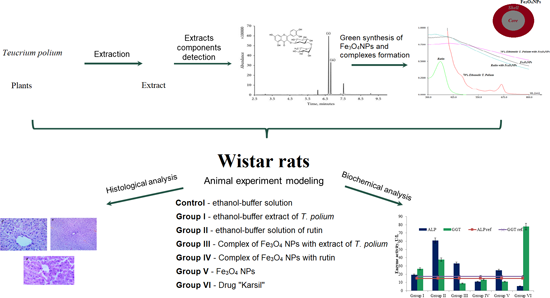
- colorimetric method using the stable radical 2,2-diphenyl-1-picrylhydrazyl (DPPH, Alfa Aeser, Germany) at 30 °C. Optical density (OD) detection was carried out at 517 nm wavelength (UV-VIS 18, MRC, Israel), and ARA was estimated according to the following equation: where ODc is the optical density of the
- control, ODsample is the optical density of the sample, and ODremnant is the remnant optical density of DPPH after its complete scavenging. The IC50 value was determined from dose-dependent ARA curves as the concentration of components in the sample necessary for quenching 50% of the DPPH radicals [62
- spectrophotometer UV-VIS 18 (MRC, Israel). Optical density was measured every 20 s for 3 min. The enzymatic mixture contained 0.8 mL of 10 mM K/P buffer (pH 7.2), 1.1 mL H2O, 0.5 mL of 0.15% H2O2, and 0.5 mL of 2 mM pyrogallol. The enzymatic reaction was initiated by adding 0.12 mL of the liver tissue homogenate


Facile synthesis of size-tunable L-carnosine-capped silver nanoparticles and their role in metal ion sensing and catalytic degradation of p-nitrophenol
Beilstein J. Nanotechnol. 2024, 15, 1576–1592, doi:10.3762/bjnano.15.124
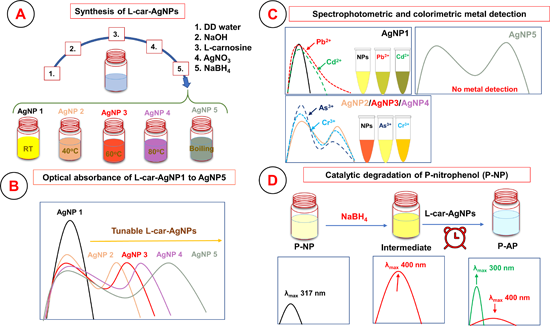
- was performed in vaccum and water as solvent using the SCRF (CPCM) model to account for the effect of the environment. The computations were performed using density functional theory (DFT) with the B3LYP functional [22] and split basis sets 6-31+G* for all atoms (C, O, N, and H), and LANL2DZ for Ag
- optical density (OD) was maintained throughout the experiment. The ʟ-car-AgNPs were fixed at an optical density of 1 ± 0.2 OD for the sensing experiment. The final volume of ʟ-car-AgNPs and the corresponding metal ions was 1 mL. In a typical sensing experiment, the metal ions were spiked in water to an
- shows the absorption spectra of ʟ-car-AgNP1 mixed with various metal ions. The concentration of ʟ-car-AgNP1 was fixed in terms of optical density at 1 ± 0.2. Figure 5a shows the optical absorbance spectra of ʟ-car-AgNP1 after adding Cd2+ and Pb2+ and all other metals at a concentration of 0.5 ppm




The round-robin approach applied to nanoinformatics: consensus prediction of nanomaterials zeta potential
Beilstein J. Nanotechnol. 2024, 15, 1536–1553, doi:10.3762/bjnano.15.121
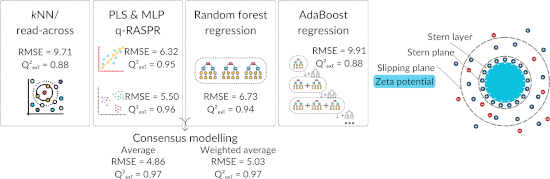
- used for the NMs. In the case of Zr-doped CeO2 NMs (CexZryO2), the same density as for pure CeO2 NMs was considered to maintain consistency. It should be noted that the different working groups were free to enrich or transform the above-described dataset, as it is explained in the next sections, to


Integrating high-performance computing, machine learning, data management workflows, and infrastructures for multiscale simulations and nanomaterials technologies
Beilstein J. Nanotechnol. 2024, 15, 1498–1521, doi:10.3762/bjnano.15.119

- density of the aggregate in kg·m−3). A sketch of this workflow is shown in Figure 11. The decomposition of the workflow sketched in Figure 11 highlights the parallelism between the involved knowledge and instances of MAMBO classes. For example, we can identify the following: (i) The initial information
- MolecularAggregate class. (v) The computed property of the molecular aggregate (for example, the computed density) is an instance of the Property class. An example of the parallelism between the structural information on a molecule stored as a file and encoded in a standard format in the context of molecular


Polymer lipid hybrid nanoparticles for phytochemical delivery: challenges, progress, and future prospects
Beilstein J. Nanotechnol. 2024, 15, 1473–1497, doi:10.3762/bjnano.15.118
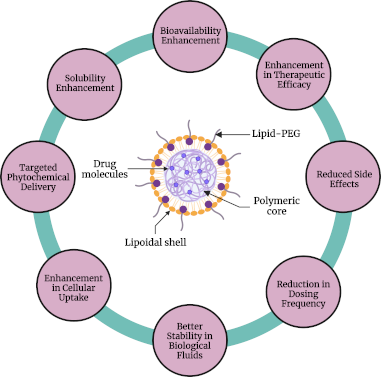
- biological fluids [51]. During the development of these nanocarriers, the concentration of cationic lipids for the inner core, density of the PEG chain on the outer layer, and molecular weight of the polymers are adjusted to modulate their physicochemical characteristics [52][53]. Polymer-caged liposomes As


Effect of radiation-induced vacancy saturation on the first-order phase transformation in nanoparticles: insights from a model
Beilstein J. Nanotechnol. 2024, 15, 1453–1472, doi:10.3762/bjnano.15.117
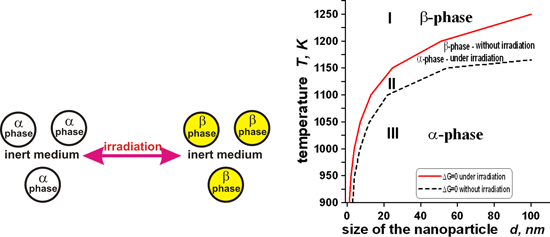
- , and cavities [1][2]. Experimental studies on Pd have shown that the defect density generally increases with grain size; in grains smaller than 30 nm, no defects were observed [3], suggesting that large defects (clusters and dislocations) do not exist in small nanoparticles. One possible explanation is
- effects led to a polymorphic phase change, transforming the high-density fcc structure to a low-density hexagonal close-packed crystallographic phase. The investigation of the radiation stability of nanocrystalline single-phase multicomponent alloys (NiFe, NiCoFe, and NiCoCr) using molecular dynamics
- phase [7]. In all cells, the grains undergo a phase transition from a pure high-density fcc phase to a mixture of fcc and bcc phases during prolonged irradiation. These simulations confirm that the phase transition occurs because of the ground-state energies of the compositions rather than the


Strain-induced bandgap engineering in 2D ψ-graphene materials: a first-principles study
Beilstein J. Nanotechnol. 2024, 15, 1440–1452, doi:10.3762/bjnano.15.116
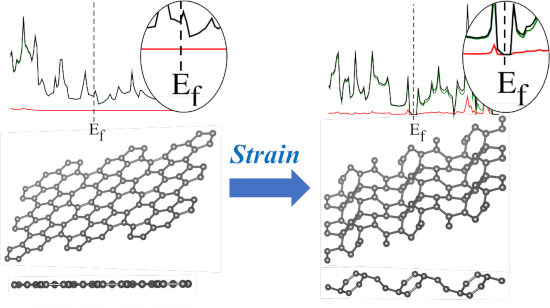
- ), and density functional theory (DFT) study suggests that the hydrogenation of graphene with atomic hydrogen leads to the formation of graphone [8]. The full hydrogenation of graphene (graphane) was experimentally obtained by Elias et al., and their TEM and Raman spectroscopy results evidence the
- of symmetrical strain [32]. However, when it underwent asymmetrical strain, the bandgap reached 0.486 eV (on applying strain parallel to the C–C bonds) and 0.170 eV (on applying strain perpendicular to the C–C bonds) at 12.2% and 7.3% strain, respectively [32]. Kerszberg et al. have used density
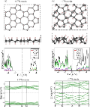
- detailed density functional theory calculations with dispersion correction and on-site Coulomb interaction (DFT(D) + U) to investigate CO2 activation on ψ-graphene and its hydrogenated forms for their application in the electrochemical conversion of CO2 [43]. Faghihnasiri et al. have performed DFT


Ion-induced surface reactions and deposition from Pt(CO)2Cl2 and Pt(CO)2Br2
Beilstein J. Nanotechnol. 2024, 15, 1427–1439, doi:10.3762/bjnano.15.115
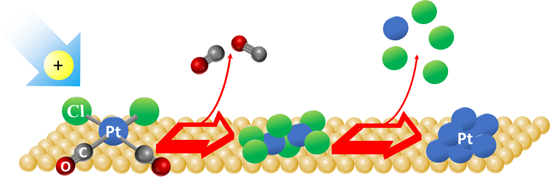
- desorption, the Pt 4f peaks shift (2–3 eV) toward lower binding energy, which is indicative of an increase in electron density around the Pt center associated with Pt reduction from Pt(II) (B.E. = 74 eV) to a state closer to metallic (i.e., Pt(0); B.E. = 71 eV). Moreover, the rate of Pt(II) reduction is
- associated with the metal carbonyl decreases in intensity and shifts (1 eV) towards lower binding energy, an effect that can be attributed to an increase in the electron density around the metal center, as we have observed in previous studies [24][56][57][68]. The halogen peaks broaden somewhat, indicating a