


Search results
Search for "dye" in Full Text gives 342 result(s) in Beilstein Journal of Nanotechnology. Showing first 200.
Temperature-tunable lasing from dye-doped chiral microdroplets encapsulated in a thin polymeric film
Beilstein J. Nanotechnol. 2018, 9, 379–383, doi:10.3762/bjnano.9.37

- 87036, Italy 10.3762/bjnano.9.37 Abstract In the last decade, much interest has grown around the possibility to use liquid-crystal droplets as optical microcavities and lasers. In particular, 3D laser emission from dye-doped cholesteric liquid crystals confined inside microdroplets paves the way for
- the field of sensors and for the development of anti-counterfeiting labels. Keywords: chiral microdroplets; dye-doped cholesteric liquid crystals; laser; polymeric films; temperature tuning; Introduction Liquid crystalline materials show peculiar optical properties. Cholesteric liquid crystals (CLCs
- mirror-less lasers. In fact, when a CLC is doped with a fluorescent dye, the latter plays the role of the active medium inside a resonator. In 1980, for the first time Ilchishin demonstrated lasing from a dye-doped CLC (DD-CLC) [5]. Since then, laser emission has been demonstrated in several CLC based


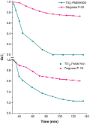
Photocatalytic and adsorption properties of TiO2-pillared montmorillonite obtained by hydrothermally activated intercalation of titanium polyhydroxo complexes
Beilstein J. Nanotechnol. 2018, 9, 364–378, doi:10.3762/bjnano.9.36

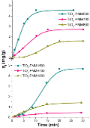
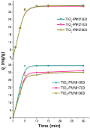
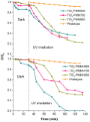
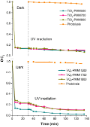
- dyes (anionic type MO and cationic type RhB) was assessed by measuring a decrease in concentration in the dark and under UV irradiation. It is known that the efficiency of dye removal from aqueous solutions on TiO2-pillared MM is determined by the additive process of photolysis, adsorption, and
- ], which may be respectively represented by the following equations: where Qt and Qe are the amounts of adsorbed dye per unit weight of adsorbent at a given time t (mg/g) and at equilibrium, respectively; k1 and k2 are the adsorption rate constants of pseudo-first (min−1) and pseudo-second order (mg g−1
- 100 minutes. The kinetics of dye adsorption on all pillared materials under study is amenable to the pseudo-first order kinetic model. The electrostatic interaction (negative charge of modified clay particles) was found to be related to a high adsorption capacity in removing cationic dyes as compared





Sugarcane juice derived carbon dot–graphitic carbon nitride composites for bisphenol A degradation under sunlight irradiation
Beilstein J. Nanotechnol. 2018, 9, 353–363, doi:10.3762/bjnano.9.35
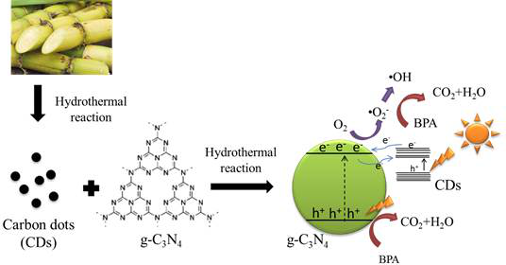
- -driven photocatalysis. Prasannan and Imae reported a simple and facile one-pot synthesis of fluorescent CDs from orange waste peels using the hydrothermal carbonization method. As prepared CDs were combined with zinc oxide (ZnO) to degrade naphthol blue–black azo dye under UV irradiation, and the


Nanoparticle delivery to metastatic breast cancer cells by nanoengineered mesenchymal stem cells
Beilstein J. Nanotechnol. 2018, 9, 321–332, doi:10.3762/bjnano.9.32
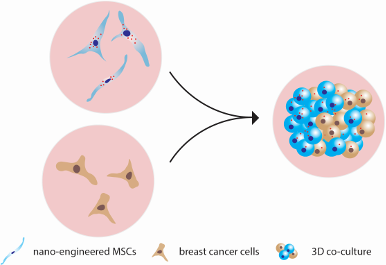
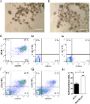
- ’-dioctadecyloxacarbocyanine perchlorate (DiO) in complete medium for 45 min at 37 °C and counterstained with Hoechst dye. The cells were then trypsinised and seeded in 3D culture for 24 h. The spheroids were then transferred to 4-well chamber slides. All reagents were obtained from Thermo Fisher Scientific, Waltham



Wafer-scale bioactive substrate patterning by chemical lift-off lithography
Beilstein J. Nanotechnol. 2018, 9, 311–320, doi:10.3762/bjnano.9.31
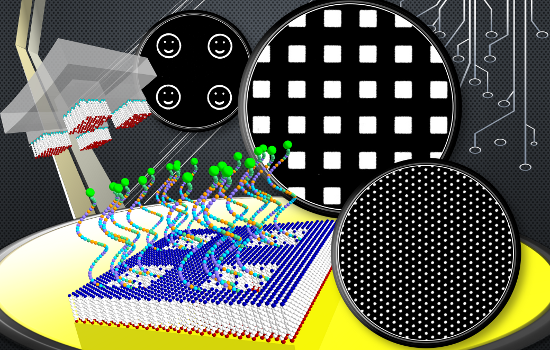
- probe is first inserted into the post lift-off region, and its complimentary nucleotide partner is thereafter introduced. Before the binding partner introduction, the fluorescence signal is quenched by the close distance of the dye to Au, where the subsequently observed high-contrast fluorescence image
- are therefore reduced with the increase of UT molecule ratio in the matrix. It is important to note that although single-stranded DNA probes may adsorb nonspecifically on methyl-terminated SAMs [35], their contribution to fluorescence image contrast is deducted due to the close dye-to-Au distance


Anchoring of a dye precursor on NiO(001) studied by non-contact atomic force microscopy
Beilstein J. Nanotechnol. 2018, 9, 242–249, doi:10.3762/bjnano.9.26

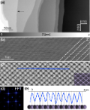
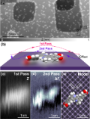
- hybrid devices such as dye-sensitized solar cells. However, a key parameter for optimized interfaces is not only the choice of the compounds but also the properties of adsorption. Here, we investigated the deposition of an organic dye precursor molecule on a NiO(001) single crystal surface by means of
- photovoltaics such as dye-sensitized solar cells (DSSCs) [1][2][3][4]. In the latter field, the wide band gap n-type semiconductor TiO2 has become one of the most common metal oxides for the design of classical n-type DSSCs, and is therefore a widely studied material, in particular in the field of scanning
- probe microscopy (SPM) [5]. Through the adsorption of a large variety of dye molecules, the ability of sensitized TiO2 to absorb light can be triggered and tuned. Thus, the possibility of designing photoactive devices with anodes consisting of nanostructured and functionalized TiO2 leads to numerous



Dielectric properties of a bisimidazolium salt with dodecyl sulfate anion doped with carbon nanotubes
Beilstein J. Nanotechnol. 2018, 9, 164–174, doi:10.3762/bjnano.9.19

- low frequencies confirm the presence of EP. Keywords: activation energy; carbon nanotubes; dielectric spectroscopy; ionic liquid crystal; relaxation time; Introduction Ionic liquid crystals (ILCs) represent a very appealing class of materials that has found various recent applications in dye


CdSe nanorod/TiO2 nanoparticle heterojunctions with enhanced solar- and visible-light photocatalytic activity
Beilstein J. Nanotechnol. 2017, 8, 2741–2752, doi:10.3762/bjnano.8.273
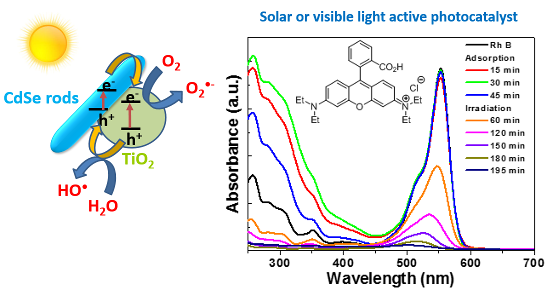
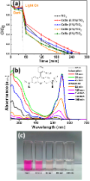
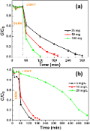
- photocatalyst, the photodegradation of RhB was found to be negligible. As shown in Figure 6a, the highest photocatalytic activity was reached for the CdSe (2 wt %)/TiO2 material which fully bleached the dye in 150 min. Thereafter, the activity decreases when increasing the amount of CdSe NRs associated to TiO2
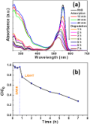
- discolored during photocatalytic experiments (Figure 6c) and the dye was also partially decomposed (the TOC value decreased from 6.9 ± 0.3 to 2.4 ± 0.2 mg/L after the 150 min of irradiation). The temporal evolution of the UV–vis absorption spectra is displayed in Figure 6b. The intensity of the RhB
- absorption from 250 to 600 nm decreases over time. A blue shift (from 553 to 503 nm) of the main absorption peak is also observed, which is indicative of stepwise N-de-ethylation of the dye during the photocatalytic process [52]. The plots of ln(C0/C) of RhB vs irradiation time indicate that the






Hyperthermic intracavitary nanoaerosol therapy (HINAT) as an improved approach for pressurised intraperitoneal aerosol chemotherapy (PIPAC): Technical description, experimental validation and first proof of concept
Beilstein J. Nanotechnol. 2017, 8, 2729–2740, doi:10.3762/bjnano.8.272

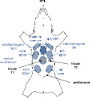
- droplet deposition based on the formation of an electrical field between electrode and grounded peritoneum, a significant dye staining could be observed near the electrode as shown in Figure 10. In contrast to the extracavitary-charged HINAT-LAU aerosol, PIPAC-MIP operation with aqueous methylene blue




L-Lysine-grafted graphene oxide as an effective adsorbent for the removal of methylene blue and metal ions
Beilstein J. Nanotechnol. 2017, 8, 2680–2688, doi:10.3762/bjnano.8.268
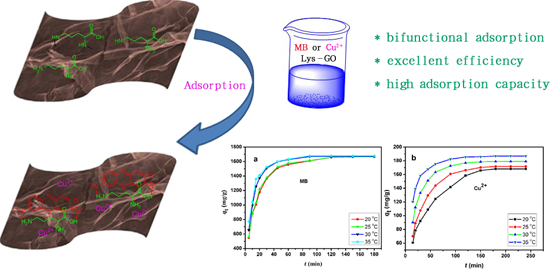
- +) from wastewater. These results showed that Lys-GO is a bifunctional adsorbent for the removal of dyes and metal ions, and excellent adsorption efficiency was obtained. The maximum adsorption capacities for MB dye and Cu2+ were 1679.1 mg/g and 186.9 mg/g at 35 °C, respectively. The kinetics of
- . Reduced graphene oxide as an effective adsorbent can be used for the removal of malachite green dye and metal ions [10][11]. A high-performance hydrophilic polyvinylidene fluoride/graphene oxide (PVDF/GO)–lysine composite membrane can be used for sea water desalination and purification [12]. However, the


Patterning of supported gold monolayers via chemical lift-off lithography
Beilstein J. Nanotechnol. 2017, 8, 2648–2661, doi:10.3762/bjnano.8.265

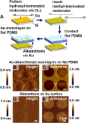
- supported Au–thiolate layers. The patterning of these layers laterally encodes their functionality, as demonstrated by a fluorescence-based approach that relies on dye-labeled complementary DNA hybridization. Supported thin Au films can be patterned via features on PDMS stamps (controlled contact), using
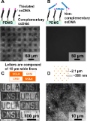
- regions containing Au–alkanethiolates appeared bright in fluorescence microscopy images (Figure 2). Using this straightforward functionalization and visualization method, we investigated patterns of lifted-off Au monolayers on PDMS as substrates for DNA recognition. Upon hybridization of dye-labeled
- complementary strands, fluorescent patterns were readily observed (Figure 2A,C,D). No measurable fluorescence was detected when DNA-functionalized substrates were exposed to dye-labeled non-complementary DNA (Figure 2B). Thus, the fluorescence patterns observed in Figure 2 derive from specific hybridization



Dynamic behavior of a nematic liquid crystal mixed with CoFe2O4 ferromagnetic nanoparticles in a magnetic field
Beilstein J. Nanotechnol. 2017, 8, 2467–2473, doi:10.3762/bjnano.8.246

- and f is the volume fraction of the magnetic particles. Considering the dynamic evolution of a liquid crystal system as presented in [34], we can evaluate the temporal evolution of the distortion angle using the model similar to the one used in [30]. In this model, the term used for an azo-dye


Involvement of two uptake mechanisms of gold and iron oxide nanoparticles in a co-exposure scenario using mouse macrophages
Beilstein J. Nanotechnol. 2017, 8, 2396–2409, doi:10.3762/bjnano.8.239

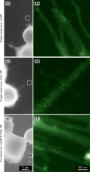
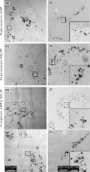
- to remove any leftover dye. The samples were immediately examined after the labelling. Laser scanning microscopy and data restoration Image acquisition was performed with an inverted Zeiss LSM 710 Meta apparatus (Axio Observer.Z1, Zeiss, Switzerland) equipped with 405 nm diode, and 488, 561 and 633




Photobleaching of YOYO-1 in super-resolution single DNA fluorescence imaging
Beilstein J. Nanotechnol. 2017, 8, 2296–2306, doi:10.3762/bjnano.8.229

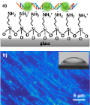
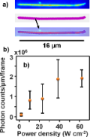
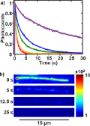
- ) has great potential to visualize fine DNA structures with nanometer resolution. In a typical PAINT video acquisition, dye molecules (YOYO-1) in solution sparsely bind to the target surfaces (DNA) whose locations can be mathematically determined by fitting their fluorescent point spread function. Many
- ], DNA protein studies [6][7], and optical mapping [8][9][10]. YOYO-1 is a common dye chosen for these studies due to its favorable optical properties. YOYO-1 has a high extinction coefficient of 105 M−1 cm−1 [11] and strongly binds to DNA (binding constant 108–109 M−1) [12] with little sequence
- , photoswitching, or a combination thereof [34][37][38]. Dye photobleaching is one of the most utilized methods in PAINT fluorescently turn-off the dye molecules and is commonly used in most all types of fluorescent imaging [17][19][20][39][40]. Thus, carefully tuning the photobleaching rate is an important step




Fabrication of gold-coated PDMS surfaces with arrayed triangular micro/nanopyramids for use as SERS substrates
Beilstein J. Nanotechnol. 2017, 8, 2271–2282, doi:10.3762/bjnano.8.227

- rhodamine 6G (R6G) were detected as test analytes [17]. The micro/nanostructures of a blue butterfly wing were used as a template, and a SERS substrate was produced and utilized to detect rhodamine dye for the elimination of organic pollutants [19]. Additionally, pyramidal array structures on conventional
- nm thick gold film with a dye concentration of 10−6 M. The characteristic Raman peaks of R6G molecules were successfully identified at 612, 771, 1183, 1311, 1362, 1504 and 1603 cm−1, as shown in Figure 6a. Owing to the different microstructures formed by the feeds in the X and Y directions, it can be
- concentration of the dye molecule in the SERS and normal Raman measurements, in this case using a 0.25 mol R6G solution on a SiO2 wafer. The SERS enhancement factor for the various micro/nanostructures is between 7.5 × 10⁵ and 6 × 10⁶ for the structured PDMS substrate formed by the method described in the





Evaluating the toxicity of TiO2-based nanoparticles to Chinese hamster ovary cells and Escherichia coli: a complementary experimental and computational approach
Beilstein J. Nanotechnol. 2017, 8, 2171–2180, doi:10.3762/bjnano.8.216

- alters the rate of chemical reactions, when exposed to light (photocatalyst) [1]. TiO2-based NPs have already found wide applications as efficient photocatalysts for sterilization, sanitation, air and water purification systems, hydrogen production by water splitting, and dye-sensitized solar cells [1
- ), platinum (Pt), or palladium (Pd) [13][14], (e) the use of dye-modified TiO2 [15][16], or (f) coupling TiO2 with other semiconductors [17][18]. In the current work, we will focus on surface modification methods. Metal-ion doped TiO2 (so-called second generation nanomaterials) may cause adverse effects not


Synthesis and characterization of noble metal–titania core–shell nanostructures with tunable shell thickness
Beilstein J. Nanotechnol. 2017, 8, 2083–2093, doi:10.3762/bjnano.8.208
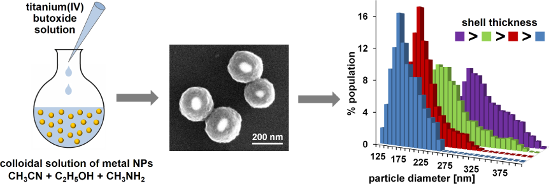
- interesting materials for application in dye-sensitized solar cells (DSSCs) and photocatalysis. In fact, it has been shown that plasmonic nanostructures can enhance the efficiency of DSSCs by four possible mechanisms [66]. The far-field coupling of scattered light and the near-field coupling of

Fabrication of carbon nanospheres by the pyrolysis of polyacrylonitrile–poly(methyl methacrylate) core–shell composite nanoparticles
Beilstein J. Nanotechnol. 2017, 8, 1897–1908, doi:10.3762/bjnano.8.190

- timely discharge of the gases from the PAN-based nanoparticles. The formation of large pores, i.e., mesopores may be attributed to the residual gases which remain inside the nanoparticles. The carbonized sample CP6 was further applied as an adsorbent for removal of methylene blue (MB) (a common dye used



Carbon nano-onions as fluorescent on/off modulated nanoprobes for diagnostics
Beilstein J. Nanotechnol. 2017, 8, 1878–1888, doi:10.3762/bjnano.8.188
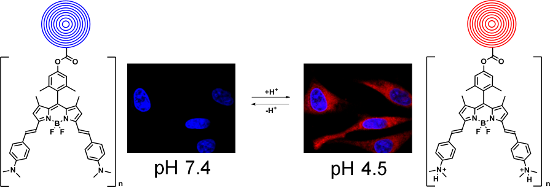
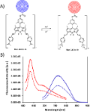
- boron dipyrromethene (BODIPY) dye with on/off modulated fluorescence emission activated by an acidic environment. The switching properties are linked to the photoinduced electron transfer (PET) characteristics of the dimethylamino functionalities attached to the BODIPY core. The on/off emission of the
- biocompatibility [20]. We have previously shown that the pH-dependent switching ability of a dye is preserved when attached to CNOs [21] and on single-wall carbon nanotubes, [22] both in solution and in vitro. Thus, CNOs are suitable nanomaterials for biosensing applications. We exploited the photoinduced electron
- transfer (PET) and internal charge transfer (ICT) donor characteristics of the dimethylamino functionalities attached to a π-extended distyryl-substituted boron dipyrromethene (BODIPY) dye [23][24] to obtain a pH-sensitive nano-probe. Hence, CNOs grafted with BODIPY 3 molecules (fluo-CNOs) led to the




Collembola cuticles and the three-phase line tension
Beilstein J. Nanotechnol. 2017, 8, 1714–1722, doi:10.3762/bjnano.8.172

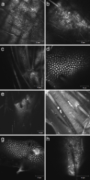
- experiment with a fluorescent dye revealed the extent of wetting on exposed surface structures. Using simple wetting models to describe the composite wetting of the cuticular surface structures results in underestimating the contact angles of water. Including the three-phase line tension allows for a
- values of λ. Changing the inherent contact angle shifts both the minimum value of and the critical range of λ. We propose that the composite wetting state assumed by the Cassie–Baxter model, as well as the derivative Zheng model, can be demonstrated by a novel wetting experiment with a dye. Nickerl et
- al demonstrated a lipid layer (epicuticular wax) covering all parts of the Collembola cuticle, using time-of-flight secondary ion mass spectrometry [30]. A lipophilic dye, such as Nile Red, will bind to any part of such a layer it came into contact with, thus staining the part of a surface wetted by


![[Graphic 16]](/bjnano/content/inline/2190-4286-8-172-i22.png?max-width=637&scale=1.18182) . A system with θ0 = 105°, S = 0.1 μm a...
. A system with θ0 = 105°, S = 0.1 μm a...

Three-in-one approach towards efficient organic dye-sensitized solar cells: aggregation suppression, panchromatic absorption and resonance energy transfer
Beilstein J. Nanotechnol. 2017, 8, 1705–1713, doi:10.3762/bjnano.8.171
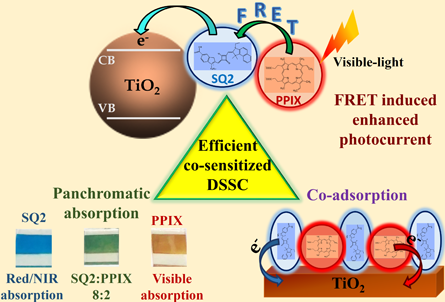
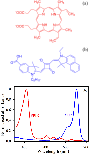
- , Mendelssohnstraße 3, 38106 Braunschweig, Germany Laboratory for Emerging Nanometrology, TU Braunschweig, Braunschweig, Germany 10.3762/bjnano.8.171 Abstract In the present study, protoporphyrin IX (PPIX) and squarine (SQ2) have been used in a co-sensitized dye-sensitized solar cell (DSSC) to apply their high
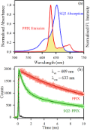
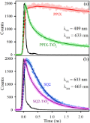
- absorption coefficients in the visible and NIR region of the solar spectrum and to probe the possibility of Förster resonance energy transfer (FRET) between the two dyes. FRET from the donor PPIX to acceptor SQ2 was observed from detailed investigation of the excited-state photophysics of the dye mixture
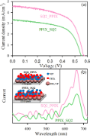
- , using time-resolved fluorescence decay measurements. The electron transfer time scales from the dyes to TiO2 have also been characterized for each dye. The current–voltage (I–V) characteristics and the wavelength-dependent photocurrent measurements of the co-sensitized DSSCs reveal that FRET between the


Uptake and intracellular accumulation of diamond nanoparticles – a metabolic and cytotoxic study
Beilstein J. Nanotechnol. 2017, 8, 1649–1657, doi:10.3762/bjnano.8.165

- samples were then washed with phosphate buffered saline and were fixed with 4% paraformaldehyde for 10 min. The nuclei of the fixed cells were then stained using Hoechst 33258 dye for cell counting. Micrographs of the stained nuclei were acquired using an IX71 microscope (Olympus, Japan) with a 10× lens


Development of an advanced diagnostic concept for intestinal inflammation: molecular visualisation of nitric oxide in macrophages by functional poly(lactic-co-glycolic acid) microspheres
Beilstein J. Nanotechnol. 2017, 8, 1637–1641, doi:10.3762/bjnano.8.163

- ) (PLGA). PLGA microspheres loaded with NO550 dye were prepared through a modified solvent-evaporation method. Microparticles were characterized by a mean hydrodynamic diameter of 3000 nm, zeta potential of −26.000 ± 0.351 mV and a PDI of 0.828 ± 0.298. Under abiotic conditions, NO release was triggered
- visualise these cells in NO-mediated intestinal inflammation in vivo by fluorescent particle-based diagnostics in a second step. Here, we used a NO-sensitive dye, namely NO550, as a model molecule to proof the concept of a particle-based diagnostic as part of an advanced diagnostic concept for detecting
- -stimulated cells as determined by the Griess reaction (Figure 4). Conclusion We demonstrated the possibility of molecular imaging of NO at different concentrations and under different conditions using NO550-loaded PLGA microspheres in living macrophages. NO550 is converted by NO into an azo dye, which emits


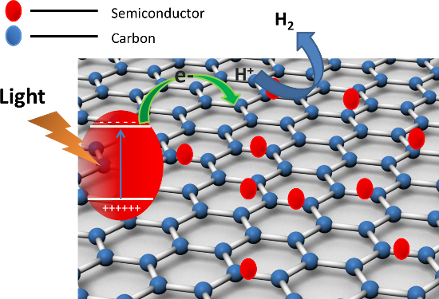
Two-dimensional carbon-based nanocomposites for photocatalytic energy generation and environmental remediation applications
Beilstein J. Nanotechnol. 2017, 8, 1571–1600, doi:10.3762/bjnano.8.159


Luminescent supramolecular hydrogels from a tripeptide and nitrogen-doped carbon nanodots
Beilstein J. Nanotechnol. 2017, 8, 1553–1562, doi:10.3762/bjnano.8.157

- the sustained release of the poorly soluble antibiotic ciprofloxacin [26]. Fluorescent hydrogels were formed from co-assembly with a dye into nanostructures of different morphology, depending on whether the dye was added initially to the peptide in the alkaline buffer solution, or later to the second
- NCND effects on the peptide supramolecular structure. Thioflavin T is a dye that binds to hydrophobic grooves formed by at least four consecutive beta-strands, leading to fluorescence that is used to assess the peptide amyloid character [35]. Fluorescence arises from the limited rotation of a single
- bond between two aromatic rings composing the dye, namely the benzothiazole and the dimethylanilino units [36]. Although its fluorescence can also be increased by an increase of solvent viscosity [36], in aqueous environments, it is effectively and universally used as an amyloid marker thanks to its





