Search results
Search for "light" in Full Text gives 1542 result(s) in Beilstein Journal of Nanotechnology. Showing first 200.
Atomistic insights into the morphological dynamics of gold and platinum nanoparticles: MD simulations in vacuum and aqueous media
Beilstein J. Nanotechnol. 2024, 15, 995–1009, doi:10.3762/bjnano.15.81
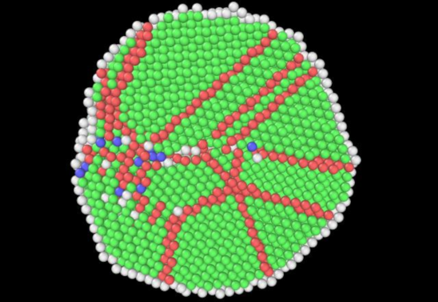
- cooling, is still hindered by several factors. For instance, observing NPs under real working conditions remains a challenge for experimentalists, as the capability to conduct in situ experiments has not yet been fully realized [21]. Experimental methods, such as confocal microscopy [22], laser light
- clusters consisting of 1157 atoms [51]. Some light on the microscopic origin of the anisotropic growth of gold NPs has been cast via molecular dynamics simulations [52]. In a similar way, Lümmen and Kraska investigated the homogeneous nucleation and cluster growth of Pt clusters from supersaturated vapour


Beyond biomimicry – next generation applications of bioinspired adhesives from microfluidics to composites
Beilstein J. Nanotechnol. 2024, 15, 965–976, doi:10.3762/bjnano.15.79
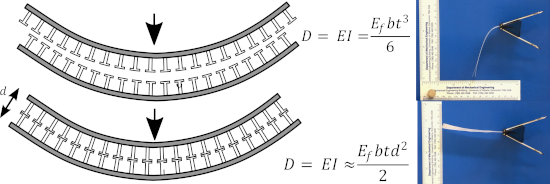
- under light loads but become adhesive upon applying a certain minimum pressure level. This concept inspired the first generation of gecko-jammed composites presented at the Adhesion Society annual meeting in 2020 [46]. To achieve a cost-effective system, we opted for commercial biomimetic materials from


Therapeutic effect of F127-folate@PLGA/CHL/IR780 nanoparticles on folate receptor-expressing cancer cells
Beilstein J. Nanotechnol. 2024, 15, 954–964, doi:10.3762/bjnano.15.78
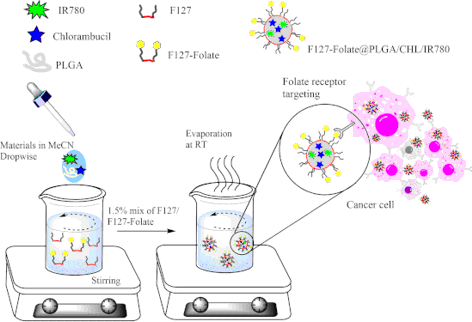
- ]. Therefore, it is essential to prevent CHL hydrolysis by incorporating it into nanoparticles, boosting its stability. IR780 iodide is a lipophilic heptamethine NIR fluorophore that absorbs light with a peak at 780 nm. It turns NIR (750–1000 nm) laser energy into heat after being exposed to it. It was
- then collected by 30 min of centrifugation at 12,000 rpm. Another set of particles, such as F127@PLGA/Cou-6, and F127-folate@PLGA/Cou-6, were used in the cell targeting experiment, which were prepared under similar conditions. Characterization of F127-folate@PLGA/CHL/IR780 nanoparticles Dynamic light
- fluorescent dye used to visualize particle location using infrared light [25]. Researchers have also found that F127-folate helps the nanoparticle to penetrate cancer cells through the folate receptor. This makes the treatment work better [12][13][14][34][35][36][37]. Our nanoparticles were also modified with



Electrospun nanofibers: building blocks for the repair of bone tissue
Beilstein J. Nanotechnol. 2024, 15, 941–953, doi:10.3762/bjnano.15.77
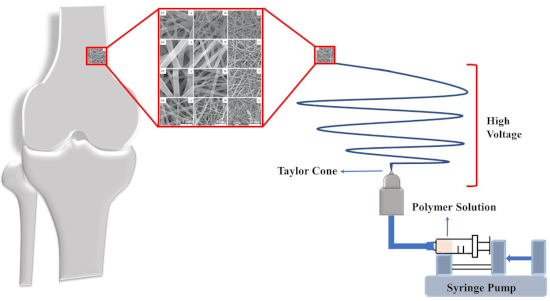
- osteoconduction, adaptability to the target area, biodegradation, and appropriate mechanical properties, which are among the main parameters that are important in the design of polymeric bone grafts. The aim of this review is to cast light on the increasing use of nanofiber-based scaffolds in bone tissue


The effect of age on the attachment ability of stick insects (Phasmatodea)
Beilstein J. Nanotechnol. 2024, 15, 867–883, doi:10.3762/bjnano.15.72
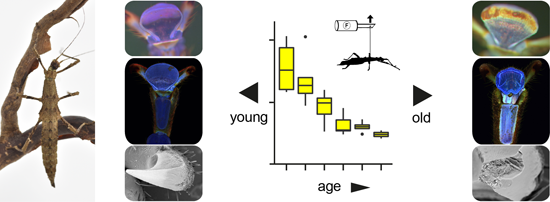
- extending over a larger time frame. Ageing effects on the morphology of the attachment pads and the autofluorescence of the cuticle were documented using light, scanning electron, and confocal laser scanning microscopy. The results show that both adhesion and friction forces decline with age. Deflation of
- abovementioned attachment measurements (see sections 2 and 3) were repeated once a week for six consecutive weeks. The measurements started ca. 1.5 months post adult molt. The order of substrates and the direction to be measured first were randomized per animal and week. 5 Light microscopy The tarsi of all
- , the degree of sclerotization [50][55]. Both methods indicate the degree of sclerotization through the autofluorescence of the materials excited with light of different wavelengths. The detected autofluorescence signals are visualized in different colors according to the excitation wavelength [50


A review on the structural characterization of nanomaterials for nano-QSAR models
Beilstein J. Nanotechnol. 2024, 15, 854–866, doi:10.3762/bjnano.15.71
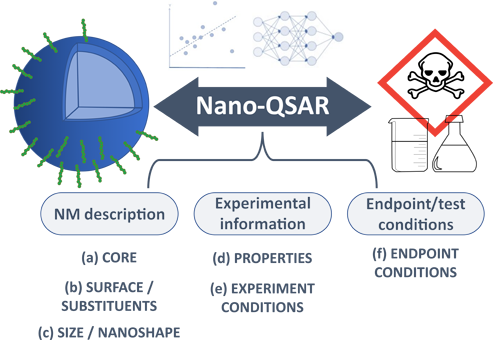
- features. In this review, we survey the literature for existing predictive models for NMs and discuss the variety of calculated and experimental features used to define and describe NMs. In the light of this research, we propose a classification of the descriptors including those that directly describe a
- light scattering (DLS) is another technique that can be used to describe the hydrodynamic size or the aggregation of the nanoforms in larger nanostructures, depending on the medium and other conditions. In some cases, the size values reported in the papers are not measured on purpose, but are the
- worth to note that Pathakoti et al. [61] included the light exposure as a variable in their toxicity models of metal oxides versus E. coli, obtaining two series of toxicity data for the same set of NMs. Analogously, Basant and collaborators considered toxicity values measured under different light


Intermixing of MoS2 and WS2 photocatalysts toward methylene blue photodegradation
Beilstein J. Nanotechnol. 2024, 15, 817–829, doi:10.3762/bjnano.15.68
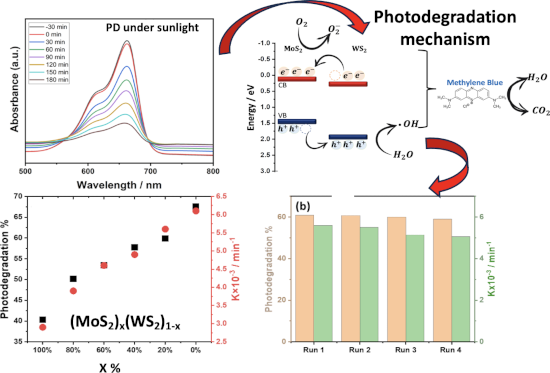
- Arab Emirates 10.3762/bjnano.15.68 Abstract Visible-light-driven photocatalysis using layered materials has garnered increasing attention regarding the degradation of organic dyes. Herein, transition-metal dichalcogenides MoS2 and WS2 prepared by chemical vapor deposition as well as their intermixing
- several cycles. This finding underscores the advantageous outcomes of intermixing WS2 and MoS2, shedding light on the development of an efficient and enduring photocatalyst for visible-light-driven photodegradation of methylene blue. Keywords: methylene blue; MoS2/WS2 composite; photocatalysis
- transport [14][15]. At each stage of the photocatalytic process sequence, the intermixing of TMD materials is intended to efficiently enhance light absorption, photogeneration of charge carriers, and activation of the surface redox reaction [16][17]. Furthermore, TMD materials are known to possess favorable


Electron-induced ligand loss from iron tetracarbonyl methyl acrylate
Beilstein J. Nanotechnol. 2024, 15, 797–807, doi:10.3762/bjnano.15.66
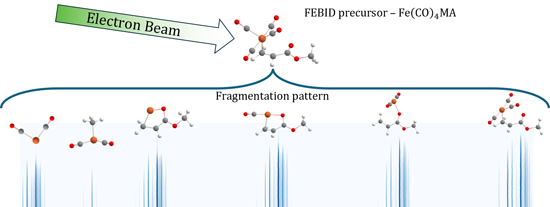
- . Interesting differences also appear when this precursor is compared to structurally similar iron pentacarbonyl. The present findings shed light on the recent electron-induced chemistry of Fe(CO)4MA on a surface under ultrahigh vacuum. Keywords: electron collision; focused electron beam-induced deposition



Electrospun polysuccinimide scaffolds containing different salts as potential wound dressing material
Beilstein J. Nanotechnol. 2024, 15, 781–796, doi:10.3762/bjnano.15.65
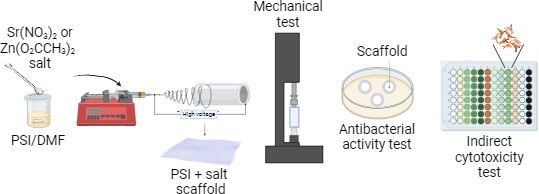
- research group [34]. The tests were performed first on tumor cells to optimize the experimental conditions and then on fibroblasts to investigate if the scaffolds have a cytotoxic effect. The discs with diameters of 16 mm (m = 0.5 ± 0.1 mg) were sterilized under UV light for 1 h. After that, they were



Green synthesis of biomass-derived carbon quantum dots for photocatalytic degradation of methylene blue
Beilstein J. Nanotechnol. 2024, 15, 755–766, doi:10.3762/bjnano.15.63
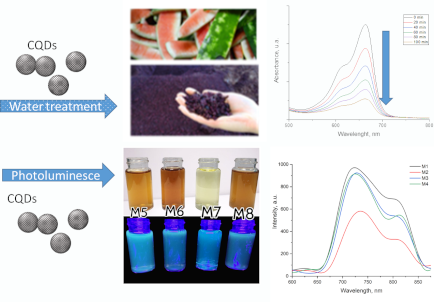
- 24 h, CQDs were successfully synthesized. A comprehensive characterization of the CQDs was performed using UV–visible spectroscopy, Fourier-transform infrared spectroscopy, dynamic light scattering, Raman spectroscopy, and luminescence spectroscopy, confirming their high quality. The photocatalytic
- activity of the CQDs in degrading methylene blue was evaluated under both sunlight and incandescent light irradiation, with measurements taken at 20 min intervals over a 2 h period. The CQDs, with sizes ranging from 1–10 nm, demonstrated notable optical properties, including upconversion and down
- are designed to be resistant to light, detergents, and cleaning products, making them difficult to remove. When these dyes are released into water bodies, they cause pollution problems such as chemical oxygen demand, toxicity, and reduced light penetration, which affects aquatic life. As a result, the


Effect of repeating hydrothermal growth processes and rapid thermal annealing on CuO thin film properties
Beilstein J. Nanotechnol. 2024, 15, 743–754, doi:10.3762/bjnano.15.62
- × magnification. The spectral resolution was of the order of 0.5 cm−1. A 532 nm semiconductor laser was used to illuminate the samples. The measurements were performed without detection of polarization of the scattered light. A liquid nitrogen-cooled multichannel silicon CCD camera was used as a detector. Results




Simultaneous electrochemical determination of uric acid and hypoxanthine at a TiO2/graphene quantum dot-modified electrode
Beilstein J. Nanotechnol. 2024, 15, 719–732, doi:10.3762/bjnano.15.60
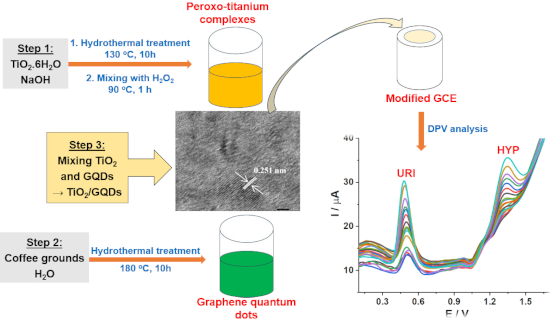
- storage derived from their conjugate structure makes them effectively utilizable over the full light spectrum [13][14]. GQDs can be prepared through solvothermal/hydrothermal processes or carbonization from suitable organic molecules (polymers or biomass) [15]. Biomass waste (e.g., agricultural residues
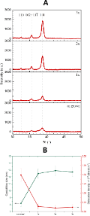
- µL of 500 µM URI and 20 µL of 500 µM HYT before dilution to 10 mL. Results and Discussion Characterization of materials The mixtures of GQDs and TiO2/GQDs suspensions were exposed to visible and UV light to confirm their fluorescence behavior. Under visible light, the aqueous suspension of GQDs is
- transparent and brown in color, while the suspension of the peroxo titanium complex is opaque yellow. The prepared TiO2/GQD aqueous suspensions, in contrast, display a light yellow color, which gets darker as the ratio of TiO2/GQD in the complex increases (Figure 1a). Under 365 nm UV irradiation (Figure 1b


Elastic modulus of β-Ga2O3 nanowires measured by resonance and three-point bending techniques
Beilstein J. Nanotechnol. 2024, 15, 704–712, doi:10.3762/bjnano.15.58
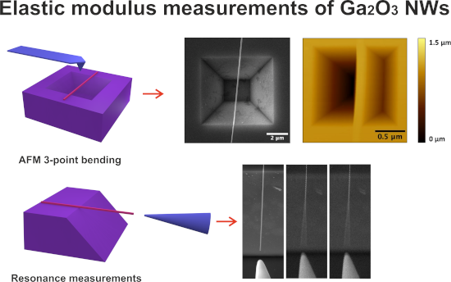
- chemical stability [4][5]. Ga2O3 is a promising candidate for visible-blind UV-light sensors [3], power devices and optoelectronics [6][7][8][9], gas sensors [10], and memory devices [8]. These applications can be scaled down to the nanoscale, including flexible nanodevices. Ga2O3 nanowires (NWs) could be


Gold nanomakura: nanoarchitectonics and their photothermal response in association with carrageenan hydrogels
Beilstein J. Nanotechnol. 2024, 15, 678–693, doi:10.3762/bjnano.15.56
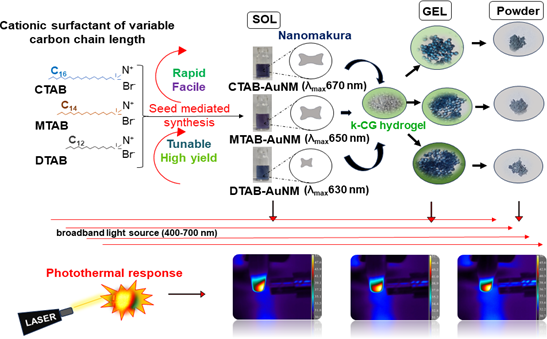
- Mahatma Gandhi Marg, Lucknow 226001, India Academy of Scientific and Innovative Research (AcSIR), Ghaziabad 201002, India Biomedical Applications Group, CSIR-Central Scientific Instruments Organisation, Sector 30C, Chandigarh 160030, India 10.3762/bjnano.15.56 Abstract Photothermal conversion of light
- incorporating the nanomakuras and further assessed their photothermal response. Nanomakura particles in association with k-CG were also able to show photothermal conversion, depicting their ability to interact with light without hindrance. The CTAB-AuNM, MTAB-AuNM, and DTAB-AuNM after incorporation into
- absorb NIR/IR wavelengths show efficient heat-generating capability. It is due to the strong absorption and scattering of light from visible to NIR/IR region that has brought radical advancement in the field of biomedical sciences. The manifestation of longitudinal surface plasmon resonance (LSPR) at the






Functional fibrillar interfaces: Biological hair as inspiration across scales
Beilstein J. Nanotechnol. 2024, 15, 664–677, doi:10.3762/bjnano.15.55
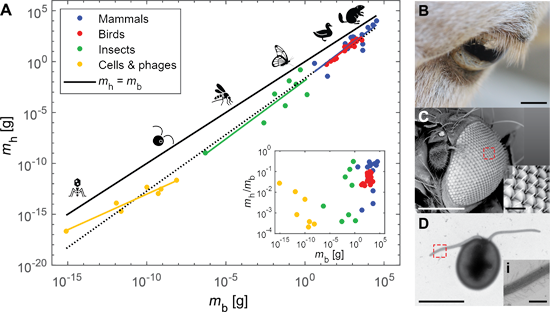
- [115]. Developing tools with one-dimensional structures is arguably the most basic and economical (materials-wise) solution for microorganisms. In this light, the “hairs” are their available tools, where most tools happen to look alike. This is the primary reason why microbial hairs defy easy


Laser synthesis of nanoparticles in organic solvents – products, reactions, and perspectives
Beilstein J. Nanotechnol. 2024, 15, 638–663, doi:10.3762/bjnano.15.54





Exfoliation of titanium nitride using a non-thermal plasma process
Beilstein J. Nanotechnol. 2024, 15, 631–637, doi:10.3762/bjnano.15.53
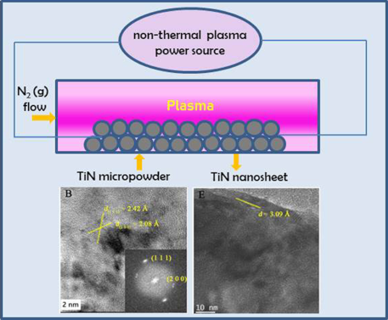
- ferromagnetic properties and demonstrated high visible-light photocatalytic activity when loaded onto titania nanotube arrays. Titanium nitride (TiN) has gained recognition as an advanced engineering material because of its outstanding chemical and thermal stability, extreme hardness, and electrical



Comparative analysis of the ultrastructure and adhesive secretion pathways of different smooth attachment pads of the stick insect Medauroidea extradentata (Phasmatodea)
Beilstein J. Nanotechnol. 2024, 15, 612–630, doi:10.3762/bjnano.15.52
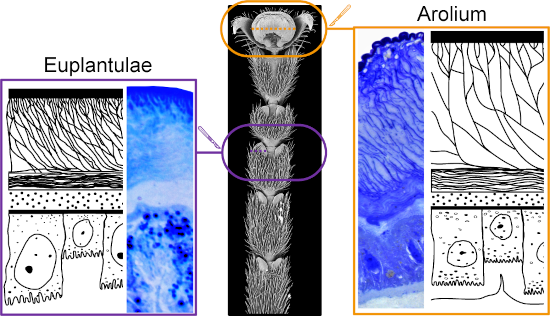
- stick insect Medauroidea extradentata using scanning electron microscopy, micro-computed tomography, light microscopy, and confocal laser scanning microscopy. Our observations revealed structural differences between both attachment pads, reflecting their distinct functionality. Furthermore, our results
- site to the pad surface? The results could enhance our overall comprehension of the functionality of the two smooth attachment organs, euplantulae and arolium, also shedding light on the fluid production and transportation processes in different smooth pads of Phasmida. Materials and Methods Animal We
- contamination of the attachment pads. Light microscopy Two tarsi of adult female M. extradentata were dissected into five tarsomeres. The proximal four tarsomeres bear one euplantula each, whereas the fifth tarsomere additionally carries the pretarsus including the arolium (see Figure 1B, Figure 1C). The five




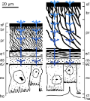
AFM-IR investigation of thin PECVD SiOx films on a polypropylene substrate in the surface-sensitive mode
Beilstein J. Nanotechnol. 2024, 15, 603–611, doi:10.3762/bjnano.15.51
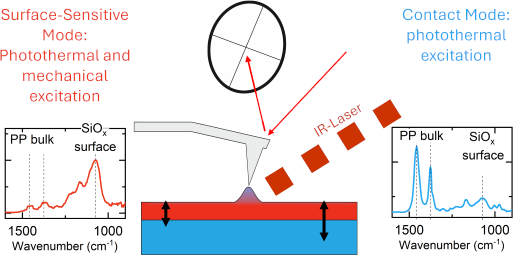
- papers [1][3][9][10]. A general restriction of AFM-IR is its rather large depth of information, which depends on the sample structure and the chosen measurement mode such as contact mode or tapping mode. In general, the incident IR light excites a large volume of material beneath the AFM tip, and the tip


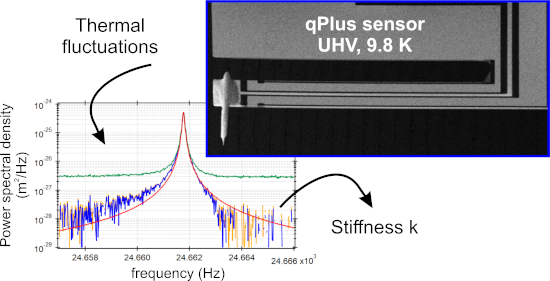
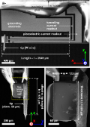
Stiffness calibration of qPlus sensors at low temperature through thermal noise measurements
Beilstein J. Nanotechnol. 2024, 15, 580–602, doi:10.3762/bjnano.15.50

Radiofrequency enhances drug release from responsive nanoflowers for hepatocellular carcinoma therapy
Beilstein J. Nanotechnol. 2024, 15, 569–579, doi:10.3762/bjnano.15.49
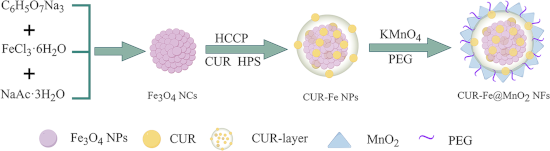
- diameters were 156 nm, 177 nm, and 199 nm, respectively (Figure 2e). The average size obtained from TEM was different from the sizes found by dynamic light scattering (DLS). The reason is that the TEM image depicts the size of the sample in the dry state, while the DLS method depicts the size of the


Directed growth of quinacridone chains on the vicinal Ag(35 1 1) surface
Beilstein J. Nanotechnol. 2024, 15, 556–568, doi:10.3762/bjnano.15.48
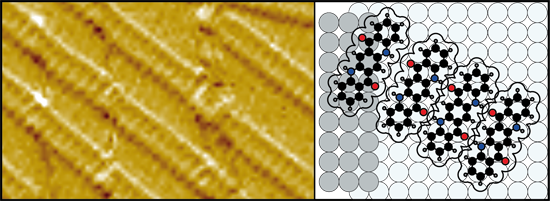
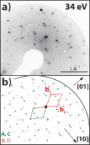
- ) can be seen (red circles in Figure 2a), while in the other 50% of all cases, it looks as if the chain grows undistorted across the Ag step (light blue circles). For a closer look, a zoom-in onto chains at Ag step edges with molecular resolution is displayed in the inset. The blue circle highlights a
- which the distance b2 between the chains is minimal [23]. The model of the diffraction pattern in Figure 3b shows the spots of the known α-phase diffraction pattern in black and the new spots in gray. The reciprocal vectors of the α-phase and those of the new orientation E are depicted in red and light


Cholesterol nanoarchaeosomes for alendronate targeted delivery as an anti-endothelial dysfunction agent
Beilstein J. Nanotechnol. 2024, 15, 517–534, doi:10.3762/bjnano.15.46
- Bligh and Dyer method [77] by a colorimetric phosphate microassay [75]. Size and ζ potential of nanovesicles were determined by dynamic light scattering and phase analysis light scattering, respectively, using a Zetasizer Nano ZS apparatus (Malvern Instruments Ltd, UK). To prepare RhPE-labeled
- finished, aliquots of culture medium supernatant were mixed with 1 volume of Griess Reactive Solution “A” and 1 volume of Griess Reactive Solution “B” and incubated 15 min at room temperature protected from the light. Absorbance was measured at 520 nm in a Cytation™ 5 instrument. Nitrite concentration in





Aero-ZnS prepared by physical vapor transport on three-dimensional networks of sacrificial ZnO microtetrapods
Beilstein J. Nanotechnol. 2024, 15, 490–499, doi:10.3762/bjnano.15.44
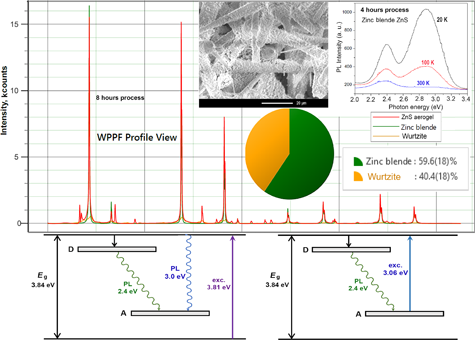
- also needed in view of the large specific surface area inherent to the produced aeromaterials and of the important role played by surface states in shifting the edge of the valence band, improving the visible-light photocatalytic properties, as shown by first-principle investigations in some
- selected to focus the light on the sample surface. The system calibration was performed on a monocrystalline Si wafer with the main peak measured at 521 cm−1. A 1200 gr/mm grating with a resolution of 1 cm−1 was utilized. SEM images of ZnS microtetrapods obtained from ZnO microtetrapods after a



Photocatalytic degradation of methylene blue under visible light by cobalt ferrite nanoparticles/graphene quantum dots
Beilstein J. Nanotechnol. 2024, 15, 475–489, doi:10.3762/bjnano.15.43
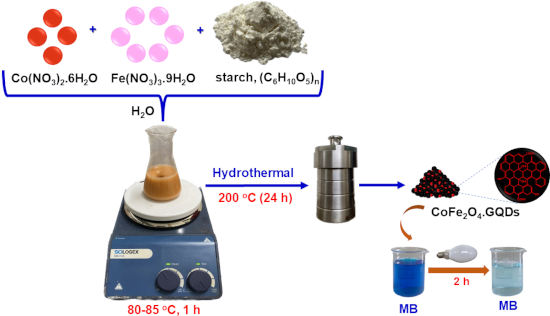
- degradation of methylene blue (MB) under visible light. The catalyst can be recycled with an external magnetic field and displays suitable stability. Also, it was reused in three successive experiments with a loss of efficiency of about 5%. The CF/GQDs are considered as an efficient photocatalyst for MB
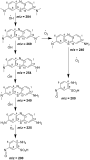
- photodegradation were evaluated by using dual liquid chromatography–mass spectrometry (LC/MS-MS) after the MB solution samples were illuminated for 0, 60, 120, and 180 min. The chemical oxygen demand (COD) of MB solution samples was assessed after 0, 30, 60, 90, 120, and 150 min of light exposure. Result and
- white light, and it has a yellow-brown colour, characteristic of GQDs prepared from the natural polymer starch [16]. The solution on the right was exposed to 254 nm UV light, and the colour changed to green. The typical absorption peak at 287 nm in the UV–vis spectrum of the aqueous GQD solution (Figure