


Search results
Search for "dispersion" in Full Text gives 710 result(s) in Beilstein Journal of Nanotechnology. Showing first 200.
Cross-scale design of chemosensor arrays: from molecular self-assembly in water to paper-based devices for metal ion detection
Beilstein J. Nanotechnol. 2026, 17, 828–838, doi:10.3762/bjnano.17.59
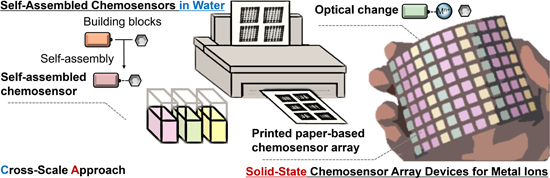
- devices, such fiber-like nanostructures contribute to the homogeneous dispersion of chemosensor molecules through office printing technologies [28][29]. The printed chemosensor arrays on a paper substrate exhibit optical changes upon analyte capture, which are detected using portable recording apparatuses
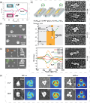
- substrates influences the magnitude of optical changes [60]. In addition, the fiber structures of paper substrates effectively contribute to the high dispersion of chemosensor elements [28]. The fabrication process in Figure 7A begins with patterning a hydrophobic layer using an office wax printer. The


Molecular engineering of individual dye-based nanoparticle photostability for ultrabright two-photon fluorescence
Beilstein J. Nanotechnol. 2026, 17, 688–696, doi:10.3762/bjnano.17.48
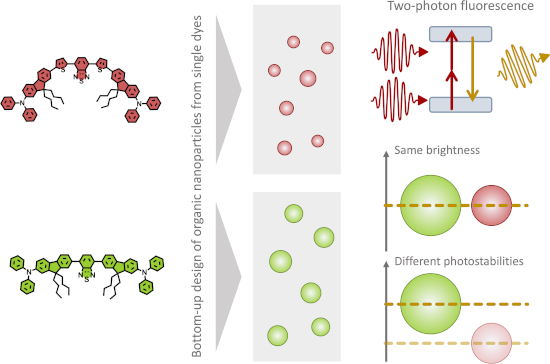
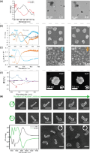
- individual nanoparticles. We clearly observed different signal levels that can be related to size dispersion of individual nanoparticles and the presence of some aggregates (arrows on Figure 2a). The maximum detected photon counts for each bright spot, corresponding to a 2P-excited nanoemitter, were


Decontamination from water pollutants and pathogens by electrospun nanofibers doped with heavy-atom-free borafluorene-BODIPY photosensitizers
Beilstein J. Nanotechnol. 2026, 17, 668–682, doi:10.3762/bjnano.17.46
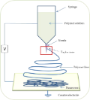
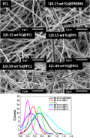
- dispersive and polar components, respectively [52][53] (Equation 3 and Equation 4): where is the dispersion component of the SFE, is the polar component of the SFE, γw is the SFE of water, is its dispersive component, and is its polar component; θw and θd are the CAs of water and diiodomethane



Cellulose as a photocatalyst support material: extraction, structural features, and environmental applications
Beilstein J. Nanotechnol. 2026, 17, 635–652, doi:10.3762/bjnano.17.44
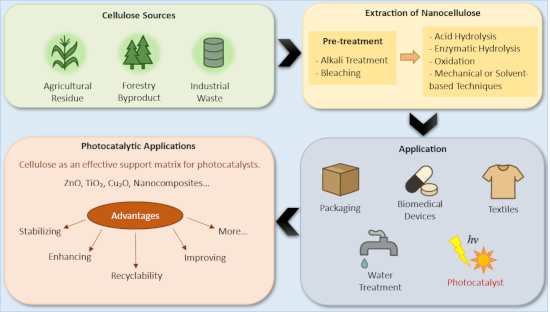
- dispersions. Recent studies have also examined mixed-acid systems, which aim to balance reactivity and dispersion by blending different mineral acids. Yet, while this approach appears promising, further investigation is still needed to optimize processing conditions and improve scalability [41][59]. Figure 4
- bundles, and the resulting nanofibrils display improved performance in composites, where their enhanced dispersion significantly strengthens reinforcement properties. Combined methods. Many researchers are now combining different techniques such as applying acid hydrolysis pretreatment followed by


Advances in nanotechnology applied to natural products
Beilstein J. Nanotechnol. 2026, 17, 555–558, doi:10.3762/bjnano.17.36
- , broadening the use of natural products in areas such as biological product development, immunization, and vector control [21][22]. In addition, polymeric micellar systems, such as poloxamer-based systems, have been explored to improve the solubility and dispersion of poorly water-soluble natural compounds
Electrochemical determination of ciprofloxacin using a MIL-101/reduced graphene oxide-modified electrode
Beilstein J. Nanotechnol. 2026, 17, 541–554, doi:10.3762/bjnano.17.35
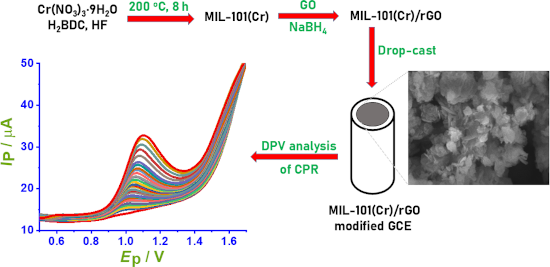
- particles are dispersed on the wrinkled rGO sheets. The rGO sheets serve as a supporting scaffold, helping to separate the MIL-101 particles and reduce their aggregation to some extent. This structural characteristic benefits the dispersion of the MOF particles and enhances electron transfer within the


Probing internal continua and atomic ultrafast charge transfer within size-controlled nanoparticles by post-collision interaction in core-hole clock spectroscopy
Beilstein J. Nanotechnol. 2026, 17, 505–514, doi:10.3762/bjnano.17.33
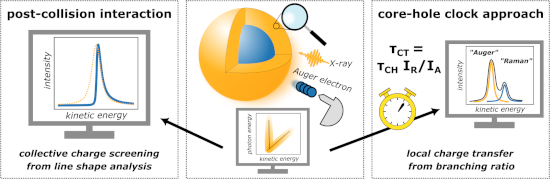
- the Raman feature smears into a background due to its dispersion in photon energy. Effectively, this leads to a suppression of the contribution from the dispersing, low-intensity Raman feature and yields a high quality spectral shape of the photon-energy-independent Auger contribution. The deviation



Upcycling agroindustrial waste into graphene oxide supports for gold nanoparticles: toward sustainable nanomaterials
Beilstein J. Nanotechnol. 2026, 17, 489–504, doi:10.3762/bjnano.17.32
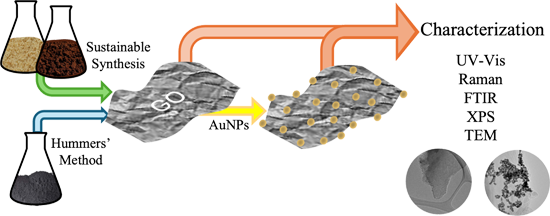
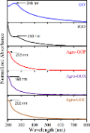
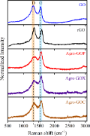
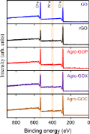
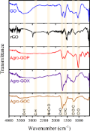
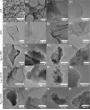
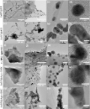
- as substrates for AuNP photodeposition to evaluate how their surface chemistry governs nanoparticle nucleation and dispersion. Agro-GO@AuNPs composites demonstrate a green, circular-economy approach with promising potential for applications in sensing, diagnostics, energy storage, and separation
- ) using a photoreduction method adapted from Hernández-Sánchez and coworkers [30]. 1 mg of the corresponding GO material was dispersed in 80 mL of a 1 M methanol–water solution by ultrasonication. Once the dispersion was stabilized, 58.4 mg of citric acid were added as both reducing and stabilizing agent
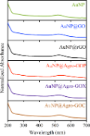
- , ozone-free emission in the 310–450 nm range, λmax = 360 nm) for 60 min under continuous stirring. A purple dispersion was obtained, confirming the formation of AuNPs. Characterization techniques The optical properties of the samples were analyzed by ultraviolet–visible (UV–vis) spectroscopy with a Cary



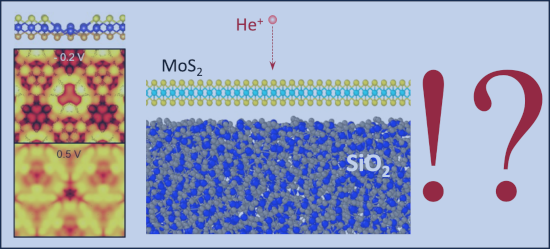
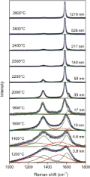
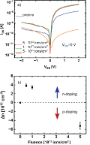
Defects and defect-mediated engineering of two-dimensional materials: challenges and open questions
Beilstein J. Nanotechnol. 2026, 17, 454–488, doi:10.3762/bjnano.17.31





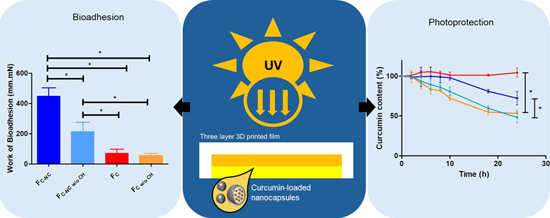
Nanocarrier-integrated multilayer films produced by 3D printing for improved skin adhesion and curcumin photostability
Beilstein J. Nanotechnol. 2026, 17, 440–453, doi:10.3762/bjnano.17.30
- . Titanium dioxide (TiO2) was then added, and the gel mixture was completely homogenised using a pestle. pH measurements After dispersion of each hydrogel in water (10% w/v), the pH of the resulting printing inks was measured at 25 °C using a calibrated potentiometer (VB-10, Denver Instrument, USA
- was evaluated after dispersion of 1 g of hydrogel in 10 mL of ultrapure water. The results in Table S1 (Supporting Information File 1) show that all hydrogels have a slightly acidic pH, in the range of 4.5 to 6, making them suitable for skin applications [42]. Chitosan hydrogels showed the lowest pH
- physical mixture. In the FC film, the absence of sharp endothermic transitions suggests molecular dispersion of curcumin within the polymeric matrix and the formation of intermolecular interactions, such as hydrogen bonding and hydrophobic associations, which likely contribute to reinforcement of the


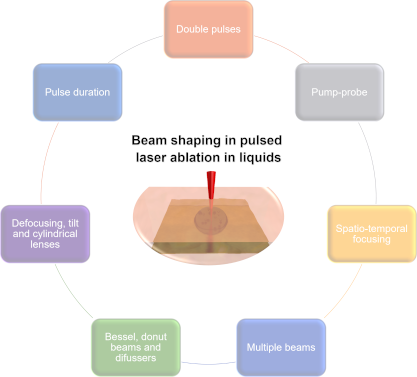
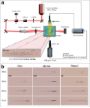
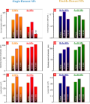
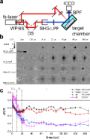
Beam shaping techniques for pulsed laser ablation in liquids: Unlocking tunable control of nanoparticle synthesis in liquids
Beilstein J. Nanotechnol. 2026, 17, 309–342, doi:10.3762/bjnano.17.22







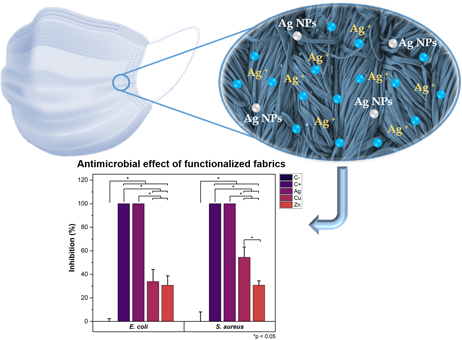
Durable antimicrobial activity of fabrics functionalized with zeolite ion-exchanged nanomaterials against Staphylococcus aureus and Escherichia coli
Beilstein J. Nanotechnol. 2026, 17, 262–274, doi:10.3762/bjnano.17.18
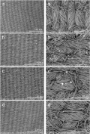
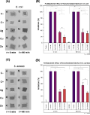
- were found for Zn/CBV-600-bramante (Figure 2d) with uniform dispersion of nanomaterials on the fabric surface. Note, that the changes in the degree of aggregation may be attributed to the nature of the nanomaterial. The functionalization of fabrics with acrylic resin as a binder allowed for the




Multilayered hyperbolic Au/TiO2 nanostructures for enhancing the nonlinear response around the epsilon-near-zero point
Beilstein J. Nanotechnol. 2026, 17, 251–261, doi:10.3762/bjnano.17.17
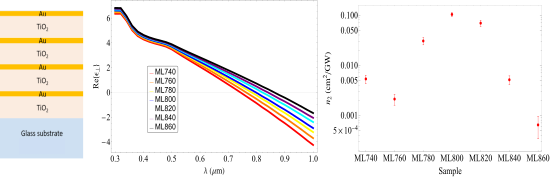
- properties are completely different than those of the constituting materials and are not simply an average of them [1]. A type of metamaterials that we are particularly interested in are hyperbolic metamaterials (HMMs), whose dispersion relation generates an hyperboloid in the k-space. There are some readily
- available materials in nature that present hyperbolic dispersion, such as bismuth and 2D graphene sheets [2], indium tin oxide (ITO) [3], and aluminum-doped zinc oxide (AZO) [4]. HMMs are highly anisotropic and exhibit some interesting properties, including strong enhancement of spontaneous emission
- , negative refractive index, and near-zero permittivity. The main benefit of HMMs is that, with the correct manipulation of the design, we are able to choose the wavelength in which we would like these phenomena to appear. Hyperbolic dispersion can be achieved by combining a dielectric, which has a


Gold nanoparticle-decorated reduced graphene oxide as a highly effective catalyst for the selective α,β-dehydrogenation of N-alkyl-4-piperidones
Beilstein J. Nanotechnol. 2026, 17, 218–238, doi:10.3762/bjnano.17.15
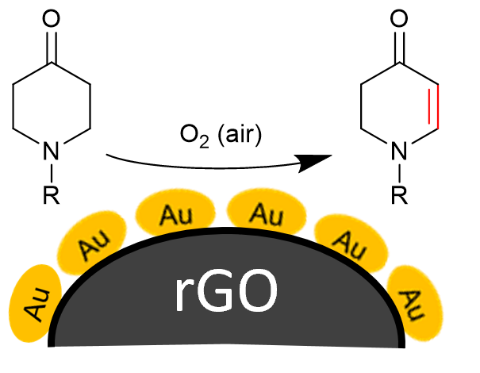
- volume. These features provide a more favorable environment for mass transport, reactant diffusion, and nanoparticle dispersion, making rGO a more effective catalyst support, so we expect a better catalytic activity with rGO. In addition to the morphological and textural properties of carbon supports
- , which have an impact on the dispersion of metal nanoparticles and the overall efficiency of the catalytic process, the presence and distribution of functional groups is also a crucial factor in the choice of the carbon support. Several studies have demonstrated that the amount of surface oxygen
- then deposited onto the carbon material. The synthesis of the Au@SiW9/carbon composites was done by the DP method as shown in Figure 1c. The POM salt (SiW9), the gold precursor (KAuCl4), and the carbon material were combined in a solution–dispersion, and the reduction was induced with NaBH4. Synthesis


Structure-dependent thermochromism of PAZO thin films: theory and experiment
Beilstein J. Nanotechnol. 2026, 17, 186–199, doi:10.3762/bjnano.17.12
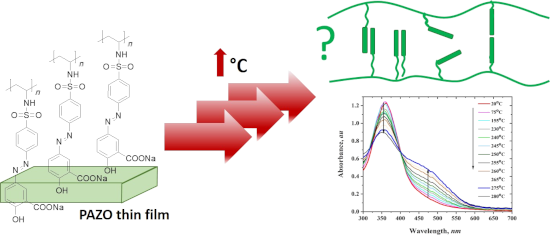
- typically rely on empirical dispersion terms, a range-separated hybrid functional with built-in empirical dispersion correction, ωB97XD, was chosen for our study. It has been supposed that the repulsion of long-range exchange interactions plays a major role in weak bonds such as van der Waals bonds, and


Safe and sustainable by design with ML/AI: A transformative approach to advancing nanotechnology
Beilstein J. Nanotechnol. 2026, 17, 176–185, doi:10.3762/bjnano.17.11
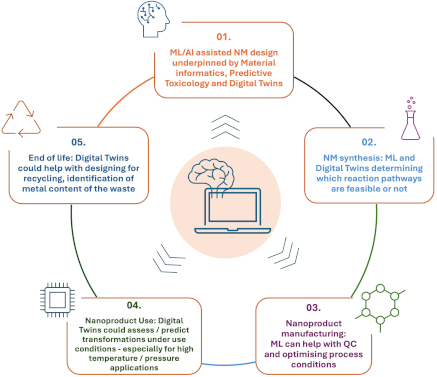
- synthesis routes, and minimized toxicity. Moreover, digital twins contribute a real-time, iterative layer of validation and optimization, enabling researchers to virtually explore a variety of scenarios – from nanoparticle–protein interactions to environmental dispersion without ever having to synthesize


Influence of surface characteristics on the in vitro stability and cell uptake of nanoliposomes for brain delivery
Beilstein J. Nanotechnol. 2026, 17, 139–158, doi:10.3762/bjnano.17.9
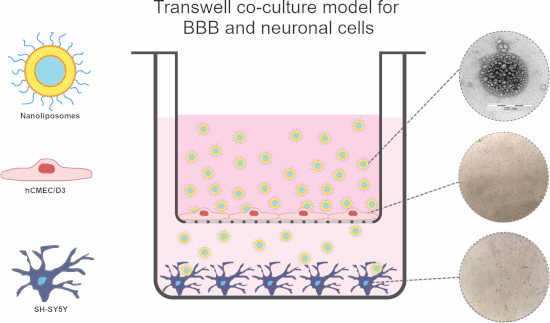
- ; ULTRASONS-H, J.P. Selecta), vortexing (Tehtnika, EV-102, Slovenia), and manual mixing at room temperature. The prepared liposomes underwent high shear homogenization (24,000 rpm for 5 min; Ultra-Turrax T25, IkaWerke, Germany) and were then incubated at 4–8 °C for 24 h. Finally, the liposomal dispersion was




Development and in vitro evaluation of liposomes and immunoliposomes containing 5-fluorouracil and R-phycoerythrin as a potential phototheranostic system for colorectal cancer
Beilstein J. Nanotechnol. 2026, 17, 97–121, doi:10.3762/bjnano.17.7
- pore formation in lipid bilayers and thus enhance vesicle integrity [33]. Such carbohydrates are likely present in the dispersion medium of the liposomes, as the R-PE used was extracted from the red algae Solieria filiformis, a species known to produce carrageenan. Additionally, the purity index of the



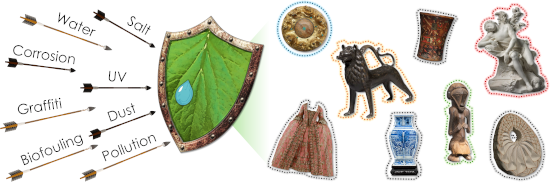
Functional surface engineering for cultural heritage protection: the role of superhydrophobic and superoleophobic coatings – a comprehensive review
Beilstein J. Nanotechnol. 2026, 17, 63–96, doi:10.3762/bjnano.17.6
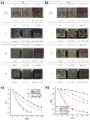
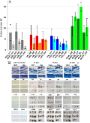
- copolymer (poly(vinylidene fluoride-co-hexafluoropropylene, PVDF-HFP), an aqueous emulsion of alkylpolysiloxane (PSW), a dispersion of functionalized silica nanoparticles (n-SiOR), and a nanostructured silica gel in hydroalcoholic solution (wnf-SiO2). Terracotta specimens chemically and physically matching




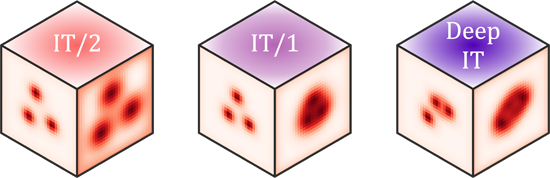
Microscopic study of the intermediate mixed state in intertype superconductors
Beilstein J. Nanotechnol. 2026, 17, 57–62, doi:10.3762/bjnano.17.5
- eigenstates, and f(E) is the Fermi–Dirac distribution function. The electron density is kept constant at ne = 0.25 throughout all calculations by adjusting the chemical potential μ. Notice that the system is well away from the resonance at ne = 1 and, at the chosen value, the electronic dispersion is well


Competitive helical bands and highly efficient diode effect in F/S/TI/S/F hybrid structures
Beilstein J. Nanotechnol. 2026, 17, 15–23, doi:10.3762/bjnano.17.2
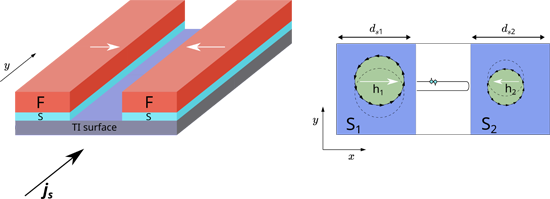
- based on topological insulators (TIs) are interesting since they offer strongest SOC rendering linear spin-polarized dispersion for the surface states [73]. The diode effect in TI-based structures has been reported in Josephson junctions, as well as in hybrid structures. In practice, when producing


![[Graphic 16]](/bjnano/content/inline/2190-4286-17-2-i31.svg?max-width=637&scale=1.18182)
![[Graphic 17]](/bjnano/content/inline/2190-4286-17-2-i32.svg?max-width=637&scale=1.18182)


Internal 3D temperature mapping in biological systems using ratiometric light-sheet imaging and lipid-coated upconversion nanothermometers
Beilstein J. Nanotechnol. 2025, 16, 2306–2316, doi:10.3762/bjnano.16.159
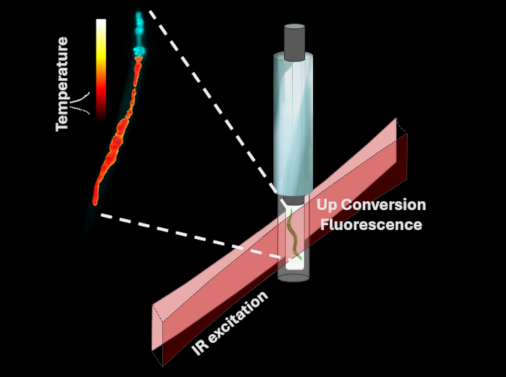
- ; however, the success of the coating is confirmed by the stable dispersion of UCNPs in water, which prevents aggregation. C. elegans culture and maintenance The nematodes used in our experiments, N2 wild-type C. elegans, were cultivated on nematode growth medium (NGM) plates previously seeded with E. coli


Terahertz-range on-chip local oscillator based on Josephson junction arrays for superconducting quantum-limited receivers
Beilstein J. Nanotechnol. 2025, 16, 2296–2305, doi:10.3762/bjnano.16.158
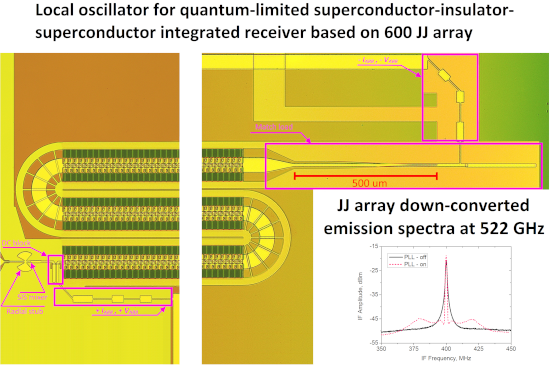
- frequency of 450 GHz); the second, ≈30% (bandwidth 200 GHz with a central frequency of 600 GHz). The low-frequency matching circuit was easier to design due to the dispersion in the superconductor microstrip lines made of niobium at frequencies over 500 GHz, rising from the frequency dependence of the


Chiral plasmonic nanostructures fabricated with circularly polarized light
Beilstein J. Nanotechnol. 2025, 16, 2245–2264, doi:10.3762/bjnano.16.154
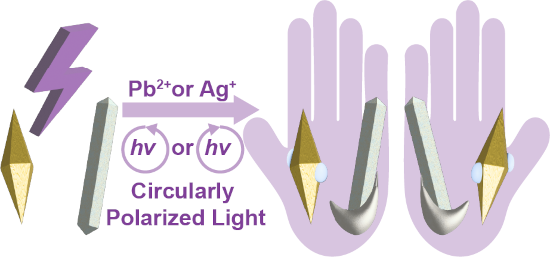
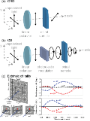
- to the handedness of CPL. Materials are optically active when they exhibit CD or optical rotation dispersion (ORD). The schematics of ORD and CD measurement principles are demonstrated in Figure 7a,b. Optical rotation, also known as circular birefringence (CB), refers to the rotation of the





Optical bio/chemical sensors for vitamin B12 analysis in food and pharmaceuticals: state of the art, challenges, and future outlooks
Beilstein J. Nanotechnol. 2025, 16, 2207–2244, doi:10.3762/bjnano.16.153
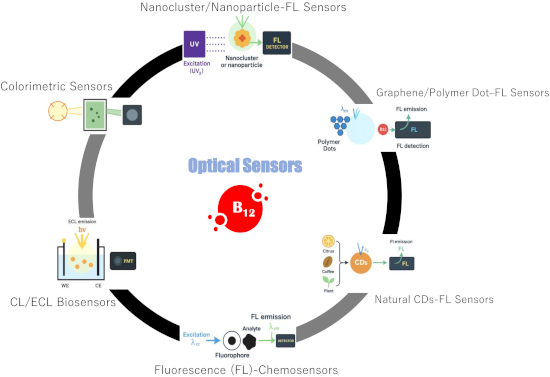
- AuNP suspensions is substantially influenced by their particle size and dispersion speed. 10–20 nm AuNPs with a narrow size distribution tend to absorb light from the blue-green spectrum and reflect red light. In contrast, their aggregation leads to a light absorption shift to longer wavelengths





