


Search results
Search for "alkali metal" in Full Text gives 60 result(s) in Beilstein Journal of Organic Chemistry.
Recent advances in the cleavage of non-activated amides
Beilstein J. Org. Chem. 2026, 22, 352–369, doi:10.3762/bjoc.22.23
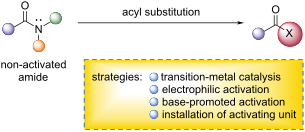
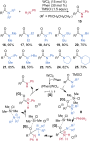
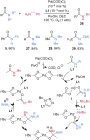
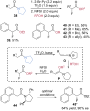
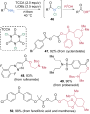
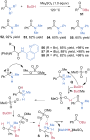
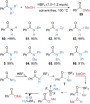
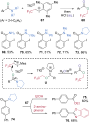
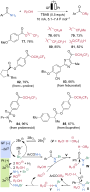
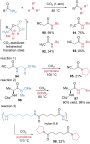
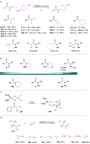
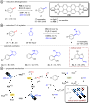
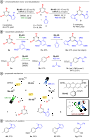
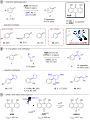
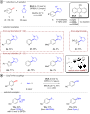
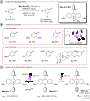
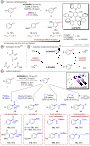
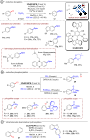
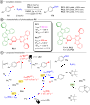
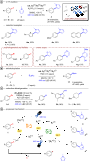
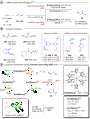
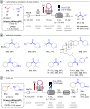
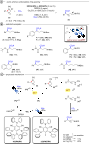
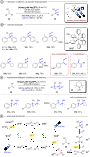
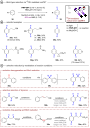
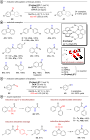
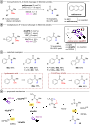
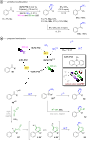
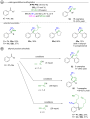
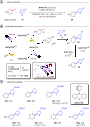
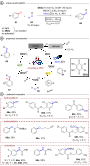
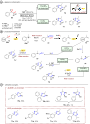
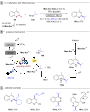
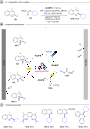
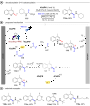
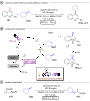
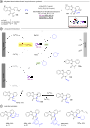
- -promoted transformations enhanced by alkali-metal counter-cation effects, and (iii) installation of activating groups on the nitrogen to enable chemoselective cleavage under tailored conditions. These approaches collectively offer promising avenues for the efficient transformation of non-activated amides
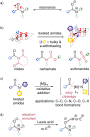
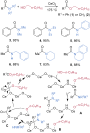
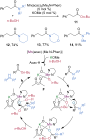
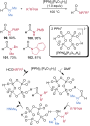
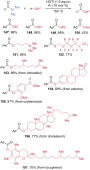
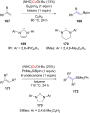
- activation assisted by alkali metal counter cations Although strong bases can promote nucleophilic transformations of amides, such reactions have traditionally required harsh conditions [69][70]. Recently, however, the role of alkali metal counter cations in facilitating acyl substitution has been recognized
- coupled with cooperative alkali metal counter cations, have expanded the scope of amide C–N bond cleavage under mild conditions. In parallel, the installation of activating groups on the amide nitrogen has enabled chemoselective cleavage, opening the door to late-stage transformations of target amides










Assembly strategy for thieno[3,2-b]thiophenes via a disulfide intermediate derived from 3-nitrothiophene-2,5-dicarboxylate
Beilstein J. Org. Chem. 2025, 21, 2489–2497, doi:10.3762/bjoc.21.191
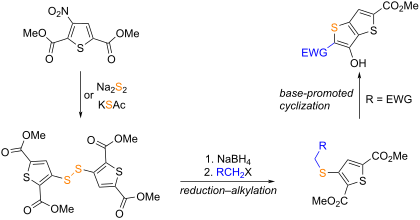
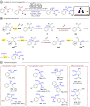
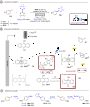
- LiH and Mg(OMe)2 chosen for the cyclization are convenient from the point of view of availability and work safety. Indeed, LiH is not a pyrophoric hydride compared to other alkali metal hydrides, NaH or KH, while Mg(OMe)2 is easily prepared by dissolving I2-activated Mg metal in dry methanol



Systematic pore lipophilization to enhance the efficiency of an amine-based MOF catalyst in the solvent-free Knoevenagel reaction
Beilstein J. Org. Chem. 2025, 21, 1854–1863, doi:10.3762/bjoc.21.144
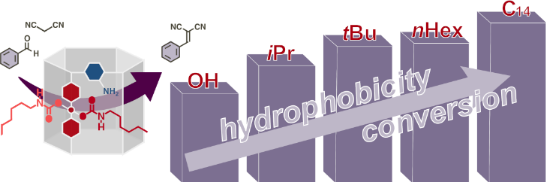
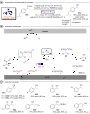
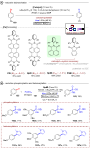
- pharmaceutical and agrochemical industries [38][39]. Various types of catalysts are used to enhance the efficiency and selectivity of the Knoevenagel reaction, including Lewis acids, ureas/ thioureas, amino acids, and bases such as alkali metal hydroxides, alkali metal alkoxide, amines, etc. [37][40][41][42][43


Influence of the cation in hypophosphite-mediated catalyst-free reductive amination
Beilstein J. Org. Chem. 2025, 21, 1661–1670, doi:10.3762/bjoc.21.130

- fertilizers in agrochemistry phosphates [20]. Multiple literature reports indicate that changing the alkali metal cations can strongly affect diverse chemical processes including radical reactions [27], electrochemical processes [28], and biomass pyrolysis [29]. However, hypophosphites derived from alkali
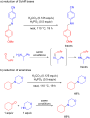
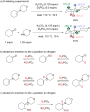
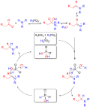
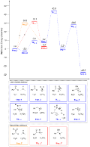
- to fundamentally study the influence of the cations in hypophosphites on this process. In this work, the hypophosphites of Li, K, Rb, and Cs were obtained in situ, the influence of alkali metal cations on the efficiency of reductive amination was assessed and the obtained results were compared with
- alkali metals, such as Li, K, Rb, and Cs was studied in the reductive amination for the first time. The reactivity was strongly influenced by acidity and the nature of the alkali metal cation: under neutral conditions, the yield decreased from Na to Cs, while acidic conditions with H3PO2 reversed this


Gold extraction at the molecular level using α- and β-cyclodextrins
Beilstein J. Org. Chem. 2025, 21, 1116–1125, doi:10.3762/bjoc.21.89
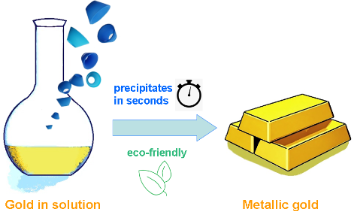
- the importance of a host–guest tight fit to obtain a precipitate with KAuBr4, which occurs only with α-CD. Lastly, tests with alternative alkali metals showed that two of the salts were able to afford co-precipitates with α-CD, as shown in Figure 2. In the adducts with the large-diameter alkali metal


Supramolecular assembly of hypervalent iodine macrocycles and alkali metals
Beilstein J. Org. Chem. 2025, 21, 1095–1103, doi:10.3762/bjoc.21.87
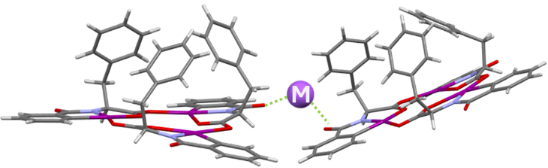
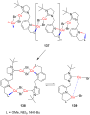
- assembly with Buckminster fullerene. (C) This work: Association of Phe HIM with first group alkali metal cations. Secondary bonds are highlighted in red. Two conformations of the HIM were found. One conformation projected all three benzyl groups in a vertical arrangement I (bottom) while the second



Unraveling cooperative interactions between complexed ions in dual-host strategy for cesium salt separation
Beilstein J. Org. Chem. 2025, 21, 845–853, doi:10.3762/bjoc.21.68
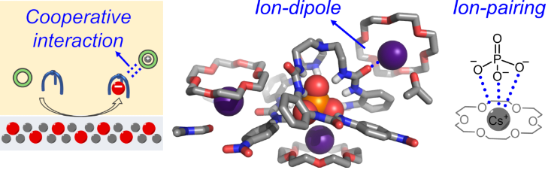
- the dual-host strategy were aimed at separating alkali metal halide salts from aqueous solutions into organic phases, including KCl, CsCl, and CsNO3 [23][24][25][26][27][28][29]. In these studies, 18-crown-6 was commonly utilized, and various anion receptors were selected to achieve tailored anion


Recent advances in allylation of chiral secondary alkylcopper species
Beilstein J. Org. Chem. 2025, 21, 639–658, doi:10.3762/bjoc.21.51
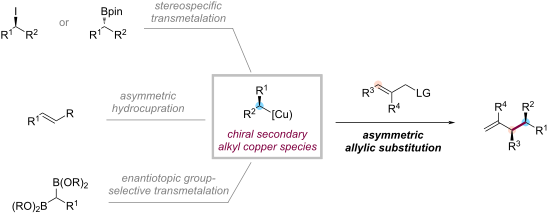
- -fold. These observations supported the hypothesis that the crown ether effectively disrupts the interaction between the alkali metal cation and fluorine atom, thereby decreasing the rate of β-F elimination. This asymmetric copper-catalyzed protocol represents one of the rare examples that allows to
- -diborylalkanes 47 using an H8-BINOL-derived phosphoramidite ligand L5, achieving exceptional enantiocontrol (Scheme 16) [59]. Their studies revealed the critical role of both the alkali metal cation and boronic ester moiety. While LiOt-Bu provided excellent enantioselectivity (er = 95:5), NaOt-Bu and KOt-Bu





Synthetic applications of the Cannizzaro reaction
Beilstein J. Org. Chem. 2024, 20, 1376–1395, doi:10.3762/bjoc.20.120
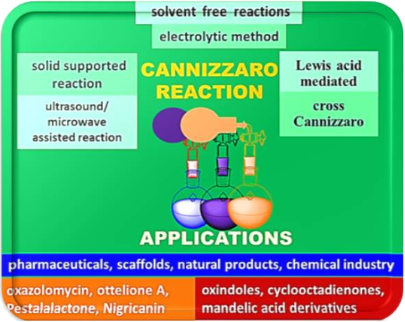
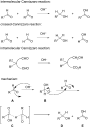
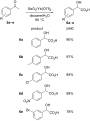
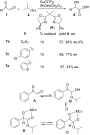
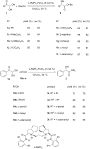
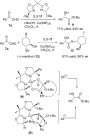
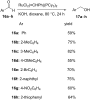
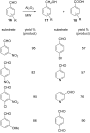
- stoichiometric amounts of alkali metal hydroxides or other strong bases, commonly NaOH, KOH, Ba(OH)2·8H2O or sodium ethoxide, etc. [12][13][14][15][16][17][18]. Such harsh conditions and the competitive formation of undesired side products have been the major limiting factors for the Cannizzaro reaction in the









Switchable molecular tweezers: design and applications
Beilstein J. Org. Chem. 2024, 20, 504–539, doi:10.3762/bjoc.20.45




Tying a knot between crown ethers and porphyrins
Beilstein J. Org. Chem. 2023, 19, 1630–1650, doi:10.3762/bjoc.19.120
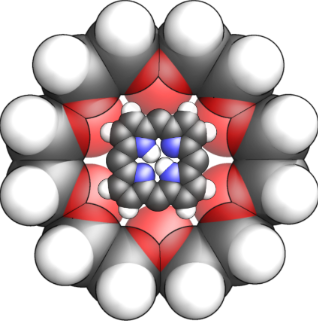
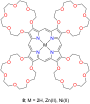
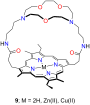
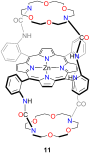
- cationic entity in the crown ether-like cavity and an anion in the region close to the metalloporphyrin core (Figure 7). The studies showed that the cation binding in the hovering crown pockets of 9-Zn and 9-Cu included, but was not limited to, alkali metal cations, transition metal cations, and









Application of N-heterocyclic carbene–Cu(I) complexes as catalysts in organic synthesis: a review
Beilstein J. Org. Chem. 2023, 19, 1408–1442, doi:10.3762/bjoc.19.102
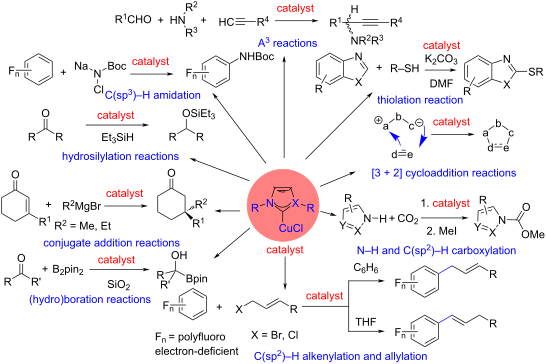
- –Cu(I) complexes 12 (Scheme 5). A variety of bases, namely metal alkoxides, alkali metal carbonates, n-butyllithium, and lithium bis(trimethylsilyl)amide have been employed for this purpose. In 2010, Diez-González et al. synthesized a variety of NHC–Cu(I) complexes 14 from imidazolium salts 13 using










Photoredox catalysis harvesting multiple photon or electrochemical energies
Beilstein J. Org. Chem. 2023, 19, 1055–1145, doi:10.3762/bjoc.19.81
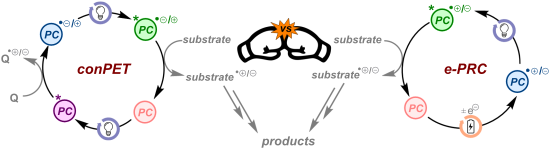
- context of deeply reductive reactions, dissolving alkali metal conditions have remained the most commonly employed both in academia and industry for over a century and even to date continue to be used despite their hazards, poor selectivity and chemical waste [7][8][9][10]. Nowadays, excellent alternative

























Cs2CO3-Promoted reaction of tertiary bromopropargylic alcohols and phenols in DMF: a novel approach to α-phenoxyketones
Beilstein J. Org. Chem. 2022, 18, 420–428, doi:10.3762/bjoc.18.44
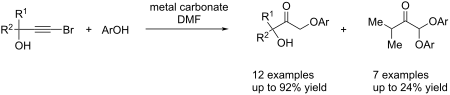
- highly selective hydration/acylation of tertiary bromopropargylic alcohols with carboxylic acids promoted by alkali metal carbonates [24]. The reaction proceeds via the ring-opening of 1,3-dioxolan-2-one intermediates formed with hydroxy and alkynyl groups of bromopropargylic alcohol and alkali metal



Halides as versatile anions in asymmetric anion-binding organocatalysis
Beilstein J. Org. Chem. 2021, 17, 2270–2286, doi:10.3762/bjoc.17.145
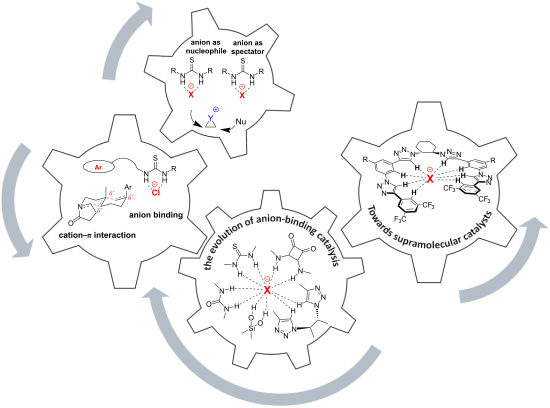
- -transfer step. This provides low amounts of reactive, nucleophilic fluoride in the nonpolar solution, circumventing thereby selectivity and reactivity issues owing to the high basicity of alkali metal fluorides [58][59][60][61][62]. By modifying the reaction conditions, the same group was also able to



Regioselective N-alkylation of the 1H-indazole scaffold; ring substituent and N-alkylating reagent effects on regioisomeric distribution
Beilstein J. Org. Chem. 2021, 17, 1939–1951, doi:10.3762/bjoc.17.127
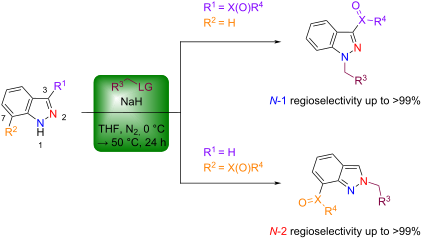
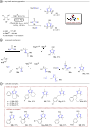
- regioselectivity. Further variation of the alkali metal cation, through the use of strong hydride bases, such as LiH or KH in THF, to examine N-1 regioselectivity (Table 3, entries 5 and 6, respectively) revealed a high preference for the formation of N-1 regioisomer 10 (ratio N-1 (10):N:2 (11) = 28:1 and 11:1
- the use of DMF, may prompt indazole N-alkylation to fall predominantly under steric control, resulting in diminished N-alkylation regioselectivity. To further probe the potential influence of the alkali metal cation on the regioselective N-1 alkylation of indazole methyl ester 9, a control experiment


Valorisation of plastic waste via metal-catalysed depolymerisation
Beilstein J. Org. Chem. 2021, 17, 589–621, doi:10.3762/bjoc.17.53
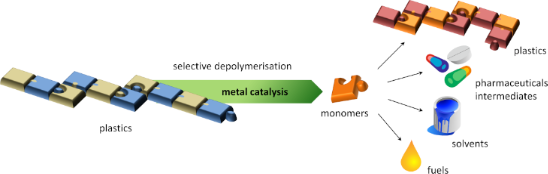
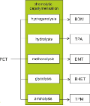
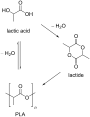
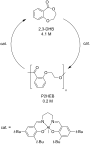
- metal (complex) catalysts, methanolysis of PLA was recently described using alkali metal halides [271]. In an optimised experiment, PLA from various goods (cups, fork, spoons, containers, Mw 120000–260000 g⋅mol−1) was converted into Me-La in up to 97% yield using 2.5 mol % KF, 180 °C microwave heating










Annulation of a 1,3-dithiole ring to a sterically hindered o-quinone core. Novel ditopic redox-active ligands
Beilstein J. Org. Chem. 2021, 17, 273–282, doi:10.3762/bjoc.17.26
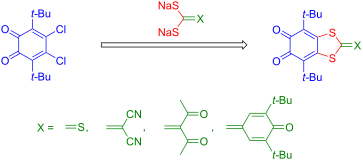
- -chloro-o-quinone (1) with alkali metal salts of dithiocarboxylic acids. In fact, this procedure is suitable for the synthesis of such annulated o-quinone derivatives including di-o-quinones bridged by tetrathiafulvalene or p-phenylene-extended tetrathiafulvalene spacers 3a–c (Scheme 1, route 1) [14][15
- reaction of 4,5-dichloro-3,6-di-tert-butyl-o-benzoquinone (4) [19] with alkali metal gem-dithiolates. This synthetic procedure allows us to significantly extend the range of substituents which could be potentially introduced to the final product. Gem-dithiolates are comparatively less studied than related
- -dithiolate and dithiocarboxilate are trithiocarbonate salts. Synthesis and characterization of new o-quinone derivatives In this work we used sodium gem-dithiolates in the reactions with o-quinone 4. Alkali metal gem-dithiolates are relatively unstable species, so that they are commonly freshly prepared in


Thermodynamic and electrochemical study of tailor-made crown ethers for redox-switchable (pseudo)rotaxanes
Beilstein J. Org. Chem. 2020, 16, 2576–2588, doi:10.3762/bjoc.16.209
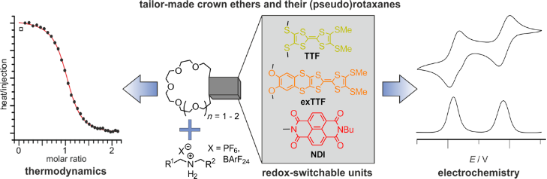
- alkali metal ions [2]. Crown ethers and their binding properties nowadays find frequent application, e.g., as cation sensors [4][5][6][7], as phase-transfer catalysts [8][9][10], or as drug delivery systems [11][12][13]. Already at the early stages of crown ether research, considerable effort has been
- electrochemical output. For example, crown ethers containing tetrathiafulvalene (TTF) derivatives, which enable two reversible oxidation processes from the neutral to the dicationic state, were applied to sense various cations, e.g., alkali metal ions, Pb2+, and Ba2+ [18][19][20][21]. Furthermore, with the first


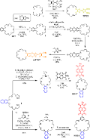


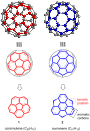
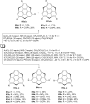
Synthetic approaches to bowl-shaped π-conjugated sumanene and its congeners
Beilstein J. Org. Chem. 2020, 16, 2212–2259, doi:10.3762/bjoc.16.186
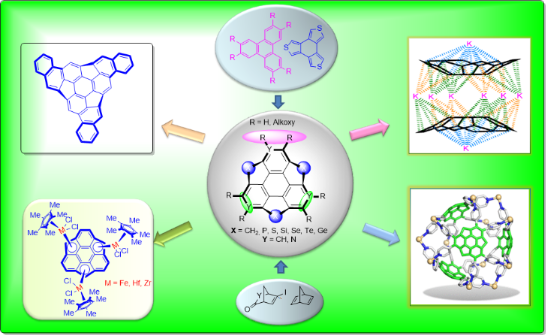
- . In contrast, not much is reported related to the η5-coordinated alkali metal complexes though the first report came around 120 years ago. To this context, in 2015, Hirao and Petrukhina’s group have reported the first alkali metal–sumanene complex K7(C21H102−)2(C21H93−)·8THF (137) having di- and











On the hydrolysis of diethyl 2-(perfluorophenyl)malonate
Beilstein J. Org. Chem. 2020, 16, 1863–1868, doi:10.3762/bjoc.16.153

- -(perfluorophenyl)acetic acid (12). This new method is shorter and much safer than the classical one based on the hydrolysis of 2-(perfluorophenyl)acetonitrile [38][39], because utilization of both toxic 1-(bromomethyl)-2,3,4,5,6-pentafluorobenzene and alkali metal cyanides is avoided. Conclusion To summarize, we


Sugar-derived oxazolone pseudotetrapeptide as γ-turn inducer and anion-selective transporter
Beilstein J. Org. Chem. 2019, 15, 2419–2427, doi:10.3762/bjoc.15.234
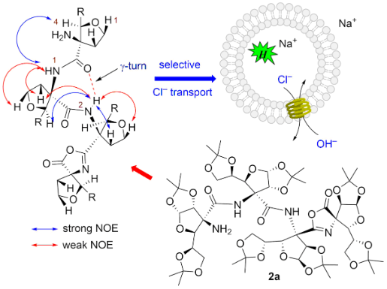
- alkali metal cations in the transport process. However, variation of extravesicular anions demonstrated the changes in the transport behaviour with the following selectivity sequence: Cl– >> AcO– ≈ SCN– ≈ F– > NO3– >> Br– ≈ I–, showing highest selectivity for the Cl– ion (Figure 7B). Overall, anion


![[Graphic 2]](/bjoc/content/inline/1860-5397-15-234-i4.svg?max-width=637&scale=1.18182) lucigenin (A). Conce...
lucigenin (A). Conce...
Tautomerism as primary signaling mechanism in metal sensing: the case of amide group
Beilstein J. Org. Chem. 2019, 15, 1898–1906, doi:10.3762/bjoc.15.185
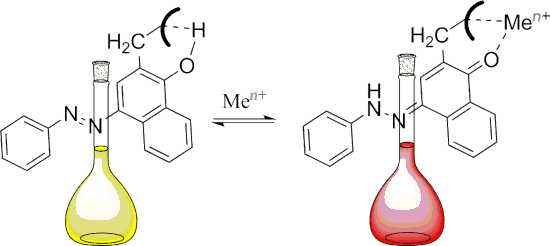
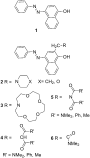
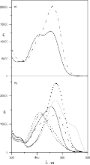
- alkali metal determination is still a challenge. In the case of alkaline earth metal ions, the reagents with reasonable selectivity are still not commonly accepted since they compete with transitional metal ions [4]. The discovery of crown ethers [5] and 3D-based ligands [6] unquestionably helped the





Halide metathesis in overdrive: mechanochemical synthesis of a heterometallic group 1 allyl complex
Beilstein J. Org. Chem. 2019, 15, 1856–1863, doi:10.3762/bjoc.15.181
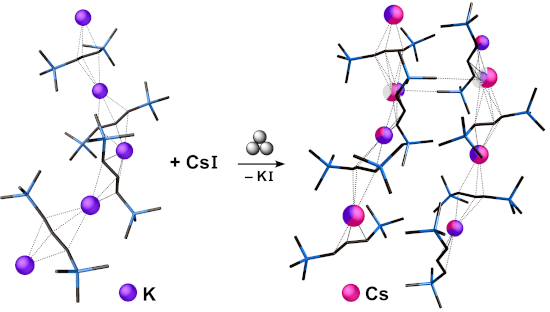
- thermodynamic driving forces, intra-alkali metal exchange is one of the most challenging metathetical exchanges to attempt, especially when conducted without solvent. Nevertheless, grinding together the bulky potassium allyl [KA']∞ (A' = [1,3-(SiMe3)2C3H3]–) and CsI produces the heterometallic complex [CsKA'2
- between M'X and MX becomes particularly small? Here we describe the application of mechanochemistry in an organometallic context to examine alkali metal halide exchange unassisted by solvents. The organic group used is the bulky 1,3-bis(trimethylsilyl)allyl anion, [1,3-(SiMe3)2C3H3]− ([A']−) [13][14], for
- which alkali metal complexes are known, including those of Li [15], Na [16], K [17][18], and Cs [18]. These have been formed via traditional solvent-based routes, by deprotonation of the substituted propene precursor with a metal alkyl or hydride (Equation 2) or with the metal itself (Equation 3) [18


Design, synthesis and spectroscopic properties of crown ether-capped dibenzotetraaza[14]annulenes
Beilstein J. Org. Chem. 2019, 15, 617–622, doi:10.3762/bjoc.15.57

- presence of alkali metal and ammonium ions. Sakata et al. reported the synthesis of peripherally functionalized DBTAAs with the two benzo-15-crown-5 scaffolds appended to the meso-benzoyl substituents [27]. Both crown ether-capped macrocycles in a form of free base and nickel(II) and cobalt(II) complexes





