


Search results
Search for "flow chemistry" in Full Text gives 129 result(s) in Beilstein Journal of Organic Chemistry.
Site-specific labelling of native peptides and proteins: chemical and enzymatic strategies
- Antonio Angelastro,
- Jonathan Bargh,
- Subhajit Guria,
- Victor Laserna and
- Louis Luk
Beilstein J. Org. Chem. 2026, 22, 857–881, doi:10.3762/bjoc.22.67
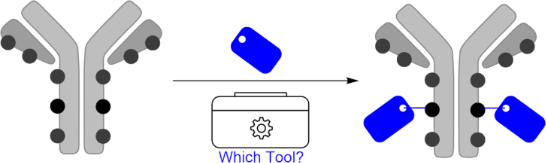
- mass intensity (PMI). Reagents should be near-stoichiometric, purification steps minimal, and catalysts effective in substoichiometric quantities. Compatibility with one-pot system and automation, such as flow chemistry and robotic synthesis, further enhance scalability. Existing tools and techniques

Graphical Abstract

Scheme 1: a) Sanger’s reagent (1), b) reductive amination by sodium cyanoborohydride, c) native chemical liga...

Scheme 2: Introduction of carbonyl functionality at protein N-termini via a) oxidation by periodate, b) Rapop...
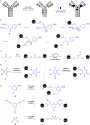
Scheme 3: a) Concept of disulfide rebridging. Reagents include b) sulfones 6, c) dihaloacetones 7, d) dibromo...
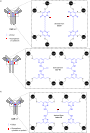
Scheme 4: Multi-disulfide rebridging technologies.

Scheme 5: Formation of full- and half-antibody as a result of disulfide rebridging.

Scheme 6: Use of 2,3-diaminopropionic acid (DAP, 13) for native-sequence substrate profiling.
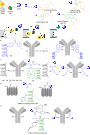
Scheme 7: Affinity-guided labelling. a) Reagents and catalysts appended to the binder include electrophilic m...

Scheme 8: Chemical sequence to convert subtilisin serine residue into a cysteine analogue.
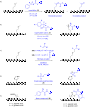
Scheme 9: Examples of small molecule reagents. Modifications of a–c) methionine by oxaziridine 22, hypervalen...

Scheme 10: Labelling of arginine by reagents carrying a) glyoxal 27, b) phenanthrenequinones 28, c) DKPA 29 gr...
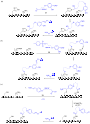
Scheme 11: Examples of linchpin-directed modification targeting a) histidine, b) aspartic acid, and c) lysine ...
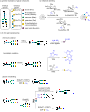
Scheme 12: Overview of glycan-directed strategies for site-specific protein modification. a) Structural motifs...

Scheme 13: Generic reaction mechanisms recruited by various native-sequence modifying enzymes.

Scheme 14: a,b) Engineered biocatalysts including sortase. Proteins AGA1 and AGA2 are surface proteins natural...
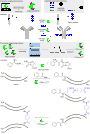
Scheme 15: Engineered biocatalysts include a) microbial transglutaminase (MTG) and b) penicillin G acylase (PG...
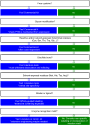
Scheme 16: Selection scheme of a suitable native-sequence labelling tool.
Adaptive experimentation and optimization in organic chemistry
- Artur M. Schweidtmann and
- Philippe Schwaller
Beilstein J. Org. Chem. 2025, 21, 2367–2368, doi:10.3762/bjoc.21.180
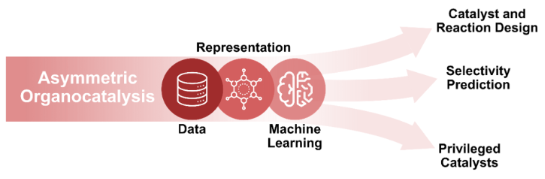
- . provide a comprehensive review of machine learning applications in enantioselective organocatalysis, highlighting both achievements and remaining challenges [10]. Guo et al. present an automated flow chemistry system for nitration reactions, combining kinetic modeling with experimental optimization [11
Recent advances in Norrish–Yang cyclization and dicarbonyl photoredox reactions for natural product synthesis
- Peng-Xi Luo,
- Jin-Xuan Yang,
- Shao-Min Fu and
- Bo Liu
Beilstein J. Org. Chem. 2025, 21, 2315–2333, doi:10.3762/bjoc.21.177
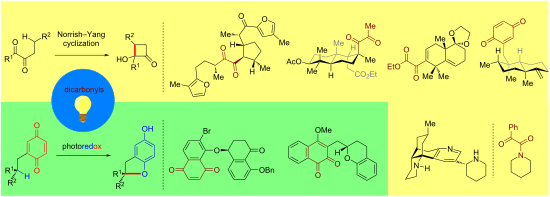
- under catalytic conditions – may lead to novel strategies for C–H functionalization and fragment coupling, ultimately advancing the field of target-oriented synthesis. Combining Norrish–Yang reaction with flow chemistry technology to realize the continuous operation of the reaction can improve the

Graphical Abstract

Scheme 1: a) The mechanism of Norrish type II reaction and Norrish–Yang cyclization; b) The mechanism of the ...

Scheme 2: Total synthesis of (+)-cyclobutastellettolide B.

Scheme 3: Norrish–Yang cyclization and 1,2-methyl migration.

Scheme 4: Synthetic study toward phainanoids.

Scheme 5: a) Mitsunobu reaction of the C9 ketal; b) Norrish–Yang cyclization of the saturated C5–C6; c) calcu...
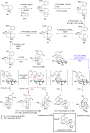
Scheme 6: Total synthesis of avarane-type meroterpenoids.

Scheme 7: Total synthesis of gracilisoid A.
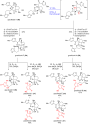
Scheme 8: Divergent total synthesis of gracilisoids B–I.

Scheme 9: Mechanism of the late-stage biomimetic photooxidation.
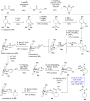
Scheme 10: Asymmetric total synthesis of lycoplatyrine A.

Scheme 11: Photoreaction of pyrrolidine-derived phenyl keto amide.

Scheme 12: Photoredox reactions of naphthoquinones.
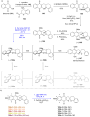
Scheme 13: Synthetic study toward γ-rubromycin.

Scheme 14: Substituent-dependent conformational preferences.
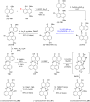
Scheme 15: Total synthesis of preussomerins EG1, EG2, and EG3.
Enantioselective radical chemistry: a bright future ahead
- Anna C. Renner,
- Sagar S. Thorat,
- Hariharaputhiran Subramanian and
- Mukund P. Sibi
Beilstein J. Org. Chem. 2025, 21, 2283–2296, doi:10.3762/bjoc.21.174
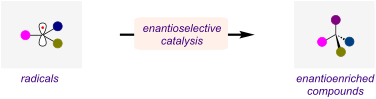
- provides a way to avoid the use of stoichiometric chemical oxidants or reductants and to achieve new transformations that are highly regio- and stereoselective. Though not covered in this perspective, flow chemistry and mechanochemistry are also increasingly popular areas that hold significant potential
- for applications in radical chemistry. Compared with conventional batch synthesis, flow chemistry can improve efficiency and facilitate reaction scale-up [87][88][89][90]. Mechanochemistry allows reactions to be conducted with no solvent or with only a small volume of added liquid, thus providing a

Graphical Abstract

Figure 1: Methods of radical generation (A) and general types of radical reactions (B).

Figure 2: Chiral catalysis in enantioselective radical chemistry [13-37].

Scheme 1: Diastereo- and enantioselective additions of nucleophilic radicals to N-enoyloxazolidinone and pyrr...

Scheme 2: Organocatalyzed formal [3 + 2] cycloadditions affording substituted pyrrolidines.

Scheme 3: Synthesis of a hexacyclic compound via an organocatalyzed enantioselective polyene cyclization.

Scheme 4: Nickel-catalyzed asymmetric cross-coupling reactions.

Scheme 5: Chiral cobalt–porphyrin metalloradical-catalyzed radical cyclization reactions.

Scheme 6: Enantioselective radical chaperone catalysis.

Scheme 7: Enantioselective radical addition by decatungstate/iminium catalysis.

Scheme 8: An ene-reductase-catalyzed photoenzymatic enantioselective radical cyclization/enantioselective HAT...

Scheme 9: Photoenzymatic oxidative C(sp3)–C(sp3) coupling reactions between organoboron compounds and amino a...

Scheme 10: Electrochemical α-alkenylation reactions of 2-acylimidazoles catalyzed by a chiral-at-rhodium Lewis...

Scheme 11: Regio- and enantioselective electrochemical reactions of silyl polyenolates catalyzed by a chiral n...
Stereoselective electrochemical intramolecular imino-pinacol reaction: a straightforward entry to enantiopure piperazines
- Margherita Gazzotti,
- Fabrizio Medici,
- Valerio Chiroli,
- Laura Raimondi,
- Sergio Rossi and
- Maurizio Benaglia
Beilstein J. Org. Chem. 2025, 21, 1897–1908, doi:10.3762/bjoc.21.147
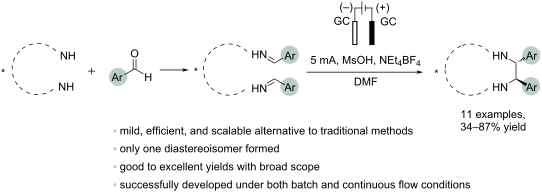
- applications in the preparation of chiral ligands. Keywords: chiral piperazines; electrosynthesis; flow chemistry; green chemistry; imino-pinacol coupling; Introduction Vicinal diamines represent a highly valuable class of compounds that, over the past decades, have found widespread application in natural
- Resilience Plan (NRRP) Mission 4 Component 2 Investment Line 1.5: Strengthening of research structures and creation of R&D “innovation ecosystems”, set up of “territorial leaders in R&D”. M. Benaglia thanks MUR for the project PRIN 2022 ““Flow chemistry, photo and organocatalysis: powerful tools for the

Graphical Abstract

Scheme 1: Synthesis of vicinal diamines via imino-pinacol coupling in the presence of metal-based reductants.

Scheme 2: Light-promoted imino-pinacol coupling for the synthesis of vicinal diamines.
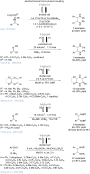
Scheme 3: Historical perspective on electrochemical imino-coupling protocols.

Scheme 4: Stereoselective electroreductive intramolecular imino-pinacol reaction.
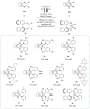
Scheme 5: Scope of the imino-pinacol coupling reaction. Reaction conditions: GC electrodes, NEt4BF4 (2.6 equi...

Figure 1: X-ray determined structure of chiral piperazine 2b.

Scheme 6: Continuous flow synthesis of piperazine 2a. The yield was determined by 1H NMR spectroscopy using 1...

Scheme 7: Proposed reaction mechanism.

Scheme 8: Cyclic voltammetry investigation. Cyclic voltammetry of a 0.325 M solution of Et4NBF4 in DMF (light...
Continuous-flow-enabled intensification in nitration processes: a review of technological developments and practical applications over the past decade
- Feng Zhou,
- Chuansong Duanmu,
- Yanxing Li,
- Jin Li,
- Haiqing Xu,
- Pan Wang and
- Kai Zhu
Beilstein J. Org. Chem. 2025, 21, 1678–1699, doi:10.3762/bjoc.21.132
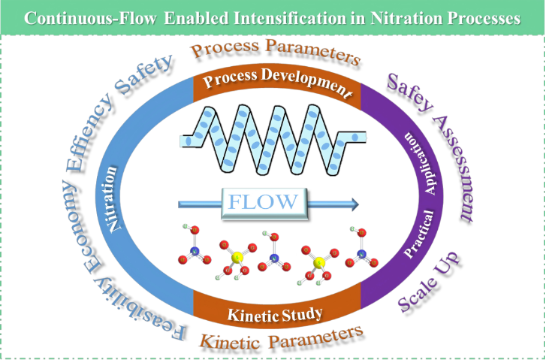
- Industrial & Energy Engineering Group Huanghe Construction Co., Ltd., 7 Yandong Xinlu, Lixia District, Jinan 250000, P. R. China China Construction Industrial & Energy Engineering Group Co., Ltd., Nanjing 210023, P. R. China 10.3762/bjoc.21.132 Abstract Flow chemistry technology has demonstrated significant
- potential in advancing the green transformation of the chemical industry while enhancing inherent process safety. Safety, cost-effectiveness, and operational efficiency serve as pivotal drivers for advancing flow chemistry in nitration processes. This review provides a comprehensive analysis of the
- process [12][13][14][15]. Extensive case studies in the literature reveal that flow chemistry offers notable advantages over traditional batch methods. The intrinsic safety advantage of flow systems stems from the dramatically smaller reaction volume and larger specific surface area compared to batch

Graphical Abstract

Figure 1: Three key dimensions of a complete nitration process.

Figure 2: A typical continuous-flow nitration reaction system.

Figure 3: Corrosion characteristics of common wetted materials used in continuous-flow nitration system. Note...

Figure 4: Analysis of the literature on continuous-flow nitration reaction over the past decade.

Scheme 1: Model reaction for the homogeneous nitration by nitric acid/mixed acid.

Figure 5: Safety assessment criteria for nitration reactions. Notes: apressure-independent; bno hazards arisi...
Figure 6: Guide for the investigation of continuous-flow nitration processes.
Photocatalysis and photochemistry in organic synthesis
- Timothy Noël and
- Bartholomäus Pieber
Beilstein J. Org. Chem. 2025, 21, 1645–1647, doi:10.3762/bjoc.21.128
- , and flow chemistry are being harnessed to push the limits of light-driven reactions [36]. Terada and colleagues show in this thematic issue how flow chemistry is used to significantly improve the yield of a π-Lewis acidic metal-catalyzed cyclization–radical addition sequence [37]. Recently, chemists

Recent advances in synthetic approaches for bioactive cinnamic acid derivatives
- Betty A. Kustiana,
- Galuh Widiyarti and
- Teni Ernawati
Beilstein J. Org. Chem. 2025, 21, 1031–1086, doi:10.3762/bjoc.21.85
- applications in the pharmaceutical industry. In addition, innovative synthetic methodologies, including environmentally sustainable approaches [21][22][23], advanced catalytic systems [24][25][26], photocatalysis [27][28][29], and cutting-edge technologies, such as flow chemistry [30][31], have contributed

Graphical Abstract

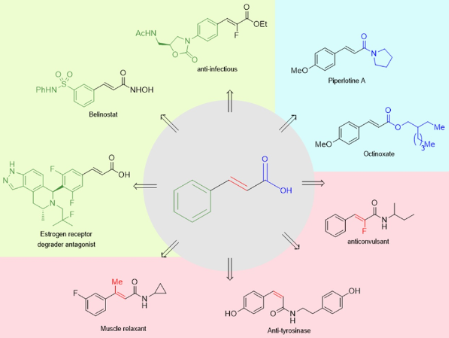
Figure 1: Biologically active cinnamic acid derivatives.
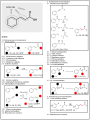
Scheme 1: General synthetic strategies for cinnamic acid derivatizations.

Scheme 2: Cinnamic acid coupling via isobutyl anhydride formation.
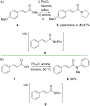
Scheme 3: Amidation reaction via O/N-pivaloyl activation.

Scheme 4: Cinnamic acid amidation using TCCA/PPh3 reagent.
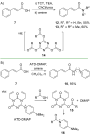
Scheme 5: Cinnamic acid amidation using triazine-based reagents.

Scheme 6: Cinnamic acid amidation using continuous flow mechanochemistry.

Scheme 7: Cinnamic acid amidation using COMU as coupling reagent.
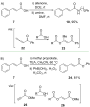
Scheme 8: Cinnamic acid amidation using allenone coupling reagent.

Scheme 9: Cinnamic acid amidation using 4-acetamidophenyl triflimide as reagent.

Scheme 10: Cinnamic acid amidation using methyltrimethoxysilane (MTM).

Scheme 11: Cinnamic acid amidation utilizing amine–borane reagent.

Scheme 12: Cinnamic acid amidation using TCCA/PPh3 reagent.

Scheme 13: Cinnamic acid amidation using PPh3/I2 reagent.

Scheme 14: Cinnamic acid amidation using PCl3 reagent.

Scheme 15: Cinnamic acid amidation utilizing pentafluoropyridine (PFP) as reagent.

Scheme 16: Cinnamic acid amidation using hypervalent iodine(III).

Scheme 17: Mechanochemical amidation using 1,1,2,2-tetrafluoroethyl-N,N-dimethylamine (TFEDMA) reagent.

Scheme 18: Methyl ester preparation using tris(2,4,6-trimethoxyphenyl)phosphine (TMPP).

Scheme 19: N-Trifluoromethyl amide preparation using isothiocyanate and AgF.

Scheme 20: POCl3-mediated amide coupling of carboxylic acid and DMF.
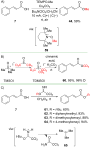
Scheme 21: O-Alkylation of cinnamic acid using alkylating agents.

Scheme 22: Glycoside preparation via Mitsunobu reaction.
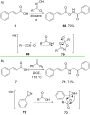
Scheme 23: O/N-Acylation via rearrangement reactions.
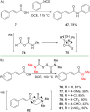
Scheme 24: Amidation reactions using sulfur-based alkylating agents.

Scheme 25: Amidation reaction catalyzed by Pd0 via C–N cleavage.

Scheme 26: Amidation reaction catalyzed by CuCl/PPh3.

Scheme 27: Cu(II) triflate-catalyzed N-difluoroethylimide synthesis.

Scheme 28: Cu/Selectfluor-catalyzed transamidation reaction.

Scheme 29: CuO–CaCO3-catalyzed amidation reaction.

Scheme 30: Ni-catalyzed reductive amidation.
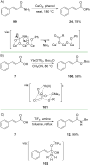
Scheme 31: Lewis acidic transition-metal-catalyzed O/N-acylations.

Scheme 32: Visible-light-promoted amidation of cinnamic acid.

Scheme 33: Sunlight/LED-promoted amidation of cinnamic acid.

Scheme 34: Organophotocatalyst-promoted N–O cleavage of Weinreb amides to synthesize primary amides.

Scheme 35: Cinnamamide synthesis through [Ir] photocatalyst-promoted C–N-bond cleavage of tertiary amines.

Scheme 36: Blue LED-promoted FeCl3-catalyzed reductive transamidation.

Scheme 37: FPyr/TCT-catalyzed amidation of cinnamic acid derivative 121.

Scheme 38: Cs2CO3/DMAP-mediated esterification.

Scheme 39: HBTM organocatalyzed atroposelective N-acylation.

Scheme 40: BH3-catalyzed N-acylation reactions.
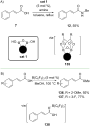
Scheme 41: Borane-catalyzed N-acylation reactions.

Scheme 42: Catalytic N-acylation reactions via H/F bonding activation.

Scheme 43: Brønsted base-catalyzed synthesis of cinnamic acid esters.

Scheme 44: DABCO/Fe3O4-catalyzed N-methyl amidation of cinnamic acid 122.
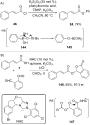
Scheme 45: Catalytic oxidation reactions of acylating agents.

Scheme 46: Preparation of cinnamamide-substituted benzocyclooctene using I(I)/I(III) catalysis.

Scheme 47: Pd-colloids-catalyzed oxidative esterification of cinnamyl alcohol.
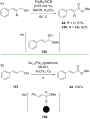
Scheme 48: Graphene-supported Pd/Au alloy-catalyzed oxidative esterification via hemiacetal intermediate.
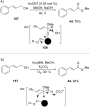
Scheme 49: Au-supported on A) carbon nanotubes (CNT) and B) on porous boron nitride (pBN) as catalyst for the ...

Scheme 50: Cr-based catalyzed oxidative esterification of cinnamyl alcohols with H2O2 as the oxidant.

Scheme 51: Co-based catalysts used for oxidative esterification of cinnamyl alcohol.
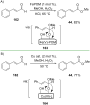
Scheme 52: Iron (A) and copper (B)-catalyzed oxidative esterification of cinnamaldehyde.

Scheme 53: NiHPMA-catalyzed oxidative esterification of cinnamaldehyde.
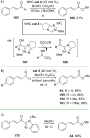
Scheme 54: Synthesis of cinammic acid esters through NHC-catalyzed oxidative esterification via intermolecular...
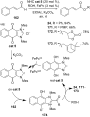
Scheme 55: Redox-active NHC-catalyzed esterification via intramolecular oxidation.

Scheme 56: Electrochemical conversion of cinnamaldehyde to methyl cinnamate.

Scheme 57: Bu4NI/TBHP-catalyzed synthesis of bisamides from cinnamalaldehyde N-tosylhydrazone.

Scheme 58: Zn/NC-950-catalyzed oxidative esterification of ketone 182.

Scheme 59: Ru-catalyzed oxidative carboxylation of terminal alkenes.
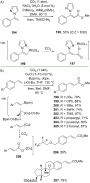
Scheme 60: Direct carboxylation of alkenes using CO2.
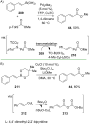
Scheme 61: Carboxylation of alkenylboronic acid/ester.
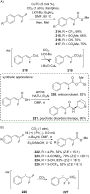
Scheme 62: Carboxylation of gem-difluoroalkenes with CO2.
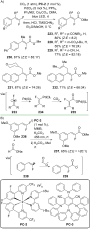
Scheme 63: Photoredox-catalyzed carboxylation of difluoroalkenes.

Scheme 64: Ru-catalyzed carboxylation of alkenyl halide.
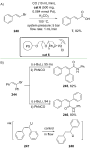
Scheme 65: Carboxylation of alkenyl halides under flow conditions.
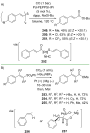
Scheme 66: Cinnamic acid ester syntheses through carboxylation of alkenyl sulfides/sulfones.

Scheme 67: Cinnamic acid derivatives synthesis through a Ag-catalyzed decarboxylative cross-coupling proceedin...
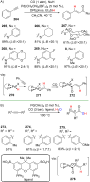
Scheme 68: Pd-catalyzed alkyne hydrocarbonylation.

Scheme 69: Fe-catalyzed alkyne hydrocarbonylation.
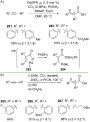
Scheme 70: Alkyne hydrocarboxylation using CO2.
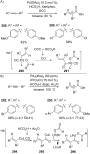
Scheme 71: Alkyne hydrocarboxylation using HCO2H as CO surrogate.

Scheme 72: Co/AlMe3-catalyzed alkyne hydrocarboxylation using DMF.
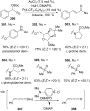
Scheme 73: Au-catalyzed oxidation of Au–allenylidenes.
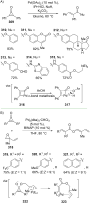
Scheme 74: Pd-catalyzed C–C-bond activation of cyclopropenones to synthesize unsaturated esters and amides.
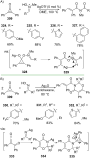
Scheme 75: Ag-catalyzed C–C-bond activation of diphenylcyclopropenone.
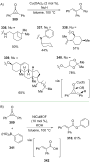
Scheme 76: Cu-catalyzed C–C bond activation of diphenylcyclopropenone.
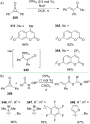
Scheme 77: PPh3-catalyzed C–C-bond activation of diphenylcyclopropenone.
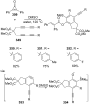
Scheme 78: Catalyst-free C–C-bond activation of diphenylcyclopropenone.
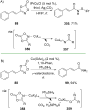
Scheme 79: Cu-catalyzed dioxolane cleavage.
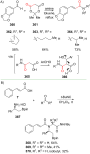
Scheme 80: Multicomponent coupling reactions.
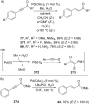
Scheme 81: Pd-catalyzed partial hydrogenation of electrophilic alkynes.

Scheme 82: Nickel and cobalt as earth-abundant transition metals used as catalysts for the partial hydrogenati...
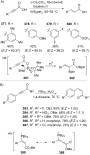
Scheme 83: Metal-free-catalyzed partial hydrogenation of conjugated alkynes.

Scheme 84: Horner–Wadsworth–Emmons reaction between triethyl 2-fluoro-2-phosphonoacetate and aldehydes with ei...
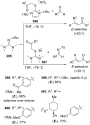
Scheme 85: Preparation of E/Z-cinnamates using thiouronium ylides.
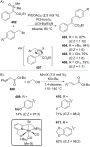
Scheme 86: Transition-metal-catalyzed ylide reactions.
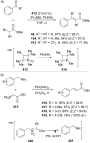
Scheme 87: Redox-driven ylide reactions.
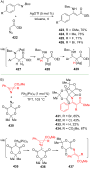
Scheme 88: Noble transition-metal-catalyzed olefination via carbenoid species.

Scheme 89: TrBF4-catalyzed olefination via carbene species.

Scheme 90: Grubbs catalyst (cat 7)/photocatalyst-mediated metathesis reactions.

Scheme 91: Elemental I2-catalyzed carbonyl-olefin metathesis.

Scheme 92: Cu-photocatalyzed E-to-Z isomerization of cinnamic acid derivatives.

Scheme 93: Ni-catalyzed E-to-Z isomerization.

Scheme 94: Dehydration of β-hydroxy esters via an E1cB mechanism to access (E)-cinnamic acid esters.

Scheme 95: Domino ring-opening reaction induced by a base.
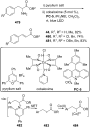
Scheme 96: Dehydroamination of α-aminoester derivatives.

Scheme 97: Accessing methyl cinnamate (44) via metal-free deamination or decarboxylation.

Scheme 98: The core–shell magnetic nanosupport-catalyzed condensation reaction.
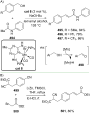
Scheme 99: Accessing cinnamic acid derivatives from acetic acid esters/amides through α-olefination.
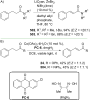
Scheme 100: Accessing cinnamic acid derivatives via acceptorless α,β-dehydrogenation.

Scheme 101: Cu-catalyzed formal [3 + 2] cycloaddition.
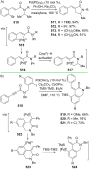
Scheme 102: Pd-catalyzed C–C bond formation via 1,4-Pd-shift.
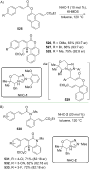
Scheme 103: NHC-catalyzed Rauhut–Currier reactions.
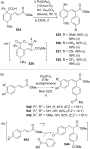
Scheme 104: Heck-type reaction for Cα arylation.

Scheme 105: Cu-catalyzed trifluoromethylation of cinnamamide.
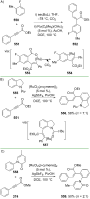
Scheme 106: Ru-catalyzed alkenylation of arenes using directing groups.
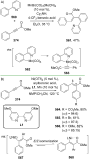
Scheme 107: Earth-abundant transition-metal-catalyzed hydroarylation of α,β-alkynyl ester 374.
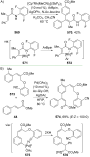
Scheme 108: Precious transition-metal-catalyzed β-arylation of cinnamic acid amide/ester.

Scheme 109: Pd-catalyzed β-amination of cinnamamide.

Scheme 110: S8-mediated β-amination of methyl cinnamate (44).

Scheme 111: Pd-catalyzed cross-coupling reaction of alkynyl esters with phenylsilanes.
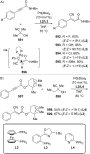
Scheme 112: Pd-catalyzed β-cyanation of alkynyl amide/ester.
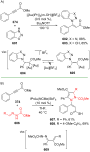
Scheme 113: Au-catalyzed β-amination of alkynyl ester 374.
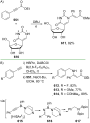
Scheme 114: Metal-free-catalyzed Cβ-functionalizations of alkynyl esters.
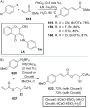
Scheme 115: Heck-type reactions.
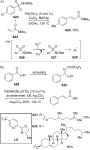
Scheme 116: Mizoroki–Heck coupling reactions using unconventional functionalized arenes.
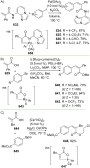
Scheme 117: Functional group-directed Mizoroki–Heck coupling reactions.
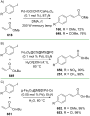
Scheme 118: Pd nanoparticles-catalyzed Mizoroki–Heck coupling reactions.
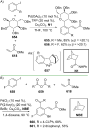
Scheme 119: Catellani-type reactions to access methyl cinnamate with multifunctionalized arene.
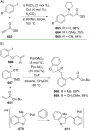
Scheme 120: Multicomponent coupling reactions.

Scheme 121: Single atom Pt-catalyzed Heck coupling reaction.
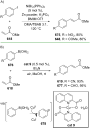
Scheme 122: Earth-abundant transition metal-catalyzed Heck coupling reactions.
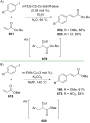
Scheme 123: Polymer-coated earth-abundant transition metals-catalyzed Heck coupling reactions.

Scheme 124: Earth-abundant transition-metal-based nanoparticles as catalysts for Heck coupling reactions.
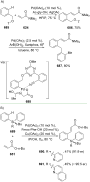
Scheme 125: CN- and Si-based directing groups to access o-selective cinnamic acid derivatives.
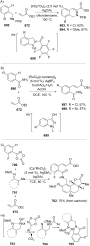
Scheme 126: Amide-based directing group to access o-selective cinnamic acid derivatives.
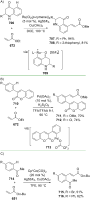
Scheme 127: Carbonyl-based directing group to access o-selective cinnamic acid derivatives.
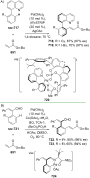
Scheme 128: Stereoselective preparation of atropisomers via o-selective C(sp2)–H functionalization.
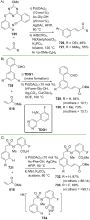
Scheme 129: meta-Selective C(sp2)–H functionalization using directing group-tethered arenes.

Scheme 130: para-Selective C(sp2)–H functionalization using directing group-tethered arenes.

Scheme 131: Non-directed C(sp2)–H functionalization via electrooxidative Fujiwara–Moritani reaction.
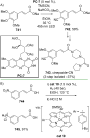
Scheme 132: Interconversion of functional groups attached to cinnamic acid.

Scheme 133: meta-Selective C(sp2)–H functionalization of cinnamate ester.

Scheme 134: C(sp2)–F arylation using Grignard reagents.

Scheme 135: Truce–Smiles rearrangement of N-aryl metacrylamides.

Scheme 136: Phosphine-catalyzed cyclization of γ-vinyl allenoate with enamino esters.
Photomechanochemistry: harnessing mechanical forces to enhance photochemical reactions
- Francesco Mele,
- Ana M. Constantin,
- Andrea Porcheddu,
- Raimondo Maggi,
- Giovanni Maestri,
- Nicola Della Ca’ and
- Luca Capaldo
Beilstein J. Org. Chem. 2025, 21, 458–472, doi:10.3762/bjoc.21.33
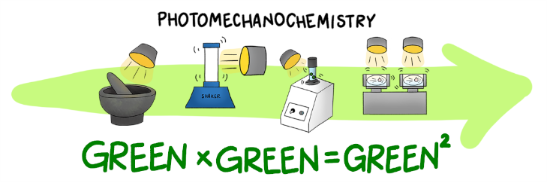
- hydrogen-atom transfer or solvolysis are often observed. A technological solution to cope with the Beer–Lambert law was offered by flow chemistry [19][20][21] by employing microreactors with reduced optical paths to enhance irradiation efficiency [22][23][24]. Photon-limited reactions, whose efficiency is
- primarily constrained by the availability of photons in the reaction mixture, particularly benefit from this approach. Paradoxically, flow chemistry is a convenient technology to increase the productivity of photochemical reactions via numbering-up and sizing-up approaches [25], but it is highly dependent

Graphical Abstract

Figure 1: The Grotthuss–Draper, Einstein–Stark, and Beer–Lambert laws. T: transmittance; ε: molar attenuation...

Figure 2: The benefits of merging photochemistry with mechanochemical setups (top). Most common setups for ph...

Scheme 1: Mechanochemically triggered pedal-like motion in solid-state [2 + 2] photochemical cycloaddition fo...
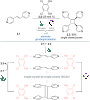
Scheme 2: Mechanically promoted [2 + 2] photodimerization of trans-1,2-bis(4-pyridyl)ethylene (2.1) via supra...

Scheme 3: Photo-thermo-mechanosynthesis of quinolines [65].

Scheme 4: Study of the mechanically assisted [2 + 2] photodimerization of chalcone [66].

Scheme 5: Liquid-assisted vortex grinding (LAVG) for the synthesis of [2.2]paracyclophane [68].

Scheme 6: Photomechanochemical approach for the riboflavin tetraacetate-catalyzed photocatalytic oxidation of...

Scheme 7: Photomechanochemical oxidation of 1,2-diphenylethyne to benzil. The photo in Scheme 7 was republished with ...

Scheme 8: Photomechanochemical borylation of aryldiazonium salts. The photo in Scheme 8 was reproduced from [72] (© 2017 ...

Scheme 9: Photomechanochemical control over stereoselectivity in the [2 + 2] dimerization of acenaphthylene. ...

Scheme 10: Photomechanochemical synthesis of polyaromatic compounds using UV light. The photo in Scheme 10 was reproduc...

Scheme 11: Mechanically assisted photocatalytic reactions: A) atom-transfer-radical addition, B) pinacol coupl...

Scheme 12: Use of mechanoluminescent materials as photon sources for photomechanochemistry. SAOED: SrAl2O4:Eu2+...

Figure 3: SWOT (strengths, weaknesses, opportunities, threats) analysis of photomechanochemistry.
Emerging trends in the optimization of organic synthesis through high-throughput tools and machine learning
- Pablo Quijano Velasco,
- Kedar Hippalgaonkar and
- Balamurugan Ramalingam
Beilstein J. Org. Chem. 2025, 21, 10–38, doi:10.3762/bjoc.21.3
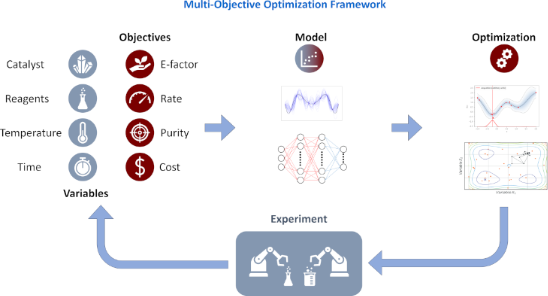
- system comprised of a flow chemistry synthesis platform, a reagent delivery system, a packed bed reactor, process-analytical tools, and an integrated software control system that automates end-to-end process operations and monitoring. The system has been used to demonstrate the synthesis of at least ten

Graphical Abstract

Figure 1: A high-level representation of the workflow and framework used for the optimization of organic reac...

Figure 2: (a) Photograph showing a Chemspeed HTE platform using 96-well reaction blocks. (b) Mobile robot equ...

Figure 3: (a) Description of a slug flow platform developed using segments of gas as separation medium for hi...

Figure 4: Schematic representation (a) and photograph (b) of the flow parallel synthesizer intelligently desi...

Figure 5: (a) Schematic representation of an ASFR for obtaining an optimal solution with minimal human interv...

Figure 6: (a) A modular flow platform developed for a wider variety of chemical syntheses. (b) Various catego...

Figure 7: Implementation of four complementary PATs into the optimization process of a three-step synthesis.

Figure 8: Overlay of several Raman spectra of a single condition featuring the styrene vinyl region (a) and t...

Figure 9: (a) Schematic description of the process of chemical reaction optimization through ML methods. (b) ...

Figure 10: (a) Comparison between a standard GP (single-task) and a multitask GP. Training an auxiliary task u...

Figure 11: Comparison of the reaction yield between optimizations campaign where the catalyst ligand selection...
Giese-type alkylation of dehydroalanine derivatives via silane-mediated alkyl bromide activation
- Perry van der Heide,
- Michele Retini,
- Fabiola Fanini,
- Giovanni Piersanti,
- Francesco Secci,
- Daniele Mazzarella,
- Timothy Noël and
- Alberto Luridiana
Beilstein J. Org. Chem. 2024, 20, 3274–3280, doi:10.3762/bjoc.20.271
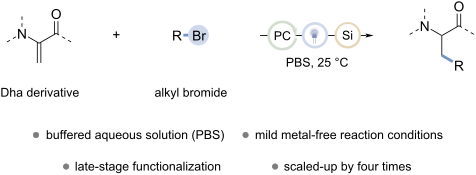
- Perry van der Heide Michele Retini Fabiola Fanini Giovanni Piersanti Francesco Secci Daniele Mazzarella Timothy Noel Alberto Luridiana Department of Chemical and Geological Sciences, University of Cagliari, S.S. 554, bivio per Sestu, 09042 Monserrato (CA), Italy Flow Chemistry Group, Van ’t Hoff

Graphical Abstract

Figure 1: Giese reaction: Radical addition on olefins with an electron-withdrawing group (EWG) followed by a ...
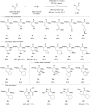
Figure 2: Alkyl bromide and Dha derivative scope. Reaction conditions: Dha derivative (0.5 mmol), alkyl bromi...

Figure 3: Scaled-up reaction. Reaction conditions: Dha derivative (2.2 mmol), alkyl bromide (5.4 mmol), tris(...
A review of recent advances in electrochemical and photoelectrochemical late-stage functionalization classified by anodic oxidation, cathodic reduction, and paired electrolysis
- Nian Li,
- Ruzal Sitdikov,
- Ajit Prabhakar Kale,
- Joost Steverlynck,
- Bo Li and
- Magnus Rueping
Beilstein J. Org. Chem. 2024, 20, 2500–2566, doi:10.3762/bjoc.20.214
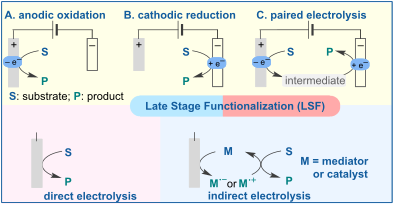
- of ¹³¹I-labeled compounds. For example, the late-stage iodoamination of cytisine, amoxapine, and fluoxetine hydrochloride was achieved with yields of 65%, 87%, and 73%, respectively. Additionally, this transformation was successful for gram-scale synthesis via batch and flow chemistry, indicating
- C–H hydroxylation process by combining continuous flow chemistry and electrochemistry (Scheme 8) [16]. The surface modification of electrodes can lead to improved reactivity and selectivity. In this regard, Li and coworkers developed electron-deficient W2C nanocrystal-based electrodes to enhance the
- oxygenation of C–H bonds, thus providing a valuable tool for the functionalization of complex molecules. A combined photoelectrochemical transformation with flow chemistry was developed by the Noël group. The flow electrophotocatalysis (f-EPC) system using FeCl3 as photocatalyst accelerates the C(sp3)–H

Graphical Abstract

Figure 1: Classification of LSF reactions in this review.

Scheme 1: C(sp2)–H trifluoromethylation of heteroarenes.
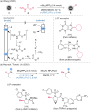
Scheme 2: C(sp2)–H and C(sp3)–H alkylation of complex molecules.

Scheme 3: Electrochemical oxidation-induced intermolecular aromatic C–H sulfonamidation.

Scheme 4: Bioconjugation of tyrosine with (a) phenothiazine and (b) urazole derivatives.

Scheme 5: Electrochemical iodoamination of indoles using unactivated amines.

Scheme 6: Allylic C(sp3)–H aminations with sulfonamides.

Scheme 7: Electrochemical benzylic oxidation of C–H bonds.
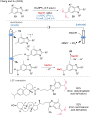
Scheme 8: Site-selective electrooxidation of methylarenes to aromatic acetals.

Scheme 9: Electrochemical activation of C–H by electron-deficient W2C nanocrystals.
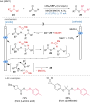
Scheme 10: α-Acyloxy sulfide preparation via C–H/OH cross-dehydrogenative coupling.
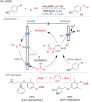
Scheme 11: Aromatic C–H-bond thiolation.

Scheme 12: C(sp2)–H functionalization for the installation of sulfonamide groups.

Scheme 13: Preparation of (hetero)aryl chlorides and vinyl chloride with 1,2-dichloroethane. aCu(OAc)2 (0.05 e...

Scheme 14: Electrochemical dual-oxidation enables access to α-chlorosulfoxides.

Scheme 15: Regio- and chemoselective formyloxylation–bromination/chlorination/trifluoromethylation of alkenes.

Scheme 16: Aziridine formation by coupling amines and alkenes.

Scheme 17: Formation of iminosulfide ethers via difunctionalization of an isocyanide.

Scheme 18: Synthesis of 1,3-difunctionalized molecules via C–C-bond cleavage of arylcyclopropane.

Scheme 19: Electrooxidative amino- and oxyselenation of alkenes. VBImBr = 1-butyl-3-vinylimidazolium bromide.

Scheme 20: Electrooxidative dehydrogenative [4 + 2] annulation of indole derivatives.
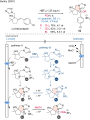
Scheme 21: Electrochemical cyclization combined with alkoxylation of triticonazole.

Scheme 22: Electrochemically tuned oxidative [4 + 2] annulation of olefins with hydroxamic acids.

Scheme 23: Electrosynthesis of indole derivatives via cyclization of 2-ethynylanilines.

Scheme 24: Allylic C–H oxidation of mono-, di-, and sesquiterpenes.

Scheme 25: Oxidation of unactivated C–H bonds.

Scheme 26: Fluorination of C(sp3)–H bonds. rAP = rapid alternating polarity.

Scheme 27: C(sp3)–H α-cyanation of secondary piperidines.
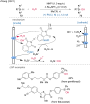
Scheme 28: Selective electrochemical hydrolysis of hydrosilanes to silanols.
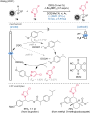
Scheme 29: Organocatalytic electrochemical amination of benzylic C–H bonds.
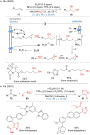
Scheme 30: Iodide ion-initiated anodic oxidation reactions.

Scheme 31: Mn(III/IV) electro-catalyzed C(sp3)–H azidation.
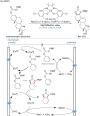
Scheme 32: Tailored cobalt–salen complexes enable electrocatalytic intramolecular allylic C–H functionalizatio...

Scheme 33: Cobalt–salen complexes-induced electrochemical (cyclo)additions.

Scheme 34: Electrochemical 1,2-diarylation of alkenes enabled by direct dual C–H functionalization of electron...

Scheme 35: Cobalt-electrocatalyzed atroposelective C–H annulation.

Scheme 36: Nickel-electrocatalyzed C(sp2)–H alkoxylation with secondary alcohols.

Scheme 37: Nickel-catalyzed electrochemical enantioselective amination.
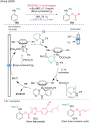
Scheme 38: Ruthenium-electrocatalyzed C(sp2)–H mono- and diacetoxylation.
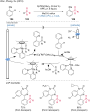
Scheme 39: Rhodium(III)-catalyzed aryl-C–H phosphorylation enabled by anodic oxidation-induced reductive elimi...

Scheme 40: Asymmetric Lewis-acid catalysis for the synthesis of non-racemic 1,4-dicarbonyl compounds.

Scheme 41: Electrochemical enantioselective C(sp3)–H alkenylation.

Scheme 42: Palladium-catalyzed electrochemical dehydrogenative cross-coupling.
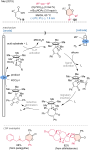
Scheme 43: Ir-electrocatalyzed vinylic C(sp2)–H activation for the annulation between acrylic acids and alkyne...

Scheme 44: Electrochemical gold-catalyzed C(sp3)–C(sp) coupling of alkynes and arylhydrazines.

Scheme 45: Photoelectrochemical alkylation of C–H heteroarenes using organotrifluoroborates.

Scheme 46: Mn-catalyzed photoelectro C(sp3)–H azidation.

Scheme 47: Photoelectrochemical undirected C–H trifluoromethylations of (Het)arenes.

Scheme 48: Photoelectrochemical dehydrogenative cross-coupling of heteroarenes with aliphatic C–H bonds.
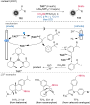
Scheme 49: C–H amination via photoelectrochemical Ritter-type reaction.

Scheme 50: Photoelectrochemical multiple oxygenation of C–H bonds.

Scheme 51: Accelerated C(sp3)–H heteroarylations by the f-EPC system.

Scheme 52: Photoelectrochemical cross-coupling of amines.

Scheme 53: Birch electroreduction of arenes. GSW = galvanized steel wire.

Scheme 54: Electroreductive deuterations.

Scheme 55: Chemoselective electrosynthesis using rapid alternating polarity.

Scheme 56: Electroreductive olefin–ketone coupling.

Scheme 57: Electroreductive approach to radical silylation.

Scheme 58: Electrochemical borylation of alkyl halides. CC = carbon close.

Scheme 59: Radical fluoroalkylation of alkenes.
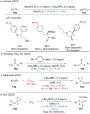
Scheme 60: Electrochemical defluorinative hydrogenation/carboxylation.

Scheme 61: Electrochemical decarboxylative olefination.

Scheme 62: Electrochemical decarboxylative Nozaki–Hiyama–Kishi coupling.
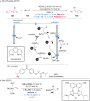
Scheme 63: Nickel-catalyzed electrochemical reductive relay cross-coupling.

Scheme 64: Electrochemical chemo- and regioselective difunctionalization of 1,3-enynes.

Scheme 65: Electrocatalytic doubly decarboxylative crosscoupling.

Scheme 66: Electrocatalytic decarboxylative crosscoupling with aryl halides.

Scheme 67: Nickel-catalyzed electrochemical reductive coupling of halides.

Scheme 68: Nickel-electrocatalyzed enantioselective carboxylation with CO2.

Scheme 69: Reductive electrophotocatalysis for borylation.
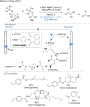
Scheme 70: Electromediated photoredox catalysis for selective C(sp3)–O cleavages of phosphinated alcohols to c...

Scheme 71: Stereoselective electro-2-deoxyglycosylation from glycals. MFE = methyl nonafluorobutyl ether.

Scheme 72: Electrochemical peptide modifications.

Scheme 73: Electrochemical α-deuteration of amides.

Scheme 74: Electrochemical synthesis of gem-diselenides.

Scheme 75: Site-selective electrochemical aromatic C–H amination.

Scheme 76: Electrochemical coupling of heteroarenes with heteroaryl phosphonium salts.
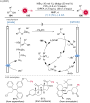
Scheme 77: Redox-neutral strategy for the dehydroxyarylation reaction.
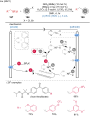
Scheme 78: Nickel-catalyzed electrochemical C(sp3)–C(sp2) cross-coupling of benzyl trifluoroborate and halides....
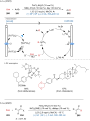
Scheme 79: Paired electrocatalysis for C(sp3)–C(sp2) coupling.

Scheme 80: Redox-neutral strategy for amination of aryl bromides.

Scheme 81: Redox-neutral cross-coupling of aryl halides with weak N-nucleophiles. aProtocol with (+) RVC | RVC...

Scheme 82: Nickel-catalyzed N-arylation of NH-sulfoximines with aryl halides.

Scheme 83: Esterification of carboxylic acids with aryl halides.

Scheme 84: Electrochemically promoted nickel-catalyzed carbon–sulfur-bond formation. GFE = graphite felt elect...

Scheme 85: Electrochemical deoxygenative thiolation by Ni-catalysis. GFE = graphite felt electrode; NFE = nick...
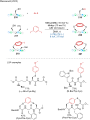
Scheme 86: Electrochemical coupling of peptides with aryl halides.

Scheme 87: Paired electrolysis for the phosphorylation of aryl halides. GFE = graphite felt electrode, FNE = f...

Scheme 88: Redox-neutral alkoxyhalogenation of alkenes.
Visible-light-mediated flow protocol for Achmatowicz rearrangement
- Joachyutharayalu Oja,
- Sanjeev Kumar and
- Srihari Pabbaraja
Beilstein J. Org. Chem. 2024, 20, 2493–2499, doi:10.3762/bjoc.20.213
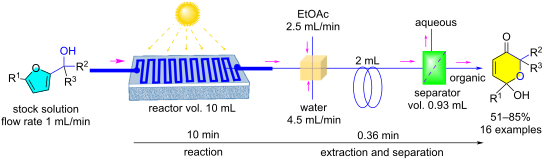
- platform developed with an integrated system enabling a downstream process in a time and labor-efficient manner which facilitates the Achmatowicz rearrangement, resulting in a fast (10 min) formation of the dihydropyranone products. Keywords: Achmatowicz reaction; flow chemistry; furfuryl alcohols
- a result, developing an alternative strategy would be an attractive solution to address the limitations described above. Flow chemistry was chosen as the most attractive alternative for the photo-induced (visible light) Achmatowicz rearrangement to convert furfuryl alcohol scaffolds into

Graphical Abstract
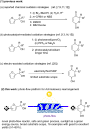
Scheme 1: Strategies for Achmatowicz rearrangement.
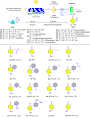
Figure 1: Scope of the integrated continuous photo-flow (visible light)-induced Achmatowicz rearrangement rea...

Figure 2: Proposed mechanism for the photochemically induced Achmatowicz rearrangement.
Catalysing (organo-)catalysis: Trends in the application of machine learning to enantioselective organocatalysis
- Stefan P. Schmid,
- Leon Schlosser,
- Frank Glorius and
- Kjell Jorner
Beilstein J. Org. Chem. 2024, 20, 2280–2304, doi:10.3762/bjoc.20.196

Graphical Abstract

Figure 1: Schematic depiction of available data sources for predictive modelling, each with its advantages an...
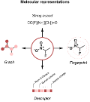
Figure 2: Schematic depiction of different kinds of molecular representations for fluoronitroethane. Among th...

Figure 3: Depiction of the energy diagram of a generic enantioselective reaction. In the centre, catalyst and...

Figure 4: Hammett parameters are derived from the equilibrium constant of substituted benzoic acids (example ...

Figure 5: Selected examples of popular descriptors applied to model organocatalytic reactions. Descriptors en...

Figure 6: Example bromocyclization reaction from Toste and co-workers using a DABCOnium catalyst system and C...

Figure 7: Example from Neel et al. using a chiral ion pair catalyst for the selective fluorination of allylic...

Figure 8: Data set created by Denmark and co-workers for the CPA-catalysed thiol addition to N-acylimines [67]. T...

Figure 9: Selected examples of ML developments that used the dataset from Denmark and co-workers [67]. (A) Varnek...

Figure 10: Study from Reid and Sigman developing statistical models for CPA-catalysed nucleophilic addition re...

Figure 11: Selected examples of studies where mechanistic transferability was exploited to model multiple reac...

Figure 12: Generality approach by Denmark and co-workers [132] for the iodination of arylpyridines. From the releva...

Figure 13: Betinol et al. [133] clustered the relevant chemical space and then evaluated the average ee for every c...

Figure 14: Corminboeuf and co-workers [134] chose a representative subset of the reaction space (indicated by dark ...

Figure 15: Example for data-driven modelling to improve substrate and catalyst design. (A) C–N coupling cataly...

Figure 16: Example for utilising a genetic algorithm for catalyst design. (A) Morita–Baylis–Hillman reaction s...

Figure 17: Organocatalysed synthesis of spirooxindole analogues by Kondo et al. [171] (A) Reaction scheme of dienon...

Figure 18: Schematic depiction of required developments in order to overcome current limitations of ML for org...
Factors influencing the performance of organocatalysts immobilised on solid supports: A review
- Zsuzsanna Fehér,
- Dóra Richter,
- Gyula Dargó and
- József Kupai
Beilstein J. Org. Chem. 2024, 20, 2129–2142, doi:10.3762/bjoc.20.183
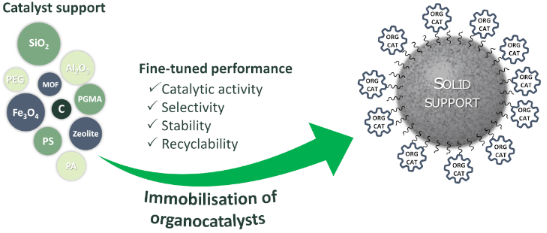
- . Additionally, the selection of the appropriate solvent is critical. To mitigate diffusion limitation, it is important to ensure appropriate mixing and flow characteristics and adequate concentration of reactants and catalytic units. Flow chemistry can be easily combined with solid-supported organocatalysis

Graphical Abstract

Scheme 1: Esterification of oleic acid (1) with propylsulfonic acid (Pr-SO3H)-functionalised mesoporous silic...

Scheme 2: Using confinement of organocatalytic units for improving the enantioselectivity of silica-supported...

Scheme 3: Michael addition catalysed by cinchona thiourea immobilised on magnetic nanoparticles (13).

Scheme 4: Michael addition catalysed by cinchona thiourea in the presence of magnetic nanoparticles.

Scheme 5: Benzoin condensation catalysed by N-benzylthiazolium salt attached to mesoporous material.

Scheme 6: Photoinduced RAFT polymerisation of n-butyl acrylate (19) catalysed by silica nanoparticle-supporte...

Scheme 7: Pressure and temperature dependence of the 1,4-addition of propanal to trans-β-nitrostyrene under c...

Scheme 8: α-Amination of ethyl 2-oxocyclopentanecarboxylate catalysed by PS-THU which could be recycled over ...

Scheme 9: Preparation of supported catalysts C29–C31 from cinchona squaramides 29–31 modified with a primary ...

Scheme 10: Application of PGMA-supported organocatalysts C29–C31 in the asymmetric Michael addition of pentane...

Scheme 11: Alcoholytic desymmetrisation of a cyclic anhydride 34 catalysed by polyamide-supported cinchona sul...
Development of a flow photochemical process for a π-Lewis acidic metal-catalyzed cyclization/radical addition sequence: in situ-generated 2-benzopyrylium as photoredox catalyst and reactive intermediate
- Masahiro Terada,
- Zen Iwasaki,
- Ryohei Yazaki,
- Shigenobu Umemiya and
- Jun Kikuchi
Beilstein J. Org. Chem. 2024, 20, 1973–1980, doi:10.3762/bjoc.20.173
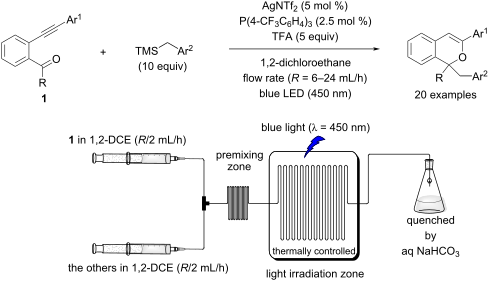
- benzyltrimethylsilane derivatives as the donor molecule in the flow photoreactor to provide 1H-isochromene derivatives in higher yields in most cases than the batch reaction system. Keywords: 2-benzopyrylium; flow chemistry; isocromene; photochemical reaction; π-Lewis acidic metal; Introduction Flow chemistry has

Graphical Abstract
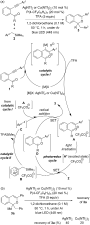
Scheme 1: (a) Sequential π-Lewis acidic metal-catalyzed cyclization/photochemical radical addition for the fo...

Scheme 2: The reaction with benzyltrimethylsilane derivatives 2. aFlow rate was 6 mL/h and premixing zone was...
Negishi-coupling-enabled synthesis of α-heteroaryl-α-amino acid building blocks for DNA-encoded chemical library applications
- Matteo Gasparetto,
- Balázs Fődi and
- Gellért Sipos
Beilstein J. Org. Chem. 2024, 20, 1922–1932, doi:10.3762/bjoc.20.168
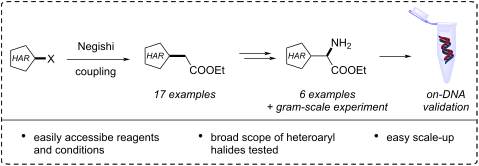
- ; flow chemistry; Negishi; on-DNA chemistry; Introduction DNA-encoded chemical library (DEL) technology is a powerful tool for hit identification [1][2]. DELs are chemically synthesized libraries in which every member is covalently attached to a unique DNA sequence serving as a molecular “barcode” [3
- with the Negishi cross-coupling step in a continuous flow manner [41][42][43]. Continuous flow chemistry offers superior control over reaction parameters compared to traditional batch methods. This approach leads to reproducible reactions, improved safety features, and it can facilitate high-throughput
- screening and rapid optimization [46][47]. Homogenous heating and mixing in flow reactors can lead to higher reaction rates and yields. In terms of photochemistry, continuous flow setups provide enhanced light irradiation as well [48][49]. These advantages make flow chemistry a powerful tool for chemical

Graphical Abstract

Scheme 1: Known and improved synthetic strategies to access α-(hetero)aryl-amino acids.

Scheme 2: Reformatsky reagent production.
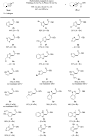
Scheme 3: Scope of ethyl heteroarylacetates. Isolated yields are given. *Dark reactions were carried out for ...

Scheme 4: Telescoped flow synthesis of heteroarylacetates.

Scheme 5: Potential routes for the preparation of oximes.

Scheme 6: Oxime group insertion step.

Scheme 7: Amino ester production: general scheme, scope and gram scale experiment. The numbers in brackets re...

Scheme 8: Reactions scheme and results for the on-DNA experiments. The reported values represent the normaliz...
The Groebke–Blackburn–Bienaymé reaction in its maturity: innovation and improvements since its 21st birthday (2019–2023)
- Cristina Martini,
- Muhammad Idham Darussalam Mardjan and
- Andrea Basso
Beilstein J. Org. Chem. 2024, 20, 1839–1879, doi:10.3762/bjoc.20.162
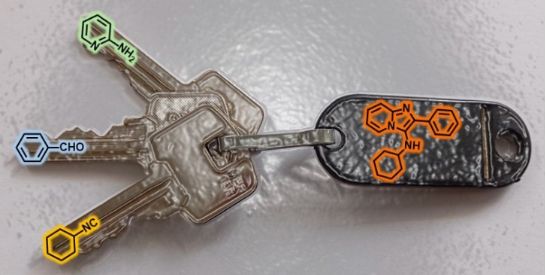

Graphical Abstract

Scheme 1: Mechanism of the GBB reaction.

Scheme 2: Comparison of the performance of Sc(OTf)3 with some RE(OTf)3 in a model GBB reaction. Conditions: a...

Scheme 3: Comparison of the performance of various Brønsted acid catalysts in the synthesis of GBB adduct 6. ...

Scheme 4: Synthesis of Brønsted acidic ionic liquid catalyst 7. Conditions: a) neat, 60 °C, 24 h; b) TfOH, DC...

Scheme 5: Aryliodonium derivatives as organic catalysts in the GBB reaction. In the box the proposed binding ...

Scheme 6: DNA-encoded GBB reaction in micelles made of amphiphilic polymer 13. Conditions: a) 13 (50 equiv), ...

Scheme 7: GBB reaction catalyzed by cyclodextrin derivative 14. Conditions: a) 14 (1 mol %), water, 100 °C, 4...

Scheme 8: Proposed mode of activation of CALB. a) activation of the substrates; b) activation of the imine; c...

Scheme 9: One-pot GBB reaction–Suzuki coupling with a bifunctional hybrid biocatalyst. Conditions: a) Pd(0)-C...

Scheme 10: GBB reaction employing 5-HMF (23) as carbonyl component. Conditions: a) TFA (20 mol %), EtOH, 60 °C...

Scheme 11: GBB reaction with β-C-glucopyranosyl aldehyde 26. Conditions: a) InCl3 (20 mol %), MeOH, 70 °C, 2–3...

Scheme 12: GBB reaction with diacetylated 5-formyldeoxyuridine 29, followed by deacetylation of GBB adduct 30....

Scheme 13: GBB reaction with glycal aldehydes 32. Conditions: a) HFIP, 25 °C, 2–4 h.

Scheme 14: Vilsmeier–Haack formylation of 6-β-acetoxyvouacapane (34) and subsequent GBB reaction. Conditions: ...

Scheme 15: GBB reaction of 4-formlyl-PCP 37. Conditions: a) HOAc or HClO4, MeOH/DCM (2:3), rt, 3 d.

Scheme 16: GBB reaction with HexT-aldehyde 39. Conditions: a) 39 (20 nmol) and amidine (20 μmol), MeOH, rt, 6 ...

Scheme 17: GBB reaction of 2,4-diaminopirimidine 41. Conditions: a) Sc(OTf)3 (20 mol %), MeCN, 120 °C (MW), 1 ...

Scheme 18: Synthesis of N-edited guanine derivatives from 3,6-diamine-1,2,4-triazin-5-one 44. Conditions: a) S...

Scheme 19: Synthesis of 2-aminoimidazoles 49 by a Mannich-3CR followed by a one-pot intramolecular oxidative a...

Scheme 20: On DNA Suzuki–Miyaura reaction followed by GBB reaction. Conditions: a) CsOH, sSPhos-Pd-G2; b) AcOH...

Scheme 21: One-pot cascade synthesis of 5-iminoimidazoles. Conditions: a) Na2SO4, DMF, 220 °C (MW).

Scheme 22: GBB reaction of 5-amino-1H-imidazole-4-carbonile 57. Conditions: a) HClO4 (5 mol %), MeOH, rt, 24 h....

Scheme 23: One-pot cascade synthesis of indole-imidazo[1,2,a]pyridine hybrids. In blue the structural motif in...

Scheme 24: One-pot cascade synthesis of fused polycyclic indoles 67 or 69 from indole-3-carbaldehyde. Conditio...

Scheme 25: One-pot cascade synthesis of linked- and bridged polycyclic indoles from indole-2-carbaldehyde (70)...

Scheme 26: One-pot cascade synthesis of pentacyclic dihydroisoquinolines (X = N or CH). In blue the structural...

Scheme 27: One-pot stepwise synthesis of imidazopyridine-fused benzodiazepines 85. Conditions: a) p-TsOH (20 m...

Scheme 28: One-pot stepwise synthesis of benzoxazepinium-fused imidazothiazoles 89. Conditions: a) Yb(OTf)3 (2...

Scheme 29: One-pot stepwise synthesis of fused imidazo[4,5,b]pyridines 95. Conditions: a) HClO4, MeOH, rt, ove...

Scheme 30: Synthesis of heterocyclic polymers via the GBB reaction. Conditions: a) p-TsOH, EtOH, 70 °C, 24 h.
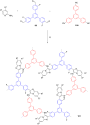
Scheme 31: One-pot multicomponent reaction towards the synthesis of covalent organic frameworks via the GBB re...
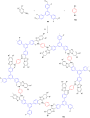
Scheme 32: One-pot multicomponent reaction towards the synthesis of covalent organic frameworks via the GBB re...

Scheme 33: GBB-like multicomponent reaction towards the synthesis of benzothiazolpyrroles (X = S) and benzoxaz...

Scheme 34: GBB-like multicomponent reaction towards the formation of imidazo[1,2,a]pyridines. Conditions: a) I2...

Scheme 35: Post-functionalization of GBB products via Ugi reaction. Conditions a) HClO4, DMF, rt, 24 h; b) MeO...

Scheme 36: Post-functionalization of GBB products via Click reaction. Conditions: a) solvent-free, 150 °C, 24 ...

Scheme 37: Post-functionalization of GBB products via cascade alkyne–allene isomerization–intramolecular nucle...

Scheme 38: Post-functionalization of GBB products via metal-catalyzed intramolecular N-arylation. In red and b...

Scheme 39: Post-functionalization of GBB products via isocyanide insertion (X = N or CH). Conditions: a) HClO4...

Scheme 40: Post-functionalization of GBB products via intramolecular nucleophilic addition to nitriles. Condit...

Scheme 41: Post-functionalization of GBB products via Pictet–Spengler cyclization. Conditions: a) 4 N HCl/diox...

Scheme 42: Post-functionalization of GBB products via O-alkylation. Conditions: a) TFA (20 mol %), EtOH, 120 °...

Scheme 43: Post-functionalization of GBB products via macrocyclization (X = -CH2CH2O-, -CH2-, -(CH2)4-). Condi...
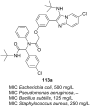
Figure 1: Antibacterial activity of GBB-Ugi adducts 113 on both Gram-negative and Gram-positive strains.

Scheme 44: GBB multicomponent reaction using trimethoprim as the precursor. Conditions: a) Yb(OTf)3 or Y(OTf)3...

Figure 2: Antibacterial activity of GBB adducts 152 against MRSA and VRE; NA = not available.

Figure 3: Antibacterial activity of GBB adduct 153 against Leishmania amazonensis promastigotes and amastigot...

Figure 4: Antiviral and anticancer evaluation of the GBB adducts 154a and 154b. In vitro antiproliferative ac...

Figure 5: Anticancer activity of the GBB-furoxan hybrids 145b, 145c and 145d determined through antiprolifera...

Scheme 45: Synthesis and anticancer activity of the GBB-gossypol conjugates. Conditions: a) Sc(OTf)3 (10 mol %...

Figure 6: Anticancer activity of polyheterocycles 133a and 136a against human neuroblastoma. Clonogenic assay...

Figure 7: Development of GBB-adducts 158a and 158b as PD-L1 antagonists. HTRF assays were carried out against...

Figure 8: Development of imidazo[1,2-a]pyridines and imidazo[1,2-a]pyrazines as TDP1 inhibitors. The SMM meth...

Figure 9: GBB adducts 164a–c as anticancer through in vitro HDACs inhibition assays. Additional cytotoxic ass...

Figure 10: GBB adducts 165, 166a and 166b as anti-inflammatory agents through HDAC6 inhibition; NA = not avail...

Scheme 46: GBB reaction of triphenylamine 167. Conditions: a) NH4Cl (10 mol %), MeOH, 80 °C (MW), 1 h.

Scheme 47: 1) Modified GBB-3CR. Conditions: a) TMSCN (1.0 equiv), Sc(OTf)3 (0.2 equiv), MeOH, 140 °C (MW), 20 ...

Scheme 48: GBB reaction to assemble imidazo-fused heterocycle dimers 172. Conditions: a) Sc(OTf)3 (20 mol %), ...

Figure 11: Model compounds 173 and 174, used to study the acid/base-triggered reversible fluorescence response...
Green and sustainable approaches for the Friedel–Crafts reaction between aldehydes and indoles
- Periklis X. Kolagkis,
- Eirini M. Galathri and
- Christoforos G. Kokotos
Beilstein J. Org. Chem. 2024, 20, 379–426, doi:10.3762/bjoc.20.36
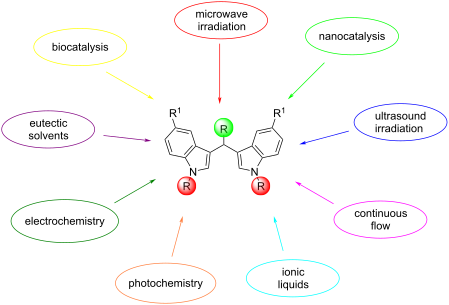

Graphical Abstract

Scheme 1: Examples of BIMs used for their medicinal properties.

Scheme 2: Mechanisms for the synthesis of BIMs using protic or Lewis acids as catalysts.

Scheme 3: Synthesis of bis(indolyl)methanes using DBDMH.

Scheme 4: Competition experiments and synthesis of bis(indolyl)methanes using DBDMH.

Scheme 5: Proposed mechanism for formation of BIM of using DBDMH.

Scheme 6: Synthesis of bis(indolyl)methanes using I2.

Scheme 7: General reaction mechanism upon halogen bonding.

Scheme 8: Synthesis of bis(indolyl)methanes using I2, introduced by Ji.

Scheme 9: Synthesis of bis(indolyl)methanes using Br2 in CH3CN.

Scheme 10: Βidentate halogen-bond donors.

Scheme 11: Synthesis of bis(indolyl)methanes using bidentate halogen-bond donor 26.

Scheme 12: Proposed reaction mechanism.

Scheme 13: Synthesis of bis(indolyl)methanes using iodoalkyne as catalyst.

Scheme 14: Proposed reaction mechanism.

Scheme 15: Optimized reaction conditions used by Ramshini.

Scheme 16: Activation of the carbonyl group by HPA/TPI-Fe3O4.

Scheme 17: Synthesis of BIMs in the presence of nanoAg-Pt/SiO2-doped silicate.

Scheme 18: Mechanism of action proposed by Khalafi-Nezhad et al.

Scheme 19: Activation of the carbonyl group by the Cu–isatin Schiff base complex.

Scheme 20: Optimum reaction conditions published by Jain.

Scheme 21: Organocatalytic protocol utilizing nanoparticles introduced by Bankar.
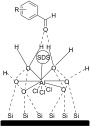
Scheme 22: Activation of the carbonyl group by the AlCl3·6H2O-SDS-SiO2 complex.

Scheme 23: Optimal reaction conditions for the aforementioned nano-Fe3O4 based catalysts.

Scheme 24: Nanocatalytic protocol proposed by Kaur et al.

Scheme 25: Microwave approach introduced by Yuan.

Scheme 26: Microwave approach introduced by Zahran et al.

Scheme 27: Microwave irradiation protocol introduced by Bindu.

Scheme 28: Silica-supported microwave irradiation protocol.

Scheme 29: Proposed mechanism for formation of BIM by Nongkhlaw.

Scheme 30: Microwave-assisted synthesis of BIMs catalyzed by succinic acid.

Scheme 31: Proposed mechanism of action of MMO-4.

Scheme 32: Catalytic approach introduced by Muhammadpoor-Baltork et al.

Scheme 33: Reaction conditions used by Xiao-Ming.

Scheme 34: Ultrasonic irradiation-based protocol published by Saeednia.

Scheme 35: Pyruvic acid-mediated synthesis of BIMs proposed by Thopate.

Scheme 36: Synthesis of BIMs using [bmim]BF4 or [bmim]PF6 ionic liquids.

Scheme 37: Synthesis of BIMs utilizing In(OTf)3 in octylmethylimidazolium hexafluorophosphate as ionic liquid.

Scheme 38: FeCl3·6H2O-catalyzed synthesis of BIMs with use of ionic liquid.

Scheme 39: Synthesis of BIMs utilizing the [hmim]HSO4/EtOH catalytic system.

Scheme 40: Synthesis of BIMs utilizing acidic ionic liquid immobilized on silica gel (ILIS-SO2Cl).

Scheme 41: The [bmim][MeSO4]-catalyzed reaction of indole with various aldehydes.

Scheme 42: The role of [bmim][MeSO4] in catalyzing the reaction of indole with aldehydes.

Scheme 43: Synthesis of BIMs utilizing FeCl3-based ionic liquid ([BTBAC]Cl-FeCl3) as catalyst.

Scheme 44: Synthesis of BIMs using [Msim]Cl at room temperature.

Scheme 45: [Et3NH][H2PO4]-catalyzed synthesis of bis(indolyl)methanes.

Scheme 46: PILs-catalyzed synthesis of bis(indolyl)methanes.

Scheme 47: FSILs-mediated synthesis of bis(indolyl)methanes.

Scheme 48: Possible “release and catch” catalytic process.

Scheme 49: Synthesis of bis(indolyl)methanes by [DABCO-H][HSO4].

Scheme 50: Synthesis of bis(indolyl)methanes by [(THA)(SO4)].

Scheme 51: Synthesis of BBSI-Cl and BBSI-HSO4.

Scheme 52: Synthesis of BIMs in the presence of BBSI-Cl and BBSI-HSO4.

Scheme 53: Chemoselectivity of the present method.

Scheme 54: Synthesis of BIMs catalyzed by chitosan-supported ionic liquid.

Scheme 55: Proposed mechanism of action of CSIL.

Scheme 56: Optimization of the reaction in DESs.

Scheme 57: Synthesis of BIMs using ChCl/SnCl2 as DES.

Scheme 58: Synthesis of BIMs derivatives in presence of DES.

Scheme 59: BIMs synthesis in choline chloride/urea (CC/U).

Scheme 60: Flow chemistry-based synthesis of BIMs by Ley.

Scheme 61: Flow chemistry-based synthesis of BIMs proposed by Nam et al.

Scheme 62: Amino-catalyzed reaction of indole with propionaldehyde.

Scheme 63: Aminocatalytic synthesis of BIMs.

Scheme 64: Proposed mechanism for the aminocatalytic synthesis of BIMs.

Scheme 65: Enzymatic reaction of indole with aldehydes.

Scheme 66: Proposed mechanism for the synthesis of BIMs catalyzed by TLIM.

Scheme 67: Proposed reaction mechanism by Badsara.

Scheme 68: Mechanism proposed by D’Auria.

Scheme 69: Photoinduced thiourea catalysis.

Scheme 70: Proposed mechanism of photoacid activation.

Scheme 71: Proposed mechanism of action for CF3SO2Na.

Scheme 72: Proposed mechanism for the synthesis of BIMs by Mandawad.

Scheme 73: Proposed mechanism for the (a) acid generation and (b) synthesis of BIMs.

Scheme 74: a) Reaction conditions employed by Khaksar and b) activation of the carbonyl group by HFIP.

Scheme 75: Activation of the carbonyl group by the PPy@CH2Br through the formation of a halogen bond.

Scheme 76: Reaction conditions utilized by Mhaldar et al.

Scheme 77: a) Reaction conditions employed by López and b) activation of the carbonyl group by thiourea.

Scheme 78: Infrared irradiation approach introduced by Luna-Mora and his research group.

Scheme 79: Synthesis of BIMs with the use of the Fe–Zn BMOF.
Selective and scalable oxygenation of heteroatoms using the elements of nature: air, water, and light
- Damiano Diprima,
- Hannes Gemoets,
- Stefano Bonciolini and
- Koen Van Aken
Beilstein J. Org. Chem. 2023, 19, 1146–1154, doi:10.3762/bjoc.19.82
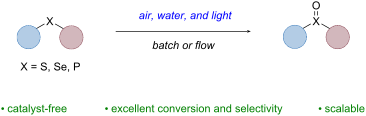
- Damiano Diprima Hannes Gemoets Stefano Bonciolini Koen Van Aken Ecosynth, Industrielaan 12, 9800 Deinze, Belgium Flow Chemistry Group, Van ’t Hoff Institute for Molecular Sciences (HIMS), University of Amsterdam, Science Park 904, 1098 XH, Amsterdam, The Netherlands Creaflow, Industrielaan 12
- flow using the HANU flow reactor, indicating scalability and improving safety. Keywords: catalyst-free; flow chemistry; oxygen; photochemistry; sustainable oxidation; Introduction Oxidation reactions are widely used in the chemical industry, but are often problematic due to challenges with

Graphical Abstract
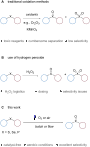
Scheme 1: Oxidation of heteroatoms.

Scheme 2: Graphical representation comparing A electrochemistry and B photoredox catalysis using a semiconduc...

Figure 1: Study of additives. A) Effect of the addition of 1 equiv of various acids and bases to the standard...
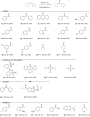
Scheme 3: Substrate scope with reaction times and isolated yields. 1 mmol (1 equiv) substrate was reacted in ...

Scheme 4: Setup used in the flow experiment for the triphenylphosphine oxidation.

Scheme 5: Proposed extra alternative pathway.
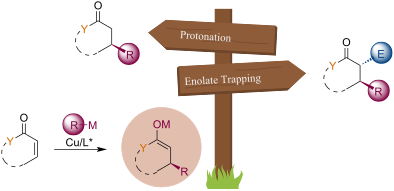
Enolates ambushed – asymmetric tandem conjugate addition and subsequent enolate trapping with conventional and less traditional electrophiles
- Péter Kisszékelyi and
- Radovan Šebesta
Beilstein J. Org. Chem. 2023, 19, 593–634, doi:10.3762/bjoc.19.44

Graphical Abstract

Scheme 1: General scheme depicting tandem reactions based on an asymmetric conjugate addition followed by an ...

Scheme 2: Cu-catalyzed tandem conjugate addition of R2Zn/aldol reaction with chiral acetals.

Scheme 3: Cu-catalyzed asymmetric desymmetrization of cyclopentene-1,3-diones using a tandem conjugate additi...

Scheme 4: Stereocontrolled assembly of dialkylzincs, cyclic enones, and sulfinylimines utilizing a Cu-catalyz...

Scheme 5: Cu-catalyzed tandem conjugate addition/Mannich reaction (A). Access to chiral isoindolinones and tr...

Scheme 6: Cu-catalyzed tandem conjugate addition/nitro-Mannich reaction (A) with syn–anti or syn–syn selectiv...

Figure 1: Various chiral ligands utilized for the tandem conjugate addition/Michael reaction sequences.
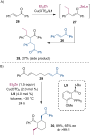
Scheme 7: Cu-catalyzed tandem conjugate addition/Michael reaction: side-product formation with chalcone (A) a...

Scheme 8: Zn enolate trapping using allyl iodides (A), Stork–Jung vinylsilane reagents (B), and allyl bromide...

Scheme 9: Cu-catalyzed tandem conjugate addition/acylation through Li R2Zn enolate (A). A four-component coup...

Scheme 10: Selected examples for the Cu-catalyzed tandem conjugate addition/trifluoromethylthiolation sequence....

Scheme 11: Zn enolates trapped by vinyloxiranes: synthesis of allylic alcohols.

Scheme 12: Stereoselective cyclopropanation of Mg enolates formed by ACA of Grignard reagents to chlorocrotona...

Scheme 13: Domino aldol reactions of Mg enolates formed from coumarin and chromone.

Scheme 14: Oxidative coupling of ACA-produced Mg enolates.

Scheme 15: Tandem ACA of Grignard reagents to enones and Mannich reaction.

Scheme 16: Diastereodivergent Mannich reaction of Mg enolates with differently N-protected imines.

Scheme 17: Tandem Grignard–ACA–Mannich using Taddol-based phosphine-phosphite ligands.

Scheme 18: Tandem reaction of Mg enolates with aminomethylating reagents.

Scheme 19: Tandem reaction composed of Grignard ACA to alkynyl enones.

Scheme 20: Rh/Cu-catalyzed tandem reaction of diazo enoates leading to cyclobutanes.

Scheme 21: Tandem Grignard-ACA of cyclopentenones and alkylation of enolates.

Scheme 22: Tandem ACA of Grignard reagents followed by enolate trapping reaction with onium compounds.

Scheme 23: Mg enolates generated from unsaturated lactones in reaction with activated alkenes.

Scheme 24: Lewis acid mediated ACA to amides and SN2 cyclization of a Br-appended enolate.

Scheme 25: Trapping reactions of aza-enolates with Michael acceptors.

Scheme 26: Si enolates generated by TMSOTf-mediated ACA of Grignard reagents and enolate trapping reaction wit...

Scheme 27: Trapping reactions of enolates generated from alkenyl heterocycles (A) and carboxylic acids (B) wit...

Scheme 28: Reactions of heterocyclic Mg enolates with onium compounds.

Scheme 29: Synthetic transformations of cycloheptatrienyl and benzodithiolyl substituents.

Scheme 30: Aminomethylation of Al enolates generated by ACA of trialkylaluminum reagents.

Scheme 31: Trapping reactions of enolates with activated alkenes.

Scheme 32: Alkynylation of racemic aluminum or magnesium enolates.

Scheme 33: Trapping reactions of Zr enolates generated by Cu-ACA of organozirconium reagents.

Scheme 34: Chloromethylation of Zr enolates using the Vilsmeier–Haack reagent.

Scheme 35: Tandem conjugate borylation with subsequent protonation or enolate trapping by an electrophile.

Scheme 36: Tandem conjugate borylation/aldol reaction of cyclohexenones.

Scheme 37: Selected examples for the tandem asymmetric borylation/intramolecular aldol reaction; synthesis of ...

Scheme 38: Cu-catalyzed tandem methylborylation of α,β-unsaturated phosphine oxide in the presence of (R,Sp)-J...

Scheme 39: Cu-catalyzed tandem transannular conjugated borylation/aldol cyclization of macrocycles containing ...

Scheme 40: Stereoselective tandem conjugate borylation/Mannich cyclization: selected examples (A) and a multi-...

Scheme 41: Some examples of Cu-catalyzed asymmetric tandem borylation/aldol cyclization (A). Application to di...

Scheme 42: Atropisomeric P,N-ligands used in tandem conjugate borylation/aldol cyclization sequence.

Scheme 43: Selected examples for the enantioselective Cu-catalyzed borylation/intramolecular Michael addition ...

Scheme 44: Selected examples for the preparation of enantioenriched spiroindanes using a Cu-catalyzed tandem c...
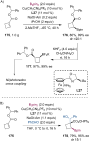
Scheme 45: Enantioselective conjugate borylation of cyclobutene-1-carboxylic acid diphenylmethyl ester 175 wit...
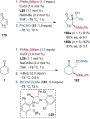
Scheme 46: Cu-catalyzed enantioselective tandem conjugate silylation of α,β-unsaturated ketones with subsequen...

Scheme 47: Cu-catalyzed enantioselective tandem conjugate silylation of α,β-unsaturated ketones with subsequen...
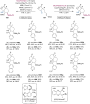
Scheme 48: Cu-catalyzed tandem conjugate silylation/aldol condensation. The diastereoselectivity is controlled...

Scheme 49: Chiral Ru-catalyzed three-component coupling reaction.

Scheme 50: Rh-Phebox complex-catalyzed reductive cyclization and subsequent reaction with Michael acceptors th...
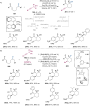
Scheme 51: Rh-catalyzed tandem asymmetric conjugate alkynylation/aldol reaction (A) and subsequent spiro-cycli...

Scheme 52: Rh-bod complex-catalyzed tandem asymmetric conjugate arylation/intramolecular aldol addition (A). S...

Scheme 53: Co-catalyzed C–H-bond activation/asymmetric conjugate addition/aldol reaction.

Scheme 54: (Diisopinocampheyl)borane-promoted 1,4-hydroboration of α,β-unsaturated morpholine carboxamides and...

Figure 2: Some examples of total syntheses that have been recently reviewed.

Scheme 55: Stereoselective synthesis of antimalarial prodrug (+)-artemisinin utilizing a tandem conjugate addi...

Scheme 56: Amphilectane and serrulatane diterpenoids: preparation of chiral starting material via asymmetric t...

Scheme 57: Various asymmetric syntheses of pleuromutilin and related compounds based on a tandem conjugate add...
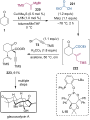
Scheme 58: Total synthesis of glaucocalyxin A utilizing a tandem conjugate addition/acylation reaction sequenc...
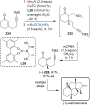
Scheme 59: Installation of the exocyclic double bond using a tandem conjugate addition/aminomethylation sequen...
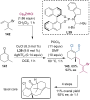
Scheme 60: Synthesis of the taxol core using a tandem conjugate addition/enolate trapping sequence with Vilsme...
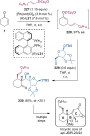
Scheme 61: Synthesis of the tricyclic core of 12-epi-JBIR-23/24 utilizing a Rh-catalyzed asymmetric conjugate ...
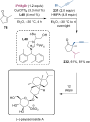
Scheme 62: Total synthesis of (−)-peyssonoside A utilizing a Cu-catalyzed enantioselective tandem conjugate ad...
C3-Alkylation of furfural derivatives by continuous flow homogeneous catalysis
- Grédy Kiala Kinkutu,
- Catherine Louis,
- Myriam Roy,
- Juliette Blanchard and
- Julie Oble
Beilstein J. Org. Chem. 2023, 19, 582–592, doi:10.3762/bjoc.19.43
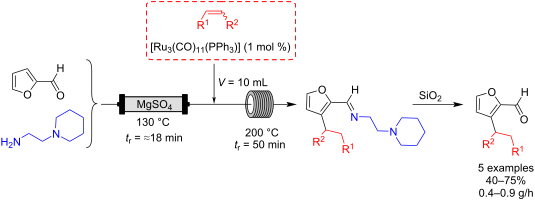
- temperature). Thus, despite the synthetic interest of the molecules that can be obtained, transfers to industry are difficult. In order to circumvent this drawback, we considered transposing these batch reactions to a flow chemistry process. In recent years, the use of continuous flow chemistry in organic
- the C3-alkylation of furfural in continuous flow With the optimized conditions in hand (Table 2, entry 6), we were interested in extending the scope of this furfural alkylation reaction using a flow chemistry process to other reactants. For this, after each reaction, an aliquot of the resulting
- possible to implement at the moment with our reactors. Conclusion In conclusion, we have developed a method for the direct 2-step Ru-catalyzed alkylation of the C3–H bond of furfural by flow chemistry, via the preinstallation in a fixed bed reactor of an ortho-directing imine group that can be easily

Graphical Abstract

Scheme 1: C3-Functionalization of furfural derivatives by C–H activation, a) in batch: previous works, and b)...

Scheme 2: C3-alkylation of bidentate imine 1 performed in batch.

Scheme 3: Optimization of the heating for the alkylation reaction on the homemade pulsed-flow setup.

Scheme 4: Proposed reaction mechanism for the alkylation reaction with formation of ruthenium aggregates and ...

Scheme 5: A) Isolation test of a reaction intermediate; B) XPS and TEM (in ethanol) of the recovered solid ph...

Scheme 6: Ruthenium aggregate-catalyzed alkylation reaction.

Scheme 7: Scope of continuous flow furfural derivative alkylation reaction.

Scheme 8: Scaling up comparison: batch and continuous flow conditions.
Continuous flow synthesis of 6-monoamino-6-monodeoxy-β-cyclodextrin
- János Máté Orosz,
- Dóra Ujj,
- Petr Kasal,
- Gábor Benkovics and
- Erika Bálint
Beilstein J. Org. Chem. 2023, 19, 294–302, doi:10.3762/bjoc.19.25
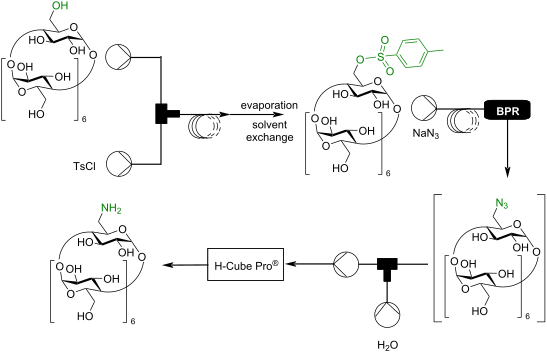
- review [5]. It is clear from the already mentioned facts about the synthesis of Ts-β-CD (2), that neither of these methods is suitable for the flow chemistry process. Heterogeneous mixtures should be strictly avoided and pyridine is a toxic compound and should not be used in large-scale syntheses or

Graphical Abstract

Scheme 1: Tosylation of β-CD under continuous flow conditions.

Scheme 2: Continuous flow azidation of Ts-β-CD (2).

Scheme 3: Continuous flow hydrogenation of N3-β-CD (3).

Scheme 4: Semi-continuous flow system for the synthesis of NH2-β-CD 4.
Modern flow chemistry – prospect and advantage
- Philipp Heretsch
Beilstein J. Org. Chem. 2023, 19, 33–35, doi:10.3762/bjoc.19.3
- Philipp Heretsch Institute of Organic Chemistry, Leibniz Universität Hannover, Schneiderberg 1B, 30167 Hannover, Germany 10.3762/bjoc.19.3 Keywords: flow chemistry; method development; reactor design; Organic chemistry has shaped modern society by fulfilling the basic needs for pharmaceuticals
- , agrochemicals, fragrances, and many more. Implementation of new and innovative technologies has played a vital role in this mission and has contributed to the opening of new research areas and to pushing the frontiers of existing ones. Among these new technologies, continuous flow chemistry has stepped on the
- chemicals. This has again led to improved scalability, higher purity of products, and eventually decreased manufacturing costs. From the undisputed role of continuous flow chemistry for process chemists, the advent of this technology in academic research laboratories, especially for method development and
Two-step continuous-flow synthesis of 6-membered cyclic iodonium salts via anodic oxidation
- Julian Spils,
- Thomas Wirth and
- Boris J. Nachtsheim
Beilstein J. Org. Chem. 2023, 19, 27–32, doi:10.3762/bjoc.19.2
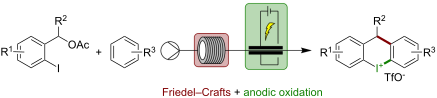
- Friedel–Crafts alkylation followed by an anodic oxidative cyclization yielded a defined set of cyclic iodonium salts in a highly substrate-dependent yield. Keywords: electrochemistry; flow chemistry; hypervalent compounds; iodine; oxidation; Introduction Hypervalent iodine compounds (HVI) are well
- oxidation of iodoarenes to form DIS by Wirth et al. (Scheme 1B) [39]. Herein, established conditions for synthesizing DIS were transferred into flow chemistry utilizing a model flow reactor with two platinum electrodes. Other recent examples include the generation of five-membered CDIS utilizing fluorinated

Graphical Abstract

Scheme 1: Synthesis of acyclic (DIS) and cyclic (CDIS) diaryliodonium salts.

Figure 1: Substrate scope using the optimized conditions of Table 3. Yield is based on collecting for 3 h 20 min (2....



