


Search results
Search for "linkers" in Full Text gives 193 result(s) in Beilstein Journal of Organic Chemistry.
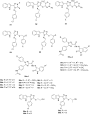
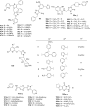
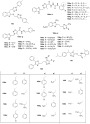
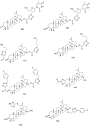
Triazole-based hybrid molecules in anticancer drug discovery: structural classes and mechanistic insights, 2014–2025
Beilstein J. Org. Chem. 2026, 22, 1168–1195, doi:10.3762/bjoc.22.94
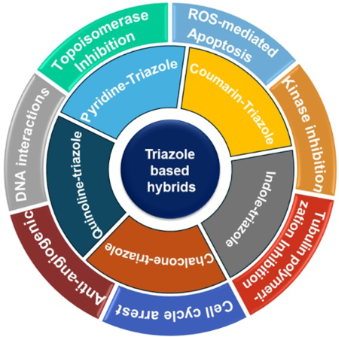
- design strategies, including structural modification, incorporation of diverse pharmacophores, and exploration of different linkers, lead to the formation of numerous triazole hybrids with better efficacy across various pathological conditions, paving the way for further advancement in targeted drug


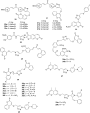

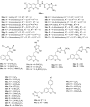
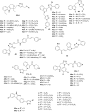



The role of spacer length and flexibility in peptide self-assembly
Beilstein J. Org. Chem. 2026, 22, 986–996, doi:10.3762/bjoc.22.77
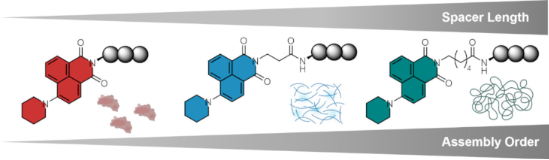
- broader range of spacer lengths and compositions, including more polar and synthetic linkers such as PEG-based segments. Such studies will further refine the understanding of spacer-controlled peptide self-assembly and provide additional strategies for the rational development of responsive peptide


Unsymmetrical sulfoxides with sterically hindered catechol fragment: synthesis, structure, electrochemical properties, and antiradical activity
Beilstein J. Org. Chem. 2026, 22, 828–837, doi:10.3762/bjoc.22.65
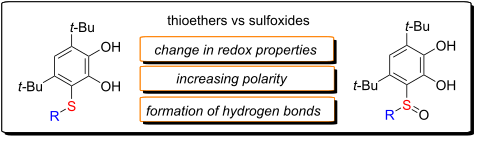
- ]. However, despite significant progress in the study of catechols with sulfide linkers, the chemistry of sulfoxides and sulfones is still a relatively unexplored area. Polyfunctional catechol thioethers are most commonly synthesized via the Michael reaction between o- or p-benzoquinone and the corresponding


Total synthesis of the capsular polysaccharide repeating unit towards the development of a glycoconjugate vaccine against Klebsiella pneumoniae ST512
Beilstein J. Org. Chem. 2026, 22, 821–827, doi:10.3762/bjoc.22.64
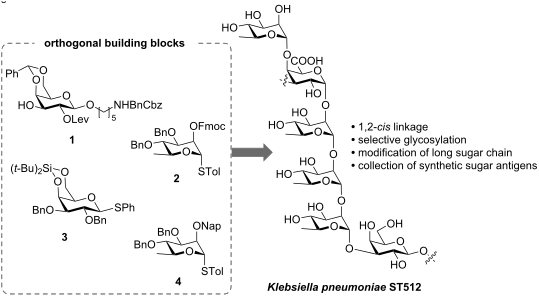
- conjugation-ready oligosaccharides, equipped with aminopentyl linkers, enables glycan microarray-based identification of minimal immunogenic epitopes. This work establishes a robust chemical foundation for the rational development of semi-synthetic glycoconjugate vaccines targeting K. pneumoniae ST512
- linkages and the selective manipulation of long oligosaccharide chains, were successfully overcome using orthogonally protected building blocks. The resulting conjugation-ready oligosaccharides bearing aminopentyl linkers provide direct access to glycan microarray screening and in vivo immunological


Preparation of 3-(alkylamino)imidazo[1,2-a]pyridine-2-carbaldehydes via Kornblum oxidation and unexpected ring-opening reactions of the corresponding alcohols under oxidative conditions
Beilstein J. Org. Chem. 2026, 22, 763–770, doi:10.3762/bjoc.22.58
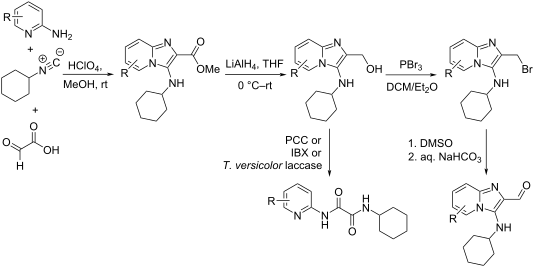
- is based on Sandile J. Mkhize’s MSc dissertation (“Exploration of the synthesis of imidazo[1,2-a]pyridin-3-amine derivatives with heteroatom linkers as potential HIV-1 reverse transcriptase inhibitors”, University of the Witwatersrand, 2022). Funding The authors would like to acknowledge the


Using generative AI to transform peptide hits into small molecule leads
Beilstein J. Org. Chem. 2026, 22, 672–679, doi:10.3762/bjoc.22.51
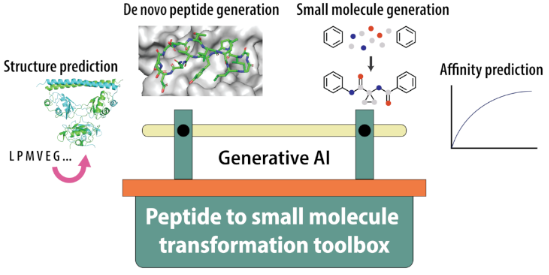
- -consistent modelling of molecular structures [47]. DiffLinker is an example of a conditional diffusion model developed by Correia and co-workers that enables linking of multiple fragments in a predefined orientation [37]. After pretraining on linkers extracted from molecules originating from several compound


Advantages of PROTACs in achieving selective degradation of homologous protein families
Beilstein J. Org. Chem. 2026, 22, 628–661, doi:10.3762/bjoc.22.49
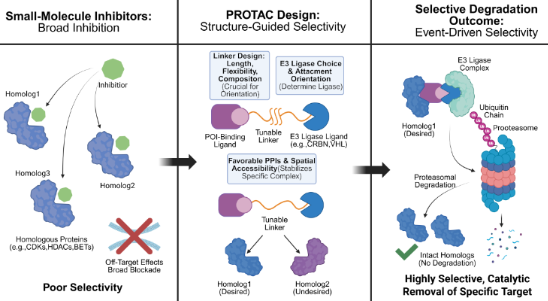
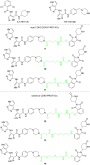
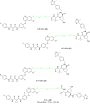
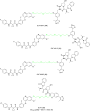
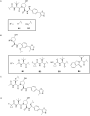
- Influence of linkers on the selectivity of PROTACs in highly homologous protein families As previously established [37], a PROTAC molecule comprises three essential components: a POI ligand, a linker, and an E3 ligand. In drug design, POI ligands are typically derived from FDA-approved small-molecule
- various PROTACs consisting of different linkers and E3 ligands, and compound 3 (Figure 3) is one of them. Interestingly, when comparing compounds 3 and 2, the POI ligand, the binding E3 ubiquitin ligase and the linker are identical with the only difference being the direction the linker connects the POI
- 2019, Burgess and Zhao synthesized various different PROTACs, based on palbociclib and ribociclib as POI ligands, pomalidomide as E3 ligand, and linkers with triazole fragments to connect them [59] (Figure 3). The results showed that the PROTAC-pal-pom (5), which used palbociclib as the POI ligand









Towards the targeted protein degradation of CK2: design and synthesis of CAM4066-based PROTACs
Beilstein J. Org. Chem. 2026, 22, 611–619, doi:10.3762/bjoc.22.47
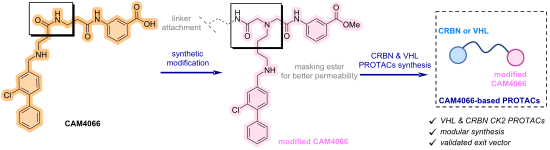
- conjugating a CAM4066-derived warhead to CRBN or VHL ligands, four VHL-recruiting PROTACs, were prepared using PEG and alkyl linkers, alongside two CRBN-recruiting analogues featuring constrained linkers. A ligand–linker analogue in which a linker is projected from the solvent-exposed region of CK2α retained
- conjugated CAM4066-derived ligands to both CRBN or VHL E3-ligase recruiters. We created VHL-recruiting PROTACs for CK2 using PEG and alkyl linkers, while the CRBN-recruiting analogues featured more constrained linkers. A ligand–linker analogue bearing a linker projected from the solvent-exposed region of the
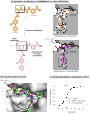
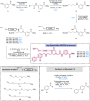
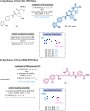
- undesired alkylation of the base and significantly improved the isolated yield up to 84%. Introduction of an acetic acid handle was then achieved via alkylation with bromoacetic acid under DIPEA mediation, giving intermediate 6, which served as the common attachment point for linkers 7–10 (for full

Design and synthesis of an erdafitinib-based selective FGFR2 degrader
Beilstein J. Org. Chem. 2026, 22, 583–591, doi:10.3762/bjoc.22.44
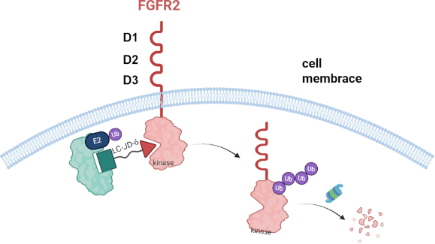
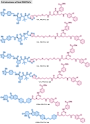
- design and synthesize a series of PROTAC molecules with different linkers. Screening was performed in KATO III cells with high FGFR2 expression, leading to the identification of LC-JD-6 as a potent degrader. Experimental results demonstrated that LC-JD-6 effectively induced FGFR2 protein degradation with
- positioned in the solvent-exposed region of the molecule. Given this observation, we selected the aliphatic amine group as a suitable conjugation site (Figure 2a). Previous studies have shown that different linkers exhibit distinct selectivity profiles [31]. Therefore, in this study, novel FGFR2 degraders
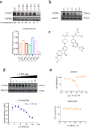
- candidate. Western blot analysis showed that LC-JD-6 reduced FGFR2 by 90% after 12 hours at 500 nM (Figure 3a). However, for structural modifications, neither long-chain alkyl linkers (LC-JD-1/2) nor PEG-based linkers (LC-JD-3/4) demonstrated significant degradation of FGFR2 protein levels in KATO III



Molecular tweezer–peptide conjugates disrupt the protein–protein interaction between survivin and histone H3 essential in mitosis
Beilstein J. Org. Chem. 2026, 22, 557–567, doi:10.3762/bjoc.22.41
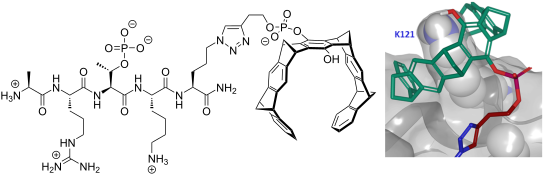
- and precisely the natural binding site in the wide 14-3-3-cleft [10]. These examples for designed protein–protein interaction (PPI) inhibitors demonstrated that short but highly flexible linkers are imperative to increase selectivity and minimize entropical penalty. The design was strongly supported
- turned to peptide tweezers with longer linkers to address lysines which are buried neither in the crystals nor in the CPC complex. In a second approach, one of the tweezer phosphate groups was truncated to minimize steric hindrance during the tweezer approach towards survivin’s α-helix within the CPC
- between tweezer and peptide must be considerably shortened; loss of Lys-4 would thus substantially lower the overall binding energy. Extended linkers on the other hand may allow complexation of well-accessible Lys-120, 129 or Lys-130. Just one more glycine placed between the H3 peptide and 5




Synthesis of a HDAC inhibitor–nanogold probe for cryo-EM visualization in class I HDAC co-repressor complexes
Beilstein J. Org. Chem. 2026, 22, 480–485, doi:10.3762/bjoc.22.35
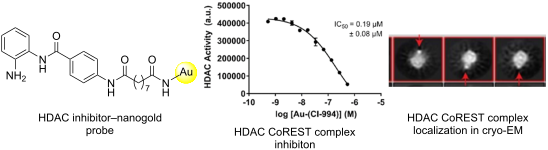
- functionalized this position with linkers for the development of HDAC1–3 proteolysis targeting chimeras (PROTACs) [14][18]. Alkyl-linker lengths of approximately 12 atoms and greater were the most effective degraders [18]. We chose the commercially available amine functionalized nanogold particles (Au–NH2



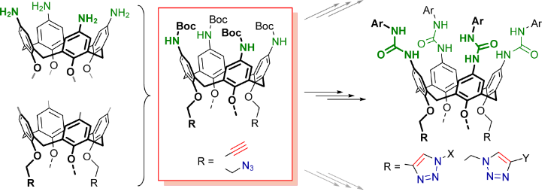
Cone p-aminocalix[4]arenes enriched with ‘clickable’ alkyne or azide functionalities
Beilstein J. Org. Chem. 2026, 22, 399–415, doi:10.3762/bjoc.22.28
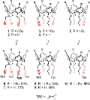
- flexible linkers between the calixarene core and the differently arranged triazole heterocycles. In addition to what could be interpreted as a set of signals from homodimer 472, a set of broadened resonances was observed in the spectrum (Figure 6c). Neither prolonged heating of the sample at 50 °C before




Symmetrical D–π–A–π–D indanone dyes: a new design for nonlinear optics and cyanide detection
Beilstein J. Org. Chem. 2026, 22, 131–142, doi:10.3762/bjoc.22.6
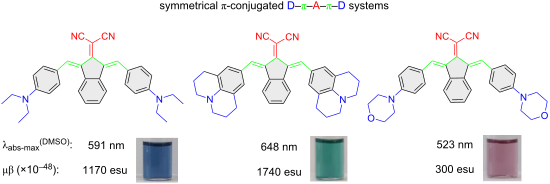
- the proposed interaction mechanism involved between 2a–c with CN−, DFT calculations were performed at B3LYP/6-31+G(d,p) level of theory. The optimized geometries 2a–c and 2a–c+CN− were represented in Figure 6. The optimized geometries of the study’s molecules showed that π-conjugted linkers between


Isoorotamide-based peptide nucleic acid nucleobases with extended linkers aimed at distal base recognition of adenosine in double helical RNA
Beilstein J. Org. Chem. 2025, 21, 2513–2523, doi:10.3762/bjoc.21.193
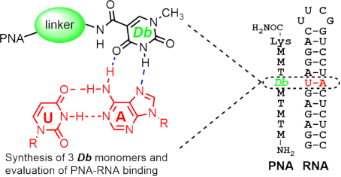
- the three bases. Given that the Db2 linker is the same as that for V, it is not surprising to observe that binding for C–G was slightly higher than that of U–A and we propose that the binding of the Db2 linker with C may mimic the binding of V [33] and other synthetic nucleobases with linkers derived


Rotaxanes with integrated photoswitches: design principles, functional behavior, and emerging applications
Beilstein J. Org. Chem. 2025, 21, 2345–2366, doi:10.3762/bjoc.21.179
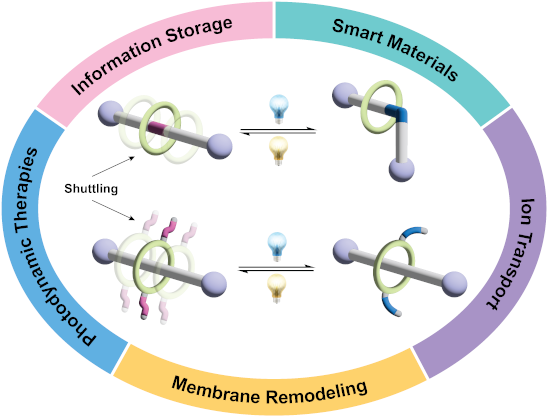
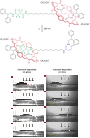
- reversible deformation upon irradiation with UV or visible light, which triggers the isomerization of the azobenzene moiety, leading to structural changes in the rotaxane linkers. Notably, the dry state of the material, when uniaxially stretched, shows an enhanced response compared to its hydrogel form





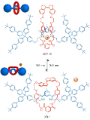
Systematic pore lipophilization to enhance the efficiency of an amine-based MOF catalyst in the solvent-free Knoevenagel reaction
Beilstein J. Org. Chem. 2025, 21, 1854–1863, doi:10.3762/bjoc.21.144
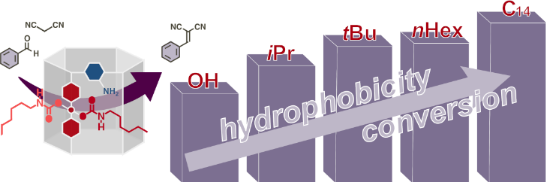
- functionalized MOFs to the Knoevenagel condensation reaction. A well-defined MOF material composed of both amine- and hydroxy-bearing linkers was reacted with a series of aliphatic isocyanates (isopropyl, tert-butyl, n-hexyl, and tetradecyl) and, incongruously, was found to preferentially react at the hydroxy
- -workers. In two separate reports, they synthesized well-defined MOFs composed of three different linkers: a proline-functionalized linker acted as the catalytic unit, while two auxiliary linkers were varied to alter catalyst activity and enantioselectivity [24], or product selectivity [25]. In those works
- , the researchers tailored their catalyst via de novo solvothermal synthesis of their MOFs using differently substituted auxiliary linkers; a non-trivial effort which involves the synthesis of several new organic linkers and their subsequent assembly into completely new frameworks (Figure 1A). In this


3,3'-Linked BINOL macrocycles: optimized synthesis of crown ethers featuring one or two BINOL units
Beilstein J. Org. Chem. 2025, 21, 1719–1729, doi:10.3762/bjoc.21.134

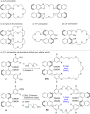
- macrocyclic crown ethers that are attached at the 3,3'-positions via additional phenylene spacers (see Figure 1e) [35][44][45]. Macrocycles M1b with a single BINOL unit were generated from the corresponding diol 2 by attachment of allylated linkers, followed by ring-closing metathesis [46][47][48][49][50
- syntheses were the best-yielding approach towards the desired macrocycles. This route was then applied for the synthesis of macrocycles featuring one or two BINOL units, featuring differently substituted phenylene linkers and featuring ethylene glycol linkers of different lengths. Results and Discussion
- , because in initial experiments, we obtained consistently higher yields and fewer side-products in comparison to other bases (such as NEt3 or K2CO3), as reported in the literature for related macrocyclizations [53][54][55]. We then investigated the impact of different substituents on the phenylene linkers





Recent advances and future challenges in the bottom-up synthesis of azulene-embedded nanographenes
Beilstein J. Org. Chem. 2025, 21, 1272–1305, doi:10.3762/bjoc.21.99
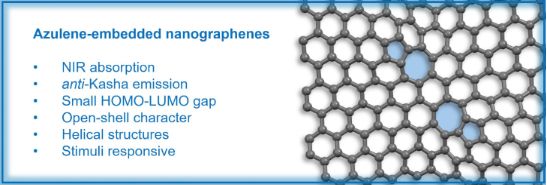
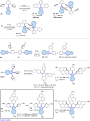
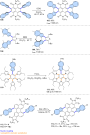
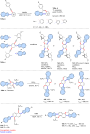
- "formal" or "true" azulene subunits. However, one of the key objectives here is to highlight the differences between these structural types and provide a clear distinction between benzenoid structures with azulene-like linkers and molecules that can be considered “true” aromatic π-extended azulenes. This






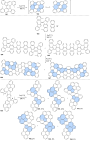
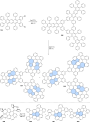
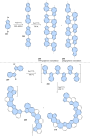
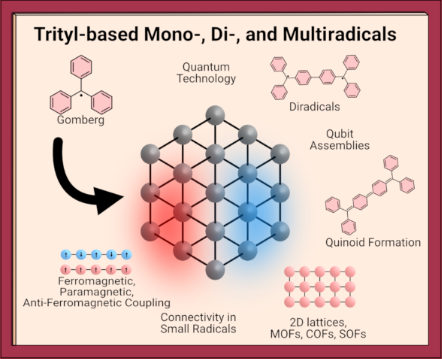
On the photoluminescence in triarylmethyl-centered mono-, di-, and multiradicals
Beilstein J. Org. Chem. 2025, 21, 964–998, doi:10.3762/bjoc.21.80









Orthogonal photoswitching of heterobivalent azobenzene glycoclusters: the effect of glycoligand orientation in bacterial adhesion
Beilstein J. Org. Chem. 2025, 21, 736–748, doi:10.3762/bjoc.21.57
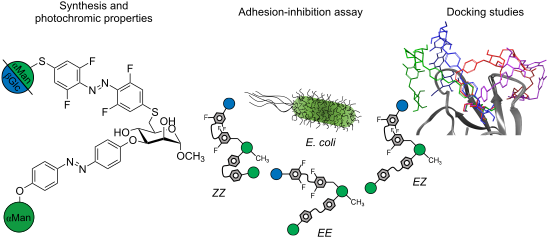
- like glycoclusters 1 and 2 are capable of many conformational alternatives and therefore, the control of molecular shape by photoisomerization of azobenzene linkers has its limitations. In addition, water solubility requires improvement. Furthermore, our study, combining synthesis, analysis of


Photocatalyzed elaboration of antibody-based bioconjugates
Beilstein J. Org. Chem. 2025, 21, 616–629, doi:10.3762/bjoc.21.49
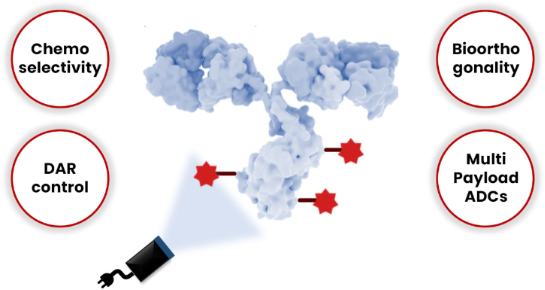
- ], therapeutic index, selectivity, and overall success of the ADC. The linker will ideally be stable in plasma for an extended period before the intended target can be reached, and after internalization, linkers play a key role in the drug-releasing event. Importantly, some exceptions exist. For example, in
- attractive for industrial applications, where both scalability and robustness are essential. Beyond its practical advantages, the method offers notable versatility, enabling the conjugation of a wide range of aryl linkers to Cys residues. This flexibility is crucial for the development of ADCs, where precise
- chemoselectivity should extend to any molecularly complex linkers and/or payloads being conjugated to the mAbs, allowing highly efficient entry to ADCs. DAR control A noteworthy characteristic of photochemical transformations is the ability to unambiguously start and stop reactions instantaneously using light on


Synthesis of N-acetyl diazocine derivatives via cross-coupling reaction
Beilstein J. Org. Chem. 2025, 21, 490–499, doi:10.3762/bjoc.21.36
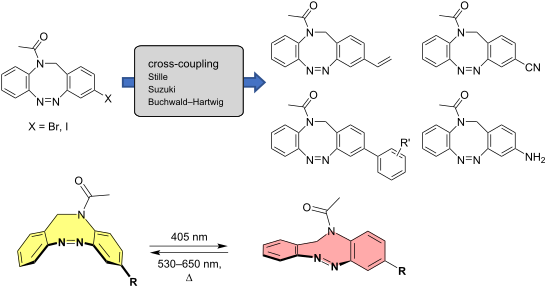
- accumulation in the environment after excretion [1][6][7]. These superior properties of diazocines have been exploited in several applications such as the control of protein folding by implementation as cross-linkers between protein side chains [8] or in peptide backbones [9], as photoswitchable


Beyond symmetric self-assembly and effective molarity: unlocking functional enzyme mimics with robust organic cages
Beilstein J. Org. Chem. 2025, 21, 421–443, doi:10.3762/bjoc.21.30
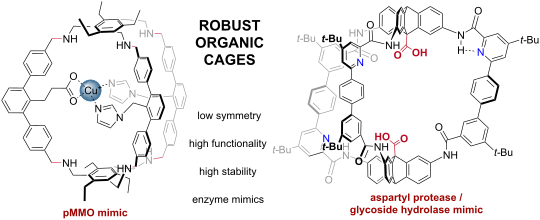
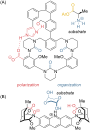
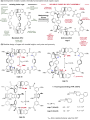
- formation possible in metal–ligand bonding provides chemists with a shortcut to access 3D scaffolds. When well-designed linkers and metals are combined, discrete cages emerge as the thermodynamic product (Figure 5A) [22][142][143][144]. Typically, rigid linkers are required to enforce geometry, although a
- can incorporate greater bond strain, and therefore the linkers themselves can contribute to cavity shape and symmetry outcomes. For instance, in our cages [38][39][40][41], due to the preference for N-phenylbenzamides to be planar, each amide group can be arranged in two metastable orientations: amide
- using the tools of self-assembly. Mathematical and computational models should accelerate the discovery of stable low-symmetry structures by identifying ligands or linkers featuring mutually reinforcing symmetry-breaking functionality [205]. Robust organic cages are also likely to offer advantages for




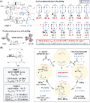
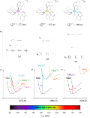
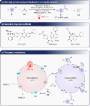
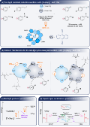
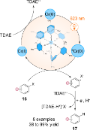
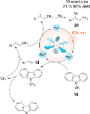
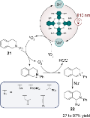
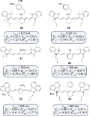
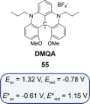
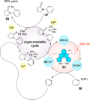
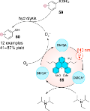
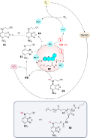
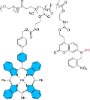
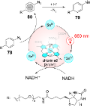
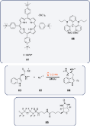
Red light excitation: illuminating photocatalysis in a new spectrum
Beilstein J. Org. Chem. 2025, 21, 296–326, doi:10.3762/bjoc.21.22
















Controlled oligomerization of [1.1.1]propellane through radical polarity matching: selective synthesis of SF5- and CF3SF4-containing [2]staffanes
Beilstein J. Org. Chem. 2024, 20, 3134–3143, doi:10.3762/bjoc.20.259
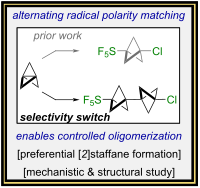
- denotes the number of individual [1.1.1]bicyclopentane (BCP) linkers – are often observed and swiftly devalorized as side-products [1]. However, targeted synthesis of functionalized [n]staffanes as rigid "molecular spacers" as proposed by Kaszynski and Michl [2][3][4] could facilitate new developments in





