Search results
Search for "water-soluble" in Full Text gives 254 result(s) in Beilstein Journal of Organic Chemistry. Showing first 200.
Cone p-aminocalix[4]arenes enriched with ‘clickable’ alkyne or azide functionalities
Beilstein J. Org. Chem. 2026, 22, 399–415, doi:10.3762/bjoc.22.28
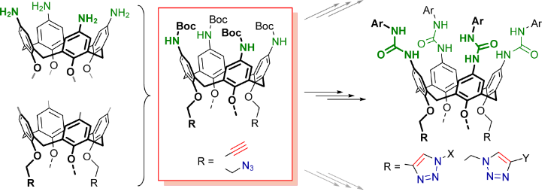
- ]. (Multi)calix[4]arenes having (dialkyl)amino groups at the wide rims are soluble in aqueous media at physiological pHs and may be used in protein sensing [18], DNA binding/recognition [19][20][21][22][23], and cell transfection [24][25][26]. Their water-soluble guanidinium derivatives are also
- units formed via two-fold CuAAC macrocyclizations [86][87]. We have also developed a straightforward approach to the functionalization of water-soluble p-sulfonatocalix[4]arenes by their enrichment with propargyl groups at the narrow rims followed by CuAAC reactions with various azides [88]. Inspired by




Synthesis of diaryl phosphates using phytic acid as a phosphorus source
Beilstein J. Org. Chem. 2026, 22, 213–223, doi:10.3762/bjoc.22.15
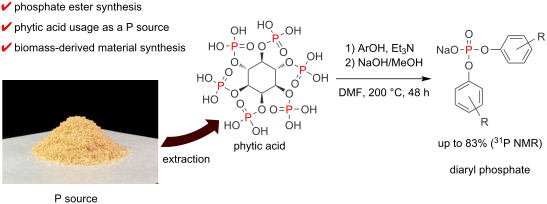
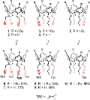
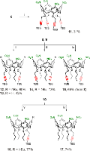
- Research, Saga University, 152-1 Shonan-cho, Karatsu, Saga 847-0021, Japan Nippon Concrete Industries Co., Ltd., 4-6-14 Shibaura, Minato-ku, Tokyo 108-8560, Japan 10.3762/bjoc.22.15 Abstract Phytic acid is a phosphorus-rich molecule, which is produced by plants using water-soluble phosphates absorbed from
- produced by plants using water-soluble phosphates absorbed from soil and stored as a phosphorus source in their bodies. Rice bran accounts for 10% of rice weight and contains approximately 6 g phytic acid/100 g rice bran [1][2][3]. Phytic acid has a structure, in which six phosphoric acid molecules




A new synthesis of Tyrian purple (6,6’-dibromoindigo) and its corresponding sulfonate salts
Beilstein J. Org. Chem. 2026, 22, 167–174, doi:10.3762/bjoc.22.10
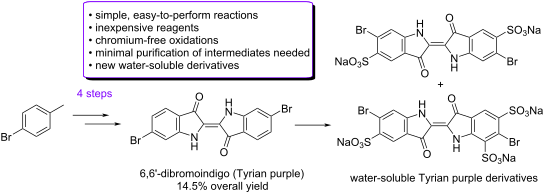
- advantages of inexpensive starting reagents, operationally simple reactions, and minimal purification of intermediates. Moreover, this work reports the successful sulfonation of 6,6’-dibromoindigo, producing water-soluble derivatives of this historically relevant dye. Keywords: 6,6’-dibromoindigo; dye
- similar analogues, using 3 as a key intermediate. Furthermore, we were interested in producing a water-soluble derivative of 1, much like indigo carmine was developed as a water-soluble derivative of indigo. Several syntheses of 3 have been reported, but the most common method involves the selective
- ][17]. In this work, we describe a more direct, chromium-free synthesis of 1 using inexpensive p-bromotoluene (5), as a starting material, which is also suitable for obtaining similar analogs. Moreover, we describe the sulfonation of 1, which yields a water-soluble dye similar in properties to indigo


Silica gel with covalently attached bambusuril macrocycle for dicyanoaurate sorption from water
Beilstein J. Org. Chem. 2025, 21, 2604–2611, doi:10.3762/bjoc.21.201
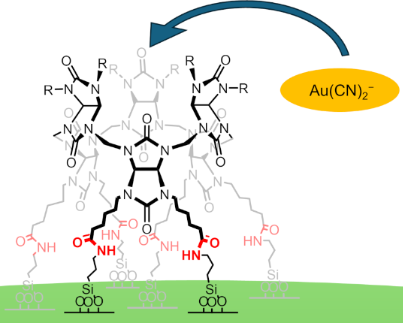
- that 1.3/1.4 equivalents of BU1 on the material are required to bind a single dicyanoaurate anion. A similar macrocycle-to-anion ratio was previously determined for the SG-BnBU material. In contrast, water-soluble BU and dicyanoaurate have been reported to form complexes of 1:1 stoichiometry


Rotaxanes with integrated photoswitches: design principles, functional behavior, and emerging applications
Beilstein J. Org. Chem. 2025, 21, 2345–2366, doi:10.3762/bjoc.21.179
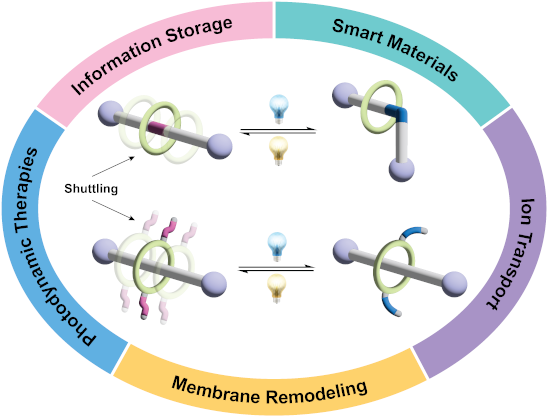
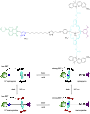
- cannot undergo the photocyclization reaction when the macrocycle is in the BAA site due to conformational restraint. This system was used to form water-soluble nanoparticles to investigate their biological applications. The obtained nanoparticles exhibited bright red photoluminescence and the ability to





Insoluble methylene-bridged glycoluril dimers as sequestrants for dyes
Beilstein J. Org. Chem. 2025, 21, 2302–2314, doi:10.3762/bjoc.21.176
- reactive dyes from textile wastewater streams [27][28][29]. More recently, our group has synthesized water-soluble acyclic cucurbit[n]urils (e.g., M1, Figure 1) and demonstrated that they retain the essential molecular recognition properties of macrocyclic CB[n] [30]. Acyclic CB[n] are more easily
- functionalized and can flex their methylene-bridged glycoluril oligomer to accommodate guests of different size. Water-soluble acyclic CB[n] have been used as in vivo sequestrants for drugs of abuse, neuromuscular blockers, and anesthetics and as solubilizing agents for pharmaceuticals [31][32][33][34][35][36
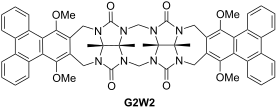
- ][37]. Previously, we showed that the water-soluble methylene-bridged glycoluril dimer (G2M2, Figure 1)-based host displayed highest affinity and selectivity for planar aromatic cations (e.g., dyes) [38]. Most recently, we synthesized a series of water-insoluble catechol-walled acyclic cucurbit[n]uril



Research progress on calixarene/pillararene-based controlled drug release systems
Beilstein J. Org. Chem. 2025, 21, 1757–1785, doi:10.3762/bjoc.21.139
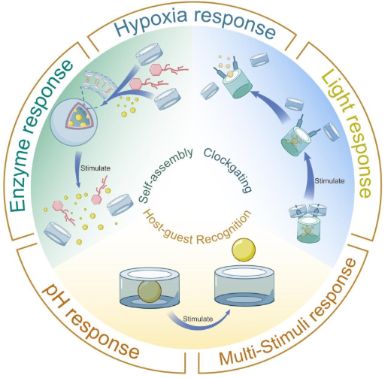
- ease of modification [42]. Among these, CAs and PAs are representative aromatic macrocycles. They can be made water-soluble and exhibit good biocompatibility through carboxyl or phosphate group modification, showing great potential in biomedical carrier applications. Compared with other artificial
- solubility, this can be improved through derivatization. Water-soluble calixarene derivatives can be obtained through functional modifications, including the introduction of sulfonic acid, amine, and carboxylic acid groups [57][58][59]. These water soluble macrocycle derivatives can be used to increase the
- drug design and therapeutic strategies. Notably, PA derivatives also exhibit specificity in recognizing important molecules in biological processes, such as acetylcholine [80], amino acids [81], doxorubicin (DOX) [82] and antibiotics [83], etc. Among the many derivatives, water-soluble pillar[5]arene






Convenient alternative synthesis of the Malassezia-derived virulence factor malassezione and related compounds
Beilstein J. Org. Chem. 2025, 21, 1730–1736, doi:10.3762/bjoc.21.135

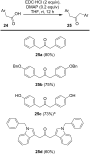
- of EDC permits easy removal of the water-soluble urea-based byproduct with an aqueous wash as opposed to the hydrophobic dicyclohexylurea arising when DCC is utilized, which is more difficult to separate from the hydrophobic malassezione. This route should afford ready access to malassezione for


High-pressure activation for the solvent- and catalyst-free syntheses of heterocycles, pharmaceuticals and esters
Beilstein J. Org. Chem. 2025, 21, 1374–1387, doi:10.3762/bjoc.21.102
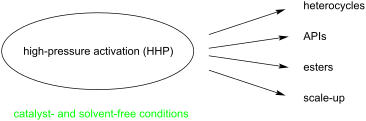
- conducting polymers or scaffolds for drug synthesis. Among them, 1,3-dihydrobenzimidazoles are widely found in many materials, drug candidates, and catalysts. For instance, they can be used in organic light-emitting diodes (OLEDs) [38], as water-soluble antitrypanosomatid agents [39], or in the synthesis of


Photocatalyzed elaboration of antibody-based bioconjugates
Beilstein J. Org. Chem. 2025, 21, 616–629, doi:10.3762/bjoc.21.49
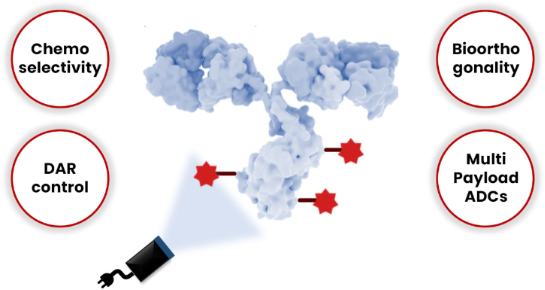
- available and inexpensive Ru(bpy)3, along with a water-soluble, air- and moisture-stable Ni(dabpy)Br2 catalyst. Moreover, they demonstrated that this system works efficiently in aqueous conditions, making it highly suitable for applications involving antibodies. These characteristics make the method highly


Synthesis of N-acetyl diazocine derivatives via cross-coupling reaction
Beilstein J. Org. Chem. 2025, 21, 490–499, doi:10.3762/bjoc.21.36
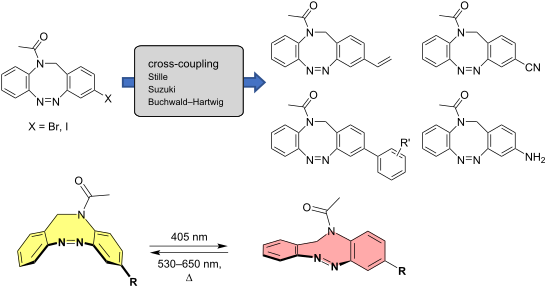
- 19 and the diphenyl-substituted amine 20 show half-lives not significantly longer than the parent N-acetyl diazocine 1. Given the water solubility and the excellent switching behavior of parent 1 in aqueous media [3][13][20], the photochemical properties of water-soluble substituted N-acetyl
- -substituted N-acetyl diazocines 19–21 exhibit photostationary states (PSS) lower in their metastable configurations in analogy to amino-substituted azobenzenes and previously synthesized diazocines. We also investigated the switching properties of the water-soluble derivatives 13 and 21 in water at different


Advances in the use of metal-free tetrapyrrolic macrocycles as catalysts
Beilstein J. Org. Chem. 2024, 20, 3085–3112, doi:10.3762/bjoc.20.257
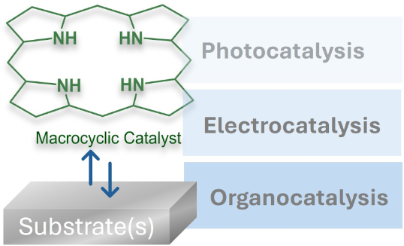
- , Ballester and co-workers reported on the preparation of an octapyridinium-based water-soluble superaryl-extended calix[4]pyrrole molecular container and used it as a capsule for desymmetrization reactions [41], where the reported compound acts both as sequestering and supramolecular protecting group. All of


Cyclodextrin-based rotaxanes for polymer materials: challenge on simultaneous realization of inexpensive production and defined structures
Beilstein J. Org. Chem. 2024, 20, 3026–3049, doi:10.3762/bjoc.20.252
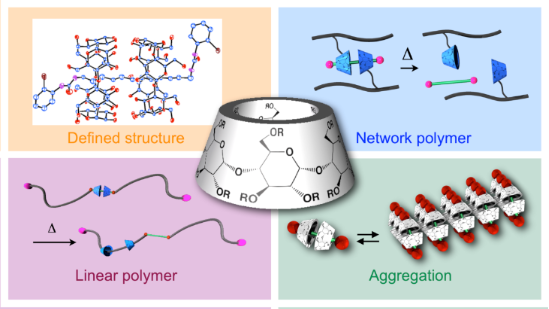
- substitution/addition reactions became the standard for end-capping reactions, although a transition metal–catalyzed cross-coupling reaction has also been used to synthesize CD-based rotaxane. Typically, water-soluble components are prepared, after which the Suzuki coupling reaction in water is used to
- , most of their rotaxane structures required a complicated multistep synthesis as well as the introduction of polar substituents, such as carboxylic acid or sulfonic acid groups, to generate a water-soluble system, and these prevent the direct application of those frameworks to polymer systems. As the






Cell-free protein synthesis with technical additives – expanding the parameter space of in vitro gene expression
Beilstein J. Org. Chem. 2024, 20, 2242–2253, doi:10.3762/bjoc.20.192
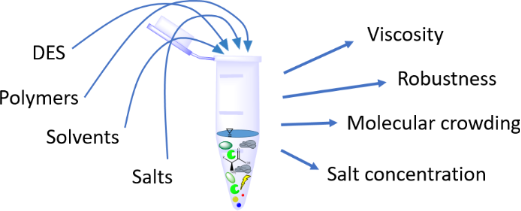
- -physiological conditions further extend the parameter space in which CFPS can be performed. This extension would be highly desirable for a coupled CFPS and enzyme assay, where, e.g., an organic solvent is used to solubilize poorly water soluble substrates for the enzyme. In this study, we therefore aim to fill
- some of the gaps in the consideration of the general physical properties and potential effects on the performance of Escherichia coli-based CFPS. We use technical additives, such as water-soluble macromolecular polymers and salts, which are commonly used as deep eutectic solvents (DES) and extend the
- macromolecules. PEG, a water-soluble macromolecular polymer, is a commonly used crowding agent to mimic the cellular environment in vitro [25]. Interestingly, it has been observed that different proteins have different PEG-8000 concentration optima [27]. The standard composition of the in-house CFPS system

Solvent-dependent chemoselective synthesis of different isoquinolinones mediated by the hypervalent iodine(III) reagent PISA
Beilstein J. Org. Chem. 2024, 20, 1914–1921, doi:10.3762/bjoc.20.167
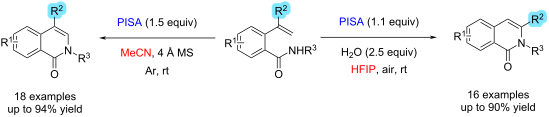
- zwitterionic water-soluble hypervalent iodine reagent (phenyliodonio)sulfamate (PISA). In water, PISA is strongly acidic, and the pH value can reach 2.05 in a saturated aqueous solution. With PISA, various indoles have been synthesized via C–H amination of 2-alkenylanilines involving an aryl migration


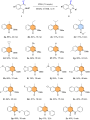


The Groebke–Blackburn–Bienaymé reaction in its maturity: innovation and improvements since its 21st birthday (2019–2023)
Beilstein J. Org. Chem. 2024, 20, 1839–1879, doi:10.3762/bjoc.20.162
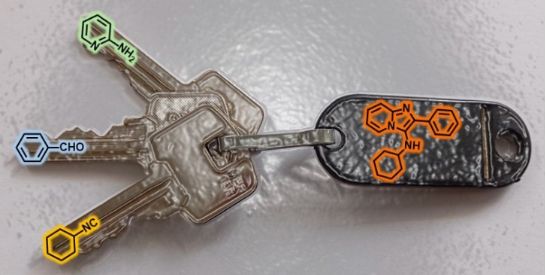
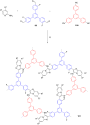
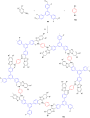
- acids). In order to expand DELs to the GBB reaction, compartmentation was proposed to confine an acidic catalyst into the lipophilic core of micelles, inaccessible to water soluble DNA. Micelles were made of a sulfonic acid substituted, amphiphilic copolymer 13. After reaction optimization, a narrow






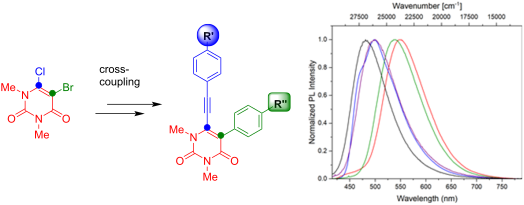
Synthesis and properties of 6-alkynyl-5-aryluracils
Beilstein J. Org. Chem. 2024, 20, 898–911, doi:10.3762/bjoc.20.80
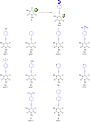
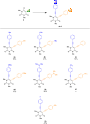
- additional ligand was used in the next attempts. Additionally, it was observed that by replacing the less polar solvent by a mixture of a more polar solvent and water in a 5:1 ratio, yields could be significantly improved. Therefore, sodium hydroxide was used as the water-soluble base, which also proved to



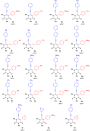


Synthesis and characterization of water-soluble C60–peptide conjugates
Beilstein J. Org. Chem. 2024, 20, 777–786, doi:10.3762/bjoc.20.71
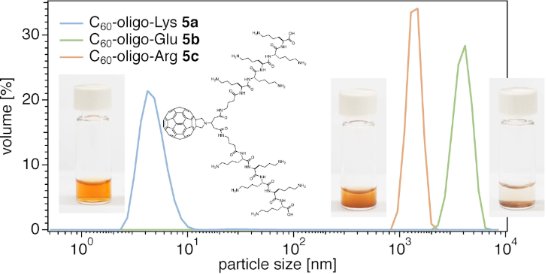
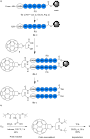
- Yue Ma Lorenzo Persi Yoko Yamakoshi Department of Chemistry and Applied Biosciences, ETH Zürich, Vladimir-Prelog-Weg 3, 8093 Zürich, Switzerland 10.3762/bjoc.20.71 Abstract With the aim of developing biocompatible and water-soluble C60 derivatives, three types of C60–peptide conjugates consisting
- successfully provide C60–peptide conjugates with one C60 and two peptide anchors as water-soluble moieties. Among three C60–peptide conjugates prepared, C60–oligo-Lys was soluble in water at neutral pH, and C60–oligo-Glu was soluble in buffer with a higher pH value, but C60–oligo-Arg was insoluble in water and
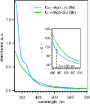
- most other solvents. C60–oligo-Lys and C60–oligo-Glu were characterized by 1H and 13C NMR. Photoinduced 1O2 generation was observed in the most soluble C60–oligo-Lys conjugate under visible light irradiation (527 nm) to show the potential of this highly water-soluble molecule in biological systems, for




Research progress on the pharmacological activity, biosynthetic pathways, and biosynthesis of crocins
Beilstein J. Org. Chem. 2024, 20, 741–752, doi:10.3762/bjoc.20.68
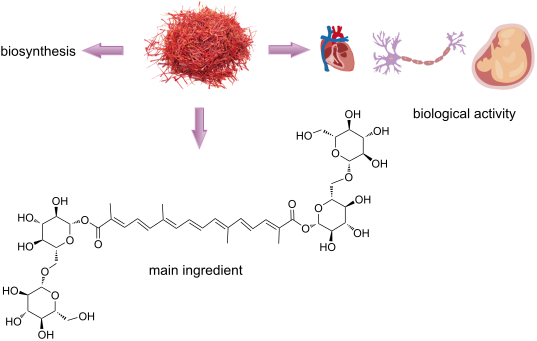
- Chinese Medicine, No. 10 Poyang Lake Road, Tuanbo New Town, Jinghai District, Tianjin 301617, China 10.3762/bjoc.20.68 Abstract Crocins are water-soluble apocarotenoids isolated from the flowers of crocus and gardenia. They exhibit various pharmacological effects, including neuroprotection, anti


New variochelins from soil-isolated Variovorax sp. H002
Beilstein J. Org. Chem. 2024, 20, 692–700, doi:10.3762/bjoc.20.63
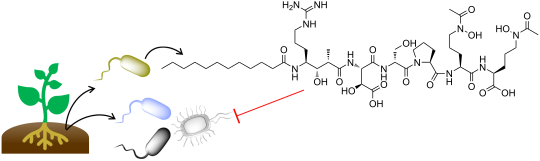
- transporters to form the siderophore Fe(III) complex extracellularly [2][3]. Subsequently, the stable and water soluble siderophore Fe(III) complex is transported across the cell membrane into the cytoplasm, where the iron is released from the complex by reduction, generating free Fe(II) ions that are


Switchable molecular tweezers: design and applications
Beilstein J. Org. Chem. 2024, 20, 504–539, doi:10.3762/bjoc.20.45
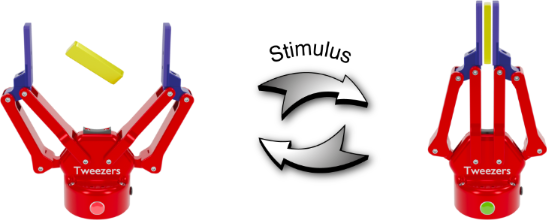
- chemistry; Introduction The terminology “molecular tweezers” was first introduced by Chen and Whitlock in 1978 through a seminal paper [1], wherein they presented a water-soluble molecular receptor composed of two caffeine recognition units linked by a semi-rigid diyne spacer. This ingenious design enabled
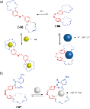
- attached functional arms. The formation of new hydrogen bonds between -OMe groups and protonated pyridine stabilizes a "W"-shaped open conformation. The conformation switch can be easily followed by NMR spectroscopy in solution. Remarkably, the water-soluble tweezers 1, when functionalized with hydrophobic




A new analog of dihydroxybenzoic acid from Saccharopolyspora sp. KR21-0001
Beilstein J. Org. Chem. 2024, 20, 497–503, doi:10.3762/bjoc.20.44
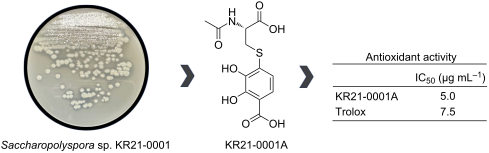
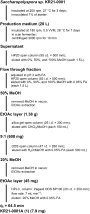
- [16]. KR21-0001A (1) is a new analog of 2,3-DHBA connected to N-acetylcysteine (Figure 2b). 1 has a stronger antioxidant activity than trolox, which is a water-soluble analog of the free radical scavenger α-tocopherol [17][18]. 1 shows no antimicrobial activity against bacteria and fungi. Conclusion



Photochromic derivatives of indigo: historical overview of development, challenges and applications
Beilstein J. Org. Chem. 2024, 20, 228–242, doi:10.3762/bjoc.20.23
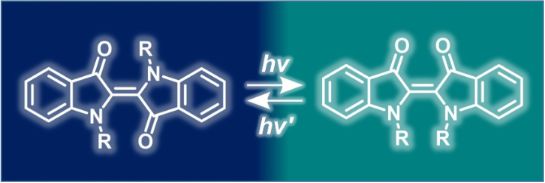
- Corporation [79], in which the inventors succeeded in the synthesis of water-soluble indigo derivatives and applied these compounds as solar energy storage systems using the aforementioned energy storage mechanism. However, detailed studies on kinetics and thermodynamics of the photoisomerization and thermal





Facile access to pyridinium-based bent aromatic amphiphiles: nonionic surface modification of nanocarbons in water
Beilstein J. Org. Chem. 2024, 20, 32–40, doi:10.3762/bjoc.20.5
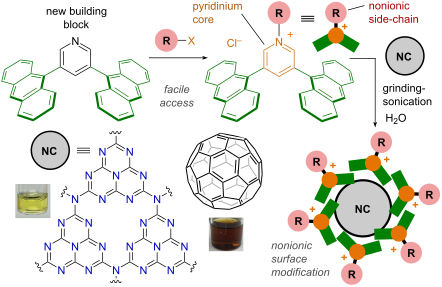
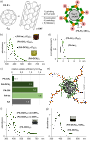
- ][9][10][11]. The development of new amphiphiles with large polyaromatic panels for strong aromatic–aromatic interactions and nonionic side-chains on the other hand would grant access to water-soluble nanocarbons with tunable surface properties, which could expand noncovalent nanocarbon chemistry and




Sulfur-containing spiroketals from Breynia disticha and evaluations of their anti-inflammatory effect
Beilstein J. Org. Chem. 2023, 19, 1604–1614, doi:10.3762/bjoc.19.117
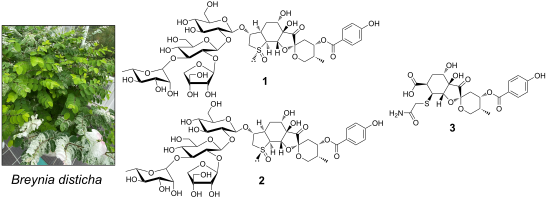
- the solution was evaporated in vacuo to afford a MeOH extract (47.2 g). The MeOH extract was partitioned three times with 1.6 L of ethyl acetate and water 1:1 (v/v), and the water-soluble fraction was further partitioned three times with 800 mL of n-butanol. The ethyl acetate and n-butanol solutions