


Search results
Search for "bacteria" in Full Text gives 370 result(s) in Beilstein Journal of Organic Chemistry. Showing first 200.
A new analog of dihydroxybenzoic acid from Saccharopolyspora sp. KR21-0001
Beilstein J. Org. Chem. 2024, 20, 497–503, doi:10.3762/bjoc.20.44
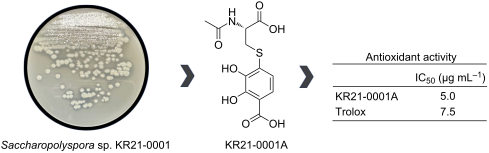
- the presence of a new compound designated KR21-0001A (1). The structure was elucidated by NMR, and the absolute stereochemistry was determined by advanced Marfey’s method. The results indicated that 1 is a new analog of dihydroxybenzoic acid. 1 has no antimicrobial activity against bacteria and fungi
- but showed potent antioxidant activity. Keywords: antioxidant activity; dihydroxybenzoic acid analog; rare actinomycetes; Introduction Actinomycetes are Gram-positive bacteria with high GC content in their genome. They are well-known as the main producers of bioactive compounds such as antibiotic
- ). Antioxidant activity of 1 was measured via the DPPH radical. 1 showed potent DPPH radical scavenging activity with an IC50 value of 5.0 μg·mL−1, which is lower than that of trolox (IC50; 7.5 μg·mL−1) (Table 2). In contrast, 1 did not show antimicrobial activity against Gram-positive and Gram-negative bacteria



Pseudallenes A and B, new sulfur-containing ovalicin sesquiterpenoid derivatives with antimicrobial activity from the deep-sea cold seep sediment-derived fungus Pseudallescheria boydii CS-793
Beilstein J. Org. Chem. 2024, 20, 470–478, doi:10.3762/bjoc.20.42
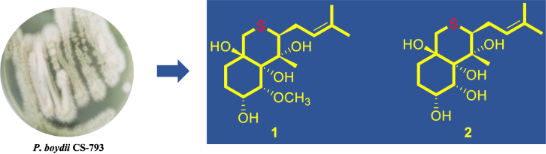
- –3 were tested against seven human- and marine-derived aquatic pathogenetic bacteria (Edwardsiella tarda, Escherichia coli, Micrococcus luteus, Pseudomonas aeruginosa, Vibrio anguillarum, Vibrio harveyi, and Vibrio vulnificus), and six plant pathogenic fungi (Alternaria brassicae, Colletotrichum
- pathogenic bacteria (Escherichia coli QDIO-1 and Pseudomonas aeruginosa QDIO-4) and aquatic pathogens (Edwardsiella tarda QDIO-2, Micrococcus luteus QDIO-3, V. anguillarum QDIO-6, Vibrio harveyi QDIO-7, and V. vulnificus QDIO-10), as well as plant pathogenic fungi (Colletotrichum gloeosporioides QDAU-2
- , the bacteria were cultivated in the LB broth medium at 37 °C for the human pathogenic bacteria, while the temperature was 28 °C for the aquatic pathogens, and they were prepared at a concentration of 1.5 × 10⁸ CFU/mL. Tested compounds and positive control (chloramphenicol) were dissolved in DMSO to


Development of a chemical scaffold for inhibiting nonribosomal peptide synthetases in live bacterial cells
Beilstein J. Org. Chem. 2024, 20, 445–451, doi:10.3762/bjoc.20.39
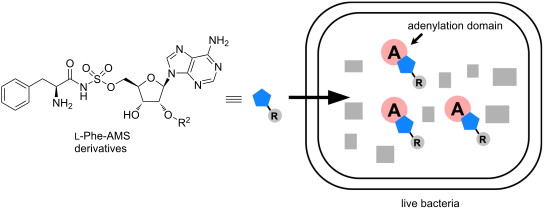
- ]. Moreover, the intracellular concentrations of a series of AMS derivatives in Escherichia coli, Bacillus subtilis, and Mycobacterium smegmatis have been investigated by Tan et al., demonstrating non-obvious correlations between the chemical structure and permeability among various bacteria, owing to the


Green and sustainable approaches for the Friedel–Crafts reaction between aldehydes and indoles
Beilstein J. Org. Chem. 2024, 20, 379–426, doi:10.3762/bjoc.20.36
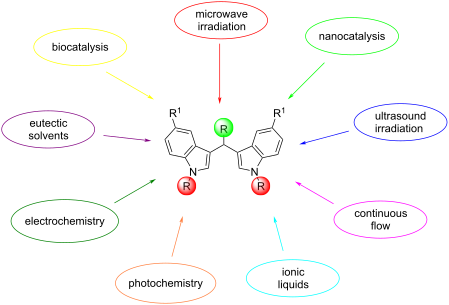
- clinical trials as neuroprotective agents, presenting an attractive alternative to traditional anti-inflammatory and anti-Parkinson’s disease drugs [7]. With the increased drug resistance of bacteria to modern medicine, BIMs have emerged as an interesting alternative, due to their antibacterial and
- antiviral properties. BIMs function as selective antibacterial agents against several virulent Escherichia coli (E. coli) strains, which can cause many gut and urinary tract infections. They act by damaging DNA molecules and inhibiting their replication in bacteria, while also targeting the proteins that




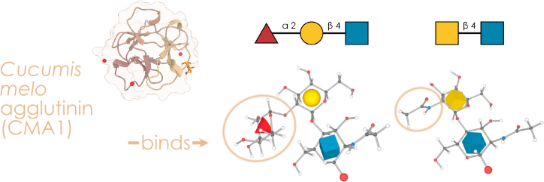
Elucidating the glycan-binding specificity and structure of Cucumis melo agglutinin, a new R-type lectin
Beilstein J. Org. Chem. 2024, 20, 306–320, doi:10.3762/bjoc.20.31
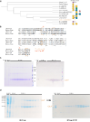
- in bacteria as well as the oxidative environment of the secretory pathway, as CMA1 exhibits predicted disulfide bridges. A single step of His-tag affinity chromatography was sufficient to yield protein of adequate purity and good yield (≈15 mg of eluted protein from 800 mL of cell culture, Figure 1c
- from the expression of CMA1 protein in CHO-S cells. Note the smeared band indicating the presence of glycosylation. (d) Recombinant expression of CMA1 in bacteria. SDS-PAGE gels of the His-tag affinity chromatography and cation exchange chromatography from the expression of CMA1 protein in E. coli BL21
- measure its ability to agglutinate erythrocytes, compared to other lectins, such as AAL, ConA, RCA1, and SNA-I, as well as a PBS negative control. (b, c) Thermal shift assay. After comparing the melting curves of CMA1 produced in mammalian cells (CHO-S) and bacteria (E. coli), we incubated the bacterially



Photochromic derivatives of indigo: historical overview of development, challenges and applications
Beilstein J. Org. Chem. 2024, 20, 228–242, doi:10.3762/bjoc.20.23
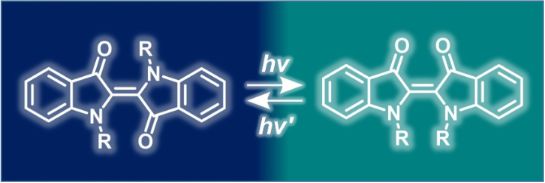
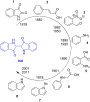
- (Figure 14). Indirubin (26) is a purple colored dye that can be found in Isatis tinctoria and Indigofera tinctoria plants along with indigo and its derivatives or can be obtained as a metabolism product of some bacteria [68]. Given to the wide range of biological activities, including anticancer and anti





Optimizations of lipid II synthesis: an essential glycolipid precursor in bacterial cell wall synthesis and a validated antibiotic target
Beilstein J. Org. Chem. 2024, 20, 220–227, doi:10.3762/bjoc.20.22
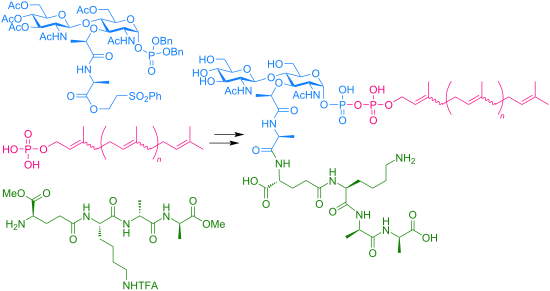
- bacteria. Accessing this valuable cell wall precursor is important both for studying cell wall synthesis and for studying/identifying novel antimicrobial compounds. Herein, we describe optimizations to the modular chemical synthesis of lipid II and unnatural analogues. In particular, the glycosylation step
- study the mechanism of action of antimicrobial peptides that kill bacteria through binding to these polyprenyls [21][28][29][30][31][32][33][34]. Lipid II has been of particular interest, and during our synthesis of multiple different lipid II analogues, we have developed several optimizations, which we


Synthetic approach to 2-alkyl-4-quinolones and 2-alkyl-4-quinolone-3-carboxamides based on common β-keto amide precursors
Beilstein J. Org. Chem. 2023, 19, 1804–1810, doi:10.3762/bjoc.19.132
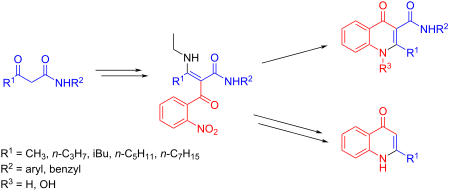
- most prominent examples in this regard are the fluoroquinolone antimicrobials [3] – a remarkably successful drug class, used to treat bacterial infections caused by both Gram-positive and Gram-negative bacteria [4]. Other notable 4-quinolones of synthetic origin are ivacaftor [5] and elvitegravir [6
- great research interest, with many reviews published in the recent years [20][21][22]. Some of the compounds are known to act as antibiotics [23][24][25][26], while others function as quorum-sensing signal molecules which regulate the production and release of virulence factors in bacteria, thus helping


Synthesis and biological evaluation of Argemone mexicana-inspired antimicrobials
Beilstein J. Org. Chem. 2023, 19, 1511–1524, doi:10.3762/bjoc.19.108
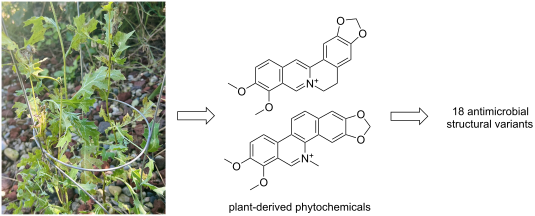
- (five Gram-positive and four Gram-negative bacteria, and three fungi). Additionally, the crystal structures of two berberine variants are described. Several berberine variants show enhanced antibacterial activity compared to the unaltered plant-derived molecule. We also report promising preliminary
- concern, antimicrobial-resistant microbes are also a threat to the health of the individuals on the international space station (ISS). According to recent studies, a diverse population of bacteria and fungi, including several opportunistic pathogens, have colonized the ISS [5], and many of these strains
- explored screening methanol and hexane extracts of various parts of the A. mexicana plant (seeds, leaves, inner vs outer roots) for biological activity with the outer root methanol extract showing the highest activity against Gram-positive bacteria as well as inhibitory effects against human colon cancer


Functional characterisation of twelve terpene synthases from actinobacteria
Beilstein J. Org. Chem. 2023, 19, 1386–1398, doi:10.3762/bjoc.19.100
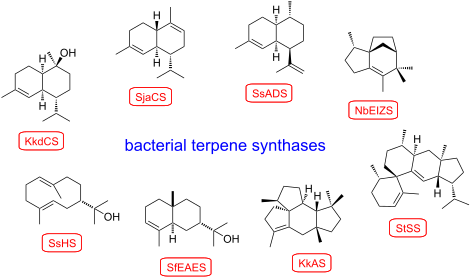
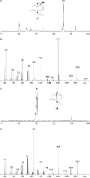
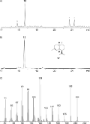
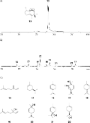
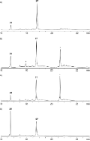
- structures were elucidated by NMR spectroscopy, resulting in the discovery of the first terpene synthases for (+)-δ-cadinol and (+)-α-cadinene, besides the first two bacterial (−)-amorpha-4,11-diene synthases. For other terpene synthases with functions reported from bacteria before the products were
- bacterial terpene synthases have been identified [11], including enzymes for the non-canonical compounds geosmin (7) [12] and 2-methylisoborneol (8) [13]. Recent developments also revealed the presence of sesterterpene synthases in bacteria exemplified by the enzymes for sesterviridene (9) in Kitasatospora
- recently identified in which sesquiterpenes from bacteria showed an enantiomeric relationship to plant compounds [36]. The enzyme from K. kofuensis represents the first terpene synthase for the biosynthesis of 10 and was thus identified as Kutzneria kofuensis (+)-δ-Cadinol Synthase (KkdCS). A few closely




Synthesis of ether lipids: natural compounds and analogues
Beilstein J. Org. Chem. 2023, 19, 1299–1369, doi:10.3762/bjoc.19.96
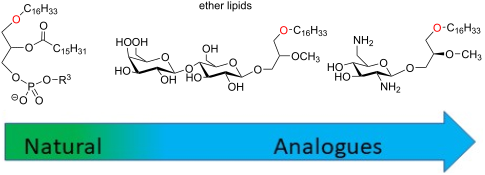
- correspond, for instance, to biosynthesized intermediates (e.g., 1-O-alkyl-glycerol-3-phosphate [4], lyso-PAF [5]) or neutral ether lipids (e.g., diacyl ether glycerol [6]). Ether glycerolipids are present in mammalian but also in anaerobic bacteria [7], archea (with an inverted stereochemistry at the sn-2






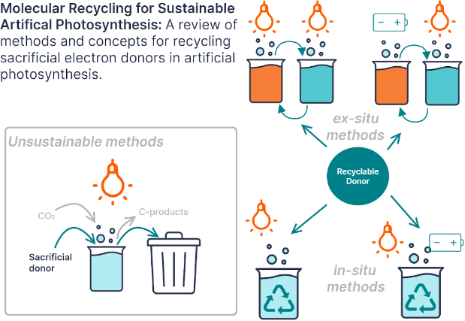
Enabling artificial photosynthesis systems with molecular recycling: A review of photo- and electrochemical methods for regenerating organic sacrificial electron donors
Beilstein J. Org. Chem. 2023, 19, 1198–1215, doi:10.3762/bjoc.19.88
- body of work using simple alcohols as a proton and electron source in electrochemical hydrogenations [43]. This could also evolve into an extension of artificial photosynthesis if the alcohols used as donors are generated by artificial or natural photosynthesis (i.e., photosynthetic bacteria). NADH and


Two new lanostanoid glycosides isolated from a Kenyan polypore Fomitopsis carnea
Beilstein J. Org. Chem. 2023, 19, 1161–1169, doi:10.3762/bjoc.19.84
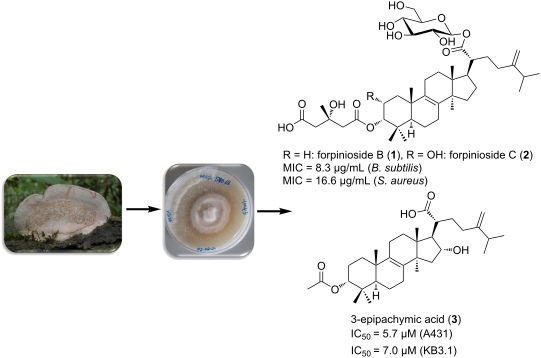
- , compound 2 was identified as 2α-hydroxy,3α-[(3′S)-4′-carboxyl-3′-hydroxy-3′-methylbutanoyloxy]lanosta-8,24(31)-dien-21-oic acid 21-O-β-ᴅ-glucopyranoside that was named as forpinioside C. Biological activities Compounds 1–4 were tested for their antimicrobial effects against fungi and bacteria; where
- compound 1 was moderately active against the Gram-positive bacteria Bacillus subtilis and Staphylococcus aureus at MIC values of 8.3 µg/mL and 16.6 µg/mL, respectively. The antagonism of 1 against B. subtilis and S. aureus was compared to the positive controls oxytetracycline and gentamycin, with MICs
- 128: HRESIMS profiles and NMR spectroscopic data of 1, 2 and 4 in CD3OD, and of 3 in (CD3)2S=O; half inhibitory concentrations (IC50) for various mammalian cell lines as well as minimum inhibitory concentrations (MIC) of 1–4 for bacteria, yeasts and filamentous fungi. Acknowledgements The technical


Intermediates and shunt products of massiliachelin biosynthesis in Massilia sp. NR 4-1
Beilstein J. Org. Chem. 2023, 19, 909–917, doi:10.3762/bjoc.19.69
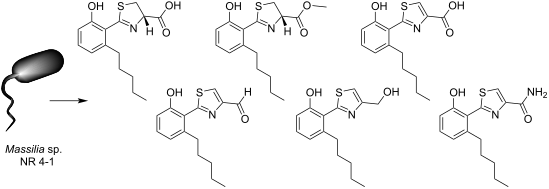
- biosynthetic intermediates or shunt products of massiliachelin. Their bioactivity was tested against one Gram-positive and three Gram-negative bacteria. Keywords: Massilia; massiliachelin; siderophore; structure elucidation; Introduction Iron is crucial for many important biological processes, such as
- +) [1]. To maintain iron homeostasis, all living organisms need to regulate the intake of this essential element from the environment. In bacteria, this is typically achieved through the use of siderophores [2], which are small molecules that are secreted under iron-limiting conditions to solubilize and
- Burkholderia gladioli, which possesses an unprecedented citrate-derived fatty acid moiety [11]. Furthermore, lipopeptide siderophores with photocleavable moieties, like taiwachelin, were reported from bacteria of the genera Cupriavidus and Variovorax [12][13][14]. The β-proteobacterial genus Massilia was


Cyclodextrins as building blocks for new materials
Beilstein J. Org. Chem. 2023, 19, 889–891, doi:10.3762/bjoc.19.66
- infection (Ad26.COV2.S) was also a milestone for CD research and has served as a large-scale safety test for 2-(hydroxypropyl)-β-CD (HP-β-CD). CDs have also been used to functionalize face mask textiles to block and inactivate bacteria and viruses [7]. Apart from the COVID-19 pandemic, CDs are well
Synthesis of imidazo[1,2-a]pyridine-containing peptidomimetics by tandem of Groebke–Blackburn–Bienaymé and Ugi reactions
Beilstein J. Org. Chem. 2023, 19, 727–735, doi:10.3762/bjoc.19.53
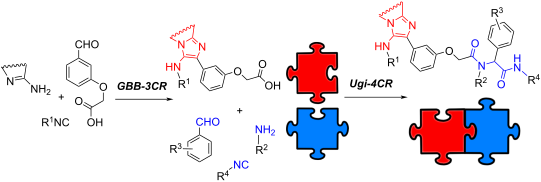
- microorganisms (see Table 3 for details). Both Gram-positive and Gram-negative bacteria (specifically, strains of E. coli and B. subtilis) were equally inhibited in their growth. Compound 7o, in particular, was able to inhibit the growth of B. subtilis at a concentration of 125 mg/L. Bacteriostatic activity


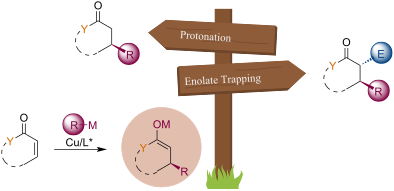
Enolates ambushed – asymmetric tandem conjugate addition and subsequent enolate trapping with conventional and less traditional electrophiles
Beilstein J. Org. Chem. 2023, 19, 593–634, doi:10.3762/bjoc.19.44
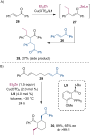
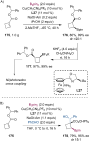
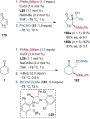
- war against resistant bacteria strains. The tricyclic diterpene fungal metabolite (+)-pleuromutilin was isolated in 1951 [104]. Since then it has served as a starting point for developing new antibiotics, including semisynthetic derivatives effective against Gram-positive or even both types of





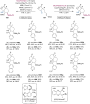


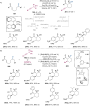


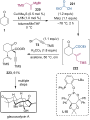
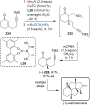
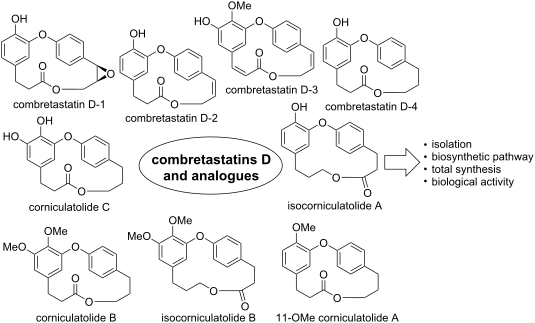
Combretastatins D series and analogues: from isolation, synthetic challenges and biological activities
Beilstein J. Org. Chem. 2023, 19, 399–427, doi:10.3762/bjoc.19.31
- ) against the bacteria Staphylococcus aureus, Bacillus subtilis, Micrococcus luteus, Escherichia coli, Klebsiella pneumoniae, and the fungi Aspergillus niger, Aspergillus terreus, and Aspergillus flavus. Unfortunately, all compounds were found to be inactive [14]. The use of compounds capable to delay




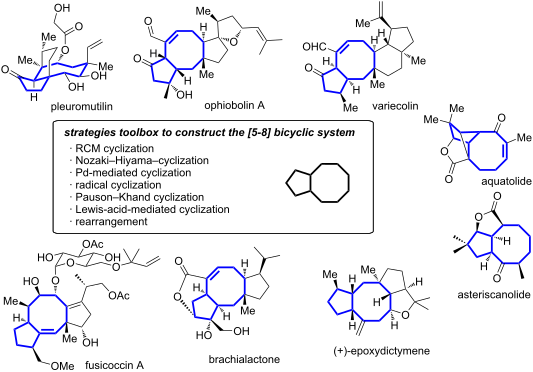
Strategies to access the [5-8] bicyclic core encountered in the sesquiterpene, diterpene and sesterterpene series
Beilstein J. Org. Chem. 2023, 19, 245–281, doi:10.3762/bjoc.19.23
- -positive and Gram-negative bacteria (Scheme 31B). 4.4 Photocatalyzed oxidative ring expansion: alternative radical chemistry for pleuromutilin scaffold construction Following the advent of photoredox catalysis in ring-opening and ring-expansion chemistry [75], a new route was proposed by Foy and Pronin to


Nostochopcerol, a new antibacterial monoacylglycerol from the edible cyanobacterium Nostochopsis lobatus
Beilstein J. Org. Chem. 2023, 19, 133–138, doi:10.3762/bjoc.19.13
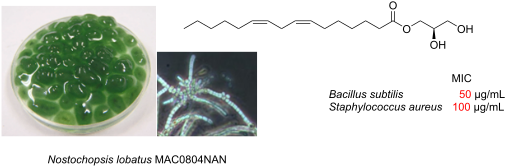
- ethanolic extract of this alga and found that a mid-polar fraction inhibited the growth of two Gram-positive bacteria, Bacillus subtilis and Staphylococcus aureus. Activity-guided fractionation led to the discovery of a new monoacylglycerol, nostochopcerol (1, Figure 1). Part of this study have been
- -hexane. The resulting three layers were tested against four Gram-positive bacteria, five Gram-negative bacteria, six fungi, and two yeasts, which detected antibacterial activity against two Gram-positive bacteria, Bacillus subtilis and Staphylococcus aureus, from the 90% aqueous MeOH layer. The


Preparation of β-cyclodextrin/polysaccharide foams using saponin
Beilstein J. Org. Chem. 2023, 19, 78–88, doi:10.3762/bjoc.19.7
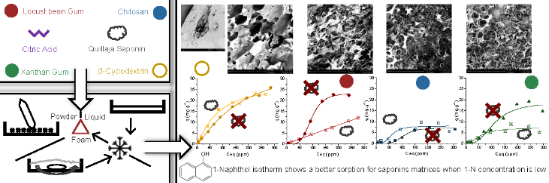
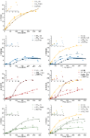
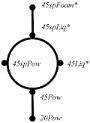
- , their aglycone forms but also the number of sugar molecules involved [11]. They can be found in beverage emulsions [12], and as food surfactants [13], because they are useful also to prevent the development of virus or bacteria in food or beverages [14][15]. As for medical purposes, it has been reported



Combining the best of both worlds: radical-based divergent total synthesis
Beilstein J. Org. Chem. 2023, 19, 1–26, doi:10.3762/bjoc.19.1
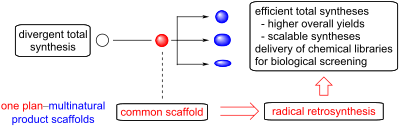
- maydis in 2014 and were reported to possess antibacterial activity against a small panel of both gram-positive and -negative bacteria [89][90]. Interestingly, their chemical structure bears no resemblance to recognize antibiotics and their mechanism of action remains unknown. Based on the knowledge











Digyalipopeptide A, an antiparasitic cyclic peptide from the Ghanaian Bacillus sp. strain DE2B
Beilstein J. Org. Chem. 2022, 18, 1763–1771, doi:10.3762/bjoc.18.185
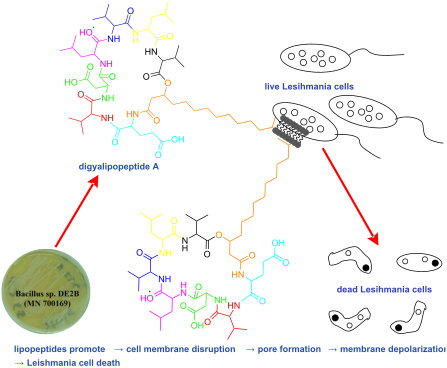
- of different bacteria from highly diverse, low human activity environments in Ghana and the subsequent characterization and biological activity studies of their secondary metabolites, we found both Gram-positive and Gram-negative Bacillus strains to be ubiquitous and widespread. One of such strains
- -negative and Gram-positive standard laboratory bacteria including Escherichia coli, Staphylococcus aureus, Bacillus cereus, Shigella flexneri, Shigella sonnei, Salmonella paratyphi B, Salmonella enteritidis, Salmonella typhimurium, and Shigella dysenteriae (Table 3). Compound 1 was found to possess
- promising antimicrobial properties in comparison to the laboratory standards ampicillin and amphotericin B. Compound 1 produced interesting biological activity against the Gram-negative bacteria Shigella sonnei, Shigella flexneri and the multidrug resistant Gram-positive Staphylococcus aureus with IC50 of


Navigating and expanding the roadmap of natural product genome mining tools
Beilstein J. Org. Chem. 2022, 18, 1656–1671, doi:10.3762/bjoc.18.178
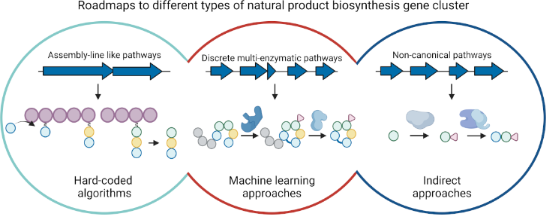
- initiated the field of microbial NP research. In the "golden age" of antibiotic discovery from the 1940s to 1970s, microbes and especially bacteria have been identified as an almost untapped treasure trove for the discovery of bioactive NPs. For the longest time, researchers focused on a few talented NP




Using UHPLC–MS profiling for the discovery of new sponge-derived metabolites and anthelmintic screening of the NatureBank bromotyrosine library
Beilstein J. Org. Chem. 2022, 18, 1544–1552, doi:10.3762/bjoc.18.164
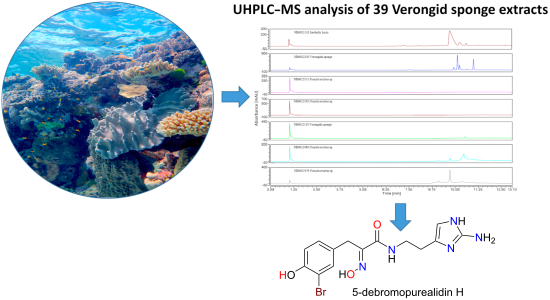
- natural product chemists have shifted their attention to marine-derived microorganisms such as bacteria and fungi over the past 10 years [2], sponges continue to be a source of novel and biologically active metabolites and remain an important taxonomic phylum for the discovery of new and bioactive natural
- the purealidin bromotyrosine structure class, however, quorum sensing inhibition and antifouling activities against several strains of bacteria and microalgae appears in the literature [33][34], while HIV-1 replication inhibition and anti-Leishmania and Plasmodium activity has also been recorded [35





