


Search results
Search for "furans" in Full Text gives 106 result(s) in Beilstein Journal of Organic Chemistry.
One-pot sequential synthesis of tetrasubstituted thiophenes via sulfur ylide-like intermediates
- Jun Ki Kim,
- Hwan Jung Lim,
- Kyung Chae Jeong and
- Seong Jun Park
Beilstein J. Org. Chem. 2018, 14, 243–252, doi:10.3762/bjoc.14.16
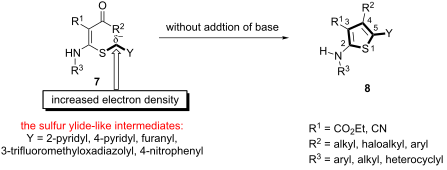
- sulfur ylide-like intermediates, various heterocycles were subjected to the reaction (Table 1, entries 6–11). The desired thiophenes 8f and 8g were obtained in low yields from the respective furans (33% and 20%, Table 1, entries 6 and 7). With thiophene, however, only N,S-acetal compound 7h was obtained

Graphical Abstract

Figure 1: The selected examples of sulfur(IV) and sulfur(VI) ylides 1 [1], 2 [5-7], 3 [6,7,9], 4 [11,12], 5 [33,34], 6 [35-38].

Figure 2: Metal-free synthesis of thiophene-based heterocycles (A) [54,55], (B) [56].

Scheme 1: One-pot sequential synthesis of the trisubstituted 5-(pyridine-2-yl)thiophenes 8a. Substrate: amalo...

Figure 3: X-ray crystal structures of 8ad and 8an [68].

Figure 4: The proposed structure of sulfur ylide-like intermediates; resonance contributors (mesomeric struct...
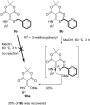
Scheme 2: The substitution reaction with MeOH.
Photocatalytic formation of carbon–sulfur bonds
- Alexander Wimmer and
- Burkhard König
Beilstein J. Org. Chem. 2018, 14, 54–83, doi:10.3762/bjoc.14.4
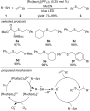
- furans or pyridines. Thioamide derivatives Formation of benzothiazoles Already in 2012, Li et al. envisioned a photoredox protocol for the synthesis of 2-substituted benzothiazoles applying [Ru(bpy)3](PF6)2 as photocatalyst and molecular oxygen as oxidant (Scheme 31) [66]. As starting material

Graphical Abstract

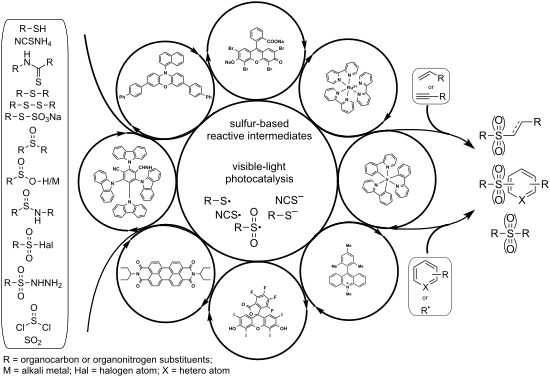
Scheme 1: General overview over the sulfur-based substrates and reactive intermediates that are discussed in ...
Scheme 2: Photoredox-catalyzed radical thiol–ene reaction, applying [Ru(bpz)3](PF6)2 as photocatalyst.

Scheme 3: Photoredox-catalyzed thiol–ene reaction of aliphatic thiols with alkenes enabled by aniline derivat...
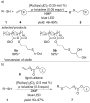
Scheme 4: Photoredox-catalyzed radical thiol–ene reaction for the postfunctionalization of polymers (a) and n...

Scheme 5: Photoredox-catalyzed thiol–ene reaction enabled by bromotrichloromethane as redox additive.
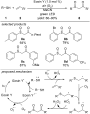
Scheme 6: Photoredox-catalyzed preparation of β-ketosulfoxides with Eosin Y as organic dye as photoredox cata...
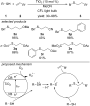
Scheme 7: Greaney’s photocatalytic radical thiol–ene reaction, applying TiO2 nanoparticles as photocatalyst.

Scheme 8: Fadeyi’s photocatalytic radical thiol–ene reaction, applying Bi2O3 as photocatalyst.

Scheme 9: Ananikov’s photocatalytic radical thiol-yne reaction, applying Eosin Y as photocatalyst.
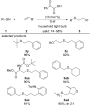
Scheme 10: Organocatalytic visible-light photoinitiated thiol–ene coupling, applying phenylglyoxylic acid as o...

Scheme 11: Xia’s photoredox-catalyzed synthesis of 2,3-disubstituted benzothiophenes, applying 9-mesityl-10-me...
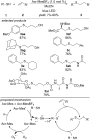
Scheme 12: Wang’s metal-free photoredox-catalyzed radical thiol–ene reaction, applying 9-mesityl-10-methylacri...

Scheme 13: Visible-light benzophenone-catalyzed metal- and oxidant-free radical thiol–ene reaction.
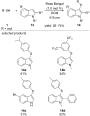
Scheme 14: Visible-light catalyzed C-3 sulfenylation of indole derivatives using Rose Bengal as organic dye.
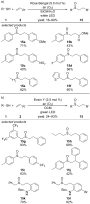
Scheme 15: Photocatalyzed radical thiol–ene reaction and subsequent aerobic sulfide-oxidation with Rose Bengal...
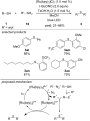
Scheme 16: Photoredox-catalyzed synthesis of diaryl sulfides.

Scheme 17: Photocatalytic cross-coupling of aryl thiols with aryl diazonium salts, using Eosin Y as photoredox...
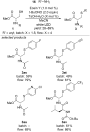
Scheme 18: Photocatalyzed cross-coupling of aryl diazonium salts with cysteines in batch and in a microphotore...
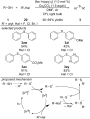
Scheme 19: Fu’s [Ir]-catalyzed photoredox arylation of aryl thiols with aryl halides.

Scheme 20: Fu’s photoredox-catalyzed difluoromethylation of aryl thiols.
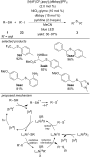
Scheme 21: C–S cross-coupling of thiols with aryl iodides via [Ir]-photoredox and [Ni]-dual-catalysis.
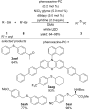
Scheme 22: C–S cross-coupling of thiols with aryl bromides, applying 3,7-bis-(biphenyl-4-yl)-10-(1-naphthyl)ph...
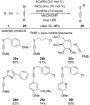
Scheme 23: Collin’s photochemical dual-catalytic cross-coupling of thiols with bromoalkynes.
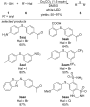
Scheme 24: Visible-light-promoted C–S cross-coupling via intermolecular electron donor–acceptor complex format...
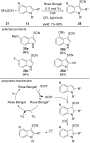
Scheme 25: Li’s visible-light photoredox-catalyzed thiocyanation of indole derivatives with Rose Bengal as pho...
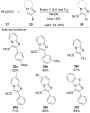
Scheme 26: Hajra’s visible-light photoredox-catalyzed thiocyanation of imidazoheterocycles with Eosin Y as pho...

Scheme 27: Wang’s photoredox-catalyzed thiocyanation reaction of indoles, applying heterogeneous TiO2/MoS2 nan...
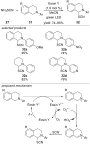
Scheme 28: Yadav’s photoredox-catalyzed α-C(sp3)–H thiocyanation reaction for tertiary amines, applying Eosin ...

Scheme 29: Yadav’s photoredox-catalyzed synthesis of 5-aryl-2-imino-1,3-oxathiolanes.

Scheme 30: Yadav’s photoredox-catalyzed synthesis of 1,3-oxathiolane-2-thiones.
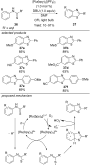
Scheme 31: Li’s photoredox catalysis for the preparation of 2-substituted benzothiazoles, applying [Ru(bpy)3](...
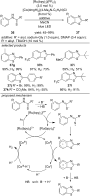
Scheme 32: Lei’s external oxidant-free synthesis of 2-substituted benzothiazoles by merging photoredox and tra...

Scheme 33: Metal-free photocatalyzed synthesis of 2-aminobenzothiazoles, applying Eosin Y as photocatalyst.

Scheme 34: Metal-free photocatalyzed synthesis of 1,3,4-thiadiazoles, using Eosin Y as photocatalyst.
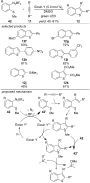
Scheme 35: Visible-light photoredox-catalyzed preparation of benzothiophenes with Eosin Y.

Scheme 36: Visible-light-induced KOH/DMSO superbase-promoted preparation of benzothiophenes.
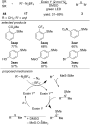
Scheme 37: Jacobi von Wangelin’s photocatalytic approach for the synthesis of aryl sulfides, applying Eosin Y ...

Scheme 38: Visible-light photosensitized α-C(sp3)–H thiolation of aliphatic ethers.

Scheme 39: Visible-light photocatalyzed cross-coupling of alkyl and aryl thiosulfates with aryl diazonium salt...
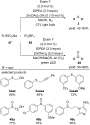
Scheme 40: Visible-light photocatalyzed, controllable sulfenylation and sulfoxidation with organic thiosulfate...

Scheme 41: Rastogi’s photoredox-catalyzed methylsulfoxidation of aryl diazonium salts, using [Ru(bpy)3]Cl2 as ...
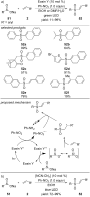
Scheme 42: a) Visible-light metal-free Eosin Y-catalyzed procedure for the preparation of vinyl sulfones from ...
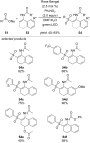
Scheme 43: Visible-light photocatalyzed cross-coupling of sodium sulfinates with secondary enamides.

Scheme 44: Wang’s photocatalyzed oxidative cyclization of phenyl propiolates with sulfinic acids, applying Eos...

Scheme 45: Lei’s sacrificial oxidant-free synthesis of allyl sulfones by merging photoredox and transition met...
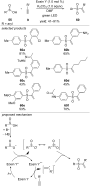
Scheme 46: Photocatalyzed Markovnikov-selective radical/radical cross-coupling of aryl sulfinic acids and term...

Scheme 47: Visible-light Eosin Y induced cross-coupling of aryl sulfinic acids and styrene derivatives, afford...
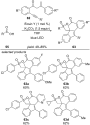
Scheme 48: Photoredox-catalyzed bicyclization of 1,7-enynes with sulfinic acids, applying Eosin Y as photocata...

Scheme 49: Visible-light-accelerated C–H-sulfinylation of arenes and heteroarenes.
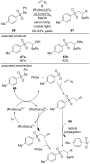
Scheme 50: Visible-light photoredox-catalyzed β-selenosulfonylation of electron-rich olefins, applying [Ru(bpy)...

Scheme 51: Photocatalyzed preparation of β-chlorosulfones from the respective olefins and p-toluenesulfonyl ch...
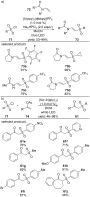
Scheme 52: a) Photocatalyzed preparation of β-amidovinyl sulfones from sulfonyl chlorides. b) Preparation of β...

Scheme 53: Visible-light photocatalyzed sulfonylation of aliphatic tertiary amines, applying [Ru(bpy)3](PF6)2 ...
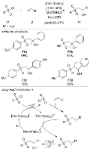
Scheme 54: Reiser’s visible-light photoredox-catalyzed preparation of β-hydroxysulfones from sulfonyl chloride...
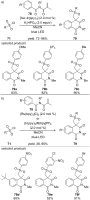
Scheme 55: a) Sun’s visible-light-catalyzed approach for the preparation of isoquinolinonediones, applying [fac...
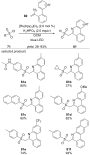
Scheme 56: Visible-light photocatalyzed sulfonylation/cyclization of vinyl azides, applying [Ru(bpy)3]Cl2 as p...

Scheme 57: Visible-light photocatalyzed procedure for the formation of β-ketosulfones from aryl sulfonyl chlor...

Scheme 58: Zheng’s method for the sulfenylation of indole derivatives, applying sulfonyl chlorides via visible...
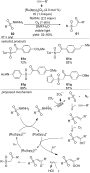
Scheme 59: Cai’s visible-light induced synthesis of β-ketosulfones from sulfonyl hydrazines and alkynes.

Scheme 60: Photoredox-catalyzed approach for the preparation of vinyl sulfones from sulfonyl hydrazines and ci...
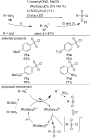
Scheme 61: Jacobi von Wangelin’s visible-light photocatalyzed chlorosulfonylation of anilines.
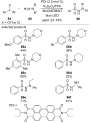
Scheme 62: Three-component photoredox-catalyzed synthesis of N-amino sulfonamides, applying PDI as organic dye....

Scheme 63: Visible-light induced preparation of complex sulfones from oximes, silyl enol ethers and SO2.
Synthesis of novel 13α-estrone derivatives by Sonogashira coupling as potential 17β-HSD1 inhibitors
- Ildikó Bacsa,
- Rebeka Jójárt,
- János Wölfling,
- Gyula Schneider,
- Bianka Edina Herman,
- Mihály Szécsi and
- Erzsébet Mernyák
Beilstein J. Org. Chem. 2017, 13, 1303–1309, doi:10.3762/bjoc.13.126

- -substituted counterpart 15, the olefinic protons are shown as doublets with a large coupling constant of 12.2 Hz, which refers to their trans arrangement. Under the conditions used for the partial saturation, the ethynyl derivatives bearing a phenolic OH group (8c, 10c) furnished benzo[b]furans 12 and 14

Graphical Abstract

Scheme 1: Syntheses of 2- or 4-phenethynyl-13α-estrones (8–11) by Sonogashira coupling.

Scheme 2: Partial or full hydrogenation of compounds 8c–11c.
Exploring endoperoxides as a new entry for the synthesis of branched azasugars
- Svenja Domeyer,
- Mark Bjerregaard,
- Henrik Johansson and
- Daniel Sejer Pedersen
Beilstein J. Org. Chem. 2017, 13, 644–647, doi:10.3762/bjoc.13.63

- strategies have since been developed, including asymmetric and chemoenzymatic methods [2][6][7][8]. Substituted endoperoxides have been applied to the synthesis of substituted cyclopropanes, furans and carbohydrates [9][10][11][12]. Inspired by the work of Robinson and co-workers [10][11][12] we hypothesised

Graphical Abstract
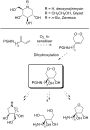
Scheme 1: Top: The natural product deoxynojirimycin and two analogues and marketed drugs Glyset and Zavesca. ...

Scheme 2: Synthesis of Boc- and Pht-protected diene substrates for endoperoxide synthesis. TBA-Cl = tetrabuty...

Scheme 3: Synthesis of endoperoxides 17–19 by [4 + 2]-cycloaddition of dienes 14–16 with singlet oxygen. The ...

Scheme 4: Dihydroxylation and protection of endoperoxides 18 and 19 to provide novel building blocks 20–23 fo...
Synthesis of 1-indanones with a broad range of biological activity
- Marika Turek,
- Dorota Szczęsna,
- Marek Koprowski and
- Piotr Bałczewski
Beilstein J. Org. Chem. 2017, 13, 451–494, doi:10.3762/bjoc.13.48
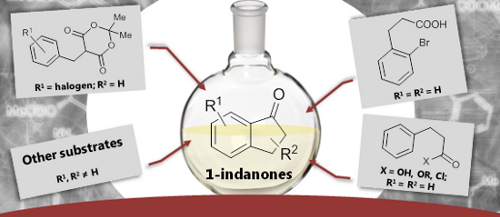
- et al. have further expanded the scope of this reaction on several other substrates which are active in the [2 + 2 + 2] cycloaddition [120]. For example, the triyn 322 under hexadehydro-Diels–Alder (HDDA) conditions gave the corresponding 1-indanone 323 in 80% yield (Scheme 89). 3.2 From furans Van

Graphical Abstract

Figure 1: Biologically active 1-indanones and their structural analogues.

Figure 2: Number of papers about (a) 1-indanones, (b) synthesis of 1-indanones.

Scheme 1: Synthesis of 1-indanone (2) from hydrocinnamic acid (1).

Scheme 2: Synthesis of 1-indanone (2) from 3-(2-bromophenyl)propionic acid (3).

Scheme 3: Synthesis of 1-indanones 5 from 3-arylpropionic acids 4.

Scheme 4: Synthesis of kinamycin (9a) and methylkinamycin C (9b).

Scheme 5: Synthesis of trifluoromethyl-substituted arylpropionic acids 12, 1-indanones 13 and dihydrocoumarin...

Scheme 6: Synthesis of 1-indanones 16 from benzoic acids 15.

Scheme 7: Synthesis of 1-indanones 18 from arylpropionic and 3-arylacrylic acids 17.

Scheme 8: The NbCl5-induced one-step synthesis of 1-indanones 22.

Scheme 9: Synthesis of biologically active 1-indanone derivatives 26.

Scheme 10: Synthesis of enantiomerically pure indatraline ((−)-29).

Scheme 11: Synthesis of 1-indanone (2) from the acyl chloride 30.

Scheme 12: Synthesis of the mechanism-based inhibitors 33 of coelenterazine.

Scheme 13: Synthesis of the indane 2-imidazole derivative 37.

Scheme 14: Synthesis of fluorinated PAHs 41.

Scheme 15: Synthesis of 1-indanones 43 via transition metal complexes-catalyzed carbonylative cyclization of m...

Scheme 16: Synthesis of 6-methyl-1-indanone (46).

Scheme 17: Synthesis of 1-indanone (2) from ester 48.

Scheme 18: Synthesis of benzopyronaphthoquinone 51 from the spiro-1-indanone 50.

Scheme 19: Synthesis of the selective endothelin A receptor antagonist 55.

Scheme 20: Synthesis of 1-indanones 60 from methyl vinyl ketone (57).

Scheme 21: Synthesis of 1-indanones 64 from diethyl phthalate 61.

Scheme 22: Synthesis of 1-indanone derivatives 66 from various Meldrum’s acids 65.

Scheme 23: Synthesis of halo 1-indanones 69.

Scheme 24: Synthesis of substituted 1-indanones 71.

Scheme 25: Synthesis of spiro- and fused 1-indanones 73 and 74.

Scheme 26: Synthesis of spiro-1,3-indanodiones 77.

Scheme 27: Mechanistic pathway for the NHC-catalyzed Stetter–Aldol–Michael reaction.

Scheme 28: Synthesis of 2-benzylidene-1-indanone derivatives 88a–d.

Scheme 29: Synthesis of 1-indanone derivatives 90a–i.

Scheme 30: Synthesis of 1-indanones 96 from o-bromobenzaldehydes 93 and alkynes 94.

Scheme 31: Synthesis of 3-hydroxy-1-indanones 99.

Scheme 32: Photochemical preparation of 1-indanones 103 from ketones 100.

Scheme 33: Synthesis of chiral 3-aryl-1-indanones 107.

Scheme 34: Photochemical isomerization of 2-methylbenzil 108.

Scheme 35: Synthesis of 2-hydroxy-1-indanones 111a–c.

Scheme 36: Synthesis of 1-indanone derivatives 113 and 114 from η6-1,2-dioxobenzocyclobutene complex 112.

Scheme 37: Synthesis of nakiterpiosin (117).

Scheme 38: Synthesis of 2-alkyl-1-indanones 120.

Scheme 39: Synthesis of fluorine-containing 1-indanone derivatives 123.

Scheme 40: Synthesis of 2-benzylidene and 2-benzyl-1-indanones 126, 127 from the chalcone 124.

Scheme 41: Synthesis of 2-bromo-6-methoxy-3-phenyl-1-indanone (130).

Scheme 42: Synthesis of combretastatin A-4-like indanones 132a–s.

Figure 3: Chemical structures of investigated dienones 133 and synthesized cyclic products 134–137.

Figure 4: Chemical structures of 1-indanones and their heteroatom analogues 138–142.

Scheme 43: Synthesis of 2-phosphorylated and 2-non-phosphorylated 1-indanones 147 and 148 from β-ketophosphona...

Scheme 44: Photochemical synthesis of 1-indanone derivatives 150, 153a, 153b.

Scheme 45: Synthesis of polysubstituted-1-indanones 155, 157.

Scheme 46: Synthesis of 1-indanones 159a–g from α-arylpropargyl alcohols 158 using RhCl(PPh3)3 as a catalyst.

Scheme 47: Synthesis of optically active 1-indanones 162 via the asymmetric Rh-catalyzed isomerization of race...

Scheme 48: Mechanism of the Rh-catalyzed isomerization of α-arylpropargyl alcohols 161 to 1-indanones 162.

Figure 5: Chemical structure of abicoviromycin (168) and its new benzo derivative 169.

Scheme 49: Synthesis of racemic benzoabicoviromycin 172.

Scheme 50: Synthesis of [14C]indene 176.

Scheme 51: Synthesis of indanone derivatives 178–180.

Scheme 52: Synthesis of racemic pterosin A 186.

Scheme 53: Synthesis of trans-2,3-disubstituted 1-indanones 189.

Scheme 54: Synthesis of 3-aryl-1-indanone derivatives 192.

Scheme 55: Synthesis of 1-indanone derivatives 194 from 3-(2-iodoaryl)propanonitriles 193.

Scheme 56: Synthesis of 1-indanones 200–204 by cyclization of aromatic nitriles.

Scheme 57: Synthesis of 1,1’-spirobi[indan-3,3’-dione] derivative 208.

Scheme 58: Total synthesis of atipamezole analogues 211.

Scheme 59: Synthesis of 3-[4-(1-piperidinoethoxy)phenyl]spiro[indene-1,1’-indan]-5,5’-diol hydrochloride 216.

Scheme 60: Synthesis of 3-arylindan-1-ones 219.

Scheme 61: Synthesis of 2-hydroxy-1-indanones 222.

Scheme 62: Synthesis of the 1-indanone 224 from the THP/MOM protected chalcone epoxide 223.

Scheme 63: Synthesis of 1-indanones 227 from γ,δ-epoxy ketones 226.

Scheme 64: Synthesis of 2-hydroxy-2-methylindanone (230).

Scheme 65: Synthesis of 1-indanone derivatives 234 from cyclopropanol derivatives 233.

Scheme 66: Synthesis of substituted 1-indanone derivatives 237.

Scheme 67: Synthesis of 7-methyl substituted 1-indanone 241 from 1,3-pentadiene (238) and 2-cyclopentenone (239...

Scheme 68: Synthesis of disubstituted 1-indanone 246 from the siloxydiene 244 and 2-cyclopentenone 239.

Scheme 69: Synthesis of 5-hydroxy-1-indanone (250) via the Diels–Alder reaction of 1,3-diene 248 with sulfoxid...

Scheme 70: Synthesis of halogenated 1-indanones 253a and 253b.

Scheme 71: Synthesis of 1-indanones 257 and 258 from 2-bromocyclopentenones 254.

Scheme 72: Synthesis of 1-indanone 261 from 2-bromo-4-acetoxy-2-cyclopenten-1-one (260) and 1,2-dihydro-4-viny...

Scheme 73: Synthesis of 1-indanone 265 from 1,2-dihydro-7-methoxy-4-vinylnaphthalene (262) and bromo-substitut...

Scheme 74: Synthesis of 1-indanone 268 from dihydro-3-vinylphenanthrene 266 and 4-acetoxy-2-cyclopenten-1-one (...

Scheme 75: Synthesis of 1-indanone 271 from phenylselenyl-substituted cyclopentenone 268.

Scheme 76: Synthesis of 1-indanone 272 from the trienone 270.

Scheme 77: Synthesis of the 1-indanone 276 from the aldehyde 273.

Scheme 78: Synthesis of 1-indanones 278 and 279.

Scheme 79: Synthesis of 1-indanone 285 from octa-1,7-diyne (282) and cyclopentenone 239.

Scheme 80: Synthesis of benz[f]indan-1-one (287) from cyclopentenone 239 and o-bis(dibromomethyl)benzene (286)....

Scheme 81: Synthesis of 3-methyl-substituted benz[f]indan-1-one 291 from o-bis(dibromomethyl)benzene (286) and...

Scheme 82: Synthesis of benz[f]indan-1-one (295) from the anthracene epidioxide 292.

Scheme 83: Synthesis of 1-indanone 299 from homophthalic anhydride 298 and cyclopentynone 297.

Scheme 84: Synthesis of cyano-substituted 1-indanone derivative 301 from 2-cyanomethylbenzaldehyde (300) and c...

Scheme 85: Synthesis of 1-indanone derivatives 303–305 from ketene dithioacetals 302.

Scheme 86: Synthesis of 1-indanones 309–316.

Scheme 87: Mechanism of the hexadehydro-Diels–Alder (HDDA) reaction.

Scheme 88: Synthesis of 1-indenone 318 and 1-indanones 320 and 321 from tetraynes 317 and 319.

Scheme 89: Synthesis of 1-indanone 320 from the triyn 319.

Scheme 90: Synthesis 1-indanone 328 from 2-methylfuran 324.

Scheme 91: Synthesis of 1-indanones 330 and 331 from furans 329.

Scheme 92: Synthesis of 1-indanone 333 from the cycloadduct 332.

Scheme 93: Synthesis of (S)-3-arylindan-1-ones 335.

Scheme 94: Synthesis of (R)-2-acetoxy-1-indanone 338.

Figure 6: Chemical structures of obtained cyclopenta[α]phenanthrenes 339.

Scheme 95: Synthesis of the benzoindanone 343 from arylacetaldehyde 340 with 1-trimethylsilyloxycyclopentene (...
A new paradigm for designing ring construction strategies for green organic synthesis: implications for the discovery of multicomponent reactions to build molecules containing a single ring
- John Andraos
Beilstein J. Org. Chem. 2016, 12, 2420–2442, doi:10.3762/bjoc.12.236
- showed that benzimidazoles, Biginelli adducts, dihydropyridines, furans, pyrans, pyridinones, and thiophenes had a high representation of intrinsic greenness; whereas, a high proportion of MCRs producing chromene-4-ones, coumarins, indoles, and pyrazoles had low probabilities of achieving intrinsic

Graphical Abstract

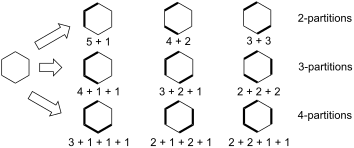
Figure 1: Possible two-component couplings for various monocyclic rings frequently encountered in organic mol...

Figure 2: Possible three-component couplings for various monocyclic rings frequently encountered in organic m...

Figure 3: Possible four-component couplings for various monocyclic rings frequently encountered in organic mo...
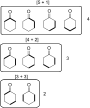
Figure 4: Permutations of two-component coupling patterns for synthesizing the cyclohexanone ring. Synthesis ...
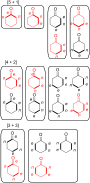
Figure 5: Permutations of two-component coupling patterns for synthesizing the cyclohexanone ring overlayed w...
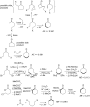
Scheme 1: Conjectured syntheses of cyclohexanone via [5 + 1] strategies.

Scheme 2: Conjectured syntheses of cyclohexanone via [4 + 2] strategies.

Scheme 3: Conjectured syntheses of cyclohexanone via [3 + 3] strategies.

Figure 6: Permutations of three-component coupling patterns for synthesizing the cyclohexanone ring. Synthesi...

Figure 7: Permutations of three-component coupling patterns for synthesizing the pyrazole ring via [2 + 2 + 1...

Scheme 4: Literature method for constructing the pyrazole ring via the A4 [2 + 2 + 1] strategy.
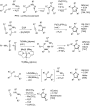
Scheme 5: Literature methods for constructing the pyrazole ring via the A5 [2 + 2 + 1] strategy.

Scheme 6: Literature methods for constructing the pyrazole ring via the A1 [2 + 2 + 1] strategy.

Scheme 7: Literature methods for constructing the pyrazole ring via the B4 [3 + 1 + 1] strategy.

Figure 8: Intrinsic green performance of documented pyrazole syntheses according to [2 + 2 + 1] and [3 + 1 + ...

Scheme 8: Conjectured reactions for constructing the pyrazole ring via the A2 and A3 [2 + 2 + 1] strategies.

Scheme 9: Conjectured reactions for constructing the pyrazole ring via the B1, B2, B3, and B4 [3 + 1 + 1] str...

Figure 9: Permutations of three-component coupling patterns for synthesizing the Biginelli ring adduct. Synth...
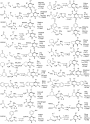
Scheme 10: Reported syntheses of the Biginelli adduct via the traditional [3 + 2 + 1] mapping strategy.
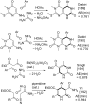
Scheme 11: Reported syntheses of the Biginelli adduct via new [3 + 2 + 1] mapping strategies.

Scheme 12: Reported syntheses of the Biginelli adduct via a new [2 + 2 + 1 + 1] mapping strategy.

Scheme 13: Conjectured syntheses of the Biginelli adduct via new [2 + 2 + 2] mapping strategies.

Scheme 14: Conjectured syntheses of the Biginelli adduct via new [3 + 2 + 1] mapping strategies.

Figure 10: Intrinsic green performance of documented Biginelli adduct syntheses according to [3 + 2 + 1] three...

Figure 11: Intrinsic green performance of newly conjectured Biginelli adduct syntheses according to [4 + 1 + 1...
Superelectrophilic activation of 5-hydroxymethylfurfural and 2,5-diformylfuran: organic synthesis based on biomass-derived products
- Dmitry S. Ryabukhin,
- Dmitry N. Zakusilo,
- Mikhail O. Kompanets,
- Anton A.Tarakanov,
- Irina A. Boyarskaya,
- Tatiana O. Artamonova,
- Mikhail A. Khohodorkovskiy,
- Iosyp O. Opeida and
- Aleksander V. Vasilyev
Beilstein J. Org. Chem. 2016, 12, 2125–2135, doi:10.3762/bjoc.12.202
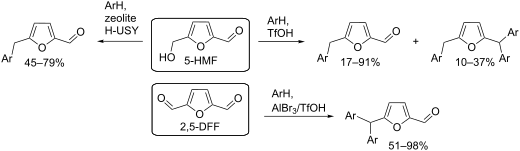
- temperature for 1–24 h gives rise to 5-arylmethylfurfurals (yields of 17–91%) and 2-arylmethyl-5-(diarylmethyl)furans (yields of 10–37%). The formation of these two types of reaction products depends on the nucleophilicity of the arene. The same reactions under the action of acidic zeolites H-USY in high
- diarylmethyl-substituted furans, which are otherwise hardly available molecules [39][40][41][42][43][44][45][46] and used for the synthesis of bioactive compounds [47]. Thus, the superelectrophilic activation of 5-HMF and 2,5-DFF could be of great value for organic synthesis. Results and Discussion The
- on atoms C2, C3, and Ofuran upon protonation of furans 1a and 2 reveal a significant positive charge delocalization into the furan ring in species A, B, C, and D. However, from these calculations no unambiguous answer could be obtained that reveals what cations in pairs A or B, and C or D may take

Graphical Abstract

Figure 1: Formation of 5-HMF from D-glucose or D-fructose followed by oxidation to 2,5-DFF.

Scheme 1: Protonation of 5-HMF (1a) and 2,5-DFF (2) leading to cationic species A, B, C, D.

Figure 2: X-ray crystal structure of compounds 5a (a), and 5c (b) (ORTEP diagrams, ellipsoid contour of proba...
Application of heterocyclic aldehydes as components in Ugi–Smiles couplings
- Katelynn M. Mason,
- Michael S. Meyers,
- Abbie M. Fox and
- Sarah B. Luesse
Beilstein J. Org. Chem. 2016, 12, 2032–2037, doi:10.3762/bjoc.12.191
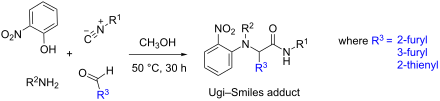
- couplings in combination with post-condensation processes to efficiently increase structural complexity [8][9][10]. One of the most effective routes to polycyclic core structures uses intramolecular Diels–Alder reactions (IMDA) of tethered, substituted furans to provide stereoselective construction of

Graphical Abstract

Scheme 1: N-Arylepoxyisoindolines via tandem Ugi–Smiles/IMDA reaction.

Scheme 2: Reaction monitoring by 1H NMR for production of 1b.

Scheme 3: Use of a thienyl-substituted aldehyde for Ugi–Smiles couplings.
A flow reactor setup for photochemistry of biphasic gas/liquid reactions
- Josef Schachtner,
- Patrick Bayer and
- Axel Jacobi von Wangelin
Beilstein J. Org. Chem. 2016, 12, 1798–1811, doi:10.3762/bjoc.12.170
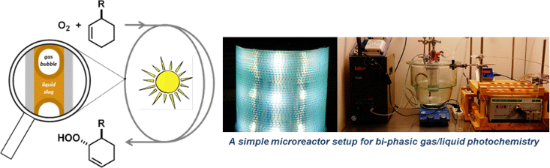
- photooxidations of citronellol [35][40][41][42], indanes [43], monoterpenes [36], furans [42], furfurals [44], thiols [37] and amines [45] as well as the syntheses of ascaridol [46] and artemisinin [47]. Related microreactor setups were applied to biphasic gas/liquid mixtures in the photochlorination of

Graphical Abstract

Figure 1: The challenge of mixing the three dispersed entities gas, liquid, and light for photochemical appli...

Scheme 1: Mutual interdependencies of critical reaction and reactor parameters.

Scheme 2: Blueprint of the home-built microflow photoreactor; schematic illustration of the reactor setup wit...

Figure 2: Total absorbance of methylene blue solutions in acetonitrile according to the Beer-Lambert law: Eλ ...

Figure 3: Red (λmax = 633 nm), blue (λmax = 448 nm), green (λmax = 520 nm) and white (λmax = 620 nm) LEDs mou...

Figure 4: Overlap of absorption spectrum of methylene blue in acetonitrile and emission spectra of reasonably...

Figure 5: Emission spectra of different LEDs; red (λmax = 633 nm), blue (λmax = 448 nm), green (λmax = 520 nm...

Scheme 3: Slug flow conditions of two-phase gas-liquid mixtures. Photograph of a slug flow of a solution of m...

Figure 6: Photograph of the operating flow reactor, irradiated with white LEDs, filled with a solution of met...

Scheme 4: Schematic illustration of a reactor tube (length l, inner diameter d) and pressure gradient Δp acco...

Scheme 5: Reaction types of organic molecules with singlet oxygen.

Figure 7: Home-made flow reactor and peripheral devices for photochemical reactions at light/liquid/gas inter...

Scheme 6: Photooxygenation of N-methyl-1,2,3,6-tetrahydrophthalimide and reductive work-up to alcohol 3a.

Figure 8: Conversion vs methylene blue sensitizer concentration. Reactions at constant flow rates in acetonit...

Figure 9: Reaction progress at different residence times in flow and batch reactions. Flow: reactions at diff...

Scheme 7: Oxidation of N-methyl-1,2,3,6-tetrahydro-3-acetamidophthalimide and reductive work-up to alcohol 3b....
Rearrangements of organic peroxides and related processes
- Ivan A. Yaremenko,
- Vera A. Vil’,
- Dmitry V. Demchuk and
- Alexander O. Terent’ev
Beilstein J. Org. Chem. 2016, 12, 1647–1748, doi:10.3762/bjoc.12.162
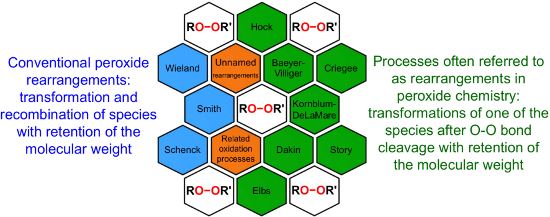
- synthesis of 2,3-disubstituted furans 210 (Scheme 60) [330]. The benzannulation of indoles 211 can be performed with γ-carbonyl tert-butyl peroxides 212 catalyzed by trifluoromethanesulfonic acid to give carbazoles 213. The key step of this approach is based on the acid-catalyzed rearrangement of tert-butyl

Graphical Abstract
Figure 1: The named transformations considered in this review.

Scheme 1: The Baeyer–Villiger oxidation.

Scheme 2: The general mechanism of the peracid-promoted Baeyer–Villiger oxidation.

Scheme 3: General mechanism of the Lewis acid-catalyzed Baeyer–Villiger rearrangement.

Scheme 4: The theoretically studied mechanism of the BV oxidation reaction promoted by H2O2 and the Lewis aci...

Scheme 5: Proton movements in the transition states of the Baeyer–Villiger oxidation.

Scheme 6: The dependence of the course of the Baeyer–Villiger oxidation on the type of O–O-bond cleavage in t...
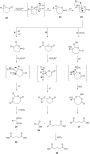
Scheme 7: The acid-catalyzed Baeyer–Villiger oxidation of cyclic epoxy ketones 22.

Scheme 8: Oxidation of isophorone oxide 29.

Scheme 9: Synthesis of acyl phosphate 32 from acyl phosphonate 31.

Scheme 10: Synthesis of aflatoxin B2 (36).

Scheme 11: The Baeyer–Villiger rearrangement of ketones 37 to lactones 38.

Scheme 12: Synthesis of 3,4-dimethoxybenzoic acid (40) via Baeyer–Villiger oxidation.

Scheme 13: Oxone transforms α,β-unsaturated ketones 43 into vinyl acetates 44.

Scheme 14: The Baeyer–Villiger oxidation of ketones 45 using diaryl diselenide and hydrogen peroxide.

Scheme 15: Baeyer–Villiger oxidation of (E)-2-methylenecyclobutanones.

Scheme 16: Oxidation of β-ionone (56) by H2O2/(BnSe)2 with formation of (E)-2-(2,6,6-trimethylcyclohex-1-en-1-...

Scheme 17: The mechanism of oxidation of ketones 58a–f by hydrogen peroxide in the presence of arsonated polys...

Scheme 18: Oxidation of ketone (58b) by H2O2 to 6-methylcaprolactone (59b) catalyzed by Pt complex 66·BF4.

Scheme 19: Oxidation of ketones 67 with H2O2 in the presence of [(dppb}Pt(µ-OH)]22+.

Scheme 20: The mechanism of oxidation of ketones 67 in the presence of [(dppb}Pt(µ-OH)]22+ and H2O2.

Scheme 21: Oxidation of benzaldehydes 69 in the presence of the H2O2/MeReO3 system.

Scheme 22: Oxidation of acetophenones 72 in the presence of the H2O2/MeReO3 system.

Scheme 23: Baeyer–Villiger oxidation of 2-adamantanone (45c) in the presence of Sn-containing mesoporous silic...

Scheme 24: Aerobic Baeyer–Villiger oxidation of ketones 76 using metal-free carbon.

Scheme 25: A regioselective Baeyer-Villiger oxidation of functionalized cyclohexenones 78 into a dihydrooxepin...

Scheme 26: The oxidation of aldehydes and ketones 80 by H2O2 catalyzed by Co4HP2Mo15V3O62.

Scheme 27: The cleavage of ketones 82 with hydrogen peroxide in alkaline solution.

Scheme 28: Oxidation of ketones 85 to esters 86 with H2O2–urea in the presence of KHCO3.

Scheme 29: Mechanism of the asymmetric oxidation of cyclopentane-1,2-dione 87a with the Ti(OiPr)4/(+)DET/t-BuO...

Scheme 30: The oxidation of cis-4-tert-butyl-2-fluorocyclohexanone (93) with m-chloroperbenzoic acid.

Scheme 31: The mechanism of the asymmetric oxidation of 3-substituted cyclobutanone 96a in the presence of chi...

Scheme 32: Enantioselective Baeyer–Villiger oxidation of cyclic ketones 98.

Scheme 33: Regio- and enantioselective Baeyer–Villiger oxidation of cyclic ketones 101.

Scheme 34: The proposed mechanism of the Baeyer–Villiger oxidation of acetal 105f.

Scheme 35: Synthesis of hydroxy-10H-acridin-9-one 117 from tetramethoxyanthracene 114.

Scheme 36: The Baeyer–Villiger oxidation of the fully substituted pyrrole 120.

Scheme 37: The Criegee rearrangement.

Scheme 38: The mechanism of the Criegee reaction of a peracid with a tertiary alcohol 122.

Scheme 39: Criegee rearrangement of decaline ethylperoxoate 127 into ketal 128.

Scheme 40: The ionic cleavage of 2-methoxy-2-propyl perester 129.

Scheme 41: The Criegee rearrangement of α-methoxy hydroperoxide 136.
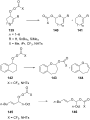
Scheme 42: Synthesis of enol esters and acetals via the Criegee rearrangement.

Scheme 43: Proposed mechanism of the transformation of 1-hydroperoxy-2-oxabicycloalkanones 147a–d.

Scheme 44: Transformation of 3-hydroxy-1,2-dioxolanes 151 into diketone derivatives 152.

Scheme 45: Criegee rearrangement of peroxide 153 with the mono-, di-, and tri-O-insertion.

Scheme 46: The sequential Criegee rearrangements of adamantanes 157a,b.

Scheme 47: Synthesis of diaryl carbonates 160a–d from triarylmethanols 159a–d through successive oxygen insert...

Scheme 48: The synthesis of sesquiterpenes 162 from ketone 161 with a Criegee rearrangement as one key step.

Scheme 49: Synthesis of trans-hydrindan derivatives 164, 165.

Scheme 50: The Hock rearrangement.

Scheme 51: The general scheme of the cumene process.

Scheme 52: The Hock rearrangement of aliphatic hydroperoxides.
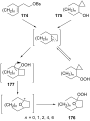
Scheme 53: The mechanism of solvolysis of brosylates 174a–c and spiro cyclopropyl carbinols 175a–c in THF/H2O2....

Scheme 54: The fragmentation mechanism of hydroperoxy acetals 178 to esters 179.

Scheme 55: The acid-catalyzed rearrangement of phenylcyclopentyl hydroperoxide 181.

Scheme 56: The peroxidation of tertiary alcohols in the presence of a catalytic amount of acid.

Scheme 57: The acid-catalyzed reaction of bicyclic secondary alcohols 192 with hydrogen peroxide.

Scheme 58: The photooxidation of 5,6-disubstituted 3,4-dihydro-2H-pyrans 196.

Scheme 59: The oxidation of tertiary alcohols 200a–g, 203a,b, and 206.

Scheme 60: Transformation of functional peroxide 209 leading to 2,3-disubstitued furans 210 in one step.

Scheme 61: The synthesis of carbazoles 213 via peroxide rearrangement.

Scheme 62: The construction of C–N bonds using the Hock rearrangement.

Scheme 63: The synthesis of moiety 218 from 217 which is a structural motif in the antitumor–antibiotic of CC-...

Scheme 64: The in vivo oxidation steps of cholesterol (219) by singlet oxygen.

Scheme 65: The proposed mechanism of the rearrangement of cholesterol-5α-OOH 220.

Scheme 66: Photochemical route to artemisinin via Hock rearrangement of 223.

Scheme 67: The Kornblum–DeLaMare rearrangement.

Scheme 68: Kornblum–DeLaMare transformation of 1-phenylethyl tert-butyl peroxide (225).

Scheme 69: The synthesis 4-hydroxyenones 230 from peroxide 229.

Scheme 70: The Kornblum–DeLaMare rearrangement of peroxide 232.

Scheme 71: The reduction of peroxide 234.

Scheme 72: The Kornblum–DeLaMare rearrangement of endoperoxide 236.

Scheme 73: The rearrangement of peroxide 238 under Kornblum–DeLaMare conditions.

Scheme 74: The proposed mechanism of rearrangement of peroxide 238.

Scheme 75: The Kornblum–DeLaMare rearrangement of peroxides 242a,b.

Scheme 76: The base-catalyzed rearrangements of bicyclic endoperoxides having electron-withdrawing substituent...

Scheme 77: The base-catalyzed rearrangements of bicyclic endoperoxides 249a,b having electron-donating substit...

Scheme 78: The base-catalyzed rearrangements of bridge-head substituted bicyclic endoperoxides 251a,b.

Scheme 79: The Kornblum–DeLaMare rearrangement of hydroperoxide 253.

Scheme 80: Synthesis of β-hydroxy hydroperoxide 254 from endoperoxide 253.

Scheme 81: The amine-catalyzed rearrangement of bicyclic endoperoxide 263.

Scheme 82: The base-catalyzed rearrangement of meso-endoperoxide 268 into 269.

Scheme 83: The photooxidation of 271 and subsequent Kornblum–DeLaMare reaction.

Scheme 84: The Kornblum–DeLaMare rearrangement as one step in the oxidation reaction of enamines.

Scheme 85: The Kornblum–DeLaMare rearrangement of 3,5-dihydro-1,2-dioxenes 284, 1,2-dioxanes 286, and tert-but...

Scheme 86: The Kornblum–DeLaMare rearrangement of epoxy dioxanes 290a–d.

Scheme 87: Rearrangement of prostaglandin H2 292.

Scheme 88: The synthesis of epicoccin G (297).

Scheme 89: The Kornblum–DeLaMare rearrangement used in the synthesis of phomactin A.

Scheme 90: The Kornblum–DeLaMare rearrangement in the synthesis of 3H-quinazolin-4-one 303.

Scheme 91: The Kornblum–DeLaMare rearrangement in the synthesis of dolabriferol (308).

Scheme 92: Sequential transformation of 3-substituted 2-pyridones 309 into 3-hydroxypyridine-2,6-diones 311 in...

Scheme 93: The Kornblum–DeLaMare rearrangement of peroxide 312 into hydroxy enone 313.

Scheme 94: The Kornblum–DeLaMare rearrangement in the synthesis of polyfunctionalized carbonyl compounds 317.

Scheme 95: The Kornblum–DeLaMare rearrangement in the synthesis of (Z)-β-perfluoroalkylenaminones 320.

Scheme 96: The Kornblum–DeLaMare rearrangement in the synthesis of γ-ketoester 322.

Scheme 97: The Kornblum–DeLaMare rearrangement in the synthesis of diterpenoids 326 and 328.

Scheme 98: The synthesis of natural products hainanolidol (331) and harringtonolide (332) from peroxide 329.

Scheme 99: The synthesis of trans-fused butyrolactones 339 and 340.

Scheme 100: The synthesis of leucosceptroid C (343) and leucosceptroid P (344) via the Kornblum–DeLaMare rearra...

Scheme 101: The Dakin oxidation of arylaldehydes or acetophenones.

Scheme 102: The mechanism of the Dakin oxidation.

Scheme 103: A solvent-free Dakin reaction of aromatic aldehydes 356.

Scheme 104: The organocatalytic Dakin oxidation of electron-rich arylaldehydes 358.

Scheme 105: The Dakin oxidation of electron-rich arylaldehydes 361.

Scheme 106: The Dakin oxidation of arylaldehydes 358 in water extract of banana (WEB).

Scheme 107: A one-pot approach towards indolo[2,1-b]quinazolines 364 from indole-3-carbaldehydes 363 through th...

Scheme 108: The synthesis of phenols 367a–c from benzaldehydes 366a-c via acid-catalyzed Dakin oxidation.

Scheme 109: Possible transformation paths of the highly polarized boric acid coordinated H2O2–aldehyde adduct 3...

Scheme 110: The Elbs oxidation of phenols 375 to hydroquinones.

Scheme 111: The mechanism of the Elbs persulfate oxidation of phenols 375 affording p-hydroquinones 376.

Scheme 112: Oxidation of 2-pyridones 380 under Elbs persulfate oxidation conditions.

Scheme 113: Synthesis of 3-hydroxy-4-pyridone (384) via an Elbs oxidation of 4-pyridone (382).

Scheme 114: The Schenck rearrangement.

Scheme 115: The Smith rearrangement.

Scheme 116: Three main pathways of the Schenck rearrangement.

Scheme 117: The isomerization of hydroperoxides 388 and 389.

Scheme 118: Trapping of dioxacyclopentyl radical 392 by oxygen.

Scheme 119: The hypothetical mechanism of the Schenck rearrangement of peroxide 394.

Scheme 120: The autoxidation of oleic acid (397) with the use of labeled isotope 18O2.

Scheme 121: The rearrangement of 18O-labeled hydroperoxide 400 under an atmosphere of 16O2.

Scheme 122: The rearrangement of the oleate-derived allylic hydroperoxides (S)-421 and (R)-425.

Scheme 123: Mechanisms of Schenck and Smith rearrangements.

Scheme 124: The rearrangement and cyclization of 433.

Scheme 125: The Wieland rearrangement.

Scheme 126: The rearrangement of bis(triphenylsilyl) 439 or bis(triphenylgermyl) 441 peroxides.

Scheme 127: The oxidative transformation of cyclic ketones.

Scheme 128: The hydroxylation of cyclohexene (447) in the presence of tungstic acid.

Scheme 129: The oxidation of cyclohexene (447) under the action of hydrogen peroxide.

Scheme 130: The reaction of butenylacetylacetone 455 with hydrogen peroxide.

Scheme 131: The oxidation of bridged 1,2,4,5-tetraoxanes.

Scheme 132: The proposed mechanism for the oxidation of bridged 1,2,4,5-tetraoxanes.

Scheme 133: The rearrangement of ozonides.

Scheme 134: The acid-catalyzed oxidative rearrangement of malondialdehydes 462 under the action of H2O2.
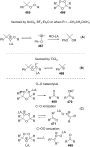
Scheme 135: Pathways of the Lewis acid-catalyzed cleavage of dialkyl peroxides 465 and ozonides 466.

Scheme 136: The mechanism of the transformation of (tert-butyldioxy)cyclohexanedienones 472.

Scheme 137: The synthesis of Vitamin K3 from 472a.

Scheme 138: Proposed mechanism for the transformation of 478d into silylated endoperoxide 479d.

Scheme 139: The rearrangement of hydroperoxide 485 to form diketone 486.

Scheme 140: The base-catalyzed rearrangement of cyclic peroxides 488a–g.

Scheme 141: Synthesis of chiral epoxides and aldols from peroxy hemiketals 491.

Scheme 142: The multistep transformation of (R)-carvone (494) to endoperoxides 496a–e.

Scheme 143: The decomposition of anthracene endoperoxide 499.

Scheme 144: Synthesis of esters 503 from aldehydes 501 via rearrangement of peroxides 502.

Scheme 145: Two possible paths for the base-promoted decomposition of α-azidoperoxides 502.

Scheme 146: The Story decomposition of cyclic diperoxide 506a.

Scheme 147: The Story decomposition of cyclic triperoxide 506b.

Scheme 148: The thermal rearrangement of endoperoxides A into diepoxides B.

Scheme 149: The transformation of peroxide 510 in the synthesis of stemolide (511).

Scheme 150: The possible mechanism of the rearrangement of endoperoxide 261g.

Scheme 151: The photooxidation of indene 517.

Scheme 152: The isomerization of ascaridole (523).

Scheme 153: The isomerization of peroxide 525.

Scheme 154: The thermal transformation of endoperoxide 355.

Scheme 155: The photooxidation of cyclopentadiene (529) at a temperature higher than 0 °C.

Scheme 156: The thermal rearrangement of endoperoxides 538a,b.

Scheme 157: The transformation of peroxides 541.

Scheme 158: The thermal rearrangements of strained cyclic peroxides.

Scheme 159: The thermal rearrangement of diacyl peroxide 551 in the synthesis of C4-epi-lomaiviticin B core 553....

Scheme 160: The 1O2 oxidation of tryptophan (554) and rearrangement of dioxetane intermediate 555.

Scheme 161: The Fe(II)-promoted cleavage of aryl-substituted bicyclic peroxides.

Scheme 162: The proposed mechanism of the Fe(II)-promoted rearrangement of 557a–c.

Scheme 163: The reaction of dioxolane 563 with Fe(II) sulfate.

Scheme 164: Fe(II)-promoted rearrangement of 1,2-dioxane 565.

Scheme 165: Fe(II) cysteinate-promoted rearrangement of 1,2-dioxolane 568.

Scheme 166: The transformation of 1,2-dioxanes 572a–c under the action of FeCl2.

Scheme 167: Fe(II) cysteinate-promoted transformation of tetraoxane 574.

Scheme 168: The CoTPP-catalyzed transformation of bicyclic endoperoxides 600a–d.

Scheme 169: The CoTPP-catalyzed transformation of epoxy-1,2-dioxanes.

Scheme 170: The Ru(II)-catalyzed reactions of 1,4-endoperoxide 261g.

Scheme 171: The Ru(II)-catalyzed transformation as a key step in the synthesis of elyiapyrone A (610) from 1,4-...

Scheme 172: Peroxides with antimalarial activity.

Scheme 173: The interaction of iron ions with artemisinin (616).

Scheme 174: The interaction of FeCl2 with 1,2-dioxanes 623, 624.

Scheme 175: The mechanism of reaction 623 and 624 with Fe(II)Cl2.

Scheme 176: The reaction of bicyclic natural endoperoxides G3-factors 631–633 with FeSO4.

Scheme 177: The transformation of terpene cardamom peroxide 639.
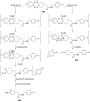
Scheme 178: The different ways of the cleavage of tetraoxane 643.

Scheme 179: The LC–MS analysis of interaction of tetraoxane 646 with iron(II)heme 647.

Scheme 180: The rearrangement of 3,6-epidioxy-1,10-bisaboladiene (EDBD, 649).

Scheme 181: Easily oxidized substrates.

Scheme 182: Biopathway of synthesis of prostaglandins.

Scheme 183: The reduction and rearrangements of isoprostanes.

Scheme 184: The partial mechanism for linoleate 658 oxidation.

Scheme 185: The transformation of lipid hydroperoxide.

Scheme 186: The acid-catalyzed cleavage of the product from free-radical oxidation of cholesterol (667).

Scheme 187: Two pathways of catechols oxidation.

Scheme 188: Criegee-like or Hock-like rearrangement of the intermediate hydroperoxide 675 in dioxygenase enzyme...

Scheme 189: Carotinoides 679 cleavage by carotenoid cleavage dioxygenases.
Biosynthesis of oxygen and nitrogen-containing heterocycles in polyketides
- Franziska Hemmerling and
- Frank Hahn
Beilstein J. Org. Chem. 2016, 12, 1512–1550, doi:10.3762/bjoc.12.148
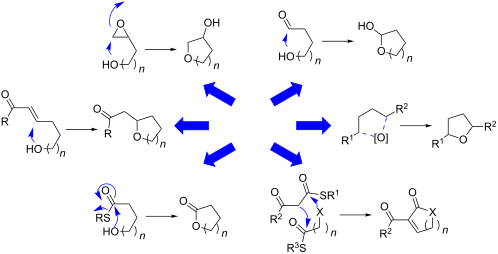
- presence of Lewis acids is a common synthetic strategy for making pyrans and furans. Hemiacetals are also biosynthesis intermediates where they are transformed into individually functionalised heterocycles or acetals. In many cases, these hemiacetals are also appropriately activated to react further
- building block [34][35][36]. 1.1.3 Epoxide opening: The nucleophilic opening of epoxides is probably the most abundant type of reaction leading to furans and pyrans. It, for example, plays an important role in the biosynthesis of ionophoric terrestrial and marine polyethers (see chapter 1.3). In this
- experiments to be much more susceptible to nucleophilic attack than the respective 3,4-saturated analogues and that 6-endo-tet attack can override the 5-exo-tet cyclisation, which is favoured according to Baldwin’s rules [51][52]. 1.2 Furans 1.2.1 oxa-Michael addition: Similar to the PS domains described in

Graphical Abstract

Scheme 1: Schematic description of the cyclisation reaction catalysed by TE domains. In most cases, the nucle...

Scheme 2: Mechanisms for the formation of oxygen heterocycles. The degree of substitution can differ from tha...

Scheme 3: Pyran-ring formation in pederin (24) biosynthesis. Incubation of recombinant PedPS7 with substrate ...

Scheme 4: The domain AmbDH3 from ambruticin biosynthesis catalyses the dehydration of 25 and subsequent cycli...

Scheme 5: SalBIII catalyses dehydration of 29 and subsequent cyclisation to tetrahydropyran 30 [18].

Figure 1: All pyranonaphtoquinones contain either the naphtha[2,3-c]pyran-5,10-dione (32) or the regioisomeri...

Scheme 6: Pyran-ring formation in actinorhodin (34) biosynthesis. DNPA: 4-dihydro-9-hydroxy-1-methyl-10-oxo-3H...

Scheme 7: Pyran formation in granaticin (36) biosynthesis. DNPA: 4-dihydro-9-hydroxy-1-methyl-10-oxo-3H-napht...

Scheme 8: Pyran formation in alnumycin (37) biosynthesis. Adapted from [21].

Scheme 9: Biosynthesis of pseudomonic acid A (61). The pyran ring is initially formed in 57 after dehydrogena...

Scheme 10: Epoxidation–cyclisation leads to the formation of the tetrahydropyran ring in the western part of t...

Scheme 11: a) Nonactin (70) is formed from heterodimers of (−)(+)-dimeric nonactic acid and (+)(−)-dimeric non...

Figure 2: Pamamycins (73) are macrodiolide antibiotics containing three tetrahydrofuran moieties, which are a...

Scheme 12: A PS domain homolog in oocydin A (76) biosynthesis is proposed to catalyse furan formation via an o...

Scheme 13: Mechanism of oxidation–furan cyclisation by AurH, which converts (+)-deoxyaureothin (77) into (+)-a...

Scheme 14: Leupyrrin A2 (80) and the proposed biosynthesis of its furylidene moiety [69,70].

Scheme 15: Asperfuranone (93) biosynthesis, adapted from [75].
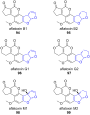
Figure 3: The four major aflatoxins produced by Aspergilli are the types B1, B2, G1 and G2 (94–97). In the di...

Scheme 16: Overview on aflatoxin B1 (94) biosynthesis. HOMST = 11-hydroxy-O-methylsterigmatocystin [78,79,82-106].

Scheme 17: A zipper mechanism leads to the formation of oxygen heterocycles in monensin biosynthesis [109-111].

Scheme 18: Formation of the 2,6-dioxabicyclo[3.2.1]octane (DBO) ring system in aurovertin B (118) biosynthesis ...

Figure 4: Structures of the epoxide-containing polyketides epothilone A (119) and oleandomycin (120) [123-125].

Scheme 19: Structures of phoslactomycin B (121) (a) and jerangolid A (122) (b). The heterocycle-forming steps ...

Scheme 20: a) Structures of rhizoxin (130) and cycloheximide (131). Model for the formation of δ-lactones (b) ...

Scheme 21: EncM catalyses a dual oxidation sequence and following processing of the highly reactive intermedia...

Figure 5: Mesomeric structures of tetronates [138,139].

Figure 6: Structures of tetronates for which gene clusters have been sequenced. The tetronate moiety is shown...
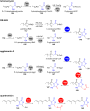
Scheme 22: Conserved steps for formation and processing in several 3-acyl-tetronate biosynthetic pathways were...

Scheme 23: In versipelostatin A (153) biosynthesis, VstJ is a candidate enzyme for catalysing the [4 + 2] cycl...

Scheme 24: a) Structures of some thiotetronate antibiotics. b) Biosynthesis of thiolactomycin (165) as propose...

Scheme 25: Aureusidine synthase (AS) catalyses phenolic oxidation and conjugate addition of chalcones leading ...

Scheme 26: a) Oxidative cyclisation is a key step in the biosynthesis of spirobenzofuranes 189, 192 and 193. b...

Scheme 27: A bicyclisation mechanism forms a β-lactone and a pyrrolidinone and removes the precursor from the ...

Scheme 28: Spontaneous cyclisation leads to off-loading of ebelactone A (201) from the PKS machinery [163].

Scheme 29: Mechanisms for the formation of nitrogen heterocycles.

Scheme 30: Biosynthesis of highly substituted α-pyridinones. a) Feeding experiments confirmed the polyketide o...

Scheme 31: Acridone synthase (ACS) catalyses the formation of 1,3-dihydroxy-N-methylacridone (224) by condensa...

Scheme 32: A Dieckmann condensation leads to the formation of a 3-acyl-4-hydroxypyridin-2-one 227 and removes ...

Scheme 33: a) Biosynthesis of the pyridinone tenellin (234). b) A radical mechanism was proposed for the ring-...

Scheme 34: a) Oxazole-containing PKS–NRPS-derived natural products oxazolomycin (244) and conglobatin (245). b...

Scheme 35: Structure of tetramic acids 251 (a) and major tautomers of 3-acyltetramic acids 252a–d (b). Adapted...

Scheme 36: Equisetin biosynthesis. R*: terminal reductive domain. Adapted from [202].

Scheme 37: a) Polyketides for which a similar biosynthetic logic was suggested. b) Pseurotin A (256) biosynthe...

Figure 7: Representative examples of PTMs with varying ring sizes and oxidation patterns [205,206].

Scheme 38: Ikarugamycin biosynthesis. Adapted from [209-211].

Scheme 39: Tetramate formation in pyrroindomycin aglycone (279) biosynthesis [213-215].

Scheme 40: Dieckmann cyclases catalyse tetramate or 2-pyridone formation in the biosynthesis of, for example, ...
Recent developments in copper-catalyzed radical alkylations of electron-rich π-systems
- Kirk W. Shimkin and
- Donald A. Watson
Beilstein J. Org. Chem. 2015, 11, 2278–2288, doi:10.3762/bjoc.11.248
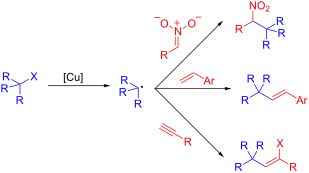
- dihydrofurans could be easily converted into furans using DDQ in a one-pot process. In addition to α-bromo esters and ketones, Lei and co-workers have also recently shown that benzylic halides could undergo radical alkenylation via copper catalysis [39]. By exploiting the propensity of benzyl halides to form

Graphical Abstract

Scheme 1: Reactivity of nitronate anions towards alkyl electrophiles.

Scheme 2: Ligands tested in the alkylation of nitroalkanes with alkyl halides. aNaOt-Bu as base, hexanes as s...

Scheme 3: Scope of the copper-catalyzed nitroalkane benzylation.

Scheme 4: Application of the nitro-alkylation reaction to the synthesis of phentermine.

Scheme 5: Possible mechanism of the thermal redox process.

Scheme 6: Scope of the reaction of nitroalkanes with α-bromocarbonyls.

Scheme 7: Synthesis of highly congested β-amino acids.

Scheme 8: Copper-catalyzed alkenylation reactions.

Scheme 9: Proposed mechanism of the copper-catalyzed alkenylation reaction.

Scheme 10: Scope of the copper-catalyzed alkenylation of tertiary electrophiles.

Scheme 11: Scope of the exo-methylene styrene synthesis.

Scheme 12: Phenol-directed synthesis of Z-alkenes.

Scheme 13: Scope of the phenol-directed Z-alkene synthesis.

Scheme 14: Rationale for the formal [3 + 2] cycloaddition.

Scheme 15: Scope of the formal [3 + 2] cycloaddition.

Scheme 16: Benzylation of styrenes using copper catalysis.

Scheme 17: Copper-catalyzed carboiodination of alkynes.

Scheme 18: Copper-catalyzed trans-carbohalogenation of alkynes. aNaI (2 equiv) was added.
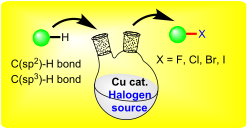
C–H bond halogenation catalyzed or mediated by copper: an overview
- Wenyan Hao and
- Yunyun Liu
Beilstein J. Org. Chem. 2015, 11, 2132–2144, doi:10.3762/bjoc.11.230
- equiv of CuI and PivOH, the EWG-functionalized o-arylphenols 37 underwent simultaneous C–H iodination and intramolecular C–H o-arylation by heating in DMSO at 140 °C, which led to the production of iodinated dibenzo[b,d]furans in either the form of 38 or 39 depending on the position of the EWG. The CuI
- . CuI-mediated synthesis of iododibenzo[b,d]furans via C–H functionalization. Cu-Mn spinel oxide-catalyzed phenol and heteroarene halogenation. Copper-catalyzed halogenations of 2-amino-1,3thiazoles. Copper-mediated chlorination and bromination of indolizines. Copper-catalyzed three-component synthesis

Graphical Abstract

Scheme 1: Copper-catalyzed C–H bond halogenation of 2-arylpyridine.

Scheme 2: ortho-Chlorination of 2-arylpridines with acyl chlorides.

Scheme 3: Copper-catalyzed chlorination of 2-arylpyridines using LiCl.

Scheme 4: Copper-catalyzed C–H halogenation of 2-arylpyridines using LiX.

Scheme 5: Copper-mediated selective C–H halogenations of 2-arylpyridine.

Scheme 6: Copper-catalyzed C–H o-halogenation using removable DG.

Scheme 7: Copper-catalyzed C–H halogenations using PIP as DG.

Scheme 8: Copper-catalyzed quinoline C–H chlorination.

Scheme 9: Copper-catalyzed arene C–H fluorination of benzamides.

Scheme 10: Copper-catalyzed arene C–H iodination of 1,3-azoles.
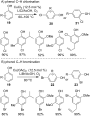
Scheme 11: Copper-catalyzed C–H halogenations of phenols.

Scheme 12: Proposed mechanism for the C–H halogenation of phenols.

Scheme 13: Copper-catalyzed halogenation of electron enriched arenes.

Scheme 14: Copper-catalyzed C–H bromination of arenes.

Scheme 15: CuI-mediated synthesis of iododibenzo[b,d]furans via C–H functionalization.

Scheme 16: Cu-Mn spinel oxide-catalyzed phenol and heteroarene halogenation.

Scheme 17: Copper-catalyzed halogenations of 2-amino-1,3thiazoles.

Scheme 18: Copper-mediated chlorination and bromination of indolizines.

Scheme 19: Copper-catalyzed three-component synthesis of bromoindolizines.

Scheme 20: Copper-mediated C–H halogenation of azacalix[1]arene[3]pyridines.

Scheme 21: Copper-mediated cascade synthesis of halogenated pyrrolones.

Scheme 22: Copper-mediated alkene C–H chlorination in spirothienooxindole.

Scheme 23: Copper-catalyzed remote C–H chlorination of alkyl hydroperoxides.
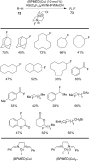
Scheme 24: Copper-catalyzed C–H fluorination of alkanes.
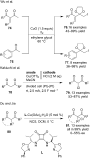
Scheme 25: Copper-catalyzed or mediated C–H halogenations of active C(sp3)-bonds.
Efficient synthesis of π-conjugated molecules incorporating fluorinated phenylene units through palladium-catalyzed iterative C(sp2)–H bond arylations
- Fatiha Abdelmalek,
- Fazia Derridj,
- Safia Djebbar,
- Jean-François Soulé and
- Henri Doucet
Beilstein J. Org. Chem. 2015, 11, 2012–2020, doi:10.3762/bjoc.11.218

- involved in palladium-catalyzed direct arylations with a set of heteroarenes (e.g., thiophenes, thiazoles, furans). Then, the resulting heteroarylated polyfluorobenzenes were arylated using PdCl(C3H5)(dppb) catalyst in the presence of KOAc as the base in DMA at 150 °C using a wide range of aryl bromides as
- -catalyzed direct arylation using aryl bromides as coupling partners. Indeed, the regioselectivity of such reaction with these coupling partners needs to be investigated (Schemes 2–4). (2,3,4-Trifluorophenyl)furans 1 and 2 have two and three C–H bonds, respectively, which are susceptible to react under
- [46][59][60] and C3-arylation of furans [61][62] (i.e., 2 mol % PdCl(C3H5)(dppb) as catalyst associated to KOAc as base in DMA). We were pleased to find that 2-butyl-5-(2,3,4-trifluorophenyl)furan (1) was preferentially arylated on the electron-deficient ring whichever the aryl bromide was. For

Graphical Abstract
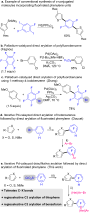
Figure 1: Different pathways for the synthesis of π-conjugated molecules incorporating fluorinated phenylene ...

Scheme 1: Pd-catalyzed desulfitative direct arylations of heteroarenes using 2,3,4-trifluorobenzenesulfonyl c...

Scheme 2: Pd-catalyzed second arylation of 1 and 2. i) PdCl(C3H5)(dppb) (2 mol %), KOAc (2 equiv), DMA, 150 °...

Scheme 3: Pd-catalyzed direct regioselective arylation of 1-methyl-2-(2,3,4-trifluorophenyl)pyrrole (4). i) P...

Scheme 4: Pd-catalyzed direct regioselective arylation of 3-(2,3,4-trifluorophenyl)thiophenes. i) PdCl(C3H5)(...

Scheme 5: Pd-catalyzed desulfitative direct arylations of heteroarenes using difluorobenzenesulfonyl chloride...

Scheme 6: Pd-catalyzed second direct regioselective arylation of difluorophenylheteroarenes 19-23. i) PdCl(C3H...

Scheme 7: Pd-catalyzed iterative direct arylations of heteroarenes–fluorobenzene triads and tetrad. i) PdCl2(...

Scheme 8: Reactivity of pentafluorobenzenesulfonyl chloride in Pd-catalyzed direct desulfitative arylation of...
Novel carbocationic rearrangements of 1-styrylpropargyl alcohols
- Christine Basmadjian,
- Fan Zhang and
- Laurent Désaubry
Beilstein J. Org. Chem. 2015, 11, 1017–1022, doi:10.3762/bjoc.11.114
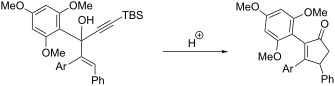
- : carbocationic rearrangement; cyclopentenones; furans; propargyl alcohols; Introduction In the course of our medicinal program on a new class of anticancer agents [1][2][3], we developed a novel synthesis of cyclopentenones substituted by three different aryl groups (Scheme 1) [4]. This approach combines a

Graphical Abstract

Scheme 1: Described synthesis of cyclopentenone 4 using a combination of Mo(VI) and Au(I)-catalyzed reactions...

Scheme 2: The Rautenstrauch rearrangement.

Scheme 3: Synthesis of 1-styrylpropargyl alcohols.

Scheme 4: Postulated mechanism for the formation of cyclopentenone 4 and furan 13 (entry 1, Table 1; An= p-anisyl).

Scheme 5: Proposed mechanism for the formation of enone 19.

Scheme 6: Rearrangement of unprotected propargylic carbinol 27.
A new and convenient synthetic way to 2-substituted thieno[2,3-b]indoles
- Roman A. Irgashev,
- Arseny A. Karmatsky,
- Gennady L. Rusinov and
- Valery N. Charushin
Beilstein J. Org. Chem. 2015, 11, 1000–1007, doi:10.3762/bjoc.11.112
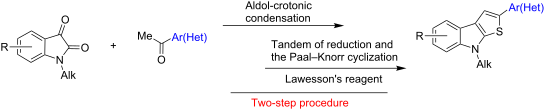
- are based on using functionalized indoles, thiophenes, furans or chromone precursors, which require several steps to be prepared. Results and Discussion In this paper we wish to report a convenient, short and robust approach to 8-alkyl-2-(het)arylthieno[2,3-b]indoles from 1-alkylisatins and the

Graphical Abstract

Figure 1: Natural and synthetic derivatives of thieno[2,3-b]indole.

Scheme 1: Synthetic routes to thieno[2,3-b]indoles.

Scheme 2: Synthesis and thionation of indodin-2-ones 11.

Scheme 3: Synthetic paths to thieno[2,3-b]indole 12a. LR = Lawesson's reagent

Figure 2: Mercury [34] representation of the X-ray crystal structure of 12a. Thermal ellipsoids of 50% probabilit...

Scheme 4: Two-step synthesis of 2-(hetero)aryl substituted thieno[2,3-b]indoles 12.

Scheme 5: Synthesis of mono- and dibromo-substituted thieno[2,3-b]indoles 12n,o.
Enhancing the reactivity of 1,2-diphospholes in cycloaddition reactions
- Almaz Zagidullin,
- Vasili Miluykov,
- Elena Oshchepkova,
- Artem Tufatullin,
- Olga Kataeva and
- Oleg Sinyashin
Beilstein J. Org. Chem. 2015, 11, 169–173, doi:10.3762/bjoc.11.17
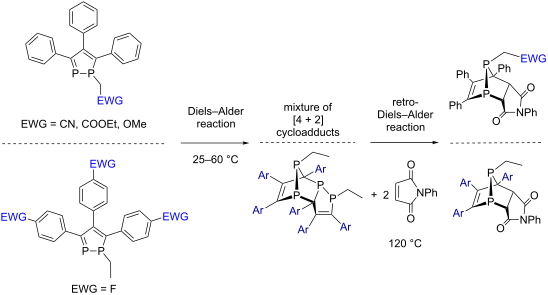
- significant interest for the preparation of highly effective catalysts, materials for light-emitting diodes and nonlinear optics [3][4]. In contrast to furans, thiophenes and pyrroles, phospholes display cycloaddition and complexation reactions and can be used as starting materials for caged phosphines

Graphical Abstract

Scheme 1: Synthesis of 1-alkyl-1,2-diphospholes 1a–e.

Scheme 2: The cycloaddition reactions of 1-alkyl-1,2-diphospholes 1a–e.

Figure 1: ORTEP view of 2,3,4,4a,5,6-hexa(p-fluorophenyl)-1-ethyl-1,7,7a-triphospha-4,7-(ethylphosphinidene)i...

Scheme 3: The retro-Diels–Alder reactions of the cycloadducts 2a–с, and 2e.
Palladium-catalyzed 2,5-diheteroarylation of 2,5-dibromothiophene derivatives
- Fatma Belkessam,
- Aidene Mohand,
- Jean-François Soulé,
- Abdelhamid Elias and
- Henri Doucet
Beilstein J. Org. Chem. 2014, 10, 2912–2919, doi:10.3762/bjoc.10.309

- –2 mol % palladium catalysts, the target 2,5-diheteroarylated thiophenes were obtained in moderate to good yields and with a wide variety of heteroarenes such as thiazoles, thiophenes, furans, pyrroles, pyrazoles or isoxazoles. Moreover, sequential heteroarylation reactions allow the access to 2,5
- promotes the 2,5-diheteroarylation of 2,5-dibromothiophene in the presence of a variety of heteroarenes such as thiophenes, furans, pyrroles, pyrazoles or isoxazoles as the coupling partners. The sequential diheteroarylation of 2,5-dibromothiophene was also found to be possible to afford 2,5

Graphical Abstract

Figure 1: 2,2':5',2"-Terthiophene.

Scheme 1: Palladium-catalyzed direct arylation using 2,5-dibromothiophene and 2-ethyl-4-methylthiazole as cou...

Scheme 2: Reactivity of 2,5-dibromothiophene with different heteroarenes.

Scheme 3: Reactivity of 2,5-dibromo-3-methylthiophene with different heteroarenes.

Scheme 4: Sequential diheteroarylation of 2,5-dibromothiophene.

Scheme 5: Sequential diheteroarylation of 2,5-dibromothiophene.

Scheme 6: Heteroarylation of 2-bromothiophene.

Scheme 7: Reactivity of 4,7-dibromobenzothiadiazole.
Copper-promoted hydration and annulation of 2-fluorophenylacetylene derivatives: from alkynes to benzo[b]furans and benzo[b]thiophenes
- Yibiao Li,
- Liang Cheng,
- Xiaohang Liu,
- Bin Li and
- Ning Sun
Beilstein J. Org. Chem. 2014, 10, 2886–2891, doi:10.3762/bjoc.10.305

- established methods for the synthesis of benzo[b]furan and benzo[b]thiophene derivatives, the development of more convenient methods is of significant importance [9][10][11][12][13][14]. Commonly, the preparation of 2-substituted benzo[b]furans involves the usage of 2-halophenols as reaction precursors
- eliminated these problems to a large extent [25][26][27][28][29]. Nevertheless, the direct synthesis of benzo[b]furans from 2-haloalkynylbenzenes and the usage of 2-fluorophenylacetylene derivatives as substrates continues to represent a challenge. Indeed, Tsuji and co-workers have developed a transition
- metal-free process for the synthesis of benzo[b]furans from 2-fluorophenylacetylene derivatives. But the reaction requires conditions with a high reaction temperature for satisfactory yields. Unfortunately, only benzo[b]furans were obtained in this reaction [30]. Typically, the aryl halides used in the

Graphical Abstract

Scheme 1: Synthetic approaches to benzo[b]furans from 2-alkynylphenols, ketones and 2-fluorophenylacetylene d...

Scheme 2: Copper-promoted reaction of 2-fluorophenylacetylene derivatives to yield benzo[b]furans. Reaction c...

Scheme 3: Copper-promoted synthesis of 2,2'-bisbenzofuran derivatives.

Scheme 4: Intramolecular competition experiments.

Scheme 5: Copper-promoted synthesis of benzo[b]thiophenes.

Scheme 6: Proposed mechanism for the annulation reaction.
Gold(I)-catalysed synthesis of a furan analogue of thiamine pyrophosphate
- Amjid Iqbal,
- El-Habib Sahraoui and
- Finian J. Leeper
Beilstein J. Org. Chem. 2014, 10, 2580–2585, doi:10.3762/bjoc.10.270
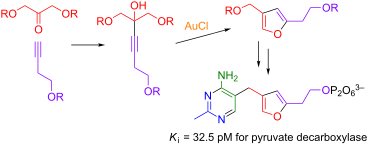
- planned synthesis was the formation of the furan ring. Homogeneous gold-catalysed reactions have been used recently in the synthesis of furans from alkynes [13][14][15][16][17][18][19][20]. The ease with which alkynes, allenes and alkenes can be activated by Au(I) catalysts to form carbon–carbon and
- dehydrative cyclisation reaction of alkynyl alcohols catalysed by simple gold(I) salts [31]. The reaction proceeds rapidly under mild, open flask conditions to provide aromatic heterocycles such as furans, pyrroles and thiophenes in high yield with low catalyst loadings (Scheme 2). Following this synthetic

Graphical Abstract

Figure 1: Structure of thiamine diphosphate (ThDP, 1).

Scheme 1: Mechanism of pyruvate decarboxylase and structures of some previously synthesised ThDP analogues.

Scheme 2: Dehydrative cyclization catalysed by gold(I) and its presumed mechanism [31].

Scheme 3: Synthesis of furan 12. Reagents and conditions: (i) TBDMS-Cl, N-methylimidazole. (ii) n-BuLi, −78 °...

Scheme 4: Synthesis of the furan analogue 17 of ThDP. Reagents and conditions: (i) MnO2, CHCl3, 72%; (ii) PhN...

Scheme 5: Coupled assay of PDC activity.

Figure 2: Time course inactivation of ZmPDC by various concentrations of furan 17.

Figure 3: Recovery of activity for ZmPDC inhibited by furan 17 (1.0 µM) and then incubated with ThDP (1.0 mM)...
Photochemical approach to functionalized benzobicyclo[3.2.1]octene structures via fused oxazoline derivatives from 4- and 5-(o-vinylstyryl)oxazoles
- Ivana Šagud,
- Simona Božić,
- Željko Marinić and
- Marija Šindler-Kulyk
Beilstein J. Org. Chem. 2014, 10, 2222–2229, doi:10.3762/bjoc.10.230

- ]. Various methodologies and new synthetic approaches for their preparation and reactivity have been reviewed [3]. Continuing our long-standing interest for photochemical intramolecular cycloaddition reactions of various β-heteroaryl-o-divinylbenzenes, furans [4][5][6], thiophenes [6][7][8], pyroles [9][10

Graphical Abstract

Scheme 1: Synthesis of 4- (1) and 5-(2-vinylstyryl)oxazoles (2).

Scheme 2: Irradiation of 4- (1) and 5-(2-vinylstyryl)oxazoles (2) (crude reaction mixtures).

Figure 1: Part of 1H NMR spectra in C6D6 of the crude photomixtures after 200 min (300 nm, rt ) of irradiatio...

Scheme 3: Plausible mechanisms of oxazoline ring-opening in photoproduct 10.

Figure 2: 1H NMR spectra in C6D6 of rel-(9S)-12a (a) and rel-(9S)-11 (b).

Scheme 4: Mechanism of the formation of polycyclic compounds (8–10).

Scheme 5: Reactions of the photochemical product 8 with EtOH, MeOD and H2O/silica gel.

Scheme 6: Plausible mechanisms of oxazoline ring opening in photoproduct 10 and formation of 12.
A tandem Mannich addition–palladium catalyzed ring-closing route toward 4-substituted-3(2H)-furanones
- Jubi John,
- Eliza Târcoveanu,
- Peter G. Jones and
- Henning Hopf
Beilstein J. Org. Chem. 2014, 10, 1462–1470, doi:10.3762/bjoc.10.150
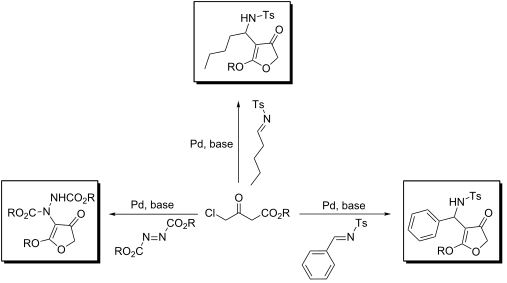
- [19][20][21][22][23][24][25][26]. Synthetic routes for the preparation of these compounds involve transformations of substituted α-hydroxy-1,3-diketones [15][17], substituted furans [27][28][29], cyclization of allenic hydroxyketones [30], transition metal-catalyzed strategies (Au [31][32][33], Pt [34

Graphical Abstract

Figure 1: Bioactive molecules I [19], II [26], III & IV [21,22] with 3(2H)-furanone moiety.

Scheme 1: Pd-catalyzed synthesis of 3(2H)-furanones from activated alkenes [40].

Scheme 2: Pd-catalyzed synthesis of 3(2H)-furanone from tosylimine 1a.

Figure 2: Generalisation with aromatic and aliphatic imines (reaction conditions: 1 (1.0 equiv), 2 (1.1 equiv...
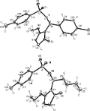
Figure 3: Thermal ellipsoid diagrams (50% probability levels) of 4-substituted-3(2H)-furanones 7 (above) and ...

Scheme 3: Mechanism of formation of the 3(2H)-furanone derivative from an imine.

Scheme 4: Pd-catalyzed synthesis of 3(2H)-furanone from diazoester 19a.

Figure 4: Generalisation with diazo esters (reaction conditions: 19 (1.0 equiv), 2 (1.1 equiv), Pd(PPh3)4 (5 ...

Scheme 5: Synthesis of aza-prostaglandin analogue.
Molecular recognition of surface-immobilized carbohydrates by a synthetic lectin
- Melanie Rauschenberg,
- Eva-Corrina Fritz,
- Christian Schulz,
- Tobias Kaufmann and
- Bart Jan Ravoo
Beilstein J. Org. Chem. 2014, 10, 1354–1364, doi:10.3762/bjoc.10.138
- -terminated SAMs [33], by Diels–Alder reaction of cyclopentadienes and furans on maleimide-terminated SAMs [34], by thiol–ene click reaction of functionalized thiols on alkene-terminated SAMs [35] as well as by strain promoted cycloadditions on azide- and nitriloxide-terminated SAMs [36] using μCP. Homogenous

Graphical Abstract

Figure 1: Molecular structures of carbohydrates (NANA, Glc, Gal, Man) immobilized on epoxide SAMs, NANA-bindi...

Figure 2: Schematic representation of the preparation of a simple carbohydrate microarray by μCP of amine-fun...

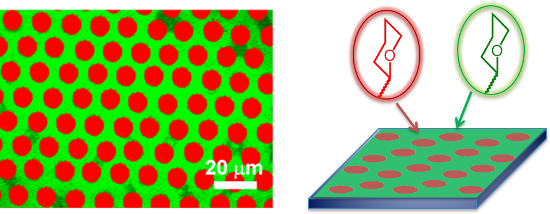
Figure 3: Optical microscopy images of water droplets selectively condensed in the areas where (A) the NANA i...

Figure 4: (A) AFM height image (zoom) of NANA ink in 10 μm stripes on an epoxide-terminated SAM; (B) Height p...

Figure 5: Fluorescence images of bifunctional carbohydrate microarrays incubated with FITC-HisHis. (A) NANA (...

Figure 6: Overlay of fluorescence images of bifunctional carbohydrate microarrays; (A) NANA (dots 10 × 5 μm) ...

Figure 7: Fluorescence images of a microarray consisting of NANA (dots 5 × 3 μm) and Man (background). (A) In...

Figure 8: Fluorescence images of a microarray of NANA (dots 5 × 3 μm) and Glc (background), first incubated w...
Allenylphosphine oxides as simple scaffolds for phosphinoylindoles and phosphinoylisocoumarins
- G. Gangadhararao,
- Ramesh Kotikalapudi,
- M. Nagarjuna Reddy and
- K. C. Kumara Swamy
Beilstein J. Org. Chem. 2014, 10, 996–1005, doi:10.3762/bjoc.10.99
- series include phosphonobenzofurans/indenones [21][22], -pyrazoles [23], -chromenes/thiochromenes [24][25], -pyrroles [26], multiply substituted furans [27], indolopyran-1-ones [28], N-hydroxyindolinones [29], and oxindoles [30]. In the reaction shown in Scheme 1a, for the formation of the

Graphical Abstract

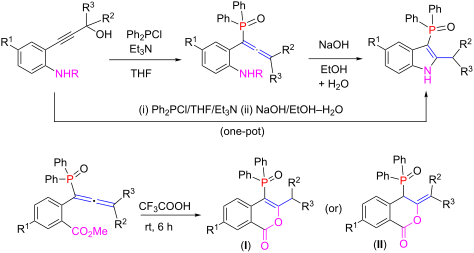
Scheme 1: Reaction of P(III)-Cl precursors with propargyl alcohols leading to phosphorus based (a) N-hydroxyi...

Figure 1: Functionalized propargyl alcohols 1a–m and 2a–j used in the present study.

Scheme 2: Synthesis of functionalized allenes 3a–c, 3m and 4a–j.

Scheme 3: Reaction of functionalized allenes 3a and 3m leading to phosphinoylindoles. Conditions: (i) K3PO4 (...
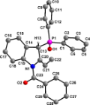
Figure 2: Molecular structure of compound 7. Hydrogen atoms (except PCH) are omitted for clarity. Selected bo...

Figure 3: Molecular structure of compound 9. Hydrogen atoms (except NH) are omitted for clarity. Selected bon...

Scheme 4: Synthesis of phosphinoylindole from allene 3a in a single step.

Scheme 5: One-pot preparation of substituted phosphinoylindoles 6 and 9–19 from functionalized alcohols.

Scheme 6: Possible pathway for the formation of phosphinoyl indoles 6 and 9–19.

Scheme 7: Synthesis of phosphinoylisocoumarins from functionalized allenes.

Figure 4: Molecular structure of 20. Selected bond lengths [Å] with estimated standard deviations are given i...

Scheme 8: Possible pathway for the formation of phosphinoylisocoumarins.

Scheme 9: Reaction of allenes in wet trifluoroacetic acid.

Figure 5: Molecular structure of 33. Selected bond lengths [Å] with estimated standard deviations are given i...

Scheme 10: Possible pathway for the formation of isocoumarins 30–35 (along with 21–23 and 27–29).
Rapid pseudo five-component synthesis of intensively blue luminescent 2,5-di(hetero)arylfurans via a Sonogashira–Glaser cyclization sequence
- Fabian Klukas,
- Alexander Grunwald,
- Franziska Menschel and
- Thomas J. J. Müller
Beilstein J. Org. Chem. 2014, 10, 672–679, doi:10.3762/bjoc.10.60
- interesting due to their bright blue luminescence with remarkably high quantum yields. The electronic structure of the title compounds is additionally studied with DFT computations. Keywords: C–C coupling; copper; DFT; fluorescence; furans; mircowave-assisted synthesis; multicomponent reactions; palladium
- furans have remained rare [12][13], although furans are ubiquitous in nature [14]. In particular, 2,5-di(hetero)arylfurans are structural units with pronounced biological activities [15] and besides in natural products [16][17] they are also present in potential pharmaceuticals for the treatment of human
- African trypanosomiasis [18][19][20], and against human renal cancer cells [21][22][23]. Furthermore, 2,5-di(hetero)arylfurans have been reported as photonic chromophores [24]. However, the electronic and photophysical properties of 2,5-di(hetero)aryl furans have only been occasionally studied [25][26][27

Graphical Abstract

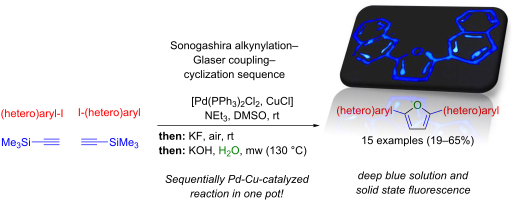
Scheme 1: Sonogashira–Glaser sequence in DMSO as a solvent.
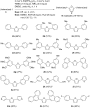
Scheme 2: Pseudo five-component Sonogashira–Glaser cyclisation synthesis of 2,5-di(hetero)arylfurans 2 (aobta...

Figure 1: Compounds 2d (solid and THF solution) and 2n (solid and THF solution) (from left to right) under da...

Figure 2: Selected computed minimum conformations of the 2,5-diarylfurans 2i, 2j, and 2n.

Figure 3: Kohn–Sham HOMOs (bottom) and LUMOs (top) of the compounds 2i, 2j, and 2n (calculated on the DFT lev...



