


Search results
Search for "photophysical properties" in Full Text gives 209 result(s) in Beilstein Journal of Organic Chemistry. Showing first 200.
Thienothiophene-based organic light-emitting diode: synthesis, photophysical properties and application
Beilstein J. Org. Chem. 2023, 19, 1849–1857, doi:10.3762/bjoc.19.137
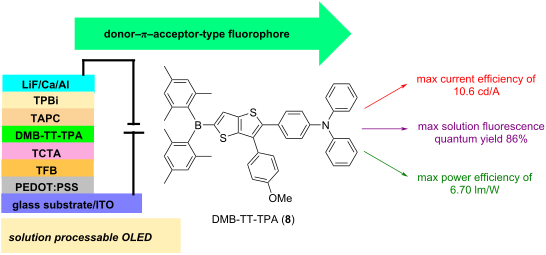
- pull–push fluorophore, DMB-TT-TPA (8), having TPA and DMB units as donor and acceptor units that were linked through a 4-MeOPh-substituted TT core as a π-spacer. The photophysical properties of the fluorophore were investigated by spectroscopic methods. Moreover, DMB-TT-TPA (8) was fabricated as an
- emitter for an organic light-emitting diode through a solution process. DMB-TT-TPA (8) displayed excellent performance in both device application and photophysical properties, i.e., a maximum solution fluorescence quantum yield of 86% in THF, maximum solid-state fluorescence quantum yield of 41%, maximum
- lithiation of 7 and following reaction with dimesitylboron fluoride in 85% yield (Scheme 1). Photophysical properties The UV–vis absorption and fluorescence spectra of DMB-TT-TPA (8) were recorded in THF (Figure 1 and Table 1) [38]. It showed maximum absorption and emission wavelengths of 411 and 520 nm


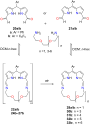
Substituent-controlled construction of A4B2-hexaphyrins and A3B-porphyrins: a mechanistic evaluation
Beilstein J. Org. Chem. 2023, 19, 1832–1840, doi:10.3762/bjoc.19.135
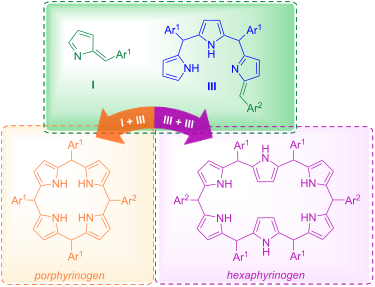
- of Their Photophysical Properties” written by Seda Cinar, Hacettepe University, Graduate School of Science and Engineering, Beytepe Campus, 06800, Ankara, Turkey. Funding SC thanks The Scientific and Technological Research Council of Turkey (TUBITAK) for doctoral scholarship (2211-C Domestic Ph.D



A deep-red fluorophore based on naphthothiadiazole as emitter with hybridized local and charge transfer and ambipolar transporting properties for electroluminescent devices
Beilstein J. Org. Chem. 2023, 19, 1664–1676, doi:10.3762/bjoc.19.122
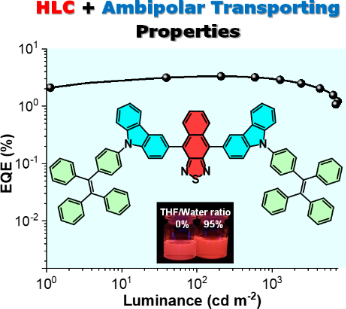
- luminescence efficiency, while a significant spatial separation between hole and particle wavefunctions considered for CT component promoting RISC process along high-lying excitation state for enhancing an exciton utilization efficiency (EUE). The photophysical properties of TPECNz were studied in solution


Tying a knot between crown ethers and porphyrins
Beilstein J. Org. Chem. 2023, 19, 1630–1650, doi:10.3762/bjoc.19.120
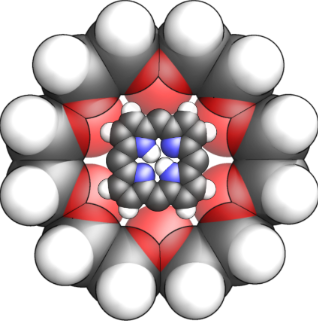
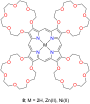
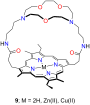
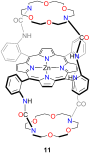
- supramolecular architectures [45], e.g., catenanes [73], rotaxanes [74], and catalytic systems [75]. Pelegrino and co-workers reported on crowned porphyrinoids demonstrating interesting photophysical properties [71]. The crown ether part was also demonstrated to play a role of a linker between two porphyrin









Organic thermally activated delayed fluorescence material with strained benzoguanidine donor
Beilstein J. Org. Chem. 2023, 19, 1289–1298, doi:10.3762/bjoc.19.95
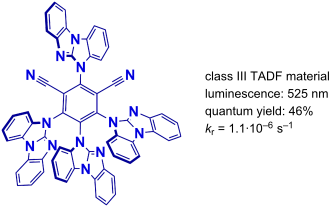
- directly related with the overlap integral between HOMO and LUMO orbitals and influences the energy differences between first singlet and triplet excited states [14]. Therefore, we expect a marked difference in the photophysical properties for 4BGIPN, vide infra. Analysis of the intermolecular interactions
- and LUMO energy levels indicates the potential suitability of 4BGIPN material for application not only as emitter in the emitting layer but also as an electron transport layer in the fabrication of OLEDs. Photophysical properties and theoretical considerations UV–vis and photoluminescence (PL) spectra
- and 4CzIPN [15][17] in various solvents. Photophysical properties of 4BGIPN in various media at 296 and 77 K. Supporting Information Supporting Information File 151: Additional experimental data. Supporting Information File 152: CIF file. Acknowledgements We are grateful to ZEON EUROPE GmbH for


New one-pot synthesis of 4-arylpyrazolo[3,4-b]pyridin-6-ones based on 5-aminopyrazoles and azlactones
Beilstein J. Org. Chem. 2023, 19, 1155–1160, doi:10.3762/bjoc.19.83
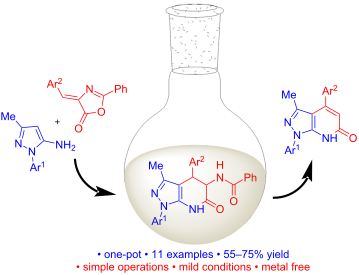
- -aminopyrazoles 1, 5, 6 and azlactones 2a–i, followed by heating the resulting intermediate in DMSO in the presence of t-BuOK. Photophysical properties of the obtained compounds were studied. Biologically active 4-arylpyrazolo[3,4-b]pyridin-6-ones. Normalized absorption and fluorescence spectra of solutions of


Photoredox catalysis harvesting multiple photon or electrochemical energies
Beilstein J. Org. Chem. 2023, 19, 1055–1145, doi:10.3762/bjoc.19.81
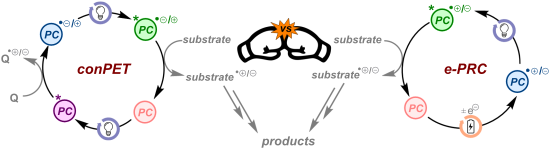
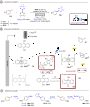
- cyclized product 5a was obtained – albeit only in 28% yield – corroborating a radical mechanism. PDI catalysts have since found applications in other chemical transformations, their photophysical properties have been investigated further [40], and new variants [41] including heterogeneous versions have




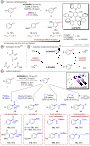
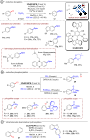

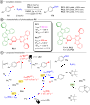
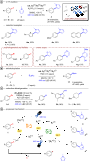





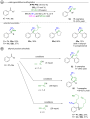
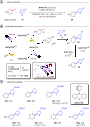


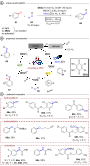

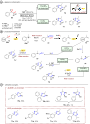












The effect of dark states on the intersystem crossing and thermally activated delayed fluorescence of naphthalimide-phenothiazine dyads
Beilstein J. Org. Chem. 2023, 19, 1028–1046, doi:10.3762/bjoc.19.79
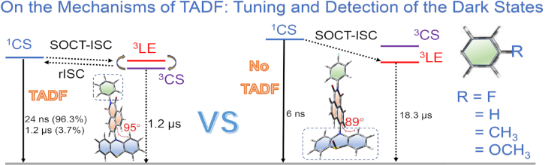
- –acceptor dyads were prepared to study the thermally activated delayed fluorescence (TADF) properties of the dyads, from a point of view of detection of the various transient species. The photophysical properties of the dyads were tuned by changing the electron-donating and the electron-withdrawing
- structures is the alkyl chain, we called that analogue NI-PTZ-N here) [39]. In order to study the effect of tuning the energy and the ordering of the excited states on the photophysical properties of the dyad, especially the ISC and TADF properties, we introduced electron-donating and -withdrawing aryl
- analogous dyads, however, their molecular structures are different from the current dyads, and the photophysical properties were tuned by variation of the distance between the NI and the PTZ units, or by oxidation of the PTZ unit [47]. In the current dyads, we used different strategies. A commonly used


Construction of hexabenzocoronene-based chiral nanographenes
Beilstein J. Org. Chem. 2023, 19, 736–751, doi:10.3762/bjoc.19.54
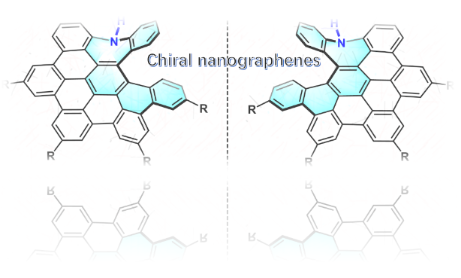
- exploit three-dimensional aesthetic structures. The continuously developed novel structures contented our interests and curiosity. To further tune the optoelectronic or photophysical properties of nanographenes for real applications, heteroatom doping was found to be an effective strategy. The


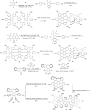


CuAAC-inspired synthesis of 1,2,3-triazole-bridged porphyrin conjugates: an overview
Beilstein J. Org. Chem. 2023, 19, 349–379, doi:10.3762/bjoc.19.29
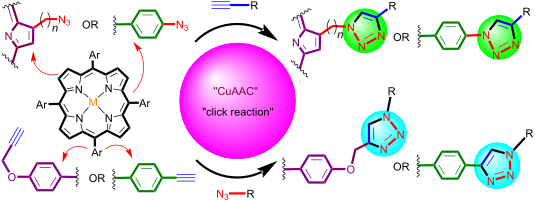
- % yield. Furthermore, this zinc conjugate was demetallated using H3PO4 in THF to form the free-base porphyrin 148b in 90% yield. The photophysical properties of this dendronized porphyrin molecule was investigated by absorption and fluorescence spectroscopy in different solvents, and the amphiphilic
- molecular architectures featuring 1,4-disubstituted triazole units with high yield and higher regioselectivity. The click-inspired synthesis and photophysical properties of diverse triazole-linked porphyrin conjugates are discussed in this review. This review includes a number of recent and important




Naphthalimide-phenothiazine dyads: effect of conformational flexibility and matching of the energy of the charge-transfer state and the localized triplet excited state on the thermally activated delayed fluorescence
Beilstein J. Org. Chem. 2022, 18, 1435–1453, doi:10.3762/bjoc.18.149
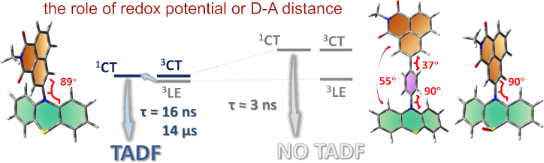
- -PTZ) [36]. The electronic coupling between the NI and PTZ units differ these two dyads. Finally, in NI-PhMe2-PTZ with methyl substituents, the phenyl linker adopts an orthogonal geometry with respect to the NI moiety, inducing a weaker coupling than that in NI-Ph-PTZ. The photophysical properties of
- from that of NI-PTZ, and the CT absorption band centered at 423 nm is much more intense than that of NI-PTZ, indicating that the electronic effect of the substituents does not have a simple additive effect on the photophysical properties [42]. The CT absorption band of NI-PTZ-O is much weaker
- characteristic TADF lifetimes (Figure 4b and 4e). Clearly, besides the conformational flexibility, other factors do play a role in the photophysical properties of the dyad, i.e., the magnitudes of CT/3LE energy gap, and related spin–vibronic couplings. Increasing the CT state energy either through oxidation of
Computational model predicts protein binding sites of a luminescent ligand equipped with guanidiniocarbonyl-pyrrole groups
Beilstein J. Org. Chem. 2022, 18, 1322–1331, doi:10.3762/bjoc.18.137
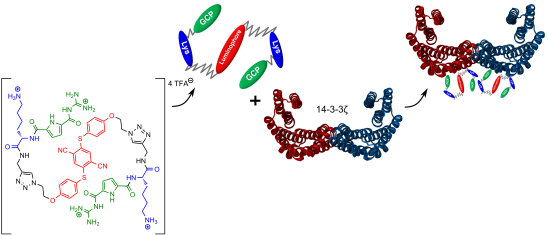
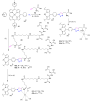
- potential supramolecular ligand for 14-3-3ζ. We synthesized a GCP-Lys dimer coupled via Cu(I)-catalyzed click reaction to the chosen emitter equipped with two azide functions (Figure 1 and Supporting Information File 1) and investigated the photophysical properties in detail (Supporting Information File 1




Ionic multiresonant thermally activated delayed fluorescence emitters for light emitting electrochemical cells
Beilstein J. Org. Chem. 2022, 18, 1311–1321, doi:10.3762/bjoc.18.136
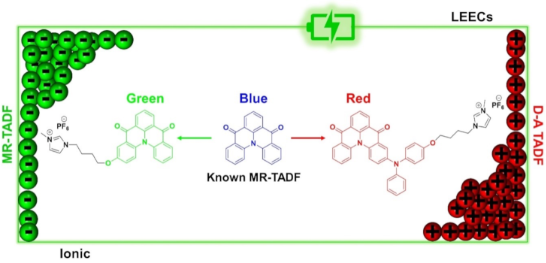
- line with the DFT calculations. Figure 3b shows the solution-state photophysical properties of DiKTa-OBuIm and DiKTa-DPA-OBuIm in acetonitrile and the data are compiled in Table 1. The lowest energy absorption band for DiKTa-OBuIm at 453 nm (ε = 17 × 103 M−1 cm−1) is red-shifted and slightly more
- both emitters was then assessed in 1 wt % doped film in 1,3-di-9-carbazolylbenzene (mCP) (Figure 4). At this doping concentration, the photophysical properties should reflect monomolecular entities. Emission was observed at 500 nm (FWHM = 66 nm) and 578 nm (FWHM = 95 nm) for DiKTa-OBuIm and DiKTa-DPA
- in DiKTa-OBuIm. Synthesis of DiKTa-OBuIm and DiKTa-DPA-OBuIm. Photophysical properties of DiKTa-OBuIm and DiKTa-DPA-OBuIm. Supporting Information The research data supporting this publication can be accessed at https://doi.org/10.17630/6ef45b8f-579d-4075-891e-595516c56e47. Supporting Information



Thermally activated delayed fluorescence (TADF) emitters: sensing and boosting spin-flipping by aggregation
Beilstein J. Org. Chem. 2022, 18, 1177–1187, doi:10.3762/bjoc.18.122
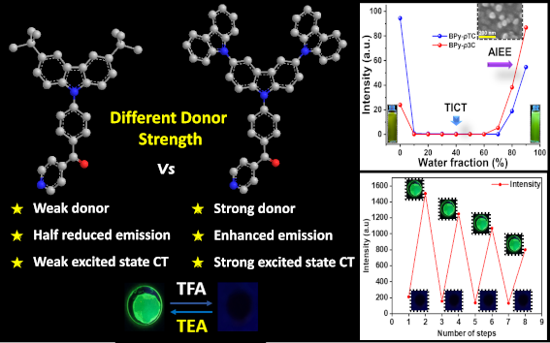
- splitting was observed for BPy-p3C (ΔEST = 0.047 eV) as compared to BPy-pTC (ΔEST = 0.121 eV) due to the twisted molecular geometry (Figure 1 and Table 1). The small ΔEST values indicated a possible RISC process from the T1 to the S1 state for both the compounds. The photophysical properties of both the
- (d) BPy-p3C in toluene solution. Fluorescence intensity vs number of exposures for (a) BPy-p3C and (b) BPy-pTC thin films upon exposure to TFA and TEA vapors. Synthetic schemes of BPy-pTC and BPy-p3C. Photophysical properties of BPy-pTC and BPy-p3C.a Photophysical properties of BPy-pTC and BPy-p3C


Syntheses of novel pyridine-based low-molecular-weight luminogens possessing aggregation-induced emission enhancement (AIEE) properties
Beilstein J. Org. Chem. 2022, 18, 580–587, doi:10.3762/bjoc.18.60
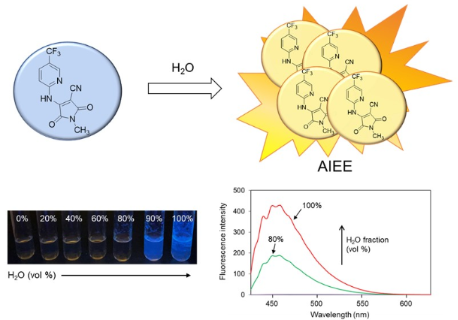
- aminopyridines based on the acceptor–donor–acceptor (A–D–A) system exhibit AIEE properties in aqueous media, which may be novel candidate molecules for AIEE. Herein, we report the synthesis, photophysical properties, and computational studies of pyrido[1,2-a]pyrrolo[3,4-d]pyrimidines and N-methyl-4-((pyridin-2


Substituent effect on TADF properties of 2-modified 4,6-bis(3,6-di-tert-butyl-9-carbazolyl)-5-methylpyrimidines
Beilstein J. Org. Chem. 2022, 18, 497–507, doi:10.3762/bjoc.18.52
- and 100 MHz for 1H and 13C, respectively). 1H NMR and 13C NMR spectra were referenced to residual solvent peaks. High-resolution mass spectrometry (HRMS) analyses were carried out on a Dual-ESI Q-TOF 6520 (Agilent Technologies) mass spectrometer. Photophysical properties were analyzed in 10−5 M
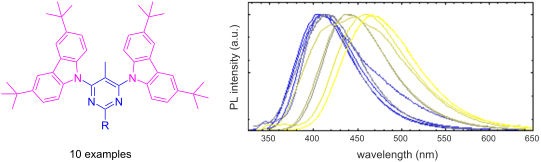
- computed S0→S1/T1 transition energies, oscillator strengths of S0→S1 transitions, and ΔEST values of carbazole–pyrimidine TADF compounds. Fluorescence parameters of carbazole–pyrimidine TADF compounds. Supporting Information Supporting Information File 44: Copies of NMR spectra and extended photophysical
- properties.




Comparative study of thermally activated delayed fluorescent properties of donor–acceptor and donor–acceptor–donor architectures based on phenoxazine and dibenzo[a,j]phenazine
Beilstein J. Org. Chem. 2022, 18, 459–468, doi:10.3762/bjoc.18.48
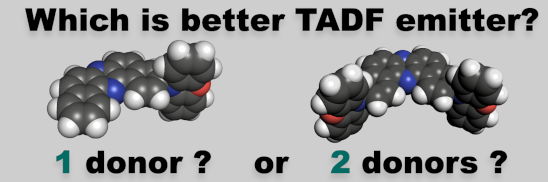
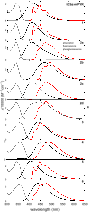
- ) compound based on a donor–acceptor (D–A) architecture (D = phenoxazine; A = dibenzo[a,j]phenazine) has been developed, and its photophysical properties were characterized. The D–A compound is applicable as an emitting material for efficient organic light-emitting diodes (OLEDs), and its external quantum
- compound 1 was fully characterized by 1H and 13C NMR and IR spectroscopy, MS spectrometry as well as elemental analysis (for the detailed data, see Supporting Information File 1). Steady-state PL spectra To reveal the photophysical properties of diluted solutions of compound 1, UV–vis absorption and steady
- for generating the CT excited state. In comparison with the photophysical properties of the D–A–D compound, the absorption of 1 (λabs = 461 nm) is almost the same as that of POZ-DBPHZ (λabs = 463 nm) [17], while the PL emission peak appeared in a slightly blue-shifted region (λPL = 502 nm) from D–A–D


1,2-Naphthoquinone-4-sulfonic acid salts in organic synthesis
Beilstein J. Org. Chem. 2022, 18, 53–69, doi:10.3762/bjoc.18.5
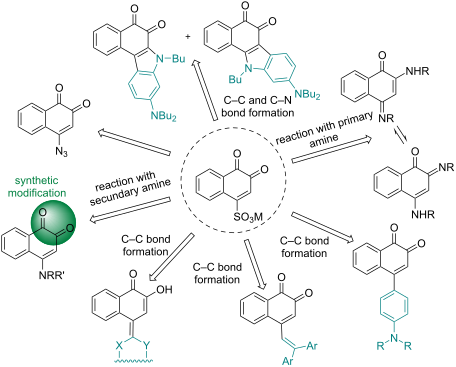
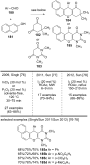
- quinoid type to study their photophysical properties in solution and in the solid-state, Ooyama and co-workers [106] studied a synthetic route for the preparation of compounds with the tricyclic benzo[c]carbazol-6-one skeleton. The strategy used was through the reaction to β-NQS 18 with a bifunctional


Effect of a twin-emitter design strategy on a previously reported thermally activated delayed fluorescence organic light-emitting diode
Beilstein J. Org. Chem. 2021, 17, 2894–2905, doi:10.3762/bjoc.17.197
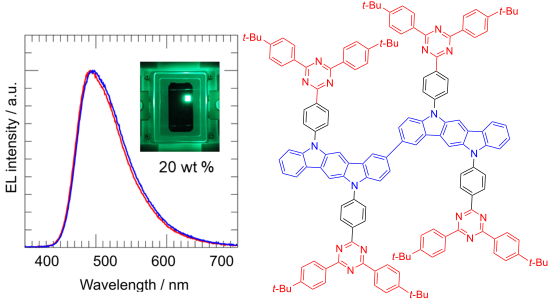
- marks for the DICzTRZ and ICzTRZ solution-processed OLEDs, respectively. The white star shows the predicted EQE for an evaporated ICzTRZ OLED with the orientation and PLQY taken from ref. [14]. All of the simulated EQEs agree fairly well with the experimental results. Photophysical properties of ICzTRZ


Photophysical, photostability, and ROS generation properties of new trifluoromethylated quinoline-phenol Schiff bases
Beilstein J. Org. Chem. 2021, 17, 2799–2811, doi:10.3762/bjoc.17.191
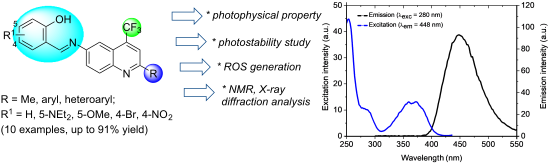
- more polar solvents (DMSO; 65–150 nm and MeOH; 65–130 nm) than in CHCl3 (59–85 nm). Compounds 3 presented good stability under white-LED irradiation conditions and moderate ROS generation properties were observed. Keywords: photophysical properties; photostability; quinoline; ROS generation; Schiff
- 4-substituted 4-methoxy-1,1,1-trifluoroalk-3-en-2-ones in a two-step reaction procedure and with satisfactory yields of up to 87%. The prepared 6-aminoquinolines presented promising photophysical properties and high thermal stability [14]. In this sense, the present study aimed to synthesize a novel




Visible-light-mediated copper photocatalysis for organic syntheses
Beilstein J. Org. Chem. 2021, 17, 2520–2542, doi:10.3762/bjoc.17.169
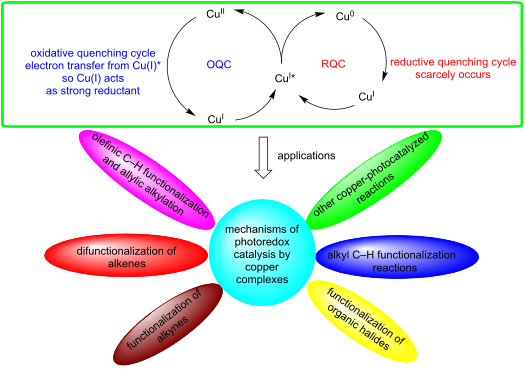
- cooperative steric hindrance based on bulky substituents at the 2,9-position of the phenanthroline moiety [32][33]. Alternatively, heteroleptic CuI complexes with phenanthroline and bulky chelating phosphine ligands were also synthesized [30][34][35]. The photophysical properties are dramatically modified by
- photophysical properties (Scheme 16). In 2019, Vlla’s group [76] explored the copper-catalyzed alkynylation of dihydroquinoxalin-2-ones 34 with terminal alkynes under irradiation. 4-Benzyl-3,4-dihydroquinoxalin-2(1H)-one 35 was subjected to an oxidation process with a CuII salt to generate a nitrogen radical






Synthesis and investigation on optical and electrochemical properties of 2,4-diaryl-9-chloro-5,6,7,8-tetrahydroacridines
Beilstein J. Org. Chem. 2021, 17, 2450–2461, doi:10.3762/bjoc.17.162

- optoelectronic properties [32][35][36][37]. Acridines, as aza-analogues of anthracene have obtained much attention in the field of organic light emitting diodes [38][39][40][41]. While considerable attention has been devoted to the photophysical properties of acridines, not much work has been reported related to
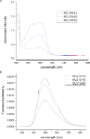
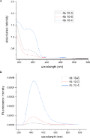
- trifluoromethoxy group (OCF3), a longer reaction time of 6 hours was required to obtain the product 4c in decreased yield (57%). Photophysical properties. We studied the steady-state absorption and emission of selected tetrahydroacridines 4a–d to gain insights into their photophysical properties. The UV–vis
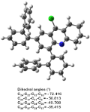
- -positions, the dihedral angles were larger with values of −45.66 and −58.22 degrees, presumably due to steric reasons. These geometries may affect the electronic parameters of tetrahydroacridines 4a–d and particularly their band gap energies. On the other hand, the photophysical properties of products 4e–g






Transition-metal-free intramolecular Friedel–Crafts reaction by alkene activation: A method for the synthesis of some novel xanthene derivatives
Beilstein J. Org. Chem. 2021, 17, 2203–2208, doi:10.3762/bjoc.17.142
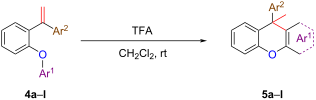
- anticarcinogenic [1][2], antiviral [3], antibacterial [4][5], and anti-inflammatory [6]. Because of their pharmaceutical activity, they are used in photodynamic therapy [7][8][9]. In addition, they have an important place in the dye industry due to their photochemical and photophysical properties. They are also


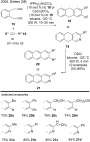
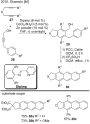
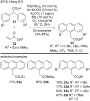
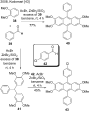
Recent advances in the syntheses of anthracene derivatives
Beilstein J. Org. Chem. 2021, 17, 2028–2050, doi:10.3762/bjoc.17.131
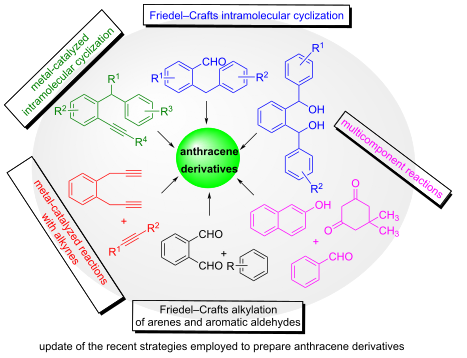
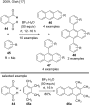
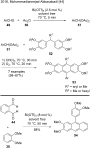
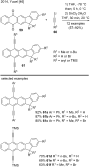
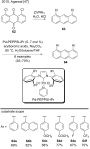
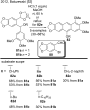
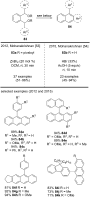
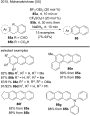
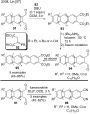
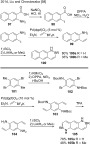
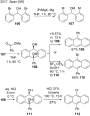
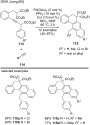
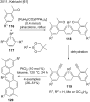
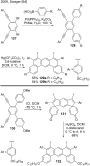
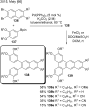
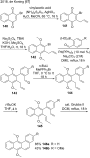
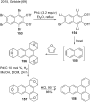
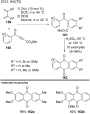
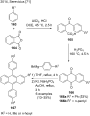
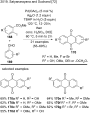
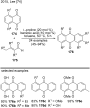
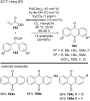
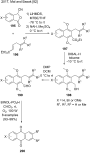
- three linearly fused benzene rings. Because of their extended aromatic and conjugated π-system, anthracene derivatives possess interesting photochemical and photophysical properties [1][2][3], as well as gelling ability [4]. These important properties make them relevant for the development and
















2,4-Bis(arylethynyl)-9-chloro-5,6,7,8-tetrahydroacridines: synthesis and photophysical properties
Beilstein J. Org. Chem. 2021, 17, 1629–1640, doi:10.3762/bjoc.17.115
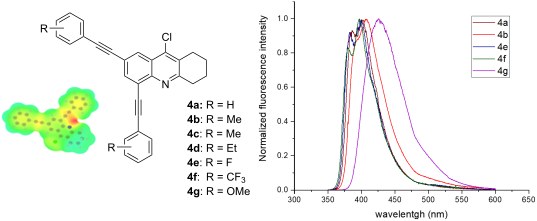
- ring, is another privileged scaffold which showed interesting biological activities [48][49][50][51][52][53][54]. As a typical example, 9-amino-1,2,3,4-tetrahydroacridine or tacrine was the first drug approved for the treatment of Alzheimer's disease [55][56][57]. Surprisingly, photophysical properties
- studies and as a part of our interest in discovering new organic materials applications [61][62][63], we herein report the synthesis of new 2,4-bis(arylethynyl)-9-chloro-5,6,7,8-tetrahydroacridine derivatives. The investigation of their photophysical properties and theoretical DFT studies were achieved
- containing electron-donating substituents. For example, arylacetylene 3g, bearing a methoxy group, gave the best chemical yield of 93%. However, in case of the electron-attracting trifluoromethyl group (3e), we obtained a somewhat lower, but still good yield of 75%. Photophysical properties As a prominent





