


Search results
Search for "terpenoids" in Full Text gives 75 result(s) in Beilstein Journal of Organic Chemistry.
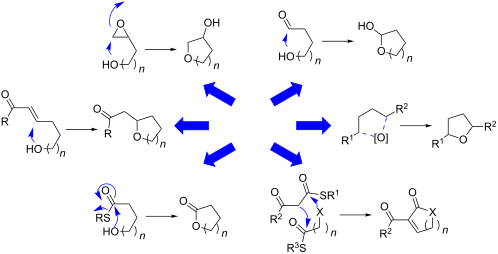
The direct oxidative diene cyclization and related reactions in natural product synthesis
Beilstein J. Org. Chem. 2016, 12, 2104–2123, doi:10.3762/bjoc.12.200
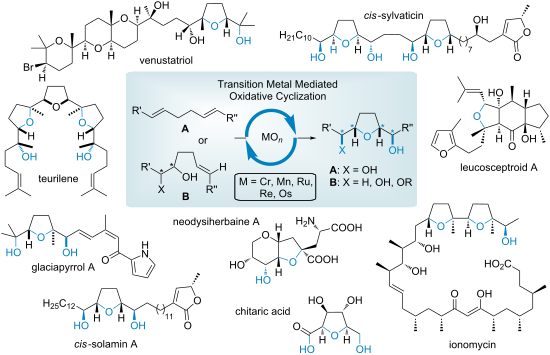
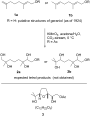
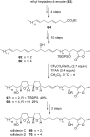
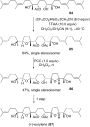
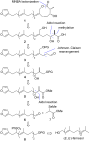
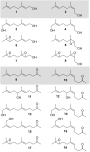
- , polyketides, amino acids, fatty acids as well as acetogenins and terpenoids) are summarized in this review article. Putative structures of geraniol 1a (R = H) or 1b (R = H) (in 1924), their expected dihydroxylation products 2a or 2b and the true structure 3 as determined by Klein and Rojahn in 1965 [8









Mechanistic investigations on six bacterial terpene cyclases
Beilstein J. Org. Chem. 2016, 12, 1839–1850, doi:10.3762/bjoc.12.173
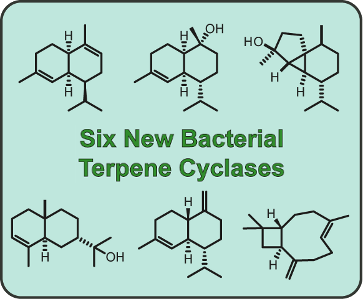
- much later, with the first described compounds being geosmin [3] and 2-methylisoborneol [4], two irregular terpenoids that represent a degraded sesquiterpene [5] and a methylated monoterpene [6], respectively. These compounds have a musty or earthy aroma and are responsible for the smell of freshly


Biosynthesis of oxygen and nitrogen-containing heterocycles in polyketides
Beilstein J. Org. Chem. 2016, 12, 1512–1550, doi:10.3762/bjoc.12.148
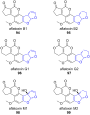
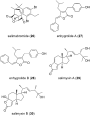
- [4]. Oxygen heterocycles are mainly found in carbohydrates, polyketides, peptides and terpenoids. Nitrogen heterocycles are part of peptides and alkaloids. Both can of course also occur in the respective hybrid natural products. Sulphur-containing heterocycles are present in few polyketides and more
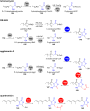
- [138][139]. With the exception of a few terpenoids, most tetronates are of polyketide origin, either being completely biosynthesised by a PKS or by hijacking intermediates from fatty acid biosynthesis (Figure 6). Although the larger body of tetronates is produced by Actinobacteria, they are abundant in






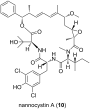
Marine-derived myxobacteria of the suborder Nannocystineae: An underexplored source of structurally intriguing and biologically active metabolites
Beilstein J. Org. Chem. 2016, 12, 969–984, doi:10.3762/bjoc.12.96
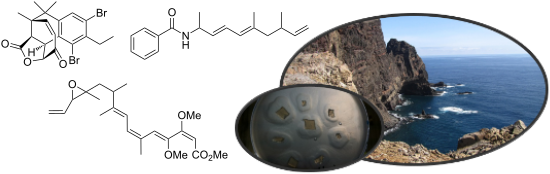
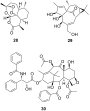
- solvents upon light exposure [62]. The salimyxins represent the third group of compounds, i.e., salimyxin A (29) and B (30). These belong to a subgroup of terpenoids named incisterols, which were first discovered from the sponge Dictyonella incisa [63]. Their biosynthesis presumably involves oxidative

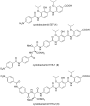





Three new trixane glycosides obtained from the leaves of Jungia sellowii Less. using centrifugal partition chromatography
Beilstein J. Org. Chem. 2016, 12, 674–683, doi:10.3762/bjoc.12.68

- the polyphenols identified in Jungia species, sesquiterpenoids with guaiane, guaiene, nortrixane, trixane (isocedrene), and cyperane scaffolds are also representative of this genus [6][7][8][9]. These terpenoids demonstrated a wide range of bioactivities [10][11][12], and hit compounds such as


Synthesis of Xenia diterpenoids and related metabolites isolated from marine organisms
Beilstein J. Org. Chem. 2015, 11, 2521–2539, doi:10.3762/bjoc.11.273
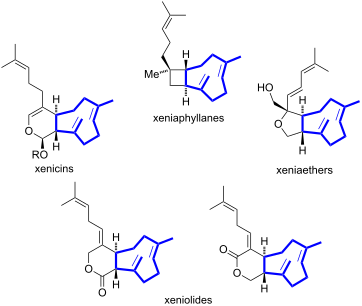
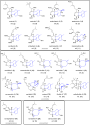
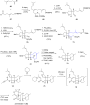
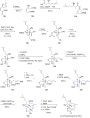
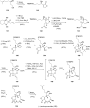
- nine-membered carbocycle which is the characteristic structural feature of these natural products. Additionally, the putative biosynthetic pathway of xenicanes is illustrated. Keywords: asymmetric synthesis; natural products; total synthesis; Xenia diterpenoids; xenicanes; Introduction Terpenoids are







Recent highlights in biosynthesis research using stable isotopes
Beilstein J. Org. Chem. 2015, 11, 2493–2508, doi:10.3762/bjoc.11.271
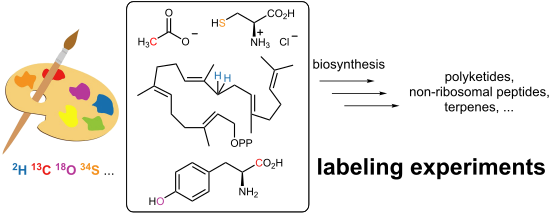
- classes including polyketides, non-ribosomal peptides, their hybrids, terpenoids, and aromatic compounds formed via the shikimate pathway. The text does not aim at a comprehensive overview, but instead a selection of recent important examples of isotope usage within biosynthetic studies is presented, with
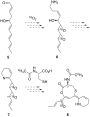
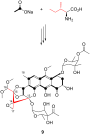
- these experiments in combination with genetic studies, the biosynthesis of thiomarinol A (27) proceeds via coupling of 4-hydroxybutyrate to the PKS product, two cycles of chain elongation and finally coupling with the NRPS product pyrrothine. Terpenes Terpenoids constitute the largest group of natural
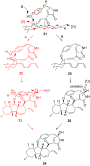
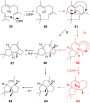
- rearrangements and cyclizations experimentally. The structure elucidation of terpenoids can be challenging because of the multicyclic carbon skeletons with several contiguous stereocenters. The assistance of 13C labels can in such cases be especially helpful, and if completely 13C-labeled carbon backbones can be









Pyridinoacridine alkaloids of marine origin: NMR and MS spectral data, synthesis, biosynthesis and biological activity
Beilstein J. Org. Chem. 2015, 11, 1667–1699, doi:10.3762/bjoc.11.183
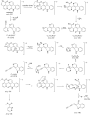
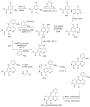
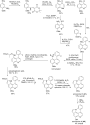
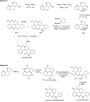
- , terpenoids, phenolics, polysaccharides and alkaloids [4]. Various bioactivity functions such as anticancer [5][6][7], phytotoxicity [8][9][10][11], antioxidant [12][13][14][15][16], antimicrobial [17][18][19], analgesic [20][21], hypotensive [22], hypoglycemic [23], antiprotozoal [24] and plant protecting











An unusually stable chlorophosphite: What makes BIFOP–Cl so robust against hydrolysis?
Beilstein J. Org. Chem. 2015, 11, 313–322, doi:10.3762/bjoc.11.36
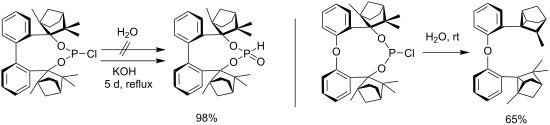
- , in Pd catalysts. Keywords: chirality; hydrolysis; phosphorus; rearrangements; terpenoids; Introduction Phosphorus halides are highly reactive intermediates for the synthesis of phosphites and phosphoramidites [1][2][3][4][5], which are widely used, for example, as ligands in catalysts [6][7][8][9


Stereoselective cathodic synthesis of 8-substituted (1R,3R,4S)-menthylamines
Beilstein J. Org. Chem. 2015, 11, 294–301, doi:10.3762/bjoc.11.34
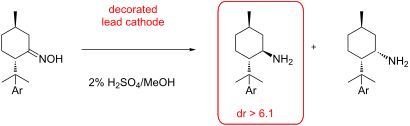
- naturally occurring terpenoids is the reductive amination under Leuckart–Wallach conditions (see Scheme 2, pathway I) [39]. This method was applied to convert 2 to N-alkyl substituted menthylamines [40]. However, a significant disadvantage of this method is the lack of stereocontrol and partial inversion of


Synthesis of the furo[2,3-b]chromene ring system of hyperaspindols A and B
Beilstein J. Org. Chem. 2015, 11, 265–270, doi:10.3762/bjoc.11.29
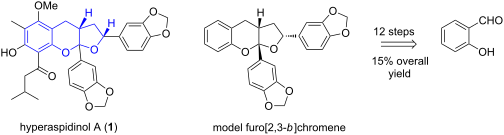
- been isolated from H. chinense including prenylated acylphloroglucinols such as chinesins I (3) and II (4), xanthones, flavonoids, terpenoids, naphthodianthrones, and norlignans, such as hyperione A (5) and B (6) [1][6][7][8]. Chinesins I (3) and II (4) are acylphloroglucinol derivatives which possess




Trogopterins A–C: Three new neolignans from feces of Trogopterus xanthipes
Beilstein J. Org. Chem. 2014, 10, 2955–2962, doi:10.3762/bjoc.10.313

- pain, and retained lochia due to stasis [4]. Recent studies have indicated that Trogopterus feces mainly consist of terpenoids [5][6][7][8][9], phenolic acids, sterols, aliphatics, fatty acids, and flavonoids [10][11]. They have been reported to possess various pharmacological properties such as


Total synthesis of the proposed structure of astakolactin
Beilstein J. Org. Chem. 2014, 10, 2421–2427, doi:10.3762/bjoc.10.252

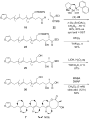
- sesterterpene metabolite isolated from the marine sponge Cacospongia scalaris, has been achieved, mainly featuring Johnson–Claisen rearrangement, asymmetric Mukaiyama aldol reaction and MNBA-mediated lactonization. Keywords: aldol reaction; astakolactin; lactonization; MNBA; terpenoids; Introduction






Streptopyridines, volatile pyridine alkaloids produced by Streptomyces sp. FORM5
Beilstein J. Org. Chem. 2014, 10, 1421–1432, doi:10.3762/bjoc.10.146
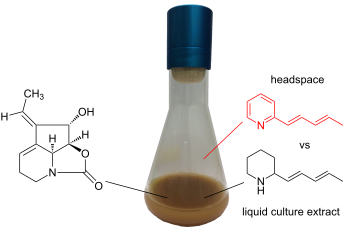
- polyketides, nonribosomal peptides, terpenoids, alkaloids, lipids and others. Such compounds became a major source of biologically active natural products as antibiotics, cytotoxic compounds, immunosuppressants etc. In addition, actinomycetes are also able to produce and release a wide variety of volatile


Selective allylic hydroxylation of acyclic terpenoids by CYP154E1 from Thermobifida fusca YX
Beilstein J. Org. Chem. 2014, 10, 1347–1353, doi:10.3762/bjoc.10.137
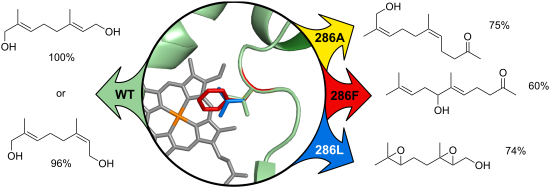
- YX that enables this type of oxidation. Several acyclic terpenoids were tested as possible substrates for CYP154E1, and the regio- and chemoselectivity of their oxidation was investigated. Using a previously established bioinformatics approach we identified position 286 in the active site of CYP154E1
- -box for allylic hydroxylation in synthetic chemistry. Keywords: allylic hydroxylation; cytochrome P450; natural products; protein engineering; regiochemistry; terpenoids; Introduction Direct allylic hydroxylation yielding highly valuable allylic alcohols has been recognised for a while as one of the
- terpenoids in plants represents the most prominent example [14]. Heme-containing cytochrome P450 monooxygenases (P450 or CYP) are predominantly responsible for structural and functional diversity of terpenoids: allylic hydroxylation of parental monoterpenes leads to further diversification via sequential




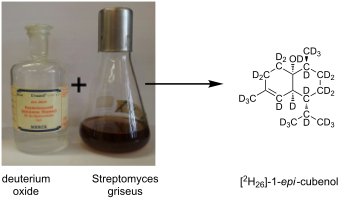
[2H26]-1-epi-Cubenol, a completely deuterated natural product from Streptomyces griseus
Beilstein J. Org. Chem. 2013, 9, 2841–2845, doi:10.3762/bjoc.9.319
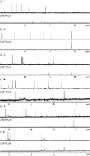
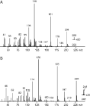
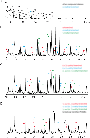
- splitless (60 s valve time) and the carrier gas was He at 1.2 mL min−1. The GC was programmed as follows: 5 min at 50 °C increasing with 5 °C min−1 to 320 °C. Retention indices (I) were determined from a homologous series of n-alkanes (C8–C38). Terpenoids from Streptomyces griseus. Total ion chromatograms



Elucidation of the regio- and chemoselectivity of enzymatic allylic oxidations with Pleurotus sapidus – conversion of selected spirocyclic terpenoids and computational analysis
Beilstein J. Org. Chem. 2013, 9, 2233–2241, doi:10.3762/bjoc.9.262
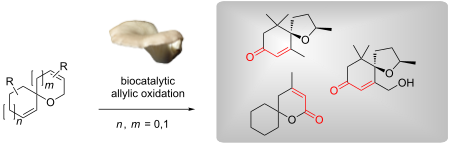
- olefinic precursors like terpenes or terpenoids. Biocatalytic variants have a large potential for industrial applications, particularly in the pharmaceutical and food industry. Herein we report efficient biocatalytic allylic oxidations of spirocyclic terpenoids by a lyophilisate of the edible fungus
- Pleurotus sapidus. This ‘’mushroom catalysis’’ is operationally simple and allows the conversion of various unsaturated spirocyclic terpenoids. A number of new spirocyclic enones have thus been obtained with good regio- and chemoselectivity and chiral separation protocols for enantiomeric mixtures have been
- several functionalized terpenoids (Figure 1) [32]. Biocatalytic allylic oxidations with PSA may be performed with the lyophilisate from submerged cultures. Cyclic alkenes and particularly cyclohexene derivatives are the preferred substrates of PSA. A PSA-derived dioxygenase has been shown to be


The chemistry of isoindole natural products
Beilstein J. Org. Chem. 2013, 9, 2048–2078, doi:10.3762/bjoc.9.243
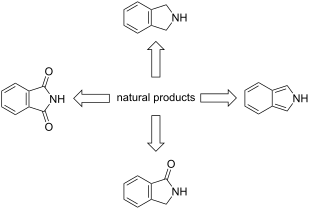
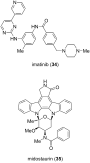
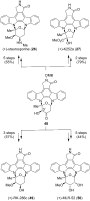
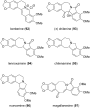
- copper(II) triflate-catalyzed Ullmann coupling furnished 136. Meroterpenoids: The term meroterpenoids describes a family of natural products with a mixed biosynthetic origin, partially derived from terpenoids and polyketides [129]. Several members of this class containing an isoindolinone motif, for
















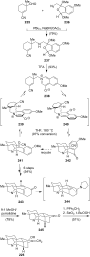
Lanostane- and cycloartane-type triterpenoids from Abies balsamea oleoresin
Beilstein J. Org. Chem. 2013, 9, 1333–1339, doi:10.3762/bjoc.9.150
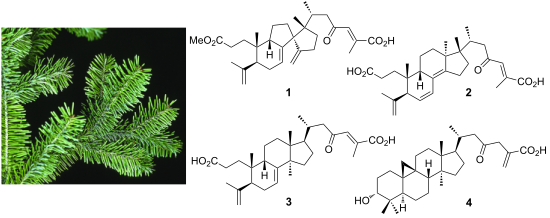
- -lanostane triterpenoids 1–3, one new cycloartane triterpenoid 4 along with fourteen known terpenoids. Structure determinations were based on extensive 1D/2D NMR, IR and MS spectroscopic analyses, and comparison with literature data. The isolated compounds were evaluated in vitro for their cytotoxicity
- ]. Since then, more than 277 secondary metabolites have been isolated, and mainly identified as terpenoids, flavonoids and lignans [3]. Balsam fir Abies balsamea (L.) Mill., a popular Christmas tree in Canada, has been used traditionally by North American aboriginal people as an antiseptic, tuberculosis
- triterpenoid 4 and fourteen known terpenoids. The antibacterial (E. coli and S. aureus) and cytotoxic (A549, DLD-1 and WS1) activities of the isolated compounds are also reported. Results and Discussion The oleoresin of A. balsamea (1st lot) was fractionated by silica gel column chromatography with hexanes


Stereoselective synthesis of trans-fused iridoid lactones and their identification in the parasitoid wasp Alloxysta victrix, Part II: Iridomyrmecins
Beilstein J. Org. Chem. 2012, 8, 1256–1264, doi:10.3762/bjoc.8.141
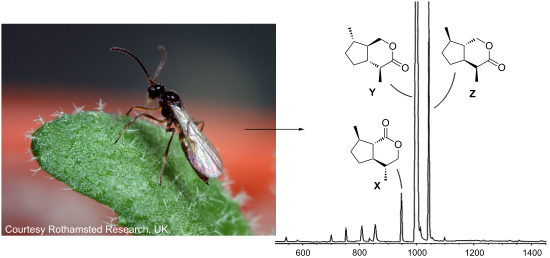
- endohyperparasitoid wasp, Alloxysta victrix, we identified several acyclic terpenoids and the trans-fused (4S,4aR,7R,7aS)-dihydronepetalactone (X) as volatile components of cephalic secretions released by this species (Figure 1) [1][2]. However, gas chromatograms showed the presence of two additional major volatiles
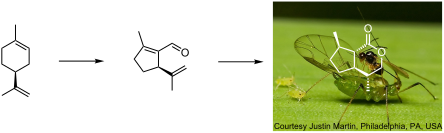
- details see Supporting Information File 1. Strategy for the stereoselective synthesis of trans-fused iridomyrmecins A–D from (R)-limonene. Configurations of the trans-fused iridomyrmecins A and B’. Configurations of the trans-fused iridomyrmecins C and D’. Volatile terpenoids in the cephalic secretion of



Stereoselective synthesis of trans-fused iridoid lactones and their identification in the parasitoid wasp Alloxysta victrix, Part I: Dihydronepetalactones
Beilstein J. Org. Chem. 2012, 8, 1246–1255, doi:10.3762/bjoc.8.140
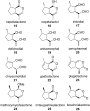
- the subject of the present paper. Results and Discussion Apart from a couple of known acyclic terpenoids (Figure 1), analysis by gas chromatography coupled with mass spectrometry (GC/MS) revealed the presence of an unknown minor component X in both sexes of Alloxysta victrix. Chemical ionization
- may turn out that the chiral center carrying the methyl group in the five-membered ring of iridoids may much more often show (R)-configuration than it is known today. Terpenoids 1–5 present in Alloxysta victrix and cis-fused bicyclic iridoids known from other insects (6–8). 70 eV EI-mass spectrum of


Novel fatty acid methyl esters from the actinomycete Micromonospora aurantiaca
Beilstein J. Org. Chem. 2011, 7, 1697–1712, doi:10.3762/bjoc.7.200
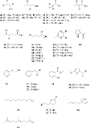
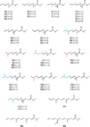
- , alcohols, aldehydes, acyloins, nitrogen and oxygen heterocycles, aromatic compounds, and terpenoids. Carboxylic acids were dominating, and this class was composed of the branched isobutyric acid (49), isovaleric acid (50), and 2-methylbutyric acid (51) as the main compounds, with minor amounts of 5
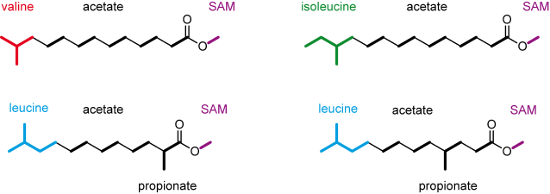
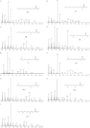
- -5-methylfuran (76), decanal (77), 7-methyloctan-4-olide (78), nonan-4-olide (79), and the terpenoids linalool (80) and geranyl acetone (81). Besides the compounds mentioned above, several saturated FAMEs were present in the headspace extracts (Figure 4). All the identified FAMEs were divided into



One-pot four-component synthesis of pyrimidyl and pyrazolyl substituted azulenes by glyoxylation–decarbonylative alkynylation–cyclocondensation sequences
Beilstein J. Org. Chem. 2011, 7, 1173–1181, doi:10.3762/bjoc.7.136
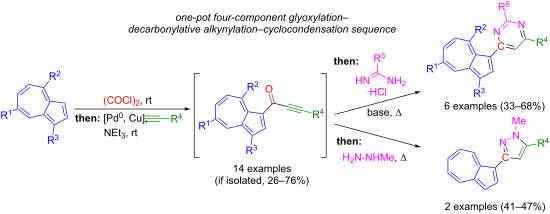
- , such as Friedel–Crafts-type reactions, generally occurs in the 1-position [24]. Interestingly, the azulene motif is also found in terpenoids [27][28]. Guaiazulene (1b) (Scheme 1), a commonly known derivative of azulene (1a), is a naturally occurring sesquiterpene [29]. Guaiazulene (1b) has found entry


Continuous gas/liquid–liquid/liquid flow synthesis of 4-fluoropyrazole derivatives by selective direct fluorination
Beilstein J. Org. Chem. 2011, 7, 1048–1054, doi:10.3762/bjoc.7.120
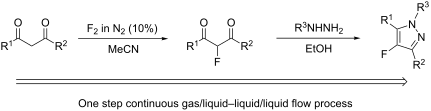
- complex systems such as fluorinated terpenoids, steroids and a range of heterocyclic systems, upon appropriate synthetic elaboration [7], and, consequently, there is much interest in the development of a synthetic methodology for the preparation of such useful fluorinated intermediates. It has been


End game strategies towards the total synthesis of vibsanin E, 3-hydroxyvibsanin E, furanovibsanin A, and 3-O-methylfuranovibsanin A
Beilstein J. Org. Chem. 2008, 4, No. 34, doi:10.3762/bjoc.4.34

- -hydroxyvibsanin E; 3-O-methylfuranovibsanin A; natural products; terpenoids; vibsane; vibsanin E; Viburnum; Introduction Vibsane-type diterpenes occur exclusively in Viburnum species such as V. awabuki [1], V. odoratissimum [2] and V. suspensum [3], and can be regarded as quite rare natural products. Nine





