Search results
Search for "Escherichia coli" in Full Text gives 167 result(s) in Beilstein Journal of Organic Chemistry.
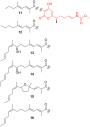
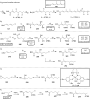
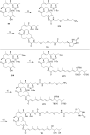
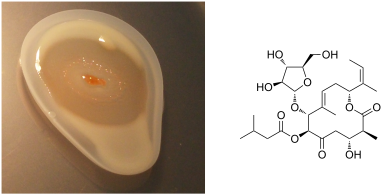
The chemistry and biology of mycolactones
Beilstein J. Org. Chem. 2017, 13, 1596–1660, doi:10.3762/bjoc.13.159
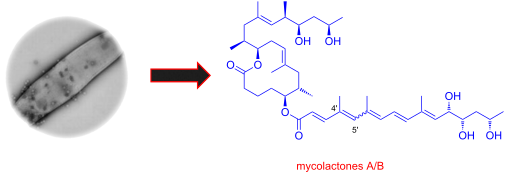


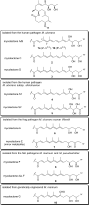


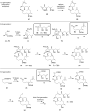





2-Methyl-2,4-pentanediol (MPD) boosts as detergent-substitute the performance of ß-barrel hybrid catalyst for phenylacetylene polymerization
Beilstein J. Org. Chem. 2017, 13, 1498–1506, doi:10.3762/bjoc.13.148
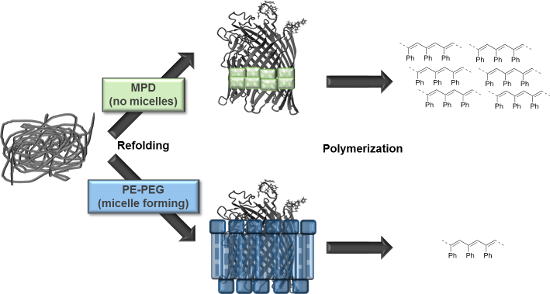
- membrane of Escherichia coli (E. coli) [30]. For extraction of membrane proteins, commonly micelle-forming detergents such as sodium dodecyl sulfate (SDS), polyethylene–polyethyleneglycol (PE–PEG), sugar glycosides or polyoxyethylenes are applied [24][25][28][31][32]. SDS is an efficient detergent for


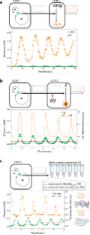
Grip on complexity in chemical reaction networks
Beilstein J. Org. Chem. 2017, 13, 1486–1497, doi:10.3762/bjoc.13.147
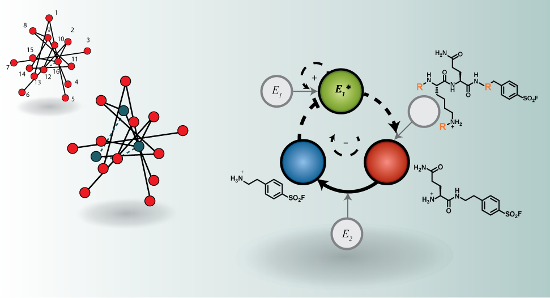
- oscillator can be engineered in Escherichia coli [85][86][87]. Figure 4c shows the network composed of AraC, LacI and yemGFP genes [91]. The additional yemGFP gene serves as a read-out component and is not depicted in the regulatory network motif. Together, the examples in Figure 4 demonstrate that complex




Glycoscience@Synchrotron: Synchrotron radiation applied to structural glycoscience
Beilstein J. Org. Chem. 2017, 13, 1145–1167, doi:10.3762/bjoc.13.114
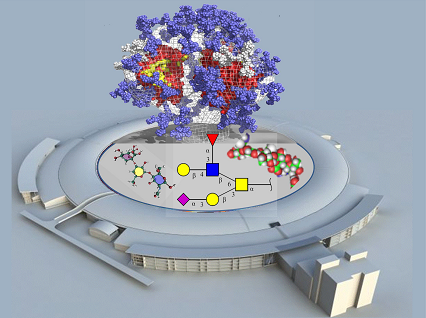
- structural biology community, with more than 85% of the protein structures deposited in the Protein Data Bank being expressed in Escherichia coli. However, many proteins require post-translational modifications for correct biological activity and it is estimated that more than 50% of all human proteins are






New tricks of well-known aminoazoles in isocyanide-based multicomponent reactions and antibacterial activity of the compounds synthesized
Beilstein J. Org. Chem. 2017, 13, 1050–1063, doi:10.3762/bjoc.13.104
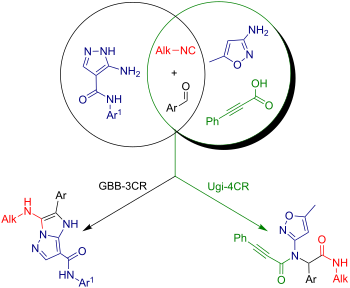
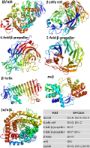
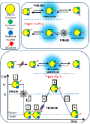
- not been studied yet, were examined as an amine component in Ugi-4CR and GBB-3CR. The generated compounds were screened for their biological activity towards Bacillus subtilis, Staphylococcus aureus, Escherichia coli and Pseudomonas aeruginosa. Results and Discussion Since aminoazoles contain an
- -positive) and Escherichia coli (strain 1257), Pseudomonas aeruginosa (strain 1111) (Gram-negative). As it follows from the results obtained several of the substances studied inhibit the growth of test-microorganisms demonstrating a weak antimicrobial effect (Table 7). Generally, the compounds were found to




Glyco-gold nanoparticles: synthesis and applications
Beilstein J. Org. Chem. 2017, 13, 1008–1021, doi:10.3762/bjoc.13.100
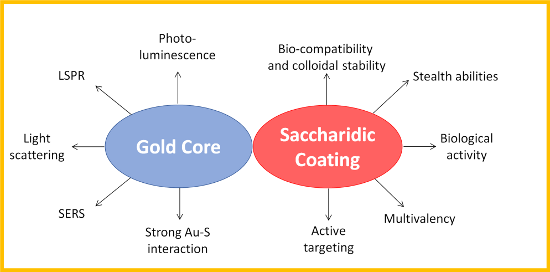
- colloidal solution color. Therefore, several biosensors for the detection of proteins [42], lectin [25][27][43], cancer biomarkers [28] and viruses [44][45] were developed. Photoluminescence properties of ultrasmall gold nanoclusters and nanodots have been exploited to detect Escherichia coli (a bacteria


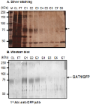
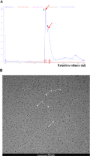
Expression, purification and structural analysis of functional GABA transporter 1 using the baculovirus expression system
Beilstein J. Org. Chem. 2017, 13, 874–882, doi:10.3762/bjoc.13.88
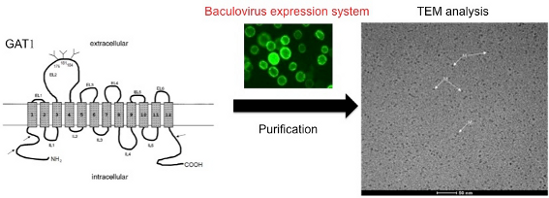
- baculovirus The purification of a protein of interest for structural studies requires an abundant source of the protein from heterologous overexpression. In our work, Escherichia coli was not a suitable system for the expression of the GAT1/GFP recombinant protein due to its twelve TM domains and N



Opportunities and challenges for the sustainable production of structurally complex diterpenoids in recombinant microbial systems
Beilstein J. Org. Chem. 2017, 13, 845–854, doi:10.3762/bjoc.13.85
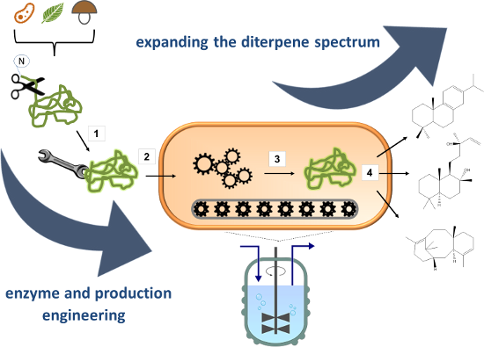
- , fragrances, fuels and fuel additives. Central building blocks of all terpenes are the isoprenoid compounds isopentenyl diphosphate and dimethylallyl diphosphate. Bacteria like Escherichia coli harbor a native metabolic pathway for these isoprenoids that is quite amenable for genetic engineering. Together
- terpene producing Escherichia coli, this review shall give an insight in recent progresses regarding manipulation of mostly diterpene synthases. Keywords: enzyme engineering; heterologous production in E. coli; metabolic pathway optimization; modular biosynthesis; plant diterpenes; Introduction
- plant diterpenes in well-established recombinant hosts, such as Escherichia coli [21][22][23]. Recent developments in this field will be reviewed in this work. Review Biosynthesis of diterpenes and transfer to heterologous production system Integration of biosynthetic gene clusters from plants into a


Synthesis of 1-indanones with a broad range of biological activity
Beilstein J. Org. Chem. 2017, 13, 451–494, doi:10.3762/bjoc.13.48
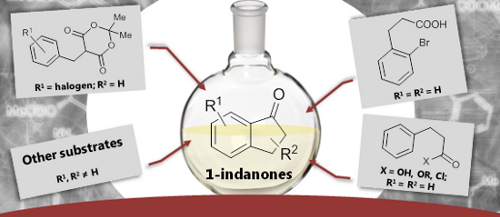
- antibacterial activity against Escherichia coli and Bacillus subtilis, and antifungal activity against Aspergillus niger and Penicillium notatum. Among the synthesized series of 1-indanone derivatives 64, the highest antibacterial activity was exhibited by derivatives 64k and 64l, whereas the most potent


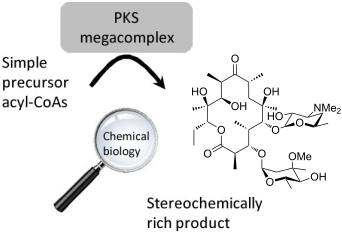
Polyketide stereocontrol: a study in chemical biology
Beilstein J. Org. Chem. 2017, 13, 348–371, doi:10.3762/bjoc.13.39




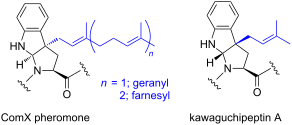
Posttranslational isoprenylation of tryptophan in bacteria
Beilstein J. Org. Chem. 2017, 13, 338–346, doi:10.3762/bjoc.13.37
- -rich motif and the pseudo aspartate-rich motif in ComQ from seven Bacillus strains. Essential amino acid residues for function are shown in bold and colored blue. EcGGPPS is a geranylgeranyl diphosphate synthase derived from Escherichia coli ISC56. It’s essential amino acid residues for function are




Versatile synthesis of the signaling peptide glorin
Beilstein J. Org. Chem. 2017, 13, 247–250, doi:10.3762/bjoc.13.27
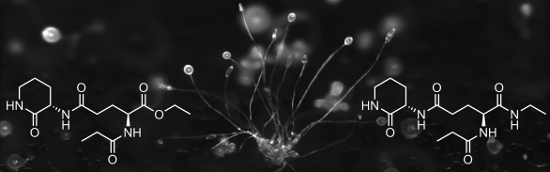
- relationship study. Ultimately, we wish to synthesize chemical probes of glorin for the identification of the unknown glorin receptor. Experimental Quantitative reverse transcription PCR: P. pallidum PN500 cells were cultured in association with Escherichia coli K12 cells. Cells were harvested before first


O-Alkylated heavy atom carbohydrate probes for protein X-ray crystallography: Studies towards the synthesis of methyl 2-O-methyl-L-selenofucopyranoside
Beilstein J. Org. Chem. 2016, 12, 2828–2833, doi:10.3762/bjoc.12.282

- glycans in pathogens or parasites, numerous other lectins recognize such O-alkylated ligands, e.g., the pilus adhesin from Pseudomonas aeruginosa PAK [31] or PapG from Escherichia coli [32]. In contrast, methylation of lectin ligands can also prevent binding, as observed with O-methylated fucose and


Chemical probes for competitive profiling of the quorum sensing signal synthase PqsD of Pseudomonas aeruginosa
Beilstein J. Org. Chem. 2016, 12, 2784–2792, doi:10.3762/bjoc.12.277
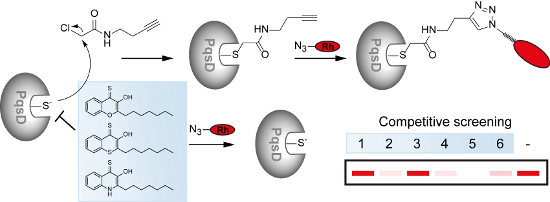
- Escherichia coli BL21 followed by affinity purification by an ÄKTA chromatography system equipped with a StrepTrap HP column. The individual probes were incubated with purified PqsD for 30 min and a rhodamine fluorescent reporter tag was appended by click chemistry. The remaining non-covalently bound probe



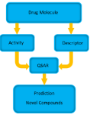
Computational methods in drug discovery
Beilstein J. Org. Chem. 2016, 12, 2694–2718, doi:10.3762/bjoc.12.267
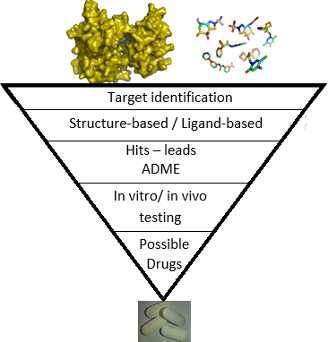
- ][156]. Using BOMB it is possible to grow molecules by adding substituents into a core structure. It has been possible to design inhibitors for Escherichia coli RNS polymerase using the de novo drug design program SPROUTS [157]. In another study that used the SPROUT program, novel inhibitors were



A detailed view on 1,8-cineol biosynthesis by Streptomyces clavuligerus
Beilstein J. Org. Chem. 2016, 12, 2317–2324, doi:10.3762/bjoc.12.225
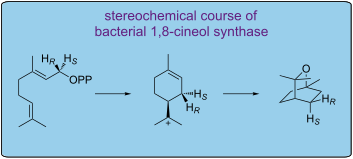
- triethylammonium phosphate in trichloroacetonitrile [30][31]. The gene encoding the 1,8-cineol synthase [28] was cloned into the yeast-to-Escherichia coli shuttle vector pYE-Express by homologous recombination in yeast [32], followed by expression in E. coli BL21. The protein was purified by Ni2+-NTA affinity


New furoisocoumarins and isocoumarins from the mangrove endophytic fungus Aspergillus sp. 085242
Beilstein J. Org. Chem. 2016, 12, 2077–2085, doi:10.3762/bjoc.12.196
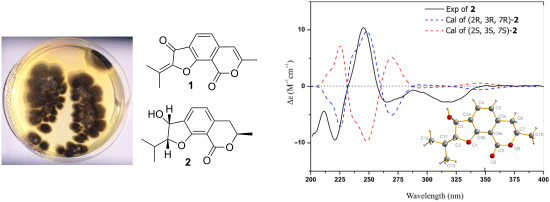
- epidermidis, Escherichia coli, Klebsiella pneumoniae, and Bacillus subtilis. None of the compounds was active at a concentration of 50 μg/mL. In the free radical scavenging assay using 2,2-diphenyl-1-picrylhydrazyl (DPPH), only compounds 1 and 3 exhibited weak activity with EC50 values of 125 and 130 μM


Mechanistic investigations on six bacterial terpene cyclases
Beilstein J. Org. Chem. 2016, 12, 1839–1850, doi:10.3762/bjoc.12.173
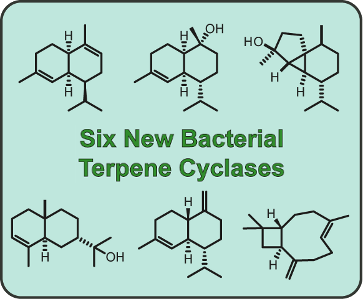
- cloning by homologous recombination in yeast, followed by the heterologous expression in Escherichia coli, direct headspace sampling using a closed-loop stripping apparatus (CLSA) and compound identification by GC–MS [32][33]. Here we report on the purification of six of these bacterial sesquiterpene


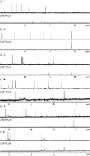
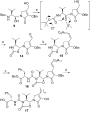
Total synthesis of leopolic acid A, a natural 2,3-pyrrolidinedione with antimicrobial activity
Beilstein J. Org. Chem. 2016, 12, 1624–1628, doi:10.3762/bjoc.12.159

- 17 in 50% yield. Compounds 1 and 17 were subjected to a preliminary study of the antimicrobial activity against Staphylococcus and Escherichia coli (Staphylococcus pseudintermedius [25], 25 strains; Escherichia coli, 20 strains. QC: S. aureus ATCC 25923 and Escherichia coli ATCC 25922 were also used
- , see Supporting Information File 1 for details). The MIC values of 1 against Staphylococcus pseudintermedius range at 16 µg/mL, while the values for 17 against Staphylococcus pseudintermedius are more variable and range between 32 and 64 µg/mL. The MIC of 1 and 17 against Escherichia coli range at 128
- pseudintermedius and Escherichia coli strains. Acknowledgments The authors gratefully acknowledge Professor L. Merlini for helpful suggestions and discussion.


Synthesis, fluorescence properties and the promising cytotoxicity of pyrene–derived aminophosphonates
Beilstein J. Org. Chem. 2016, 12, 1229–1235, doi:10.3762/bjoc.12.117
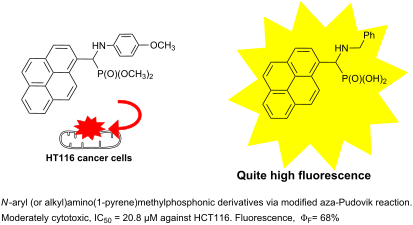
- properties. This expectation is supported by the biological activity of azomethine derivatives of pyrene-1-carboxaldehyde. They show antimicrobial action, e.g., 1-phenytoinylacetic acid hydrazone of pyrene-1-carboxaldehyde demonstrated a moderate antimicrobial activity towards Escherichia coli and


Antibacterial structure–activity relationship studies of several tricyclic sulfur-containing flavonoids
Beilstein J. Org. Chem. 2016, 12, 1065–1071, doi:10.3762/bjoc.12.100

- different halogen substituents on the antibacterial properties has been tested against Staphylococcus aureus and Escherichia coli. Amongst the N,N-dialkylamino-substituted flavonoids, those having an N,N-diethylamino moiety exhibited good to excellent antimicrobial properties against both pathogens
- different halogen substituents of the A and B rings. This paper presents the results obtained, using this strategy against Staphylococcus aureus and Escherichia coli. Results and Discussion Chemistry The synthesis of the desired compounds was achieved using a method previously employed by us [14][15][16][17
- also established that dithiocarbamic flavanones of type 4 display no such activity. Therefore, only flavonoids 5a–m were tested against Staphylococus aureus (Gram positive) and Escherichia coli (Gram negative) in an attempt to establish an antimicrobial structure–activity relationship. Minimum


Marine-derived myxobacteria of the suborder Nannocystineae: An underexplored source of structurally intriguing and biologically active metabolites
Beilstein J. Org. Chem. 2016, 12, 969–984, doi:10.3762/bjoc.12.96
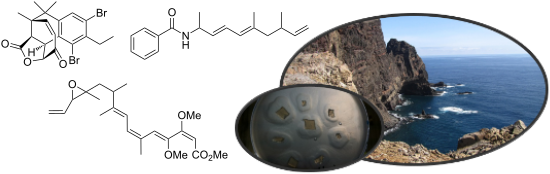
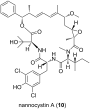
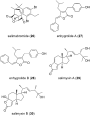
- marine myxobacteria are only slightly altered in terms of the addition of sea salt, when compared to those for terrestrial strains, e.g., terrestrial Escherichia coli is still used as prey. In addition, it surely is difficult to recognize marine myxobacterial colonies after isolation, since their






A cross-metathesis approach to novel pantothenamide derivatives
Beilstein J. Org. Chem. 2016, 12, 963–968, doi:10.3762/bjoc.12.95

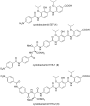
- activity. For example, what has now become the benchmark pantothenamide, N-pentylpantothenamide (1, Figure 1), is active against Escherichia coli [6] and Staphylococcus aureus [13], at minimum inhibitory concentrations (MICs) in the low micromolar range. Pantothenamides are however rapidly degraded by


Elucidation of a masked repeating structure of the O-specific polysaccharide of the halotolerant soil bacteria Azospirillum halopraeferens Au4
Beilstein J. Org. Chem. 2016, 12, 636–642, doi:10.3762/bjoc.12.62
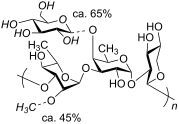
- oligosaccharide, selective solvolysis with CF3CO2H was employed. Recently, this method has been successfully used for the structure elucidation of the O-specific polysaccharides of Escherichia coli (e.g. [20]). The reagent was found to cleave selectively the glycosidic linkage of 6-deoxyhexoses (Rha, Fuc


Antibiotics from predatory bacteria
Beilstein J. Org. Chem. 2016, 12, 594–607, doi:10.3762/bjoc.12.58
- in size and contain between 7,285 (Myxococcus fulvus HW-1) and 11,599 (Sorangium cellulosum So0157-2) protein-coding sequences (Table 1) [42][43][44][45][46][47]. In comparison, the genome of the standard laboratory bacterium Escherichia coli comprises only 4.6 Mbp of DNA [48]. With a single
- consumed the prey bacterium Bacillus subtilis, but not Escherichia coli. Further tests revealed that P. fallax HKI 727 exhibits a prey range that is restricted to Gram-positive bacteria. Culture extracts of strain HKI 727 showed a consistent antimicrobial profile, i.e., they were highly active against Gram