Search results
Search for "bioactive compounds" in Full Text gives 230 result(s) in Beilstein Journal of Organic Chemistry. Showing first 200.
One-pot synthesis of 1,3,5-triazine-2,4-dithione derivatives via three-component reactions
Beilstein J. Org. Chem. 2020, 16, 1447–1455, doi:10.3762/bjoc.16.120
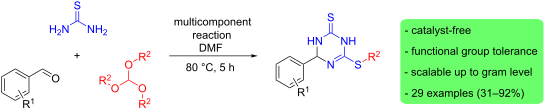
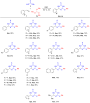
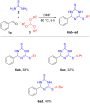
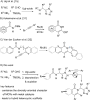
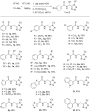
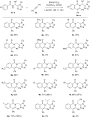
- . Selected examples of triazinethione-containing bioactive compounds. X-ray structure of 6-(methylthio)-4-phenyl-3,4-dihydro-1,3,5-triazine-2(1H)-thione (6aa) with thermal ellipsoids at 50% probability (CCDC 1991859). Strategies for the synthesis of triazinethiones. Aldehyde substrate scope of three




An overview on disulfide-catalyzed and -cocatalyzed photoreactions
Beilstein J. Org. Chem. 2020, 16, 1418–1435, doi:10.3762/bjoc.16.118
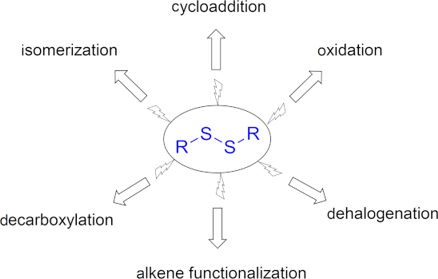
- . In 1996, Burton and co-workers reported the stereoselective synthesis of cis-1,2-difluorotriethylsilyethylene and its conversion to a variety of cis-1,2-difluoroethylene synthons, which are important building blocks in the preparation of fluorine-containing pharmaceuticals, polymers, and bioactive
- compounds. In the synthesis of these synthons, the key transformation, the isomerization of the trans-1,2-difluorotriethylsilylethylene 57 to the cis isomer 58, is realized with phenyl disulfide under ultraviolet-light irradiation (Scheme 22) [29]. In 2009, Tsuboi and co-workers also reported a dendrimer






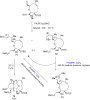


Highly selective Diels–Alder and Heck arylation reactions in a divergent synthesis of isoindolo- and pyrrolo-fused polycyclic indoles from 2-formylpyrrole
Beilstein J. Org. Chem. 2020, 16, 1320–1334, doi:10.3762/bjoc.16.113
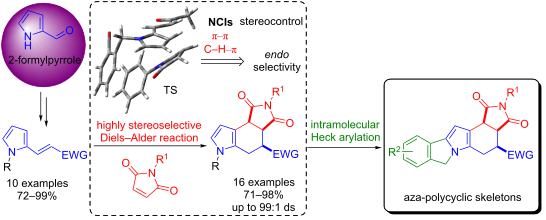
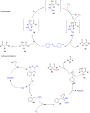
- -based heterocycles represent a varied and ubiquitous scaffold found in a large number of natural and synthetic bioactive compounds [22][23][24][25], such as isoindolocarbazoles (e.g., arcyriaflavins A–C (4a–c)) [26][27]. The challenge of the synthesis of this series of aza-heterocycles is associated


Synthesis, antiinflammatory activity, and molecular docking studies of bisphosphonic esters as potential MMP-8 and MMP-9 inhibitors
Beilstein J. Org. Chem. 2020, 16, 1277–1287, doi:10.3762/bjoc.16.108

- a higher Pa value is desired. Thus, a Pa value of new bisphosphonates ≥ the Pa value of 1 and 2 was the applied inclusion criterion in this study. As can be seen in Figure 2, the Pa is greater for the new derivatives 3–6 (0.63–0.77) compared to the previous bioactive compounds 1 and 2 (0.51). In


Copper-based fluorinated reagents for the synthesis of CF2R-containing molecules (R ≠ F)
Beilstein J. Org. Chem. 2020, 16, 1051–1065, doi:10.3762/bjoc.16.92
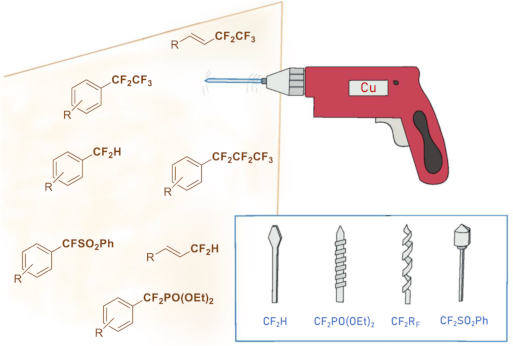
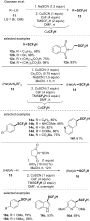
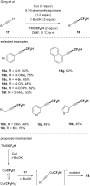
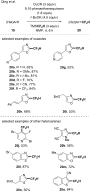
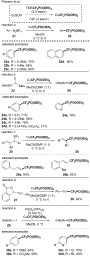
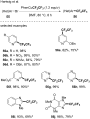
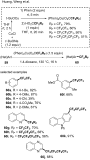
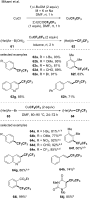
- ][30][31][32], a well recognized alcohol and thiol bioisoster, is particularly attractive due to its unique features [33][34][35][36]. Besides, this residue is present in several bioactive compounds such as Deracoxib and Thiazopyr. In comparison with trifluoromethylcopper complexes, the






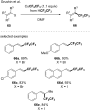


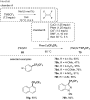
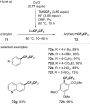
Fluorinated phenylalanines: synthesis and pharmaceutical applications
Beilstein J. Org. Chem. 2020, 16, 1022–1050, doi:10.3762/bjoc.16.91
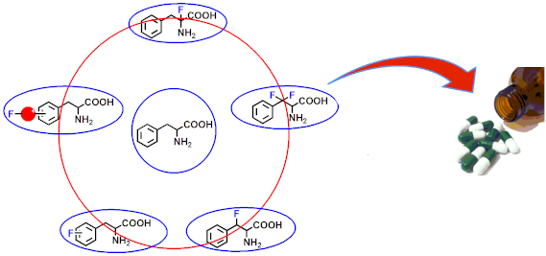
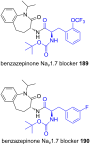
- suggested, based on genetic studies, that a selective Nav1.7 inhibition, will produce robust inhibition of pain without significant side effects [134][135]. Conclusion In view of the increased significance of FAAs in the development of bioactive compounds, considerable efforts were dedicated to the


Fabclavine diversity in Xenorhabdus bacteria
Beilstein J. Org. Chem. 2020, 16, 956–965, doi:10.3762/bjoc.16.84
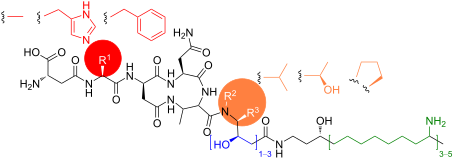
- for bioactive compounds are required, such as the bacterial genera Xenorhabdus or Photorhabdus. In these strains, fabclavines are widely distributed SMs with a broad-spectrum bioactivity. Fabclavines are hybrid SMs derived from nonribosomal peptide synthetases (NRPS), polyunsaturated fatty acid (PUFA


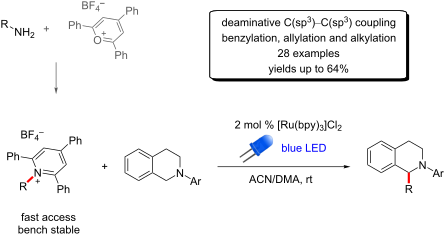
Photocatalytic deaminative benzylation and alkylation of tetrahydroisoquinolines with N-alkylpyrydinium salts
Beilstein J. Org. Chem. 2020, 16, 809–817, doi:10.3762/bjoc.16.74
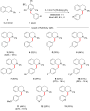
- . Interestingly, the p-OMe-substituted product 32 was obtained in only slightly lower yield as compared to the corresponding unsubstituted THIQ product 11. For better application in the synthesis of bioactive compounds or natural products, the removal of the aryl moiety on the nitrogen is necessary as most of
- towards desired bioactive compounds. At last, we turned our interest towards non-benzylic Katritzky salts, showcasing that also the reaction with unactivated secondary alkyl and allyl radicals takes place (Scheme 5). For the less reactive secondary alkyls the more expensive catalyst [Ir(dtbbpy)(ppy)2]PF6




Combining enyne metathesis with long-established organic transformations: a powerful strategy for the sustainable synthesis of bioactive molecules
Beilstein J. Org. Chem. 2020, 16, 738–755, doi:10.3762/bjoc.16.68
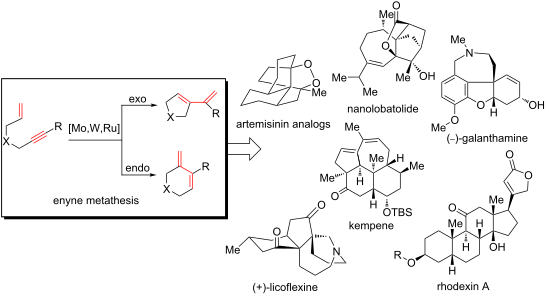
- account surveys the current progress on the application of intra- and intermolecular enyne metathesis as main key steps in the synthesis of challenging structural motifs and stereochemistries found in bioactive compounds. Special emphasis is placed on ruthenium catalysts as promoters of enyne metathesis
- of known, in vivo effective substances but also for designing chemically modified analogs as valid alternatives for further therapeutic agents. Keywords: bioactive compounds; enyne metathesis; ring-closing metathesis; ruthenium catalysts; tandem reactions; Introduction Alkene and alkyne metathesis




Cascade trifluoromethylthiolation and cyclization of N-[(3-aryl)propioloyl]indoles
Beilstein J. Org. Chem. 2020, 16, 657–662, doi:10.3762/bjoc.16.62
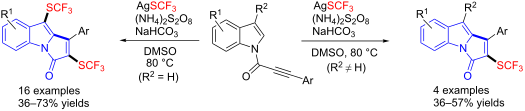
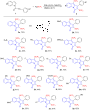
- , especially those featuring medicinally promising scaffolds. Pyrrolo[1,2-a]indol-3-ones are prevalent scaffolds that widely exist in many bioactive compounds and natural products [17][18][19][20]. Representative examples of biologically active pyrrolo[1,2-a]indol-3-one derivatives are shown in Figure 1




Two antibacterial and PPARα/γ-agonistic unsaturated keto fatty acids from a coral-associated actinomycete of the genus Micrococcus
Beilstein J. Org. Chem. 2020, 16, 297–304, doi:10.3762/bjoc.16.29
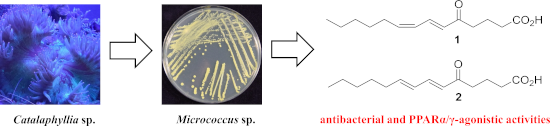
- association with higher organisms, such as fish, sponges, corals, molluscs, ascidians, seaweeds, and mangroves, and have kept attracting attention due to their ability to produce various bioactive compounds [2][4]. Among the isolation sources for marine actinobacteria, substantial amounts of studies were


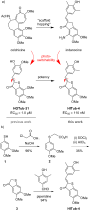
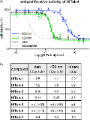
Potent hemithioindigo-based antimitotics photocontrol the microtubule cytoskeleton in cellulo
Beilstein J. Org. Chem. 2020, 16, 125–134, doi:10.3762/bjoc.16.14
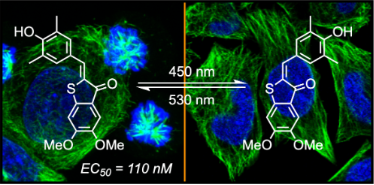
- here describe the photocharacterisation of HITub-4 as a representative example of the photoswitchable bioactive compounds (for more detailed analysis see Supporting Information File 1). In polar aprotic solvents, the HITub-4 Z-isomer (λmax ≈ 380, 460 nm) showed robust, reliable, and fully reversible





Reversible photoswitching of the DNA-binding properties of styrylquinolizinium derivatives through photochromic [2 + 2] cycloaddition and cycloreversion
Beilstein J. Org. Chem. 2020, 16, 111–124, doi:10.3762/bjoc.16.13
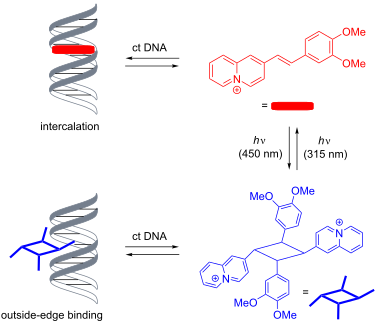
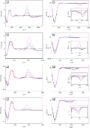
- complementary approach toward the development of photoswitchable bioactive compounds. Absorption spectra and normalized emission spectrum (Abs. = 0.10, 3b: λex = 394 nm) of derivatives 3b (red) and 3d (black) in MeCN. Spectrophotometric titration upon the addition of ct DNA to the styrylquinolizinium




Pigmentosins from Gibellula sp. as antibiofilm agents and a new glycosylated asperfuran from Cordyceps javanica
Beilstein J. Org. Chem. 2019, 15, 2968–2981, doi:10.3762/bjoc.15.293
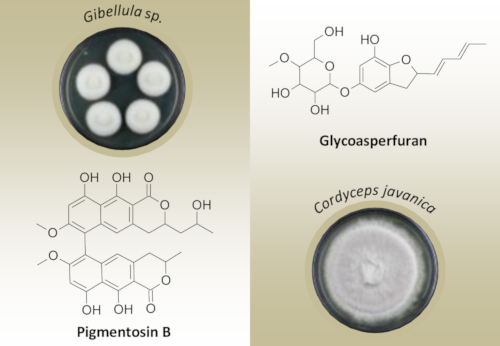
- be a promising source of bioactive compounds [8][9][10]. Thus, during the current study, which is part of a project aiming to discover novel biofilm inhibitors from Thai fungi [11], a number of invertebrate-pathogenic fungi collected from various parts of Thailand were studied for production of


Two new aromatic polyketides from a sponge-derived Fusarium
Beilstein J. Org. Chem. 2019, 15, 2941–2947, doi:10.3762/bjoc.15.289
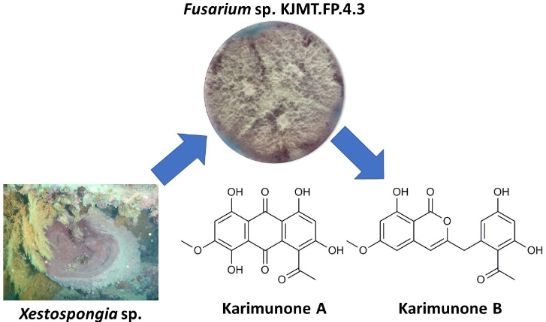
- polyketide; Fusarium; marine fungus; secondary metabolite; sponge; Introduction Marine organisms have been known as a potential source of prospective bioactive compounds, and sponges are particularly emphasized as the most promising source among all marine invertebrates [1][2]. However, the collection of
- structurally unique secondary metabolites with various biological activities [8][9]. Specifically, sponge-associated fungi are attracting substantial attention because of their high capability of producing a wide range of bioactive compounds [5][10][11]. As a tropical country, Indonesia is known as the second


A review of asymmetric synthetic organic electrochemistry and electrocatalysis: concepts, applications, recent developments and future directions
Beilstein J. Org. Chem. 2019, 15, 2710–2746, doi:10.3762/bjoc.15.264
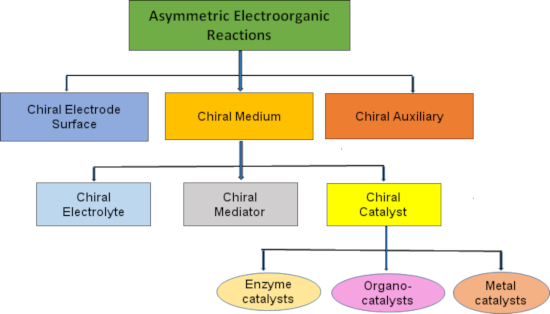
- chemistry. In this review, we aim to focus on methods for achieving stereocontrol in synthetic organic electrochemistry via a systematic description of the reported literature on chiral inductors, followed by their applications in the synthesis of natural products and bioactive compounds including late






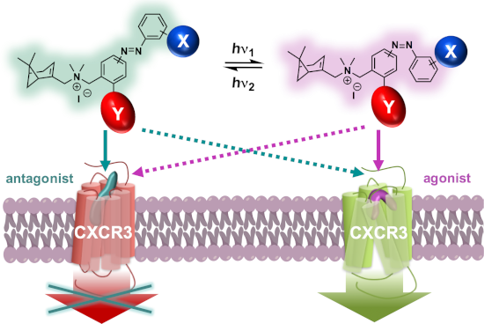
A toolbox of molecular photoswitches to modulate the CXCR3 chemokine receptor with light
Beilstein J. Org. Chem. 2019, 15, 2509–2523, doi:10.3762/bjoc.15.244
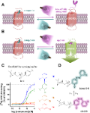
- latter one. One of the main reasons is that an azobenzene has a relatively simple structure that can resemble various biaryl moieties of bioactive compounds: two aromatic rings linked with a bridge (e.g., amide, ether, alkane or alkyne) [8]. In the case of azobenzene the bridge is a diazene group (also



Combining the Ugi-azide multicomponent reaction and rhodium(III)-catalyzed annulation for the synthesis of tetrazole-isoquinolone/pyridone hybrids
Beilstein J. Org. Chem. 2019, 15, 2447–2457, doi:10.3762/bjoc.15.237

- . Keywords: C–H activation; cyclization; isoquinolone; multicomponent reaction; tetrazole; Introduction Pyridones and isoquinolones are relevant heterocyclic scaffolds present in numerous bioactive compounds and natural products [1][2][3][4]. Similarly, molecules containing a tetrazole ring exhibit a wide
- , which has been considered of interest for medicinal chemistry applications [7][8]. In recent years, the preparation of hybrid heterocyclic scaffolds including the tetrazole ring (either fused or linked to other heterocycles) has rendered potent bioactive compounds [9][10][11][12][13], which confirms the




Current understanding and biotechnological application of the bacterial diterpene synthase CotB2
Beilstein J. Org. Chem. 2019, 15, 2355–2368, doi:10.3762/bjoc.15.228
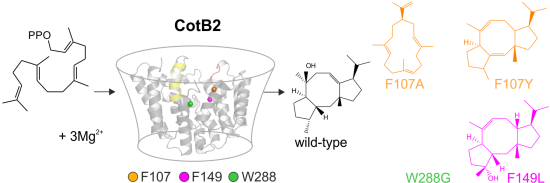
- ], density functional theory calculations [33] as well as QM/MM simulations [37]. Variants of CotB2 open the route to a novel product portfolio with altered cyclic carbon skeletons, which can be converted into bioactive compounds by chemo-enzymatic methodologies. Modification descriptions are composed


Isolation and biosynthesis of an unsaturated fatty acid with unusual methylation pattern from a coral-associated bacterium Microbulbifer sp.
Beilstein J. Org. Chem. 2019, 15, 2327–2332, doi:10.3762/bjoc.15.225
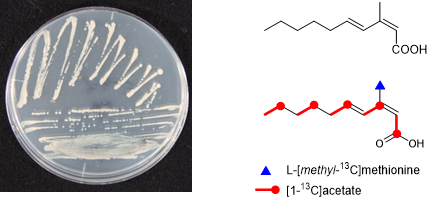
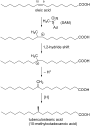
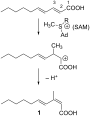
- . Compound 1 showed weak growth inhibition against Saccharomyces cerevisiae. Keywords: biosynthesis; fatty acid; marine bacteria; methylation; Microbulbifer; Introduction Marine microbial symbionts are currently recognized as a reservoir of new bioactive compounds [1]. The most well-studied host animal is


Isolation of fungi using the diffusion chamber device FIND technology
Beilstein J. Org. Chem. 2019, 15, 2191–2203, doi:10.3762/bjoc.15.216
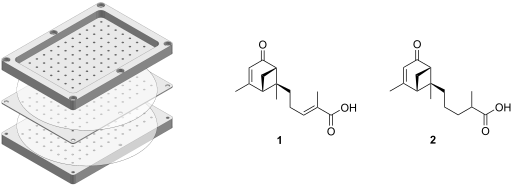
- environment. Halotolerance was to date exclusively reported for members of the Cladosporium sphaerospermum complex [28]. Analysis of genes involved in secondary metabolite production suggested Cadophora malorum as a producer of bioactive compounds [29], as later confirmed by the results of Almeida et al. [30


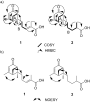
Azologization and repurposing of a hetero-stilbene-based kinase inhibitor: towards the design of photoswitchable sirtuin inhibitors
Beilstein J. Org. Chem. 2019, 15, 2170–2183, doi:10.3762/bjoc.15.214
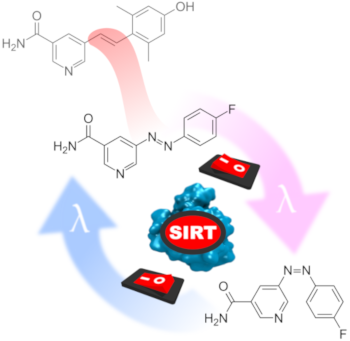
- . Typically, it is not clear from the beginning, if the remodelling of the bioactive compounds will lead to an active diazeno derivative or not. The so-called azologization approach, moulded by Trauner et al., features a rational strategy for the design of photoswitchable compounds from established drug


Molecular basis for the plasticity of aromatic prenyltransferases in hapalindole biosynthesis
Beilstein J. Org. Chem. 2019, 15, 1545–1551, doi:10.3762/bjoc.15.157
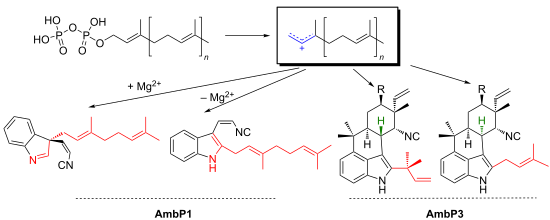
- bioactive compounds, because the prenylated compounds exhibit better bioactivities due to their improved interactions with biological membranes [3]. The aromatic PTase superfamily involved in the secondary metabolism consists of the ABBA (α-β-β-α barrel)-type [4][5], the dimethylallyltryptophan synthase
- bioactive compounds. The reactions of aromatic PTases. The reactions catalyzed by AmbP1 (A) and AmbP3 (B). The overall structure of apo-AmbP1 (A), the Mg2+-free structure (B), and the Mg2+-bound structure (C). The active site structure of AmbP1. 1 and GSPP were bound in the active site without Mg2+ (A, Mg2


Synthesis of pyrrolo[1,2-a]quinolines by formal 1,3-dipolar cycloaddition reactions of quinolinium salts
Beilstein J. Org. Chem. 2019, 15, 1480–1484, doi:10.3762/bjoc.15.149
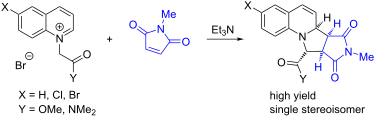
- rise to pyrrolidine rings, prevalent in a large number of natural products and bioactive compounds. Many methods have been used to prepare azomethine ylides that undergo cycloaddition with π-systems, especially electron-poor alkenes to give pyrrolidine products [1][2][3][4]. Azomethine ylides can be


Genomics-inspired discovery of massiliachelin, an agrochelin epimer from Massilia sp. NR 4-1
Beilstein J. Org. Chem. 2019, 15, 1298–1303, doi:10.3762/bjoc.15.128
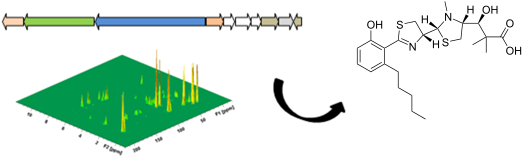
- recognition of a far greater taxonomic diversity of microbes that can produce bioactive compounds [1][2][3]. The exploration of previously neglected taxa has been demonstrated to bear significant potential for finding new natural products and is thus highly promising from a drug discovery perspective [4][5