


Search results
Search for "drug delivery" in Full Text gives 184 result(s) in Beilstein Journal of Organic Chemistry.
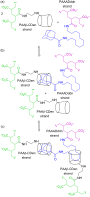
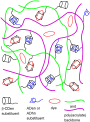
β-Cyclodextrin- and adamantyl-substituted poly(acrylate) self-assembling aqueous networks designed for controlled complexation and release of small molecules
Beilstein J. Org. Chem. 2017, 13, 1879–1892, doi:10.3762/bjoc.13.183
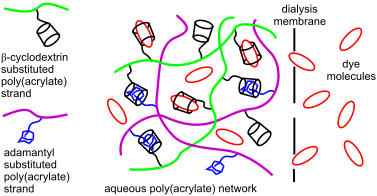
- . Depending upon their composition, these networks and related systems retain drug and similar molecules to varying extents which renders them of interest as potential drug delivery systems [20][21][22][23][24][25][26][27][28][29][30][31][32][33][34][35][36][37][38][39][40][41][42][43][44][45][46][47
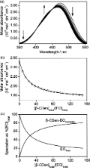
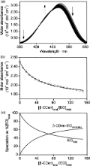
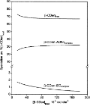
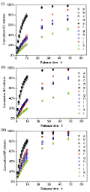
- dependent upon the structure of the dye, and the structure of the network and its viscosity. Potentially, these systems form the basis for the development of controlled drug delivery systems for topical and wound applications, where the factors for drug release are likely to be similar to those controlling




BODIPY-based fluorescent liposomes with sesquiterpene lactone trilobolide
Beilstein J. Org. Chem. 2017, 13, 1316–1324, doi:10.3762/bjoc.13.128
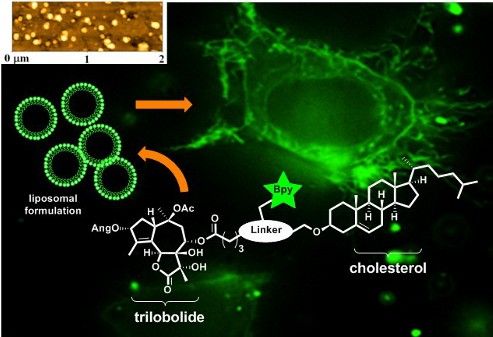
- reduces its potential medicinal applications. The targeted delivery of hydrophobic drugs can be achieved using liposome-based carriers. Therefore, we designed a traceable liposomal drug delivery system for trilobolide. The fluorescent green-emitting dye BODIPY, cholesterol and trilobolide were used to
- theranostic applications. Keywords: BODIPY conjugates; cancer targeting; drug delivery; liposomes; natural compounds; sesquiterpene lactone trilobolide; Introduction Targeted (smart) drug delivery is a method for specific delivering of an active compound preferentially to some cells or tissues in the human
- active construct 6 from the liposomes. Further tests are necessary to confirm this hypothesis. Conclusion In summary, in order to develop a drug delivery system for potential theranostic applications, we prepared a submicron liposome-based formulation of a cytotoxic agent, sesquiterpene lactone




One-pot synthesis of block-copolyrotaxanes through controlled rotaxa-polymerization
Beilstein J. Org. Chem. 2017, 13, 1310–1315, doi:10.3762/bjoc.13.127
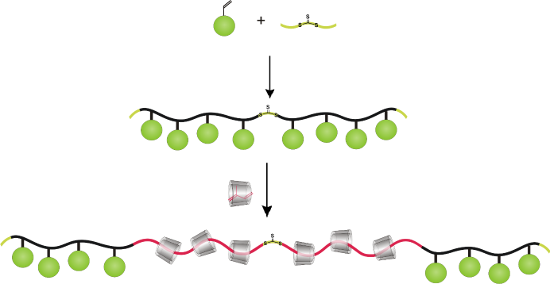
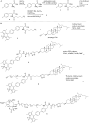
- drug delivery or tissue engineering. (a) GPC trace of the polyHEMA-co-polyisoprene polyrotaxane 1 and (b) 500 MHz 1H NMR and DOSY spectra of poly(TRIS-AAm)-co-polyisoprene polyrotaxane 2 in DMSO-d6. (a) GPC traces of the macroCTA 5 (solid line) and the poly(TRIS-AAm)-b-polyisoprene-b-poly(TRIS-AAm


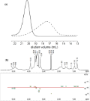
Correction: Fluorescent carbon dots from mono- and polysaccharides: synthesis, properties and applications
Beilstein J. Org. Chem. 2017, 13, 1136–1138, doi:10.3762/bjoc.13.112
- original article. N/P-doped hollow CDs for efficient drug delivery of doxorubicin. Corrected Scheme 15 of the original article. N/P-doped green-emissive CDs working in tandem with hyaluronic acid-coated AuNPs to monitor hyaluronidase activity. Corrected Scheme 20 of the original article. Different


Glyco-gold nanoparticles: synthesis and applications
Beilstein J. Org. Chem. 2017, 13, 1008–1021, doi:10.3762/bjoc.13.100
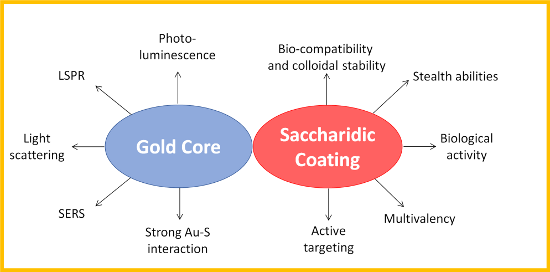
- resulting biological processes [3][4]. The increasing ability to manipulate material at the nanosize allowed the development of many glyco nanoparticles helpful in a wide range of applications, from the drug delivery to the imaging [5][6][7]. Among the large number of nanomaterials, gold is one of the main


Aggregation behaviour of a single-chain, phenylene-modified bolalipid and its miscibility with classical phospholipids
Beilstein J. Org. Chem. 2017, 13, 995–1007, doi:10.3762/bjoc.13.99
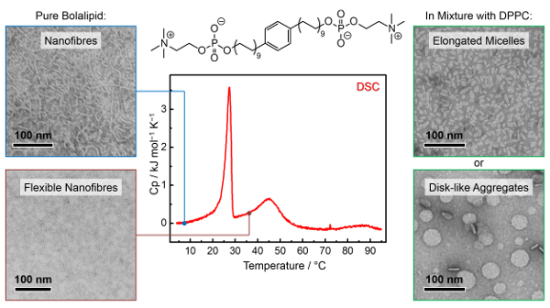
- bilayers, they can be used to stabilize liposomes for drug delivery purposes. The applicability of this approach was already tested for a large variety of natural and artificial bolalipids [12][16][17][18][19][20][21][22]. The isolation of archaeal bolalipids from natural sources is expensive and often
- lamellar structure – prerequisites for the use as drug delivery vehicle – could not be observed, and bilayer fragments as well as elongated micelles were formed instead [35]. The isomers PC-C17mPhC17-PC and PC-C17oPhC17-PC, bearing a meta or ortho substitution at the central phenyl ring, showed the



Fluorescent carbon dots from mono- and polysaccharides: synthesis, properties and applications
Beilstein J. Org. Chem. 2017, 13, 675–693, doi:10.3762/bjoc.13.67
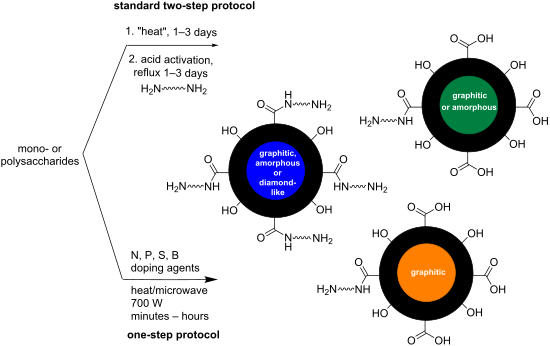
- traditional semiconductor quantum dots (QDs). Particularly in the areas of live imaging and drug delivery, due to their water solubility, low toxicity and photo- and chemical stability. Carbohydrates are readily available chiral biomolecules in nature which offer an attractive and cheap starting material from
- relevant molecules have become very useful for drug delivery, sensing and catalysis to name just a few applications. As a result, nanomaterials exhibiting novel electronic and optical properties, having controlled size, geometry, surface distribution and functionality have been developed as materials for
- fluorescent nanomaterials combined with their myriad of applications, has led to CDs being hailed as the potential non-toxic successors to traditional semiconductor QDs, particularly in the areas of live imaging and drug delivery. Synthetic approaches to access CDs can be classified into two broad categories


Highly reactive, liquid diacrylamides via synergistic combination of spatially arranged curing moieties
Beilstein J. Org. Chem. 2017, 13, 372–383, doi:10.3762/bjoc.13.40
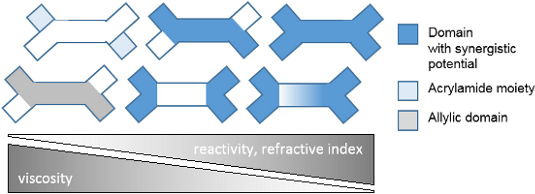
- interest in the field of biomedical applications, e.g., for dental materials, artificial cornea, or drug-delivery systems, for which contact with body fluids is inevitable [17][18]. Whilst some of the resulting secondary di(meth)acrylamides end up being solids, tertiary di(meth)acrylamides can be obtained





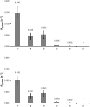

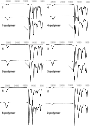


Dynamics and interactions of ibuprofen in cyclodextrin nanosponges by solid-state NMR spectroscopy
Beilstein J. Org. Chem. 2017, 13, 182–194, doi:10.3762/bjoc.13.21
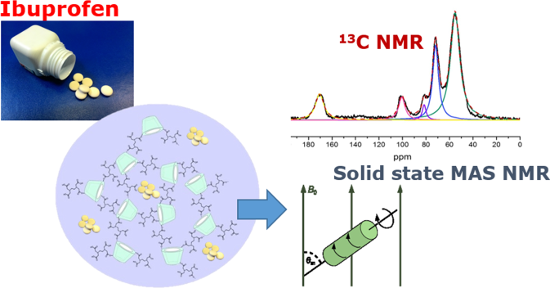
- many of their formulations, CDNS showed good swelling capability when contacted with water solutions, giving rise to homogeneous hydrogels potentially useful as drug carriers [7]. In order to obtain an effective control over the drug delivery procedure, several efforts have been made to explore how the


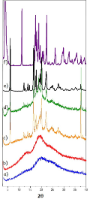
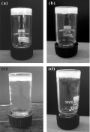
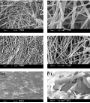
A new class of organogelators based on triphenylmethyl derivatives of primary alcohols: hydrophobic interactions alone can mediate gelation
Beilstein J. Org. Chem. 2017, 13, 138–149, doi:10.3762/bjoc.13.17
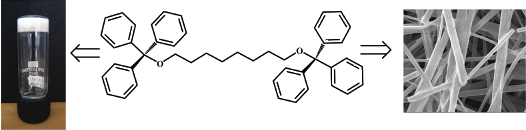
- such as acids or bases [17], metal ions [18], oxidation and reduction [19], reactive species enzymes, etc. Such responsive gel systems are highly desirable in stimuli-responsive sensor materials, drug delivery, catalysis, nano- and mesoscopic assemblies, light harvesting systems, and many others [20







Extrusion – back to the future: Using an established technique to reform automated chemical synthesis
Beilstein J. Org. Chem. 2017, 13, 65–75, doi:10.3762/bjoc.13.9
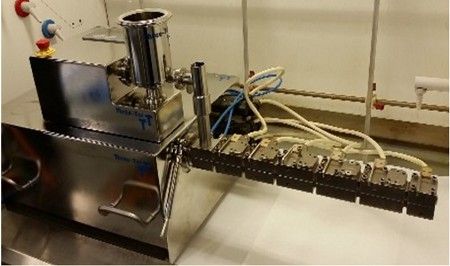
- ranging from room temperature to 250 °C [30]. Chemical synthesis by extrusion Extrusion is heavily relied upon within the pharmaceutical industry with regards to the formulation of drugs and their incorporation into drug delivery systems. However, extrusion has not been employed to carry out any organic


Versatile synthesis of end-reactive polyrotaxanes applicable to fabrication of supramolecular biomaterials
Beilstein J. Org. Chem. 2016, 12, 2883–2892, doi:10.3762/bjoc.12.287

- drug delivery [31]. Herein, alkynyl group-bearing fluorescent molecules were modified at the terminal azide group of the PRXs, and intracellular fluorescence imaging of the PRXs was performed to verify whether the terminally modified fluorescent molecules could be used for fluorescence imaging. First
- in 6 were almost entirely modified with fluorescent molecules. In our previous study relating to drug delivery applications of PRXs, fluorescent molecules were modified on the threading α-CDs in the PRXs to monitor intracellular uptake and localization of the PRXs [14][32][36][37]. To verify whether
- to be useful candidates in the fabrication or functionalization of supramolecular biomaterials, such as cross-linked hydrogels, surface immobilization, and drug delivery carriers for biomolecules [6]. Further studies relating to the biomaterials applications of azide group-terminated PRXs are




Interactions between cyclodextrins and cellular components: Towards greener medical applications?
Beilstein J. Org. Chem. 2016, 12, 2644–2662, doi:10.3762/bjoc.12.261
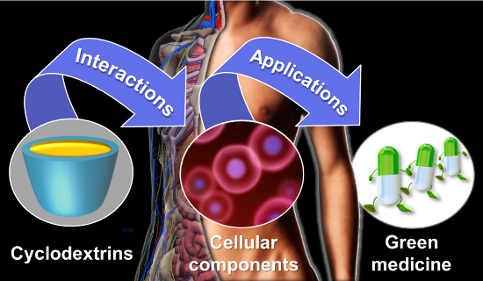
- anthryl signals) in the presence of the 1-adamantanol guest. This concept could be very useful in nucleic acid reactions of medicinal and biotechnological importance for new drug delivery systems. Unfortunately, the binding constants between CDs and nucleic acids remain relatively modest and close to


Synthesis of a deuterated probe for the confocal Raman microscopy imaging of squalenoyl nanomedicines
Beilstein J. Org. Chem. 2016, 12, 1127–1135, doi:10.3762/bjoc.12.109

- Eric Buchy Branko Vukosavljevic Maike Windbergs Dunja Sobot Camille Dejean Simona Mura Patrick Couvreur Didier Desmaele Institut Galien (UMR CNRS 8612) Faculté de Pharmacie, Université Paris-Sud, 5, rue Jean-Baptiste Clément, 92296 Châtenay-Malabry, France Department of Drug Delivery, Helmholtz
- nanometric size confers to drug delivery systems unique properties which improve the pharmacokinetics and the biodistribution of many active compounds, thus increasing specificity, therapeutic efficacy and reducing systemic exposure and toxicity [1][2]. In recent years, many drug delivery systems have been


Stimuli-responsive HBPS-g-PDMAEMA and its application as nanocarrier in loading hydrophobic molecules
Beilstein J. Org. Chem. 2016, 12, 939–949, doi:10.3762/bjoc.12.92

- attractive to academia and industry in recent years due to their special chemical and physical properties. In comparison with their linear counterpart, these polymers afford promising applications such as drug delivery [15][16][17], gene delivery [18][19][20][21] and catalysis [22][23]. Polystyrene is a
- biocompatible material with low polarity. It has been found that a hydrophobic polymer segment with low polarity was helpful in drug delivery systems and in the protection of drugs from degradation [12][24]. Star-like amphiphilic polymers can be prepared by grafting hydrophilic stimuli-responsive chains on
- important, because the LCST of PDMAEMA in water is near the human body temperature; a fact that might be exploited in drug delivery systems. We checked the light transmittance of the HBPS-g-PDMAEMA aqueous solution at a wavelength of 500 nm and a concentration of 10 mg/mL by using a UV–vis spectrophotometer




Optimized methods for preparation of 6I-(ω-sulfanyl-alkylene-sulfanyl)-β-cyclodextrin derivatives
Beilstein J. Org. Chem. 2016, 12, 349–352, doi:10.3762/bjoc.12.38
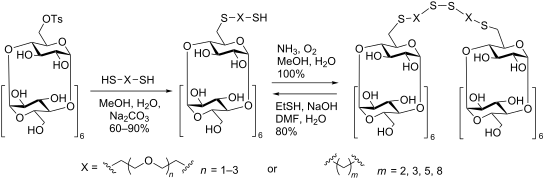
- industries [4]. These derivatives are usually mixtures of randomly substituted CDs. On the other hand, CD derivatives which are well-defined chemical individuals are well suited for separation science [5], chemosensors [6] or drug delivery [7] applications. These applications often involve a modification of


Application of 7-azaisatins in enantioselective Morita–Baylis–Hillman reaction
Beilstein J. Org. Chem. 2016, 12, 309–313, doi:10.3762/bjoc.12.33
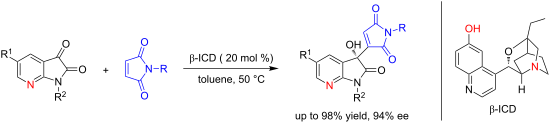
- Qing He Gu Zhan Wei Du Ying-Chun Chen Key Laboratory of Drug-Targeting and Drug Delivery System of the Ministry of Education, West China School of Pharmacy, Sichuan University, Chengdu 610041, China 10.3762/bjoc.12.33 Abstract 7-Azaisatin and 7-azaoxindole skeletons are valuable building blocks


Enabling technologies and green processes in cyclodextrin chemistry
Beilstein J. Org. Chem. 2016, 12, 278–294, doi:10.3762/bjoc.12.30
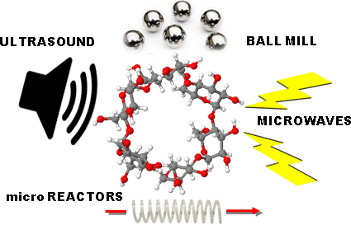
- -soluble cyanine/β-CD derivatives have been efficiently prepared via CuAAC under simultaneous US/MW irradiation at 75 °C for 2 h (MW 15 W and US 20 W) in good yields (23% and 33%). These dyes were used as versatile carriers for drug delivery and optical imaging. Preparation of CD-grafted materials and CD
- drug delivery systems and toxic compounds scavengers, and have been obtained by grafting CDs into polymeric matrices. A multi-carrier for combined diagnostic and theranostic applications was obtained via the functionalization of carbon nanotubes with CD using a MW-assisted 1,3-dipolar cycloaddition. As


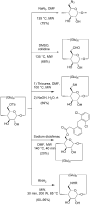
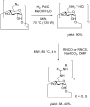
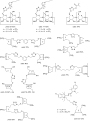

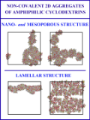
Aggregation behavior of amphiphilic cyclodextrins in a nonpolar solvent: evidence of large-scale structures by atomistic molecular dynamics simulations and solution studies
Beilstein J. Org. Chem. 2016, 12, 73–80, doi:10.3762/bjoc.12.8
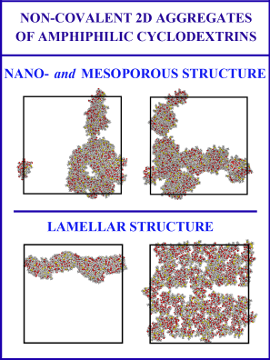
- have been usually investigated and characterized in water for their potential use as nanocarriers for drug delivery, but they can also aggregate in apolar solvents, as shown in the present paper through atomistic molecular dynamics simulations and dynamic light scattering measurements. The simulations
- molecular recognition [3] or nanocarriers for drug delivery [4]. In the recent past, the aggregation behavior of aCD was investigated in water, getting insights on the structures of free nanoassemblies [5][6] or in combination with therapeutic agents [7]. However, in some stages of preparation and


Supramolecular polymer assembly in aqueous solution arising from cyclodextrin host–guest complexation
Beilstein J. Org. Chem. 2016, 12, 50–72, doi:10.3762/bjoc.12.7
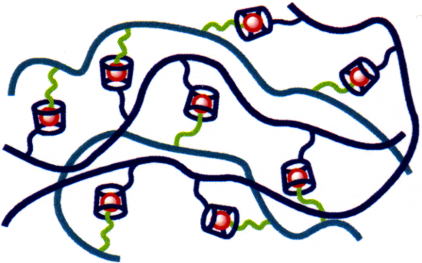
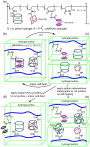
- ], chemical sensors [6] and drug delivery [7][8][9]. As discussed in a range of reviews [10][11][12][13][14] and books [15][16][17][18], cyclodextrins are naturally occurring cyclic oligosaccharides which are also produced industrially through the enzymatic metabolism of starch and related compounds. The
- substituents and the aggregation of the α-CD complexed portions of the AD-PEG chains. Part of the interest in these low molecular weight polymer systems arises because they are able to pass through the kidney membrane [89] and are consequently of interest as components of drug-delivery systems [89][90]. A


Recent advances in metathesis-derived polymers containing transition metals in the side chain
Beilstein J. Org. Chem. 2015, 11, 2747–2762, doi:10.3762/bjoc.11.296
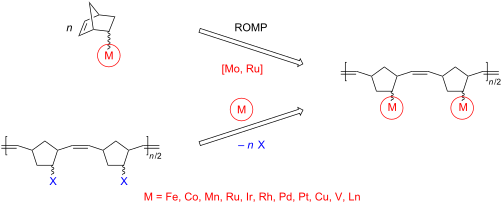
- confer an optimal set of capabilities that recommend them for diverse emerging application areas, e.g., as electro-optical and magnetic devices, for energy storage, nanomaterials, sensing, catalytic and drug-delivery systems [6][12][13][14]. Numerous synthetic routes have been explored to achieve the
- recent study, Tang and coworkers [52] performed a quantitative analysis of counterion exchange in cobaltocene-containing polyelectrolytes that are accessible by an initial ROMP, and subsequently derivatized with cobalt motifs. These results appear to be relevant for self-assembly and drug-delivery


Smart molecules for imaging, sensing and health (SMITH)
Beilstein J. Org. Chem. 2015, 11, 2540–2548, doi:10.3762/bjoc.11.274
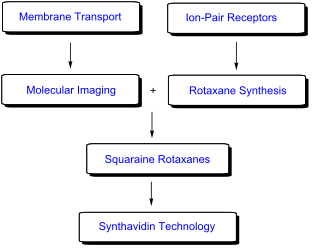
- many supramolecular chemistry labs around the world. In addition, the chapter provided a short summary of four emerging themes in biomolecule recognition that are likely to garner increased attention over the next decade; Logic Devices, Biomolecule Responsive Materials, Drug Delivery, and Biomolecule


Aggregation behaviour of amphiphilic cyclodextrins: the nucleation stage by atomistic molecular dynamics simulations
Beilstein J. Org. Chem. 2015, 11, 2459–2473, doi:10.3762/bjoc.11.267
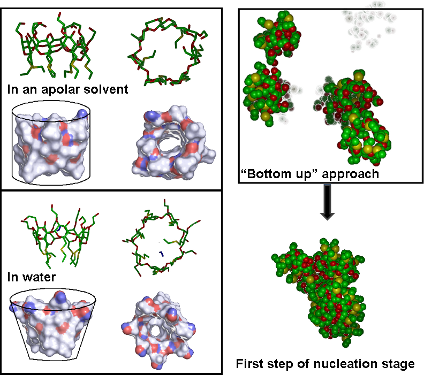
- -dependence of the supramolecular structures, or the pH dependence of water solubility, so as to improve our understanding of their activity as drug delivery systems [19][20] and of the biological fate of the assemblies [21][22]. The balance between the hydrophobic and the polar groups on the two CD rims
- or bilayer, or vesicles and nanospheres at appropriate concentrations. In the recent past, some of these structures have been selected to yield versatile and reliable carriers for drug delivery [3][50], and even for molecular recognition of polymers [51]. In this scenario, the proposed study can open


Size-controlled and redox-responsive supramolecular nanoparticles
Beilstein J. Org. Chem. 2015, 11, 2388–2399, doi:10.3762/bjoc.11.260
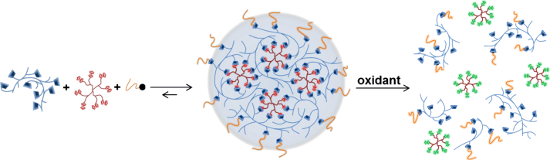
- their use as drug delivery vehicles. Here, we aim to form supramolecular nanoparticles (SNPs) by combining advantages of the reversible assembly properties of SNPs using host–guest interactions and of a stimulus-responsive moiety. The SNPs are composed of a core of positively charged poly(ethylene imine
- applications owing to control over their size, their assembly/disassembly, and the modular character for the versatile incorporation of agents aiming for imaging [3], photothermal therapy [4], drug delivery [5][6][7] and gene delivery [8][9][10] applications. Different approaches have been used to form SNPs
- charged polymers and dendrimers. In order to use these SNPs for biomedical applications, in particular for drug delivery, a stimulus-responsive self-assembled system is desired for controlled cargo release. Ferrocene (Fc) is a ubiquitous redox-responsive molecule that is associated with a reversible one


Preparation of Pickering emulsions through interfacial adsorption by soft cyclodextrin nanogels
Beilstein J. Org. Chem. 2015, 11, 2355–2364, doi:10.3762/bjoc.11.257
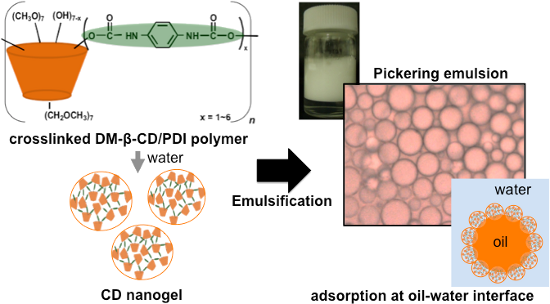
- CD nanogels have been increasing in terms of drug delivery systems using the nanoporous cavities of the CDs and hydrogel networks, which can effectively store and release molecules [16][17]. However, to the best of our knowledge, the use of CD nanogels as Pickering emulsifiers has yet to be reported





