


Search results
Search for "sulfuric acid" in Full Text gives 193 result(s) in Beilstein Journal of Organic Chemistry.
Synthesis of 1-indanones with a broad range of biological activity
- Marika Turek,
- Dorota Szczęsna,
- Marek Koprowski and
- Piotr Bałczewski
Beilstein J. Org. Chem. 2017, 13, 451–494, doi:10.3762/bjoc.13.48
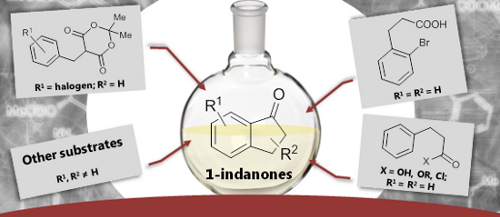
- first synthesis of 1-indanone from carboxylic acid has been described by Price and Lewis in 1939 [12]. They cyclized hydrocinnamic acid (1) to the unsubstituted 1-indanone (2), in 27% yield using 20% sulfuric acid at 140 °C (Scheme 1). Another reaction leading to the formation of the unsubstituted 1

Graphical Abstract

Figure 1: Biologically active 1-indanones and their structural analogues.

Figure 2: Number of papers about (a) 1-indanones, (b) synthesis of 1-indanones.

Scheme 1: Synthesis of 1-indanone (2) from hydrocinnamic acid (1).

Scheme 2: Synthesis of 1-indanone (2) from 3-(2-bromophenyl)propionic acid (3).

Scheme 3: Synthesis of 1-indanones 5 from 3-arylpropionic acids 4.

Scheme 4: Synthesis of kinamycin (9a) and methylkinamycin C (9b).

Scheme 5: Synthesis of trifluoromethyl-substituted arylpropionic acids 12, 1-indanones 13 and dihydrocoumarin...

Scheme 6: Synthesis of 1-indanones 16 from benzoic acids 15.

Scheme 7: Synthesis of 1-indanones 18 from arylpropionic and 3-arylacrylic acids 17.

Scheme 8: The NbCl5-induced one-step synthesis of 1-indanones 22.

Scheme 9: Synthesis of biologically active 1-indanone derivatives 26.

Scheme 10: Synthesis of enantiomerically pure indatraline ((−)-29).

Scheme 11: Synthesis of 1-indanone (2) from the acyl chloride 30.

Scheme 12: Synthesis of the mechanism-based inhibitors 33 of coelenterazine.

Scheme 13: Synthesis of the indane 2-imidazole derivative 37.

Scheme 14: Synthesis of fluorinated PAHs 41.

Scheme 15: Synthesis of 1-indanones 43 via transition metal complexes-catalyzed carbonylative cyclization of m...

Scheme 16: Synthesis of 6-methyl-1-indanone (46).

Scheme 17: Synthesis of 1-indanone (2) from ester 48.

Scheme 18: Synthesis of benzopyronaphthoquinone 51 from the spiro-1-indanone 50.

Scheme 19: Synthesis of the selective endothelin A receptor antagonist 55.

Scheme 20: Synthesis of 1-indanones 60 from methyl vinyl ketone (57).

Scheme 21: Synthesis of 1-indanones 64 from diethyl phthalate 61.

Scheme 22: Synthesis of 1-indanone derivatives 66 from various Meldrum’s acids 65.

Scheme 23: Synthesis of halo 1-indanones 69.

Scheme 24: Synthesis of substituted 1-indanones 71.

Scheme 25: Synthesis of spiro- and fused 1-indanones 73 and 74.

Scheme 26: Synthesis of spiro-1,3-indanodiones 77.

Scheme 27: Mechanistic pathway for the NHC-catalyzed Stetter–Aldol–Michael reaction.

Scheme 28: Synthesis of 2-benzylidene-1-indanone derivatives 88a–d.

Scheme 29: Synthesis of 1-indanone derivatives 90a–i.

Scheme 30: Synthesis of 1-indanones 96 from o-bromobenzaldehydes 93 and alkynes 94.

Scheme 31: Synthesis of 3-hydroxy-1-indanones 99.

Scheme 32: Photochemical preparation of 1-indanones 103 from ketones 100.

Scheme 33: Synthesis of chiral 3-aryl-1-indanones 107.

Scheme 34: Photochemical isomerization of 2-methylbenzil 108.

Scheme 35: Synthesis of 2-hydroxy-1-indanones 111a–c.

Scheme 36: Synthesis of 1-indanone derivatives 113 and 114 from η6-1,2-dioxobenzocyclobutene complex 112.

Scheme 37: Synthesis of nakiterpiosin (117).

Scheme 38: Synthesis of 2-alkyl-1-indanones 120.

Scheme 39: Synthesis of fluorine-containing 1-indanone derivatives 123.

Scheme 40: Synthesis of 2-benzylidene and 2-benzyl-1-indanones 126, 127 from the chalcone 124.

Scheme 41: Synthesis of 2-bromo-6-methoxy-3-phenyl-1-indanone (130).

Scheme 42: Synthesis of combretastatin A-4-like indanones 132a–s.

Figure 3: Chemical structures of investigated dienones 133 and synthesized cyclic products 134–137.

Figure 4: Chemical structures of 1-indanones and their heteroatom analogues 138–142.

Scheme 43: Synthesis of 2-phosphorylated and 2-non-phosphorylated 1-indanones 147 and 148 from β-ketophosphona...

Scheme 44: Photochemical synthesis of 1-indanone derivatives 150, 153a, 153b.

Scheme 45: Synthesis of polysubstituted-1-indanones 155, 157.

Scheme 46: Synthesis of 1-indanones 159a–g from α-arylpropargyl alcohols 158 using RhCl(PPh3)3 as a catalyst.

Scheme 47: Synthesis of optically active 1-indanones 162 via the asymmetric Rh-catalyzed isomerization of race...

Scheme 48: Mechanism of the Rh-catalyzed isomerization of α-arylpropargyl alcohols 161 to 1-indanones 162.

Figure 5: Chemical structure of abicoviromycin (168) and its new benzo derivative 169.

Scheme 49: Synthesis of racemic benzoabicoviromycin 172.

Scheme 50: Synthesis of [14C]indene 176.

Scheme 51: Synthesis of indanone derivatives 178–180.

Scheme 52: Synthesis of racemic pterosin A 186.

Scheme 53: Synthesis of trans-2,3-disubstituted 1-indanones 189.

Scheme 54: Synthesis of 3-aryl-1-indanone derivatives 192.

Scheme 55: Synthesis of 1-indanone derivatives 194 from 3-(2-iodoaryl)propanonitriles 193.

Scheme 56: Synthesis of 1-indanones 200–204 by cyclization of aromatic nitriles.

Scheme 57: Synthesis of 1,1’-spirobi[indan-3,3’-dione] derivative 208.

Scheme 58: Total synthesis of atipamezole analogues 211.

Scheme 59: Synthesis of 3-[4-(1-piperidinoethoxy)phenyl]spiro[indene-1,1’-indan]-5,5’-diol hydrochloride 216.

Scheme 60: Synthesis of 3-arylindan-1-ones 219.

Scheme 61: Synthesis of 2-hydroxy-1-indanones 222.

Scheme 62: Synthesis of the 1-indanone 224 from the THP/MOM protected chalcone epoxide 223.

Scheme 63: Synthesis of 1-indanones 227 from γ,δ-epoxy ketones 226.

Scheme 64: Synthesis of 2-hydroxy-2-methylindanone (230).

Scheme 65: Synthesis of 1-indanone derivatives 234 from cyclopropanol derivatives 233.

Scheme 66: Synthesis of substituted 1-indanone derivatives 237.

Scheme 67: Synthesis of 7-methyl substituted 1-indanone 241 from 1,3-pentadiene (238) and 2-cyclopentenone (239...

Scheme 68: Synthesis of disubstituted 1-indanone 246 from the siloxydiene 244 and 2-cyclopentenone 239.

Scheme 69: Synthesis of 5-hydroxy-1-indanone (250) via the Diels–Alder reaction of 1,3-diene 248 with sulfoxid...

Scheme 70: Synthesis of halogenated 1-indanones 253a and 253b.

Scheme 71: Synthesis of 1-indanones 257 and 258 from 2-bromocyclopentenones 254.

Scheme 72: Synthesis of 1-indanone 261 from 2-bromo-4-acetoxy-2-cyclopenten-1-one (260) and 1,2-dihydro-4-viny...

Scheme 73: Synthesis of 1-indanone 265 from 1,2-dihydro-7-methoxy-4-vinylnaphthalene (262) and bromo-substitut...

Scheme 74: Synthesis of 1-indanone 268 from dihydro-3-vinylphenanthrene 266 and 4-acetoxy-2-cyclopenten-1-one (...

Scheme 75: Synthesis of 1-indanone 271 from phenylselenyl-substituted cyclopentenone 268.

Scheme 76: Synthesis of 1-indanone 272 from the trienone 270.

Scheme 77: Synthesis of the 1-indanone 276 from the aldehyde 273.

Scheme 78: Synthesis of 1-indanones 278 and 279.

Scheme 79: Synthesis of 1-indanone 285 from octa-1,7-diyne (282) and cyclopentenone 239.

Scheme 80: Synthesis of benz[f]indan-1-one (287) from cyclopentenone 239 and o-bis(dibromomethyl)benzene (286)....

Scheme 81: Synthesis of 3-methyl-substituted benz[f]indan-1-one 291 from o-bis(dibromomethyl)benzene (286) and...

Scheme 82: Synthesis of benz[f]indan-1-one (295) from the anthracene epidioxide 292.

Scheme 83: Synthesis of 1-indanone 299 from homophthalic anhydride 298 and cyclopentynone 297.

Scheme 84: Synthesis of cyano-substituted 1-indanone derivative 301 from 2-cyanomethylbenzaldehyde (300) and c...

Scheme 85: Synthesis of 1-indanone derivatives 303–305 from ketene dithioacetals 302.

Scheme 86: Synthesis of 1-indanones 309–316.

Scheme 87: Mechanism of the hexadehydro-Diels–Alder (HDDA) reaction.

Scheme 88: Synthesis of 1-indenone 318 and 1-indanones 320 and 321 from tetraynes 317 and 319.

Scheme 89: Synthesis of 1-indanone 320 from the triyn 319.

Scheme 90: Synthesis 1-indanone 328 from 2-methylfuran 324.

Scheme 91: Synthesis of 1-indanones 330 and 331 from furans 329.

Scheme 92: Synthesis of 1-indanone 333 from the cycloadduct 332.

Scheme 93: Synthesis of (S)-3-arylindan-1-ones 335.

Scheme 94: Synthesis of (R)-2-acetoxy-1-indanone 338.

Figure 6: Chemical structures of obtained cyclopenta[α]phenanthrenes 339.

Scheme 95: Synthesis of the benzoindanone 343 from arylacetaldehyde 340 with 1-trimethylsilyloxycyclopentene (...
Highly reactive, liquid diacrylamides via synergistic combination of spatially arranged curing moieties
- Maximilian Maier,
- Magnus S. Schmidt,
- Markus Ringwald and
- Christoph P. Fik
Beilstein J. Org. Chem. 2017, 13, 372–383, doi:10.3762/bjoc.13.40
- been used from the MCAT company stock and were used without further purification. Measurements. TLC was carried out on Silica Gel 60 F254 (Merck, layer thickness 0.2 mm) with detection by UV light (254 nm) and/or by charring with 15% sulfuric acid in ethanol. Flash column chromatography (FC) was

Graphical Abstract

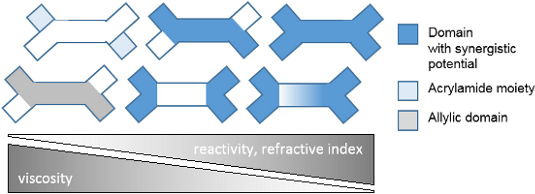
Scheme 1: Top: Overview of the synthesized crosslinkers 1–6 and their correlation to each other via formal re...
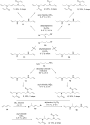
Scheme 2: Synthetic pathways to structurally related compounds 1–6.

Scheme 3: Byproducts 8a and 9a.
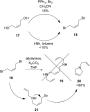
Scheme 4: Synthetic pathways towards the planned cis-intermediate 19.

Scheme 5: Comparison of structural elements of 1–6 in the 1H NMR spectra (400 MHz).

Figure 1: Refractive indices (RI) and viscosities (η) of crosslinkers 1–6 (* solid at room temperature).

Figure 2: Exemplary photo-DSC plots for the curing of 1 and 3–6 at 37 °C.

Figure 3: tmax for the curing of 1 and 3–6 at 37 °C (* no polymerization heat detected).
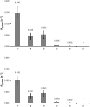
Figure 4: Rp, max for the curing of 1–6 at 37 °C for a) top: ∆Hp of allyl groups = 87.5 kJ·mol−1 and b) botto...

Figure 5: Polymerization heat, ∆Hp for the curing of 1–6 at 37 °C (* no polymerization heat detected).
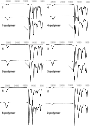
Figure 6: FTIR spectra of 1–6 before (top) and after (bottom) curing; the arrows indicate emerging, character...

Scheme 6: Proposed reaction pathways for the intramolecular propagation within 1.

Figure 7: Flexural strength (FS) and E-modulus of cured crosslinkers 1–6; letters refer to statistical groups...
A novel method for heterocyclic amide–thioamide transformations
- Walid Fathalla,
- Ibrahim A. I. Ali and
- Pavel Pazdera
Beilstein J. Org. Chem. 2017, 13, 174–181, doi:10.3762/bjoc.13.20

- heating isatine with malonic acid followed by esterification of the produced quinoline carboxylic acid with methanol in the presence of sulfuric acid at 80 °C for 6 h. 4-Arylphthalazin-1(2H)-ones A7 and A8 [24][25] were prepared by Friedel–Crafts acylation reaction of N-aminophthalimide with either

Graphical Abstract

Scheme 1: Synthesis of N-cyclohexyl dithiocarbamate cyclohexylammonium salt (2).

Scheme 2: The two-step thiation of quinazolin-4-one A1–6 and phthalazin-1-ones A7 and A8.

Scheme 3: Thiation of quinoline A9 and quinoxalinone A10–13.

Scheme 4: Rational mechanism of the reaction of 4-chloro-2-phenylquinazoline (B2) to 2-phenylquinazolin-4(3H)...
Synthesis and evaluation of anti-oxidant and cytotoxic activities of novel 10-undecenoic acid methyl ester based lipoconjugates of phenolic acids
- Naganna Narra,
- Shiva Shanker Kaki,
- Rachapudi Badari Narayana Prasad,
- Sunil Misra,
- Koude Dhevendar,
- Venkateshwarlu Kontham and
- Padmaja V. Korlipara
Beilstein J. Org. Chem. 2017, 13, 26–32, doi:10.3762/bjoc.13.4
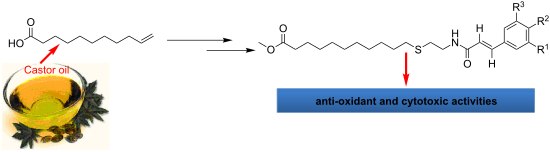
- with sulfuric acid in methanol to obtain methyl undecenoate (1) in quantitative yield. Next, ester 1 was treated with 1,1′-azobis(cyclohexanecarbonitrile) (ABCN) and 2-mercaptoethylamine hydrochloride in dioxane/ethanol 70:30 (v:v) to obtain methyl 11-(2-aminoethylthio)undecanoate (2) in 89% yield. The
- acid (10 g, 54.34 mmol), was added to methanol (17.6 mL) and sulfuric acid (0.1 mL, 2 wt % 10-undecenoic acid) and stirred at refluxing temperature of methanol for 6 h. After completion of the reaction as shown by TLC (hexane/ethyl acetate 80:20, v/v), excess methanol was removed under reduced pressure

Graphical Abstract

Scheme 1: Synthetic procedure for the preparation of 10-undecenoic acid methyl ester-based lipoconjugates of ...
Facile synthesis of indolo[3,2-a]carbazoles via Pd-catalyzed twofold oxidative cyclization
- Chao Yang,
- Kai Lin,
- Lan Huang,
- Wei-dong Pan and
- Sheng Liu
Beilstein J. Org. Chem. 2016, 12, 2490–2494, doi:10.3762/bjoc.12.243
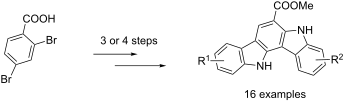
- dibromobenzoic acid with sulfuric acid in methanol) with an excess of anilines in the presence of cesium carbonate and catalytic quantities of Pd(OAc)2 and BINAP were processed smoothly. The desired methyl 2,4-dianilinobenzoates (2a–e) were obtained in good to excellent yield. In a parallel synthesis, using the

Graphical Abstract

Figure 1: Natural indolo[3,2-a]carbazole alkaloids.

Scheme 1: Retrosynthetic analysis of indolo[3,2-a]carbazoles.

Scheme 2: Reagents and conditions: (a) H2SO4, MeOH; (b) Ar-NH2, Pd(OAc)2, BINAP, dioxane, 100 °C; (c) 5 mol %...

Scheme 3: Substrate scope for Pd-catalyzed twofold annulations.
Isosorbide and dimethyl carbonate: a green match
- Fabio Aricò and
- Pietro Tundo
Beilstein J. Org. Chem. 2016, 12, 2256–2266, doi:10.3762/bjoc.12.218
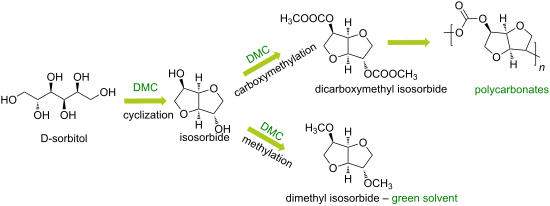
- Fleche and co-workers reported the first synthesis of isosorbide from D-sorbitol using sulfuric acid as catalyst [61][62]. The reaction was performed at 400 K in a batch reactor. This process results in good yields (ca 70%), but it also poses some issues such as difficult separation of isosorbide from
- the reaction mixture and the use of a large amount of sulfuric acid. As a result current research on new synthetic approaches for the cyclic sugar isosorbide has been focussed on less toxic and easy to recover heterogeneous acidic catalysts. In particular, mixed oxides [49], phosphated or sulfated

Graphical Abstract

Figure 1: The DOE “Top 10” report [2].

Figure 2: Chemical structure of isosorbide and its epimers isomannide and isoidide.

Scheme 1: Conversion of D-sorbitol to isosorbide via twofold dehydration reaction.

Scheme 2: Possible reaction mechanism for the conversion of D-sorbitol to isosorbide.

Scheme 3: Methoxycarbonylation of isosorbide via DMC chemistry.

Scheme 4: Isosorbide homo- and co-polycarbonate via melt polycondensation.

Scheme 5: Synthesis of DMI via DMC chemistry.

Scheme 6: Comparison of the reactivity of isosorbide with other secondary alcohols in methylation reaction. R...

Figure 3: Chemical structure of isosorbide and its epimers isomannide and isoidide.
Silica-supported sulfonic acids as recyclable catalyst for esterification of levulinic acid with stoichiometric amounts of alcohols
- Raimondo Maggi,
- N. Raveendran Shiju,
- Veronica Santacroce,
- Giovanni Maestri,
- Franca Bigi and
- Gadi Rothenberg
Beilstein J. Org. Chem. 2016, 12, 2173–2180, doi:10.3762/bjoc.12.207
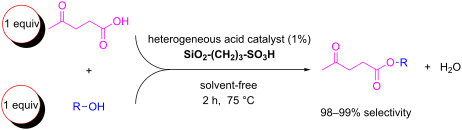
- toluene (120 mL) and the resulting supported propylmercaptane has been oxidized to propanesulfonic acid by treatment with 30% aq H2O2 (100 mL; 1 mol) for 24 h under stirring at rt, adding a few drops of concentrated sulfuric acid after 12 h. Acidity has been measured via the titration method [35] (0.51

Graphical Abstract
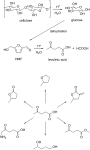
Scheme 1: Synthesis of levulinic acid from ligno-cellulosic feedstocks and its principal uses to access fine ...

Figure 1: Anchoring methodologies: a) impregnation; b) covalent binding.

Figure 2: Activity of the supported sulfonic acid catalyst within the first six cycles. Reaction conditions: ...
Solvent-free synthesis of novel para-menthane-3,8-diol ester derivatives from citronellal using a polymer-supported scandium triflate catalyst
- Lubabalo Mafu,
- Ben Zeelie and
- Paul Watts
Beilstein J. Org. Chem. 2016, 12, 2046–2054, doi:10.3762/bjoc.12.193
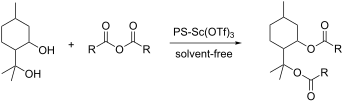
- citronellal para-Menthane-3,8-diol (3) was synthesised according to our earlier developed procedure, which has not been reported in open literature. The synthesis procedure involves the acid-catalysed cyclisation of 1 in aqueous sulfuric acid (Scheme 2) at 100 °C. After which the oil simply separates from the

Graphical Abstract

Scheme 1: Synthesis of menthol.

Scheme 2: Synthesis of para-menthane-3,8-diol.

Scheme 3: Synthesis of para-menthane diester derivatives.

Figure 1: PMD conversion using stoichiometric quantities of acetic anhydride.

Figure 2: Product distribution as a function of time.

Figure 3: Product distribution as a function of time.

Figure 4: Effect of molar ratio in product distribution.

Scheme 4: Synthesis of para-menthane mono-ester derivatives.
Ionic liquids as transesterification catalysts: applications for the synthesis of linear and cyclic organic carbonates
- Maurizio Selva,
- Alvise Perosa,
- Sandro Guidi and
- Lisa Cattelan
Beilstein J. Org. Chem. 2016, 12, 1911–1924, doi:10.3762/bjoc.12.181
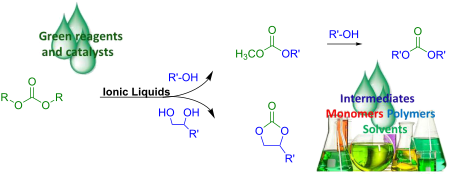
- ]. Again, in this case, the investigation proved that the activity of the organic salt was higher than that of sulfuric acid. The use of ionic liquids for the catalytic production of biodiesel was recently reviewed by Fauzi and Amin [51], who focused on the improvements made possible by organocatalysts

Graphical Abstract

Scheme 1: The transesterification of diethyl oxalate (DEO) with phenol catalyzed by MoO3/SiO2.

Scheme 2: Transesterification of a triglyceride (TG) with DMC for biodiesel production using KOH as the base ...

Scheme 3: Top: Green methylation of phosphines and amines by dimethyl carbonate (Q = N, P). Bottom: anion met...

Figure 1: Structures of some representative SILs and PILs systems. MCF is a silica-based mesostructured mater...

Scheme 4: Synthesis of the acid polymeric IL. EGDMA: ethylene glycol dimethacrylate.

Scheme 5: The transesterification of sec-butyl acetate with MeOH catalyzed by some acidic imidazolium ILs.

Figure 2: Representative examples of ionic liquids for biodiesel production.

Scheme 6: Top: phosgenation of methanol; middle: EniChem and Ube processes; bottom: Asahi process for the pro...

Scheme 7: The transesterification in the synthesis of organic carbonates.

Scheme 8: The transesterification of DMC with alcohols and diols.

Scheme 9: Transesterification of glycerol with DMC in the presence of 1-n-butyl-3-methylimidazolium-2-carboxy...

Scheme 10: Synthesis of the BMIM-2-CO2 catalyst from butylimidazole and DMC.

Scheme 11: Plausible cooperative (nucleophilic–electrophilic) mechanism for the transesterification of glycero...

Scheme 12: Synthesis of diazabicyclo[5.4.0]undec-7-ene-based ionic liquids.

Scheme 13: Synthesis of the DABCO–DMC ionic liquid.

Scheme 14: Cooperative mechanism of ionic liquid-catalyzed glycidol production.

Scheme 15: [TMA][OH]-catalyzed synthesis of glycidol (GD) from glycerol and dimethyl carbonate [46].

Scheme 16: [BMIM]OH-catalyzed synthesis of DPC from DMC and 1-pentanol.

Figure 3: Representative examples of ionic liquids for biodiesel production.

Figure 4: Acyclic non-symmetrical organic carbonates synthetized with 1-(trimethoxysilyl)propyl-3-methylimida...

Scheme 17: A simplified reaction mechanism for DMC production.

Scheme 18: [P8881][MeOCO2] metathesis with acetic acid and phenol.

Figure 5: Examples of carbonates obtained through transesterification using phosphonium salts as catalysts.

Scheme 19: Examples of carbonates obtained from different bio-based diols using [P8881][CH3OCO2] as catalyst.

Scheme 20: Ambiphilic catalysis for transesterification reactions in the presence of carbonate phosphonium sal...
Rearrangements of organic peroxides and related processes
- Ivan A. Yaremenko,
- Vera A. Vil’,
- Dmitry V. Demchuk and
- Alexander O. Terent’ev
Beilstein J. Org. Chem. 2016, 12, 1647–1748, doi:10.3762/bjoc.12.162
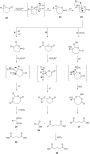
- -oxabicycloalkanes 147a–d in formic or acetic acid containing catalytic amounts of sulfuric acid affords ω-alkoxy-(ω-3)-hydroxyalkanoic acid lactones 148a–d and 149a–d (Table 10) [297]. The transformation of 1-hydroperoxy-2-oxabicycloalkanones 147a–d into ω-alkoxy-(ω-3)-hydroxyalkanoic acid lactones 148a–d and 149a

Graphical Abstract
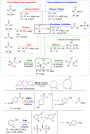
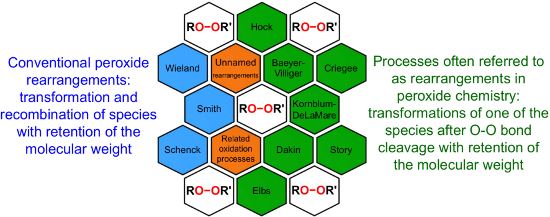
Figure 1: The named transformations considered in this review.

Scheme 1: The Baeyer–Villiger oxidation.

Scheme 2: The general mechanism of the peracid-promoted Baeyer–Villiger oxidation.

Scheme 3: General mechanism of the Lewis acid-catalyzed Baeyer–Villiger rearrangement.

Scheme 4: The theoretically studied mechanism of the BV oxidation reaction promoted by H2O2 and the Lewis aci...

Scheme 5: Proton movements in the transition states of the Baeyer–Villiger oxidation.

Scheme 6: The dependence of the course of the Baeyer–Villiger oxidation on the type of O–O-bond cleavage in t...
Scheme 7: The acid-catalyzed Baeyer–Villiger oxidation of cyclic epoxy ketones 22.

Scheme 8: Oxidation of isophorone oxide 29.

Scheme 9: Synthesis of acyl phosphate 32 from acyl phosphonate 31.

Scheme 10: Synthesis of aflatoxin B2 (36).

Scheme 11: The Baeyer–Villiger rearrangement of ketones 37 to lactones 38.

Scheme 12: Synthesis of 3,4-dimethoxybenzoic acid (40) via Baeyer–Villiger oxidation.

Scheme 13: Oxone transforms α,β-unsaturated ketones 43 into vinyl acetates 44.

Scheme 14: The Baeyer–Villiger oxidation of ketones 45 using diaryl diselenide and hydrogen peroxide.

Scheme 15: Baeyer–Villiger oxidation of (E)-2-methylenecyclobutanones.

Scheme 16: Oxidation of β-ionone (56) by H2O2/(BnSe)2 with formation of (E)-2-(2,6,6-trimethylcyclohex-1-en-1-...

Scheme 17: The mechanism of oxidation of ketones 58a–f by hydrogen peroxide in the presence of arsonated polys...

Scheme 18: Oxidation of ketone (58b) by H2O2 to 6-methylcaprolactone (59b) catalyzed by Pt complex 66·BF4.

Scheme 19: Oxidation of ketones 67 with H2O2 in the presence of [(dppb}Pt(µ-OH)]22+.

Scheme 20: The mechanism of oxidation of ketones 67 in the presence of [(dppb}Pt(µ-OH)]22+ and H2O2.

Scheme 21: Oxidation of benzaldehydes 69 in the presence of the H2O2/MeReO3 system.

Scheme 22: Oxidation of acetophenones 72 in the presence of the H2O2/MeReO3 system.

Scheme 23: Baeyer–Villiger oxidation of 2-adamantanone (45c) in the presence of Sn-containing mesoporous silic...

Scheme 24: Aerobic Baeyer–Villiger oxidation of ketones 76 using metal-free carbon.

Scheme 25: A regioselective Baeyer-Villiger oxidation of functionalized cyclohexenones 78 into a dihydrooxepin...

Scheme 26: The oxidation of aldehydes and ketones 80 by H2O2 catalyzed by Co4HP2Mo15V3O62.

Scheme 27: The cleavage of ketones 82 with hydrogen peroxide in alkaline solution.

Scheme 28: Oxidation of ketones 85 to esters 86 with H2O2–urea in the presence of KHCO3.

Scheme 29: Mechanism of the asymmetric oxidation of cyclopentane-1,2-dione 87a with the Ti(OiPr)4/(+)DET/t-BuO...

Scheme 30: The oxidation of cis-4-tert-butyl-2-fluorocyclohexanone (93) with m-chloroperbenzoic acid.

Scheme 31: The mechanism of the asymmetric oxidation of 3-substituted cyclobutanone 96a in the presence of chi...

Scheme 32: Enantioselective Baeyer–Villiger oxidation of cyclic ketones 98.

Scheme 33: Regio- and enantioselective Baeyer–Villiger oxidation of cyclic ketones 101.

Scheme 34: The proposed mechanism of the Baeyer–Villiger oxidation of acetal 105f.

Scheme 35: Synthesis of hydroxy-10H-acridin-9-one 117 from tetramethoxyanthracene 114.

Scheme 36: The Baeyer–Villiger oxidation of the fully substituted pyrrole 120.

Scheme 37: The Criegee rearrangement.

Scheme 38: The mechanism of the Criegee reaction of a peracid with a tertiary alcohol 122.

Scheme 39: Criegee rearrangement of decaline ethylperoxoate 127 into ketal 128.

Scheme 40: The ionic cleavage of 2-methoxy-2-propyl perester 129.

Scheme 41: The Criegee rearrangement of α-methoxy hydroperoxide 136.
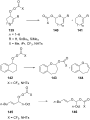
Scheme 42: Synthesis of enol esters and acetals via the Criegee rearrangement.

Scheme 43: Proposed mechanism of the transformation of 1-hydroperoxy-2-oxabicycloalkanones 147a–d.

Scheme 44: Transformation of 3-hydroxy-1,2-dioxolanes 151 into diketone derivatives 152.

Scheme 45: Criegee rearrangement of peroxide 153 with the mono-, di-, and tri-O-insertion.

Scheme 46: The sequential Criegee rearrangements of adamantanes 157a,b.

Scheme 47: Synthesis of diaryl carbonates 160a–d from triarylmethanols 159a–d through successive oxygen insert...

Scheme 48: The synthesis of sesquiterpenes 162 from ketone 161 with a Criegee rearrangement as one key step.

Scheme 49: Synthesis of trans-hydrindan derivatives 164, 165.

Scheme 50: The Hock rearrangement.

Scheme 51: The general scheme of the cumene process.

Scheme 52: The Hock rearrangement of aliphatic hydroperoxides.
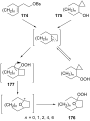
Scheme 53: The mechanism of solvolysis of brosylates 174a–c and spiro cyclopropyl carbinols 175a–c in THF/H2O2....

Scheme 54: The fragmentation mechanism of hydroperoxy acetals 178 to esters 179.

Scheme 55: The acid-catalyzed rearrangement of phenylcyclopentyl hydroperoxide 181.

Scheme 56: The peroxidation of tertiary alcohols in the presence of a catalytic amount of acid.

Scheme 57: The acid-catalyzed reaction of bicyclic secondary alcohols 192 with hydrogen peroxide.

Scheme 58: The photooxidation of 5,6-disubstituted 3,4-dihydro-2H-pyrans 196.

Scheme 59: The oxidation of tertiary alcohols 200a–g, 203a,b, and 206.

Scheme 60: Transformation of functional peroxide 209 leading to 2,3-disubstitued furans 210 in one step.

Scheme 61: The synthesis of carbazoles 213 via peroxide rearrangement.

Scheme 62: The construction of C–N bonds using the Hock rearrangement.

Scheme 63: The synthesis of moiety 218 from 217 which is a structural motif in the antitumor–antibiotic of CC-...

Scheme 64: The in vivo oxidation steps of cholesterol (219) by singlet oxygen.

Scheme 65: The proposed mechanism of the rearrangement of cholesterol-5α-OOH 220.

Scheme 66: Photochemical route to artemisinin via Hock rearrangement of 223.

Scheme 67: The Kornblum–DeLaMare rearrangement.

Scheme 68: Kornblum–DeLaMare transformation of 1-phenylethyl tert-butyl peroxide (225).

Scheme 69: The synthesis 4-hydroxyenones 230 from peroxide 229.

Scheme 70: The Kornblum–DeLaMare rearrangement of peroxide 232.

Scheme 71: The reduction of peroxide 234.

Scheme 72: The Kornblum–DeLaMare rearrangement of endoperoxide 236.

Scheme 73: The rearrangement of peroxide 238 under Kornblum–DeLaMare conditions.

Scheme 74: The proposed mechanism of rearrangement of peroxide 238.

Scheme 75: The Kornblum–DeLaMare rearrangement of peroxides 242a,b.

Scheme 76: The base-catalyzed rearrangements of bicyclic endoperoxides having electron-withdrawing substituent...

Scheme 77: The base-catalyzed rearrangements of bicyclic endoperoxides 249a,b having electron-donating substit...

Scheme 78: The base-catalyzed rearrangements of bridge-head substituted bicyclic endoperoxides 251a,b.

Scheme 79: The Kornblum–DeLaMare rearrangement of hydroperoxide 253.

Scheme 80: Synthesis of β-hydroxy hydroperoxide 254 from endoperoxide 253.

Scheme 81: The amine-catalyzed rearrangement of bicyclic endoperoxide 263.

Scheme 82: The base-catalyzed rearrangement of meso-endoperoxide 268 into 269.

Scheme 83: The photooxidation of 271 and subsequent Kornblum–DeLaMare reaction.

Scheme 84: The Kornblum–DeLaMare rearrangement as one step in the oxidation reaction of enamines.

Scheme 85: The Kornblum–DeLaMare rearrangement of 3,5-dihydro-1,2-dioxenes 284, 1,2-dioxanes 286, and tert-but...

Scheme 86: The Kornblum–DeLaMare rearrangement of epoxy dioxanes 290a–d.

Scheme 87: Rearrangement of prostaglandin H2 292.

Scheme 88: The synthesis of epicoccin G (297).

Scheme 89: The Kornblum–DeLaMare rearrangement used in the synthesis of phomactin A.

Scheme 90: The Kornblum–DeLaMare rearrangement in the synthesis of 3H-quinazolin-4-one 303.

Scheme 91: The Kornblum–DeLaMare rearrangement in the synthesis of dolabriferol (308).

Scheme 92: Sequential transformation of 3-substituted 2-pyridones 309 into 3-hydroxypyridine-2,6-diones 311 in...

Scheme 93: The Kornblum–DeLaMare rearrangement of peroxide 312 into hydroxy enone 313.

Scheme 94: The Kornblum–DeLaMare rearrangement in the synthesis of polyfunctionalized carbonyl compounds 317.

Scheme 95: The Kornblum–DeLaMare rearrangement in the synthesis of (Z)-β-perfluoroalkylenaminones 320.

Scheme 96: The Kornblum–DeLaMare rearrangement in the synthesis of γ-ketoester 322.

Scheme 97: The Kornblum–DeLaMare rearrangement in the synthesis of diterpenoids 326 and 328.

Scheme 98: The synthesis of natural products hainanolidol (331) and harringtonolide (332) from peroxide 329.

Scheme 99: The synthesis of trans-fused butyrolactones 339 and 340.

Scheme 100: The synthesis of leucosceptroid C (343) and leucosceptroid P (344) via the Kornblum–DeLaMare rearra...

Scheme 101: The Dakin oxidation of arylaldehydes or acetophenones.

Scheme 102: The mechanism of the Dakin oxidation.

Scheme 103: A solvent-free Dakin reaction of aromatic aldehydes 356.

Scheme 104: The organocatalytic Dakin oxidation of electron-rich arylaldehydes 358.

Scheme 105: The Dakin oxidation of electron-rich arylaldehydes 361.

Scheme 106: The Dakin oxidation of arylaldehydes 358 in water extract of banana (WEB).

Scheme 107: A one-pot approach towards indolo[2,1-b]quinazolines 364 from indole-3-carbaldehydes 363 through th...

Scheme 108: The synthesis of phenols 367a–c from benzaldehydes 366a-c via acid-catalyzed Dakin oxidation.

Scheme 109: Possible transformation paths of the highly polarized boric acid coordinated H2O2–aldehyde adduct 3...

Scheme 110: The Elbs oxidation of phenols 375 to hydroquinones.

Scheme 111: The mechanism of the Elbs persulfate oxidation of phenols 375 affording p-hydroquinones 376.

Scheme 112: Oxidation of 2-pyridones 380 under Elbs persulfate oxidation conditions.

Scheme 113: Synthesis of 3-hydroxy-4-pyridone (384) via an Elbs oxidation of 4-pyridone (382).

Scheme 114: The Schenck rearrangement.

Scheme 115: The Smith rearrangement.

Scheme 116: Three main pathways of the Schenck rearrangement.

Scheme 117: The isomerization of hydroperoxides 388 and 389.

Scheme 118: Trapping of dioxacyclopentyl radical 392 by oxygen.

Scheme 119: The hypothetical mechanism of the Schenck rearrangement of peroxide 394.

Scheme 120: The autoxidation of oleic acid (397) with the use of labeled isotope 18O2.

Scheme 121: The rearrangement of 18O-labeled hydroperoxide 400 under an atmosphere of 16O2.

Scheme 122: The rearrangement of the oleate-derived allylic hydroperoxides (S)-421 and (R)-425.

Scheme 123: Mechanisms of Schenck and Smith rearrangements.

Scheme 124: The rearrangement and cyclization of 433.

Scheme 125: The Wieland rearrangement.

Scheme 126: The rearrangement of bis(triphenylsilyl) 439 or bis(triphenylgermyl) 441 peroxides.

Scheme 127: The oxidative transformation of cyclic ketones.

Scheme 128: The hydroxylation of cyclohexene (447) in the presence of tungstic acid.

Scheme 129: The oxidation of cyclohexene (447) under the action of hydrogen peroxide.

Scheme 130: The reaction of butenylacetylacetone 455 with hydrogen peroxide.

Scheme 131: The oxidation of bridged 1,2,4,5-tetraoxanes.

Scheme 132: The proposed mechanism for the oxidation of bridged 1,2,4,5-tetraoxanes.

Scheme 133: The rearrangement of ozonides.

Scheme 134: The acid-catalyzed oxidative rearrangement of malondialdehydes 462 under the action of H2O2.
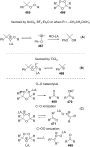
Scheme 135: Pathways of the Lewis acid-catalyzed cleavage of dialkyl peroxides 465 and ozonides 466.

Scheme 136: The mechanism of the transformation of (tert-butyldioxy)cyclohexanedienones 472.

Scheme 137: The synthesis of Vitamin K3 from 472a.

Scheme 138: Proposed mechanism for the transformation of 478d into silylated endoperoxide 479d.

Scheme 139: The rearrangement of hydroperoxide 485 to form diketone 486.

Scheme 140: The base-catalyzed rearrangement of cyclic peroxides 488a–g.

Scheme 141: Synthesis of chiral epoxides and aldols from peroxy hemiketals 491.

Scheme 142: The multistep transformation of (R)-carvone (494) to endoperoxides 496a–e.

Scheme 143: The decomposition of anthracene endoperoxide 499.

Scheme 144: Synthesis of esters 503 from aldehydes 501 via rearrangement of peroxides 502.

Scheme 145: Two possible paths for the base-promoted decomposition of α-azidoperoxides 502.

Scheme 146: The Story decomposition of cyclic diperoxide 506a.

Scheme 147: The Story decomposition of cyclic triperoxide 506b.

Scheme 148: The thermal rearrangement of endoperoxides A into diepoxides B.

Scheme 149: The transformation of peroxide 510 in the synthesis of stemolide (511).

Scheme 150: The possible mechanism of the rearrangement of endoperoxide 261g.

Scheme 151: The photooxidation of indene 517.

Scheme 152: The isomerization of ascaridole (523).

Scheme 153: The isomerization of peroxide 525.

Scheme 154: The thermal transformation of endoperoxide 355.

Scheme 155: The photooxidation of cyclopentadiene (529) at a temperature higher than 0 °C.

Scheme 156: The thermal rearrangement of endoperoxides 538a,b.

Scheme 157: The transformation of peroxides 541.

Scheme 158: The thermal rearrangements of strained cyclic peroxides.

Scheme 159: The thermal rearrangement of diacyl peroxide 551 in the synthesis of C4-epi-lomaiviticin B core 553....

Scheme 160: The 1O2 oxidation of tryptophan (554) and rearrangement of dioxetane intermediate 555.

Scheme 161: The Fe(II)-promoted cleavage of aryl-substituted bicyclic peroxides.

Scheme 162: The proposed mechanism of the Fe(II)-promoted rearrangement of 557a–c.

Scheme 163: The reaction of dioxolane 563 with Fe(II) sulfate.

Scheme 164: Fe(II)-promoted rearrangement of 1,2-dioxane 565.

Scheme 165: Fe(II) cysteinate-promoted rearrangement of 1,2-dioxolane 568.

Scheme 166: The transformation of 1,2-dioxanes 572a–c under the action of FeCl2.

Scheme 167: Fe(II) cysteinate-promoted transformation of tetraoxane 574.

Scheme 168: The CoTPP-catalyzed transformation of bicyclic endoperoxides 600a–d.

Scheme 169: The CoTPP-catalyzed transformation of epoxy-1,2-dioxanes.

Scheme 170: The Ru(II)-catalyzed reactions of 1,4-endoperoxide 261g.

Scheme 171: The Ru(II)-catalyzed transformation as a key step in the synthesis of elyiapyrone A (610) from 1,4-...

Scheme 172: Peroxides with antimalarial activity.

Scheme 173: The interaction of iron ions with artemisinin (616).

Scheme 174: The interaction of FeCl2 with 1,2-dioxanes 623, 624.

Scheme 175: The mechanism of reaction 623 and 624 with Fe(II)Cl2.

Scheme 176: The reaction of bicyclic natural endoperoxides G3-factors 631–633 with FeSO4.

Scheme 177: The transformation of terpene cardamom peroxide 639.
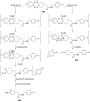
Scheme 178: The different ways of the cleavage of tetraoxane 643.

Scheme 179: The LC–MS analysis of interaction of tetraoxane 646 with iron(II)heme 647.

Scheme 180: The rearrangement of 3,6-epidioxy-1,10-bisaboladiene (EDBD, 649).

Scheme 181: Easily oxidized substrates.

Scheme 182: Biopathway of synthesis of prostaglandins.

Scheme 183: The reduction and rearrangements of isoprostanes.

Scheme 184: The partial mechanism for linoleate 658 oxidation.

Scheme 185: The transformation of lipid hydroperoxide.

Scheme 186: The acid-catalyzed cleavage of the product from free-radical oxidation of cholesterol (667).

Scheme 187: Two pathways of catechols oxidation.

Scheme 188: Criegee-like or Hock-like rearrangement of the intermediate hydroperoxide 675 in dioxygenase enzyme...

Scheme 189: Carotinoides 679 cleavage by carotenoid cleavage dioxygenases.
Multicomponent reactions: A simple and efficient route to heterocyclic phosphonates
- Mohammad Haji
Beilstein J. Org. Chem. 2016, 12, 1269–1301, doi:10.3762/bjoc.12.121
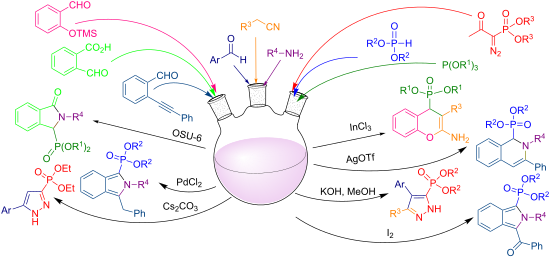
- H2SO4 or Lewis acids such as SnCl2, FeCl3 and VCl3, as well as heterogeneous catalysts including silica gel supported sulfuric acid and sodium hydrogen sulfate did not affect this reaction. Also, the reaction in the presence of p-toluenesulfonic acid (TsOH), in aprotic solvents proceeded with much

Graphical Abstract

Scheme 1: The Biginelli condensation.

Scheme 2: The Biginelli reaction of β-ketophosphonates catalyzed by ytterbium triflate.

Scheme 3: Trimethylchlorosilane-mediated Biginelli reaction of diethyl (3,3,3-trifluoropropyl-2-oxo)phosphona...

Scheme 4: Biginelli reaction of dialkyl (3,3,3-trifluoropropyl-2-oxo)phosphonate with trialkyl orthoformates ...

Scheme 5: p-Toluenesulfonic acid-promoted Biginelli reaction of β-ketophosphonates, aryl aldehydes and urea.

Scheme 6: General Kabachnik–Fields reaction for the synthesis of α-aminophosphonates.

Scheme 7: Phthalocyanine–AlCl catalyzed Kabachnik–Fields reaction of N-Boc-piperidin-4-one with diethyl phosp...

Scheme 8: Kabachnik–Fields reaction of isatin with diethyl phosphite and benzylamine.

Scheme 9: Magnetic Fe3O4 nanoparticle-supported phosphotungstic acid-catalyzed Kabachnik–Fields reaction of i...

Scheme 10: The Mg(ClO4)2-catalyzed Kabachnik–Fields reaction of 1-tosylpiperidine-4-one.

Scheme 11: An asymmetric version of the Kabachnik–Fields reaction for the synthesis of α-amino-3-piperidinylph...

Scheme 12: A classical Kabachnik–Fields reaction followed by an intramolecular ring-closing reaction for the s...

Scheme 13: Synthesis of (S)-piperidin-2-phosphonic acid through an asymmetric Kabachnik–Fields reaction.

Scheme 14: A modified diastereoselective Kabachnik–Fields reaction for the synthesis of isoindolin-1-one-3-pho...

Scheme 15: A microwave-assisted Kabachnik–Fields reaction toward isoindolin-1-ones.

Scheme 16: The synthesis of 3-arylmethyleneisoindolin-1-ones through a Horner–Wadsworth–Emmons reaction of Kab...

Scheme 17: An efficient one-pot method for the synthesis of ethyl (2-alkyl- and 2-aryl-3-oxoisoindolin-1-yl)ph...

Scheme 18: FeCl3 and PdCl2 co-catalyzed three-component reaction of 2-alkynylbenzaldehydes, anilines, and diet...

Scheme 19: Three-component reaction of 6-methyl-3-formylchromone (75) with hydrazine derivatives or hydroxylam...

Scheme 20: Three-component reaction of 6-methyl-3-formylchromone (75) with thiourea, guanidinium carbonate or ...

Scheme 21: Three-component reaction of 6-methyl-3-formylchromone (75) with 1,4-bi-nucleophiles in the presence...

Scheme 22: One-pot three-component reaction of 2-alkynylbenzaldehydes, amines, and diethyl phosphonate.

Scheme 23: Lewis acid–surfactant combined catalysts for the one-pot three-component reaction of 2-alkynylbenza...

Scheme 24: Lewis acid catalyzed cyclization of different Kabachnik–Fields adducts.

Scheme 25: Three-component synthesis of N-arylisoquinolone-1-phosphonates 119.

Scheme 26: CuI-catalyzed three-component tandem reaction of 2-(2-formylphenyl)ethanones with aromatic amines a...

Scheme 27: Synthesis of 1,5-benzodiazepin-2-ylphosphonates via ytterbium chloride-catalyzed three-component re...

Scheme 28: FeCl3-catalyzed four-component reaction for the synthesis of 1,5-benzodiazepin-2-ylphosphonates.

Scheme 29: Synthesis of indole bisphosphonates through a modified Kabachnik–Fields reaction.

Scheme 30: Synthesis of heterocyclic bisphosphonates via Kabachnik–Fields reaction of triethyl orthoformate.

Scheme 31: A domino Knoevenagel/phospha-Michael process for the synthesis of 2-oxoindolin-3-ylphosphonates.

Scheme 32: Intramolecular cyclization of phospha-Michael adducts to give dihydropyridinylphosphonates.

Scheme 33: Synthesis of fused phosphonylpyrans via intramolecular cyclization of phospha-Michael adducts.

Scheme 34: InCl3-catalyzed three-component synthesis of (2-amino-3-cyano-4H-chromen-4-yl)phosphonates.

Scheme 35: Synthesis of phosphonodihydropyrans via a domino Knoevenagel/hetero-Diels–Alder process.

Scheme 36: Multicomponent synthesis of phosphonodihydrothiopyrans via a domino Knoevenagel/hetero-Diels–Alder ...

Scheme 37: One-pot four-component synthesis of 1,2-dihydroisoquinolin-1-ylphosphonates under multicatalytic co...

Scheme 38: CuI-catalyzed four-component reactions of methyleneaziridines towards alkylphosphonates.

Scheme 39: Ruthenium–porphyrin complex-catalyzed three-component synthesis of aziridinylphosphonates and its p...

Scheme 40: Copper(I)-catalyzed three-component reaction towards 1,2,3-triazolyl-5-phosphonates.

Scheme 41: Three-component reaction of acylphosphonates, isocyanides and dialkyl acetylenedicarboxylate to aff...

Scheme 42: Synthesis of (4-imino-3,4-dihydroquinazolin-2-yl)phosphonates via an isocyanide-based three-compone...

Scheme 43: Silver-catalyzed three-component synthesis of (2-imidazolin-4-yl)phosphonates.

Scheme 44: Three-component synthesis of phosphonylpyrazoles.

Scheme 45: One-pot three-component synthesis of 3-carbo-5-phosphonylpyrazoles.

Scheme 46: A one-pot two-step method for the synthesis of phosphonylpyrazoles.

Scheme 47: A one-pot method for the synthesis of (5-vinylpyrazolyl)phosphonates.

Scheme 48: Synthesis of 1H-pyrrol-2-ylphosphonates via the [3 + 2] cycloaddition of phosphonate azomethine yli...

Scheme 49: Three-component synthesis of 1H-pyrrol-2-ylphosphonates.

Scheme 50: The classical Reissert reaction.

Scheme 51: One-pot three-component synthesis of N-phosphorylated isoquinolines.

Scheme 52: One-pot three-component synthesis of 1-acyl-1,2-dihydroquinoline-2-phosphonates and 2-acyl-1,2-dihy...

Scheme 53: Three-component reaction of pyridine derivatives with ethyl propiolate and dialkyl phosphonates.

Scheme 54: Three-component reactions for the phosphorylation of benzothiazole and isoquinoline.

Scheme 55: Three-component synthesis of diphenyl [2-(aminocarbonyl)- or [2-(aminothioxomethyl)-1,2-dihydroisoq...

Scheme 56: Three-component stereoselective synthesis of 1,2-dihydroquinolin-2-ylphosphonates and 1,2-dihydrois...

Scheme 57: Diphosphorylation of diazaheterocyclic compounds via a tandem 1,4–1,2 addition of dimethyl trimethy...

Scheme 58: Multicomponent reaction of alkanedials, acetamide and acetyl chloride in the presence of PCl3 and a...

Scheme 59: An oxidative domino three-component synthesis of polyfunctionalized pyridines.

Scheme 60: A sequential one-pot three-component synthesis of polysubstituted pyrroles.

Scheme 61: Three-component decarboxylative coupling of proline with aldehydes and dialkyl phosphites for the s...

Scheme 62: Three-component domino aza-Wittig/phospha-Mannich sequence for the phosphorylation of isatin deriva...

Scheme 63: Stereoselective synthesis of phosphorylated trans-1,5-benzodiazepines via a one-pot three-component...

Scheme 64: One-pot three-component synthesis of phosphorylated 2,6-dioxohexahydropyrimidines.
Efficient syntheses of climate relevant isoprene nitrates and (1R,5S)-(−)-myrtenol nitrate
- Sean P. Bew,
- Glyn D. Hiatt-Gipson,
- Graham P. Mills and
- Claire E. Reeves
Beilstein J. Org. Chem. 2016, 12, 1081–1095, doi:10.3762/bjoc.12.103

- , acetonitrile, or ether at 0 °C or −78 °C. To each was added nitric acid (16 M) and concentrated sulfuric acid (18 M), a biphasic organic/inorganic reaction mixture formed [25]. Unfortunately after work-up all of these reactions afforded complex mixtures. Thus although the 1H NMR and mass spectrometry indicated
- identify individual components. In summary, the seemingly straightforward combination of nitric and sulfuric acid was unsuited to the efficient synthesis of IPNs. Although generating a mixture of rac-17 and rac-18 was broadly acceptable due to their ease of synthesis, our inability to effectively separate
- of mercury(I) chloride (0.06 mol %) and sulfuric acid (0.35 mol %) in water following the procedure of Boger et al. [51]. 63 was afforded in an unoptimized 78% yield. Employing the conditions outlined in Scheme 10 63 reacted with the stabilized ylide generated from the deprotonation of triethyl

Graphical Abstract

Scheme 1: Simplified overview outlining how a small number of different IPNs are synthesised and are able to ...

Scheme 2: Protocols for the synthesis of O-nitrated alcohols using (±)-isoprene epoxide and 2° alcohols as st...

Scheme 3: Attempted synthesis of O-nitrate ester rac-19 and rac-20 synthesis.

Scheme 4: Olah et al. O-nitrated alcohol syntheses of 23–33 using N-nitro-2,4-6-trimethylpyridinium tetrafluo...

Scheme 5: O-nitration study using 22 and the alcohols 34–37.

Scheme 6: Silver nitrate mediated synthesis of 2-oxopropyl nitrate 43.

Scheme 7: Application of isoprene for the synthesis of precursors to IPNs and synthesis via ‘halide for nitra...

Scheme 8: Synthesis of (E)-3-methyl-4-chlorobut-2-en-1-ol ((E)-60) and (Z)-3-methyl-4-chlorobut-2-en-1-ol ((Z...

Scheme 9: Using NOESY interactions to establish the conformations of the C=C bonds within (E)-10 and (Z)-9.

Scheme 10: Synthesis of isoprene nitrates (E)-11 and (Z)-12 from ketone 63.

Scheme 11: Attempted synthesis of rac-8 from O-mesylate rac-71.

Scheme 12: Synthesis of O-nitrate 73 from O-mesylate 72.

Scheme 13: Attempted synthesis of 2° alcohol containing 1° nitrate ester rac-19 and the unexpected synthesis o...

Scheme 14: Synthesis of monoterpene derived (1R,5S)-(−)-myrtenol nitrate 86.
Synthesis and in vitro cytotoxicity of acetylated 3-fluoro, 4-fluoro and 3,4-difluoro analogs of D-glucosamine and D-galactosamine
- Štěpán Horník,
- Lucie Červenková Šťastná,
- Petra Cuřínová,
- Jan Sýkora,
- Kateřina Káňová,
- Roman Hrstka,
- Ivana Císařová,
- Martin Dračínský and
- Jindřich Karban
Beilstein J. Org. Chem. 2016, 12, 750–759, doi:10.3762/bjoc.12.75
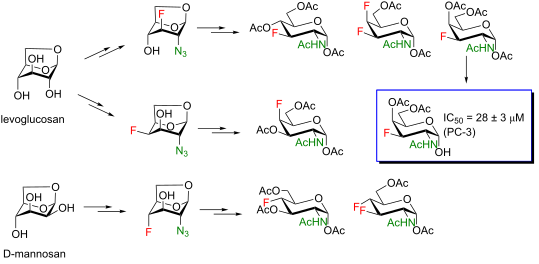
- deoxofluoro derivatives of 2-azido-1,6-anhydrohexopyranoses in hand, we examined their conversion to the target acetylated hexosamine analogs. Initially, compound 19 was hydrogenated (Pd/C) and acetylated to afford acetamide 40 in modest yield (37%). Sulfuric acid-catalyzed [35] cleavage of the internal
- oxazoline formation, the order of reactions was reversed, and triethylsilyl triflate (TESOTf)-catalyzed [58] acetolysis of the 1,6-anhydro bridge in 19 gave 42 (Table 1) as a mixture of anomers from which the α-anomer crystallized. TESOTf as a catalyst for acetolysis gave better results than sulfuric acid

Graphical Abstract
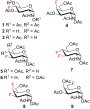
Figure 1: Examples of deoxofluorinated hexosamines.

Scheme 1: Retrosynthetic plan.

Scheme 2: Preparation of starting 2-azido compounds. Reagents and conditions: (a) NaN3, NH4Cl, MeOC2H4OH, 79%...
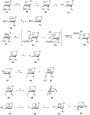
Scheme 3: Preparation of mono and difluoro analogs of 2-azido-2-deoxy-1,6-anhydro-β-D-gluco- and galactopyran...

Scheme 4: Suggested mechanisms for deoxofluorination at C-3 of 1,6-anhydro-β-D-glucohexopyranose derivatives....

Scheme 5: Formation of oxazoline 41 from 19.

Scheme 6: 1-O-Deacetylation of monofluorinated hexosamines. Reagents and conditions: (a) BnNH2, THF, 62%; (b)...
Amino-functionalized (meth)acryl polymers by use of a solvent-polarity sensitive protecting group (Br-t-BOC)
- Helmut Ritter,
- Monir Tabatabai and
- Markus Herrmann
Beilstein J. Org. Chem. 2016, 12, 245–252, doi:10.3762/bjoc.12.26
- heated under reflux. A second 500 mL single-necked flask was equipped with N-bromosuccinimide (NBS, 50 g 0.28 mol) in a mixture of THF/H2O 1:2. To the boiling tert-butanol 5 portions of 5 mL each concentrated sulfuric acid were added dropwise every 15 min. The forming isobutene was bubbled into the NBS

Graphical Abstract

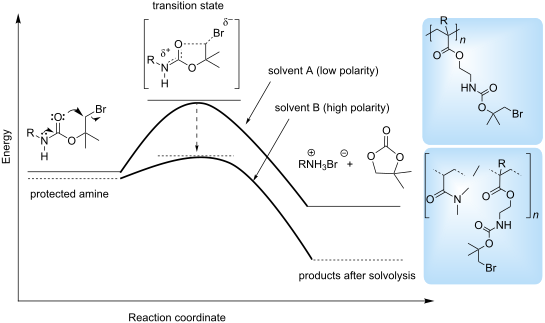
Figure 1: Schematic representation of a deprotection taking the relatively high polarity of the transition st...

Scheme 1: Synthesis of Br-t-Boc-protected monomers 3a,b and homopolymers 6a,b.

Figure 2: 300 MHz 1H NMR spectrum of 3a in CDCl3.

Figure 3: 300 MHz 1H NMR spectrum of 3b in CDCl3.

Scheme 2: Stability of 3 in different solvents.

Scheme 3: Synthesized derivative monomers 3c,d.

Scheme 4: a) Self deactivation of homopolymer 6a,b due to competing hydrogen interactions in comparison to b)...

Figure 4: Kinetic studies of the deprotection of 3a, 6a and 7a.
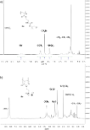
Figure 5: 300 MHz 1H NMR spectra of a) 6a in CDCl3 and b) 8a in DMSO-d6.
Synthesis and reactivity of aliphatic sulfur pentafluorides from substituted (pentafluorosulfanyl)benzenes
- Norbert Vida,
- Jiří Václavík and
- Petr Beier
Beilstein J. Org. Chem. 2016, 12, 110–116, doi:10.3762/bjoc.12.12
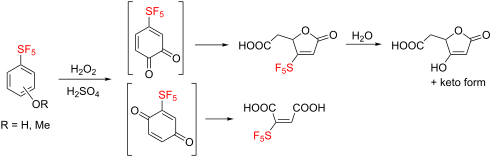
- the Czech Republic, Vídeňská 1083, 142 20 Prague, Czech Republic 10.3762/bjoc.12.12 Abstract Oxidation of 3- and 4-pentafluorosulfanyl-substituted anisoles and phenols with hydrogen peroxide and sulfuric acid provided a mixture of SF5-substituted muconolactone, maleic, and succinic acids. A plausible
- -(pentafluorosulfanyl)anisole (1) or 4-(pentafluorosulfanyl)phenol (2) by a mixture of aqueous hydrogen peroxide and concentrated sulfuric acid (Scheme 1). The major product was muconolactone 3 while maleic acid 4 and succinic acid 5 were formed in small amounts. Herein we report a full account of this oxidation
- )anisole and 4-(pentafluorosulfanyl)phenol the meta-derivatives 10 and 11 underwent oxidation with aqueous hydrogen peroxide in sulfuric acid to provide SF5-muconolactone and SF5-maleic acid as main products. Improved conversion of SF5-maleic acid was rationalized by preferential formation of SF5

Graphical Abstract

Scheme 1: Oxidation of SF5-anisole and phenol. 19F NMR yields are shown (isolated yields in parentheses).

Scheme 2: Proposed mechanism for the formation of 3 and 4 from SF5 aromatics 1 and 2.

Scheme 3: Oxidation of anisole 10 and phenol 11. 19F NMR yields are given.

Scheme 4: Synthesis of para-benzoquinone 12 and oxidation to maleic acid 4. 19F NMR yields are shown, in pare...

Scheme 5: Catalytic hydrogenation and Diels–Alder reaction of benzoquinone 12.

Figure 1: Optimized geometries of transition states of Diels–Alder reaction of cyclopentadiene with 12. Selec...

Scheme 6: Decomposition of 3 in water.

Scheme 7: Formation of acids 5, 18 and 19 from lactone 3.

Scheme 8: Synthesis of maleic anhydride 20 and Diels–Alder adducts 21.

Scheme 9: Reaction of maleic acid 4 with diazomethane.

Scheme 10: Decarboxylation of maleic acid 4 to acrylic acid 23 in DMSO and the preparation of deuterium labell...
Synthesis and photophysical characteristics of polyfluorene polyrotaxanes
- Aurica Farcas,
- Giulia Tregnago,
- Ana-Maria Resmerita,
- Pierre-Henri Aubert and
- Franco Cacialli
Beilstein J. Org. Chem. 2015, 11, 2677–2688, doi:10.3762/bjoc.11.288
- the generation of active layers in organic electronic devices. Experimental Materials and methods 1, 2, tetrakis(triphenylphosphine)palladium(0) [Pd(PPh3)4], β- and γCD, bromobenzene (Br–Ph), dimethylformamide (DMF), dimethyl sulfoxide (DMSO), and quinine sulfate dehydrate in 0.5 M sulfuric acid were
- ]. The PLQE was estimated by comparison with a solution of quinine sulfate dehydrate in 0.5 M sulfuric acid of known quantum efficiency, 56 ± 5%. CVs were carried out in a three-electrode cell in which Pt (1 mm diameter) was used as a working electrode, a Pt wire as counter-electrode and an Ag wire as

Graphical Abstract

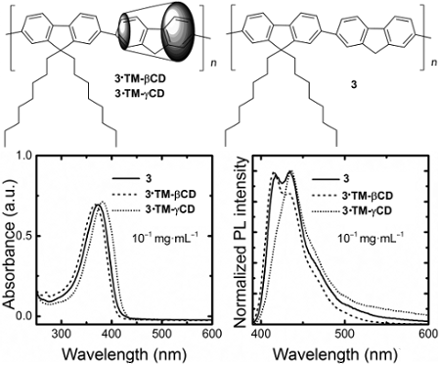
Scheme 1: Synthetic route of 3·TM-βCD and 3·TM-γCD polyrotaxanes, and the non-rotaxane counterpart 3.

Figure 1: 1H NMR spectrum of the polyrotaxane 3·TM-βCD copolymer in CDCl3.

Figure 2: DSC traces on second heating scan of 3, 3·TM-βCD and 3·TM-γCD compounds.

Figure 3: Optical properties of 3·TM-γCD (dotted line), 3·TM-βCD (dashed line) and 3 (solid line) polymers: a...

Figure 4: CV of 3 (a), 3·TM-βCD (b) and 3·TM-γCD (c) in 0.1 M tetrabutylammonium perchlorate (TBAClO4)/ACN so...
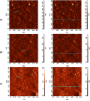
Figure 5: Representative AFM images obtained over 3 × 3 µm2 areas of the non-rotaxane 3 (a), 3·TM-βCD (b) and ...
Versatile synthesis and biological evaluation of novel 3’-fluorinated purine nucleosides
- Hang Ren,
- Haoyun An,
- Paul J. Hatala,
- William C. Stevens Jr,
- Jingchao Tao and
- Baicheng He
Beilstein J. Org. Chem. 2015, 11, 2509–2520, doi:10.3762/bjoc.11.272

- -ribofuranose (25) was then obtained in 33.13% overall yield after further treatment with acetic anhydride–acetic acid–sulfuric acid system. More than 200 g scale was achieved for the synthesis, and high purity (98%) product was obtained. This key intermediate 25 can be used to synthesize a variety of 3’-fluoro

Graphical Abstract
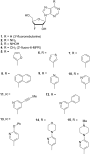
Figure 1: 6-Subsituted purine 3’-deoxy-3’-fluororibosides 1–15.

Figure 2: 2-Chloro- and 2-aminopurine 3’-deoxy-3’-fluororibosides 16–23.

Figure 3: 3’-Deoxy-3’-fluororibosides constructed from universal intermediate 25.

Scheme 1: Synthesis of 3’-deoxy-3’-fluoropurine ribosides 1–3.

Scheme 2: Synthesis of 6-methylpurine 3’-deoxy-3’-fluororiboside 4.

Scheme 3: Synthesis of 6-substituted purine 3’-deoxy-3’-fluororibosides 5–15.

Scheme 4: Synthesis of 6-substituted 2-chloropurine 3’-deoxy-3’-fluororibosides 16–20.

Scheme 5: Synthesis of 2-aminopurine 3’-deoxy-3’-fluororibosides 21–23.
[2.2]Paracyclophane derivatives containing tetrathiafulvalene moieties
- Laura G. Sarbu,
- Lucian G. Bahrin,
- Peter G. Jones,
- Lucian M. Birsa and
- Henning Hopf
Beilstein J. Org. Chem. 2015, 11, 1917–1921, doi:10.3762/bjoc.11.207
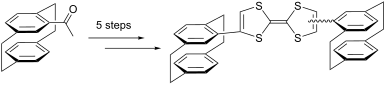
- salts, consists of an acid-catalyzed cyclocondensation of phenacyl carbodithioates 4. Using a concentrated sulfuric acid–glacial acetic acid mixture (1:3, v/v) [20], the cyclization of carbodithioates 4a–c takes place under mild reaction conditions. After 10 min at 80 °C the homogeneous reaction mixture

Graphical Abstract

Scheme 1: Synthesis of 2-N,N-dialkylamino-4-([2.2]paracyclophan-4-yl)-1,3-dithiol-2-ylium perchlorates 5.

Figure 1: Molecular structure of compound 4a. Ellipsoids represent 30% probability levels. Selected molecular...

Scheme 2: Synthesis of tetrathiafulvalenes 7.

Figure 2: Molecular structure of compound 6 (two independent molecules). Ellipsoids represent 30% probability...
Pyridinoacridine alkaloids of marine origin: NMR and MS spectral data, synthesis, biosynthesis and biological activity
- Louis P. Sandjo,
- Victor Kuete and
- Maique W. Biavatti
Beilstein J. Org. Chem. 2015, 11, 1667–1699, doi:10.3762/bjoc.11.183
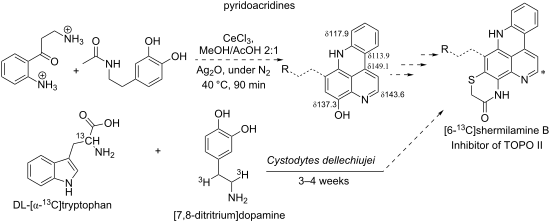
- efficient than the first. Other differences have been noted such as Friedel–Craft acylation in sulfuric acid that led to one product after chromatographic column purification, while in the second preparation, a mixture of two adducts was obtained after an absorbent-free purification. This may explain why
- by treating the binicotinic acid with methanol and sulfuric acid. The resulting product was transformed into a 2-haloanilide under Weinreb conditions, namely trimethylaluminium and 2-haloaniline. Subarine (37) was subsequently obtained from the radical cyclization of the haloanilide derivative in the

Graphical Abstract

Figure 1: Fragments produced by the FAB–MS of dehydrokuanoniamine B (20) [42].

Figure 2: Fragments produced by the EIMS of sagitol (26) [55].

Figure 3: Fragments produced by the EIMS of styelsamine B (4) [45].

Figure 4: Fragments produced by the EIMS of styelsamine D (6) [45].
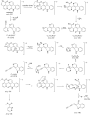
Figure 5: Fragments produced by the EIMS of subarine (37) [40].

Scheme 1: Synthesis of styelsamine B (4) and cystodytin J (1) [58].

Scheme 2: Synthesis of sebastianine A (38) and its regioisomer 39 [59].

Scheme 3: Synthesis route A of neoamphimedine (12) [61].
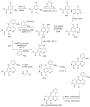
Scheme 4: Synthesis route B of neoamphimedine (12) [62].
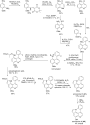
Scheme 5: Synthesis of arnoamines A (40) and B (41) [63].

Scheme 6: Synthesis of ascididemin (42) [65].
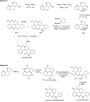
Scheme 7: Synthesis of subarine (37) [66,67].

Scheme 8: Synthesis of demethyldeoxyamphimedine (9) [68].

Scheme 9: Synthesis of pyridoacridine analogues related to ascididemin (42) [70].
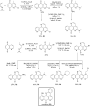
Scheme 10: Synthesis of analogues of meridine (56) [71].

Scheme 11: Synthesis of bulky pyridoacridine as eilatin (58) [72].

Scheme 12: Synthesis of AK37 (59), analogue of kuanoniamine A (60) [73].

Figure 6: Biosynthesis pathway I [74].

Figure 7: Reaction illustrating catechol and kynuramine as possible biosynthetic precursors [75].

Figure 8: Biosynthesis pathway B deduced from the feeding experiment A using labelled precursors [76].

Figure 9: Proposed biosynthesis pathway [47].

Figure 10: 4H-Pyrido[2,3,4-kl]acridin-4-one as a cytotoxic pharmacophore.

Figure 11: 7H-Pyrido[2,3,4-kl]acridine as a cytotoxic pharmacophore.

Figure 12: 9H-Quinolino[4,3,2-de][1,10]phenanthrolin-9-one as a cytotoxic pharmacophore.

Figure 13: 8H-Benzo[b]pyrido[4,3,2-de][1,7]phenanthrolin-8-one as a cytotoxic pharmacophore.

Figure 14: Pyrido[4,3,2-mn]pyrrolo[3,2,1-de]acridine as a cytotoxic pharmacophore.

Figure 15: 9H-Pyrido[4,3,2-mn]thiazolo[4,5-b]acridin-9-one and 8H-pyrido[4,3,2-mn]thiazolo[4,5-b]acridine: cyt...
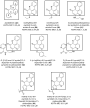
Figure 16: 9H-quinolino[4,3,2-de][1,10]phenanthrolin-9-one as an anti-mycobacterial pharmacophore.

Figure 17: 9H-Quinolino[4,3,2-de][1,10]phenanthrolin-9-one as an antibacterial pharmacophore.

Figure 18: Saturated and less saturated pyridine moieties as aspartyl inhibitor cores.

Figure 19: Iminobenzoquinone and acridone cores as intercalating and TOPO inhibitor motifs found in pyridoacri...
Are D-manno-configured Amadori products ligands of the bacterial lectin FimH?
- Tobias-Elias Gloe,
- Insa Stamer,
- Cornelia Hojnik,
- Tanja M. Wrodnigg and
- Thisbe K. Lindhorst
Beilstein J. Org. Chem. 2015, 11, 1096–1104, doi:10.3762/bjoc.11.123

- performed on precoated silica gel plates on aluminum 60 F254 (E. Merck 5554). Detection was effected by UV and/or charring with 10% sulfuric acid in EtOH and/or with ceric ammonium molybdate (100 g ammonium molybdate/8 g ceric sulfate in 1 L 10% H2SO4) followed by heat treatment at ≈180 °C. Flash

Graphical Abstract

Scheme 1: The Amadori rearrangement of aldoses with amines leads to C-glycosyl-type glycoconjugates, namely 1...

Figure 1: The bacterial lectin FimH is known to bind α-D-mannosides such as methyl α-D-mannoside 1 (MeMan) wi...

Scheme 2: Synthesis of D-glycero-D-galacto/D-talo-heptopyranose 8a and 8b: a) O3, NaOAc, Me2S, CH2Cl2/MeOH, −...

Scheme 3: Amadori rearrangement of heptoaldose 8 with propargylamine and aniline to yield C-glycosyl-type D-m...

Figure 2: Cartoon illustrating ligand binding by the bacterial lectin FimH. Complexation of D-manno-configure...

Figure 3: Partial charge coloured Connolly descriptions [28,29] (negative partial charges coloured in red, positive ...

Figure 4: Comparison of mannosides as complexed within the CRD of FimH (PDB 1KLF). A: MeMan (1); B: Amadori p...
Synthesis of multivalent carbohydrate mimetics with aminopolyol end groups and their evaluation as L-selectin inhibitors
- Joana Salta,
- Jens Dernedde and
- Hans-Ulrich Reissig
Beilstein J. Org. Chem. 2015, 11, 638–646, doi:10.3762/bjoc.11.72
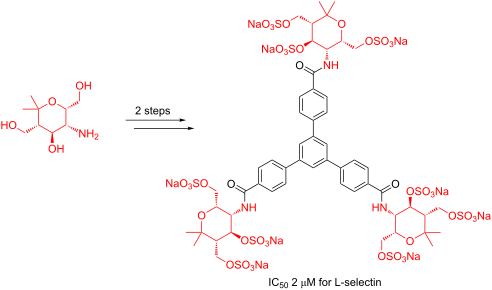
- reasonably reproducible procedure. Since other sulfation methods such as SO3∙pyridine [35] provided unsatisfactory results an excess of SO3∙DMF [13][36] was used as sulfating agent and the resulting sulfuric acid monoesters (in a mixture with an excess of the sulfating reagent) were directly converted into
- exchange DOWEX® Na+ (50WX8-200) column to assure that all sulfuric acid monoesters as well as the excess of the sulfating agent were converted into the corresponding sodium salts. After this filtration a dialysis of the mixture generally afforded pure products. The modified procedure was applied to the O

Graphical Abstract

Scheme 1: General approach to divalent or trivalent carbohydrate mimetics on the basis of aminopyran 1 or ser...

Scheme 2: Hydroxy group protection of aminopyran 1 to give compound 3, synthesis of amide 4 and subsequent de...

Scheme 3: Attempt to synthesize protected divalent compound 6. Conditions: a) succinic acid dichloride, Et3N,...

Scheme 4: HATU-mediated synthesis of divalent amide 25 and trivalent amides 27 and 29. Conditions: a) HATU, Et...

Scheme 5: Polysulfations of amides 5 and 13. Conditions: a) 1) SO3∙DMF, DMF-d7, 1 d, rt; 2) 1 M NaOH, 0 °C; 3...

Scheme 6: Polysulfation of divalent amides 21 and 22 leading to tetrasulfated amides 32 and 33. Conditions: a...

Scheme 7: Conversion of trivalent compound 27 into nonasulfated carbohydrate mimetic 34. Conditions: a) 1) SO3...

Figure 1: Structures of O-sulfated divalent amide 32 and trivalent amide 34 and their respective IC50 values ...
Ruthenium-catalyzed C–H activation of thioxanthones
- Danny Wagner and
- Stefan Bräse
Beilstein J. Org. Chem. 2015, 11, 431–436, doi:10.3762/bjoc.11.49

- cleavage catalyzed by hot sulfuric acid. In this case, methylation (Me2SO4, K2CO3) of the hydroxythioxanthones 1c, 1e and 1g provided the required methyl ethers 1d, 1f and 1h, respectively in good yields (80, 85 and 95%), Scheme 1. Ru-catalyzed C–H activation Following the precedence for other carbonyl

Graphical Abstract

Figure 1: Thioxanthone (1a).

Scheme 1: Route to methoxyarenes 1d, 1f, and 1h.

Scheme 2: Ru-catalyzed C–H activation of thioxanthones. Conditions: 6 mol % RuH2(CO)(PPh3)3, toluene, 135 °C,...
Switching the reaction pathways of electrochemically generated β-haloalkoxysulfonium ions – synthesis of halohydrins and epoxides
- Akihiro Shimizu,
- Ryutaro Hayashi,
- Yosuke Ashikari,
- Toshiki Nokami and
- Jun-ichi Yoshida
Beilstein J. Org. Chem. 2015, 11, 242–248, doi:10.3762/bjoc.11.27

- the reaction of alkenes with Br2 and I2 [2]. However, the most straightforward method is the reaction of alkenes with halogen cations such as Br+ and I+. The I+ cation pool exists as reported by Filimonov et al. [3], although the used solvent is concentrated sulfuric acid which is therefore not

Graphical Abstract

Scheme 1: Synthesis of halohydrins and epoxides through β-haloalkoxysulfonium ions generated by the reaction ...

Scheme 2: Proposed reaction mechanisms for the syntheses of bromohydrin 5a-Br and epoxide 6a.

Scheme 3: Mechanistic study using 18O-DMSO.
Synthesis and characterization of pH responsive D-glucosamine based molecular gelators
- Navneet Goyal,
- Hari P. R. Mangunuru,
- Bargav Parikh,
- Sonu Shrestha and
- Guijun Wang
Beilstein J. Org. Chem. 2014, 10, 3111–3121, doi:10.3762/bjoc.10.328

- compared to the non-substituted series, which may be useful for a triggered release of entrapped agents under an acidic environment. We tested the stability of two aqueous gels formed by compounds 23 [36] and 21 by using diluted sulfuric acid solution (pH 1). As shown in Figure 6, the stability of two gels
- mixture was recorded. Acid stability study Two gels were prepared in DMSO/H2O from compounds 21 and 23 at 5 mg/mL and 1 mL total volume in a small vial. To this gel, 1 mL of sulfuric acid solution (pH 1) was carefully added to the top the gel. This mixture was then monitored at 25 °C to observe the
- test results under acidic conditions. a) A gel formed by compound 23 in DMSO/H2O (1:2) at 5 mg/mL. b) A gel formed by compound 21 in DMSO/H2O (1:2) at 5 mg/mL. The photos show the gels treated with 1 mL of sulfuric acid solution (pH 1) at different time periods. Release of naproxen sodium from the gel

Graphical Abstract

Figure 1: General structures of several D-glucose and D-glucosamine derivatives.

Scheme 1: Synthesis of amide and urea derivatives of the headgroup 3.

Figure 2: a) A translucent/opaque gel formed by compound 19 in EtOH/H2O (1:2) at 1.3 mg/mL; b) a gel formed b...

Figure 3: The rheological measurements of the gels formed by amide 11 (EtOH/H2O, 1:2) at 5.4 mg/mL, urea 16 (...

Figure 4: The optical micrographs of the wet gels formed by several amides. a) A gel formed by compound 8 in ...
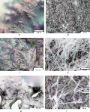
Figure 5: The optical micrographs of the wet gel samples formed by several ureas. a) Compound 19 in DMSO/H2O ...

Figure 6: Stability test results under acidic conditions. a) A gel formed by compound 23 in DMSO/H2O (1:2) at...

Figure 7: Release of naproxen sodium from the gel formed by compound 16 to the aqueous phase.

Figure 8: Naproxen release study from the gel formed by compound 16 in the presence of acid.
Recent advances in the electrochemical construction of heterocycles
- Robert Francke
Beilstein J. Org. Chem. 2014, 10, 2858–2873, doi:10.3762/bjoc.10.303
- simple filtration and washing. It was also found that compared to thermal treatment, the rearrangement of 73 to 76 proceeds by far more efficiently in the presence of sulfuric acid (Scheme 29, top right). In a follow-up study, the elaborated electrolysis protocol served as a key-step for the generation

Graphical Abstract

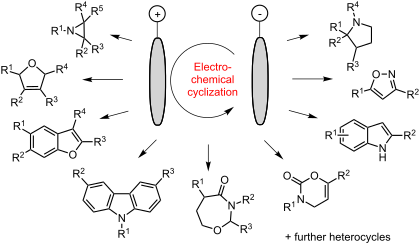
Figure 1: Common types of electrochemically induced cyclization reactions.

Scheme 1: Principle of indirect electrolysis.

Scheme 2: Anodic intramolecular cyclization of olefines in methanol.

Scheme 3: Anodic cyclization of olefines in CH2Cl2/DMSO.

Scheme 4: Intramolecular coupling of 1,6-dienes in CH2Cl2/DMSO.

Scheme 5: Cyclization of bromopropargyloxy ester 12.

Scheme 6: Proposed mechanism for the radical cyclization of bromopropargyloxy ester 12.
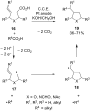
Scheme 7: Preparation of pyrrolidines and tetrahydrofurans via Kolbe-type electrolysis of unsaturated carboxy...

Scheme 8: Anodic cyclization of chalcone oximes 19.

Scheme 9: Generation of N-acyliminium (23) and alkoxycarbenium species (24) from amides and ethers with and w...

Scheme 10: Anodic cyclization of dipeptide 25.

Scheme 11: Anodic cyclization of a dipeptide using an electroauxiliary.

Scheme 12: Anodic cyclization of hydroxyamino compound 29.

Scheme 13: Cyclization of unsaturated thioacetals using the ArS(ArSSAr)+ mediator.

Scheme 14: Cyclization of biaryl 35 to carbazol 36 as key-step of the synthesis of glycozoline (37).

Scheme 15: Electrosynthesis of 39 as part of the total synthesis of alkaloids 40 and 41.

Scheme 16: Wacker-type cyclization of alkenyl phenols 42.

Scheme 17: Cathodic synthesis of indol derivatives.

Scheme 18: Fluoride mediated anodic cyclization of α-(phenylthio)acetamides.

Scheme 19: Synthesis of 2-substituted benzoxazoles from Schiff bases.

Scheme 20: Synthesis of euglobal model compounds via electrochemically induced Diels–Alder cycloaddition.

Scheme 21: Cycloaddition of anodically generated N-acyliminium species 58 with olefins and alkynes.

Scheme 22: Electrochemical aziridination of olefins.

Scheme 23: Proposed mechanism for the aziridination reaction.

Scheme 24: Electrochemical synthesis of benzofuran and indole derivatives.

Scheme 25: Anodic anellation of catechol derivatives 66 with different 1,3-dicarbonyl compounds.

Scheme 26: Electrosynthesis of 1,2-fused indoles from catechol and ketene N,O-acetals.

Scheme 27: Reaction of N-acyliminium pools with olefins having a nucleophilic substituent.

Scheme 28: Synthesis of thiochromans using the cation-pool method.

Scheme 29: Electrochemical synthesis and diversity-oriented modification of 73.



