


Search results
Search for "cyclization reaction" in Full Text gives 216 result(s) in Beilstein Journal of Organic Chemistry. Showing first 200.
Recent applications of ring-rearrangement metathesis in organic synthesis
- Sambasivarao Kotha,
- Milind Meshram,
- Priti Khedkar,
- Shaibal Banerjee and
- Deepak Deodhar
Beilstein J. Org. Chem. 2015, 11, 1833–1864, doi:10.3762/bjoc.11.199
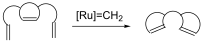
- assemble the erythrina skeleton. To this end, they have identified cyclobutene derivative 48 as a useful synthone for RRM. The cyclobutene derivative 46 has been extended via Grignard addition followed by cyclization reaction. Later, cyclobutene derivative 48 was treated with catalyst 1 in the presence of

Graphical Abstract

Figure 1: Ruthenium alkylidene catalysts used in RRM processes.
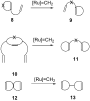
Figure 2: General representation of various RRM processes.

Figure 3: A general mechanism for RRM process.

Scheme 1: RRM of cyclopropene systems.

Scheme 2: RRM of cyclopropene with catalyst 2. (i) catalyst 2 (2.5 mol %), ethylene (24, 1 atm), (ii) toluene...
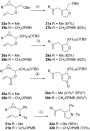
Scheme 3: RRM of various cyclopropene derivatives with catalyst 2. (i) catalyst 2 (2.5 mol %), CH2Cl2 (c = 0....

Scheme 4: RRM of substituted cyclopropene system with catalyst 2.

Scheme 5: RRM of cyclobutene system with catalyst 2.

Scheme 6: RRM approach to various bicyclic compounds.

Scheme 7: RRM approach to erythrina alkaloid framework.

Scheme 8: ROM–RCM sequence to lactone derivatives.

Scheme 9: RRM protocol towards the synthesis of lactone derivative 58.

Scheme 10: RRM protocol towards the asymmetric synthesis of asteriscunolide D (61).
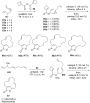
Scheme 11: RRM strategy towards the synthesis of various macrolide rings.

Scheme 12: RRM protocol to dipiperidine system.

Scheme 13: RRM of cyclopentene system to generate the cyclohexene systems.

Scheme 14: RRM of cyclopentene system 74.

Scheme 15: RRM approach to compound 79.

Scheme 16: RRM approach to spirocycles.

Scheme 17: RRM approach to bicyclic dihydropyrans.

Scheme 18: RCM–ROM–RCM cascade using non strained alkenyl heterocycles.

Scheme 19: First ROM–RCM–ROM–RCM cascade for the synthesis of trisaccharide 97.

Scheme 20: RRM of cyclohexene system.

Scheme 21: RRM approach to tricyclic spirosystem.

Scheme 22: RRM approach to bicyclic building block 108a.

Scheme 23: ROM–RCM protocol for the synthesis of the bicyclo[3.3.0]octene system.

Scheme 24: RRM protocol to bicyclic enone.

Scheme 25: RRM protocol toward the synthesis of the tricyclic system 118.

Scheme 26: RRM approach toward the synthesis of the tricyclic enones 122a and 122b.

Scheme 27: Synthesis of tricyclic and tetracyclic systems via RRM protocol.

Scheme 28: RRM protocol towards the synthesis of tetracyclic systems.

Scheme 29: RRM of the propargylamino[2.2.1] system.

Scheme 30: RRM of highly decorated bicyclo[2.2.1] systems.

Scheme 31: RRM protocol towards fused tricyclic compounds.

Scheme 32: RRM protocol to functionalized tricyclic systems.

Scheme 33: RRM approach to functionalized polycyclic systems.

Scheme 34: Sequential RRM approach to functionalized tricyclic ring system 166.

Scheme 35: RRM protocol to functionalized CDE tricyclic ring system of schintrilactones A and B.

Scheme 36: Sequential RRM approach to 7/5 fused bicyclic systems.

Scheme 37: Sequential ROM-RCM protocol for the synthesis of bicyclic sugar derivatives.

Scheme 38: ROM–RCM sequence of the norbornene derivatives 186 and 187.

Scheme 39: RRM approach toward highly functionalized bridge tricyclic system.

Scheme 40: RRM approach toward highly functionalized tricyclic systems.

Scheme 41: Synthesis of hexacyclic compound 203 by RRM approach.

Scheme 42: RRM approach toward C3-symmetric chiral trimethylsumanene 209.

Scheme 43: Triquinane synthesis via IMDA reaction and RRM protocol.

Scheme 44: RRM approach to polycyclic compounds.

Scheme 45: RRM strategy toward cis-fused bicyclo[3.3.0]carbocycles.

Scheme 46: RRM protocol towards the synthesis of bicyclic lactone 230.

Scheme 47: RRM approach to spiro heterocyclic compounds.

Scheme 48: RRM approach to spiro heterocyclic compounds.

Scheme 49: RRM approach to regioselective pyrrolizidine system 240.
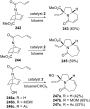
Scheme 50: RRM approach to functionalized bicyclic derivatives.

Scheme 51: RRM approach to tricyclic derivatives 249 and 250.

Scheme 52: RRM approach to perhydroindoline derivative and spiro system.

Scheme 53: RRM approach to bicyclic pyran derivatives.

Scheme 54: RRM of various functionalized oxanorbornene systems.

Scheme 55: RRM to assemble the spiro fused-furanone core unit. (i) 129, benzene, 55 °C, 3 days; (ii) Ph3P=CH2B...

Scheme 56: RRM protocol to norbornenyl sultam systems.

Scheme 57: Ugi-RRM protocol for the synthesis of 2-aza-7-oxabicyclo system.

Scheme 58: Synthesis of spiroketal systems via RRM protocol.

Scheme 59: RRM approach to cis-fused heterotricyclic system.

Scheme 60: RRM protocol to functionalized bicyclic systems.

Scheme 61: ROM/RCM/CM cascade to generate bicyclic scaffolds.

Scheme 62: RCM of ROM/CM product.

Scheme 63: RRM protocol to bicyclic isoxazolidine ring system.

Scheme 64: RRM approach toward the total synthesis of (±)-8-epihalosaline (300).

Scheme 65: Sequential RRM approach to decalin 304 and 7/6 fused 305 systems.

Scheme 66: RRM protocol to various fused carbocyclic derivatives.

Scheme 67: RRM to cis-hydrindenol derivatives.

Scheme 68: RRM protocol towards the cis-hydrindenol derivatives.

Scheme 69: RRM approach toward the synthesis of diversed polycyclic lactams.

Scheme 70: RRM approach towards synthesis of hexacyclic compound 324.

Scheme 71: RRM protocol to generate luciduline precursor 327 with catalyst 2.

Scheme 72: RRM protocol to key building block 330.

Scheme 73: RRM approach towards the synthesis of key intermediate 335.

Scheme 74: RRM protocol to highly functionalized spiro-pyran system 339.

Scheme 75: RRM to various bicyclic polyether derivatives.
Pyridinoacridine alkaloids of marine origin: NMR and MS spectral data, synthesis, biosynthesis and biological activity
- Louis P. Sandjo,
- Victor Kuete and
- Maique W. Biavatti
Beilstein J. Org. Chem. 2015, 11, 1667–1699, doi:10.3762/bjoc.11.183
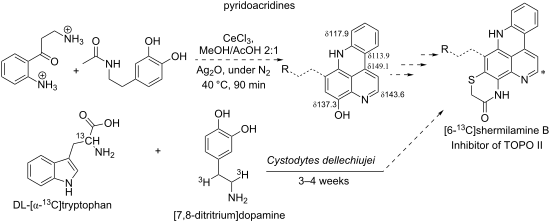
- ), styelsamine B (4), demethyldeoxyamphimedine (9), and subarine (37) was strategically achieved with up to five steps. Synthesis of styelsamine B (4) and cystodytin J (1) The first route showed the total synthesis of styelsamine B via oxidation, Michael addition, condensation and cyclization reaction steps

Graphical Abstract

Figure 1: Fragments produced by the FAB–MS of dehydrokuanoniamine B (20) [42].

Figure 2: Fragments produced by the EIMS of sagitol (26) [55].

Figure 3: Fragments produced by the EIMS of styelsamine B (4) [45].

Figure 4: Fragments produced by the EIMS of styelsamine D (6) [45].
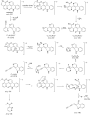
Figure 5: Fragments produced by the EIMS of subarine (37) [40].

Scheme 1: Synthesis of styelsamine B (4) and cystodytin J (1) [58].

Scheme 2: Synthesis of sebastianine A (38) and its regioisomer 39 [59].

Scheme 3: Synthesis route A of neoamphimedine (12) [61].
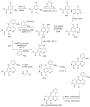
Scheme 4: Synthesis route B of neoamphimedine (12) [62].
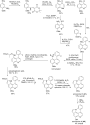
Scheme 5: Synthesis of arnoamines A (40) and B (41) [63].

Scheme 6: Synthesis of ascididemin (42) [65].
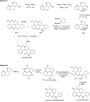
Scheme 7: Synthesis of subarine (37) [66,67].

Scheme 8: Synthesis of demethyldeoxyamphimedine (9) [68].

Scheme 9: Synthesis of pyridoacridine analogues related to ascididemin (42) [70].
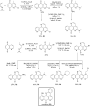
Scheme 10: Synthesis of analogues of meridine (56) [71].

Scheme 11: Synthesis of bulky pyridoacridine as eilatin (58) [72].

Scheme 12: Synthesis of AK37 (59), analogue of kuanoniamine A (60) [73].

Figure 6: Biosynthesis pathway I [74].

Figure 7: Reaction illustrating catechol and kynuramine as possible biosynthetic precursors [75].

Figure 8: Biosynthesis pathway B deduced from the feeding experiment A using labelled precursors [76].

Figure 9: Proposed biosynthesis pathway [47].

Figure 10: 4H-Pyrido[2,3,4-kl]acridin-4-one as a cytotoxic pharmacophore.

Figure 11: 7H-Pyrido[2,3,4-kl]acridine as a cytotoxic pharmacophore.

Figure 12: 9H-Quinolino[4,3,2-de][1,10]phenanthrolin-9-one as a cytotoxic pharmacophore.

Figure 13: 8H-Benzo[b]pyrido[4,3,2-de][1,7]phenanthrolin-8-one as a cytotoxic pharmacophore.

Figure 14: Pyrido[4,3,2-mn]pyrrolo[3,2,1-de]acridine as a cytotoxic pharmacophore.

Figure 15: 9H-Pyrido[4,3,2-mn]thiazolo[4,5-b]acridin-9-one and 8H-pyrido[4,3,2-mn]thiazolo[4,5-b]acridine: cyt...
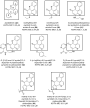
Figure 16: 9H-quinolino[4,3,2-de][1,10]phenanthrolin-9-one as an anti-mycobacterial pharmacophore.

Figure 17: 9H-Quinolino[4,3,2-de][1,10]phenanthrolin-9-one as an antibacterial pharmacophore.

Figure 18: Saturated and less saturated pyridine moieties as aspartyl inhibitor cores.

Figure 19: Iminobenzoquinone and acridone cores as intercalating and TOPO inhibitor motifs found in pyridoacri...
Design and synthesis of polycyclic sulfones via Diels–Alder reaction and ring-rearrangement metathesis as key steps
- Sambasivarao Kotha and
- Rama Gunta
Beilstein J. Org. Chem. 2015, 11, 1373–1378, doi:10.3762/bjoc.11.148
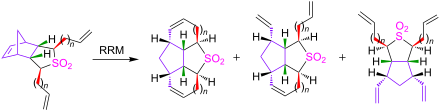
- methanesulfonyl chloride in the presence of triethylamine as a base to obtain the dimesylate 3 (89%). Next, compound 3 was subjected to a cyclization reaction by treating with sodium sulfide nonahydrate (Na2S·9H2O) using 20% Aliquat® 336 as a phase–transfer catalyst (PTC) to produce the known sulfide 5 (83%) [31

Graphical Abstract

Figure 1: Retrosynthetic approach to polycyclic sulfones.

Scheme 1: Preparation of the sulfone 6 via oxidation.

Scheme 2: Synthesis of alkenylated sulfone derivatives.

Scheme 3: Synthesis of 10 by RRM of 2a.

Scheme 4: Synthesis of 1b using RRM.

Scheme 5: RRM of the dipentenyl sulfone 2c.

Scheme 6: RRM of the dihexenyl sulfone 2d.
Selected synthetic strategies to cyclophanes
- Sambasivarao Kotha,
- Mukesh E. Shirbhate and
- Gopalkrushna T. Waghule
Beilstein J. Org. Chem. 2015, 11, 1274–1331, doi:10.3762/bjoc.11.142

Graphical Abstract

Figure 1: General representation of cyclophanes.

Figure 2: cyclophanes one or more with heteroatom.

Figure 3: Metathesis catalysts 12–17 and C–C coupling catalyst 18.

Figure 4: Natural products containing the cyclophane skeleton.

Figure 5: Turriane family of natural products.

Scheme 1: Synthesis of [3]ferrocenophanes through Mannich reaction. Reagents and conditions: (i) excess HNMe2...

Scheme 2: Synthesis of cyclophanes through Michael addition. Reagents and conditions: (i) xylylene dibromide,...

Scheme 3: Synthesis of normuscopyridine analogue 37 through an oxymercuration–oxidation strategy. Reagents an...

Scheme 4: Synthesis of tribenzocyclotriyne 39 through Castro–Stephens coupling reaction. Reagents and conditi...

Scheme 5: Synthesis of cyclophane 43 through Glaser–Eglinton coupling. Reagents and conditions: (i) 9,10-bis(...

Scheme 6: Synthesis of the macrocyclic C-glycosyl cyclophane through Glaser coupling. Reagents and conditions...

Scheme 7: Synthesis of cyclophane-containing complex 49 through Glaser–Eglinton coupling reaction. Reagents a...

Scheme 8: Synthesis of cyclophane 53 through Glaser–Eglinton coupling. Reagents and conditions: (i) K2CO3, ac...

Figure 6: Cyclophanes 54–56 that have been synthesized through Glaser–Eglinton coupling.

Figure 7: Synthesis of tetrasubstituted [2.2]paracyclophane 57 and chiral cyclophyne 58 through Eglinton coup...

Scheme 9: Synthesis of cyclophane through Glaser–Hay coupling reaction. Reagents and conditions: (i) CuCl2 (1...

Scheme 10: Synthesis of seco-C/D ring analogs of ergot alkaloids through intramolecular Heck reaction. Reagent...

Scheme 11: Synthesis of muscopyridine 73 via Kumada coupling. Reagents and conditions: (i) 72, THF, ether, 20 ...

Scheme 12: Synthesis of the cyclophane 79 via McMurry coupling. Reagents and conditions: (i) 75, decaline, ref...

Scheme 13: Synthesis of stilbenophane 81 via McMurry coupling. Reagents and conditions: (i) TiCl4, Zn, pyridin...

Scheme 14: Synthesis of stilbenophane 85 via McMurry coupling. Reagents and conditions: (i) NBS (2 equiv), ben...
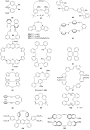
Figure 8: List of cyclophanes prepared via McMurry coupling reaction as a key step.

Scheme 15: Synthesis of paracyclophane by cross coupling involving Pd(0) catalyst. Reagents and conditions: (i...

Scheme 16: Synthesis of the cyclophane 112 via the pinacol coupling and 113 by RCM. Reagents and conditions: (...

Scheme 17: Synthesis of cyclophane derivatives 122a–c via Sonogoshira coupling. Reagents and conditions: (i) C...

Scheme 18: Synthesis of cyclophane 130 via Suzuki–Miyaura reaction as a key step. Reagents and conditions: (i)...

Scheme 19: Synthesis of the mycocyclosin via Suzuki–Miyaura cross coupling. Reagents and conditions: (i) benzy...

Scheme 20: Synthesis of cyclophanes via Wurtz coupling reaction Reagents and conditions: (i) PhLi, Et2O, C6H6,...

Scheme 21: Synthesis of non-natural glycophanes using alkyne metathesis. Reagents and conditions: (i) G-I (12)...

Figure 9: Synthesis of cyclophanes via ring-closing alkyne metathesis.

Scheme 22: Synthesis of crownophanes by cross-enyne metathesis. Reagents and conditions: (i) G-II (13), 5 mol ...

Scheme 23: Synthesis of (−)-cylindrocyclophanes A (156) and (−)-cylindrocyclophanes F (155). Reagents and cond...

Scheme 24: Synthesis of cyclophane 159 derivatives via SM cross-coupling and RCM. Reagents and conditions: (i)...

Scheme 25: Sexithiophene synthesis via cross metathesis. Reagents and conditions: (i) 161, Pd(PPh3)4, K2CO3, T...

Scheme 26: Synthesis of pyrrole-based cyclophane using enyne metathesis. Reagents and conditions: (i) Se, chlo...

Scheme 27: Synthesis of macrocyclic derivatives by RCM. Reagents and conditions: (i) G-I/G-II, CH2Cl2, 0.005 M...

Scheme 28: Synthesis of enantiopure β-lactam-based dienyl bis(dihydrofuran) 179. Reagents and conditions: (i) ...

Scheme 29: Synthesis of a [1.1.6]metaparacyclophane derivative 183 via SM cross coupling. Reagents and conditi...

Scheme 30: Synthesis of a [1.1.6]metaparacyclophane derivative 190 via SM cross coupling. Reagents and conditi...

Scheme 31: Template-promoted synthesis of cyclophanes involving RCM. Reagents and conditions: (i) acenaphthene...

Scheme 32: Synthesis of [3.4]cyclophane derivatives 200 via SM cross coupling and RCM. Reagents and conditions...
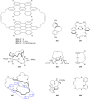
Figure 10: Examples for cyclophanes synthesized by RCM.

Scheme 33: Synthesis of the longithorone C framework assisted by fluorinated auxiliaries. Reagents and conditi...

Scheme 34: Synthesis of the longithorone framework via RCM. Reagents and conditions: (i) 213, NaH, THF, rt, 10...

Scheme 35: Synthesis of floresolide B via RCM as a key step. Reagents and conditions: (i) G-II (13, 0.1 equiv)...

Scheme 36: Synthesis of normuscopyridine (223) by the RCM strategy. Reagents and condition: (i) Mg, THF, hexen...

Scheme 37: Synthesis of muscopyridine (73) via RCM. Reagents and conditions: (i) 225, NaH, THF, 0 °C to rt, 1....

Scheme 38: Synthesis of muscopyridine (73) via RCM strategy. Reagents and conditions: (i) NaH, n-BuLi, 5-bromo...

Scheme 39: Synthesis of pyridinophane derivatives 223 and 245. Reagents and conditions: (i) PhSO2Na, TBAB, CH3...

Scheme 40: Synthesis of metacyclophane derivatives 251 and 253. Reagents and conditions: (i) 240, NaH, THF, rt...

Scheme 41: Synthesis of normuscopyridine and its higher analogues. Reagents and conditions: (i) alkenyl bromid...

Scheme 42: Synthesis of fluorinated ferrocenophane 263 via a [2 + 2] cycloaddition. Reagents and conditions: (...

Scheme 43: Synthesis of [2.n]metacyclophanes 270 via a [2 + 2] cycloaddition. Reagents and conditions: (i) Ac2...

Scheme 44: Synthesis of metacyclophane 273 by a [2 + 2 + 2] co-trimerization. Reagents and conditions: (i) [Rh...

Scheme 45: Synthesis of paracyclophane 276 via a [2 + 2 + 2] cycloaddition reaction. Reagents and conditions: ...

Scheme 46: Synthesis of cyclophane 278 via a [2 + 2 + 2] cycloaddition reaction. Reagents and conditions: (i) ...

Scheme 47: Synthesis of cyclophane 280 via a [2 + 2 + 2] cycloaddition. Reagents and conditions: (i) [(Rh(cod)(...

Scheme 48: Synthesis of taxane framework by a [2 + 2 + 2] cycloaddition. Reagents and conditions: (i) Cp(CO)2 ...

Scheme 49: Synthesis of cyclophane 284 and 285 via a [2 + 2 + 2] cycloaddition reaction. Reagents and conditio...

Scheme 50: Synthesis of pyridinophanes 293a,b and 294a,b via a [2 + 2 + 2] cycloaddition. Reagents and conditi...

Scheme 51: Synthesis of pyridinophanes 296 and 297 via a [2 + 2 + 2] cycloaddition. Reagents and conditions: (...

Scheme 52: Synthesis of triazolophane by a 1,3-dipolar cycloaddition. Reagents and conditions: (i) propargyl b...

Scheme 53: Synthesis of glycotriazolophane 309 by a click reaction. Reagents and conditions: (i) LiOH, H2O, Me...

Figure 11: Cyclophanes 310 and 311 prepared via click chemistry.

Scheme 54: Synthesis of cyclophane via the Dötz benzannulation. Reagents and conditions: (i) THF, 100 °C, 12 h...

Scheme 55: Synthesis of [6,6]metacyclophane by a Dötz benzannulation. Reagents and conditions: (i) THF, 100 °C...

Scheme 56: Synthesis of cyclophanes by a Dötz benzannulation. Reagents and conditions: (i) THF, 65 °C, 3 h; (i...

Scheme 57: Synthesis of muscopyridine (73) via an intramolecular DA reaction of ketene. Reagents and condition...

Scheme 58: Synthesis of bis[10]paracyclophane 336 via Diels–Alder reaction. Reagents and conditions: (i) DMAD,...

Scheme 59: Synthesis of [8]paracyclophane via DA reaction. Reagents and conditions: (i) maleic anhydride, 3–5 ...

Scheme 60: Biomimetic synthesis of (−)-longithorone A. Reagents and conditions: (i) Me2AlCl, CH2Cl2, −20 °C, 7...

Scheme 61: Synthesis of sporolide B (349) via a [4 + 2] cycloaddition reaction. Reagents and conditions: (i) P...

Scheme 62: Synthesis of the framework of (+)-cavicularin (352) via a [4 + 2] cycloaddition. Reagents and condi...

Scheme 63: Synthesis of oxazole-containing cyclophane 354 via Beckmann rearrangement. Reagents and conditions:...

Scheme 64: Synthesis of cyclophanes 360a–c via benzidine rearrangement. Reagents and conditions: (i) 356a–d, K2...

Scheme 65: Synthesis of cyclophanes 365a–c via benzidine rearrangement. Reagents and conditions: (i) BocNHNH2,...

Scheme 66: Synthesis of metacyclophane 367 via Ciamician–Dennstedt rearrangement. Reagents and conditions: (i)...

Scheme 67: Synthesis of cyclophane by tandem Claisen rearrangement and RCM as key steps. Reagents and conditio...

Scheme 68: Synthesis of cyclophane derivative 380. Reagents and conditions: (i) K2CO3, CH3CN, allyl bromide, r...

Scheme 69: Synthesis of metacyclophane via Cope rearrangement. Reagents and conditions: (i) MeOH, NaBH4, rt, 1...

Scheme 70: Synthesis of cyclopropanophane via Favorskii rearrangement. Reagents and conditions: (i) Br2, CH2Cl2...

Scheme 71: Cyclophane 389 synthesis via photo-Fries rearrangement. Reagents and conditions: (i) DMAP, EDCl/CHCl...

Scheme 72: Synthesis of normuscopyridine (223) via Schmidt rearrangement. Reagents and conditions: (i) ethyl s...

Scheme 73: Synthesis of crownophanes by tandem Claisen rearrangement. Reagents and conditions: (i) diamine, Et3...

Scheme 74: Attempted synthesis of cyclophanes via tandem Claisen rearrangement and RCM. Reagents and condition...

Scheme 75: Synthesis of muscopyridine via alkylation with 2,6-dimethylpyridine anion. Reagents and conditions:...

Scheme 76: Synthesis of cyclophane via Friedel–Craft acylation. Reagents and conditions: (i) CS2, AlCl3, 7 d, ...

Scheme 77: Pyridinophane 418 synthesis via Friedel–Craft acylation. Reagents and conditions: (i) 416, AlCl3, CH...

Scheme 78: Cyclophane synthesis involving the Kotha–Schölkopf reagent 421. Reagents and conditions: (i) NBS, A...

Scheme 79: Cyclophane synthesis involving the Kotha–Schölkopf reagent 421. Reagents and conditions: (i) BEMP, ...

Scheme 80: Cyclophane synthesis by coupling with TosMIC. Reagents and conditions: (i) (a) ClCH2OCH3, TiCl4, CS2...

Scheme 81: Synthesis of diaza[32]cyclophanes and triaza[33]cyclophanes. Reagents and conditions: (i) DMF, NaH,...

Scheme 82: Synthesis of cyclophane 439 via acyloin condensation. Reagents and conditions: (i) Na, xylene, 75%;...

Scheme 83: Synthesis of multibridged binuclear cyclophane 442 by aldol condensation. Reagents and conditions: ...

Scheme 84: Synthesis of various macrolactones. Reagents and conditions: (i) iPr2EtN, DMF, 77–83%; (ii) TBDMSCl...

Scheme 85: Synthesis of muscone and muscopyridine via Yamaguchi esterification. Reagents and conditions: (i) 4...

Scheme 86: Synthesis of [5]metacyclophane via a double elimination reaction. Reagents and conditions: (i) LiBr...

Figure 12: Cyclophanes 466–472 synthesized via Hofmann elimination.

Scheme 87: Synthesis of cryptophane via Baylis–Hillman reaction. Reagents and conditions: (i) methyl acrylate,...

Scheme 88: Synthesis of cyclophane 479 via double Chichibabin reaction. Reagents and conditions: (i) excess 478...

Scheme 89: Synthesis of cyclophane 483 via double Chichibabin reaction. Reagents and conditions: (i) 481, OH−;...

Scheme 90: Synthesis of cyclopeptide via an intramolecular SNAr reaction. Reagents and conditions: (i) TBAF, T...

Scheme 91: Synthesis of muscopyridine (73) via C-zip ring enlargement reaction. Reagents and conditions: (i) H...

Figure 13: Mechanism of the formation of compound 494.

Scheme 92: Synthesis of indolophanetetraynes 501a,b using the Nicholas reaction as a key step. Reagents and co...

Scheme 93: Synthesis of cyclophane via radical cyclization. Reagents and conditions: (i) cyclododecanone, phen...

Scheme 94: Synthesis of (−)-cylindrocyclophanes A (156) and (−)-cylindrocyclophanes F (155). Reagents and cond...

Scheme 95: Cyclophane synthesis via Wittig reaction. Reagents and conditions: (i) LiOEt (2.1 equiv), THF, −78 ...

Figure 14: Representative examples of cyclophanes synthesized via Wittig reaction.

Scheme 96: Synthesis of the [6]paracyclophane via isomerization of Dewar benzene. Reagents and conditions: (i)...
Radical-mediated dehydrative preparation of cyclic imides using (NH4)2S2O8–DMSO: application to the synthesis of vernakalant
- Dnyaneshwar N. Garad,
- Subhash D. Tanpure and
- Santosh B. Mhaske
Beilstein J. Org. Chem. 2015, 11, 1008–1016, doi:10.3762/bjoc.11.113

- 1 from succinanilic acid (2), we observed dehydrative cyclization to furnish N-phenylsuccinimide (3) instead of the expected product 1 (Scheme 1). We were curious to find the actual reagents responsible for this serendipitous facile transformation. We found that the cyclization reaction works in the

Graphical Abstract

Figure 1: Natural products and drugs featuring imide core.

Scheme 1: Attempted methodology and its outcome (reaction conditions: (a) Pd(OAc)2 (10 mol %), ammonium persu...

Scheme 2: A practical synthesis of vernakalant (11).

Figure 2: Radical trapping experiment.
DBU-promoted carboxylative cyclization of o-hydroxy- and o-acetamidoacetophenone
- Wen-Zhen Zhang,
- Si Liu and
- Xiao-Bing Lu
Beilstein J. Org. Chem. 2015, 11, 906–912, doi:10.3762/bjoc.11.102

- the 2H-chromen-2-one product (Table 2, entries 2 and 4). o-Hydroxyacetophenone bearing electron-donating alkyl and ether groups, or electron-withdrawing fluoro and bromo groups undergoes the carboxylative cyclization reaction smoothly, affording the corresponding 4-butoxy-2H-chromen-2-ones 2b–2f in
- the carboxylative cyclization reaction to furnish the tricyclic product 2h in moderate yield (Table 2, entry 8). With the successful DBU-promoted carboxylative cyclization of o-hydroxyacetophenone at hand, we then extended this strategy to o-acetamidoacetophenone to synthesize 4-hydroxy-2(1H
- )-quinolinone (Table 3). Using 4 equivalents DBU as base in DMSO at 80 °C, o-acetamidoacetophenone (3a) underwent the carboxylative cyclization reaction to provide 3-acetyl-4-methoxy-2(1H)-quinolinones 4a and 5a (Table 3, entry 1). Noteworthy, the acyl group was no longer bound to nitrogen in the product, which

Graphical Abstract

Figure 1: Selected examples for biologically active 4-hydroxy-2H-chromen-2-one and 4-hydroxy-2(1H)-quinolinon...

Scheme 1: Possible mechanism for the carboxylative cyclization of o-acetamidoacetophenone.

Scheme 2: Cross carboxylative cyclization reaction.
Gold-catalyzed formation of pyrrolo- and indolo-oxazin-1-one derivatives: The key structure of some marine natural products
- Sultan Taskaya,
- Nurettin Menges and
- Metin Balci
Beilstein J. Org. Chem. 2015, 11, 897–905, doi:10.3762/bjoc.11.101

- into 3,4-dihydropyrrolo- and indolo-oxazin-1-one derivatives by a gold(III)-catalyzed cyclization reaction. Some of the products underwent TFA-catalyzed double bond isomerization and some did not. Cyclization reactions in the presence of alcohol catalyzed by Au(I) resulted in the formation of
- atom-economic process using a gold-catalyzed alkyne cyclization reaction as the key step. Pyrrole and indole, bearing one (substituted) propargyl and carboxy group was initially designed as model substrate for the construction of 6 and 7. Gold-catalyzed intramolecular cyclization of enyene carboxylic
- structure 6 or 7 was not formed. After failure of the cyclization reaction of 13 with AuCl3, even in water-free solvents, we turned our attention to the construction of the pyrrolo-oxazin-1-one skeleton with the corresponding acid 15. For this purpose, the propargyl ester 13 was first hydrolyzed with K2CO3

Graphical Abstract

Figure 1: Structures of some marine natural products 1–4.

Figure 2: Structures 5–7.

Scheme 1: Intramolecular gold(I)-catalyzed cyclization reaction of 8 to give 9 and 10.

Scheme 2: Synthesis of 13 and its reaction with AuCl3.

Scheme 3: Synthesis of 6.

Figure 3: Geometry optimized structures of 6, 7, 30 and 31.

Scheme 4: Reaction of 15 with Au(I)/AgOTf in the presence of EtOH and CD3OD.

Scheme 5: Reaction of 7 with Au(I)/AgOTf in the presence of EtOH.
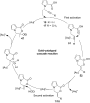
Scheme 6: Proposed reaction mechanism for the intramolecular gold-catalyzed cyclization followed by EtOH addi...
Direct access to pyrido/pyrrolo[2,1-b]quinazolin-9(1H)-ones through silver-mediated intramolecular alkyne hydroamination reactions
- Hengshuai Wang,
- Shengchao Jiao,
- Kerong Chen,
- Xu Zhang,
- Linxiang Zhao,
- Dan Liu,
- Yu Zhou and
- Hong Liu
Beilstein J. Org. Chem. 2015, 11, 416–424, doi:10.3762/bjoc.11.47

- in a sealed tube under argon protection at 80 °C for 3 h (Table 1, entry 3). To evaluate the scope of the proposed silver-catalyzed intramolecular hydroamination cyclization reaction, we investigated its tolerance by probing changes in the substituted 2-(4-pentynyl)-4(3H)-quinazolinone (6A) under the
- cyclization reaction, and the expected products 9A–L were obtained in good to excellent yields (80–93%, Table 3, entries 1–12). Based on the results of the present studies, we propose a plausible mechanism for the transformation. As depicted in Scheme 2, the intramolecular cyclization is initiated by the
- through an AgOTf-catalyzed intramolecular alkyne hydroamination cyclization reaction. The methodology is applicable to a wide scope of substrates and generates a series of fused quinazolinone heterocycles in good to excellent yields. It lends itself an alternative method to the construction of innovative

Graphical Abstract

Figure 1: Selected structures of fused quinazolinones.

Scheme 1: The intramolecular alkyne hydroamination of alkynes.

Scheme 2: A plausible mechanism.
Azirinium ylides from α-diazoketones and 2H-azirines on the route to 2H-1,4-oxazines: three-membered ring opening vs 1,5-cyclization
- Nikolai V. Rostovskii,
- Mikhail S. Novikov,
- Alexander F. Khlebnikov,
- Galina L. Starova and
- Margarita S. Avdontseva
Beilstein J. Org. Chem. 2015, 11, 302–312, doi:10.3762/bjoc.11.35

- -azabuta-1,3-dienes which transform back to the oxazines in the dark at room temperature. The rate of the reverse cyclization reaction increases with increasing electron-withdrawing ability of C1-substituent in 2-azabuta-1,3-diene. X-ray crystal structure of azadiene 3e. X-ray crystal structures of

Graphical Abstract

Scheme 1: Rh(II)-catalyzed synthesis of photochromic 2H-1,4-oxazines from 2H-azirines and α-diazo-β-ketoester...

Scheme 2: Rh(II)-catalyzed reaction of azirines 1a−g with diazo compounds 2a–c.

Figure 1: X-ray crystal structure of azadiene 3e.

Figure 2: X-ray crystal structures of compounds 6f and 7h.

Scheme 3: General scheme for the formation of compounds 4,6 and 7.

Scheme 4: Possible pathways for the formation of 6j and 7j from azirenooxazole 10j and ketene 12.

Figure 3: Energy profiles [DFT B3LYP/6-31+G(d,p), 357 K, 1,2-dichloroethane (PCM)] for the transformation of ...

Scheme 5: Rh2(Oct)4-catalyzed reaction of azirine 1g with diazo compound 2d in the presence of diazo compound ...

Scheme 6: Rh2(OAc)4-catalyzed reaction of azirine 1h with diazo compound 2c.

Figure 4: X-ray crystal structure of compound 17.

Scheme 7: Effect of the C5-substituent in the 2H-1,4-oxazine system on its photochromic activity.
Recent advances in the electrochemical construction of heterocycles
- Robert Francke
Beilstein J. Org. Chem. 2014, 10, 2858–2873, doi:10.3762/bjoc.10.303
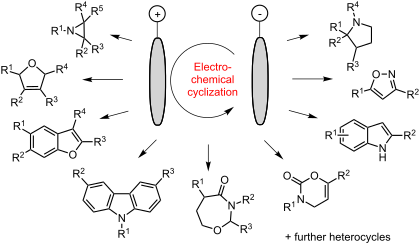
- order to obtain reasonable reaction rates. When the radical cation is trapped with a hydroxy group, the use of 2,6-lutidine is sufficient. However, a stronger base such as NaOMe is needed when tosylamines are converted in order to facilitate the cyclization reaction and to suppress intermolecular
- their approach, unsaturated and saturated carboxylic acids were simultaneously subjected to a mixed Kolbe-type oxidation in a KOH/methanol electrolyte using an undivided cell under galvanostatic conditions (Scheme 7). The cyclization reaction is initiated with the generation of radical 17 upon anodic
- . However, Okimoto et al. could recently demonstrate that iminium species can be generated selectively and used for a cyclization reaction when a stabilizing benzyl group is attached to the nitrogen (Scheme 12, compound 29) [55]. The hydroxy group tethered to the substrate serves for nucleophilic trapping

Graphical Abstract

Figure 1: Common types of electrochemically induced cyclization reactions.

Scheme 1: Principle of indirect electrolysis.

Scheme 2: Anodic intramolecular cyclization of olefines in methanol.

Scheme 3: Anodic cyclization of olefines in CH2Cl2/DMSO.

Scheme 4: Intramolecular coupling of 1,6-dienes in CH2Cl2/DMSO.

Scheme 5: Cyclization of bromopropargyloxy ester 12.

Scheme 6: Proposed mechanism for the radical cyclization of bromopropargyloxy ester 12.
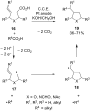
Scheme 7: Preparation of pyrrolidines and tetrahydrofurans via Kolbe-type electrolysis of unsaturated carboxy...

Scheme 8: Anodic cyclization of chalcone oximes 19.

Scheme 9: Generation of N-acyliminium (23) and alkoxycarbenium species (24) from amides and ethers with and w...

Scheme 10: Anodic cyclization of dipeptide 25.

Scheme 11: Anodic cyclization of a dipeptide using an electroauxiliary.

Scheme 12: Anodic cyclization of hydroxyamino compound 29.

Scheme 13: Cyclization of unsaturated thioacetals using the ArS(ArSSAr)+ mediator.

Scheme 14: Cyclization of biaryl 35 to carbazol 36 as key-step of the synthesis of glycozoline (37).

Scheme 15: Electrosynthesis of 39 as part of the total synthesis of alkaloids 40 and 41.

Scheme 16: Wacker-type cyclization of alkenyl phenols 42.

Scheme 17: Cathodic synthesis of indol derivatives.

Scheme 18: Fluoride mediated anodic cyclization of α-(phenylthio)acetamides.

Scheme 19: Synthesis of 2-substituted benzoxazoles from Schiff bases.

Scheme 20: Synthesis of euglobal model compounds via electrochemically induced Diels–Alder cycloaddition.

Scheme 21: Cycloaddition of anodically generated N-acyliminium species 58 with olefins and alkynes.

Scheme 22: Electrochemical aziridination of olefins.

Scheme 23: Proposed mechanism for the aziridination reaction.

Scheme 24: Electrochemical synthesis of benzofuran and indole derivatives.

Scheme 25: Anodic anellation of catechol derivatives 66 with different 1,3-dicarbonyl compounds.

Scheme 26: Electrosynthesis of 1,2-fused indoles from catechol and ketene N,O-acetals.

Scheme 27: Reaction of N-acyliminium pools with olefins having a nucleophilic substituent.

Scheme 28: Synthesis of thiochromans using the cation-pool method.

Scheme 29: Electrochemical synthesis and diversity-oriented modification of 73.
Preparation of neuroprotective condensed 1,4-benzoxazepines by regio- and diastereoselective domino Knoevenagel–[1,5]-hydride shift cyclization reaction
- László Tóth,
- Yan Fu,
- Hai Yan Zhang,
- Attila Mándi,
- Katalin E. Kövér,
- Tünde-Zita Illyés,
- Attila Kiss-Szikszai,
- Balázs Balogh,
- Tibor Kurtán,
- Sándor Antus and
- Péter Mátyus
Beilstein J. Org. Chem. 2014, 10, 2594–2602, doi:10.3762/bjoc.10.272

- Knoevenagel–[1,5]-hydride shift cyclization reaction of a 4-aryl-2-phenyl-1,4-benzoxazepine derivative obtained from flavanone. The relative configuration of products were determined by the correlation of 3JH,H coupling data with the geometry of major conformers accessed by DFT conformational analysis
- neuroprotective condensed 2-phenyl-1,4-benzoxazepines rac-7a,b through the diastereoselective domino Knoevenagel–1,5-hydride shift cyclization reaction rac-5→rac-7a,b from the readily available 4-aryl-2-phenyl-1,4-benzoxazepine derivative, rac-5 (Scheme 1). Ring-closure transformations involving C(sp3)–H bond
- ] or organocatalytic [16][17] reactions and the mechanism of the stereospecific hydride transfer have been recently studied by several research groups. The synthetic potential of the diastereoselective domino Knoevenagel–[1,5]-hydride shift cyclization reaction was exploited in our present work for the

Graphical Abstract

Figure 1: Pharmacologically active derivatives 1–4 containing the 1,4-benzoxazepine moiety or its analogue.

Scheme 1: Domino Knoevenagel–[1,5]-hydride shift cyclization reaction for the preparation of condensed 1,4-be...

Scheme 2: i) a) NaN3, CF3COOH, b) H2O, Δ (77%); ii) LiAlH4, dry THF, Δ (80%); iii) 11b, K2CO3, toluene, Δ (71...

Figure 2: Lowest-energy conformers of a) trans-(2S,15aS)-7a (>99.9%) with the replacement of the N-methyl gro...

Figure 3: Lowest-energy conformers of a) cis-(2R,15aS)-7a (99.4%) with the replacement of the N-methyl groups...

Figure 4: HPLC-ECD spectra of the first-eluting (black curve) and second-eluting (red curve) enantiomers of a...

Figure 5: Protective effect of compound 7a on hydrogen peroxide-induced neurotoxicity in SH-SY5Y cells. ##P <...

Figure 6: Protective effect of compound 7b on β-amyloid25–35-induced neurotoxicity in SH-SY5Y cells. ##P < 0....
A small azide-modified thiazole-based reporter molecule for fluorescence and mass spectrometric detection
- Stefanie Wolfram,
- Hendryk Würfel,
- Stefanie H. Habenicht,
- Christine Lembke,
- Phillipp Richter,
- Eckhard Birckner,
- Rainer Beckert and
- Georg Pohnert
Beilstein J. Org. Chem. 2014, 10, 2470–2479, doi:10.3762/bjoc.10.258

- synthesis of the azide-bearing fluorophore starts with a Hantzsch thiazole formation employing pyridine-2-carbothioamide (2) and ethyl 2-bromo-2-(4-bromophenyl)acetate (3) (Scheme 1). The cyclization reaction leads, under basic catalysis in moderate yield (ca. 50%), to 5-(4-bromophenyl)-2-(pyridin-2-yl

Graphical Abstract

Figure 1: Structure of the reporter molecule BPT (1).

Scheme 1: Synthesis of the azide-bearing 4-hydroxythiazole derivative 1.

Figure 2: Structure of the tested azide-modified standard fluorophores DNS (8) and NBD (9) and the bromine mo...

Figure 3: UV–vis spectra of 20 µM solutions of the azide modified fluorophores BPT (1), DNS (8), NBD (9) and ...

Figure 4: Normalized absorbance and fluorescence of BPT (1) in 20% THF/80% water (v/v), excitation at 374 nm.

Figure 5: Peak area of 100 pmol BPT (1), DNS (8), NBD (9) and BNS (6) measured with (A) C18-UPLC coupled to a...

Figure 6: Procedure of the model reaction between L-lysine and DDY (10) to form an imine (only one of two pos...

Figure 7: Mass spectra of labeled L-lysine/DDY (10)/fluorophore conjugates 11 (containing BPT), 12 (containin...

Figure 8: Fluorescent labeling of catalase treated with DDY (10) followed by CuAAC with all four reporter mol...
Synthesis of 2-trifluoromethylpyrazolo[5,1-a]isoquinolines via silver triflate-catalyzed or electrophile-mediated one-pot tandem reaction
- Xiaoli Zhou,
- Meiling Liu,
- Puying Luo,
- Yingjun Lai,
- Tangtao Yang and
- Qiuping Ding
Beilstein J. Org. Chem. 2014, 10, 2286–2292, doi:10.3762/bjoc.10.238

- 1i reacted with 2, leading to the desired pyrazolo[5,1-a]isoquinoline 3i in 90% yield (Table 2, entry 9). Subsequently, based on our previous reports on electrophile-mediated electrophilic cyclization reaction [28][29], one-pot tandem electrophilic cyclization/[3 + 2] cycloaddition of N’-(2


Derivatives of the triaminoguanidinium ion, 3. Multiple N-functionalization of the triaminoguanidinium ion with isocyanates and isothiocyanates
- Jan Szabo,
- Kerstin Karger,
- Nicolas Bucher and
- Gerhard Maas
Beilstein J. Org. Chem. 2014, 10, 2255–2262, doi:10.3762/bjoc.10.234
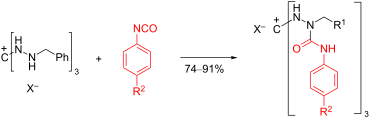
- (benzylamino)guanidinium chloride and aryl isothiocyanates. Here, a cyclization reaction occurred after thiocarbamoylation of the first NH2 group. The diverse reaction routes reported in this paper nicely demonstrate the versatility of TAG-derived 1,2,3-tris(alkylamino)guanidinium ions respect to synthetic

Graphical Abstract

Scheme 1: Conditions: a) benzaldehyde, ethanol/water, reflux, 1 h, 96% yield; b) H2, Pd/C (10%), MeOH, rt, 48...

Scheme 2: Carbamoylation of 1,2,3-tris(benzylamino)guanidinium salts 3 and 5-OTs.

Figure 1: Solid-state structure of 7a·3CH3CN. Left: Molecular structure with numbering of atoms. Right: N–H··...

Scheme 3: Deprotonation of 7a to yield the neutral guanidine derivative 8.

Figure 2: Solid-state structure of 8. Thermal displacement ellipsoids are drawn at the 20% probability level....

Scheme 4: Sulfonylcarbamoylation of salt 3.

Figure 3: Hydrogen-bonded one-dimensional network of guanidine 8 in the solid state. The intramolecular N9···...

Scheme 5: Reaction of 1,2,3-trisbenzylaminoguanidinium chloride (3) with aryl isothiocyanates.

Figure 4: Solid-state structure of 10b. Thermal displacement ellipsoids are drawn at the 30% probability leve...

Scheme 6: Proposed mechanism of the formation of 10 and 11.
Magnesium bis(monoperoxyphthalate) hexahydrate as mild and efficient oxidant for the synthesis of selenones
- Andrea Temperini,
- Massimo Curini,
- Ornelio Rosati and
- Lucio Minuti
Beilstein J. Org. Chem. 2014, 10, 1267–1271, doi:10.3762/bjoc.10.127

- the oxidative-cyclization reaction of 1j not only favoured the oxidation reaction, but also suppressed the β-elimination side reaction of the selenoxide intermediate [14]. Thus tetrahydrofuran 3j was obtained in 69% yield (Table 2, entry 7) as the sole product. It is interesting to note that N

Graphical Abstract

Scheme 1: General transformation of selenides to selenones.

Scheme 2: Phenylselenone 2 as useful leaving group for the synthesis of different organic molecules.
Atherton–Todd reaction: mechanism, scope and applications
- Stéphanie S. Le Corre,
- Mathieu Berchel,
- Hélène Couthon-Gourvès,
- Jean-Pierre Haelters and
- Paul-Alain Jaffrès
Beilstein J. Org. Chem. 2014, 10, 1166–1196, doi:10.3762/bjoc.10.117

- expected phosphoramidate was jointly isolated with 5 to 10% of thiophosphoramidate resulting from a cyclization reaction. The chiral phosphoramidates (Scheme 32-ii and iii) were tested as a chiral catalyst for the nucleophilic addition of diethylzinc [107] on benzaldehyde or for the asymmetric borane

Graphical Abstract

Scheme 1: Pioneer works of Atherton, Openshaw and Todd reporting on the synthesis of phosphoramidate starting...

Scheme 2: Mechanisms 1 (i) and 2 (ii) suggested by Atherton and Todd in 1945; adapted from [1].

Scheme 3: Two reaction pathways (i and ii) to produce chlorophosphate 2. Charge-transfer complex observed whe...

Scheme 4: Mechanism of the Atherton–Todd reaction with dimethylphosphite according to Roundhill et al. (adapt...

Scheme 5: Synthesis of dialkyl phosphate from dialkyl phosphite (i) and identification of chloro- and bromoph...

Scheme 6: Synthesis of chiral phosphoramidate with trichloromethylphosphonate as the suggested intermediate (...
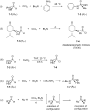
Scheme 7: Selection of results that address the question of the stereochemistry of the AT reaction (adapted f...

Scheme 8: Synthesis of phenoxy spirophosphorane by the AT reaction (adapted from [34]).

Scheme 9: Suggested mechanism of the Atherton–Todd reaction, (i) and (ii) formation of chlorophosphate with a...

Scheme 10: AT reaction in biphasic conditions (adapted from [38]).

Scheme 11: AT reaction with iodoform as halide source (adapted from [37]).

Scheme 12: AT reaction with phenol at low temperature in the presence of DMAP (adapted from [40]).

Scheme 13: Synthesis of a triphosphate by the AT reaction starting with the preparation of chlorophosphate (ad...

Scheme 14: AT reaction with sulfonamide (adapted from [42]).

Scheme 15: Synthesis of a styrylphosphoramidate starting from the corresponding aniline (adapted from [43]).

Scheme 16: Use of hydrazine as nucleophile in AT reactions (adapted from [48]).

Scheme 17: AT reaction with phenol as a nucleophilic species; synthesis of dioleyl phosphate-substituted couma...

Scheme 18: Synthesis of β-alkynyl-enolphosphate from allenylketone with AT reaction (adapted from [58]).

Scheme 19: Synthesis of pseudohalide phosphate by using AT reaction (adapted from [67]).

Scheme 20: AT reaction with hydrospirophosphorane with insertion of CO2 in the product (adapted from [69]).

Scheme 21: AT reaction with diaryl phosphite (adapted from [70]).

Scheme 22: AT reaction with O-alkyl phosphonite (adapted from [71]).

Scheme 23: Use of phosphinous acid in AT reactions (adapted from [72]).

Scheme 24: AT reaction with secondary phosphinethiooxide (adapted from [76]).

Scheme 25: Use of H-phosphonothioate in the AT reaction (adapted from [78]).

Scheme 26: AT-like reaction with CuI as catalyst and without halide source (adapted from [80]).

Scheme 27: Reduction of phenols after activation as phosphate derivatives (adapted from [81] i ; [82], ii; and [83], iii).

Scheme 28: Synthesis of medium and large-sized nitrogen-containing heterocycles (adapted from [85]).

Scheme 29: Synthesis of arylstannane from aryl phosphate prepared by an AT reaction (adapted from [86]).

Scheme 30: Synthesis and use of aryl dialkyl phosphate for the synthesis of biaryl derivatives (adapted from [89])....

Scheme 31: Synthesis of aryl dialkyl phosphate by an AT reaction from phenol and subsequent rearrangement yiel...

Scheme 32: Selected chiral phosphoramidates used as organocatalyst; i) chiral phosphoramidate used in the pion...

Scheme 33: Determination of ee of H-phosphinate by the application of the AT reaction with a chiral amine (ada...

Scheme 34: Chemical structure of selected flame retardants synthesized by AT reactions; (BDE: polybrominated d...

Scheme 35: Transformation of DOPO (i) and synthesis of polyphosphonate (ii) by the AT reaction (adapted from [117] ...

Scheme 36: Synthesis of lipophosphite (bisoleyl phosphite) and cationic lipophosphoramidate with an AT reactio...

Scheme 37: Use of AT reactions to produce cationic lipids characterized by a trimethylphosphonium, trimethylar...

Scheme 38: Cationic lipid synthesized by the AT reaction illustrating the variation of the structure of the li...

Scheme 39: Helper lipids for nucleic acid delivery synthesized with the AT reaction (adapted from [130]).

Scheme 40: AT reaction used to produce red/ox-sensitive cationic lipids (adapted from [135]).

Scheme 41: Alkyne and azide-functionalized phosphoramidate synthesized by AT reactions,(i); illustration of so...

Scheme 42: Cationic lipids exhibiting bactericidal action – arrows indicate the bond formed by the AT reaction...

Scheme 43: β-Cyclodextrin-based lipophosphoramidates (adapted from [138]).

Scheme 44: Polyphosphate functionalized by an AT reaction (adapted from [139]).

Scheme 45: Synthesis of zwitterionic phosphocholine-bound chitosan (adapted from [142]).

Scheme 46: Synthesis of AZT-based prodrug via an AT reaction (adapted from [143]).
Theoretical studies on the intramolecular cyclization of 2,4,6-t-Bu3C6H2P=C: and effects of conjugation between the P=C and aromatic moieties
- Masaaki Yoshifuji and
- Shigekazu Ito
Beilstein J. Org. Chem. 2014, 10, 1032–1036, doi:10.3762/bjoc.10.103
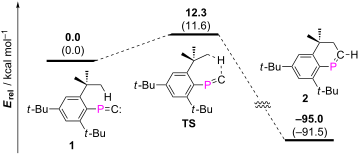
- [10][14]. As an alternative reaction of phosphanylidenecarbenoid, we have previously found the intramolecular cyclization reaction affording 6,8-di-tert-butyl-3,4-dihydro-4,4-dimethyl-1-phosphanaphthalene (2) putatively through formation of phosphanylidenecarbene 1 generated from Mes*P=C(Br)Li (Scheme

Graphical Abstract

Scheme 1: (a) The original FBW rearrangement reaction and (b) the phosphorus version of FBW rearrangement.

Scheme 2: Intramolecular C–H insertion of phosphanylidenecarbene.

Figure 1: Optimized structure of the transition state (TS) for the intramolecular C–H insertion of 1 [MP2(Ful...

Figure 2: Computationally characterized cyclization procedures of 1 affording 2 [MP2(full)/6-31G(d)]. Values ...

Figure 3: Displacement vectors of the transition state (ν = 216.93 i cm–1).

Figure 4: Optimized structure of 2 [MP2(full)/6-31G(d)]. Bond distances (Å): P1–C1 1.678, C1–C2 1.491, P1–C3 ...

Figure 5: HOMO (left) and LUMO (right) of 2.
Allenylphosphine oxides as simple scaffolds for phosphinoylindoles and phosphinoylisocoumarins
- G. Gangadhararao,
- Ramesh Kotikalapudi,
- M. Nagarjuna Reddy and
- K. C. Kumara Swamy
Beilstein J. Org. Chem. 2014, 10, 996–1005, doi:10.3762/bjoc.10.99
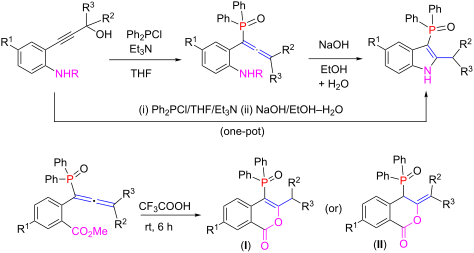
- , over the last decade, allenes have attained a prominent position in organic transformations like cycloaddition, cycloisomerization, base or metal-catalyzed reactions [5][6][7]. In particular, cyclization reaction of allenes has emerged as a valuable tool in developing different methods leading to

Graphical Abstract

Scheme 1: Reaction of P(III)-Cl precursors with propargyl alcohols leading to phosphorus based (a) N-hydroxyi...

Figure 1: Functionalized propargyl alcohols 1a–m and 2a–j used in the present study.

Scheme 2: Synthesis of functionalized allenes 3a–c, 3m and 4a–j.

Scheme 3: Reaction of functionalized allenes 3a and 3m leading to phosphinoylindoles. Conditions: (i) K3PO4 (...
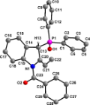
Figure 2: Molecular structure of compound 7. Hydrogen atoms (except PCH) are omitted for clarity. Selected bo...

Figure 3: Molecular structure of compound 9. Hydrogen atoms (except NH) are omitted for clarity. Selected bon...

Scheme 4: Synthesis of phosphinoylindole from allene 3a in a single step.

Scheme 5: One-pot preparation of substituted phosphinoylindoles 6 and 9–19 from functionalized alcohols.

Scheme 6: Possible pathway for the formation of phosphinoyl indoles 6 and 9–19.

Scheme 7: Synthesis of phosphinoylisocoumarins from functionalized allenes.

Figure 4: Molecular structure of 20. Selected bond lengths [Å] with estimated standard deviations are given i...

Scheme 8: Possible pathway for the formation of phosphinoylisocoumarins.

Scheme 9: Reaction of allenes in wet trifluoroacetic acid.

Figure 5: Molecular structure of 33. Selected bond lengths [Å] with estimated standard deviations are given i...

Scheme 10: Possible pathway for the formation of isocoumarins 30–35 (along with 21–23 and 27–29).
On the mechanism of photocatalytic reactions with eosin Y
- Michal Majek,
- Fabiana Filace and
- Axel Jacobi von Wangelin
Beilstein J. Org. Chem. 2014, 10, 981–989, doi:10.3762/bjoc.10.97
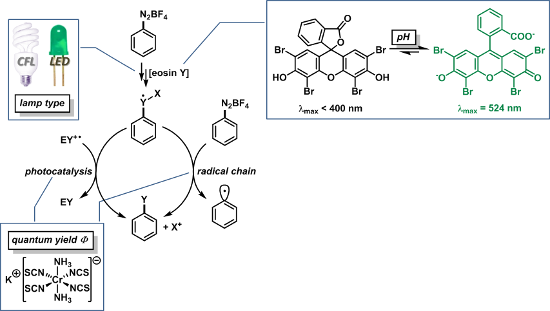
- phenanthrene synthesis [19]. A solution of o-biphenyldiazonium tetrafluoroborate in acetonitrile showed strong absorption between 400–500 nm with all light at the UV–vis edge at 400 nm being completely absorbed. This again indicates that direct photocleavage of the C–N bond might be operating. The cyclization
- reaction with ethyl propiolate according to the literature protocol [19] but in the absence of eosin Y did not afford any phenanthrene product (Scheme 5). Instead, a Ritter-type reaction proceeded to give the corresponding acetanilide after aqueous work-up which is consistent with the original report by

Graphical Abstract

Scheme 1: Oxidative quenching of eosin Y with arenediazonium salts and reactions of the resultant aryl radica...

Scheme 2: Proposed general reaction mechanism of eosin Y-catalyzed substitutions with arene diazonium salts.

Figure 1: UV–vis spectra of the photoborylation reaction mixture (RM).

Figure 2: Fluorescence spectra of the photoborylation reaction mixture (RM). Ex. = excitation wavelength.

Scheme 3: Acid–base behaviour of eosin Y.

Figure 3: UV–vis spectrum of p-bromobenzenediazonium tetrafluoroborate (pBrPhN2) and bispinacolato diboron (B2...

Scheme 4: Eosin Y-catalyzed and dye-free photolytic borylation.

Scheme 5: Eosin Y-catalyzed and dye-free reactions with ethyl propiolate.

Figure 4: UV–vis spectra of ortho-biphenyldiazonium tetrafluoroborate (biPhN2) in acetonitrile.
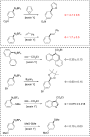
Scheme 6: Quantum yield determinations of selected visible-light-driven aromatic substitutions.
Site-selective covalent functionalization at interior carbon atoms and on the rim of circumtrindene, a C36H12 open geodesic polyarene
- Hee Yeon Cho,
- Ronald B. M. Ansems and
- Lawrence T. Scott
Beilstein J. Org. Chem. 2014, 10, 956–968, doi:10.3762/bjoc.10.94
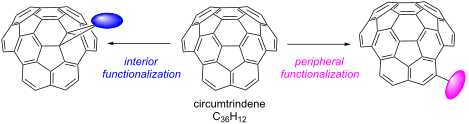
- -trichlorodecacyclene (12) by FVP at 1100 °C (Scheme 3) [20]. The importance of strategically functionalizing hydrocarbon precursors in a way that will generate radical centers where new bonds are to be formed by FVP is dramatically illustrated by the vastly improved efficiency of this triple cyclization reaction when

Graphical Abstract

Figure 1: Prototypical open and closed geodesic polyarenes.

Figure 2: Planar vs pyramidalized π-system.
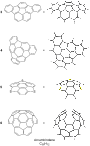
Figure 3: Selected examples of geodesic polyarenes synthesized by FVP.

Scheme 1: Covalent functionalization of fullerene C60 by the Bingel–Hirsch reaction and the Prato reaction.

Scheme 2: Fullerene-type chemistry at interior carbon atoms of corannulene (1) and diindenochrysene (10).

Figure 4: POAV angles of fullerene C60 (2), corannulene (1), and diindenochrysene (10).

Scheme 3: Synthesis of circumtrindene (6) by FVP.

Scheme 4: Synthetic route to 3,9,15-trichlorodecacyclene (12).

Figure 5: POAV angle and bond lengths of circumtrindene.

Scheme 5: Bingel–Hirsch reaction of circumtrindene (6).

Scheme 6: Proposed mechanism for the Bingel–Hirsch reaction of circumtrindene (6).

Scheme 7: Prato reaction of circumtrindene (6).

Figure 6: LUMO orbital map of circumtrindene (B3LYP/6-31G*). The darkest blue areas correspond to the regions...

Figure 7: Electrostatic potentials on the surfaces of circumtrindene (B3LPY/6-31G*).

Figure 8: Monoindeno- (25), diindeno- (26), and triindenocircumtrindene (27).

Figure 9: Two different types of rim carbon atoms on circumtrindene.

Scheme 8: Site-selective peripheral monobromination of circumtrindene.

Scheme 9: Suzuki coupling and ring-closing reactions toward indenocircumtrindene (25).

Scheme 10: Suzuki coupling to prepare compound 30.

Figure 10: Chemical shifts of ortho-methyl groups in 30 and 31.
The influence of intraannular templates on the liquid crystallinity of shape-persistent macrocycles
- Joscha Vollmeyer,
- Ute Baumeister and
- Sigurd Höger
Beilstein J. Org. Chem. 2014, 10, 910–920, doi:10.3762/bjoc.10.89
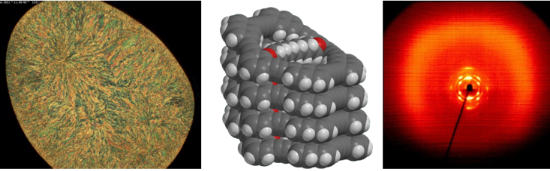
- templates of being robust against solvent or temperature changes and will still be applicable at elevated temperatures. The bisacetylenes can be prepared independently and attached to the template just prior to the cyclization reaction or, and this is done here, the (template bound) oligoacetylene is
- oligoether template crosses the ring, no lc behavior is observed. In both cases an induced non-planarity of the macrocycles is assumed. Shape-persistent macrocycles with different peripheral side groups and intraannular templates. GPC elugrams of the crude product of the cyclization reaction of 1a (—) and 1d

Graphical Abstract

Figure 1: Shape-persistent macrocycles with different peripheral side groups and intraannular templates.

Scheme 1: Synthesis of macrocycle 1a with an intraannular undecanedioxy bridge. a: Pd(PPh3)2Cl2, PPh3, CuI, p...

Figure 2: GPC elugrams of the crude product of the cyclization reaction of 1a (—) and 1d (- - -), respectivel...

Scheme 2: Synthesis of the template free macrocycle 1d. a: Pd(PPh3)2Cl2, PPh3, CuI, piperidine, 98%; b: TBAF,...

Figure 3: (a) Melting points (Tm) and clearing points (Tcl) of macrocycles with different interior. [a]First ...

Figure 4: POM images of (a) 1a (20×, 133 °C, upon cooling); (b) 1d (20×, 84 °C, upon heating).

Figure 5: 2D X-ray patterns for 1d: (a) isotropic liquid at 160 °C, (b) partially aligned liquid crystalline ...

Figure 6: 2D X-ray patterns for 1a: (a) isotropic liquid at 150 °C, (b) columnar mesophase at 100 °C, surface...

Figure 7: Model of the molecular packing in the columnar mesophase of 1a: (a) 2D packing scheme for the colum...
Aza-Diels–Alder reaction between N-aryl-1-oxo-1H-isoindolium ions and tert-enamides: Steric effects on reaction outcome
- Amitabh Jha,
- Ting-Yi Chou,
- Zainab ALJaroudi,
- Bobby D. Ellis and
- T. Stanley Cameron
Beilstein J. Org. Chem. 2014, 10, 848–857, doi:10.3762/bjoc.10.81
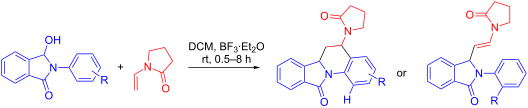
- the N-aryl group undergo intramolecular electrophilic addition to the alkene yielding isoindolo[2,1-a]quinolines under acidic conditions [18]. Isoindolo[2,1-a]quinolone cores have also been prepared via an aldol-type intramolecular cyclization reaction of N-(2-acetylaryl)phthalimide under anhydrous

Graphical Abstract

Figure 1: Pyridoisoindole frameworks (highlighted) in bioactive molecules and compounds under present investi...

Scheme 1: Comparison of the retro-synthetic approach for the synthesis of isoindoloquinoline skeleton reporte...

Scheme 2: Mechanistic explanation for regio- and diastereoselectivity leading to (±)-6,6a-dihydroisoindolo[2,...

Figure 2: ORTEP diagrams and 2D structures for the isoindolo[2,1-a]quinolone derivatives 1b, 1h and 2b.

Figure 3: ORTEP diagram and 2D structure of E-2-(2-fluorophenyl)-3-(2-(2-oxopyrrolidin-1-yl)vinyl)isoindolin-...

Scheme 3: Most plausible mechamism for the formation of E-2-(2-substituted-phenyl)-3-(2-(2-oxopyrrolidin-1-yl...
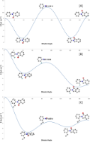
Figure 4: Rotational barrier calculation across N-aryl bond for the N-acyliminium ion intermediates of 1a [A]...
First synthesis of meso-substituted pyrrolo[1,2-a]quinoxalinoporphyrins
- Dileep Kumar Singh and
- Mahendra Nath
Beilstein J. Org. Chem. 2014, 10, 808–813, doi:10.3762/bjoc.10.76
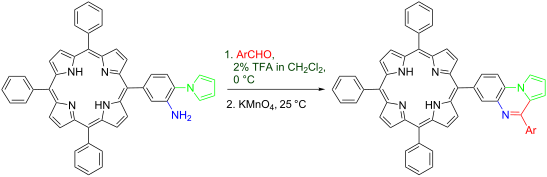
- synthesis of novel meso-substituted pyrrolo[1,2-a]quinoxalinoporphyrins (4a–h) began via the Pictet–Spengler cyclization reaction [50][51] of 5-(3-amino-4-(pyrrol-1-yl)phenyl)-10,15,20-triphenylporphyrin (3) with various aromatic aldehydes by using 2% TFA in dichloromethane as an acidic catalyst at 0 °C for

Graphical Abstract

Scheme 1: Synthesis of pyrrolo[1,2-a]quinoxalinoporphyrins (4a–h).

Scheme 2: Synthesis of zinc(II) pyrrolo[1,2-a]quinoxalinoporphyrins 5 and 6.

Figure 1: (a) Electronic absorption spectra of free-base porphyrins 4f, 4g, 4h and TPP in CHCl3 (1 × 10⁻⁶ mol...
Isocyanide-based multicomponent reactions towards cyclic constrained peptidomimetics
- Gijs Koopmanschap,
- Eelco Ruijter and
- Romano V.A. Orru
Beilstein J. Org. Chem. 2014, 10, 544–598, doi:10.3762/bjoc.10.50


Graphical Abstract

Scheme 1: The proposed mechanism of the Passerini reaction.

Scheme 2: The PADAM-strategy to α-hydroxy-β-amino amide derivatives 7. An additional oxidation provides α-ket...

Scheme 3: The general accepted Ugi-mechanism.

Scheme 4: Three commonly applied Ugi/cyclization approaches. a) UDC-process, b) UAC-sequence, c) UDAC-combina...

Scheme 5: Ugi reaction that involves the condensation of Armstrong’s convertible isocyanide.

Scheme 6: Mechanism of the U-4C-3CR towards bicyclic β-lactams.

Scheme 7: The Ugi 4C-3CR towards oxabicyclo β-lactams.

Scheme 8: Ugi MCR between an enantiopure monoterpene based β-amino acid, aldehyde and isocyanide resulting in...

Scheme 9: General MCR for β-lactams in water.

Scheme 10: a) Ugi reaction for β-lactam-linked peptidomimetics. b) Varying the β-amino acid resulted in β-lact...

Scheme 11: Ugi-4CR followed by a Pd-catalyzed Sn2 cyclization.

Scheme 12: Ugi-3CR of dipeptide mimics from 2-substituted pyrrolines.

Scheme 13: Joullié–Ugi reaction towards 2,5-disubstituted pyrrolidines.

Scheme 14: Further elaboration of the Ugi-scaffold towards bicyclic systems.

Scheme 15: Dihydroxyproline derivatives from an Ugi reaction.

Scheme 16: Diastereoselective Ugi reaction described by Banfi and co-workers.

Scheme 17: Similar Ugi reaction as in Scheme 16 but with different acids and two chiral isocyanides.

Scheme 18: Highly diastereoselective synthesis of pyrrolidine-dipeptoids via a MAO-N/MCR-procedure.

Scheme 19: MAO-N/MCR-approach towards the hepatitis C drug telaprevir.

Scheme 20: Enantioselective MAO-U-3CR procedure starting from chiral pyrroline 64.

Scheme 21: Synthesis of γ-lactams via an UDC-sequence.

Scheme 22: Utilizing bifunctional groups to provide bicyclic γ-lactam-ketopiperazines.

Scheme 23: The Ugi reaction provided both γ- as δ-lactams depending on which inputs were used.

Scheme 24: The sequential Ugi/RCM with olefinic substrates provided bicyclic lactams.

Scheme 25: a) The structural and dipole similarities of the triazole unit with the amide bond. b) The copper-c...

Scheme 26: The Ugi/Click sequence provided triazole based peptidomimetics.

Scheme 27: The Ugi/Click reaction as described by Nanajdenko.

Scheme 28: The Ugi/Click-approach by Pramitha and Bahulayan.

Scheme 29: The Ugi/Click-combination by Niu et al.

Scheme 30: Triazole linked peptidomimetics obtained from two separate MCRs and a sequential Click reaction.

Scheme 31: Copper-free synthesis of triazoles via two MCRs in one-pot.

Scheme 32: The sequential Ugi/Paal–Knorr reaction to afford pyrazoles.

Scheme 33: An intramolecular Paal–Knorr condensation provided under basic conditions pyrazolones.

Scheme 34: Similar cyclization performed under acidic conditions provided pyrazolones without the trifluoroace...

Scheme 35: The Ugi-4CR towards 2,4-disubstituted thiazoles.

Scheme 36: Solid phase approach towards thiazoles.

Scheme 37: Reaction mechanism of formation of thiazole peptidomimetics containing an additional β-lactam moiet...

Scheme 38: The synthesis of the trisubstituted thiazoles could be either performed via an Ugi reaction with pr...

Scheme 39: Performing the Ugi reaction with DMB-protected isocyanide gave access to either oxazoles or thiazol...

Scheme 40: Ugi/cyclization-approach towards 2,5-disubstituted thiazoles. The Ugi reaction was performed with d...

Scheme 41: Further derivatization of the thiazole scaffold.

Scheme 42: Three-step procedure towards the natural product bacillamide C.

Scheme 43: Ugi-4CR to oxazoles reported by Zhu and co-workers.

Scheme 44: Ugi-based synthesis of oxazole-containing peptidomimetics.

Scheme 45: TMNS3 based Ugi reaction for peptidomimics containing a tetrazole.

Scheme 46: Catalytic cycle of the enantioselective Passerini reaction towards tetrazole-based peptidomimetics.

Scheme 47: Tetrazole-based peptidomimetics via an Ugi reaction and a subsequent sigmatropic rearrangement.

Scheme 48: Resin-bound Ugi-approach towards tetrazole-based peptidomimetics.

Scheme 49: Ugi/cyclization approach towards γ/δ/ε-lactam tetrazoles.

Scheme 50: Ugi-3CR to pipecolic acid-based peptidomimetics.

Scheme 51: Staudinger–Aza-Wittig/Ugi-approach towards pipecolic acid peptidomimetics.

Figure 1: The three structural isomers of diketopiperazines. The 2,5-DKP isomer is most common.

Scheme 52: UDC-approach to obtain 2,5-DKPs, either using Armstrong’s isocyanide or via ethylglyoxalate.

Scheme 53: a) Ugi reaction in water gave either 2,5-DKP structures or spiro compounds. b) The Ugi reaction in ...

Scheme 54: Solid-phase approach towards diketopiperazines.

Scheme 55: UDAC-approach towards DKPs.

Scheme 56: The intermediate amide is activated as leaving group by acid and microwave assisted organic synthes...

Scheme 57: UDC-procedure towards active oxytocin inhibitors.

Scheme 58: An improved stereoselective MCR-approach towards the oxytocin inhibitor.

Scheme 59: The less common Ugi reaction towards DKPs, involving a Sn2-substitution.

Figure 2: Spatial similarities between a natural β-turn conformation and a DKP based β-turn mimetic [158].

Scheme 60: Ugi-based syntheses of bicyclic DKPs. The amine component is derived from a coupling between (R)-N-...

Scheme 61: Ugi-based synthesis of β-turn and γ-turn mimetics.

Figure 3: Isocyanide substituted 3,4-dihydropyridin-2-ones, dihydropyridines and the Freidinger lactams. Bio-...

Scheme 62: The mechanism of the 4-CR towards 3,4-dihydropyridine-2-ones 212.

Scheme 63: a) Multiple MCR-approach to provide DHP-peptidomimetic in two-steps. b) A one-pot 6-CR providing th...

Scheme 64: The MCR–alkylation–MCR procedure to obtain either tetrapeptoids or depsipeptides.

Scheme 65: U-3CR/cyclization employing semicarbazone as imine component gave triazine based peptidomimetics.

Scheme 66: 4CR towards triazinane-diones.

Scheme 67: The MCR–alkylation–IMCR-sequence described by our group towards triazinane dione-based peptidomimet...

Scheme 68: Ugi-4CR approaches followed by a cyclization to thiomorpholin-ones (a) and pyrrolidines (b).

Scheme 69: UDC-approach for benzodiazepinones.

Scheme 70: Ugi/Mitsunobu sequence to BDPs.

Scheme 71: A UDAC-approach to BDPs with convertible isocyanides. The corresponding amide is cleaved by microwa...

Scheme 72: microwave assisted post condensation Ugi reaction.

Scheme 73: Benzodiazepinones synthesized via the post-condensation Ugi/ Staudinger–Aza-Wittig cyclization.

Scheme 74: Two Ugi/cyclization approaches utilizing chiral carboxylic acids. Reaction (a) provided the product...

Scheme 75: The mechanism of the Gewald-3CR includes three base-catalysed steps involving first a Knoevnagel–Co...

Scheme 76: Two structural 1,4-thienodiazepine-2,5-dione isomers by U-4CR/cyclization.

Scheme 77: Tetrazole-based diazepinones by UDC-procedure.

Scheme 78: Tetrazole-based BDPs via a sequential Ugi/hydrolysis/coupling.

Scheme 79: MCR synthesis of three different tricyclic BPDs.

Scheme 80: Two similar approaches both involving an Ugi reaction and a Mitsunobu cyclization.

Scheme 81: Mitsunobu–Ugi-approach towards dihydro-1,4-benzoxazepines.

Scheme 82: Ugi reaction towards hetero-aryl fused 5-oxo-1,4-oxazepines.

Scheme 83: a) Ugi/RCM-approach towards nine-membered peptidomimetics b) Sequential peptide-coupling, deprotect...

Scheme 84: Ugi-based synthesis towards cyclic RGD-pentapeptides.

Scheme 85: Ugi/MCR-approach towards 12–15 membered macrocycles.

Scheme 86: Stereoselective Ugi/RCM approach towards 16-membered macrocycles.

Scheme 87: Passerini/RCM-sequence to 22-membered macrocycles.

Scheme 88: UDAC-approach towards 12–18-membered depsipeptides.

Figure 4: Enopeptin A with its more active derivative ADEP-4.

Scheme 89: a) The Joullié–Ugi-approach towards ADEP-4 derivatives b) Ugi-approach for the α,α-dimethylated der...

Scheme 90: Ugi–Click-strategy for 15-membered macrocyclic glyco-peptidomimetics.

Scheme 91: Ugi/Click combinations provided macrocycles containing both a triazole and an oxazole moiety.

Scheme 92: a) A solution-phase procedure towards macrocycles. b) Alternative solid-phase synthesis as was repo...

Scheme 93: Ugi/cyclization towards cyclophane based macrocycles.

Scheme 94: PADAM-strategy towards eurystatin A.

Scheme 95: PADAM-approach for cyclotheanamide.

Scheme 96: A triple MCR-approach affording RGD-pentapeptoids.

Scheme 97: Ugi-MiBs-approach towards peptoid macrocycles.

Scheme 98: Passerini-based MiB approaches towards macrocycles 345 and 346.

Scheme 99: Macrocyclic peptide formation by the use of amphoteric aziridine-based aldehydes.
Silver and gold-catalyzed multicomponent reactions
- Giorgio Abbiati and
- Elisabetta Rossi
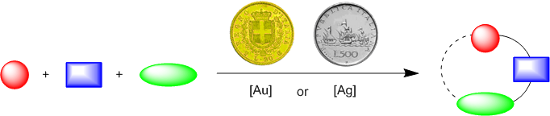
Beilstein J. Org. Chem. 2014, 10, 481–513, doi:10.3762/bjoc.10.46

Graphical Abstract

Scheme 1: General reaction mechanism for Ag(I)-catalyzed A3-coupling reactions.

Scheme 2: A3-coupling reaction catalyzed by polystyrene-supported NHC–silver halides.

Figure 1: Various NHC–Ag(I) complexes used as catalysts for A3-coupling.

Scheme 3: Proposed reaction mechanism for NHC–AgCl catalyzed A3-coupling reactions.

Scheme 4: Liu’s synthesis of pyrrole-2-carboxaldehydes 4.

Scheme 5: Proposed reaction mechanism for Liu’s synthesis of pyrrole-2-carboxaldehydes 4.

Scheme 6: Gold-catalyzed synthesis of propargylamines 1.

Scheme 7: A3-coupling catalyzed by phosphinamidic Au(III) metallacycle 6.

Scheme 8: Gold-catalyzed KA2-coupling.

Scheme 9: A3-coupling applied to aldehyde-containing oligosaccharides 8.

Scheme 10: A3-MCR for the preparation of propargylamine-substituted indoles 9.

Scheme 11: A3-coupling interceded synthesis of furans 12.

Scheme 12: A3/KA2-coupling mediated synthesis of functionalized dihydropyrazoles 13 and polycyclic dihydropyra...

Scheme 13: Au(I)-catalyzed entry to cyclic carbamimidates 17 via an A3-coupling-type approach.

Scheme 14: Proposed reaction mechanism for the Au(I)-catalyzed synthesis of cyclic carbamimidates 17.

Figure 2: Chiral trans-1-diphenylphosphino-2-aminocyclohexane–Au(I) complex 20.

Scheme 15: A3-coupling-type synthesis of oxazoles 21 catalyzed by Au(III)–salen complex.

Scheme 16: Proposed reaction mechanism for the synthesis of oxazoles 21.

Scheme 17: Synthesis of propargyl ethyl ethers 24 by an A3-coupling-type reaction.

Scheme 18: General mechanism of Ag(I)-catalyzed MCRs of 2-alkynylbenzaldehydes, amines and nucleophiles.

Scheme 19: General synthetic pathway to 1,3-disubstituted-1,2-dihydroisoquinolines.

Scheme 20: Synthesis of 1,3-disubstituted-1,2-dihydroisoquinolines 29.

Scheme 21: Synthesis of 1,3-disubstituted-1,2-dihydroisoquinolines 35 and 36.

Scheme 22: Rh(II)/Ag(I) co-catalyzed synthesis of 1,3-disubstituted-1,2-dihydroisoquinolines 40.

Scheme 23: General synthetic pathway to 2-amino-1,2-dihydroquinolines.

Scheme 24: Synthesis of 2-amino-1,2-dihydroquinolines 47.

Scheme 25: Synthesis of tricyclic H-pyrazolo[5,1-a]isoquinoline 48.

Scheme 26: Synthesis of tricyclic H-pyrazolo[5,1-a]isoquinolines 48.

Scheme 27: Cu(II)/Ag(I) catalyzed synthesis of H-pyrazolo[5,1-a]isoquinolines 48.

Scheme 28: Synthesis of 2-aminopyrazolo[5,1-a]isoquinolines 53.

Scheme 29: Synthesis of 1-(isoquinolin-1-yl)guanidines 55.

Scheme 30: Ag(I)/Cu(I) catalyzed synthesis of 2-amino-H-pyrazolo[5,1-a]isoquinolines 58.

Scheme 31: Ag(I)/Ni(II) co-catalyzed synthesis of 3,4-dihydro-1H-pyridazino[6,1-a]isoquinoline-1,1-dicarboxyla...

Scheme 32: Ag(I) promoted activation of the α-carbon atom of the isocyanide group.

Scheme 33: Synthesis of dihydroimidazoles 65.

Scheme 34: Synthesis of oxazoles 68.

Scheme 35: Stereoselective synthesis of chiral butenolides 71.

Scheme 36: Proposed reaction mechanism for the synthesis of butenolides 71.

Scheme 37: Stereoselective three-component approach to pirrolidines 77 by means of a chiral auxiliary.

Scheme 38: Stereoselective three-component approach to pyrrolidines 81 and 82 by means of a chiral catalyst.

Scheme 39: Synthesis of substituted five-membered carbocyles 86.

Scheme 40: Synthesis of regioisomeric arylnaphthalene lactones.

Scheme 41: Enantioselective synthesis of spiroacetals 96 by Fañanás and Rodríguez [105].

Scheme 42: Enantioselective synthesis of spiroacetals 101 by Gong [106].

Scheme 43: Synthesis of polyfunctionalized fused bicyclic ketals 103 and bridged tricyclic ketals 104.

Scheme 44: Proposed reaction mechanism for the synthesis of ketals 103 and 104.

Scheme 45: Synthesis of β-alkoxyketones 108.

Scheme 46: Synthesis of N-methyl-1,4-dihydropyridines 112.

Scheme 47: Synthesis of tetrahydrocarbazoles 115–117.

Scheme 48: Plausible reaction mechanism for the synthesis of tetrahydrocarbazoles 115–117.

Scheme 49: Carboamination, carboalkoxylation and carbolactonization of terminal alkenes.

Scheme 50: Oxyarylation of alkenes with arylboronic acids and Selectfluor as reoxidant.

Scheme 51: Proposed reaction mechanism for oxyarylation of alkenes.

Scheme 52: Oxyarylation of alkenes with arylsilanes and Selectfluor as reoxidant.

Scheme 53: Oxyarylation of alkenes with arylsilanes and IBA as reoxidant.



