


Search results
Search for "thiourea" in Full Text gives 203 result(s) in Beilstein Journal of Organic Chemistry. Showing first 200.
Combined bead polymerization and Cinchona organocatalyst immobilization by thiol–ene addition
Beilstein J. Org. Chem. 2012, 8, 1126–1133, doi:10.3762/bjoc.8.125
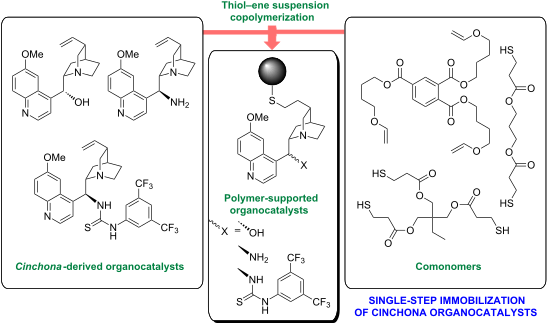
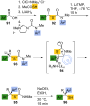
- 4–9, thereby adjusting the degree of cross-linking. As for the Cinchona organocatalysts, we wanted to incorporate either unmodified quinine (1), the primary amine organocatalyst 2, or thiourea organocatalyst 3 into the thiol–ene network (Figure 1). While quinine is available directly, primary amine
- organocatalyst 2 was prepared from quinine, via the azide, in a two-step sequence by using the Bose–Mitsunobu reaction followed by Staudinger reduction, as described by others [15]. Thiourea Cinchona organocatalyst 3 was easily obtained from catalyst 2 by reaction with the appropriate aromatic isothiocyanate [15
- supported thiourea catalyst 12 in the Michael addition of thiophenol and cyclohex-2-enone [17], a transformation known to be very efficiently catalysed by the free thiourea catalyst 3 (Table 3) [19][20]. The immobilized catalyst 12 proved highly active (the uncatalysed reaction is very slow), rapidly giving


Chiral multifunctional thiourea-phosphine catalyzed asymmetric [3 + 2] annulation of Morita–Baylis–Hillman carbonates with maleimides
Beilstein J. Org. Chem. 2012, 8, 1098–1104, doi:10.3762/bjoc.8.121
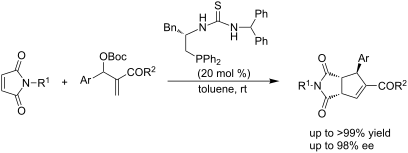
- of Chemistry & Molecular Engineering, East China University of Science and Technology, and 130 MeiLong Road, Shanghai 200237, People’s Republic of China 10.3762/bjoc.8.121 Abstract We have developed a multifunctional thiourea-phosphine catalyzed asymmetric [3 + 2] annulation of Morita–Baylis–Hillman
- previous literature. Keywords: asymmetric [3 + 2] annulation; maleimides; Morita–Baylis–Hillman carbonates; multifunctional thiourea-phosphine; organocatalysis; Introduction Highly functionalized cyclopentene derivatives are important subunits in a variety of biologically active molecules and have
- intermolecular [3 + 2] cycloaddition of MBH carbonates with methyleneindolinones to afford the corresponding spirocyclopentaneoxindoles in good yields and high ee values in 2011 [49]. Moreover, Lu and co-workers have recently explored a series of thiourea-phosphine catalysts derived from L-threonine, which are




Two-directional synthesis as a tool for diversity-oriented synthesis: Synthesis of alkaloid scaffolds
Beilstein J. Org. Chem. 2012, 8, 850–860, doi:10.3762/bjoc.8.95
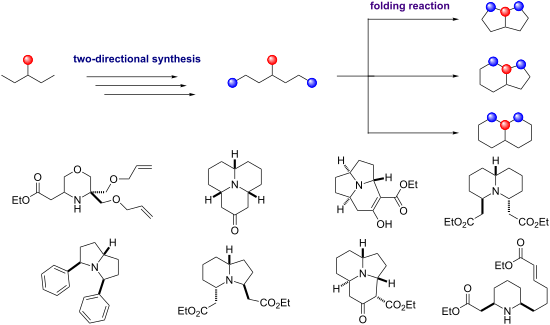
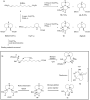
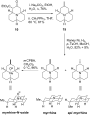
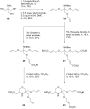
- chloroacetamide with thiourea gave the free amine [21], which was then protected with Boc anhydride. Finally, cross metathesis with ethyl acrylate furnished the desired compound 4 in 24% overall yield. Cyclisation reactions The first attempts at the tandem Boc-deprotection/bicyclisation of these substrates were




Enantioselective Michael addition of 2-hydroxy-1,4-naphthoquinones to nitroalkenes catalyzed by binaphthyl-derived organocatalysts
Beilstein J. Org. Chem. 2012, 8, 699–704, doi:10.3762/bjoc.8.78
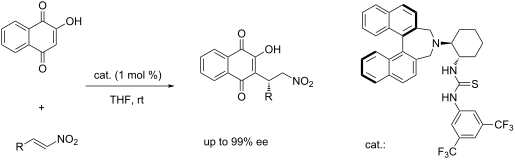
- addition. This reaction exhibited good yield and high enantioselectivity (89% ee, Table 1, entry 1). In order to enhance the enantioselectivity, other bifunctional organocatalysts II–VIII were evaluated in the model reaction (Table 1, entries 2–8). The quinine-derived thiourea catalyst II was less
- the desired product 3a with high enantioselectivity (97%, Table 1, entry 3), whereas the diastereomeric catalyst VII afforded product 3a in lower enantioselectivity (78% ee, Table 1, entry 7). These results demonstrate that the central and axial chiral elements in the chiral amine-thiourea catalyst
- (97% ee, Table 2, entry 11). In conclusion, we have developed a highly efficient catalytic, enantioselective Michael addition of 2-hydroxy-1,4-naphthoquinone to nitroalkenes using a binaphthyl-derived tertiary amine-thiourea organocatalyst. The various types of nitroalkylated naphthoquinone


Continuous proline catalysis via leaching of solid proline
Beilstein J. Org. Chem. 2011, 7, 1671–1679, doi:10.3762/bjoc.7.197
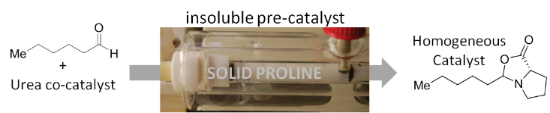
- homogeneous catalyst can be prepared continuously via reaction with a packed-bed of a catalyst precursor. Specifically, we perform continuous proline catalyzed α-aminoxylations using a packed-bed of L-proline. The system relies on a multistep sequence in which an aldehyde and thiourea additive are passed
- . Keywords: aminoxylation; flow chemistry; heterogeneous catalysis; packed-bed microreactor; proline/thiourea catalysis; Introduction Continuous flow chemistry [1][2][3], performed in small dimension tubing or channels, differs from batch chemistry in that mixing and heat transfer are significantly faster
- combined with nitrosobenzene in the coil, the desired product was not detected by crude 1H NMR analysis (Table 1, entry 1). This indicates that, with this reactor setup, the reaction is too slow without a urea additive to be a viable method. Additionally, flowing thiourea 3b (0.047 M in EtOAc) through the


Synthesis of diverse dihydropyrimidine-related scaffolds by fluorous benzaldehyde-based Biginelli reaction and post-condensation modifications
Beilstein J. Org. Chem. 2011, 7, 1294–1298, doi:10.3762/bjoc.7.150
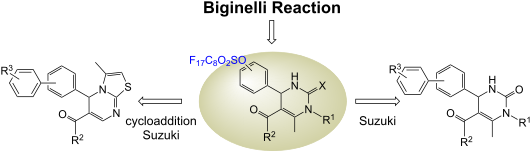
- by the reaction of phenols with perfluorooctanesulfonyl fluoride, by following the reported procedure [13]. Compounds 1 were used as a limiting agent to react with urea/thiourea 2 and acetylacetone 3 for the Biginelli reactions. The reactions were promoted by Yb(OTf)3 as a catalyst [14][15


NMR studies of anion-induced conformational changes in diindolylureas and diindolylthioureas
Beilstein J. Org. Chem. 2011, 7, 1205–1214, doi:10.3762/bjoc.7.140
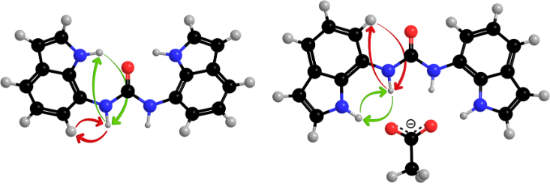
- hydrogen bonds stabilize the PO43− anion. In solution, the thiourea analogues such as compound 2 show significantly lower affinities for oxo-anions than do the urea analogues. We had previously proposed that this may be due to the larger size of the sulfur atom resulting in a lower propensity of these
- anion binding relative to thiourea 2 (the data were supported by the stability constant determinations performed previously and shown in Table 1). The larger sulfur atom can prevent the receptor 2 from adopting a planar conformation, which may reduce the affinity of this receptor for anionic guests






Recent advances in the gold-catalyzed additions to C–C multiple bonds
Beilstein J. Org. Chem. 2011, 7, 897–936, doi:10.3762/bjoc.7.103
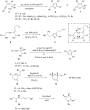
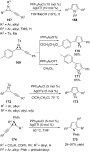
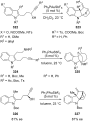
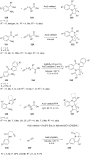
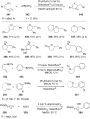
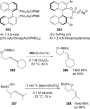
- ee values have been obtained with thiourea-cinchonine [176], chiral carbene [177], BINAP [178][179][180], and BIPHEP [181][182][183][184][185][186][187][188][189][190] analogs. Monge et al. reported a direct asymmetric one-pot synthesis of optically active 2,3-dihydropyrroles from propargyl
- malononitriles 375 and N-Boc-protected imines 374 (Scheme 60) [176]. In the alkyne hydroamination (which is based on a bifunctional organocatalytic Mannich-type reaction, subsequent gold-catalyzed alkyne hydroamination and isomerization) thiourea-based hydrogen bonding organocatalyst 373 and PPh3AuNTf2 proved to












Asymmetric synthesis of tertiary thiols and thioethers
Beilstein J. Org. Chem. 2011, 7, 582–595, doi:10.3762/bjoc.7.68

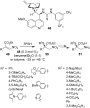
- of the enantiomers of hindered enone 46 by addition, oxidation and elimination of a sulfenic acid under basic conditions (Scheme 18) [45]. Xiao and co-workers developed an organocatalytic process for the addition of thiols to nitroalkenes [46]. Using thiourea organocatalyst 48, conjugate addition of








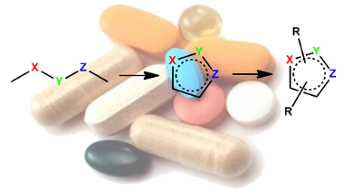
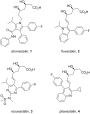
An overview of the key routes to the best selling 5-membered ring heterocyclic pharmaceuticals
Beilstein J. Org. Chem. 2011, 7, 442–495, doi:10.3762/bjoc.7.57





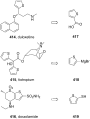


Air-stable, recyclable, and time-efficient diphenylphosphinite cellulose-supported palladium nanoparticles as a catalyst for Suzuki–Miyaura reactions
Beilstein J. Org. Chem. 2011, 7, 378–385, doi:10.3762/bjoc.7.48

- ], N-heterocyclic carbenes [13][14][15], P,O-based ligands [16], bis(thiourea) ligands [17], and thiosemicarbazone [18], etc. However, the separation of the catalyst and ligands from the final product is problematic. In this regard, studies on heterogeneous catalysts have drawn much attention because


Effects of anion complexation on the photoreactivity of bisureido- and bisthioureido-substituted dibenzobarrelene derivatives
Beilstein J. Org. Chem. 2011, 7, 278–289, doi:10.3762/bjoc.7.37
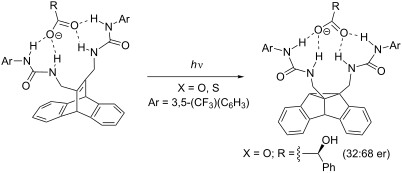
- , however, are efficiently transformed to the dibenzosemibullvalene product upon irradiation, presumably by suppressing the self-quenching of the thiourea units in the complex. The association of the ureido-substituted dibenzobarrelene derivative with (S)-mandelate and irradiation of this complex led to the
- latter in solution. For that purpose the dibenzobarrelene chromophore was functionalized with ureido or thioureido substituents, since these functionalities are strong hydrogen bonding donors, which may associate with (chiral) anions [38][39]. Moreover, the versatile use of urea and thiourea derivatives
- -substituted derivatives 1h and 1i have significantly improved solubility in organic solvents; i.e., compound 1h has good solubility in acetone, acetonitrile and alcohols, while thiourea 1i dissolves in most polar organic solvents. Because of their favorable solubility in organic solvents, the dibenzobarrelene


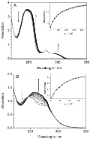


Palladium-catalyzed formation of oxazolidinones from biscarbamates: a mechanistic study
Beilstein J. Org. Chem. 2011, 7, 246–253, doi:10.3762/bjoc.7.33
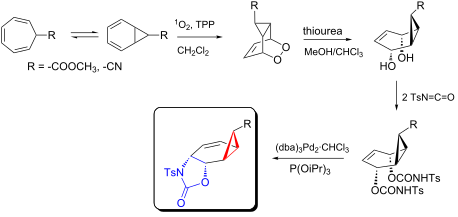
- of 6 [18]. Selective reduction of the peroxide linkage in 6 was carried out with thiourea under very mild conditions to give the diol 7 [19]. Since only the oxygen–oxygen bond is broken in this reaction, the configuration at all carbon atoms is preserved. Oxazolidinone 9 was synthesized by two
- than the trans-coupling [23][24], we assigned the exo-configuration to the cyano group in 12. Selective reduction of the peroxide linkages in 12 and 13 with thiourea under very mild conditions afforded the diols 14 and 18a, respectively. For further characterization, the diols were converted to the
- , 56.08; H, 4.67; N, 3.85; S, 8.63. rel-(1R,2S,5R,6S)-2,5-Dihydroxybicyclo[4.1.0]hept-3-ene-7-exo-carbonitrile (14): To a magnetically stirred solution of endoperoxide 12 (1.00 g, 6.71 mmol) in MeOH/CHCl3 solution (30 mL), was added thiourea (513 mg, 6.75 mmol) over a 10 min period at room temperature and


An easy assembled fluorescent sensor for dicarboxylates and acidic amino acids
Beilstein J. Org. Chem. 2011, 7, 75–81, doi:10.3762/bjoc.7.11
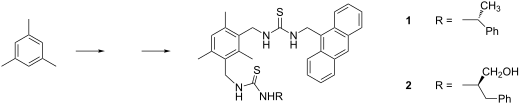
- Xiao-bo Zhou Yuk-Wang Yip Wing-Hong Chan Albert W. M. Lee Department of Chemistry, Hong Kong Baptist University, Kowloon Tong, Hong Kong SAR, China 10.3762/bjoc.7.11 Abstract Two mesitylene based neutral receptors 1 and 2 bearing two thiourea binding sites were constructed as fluorescent probes
- molecular platform via thiourea formation to give the key intermediate 4 in 70% yield. As a result of steric hindrance, an attempt to make the corresponding bis-thiourea adduct from 3 and 9-aminomethylanthracene was unsuccessful. However, 4 underwent a smooth addition reaction with the structurally less
- charge neutral thiourea-based fluorescent PET sensor motif, which is immune from cross pH interference, was adopted in our approach [28]. The congested mesitylene derivative type of structure built in 1 may confer the molecule with sufficient rigidity favoring its selective binding with guest molecules


A new fluorescent chemosensor for fluoride anion based on a pyrrole–isoxazole derivative
Beilstein J. Org. Chem. 2011, 7, 46–52, doi:10.3762/bjoc.7.8
- reported in recent years, those employing polarized NH groups as anion-binding motifs have attracted considerable attention. Typical examples are charge neutral receptors containing pyrrole, amide, indolocarbazole, guanidium, imidazolium and urea/thiourea moieties. Usually, the anions are recognized via H
- -bonding, which is not easy to differentiate from deprotonation of protons on the receptor-NH [4][5]. Some urea/thiourea-containing receptors could particularly recognize Y-shaped oxoanions by H-bonding and more basic anions such as fluoride by deprotonation. Fluoride is primarily used for prevention of
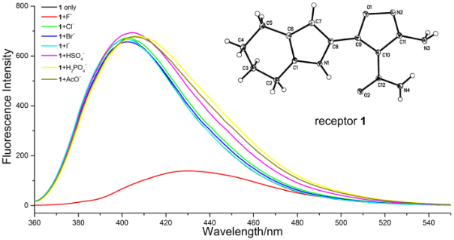
- advantageous to develop high-effective sensors that can detect fluoride anion in food and animal feed. In this work, we report a new fluoride receptor 1 (Figure 1), 3-amino-5-(4,5,6,7-tetrahydro-1H-indol-2-yl)isoxazole-4-carboxamide [9], which contains receptive groups toward anions and no urea/thiourea


Chain stopper engineering for hydrogen bonded supramolecular polymers
Beilstein J. Org. Chem. 2010, 6, 869–875, doi:10.3762/bjoc.6.102
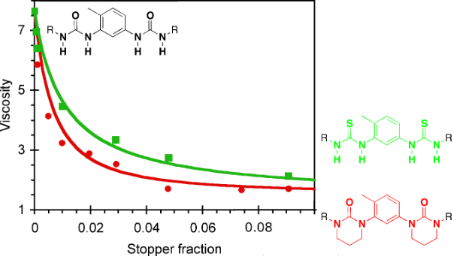
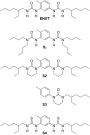
- viscosity of these solutions can be controlled by adding monofunctional compounds, which interact with the chain extremities: chain stoppers. We have synthesized new substituted ureas and thioureas and tested them as chain stoppers for a bis-urea based supramolecular polymer. In particular, the bis-thiourea
- assemblies as a hydrogen bond donor. For this purpose, we synthesized the bis-thiourea S4, from the corresponding bis-thioisocyanate, because thioureas are known to be strong hydrogen bond donors and weak hydrogen bond acceptors [34][35]. Before evaluating the chain stopper efficiency of these compounds, i.e
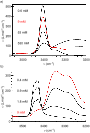
- ., their interaction with EHUT, their self-association was probed. Self-association of bis-thiourea Chain stoppers S2 and S3 cannot self-associate because they contain only hydrogen bond acceptors, however this is not the case for S4, and it is of interest to determine the conditions under which S4 can be




Molecular recognition of organic ammonium ions in solution using synthetic receptors
Beilstein J. Org. Chem. 2010, 6, No. 32, doi:10.3762/bjoc.6.32




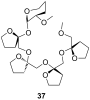


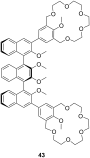


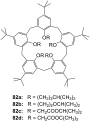


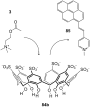


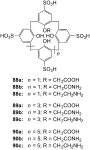


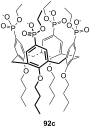


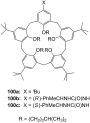


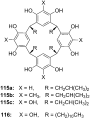
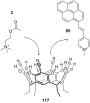


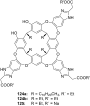
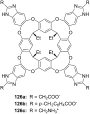


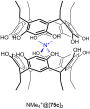


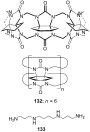


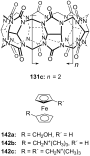


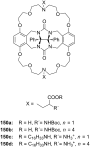
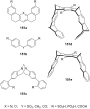


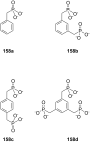

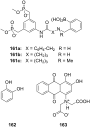


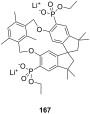
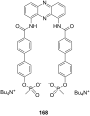

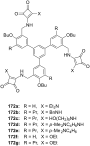
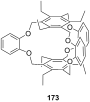


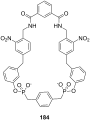


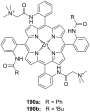


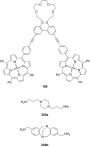


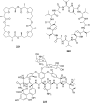


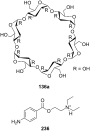
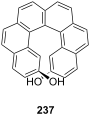




(Pseudo)amide-linked oligosaccharide mimetics: molecular recognition and supramolecular properties
Beilstein J. Org. Chem. 2010, 6, No. 20, doi:10.3762/bjoc.6.20
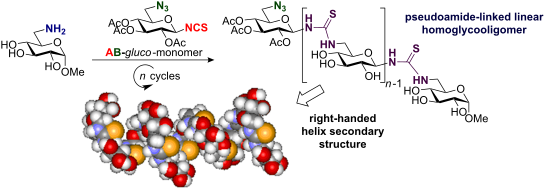
- thiourea, urea and guanidine. In this review we summarise the advances over the last decade in the synthesis of oligosaccharide mimetics that possess amide and pseudoamide linkages, as well as studies focussing on their supramolecular and recognition properties. Keywords: carbopeptoids; glycoclusters
- , carbamate and thiourea-linked sugars The replacement of amide groups by pseudoamide (NH–C = X)–Y; X, Y = O, N, S) has been widely used in peptide chemistry to induce well-defined secondary structures. In carbohydrate chemistry, the incorporation of pseudoamide-type intersaccharide linkages has an additional
- pseudooligosaccharides having cyanamide, urea and thiourea-linkages via the Staudinger reaction have been reported [69][70]. In our group, the carbodiimide approach was used to prepare calystegine B2 analogues with the urea-linked disaccharide structure (Figure 15). These compounds, however, did not show inhibitory



Convergent syntheses of LeX analogues
Beilstein J. Org. Chem. 2010, 6, No. 17, doi:10.3762/bjoc.6.17
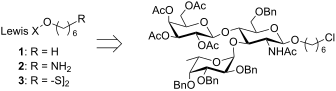
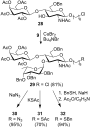
- glucosamine acceptors. The disaccharide 24 was further used in the preparation of the Lex analogues 1–3. Preparation of protected Lex analogues. The chloroacetate in disaccharide 24 was removed with thiourea (C5H5N/EtOH, 70 °C) to give the acceptor disaccharide 28 (61%), which was then fucosylated with the
- (OCH2CH2); 26.44, 25.14 (OCH2CH2CH2CH2); 23.25, 20.64, 20.58, 20.48, 20.48 (CH3CO). HRESIMS Calcd for C37H52Cl2NO16 [M+H]+ 836.2663, found 836.2634. 6-Chlorohexyl 2-acetamido-4-O-(2,3,4,6-tetra-O-acetyl-β-D-galactopyranosyl)-6-O-benzyl-2-deoxy-β-D-glucopyranoside (28). Thiourea (162 mg, 2.13 mmol, 6.0



Synthesis of a new class of aminocyclitol analogues with the conduramine D-2 configuration
Beilstein J. Org. Chem. 2010, 6, No. 15, doi:10.3762/bjoc.6.15
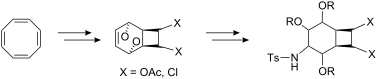
- . Photooxygenation of trans-7,8-diacetoxy- and cis-7,8-dichlorobicyclo[4.2.0]octa-2,4-diene afforded the bicyclic endoperoxides. Reduction of the latter with thiourea followed by a Pd(0) catalyzed ionization/cyclization reaction gave the corresponding oxazolidinone derivatives. Oxidation of the double bond with
- cyclooctatetraene (8) by the addition of mercury(II) acetate [31]. Tetraphenylporphyrin sensitized photooxygenation of diacetoxydiene 9 with singlet oxygen gave the expected endoperoxide 10. Reduction of the peroxide bond in 10 was performed with thiourea under very mild conditions to give the cis-diol 11 in 99
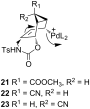
- the peroxide bond in 20 with thiourea under very mild conditions gave the cis-diol 21 in 95% yield. Diol 21 in THF was treated with 2 equiv of p-toluenesulfonyl isocyanate to give the intermediate bis-carbamate 22 which was then treated as described above for 12 with the same Pd(0) catalyst to afford


Synthesis of indolo[3,2-b]carbazole-based new colorimetric receptor for anions: A unique color change for fluoride ions
Beilstein J. Org. Chem. 2010, 6, No. 12, doi:10.3762/bjoc.6.12
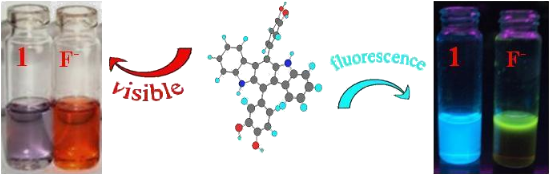
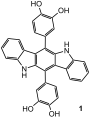
- supramolecular chemistry [1][2]. Most of the synthetic chemosensors generally involve covalent linking of an optical-signaling chromophoric fragment to a neutral anion receptor containing urea [3], thiourea [4], amide [5], phenol [6][7], or pyrrole [8] subunits, which can provide one or more H-bond donor sites




Self-association of an indole based guanidinium-carboxylate-zwitterion: formation of stable dimers in solution and the solid state
Beilstein J. Org. Chem. 2010, 6, No. 3, doi:10.3762/bjoc.6.3
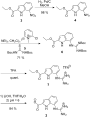
- -indole-2-carboxylate 3 was reduced by reaction with hydrogen in the presence of Pd/C to provide the amine 4 in a yield of 98%. For the next stept, first, thiourea was N-Boc-protected at both amino-functions following a literature procedure [20]. Thiourea was deprotonated with sodium hydride and
- afterwards reacted with di-tert-butyl dicarbonate to give the di-Boc-protected thiourea 5 in 79% yield. The di-Boc-protected thiourea 5 was then reacted with the amine 4 in the presence of Mukaiyama’s reagent [21] and triethylamine as a base, which provided 6 in a yield of 71% [22]. Deprotection of the two
- (w), 2939 (w), 1668 (s), 1250 (s), 1215(s) cm−1; HR-MS (ESI) calcd for [M+H]+: 205.0972; found 205.0979. N,N’-Di-(tert-butoxycarbonyl)thiourea (5): To a stirred solution of thiourea (570 mg, 7.50 mmol) in dry tetrahydrofuran (150 mL) sodium hydride (1.35 g, 33.80 mmol, 60% in mineral oil) was added




Synthesis and enzymatic evaluation of 2- and 4-aminothiazole- based inhibitors of neuronal nitric oxide synthase
Beilstein J. Org. Chem. 2009, 5, No. 28, doi:10.3762/bjoc.5.28

- diastereomers was formed, but both were oxidized to α-bromoketone 12. Condensation with thiourea gave the 2-aminothiazole (13). Diprotection of the amine with Boc groups and deprotection of the TBS ether gave trans-alcohol 15. A Mitsunobu reaction was used to install a nitrogen atom in the form of a phthalimide
- in the 5-position could have contributed to binding to restore some of the lost potency. Conclusion 2-Aminothiazole-based nNOS inhibitor 3 was synthesized via a condensation reaction between thiourea and the appropriate α-bromoketone. However, the inhibitor was less potent than the aminopyridine lead
- equiv, THF, −78 °C; ii) 5, THF, −78 °C to rt. Assembly of 2-aminothiazole fragment. i) AllylMgBr, ether, 0 °C, 15 min.; ii) TBSCl, imidazole, DMF, 35 °C, 16 h; iii) m-CPBA, rt, 48 h; iv) LiBr, AcOH, THF, rt, 16h; v) (COCl)2, DMSO, TEA, CH2Cl2, −78 °C, 1 h; vi) thiourea, EtOH, reflux, 5 h; vii) Boc2O


Zeolite catalyzed solvent- free one-pot synthesis of dihydropyrimidin- 2(1H)-ones – A practical synthesis of monastrol
Beilstein J. Org. Chem. 2009, 5, No. 4, doi:10.3762/bjoc.5.4
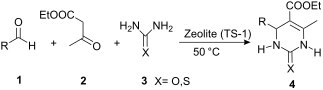
- monastrol, a potent inhibitor of kinesin Eg5. Keywords: Biginelli reaction; DHPMs; neat; MCR; zeolite; Introduction The Biginelli reaction is a well-known multicomponent reaction involving a one-pot cyclocondensation of an aldehyde, β-ketoester and urea/thiourea [1][2][3]. Multicomponent reactions (MCRs
- ethyl acetoacetate, an aromatic aldehyde and urea under strongly acidic conditions furnished the corresponding DHPMs [1]. Unfortunately this method led to low to moderate yields of the desired DHPMs, particularly when substituted aromatic or aliphatic aldehydes and thiourea were employed [14][15][16][17
- aliphatic aldehydes and thiourea were used low yields of DHPMs were realized. Results and Discussion We herein report a one-pot synthesis of DHPMs using a catalytic amount of zeolite under solvent-free conditions. In our quest to bring about the Biginelli reaction, we attempted the reaction using zeolite


Synthesis of 2-substituted 9-oxa-guanines {5-aminooxazolo[5,4-d]pyrimidin- 7(6H)-ones} and 9-oxa-2-thio- xanthines {5-mercaptooxazolo[5,4-d]pyrimidin- 7(6H)-ones}
Beilstein J. Org. Chem. 2008, 4, No. 26, doi:10.3762/bjoc.4.26

- below) with ammonia in methanol fails to afford 2a. The thiourea 6b and its analog 6a, which was prepared from aminooxazole 3a in 51% yield, were also subjected to cyclization in the presence of ethanolic KOH to afford the 5-mercaptooxazolo[5,4-d]pyrimidin-7(6H)-ones 7a,b (Figure 4). Further elaboration





