


Search results
Search for "visible light" in Full Text gives 276 result(s) in Beilstein Journal of Organic Chemistry. Showing first 200.
Learning from B12 enzymes: biomimetic and bioinspired catalysts for eco-friendly organic synthesis
Beilstein J. Org. Chem. 2018, 14, 2553–2567, doi:10.3762/bjoc.14.232
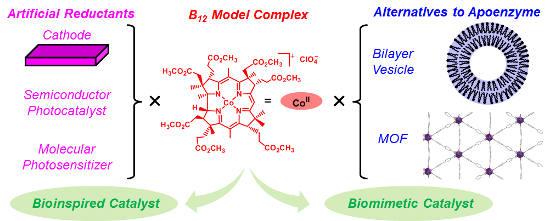
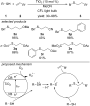
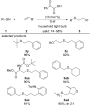
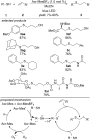
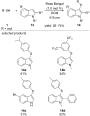
- water) could reduce 1 to form Co(I) species upon irradiation with ultraviolet (UV) light. We also reported a visible-light-driven system with a molecular photosensitizer such as Ru(bpy)32+ [39][40][102][103], cyclometalated iridium(III) complexes [104], and organic red dyes [105][106][107]. 4-2
- liquid layer could be recycled for further reactions. More interestingly, the catalytic ability of 1 increased nearly four times the reaction using DMF as solvent. This was consistent with the Hughes–Ingold prediction of solvent polarity effects on reaction rates [111]. We also developed a visible-light
- iridium(III) complexes such as Irdfppy [112] are superior to [Ru(bpy)3]Cl2 in terms of their photosensitization abilities in visible-light-driven B12 catalytic systems (Scheme 9) [104]. This was probably due to the gradual decomposition of [Ru(bpy)3]Cl2 under visible light irradiation. This is consistent


Synthesis of aryl sulfides via radical–radical cross coupling of electron-rich arenes using visible light photoredox catalysis
Beilstein J. Org. Chem. 2018, 14, 2520–2528, doi:10.3762/bjoc.14.228
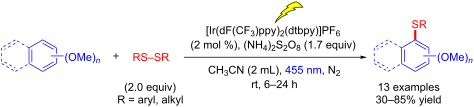
- . Keywords: arenes; oxidation; photocatalysis; thiolation; visible light; Introduction The generation of carbon–sulfur bonds is an important task in organic synthesis, because of their abundance in target structures, such as natural products and drugs [1][2][3]. They are found in organic semiconductors
- prefunctionalized sulfenylating reagents. Recently Lei and co-workers reported a DDQ-mediated selective radical–radical cross coupling between electron-rich arenes and thiols [40]. Miyake et al. reported the visible light-promoted cross-coupling reaction between aryl halides and arylthiols via an intermolecular
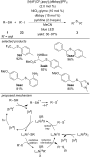
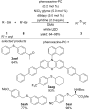
- -Trimethoxybenzene and diphenyl disulfide were employed as the model substrates to test our proposal and to optimize the reaction conditions. Our developed photocatalytic method allows the activation of electron-rich alkoxyarenes for the direct C–H sulfenylation reaction using visible light and [Ir(dF(CF3)ppy)2


Cobalt- and rhodium-catalyzed carboxylation using carbon dioxide as the C1 source
Beilstein J. Org. Chem. 2018, 14, 2435–2460, doi:10.3762/bjoc.14.221
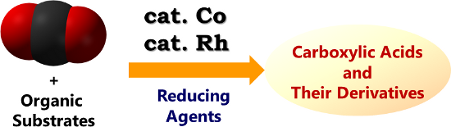
- carboxylation of allylarenes when a suitable ligand is used. In the presence of zinc powder, the Co-catalyzed carboxyzincation of alkynes and the four-component coupling reaction between alkyne, acrylates, CO2, and zinc proceed in an efficient manner. Visible-light-driven hydrocarboxylation reactions are shown
- . We also summarize carboxylation reactions catalyzed by rhodium that is a homologous element of cobalt. Carboxylations of arylboronic esters are described. Rh complexes are also effective catalysts in C(sp2)–H carboxylation reactions. Employing Et2Zn or visible light, the Rh-catalyzed
- metal occurs, and the alkenylzinc intermediate E is subsequently obtained, along with the regeneration of Co(I) species A (step d). After 1,4-migration of zinc in E, product 19 is obtained (step e). Visible-light-driven hydrocarboxylation of alkynes The Use of photoenergy to organic synthesis is of





Bioinspired cobalt cubanes with tunable redox potentials for photocatalytic water oxidation and CO2 reduction
Beilstein J. Org. Chem. 2018, 14, 2331–2339, doi:10.3762/bjoc.14.208
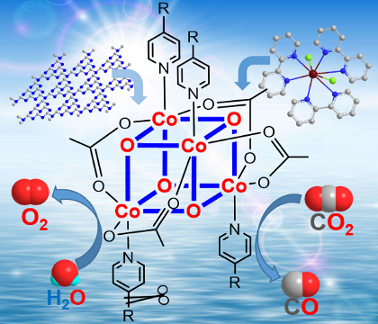
- . Besides the CO2 reduction performance of the molecular complexes was evaluated by cooperation with a ruthenium photosensitizer Ru(bpy)32+ (bpy = 2’,2-bipyridine) with visible light irradiation [61][62][63][64][65][66][67]. As shown in Figure 5b, the activity of the CO2 reaction is reduced with the
- oxidation and (b) CO2 reduction. (c) Long-time course of water oxidation for 1-CN under UV–vis light irradiation (λ > 300 nm) in two recycling tests. (d) CO2 reduction for 1-OMe under visible light irradiation (λ > 420 nm) in four recycling tests. aWithout 1-R. Long-time course of water oxidation for 1-CN


Synthesis and supramolecular self-assembly of glutamic acid-based squaramides
Beilstein J. Org. Chem. 2018, 14, 2065–2073, doi:10.3762/bjoc.14.180
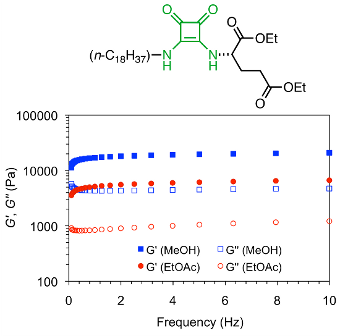
- ± 1 to 180 ± 20 g/L (Table 1). CGC was defined as the minimum concentration of gelator where gelation was observed. Most gels were formed within 30 min and all of them showed a white opaque appearance, suggesting the formation of supramolecular aggregates larger than the range of visible light (380


Applications of organocatalysed visible-light photoredox reactions for medicinal chemistry
Beilstein J. Org. Chem. 2018, 14, 2035–2064, doi:10.3762/bjoc.14.179
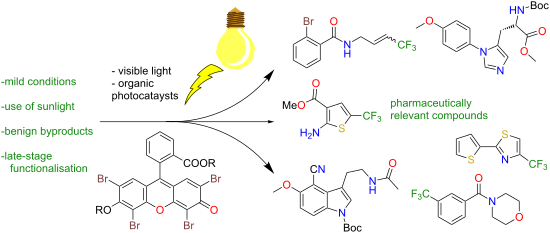
- molecules have some UV absorbance, but little or no absorbance in the visible part of the spectrum, hence excitation of other reactants is unlikely. Visible light photons are high enough in energy to produce excited states of sufficient reactivity to undergo PET. Once a molecule is electronically excited
- efficiency of the PET process. The decay of T1 is negligible as the processes which bring this about (phosphorescence mainly) are symmetry forbidden and hence very slow. Therefore, if a molecule can reach the T1 state through excitation with visible light then it is one which can be considered as a
- discussed. This review aims to function as a kind of synthetic medicinal chemists’ guide to organocatalysed visible light photoredox chemistry. For this reason, the review is structured such that reactions that fall under a broad category are grouped together. The main text is separated into three sections




A self-assembled photoresponsive gel consisting of chiral nanofibers
Beilstein J. Org. Chem. 2018, 14, 1994–2001, doi:10.3762/bjoc.14.174
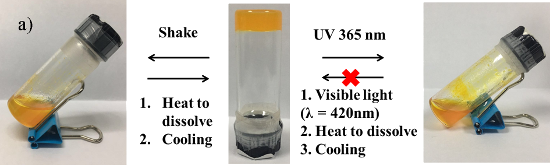
- displayed a strong absorbance peak at 352 nm. When exposed to ultraviolet light of 365 nm, the peak at 352 nm obviously decreased and reached a photostationary state within 5 minutes. The equilibrium could be reversed by subsequent exposure to visible light (420 nm) and UV light (365 nm) irradiation
- the solution. This CD signal disappeared after irradiation with light at 365 nm, implying that the chiral structure in the solution had been destroyed. The obvious chiral signal reappeared when the same solution was exposed to visible light of 420 nm before reaching a stable state. However, this
- form nanotwists of wider diameter. Finally, the gel system was irradiated with ultraviolet light or visible light to test its stimuli response. Under 365 nm light exposure, the gel melted into a turbid liquid within 20 min. However, the system could not easily be reversed due to the poor reversibility


Graphitic carbon nitride prepared from urea as a photocatalyst for visible-light carbon dioxide reduction with the aid of a mononuclear ruthenium(II) complex
Beilstein J. Org. Chem. 2018, 14, 1806–1812, doi:10.3762/bjoc.14.153
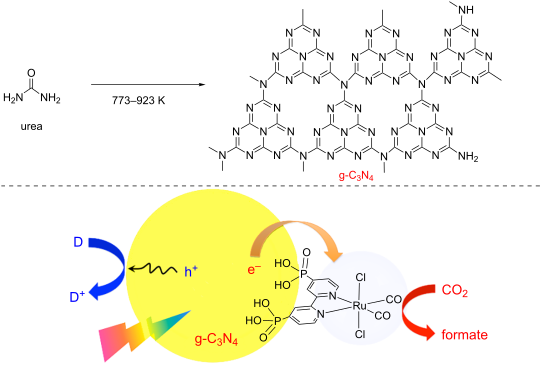
- nanoparticles, were capable of reducing CO2 into formate under visible light (λ > 400 nm) in the presence of triethanolamine as an electron donor, with the aid of a molecular Ru(II) cocatalyst (RuP). The CO2 reduction activity was improved by increasing the synthesis temperature of g-C3N4, with the maximum
- capable of photocatalyzing CO2 reduction into formate with high selectivity under visible light irradiation, as confirmed by isotope tracer experiments with 13CO2 [8][9][10][11][12]. After the first report of a metal complex/C3N4 hybrid for CO2 reduction, several groups have presented similar reports
- temperature. In this work, we investigated photocatalytic activities of g-C3N4, which was synthesized by heating urea at different temperatures, for visible-light CO2 reduction with the aid of a mononuclear Ru(II) complex, RuP (see Scheme 1). As mentioned earlier, g-C3N4 has been studied as a visible-light


Visible light-mediated difluoroalkylation of electron-deficient alkenes
Beilstein J. Org. Chem. 2018, 14, 1637–1641, doi:10.3762/bjoc.14.139

- with blue light is described. The reaction involves radical addition of 1,1-difluorinated radicals at the double bond followed by hydrogen atom transfer from sodium cyanoborohydride. Keywords: difluoroalkylation; organofluorine compounds; radical addition; visible light; Introduction Applications of
- addition step cannot be oxidized by photocatalysts. Herein we report a convenient method for performing hydroperfluoroalkylation of electron-deficient alkenes employing iodides 1 mediated by visible light. The reaction proceeds without the use of a photosensitizer or a photocatalyst. Generation of
- hydrogen and as a trigger for the generation of free radicals mediated by visible light. Difluoroalkylation of alkenes. Isolated yields are shown. a2 equiv of the alkene were used. Fluoroalkylation of alkenes. Proposed mechanism. Optimization studies. Supporting Information Supporting Information File 220


Glycosylation reactions mediated by hypervalent iodine: application to the synthesis of nucleosides and carbohydrates
Beilstein J. Org. Chem. 2018, 14, 1595–1618, doi:10.3762/bjoc.14.137
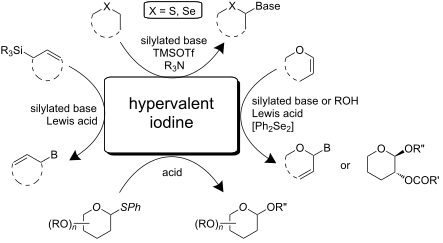
- out by treatment with diacetoxyiodobenzene and iodine under irradiation with visible light to give acetoxy acetals 130 and 131 in good yields with high stereoselectivities. As shown in Scheme 17, the reaction was expected to proceed via the formation of anomeric alkoxyl radicals, which underwent


London dispersion as important factor for the stabilization of (Z)-azobenzenes in the presence of hydrogen bonding
Beilstein J. Org. Chem. 2018, 14, 1238–1243, doi:10.3762/bjoc.14.106
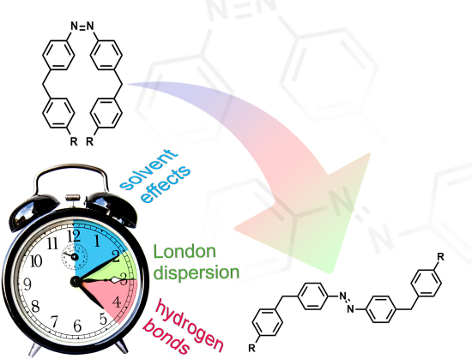
- [12] and show reversible isomerization from the thermally stable E- to the Z-isomer upon irradiation with UV light. The metastable Z-azobenzene re-isomerizes to the E-conformer either thermally or upon irradiation with visible light [13][14]. Interestingly, the thermal stability of azobenzene isomers


Selective carboxylation of reactive benzylic C–H bonds by a hypervalent iodine(III)/inorganic bromide oxidation system
Beilstein J. Org. Chem. 2018, 14, 1087–1094, doi:10.3762/bjoc.14.94
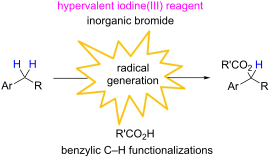
- initiated by the decomposition of PIFA to form the trifluoroacetoxy radical under visible light irradiation [50]. Our approach for the generation of radical species for the benzylic carboxylation using a hypervalent iodine reagent relies on the unique reactivity of the hypervalent iodine(III)–bromine bond


Hypervalent iodine(III)-mediated decarboxylative acetoxylation at tertiary and benzylic carbon centers
Beilstein J. Org. Chem. 2018, 14, 1046–1050, doi:10.3762/bjoc.14.92
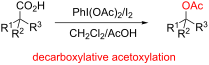
- (AcOI), which participates in the generation of RCO2I by reacting with a carboxylic acid 1. Meanwhile, RCO2I is directly generated along with AcOI when 4 reacts with I2. Subsequently, decarboxylative iodination of RCO2I under irradiation with visible light affords an alkyl iodide intermediate, which is


Hypervalent iodine-mediated Ritter-type amidation of terminal alkenes: The synthesis of isoxazoline and pyrazoline cores
Beilstein J. Org. Chem. 2018, 14, 1028–1033, doi:10.3762/bjoc.14.89
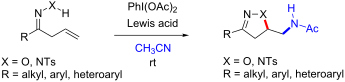
- , diverse halonium sources have been utilized for the synthesis of isoxazolines via halocyclization. Furthermore, transition metal-, visible light, and hypervalent iodine-mediated oxidative cyclization protocols provide isoxazoline backbones bearing diverse substituents such as –SR, -CF3, -OH and halogens


Functionalization of N-arylglycine esters: electrocatalytic access to C–C bonds mediated by n-Bu4NI
Beilstein J. Org. Chem. 2018, 14, 499–505, doi:10.3762/bjoc.14.35

- ., wherein simple copper salts were used as catalysts and oxygen as the co-oxidant (Scheme 1) [17]. Alternatively, photocatalytic versions of CDC reactions of glycine derivatives with C-nucleophiles were also developed [18][19]. For example, combining the visible light catalyst Ru(bpy)3Cl2, and the


Diels–Alder cycloadditions of N-arylpyrroles via aryne intermediates using diaryliodonium salts
Beilstein J. Org. Chem. 2018, 14, 354–363, doi:10.3762/bjoc.14.23
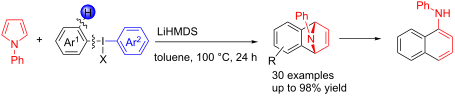
- coupling products were obtained in moderate to good yields (Scheme 1a) [6]. Later in 2013, Xue and Xiao et al. developed a method of photoredox catalysis in the presence of [Ru(bpy)3]2+ with visible light for the coupling reaction of arenes with unprotected or N-substituted pyrroles, pyrrole substrates


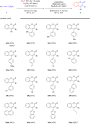
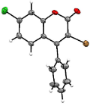
One-pot preparation of 4-aryl-3-bromocoumarins from 4-aryl-2-propynoic acids with diaryliodonium salts, TBAB, and Na2S2O8
Beilstein J. Org. Chem. 2018, 14, 345–353, doi:10.3762/bjoc.14.22
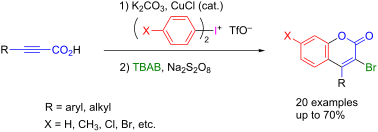
- TBAB/K2S2O8 at 90 °C [31], the cyanomethyl-radical-mediated reaction of aryl 2-alkynoates with tert-butyl peroxybenzoate (TBPB)/acetonitrile at 130 °C [32], the sunlight-promoted reaction of aryl 2-alkynoates with N-iodosuccinimide (NIS) at rt [33], and the visible-light-mediated reaction of aryl 2




Progress in copper-catalyzed trifluoromethylation
Beilstein J. Org. Chem. 2018, 14, 155–181, doi:10.3762/bjoc.14.11
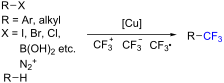
- relatively inexpensive CF3I. Besides, the easy conversion of CF3I to CF3 radical at room temperature with visible light developed by MacMillan facilitated these method [38][39]. On the basis of the former work, the group of Sanford [40] designed the cross-coupling of arylboronic acids with CF3I via the
- merger of photoredox and Cu catalysis (Scheme 21). In this protocol, the CF3 radical was generated by visible light photoredox, then Cu aryl species were generated through Cu catalysis. Aromatic boronic acids bearing either electron-donating or electron-withdrawing substituents underwent









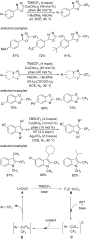

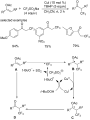


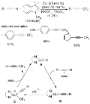

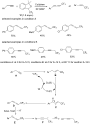
Photocatalytic formation of carbon–sulfur bonds
Beilstein J. Org. Chem. 2018, 14, 54–83, doi:10.3762/bjoc.14.4
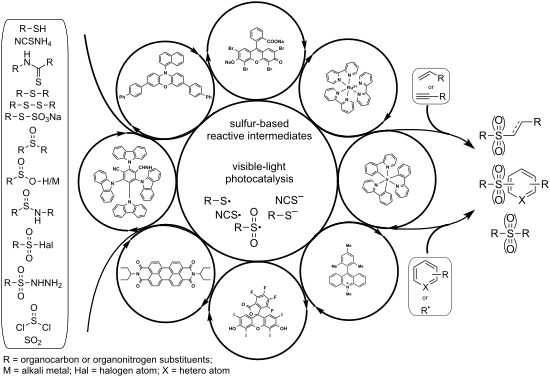
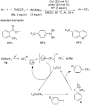
- . General concepts, synthetic strategies and the substrate scope of reactions yielding thiols, disulfides, sulfoxides, sulfones and other organosulfur compounds are discussed together with the proposed mechanistic pathways. Keywords: disulfides; photocatalysis; sulfones; sulfoxides; thiols; visible light
- ; Introduction Visible-light photoredox catalysis has developed into an important tool for organic synthesis in the last two decades. Energy-efficient and cheap visible-light-emitting diodes are perfect light sources allowing chemists now to conduct photocatalyzed reactions without special or expensive equipment
- . Photoredox-active metal complexes or organic dyes are used to initiate photo-induced single-electron transfer (SET) processes upon excitation with visible-light. Such photooxidations or photoreductions yield reactive organic radicals, which can undergo unique bond forming reactions, under very mild










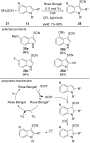
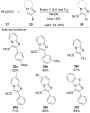

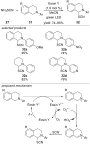


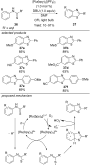
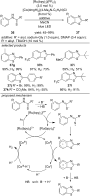


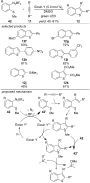

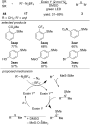


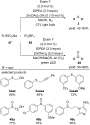







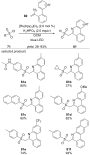


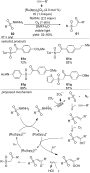

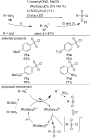
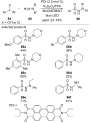

CF3SO2X (X = Na, Cl) as reagents for trifluoromethylation, trifluoromethylsulfenyl-, -sulfinyl- and -sulfonylation and chlorination. Part 2: Use of CF3SO2Cl
Beilstein J. Org. Chem. 2017, 13, 2800–2818, doi:10.3762/bjoc.13.273
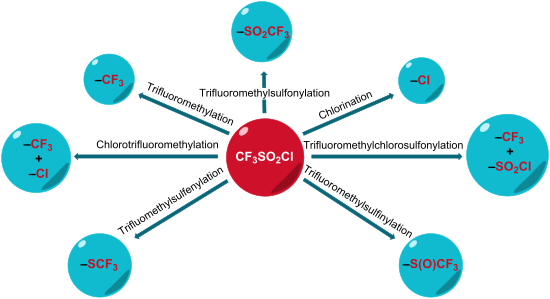
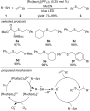
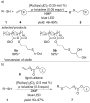
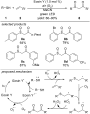
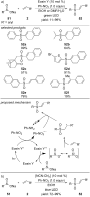
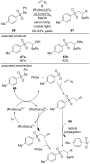
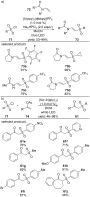
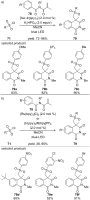
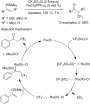
- the presence of Eosin Y under visible light irradiation (Scheme 2) [9]. Acetophenone derivatives with various substitution patterns as well as aliphatic or heteroaromatic ketones were equally well tolerated. This methodology offered the advantage of minimising the chlorination side reaction
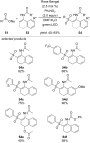
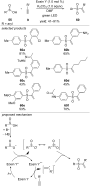
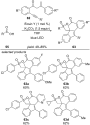
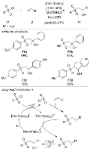
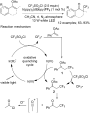
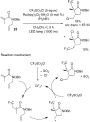
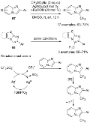
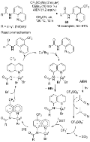
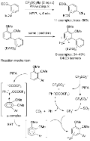
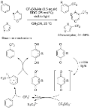
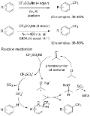
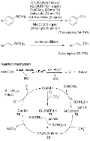
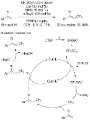
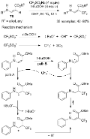
- interestingly, when the reaction was performed using an aryl or alkylsulfonyl chloride, instead of trifluoromethanesulfonyl chloride, no extrusion of the SO2 moiety was observed, and the sulfonated products were recovered. The reaction mechanism involved excitation of the iridium catalyst under visible light to
- visible light irradiation, a first SET reduction of CF3SO2Cl occurred, ultimately leading to the formation of the stabilised trifluoromethyl radical after releasing SO2 and chloride anion. This electron deficient radical was then added on the most electron-rich position of the arene substrate to yield






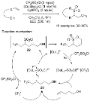


CF3SO2X (X = Na, Cl) as reagents for trifluoromethylation, trifluoromethylsulfenyl-, -sulfinyl- and -sulfonylation. Part 1: Use of CF3SO2Na
Beilstein J. Org. Chem. 2017, 13, 2764–2799, doi:10.3762/bjoc.13.272
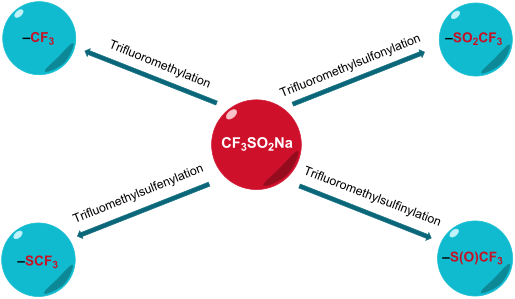
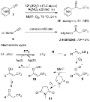
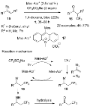
- the presence of the organic photocatalyst N-methyl-9-mesitylacridinium (17), CF3SO2Na was converted into CF3• upon visible-light irradiation. The CF3• radical reacted with the vinyl azide to give the iminyl radical 18 that was reduced by Mes-Acr• (Mes-Acr: 9-mesityl-10-methylacridinium) into the
- electron oxidation of CF3SO2Na was performed by visible-light activated N-methyl-9-mesitylacridinium as a photoredox catalyst. Two hydrogen atom donors, 20 mol % of methyl thiosalicylate 38 for aliphatic alkenes (or 1 equiv of thiophenol 39 for styrenyl alkenes) and 2,2,2-trifluoroethanol (TFE), worked in
- authors also realised the same chemical transformation under visible light irradiation at 450 nm by means of the iridium photocatalyst Ir[dF(CF3)ppy]2(dtbbpy)PF6 ([4,4’-bis(tert-butyl)-2,2’-bipyridine]bis[3,5-difluoro-2-[5-(trifluoromethyl)-2-pyridinyl]phenyl]iridium(III) hexafluorophosphate), which

















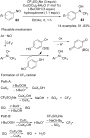


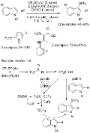

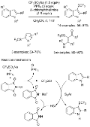


Mechanochemical synthesis of small organic molecules
Beilstein J. Org. Chem. 2017, 13, 1907–1931, doi:10.3762/bjoc.13.186
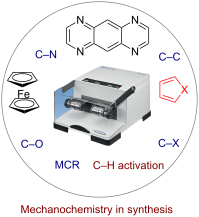
- /energy, etc. Non-conventional energy sources for chemical reactions such as microwave, mechanical mixing, visible-light and ultrasound are becoming surge of interest to the chemist as alternative energy sources in laboratories [7]. By imposing these techniques innumerable chemical transformations have


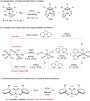


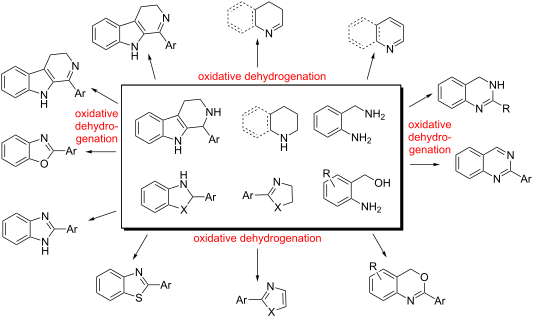
Oxidative dehydrogenation of C–C and C–N bonds: A convenient approach to access diverse (dihydro)heteroaromatic compounds
Beilstein J. Org. Chem. 2017, 13, 1670–1692, doi:10.3762/bjoc.13.162
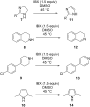
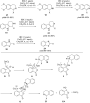
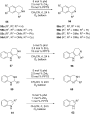
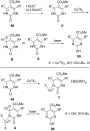
- the presence of visible light and catalytic MgI2 was described [89]. The reaction takes about 8–72 hours to complete depending on the substituents present in starting amines and aldehydes (Scheme 28). Initial condensation of 2-aminobenzylamine with an aldehyde generates 2-aryl-1,2,3,4










Synthesis and metal binding properties of N-alkylcarboxyspiropyrans
Beilstein J. Org. Chem. 2017, 13, 1542–1550, doi:10.3762/bjoc.13.154
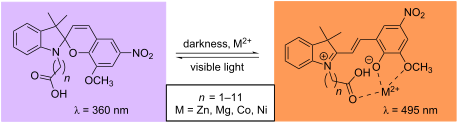
- binding occurs as a result of stabilisation of the zwitterionic merocyanine isomer via phenoxide–metal complexation [17] (Figure 1). Commonly, merocyanines undergo photoreversion to their corresponding spiropyran under visible light irradiation and metal complexation is usually achieved either in darkness




Mechanochemical borylation of aryldiazonium salts; merging light and ball milling
Beilstein J. Org. Chem. 2017, 13, 1463–1469, doi:10.3762/bjoc.13.144
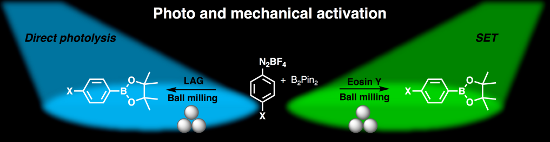
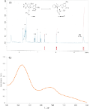
- the original study, irradiation for 18 h of a MeCN solution of aryldiazonium salts, bis(pinacolato)diboron (B2pin2, 2) and eosin Y with a 25 W visible light lamp led to the corresponding arylboronates in moderate to good yields [18]. Results and Discussion To commence, a PMMA milling jar was designed





