


Search results
Search for "racemisation" in Full Text gives 24 result(s) in Beilstein Journal of Organic Chemistry.
Photoswitches beyond azobenzene: a beginner’s guide
- Michela Marcon,
- Christoph Haag and
- Burkhard König
Beilstein J. Org. Chem. 2025, 21, 1808–1853, doi:10.3762/bjoc.21.143
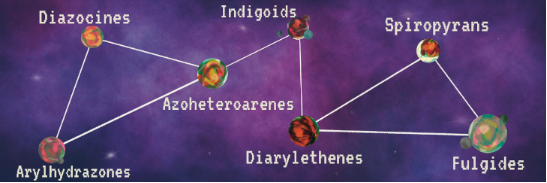

Graphical Abstract

Figure 1: Energy diagram of a two-state photoswitch. Figure 1 was redrawn from [2].

Figure 2: Example of the absorption spectra of the isomers of a photoswitch with most efficient irradiation w...
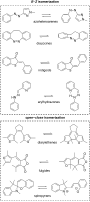
Scheme 1: Photoswitch classes described in this review.

Figure 3: Azoheteroarenes.

Scheme 2: E–Z Isomerisation (top) and mechanisms of thermal Z–E isomerisation (bottom).

Scheme 3: Rotation mechanism favoured by the electron displacement in push–pull systems. Selected examples of...

Figure 4: A) T-shaped and twisted Z-isomers determine the thermal stability and the Z–E-PSS (selected example...

Figure 5: Effect of di-ortho-substitution on thermal half-life and PSS.

Figure 6: Selected thermal lifetimes of azoindoles in different solvents and concentrations. aConcentration o...

Figure 7: Aryliminopyrazoles: N-pyrazoles (top) and N-phenyl (bottom).

Scheme 4: Synthesis of symmetrical heteroarenes through oxidation (A), reduction (B), and the Bayer–Mills rea...

Scheme 5: Synthesis of diazonium salt (A); different strategies of azo-coupling: with a nucleophilic ring (B)...

Scheme 6: Synthesis of arylazothiazoles 25 (A) and heteroaryltriazoles 28 (B).

Scheme 7: Synthesis of heteroarylimines 31a,b [36-38].

Figure 8: Push–pull non-ionic azo dye developed by Velasco and co-workers [45].

Scheme 8: Azopyridine reported by Herges and co-workers [46].

Scheme 9: Photoinduced phase transitioning azobispyrazoles [47].

Figure 9: Diazocines.

Scheme 10: Isomers, conformers and enantiomers of diazocine.

Scheme 11: Partial overlap of the ππ* band with electron-donating substituents and effect on the PSS. Scheme 11 was ada...

Figure 10: Main properties of diazocines with different bridges. aMeasured in n-hexane [56]. bMeasured in THF. cMe...

Scheme 12: Synthesis of symmetric diazocines.

Scheme 13: Synthesis of asymmetric diazocines.

Scheme 14: Synthesis of O- and S-heterodiazocines.

Scheme 15: Synthesis of N-heterodiazocines.

Scheme 16: Puromycin diazocine photoswitch [60].

Figure 11: Indigoids.

Figure 12: The main representatives of the indigoid photoswitch class.

Scheme 17: Deactivation process that prevents Z-isomerisation of indigo.

Figure 13: Stable Z-indigo derivative synthesised by Wyman and Zenhäusern [67].

Figure 14: Selected examples of indigos with aliphatic and aromatic substituents [68]. Dashed box: proposed π–π in...

Scheme 18: Resonance structures of indigo and thioindigo involving the phenyl ring.

Scheme 19: Possible deactivation mechanism for 4,4'-dihydroxythioindigo [76].

Scheme 20: Effect of different heteroaryl rings on the stability and the photophysical properties of hemiindig...

Figure 15: Thermal half-lives of red-shifted hemithioindigos in toluene [79]. aMeasured in toluene-d8.

Scheme 21: Structures of pyrrole [81] and imidazole hemithioindigo [64].

Figure 16: Examples of fully substituted double bond hemithioindigo (left), oxidised hemithioindigos (centre),...

Scheme 22: Structure of iminothioindoxyl 72 (top) and acylated phenyliminoindolinone photoswitch 73 (bottom). ...

Scheme 23: (top) Transition states of iminothioindoxyl 72. The planar transition state is associated with a lo...

Scheme 24: Baeyer–Drewsen synthesis of indigo (top) and N-functionalisation strategies (bottom).

Scheme 25: Synthesis of hemiindigo.

Scheme 26: Synthesis of hemithioindigo and iminothioindoxyl.

Scheme 27: Synthesis of double-bond-substituted hemithioindigos.

Scheme 28: Synthesis of phenyliminoindolinone.

Scheme 29: Hemithioindigo molecular motor [85].

Figure 17: Arylhydrazones.

Scheme 30: Switching of arylhydrazones. Note: The definitions of stator and rotor are arbitrary.

Scheme 31: Photo- and acidochromism of pyridine-based phenylhydrazones.

Scheme 32: A) E–Z thermal inversion of a thermally stable push–pull hydrazone [109]. B) Rotation mechanism favoured...

Scheme 33: Effect of planarisation on the half-life.

Scheme 34: The longest thermally stable hydrazone switches reported so far (left). Modulation of thermal half-...

Figure 18: Dependency of t1/2 on concentration and hypothesised aggregation-induced isomerisation.

Figure 19: Structure–property relationship of acylhydrazones.

Scheme 35: Synthesis of arylhydrazones.

Scheme 36: Synthesis of acylhydrazones.

Scheme 37: Photoswitchable fluorophore by Aprahamian et al. [115].

Scheme 38: The four-state photoswitch synthesised by the Cigáň group [116].

Figure 20: Diarylethenes.

Scheme 39: Isomerisation and oxidation pathway of E-stilbene to phenanthrene.

Scheme 40: Strategies adapted to avoid E–Z isomerisation and oxidation.
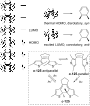
Scheme 41: Molecular orbitals and mechanism of electrocyclisation for a 6π system.

Figure 21: Aromatic stabilisation energy correlated with the thermal stability of the diarylethenes [127,129].

Figure 22: Half-lives of diarylethenes with increasing electron-withdrawing groups [128,129].

Scheme 42: Photochemical degradation pathway promoted by electron-donating groups [130].

Figure 23: The diarylethenes studied by Hanazawa et al. [134]. Increased rigidity leads to bathochromic shift.

Scheme 43: The dithienylethene synthesised by Nakatani's group [135].

Scheme 44: Synthesis of perfluoroalkylated diarylethenes.

Scheme 45: Synthesis of 139 and 142 via McMurry coupling.

Scheme 46: Synthesis of symmetrical derivatives 145 via Suzuki–Miyaura coupling.

Scheme 47: Synthesis of acyclic 148, malonic anhydride 149, and maleimide derivatives 154.

Figure 24: Gramicidin S (top left) and two of the modified diarylethene derivatives: first generation (bottom ...

Scheme 48: Pyridoxal 5'-phosphate and its reaction with an amino acid (top). The analogous dithienylethene der...

Figure 25: Fulgides.

Scheme 49: The three isomers of fulgides.

Scheme 50: Thermal and photochemical side products of unsubstituted fulgide [150].

Figure 26: Maximum absorption λc of the closed isomer compared with the nature of the aromatic ring and the su...

Scheme 51: Possible rearrangement of the excited state of 5-dimethylaminoindolylfulgide [153].

Figure 27: Quantum yields of ring closure (ΦE→C) and E–Z isomerisation (ΦE→Z) correlated with the increasing s...

Scheme 52: Active (Eα) and inactive (Eβ) conformers (left) and the bicyclic sterically blocked fulgide 169 (ri...

Scheme 53: Quantum yield of ring-opening (ΦC→E) and E–Z isomerisation (ΦE→Z) for different substitution patter...

Scheme 54: Stobbe condensation pathway for the synthesis of fulgides 179, fulgimides 181 and fulgenates 178.

Scheme 55: Alternative synthesis of fulgides through Pd-catalysed carbonylation.

Scheme 56: Optimised synthesis of fulgimides [166].

Scheme 57: Photoswitchable FRET with a fulgimide photoswitch [167].

Scheme 58: Three-state fulgimide strategy by Slanina's group.

Figure 28: Spiropyrans.

Scheme 59: Photochemical (left) and thermal (right) ring-opening mechanisms for an exemplary spiropyran with a...

Figure 29: Eight possible isomers of the open merocyanine according to the E/Z configurations of the bonds hig...

Scheme 60: pH-Controlled photoisomerisation between the closed spiropyran 191-SP and the open E-merocyanine 19...

Scheme 61: Behaviour of spiropyran in water buffer according to Andréasson and co-workers [180]. 192-SP in an aqueo...

Scheme 62: (left box) Proposed mechanism of basic hydrolysis of MC [184]. (right box) Introduction of electron-dona...

Scheme 63: Photochemical interconversion of naphthopyran 194 (top) and spirooxazine 195 (bottom) photoswitches...

Scheme 64: Synthesis of spiropyrans and spirooxazines 198 and the dicondensation by-product 199.

Scheme 65: Alternative synthesis of spiropyrans and spirooxazines with indolenylium salt 200.

Scheme 66: Synthesis of 4’-substituted spiropyrans 203 by condensation of an acylated methylene indoline 201 w...

Scheme 67: Synthesis of spironaphthopyrans 210 by acid-catalysed condensation of naphthols and diarylpropargyl...

Scheme 68: Photoswitchable surface wettability [194].

Figure 30: Some guiding principles for the choice of the most suitable photoswitch. Note that this guide is ve...
Oxetanes: formation, reactivity and total syntheses of natural products
- Peter Gabko,
- Martin Kalník and
- Maroš Bella
Beilstein J. Org. Chem. 2025, 21, 1324–1373, doi:10.3762/bjoc.21.101
- become quite attractive structural motifs in drug design [13][14]. A few examples are shown in Figure 3: oxetano-thalidomide 1 was designed as an analogue of the infamous thalidomide to block racemisation and hence prevent the severe side-effects caused by the opposite enantiomer [15]. Compound 2 is a

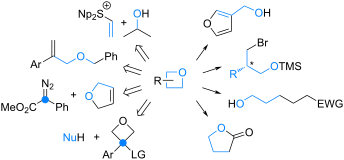
Graphical Abstract

Figure 1: Bond lengths and bond angles in oxetane at 140 K [2].

Figure 2: Analogy of 3-substituted oxetanes to carbonyl and gem-dimethyl groups [12].

Figure 3: Use of oxetanes in drug design – selected examples.

Figure 4: Examples of oxetane-containing natural products.

Scheme 1: Synthetic strategies towards construction of the oxetane ring.

Scheme 2: Overview of intramolecular Williamson etherification and competing Grob fragmentation.

Scheme 3: Synthesis of spiro-oxetanes via 1,4-C–H insertion and Williamson etherification.

Scheme 4: Use of phenyl vinyl selenone in the synthesis of spirooxindole oxetanes.

Scheme 5: Synthesis of bicyclic 3,5-anhydrofuranoses via double epoxide opening/etherification.

Scheme 6: Preparation of spirooxetanes by cycloisomerisation via MHAT/RPC.

Scheme 7: Oxetane synthesis via alcohol C–H functionalisation.

Scheme 8: Access to oxetanes 38 from α-acetyloxy iodides.

Scheme 9: The kilogram-scale synthesis of oxetane intermediate 41.

Scheme 10: Overview of the intramolecular opening of 3-membered rings.

Scheme 11: Synthesis of 4,7-dioxatricyclo[3.2.1.03,6]octane skeletons.

Scheme 12: Silicon-directed electrophilic cyclisation of homoallylic alcohols.

Scheme 13: Hydrosilylation–iodocyclisation of homopropargylic alcohols.

Scheme 14: Cu-catalysed intramolecular O-vinylation of γ-bromohomoallylic alcohols.

Scheme 15: Cu-catalysed intramolecular cross-coupling of hydroxyvinylstannanes.

Scheme 16: Isomerisation of oxiranyl ethers containing weakly carbanion-stabilising groups.

Scheme 17: Cyclisation of diethyl haloalkoxymalonates.

Scheme 18: Synthesis of oxetanes through a 1,5-HAT/radical recombination sequence.

Scheme 19: General approach to oxetanes via [2 + 2] cycloadditions.

Scheme 20: Synthesis of tricyclic 4:4:4 oxetanes through a photochemical triple cascade reaction.

Scheme 21: Iridium-catalysed Paternò–Büchi reaction between α-ketoesters and simple alkenes.

Scheme 22: Three-step synthesis of spirocyclic oxetanes 83 via Paternò–Büchi reaction, nucleophilic ring openi...

Scheme 23: Enantioselective Paternò–Büchi reaction catalysed by a chiral iridium photocatalyst.

Scheme 24: Synthesis of polysubstituted oxetanes 92 via Cu(II)-mediated formal [2 + 2] cycloadditions.
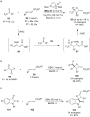
Scheme 25: Synthesis of alkylideneoxetanes via NHC- and DBU-mediated formal [2 + 2] cycloadditions.

Scheme 26: Use of sulphur-stabilised carbanions in ring expansions.

Scheme 27: Synthesis of α,α-difluoro(arylthio)methyl oxetanes.

Scheme 28: Ring expansion in an industrial synthesis of PF-06878031.

Scheme 29: Ring contraction of triflated 2-hydroxy-γ-lactones.

Scheme 30: Ring contraction in an industrial synthesis of PF-06878031.

Scheme 31: Photochemical ring contraction of 2,5-dihydrofurans by aryldiazoacetic acid esters.

Scheme 32: Synthesis of 3-oxetanones via O-H insertion of carbenes.

Scheme 33: Synthesis of phosphonate oxetanones via gold-mediated alkyne oxidation/O–H insertion.

Scheme 34: Syntheses and common derivatisations of 3-oxetanone.

Scheme 35: SN1 substitution of 3-aryloxetan-3-ols by thiols and alcohols.

Scheme 36: Fe–Ni dual-catalytic olefin hydroarylation towards 3-alkyl-3-(hetero)aryloxetanes.

Scheme 37: Synthesis of 3-aryloxetan-3-carboxylic acids.

Scheme 38: Decarboxylative alkylation of 3-aryloxetan-3-carboxylic acids.

Scheme 39: Synthesis of 3-amino-3-aryloxetanes via photoredox/nickel cross-coupling catalysis.
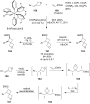
Scheme 40: Intermolecular cross-selective [2 + 2] photocycloaddition towards spirooxetanes.

Scheme 41: Synthesis of 3-aryl-3-aminooxetanes via defluorosulphonylative coupling.

Scheme 42: Two-step synthesis of amide bioisosteres via benzotriazolyl Mannich adducts 170.

Scheme 43: Functionalisation of oxetanyl trichloroacetimidates 172.

Scheme 44: Synthesis of oxetane-amino esters 176.

Scheme 45: Tandem Friedel–Crafts alkylation/intramolecular ring opening of 3-aryloxetan-3-ols.

Scheme 46: Synthesis of polysubstituted furans and pyrroles.

Scheme 47: Synthesis of oxazolines and bisoxazolines.

Scheme 48: Tandem, one-pot syntheses of various polycyclic heterocycles.

Scheme 49: Synthesis of 1,2-dihydroquinolines via skeletal reorganisation of oxetanes.

Scheme 50: Synthesis of benzoindolines and 2,3-dihydrobenzofurans and their derivatisations.

Scheme 51: Synthesis of polysubstituted 1,4-dioxanes.

Scheme 52: Preparation of various lactones via ring opening of oxetane-carboxylic acids 219.

Scheme 53: Tsuji-Trost allylation/ring opening of 3-aminooxetanes.

Scheme 54: Arylative skeletal rearrangement of 3-vinyloxetan-3-ols to 2,5-dihydrofurans.

Scheme 55: Reductive opening of oxetanes using catalytic Mg–H species.

Scheme 56: Opening of oxetanes by silyl ketene acetals.

Scheme 57: Rhodium-catalysed hydroacylation of oxetanes.

Scheme 58: Generation of radicals from oxetanes mediated by a vitamin B12-derived cobalt catalyst.

Scheme 59: Reductive opening of oxetanes by B–Si frustrated Lewis pairs.
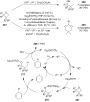
Scheme 60: Zirconocene-mediated reductive opening of oxetanes.

Scheme 61: Enantioselective syntheses of small and medium-size rings using chiral phosphoric acids.

Scheme 62: Asymmetric synthesis of 2,3-dihydrobenzo[b]oxepines catalysed by a chiral scandium complex.

Scheme 63: Enantioselective synthesis of 1,3-bromohydrins under a chiral squaramide catalysis.

Scheme 64: Enantioselective opening of 2-aryl-2-ethynyloxetanes by anilines.

Scheme 65: Ru-catalysed insertion of diazocarbonyls into oxetanes.

Scheme 66: Ring expansion of oxetanes by stabilised carbenes generated under blue light irradiation.

Scheme 67: Expansion of oxetanes via nickel-catalysed insertion of alkynyltrifluoroborates.

Scheme 68: Nickel-catalysed expansion of oxetanes into ε-caprolactones.

Scheme 69: Expansion of oxetanes via cobalt-catalysed carbonyl insertion.

Scheme 70: Gold-catalysed intramolecular 1,1-carboalkoxylation of oxetane-ynamides.

Scheme 71: Expansion of oxetanes by stabilised sulphoxonium ylides.

Scheme 72: Cu-catalysed ring expansion of 2-vinyloxetanes by diazoesters.

Scheme 73: Total synthesis of (+)-oxetin.

Scheme 74: Total synthesis of racemic oxetanocin A.

Scheme 75: Total synthesis of (−)-merrilactone A.
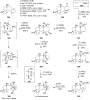
Scheme 76: Total synthesis of (+)-dictyoxetane.

Scheme 77: Total synthesis of ent-dichrocephone B.

Scheme 78: Total synthesis of (−)-mitrephorone A.
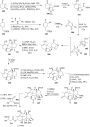
Scheme 79: Total synthesis of (−)-taxol.
Methyltransferases from RiPP pathways: shaping the landscape of natural product chemistry
- Maria-Paula Schröder,
- Isabel P.-M. Pfeiffer and
- Silja Mordhorst
Beilstein J. Org. Chem. 2024, 20, 1652–1670, doi:10.3762/bjoc.20.147
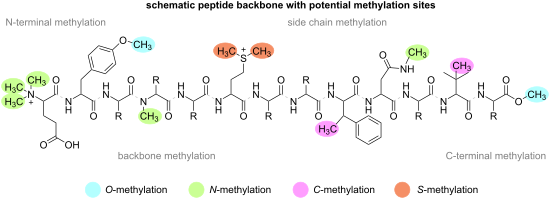
- . Furthermore, side reaction such as racemisation, fragmentation, deletions, and double or triple methylations can lead to lower yields and hinder the coupling of further amino acids after N-methylation [44]. Ribosomal synthesis in vitro. A cell-free translation system termed “protein synthesis using

Graphical Abstract

Figure 1: Schematic representation of the different acceptor regions for the methylation of RiPPs discussed i...

Figure 2: Schematic overview of different methylation strategies for amino acids and peptides. There are seve...

Figure 3: Biological methylation. A) Methyl donors from biological systems. The transferred methyl group is h...
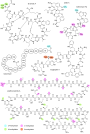
Figure 4: Chemical structures of RiPPs with diverse O-, N-, C-, and S-methylations. Amino acids of lassomycin...

Figure 5: The three-dimensional structures of the conventional O-MTs OlvSA (model structure calculated by Col...

Figure 6: Reaction scheme of the PAMT´s catalysis, leading to the enzymatic conversion of aspartate to aspart...

Figure 7: Structural organisation of the OphMA homodimer. A) Schematic representation. The MT domain is colou...

Figure 8: Overview of the protein architectures and core peptide compositions of borosin N-MTs as defined by ...
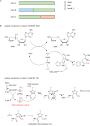
Figure 9: Radical SAM C-methyltransferases. A) The different rSAM MT classes containing different functional ...

Figure 10: The three-dimensional structures of the rSAM C-MTs TsrM with bound cobalamin and [4Fe-4S] cluster (...
Synthesis of 1,4-azaphosphinine nucleosides and evaluation as inhibitors of human cytidine deaminase and APOBEC3A
- Maksim V. Kvach,
- Stefan Harjes,
- Harikrishnan M. Kurup,
- Geoffrey B. Jameson,
- Elena Harjes and
- Vyacheslav V. Filichev
Beilstein J. Org. Chem. 2024, 20, 1088–1098, doi:10.3762/bjoc.20.96
- racemisation, and nucleoside 14 with the same α/β ratio of 3:2 formed from either anomerically pure 17 or from a mixture of the anomers. Catalytic hydrogenation is usually used for the removal of benzyl protecting groups. However, standard hydrogenation conditions using 10% Pd/C led to reduction of the C=C

Graphical Abstract

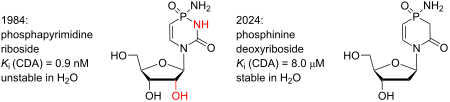
Figure 1: A) Deamination of cytosine, dC and C as individual nucleosides or as part of a polynucleotide chain...

Scheme 1: i) Boc2O, DMAP, THF, rt, overnight; ii) aq 5 M NaOH, rt, 3 h, 89% yield over two steps; iii) 3, azo...

Scheme 2: i) NaN3, n-Bu4NHSO4, NaHCO3/CHCl3 (1:1), rt, 20 min, 88% yield; ii) a) H2, Pd/C, CH2Cl2, rt, 3 h; b...

Scheme 3: i) H2, 5% Pd/CaCO3/3% Pb, Et3N, CH2Cl2, rt, 1.5 h, 34% and 21% yield for α- and β-anomer of 18, res...

Figure 2: V0 of A3A mimic-catalysed deamination of 5'-dTTTTCAT in the absence (no inhibitor) and presence of ...
Direct synthesis of acyl fluorides from carboxylic acids using benzothiazolium reagents
- Lilian M. Maas,
- Alex Haswell,
- Rory Hughes and
- Matthew N. Hopkinson
Beilstein J. Org. Chem. 2024, 20, 921–930, doi:10.3762/bjoc.20.82
- exhibiting comparable electrophilicity to activated esters; however, with considerably fewer steric restrictions [9][10]. Acylations with acyl fluorides also typically proceed with fewer side-reactions while derivatives bearing an α-stereocentre generally undergo little racemisation [11][12]. The combination

Graphical Abstract

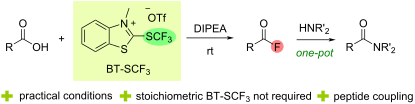
Figure 1: Advantages of acyl fluorides compared to acyl chlorides, previous work on BT-SRF reagents [29-33] and a su...

Scheme 1: Scope of the BT-SCF3-mediated deoxygenative fluorination of carboxylic acids 1. Reactions were perf...
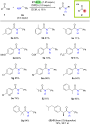
Scheme 2: Scope of the one-pot BT-SCF3-mediated deoxygenative coupling of carboxylic acids and amines via acy...

Scheme 3: One-pot BT-SCF3-mediated deoxygenative coupling of amino acids. Isolated yields after column chroma...
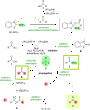
Scheme 4: Plausible mechanism for the deoxyfluorination of carboxylic acids with BT-SCF3.
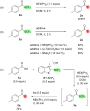
Scheme 5: Mechanistic experiments. (a) Conversion of thioester 3a into acyl fluoride 2a in the presence of DI...
Synthesis of tryptophan-dehydrobutyrine diketopiperazine and biological activity of hangtaimycin and its co-metabolites
- Houchao Xu,
- Anne Wochele,
- Minghe Luo,
- Gregor Schnakenburg,
- Yuhui Sun,
- Heike Brötz-Oesterhelt and
- Jeroen S. Dickschat
Beilstein J. Org. Chem. 2022, 18, 1159–1165, doi:10.3762/bjoc.18.120
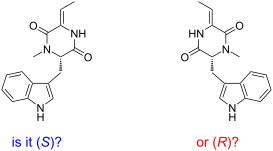
- hangtaimycin, TDD and the hangtaimycin degradation product HTM222 are given. Keywords: antibiotics; enantioselective synthesis; peptides; racemisation; Streptomyces; Introduction Hangtaimycin (1, Scheme 1) was first isolated from Streptomyces spectabilis and shown to possess weak antimicrobial activity
- proceeded with a high diastereoselectivity (Z/E = 8:1), giving access to 4 in a satisfactory yield of 29% over 6 steps. However, the optical rotation of the obtained material showed only a small positive value ([α]D25 = +1.9, c 0.27, EtOH), suggesting that 4 had undergone racemisation during the prolonged
- integration, Figure 1B). Further improvement of the enantiomeric excess of 4 (90% ee, Figure 1C) was possible by performing the elimination reaction with 14 and KH and 18-crown-6 under ice cooling. This helped to suppress basic racemisation of 4, but required prolonged reaction times and gave a slightly

Graphical Abstract

Scheme 1: Structures of hangtaimycin (1) and its co-metabolites.

Scheme 2: First synthetic route towards TDD (4).

Figure 1: HPLC analyses of (Z)-4 on a chiral stationary phase. A) Nearly racemic 4 from the first synthetic r...

Scheme 3: Second synthetic route towards TDD ((Z)-4).

Figure 2: X-ray structure of (rac)-4.

Figure 3: Bioactivity testing with hangtaimycin (1). A) Growth retardation of model species B. subtilis 168 a...
Asymmetric organocatalytic Michael addition of cyclopentane-1,2-dione to alkylidene oxindole
- Estelle Silm,
- Ivar Järving and
- Tõnis Kanger
Beilstein J. Org. Chem. 2022, 18, 167–173, doi:10.3762/bjoc.18.18
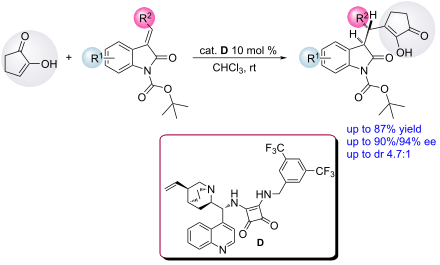
- . Also, a higher C–H acidity of the proton at the stereogenic centre and possible racemisation can’t be excluded. A heteroaromatic oxindole derivative afforded the product 3j in lower yield and high ee values. 4- and 5-bromo oxindole derivatives (2l and 2k, respectively) were also used as starting

Graphical Abstract

Figure 1: Model of the catalyst action.

Figure 2: Catalysts screened.

Scheme 1: Screening of different N-protecting groups. Reaction conditions: 0.2 M solution of 1 (1 equiv), 2 (...

Scheme 2: Scope of the reaction (the relative configuration of the major diastereoisomer is depicted). Reacti...
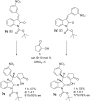
Scheme 3: Comparison reactions of E- and Z-isomers (the relative configurations of the major diastereoisomers...
Kinetics of enzyme-catalysed desymmetrisation of prochiral substrates: product enantiomeric excess is not always constant
- Peter J. Halling
Beilstein J. Org. Chem. 2021, 17, 873–884, doi:10.3762/bjoc.17.73
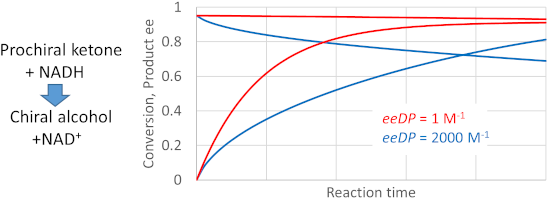
- enzymatic desymmetrisation. These show that the mechanisms necessarily include a pathway of elementary reactions catalysed by the enzyme that brings about racemisation of the product. This will always be possible unless either the reaction is completely irreversible, or the reactions leading to the less

Graphical Abstract
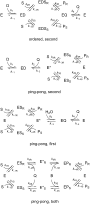
Scheme 1: Kinetic mechanisms. In each case E represents the free enzyme, other species starting E are other e...

Figure 1: Reaction progress for “ordered, second” kinetics and the effect of D/Q (e.g., NADH/NAD+) ratio. S0 ...

Figure 2: Effect of the initial starting material concentration and enzyme E value for “ordered, second” kine...

Figure 3: Effects of key enzyme parameters on the fall in product ee during reaction for “ordered, second” ki...

Figure 4: Reaction progress for “ping-pong, second” kinetics, and the effect of the ratio of donor to prochir...

Figure 5: Effect of the key ee decline parameter (eeDP) of the enzyme on the product ee for “ping-pong, secon...

Figure 6: Effects of prochiral substrate concentration and its KM value for “ping-pong, first” kinetics. Inpu...

Figure 7: Effect of eeDP and k−4 · Keq/k4 on the product ee at high conversion for “ping-pong, first” kinetic...

Figure 8: Progress curves for “ping-pong, both” kinetics, diacid esterification. The plot shows the increasin...

Figure 9: Effects on the ee of the product formed early in the reaction for “ping-pong, both” kinetics, diaci...

Figure 10: Increase in the product ee as the reaction proceeds for “ping-pong, both” kinetics, diacid esterifi...
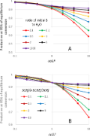
Figure 11: Effects on the ee at high conversion for diacid ester synthesis, “ping-pong, both” kinetics. Parame...
Recent developments in enantioselective photocatalysis
- Callum Prentice,
- James Morrisson,
- Andrew D. Smith and
- Eli Zysman-Colman
Beilstein J. Org. Chem. 2020, 16, 2363–2441, doi:10.3762/bjoc.16.197
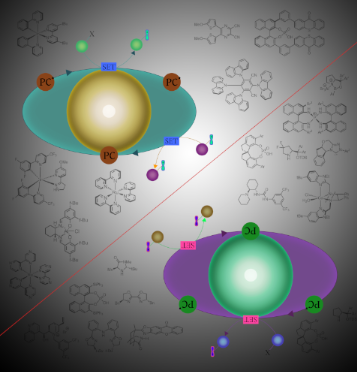
- by Bach to the deracemisation of allenes rac-194 (Scheme 29) [85]. The proposed mechanism proceeds through configurationally isomeric hydrogen bonding complexes 195 and 195’, with subsequent photoexcitation of the thioxanthone chromophore leading to racemisation of the allene through a triplet state
- ). As the efficiency of Dexter energy transfer decreases exponentially with distance, the larger gap results in lower sensitisation rates for 190. This, in combination with the difference in association constants, leads to greater racemisation of ent-194 and, therefore, a deracemisation with excellent
- reversible reductive quenching step to give two enantiomeric radical cations 236•+ and ent-236•+. The acidified adjacent proton can then be abstracted by a base to give the racemic radical 236•, which then undergoes HAT with a thiol HAT catalyst to complete the racemisation. If an appropriate chiral base is

Graphical Abstract
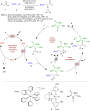
Scheme 1: Amine/photoredox-catalysed α-alkylation of aldehydes with alkyl bromides bearing electron-withdrawi...

Scheme 2: Amine/HAT/photoredox-catalysed α-functionalisation of aldehydes using alkenes.

Scheme 3: Amine/cobalt/photoredox-catalysed α-functionalisation of ketones and THIQs.

Scheme 4: Amine/photoredox-catalysed α-functionalisation of aldehydes or ketones with imines. (a) Using keton...

Scheme 5: Bifunctional amine/photoredox-catalysed enantioselective α-functionalisation of aldehydes.
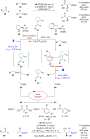
Scheme 6: Bifunctional amine/photoredox-catalysed α-functionalisation of aldehydes using amine catalysts via ...
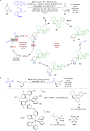
Scheme 7: Amine/photoredox-catalysed RCA of iminium ion intermediates. (a) Synthesis of quaternary stereocent...

Scheme 8: Bifunctional amine/photoredox-catalysed RCA of enones in a radical chain reaction initiated by an i...
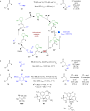
Scheme 9: Bifunctional amine/photoredox-catalysed RCA reactions of iminium ions with different radical precur...
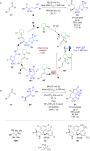
Scheme 10: Bifunctional amine/photoredox-catalysed radical cascade reactions between enones and alkenes with a...
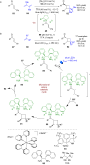
Scheme 11: Amine/photocatalysed photocycloadditions of iminium ion intermediates. (a) External photocatalyst u...
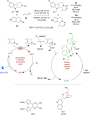
Scheme 12: Amine/photoredox-catalysed addition of acrolein (94) to iminium ions.
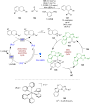
Scheme 13: Dual NHC/photoredox-catalysed acylation of THIQs.

Scheme 14: NHC/photocatalysed spirocyclisation via photoisomerisation of an extended Breslow intermediate.

Scheme 15: CPA/photoredox-catalysed aza-pinacol cyclisation.
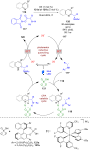
Scheme 16: CPA/photoredox-catalysed Minisci-type reaction between azaarenes and α-amino radicals.
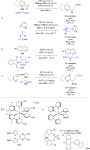
Scheme 17: CPA/photoredox-catalysed radical additions to azaarenes. (a) α-Amino radical or ketyl radical addit...
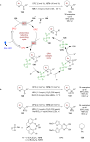
Scheme 18: CPA/photoredox-catalysed reduction of azaarene-derived substrates. (a) Reduction of ketones. (b) Ex...
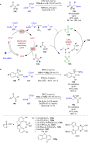
Scheme 19: CPA/photoredox-catalysed radical coupling reactions of α-amino radicals with α-carbonyl radicals. (...
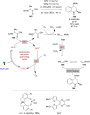
Scheme 20: CPA/photoredox-catalysed Povarov reaction.
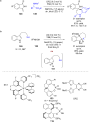
Scheme 21: CPA/photoredox-catalysed reactions with imines. (a) Decarboxylative imine generation followed by Po...
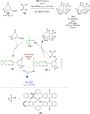
Scheme 22: Bifunctional CPA/photocatalysed [2 + 2] photocycloadditions.
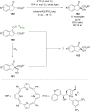
Scheme 23: PTC/photocatalysed oxygenation of 1-indanone-derived β-keto esters.
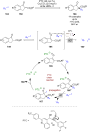
Scheme 24: PTC/photoredox-catalysed perfluoroalkylation of 1-indanone-derived β-keto esters via a radical chai...
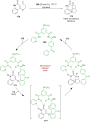
Scheme 25: Bifunctional hydrogen bonding/photocatalysed intramolecular [2 + 2] photocycloadditions of quinolon...
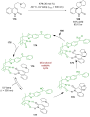
Scheme 26: Bifunctional hydrogen bonding/photocatalysed intramolecular RCA cyclisation of a quinolone.
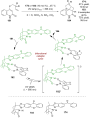
Scheme 27: Bifunctional hydrogen bonding/photocatalysed intramolecular [2 + 2] photocycloadditions of quinolon...
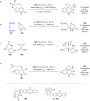
Scheme 28: Bifunctional hydrogen bonding/photocatalysed [2 + 2] photocycloaddition reactions. (a) First use of...

Scheme 29: Bifunctional hydrogen bonding/photocatalysed deracemisation of allenes.

Scheme 30: Bifunctional hydrogen bonding/photocatalysed deracemisation reactions. (a) Deracemisation of sulfox...

Scheme 31: Bifunctional hydrogen bonding/photocatalysed intramolecular [2 + 2] photocycloaddition of coumarins....
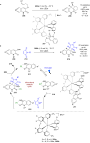
Scheme 32: Bifunctional hydrogen bonding/photocatalysed [2 + 2] photocycloadditions of quinolones. (a) Intramo...
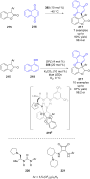
Scheme 33: Hydrogen bonding/photocatalysed formal arylation of benzofuranones.
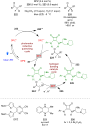
Scheme 34: Hydrogen bonding/photoredox-catalysed dehalogenative protonation of α,α-chlorofluoro ketones.
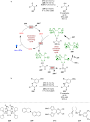
Scheme 35: Hydrogen bonding/photoredox-catalysed reductions. (a) Reduction of 1,2-diketones. (b) Reduction of ...

Scheme 36: Hydrogen bonding/HAT/photocatalysed deracemisation of cyclic ureas.

Scheme 37: Hydrogen bonding/HAT/photoredox-catalysed synthesis of cyclic sulfonamides.
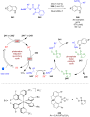
Scheme 38: Hydrogen bonding/photoredox-catalysed reaction between imines and indoles.
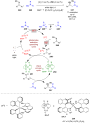
Scheme 39: Chiral cation/photoredox-catalysed radical coupling of two α-amino radicals.
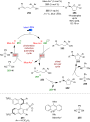
Scheme 40: Chiral phosphate/photoredox-catalysed hydroetherfication of alkenols.
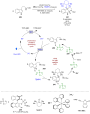
Scheme 41: Chiral phosphate/photoredox-catalysed synthesis of pyrroloindolines.
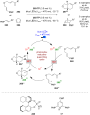
Scheme 42: Chiral anion/photoredox-catalysed radical cation Diels–Alder reaction.
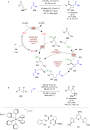
Scheme 43: Lewis acid/photoredox-catalysed cycloadditions of carbonyls. (a) Formal [2 + 2] cycloaddition of en...
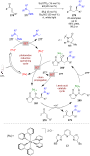
Scheme 44: Lewis acid/photoredox-catalysed RCA reaction using a scandium Lewis acid between α-amino radicals a...

Scheme 45: Lewis acid/photoredox-catalysed RCA reaction using a copper Lewis acid between α-amino radicals and...
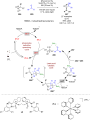
Scheme 46: Lewis acid/photoredox-catalysed synthesis of 1,2-amino alcohols from aldehydes and nitrones using a...
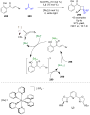
Scheme 47: Lewis acid/photocatalysed [2 + 2] photocycloadditions of enones and alkenes.

Scheme 48: Meggers’s chiral-at-metal catalysts.
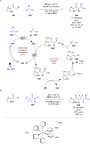
Scheme 49: Lewis acid/photoredox-catalysed α-functionalisation of ketones with alkyl bromides bearing electron...

Scheme 50: Bifunctional Lewis acid/photoredox-catalysed radical coupling reaction using α-chloroketones and α-...
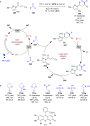
Scheme 51: Lewis acid/photocatalysed RCA of enones. (a) Using aldehydes as acyl radical precursors. (b) Other ...

Scheme 52: Bifunctional Lewis acid/photocatalysis for a photocycloaddition of enones.
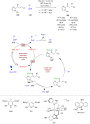
Scheme 53: Lewis acid/photoredox-catalysed RCA reactions of enones using DHPs as radical precursors.

Scheme 54: Lewis acid/photoredox-catalysed functionalisation of β-ketoesters. (a) Hydroxylation reaction catal...
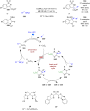
Scheme 55: Bifunctional copper-photocatalysed alkylation of imines.

Scheme 56: Copper/photocatalysed alkylation of imines. (a) Bifunctional copper catalysis using α-silyl amines....
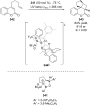
Scheme 57: Bifunctional Lewis acid/photocatalysed intramolecular [2 + 2] photocycloaddition.

Scheme 58: Bifunctional Lewis acid/photocatalysed [2 + 2] photocycloadditions (a) Intramolecular cycloaddition...
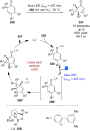
Scheme 59: Bifunctional Lewis acid/photocatalysed rearrangement of 2,4-dieneones.

Scheme 60: Lewis acid/photocatalysed [2 + 2] cycloadditions of cinnamate esters and styrenes.
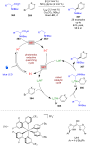
Scheme 61: Nickel/photoredox-catalysed arylation of α-amino acids using aryl bromides.

Scheme 62: Nickel/photoredox catalysis. (a) Desymmetrisation of cyclic meso-anhydrides using benzyl trifluorob...
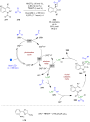
Scheme 63: Nickel/photoredox catalysis for the acyl-carbamoylation of alkenes with aldehydes using TBADT as a ...

Scheme 64: Bifunctional copper/photoredox-catalysed C–N coupling between α-chloro amides and carbazoles or ind...
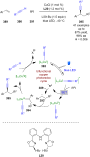
Scheme 65: Bifunctional copper/photoredox-catalysed difunctionalisation of alkenes with alkynes and alkyl or a...
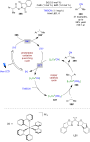
Scheme 66: Copper/photoredox-catalysed decarboxylative cyanation of benzyl phthalimide esters.

Scheme 67: Copper/photoredox-catalysed cyanation reactions using TMSCN. (a) Propargylic cyanation (b) Ring ope...
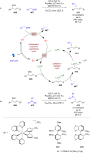
Scheme 68: Palladium/photoredox-catalysed allylic alkylation reactions. (a) Using alkyl DHPs as radical precur...
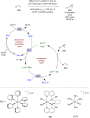
Scheme 69: Manganese/photoredox-catalysed epoxidation of terminal alkenes.
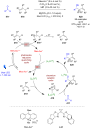
Scheme 70: Chromium/photoredox-catalysed allylation of aldehydes.
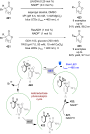
Scheme 71: Enzyme/photoredox-catalysed dehalogenation of halolactones.

Scheme 72: Enzyme/photoredox-catalysed dehalogenative cyclisation.
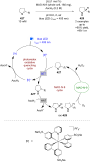
Scheme 73: Enzyme/photoredox-catalysed reduction of cyclic imines.

Scheme 74: Enzyme/photocatalysed enantioselective reduction of electron-deficient alkenes as mixtures of (E)/(Z...
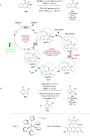
Scheme 75: Enzyme/photoredox catalysis. (a) Deacetoxylation of cyclic ketones. (b) Reduction of heteroaromatic...
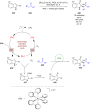
Scheme 76: Enzyme/photoredox-catalysed synthesis of indole-3-ones from 2-arylindoles.

Scheme 77: Enzyme/HAT/photoredox catalysis for the DKR of primary amines.

Scheme 78: Bifunctional enzyme/photoredox-catalysed benzylic C–H hydroxylation of trifluoromethylated arenes.
Facile synthesis of 7-alkyl-1,2,3,4-tetrahydro-1,8-naphthyridines as arginine mimetics using a Horner–Wadsworth–Emmons-based approach
- Rhys A. Lippa,
- John A. Murphy and
- Tim N. Barrett
Beilstein J. Org. Chem. 2020, 16, 1617–1626, doi:10.3762/bjoc.16.134
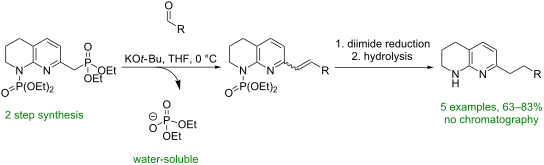
- chromatography. Pleasingly, the sequence proceeded in high yields (63–83%) for all substrates with no chromatography required. Despite relatively high yields, significant racemisation was seen in the synthesis of piperidine 20 and pyrrolidine cores 23. Pyrrolidine 23 was obtained with an ee of only 30
- %, representing a significant loss of enantiopurity. It is believed that racemisation occurred during the olefination step, caused by a base mediated keto–enol tautomerisation. It was proposed that the use of lithium hydroxide would promote hydrate formation, mitigating racemisation of the aldehyde. However, this
- was unsuccessful as complete racemisation was observed, with olefination requiring five days to complete. No olefination was seen using DIPEA under refluxing conditions. As such, this sequence, as currently performed, is suitable for substrates lacking an acidic α-proton (fluoropyrrolidine core 6) or

Graphical Abstract
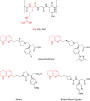
Figure 1: The Arg–Gly–Asp tripeptide sequence and examples of tetrahydro-1,8-naphthyridine-containing integri...

Scheme 1: Commonly used synthetic routes to tetrahydro-1,8-naphthyridine moieties by hydrogenation of saturat...

Scheme 2: Previous synthetic route to fluoropyrrolidine 6 utilising a Wittig reaction and the novel, higher y...

Scheme 3: Synthesis of phosphoramidate 9 from tetrahydro-1,8-naphthyridine 8. Conditions: s-BuLi (3 equiv), d...

Scheme 4: Mono- and diphosphorylation of tetrahydro-1,8-naphthyridine 11. Conditions: (i) s-BuLi (2 equiv), d...

Scheme 5: Synthesis of amine 6 from phosphonate 7 and aldehyde 5. Conditions: (i) T3P® (50% w/w in DCM, 3 equ...

Scheme 6: Monodeuteration of 13 as observed by 1H and 13C NMR. Conditions: s-BuLi (3 equiv), THF, −42 °C, 20 ...

Scheme 7: Sequential diphosphorylation of tetrahydronaphthyridine 11. Conditions: (i) iPrMgCl (1.5 equiv), TH...

Scheme 8: Possible mechanistic pathways for the formation of dimer 28. Conditions: KOt-Bu, THF, 1 h, 68% yiel...

Scheme 9: Alkylation of phosphoramidate 13 by iodide 29 to afford compound 30 and byproducts alcohol 31 and d...
The design and synthesis of an antibacterial phenothiazine–siderophore conjugate
- Abed Tarapdar,
- James K. S. Norris,
- Oliver Sampson,
- Galina Mukamolova and
- James T. Hodgkinson
Beilstein J. Org. Chem. 2018, 14, 2646–2650, doi:10.3762/bjoc.14.242
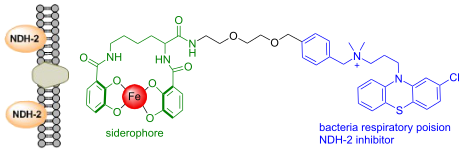
- surprised to observe compound 10 had undergone racemisation under these conditions. The exact cause of racemisation is unknown, but may possibly be due to the four equivalents of DIPEA used to ensure 5 is converted to its free base. This will be investigated further for the synthesis of future conjugates

Graphical Abstract

Figure 1: NDH-2 is a validated target for 1 with an MIC of 1.1 µg/mL against M. tuberculosis.

Scheme 1: Synthesis of phenothiazine-PEG-amine component.

Scheme 2: Synthesis of the azotochelin siderophore component.

Scheme 3: Final conjugation and deprotection to yield a phenothiazine siderophore conjugate.
Synthesis of functionalised β-keto amides by aminoacylation/domino fragmentation of β-enamino amides
- Pavel Yanev and
- Plamen Angelov
Beilstein J. Org. Chem. 2018, 14, 2602–2606, doi:10.3762/bjoc.14.238

- improve the yields of 3k,l to 77% and 60%, respectively, only by using the corresponding N-phthaloyl amino acid chlorides [35][36] as acylating reagents. The increased yield however came at the expense of chiral integrity, with nearly full racemisation. After the series of α-aminoacyl (3) and ω-aminoacyl

Graphical Abstract

Scheme 1: Preparation of α-C-acylated β-enamino amides 3 and 4. Reagents and conditions: 2, NMM, EtOCOCl, CH2...

Scheme 2: Domino fragmentation of 3 to β-keto amides 5 with competing cyclisation to pyrrolin-4-ones 6. Reage...

Scheme 3: Proposed mechanism for the formation of side products 6.

Scheme 4: Proposed mechanism for the formation of the target β-keto amides 5.

Scheme 5: Reactivity of analogues 9, lacking the auxiliary amino group [34].

Scheme 6: Domino fragmentation of compounds 4 (R2 = R3 = H) to N-protected ω-amino-β-keto amides 11.

Scheme 7: Ring–chain tautomerism in compounds 11b,c,f,j (n = 2) and reduction to the corresponding β-hydroxy ...
Biochemical and structural characterisation of the second oxidative crosslinking step during the biosynthesis of the glycopeptide antibiotic A47934
- Veronika Ulrich,
- Clara Brieke and
- Max J. Cryle
Beilstein J. Org. Chem. 2016, 12, 2849–2864, doi:10.3762/bjoc.12.284
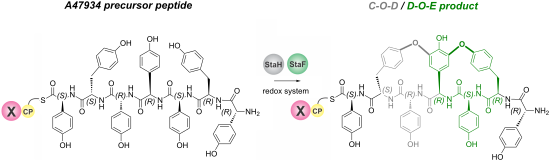
- , which were synthesised according to Brieke et al. [18][36]. It has to be noted that the Hpg-residue at position 7 of all heptapeptides is highly racemisation prone. In case of the Tei7 peptide effective separation by preparative HPLC was possible, so that pure L-Hpg7 and D-Hpg7 peptide could be used [13

Graphical Abstract

Figure 1: (a) Schematic representation of the biosynthesis of A47934 by the heterotetrameric non-ribosomal pe...
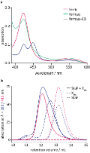
Figure 2: (a) Spectral analysis of StaF, showing the absorption spectra of ferric protein (red), ferrous prot...

Figure 3: Complete workflow for the Cytochrome P450 activity assay used in this study. 1) Loading of the subs...

Figure 4: (a) StaF activity against different peptide substrates and using NRPS constructs; the activity of S...

Figure 5: Structural analysis of StaF: (A) overall structure of StaF, with the heme moiety depicted using sti...

Figure 6: Sequence alignment of StaF and OxyAtei. Protein secondary structure was derived from the StaF cryst...

Figure 7: Sequence alignment of the A47934 (sta) and teicoplanin (tei) X-domain; secondary structure was deri...
Recent advances in N-heterocyclic carbene (NHC)-catalysed benzoin reactions
- Rajeev S. Menon,
- Akkattu T. Biju and
- Vijay Nair
Beilstein J. Org. Chem. 2016, 12, 444–461, doi:10.3762/bjoc.12.47
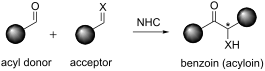
- intermediate from the acylsilane followed by a cross-coupling with the imine [39]. In 2005, Miller and co-workers used the chiral thiazolium salt 38 to catalyse an enantioselective cross-aza-benzoin reaction. Racemisation of the products under the reaction conditions caused erosion of enantioselectivity. This

Graphical Abstract
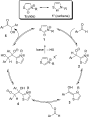
Scheme 1: Breslow’s proposal on the mechanism of the benzoin condensation.

Scheme 2: Imidazolium carbene-catalysed homo-benzoin condensation.

Scheme 3: Homo-benzoin condensation in aqueous medium.

Scheme 4: Homobenzoin condensation catalysed by bis(benzimidazolium) salt 8.

Scheme 5: List of assorted chiral NHC-catalysts used for asymmetric homobenzoin condensation.

Scheme 6: A rigid bicyclic triazole precatalyst 15 in an efficient enantioselective benzoin reaction.

Scheme 7: Inoue’s report of cross-benzoin reactions.

Scheme 8: Cross-benzoin reactions catalysed by thiazolium salt 17.

Scheme 9: Catalyst-controlled divergence in cross-benzoin reactions.

Scheme 10: Chemoselective cross-benzoin reactions catalysed by a bulky NHC.

Scheme 11: Selective intermolecular cross-benzoin condensation reactions of aromatic and aliphatic aldehydes.

Scheme 12: Chemoselective cross-benzoin reaction of aliphatic and aromatic aldehydes.

Scheme 13: Cross-benzoin reactions of trifluoromethyl ketones developed by Enders.

Scheme 14: Cross-benzoin reactions of aldehydes and α-ketoesters.

Scheme 15: Enantioselective cross-benzoin reactions of aliphatic aldehydes and α-ketoesters.

Scheme 16: Dynamic kinetic resolution of β-halo-α-ketoesters via cross-benzoin reaction.

Scheme 17: Enantioselective benzoin reaction of aldehydes and alkynones.

Scheme 18: Aza-benzoin reaction of aldehydes and acylimines.

Scheme 19: NHC-catalysed diastereoselective synthesis of cis-2-amino 3-hydroxyindanones.

Scheme 20: Cross-aza-benzoin reactions of aldehydes with aromatic imines.

Scheme 21: Enantioselective cross aza-benzoin reaction of aliphatic aldehydes with N-Boc-imines.

Scheme 22: Chemoselective cross aza-benzoin reaction of aldehydes with N-PMP-imino esters.

Scheme 23: NHC-catalysed coupling reaction of acylsilanes with imines.

Scheme 24: Thiazolium salt-mediated enantioselective cross-aza-benzoin reaction.

Scheme 25: Aza-benzoin reaction of enals with activated ketimines.

Scheme 26: Isatin derived ketimines as electrophiles in cross aza-benzoin reaction with enals.

Scheme 27: Aza-benzoin reaction of aldehydes and phosphinoylimines catalysed by the BAC-carbene.

Scheme 28: Nitrosoarenes as the electrophilic component in benzoin-initiated cascade reaction.

Scheme 29: One-pot synthesis of hydroxamic esters via aza-benzoin reaction.

Scheme 30: Cookson and Lane’s report of intramolecular benzoin condensation.

Scheme 31: Intramolecular cross-benzoin condensation between aldehyde and ketone moieties.

Scheme 32: Intramolecular crossed aldehyde-ketone benzoin reactions.

Scheme 33: Enantioselective intramolecular crossed aldehyde-ketone benzoin reaction.

Scheme 34: Chromanone synthesis via enantioselective intramolecular cross-benzoin reaction.

Scheme 35: Intramolecular cross-benzoin reaction of chalcones.

Scheme 36: Synthesis of bicyclic tertiary alcohols by intramolecular benzoin reaction.

Scheme 37: A multicatalytic Michael–benzoin cascade process for cyclopentanone synthesis.

Scheme 38: Enamine-NHC dual-catalytic, Michael–benzoin cascade reaction.

Scheme 39: Iminium-cross-benzoin cascade reaction of enals and β-oxo sulfones.

Scheme 40: Intramolecular benzoin condensation of carbohydrate-derived dialdehydes.

Scheme 41: Enantioselective intramolecular benzoin reactions of N-tethered keto-aldehydes.

Scheme 42: Asymmetric cross-benzoin reactions promoted by camphor-derived catalysts.

Scheme 43: NHC-Brønsted base co-catalysis in a benzoin–Michael–Michael cascade.

Scheme 44: Divergent catalytic dimerization of 2-formylcinnamates.

Scheme 45: One-pot, multicatalytic asymmetric synthesis of tetrahydrocarbazole derivatives.

Scheme 46: NHC-chiral secondary amine co-catalysis for the synthesis of complex spirocyclic scaffolds.
Stereocontrolled synthesis of 5-azaspiro[2.3]hexane derivatives as conformationally “frozen” analogues of L-glutamic acid
- Beatrice Bechi,
- David Amantini,
- Cristina Tintori,
- Maurizio Botta and
- Romano di Fabio
Beilstein J. Org. Chem. 2014, 10, 1114–1120, doi:10.3762/bjoc.10.110
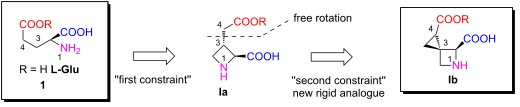
- ratio: 49%, 33%), the others minor (12%, 3%, 1.8% and 1.2%, respectively). The presence of two unexpected additional diastereoisomers can be explained based upon a partial racemisation of the chiral center next to the nitrogen, most likely occurring during the Petasis olefination reaction of

Graphical Abstract

Figure 1: Glutamate receptor ligands.

Scheme 1: Proposed synthetic plan for the preparation of compound of type Ib.

Scheme 2: Synthesis of 3-azetidinone derivative 16.

Scheme 3: Synthetic routes to prepare target cyclopropyl derivatives 20. Reagents and conditions: a) (EtO)2PO...

Figure 2: Mechanism for the attack of the carbene intermediate to the olefin moiety 18.

Figure 3: Representation of the lowest energy conformation of each diastereoisomers.

Scheme 4: Synthesis of glutamate “frozen” analogues 4-carboxy-1-(ethoxycarbonyl)-5-azaspiro[2.3]hexane.
Concise, stereodivergent and highly stereoselective synthesis of cis- and trans-2-substituted 3-hydroxypiperidines – development of a phosphite-driven cyclodehydration
- Peter H. Huy,
- Julia C. Westphal and
- Ari M. P. Koskinen
Beilstein J. Org. Chem. 2014, 10, 369–383, doi:10.3762/bjoc.10.35
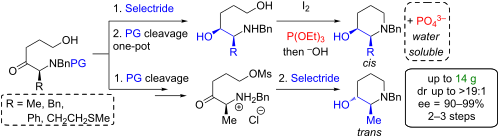
- achieved a yield of 44% over two steps (59% and 74%, respectively) compared to 70% according to our direct conversion from 1a to 2a. Next the carboxylic acids 2 were transformed to the Weinreb amides 5 with DCC and MeONHMe in 77–91% yield (Scheme 2). While no racemisation occurred with substrates 2a, 2b
- desired amide 5c was isolated with a very good ee of 95% (entry 6) [64]. The high racemisation sensitivity of 2c is further underlined by a T3P/pyridine (n-propylphosphonic acid anhydride) [65][66] mediated amidation, which has been reported to suppress racemisation [67]. With substrate 2c the
- condensation product 5c was formed in a moderate ee of 74% (Table 1, entry 7). The configurational lability of the phenylglycine derivative was not surprising, as phenylglycine itself is 60 times more prone to racemisation than alanine [68]. The optical purity of amides 5a–c, hydroxyketone 7c and piperidins

Graphical Abstract

Figure 1: Natural products and other bioactive piperidine derivatives of type B.

Figure 2: Retrosynthetic analysis of piperidines B (X = OH or leaving group, PG = protecting group).

Scheme 1: Synthesis of the protected amino acids 2. (a) KOH for 1b. b) PG–X = Cbz–Cl (1a–c), Boc2O (1d).

Scheme 2: Synthesis of hydroxy ketones 7 (R = Me (a), Bn (b), Ph (c) and EtSMe (d); PG = Cbz (a–c), Boc (d)).

Scheme 3: Synthesis of amides 5e and 5f and ketone 7e.

Scheme 4: Synthesis of amino alcohols syn-9a–d and oxazolidinone 10a. (for 7a–c conditions A: H2 (1 atm), Pd/...

Scheme 5: Competition between the Michaelis–Arbuzow process and the desired cyclodehydration of amino alcohol...

Scheme 6: Initial synthesis of the trans-piperidinol 11a in diminished enantiopurity. aThe amino alcohol 9a o...

Scheme 7: Synthesis of trans-piperidinol 11a in excellent ee.

Scheme 8: Synthesis of L-733,060·HCl.
The application of a monolithic triphenylphosphine reagent for conducting Ramirez gem-dibromoolefination reactions in flow
- Kimberley A. Roper,
- Malcolm B. Berry and
- Steven V. Ley
Beilstein J. Org. Chem. 2013, 9, 1781–1790, doi:10.3762/bjoc.9.207
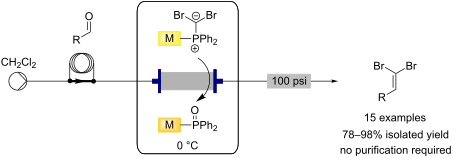
- contamination between substrates run in sequential reactions through a single monolith (with the exception of the nicotinaldehyde substrate explained above). An important test of this methodology was the application to α-chiral aldehydes, to ensure that racemisation of the sensitive chiral centre is avoided in
- aldehydes were also successfully transformed, without racemisation of the stereocentre and two ketones bearing electron-withdrawing groups were converted into the desired dibromoolefins in high yield. It was further demonstrated that the same monoliths could be applied to the Appel reaction, giving a small

Graphical Abstract

Scheme 1: Formation of gem-dibromoolefin 3 from the reaction of carbon tetrabromide and triphenylphosphine as...

Scheme 2: Formation of the triphenylphosphine monoliths.

Figure 1: a. An unfunctionalised triphenylphosphine monolith; b. Monolith after functionalisation with carbon...

Scheme 3: Functionalising the triphenylphosphine monolith to give the active Ramirez monolith using carbon te...

Scheme 4: Flow synthesis of gem-dibromoolefins using the functionalised triphenylphosphine monolith.

Scheme 5: Flow synthesis of bromides from the corresponding alcohols using the functionalised triphenylphosph...

Scheme 6: Mechanisms for the Ramirez and Appel reactions [41,59].
Synthesis of the calcilytic ligand NPS 2143
- Henrik Johansson,
- Thomas Cailly,
- Alex Rojas Bie Thomsen,
- Hans Bräuner-Osborne and
- Daniel Sejer Pedersen
Beilstein J. Org. Chem. 2013, 9, 1383–1387, doi:10.3762/bjoc.9.154

- . Similar to a previously reported synthesis of (R)-3 [13], we decided to activate epoxide 5 as the m-nosyl derivative that has been shown to minimise racemisation during epoxide ring opening [15]. The synthesis of amine 6 was accomplished from commercially available 2-cyanonaphthalene (7) in four steps
- ’ attack thereby suppressing racemisation [15]. m-Nosylate 5 was synthesised by using nosyl chloride at low temperature [19]. Upon cooling, the reaction mixture became a viscous slurry, and it was important to maintain vigorous stirring to ensure full conversion. In this manner, a spectroscopically pure

Graphical Abstract

Figure 1: Marketed calcium-sensing receptor agonist cinacalcet (1), and CaSR antagonists Calhex 231 (2) and N...

Scheme 1: Strategy for assembling (R)-3 from fragments 4, 5 and 6. m-Ns = m-nitrobenzenesulfonyl.

Scheme 2: Synthesis of amine building block 6 by using Katritzky’s pyrylium chemistry [16].

Scheme 3: Synthesis of phenol 4 from commercially available aryl fluoride 13.

Scheme 4: Synthesis of rac-3 and (R)-3 from commercially available racemic- and (S)-glycidol 15, respectively...

Figure 2: Determination of the optical purity for (R)-3 by chiral HPLC on a Daicel AD-H column. Top: Opticall...

Figure 3: Characterisation of concentration-dependent (R)-3 inhibition of 3.5 mM calcium-stimulated IP1 respo...
Intramolecular carbenoid ylide forming reactions of 2-diazo-3-keto-4-phthalimidocarboxylic esters derived from methionine and cysteine
- Marc Enßle,
- Stefan Buck,
- Roland Werz and
- Gerhard Maas
Beilstein J. Org. Chem. 2012, 8, 433–440, doi:10.3762/bjoc.8.49
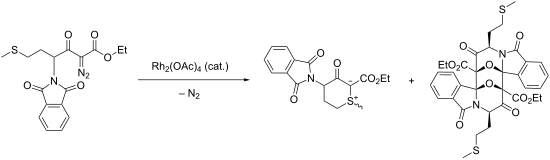
- , so that the reaction could be performed in toluene under reflux. For phenylalanine, it was reported that no racemisation occurred under these conditions [21]. However, with some other α-aminoacids we have noted a small degree of racemisation [18]. In this work, we can confirm the reported specific
- rotation value for N,N-phthaloyl-L-methionine (6a), but racemisation occurred to a significant extent in the case of S-benzyl-N,N-phthaloyl-L-cysteine (6b) (Supporting Information File 1). Practically complete racemisation took place during conversion of N-protected aminoacids 6a–c to the β-ketoesters 7a–c
- racemisation. A sample of 8a, which was prepared from a slightly racemised sample of 6a (HPLC: 90:10 enantiomeric ratio of the derived methyl ester, which was prepared from 6a and dry methanol in the presence of excess chlorotrimethylsilane) on the latter route, had an enantiomeric ratio of 83:17. Rhodium

Graphical Abstract

Scheme 1: Synthesis of cyclic sulfonium ylides 2; n = 0–3.

Scheme 2: Non-carbenoid formation of sulfonium ylide 4.

Scheme 3: Conditions: (a) phthalic anhydride, NEt3 (10 mol %), toluene, reflux, 2 h; (b) 1. carbonyldiimidazo...

Scheme 4: Rh(II)-catalysed carbenoid reactions of diazoesters 8a,b.

Figure 1: Proposed relative configurations of the diastereomeric cyclic sulfonium ylides 12aA and 12aB. 1H NM...

Scheme 5: Endo transition state for [3 + 3]-dimerisation of carbonyl ylide 14.

Scheme 6: Rh(II)-catalysed carbenoid reactions of diazoester 8c.
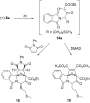
Scheme 7: Tandem cyclisation/intermolecular cycloaddition of diazoester 8a. Conditions: (a) Rh2(OAc)4 (3 mol ...

Scheme 8: Carbenoid formation of sulfonium ylides from diazoesters 11a,b. Conditions: (a) Rh2(OAc)4 (3 mol %)...
Carbamate-directed benzylic lithiation for the diastereo- and enantioselective synthesis of diaryl ether atropisomers
- Abigail Page and
- Jonathan Clayden
Beilstein J. Org. Chem. 2011, 7, 1327–1333, doi:10.3762/bjoc.7.156
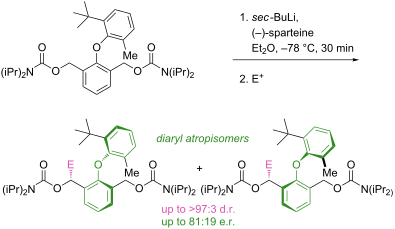
- organolithiums may again be to blame. Enantiomerically enriched stannane returned enantiomerically enriched product, showing that racemisation (which necessarily involves either rotation about the Ar–O–Ar axis or deprotonation–reprotonation) is also slow. Discussion Due to the gummy nature of the products, it
- turned out to be impossible to establish unequivocally the relative or absolute stereochemistry of the products obtained from the lithiations. However, we can make several important conclusions from this work. Firstly, racemisation of the intermediate organolithiums is demonstrably slow, because an

Graphical Abstract
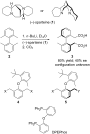
Scheme 1: Desymmetrising metallation for the enantioselective synthesis of atropisomers.

Scheme 2: Benzylic lithiation of a diaryl ether.

Scheme 3: Benzylic metallation of a diaryl ether α to a carbamate.

Scheme 4: Diastereo- and enantioselective synthesis of atropisomeric ethers by benzylic lithiation.

Scheme 5: Atroposelective stannylation.

Scheme 6: Stereospecific tin–lithium exchange/quench reactions.

Scheme 7: Proposed stereochemical pathway.
Asymmetric synthesis of tertiary thiols and thioethers
- Jonathan Clayden and
- Paul MacLellan
Beilstein J. Org. Chem. 2011, 7, 582–595, doi:10.3762/bjoc.7.68

- products 16 with complete inversion of configuration [16][17]. Acid catalysed cleavage of a thioether or thioacetate yields tert-thiols 17 in good yield. 1.1.2 Epoxide ring opening SN2 displacements from quaternary electrophiles require specific structural features to avoid competing racemisation
- ]. Equilibration of the diastereoisomers of 71 favoured axial methylation of the lithiated intermediate to give 72. Studies by both Hoffmann and co-workers [59][60] and by Reich and co-workers [61] showed that the rate determining step for racemisation of α-thio, α-seleno and α-telluroorganolithiums is rotation
- about the C–S, Se or Te bond [62]. Simple inversion in α-thio-substituted carbanions has a barrier as low as 0.5 kcal·mol−1 [63] making inversion itself unlikely to comprise the rate determining step of the racemisation. Consistent with this explanation, the barrier to racemisation increases with

Graphical Abstract

Figure 1: Seven out of the ten top selling drugs in the USA in 2009 contain sulfur. Figures in italics are to...

Figure 2: Naturally occurring organosulfur compounds glutathione and (R)-thioterpineol.

Figure 3: Methods for the synthesis of chiral tertiary thiol 1.

Scheme 1: Preparation of thioethers 4 from α-hydroxy esters.

Scheme 2: Nucleophilic substitution in α-aryl-α-hydroxy esters.

Scheme 3: Preparation of α,α-dialkylthioethers.

Scheme 4: Preparation of α-cyanothioacetate 12.

Scheme 5: Synthesis of (R)-(+)-spirobrassinin.

Scheme 6: Opening of cyclic sulfamidates with thiol nucleophiles.

Scheme 7: Synthesis of androgen 20.

Scheme 8: Synthesis of (+)-BE-52440A.

Scheme 9: The Mitsunobu reaction.

Scheme 10: Mitsunobu substitution at a quaternary centre.
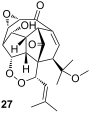
Figure 4: Initially assigned structure of hexacyclinol.

Scheme 11: Preparation of thioether 29.

Scheme 12: Thioethers 33 prepared from phosphinites 31.

Scheme 13: Preparation of enantiomerically pure thiol 39.

Scheme 14: Thioethers prepared by a modified Mitsunobu reaction.

Scheme 15: Nucleophilic conjugate addition.

Scheme 16: Asymmetric addition to cyclic enones.

Scheme 17: Preparation of thioether 45.

Scheme 18: Catalytic kinetic resolution of the enantiomers of enone 46.
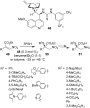
Scheme 19: Organocatalytic conjugate addition to nitroalkenes 49.

Scheme 20: Preparation of β-amino acid 54.

Scheme 21: Sulfur migration within oxazolidine-2-thiones 56.
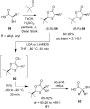
Scheme 22: Preparation of thiols 62 by self-regeneration of stereocentres.

Scheme 23: Synthesis of (5R)-thiolactomycin.

Scheme 24: Preparation of tertiary thiols and thioethers via α-thioorganolithiums.

Scheme 25: Diastereoselective methylation of organolithium 71.

Scheme 26: Addition to lithiated thiocarbamate 75.

Scheme 27: Configurational lability in unhindered α-lithiothiocarbamates.

Scheme 28: Configurational stability in bulky α-lithiothiocarbamates.

Scheme 29: Asymmetric functionalisation of secondary benzylic thiocarbamates.

Scheme 30: Methylation of lithioallyl thiocarbamates.

Scheme 31: Asymmetric preparation of tertiary allylic thiols.
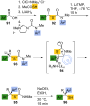
Scheme 32: Asymmetric preparation of thiols 96 by aryl migration in lithiated thiocarbamates.
An overview of the key routes to the best selling 5-membered ring heterocyclic pharmaceuticals
- Marcus Baumann,
- Ian R. Baxendale,
- Steven V. Ley and
- Nikzad Nikbin
Beilstein J. Org. Chem. 2011, 7, 442–495, doi:10.3762/bjoc.7.57
- crystallisations. In addition, the racemisation of the undesired enantiomer via methyl ester formation and treatment with sodium hydroxide was found to be feasible allowing efficient recycling of this material [47]. Imidazoles Imidazole is an important biological building block being present in the amino acid

Graphical Abstract
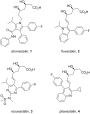
Figure 1: Structures of atorvastatin and other commercial statins.

Figure 2: Structure of compactin.

Scheme 1: Synthesis of pentasubstituted pyrroles.

Scheme 2: [3 + 2] Cycloaddition to prepare 5-isopropylpyrroles.

Scheme 3: Regiospecific [3 + 2] cycloaddition to prepare the pyrrole scaffold.

Scheme 4: Formation of the pyrrole core of atorvastatin via [3 + 2] cycloaddition.

Scheme 5: Formation of pyrrole 33 via the Paal–Knorr reaction.

Scheme 6: Convergent synthesis towards atorvastatin.

Figure 3: Binding pocket of sunitinib in the TRK KIT.

Scheme 7: Synthesis of sunitinib.

Scheme 8: Alternative synthesis of sunitinib.

Scheme 9: Key steps in the syntheses of sumatriptan and zolmitriptan.

Scheme 10: Introduction of the N,N-dimethylaminoethyl side chain.

Scheme 11: Japp–Klingemann reaction in the synthesis of sumatriptan.

Scheme 12: Synthesis of the intermediate sulfonyl chlorides 62 and 63.

Scheme 13: Alternative introduction of the sulfonamide.

Scheme 14: Negishi-type coupling to benzylic sulfonamides.

Scheme 15: Heck reaction used to introduce the sulfonamide side chain of naratriptan.

Scheme 16: Synthesis of the oxazolinone appendage of zolmitriptan.

Scheme 17: Grandberg indole synthesis used in the preparation of rizatriptan.

Scheme 18: Improved synthesis of rizatriptan.

Scheme 19: Larock-type synthesis of rizatriptan.

Scheme 20: Synthesis of eletriptan.

Scheme 21: Heck coupling for the indole system in eletriptan.

Scheme 22: Attempted Fischer indole synthesis of elatriptan.

Scheme 23: Successful Fischer indole synthesis for eletriptan.
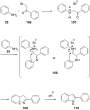
Scheme 24: Mechanistic rationale for the Bischler–Möhlau reaction.

Scheme 25: Bischler-type indole synthesis used in the fluvastatin sodium synthesis.

Scheme 26: Palladium-mediated synthesis of ondansetron.

Scheme 27: Fischer indole synthesis of ondansetron.

Scheme 28: Optimised Pictet–Spengler reaction towards tadalafil.

Figure 4: Structures of carvedilol 136 and propranolol 137.

Scheme 29: Synthesis of the carbazole core of carvedilol.

Scheme 30: Alternative syntheses of 4-hydroxy-9H-carbazole.

Scheme 31: Convergent synthesis of etodolac.

Scheme 32: Alternative synthesis of etodolac.

Figure 5: Structures of imidazole-containing drugs.

Scheme 33: Synthesis of functionalised imidazoles towards losartan.

Scheme 34: Direct synthesis of the chlorinated imidazole in losartan.

Scheme 35: Synthesis of trisubstituted imidazoles.

Scheme 36: Preparation of the imidazole ring in olmesartan.

Scheme 37: Synthesis of ondansetron.

Scheme 38: Alternative route to ondansetron and its analogues.

Scheme 39: Proton pump inhibitors and synthesis of esomeprazole.

Scheme 40: Synthesis of benzimidazole core pantoprazole.

Figure 6: Structure of rabeprazole 194.

Scheme 41: Synthesis of candesartan.

Scheme 42: Alternative access to the candesartan key intermediate 216.

Scheme 43: .Medicinal chemistry route to telmisartan.

Scheme 44: Improved synthesis of telmisartan.

Scheme 45: Synthesis of zolpidem.

Scheme 46: Copper-catalysed 3-component coupling towards zolpidem.

Figure 7: Structure of celecoxib.

Scheme 47: Preparation of celecoxib.

Scheme 48: Alternative synthesis of celecoxib.

Scheme 49: Regioselective access to celecoxib.

Scheme 50: Synthesis of pazopanib.

Scheme 51: Syntheses of anastrozole, rizatriptan and letrozole.

Scheme 52: Regioselective synthesis of anastrozole.

Scheme 53: Triazine-mediated triazole formation towards anastrozole.

Scheme 54: Alternative routes to 1,2,4-triazoles.

Scheme 55: Initial synthetic route to sitagliptin.

Figure 8: Binding of sitagliptin within DPP-IV.

Scheme 56: The process route to sitagliptin key intermediate 280.

Scheme 57: Synthesis of maraviroc.

Scheme 58: Synthesis of alprazolam.

Scheme 59: The use of N-nitrosoamidine derivatives in the preparation of fused benzodiazepines.

Figure 9: Structures of itraconazole, ravuconazole and voriconazole.

Scheme 60: Synthesis of itraconazole.

Scheme 61: Synthesis of rufinamide.

Scheme 62: Representative tetrazole formation in valsartan.

Figure 10: Structure of tetrazole containing olmesartan, candesartan and irbesartan.

Scheme 63: Early stage introduction of the tetrazole in losartan.

Scheme 64: Synthesis of cilostazol.

Figure 11: Structure of cefdinir.

Scheme 65: Semi-synthesis of cefdinir.

Scheme 66: Thiazole syntheses towards ritonavir.

Scheme 67: Synthesis towards pramipexole.

Scheme 68: Alternative route to pramipexole.

Scheme 69: Synthesis of famotidine.

Scheme 70: Efficient synthesis of the hyperuricemic febuxostat.

Scheme 71: Synthesis of ziprasidone.

Figure 12: Structure of mometasone.

Scheme 72: Industrial access to 2-furoic acid present in mometasone.

Scheme 73: Synthesis of ranitidine from furfuryl alcohol.

Scheme 74: Synthesis of nitrofurantoin.

Scheme 75: Synthesis of benzofuran.

Scheme 76: Synthesis of amiodarone.

Scheme 77: Synthesis of raloxifene.

Scheme 78: Alternative access to the benzo[b]thiophene core of raloxifene.

Scheme 79: Gewald reaction in the synthesis of olanzapine.

Scheme 80: Alternative synthesis of olanzapine.
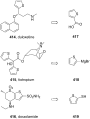
Figure 13: Access to simple thiophene-containing drugs.

Scheme 81: Synthesis of clopidogrel.

Scheme 82: Pictet–Spengler reaction in the preparation of tetrahydrothieno[3,2-c]pyridine (422).

Scheme 83: Alternative synthesis of key intermediate 422.

Figure 14: Co-crystal structures of timolol (left) and carazolol (right) in the β-adrenergic receptor.

Scheme 84: Synthesis of timolol.

Scheme 85: Synthesis of tizanidine 440.

Scheme 86: Synthesis of leflunomide.

Scheme 87: Synthesis of sulfamethoxazole.

Scheme 88: Synthesis of risperidone.

Figure 15: Relative abundance of selected transformations.

Figure 16: The abundance of heterocycles within top 200 drugs (5-membered rings).
Asymmetric synthesis of biaryl atropisomers by dynamic resolution on condensation of biaryl aldehydes with (−)-ephedrine or a proline- derived diamine
- Ann Bracegirdle,
- Jonathan Clayden and
- Lai Wah Lai
Beilstein J. Org. Chem. 2008, 4, No. 47, doi:10.3762/bjoc.4.47

- reduction allows isolation of related compounds bearing hydroxymethyl groups, whose barriers to racemisation are somewhat higher than those of the corresponding aldehydes [37] obtained by hydrolysis alone. After trial reactions to establish optimal conditions, purified imidazolidines 9a were treated with

Graphical Abstract

Scheme 1: Synthesis of racemic aldehydes.
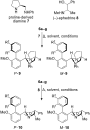
Scheme 2: Diastereoisomeric imidazolidines and oxazolidines from biaryl aldehydes.

Figure 1: X-ray crystal structure of 9a. X-ray data has been deposited with the Cambridge Crystallographic Da...

Figure 2: X-ray crystal structure of 10a. X-ray data has been deposited with the Cambridge Crystallographic D...

Scheme 3: Atropisomeric alcohols by hydrolysis and reduction.

Scheme 4: Mechanistic rationalisation of the dynamic resolution in the formation of 9.
A convenient allylsilane- N-acyliminium route toward indolizidine and quinolizidine alkaloids
- Roland Remuson
Beilstein J. Org. Chem. 2007, 3, No. 32, doi:10.1186/1860-5397-3-32
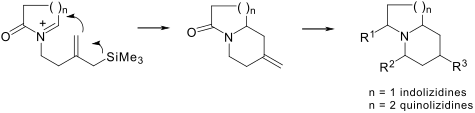
- , (-)-lasubine II and (+)-subcosine II A similar strategy was attempted from (+)-(3R)-ethyl 3-hydroxy-3-(3,4-dimethoxyphenyl)propionate but racemisation was observed during the Mitsunobu reaction. [69] So we developed another strategy to prepare these natural optically active compounds based on the

Graphical Abstract

Scheme 1: Allylsilane-N-acyliminium cyclisation.

Scheme 2: Enantioselective synthesis of (-)-indolizidine 167B by intramolecular allylsilane-N-acyliminium cyc...

Scheme 3: Synthesis of (±)-indolizidine 167B by intermolecular cyclisation of allylsilane-N-acyliminium cycli...

Scheme 4: Synthesis of 3,5-disubstituted indolizidines from L-pyroglutamic acid.

Scheme 5: Access to indolizidine precursors of dendroprimine starting from chiral 2-aminopropanoate.

Scheme 6: Access to (-)-dendroprimine by reduction with LiAlH4 of indolizidinones 26.

Scheme 7: Access to (-)-dendroprimine by catalytic hydrogenation of indolizidinones 26.

Scheme 8: Synthesis of (±)-myrtine and (±)-epimyrtine.

Scheme 9: Enantioselective synthesis of (+)-myrtine and (-)-epimyrtine.

Scheme 10: Synthesis of (±)-lasubines I and II and (±)-2-epilasubine II.

Scheme 11: Synthesis of (±)-lasubine I and II.

Scheme 12: Enantioselective synthesis of (-)-lasubines I and II and (+)-subcosine.



