


Search results
Search for "selectivity" in Full Text gives 1367 result(s) in Beilstein Journal of Organic Chemistry. Showing first 200.
Construction of CF2 moieties in FDA-approved drugs (2016–2025): industrial routes, mechanisms, and scale-up considerations
Beilstein J. Org. Chem. 2026, 22, 1122–1150, doi:10.3762/bjoc.22.91
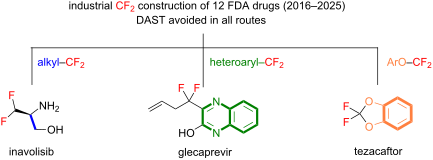
- reagents such as DAST, exhibits excellent chiral selectivity and high yield, and it has been successfully scaled up to 72.8 kg. It provides a practical and feasible reference for the synthesis of chiral β-aminoalcohols containing CF2 groups such as 75. Beyond the alkyl–CF2 construction strategies employed






Amino acid-based surfactants: sustainable synthesis and antimicrobial mechanisms
Beilstein J. Org. Chem. 2026, 22, 1067–1085, doi:10.3762/bjoc.22.85
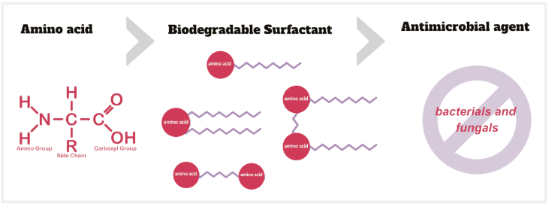
- antimicrobial properties of surfactants are promising, offering novel possibilities for anti-infective agents [24]. Surfactants act mainly by the destabilization of the cell membrane, which compromises the selectivity and homeostasis of the microorganism; they also act with the inhibition of essential enzymatic
- , showing four-fold greater potency than lysine derivatives and two-fold improved selectivity indices (HC50/MIC) versus phenylalanine analogs [57][58]. These structure–activity relationships are particularly evident against challenging pathogens, with arginine–C14 surfactants maintaining MICs of ≈8 μg/mL
- lauroyl-arginine surfactant [60]. These quantitative findings demonstrate dose-dependent, multitarget antimicrobial activity while maintaining selectivity (therapeutic index > 8 for most pathogens), highlighting their potential as resistance-resistant antimicrobial agents. The in silico insights not only


Synthesis of novel 1,2,4-oxadiazole-isoxazoline hybrids and their in silico potential with adenosine receptors
Beilstein J. Org. Chem. 2026, 22, 1033–1047, doi:10.3762/bjoc.22.82
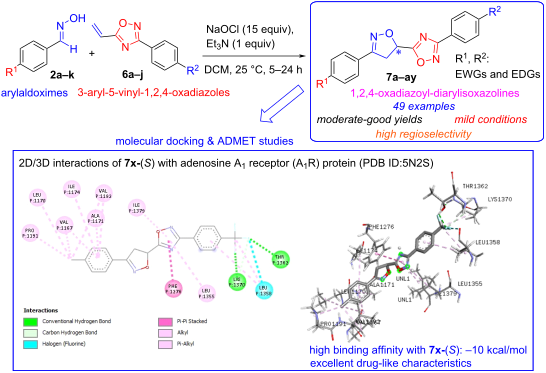
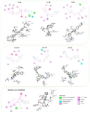
- substantial differences in binding affinity between the enantiomers of the same compounds were observed, with a few exceptions (7d, 7j, 7o, 7s, 7t, 7au, and 7ax). Furthermore, neither the R- nor the S-enantiomers showed a consistent preference or selectivity for receptor binding. The S- and R-enantiomers of


Z-Selective semihydrogenation of alkynes via Ni/Lewis acid synergistic catalyzed system using DMF as hydrogen source and solvent
Beilstein J. Org. Chem. 2026, 22, 1004–1012, doi:10.3762/bjoc.22.79
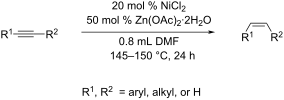
- frequently exhibit modest stereocontrol. While cobalt-based systems have demonstrated some ability to tune Z/E selectivity, they often rely on ammonia borane as the hydrogen donor, which presents certain atom-economic disadvantages [5][28][29][30][31][32][33]. Clearly, new strategies are needed to advance
- intermediates, yet their combination with nickel catalysts has been little explored in alkyne semihydrogenation. We envisioned that merging nickel’s competence in alkyne activation and hydrogen transfer with a Lewis acid’s capacity to modulate reaction pathways could enhance both selectivity and efficiency
- application in reduction chemistry [45][46]. In this work, we describe a new synergistic catalytic system for the cis-selective semihydrogenation of alkynes, utilizing a Lewis acid together with a nickel catalyst and DMF as the hydrogen source. This method achieves excellent Z-selectivity (up to 98:2 Z/E



Novel macrocycles: from synthesis to supramolecular function
Beilstein J. Org. Chem. 2026, 22, 982–985, doi:10.3762/bjoc.22.76
- biological receptors. Their well-defined cavities, reminiscent of enzymatic active sites, provide an ideal environment for multiple noncovalent interactions with guest molecules, thereby enhancing binding affinity and recognition selectivity [1][2][3][4]. Between 1980 and 2000, calixarenes [5][6
- binding affinity and selectivity that depended on the presence of Lys121. Structural investigations revealed an unexpected binding mode in which, in addition to the peptide-mediated recognition of the BIR domain, the tweezer scaffold established supplementary interactions with the protein surface. These
Electrochemical reduction of unsaturated carbon–carbon bonds via 3d transition-metal catalysis
Beilstein J. Org. Chem. 2026, 22, 955–981, doi:10.3762/bjoc.22.75
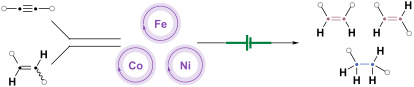
- among chemistry and chemical industry community [1][2][3][4][5][6][7][8][9]. Given this longstanding significance, the development of controlled reduction strategies has diversified to accommodate the distinct reactivity and selectivity. Representatively, complete hydrogenation of alkynes or alkenes is
- achievable reactivity and selectivity [29]. A design for electroorganic synthesis Chemical transformations are inherently governed by the movement of electrons. Consequently, electrochemistry offers a platform in which an applied potential directly controls the electron flow, enable redox processes without
- charge balance. In certain instances, the resulting metal ions may also participate directly in the reaction process. Notably, since electron transfer occurs at the electrode interface, the nature of the electrode material can directly influence both reactivity and selectivity. Nevertheless, such choices








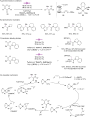
Recent advances in copper-catalyzed direct hydroamination of alkenes with (hetero)aromatic amines
Beilstein J. Org. Chem. 2026, 22, 925–947, doi:10.3762/bjoc.22.73
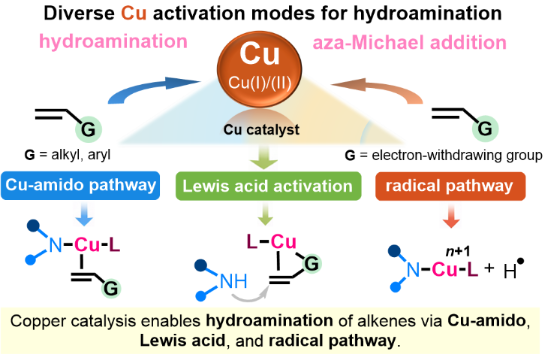
- , and functional group tolerance. This review summarizes recent advances in the copper-catalyzed hydroamination of alkenes with (hetero)aromatic N–H nucleophiles, emphasizing the mechanistic paradigms and the factors governing selectivity. Keywords: aromatic amines; aza-Michael addition; Cu catalysis
- aza-heterocycles often exhibit attenuated nucleophilicity, distinct acidity profiles, and potential coordination to metal centers, all of which can significantly influence catalytic reactivity and selectivity [20]. Therefore, the development of catalytic systems that can accommodate the unique
- )aromatic N–H nucleophiles. Notably, ligand design has emerged as a powerful tool for tuning the reactivity and selectivity, including control over Markovnikov vs anti-Markovnikov addition and enantioselective induction in selected cases. These developments collectively underscore the unique adaptability of







Palladium-catalyzed benzocyclization reactions of quinoline-2-carboxamides via sequential C–H/N–H functionalization
Beilstein J. Org. Chem. 2026, 22, 905–914, doi:10.3762/bjoc.22.71
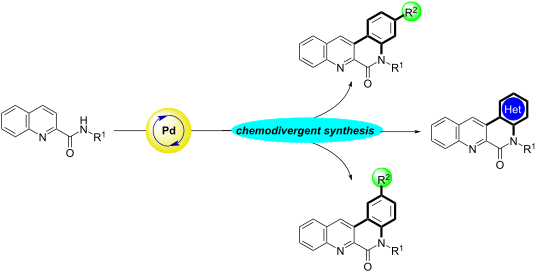
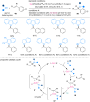
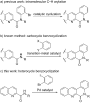
- -metal catalysts. This can reveal their selectivity in terms of reaction position(s) in chemodivergent synthesis (Scheme 2c). The present report explores benzocyclization reactions involving sequential C–H/N–H functionalization by a palladium catalyst. Results and Discussion First, the C–H/N–H annulation




Diastereodivergent electrophilic trapping of α-boryl lithium derivatives
Beilstein J. Org. Chem. 2026, 22, 882–887, doi:10.3762/bjoc.22.68
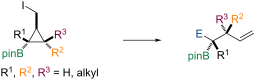
- facial selectivity during electrophilic trapping. These findings expand the synthetic utility of α-boryl lithium intermediates and provide insight into the origins of their diastereoselectivity. Keywords: α-boryl lithium; diastereoselectivity; (iodomethyl)cyclopropylboronic esters; ring-opening
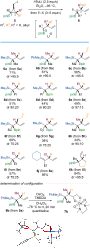
- reaction. We were particularly interested in examining cases with alkyl (5) instead of aryl substituents in 2 on C2 (Scheme 2). We initiated the investigation into the selectivity of the transformation with the synthesis of a library of cyclopropylmethyl iodides 5a–i, using our previously reported
- electrophile PhMe2SiCl did not alter the selectivity of the transformation, yielding 6b as a single diastereomer (Scheme 3). The relative configuration of 6b was determined by X-ray analysis of the osmate ester 7b, derived from osmium-catalyzed dihydroxylation (Scheme 3) [38], and the other products were




Site-specific labelling of native peptides and proteins: chemical and enzymatic strategies
Beilstein J. Org. Chem. 2026, 22, 857–881, doi:10.3762/bjoc.22.67
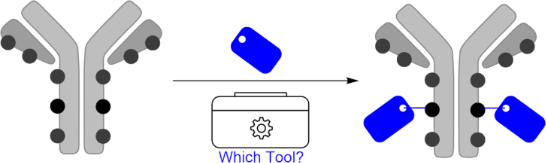
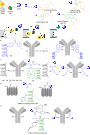
- reagent, 1) was used to label the α-amino group of insulin during sequence determination (Scheme 1a). Its selectivity over lysine’s ε-amine originates from the low pKa of the N-terminus, influenced by the adjacent carbonyl group and systematically characterized at ≈6–7 (Scheme 1b) [7]. Building on this
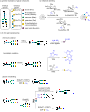
- principle, pH-controlled N-terminal PEGylation has been applied to the labelling of filgrastim, producing Neulasta®, a long-acting chemotherapy support drug [8]. Enhanced N-terminal modification selectivity can be achieved with dinucleophilic residues. Native chemical ligation recruits N-terminal cysteine
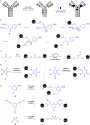
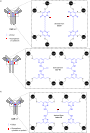
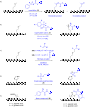
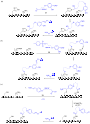
- or cleavable leader peptides. C-Terminal labelling typically suffers from modest conversions (≈50% for photoredox strategies). While selectivity has been improved, few approaches are fully specific. For further discussion, see reviews [25][26]. Rebridging agents Protein sidechains frequently form








The trans-influence in gold chemistry from a catalytic perspective
Beilstein J. Org. Chem. 2026, 22, 838–856, doi:10.3762/bjoc.22.66
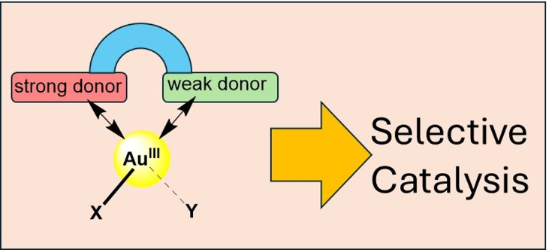
- an important role, affecting reaction rates, thermal stability, reaction pathways and selectivity. Various approaches have been taken to quantify these effects. Given the ubiquitous nature of gold(I) complexes LAuX and the fact that in such systems steric effects tend to be negligible, many studies
- and 3. This correlation proved to be of predictive value in the optimisation of product selectivity with as yet untested ligands [26]. Using kinetic competition experiments is a particularly sensitive method for assessing ligand effects in catalysis, since they are able to quantitatively reflect even
- complexes. Both terminal and internal alkynes could be inserted, with a wide variety of functional groups including alkyl, aryl, OH, COOH, amide and aldehyde substituents, but not DMAD. The excellent stereo- and regiochemical selectivity could be explained by a bimolecular mechanism, as confirmed by DFT


Total synthesis of the capsular polysaccharide repeating unit towards the development of a glycoconjugate vaccine against Klebsiella pneumoniae ST512
Beilstein J. Org. Chem. 2026, 22, 821–827, doi:10.3762/bjoc.22.64
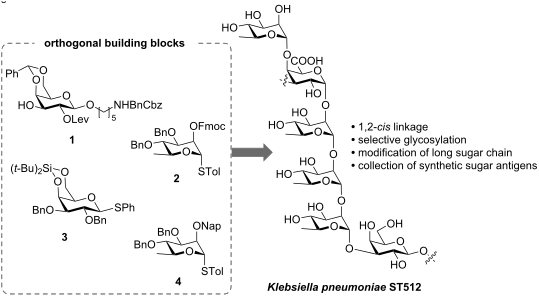
- . Keywords: glycoconjugate vaccines; glycosylation; oligosaccharides; selectivity control; total synthesis; Introduction The emergence and rapid spread of multidrug-resistant bacteria represent a critical threat to global health [1][2][3][4]. Among these pathogens, Klebsiella pneumoniae has surfaced as a
- by a one-pot Fmoc deprotection, afforded disaccharide 13 in 70% yield over two steps. Complete α-selectivity was observed, which can be attributed to the anomeric effect and the neighboring group participation of the C2-Fmoc group [34]. Two sequential cycles of glycosylation and Fmoc removal
- successfully cleaved the silylidene group, producing pentasaccharide diol 17 in 81% yield. The final stages involved the regioselective installation of an Fmoc group at the C6-hydroxy group, followed by glycosylation with building block 4 to provide hexasaccharide 19 with complete α-selectivity. Global


Synthetic study of vic-bromination of diarylacetylenes, easy purification and separation
Beilstein J. Org. Chem. 2026, 22, 795–802, doi:10.3762/bjoc.22.61
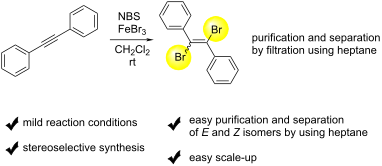
- (VII)) to give (E)-1,2-dibromo-1,2-diphenylethylene, selectively (Scheme 1a) [3]. However, MTO is an expensive reagent and a more versatile synthetic method is highly needed. As a simple method, the reaction of diphenylacetylene and Br2 in CH2Cl2 was reported by Glorius in 2007 [4], but the selectivity
- was reported for the Z isomer (Scheme 1b). As another example in 2008, Adimurthy and co-workers proposed the combination of NaBr-NaBrO3 in AcOH in order to prepare in-situ generated Br2, which was reacted with diphenylacetylene to give no selectivity between E and Z isomers of 1,2-dibromo-1,2
- the combination of NBS (N-bromosuccinimide) and FeBr3 in CH2Cl2 was good for the reaction with diphenylacetylene [16][17][18][19] to give 1,2-dibromo-1,2-diphenylethylene with high E-selectivity. The present method has some advantages. First, is mild reaction conditions, and second is stereoselective



Design, synthesis, and biological evaluation of FXR/ASK1 dual-target modulators
Beilstein J. Org. Chem. 2026, 22, 771–781, doi:10.3762/bjoc.22.59
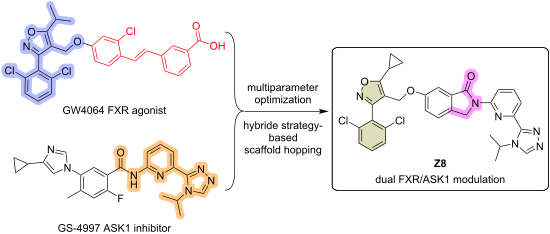
- comprehensive multiparameter optimization, compound Z8 emerged as a lead FXR/ASK1 dual modulator, demonstrating suitable liver microsome stability and high target selectivity. Collectively, compound Z8 holds great promise for the treatment of MASH. FXR agonist activity of all compounds. Results of the dual


Rongalite addition to dienones: diastereoselectivity in cyclic sulfone synthesis; stereochemical rationalization and prospects as a general conjugate nucleophile
Beilstein J. Org. Chem. 2026, 22, 742–752, doi:10.3762/bjoc.22.56

- Information File 1 for a graphical representation of this and TS images directly generated from the computational data). The analogous calculations for 1a and 1b showed a much smaller difference in activation barrier, 1.0 kcal/mol, which is consistent with the lower selectivity observed for that substrate
- selectivity for formation of 26 at room temperature suggests a profile that is more reflective of kinetic control, such that we can argue that 26 forms between 1 and 2 orders of magnitude more rapidly than cyclic products 1a and 1b, such that they are not detectable in the 1H NMR spectra. Further anecdotal




Synthesis of heterocycles based on azomethine ylides from α-amino acids (or amines) and carbonyl compounds
Beilstein J. Org. Chem. 2026, 22, 705–741, doi:10.3762/bjoc.22.55
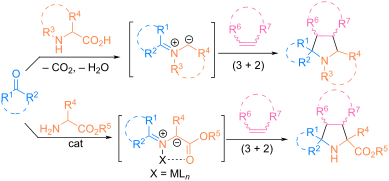
- enantioselectivity was observed. In a similar study, Wang et al. reported the CuI/TF-BiphamPhos (L3) complex, a new and highly efficient catalyst for the asymmetric 1,3-dipolar cycloaddition reaction [38]. The authors noted excellent reactivity, selectivity, and a wide range of structural variants for various
- /bisoxazoline L19 as a chiral catalyst system, high enantioselectivity (up to 97% ee) and moderate to high exo-selectivity were achieved in the reactions with N-methylmaleimide. The high efficiency of iminoesters as azomethine precursors is due to the high acidity at the enolizable Cα position and the formation
- . Further studies revealed that reactions of deactivated symmetrical dipolarophiles such as dimethyl fumarate, dibenzoylethylene, and fumarodinitrile proceeded with moderate exo-selectivity and good enantioselectivity (72–91% ee) (Scheme 32). Importantly, reactions with unsymmetrically substituted alkenes


Advantages of PROTACs in achieving selective degradation of homologous protein families
Beilstein J. Org. Chem. 2026, 22, 628–661, doi:10.3762/bjoc.22.49
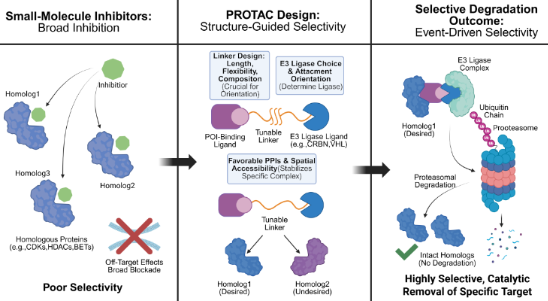
- . Compared with conventional small-molecule inhibitors, PROTACs exhibit notable advantages, particularly in achieving selectivity within highly homologous proteins. The ability to discriminate among members of such families holds broad implications for future disease treatment. In this review, we primarily
- summarize the advantages of PROTACs in conferring selectivity toward highly homologous proteins. This focus will provide a feasible strategy for developing PROTACs that selectively target highly homologous proteins and will ultimately support future therapeutic applications. Keywords: homologous protein
- ; PROTAC; protein–protein interaction; selectivity; ubiquitination; Introduction The cell is the fundamental unit of structure and function in the human body [1][2]. More than 20,000 proteins act in concert to regulate the entire cellular life process [1]. To date, dysregulated protein function has been


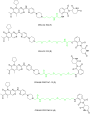

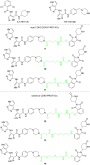


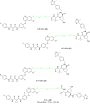
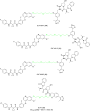




Towards the targeted protein degradation of CK2: design and synthesis of CAM4066-based PROTACs
Beilstein J. Org. Chem. 2026, 22, 611–619, doi:10.3762/bjoc.22.47
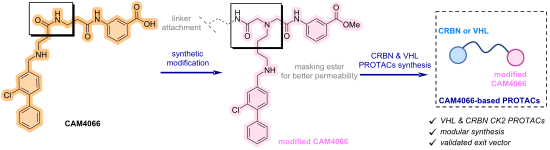
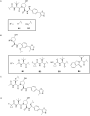
- off-target effects and incomplete or transient CK2 suppression. PROTACs offer an alternative strategy by inducing proteasome-mediated degradation, with potential advantages in potency, selectivity, and duration of action. Herein, a series of CK2-targeting PROTACs has been designed and synthesised. By
- selectivity and well-characterised bivalent binding mode across the ATP and αD pockets. Because a successful degrader must first engage the protein of interest with sufficient affinity, a PROTAC derived from CAM4066 was expected to retain CK2 specificity and achieve kinase-directed degradation rather than

Computational prediction of C–H hydricities and their use in predicting the regioselectivity of electron-rich C–H functionalisation reactions
Beilstein J. Org. Chem. 2026, 22, 603–610, doi:10.3762/bjoc.22.46
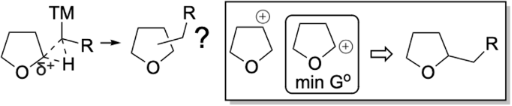
- . However, nitrene insertion into compound 3 [40] is better predicted by BDE, although the two lowest BDEs are within 0.1 kcal/mol of each other. As noted by Cernak et al. [6], reaction selectivity of this reaction “has a strong dependence on the structure of the nitrene precursor, highlighting the caution
- that must be used when applying simple measures of selectivity prediction in a complex setting.” Compound 4 Vermeulen et al. [41] reported the Fe(DPD)-catalysed oxidation of (+)-artemisinin (compound 4). Similarly to nitrene insertion into cycloheximide (compound 2), the reactive site does not


![[Graphic 6]](/bjoc/content/inline/1860-5397-22-46-i8.svg?max-width=637&scale=1.18182)


Design and synthesis of an erdafitinib-based selective FGFR2 degrader
Beilstein J. Org. Chem. 2026, 22, 583–591, doi:10.3762/bjoc.22.44
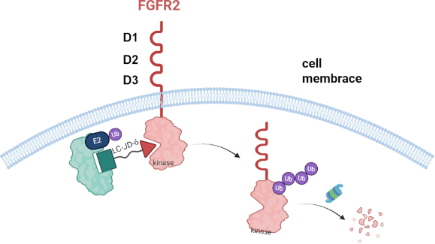
- . Selectivity analysis revealed that LC-JD-6 specifically degraded FGFR2 with minimal impact on other FGFR subtypes. Further studies confirmed that LC-JD-6 also efficiently reduced the expression of FGFR2 on the cell membrane surface. In conclusion, this study successfully developed LC-JD-6, a novel FGFR2
- positioned in the solvent-exposed region of the molecule. Given this observation, we selected the aliphatic amine group as a suitable conjugation site (Figure 2a). Previous studies have shown that different linkers exhibit distinct selectivity profiles [31]. Therefore, in this study, novel FGFR2 degraders
- effectively degrade FGFR2 via the proteasomal pathway, while the VHL E3 ligase-based degrader DGY-09-192 is capable of degrading both FGFR1 and FGFR2 simultaneously [40]. These findings suggest that different E3 ligase ligands may influence the selectivity and efficiency of degradation [41]. Nevertheless, due



Continuous-flow carbonyl hydrogenation under subatmospheric to atmospheric hydrogen pressure enabled by robust heterogeneous Pt–Fe catalysts
Beilstein J. Org. Chem. 2026, 22, 575–582, doi:10.3762/bjoc.22.43
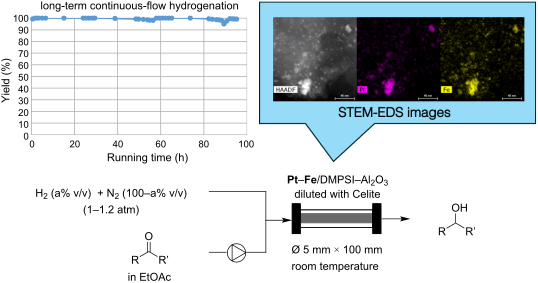
- activity and selectivity. The binding energies of Pt 4d in Pt–Fe/DMPSi‒Al2O3 (332, 315 eV) are lower than those of Pt/DMPSi‒Al2O3 (333, 316 eV) and Pt–Ni/DMPSi‒Al2O3 (334, 317 eV) [30]. Thus, the Pt species in Pt–Fe/DMPSi‒Al2O3 is the most electronically negative among the catalysts, which leads to a


Kinetic resolution of racemic planar-chiral vinylcymantrenes by molybdenum-catalyzed asymmetric metathesis dimerization
Beilstein J. Org. Chem. 2026, 22, 568–574, doi:10.3762/bjoc.22.42
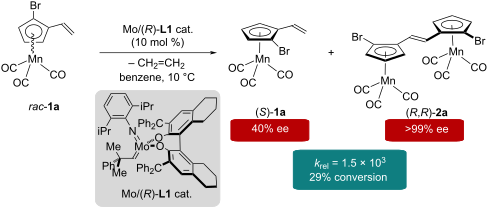
- chiral-2a/meso-2a = 96:4 molar ratio, and the selectivity factor (krel) was calculated to be 754 based on a second-order equation. In all the three substrates examined, the dimerized products, chiral-2, were obtained in >98% ee thanks to the outstanding enantioselectivity. Keywords: cymantrene; kinetic
- appropriate chiral Mo-alkylidene precatalyst, the highly diastereo- and enantioselective kinetic resolution (KR) of the racemic substrates was attained with the krel values ([reaction rate of the fast-reacting enantiomer]/[reaction rate of the slow-reacting enantiomer]; selectivity factor) of up to 96 for the


Molecular tweezer–peptide conjugates disrupt the protein–protein interaction between survivin and histone H3 essential in mitosis
Beilstein J. Org. Chem. 2026, 22, 557–567, doi:10.3762/bjoc.22.41
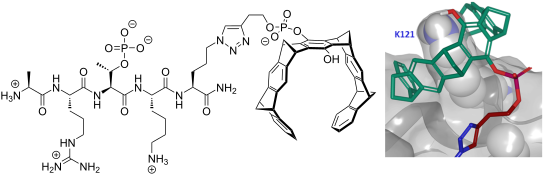
- attached phosph(on)ate anions as powerful new hosts for the amino acids lysine and arginine. In the recent past, we demonstrated that the affinity and selectivity of our lysine-selective molecular tweezers could be improved by attaching natural peptide recognition elements. This could be documented in
- and precisely the natural binding site in the wide 14-3-3-cleft [10]. These examples for designed protein–protein interaction (PPI) inhibitors demonstrated that short but highly flexible linkers are imperative to increase selectivity and minimize entropical penalty. The design was strongly supported




Synthesis and uranyl(VI) extraction performance of a calix[4]pyrrole–tetrahydroxamic acid receptor
Beilstein J. Org. Chem. 2026, 22, 486–494, doi:10.3762/bjoc.22.36
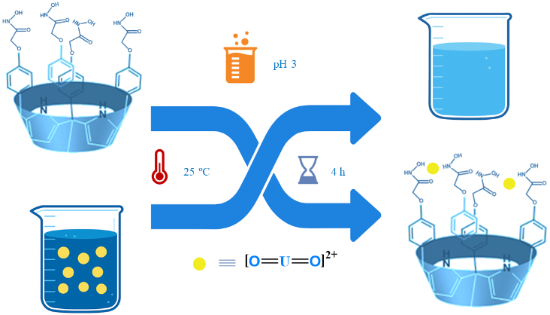
- [4]resorcinarene hydroxamic acid has also shown a pronounced binding tendency and selectivity for uranyl and proved to be applicable for the determination of uranium in standard and environmental samples [34]. Importantly, more recent studies have demonstrated that pre-organized or cyclic hydroxamate


Recent advances in the stereoselective synthesis of distal biaxially chiral molecules
Beilstein J. Org. Chem. 2026, 22, 461–479, doi:10.3762/bjoc.22.34
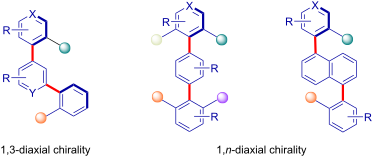
- atropisomeric (hetero)biaryls (Scheme 17) [56]. This highly enantioselective C–H arylation of heteroarenes employs a Pd(0) complex with H8-BINAPO L8 as the chiral ligand, enabling the arylation of 1,2,3-triazoles and pyrazoles in excellent yields with great selectivity. This method also facilitates





