


Search results
Search for "biocompatibility" in Full Text gives 299 result(s) in Beilstein Journal of Nanotechnology. Showing first 200.
Restorative potential of laser-synthesized silver nanoparticles with Salvia officinalis for periodontal disease treatment: an in vitro study
Beilstein J. Nanotechnol. 2026, 17, 781–795, doi:10.3762/bjnano.17.55
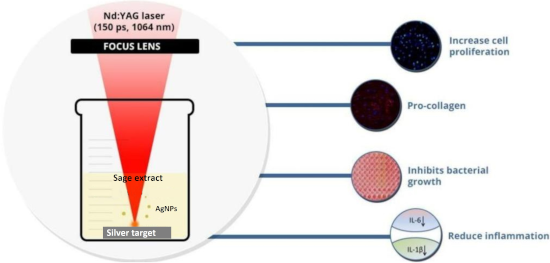
- chemical synthesis offers size control, it typically involves toxic reducing agents, raising biocompatibility concerns [3]. AgNP synthesis using plant extracts has gained attention due to environmental friendliness, but it lacks precise control over size and dispersity of AgNPs. Laser synthesis
- , even though they usually extract higher levels of phytoconstituents [30]. In contrast, aqueous extraction relies on eco-friendly principles that reduce toxicity and support the biocompatibility of the obtained nanoparticles. The high concentration of rosmarinic acid in our extract is particularly
- cells, outlining the concentration limit. Previous studies also showed that the toxicity of AgNPs strongly depends on the size, concentration, and surface modification, and that the synthesis with phytochemicals could reduce their toxicity and improve biocompatibility [43][44]. SageAgNPs6mJ exhibited



Environmental applications of silver nanoparticles: state-of-the-art review and emerging trends
Beilstein J. Nanotechnol. 2026, 17, 697–736, doi:10.3762/bjnano.17.49
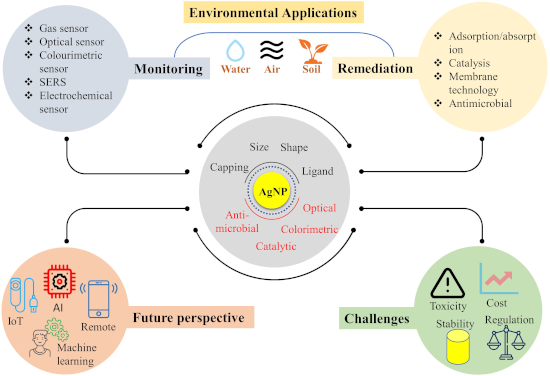
- their environmental friendliness and biocompatibility [41][42]. Green synthesis can be considered an alternative to chemical and physical methods, utilising renewable resources and mild reaction conditions to produce AgNPs with tailored properties [43]. Developing new AgNPs via green synthesis has
- polymers or targeting ligands can enhance stability, dispersibility, and biocompatibility for specific ecological applications [64]. For example, differently capped AgNPs (e.g., PEG, EDTA, PVP, or PVA) exhibited NP size variations, ultimately affecting antimicrobial and sensing applications. PVA provided


Protein-based custom-designed molecular nanotraps for biomedical applications
Beilstein J. Nanotechnol. 2026, 17, 683–687, doi:10.3762/bjnano.17.47
- , choosing the protein building block among those already in use in tissue engineering and regenerative medicine, such as gelatin and silk fibroin, ensures biocompatibility, biodegradability and non-toxicity. Despite these potentials, to date, the use of proteins as building blocks for the preparation of
- ]. Besides, gelatin and GelMA hydrogels exhibit enhanced biocompatibility, making them suitable for biomedical applications, cell scaffolds, wound dressings, and drug delivery [13]. Silk is another promising protein-based material used in tissue engineering [15]. The structure of silk consists of two

Cellulose as a photocatalyst support material: extraction, structural features, and environmental applications
Beilstein J. Nanotechnol. 2026, 17, 635–652, doi:10.3762/bjnano.17.44
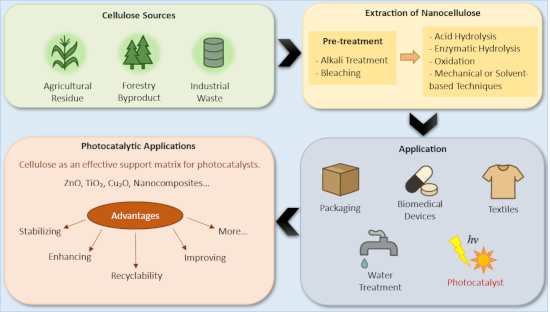
- polymers provide distinct advantages such as renewability, biodegradability, and biocompatibility, which make them particularly valuable for biomedical applications. Among polysaccharides, cellulose is the most abundant biodegradable polymer [1]. Many researchers have reported on the extraction of
- biocompatibility, and biodegradability, which collectively make it a valuable resource across different applications. In papermaking, bacterial cellulose has been incorporated as a high-strength additive to create fine fiber networks, while also being explored for restoring damaged paper and even in the
- methyl cellulose [67]. The medical sector benefits greatly from cellulose’s natural biocompatibility, while its derivatives and nanocellulose can be produced through chemical modifications or combined physical and chemical treatments, which have further expanded its applications by offering better


Advances in nanotechnology applied to natural products
Beilstein J. Nanotechnol. 2026, 17, 555–558, doi:10.3762/bjnano.17.36
- modifications (e.g., polymer or polysaccharide coatings) can be used to tailor stability and biological interactions [16]. These vesicles are attractive due to their biocompatibility and capacity to encapsulate both hydrophilic and lipophilic substances [17]. Liposomes have been explored in diverse biomedical
Nanocarrier-integrated multilayer films produced by 3D printing for improved skin adhesion and curcumin photostability
Beilstein J. Nanotechnol. 2026, 17, 440–453, doi:10.3762/bjnano.17.30
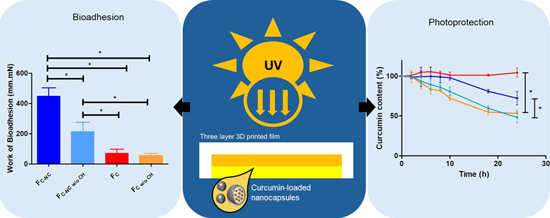
- previously demonstrated for SSE-based systems [27]. The incorporation of alginate contributes to biocompatibility and creates a hydrogel microenvironment resembling the extracellular matrix, which may favour tissue interaction [33]. The upper layer, composed of a CMC hydrogel containing titanium dioxide


Biomimetic nanoparticles in cancer photodynamic therapy: a review of targeted delivery systems and therapeutic outcomes
Beilstein J. Nanotechnol. 2026, 17, 396–422, doi:10.3762/bjnano.17.27
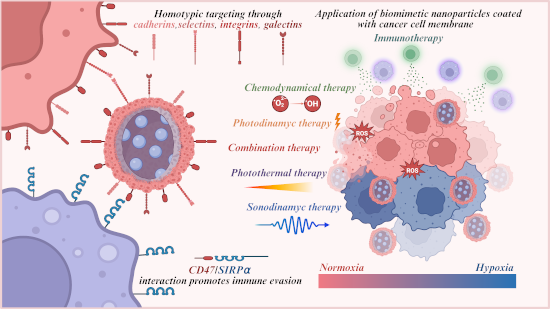
- ][12]. Biomimetic nanoparticles (BNPs) represent a transformative novel approach for PS delivery [13]. By mimicking biological structures, such as cell membranes, proteins, or endogenous carriers, BNPs enhance PS delivery through improved biocompatibility, immune evasion, and active tumor targeting
- hydrophilicity/lipophilicity ensures selective accumulation in target tissues, such as tumors via the EPR effect, and efficient cellular internalization. Low photobleaching sustains activity during treatment, while biocompatibility and biodegradability reduce adverse effects and enhance the therapeutic index
- mimic their functions belong to the third generation of nanodelivery systems [50]. The first generation of particles was based on surface modifications to reduce the interactions with immune cells and to increase biocompatibility. Among them, biocompatible polymers like PEG and PPE have been widely used


Advancing nanolithography: a comprehensive review of materials for local anodic oxidation with AFM
Beilstein J. Nanotechnol. 2026, 17, 275–291, doi:10.3762/bjnano.17.19
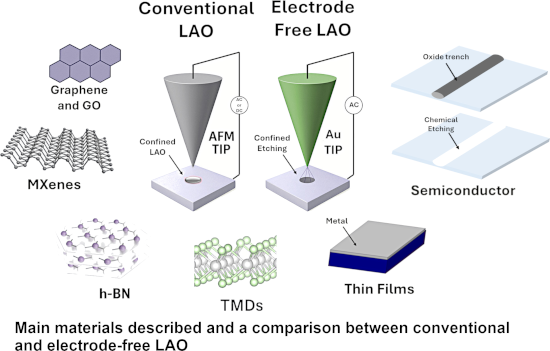
- polymers can be selectively oxidized to create hydrophilic regions or chemically reactive sites, enabling controlled interactions with proteins, cells, or other biomolecules. However, challenges remain in ensuring that the LAO process does not degrade the material’s biocompatibility or structural integrity


Micro- and nanoscale effects in biological and bioinspired materials and surfaces
Beilstein J. Nanotechnol. 2026, 17, 214–217, doi:10.3762/bjnano.17.14
- medicine, Perini et al. [25] reviewed the importance of biomimetic nanocarriers for drug delivery systems with improved biocompatibility and target specificity, whereas Mohammed et al. [26] focused on biomimetic potential for nanomedicines in tumor therapy. Besides nanotechnological solutions inspired by
Safe and sustainable by design with ML/AI: A transformative approach to advancing nanotechnology
Beilstein J. Nanotechnol. 2026, 17, 176–185, doi:10.3762/bjnano.17.11
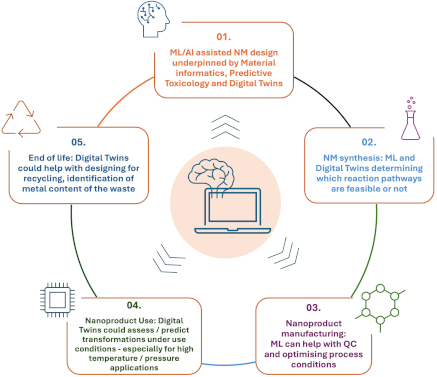
- macroscopic properties such as catalytic efficiency, biocompatibility, or environmental persistence. This synergy not only speeds up the discovery process but also allows for continuous refinement of computational models as new data emerge from iterative experimental validation. Moreover, inverse design
- biocompatibility. Similarly, in the field of environmental risk assessment, digital twins simulate how ENMs disperse under varying climatic and ecological conditions and advanced environmental fate models can be utilised to explore the impact of changing conditions or application of mitigation or environmental


From shield to spear: Charge-reversible nanocarriers in overcoming cancer therapy barriers
Beilstein J. Nanotechnol. 2026, 17, 159–175, doi:10.3762/bjnano.17.10
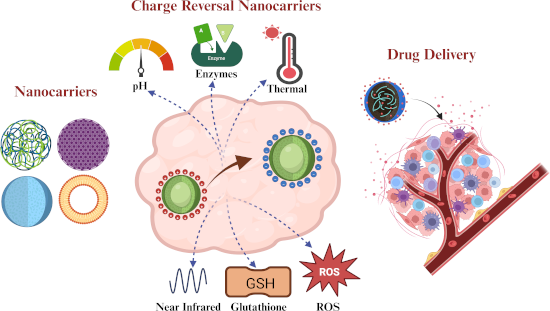
- through pH-sensitive or neutral/zwitterionic designs enhances therapeutic precision, circulation stability, and biocompatibility by enabling controlled drug release while minimising immune recognition and cytotoxicity. CRNs exhibit diverse mechanisms, applications, and advantages that enhance their
- trigger drug release. They show minimal release at physiological temperature, near-complete release under hyperthermia, and excellent tumour-targeting efficacy with high biocompatibility [66]. Iron oxide nanocubes coated with a thermoresponsive polymer (TR-DOXO) enabled magnetic-hyperthermia-triggered
- nanohydrogel, with excellent biodegradability and biocompatibility, which holds strong potential as a doxorubicin drug carrier for targeted nuclear delivery in cancer therapy [71]. The charge-reversal DOX@MSNs-COS-CMC nanocarrier designed by Cui et al. for targeted delivery, demonstrated enhanced uptake and


Development and in vitro evaluation of liposomes and immunoliposomes containing 5-fluorouracil and R-phycoerythrin as a potential phototheranostic system for colorectal cancer
Beilstein J. Nanotechnol. 2026, 17, 97–121, doi:10.3762/bjnano.17.7
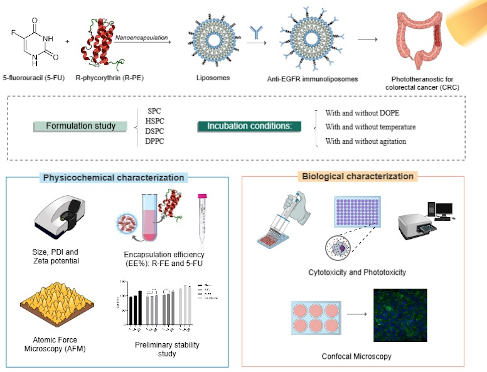
- drug accumulation in tumor tissue through the enhanced permeability and retention (EPR) effect, thereby reducing cytotoxic exposure to healthy tissues and minimizing side effects [6]. Liposomes have promising characteristics due to their biocompatibility and their ability to carry both hydrophilic and



Internal 3D temperature mapping in biological systems using ratiometric light-sheet imaging and lipid-coated upconversion nanothermometers
Beilstein J. Nanotechnol. 2025, 16, 2306–2316, doi:10.3762/bjnano.16.159
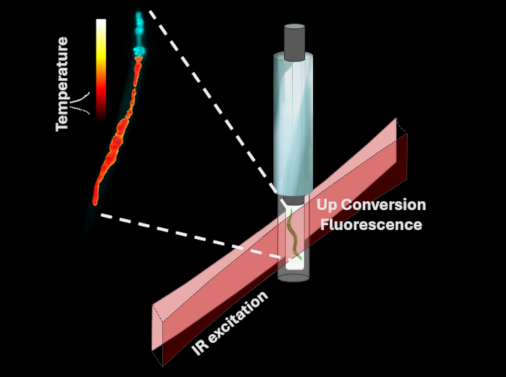
- biocompatibility, low cytotoxicity, and stable optical and chemical properties. Additionally, given the conditions commonly presented in biological samples, these materials should also remain unaffected by changes in pH, concentration, ionic strength, and viscosity [1]. Traditional thermometers are macroscopic
- demonstrated volumetric temperature measurements in C. elegans by combining LSFM with lipid-coated NaYF4:Yb3+/Er3+ upconversion nanoparticles. The lipid coating strategy proved crucial, enhancing biocompatibility and colloidal stability while enabling precise localization of the thermal probes within the


Improving magnetic properties of Mn- and Zn-doped core–shell iron oxide nanoparticles by tuning their size
Beilstein J. Nanotechnol. 2025, 16, 2285–2295, doi:10.3762/bjnano.16.157
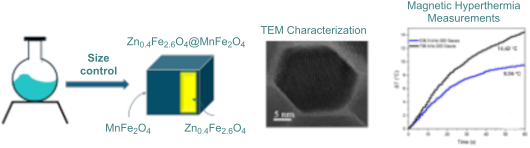
- unique magnetic properties, small size, and biocompatibility, which enable them to be used in a wide range of biomedical applications. These applications include magnetic resonance imaging, magnetic separation, targeted drug delivery, and hyperthermia [1][2]. Magnetic hyperthermia has been extensively
- development of magnetic nanoparticles with enhanced SAR and improved biocompatibility has been a major objective in the field of nanomedicine. Among the various materials used for magnetic hyperthermia, superparamagnetic iron oxide nanoparticles (SPIONs), such as magnetite (Fe3−δO4) and maghemite (γ-Fe2O3
- ), have been extensively studied due to their low toxicity, biocompatibility, and ease of synthesis [5]. However, SPIONs face several challenges related to their relatively low saturation magnetization (Ms) and specific loss power (SLP), which limit their effectiveness in hyperthermia applications



Optical bio/chemical sensors for vitamin B12 analysis in food and pharmaceuticals: state of the art, challenges, and future outlooks
Beilstein J. Nanotechnol. 2025, 16, 2207–2244, doi:10.3762/bjnano.16.153


Ultrathin water layers on mannosylated gold nanoparticles
Beilstein J. Nanotechnol. 2025, 16, 2183–2198, doi:10.3762/bjnano.16.151
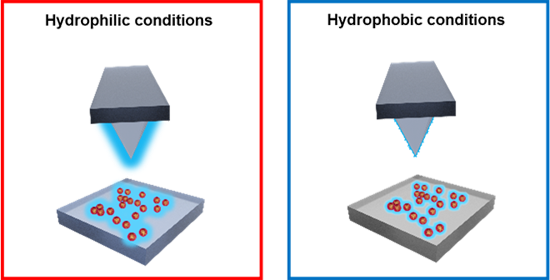
- properties on particle size and shape has been demonstrated for particle sizes in the 1–100 nm range and on biological interfaces [7]. Limited biocompatibility and high tendency to aggregate in solution inspired new mechanisms of particle biofunctionalization with proteins, lipids, or carbohydrates. Coupling
- carbohydrates to AuNPs provides particle stability and biocompatibility and allows for studying carbohydrate-mediated interactions and designing novel carbohydrate-based antiviral agents [8][9]. From a molecular point of view, glyconanoparticles are water-soluble gold nanoclusters with a three-dimensional
- sensing, imaging, or drug delivery systems. The success of these platforms stems from their dispersion in water, stability, and biocompatibility in fully hydrated states, as well as in biological fluids. Our investigation shows a novel approach to these particles by testing the hydration properties under



Quality by design optimization of microemulsions for topical delivery of Passiflora setacea seed oil
Beilstein J. Nanotechnol. 2025, 16, 2116–2131, doi:10.3762/bjnano.16.146
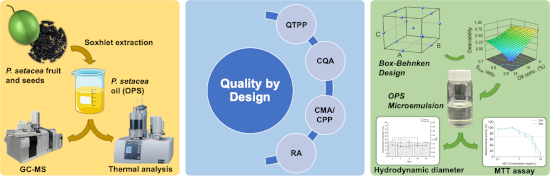
- were incorporated into the formulation within their commonly employed concentration ranges [36]. Sodium carboxymethylcellulose (NaCMC, 1.5% w/w) was added as a gelling agent owing to its excellent biocompatibility, ease of dispersion in aqueous systems, and ability to enhance viscosity without


Rapid synthesis of highly monodisperse AgSbS2 nanocrystals: unveiling multifaceted activities in cancer therapy, antibacterial strategies, and antioxidant defense
Beilstein J. Nanotechnol. 2025, 16, 2105–2115, doi:10.3762/bjnano.16.145
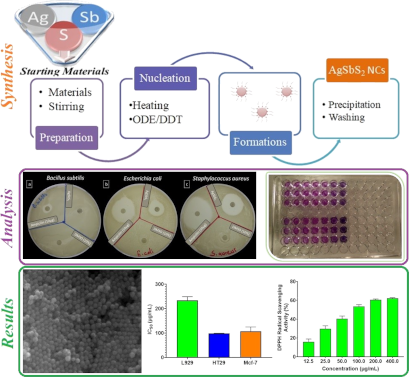
- Humicola sp. in biomedical applications were investigated. Cancer experiments were carried out using breast cancer and Burkitt’s lymphoma cancer cells, while the biocompatibility tests of α-AgS nanoparticles were also conducted using human peripheral blood mononuclear cells (PBMCs) [18]. Additionally
- biofunctional characteristics relevant to biomedical applications. Despite these promising findings, the results are limited to in vitro assays. Future work should therefore prioritize in vivo validation, mechanistic studies, and surface engineering strategies to enhance biocompatibility and therapeutic


Toward clinical translation of carbon nanomaterials in anticancer drug delivery: the need for standardisation
Beilstein J. Nanotechnol. 2025, 16, 2092–2104, doi:10.3762/bjnano.16.144
- nanotubes, and carbon dots, have attracted considerable interest as nanocarriers for drug delivery due to their unique physicochemical properties. Their high surface area, biocompatibility, and modifiable surface chemistry make them highly attractive for a range of biomedical applications. However, concerns
- nanomaterials (CNMs) have been largely developed as nanocarriers for drug delivery due to their biocompatibility, high surface area, tuneable physicochemical properties, and targeting capabilities [13][14]. However, CNMs also present a subset of challenges, including toxicity concerns, expensive and time
- stabilising surface coatings are employed to preserve nanoparticle stability over time. The degree of functionalisation is also a key consideration as surface modifications can enhance solubility, targeting ability, and biocompatibility. Consistent functionalisation is necessary to ensure reproducibility and



Beyond the shell: exploring polymer–lipid interfaces in core–shell nanofibers to carry hyaluronic acid and β-caryophyllene
Beilstein J. Nanotechnol. 2025, 16, 2015–2033, doi:10.3762/bjnano.16.139
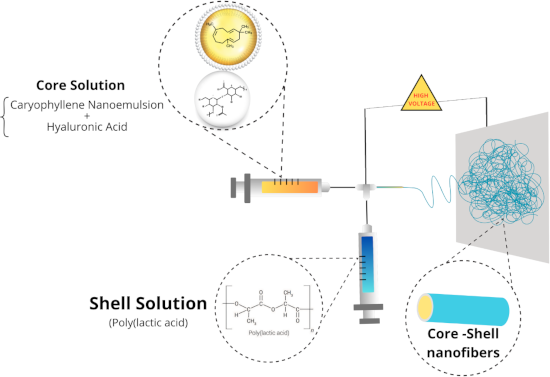
- degradation, and moderate hydrophilicity, but also biocompatibility, non-toxicity, and non-carcinogenicity [5]. Adhering to these critical quality requirements for biomedical products, polylactic acid (PLA) was selected for nanofiber production. This biotechnologically derived aliphatic polyester is a rigid
- thermoplastic known for its biodegradability, biocompatibility, and bioabsorbability [20][21]. Highly attractive due to its versatile physical, chemical, and biological properties, PLA is a suitable option for manufacturing tissue engineering scaffolds, implantable devices, and drug delivery systems, holding
- applications and naturally occurring in vertebrates [26][27]. It is a key element of the extracellular matrix, providing a gelatinous structure where collagen and elastin fibers are embedded. As an endogenous molecule, it demonstrates ideal biocompatibility and full absorption by human tissues. Its natural




PEGylated lipids in lipid nanoparticle delivery dynamics and therapeutic innovation
Beilstein J. Nanotechnol. 2025, 16, 1914–1930, doi:10.3762/bjnano.16.133
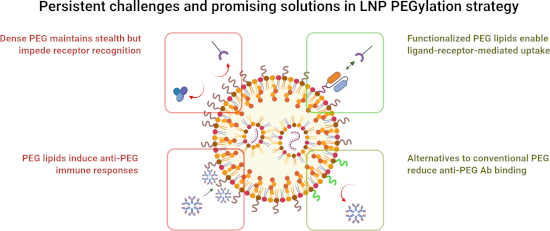
- alternatives to conventional PEG lipids that retain the key functions of colloidal stability and surface stealth while reducing immune recognition [8][77]. Alternatives to conventional PEG lipids for enhanced LNP biocompatibility While PEG lipids have long been the top candidate for enhancing LNP stealth and
- delivery [79]. pSar shares many of PEG’s stabilizing properties, such as preventing particle aggregation and providing a hydrophilic barrier, but it offers improved biocompatibility and a lower risk of immune activation [80]. In an earlier study, DMG-PEG lipid was replaced with pSar lipids of different


Self-assembly and adhesive properties of Pollicipes pollicipes barnacle cement protein cp19k: influence of pH and ionic strength
Beilstein J. Nanotechnol. 2025, 16, 1863–1872, doi:10.3762/bjnano.16.129
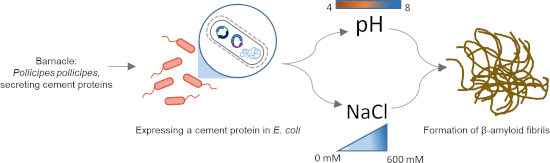
- their formulation, biocompatibility, long-term stability, and clinical efficacy still require significant investigation [12][13]. Barnacles are sessile marine organisms which employ a different strategy for underwater adhesion: they secrete a multicomponent proteinaceous cement that facilitates robust


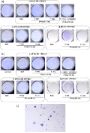
On the road to sustainability – application of metallic nanoparticles obtained by green synthesis in dentistry: a scoping review
Beilstein J. Nanotechnol. 2025, 16, 1851–1862, doi:10.3762/bjnano.16.128
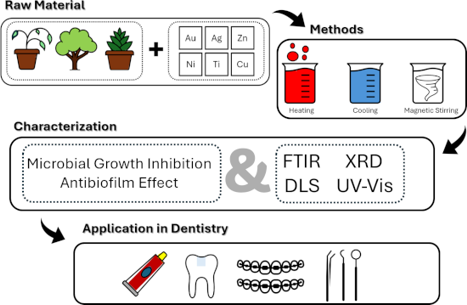
- activity and enhanced biocompatibility, achieved through phytochemically mediated synthesis. Conventional nanoparticle production often relies on toxic reagents and energy-intensive processes, posing environmental and clinical challenges. In contrast, green synthesis, using plant extracts, fungi, or
- significantly reduces the generation of toxic waste, occupational risks, and environmental impacts [13][14][15]. Furthermore, green-synthesized nanoparticles demonstrate enhanced biocompatibility, improved bioavailability, and reduced cytotoxicity, which broadens their applicability in fields such as dental
- [45][46]. Besides silver, zinc, copper, and nickel, other metals have been used to a lesser extent. The significant representation of ZnO-NPs, known for their biocompatibility, UV-blocking capacity, and antibacterial efficacy, aligns with their growing use in restorative and preventive dentistry


Piezoelectricity of layered double hydroxides: perspectives regarding piezocatalysis and nanogenerators
Beilstein J. Nanotechnol. 2025, 16, 1812–1817, doi:10.3762/bjnano.16.124
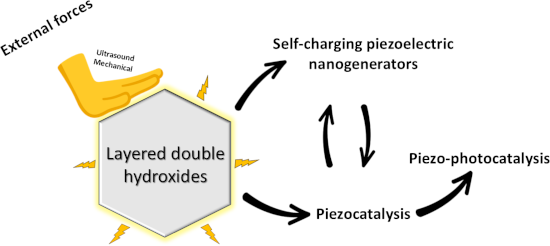
- biocompatibility might exhibit a piezoelectric effect under ultrasound irradiation and generate superoxide anion radicals [5]. The results confirmed the potential of the selected LDH for application in novel piezocatalytic tumor therapy as an effective sonosensitizer. The obtained data indicated that the

Exploring the potential of polymers: advancements in oral nanocarrier technology
Beilstein J. Nanotechnol. 2025, 16, 1751–1793, doi:10.3762/bjnano.16.122
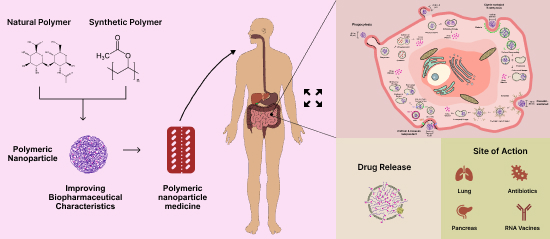
- invasiveness and greater biocompatibility [11]. Polymeric nanoparticles (PNs) have been studied for their potential in the oral delivery of insoluble drugs and biological products [12]. Peptides, such as GLP-1 receptor agonists [13], nucleic acids such as RNA [14], insulin [15], and antigens [16] have been
- , thereby achieving highly efficient drug release [18]. This interaction with biological systems without inducing negative or toxic effects is attributed to their biocompatibility and biodegradability [19]. Surface design plays a pivotal role in PNs for oral use, as it dictates their behavior during
- bioavailability enhancement are discussed. The objective of this study is to provide a comprehensive theoretical foundation for employing polymers as nanocarriers in oral drug delivery. 2 Polymeric nanoparticles: a viable option for oral administration The biocompatibility and biodegradability of polymers have





