Search results
Search for "cell membrane" in Full Text gives 147 result(s) in Beilstein Journal of Nanotechnology.
Nanocarrier strategies to overcome P-glycoprotein-mediated drug resistance in cancer therapy
Beilstein J. Nanotechnol. 2026, 17, 882–921, doi:10.3762/bjnano.17.64
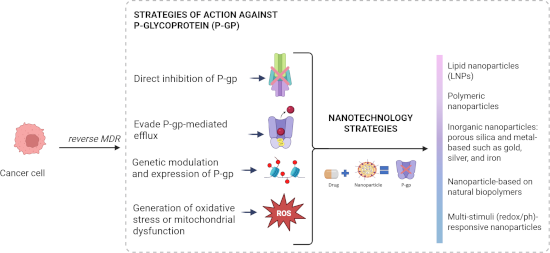
- , drug detoxification, drug sequestration by lysosomes, overexpression of efflux transporters, and enhanced DNA repair, have become obstacles to cancer therapy [14][15][16]. Among these, elevated drug efflux via cell membrane transporters, particularly P-glycoprotein, has been extensively documented as
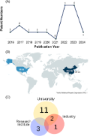
- keywords, including P-glycoprotein, multidrug resistance (MDR), nanoparticles, drug delivery, cancer, siRNA, efflux transporters, tumor microenvironment, stimuli-responsive systems, liposomes, polymeric micelles, hybrid nanocarriers, P-gp inhibitors, and cell membrane-coated nanoparticles. The search
- passive tumor accumulation through the EPR effect. It breaks lipid rafts in the cell membrane, reducing P-gp activity and promoting nanoparticle entrance via γ-glutamyltransferase receptor-mediated endocytosis [90]. In MCF-7/MDR cell cultures, this nanoplatform enables significantly higher DOX


Nanoparticle delivery systems for HIV pre-exposure prophylaxis (PrEP): advances and challenges
Beilstein J. Nanotechnol. 2026, 17, 839–853, doi:10.3762/bjnano.17.60
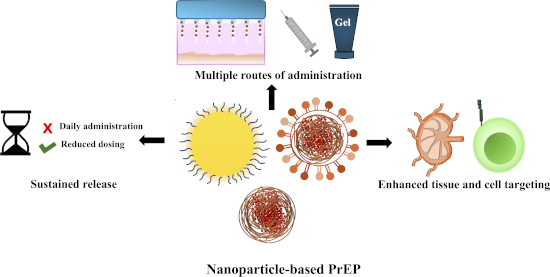
- were designed to improve delivery to HIV reservoirs [58]. In permeability studies, the nanoparticles showed a fourfold increase in transport across a Caco-2 cell membrane compared to plain drug solution. Furthermore, the peptide-grafted SLNs achieved enhanced cellular uptake in a CD4+ T cell model


Restorative potential of laser-synthesized silver nanoparticles with Salvia officinalis for periodontal disease treatment: an in vitro study
Beilstein J. Nanotechnol. 2026, 17, 781–795, doi:10.3762/bjnano.17.55
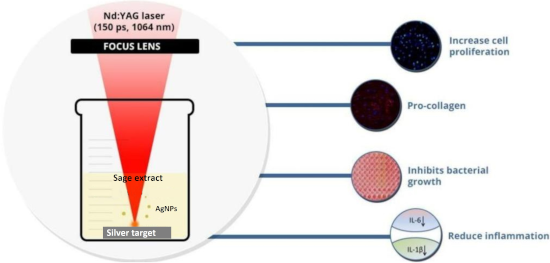
- AgNPs depends on their concentration but also on their size. Smaller nanoparticles exhibit a higher surface-area-to-volume ratio, which enhances their reactivity and interaction with bacterial cells. Moreover, reduced particle size enables more efficient penetration of the bacterial cell membrane
- nanoparticles. The superior antibacterial efficacy of SageAgNPs6mJ against the tested bacterial strains can be attributed to several mechanisms. Sage’s phenolic compounds, especially rosmarinic and caffeic acids, increase the antimicrobial activity through bacterial cell membrane damage and interaction with



Nanoinformatics: spanning scales, systems and solutions
Beilstein J. Nanotechnol. 2026, 17, 423–427, doi:10.3762/bjnano.17.28
- Roy constructed a quantitative structure–property relationship (QSPR) model with 132 metal oxide (MeOx) nanomaterials to understand the possible mechanisms of cell membrane damage and the role of zeta potential (a proxy for surface charge) in particular. The results showed that zeta potential, along
- with periodic-table-based descriptors such as an increase in oxygen count, electronegativity, and formation of a cationic charge, all influence cell membrane damage, and had the potential to influence oxidative damage through free radical accumulation, which could lead to changes in the survival rate

Biomimetic nanoparticles in cancer photodynamic therapy: a review of targeted delivery systems and therapeutic outcomes
Beilstein J. Nanotechnol. 2026, 17, 396–422, doi:10.3762/bjnano.17.27
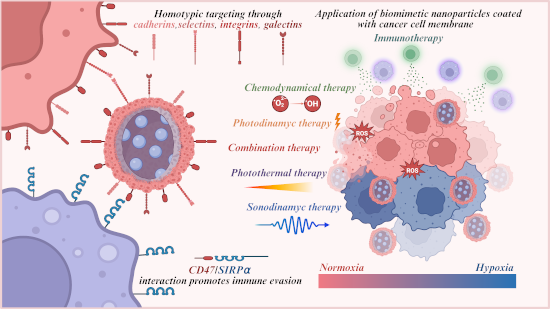
- body’s immune response [48]. BNPs utilizing a cell membrane to coat a synthetic core were reported in 2011. These nanoparticles consisted of a poly(lactic-co-glycolic) acid (PLGA) core coated with an outer layer derived from red blood cell (RBC) membranes [49]. It was demonstrated that the presence of
- cell-derived) and engineered strategies to achieve this. Innate active targeting exploits the inherent biological tropism preserved on the source cell membrane, requiring no additional modification [86]. As exemplified by mesenchymal stem cell (MSC) membrane-coated BNPs, this system can utilize the
- membranes also conferred prolonged circulation time to the nanoparticles, attributed to the presence of the CD47 molecule [112]. An alternative approach to the functionalization of biomimetic coatings is based on genetic engineering. In a recent study employing this strategy, the cell membrane from a


Polycatecholamine nanocoatings on stainless steel: the effect on attachment of human fibroblasts and platelets
Beilstein J. Nanotechnol. 2026, 17, 365–380, doi:10.3762/bjnano.17.25
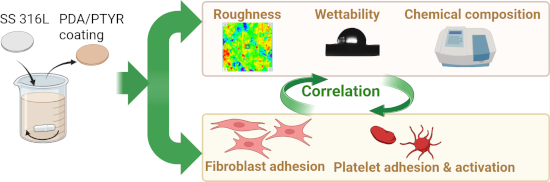
- very well with the surface area covered by fibroblasts. The dependence was directly proportional at the beginning of culture, and inversely proportional after 7 d. Figure 10b shows the schematic presentation of the different effects of high-Rku and low-Rku profiles on cell membrane stretching. In line
- cell membrane is strongly stretched, which deteriorates subsequent spreading and firm attachment [28] (Figure 10b). We speculate that this effect was responsible for the detachment of fibroblasts observed on the SS-PDA 4 h coating variant in our study (see Supporting Information File 1, Figure S3). The




Durable antimicrobial activity of fabrics functionalized with zeolite ion-exchanged nanomaterials against Staphylococcus aureus and Escherichia coli
Beilstein J. Nanotechnol. 2026, 17, 262–274, doi:10.3762/bjnano.17.18
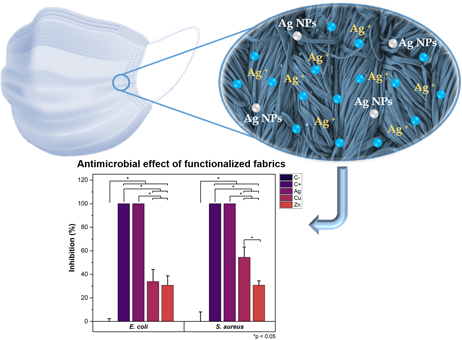
- example, CuO NPs with a size of 4.8 nm demonstrated better antibacterial activity than larger particles (7.8 nm) [16]. The small Cu NPs have a greater capacity to penetrate the cell membrane [17][18]. Zinc oxide NPs are well known for their photocatalytic properties. Also, recent studies have demonstrated




From shield to spear: Charge-reversible nanocarriers in overcoming cancer therapy barriers
Beilstein J. Nanotechnol. 2026, 17, 159–175, doi:10.3762/bjnano.17.10
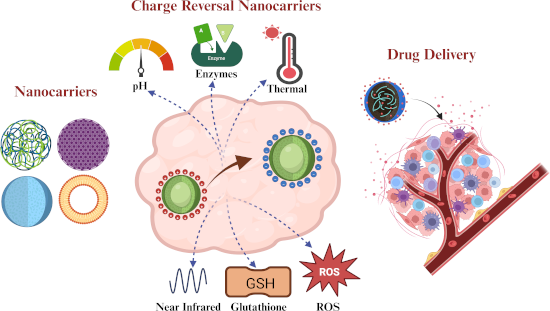
- enhances cellular uptake by facilitating better interaction with the negatively charged cell membrane, improving drug delivery efficiency [45]. For example, nanoparticles engineered with pH-responsive polymers facilitate the controlled release of therapeutic agents specifically within the acidic tumour


Influence of surface characteristics on the in vitro stability and cell uptake of nanoliposomes for brain delivery
Beilstein J. Nanotechnol. 2026, 17, 139–158, doi:10.3762/bjnano.17.9
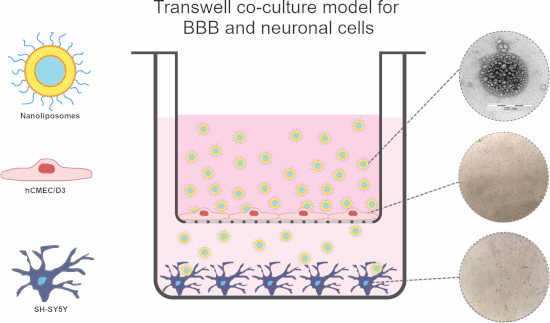
- cell recognition, cell membrane adhesion and interactions, the internalization mechanisms, as well as the intracellular trafficking of nanosystems since it gives them new biological identity [39]. The impact of PC on particle–cell interactions varies based on particle properties and cellular components
- uncompetitive movement of the nanosystems, either directly through membrane phospholipids (simple diffusion) or in combination with membrane proteins (facilitated diffusion) [8][34]. Therefore, endocytosis is a process that occurs through membrane–particle adhesion followed by elastic deformation of the cell
- membrane and receptor diffusion to the surface of the membrane, processes highly dependent on the physicochemical properties of the NLs, as well as on their concentration and exposure time [34]. As no significant increase of uptake was found for the highest concentration tested for all three NLs and for




Rapid synthesis of highly monodisperse AgSbS2 nanocrystals: unveiling multifaceted activities in cancer therapy, antibacterial strategies, and antioxidant defense
Beilstein J. Nanotechnol. 2025, 16, 2105–2115, doi:10.3762/bjnano.16.145
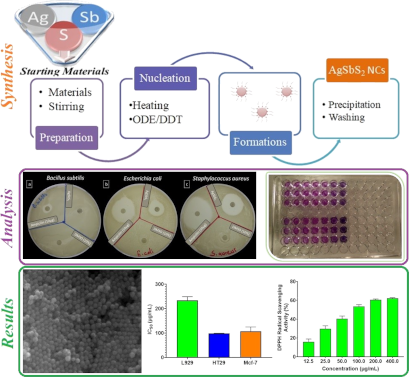
- nanoparticles with bacterial cells and the production of ROS, which causes DNA damage and denaturation of proteins close to the bacterial membrane, causes cell membrane damage [37][38]. In addition, the electrostatic force generated between the bacterial cells and the synthesized NCs causes distraction of the


Exploring the potential of polymers: advancements in oral nanocarrier technology
Beilstein J. Nanotechnol. 2025, 16, 1751–1793, doi:10.3762/bjnano.16.122
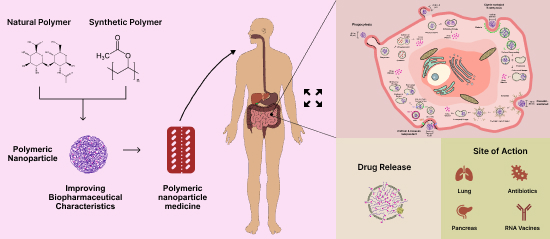
- solubility and permeability in the cell membrane both in vitro and in vivo, demonstrated the importance of these characteristics for the pharmacokinetic performance of drugs and developed the “Biopharmaceutical Classification System” (BCS), which remains widely used today by regulatory agencies, research
- ]. Endocytosis is the primary pathway through which NPs enter cells. Hydrophobic polymeric NPs often exhibit stronger interactions with the lipid bilayer, which may facilitate their internalization through endocytic mechanisms. In contrast, hydrophilic NPs tend to adsorb onto the cell membrane surface before


Multifunctional anionic nanoemulsion with linseed oil and lecithin: a preliminary approach for dry eye disease
Beilstein J. Nanotechnol. 2025, 16, 1711–1733, doi:10.3762/bjnano.16.120



Prospects of nanotechnology and natural products for cancer and immunotherapy
Beilstein J. Nanotechnol. 2025, 16, 1644–1667, doi:10.3762/bjnano.16.116
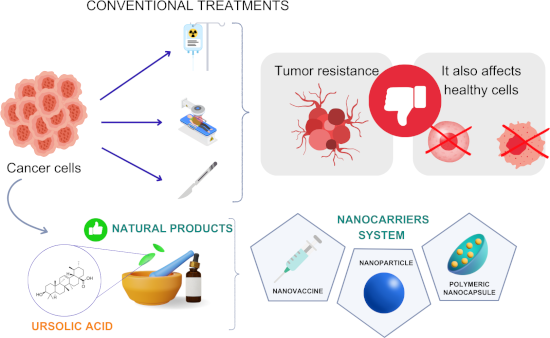
- ]. Additionally, the use of biomimetic nanoparticles, including exosome-based delivery systems and cell membrane-coated nanoparticles, has shown promise in improving targeting efficiency and immune evasion [18][19]. Despite these advances, significant challenges remain, including nanoparticle stability in
- ) complex that targets the PD-L1 gene, a cell-penetrating peptide, and a tumor cell membrane derived from HepG2 cells. Characterization of the nanoparticles showed that the nanocomplex was stabilized by hydrogen bonds, van der Waals forces, and hydrophobic forces. In addition, confocal microscopy, gene
- vasculature of these cells compared to healthy ones. Upon absorption of light during photodynamic therapy, Ce6 generates ROS, causing damage to the cell membrane, proteins, and DNA of the cancer cells, ultimately leading to their destruction. Additionally, the ROS produced by Ce6 destroys the vascular layer



Enhancing the therapeutical potential of metalloantibiotics using nano-based delivery systems
Beilstein J. Nanotechnol. 2025, 16, 1350–1366, doi:10.3762/bjnano.16.98
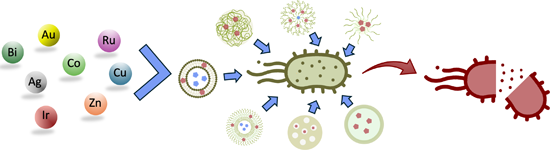
- , antibiotics can bind to multiple sites in the cell wall peptidoglycans (PGNs), resulting in inhibition of PGN synthesis, perturbation of the cell membrane integrity and cell death [46][47]. In Gram-negative bacteria, lipopolysaccharides interact electrostatically with positively charged antibiotics [48] and


Ferroptosis induction by engineered liposomes for enhanced tumor therapy
Beilstein J. Nanotechnol. 2025, 16, 1325–1349, doi:10.3762/bjnano.16.97
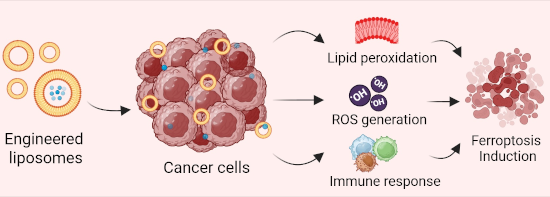
- multiple functions within the cell, fatty acids also serve as components of phospholipids, which are essential for cell membrane formation [34]. There are three types of fatty acids, namely, polyunsaturated fatty acids, monounsaturated fatty acids, and saturated fatty acids. These fatty acids are converted
- FSP1-CoQ is an antioxidant system that acts only on GPX4-depleted cells [76][77][78]. It is also important to note that its functionality is restricted to the cell membrane [76]. Despite the role of mitochondria in oxidative metabolism and as a site of glutaminolysis, their role in ferroptosis is


Better together: biomimetic nanomedicines for high performance tumor therapy
Beilstein J. Nanotechnol. 2025, 16, 1246–1276, doi:10.3762/bjnano.16.92
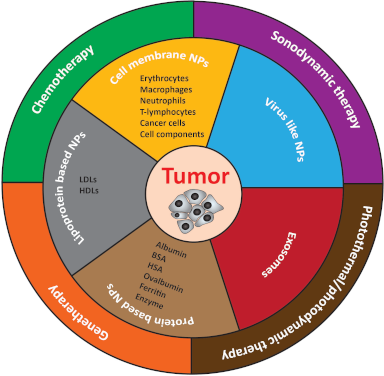
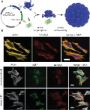
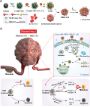
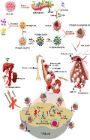
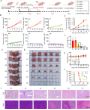
- surrounding environment, including immunosuppression in T cells via PD-1/PD-L1 axis, recruitment of stem cells via CXCR4/CXCL2 chemokine axis, maturation of immune cells via membrane interactions, and various other physical/chemical interactions, uncover the emergence of cell membrane-based drug delivery
- integrating nature-inspired architectures, these smart, multifunctional biomimetic nanoparticles offer a promising path to overcome current therapeutic challenges and revolutionize precision oncology. Review 1 Types of biomimetic nanoparticles 1.1 Cell membrane-camouflaged nanoparticles Cell membranes have
- emerged as an ideal strategy to protect synthetic nanoparticles during circulation. Cell membrane-coated biomimetic nanoparticles act like source cells with significant biomedical properties including biocompatibility, low toxicity, and potent targetability. They are recognized as “own” by the immune







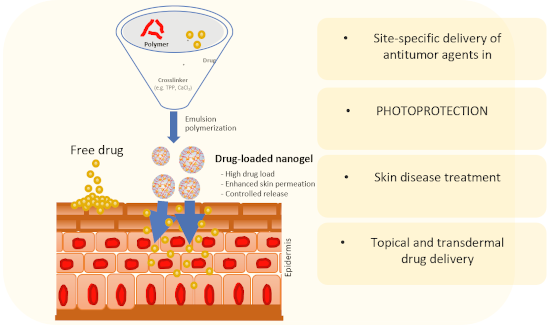
Hydrogels and nanogels: effectiveness in dermal applications
Beilstein J. Nanotechnol. 2025, 16, 1216–1233, doi:10.3762/bjnano.16.90
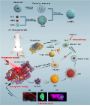
- efficiently encapsulated 5-FU [196]. The 5-FU was encapsulated in the PLGA core using the solvent evaporation technique. Then, the nanoparticle was coated with cationic chitosan, aiming to promote ionic interactions with the anionic cell membrane of the tumor. Finally, eucalyptus oil (1%) was added to the
- , together with the ionic attraction mechanism, promotes the targeted delivery of capecitabine into the tumor. The ionic attraction between the cationic surface of the particles and the anionic cell membrane of the tumor facilitates the acidic degradation of the chitosan matrix. Thus, degradation of the


Mechanical stability of individual bacterial cells under different osmotic pressure conditions: a nanoindentation study of Pseudomonas aeruginosa
Beilstein J. Nanotechnol. 2025, 16, 1171–1183, doi:10.3762/bjnano.16.86
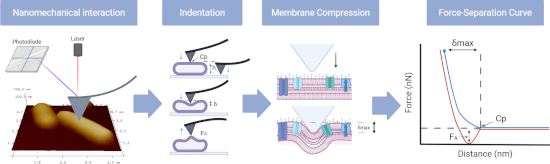
- obtain the mechanical response from the membrane rigidity within a reversible regime. The advantage of mapping bacteria at low loading forces is that surface interactions between the tip and cell membrane can be analyzed, and information related to its adhesion or surface charge could be revealed with
- minimum damage to the mechanical integrity of the cell membrane. Before each experiment in FV mode, the cantilever was calibrated using the thermal-noise method which is integrated in the multimode AFM software and is briefly described next. First, the optical-lever sensitivity (OLS) of the cantilever was


Piezoelectricity of hexagonal boron nitrides improves bone tissue generation as tested on osteoblasts
Beilstein J. Nanotechnol. 2025, 16, 1068–1081, doi:10.3762/bjnano.16.78
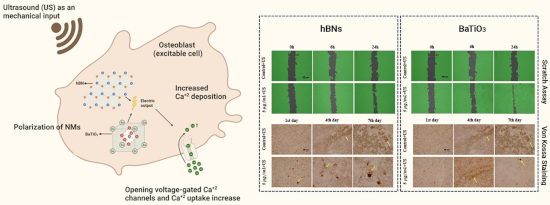
- [57]. Moreover, sonoporation, a mechanical effect of US, may lead to a temporarily perturbation of cell membrane homeostasis and disruption of the cell membrane [58]. Additionally, US exposure could cause cells to detach from the surface, potentially leading to their removal during the washing process
- significantly increased with concentration compared to those treated with BaTiO3. This can be attributed to the smaller size and hydrophilic nature of BaTiO3, which facilitates easier cellular uptake through the cell membrane compared to that of hBNs. The observed increase in SSC% shift under NMs+US treatment


Shape, membrane morphology, and morphodynamic response of metabolically active human mitochondria revealed by scanning ion conductance microscopy
Beilstein J. Nanotechnol. 2025, 16, 951–967, doi:10.3762/bjnano.16.73
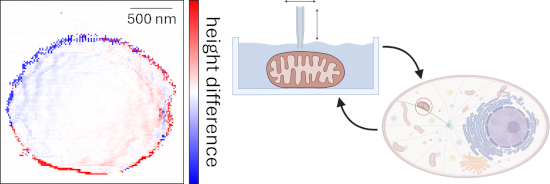
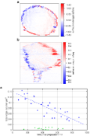
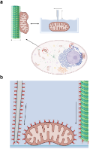
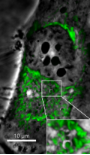
- cardiomyocytes. These studies include analyses of mitochondrial compliance and the role of mitochondria in heart failure, achieved through a combination of SICM and confocal microscopy. An overpressure was applied to the pipette, enabling observations of mitochondria through the cell membrane [31][32]. Another



Supramolecular hydration structure of graphene-based hydrogels: density functional theory, green chemistry and interface application
Beilstein J. Nanotechnol. 2025, 16, 806–822, doi:10.3762/bjnano.16.61
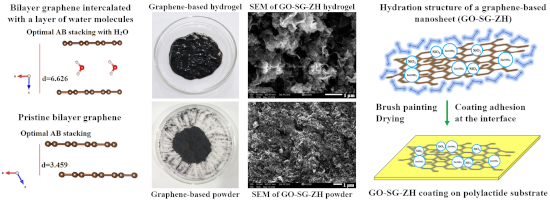
- Zn(OH)2 constituent). ZH nanoparticles and GO nanosheets in the GO-SG-ZH hydrogel are antibacterial and antibiofilm agents with low toxicity for food packaging and biomedical applications [56][57]. The main antibacterial mechanism of GO nanosheets is cell membrane damage caused by direct contact of


Nanomaterials in targeting amyloid-β oligomers: current advances and future directions for Alzheimer's disease diagnosis and therapy
Beilstein J. Nanotechnol. 2025, 16, 561–580, doi:10.3762/bjnano.16.44
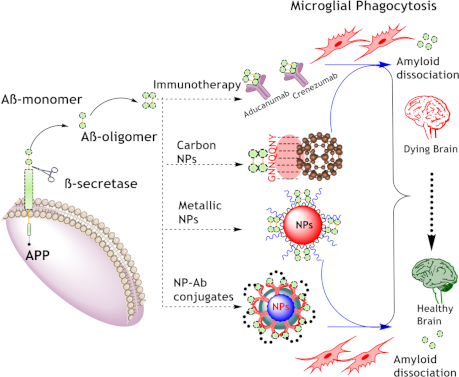
- arises from the increased presence of β-sheet structures in AβOs, which can create distinct rafts in the membrane. These ring-shaped oligomers adhere to the cell membrane and inflict damage either by directly penetrating the membrane or by aggregating into fibrils that disrupt cellular integrity. Once


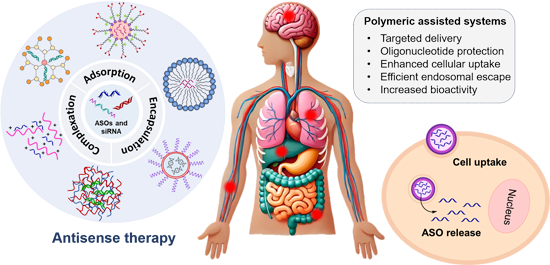
Synthetic-polymer-assisted antisense oligonucleotide delivery: targeted approaches for precision disease treatment
Beilstein J. Nanotechnol. 2025, 16, 435–463, doi:10.3762/bjnano.16.34


Development of a mucoadhesive drug delivery system and its interaction with gastric cells
Beilstein J. Nanotechnol. 2025, 16, 371–384, doi:10.3762/bjnano.16.28
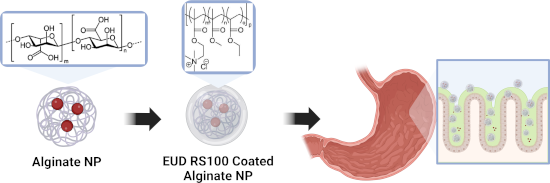
- ZEISS ZEN software. A significant increase of the ratio between the intensities of FITC and DAPI was observed from 1 to 4 h. This suggests that the nanoparticles can be internalized without damaging the cultured cells within 4 h. They can cross the cell membrane and accumulate in the cytoplasmic region
- obtained fluorescence represents the increased amount of nanoparticles interacting with the cell membrane and might be associated with the increased mucin amount along with the cells. This indicates that the nanoparticles can be adsorbed onto the cells under in vitro conditions. Conclusion Gastric


Graphene oxide–chloroquine conjugate induces DNA damage in A549 lung cancer cells through autophagy modulation
Beilstein J. Nanotechnol. 2025, 16, 316–332, doi:10.3762/bjnano.16.24
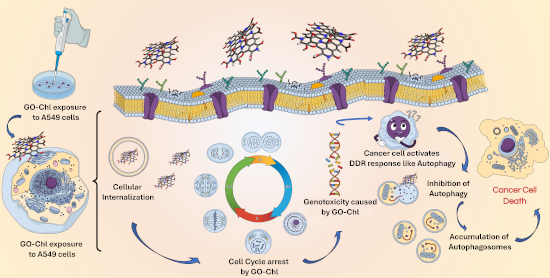
- , including WNT, Notch, STAT 1/3, and NRF-2, respectively [20]. Graphene oxide nanosheets have been shown to selectively disrupt the cell membrane and cytoskeleton of cancer cells through activation of FAK-Rho-ROCK pathway and suppressed expression of integrin [21]. It has also been found that nuclear