


Search results
Search for "cellular uptake" in Full Text gives 137 result(s) in Beilstein Journal of Nanotechnology.
Towards targeted drugs and next generation of nanomedicines
Beilstein J. Nanotechnol. 2026, 17, 598–601, doi:10.3762/bjnano.17.41
- , Germany 10.3762/bjnano.17.41 Keywords: cellular uptake; drug delivery; intracellular trafficking; nanomedicine; nanoparticles; tumor microenvironment; Nanomedicine is dedicated to the application of nanotechnology in the medical field. Nanosized materials are intended for delivering drugs to their
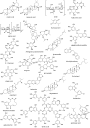
Advances in nanotechnology applied to natural products
Beilstein J. Nanotechnol. 2026, 17, 555–558, doi:10.3762/bjnano.17.36
- therapeutic agents has enabled the development of multifunctional platforms, which can improve cellular uptake, enhance tumor penetration, reduce systemic side effects, and integrate therapeutic and diagnostic functions [19]. Beyond lipid-based systems, polymeric nanosystems have emerged as versatile
Nanoinformatics: spanning scales, systems and solutions
Beilstein J. Nanotechnol. 2026, 17, 423–427, doi:10.3762/bjnano.17.28
- . Improving the efficacy of targeted therapies and minimizing off-target effects are key challenges in nanomedicine. To address these, Dasgupta et al. mapped the structural fingerprints of ligands governing the cellular uptake of MeOx nanomaterials based on classification-based ML models (i.e., Bayesian
- /features governing the cellular uptake were analysed as a basis for programming higher cellular uptake efficiency and better therapeutic response [9]. He et al. used additive AI-based approaches to identify nanoparticle systems for delivering drugs to treat neurodegenerative diseases. Their method

Biomimetic nanoparticles in cancer photodynamic therapy: a review of targeted delivery systems and therapeutic outcomes
Beilstein J. Nanotechnol. 2026, 17, 396–422, doi:10.3762/bjnano.17.27
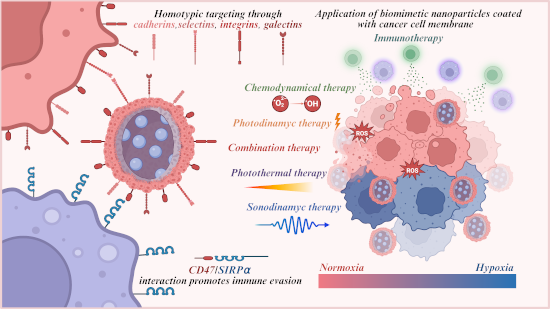
- improved brain delivery [67]. Additional modifications with targeting peptides can further enhance BBB crossing, opening new possibilities for treating neurological diseases. Finally, successful therapy depends on efficient cellular uptake and drug release. Biomimetic shells can increase nanoparticle
- ]. A membrane coverage of 50% and more enables cellular uptake of individual nanoparticles, while lower coverage requires aggregation for internalization [60]. Using cancer cell membranes (CCMs) with high coverage on BNPs ensures selective targeting through integrin-mediated homotypic binding
- homotypic targeting, significantly enhanced cellular uptake compared to uncoated nanocrystals, and confirmed the system’s ability to induce apoptosis in HER2-positive breast cancer cells. Another study reported the development of a multifunctional biomimetic system coated with erythrocyte membranes for the


From shield to spear: Charge-reversible nanocarriers in overcoming cancer therapy barriers
Beilstein J. Nanotechnol. 2026, 17, 159–175, doi:10.3762/bjnano.17.10
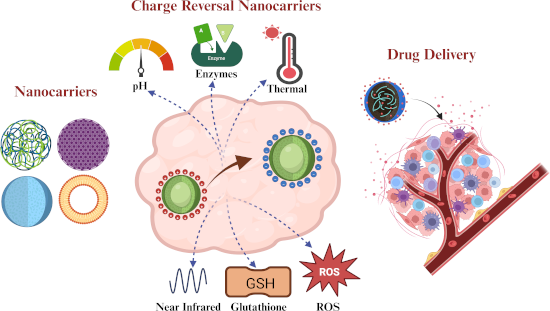
- the crucial role of surface charge in cellular uptake and intracellular transport, highlighting recent advances that demonstrate improved targeting, reduced systemic toxicity, enhanced cellular internalisation, and the potential for integrated approaches, including combination therapies and
- ) [15]. These systems can switch their surface charge in response to tumour microenvironment (TME) triggers such as pH changes, redox states, or enzymatic activity, enhancing drug stability, facilitating cellular uptake, and enabling targeted drug release. This responsive functionality gives CR-NDDSs a
- physicochemical parameters, the surface charge is essential for determining nanocarrier interactions with biological membranes, cellular uptake, and biodistribution [17]. With a positive charge, the nanocarrier tends to be absorbed by high plasma proteins and cleared faster from the bloodstream. In contrast


Influence of surface characteristics on the in vitro stability and cell uptake of nanoliposomes for brain delivery
Beilstein J. Nanotechnol. 2026, 17, 139–158, doi:10.3762/bjnano.17.9
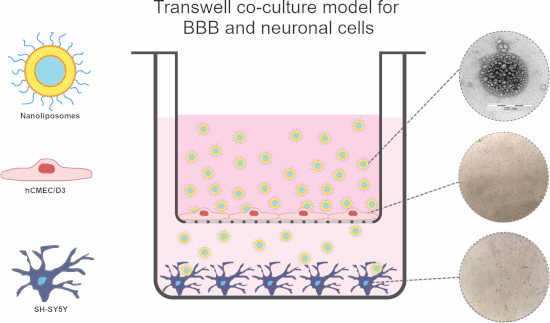
- lipid structure of NLs, leading to AC leakage, while plasma protein adsorption may cause particle aggregation [7]. In this sense, the presence of proteins in the tissue environment can alter cellular uptake of both cationic and anionic carriers [8]. In short, our understanding of how nanodelivery
- (ethylene glycol) with a fixed concentration different than that used in the present study), examining their cellular uptake at a single time point. The results highlighted that both the type of nanocarrier and the nature of the surface polymer critically influence nanoparticle–cell interactions, including
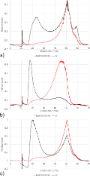
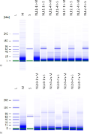
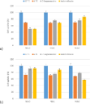
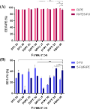
- concentrations (5 and 10 µg/mL). However, the opposite case is noticed over 4 h of incubation, where the quantitative cellular uptake of NLb0 was approximately 1.5 fold higher than that of the uncoated formulation. The main reason for this can be the fact that in our previous stability studies conducted by AF-4




Development and in vitro evaluation of liposomes and immunoliposomes containing 5-fluorouracil and R-phycoerythrin as a potential phototheranostic system for colorectal cancer
Beilstein J. Nanotechnol. 2026, 17, 97–121, doi:10.3762/bjnano.17.7
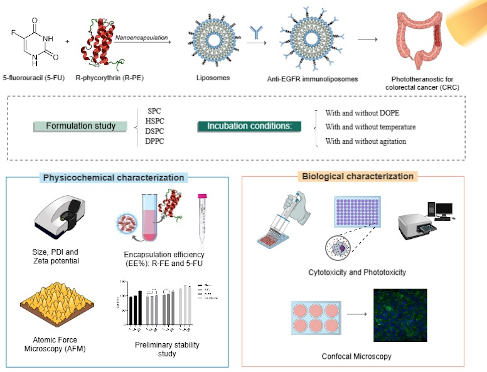
- ™ 488. 2.7 Cellular uptake Cellular internalization was assessed by confocal microscopy. For confocal microscopy, 1 × 10⁶ cells were seeded onto 6-well plates containing sterile cover slides and 1 mL of culture medium per well. After allowing cell adhesion overnight, the culture medium was removed and 1
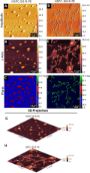
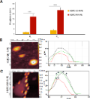
- analyses provide strong evidence of liposome functionalization. The transition from a smooth surface in HSPC-50-R-PE to a rougher HSPC-IM-R-PE topography is likely to impact biological interactions such as cellular uptake mechanisms, biodistribution, clearance by the reticuloendothelial system, and even



Internal 3D temperature mapping in biological systems using ratiometric light-sheet imaging and lipid-coated upconversion nanothermometers
Beilstein J. Nanotechnol. 2025, 16, 2306–2316, doi:10.3762/bjnano.16.159
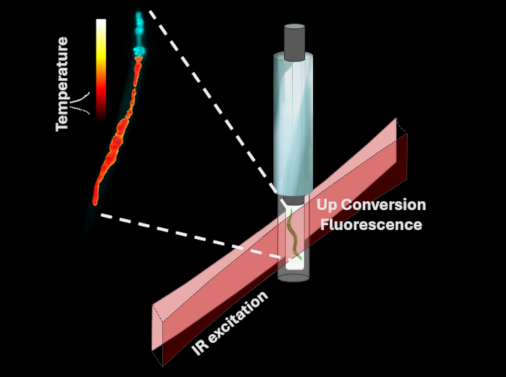
- lumen, which may be influenced by ingested material and microbial activity, rather than the metabolic heat production of the intestinal cells themselves. To probe intracellular temperatures, a surface coating engineered for active cellular uptake would be required. Conclusion We successfully


Rapid synthesis of highly monodisperse AgSbS2 nanocrystals: unveiling multifaceted activities in cancer therapy, antibacterial strategies, and antioxidant defense
Beilstein J. Nanotechnol. 2025, 16, 2105–2115, doi:10.3762/bjnano.16.145
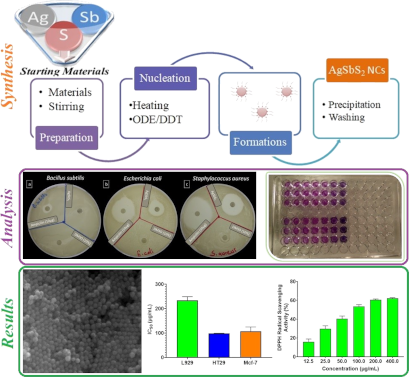
- direct ROS measurement and apoptosis marker assays (e.g., Annexin V/PI staining, caspase-3 activation) will be crucial for validating and further elucidating these mechanistic pathways. The surface charge and zeta potential of AgSbS2 NCs, which strongly influence their colloidal stability and cellular
- uptake, are expected to be within the range typically reported for Ag-based chalcogenides exhibiting stable dispersions. Antioxidant activity of AgSbS2 NCs The DPPH radical scavenging activity of AgSbS2 NCs in the assay using ascorbic acid as a positive control is revealed in Figure 5. The synthesized


Toward clinical translation of carbon nanomaterials in anticancer drug delivery: the need for standardisation
Beilstein J. Nanotechnol. 2025, 16, 2092–2104, doi:10.3762/bjnano.16.144
- coupled with systematic biological evaluation to ensure reliable assessment of safety and performance. Physicochemical evaluation of CNMs Size and shape are critical parameters that influence the biological behaviour of CNMs. These factors affect biodistribution, clearance, and cellular uptake. For
- atomic force microscopy. Surface charge plays a significant role in determining how CNMs interact with biological membranes and intracellular environments. It influences processes such as cellular uptake, cytotoxicity, and inflammatory signalling. For example, BSA-derived negatively charged CDs exhibited
- enhanced cellular uptake, whereas positively charged CDs elicited stronger cytokine responses [41]. Zeta potential measurements are routinely used to quantify surface charge, which can be tuned through appropriate surface functionalisation strategies. Stability is another essential aspect of NM evaluation



PEGylated lipids in lipid nanoparticle delivery dynamics and therapeutic innovation
Beilstein J. Nanotechnol. 2025, 16, 1914–1930, doi:10.3762/bjnano.16.133
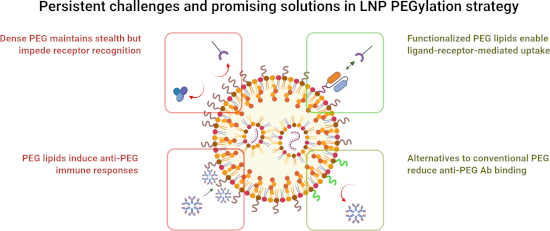
- chains arrange on the nanoparticle surface and the potential impacts on LNPs’ physicochemical properties by varying surface PEG density or PEG chemistry. Subsequently, PEG conformations are discussed in terms of their modulation of protein corona formation, cellular uptake, and immunogenic responses
- properties of LNPs including particle size, surface charge, and encapsulation efficiency. Subsequent sections explore the roles of PEG lipids in modulating protein corona formation and cellular uptake. The latter parts highlight the potential of functionalized PEG lipids for targeted delivery and the
- shell of LNPs plays a pivotal role. As hydrophilic and protective shield during LNP circulation and in vivo activities, the conformation and binding kinetics of PEG layer are both important, particularly in modulating protein adsorption and subsequent interactions with cellular uptake pathways [23


Phytol-loaded soybean oil nanoemulsion as a promising alternative against Leishmania amazonensis
Beilstein J. Nanotechnol. 2025, 16, 1826–1836, doi:10.3762/bjnano.16.126
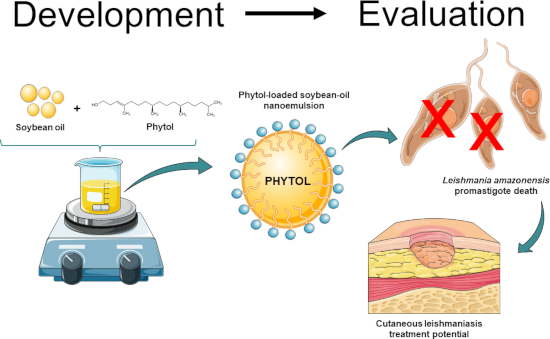
- can improve the cellular uptake of various drugs and can facilitate targeted delivery to the intracellular parasites [50][51]. Since the amastigote forms of Leishmania spp. reside within the phagolysosomes of macrophages, the phagocytic uptake of nanodroplets significantly increases the intracellular


Exploring the potential of polymers: advancements in oral nanocarrier technology
Beilstein J. Nanotechnol. 2025, 16, 1751–1793, doi:10.3762/bjnano.16.122


Advances of aptamers in esophageal cancer diagnosis, treatment and drug delivery
Beilstein J. Nanotechnol. 2025, 16, 1734–1750, doi:10.3762/bjnano.16.121

- cellular uptake, poor stability due to tumor microenvironment, and inadequate drug release due to inadequate drug release mechanisms. Two years later, a novel bivalent aptamer-DNA-Dox conjugate (BADD) [117], was developed, and the A2 aptamer was truncated to A2 (35) to reduce steric hindrance and improve
- cellular uptake. While cationic nanocarriers can effectively mediate delivery, this strategy substantially increases manufacturing complexity and production costs. Regulatory bodies must therefore establish new quality control standards to ensure batch-to-batch consistency. Third, approved aptamer-based


Prospects of nanotechnology and natural products for cancer and immunotherapy
Beilstein J. Nanotechnol. 2025, 16, 1644–1667, doi:10.3762/bjnano.16.116
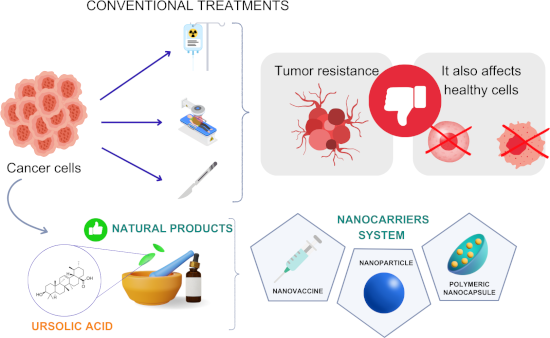
- scattering (DLS), and UV–visible (UV–vis) spectroscopy were used for characterization. The nanoparticles showed increased cellular uptake compared to free PD-L1, suppression of the NF-κB pathway as indicated by reduced PHO-P65 protein expression, and enhanced tumor inhibition due to immune activation and
- spectroscopy, TEM, DLS, X-ray diffraction (XRD), and Fourier-transform infrared (FTIR) spectroscopy, revealing a polygonal or oval morphology. To evaluate the antitumor effects, cytotoxicity assays, cellular uptake assays, apoptosis detection, ROS production, qRT-PCR, and Western blotting for gene and protein



Venom-loaded cationic-functionalized poly(lactic acid) nanoparticles for serum production against Tityus serrulatus scorpion
Beilstein J. Nanotechnol. 2025, 16, 1633–1643, doi:10.3762/bjnano.16.115
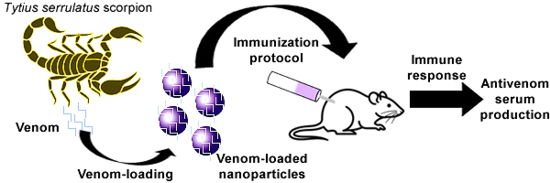
- nanoparticles can be modified to achieve high protein loading or avoid a rapid cellular uptake. Using different strategies, nanoparticles have been functionalized with a variety of ligands such as small molecules, surfactants, polymers, and biomolecules [21][22]. The use of cationic molecules, as
- nanoparticles was functionalized with PEI, a hydrophilic polymer that provides a positive surface charge. This modification enhances high macromolecule loading or improves the cell interaction and cellular uptake [22][33][34]. The cationic character induces biomolecules with negative charges, such as proteins



Enhancing the therapeutical potential of metalloantibiotics using nano-based delivery systems
Beilstein J. Nanotechnol. 2025, 16, 1350–1366, doi:10.3762/bjnano.16.98
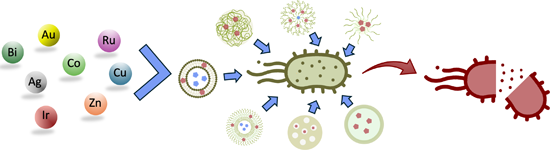
- receptors and ligands, as well as the number of interactions necessary to overcome the energy barrier for cellular uptake. Properly balancing these factors ensures efficient binding and internalization of the nanoparticles by the target cells [50][51]. For example, nanoparticles can be engineered to
- , such as biocompatibility and drug protection, while avoiding many of their limitations. In comparison to conventional colloidal carriers, SLNs demonstrate reduced toxicity, greater surface area, enhanced biocompatibility, extended drug release, improved cellular uptake, and increased drug solubility
- , which improves cellular uptake and facilitates drug release within the target site [90]. The incorporation of stimuli-responsive agents in the pores also enables MSiNPs to release therapeutic agents upon exposure to specific environmental cues, such as pH or temperature. These interesting features for


Ferroptosis induction by engineered liposomes for enhanced tumor therapy
Beilstein J. Nanotechnol. 2025, 16, 1325–1349, doi:10.3762/bjnano.16.97
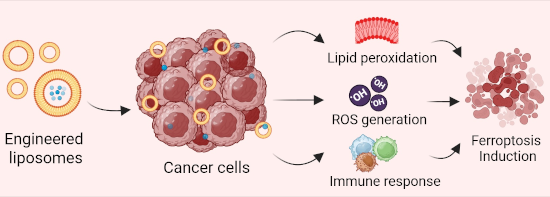
- a crucial parameter that influences their biodistribution, cellular uptake, and drug release. DLS is a widely used technique to determine the size distribution of liposomes in solution [110][125]. DLS measures the fluctuations in light intensity generated by the Brownian motion of liposome particles


Acrocomia aculeata oil-loaded nanoemulsion: development, anti-inflammatory properties, and cytotoxicity evaluation
Beilstein J. Nanotechnol. 2025, 16, 1277–1288, doi:10.3762/bjnano.16.93
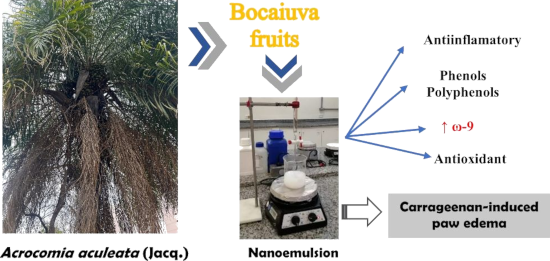
- counterpart [47]. The superior pharmacological response of the nanoemulsion may be attributed to the nanoscale droplet size, which increases the surface area-to-volume ratio, enhances solubility and stability, and promotes rapid absorption and cellular uptake [56]. The nanometric scale facilitates more


Better together: biomimetic nanomedicines for high performance tumor therapy
Beilstein J. Nanotechnol. 2025, 16, 1246–1276, doi:10.3762/bjnano.16.92
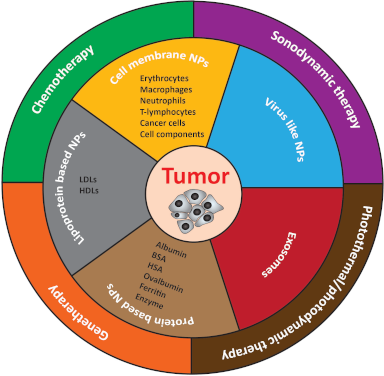
- involving recognition, binding, cellular uptake, and intracellular transport. These steps are specific to different types of target cells and determine the fate of exosomes [107]. Moreover, they offer prolonged circulation, excellent target specificity, and intracellular delivery without degradation
- siRNA and enabled proton sponge-mediated endosomal escape, ensuring cytoplasmic release of the gene cargo. These LC3siRNA-loaded nanoparticles (LC3siRNA-NPs) exhibited pH-responsive behavior, enhanced cellular uptake, and potent suppression of autophagy. In vitro and in vivo experiments demonstrated







Fabrication of metal complex phthalocyanine and porphyrin nanoparticle aqueous colloids by pulsed laser fragmentation in liquid and their potential application to a photosensitizer for photodynamic therapy
Beilstein J. Nanotechnol. 2025, 16, 1088–1096, doi:10.3762/bjnano.16.80
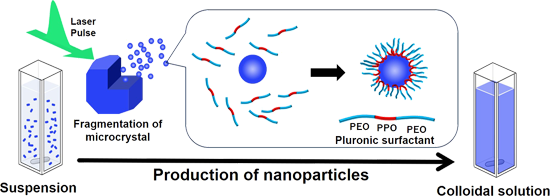
- be properly assessed at this stage of the study. This is because the evaluation of cellular phototoxicity requires consideration of cellular uptake and localization, and further studies must be conducted. Conclusion We successfully fabricated several MPc (M = AlCl, Fe, Co, Zn) and PtOEP nanoparticles


Piezoelectricity of hexagonal boron nitrides improves bone tissue generation as tested on osteoblasts
Beilstein J. Nanotechnol. 2025, 16, 1068–1081, doi:10.3762/bjnano.16.78
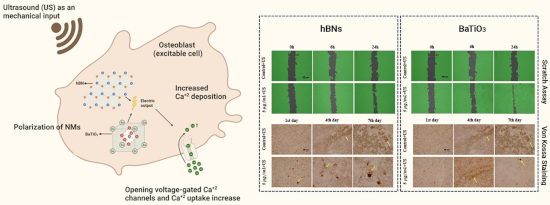
- osteoblast cell activity, the HOb cell line (cell line no. 406-05a, European Collection of Cell Cultures, UK) was chosen due to its sensitivity to mechanical and electric stimuli. Cell viability, reactive oxygen species (ROS) detection, cellular uptake, scratch, and von Kossa staining assays (Abcam, UK) were
- 45 min. Afterward, fluorescence and absorbance were measured at the 485/535 nm range by a microplate reader (Tecan, Switzerland). Cellular uptake assay According to the logic of the NMs uptake procedure by flow cytometry, an increasing percentage of side scatter (SSC%) shift indicates growth in
- granulation, so that the cellular uptake of NMs and the effect of US exposure on uptake can be determined. HOb cells were seeded in 24-well plates at 5 × 10⁴ cells/well and incubated for 24 h. Then, cells were treated with NMs with increasing concentration values (1, 5, and 10 µg/mL) and left for incubation


A calix[4]arene-based supramolecular nanoassembly targeting cancer cells and triggering the release of nitric oxide with green light
Beilstein J. Nanotechnol. 2025, 16, 1003–1013, doi:10.3762/bjnano.16.75
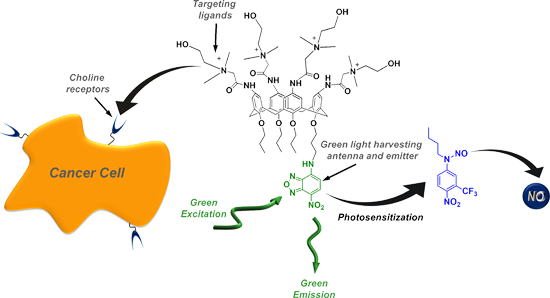
- keeping them inclined to bind specific choline transporter-positive cells overexpressed in tumoral cells [53][65]. To verify if the choline motifs confer to 1 the capability to penetrate selectively choline-positive cells, cellular uptake experiments were performed on tumoral MCF-7 cells and non-malignant
- expressed as a percentage of the absorbance measured in the control cells, and values expressed as mean ± SD of two separate experiments, each performed in triplicate. Cellular uptake of the nanoassembly of 1 HuDe cells (1 × 10⁵) and MCF7 cells (2 × 10⁵) were plated in complete medium on coverslips placed
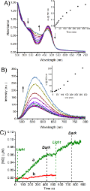
- effects and cellular uptake of the nanoassembly of 1 (0.5 μM) in HuDe cells (A, C) and MCF7 cells (B, D). Green: nanoassembly of 1; blue: DAPI stain to visualize nuclei. Scale bar = 50 µm. (A) Absorption spectra of NOPD 2 (a) and the non-nitrosated analogue 2b (b) in water. (B) Absorption spectral changes


Serum heat inactivation diminishes ApoE-mediated uptake of D-Lin-MC3-DMA lipid nanoparticles
Beilstein J. Nanotechnol. 2025, 16, 740–748, doi:10.3762/bjnano.16.57
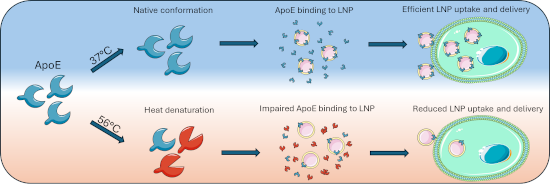
- ) ionizable lipids. Cellular uptake and siRNA delivery efficiency of the LNPs were determined in media containing untreated or heat-inactivated serum. Mechanistically, we found that apolipoprotein E, a protein corona component that is crucial for MC3 LNP tropism, displayed reduced stability and functionality
- -lipids from the LNP surface, which needs to occur before a protein corona can be established that allows cellular uptake of LNPs [29]. A difference in FCS protein concentration can thus introduce variations in results when performing experiments with different FCS brands or even different lots of the
- media. A similar observation was made by Simon et al. [30], who attributed a difference in cellular uptake of PEGylated polystyrene nanocarriers in untreated or heat-inactivated FCS to the denaturation of important protein corona components. Indeed, heat inactivation did not reduce the amount of protein


Synthetic-polymer-assisted antisense oligonucleotide delivery: targeted approaches for precision disease treatment
Beilstein J. Nanotechnol. 2025, 16, 435–463, doi:10.3762/bjnano.16.34
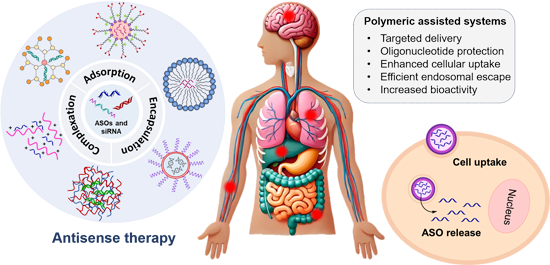
- potential in precision disease treatment. Synthetic polymers have shown significant promise in enhancing the delivery, stability, and therapeutic efficacy of ASOs by addressing key challenges such as cellular uptake, endosomal escape, and reducing cytotoxicity. The review highlights key studies from the
- ) (PLL) is a cationic biopolymer, commonly employed in the delivery of ASOs because of its ability to facilitate enhanced cellular uptake [61]. Depending on desired molecular weight (Mw), molecular architecture, and molar-mass polymer dispersity (ÐM), PLL is traditionally synthesised through three
- played a crucial role in the successful coating of these nanoparticles, significantly increasing their zeta potential and improving cellular uptake. Moreover, εPLL-coated GNPs were found to provide robust protection for the ASOs against nuclease degradation, maintaining over 78% of the oligonucleotides





