Search results
Search for "composites" in Full Text gives 355 result(s) in Beilstein Journal of Nanotechnology. Showing first 200.
Colloidal few layered graphene–tannic acid preserves the biocompatibility of periodontal ligament cells
Beilstein J. Nanotechnol. 2025, 16, 664–677, doi:10.3762/bjnano.16.51
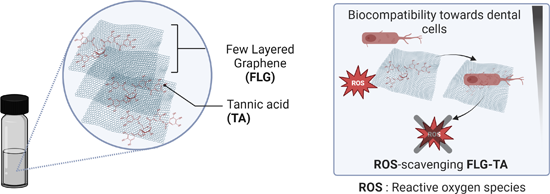
- transformative approach to enhance their efficacy [2]. Actually, incorporating nanomaterials into dental biomaterials has already offered advantages like enhanced tissue regeneration, increased mechanical strength of composites, and improved sealing of filler materials [3]. Graphene-based materials (GBMs) stand


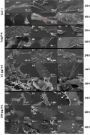


Nanoscale capacitance spectroscopy based on multifrequency electrostatic force microscopy
Beilstein J. Nanotechnol. 2025, 16, 637–651, doi:10.3762/bjnano.16.49
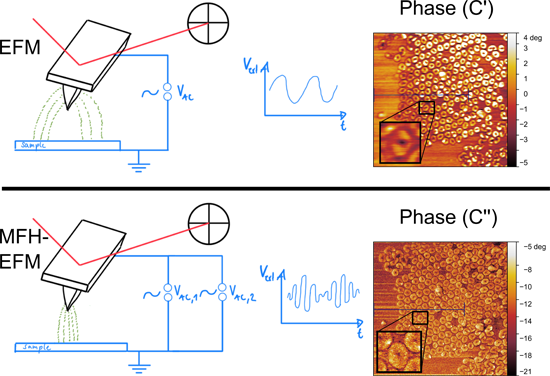
- , in microelectronic devices, high-κ dielectric materials such as HfO2 and ZrO2 are critical for minimizing leakage currents and enhancing gate capacitance in transistors [7][8][9]. In energy storage systems, the dielectric constants of polymer–ceramic composites determine the efficiency and




Polyurethane/silk fibroin-based electrospun membranes for wound healing and skin substitute applications
Beilstein J. Nanotechnol. 2025, 16, 591–612, doi:10.3762/bjnano.16.46
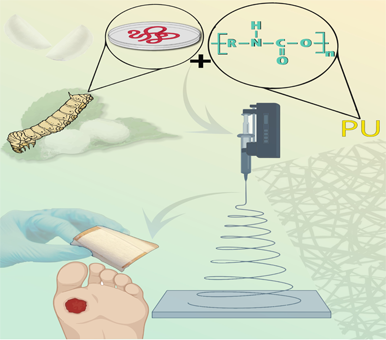
- offers a number of enhanced properties. The study offers a comprehensive overview of the advanced developments and applications of PU/SF composites, highlighting their significant potential in wound healing. These composite membranes present promising advancements in wound healing and skin regeneration
- substitute applications [13]. Various materials including natural polymers, synthetic polymers, or composites have been used to create electrospun membranes. This review focuses on silk fibroin/polyurethan-based electrospun membranes. Silk fibroin (SF) is a naturally occurring biomaterial made of proteins
- biomedical applications because of its biocompatibility [19]. It can be used for developing scaffolds for tissue engineering that work efficiently [20]. Electrospun membranes of silk/PU composites have remarkable qualities that make them suitable for wound healing [21]. Their porous shape allows for nutrient



Feasibility analysis of carbon nanofiber synthesis and morphology control using a LPG premixed flame
Beilstein J. Nanotechnol. 2025, 16, 581–590, doi:10.3762/bjnano.16.45
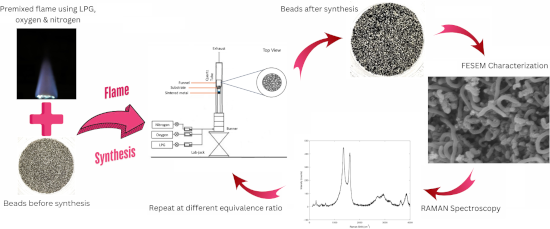
- great importance. Defective CNFs are utilized to build composites with specific thermal conductivities as part of thermal insulation materials. They can also be used to make materials that combine strength and flexibility, for example, in electronics or damping devices. The presence of defects in CNFs



Pulsed laser in liquid grafting of gold nanoparticle–carbon support composites
Beilstein J. Nanotechnol. 2025, 16, 349–361, doi:10.3762/bjnano.16.26
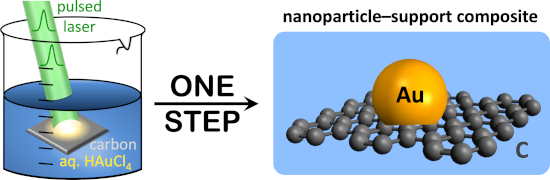
- , University of Rochester, Rochester, New York 14627, United States 10.3762/bjnano.16.26 Abstract We developed a novel pulsed laser-assisted process for the fabrication of advanced composites of nonequilibrium gold nanoparticles on carbon fiber paper supports. Our one-step process integrates the generation of
- nanoparticles with their surface attachment and solves longstanding nanoparticle adhesion and electrical contact issues. Irradiation of hydrophilic carbon fiber paper submerged in aqueous HAuCl4 solution by nanosecond laser pulses produced composites with uniform distribution of gold nanoparticles on carbon
- fibers, taking advantage of the high internal surface area of carbon fiber paper. The pulsed laser-grafted composites exhibited zero measurable charge transfer resistance between gold nanoparticles and the carbon support, leading to superior cathode performance over conventionally prepared electrodes for


Enhancing mechanical properties of chitosan/PVA electrospun nanofibers: a comprehensive review
Beilstein J. Nanotechnol. 2025, 16, 286–307, doi:10.3762/bjnano.16.22
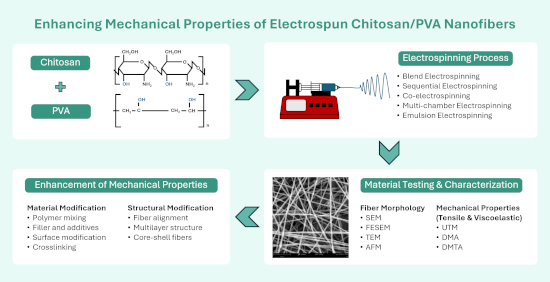
- electrospinning is a method where two or more polymer solutions are electrospun consecutively to form a hierarchically ordered structure consisting of meshes of different materials [85]. Also called layer-by-layer electrospinning, the general steps of preparing multilayered composites using this method involve
- -linking [176][177], which often employs toxic chemicals. An example of physical cross-linking is heat treatment, which has been extensively used to cross-link PVA [178]. Figure 10 illustrates the mechanisms of cross-linking in chitosan/PVA composites. In one study, electrospun chitosan/PVA nanofibers were


Emerging strategies in the sustainable removal of antibiotics using semiconductor-based photocatalysts
Beilstein J. Nanotechnol. 2025, 16, 264–285, doi:10.3762/bjnano.16.21
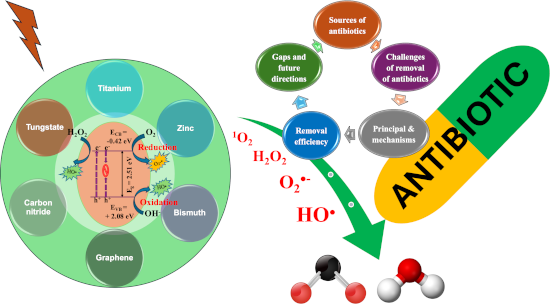
- studies and sustainable technologies, this study presents new insights into the complex relationship between contaminants and catalytic degradation processes. Compared to single and binary photocatalysts, modified ternary composites were found to have superior photodegradation performance under visible
- recombination. In contrast, an indirect Z-scheme, which uses a redox pair (e.g., Fe3+/Fe2+) or a conductive mediator to facilitate efficient charge transfer and spatial separation of charge carriers, reduces the risk of recombination and increases the photocatalytic efficiency. While indirect composites are
- ]. Hunge and coworkers [76] synthesized MoS2/ZnO (MZ) composites with a smaller bandgap (2.81 eV), which showed higher ciprofloxacin (CIP) removal efficiency than their single constituents (ZnO = 43% and MoS2 = 50%). A similar approach was also observed for the removal of erythromycin (ERY), spiramycin (SP



Recent advances in photothermal nanomaterials for ophthalmic applications
Beilstein J. Nanotechnol. 2025, 16, 195–215, doi:10.3762/bjnano.16.16
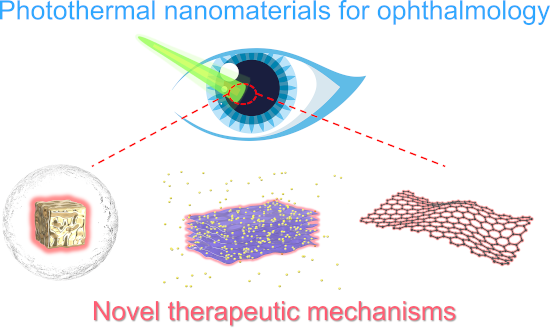
- effectively. Research on composites of photothermal nanomaterials with other substances is currently limited, but promising therapeutic effects, especially when combined with biomolecules affecting cellular metabolism and function, have been observed. Therefore, further exploration regarding the modification


A review of metal-organic frameworks and polymers in mixed matrix membranes for CO2 capture
Beilstein J. Nanotechnol. 2025, 16, 155–186, doi:10.3762/bjnano.16.14
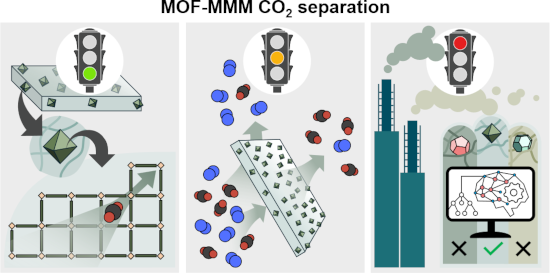
- compatibility between the inorganic filler and the organic membrane. Typically, the organic polymer membrane exhibits low affinity towards the inorganic filler. Accordingly, this severely limits the potential range of the different workable composites [84]. Therefore, large efforts have been made to identify





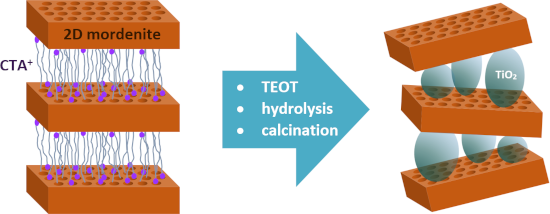
TiO2 immobilized on 2D mordenite: effect of hydrolysis conditions on structural, textural, and optical characteristics of the nanocomposites
Beilstein J. Nanotechnol. 2025, 16, 128–140, doi:10.3762/bjnano.16.12
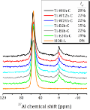
- °. In the TiO2/2D mordenite composites studied in our work, the first hump is masked by the main zeolite peaks, but the remaining two are identical to the ones reported in [30]. Amorphous TiO2 particles exhibiting such an XRD pattern can be described as small strained anatase-like crystalline cores with
- TiO2 nanoparticles. The average size of the TiO2 nanoparticles, as determined from single diffraction peaks of experimental patterns using the Scherrer formula, is about 4.0 nm for the composites prepared by hydrolysis in water, and slightly larger, about 4.3 nm, after hydrolysis in 70% ethanol
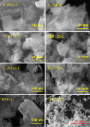
- passed to protons. According to the elemental analysis data (Table 1), the TiO2 loading exceeds 50 wt % in all studied composites. Comparing the data of methods with different measuring depths (i.e., EDX and XPS), we can conclude that Ti is more or less uniformly distributed over the depth in the


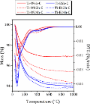

Comparison of organic and inorganic hole transport layers in double perovskite material-based solar cell
Beilstein J. Nanotechnol. 2025, 16, 119–127, doi:10.3762/bjnano.16.11
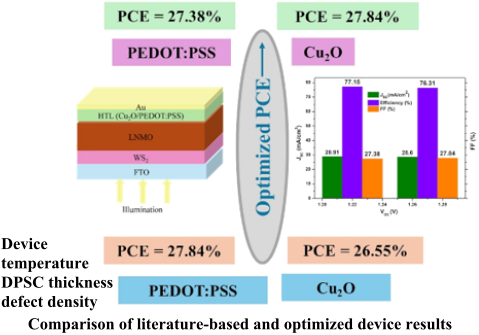
- Karapinar [2] fabricated a dye-sensitized solar cell (DSSC) with selenium@activated carbon (Se@AC) composites as an alternative to the Pt counter electrode (CE) via chemical activation. The fabricated DSSC showed a power conversion efficiency (PCE) of 5.67%, an open-circuit voltage (VOC) of 0.648 V, a short


Modeling and simulation of carbon-nanocomposite-based gas sensors
Beilstein J. Nanotechnol. 2025, 16, 90–96, doi:10.3762/bjnano.16.9
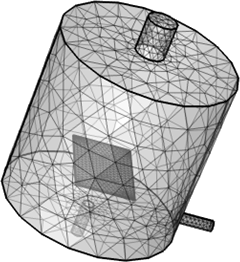
- , its composites, and their application in electrochemical sensors have been discussed [6][7][8]. There are research contributions on pristine graphene and ammonia gas sensors for detection of very low ammonia content [9]. The thin-film sensor fabricated on polyethylenimine- (PEI) functionalized SWCNTs




Theoretical study of the electronic and optical properties of a composite formed by the zeolite NaA and a magnetite cluster
Beilstein J. Nanotechnol. 2025, 16, 44–53, doi:10.3762/bjnano.16.5
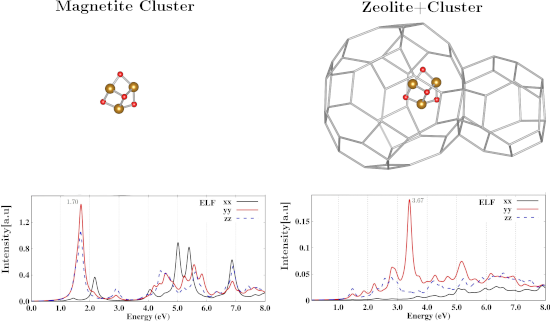
- introduction of magnetic nanoparticles into zeolite crystals so that the resulting composite can respond to an external magnetic field [33]. By imparting magnetic properties to such composites, they can be efficiently recovered after capturing contaminants such as heavy metals [34][35][36][37] and dyes [38][39
- ][40] in bodies of water, addressing a pressing environmental concern. Also, iron-modified zeolites have shown variations in both electric and magnetic properties that allow one to generate catalysts based on zeolites [41]. Among these types of composites consisting of zeolites modified with magnetic
- magnetic properties to zeolite composites is evident, a comprehensive understanding of these properties remains elusive because of the challenges in experimentally characterizing the structural properties of zeolite-hosted clusters. This field is relatively new, and experimental data on the precise




Liver-targeting iron oxide nanoparticles and their complexes with plant extracts for biocompatibility
Beilstein J. Nanotechnol. 2024, 15, 1593–1602, doi:10.3762/bjnano.15.125
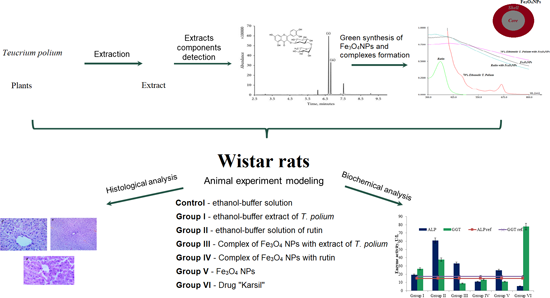
- state. Based on the results showing a hypolipoproteinemic effect (Table 1), we hypothesize that one of the possible intracellular molecular targets of such action of Fe3O4 NPs and its composites are proteins of the SIRT family, regulating the activity of PPARγ, PGC-1α, NF-kB, FOXO, p53, and others, as
- obtained results is explained by the ability of Fe3O4 NPs to increase the bioavailability and intracellular concentration of the associated compounds, thereby reducing their therapeutic dose and altering the profile of dose-dependent effects. Additionally, both Fe3O4 NPs and their composites are presumed


Effect of radiation-induced vacancy saturation on the first-order phase transformation in nanoparticles: insights from a model
Beilstein J. Nanotechnol. 2024, 15, 1453–1472, doi:10.3762/bjnano.15.117
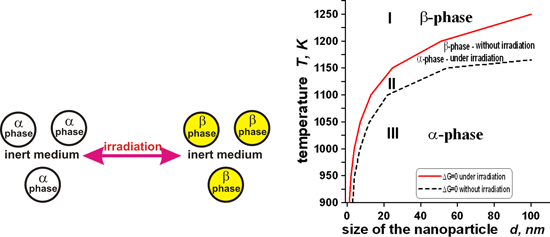
- irradiated with He+ ions, their amorphization leads to a reduction in nanohardness, and this reduction is strongly correlated with the grain size [12]. Phase instability (radiation-induced amorphization) is observed in zirconia nanoparticles (ZrO2) embedded in nanocrystalline composites. ZrO2 nanoparticles


Strain-induced bandgap engineering in 2D ψ-graphene materials: a first-principles study
Beilstein J. Nanotechnol. 2024, 15, 1440–1452, doi:10.3762/bjnano.15.116
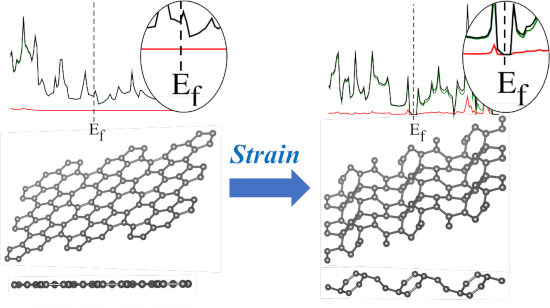
- pliable displays and as strengthening material in composites [2][3][4]. It has also gained considerable attention among researchers for its application in hydrogen storage, owing to its good adsorption capacity and controllable storage and re-release of hydrogen at efficient temperatures [4][5]. The


Interaction of graphene oxide with tannic acid: computational modeling and toxicity mitigation in C. elegans
Beilstein J. Nanotechnol. 2024, 15, 1297–1311, doi:10.3762/bjnano.15.105
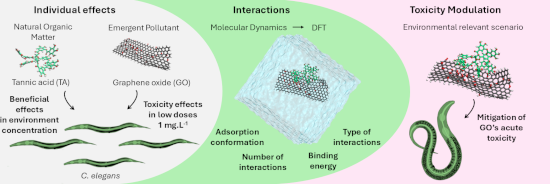
- characteristics made TA attractive to nanomaterial synthesis and functionalization for applications in nanomedicine, sensors, electronics, and composites [25][26][27]. In these different fields, TA has been applied in green alternative methods of GO synthesis and physicochemical modifications (e.g., reduction and


Photocatalytic methane oxidation over a TiO2/SiNWs p–n junction catalyst at room temperature
Beilstein J. Nanotechnol. 2024, 15, 1132–1141, doi:10.3762/bjnano.15.92
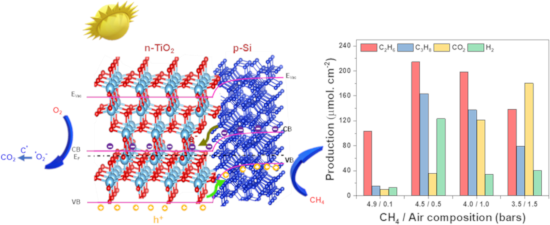
- carriers prior to their participation in reactions significantly reduces the efficiency of methane oxidation reactions [23][24]. To address these issues of TiO2 nanomaterials, many scientists have developed TiO2-based nanostructure composites as advanced photocatalysts [25][26][27][28][29][30]. The
- photocatalytic efficiency. For years, doping of metal nanoparticles (NPs) into a semiconductor matrix has been extensively studied to enhance photocatalytic CH4 oxidation performance. Metal NPs in, for example, Au/TiO2, Au@Pd/ZnO, and Pt@Cu/TiO2 composites act as electron scavenger centers and own more free


Interface properties of nanostructured carbon-coated biological implants: an overview
Beilstein J. Nanotechnol. 2024, 15, 1041–1053, doi:10.3762/bjnano.15.85
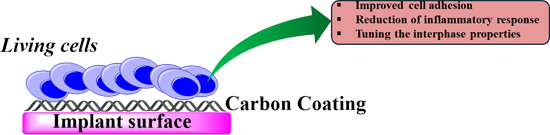
- graphene-based composites [39]. These aspects are especially relevant in determining the in-plane electronic transport within each layer of graphene (intra-layer transport). Conversely, the electronic coupling between different layers dominates the out-of-plane electronic transport from one layer to



Bolometric IR photoresponse based on a 3D micro-nano integrated CNT architecture
Beilstein J. Nanotechnol. 2024, 15, 1030–1040, doi:10.3762/bjnano.15.84
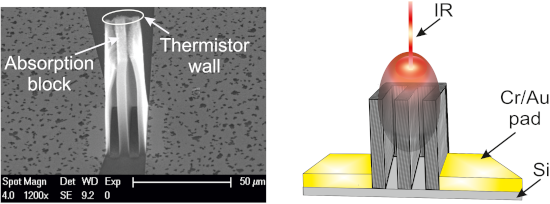
- , indicating the importance of the final contact resistance. Discussion Several CNT architectures (pristine or in composites) have shown photoelectric or bolometric effects [20][21]. Our new bolometers with both configurations were compared to state-of-the-art bolometer architectures with aligned and pristine


Beyond biomimicry – next generation applications of bioinspired adhesives from microfluidics to composites
Beilstein J. Nanotechnol. 2024, 15, 965–976, doi:10.3762/bjnano.15.79
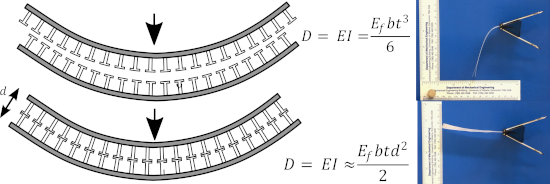
- composites are highlighted in this article. It is time for a next generation of research to look beyond biomimicry and look towards re-engineering applications to make use of these materials’ unique properties in economically viable ways. Keywords: adhesion; biomimicry; composites; gecko; robotics, soft
- the use of biomimetic adhesives. These subtopics are microfluidics, soft robotics, and reconfigurable composites. Microfluidics involves the manipulation and flow of fluids on a very small scale, typically with nanoliters or less of fluid and with feature sizes ranging from a few hundred microns down
- stiffness. While soft robotics have shown a need for stiffness-tunable materials, the ability for composites in and of themselves to be reversibly bonded potentially opens up a far greater industrial impact and applications in adaptable, smart materials. Even improved sustainability could be achieved if


The effect of age on the attachment ability of stick insects (Phasmatodea)
Beilstein J. Nanotechnol. 2024, 15, 867–883, doi:10.3762/bjnano.15.72
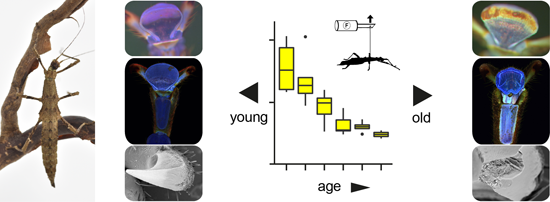
- . aeta. Some arthropod claws, such as those in ticks [69], have been shown to contain small amounts of resilin, an elastomeric protein providing flexibility in cuticle composites [70]. Voigt and Gorb [69] also suspect resilin to occur in other arthropod claws as well, but melanization impedes


Intermixing of MoS2 and WS2 photocatalysts toward methylene blue photodegradation
Beilstein J. Nanotechnol. 2024, 15, 817–829, doi:10.3762/bjnano.15.68
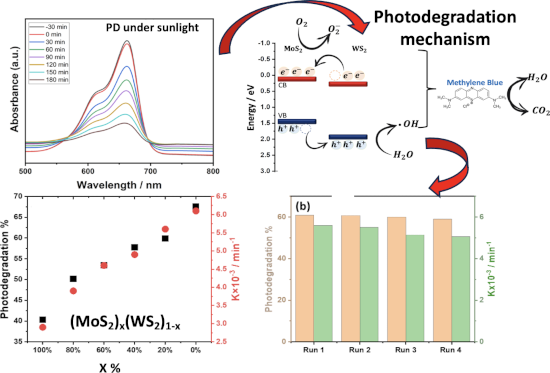
- technique, involving multiple processing stages. This ends up increasing the overall costs of production and creates a real challenge [25]. One can note the very high amount of catalyst used to degrade a small MB concentration. Besides, other studies have shown that WS2/polypyrrole composites synthesized by
- and XWS2 are the same properties for MoS2 and WS2, and rMoS2 and rWS2 the ratios in the mixture. The 100% MoS2 showed the lowest PD performance, indicating that the photocatalytic effect of MoS2/WS2 composites is directed by the presence of WS2. Next, we examined the recyclability of the best
- . Those authors have used other mixed composites such as MoS2-GO and MoS2-ZnO prepared by the hydrothermal [22][23] method with photocatalyst loading of 10 to 100 mg, which is ten to hundredfold higher than the ones used for the current PD study. Furthermore, this study allowed higher stability of the


Simultaneous electrochemical determination of uric acid and hypoxanthine at a TiO2/graphene quantum dot-modified electrode
Beilstein J. Nanotechnol. 2024, 15, 719–732, doi:10.3762/bjnano.15.60
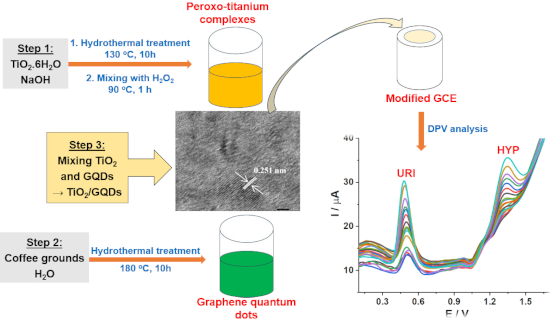
- lithium-ion storage performance of C-GQDs/α-Fe2O3 composites in lithium batteries presented excellent cyclability and rate capability [19]. Among several chemical approaches for the synthesis of titania, sol–gel processes have been commonly used for practical application. In these sol–gel methods
- /GQDs. This is possibly because of the low content of GQDs in the composites, which clearly indicates that GQDs do not affect significantly TiO2 crystal structure. Figure 2c presents the Raman spectra of the obtained materials. Four characteristic Raman-active Eg, B1g, A1g, and Eg modes of anatase TiO2
- Figure 3d were identified by HRTEM with an interplanar distance of (101) planes of 0.251 nm, which has also been revealed by XRD of TiO2 in anatase form. To further determine the composition of the prepared TiO2/GQDs composites, EDX mapping was used (Figure 4). The obtained results reveal that TiO2/GQDs


Laser synthesis of nanoparticles in organic solvents – products, reactions, and perspectives
Beilstein J. Nanotechnol. 2024, 15, 638–663, doi:10.3762/bjnano.15.54
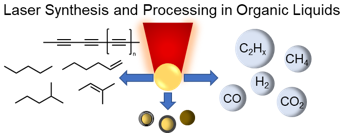
- conditions during LSPC in organic liquids are quite different. The solvent molecules themselves as well as the created hydrocarbons can adsorb on the nanoparticle surface and act as ligands. If a carbon shell is formed, it can be amorphous or onion-like graphitic. In addition, composites such as carbides