
Search results
Search for "conductivity" in Full Text gives 673 result(s) in Beilstein Journal of Nanotechnology. Showing first 200.
Multifunctional anionic nanoemulsion with linseed oil and lecithin: a preliminary approach for dry eye disease
Beilstein J. Nanotechnol. 2025, 16, 1711–1733, doi:10.3762/bjnano.16.120

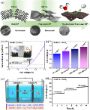
- mL·min−1, using sealed aluminum pans (T181206 and T181128). Droplet size, polydispersity index, zeta potential, and conductivity Droplet size and polydispersity index (PdI) of the formulations were measured 24 h after preparation using dynamic light scattering with a Zetasizer Nano-ZS ZEN 3600 (Malvern
- Instruments, UK) at 25 °C. Before analysis, the samples were diluted 1:1000 with Milli-Q water, a standard dilution used to prevent multiple scattering without compromising micelle integrity. Measurements were performed at a 173° backscatter detection angle. Zeta potential and electrical conductivity were
- emulsion, if the component proportions in its formulation are adjusted to enhance stability. In this context, as an initial approach, different concentrations of lecithin were evaluated in pre-formulations (pre-emulsions). The results for particle size, polydispersity index, electrical conductivity, zeta



Ambient pressure XPS at MAX IV
Beilstein J. Nanotechnol. 2025, 16, 1677–1694, doi:10.3762/bjnano.16.118

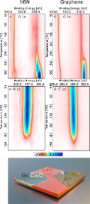
- intercalate beneath graphene at around 220 °C, initiating a slower, undercover oxidation of copper to Cu2O. This process is a galvanic reaction facilitated by graphene’s high conductivity, enabling electron transfer from copper to oxygen atoms. However, the graphene/Cu2O hybrid structure slows further





Nanotechnology-based approaches for the removal of microplastics from wastewater: a comprehensive review
Beilstein J. Nanotechnol. 2025, 16, 1607–1632, doi:10.3762/bjnano.16.114
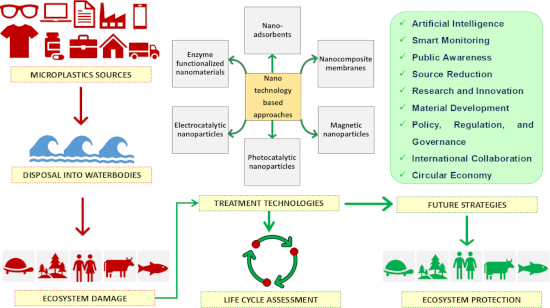
- area and layered, folded structures. These 2D materials are known for their chemical robustness, surface functionality, hydrophilicity, excellent electrical conductivity, and eco-friendly nature. Due to these properties, MXenes, particularly titanium carbide derivatives (Ti3C2Tx), have become widely


Bioinspired polypropylene-based functionally graded materials and metamaterials modeling the mistletoe–host interface
Beilstein J. Nanotechnol. 2025, 16, 1592–1606, doi:10.3762/bjnano.16.113
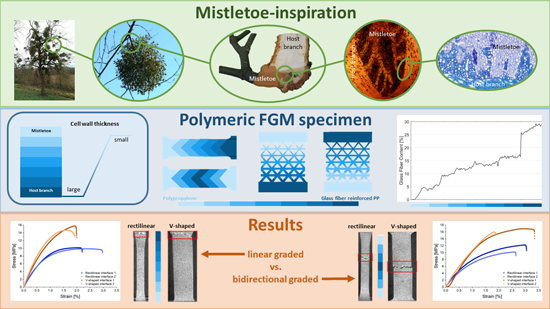
- pressure during hot pressing also play a crucial role in the development of stable materials. The thermal conductivity is reduced by increasing the glass fiber content; thus, the molecular movement of the polymer is reduced, which affects the tensile modulus and the maximal strength of the material [41


Transient electronics for sustainability: Emerging technologies and future directions
Beilstein J. Nanotechnol. 2025, 16, 1545–1556, doi:10.3762/bjnano.16.109
- challenges for applications requiring complete resorption within a short timeframe. In terms of electrical conductivity, bioresorbable metals still lag conventional interconnect materials such as copper, gold, and silver, showing reductions of up to 1.96- to 3.65-fold [60]. Despite these limitations
- conductivity and mechanical integrity, tend to gradually decline as the materials begin to degrade. This biodegradation is driven by the chemical nature of the materials and may occur through mechanisms such as hydrolysis, oxidation, or enzymatic reactions. The rate and pattern of performance deterioration are
- limited, both in terms of material diversity and tunability of properties such as bandgap and conductivity. To achieve truly multifunctional and reliable bioresorbable systems, future research must expand the material library to encompass semiconductors with varying bandgaps, high-conductivity metals with


Influence of laser beam profile on morphology and optical properties of silicon nanoparticles formed by laser ablation in liquid
Beilstein J. Nanotechnol. 2025, 16, 1533–1544, doi:10.3762/bjnano.16.108
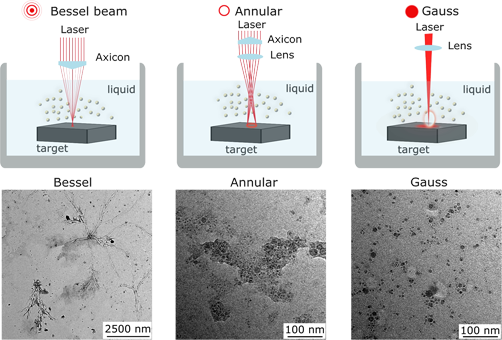
- , repetition rate, and liquid composition. The parameters of the ablated target, such as its optical characteristics and conductivity/resistivity, might also have a pronounced impact on size and morphology of the produced NPs. As demonstrated in [12], femtosecond laser ablation of silicon with varying


Dendrimer-modified carbon nanotubes for the removal and recovery of heavy metal ions from water
Beilstein J. Nanotechnol. 2025, 16, 1522–1532, doi:10.3762/bjnano.16.107
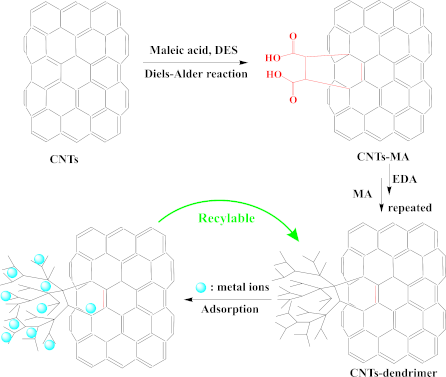
- application in numerous fields [18][19][20][21][22][23]. CNTs are particularly attractive as support materials due to their high specific surface area, mechanical strength, and excellent electrical and thermal conductivity [24][25][26][27]. CNTs themselves have been utilized as adsorbents for removing heavy


Laser processing in liquids: insights into nanocolloid generation and thin film integration for energy, photonic, and sensing applications
Beilstein J. Nanotechnol. 2025, 16, 1428–1498, doi:10.3762/bjnano.16.104
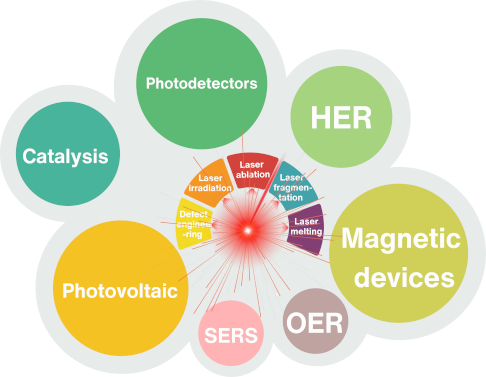
- illustrations of the pulsed laser heating mechanism are presented in Figure 7f,g. Factors such as laser fluence, irradiation time, and solvent properties, such as dielectric constant and thermal conductivity, must be carefully controlled to optimize nanoparticle formation [49][68][69][75]. Other factors like






The role of biochar in combating microplastic pollution: a bibliometric analysis in environmental contexts
Beilstein J. Nanotechnol. 2025, 16, 1401–1416, doi:10.3762/bjnano.16.102
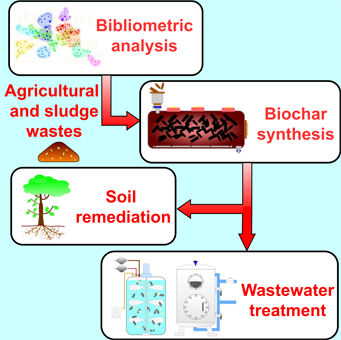
- -stable aggregates by approximately 20% and a decline in saturated hydraulic conductivity by up to 70%. Moreover, the water content in soil at field capacity decreases between 10% and 65%, depending on soil texture, MP concentration, and size distribution [56]. Biochar application has shown potential in



Synthesis and antibacterial properties of nanosilver-modified cellulose triacetate membranes for seawater desalination
Beilstein J. Nanotechnol. 2025, 16, 1380–1391, doi:10.3762/bjnano.16.100
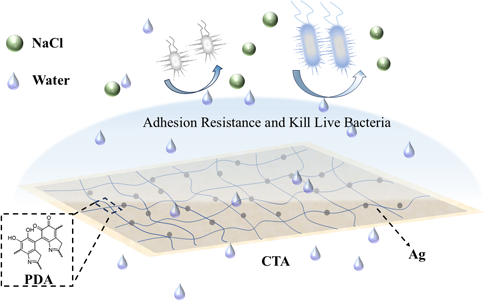
- (FE-SEM, JEOS JSM6700F). An InoLab Cond 7310 conductivity meter was used to measure ion concentration. Fabrication of CTA membrane The membranes were prepared according to previous protocols with modifications [67]. Initially, the raw materials for the CTA film were dried in a vacuum oven at 80 °C for
- conductivity of the solution using a conductivity meter. (a) FTIR spectra of PDA, CTA, PCTA, and Ag@PCTA and (b) enlarged view of the FTIR region from 4000 to 2800 cm−1 for CTA, PCTA, and Ag@PCTA. (a) 13C NMR spectra and (b–d) TGA and DTA curves of CTA, PCTA, and Ag@PCTA. (a) XPS wide scan spectrum of CTA


Wavelength-dependent correlation of LIPSS periodicity and laser penetration depth in stainless steel
Beilstein J. Nanotechnol. 2025, 16, 1302–1315, doi:10.3762/bjnano.16.95
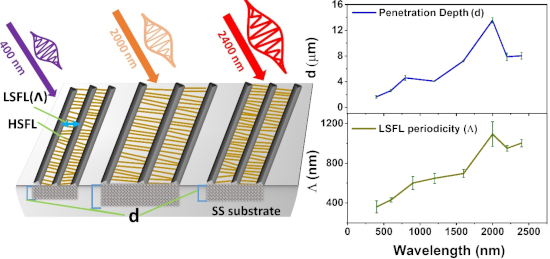
- wavelength and decreases with increasing metal conductivity [53]. In the literature, most researchers used high-intensity pulse lasers for works on laser welding and substrate melting [57][58][61][63][64][65][66][67]. However, we could not find any experimental works dedicated to unraveling the penetration




Enhancing the photoelectrochemical performance of BiOI-derived BiVO4 films by controlled-intensity current electrodeposition
Beilstein J. Nanotechnol. 2025, 16, 1289–1301, doi:10.3762/bjnano.16.94
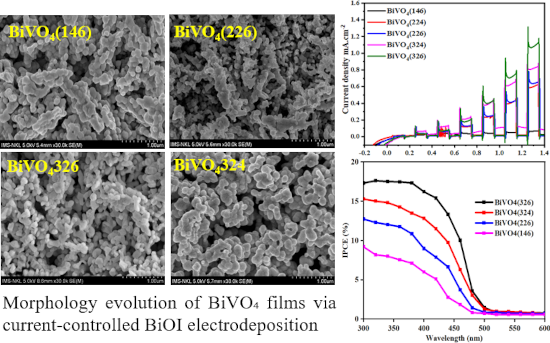
- absorption, moderate bandgap (≈2.4 eV), high theoretical photocurrent density (≈7.5 mA·cm−2), and chemical stability in aqueous environments [7][8][9]. Nevertheless, BiVO4 suffers from intrinsic drawbacks such as low charge carrier mobility, limited conductivity, and rapid recombination of photogenerated



Acrocomia aculeata oil-loaded nanoemulsion: development, anti-inflammatory properties, and cytotoxicity evaluation
Beilstein J. Nanotechnol. 2025, 16, 1277–1288, doi:10.3762/bjnano.16.93
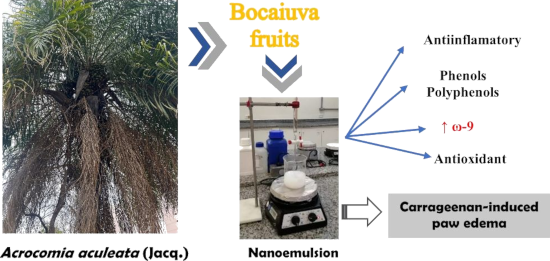
- 80®: Tween 80®), and 90% deionized water. The organic phase, composed of bocaiúva oil and surfactants, was stirred at 400 rpm at 35 °C for 20 min. The aqueous phase (deionized water with conductivity below 0.4 μS and pH 6.5) was added to the organic phase at 1 mL/min under continuous magnetic


Electronic and optical properties of chloropicrin adsorbed ZnS nanotubes: first principle analysis
Beilstein J. Nanotechnol. 2025, 16, 1184–1196, doi:10.3762/bjnano.16.87
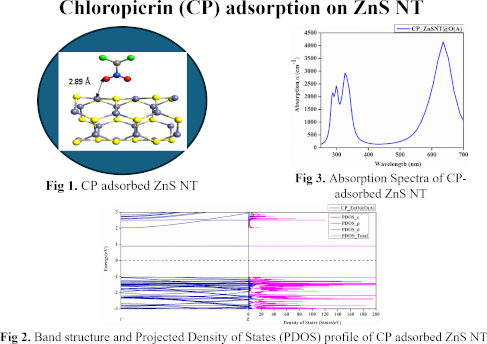
- , optical absorption, and optical conductivity of the ZnS NT-CP system. Our findings reveal that the interaction between CP and ZnS NT induces notable changes in the electronic and optical properties of the nanotube, including a substantial bandgap reduction of up to ≈40% for the specific orientation A. The
- spectra and optical conductivity peaks, highlight the potential of ZnS NT for designing sensitive and reusable CP gas sensors. Keywords: chemical sensor; chloropicrin (CP); density functional theory; zinc sulfide nanotubes (ZnS NTs); Introduction Chloropicrin (CP), also known as trichloronitromethane
- ][30][31][32][33][34][35]. ZnS NTs are well-suited for gas sensing applications owing to their unique features. These include a high surface area for enhanced gas adsorption, semiconducting properties that enable measurable conductivity changes in the presence of target gases, and their ability to form



Crystalline and amorphous structure selectivity of ignoble high-entropy alloy nanoparticles during laser ablation in organic liquids is set by pulse duration
Beilstein J. Nanotechnol. 2025, 16, 1141–1159, doi:10.3762/bjnano.16.84
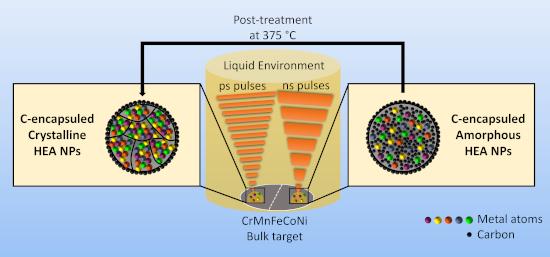
- ; therefore, the durations for the Cantor alloy may differ due to lower thermal conductivity [101][102] and different electron–phonon-coupling strength. Although statistical quantification of carbon content inside the core structures of HEA nanoparticles requires further in-depth analysis with specialized




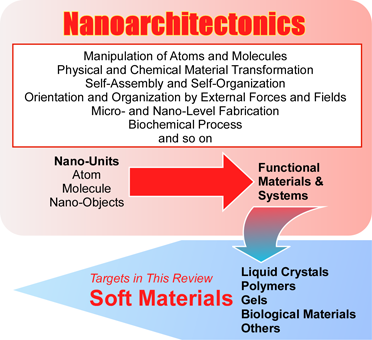
Soft materials nanoarchitectonics: liquid crystals, polymers, gels, biomaterials, and others
Beilstein J. Nanotechnol. 2025, 16, 1025–1067, doi:10.3762/bjnano.16.77
- . The following examples illustrate the potential of nanoarchitectonics based on plastic crystals. Solid electrolytes can be used safely in secondary magnesium batteries but show lower ionic conductivity compared to conventional liquid electrolytes. A class of solid electrolyte known as organic ionic
- plastic crystals exhibits exceptional thermal stability, electrochemical stability, and ionic conductivity, making it a promising option. Yoshizawa-Fujita and co-authors investigated the impact of anion species and Mg salt concentration on the characteristics of pyrrolidinium-based organic ionic plastic
- as new organic solid electrolyte materials. However, their practical application remains elusive due to insufficient mechanical strength and ionic conductivity. Yoshizawa-Fujita and colleagues introduced a lithium salt, lithium bis(fluorosulfonyl)amide, and an inorganic solid electrolyte






Multifunctional properties of bio-poly(butylene succinate) reinforced with multiwalled carbon nanotubes
Beilstein J. Nanotechnol. 2025, 16, 1014–1024, doi:10.3762/bjnano.16.76
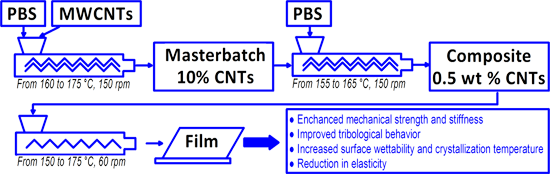
- strength, thermal stability, and biodegradability. However, to broaden its range of applications, certain properties require enhancement, including mechanical performance, thermal and electrical conductivity, biodegradation rate, and barrier properties [1][2][3][4][5]. The limited biodegradability of PBS
- , 2, and 3 wt % of MWCNTs functionalized with carboxyl groups with PBS in a batch mixer resulted in a uniform distribution of agglomerated MWCNTs within the polymer matrix, an increase in the storage modulus, and enhanced electrical conductivity of PBS. Moreover, MWCNTs had a significant effect on the
- temperatures, while impact strength showed a slight decrease [18]. MWCNTs modified with poly(sodium 4-styrenesulfonate) increased the crystallization temperature of PBS by 14 °C even at a concentration of 0.05 wt % [22]. Moreover, a significant increase in electrical conductivity was observed at an MWCNT


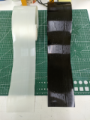

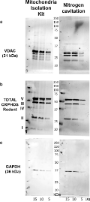
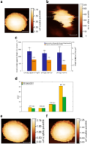
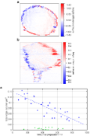
Shape, membrane morphology, and morphodynamic response of metabolically active human mitochondria revealed by scanning ion conductance microscopy
Beilstein J. Nanotechnol. 2025, 16, 951–967, doi:10.3762/bjnano.16.73
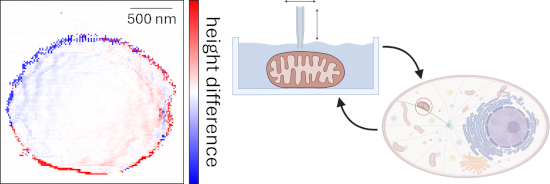
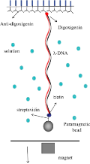
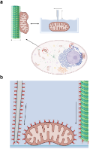
- cation layer on their surfaces, which is responsible for ionic conductivity in physiological media (Figure 8b). Microtubules align along direct current electric field lines and can be vibrationally excited at megahertz frequencies by electric dipole antennas [46]. Other relevant properties include



Synthesis of biowaste-derived carbon-dot-mediated silver nanoparticles and the evaluation of electrochemical properties for supercapacitor electrodes
Beilstein J. Nanotechnol. 2025, 16, 933–943, doi:10.3762/bjnano.16.71
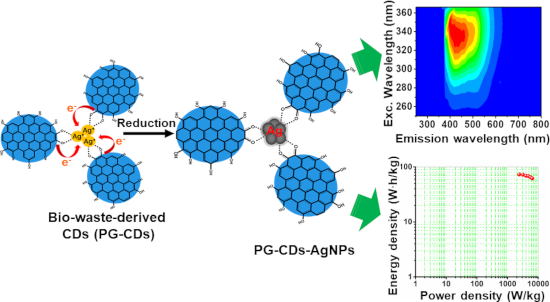
- density, quick charge/discharge capacity, and an outstanding retention rate. Nanocarbons are the appropriate candidates for EDLCs due to their high surface charge-storage ability and high conductivity [8][9][10]. The development of electrode materials with an efficient EDLC and pseudocapacitor properties
- in electrochemical energy storage applications given their exceptional chemical durability, high electronic conductivity, and surface chemical characteristics. Due to these characteristics, AgNPs possess the capacity to function as the electrode material for supercapacitors. Numerous reports have


Structural and magnetic properties of microwave-synthesized reduced graphene oxide/VO2/Fe2O3 nanocomposite
Beilstein J. Nanotechnol. 2025, 16, 921–932, doi:10.3762/bjnano.16.70
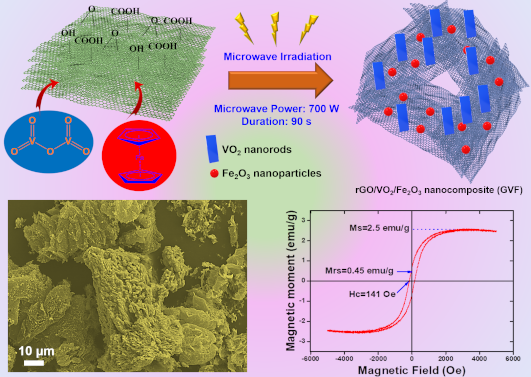
- in a honeycomb fashion enabled this special class of materials to exhibit desirable characteristics, such as enhanced electrical conductivity, higher mechanical strength, elevated surface area, and high thermal and chemical stability. Owing to such improved characteristics, graphene materials


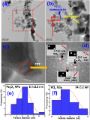

Heat-induced transformation of nickel-coated polycrystalline diamond film studied in situ by XPS and NEXAFS
Beilstein J. Nanotechnol. 2025, 16, 887–898, doi:10.3762/bjnano.16.67
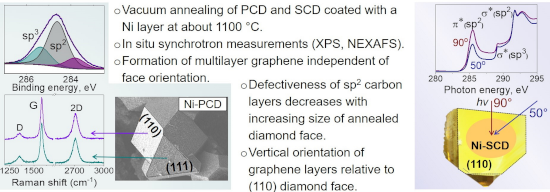
- their distinct atomic structures. Diamond is a wide bandgap semiconductor, which makes it resistant to high voltages and ionizing radiation. In contrast, graphitic materials demonstrate excellent electrical conductivity. This divergence in physical properties has encouraged significant interest in


Synchrotron X-ray photoelectron spectroscopy study of sodium adsorption on vertically arranged MoS2 layers coated with pyrolytic carbon
Beilstein J. Nanotechnol. 2025, 16, 847–859, doi:10.3762/bjnano.16.64
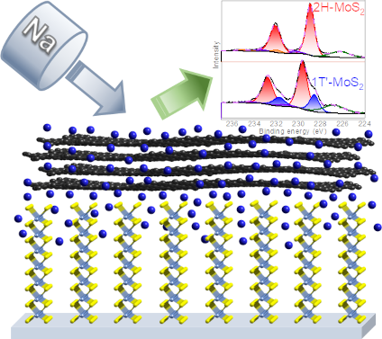
- resulting in low electrical conductivity and huge volume expansion of the anode material limits the application of MoS2 anodes in high-energy SIBs. Thus, the main issues that need to be addressed for SIBs with MoS2 anodes are long-term stability and high rate performance. Conducting graphitic-like carbon
- additives have been proposed as an effective way to solve the problem of electrical conductivity and stability of MoS2 anodes [6]. To date, several hybrid MoS2–carbon anode materials have been developed, which have demonstrated excellent cycling stability and rate performance in SIBs, as well as high
- was shown that carbon coating on MoS2 particles prevents their aggregation, increases conductivity and reduces structural expansion during electrochemical cycling [21][27]. Hybrid materials consisting of vertically oriented MoS2 layers and graphitic carbon coating with horizontal layer orientation


Facile one-step radio frequency magnetron sputtering of Ni/NiO on stainless steel for an efficient electrode for hydrogen evolution reaction
Beilstein J. Nanotechnol. 2025, 16, 837–846, doi:10.3762/bjnano.16.63
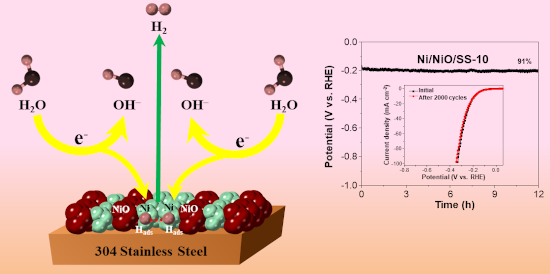
- operation. The high efficiency is attributed to the collaborative work of the NiO and Ni metal components and the good electrical conductivity of SS, which is advantageous for dissociative adsorption of water molecules, recombination of hydrogen atoms, and improvement of electronic/ionic motion. This work
- substrates such as nickel foam (NF), carbon cloth, and fluorine-doped tin oxide [27][28][29]. Also, SS displays high electrical conductivity, outstanding chemical stability, and good mechanical properties. Therefore, numerous researchers have used SS as a template to deposit nanomaterials using various
- NiO phases, metallic Ni, and high conductivity of SS, which is advantageous for the Volmer step in alkaline solution, the combination of adsorbed H atoms, and electron transport in the catalytic process. These conclusions guide the fabrication of binder-free, robust, affordable electrocatalysts using
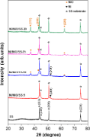


Synthesis and magnetic transitions of rare-earth-free Fe–Mn–Ni–Si-based compositionally complex alloys at bulk and nanoscale
Beilstein J. Nanotechnol. 2025, 16, 823–836, doi:10.3762/bjnano.16.62
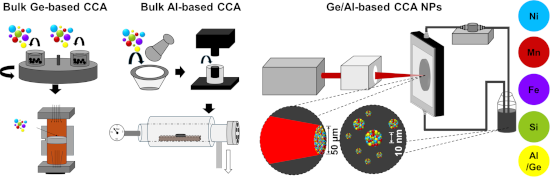
- ). This difference can be attributed to variations in alloy composition and material properties, which influence the ablation plume dynamics and particle formation kinetics during PLAL. Specifically, the thermal properties, such as melting point and heat conductivity, and the volatility of the alloy


Thickness dependent oxidation in CrCl3: a scanning X-ray photoemission and Kelvin probe microscopies study
Beilstein J. Nanotechnol. 2025, 16, 749–761, doi:10.3762/bjnano.16.58
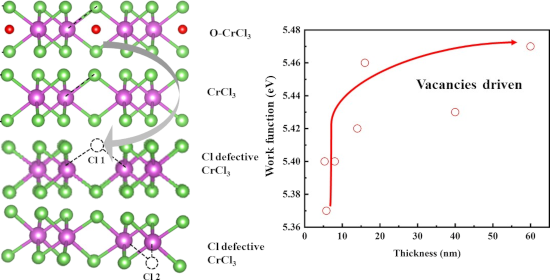
- work begun with the spatially resolved photoemission measurements on the ITO substrate, for the obvious reasons related to the higher conductivity and a better contrast to individuate the flakes, we analyzed flakes in Figure 9, in which the thickness is plotted as a function of the position on the
- , guaranteeing the necessary conductivity during the photoemission process. The 190 nm thickness was also important during the process of optical selection by showing significant contrast in an optical microscope (×50 magnification), helping a better localization of thin flakes. The SPEM measurements were