

Search results
Search for "oxidation" in Full Text gives 785 result(s) in Beilstein Journal of Nanotechnology. Showing first 200.
Durable antimicrobial activity of fabrics functionalized with zeolite ion-exchanged nanomaterials against Staphylococcus aureus and Escherichia coli
Beilstein J. Nanotechnol. 2026, 17, 262–274, doi:10.3762/bjnano.17.18
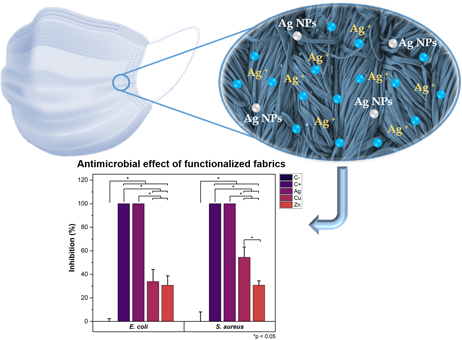
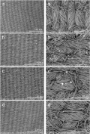
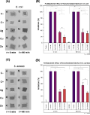
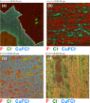
- fabrics that were exposed to sunlight (Figure 4Ah and Figure 4Ch). This suggests that the Ag+ ions and small Ag NPs localized on the surface may undergo oxidation due to sunlight exposure. Cu/CBV-600 and Zn/CBV-600 nanomaterials exhibited a weaker antibacterial effect compared to AgCBV-600, particularly




Multilayered hyperbolic Au/TiO2 nanostructures for enhancing the nonlinear response around the epsilon-near-zero point
Beilstein J. Nanotechnol. 2026, 17, 251–261, doi:10.3762/bjnano.17.17
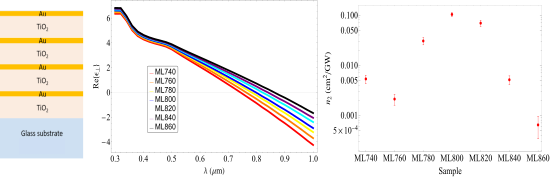
- . Considering our previous findings, in this work, we decided to change the fabrication methods and the metal used to avoid possible contamination due to oxidation. We chose to use gold instead of ruthenium because it is easier to deposit and has the correct permittivity to create a HMM. Gold also has a low
- oxidation rate, allowing us to avoid any changes in permittivity due to oxidation during the fabrication process. We kept using titanium dioxide because, during the simulation stage, we found that its permittivity allowed us to keep the overall sample thickness low. Also, during the fabrication process, we


Gold nanoparticle-decorated reduced graphene oxide as a highly effective catalyst for the selective α,β-dehydrogenation of N-alkyl-4-piperidones
Beilstein J. Nanotechnol. 2026, 17, 218–238, doi:10.3762/bjnano.17.15
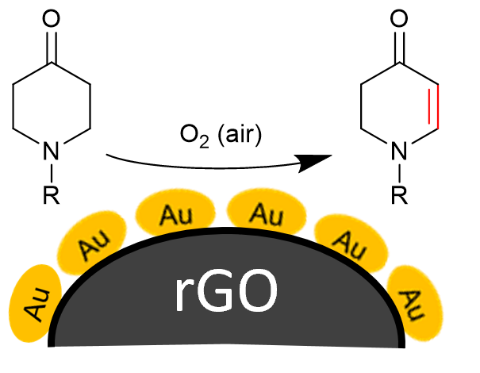
- Au@SiW9/rGO exhibited the highest catalytic activity for the selective oxidation reaction despite containing the lowest gold loading. These findings highlight the exceptional performance of rGO as a support for AuNP catalysts and provide valuable insights for designing efficient Au-based systems for
- development of highly efficient catalysts is of constant interest for advancements in organic chemistry, particularly in oxidation, hydrogenation, and coupling reactions. Gold nanoparticles (AuNPs) have emerged as exceptionally effective catalysts for facilitating these types of reactions [3][4]. The unique
- emerged as stabilizing ligands for nanoparticles offering distinct structural and electronic advantages. They are widely utilized in various catalytic processes, including oxidation, acid–base, and photocatalysis [8][9] POMs have been extensively employed for stabilizing and decorating small metal


Time of flight secondary ion mass spectrometry imaging of contaminant species in chemical vapour deposited graphene on copper
Beilstein J. Nanotechnol. 2026, 17, 200–213, doi:10.3762/bjnano.17.13
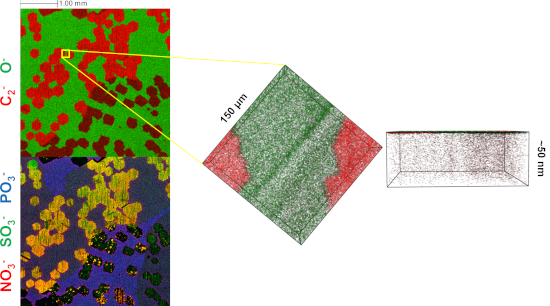
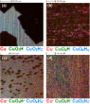
- growth of the graphene; in particular, the accumulation of contaminations present in the copper foil, which has implications for the potential electrical properties of the graphene. We also observe variations in the permeation of oxygen underneath the graphene layers, resulting in oxidation of the copper
- substrate, depending on processing conditions employed and the chemical species present on the surface. This has implications for the gas permeation barrier properties of this material, graphene transfer mechanisms, as well as the effectiveness of using the oxidation of the copper foil as a rapid graphene
- directly under the graphene after post-growth exposure to atmosphere. This could have implications for better understanding transfer mechanisms that rely on oxidation of the Cu substrate [39][40], defect characterisation [41], or the heat dissipation ability of graphene on Cu [42]. Methods CVD graphene





Structure-dependent thermochromism of PAZO thin films: theory and experiment
Beilstein J. Nanotechnol. 2026, 17, 186–199, doi:10.3762/bjnano.17.12
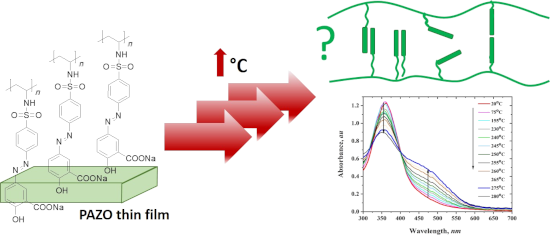
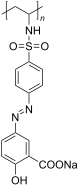
- appearing at ≈975 cm−1, 1590 cm−1, and in the range of 2500–3500 cm−1, are observed. These observations do not provide enough data to determine the exact changes produced in the polymer chain during thermal treatment, but some oxidation processes cannot be completely ruled out. As mentioned in the


Functional surface engineering for cultural heritage protection: the role of superhydrophobic and superoleophobic coatings – a comprehensive review
Beilstein J. Nanotechnol. 2026, 17, 63–96, doi:10.3762/bjnano.17.6
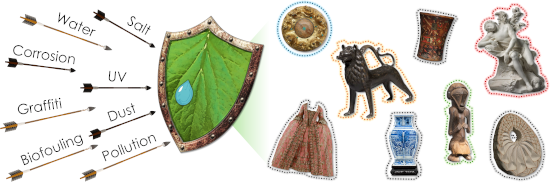
- , among which Paraloid B-72 has been one of the most extensively used, and is still widely utilized nowadays, even though it easily experiences several ageing effects, such as yellowing due to photo-oxidation processes [30]. In general, protective coatings applied to cultural heritage artifacts must serve
- degradation, assessing the coatings’ efficiency in UV protection. B72 exhibited significant photodegradation, with an increase in carbonyl index, indicating the formation of oxidation products via chain scission and radical reactions, while AMF showed a decrease in carbonyl index, suggesting crosslinking and
- been published on protective coatings for bronze artworks in outdoor environment. For example, Pellis et al. [77] explored the possibility to modify commercial Paraloid® B44, which degrades over time (its photo-oxidation is often considered an environmental concern), by incorporating nontoxic corrosion






Reduced graphene oxide paper electrode for lithium-ion cells – towards optimized thermal reduction
Beilstein J. Nanotechnol. 2026, 17, 24–37, doi:10.3762/bjnano.17.3
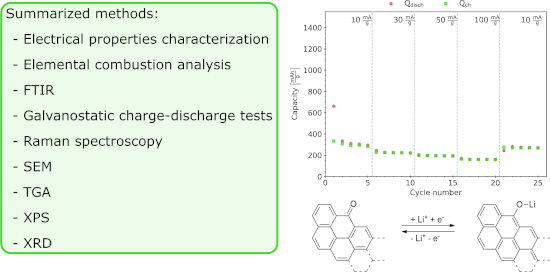
- influenced by graphite oxidation [36]. The D'' peak is related to amorphous phases [36]. As described by Ferrari et al. [45], the G peak refers to sp2-bonded atoms present in both the rings and chains (functional groups). The 2D peak can be considered as representing the second order of this mode [36] or the



Quantitative estimation of nanoparticle/substrate adhesion by atomic force microscopy
Beilstein J. Nanotechnol. 2026, 17, 1–14, doi:10.3762/bjnano.17.1

- oxidation of Cu NPs in ambient air, every sample was kept in a separate vacuum chamber until the AFM measurements. AFM characterization After calibrating the cantilever by either the wedge or the D-LFC method, each sample was immediately measured at the same day. It should be noted that using a sufficiently




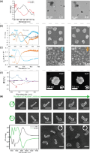
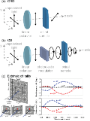
Chiral plasmonic nanostructures fabricated with circularly polarized light
Beilstein J. Nanotechnol. 2025, 16, 2245–2264, doi:10.3762/bjnano.16.154
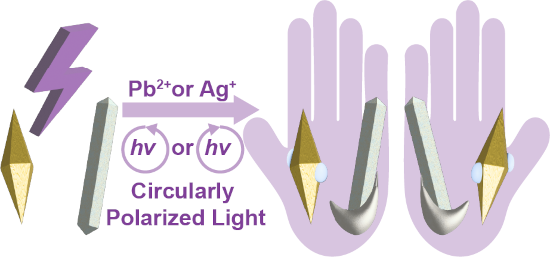
- electron sink, and the hot holes oxidize Pb2+ in solution to form PbO2. The TiO2 substrate is very efficient in removing the unwanted hot electrons to suppress carrier recombination. Ag+ in the reaction mixture eventually consumes these hot electrons. Previous studies have shown that the oxidation of Pb(II
- negative surface electrostatic potential in the vicinity of kink atoms on the surface of Au helicoids led to higher catalytic activity for the oxidation of glucose [22]. Moreover, Au helicoids synthesized with ʟ-glutathione exhibited higher catalytic activity for ʟ-glucose than for ᴅ-glucose. Huang et al







Optical bio/chemical sensors for vitamin B12 analysis in food and pharmaceuticals: state of the art, challenges, and future outlooks
Beilstein J. Nanotechnol. 2025, 16, 2207–2244, doi:10.3762/bjnano.16.153
- , and the β-oxidation of odd-chain fatty acids [34]. This function of Ado-Cbl in the body supports energy production by facilitating the conversion of methylmalonyl-CoA to succinyl-CoA, a key step in the Krebs cycle, which is central to cellular energy generation [61]. The metabolic pathway of VB12 in
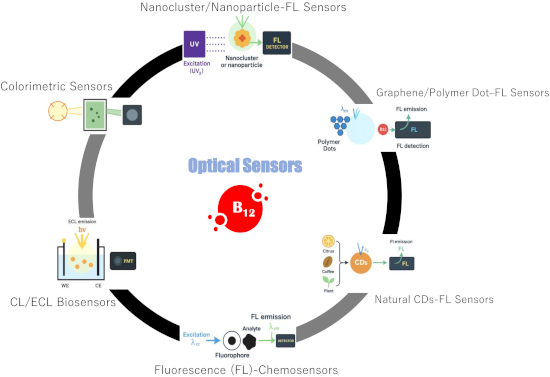
- studies, Murillo Pulgarín et al. evaluated the chemiluminescent determination of VB12 [107][108]. First, a charge-coupled device (CCD) photodetector alongside UV persulfate oxidation within a streamlined continuous flow system was employed for the catalytic enhancement of Co2+ in the reaction between
- , facilitating luminol oxidation in the catalytic presence of AuNPs, thereby generating a potent CL emission. The catalytic action of AuNPs enables the conversion of luminol to luminol radicals via interaction with AgNO3, which subsequently reacts with dissolved oxygen to produce CL emission. This innovative CL


Microplastic pollution in Himalayan lakes: assessment, risks, and sustainable remediation strategies
Beilstein J. Nanotechnol. 2025, 16, 2144–2167, doi:10.3762/bjnano.16.148
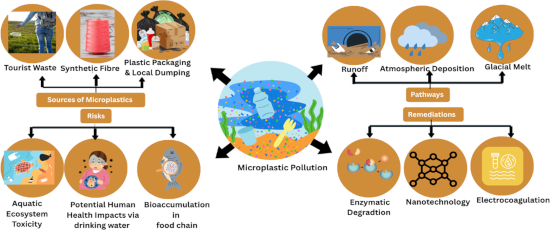
- MPs. They are therefore ideal for use in high-altitude lakes [44]. The goal of chemical methods for MP remediation is to convert polymers into non-toxic substances. Advanced oxidation processes (AOPs) use strong oxidants like ozone, hydrogen peroxide, or hydroxyl radicals to break down MPs [45]. The


The cement of the tube-dwelling polychaete Sabellaria alveolata: a complex composite adhesive material
Beilstein J. Nanotechnol. 2025, 16, 1998–2014, doi:10.3762/bjnano.16.138
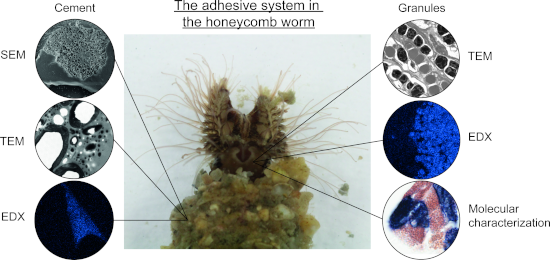
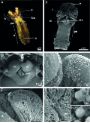
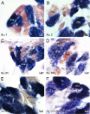
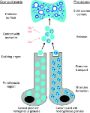
- adhesive protein condensate like the pores in the mussel byssal plaque [36]. This material would be dissolved during sample preparation. After secretion, intermolecular quinone bonds form between adhesive proteins, involving the oxidation of DOPA residues by catechol oxidase enzymes produced by both types




Laser ablation in liquids for shape-tailored synthesis of nanomaterials: status and challenges
Beilstein J. Nanotechnol. 2025, 16, 1963–1997, doi:10.3762/bjnano.16.137
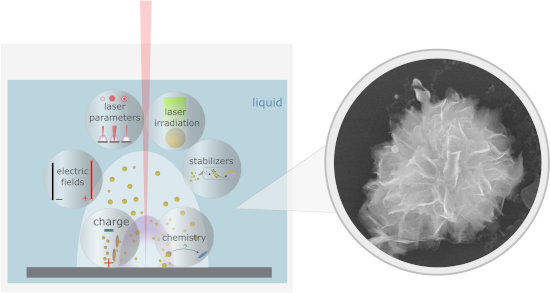
- with the cavitation bubble front into the liquid, the variation of the fraction of NPs in the bubble and in the liquid can be used for controlling NP size, structure, and oxidation degree, as shown in [27]. This can be done by changing the size and pressure in the cavitation bubble by varying the
- liquid composition. If more particles are kept inside the cavitation bubble, which can be achieved, for example, as a result of its larger size, it can be expected that nanostructures with lower degree of oxidation and of different structure can be formed. The larger size of the bubble in [27] was a
- believed to be caused by initiation of hydrolysis reactions on the nanowire tips. As a result of the hydrolysis, Zn(OH)2 and H2Se are produced, the latter can undergo oxidation with oxygen from the purged air that promoted the reactions of hydrolysis. In the next section, the main processes and most recent





Evaluating metal-organic precursors for focused ion beam-induced deposition through solid-layer decomposition analysis
Beilstein J. Nanotechnol. 2025, 16, 1942–1951, doi:10.3762/bjnano.16.135
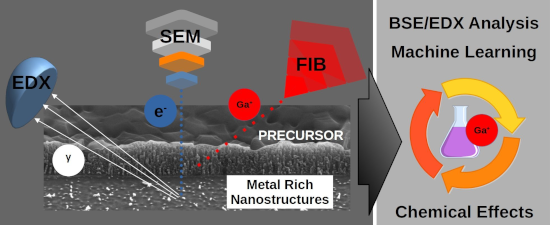
- film composition, metal oxidation states, or actual deposition efficiency. Results are also sensitive to sample purity and ionization conditions, and the method does not replicate the real gas-phase or ion-beam environments encountered in FIBID [27]. One has to mention that testing new metal-organic


Targeting the vector of arboviruses Aedes aegypti with nanoemulsions based on essential oils: a review with focus on larvicidal and repellent properties
Beilstein J. Nanotechnol. 2025, 16, 1894–1913, doi:10.3762/bjnano.16.132
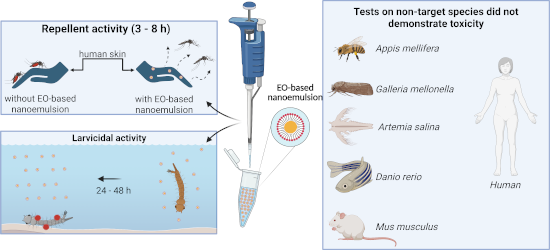
- solubility, high volatility, and intrinsic oxidation sensitivity. Thus, the development of novel formulations to efficiently deliver bioactives represents an innovative approach for Aedes aegypti control. In this context, nanothecnology provides smart formulations with improved drug solubility, controlled
- stress, being easily degradable or evaporated upon exposure to air, light, heat, and humidity during processing, use, or storage [27][28]. Their volatile nature, susceptibility to oxidation, and insolubility in water limit their industrial application [29]. To overcome these limitations
- stood out [34]. These are not affected by moderate changes in pH or temperature, making them ideal for the protection of solubilized bioactives [35]. They also promote the protection of essential oils against oxidation caused by external factors, maintaining or increasing their functional properties [28


Current status of using adsorbent nanomaterials for removing microplastics from water supply systems: a mini review
Beilstein J. Nanotechnol. 2025, 16, 1837–1850, doi:10.3762/bjnano.16.127
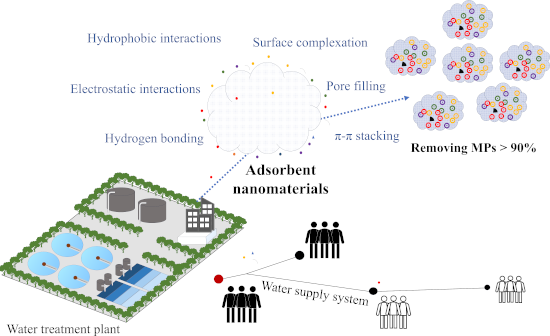
- general and MPs in particular. By using corncob biochar, Abdoul Magid et al. showed an adsorption of polystyrene nanoplastics (PSNPs) of about 19 mg·g−1. The main mechanisms of PSNP adsorption include increased surface area from pyrolysis and oxidation, hydrophobic interactions (fresh biochar), hydrogen


Piezoelectricity of layered double hydroxides: perspectives regarding piezocatalysis and nanogenerators
Beilstein J. Nanotechnol. 2025, 16, 1812–1817, doi:10.3762/bjnano.16.124
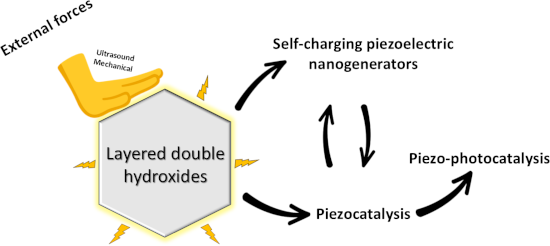
- trivalent cations, which are required to generate the excess positive charge necessary for stabilizing the LDHs structure, the formation of a pure LDH phase appears questionable. Moreover, the authors did not report any subsequent oxidation of nickel or cobalt to the trivalent state that could have
- addition to zinc-aluminum LDHs, piezo-photocatalytic properties have also been studied for Ni/Fe LDH [15]. A Ni/Fe-LDH/Bi2MoO6−x composite has been designed for the piezo-photocatalytic N2 oxidation to NO3−. The obtained material displayed a high nitric acid production rate (7.23 mg·g−1·h−1). Experimental

Electrical, photocatalytic, and sensory properties of graphene oxide and polyimide implanted with low- and medium-energy silver ions
Beilstein J. Nanotechnol. 2025, 16, 1794–1811, doi:10.3762/bjnano.16.123
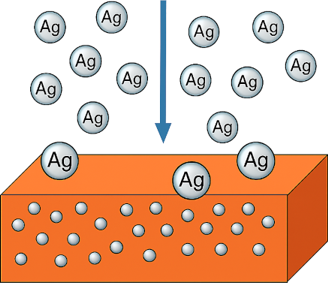
- of oxidized graphene. This structure is the result of an oxidation process that leads to the addition of oxygen functional groups to the surface of graphene and, at the same time, a partial disruption of its original sp2-hybridized structure. The relatively high proportion of C–O and C=O bonds
- indicate a significant oxidation of the surface [24][25]. After implantation of GO with Ag ions at an energy of 20 keV (Figure 5b), significant changes in chemical composition occur. The proportion of C–C bonds increased significantly to 66.65%, while C–O bonds decreased to 12.78% and C=O bonds to 2.83


Exploring the potential of polymers: advancements in oral nanocarrier technology
Beilstein J. Nanotechnol. 2025, 16, 1751–1793, doi:10.3762/bjnano.16.122

- response to internal signals (e.g., oxidation or reduction, enzymatic activity, or low acidity) or external stimuli such as light and temperature [26][27]. This delivery of active ingredients relies on differential biochemical changes, facilitating the development of more precise therapies with improved
- how targeted chemical modifications can enhance the encapsulation capacity and physicochemical protection of sensitive drugs. Such strategies are particularly relevant for the development of PNs for oral administration, where resistance to hydrolysis and oxidation in the gastrointestinal tract is


Multifunctional anionic nanoemulsion with linseed oil and lecithin: a preliminary approach for dry eye disease
Beilstein J. Nanotechnol. 2025, 16, 1711–1733, doi:10.3762/bjnano.16.120

- use can be limited by stability issues like drug leakage, lipid oxidation, and vesicle aggregation, which depend on drug properties and bilayer composition [54]. These challenges are significant regarding chronic topical use. Conversely, micellar nanoemulsions, such as those in this study, offer
- bioactivity. No signs of oxidation or thermal degradation were observed at this temperature. TGA and DSC analyses confirm that degradation processes begin only above 340 °C, ensuring that the oil’s quality and functional properties are preserved during formulation. The optimal lecithin concentration was
- at 25 °C was significantly lower than the value reported by Tariq et al. [75], indicating that the LO used in this study was of higher quality and free from deterioration, oxidation, and adulteration. Heating the LO to 75 °C had no significant impact on the AV, which remained stable at this




Ambient pressure XPS at MAX IV
Beilstein J. Nanotechnol. 2025, 16, 1677–1694, doi:10.3762/bjnano.16.118

- case studies from MAX IV’s APXPS beamlines. We will not concentrate on the typical reactions (e.g., CO oxidation, ethylene epoxidation, and methanol oxidation) already deeply reviewed elsewhere [5][12][13]. We will instead discuss a few catalysis niche cases dealing with complex catalytic reactions and
- transition metal dichalcogenides [30] are widely studied for this purpose. Boix, Knudsen and collaborators combined APXPS with gas pulsing with varied composition to repeatedly form and remove undercover reaction products. Specifically, they studied CO and H2 oxidation below oxygen-intercalated graphene
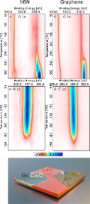
- , bare copper rapidly oxidized to Cu2O at room temperature and further to CuO at ~200 °C. However, with hBN or graphene layers, oxidation was significantly delayed. Both 2D materials retard the oxidation of Cu by more than 120 °C, but with different kinetics. The behavior of hBN/Cu is relatively simple






Nanotechnology-based approaches for the removal of microplastics from wastewater: a comprehensive review
Beilstein J. Nanotechnol. 2025, 16, 1607–1632, doi:10.3762/bjnano.16.114
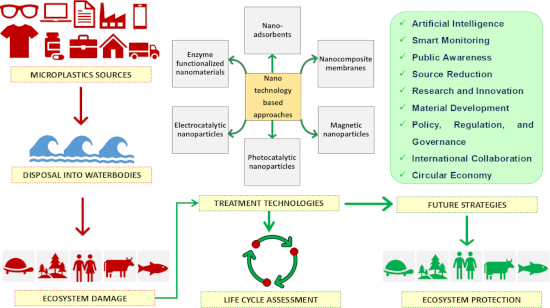
- contamination. Meanwhile, a more sustainable solution remains essential for the future. In recent years, extensive research has focused on several processing technologies, including coagulation, advanced oxidation processes, microbial degradation, membrane bioreactor, rapid sand filtration, and dissolved air
- particles, enhancing their removal through settling or filtration [52]. Biological treatments can entrap or partially degrade plastics via microbial activity, though typically with limited efficiency for persistent polymers. Advanced oxidation processes offer a more robust route for plastic degradation by
- generating highly reactive radicals through techniques such as Fenton and photo-Fenton reactions, UV/H2O2 systems, ozonation, TiO2, photocatalysis, and electrochemical oxidation [53]. These methods hold potential for breaking down MPs into smaller, less harmful by products, although optimization and



Photocatalytic degradation of ofloxacin in water assisted by TiO2 nanowires on carbon cloth: contributions of H2O2 addition and substrate absorbability
Beilstein J. Nanotechnol. 2025, 16, 1567–1579, doi:10.3762/bjnano.16.111
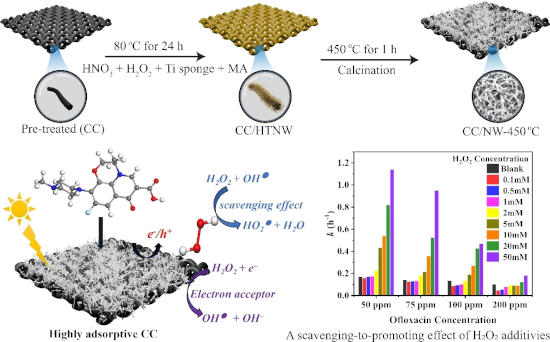
- and engineering. Conventional treatment approaches, including adsorption, membrane separation, and biological methods, are largely inadequate for antibiotics such as OFL [6][7]. This limitation highlights the need for advanced oxidation processes, with a particular emphasis on TiO2-based
- investigation, we extend the application to drug pollution treatments with OFL as a model molecule. Since H2O2 produces reactive oxygen species (ROS), which promote the oxidation and degradation of OFL, H2O2 was introduced into the system to increase the photocatalytic efficiency, and the impacts of its
- evaporation upon the decomposition of hydrogen titanate, according to Equation 4. The surface composition and oxidation states of TiO2 nanowires on carbon cloth (CC/NW-450 °C) and CC/HTNW were examined by XPS (Figure 4). The survey spectrum confirms the presence of Ti, O, and C (Figure 4a) in both samples


Transient electronics for sustainability: Emerging technologies and future directions
Beilstein J. Nanotechnol. 2025, 16, 1545–1556, doi:10.3762/bjnano.16.109
- conductivity and mechanical integrity, tend to gradually decline as the materials begin to degrade. This biodegradation is driven by the chemical nature of the materials and may occur through mechanisms such as hydrolysis, oxidation, or enzymatic reactions. The rate and pattern of performance deterioration are


Influence of laser beam profile on morphology and optical properties of silicon nanoparticles formed by laser ablation in liquid
Beilstein J. Nanotechnol. 2025, 16, 1533–1544, doi:10.3762/bjnano.16.108
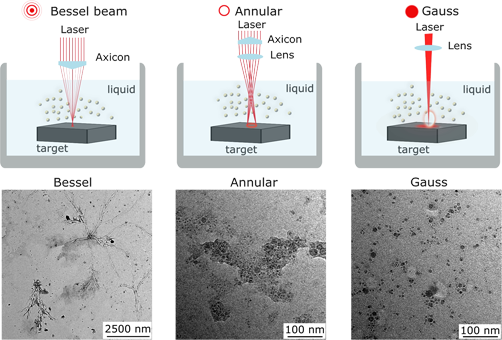
- hatch spacing of 0.6 mm. Ethanol as a working liquid minimized oxidation and carburization of the formed NPs. Laser ablation was performed using three different spatial profiles Bessel (Figure 1a), annular (Figure 1b), and Gaussian (Figure 1c). The Bessel beam (Figure 1a) was produced using an axicon